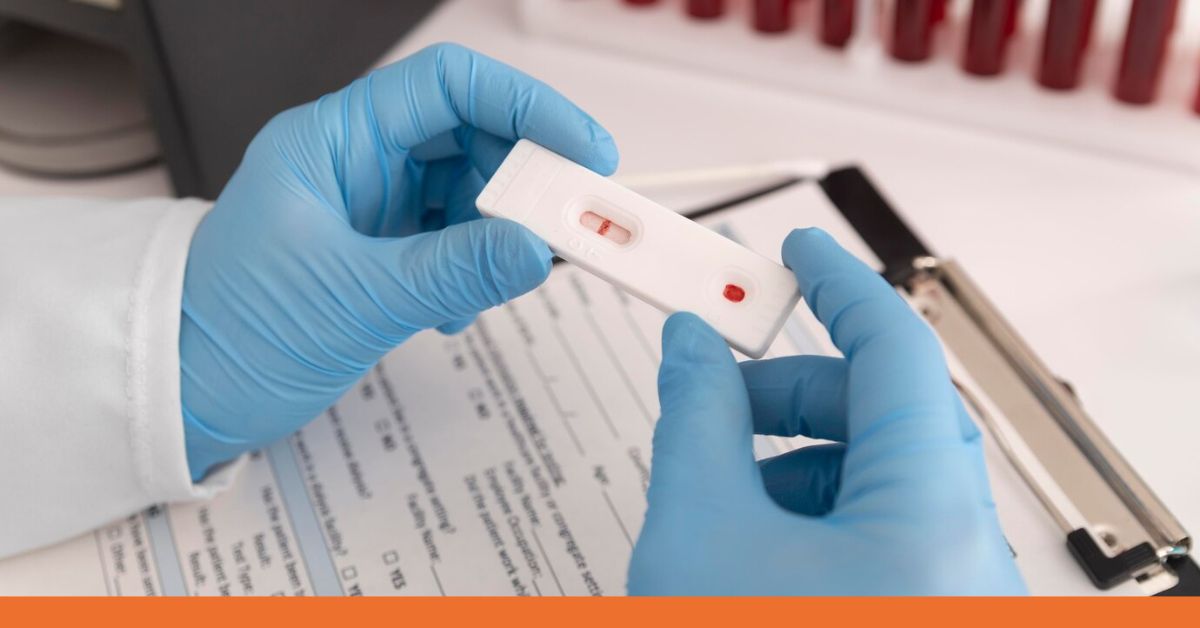
9 Tips To Handle a Positive STD Diagnosis: A Guide to STD Testing in Southington, CT

9 Tips To Handle a Positive STD Diagnosis: A Guide to STD Testing in Southington, CT

9 Tips To Handle a Positive STD Diagnosis: A Guide to STD Testing in Southington, CT

9 Tips To Handle a Positive STD Diagnosis: A Guide to STD Testing in Southington, CT

Living in a world where sexually transmitted diseases (STDs) are prevalent, it’s crucial to prioritize regular STD testing in Southington, CT. Early detection and diagnosis can lead to timely treatment, reducing the risk of complications and transmission. However, receiving a positive STD diagnosis can be emotionally challenging. 

In this blog, we will provide nine practical tips to cope with a positive STD diagnosis and maintain a positive outlook on life. If you are seeking STD testing in Southington, CT, we’ve got you covered with essential information about local testing facilities.

The Importance of Seeking Professional Support

Receiving a positive STD diagnosis can be overwhelming, and seeking professional support is essential. Trained healthcare professionals in Southington, CT, can provide accurate information about the specific STD, available treatment options, and potential long-term implications. Early treatment and management are vital for maintaining health and preventing further transmission. Don’t hesitate to schedule an appointment for STD testing in Southington, CT, to take charge of your sexual health.

1. Allow Yourself to Feel and Process Emotions

Experiencing a mix of emotions after an STD diagnosis is entirely normal after taking STD testing in Southington, CT. It’s essential to create a safe space to process these feelings. Instead of suppressing emotions, embrace them and seek emotional support from friends, family, or a therapist. Support groups and online communities can also offer valuable insights and reassurance, letting you know you are not alone.

See How You Can Cope with These Steps

Here are some practical tips for patients with STDs can navigate this challenging journey.

  • Acknowledge Your Emotions: Recognize and accept the range of emotions you may experience, from fear and sadness to anger and confusion.

  • Seek Professional Counseling: Consider talking to a therapist or counselor experienced in STD-related issues to help you process your feelings in a supportive and non-judgmental environment.

  • Reach Out to Supportive Friends and Family: Share your feelings with close friends and family members who can provide a listening ear and emotional support.

  • Join Support Groups: Seek out local or online support groups for individuals living with STDs, where you can connect with others who understand your situation.

  • Educate Yourself About Your STD: Knowledge empowers you to make informed decisions about your health and treatment options, reducing anxiety.

  • Avoid Self-Blame: Remember that STDs can affect anyone, and a positive diagnosis does not define your worth as a person.

  • Practice Self-Compassion: Be kind to yourself and treat yourself with the same empathy and understanding you would offer to a friend.

  • Engage in Stress-Reducing Activities: Explore relaxation techniques such as meditation, yoga, or hobbies that help take your mind off worries.
Tips for Living with Allergic Asthma

2. Communicating with Partners and Loved Ones

Open and honest communication is crucial when sharing your diagnosis with partners and loved ones. This conversation can be daunting, but remember that honesty fosters trust and understanding. Educate your partners about the need for STD testing, not only for their health but also to prevent further transmission in the community. If you require STD testing in Southington, CT, together, consider visiting a local clinic for confidential testing and counseling services.

See How You Can Cope with These Steps

Here are practical tips to help patients navigate this sensitive conversation, especially those seeking STD testing in Southington, CT.

  • Choose the Right Time and Place: Find a private and comfortable setting to have the conversation, ensuring both parties can express themselves without distractions.


  • Educate Yourself First: Before discussing the diagnosis with your partner, gather accurate information about your specific STD, transmission methods, and available treatments.


  • Be Transparent and Honest: Share your diagnosis candidly, avoiding any temptation to withhold information or downplay the situation after STD testing in Southington, CT.


  • Provide Reassurance: Offer support and reassurance to your partner, emphasizing that you are seeking treatment and taking steps to manage the infection.


  • Listen Actively: Encourage your partner to express their feelings and concerns, and listen without judgment or interruption.


  • Prepare for Different Reactions: Be prepared for various responses, as your partner may need time to process the news and may experience a range of emotions.


  • Offer to Get Tested Together: Suggest getting tested together for STDs, even if your partner does not show any symptoms, to ensure their health and peace of mind.


  • Stay Calm and Respectful: Keep your emotions in check during the conversation, maintaining a respectful and understanding tone.
Building a Supportive Network

3. Building a Supportive Network

Building a support network is essential for anyone with a positive STD diagnosis. Friends and family can offer a listening ear and a shoulder to lean on during challenging times. If you’re looking to connect with others who have experienced a similar diagnosis, consider joining support groups or online communities. Local health centers that offer STD testing in Southington, CT, also facilitate support groups to foster a sense of community and understanding.

What Can You Do as a Patient?

Here are practical tips to help patients with STDs create a strong support system, especially those seeking STD testing in Southington, CT.

  • Educate Your Support System: Provide accurate information about your specific STD, its transmission, and the importance of regular STD testing in Southington, CT.

  • Engage in Active Listening: Be attentive to the needs and feelings of your support network, reciprocating the care and understanding they offer.

  • Avoid Isolation: Resist the temptation to isolate yourself; instead, seek companionship and support from your network during difficult times.

  • Encourage Open Communication: Create an environment where open dialogue about STDs and related concerns is welcomed and respected.

  • Use Online Resources: Access reputable websites and forums that offer valuable information and insights into living with STDs.

  • Attend Local Events or Workshops: Participate in community events or workshops related to STD awareness and prevention to expand your support network.

  • Be Selective with Sharing: Choose whom to disclose your diagnosis based on trust and comfort, ensuring your privacy and emotional well-being.

  • Offer and Accept Help: Be willing to assist others in your support network while also accepting their help when needed.

4. Get to Know What STD Is

Knowledge is power, especially when it comes to managing your health. Take the time to research your specific STD, its symptoms, and treatment options. Understanding the long-term implications and potential complications can help you make informed decisions about your health. If you need accurate and confidential information about STD testing in Southington, CT, consult healthcare professionals or visit local clinics for reliable resources.

See How You Can Cope with These Steps

Here are practical tips to help patients with STDs gather accurate information, especially those seeking STD testing in Southington, CT.

  • Understand Transmission Methods: Educate yourself about how your specific STD is transmitted to take preventive measures and protect others.

  • Learn about Symptoms and Signs: Familiarize yourself with the symptoms and signs of your STD to identify any changes in your health and seek timely medical attention.

  • Know Available Treatment Options: Research the various treatment options available for your STD, understanding the potential benefits and side effects of each.

  • Be Aware of Long-Term Implications: Learn about the potential long-term implications of your STD, including its effects on fertility and overall health.

  • Comprehend Risk Factors: Understand the risk factors associated with your STD to make informed decisions about your lifestyle and sexual practices.

  • Stay Updated on Research: After your STD testing in Southington, CT, keep abreast of the latest research and developments in STD treatments and prevention to stay informed about advancements in the field.

  • Follow Treatment Guidelines: Adhere to the prescribed treatment plan and medications to maximize the effectiveness of your treatment.
Practicing Self-Care and Healthy Lifestyle Choices

5. Practicing Self-Care and Healthy Lifestyle Choices

Caring for your physical and mental well-being is crucial when coping with a positive STD diagnosis. Adopting a healthy lifestyle can boost your immune system and help you manage stress more effectively. Focus on maintaining a balanced diet, engaging in regular exercise, and practicing mindfulness techniques. Seeking therapy or counseling can also help you navigate emotional challenges and develop coping mechanisms after your STD testing in Southington, CT.

See How You Can Cope with These Steps

Here are practical tips to help individuals with STDs prioritize self-care, especially those seeking STD testing in Southington, CT.

  • Prioritize Regular Medical Check-ups: Schedule routine check-ups with healthcare professionals in Southington, CT, to monitor your STD and address any health concerns promptly.

  • Practice Safe Sex: Always use condoms or other barrier methods during sexual activities to prevent the spread or re-infection of your STD.

  • Maintain a Balanced Diet: Consume a nutritious diet rich in fruits, vegetables, lean proteins, and whole grains to support your immune system and overall health.

  • Stay Hydrated: Drink an adequate amount of water daily to promote hydration and support your body’s natural functions.

  • Engage in Regular Exercise: Incorporate physical activity into your daily routine to boost your mood, reduce stress, and enhance your overall well-being.

  • Get Sufficient Rest: Aim for 7-9 hours of quality sleep each night to promote healing and support your immune system.

  • Manage Stress: Practice stress-reducing techniques such as meditation, deep breathing, or yoga to cope with the emotional impact of your diagnosis.

  • Limit Alcohol and Substance Use: Minimize alcohol consumption and avoid recreational drugs, as they may interfere with your treatment and overall health after STD testing in Southington, CT.

  • Avoid Smoking: If you smoke, consider quitting or seeking resources to help you quit, as smoking can worsen the effects of STDs.

6. Embracing a Positive Mindset and Reducing Stigma

It’s essential to overcome feelings of shame and self-blame associated with a positive STD diagnosis. Remember that STDs can affect anyone, regardless of their background or lifestyle choices. Shift your focus towards personal growth and resilience, acknowledging that a positive diagnosis doesn’t define your worth. Be an advocate for STD testing in Southington, CT, helping to reduce the stigma surrounding STDs in Southington, CT, and beyond.

See How You Can Cope with These Steps

Here are practical tips to help individuals with STDs develop a positive outlook and break the barriers of stigma.

  • Reframe Negative Thoughts: Replace self-judgment with self-compassion, understanding that a positive STD diagnosis does not define your worth.

  • Avoid Self-Stigmatization: Challenge any negative beliefs you may hold about yourself due to the diagnosis.

  • Choose Empowering Language: Use non-judgmental and inclusive language when discussing STDs to create a supportive environment.

  • Recognize Stigma’s Impact: Understand that stigma can affect mental health and seek professional help if needed after your STD testing in Southington, CT.

  • Focus on Personal Growth: Embrace your journey with resilience, using the experience as an opportunity for personal growth.

  • Be an Example: Lead by example in breaking stigma, educating others, and fostering empathy.

  • Form Positive Affirmations: Develop affirmations to reinforce positive thoughts and beliefs about yourself.

  • Address Misconceptions: Correct misconceptions about STDs when encountered, providing factual information to challenge stereotypes.
Navigating Intimacy and Sexuality After Diagnosis

7. Navigating Intimacy and Sexuality After Diagnosis

A positive STD diagnosis can impact your intimacy and sexual relationships. It’s crucial to communicate openly with partners about safe sex practices, including condom use and regular STD testing. Rebuilding confidence and intimacy may take time, so be patient with yourself and your partner. Remember, having an STD doesn’t mean you can’t have fulfilling and enjoyable relationships. If you need support or resources on intimacy and sexual health in Southington, CT, consult local healthcare providers or counseling services.

See How You Can Cope with These Steps

Here are practical tips to help individuals with STDs embrace intimacy while managing their condition.

  • Communicate Openly with Partners: Have honest conversations about your STD, its transmission, and safe sex practices.

  • Respect Your Partner’s Decision: Understand that some partners may need time to process the information and make decisions about the relationship.

  • Explore Non-Sexual Intimacy: Engage in activities that promote intimacy and bonding without involving sexual activity.

  • Use Protection Consistently: Always use condoms or barrier methods during sexual activities to protect your partner’s health and prevent transmission.

  • Discuss Monogamy: Consider the possibility of being in a mutually monogamous relationship to reduce the risk of further transmission.

  • Practice Safe Sex: If engaging in sexual activities with multiple partners, practice safe sex consistently to prevent the spread of STDs.

  • Engage in Shared Decision-making: Collaborate with your partner to make decisions about sexual activities and prevention methods together.

  • Recognize Boundaries: Respect each other’s boundaries and comfort levels when it comes to intimacy and sexual activities.

  • Address Emotional Barriers: Work through any emotional barriers that may arise during intimacy to foster a healthy and positive sexual experience.

8. Regular Check-ups and Monitoring

After a positive STD diagnosis, regular check-ups and monitoring are essential for your health and the health of your partners. Adhering to medical advice and treatment plans can help manage the infection effectively. Regular STD testing in Southington, CT, is a proactive step to monitor your progress and ensure that the infection is under control.

See How You Can Cope with These Steps

Here are practical tips to help individuals stay proactive in managing their STD through regular STD testing in Southington, CT.

  • Schedule Follow-up Appointments: Book regular follow-up appointments with healthcare professionals in Southington, CT, to monitor your STD and discuss any concerns.

  • Communicate Any Changes: Inform your healthcare provider of any changes in symptoms or health status during check-ups.

  • Track Your Treatment Progress: Keep a record of your treatment progress and any adjustments made by your healthcare provider.

  • Be Honest About Sexual Activity: Be open and honest with your healthcare provider about your sexual activity to assess your risk of re-infection.

  • Understand Testing Frequency: Know how often you should undergo STD testing in Southington, CT, based on your specific STD and treatment plan.

  • Monitor for Potential Complications: Stay aware of any potential complications related to your STD and promptly seek medical attention if needed.

  • Address Side Effects: Discuss any side effects of medications with your healthcare provider and explore alternatives if necessary.

  • Keep Records of Test Results: Maintain a record of your STD test results for reference during future appointments.

  • Assess Reinfection Risk: Discuss the risk of reinfection and strategies to avoid it with your healthcare provider.
Embracing Life Beyond an STD Diagnosis

9. Embracing Life Beyond an STD Diagnosis

While a positive STD diagnosis can be life-changing, it doesn’t mean you can’t lead a fulfilling and meaningful life. Many individuals thrive with STDs, achieving personal and professional goals. Seek inspiration from success stories and focus on pursuing your passions. Remember that resilience and self-compassion are essential traits as you navigate through this chapter of your life.

See How You Can Cope with These Steps

Here are practical tips to help individuals with STDs lead fulfilling lives and prioritize their overall well-being, including regular STD testing in Southington, CT.

  • Prioritize Self-Care: Make self-care a priority, including physical, emotional, and mental well-being.

  • Set Realistic Goals: Establish achievable short-term and long-term goals, celebrating each step towards personal growth.

  • Engage in Hobbies and Interests: Pursue hobbies and interests that bring joy and fulfillment, providing an outlet for creativity and relaxation.

  • Practice Gratitude: Cultivate gratitude for the positive aspects of life, fostering a positive outlook.

  • Engage in Physical Activities: Incorporate regular exercise into your routine to boost mood and overall well-being.

  • Embrace New Opportunities: Be open to trying new experiences and opportunities that align with your values and interests.

  • Limit Self-Comparison: Avoid comparing yourself to others, focusing on your unique journey and growth.

  • Practice Mindfulness: Practice mindfulness to stay present and reduce anxiety about the future.

  • Prioritize Personal Growth: Continuously work on personal growth, embracing challenges as opportunities for learning.

Embrace Life Beyond an STD Diagnosis - Take Control of Your Sexual Health!

By following these practical tips, especially for those seeking STD testing in Southington, CT, individuals can prioritize their overall well-being, create awareness, and find joy in every aspect of their lives. When it comes to STD testing in Southington, CT, DOCS Urgent Care – Southington is a reputable and reliable option, providing results in as fast as 20 minutes. Call us today to schedule your STD testing appointment.

9 Reasons Why Routine Checkups for Primary Care in Southington, CT Are Vital for Optimal Health

9 Reasons Why Routine Checkups for Primary Care in Southington, CT Are Vital for Optimal Health

9 Reasons Why Routine Checkups for Primary Care in Southington, CT Are Vital for Optimal Health

9 Reasons Why Routine Checkups for Primary Care in Southington, CT Are Vital for Optimal Health

Primary care in Southington, CT, is crucial in maintaining overall health and well-being. Routine checkups with primary care physicians are essential for individuals of all ages to ensure they lead a healthy and fulfilling life. 

By visiting your primary care physician regularly, you can detect potential health issues early, receive preventive care and immunizations, manage chronic conditions effectively, address mental health concerns, and receive lifestyle counseling tailored to your needs. Let’s delve into the nine reasons why routine checkups for primary care in Southington, CT, are vital for achieving optimal health.

1. Early Detection of Health Issues

Regular checkups with your physician for primary care in Southington, CT, allow for the early detection of various health issues. These visits involve comprehensive physical examinations, screenings, and medical history reviews. Primary care physicians can offer timely interventions by identifying health concerns in their early stages, preventing potentially severe consequences. Whether it’s high blood pressure, diabetes, or other underlying health problems, early detection is the first step toward effective management and improved health outcomes.

What Can You Do as a Patient?

Regular checkups with primary care in Southington, CT, are vital for the early detection of health issues, allowing timely interventions for improved outcomes.

  • Schedule Annual Checkups: Make it a habit to visit your primary care physician in Southington, CT, at least once a year for a comprehensive health assessment.
  • Communicate Changes in Health: Be proactive and inform your primary care physician about any new or persistent symptoms you may be experiencing.
  • Follow Screening Recommendations: Adhere to your primary care physician’s advice on age-appropriate health screenings, such as mammograms, colonoscopies, and blood pressure checks.
  • Know Your Family Medical History: Understand your family’s health history and share this information with your primary care physician to identify potential genetic risks.
  • Report Unusual Pain or Discomfort: Don’t ignore any unexplained pain or discomfort; inform your primary care physician promptly for proper evaluation.
  • Maintain a Health Journal: Keep a record of your health observations, medications, and lifestyle habits to discuss during checkups for primary care in Southington, CT. 
  • Be Honest About Lifestyle Habits: Provide accurate information about your diet, exercise routine, alcohol consumption, and smoking habits to assess risk.
  • Monitor Chronic Conditions: If you have existing health conditions, follow your primary care physician’s instructions for monitoring and managing them effectively.
Tips for Living with Allergic Asthma

2. Preventive Care and Immunizations

In Southington, CT, primary care emphasizes preventive care services to keep patients healthy and disease-free. Your primary care physician can provide vaccinations and immunizations to protect against common illnesses like flu, pneumonia, and hepatitis. By staying up-to-date with recommended vaccinations, you can safeguard yourself and those around you, especially vulnerable populations like children and older adults.

What Can You Do as a Patient?

Preventive care and immunizations are essential components of primary care in Southington, CT, helping patients stay healthy and protected against common illnesses.

  • Know Your Vaccination Schedule: Familiarize yourself with the recommended vaccination schedule for your age group and ensure you receive all necessary vaccines.
  • Stay Informed About New Vaccines: Keep up-to-date with advancements in medical science to be aware of any new vaccines that may benefit you.
  • Follow Catch-Up Immunization Plans: If you missed any vaccinations in the past, work with your primary care physician in Southington, CT, to create a catch-up plan.
  • Practice Good Hygiene: Maintain proper hygiene habits, such as handwashing, to reduce the risk of spreading infections.
  • Adopt a Healthy Lifestyle: Engage in regular exercise, eat a balanced diet, and get enough sleep to strengthen your immune system.
  • Educate Yourself About Preventive Measures: Learn about preventive measures beyond vaccinations, like using sunscreen and wearing protective gear during outdoor activities.
  • Be Proactive About Health Screenings: Be proactive in getting recommended health screenings, as early detection can prevent the progression of certain diseases.
  • Stay Updated on Travel Vaccinations: If you plan to travel, check with your primary care physician about required or recommended vaccinations for your destination.
Managing Chronic Conditions

3. Managing Chronic Conditions

For individuals with chronic health conditions, routine checkups with a primary care physician are essential for effective management. Chronic conditions, such as asthma, diabetes, and heart disease, require continuous monitoring and personalized treatment plans. Your physician for primary care in Southington, CT, can provide ongoing care, regular follow-ups, and necessary adjustments to medications, ensuring your condition remains under control, and reducing the risk of complications.

What Can You Do as a Patient?

Primary care in Southington, CT, plays a crucial role in managing chronic conditions effectively, ensuring patients lead a better quality of life through continuous support and personalized care.

  • Understand Your Condition: Educate yourself about your chronic condition, its symptoms, and potential triggers to better manage its impact on your life.
  • Comply with Treatment Plans: Follow your primary care physician’s treatment plan diligently, including medications, lifestyle changes, and regular follow-ups.
  • Keep Track of Symptoms: Maintain a symptom journal to monitor any changes or patterns, helping your primary care physician make informed decisions about your treatment.
  • Communicate with Your Physician: Keep an open line of communication with your primary care physician in Southington, CT, discussing any concerns, improvements, or setbacks in managing your condition.
  • Set Realistic Health Goals: Collaborate with your primary care physician to set achievable health goals, celebrating progress and staying motivated throughout your treatment journey.
  • Manage Stress Effectively: Implement stress-reduction techniques like meditation, yoga, or deep breathing exercises, as stress can exacerbate chronic conditions.
  • Engage in Regular Physical Activity: Depending on your condition, stay active with exercises appropriate for your health needs, enhancing your overall well-being.
  • Adhere to Dietary Recommendations: Follow a balanced and nutritious diet tailored to your condition, ensuring your body receives the necessary nutrients to support your health.

4. Mental Health and Emotional Well-being

Primary care in Southington, CT, also addresses mental health concerns, recognizing the critical link between physical and emotional well-being. Your primary care physician can offer support and counseling for stress, anxiety, depression, and other mental health issues. By addressing these concerns during routine checkups, your physician can help improve your overall quality of life.

What Can You Do as a Patient?

Primary care in Southington, CT, recognizes the significance of mental health and emotional well-being, providing support and counseling during routine checkups to improve the overall quality of life.

  • Be Open About Your Feelings: Express your emotions honestly to your primary care physician, as discussing your feelings is the first step towards receiving appropriate mental health support.
  • Seek Professional Help: If you experience persistent feelings of anxiety, depression, or other mental health concerns, don’t hesitate to ask your primary care physician for a referral to a mental health specialist.
  • Practice Stress-Reduction Techniques: Incorporate stress-relief practices into your daily routine, such as mindfulness, meditation, or engaging in hobbies you enjoy for your primary care in Southington, CT.
  • Maintain a Healthy Work-Life Balance: Prioritize self-care by balancing work and personal life, ensuring you allocate time for relaxation and leisure activities.
  • Establish a Support System: Surround yourself with friends, family, or support groups who can provide understanding and encouragement during challenging times.
  • Limit Screen Time: Reduce excessive exposure to digital devices and social media, which can increase stress and anxiety.
  • Get Regular Exercise: Engage in regular physical activity, as exercise releases endorphins, positively impacting mood and reducing stress.
  • Practice Gratitude: Cultivate a habit of gratitude by acknowledging and appreciating positive aspects of your life, promoting a more positive outlook.
Lifestyle Counseling and Health Promotion

5. Lifestyle Counseling and Health Promotion

Maintaining a healthy lifestyle is vital for optimal health, and a physician for primary care in Southington, CT, can guide you in making positive lifestyle changes. Your physician can offer personalized advice on nutrition, exercise, smoking cessation, and stress management through routine checkups. By making these healthy choices, you can significantly reduce the risk of chronic diseases and improve your overall well-being.

What Can You Do as a Patient?

Primary care in Southington, CT, emphasizes lifestyle counseling and health promotion, empowering patients to make informed choices that lead to better overall well-being.

  • Understand Your Health Risks: Work with your primary care physician to assess your individual health risks based on family history, lifestyle, and other factors.
  • Set Realistic Health Goals: Collaborate with your primary care physician to set achievable health goals, focusing on gradual improvements for sustainable lifestyle changes.
  • Adopt a Balanced Diet: Follow a balanced and nutritious diet, incorporating a variety of fruits, vegetables, whole grains, lean proteins, and healthy fats.
  • Stay Hydrated: Drink an adequate amount of water daily to maintain proper bodily functions and support overall health.
  • Engage in Regular Exercise: Incorporate physical activity into your daily routine, aiming for at least 150 minutes of moderate-intensity exercise per week.
  • Limit Processed Foods: Minimize your intake of processed and sugary foods, opting for whole, natural foods whenever possible.
  • Manage Stress Effectively: Employ stress-reduction techniques, such as meditation, yoga, or spending time in nature, to enhance your mental and physical well-being.
  • Avoid Smoking and Limit Alcohol: Refrain from smoking, and if you drink alcohol, do so in moderation, as these habits can significantly impact your health.

6. Personalized Care and Patient-Physician Relationship

Physicians for primary care in Southington, CT, focus on building strong patient-physician relationships, which are essential for providing personalized care. By visiting your primary care physician regularly, you establish continuity of care, enabling your physician to understand your unique health needs and concerns. This personal connection fosters trust and open communication, making it easier to discuss health issues and collaborate on effective treatment plans.

What Can You Do as a Patient?

Primary care in Southington, CT, focuses on providing personalized care through a strong patient-physician relationship, enhancing overall health outcomes and patient satisfaction.

  • Be Open and Honest: Establish trust with your primary care physician by openly sharing your medical history, concerns, and lifestyle habits.
  • Participate in Shared Decision-Making: Engage in conversations with your primary care physician about treatment options, actively participating in the decision-making process.
  • Communicate Your Preferences: Let your physician know your preferences for treatment approaches, ensuring they align with your values and lifestyle.
  • Understand Your Health Plan: Familiarize yourself with your personalized health plan, including treatment goals, medications, and recommended lifestyle changes.
  • Follow Through with Recommendations: Adhere to your primary care physician’s recommendations, showing your commitment to your health and well-being.
  • Ask Questions: Don’t hesitate to ask questions or seek clarification about your condition or treatment plan to fully understand your health status.
  • Keep a Health Journal: Maintain a health journal to document symptoms, medication changes, and questions for your next visit.
  • Provide Feedback: Offer feedback to your primary care physician about your care experience, helping them understand your needs better.
Managing Health Care Costs

7. Managing Health Care Costs

Routine checkups with your primary care physician can also contribute to managing health care costs. By focusing on preventive care and early detection, primary care in Southington, CT, helps prevent the development of serious health conditions that may require expensive treatments or hospitalizations. Regular checkups are a cost-effective approach to maintain good health and prevent the need for more extensive medical interventions.

What Can You Do as a Patient?

Primary care in Southington, CT, plays a crucial role in helping patients manage health care costs effectively, ensuring access to quality care without financial burden.

  • Utilize Preventive Services: Take advantage of preventive care services offered by your primary care physician in Southington, CT, to avoid costly treatments later on.
  • Stay In-Network: Choose primary care providers and specialists within your insurance network to minimize out-of-pocket expenses.
  • Understand Your Insurance Coverage: Familiarize yourself with your health insurance plan’s coverage, copays, deductibles, and out-of-pocket limits.
  • Compare Prescription Prices: Compare prescription drug prices and consider generic alternatives to reduce medication costs.
  • Seek Generic Medications: When appropriate, opt for generic medications, which are more affordable than brand-name counterparts.
  • Follow Treatment Plans: Adhere to your primary care physician’s treatment plan to prevent complications and avoid additional medical expenses.
  • Prioritize Primary Care: Regularly visit your primary care physician for preventive care and early detection, reducing the likelihood of costly emergency room visits.
  • Explore Telehealth Options: Utilize telehealth services when appropriate, as they can be a cost-effective alternative to in-person visits for certain health concerns.

8. Health Screenings and Diagnostic Tests

Primary care in Southington, CT, offers a wide range of health screenings and diagnostic tests to identify potential health problems. Regular checkups may include screenings for conditions such as hypertension, cholesterol levels, and certain cancers. Timely screenings enable early diagnosis and prompt intervention, leading to better health outcomes.

What Can You Do as a Patient?

Primary care in Southington, CT, offers a range of health screenings and diagnostic tests to detect potential health issues early, ensuring timely intervention for better health outcomes.

  • Know Your Screening Schedule: Familiarize yourself with the recommended health screening schedule based on your age, gender, and medical history.
  • Keep Track of Screenings: Maintain a record of past screenings and diagnostic tests to ensure you stay up-to-date with your healthcare needs.
  • Discuss Family History: Share your family’s medical history with your primary care physician in Southington, CT, as it can influence the need for specific screenings.
  • Be Informed About Screenings: Educate yourself about the purpose and importance of various health screenings, such as mammograms, Pap smears, and cholesterol checks.
  • Follow Preparation Guidelines: Adhere to any preparation guidelines provided by your primary care physician before undergoing a screening or diagnostic test.
  • Attend Regular Checkups: Schedule routine checkups with your primary care physician to receive timely referrals for necessary health screenings.
  • Advocate for Your Health: If you feel a specific screening is warranted due to certain symptoms or risk factors, discuss your concerns with your physician.
  • Don’t Delay Screenings: Avoid postponing recommended health screenings, as early detection can lead to more effective treatments.
Health Education and Empowerment

9. Health Education and Empowerment

One of the key aspects of primary care in Southington, CT, is patient education. During routine checkups, your primary care physician can provide valuable information on various health topics, empowering you to make informed decisions about your well-being. Understanding your health conditions, treatment options, and preventive measures allows you to take an active role in managing your health effectively.

What Can You Do as a Patient?

Primary care in Southington, CT, is committed to health education and empowerment, equipping patients with knowledge and resources to actively participate in their healthcare journey.

  • Ask Questions: Don’t hesitate to ask your primary care physician about any health-related concerns or treatment options you may have.
  • Seek Reliable Health Information: Rely on reputable sources for health information, avoiding misinformation and making informed decisions about your well-being.
  • Understand Your Conditions: Educate yourself about your health conditions, treatments, and medications to actively manage your health.
  • Attend Health Workshops: Participate in health workshops and seminars offered by providers of primary care in Southington, CT, to enhance your health knowledge.
  • Participate in Health Screenings: Be proactive about attending health screenings and follow your primary care physician’s recommendations for early detection and prevention.
  • Maintain a Health Journal: Keep a record of your symptoms, questions, and healthcare experiences to discuss during checkups.
  • Take Notes during Appointments: Jot down important information and instructions given by your primary care physician to remember key points.
  • Involve Family Members: Involve family members in your healthcare decisions and discuss your health goals and treatment plans with them.

Embrace Your Path to Optimal Health with Primary Care in Southington

Primary care in Southington, CT, is pivotal in promoting optimal health and well-being for individuals of all ages. As you prioritize your health, remember that DOCS Urgent Care – Southington is a reputable and reliable primary care provider in the area. We offer comprehensive and compassionate care to address your medical needs. Contact DOCS Urgent Care — Southington today to schedule your next primary care appointment and embark on a path to better health!

How to Encourage Regular STD Testing in Southington, CT, Through Social Media for Individuals and Communities

How to Encourage Regular STD Testing in Southington, CT, Through Social Media for Individuals and Communities

How to Encourage Regular STD Testing in Southington, CT, Through Social Media for Individuals and Communities

How to Encourage Regular STD Testing in Southington, CT, Through Social Media for Individuals and Communities

In today’s digital age, social media has become a powerful tool for spreading awareness and information on critical health issues. One such topic that requires urgent attention is STD testing in Southington, CT. Sexually transmitted diseases (STDs) pose a significant public health challenge, and promoting testing and prevention is vital to curb their spread. Let’s explore the innovative use of social media to raise awareness about STD testing in Southington, CT, and how it can empower individuals to take charge of their sexual health.

The Power of Social Media in Health Education

The exponential growth of social media platforms has revolutionized how people consume information. Health campaigns on social media have proven highly successful in tackling various health issues, and awareness of STD testing in Southington, CT, can benefit immensely from this approach. Social media offers a unique opportunity to engage with the community and provide valuable, informative content that resonates with the audience.

Understanding the Target Audience

To effectively promote STD testing in Southington, CT, understanding social media users’ demographics and behavior patterns in Southington, CT, is crucial. Tailoring messages to suit different social media platforms and identifying high-risk groups can ensure the content reaches those who most need it. By targeting specific audiences through social media, the campaign can have a greater impact on testing rates.

How Can This Help With STD Testing Awareness

Here are several ways in which understanding the target audience can significantly contribute to awareness of STD testing in Southington, CT:

Targeting High-Risk Groups

Analyzing data on STD prevalence and risk factors in the region can help identify high-risk groups, such as young adults, LGBTQ+ communities, and individuals with multiple sexual partners. Focusing the campaign’s messaging and outreach efforts on these groups can directly address their specific concerns and encourage them to prioritize STD testing.

Tailoring Content for Different Social Media Platforms

Different social media platforms attract varying demographics and user behaviors. Understanding these nuances allows the campaign to tailor content and messages accordingly. For example, creating visually engaging infographics and videos is more effective on platforms like Instagram and TikTok, while sharing informative articles and Q & A sessions better suits Facebook and LinkedIn.

Identifying Language Preferences

Southington, CT, is a diverse community with individuals from various cultural backgrounds. Understanding the language preferences of the target audience can help create multilingual content that reaches a broader population segment. By making information accessible in different languages, the campaign can bridge language barriers and connect with a more diverse audience.

Timing and Frequency of Posts

Analyzing social media engagement data can reveal the optimal times and days to post content for maximum visibility and interaction. Consistency in posting can also keep the campaign at the forefront of the audience’s minds, increasing the likelihood of them seeking STD testing information and services when needed.

Utilizing Social Media Polls and Surveys

Conducting polls and surveys on social media platforms can help gauge the audience’s knowledge about STDs and testing. This interactive approach allows the campaign to identify knowledge gaps and misconceptions, enabling them to craft content that directly addresses these areas of concern.

Utilizing Influencers and Celebrities​

Utilizing Influencers and Celebrities

Influencer marketing has become a game-changer in spreading awareness across various industries. Collaborating with influencers and local celebrities can significantly boost the reach and credibility of STD testing in Southington, CT. Their personal experiences and endorsements can inspire others to prioritize their sexual health and get tested regularly.

How Can This Help With STD Testing Awareness

Here are several ways utilizing influencers and celebrities can significantly contribute to the awareness of STD testing in Southington, CT.

Amplifying Reach and Visibility

Influencers and celebrities have a substantial following on social media platforms. Partnering with them allows the campaign to access a larger and more diverse audience, increasing the visibility of STD testing awareness messages. Their posts, stories, and endorsements can reach thousands of people, spreading the campaign’s messages far and wide.

Authentic Storytelling

Influencers and celebrities often share personal stories and experiences with their followers. By encouraging them to discuss their views on sexual health, the campaign can create a more authentic and relatable narrative around STD testing in Southington, CT. Authentic storytelling humanizes the issue, making it easier for individuals to relate to and take action.

Breaking Down Stigma

The stigma surrounding STDs and testing can be a significant barrier for many individuals. Influencers and celebrities who openly discuss the importance of STD testing can help break down this stigma. Their influence can encourage followers to seek testing without fear of judgment or shame.

Engaging Targeted Audiences

Collaborating with influencers and celebrities who resonate with the target audience allows the campaign to engage with specific demographics directly. For example, partnering with influencers who focus on sexual health, relationships, or lifestyle content can ensure that awareness of STD testing in Southington, CT, reaches those most likely to benefit from it.

Creating Engaging and Informative Content

The success of a social media campaign largely depends on the quality and presentation of the content. Utilizing visual aids, such as infographics and videos, can capture the audience’s attention and communicate important information effectively. Crafting compelling stories and testimonials can evoke emotions and encourage individuals to take steps toward STD testing in Southington, CT.

Tips for Living with Allergic Asthma

How Can This Help With STD Testing Awareness

Here are several ways in which creating such content can significantly contribute to the awareness of STD testing in Southington, CT.

Visual Appeal

Incorporate eye-catching visuals such as infographics, illustrations, and charts to present essential information about STDs and testing. Visuals make complex information more accessible and shareable, increasing the likelihood of sharing content among social media users.

Personal Stories and Testimonials

Share real-life stories and testimonials from individuals undergoing STD testing in Southington, CT. Personal narratives humanize the issue, making it relatable to the audience. People may feel more encouraged to get tested when others share their experiences.

Informative Videos

Create short, informative videos that explain the importance of STD testing in Southington, CT, the different testing options available in Southington, CT, and the process of getting tested. Videos have a high engagement rate on social media and can effectively convey the message visually appealingly.

Expert Interviews

Conduct interviews with local healthcare professionals who can provide accurate information about STDs, testing, and treatment options. Expert interviews lend credibility to the campaign and assure the audience that they receive reliable information.

Utilize Storytelling on Social Media Stories

Take advantage of the “stories” feature on platforms like Instagram and Facebook to share bite-sized, time-limited content about STD testing. Stories are engaging and interactive and provide an opportunity to create a sense of urgency around the topic.

Addressing Misinformation and Dispel Myths

Addressing Misinformation and Dispel Myths

Misinformation surrounding STDs can hinder efforts toward STD testing in Southington, CT. By debunking common myths and misconceptions on social media, the campaign can foster a more informed and open dialogue. Responding promptly to false information and providing reliable sources can ensure that the correct information prevails.

How Can This Help With STD Testing Awareness

Here are several ways in which addressing misinformation can significantly contribute to the awareness of STD testing in Southington, CT.

Educational Blog Posts

Publish informative blog posts on the campaign’s website or partner with local health organizations to address common misconceptions about STDs and testing in Southington, CT. These blog posts can cover topics such as how STDs are transmitted, symptoms, and the importance of getting tested regularly.

Social Media Myth-Busting Series

Launch a social media myth-busting series where the campaign regularly addresses common myths and misconceptions about STDs and testing. Use visually appealing graphics and short, clear messages to debunk myths and provide accurate information.

Expert Q&A Sessions

Host live Q&A sessions on social media with healthcare professionals who can answer questions and provide reliable information about STD testing in Southington, CT. This interactive format allows the audience to ask specific questions and receive trustworthy answers.

Share Testimonials and Success Stories

Share testimonials and success stories from individuals who have undergone STD testing and received appropriate treatment. Real-life experiences can counter misinformation and inspire others to seek testing.

Correct Misinformation in Comments and Replies

Monitor comments and replies on social media posts to identify and correct misinformation related to STD testing in Southington, CT. Respond with accurate information and reliable sources to redirect the conversation.

Leveraging Social Media Advertising

Social media advertising offers a targeted approach to reach specific audiences interested in STD testing in Southington, CT. By allocating a budget for sponsored posts and ads, the campaign can ensure that its messages reach those who are most likely to benefit from the information. Measuring the effectiveness of these ad campaigns through analytics will enable constant refinement for better results.

How Can This Help With STD Testing Awareness

Here are several ways in which leveraging social media advertising can help with the awareness of STD testing in Southington, CT.

Targeting Specific Audiences

Social media platforms allow precise audience targeting based on factors such as age, location, gender, interests, and behaviors. By targeting individuals in Southington, CT, who are at a higher risk for STDs or who fall within the campaign’s key demographic, the advertising can reach those who are most likely to benefit from STD testing in Southington, CT.

Geotargeting

Implement geo-targeted advertising to focus on individuals in Southington, CT. Geotargeting ensures that the campaign’s messages are relevant and tailored to the local community, fostering a sense of urgency and relevancy for those living in the area.

A/B Testing

Use A/B testing to assess the effectiveness of different ad creatives, headlines, and calls-to-action. By testing multiple ad variations, the campaign can identify which content resonates most with the audience and refine the advertising strategy accordingly.

Call-to-Action (CTA) Buttons

Utilize clear and compelling CTA buttons in the ads to direct users to take action, such as scheduling an STD test or accessing more information. A strong CTA can lead to increased engagement and conversions.

Partnerships with Health Organizations and Clinics

Partnerships with Health Organizations and Clinics

Collaboration with local health departments and clinics is pivotal in promoting STD testing in Southington, CT. By partnering with established health organizations, the campaign gains credibility and access to professional expertise. Online appointment booking and counseling services can streamline the testing process, making it easier for individuals to take the necessary steps.

How Can This Help With STD Testing Awareness

Here are several ways in which partnerships with health organizations and clinics can help with the awareness of STD testing in Southington, CT.

Credibility and Expertise

Partnering with established health organizations and clinics lends credibility to the campaign. Their reputation and expertise in the field of sexual health can assure the community that the campaign’s messages are accurate and trustworthy.

Educational Workshops and Seminars

Collaborate with health organizations to conduct educational workshops and seminars about STD testing in Southington, CT. These events can provide in-depth information and allow individuals to ask questions and seek guidance from healthcare professionals.

Distribution of Informational Materials

Health organizations and clinics can assist in distributing informational brochures, flyers, and posters about STD testing at their facilities and within the local community. This extends the reach of the campaign’s messages beyond digital platforms.

Cross-Promotion on Social Media

Partnered health organizations and clinics can cross-promote STD testing in Southington, CT, campaign on their social media channels, reaching their existing followers and engaging new audiences interested in sexual health.

Online Appointment Booking

Collaborate with clinics to set up online appointment booking systems for STD testing services. Making the testing process more accessible and convenient can encourage more individuals to schedule appointments.

Empowering Users to Become Advocates

The power of social media lies in its ability to create communities and networks. By establishing online support communities and encouraging users to share their experiences with STD testing in Southington, CT, the campaign can foster a supportive environment for those seeking information or encouragement. Recognizing and celebrating advocates and volunteers can further inspire others to join the cause.

How Can This Help With STD Testing Awareness

Here are several ways in which empowering users to become advocates can significantly contribute to the awareness of STD testing in Southington, CT.

Online Support Communities

Establish online support groups or forums where individuals can share their experiences with STD testing and seek advice from others. Providing a safe and anonymous space can create a sense of camaraderie and support, motivating more people to get tested.

User-Generated Content Campaigns

Launch user-generated content campaigns where users are encouraged to create and share content related to STD testing awareness. This can include photos, videos, and stories that reflect their commitment to sexual health.

Recognition and Appreciation

Recognize and appreciate users who actively advocate for STD testing awareness. Highlighting the efforts of dedicated advocates can inspire others to join the cause and make a positive impact on the community.

Social Media Challenges

Create social media challenges that encourage users to participate and spread awareness about STD testing. For instance, a challenge could involve sharing STD testing facts or their personal commitment to getting tested.

Collaboration with Influential Users

Collaborate with influential users within the community, such as local activists or community leaders, to champion STD testing awareness. Their support can elevate the campaign’s visibility and impact.

Webinars and Webcasts

Organize webinars or live webcasts where users can share their experiences and stories related to STD testing. Hearing real-life accounts can inspire others to take the initiative and prioritize their sexual health.

Measuring the Impact of Social Media Campaigns

Measuring the Impact of Social Media Campaigns

Key Performance Indicators (KPIs) play a vital role in evaluating the success of social media campaigns. Tracking metrics such as reach, engagement, and conversion rates can provide valuable insights into the campaign’s effectiveness. Conducting surveys and feedback analysis will also provide essential data for future improvements

How Can This Help With STD Testing Awareness

Here are several ways in which measuring the impact of social media campaigns can significantly contribute to STD testing awareness in Southington, CT.

Reach and Impressions

Monitor the total reach and impressions of the social media campaign. Reach refers to the number of unique users who have seen the content, while impressions indicate the total number of times the content was displayed. A high reach and impression count demonstrate the campaign’s visibility and potential audience exposure.

Engagement Metrics

Track engagement metrics such as likes, shares, comments, and clicks on the campaign’s social media posts. These metrics indicate how well the content resonates with the audience and the level of interest in the campaign’s messages.

Click-Through Rates (CTRs)

Measure the CTRs for links included in the social media posts, such as links to the campaign’s website or online appointment booking for STD testing. Higher CTRs indicate a stronger call-to-action and interest in taking the next steps.

Conversion Tracking

Set up conversion tracking to monitor specific actions taken by users after interacting with the social media campaign. This could include scheduling an STD test, signing up for an educational webinar, or downloading informational materials.

Survey and Feedback Analysis

Conduct surveys or collect feedback from the audience to gauge their perception of the campaign’s effectiveness and identify areas for improvement. Surveys can provide valuable qualitative insights into the campaign’s impact on STD testing awareness.

Empower STD Testing Awareness in Southington, CT

The use of social media for STD testing awareness in Southington, CT, is a powerful and effective approach to promoting sexual health and encouraging individuals to prioritize regular STD testing. For those seeking reliable and confidential STD testing services in Southington, CT, consider STD Testing Southington – DOCS. Schedule your STD testing appointment today and get your results in 20 minutes.

7 Questions About STD Testing That You May Be Too Embarrassed to Ask Your Doctor

7 Questions About STD Testing That You May Be Too Embarrassed to Ask Your Doctor

7 Questions About STD Testing That You May Be Too Embarrassed to Ask Your Doctor

7 Questions About STD Testing That You May Be Too Embarrassed to Ask Your Doctor

Sexual health is a crucial aspect of overall well-being, but it’s understandable that discussing STDs can be uncomfortable or embarrassing for many. However, it’s essential to break down the stigma and prioritize our health by seeking the information we need to make informed decisions. In this blog, we will address seven common questions about STD testing in Bridgeport, CT, providing you with essential knowledge to take control of your sexual health and foster a healthier community in Bridgeport.

1. What Are STDs and Why Should You Get Tested?

The Silent Nature of STDs

One of the critical reasons to get STD testing in Bridgeport, CT, is that many of these infections can remain asymptomatic for extended periods. For example, chlamydia and gonorrhea are known as “silent” infections, as they often show no symptoms, especially in the early stages. Without visible signs, individuals may unknowingly pass the infection to their sexual partners, exacerbating the spread of STDs. Regular testing is the only way to detect these infections early, ensuring timely treatment and preventing potential complications.

The Importance of Early Detection and Treatment

Early detection and treatment of STDs are crucial for maintaining overall health and well-being. Left untreated, STDs can lead to severe complications such as infertility, chronic pain, and an increased risk of certain cancers. For instance, untreated chlamydia can cause pelvic inflammatory disease (PID) in women, potentially damaging the reproductive organs. By getting tested for STDs in Bridgeport, CT, you can receive prompt treatment if necessary, mitigating the risks of long-term health consequences.

Protecting Yourself and Your Partners

Undergoing STD testing in Bridgeport, CT, is not just about your own health but also about protecting your sexual partners. Being aware of your STD status allows you to make informed decisions about your sexual activities, ensuring you don’t unknowingly transmit infections to others. Open communication about testing and sexual health with your partners fosters a safer and more trusting environment for everyone involved. Taking responsibility for your sexual health contributes to a healthier community and reduces the overall prevalence of STDs in Bridgeport.

Reducing the Spread of STDs in Bridgeport, CT

High STD rates can have a significant impact on the health and well-being of the Bridgeport community. By getting tested regularly for STDs, you play an active role in reducing the transmission of infections. Timely detection allows for the initiation of appropriate treatment, which can effectively control the spread of infections. Additionally, healthcare providers may offer counseling and prevention strategies to further protect yourself and your partners from STDs.

Promoting a Positive Sexual Health Culture

Raising awareness about STD testing in Bridgeport, CT, contributes to fostering a positive sexual health culture within the community. Encouraging open discussions about sexual health reduces the stigma surrounding STDs and encourages individuals to prioritize their well-being. A proactive approach to sexual health empowers individuals to seek the information and support they need to make responsible choices, ultimately leading to a healthier and more informed community.

Tips for Living with Allergic Asthma
How Common Are STDs in Bridgeport, CT?

2. How Common Are STDs in Bridgeport, CT?

Prevalence of STDs in Bridgeport, CT

Sexually transmitted diseases (STDs) are a significant public health concern in Bridgeport, CT, as they are in many urban areas. The city’s diverse population, high population density, and limited access to healthcare services contribute to the higher incidence of STDs. Chlamydia, gonorrhea, syphilis, and HIV are among the most commonly reported STDs in the area. It’s crucial to be aware of the prevalence of STDs in Bridgeport, CT, to take proactive steps in protecting your sexual health and the well-being of the community. As such, STD testing in Bridgeport, CT, will help alleviate this issue.

Identifying High-Risk Groups

Certain demographic groups in Bridgeport, CT, are at higher risk of contracting STDs. Young adults aged 15 to 24, for instance, have consistently shown higher rates of STD infection than other age groups. Additionally, individuals with multiple sexual partners, men who have sex with men, and those engaged in high-risk sexual behaviors are also more susceptible to STDs. Identifying these high-risk groups allows healthcare providers to target prevention efforts and increase outreach to ensure better access to STD testing in Bridgeport, CT.

The Role of Lack of Awareness and Education

Lack of awareness and education about STDs plays a significant role in the high prevalence of these infections in Bridgeport, CT. Misconceptions and stigma surrounding STDs can prevent individuals from seeking timely testing and treatment. Additionally, a lack of comprehensive sexual education in schools and limited access to information about safe sex practices may contribute to the spread of STDs. By addressing these gaps in knowledge, communities can empower individuals to make informed choices about their sexual health and encourage them to undergo regular STD testing in Bridgeport, CT.

Promoting STD Testing and Prevention Efforts

To combat the rising STD rates, it is crucial to promote STD testing in Bridgeport, CT, as well as prevention efforts. Healthcare providers, community organizations, and public health agencies must work collaboratively to increase awareness about the importance of regular testing, safe sex practices, and the availability of confidential testing services in the city. Through proactive education and accessible testing options, we can reduce the prevalence of STDs, enhance overall sexual health, and foster a healthier community in Bridgeport, CT.

What Should You Expect During an STD Test?

3. What Should You Expect During an STD Test?

A Non-Invasive and Painless Process

Undergoing STD testing in Bridgeport, CT, is a non-invasive and painless process. Depending on the type of STD being tested for, the healthcare provider may collect samples through blood tests, urine tests, or swabs. For blood tests, a small needle is used to draw a blood sample, which typically causes minimal discomfort. Urine tests involve providing a urine sample, while swab tests may require samples from areas such as the genital, oral, or rectal regions. Rest assured that healthcare professionals prioritize your comfort and privacy during the testing process.

Confidentiality and Privacy Are Top Priorities

Your privacy and confidentiality are of the utmost importance during STD testing in Bridgeport, CT. Healthcare providers understand the sensitivity of the topic and take all necessary precautions to ensure that your personal information and test results remain confidential. You can feel confident that your identity and health information will be protected, allowing you to undergo testing discreetly and without any judgment.

Professional and Compassionate Healthcare Providers

During STD testing in Bridgeport, CT, you’ll interact with professional and compassionate healthcare providers who are experienced in conducting these tests with empathy and care. They are committed to making the testing experience as comfortable as possible for you. If you have any questions or concerns about the testing process, don’t hesitate to communicate with the healthcare provider. They are there to address your worries and provide the necessary support throughout the testing procedure.

Quick and Timely Results

In many cases, you can expect to receive quick and timely results from STD testing in Bridgeport, CT. Some tests may provide results within a few hours, while others might take a few days, depending on the specific type of STD being tested and the testing method used. Timely results are essential for early detection and prompt treatment, should it be necessary. Your healthcare provider will inform you of the expected timeframe for receiving your results and will guide you through the next steps accordingly.

Empowering You to Make Informed Decisions

The primary goal of an STD test in Bridgeport, CT, is to empower you to make informed decisions about your sexual health. Whether your test results are positive or negative, knowing your status allows you to take appropriate actions to protect yourself and your sexual partners. In the event of a positive result, your healthcare provider will guide you through the necessary steps for treatment and prevention. Remember that STD testing is a responsible choice that reflects your commitment to your well-being and the well-being of others in the community.

Who Should Get Tested for STDs in Bridgeport, CT?

4. Who Should Get Tested for STDs in Bridgeport, CT?

Sexually Active Individuals

Anyone who is sexually active should consider getting tested for STDs in Bridgeport, CT. Regardless of age or relationship status, sexual activity can potentially expose individuals to infections. Whether you have multiple sexual partners or are in a monogamous relationship, regular STD testing in Bridgeport, CT, is a responsible choice that reflects your commitment to your sexual health and that of your partners.

Those Entering New Sexual Relationships

If you are starting a new sexual relationship in Bridgeport, CT, it’s essential to prioritize your sexual health by getting tested for STDs. Starting a new relationship involves trusting your partner with your well-being, and knowing your STD status promotes open communication and mutual responsibility. Encouraging your partner to get tested as well fosters a safer sexual environment for both of you.

Individuals with Multiple Sexual Partners

Individuals who engage in sexual activities with multiple partners are at higher risk of contracting and spreading STDs. Consistent and correct condom use is essential for reducing the risk, but regular STD testing in Bridgeport, CT, is equally important. By knowing your status, you can protect both yourself and your partners, and take appropriate measures if needed.

People with a History of STDs

If you have had an STD in the past, it’s crucial to continue regular testing to monitor your sexual health. Some STDs, like herpes and HIV, are chronic and may require ongoing management and treatment. Regular testing ensures that any infections are detected early, enabling timely intervention and preventing potential complications.

Individuals with High-Risk Sexual Behaviors

Engaging in high-risk sexual behaviors, such as unprotected sex with casual partners or intravenous drug use, increases the chances of contracting STDs in Bridgeport, CT. If you find yourself engaging in such behaviors, regular STD testing in Bridgeport, CT, becomes even more critical. Healthcare providers can offer counseling and support to help you make safer choices and reduce the risk of infection.

Pregnant Individuals

Pregnant individuals should also undergo STD testing in Bridgeport, CT, as part of routine prenatal care. Some STDs, like syphilis and HIV, can be transmitted from mother to child during pregnancy or childbirth. Early detection and treatment can significantly reduce the risk of transmission and protect both the mother and the baby’s health.

Is STD Testing Confidential?

5. Is STD Testing Confidential?

Legal Protection of Patient Confidentiality

STD testing in Bridgeport, CT, is conducted with strict adherence to patient confidentiality laws and regulations. Healthcare providers are legally obligated to protect your privacy and ensure that your personal information and test results remain confidential. Your test results are never shared with anyone without your explicit consent, including your sexual partners, family members, or employers. Rest assured that your identity and health information are safeguarded during the testing process.

Discretion in Healthcare Settings

Healthcare professionals understand the sensitive nature of STD testing in Bridgeport, CT, and the importance of discretion. They are trained to handle these situations with empathy and professionalism, creating a safe and non-judgmental environment for patients seeking testing. You can feel comfortable discussing your concerns and sharing personal information with healthcare providers, knowing that they prioritize your comfort and privacy.

Anonymous and Confidential Testing Options

Many testing facilities in Bridgeport, CT, offer anonymous or confidential testing options, allowing you to undergo testing discreetly if you prefer. Anonymous testing involves providing a sample without revealing your identity, while confidential testing means that your personal information is collected but remains protected. Whether you choose anonymous or confidential testing, your results are communicated only to you in a confidential manner.

Secure Handling of Health Records

Healthcare providers in Bridgeport, CT, maintain stringent protocols for the secure handling of health records, including STD testing results. Electronic health records (EHRs) and paper records are protected with advanced security measures to prevent unauthorized access. Access to your health records is limited to authorized personnel, ensuring that your information is only accessible to those directly involved in your care.

Ensuring a Judgment-Free Environment

Confidentiality extends beyond protecting your personal information; it also involves creating a judgment-free environment where you can openly discuss your sexual health. Healthcare providers in Bridgeport, CT, are committed to providing compassionate care that respects your privacy and individual circumstances. Regardless of your STD status, you can trust that you will be treated with respect and understanding throughout the testing process.

When Should You Get Tested After Possible Exposure?

6. When Should You Get Tested After Possible Exposure?

The Importance of Timely Testing

After a potential exposure to STDs in Bridgeport, CT, getting tested at the appropriate time is crucial for accurate results and timely intervention if necessary. Different STDs have varying incubation periods, which is the time between exposure to the infection and when symptoms may start to appear or when the infection can be detected through testing. Understanding the incubation periods for different STDs helps ensure that you receive reliable results and appropriate medical care.

The Incubation Periods of Common STDs

The incubation periods for common STDs can range from a few days to several weeks. For example, chlamydia and gonorrhea may become detectable through testing within one to two weeks after exposure, while HIV may take several weeks to a few months. Syphilis has an incubation period of around three weeks, but it can vary. It’s essential to be aware of these timeframes to determine the most appropriate timing for STD testing in Bridgeport, CT, after possible exposure.

The Role of High-Risk Behaviors

The timing of STD testing in Bridgeport, CT, may also be influenced by the specific high-risk behaviors you engaged in. For instance, if you had unprotected sex with a partner whose STD status is unknown, you might consider testing sooner rather than later. Additionally, if you engage in sexual activities with multiple partners, it’s prudent to undergo testing more frequently to monitor your sexual health regularly.

Getting Tested Immediately if Symptoms Arise

If you experience any symptoms of a potential STD after exposure, do not wait for the incubation period to pass; seek testing immediately. Some STDs, like herpes and syphilis, may present with visible symptoms, such as sores or rashes. However, other STDs, like chlamydia and gonorrhea, may be asymptomatic in the early stages. If you notice any unusual symptoms or changes in your genital, oral, or rectal regions, do not hesitate to get tested promptly.

Consulting a Healthcare Professional

If you’re unsure about the appropriate timing for STD testing in Bridgeport, CT, after possible exposure, consulting a healthcare professional can provide personalized guidance. Your healthcare provider can assess your individual situation, including the type of exposure, the specific STD in question, and any symptoms you may be experiencing. Based on this assessment, they can recommend the most suitable timing for testing to ensure reliable results.

What Happens If You Test Positive for an STD?

7. What Happens If You Test Positive for an STD?

Supportive Counseling and Education

If you receive a positive result from STD testing in Bridgeport, CT, the first step is to receive supportive counseling and education from your healthcare provider. They will explain the implications of the positive result, the specific STD you have, and the available treatment options. This counseling session is an opportunity for you to ask questions and receive accurate information about managing the infection and protecting your sexual partners.

Prompt Treatment and Management

For many STDs, early detection is crucial for successful treatment and management. If you test positive, your healthcare provider will discuss the appropriate treatment plan based on the specific infection. They will provide you with medications or other interventions to address the infection effectively. Prompt treatment not only helps alleviate symptoms but also reduces the risk of complications and the transmission of the infection to others.

Contact Tracing and Partner Notification

In certain cases, healthcare providers may perform contact tracing and partner notification to prevent further spread of the infection. This process involves informing your recent sexual partners about your positive test result, without disclosing your identity, and encouraging them to get tested for STDs in Bridgeport, CT. Partner notification is a vital public health measure that helps identify and treat individuals who may have been exposed to the infection.

Regular Follow-Up and Monitoring

After starting treatment for an STD, your healthcare provider will schedule regular follow-up appointments to monitor your progress and ensure that the infection is responding to treatment. They may conduct additional tests to confirm that the infection has been effectively treated. Regular follow-up is essential for managing chronic STDs and preventing recurrence.

Prevention and Safer Sex Education

Testing positive for an STD can be a wake-up call to prioritize safer sex practices and prevention. Your healthcare provider will offer guidance on how to prevent future infections and protect yourself and your partners. Safer sex education may include information on using condoms correctly, discussing sexual health with partners, and reducing high-risk behaviors.

Emotional Support and Resources

Receiving a positive STD test result can be emotionally challenging. Your healthcare provider will provide emotional support and connect you with resources such as support groups or counseling services in Bridgeport, CT. It’s essential to remember that testing positive for an STD does not define you, and seeking support can help you cope with the emotional aspects of the diagnosis.

Take Control of Your Sexual Health: Get STD Testing in Bridgeport, CT, Today!

At Docs Primary Care – Bridgeport, we understand the importance of confidential and timely STD testing. Our experienced and compassionate healthcare professionals are here to support you through the testing process, ensuring a comfortable and judgment-free environment. With our state-of-the-art facilities, we offer STD testing with results available in just 20 minutes, providing you with prompt and accurate information about your sexual health. Your privacy is our top priority, and we adhere to strict confidentiality measures to safeguard your personal information. Don’t wait; take proactive steps towards maintaining your sexual well-being. Contact us today to schedule a consultation!

5 Types of Doctors You’ll Need for Primary Care in Bridgeport, CT

5 Types of Doctors You’ll Need for Primary Care in Bridgeport, CT

5 Types of Doctors You’ll Need for Primary Care in Bridgeport, CT

5 Types of Doctors You’ll Need for Primary Care in Bridgeport, CT

Access to primary care in Bridgeport, CT, is crucial for maintaining optimal health and well-being. Primary care physicians serve as the central hub of your healthcare journey, offering comprehensive and personalized medical services to address your specific needs. They play a pivotal role in preventive care, conducting regular check-ups, health screenings, and vaccinations to detect potential health issues early and promote overall wellness.

If you’re seeking primary care in Bridgeport, CT, here are five types of doctors you might need:

1. Family Medicine Physician

A family medicine physician is trained to care for patients of all ages, from infants to seniors. They are well-equipped to address a wide range of medical conditions and provide comprehensive care to individuals and families. Family medicine physicians offer primary care in Bridgeport, CT, tailored to your family’s health needs.

The Roles of a Family Physician

When it comes to primary care in Bridgeport, CT, a family physician has the following responsibilities:

1. Establishing Long-Term Relationships

Family medicine physicians in Bridgeport, CT, excel in building enduring relationships with their patients. By offering primary care in Bridgeport, CT, to individuals of all ages, from newborns to seniors, they create a strong foundation of trust and familiarity. This continuity of care allows family physicians to develop a deeper understanding of their patient’s medical history, lifestyle, and unique healthcare needs, enabling them to provide personalized and effective treatment plans tailored to each individual.

2. Preventive Medicine

An integral aspect of primary care in Bridgeport, CT, provided by family physicians is preventive medicine. They prioritize health promotion and disease prevention by conducting routine check-ups and screenings and administering vaccinations. These proactive measures help identify potential health risks early on and enable family physicians to address them promptly. By focusing on prevention, family physicians strive to empower their patients to lead healthier lives and reduce the burden of chronic conditions in the community.

3. Managing Chronic Conditions

Family medicine physicians are crucial in managing chronic health conditions for patients in Bridgeport, CT. From diabetes and hypertension to asthma and arthritis, they are well-versed in effectively managing various chronic diseases. Through close monitoring, medication management, lifestyle counseling, and regular follow-ups, family physicians ensure that patients receive comprehensive primary care in Bridgeport, CT, to effectively manage their chronic conditions and improve their quality of life.

4. Treating Acute Illnesses

Family physicians are skilled in promptly diagnosing and providing primary care in Bridgeport, CT, for acute illnesses. Whether it’s a respiratory infection, gastrointestinal issue, or minor injury, they provide timely care to alleviate symptoms and facilitate a speedy recovery. With their expertise in a broad range of medical conditions, family physicians offer convenient and accessible primary care in Bridgeport, CT, for patients seeking prompt attention without the need for specialist referrals in many cases.

5. Comprehensive Women's Health Care

Family medicine physicians also offer comprehensive women’s primary care in Bridgeport, CT. From routine gynecological exams and family planning to prenatal care and menopause management, they cater to the unique healthcare needs of women at all stages of life. Their expertise in women’s health allows them to provide sensitive care, ensuring women’s overall well-being in the community.

Tips for Living with Allergic Asthma
Internal Medicine Physician

2. Internal Medicine Physician

Internal medicine physicians, also known as internists, specialize in adult care. They are highly skilled in diagnosing and treating complex adult medical conditions, including chronic diseases such as diabetes, heart disease, and hypertension.

The Roles of an Internal Medicine Physician

Here are the responsibilities of an internal medicine physician in providing primary care in Bridgeport, CT:

1. Prescribing Medication

When it comes to primary care in Bridgeport, CT, one of the primary responsibilities of an internal medicine physician is to prescribe medications for adult patients. They carefully assess the patient’s medical condition, consider any pre-existing health conditions, and review the patient’s medication history to determine the most appropriate and effective medications. By prescribing the right medications, internal medicine physicians help manage chronic illnesses, alleviate symptoms, and improve overall health.

2. Dosage Advice

Dosage advice offered by internal medicine physicians is critical to medication management. They carefully consider various factors, such as the patient’s age, weight, kidney function, liver function, and any existing medical conditions, before determining the appropriate dosage of medications. By tailoring the dosage to the individual patient’s needs and health status, internal medicine physicians aim to achieve the best therapeutic outcomes while reducing the risk of potential side effects or complications. 

Precise dosage recommendations are particularly crucial when prescribing medications with narrow therapeutic indices or those that may interact with other drugs the patient is taking.

3. Adherence Monitoring and Encouragement

Adherence monitoring and encouragement play a significant role in ensuring the effectiveness of medical treatment. Internal medicine physicians recognize that patients’ adherence to prescribed medications is essential for achieving positive health outcomes. They employ various strategies to monitor adherence, such as regular follow-up appointments, medication logs, and discussions with patients about their medication-taking habits. 

By actively engaging with patients and addressing any barriers or concerns related to medication adherence, internal medicine physicians create a supportive and non-judgmental environment that encourages patients to adhere to their treatment plans.

4. Education of Effects and Side Effects

Internal medicine physicians take the time to educate their patients about the effects and potential side effects of prescribed medications. They provide detailed information about the intended benefits of the medication and any possible adverse reactions. By promoting patient understanding, internal medicine doctors empower their patients to make informed decisions about their treatment.

5. Offering Alternative Medications

In cases where patients may be allergic to certain medications or experience intolerable side effects, internal medicine physicians explore alternative treatment options. They consider the patient’s medical history, allergies, and preferences to identify suitable alternative medications that can effectively address the medical condition without causing adverse reactions.

Pediatrician

3. Pediatrician

Pediatricians are highly trained medical specialists who provide comprehensive healthcare for infants, children, and adolescents. Their expertise spans a wide range of medical areas, including preventive care, diagnosing and treating childhood illnesses, developmental assessments, and vaccinations. As primary care providers in Bridgeport, CT, pediatricians also guide parents on nutrition, growth milestones, and child safety.

The Roles of a Pediatrician

1. Child-centered treatment approaches

Pediatricians are committed to providing child-centered approaches in primary care in Bridgeport, CT, that prioritize the well-being and comfort of the child. They understand that each child is unique and may respond differently to medical care and procedures. Pediatricians take the time to involve the child in their healthcare decisions to the extent possible, respecting their autonomy and preferences.

They collaborate closely with parents or caregivers to ensure that the child’s medical needs and treatment plans align with the family’s values and goals. By employing child-centered approaches, pediatricians create a supportive and nurturing environment where children feel respected, heard, and actively involved in their healthcare journey.

2. Preventive Care and Immunizations

Preventive care is a cornerstone of pediatric medicine. Pediatricians prioritize regular check-ups and health screenings to monitor a child’s growth and development and detect any health concerns early on. They provide age-appropriate vaccinations and immunizations to protect children from common infectious diseases. 

By adhering to recommended vaccination schedules, pediatricians play a crucial role in safeguarding the child’s health and reducing the risk of outbreaks within the community. Preventive care prevents illness, promotes overall well-being, and helps establish healthy habits from a young age.

3. Treating Childhood Illnesses

When a child falls ill, pediatricians are skilled in diagnosing and providing primary care in Bridgeport, CT, for childhood illnesses. They have expertise in managing common conditions such as ear infections, respiratory infections, gastrointestinal issues, and skin rashes. Pediatricians take a gentle and compassionate approach to providing medical care, alleviating the child’s discomfort, and ensuring their swift recovery. They work closely with parents or caregivers, offering guidance on symptom management, medication administration, and home care to support the child’s healing process.

4. Early Intervention

As expert providers of child primary care in Bridgeport, CT, pediatricians are advocates for early intervention when developmental delays or concerns are identified. Through regular developmental assessments and screenings, they monitor a child’s physical, cognitive, and emotional milestones.

If a child exhibits signs of developmental delays, pediatricians collaborate with specialists, therapists, and early intervention programs to provide appropriate support and interventions. Early intervention is crucial in promptly addressing developmental challenges, maximizing the child’s potential, and ensuring they receive primary care in Bridgeport, CT.

5. Age-appropriate Communications

Effective communication is key to establishing trust and fostering a positive doctor-patient relationship with young children. Pediatricians utilize age-appropriate communication strategies when interacting with their patients. They use simple language, visual aids, and play-based techniques to explain medical procedures or conditions in a way that is understandable and engaging for children. 

Pediatricians actively listen to children’s questions and concerns, providing honest and clear responses while addressing their anxieties. By tailoring their communication style to each child’s age and developmental level, pediatricians create supportive and reassuring primary care in Bridgeport, CT, for their young patients.

Obstetrician/Gynecologist (OB/GYN)

4. Obstetrician/Gynecologist (OB/GYN)

An Obstetrician/Gynecologist (OB/GYN) is a specialized medical professional dedicated to addressing women’s unique healthcare needs. In Bridgeport, CT, OB/GYNs provide comprehensive primary care focusing on reproductive health, pregnancy, and childbirth-related concerns. They play a pivotal role in women’s healthcare, offering essential services, including routine gynecological exams, family planning, prenatal care, and menopause management.

The Roles of an OB/GYN

Here are the responsibilities of this physician in providing primary care in Bridgeport, CT:

1. Preventive Screenings

As providers of primary care in Bridgeport, CT, OB/GYNs play a vital role in providing preventive screenings for women’s health. Regular screenings, such as Pap smears, mammograms, and pelvic exams, are essential in detecting early signs of cervical and breast cancers and other gynecological conditions. OB/GYNs ensure that women receive timely screenings and follow-up care, promoting early detection and improved health outcomes.

2. Family Planning

OB/GYNs offer comprehensive family planning services to women of all ages. They provide counseling on birth control methods, helping women make informed choices based on their needs and reproductive goals. Additionally, OB/GYNs offer guidance on fertility preservation, fertility treatments, and preconception care for women planning to conceive. Family planning services provided by OB/GYNs empower women to take charge of their reproductive health and make decisions that align with their life plans.

3. Prenatal Care

OB/GYNs also specialize in providing primary care in Bridgeport, CT, to expectant mothers. From the early stages of pregnancy to childbirth, they monitor the health of both the mother and the developing fetus. Prenatal visits with OB/GYNs in Bridgeport, CT, include regular check-ups, ultrasounds, and screening tests to ensure a healthy pregnancy. OB/GYNs also provide valuable guidance on nutrition, exercise, and prenatal vitamins to support the expectant mother’s and her baby’s well-being.

4. Menopause Management

For women experiencing menopause, OB/GYNs offer comprehensive menopause management in Bridgeport, CT. They provide support and treatment options to manage menopausal symptoms such as hot flashes, night sweats, mood changes, and vaginal dryness. OB/GYNs help women navigate this transitional phase of life, offering hormone replacement therapy and other interventions tailored to each woman’s unique needs.

5. Sexual Health Issues

OB/GYNs address a wide range of sexual health issues in women. They provide evaluation and treatment for conditions such as sexually transmitted infections (STIs), urinary incontinence, and pelvic floor disorders. OB/GYNs also offer counseling on sexual health and intimacy concerns, ensuring that women receive compassionate and non-judgmental care for sensitive issues.

Geriatrician

5. Geriatrician

For older adults, a geriatrician offers specialized care tailored to the unique health needs of seniors. As experts in their field, they are trained to manage the complexities of age-related conditions, multiple chronic diseases, and other age-related challenges.

The Roles of a Geriatrician

What can a geriatrician do for older people in primary care in Bridgeport, CT:

1. Comprehensive Geriatric Assessment

A geriatrician performs comprehensive geriatric primary care in Bridgeport, CT, for older adults. This assessment evaluates various aspects of a senior’s health, including physical, cognitive, functional, and psychosocial factors. By conducting a thorough evaluation, the geriatrician gains a holistic understanding of the older adult’s health status, allowing them to develop personalized care plans tailored to the individual’s specific needs.

2. Management of Multiple Chronic Conditions

Older adults often have multiple chronic health conditions that require careful management. Geriatricians are adept at providing specialized care for conditions such as diabetes, hypertension, heart disease, osteoarthritis, and more. They coordinate treatment plans, monitor medications, and address potential interactions to ensure seniors receive effective and safe care for their complex medical needs.

3. Preventive Care and Health Promotion

Geriatricians emphasize preventive care and health promotion in Bridgeport, CT, for older adults. They conduct regular health screenings, immunizations, and bone density assessments to detect health issues early. Geriatricians also offer guidance on lifestyle modifications, nutrition, and exercise tailored to the unique needs of seniors, promoting healthy aging and enhancing their quality of life.

4. Cognitive Assessment and Dementia Care

Geriatricians possess specialized training in evaluating cognitive function and identifying early signs of cognitive impairment, including memory loss, confusion, and difficulty with daily activities. Through comprehensive assessments, they gain insights into a patient’s cognitive abilities, helping to diagnose conditions like dementia or Alzheimer’s disease at early stages. 

Collaborating closely with patients and their families, geriatricians develop personalized dementia care plans that focus on maintaining independence, enhancing their quality of life, and ensuring the safety and well-being of the patient. These care plans may include cognitive stimulation activities, memory aids, and support services.

5. Palliative and End-of-Life Care

For older adults with advanced illnesses or nearing the end of life, geriatricians provide palliative care at the end of their lives. They focus on alleviating symptoms, managing pain, and supporting the emotional well-being of both the patient and their loved ones. Geriatricians engage in compassionate discussions about care preferences, advance directives, and end-of-life decisions, ensuring that seniors’ wishes are respected and honored.

Do You Need Reliable and Trusted Primary Care in Bridgeport, CT?

Take charge of your health and the health of your loved ones by scheduling an appointment with DOCS Medical Group today. Don’t wait for medical concerns to escalate; proactive and preventive care is essential for maintaining a healthy and fulfilling life for you and your family.

Contact the best center for primary care in Bridgeport, CT, today to experience top-notch services and personalized attention to your healthcare needs. Your health and well-being are their priority, and they are here to guide you on your journey to optimal health.

10 Challenges in STD Testing in Fairfield, CT, and How To Overcome Them

10 Challenges in STD Testing in Fairfield, CT, and How To Overcome Them

10 Challenges in STD Testing in Fairfield, CT, and How To Overcome Them

10 Challenges in STD Testing in Fairfield, CT, and How To Overcome Them

Sexually Transmitted Diseases (STDs) continue to be a significant public health concern across the United States — and Connecticut is no exception. While regular STD testing is crucial for early detection and timely treatment to prevent further transmission, the state faces several challenges in establishing a comprehensive and accessible STD testing infrastructure. In this blog, we will explore ten major challenges hindering effective STD testing in Fairfield, CT, and delve into potential solutions to create a healthier and more informed community.

1. Limited Access to Testing Centers

STD Testing in Fairfield, CT, often encounters hurdles due to the limited availability of testing centers. Residents may find it difficult to access these facilities conveniently. Furthermore, long wait times and appointment scheduling issues can discourage individuals from seeking timely testing.

To overcome this challenge, it is essential to invest in expanding the number of testing centers in the region. Collaborative efforts between local healthcare providers and public health organizations can help set up additional testing sites. Additionally, implementing online appointment systems can streamline the testing process and reduce wait times.

What Can You Do as a Patient?

  • Online STD Testing Services: Utilize online platforms that offer discreet and convenient STD testing options, allowing you to access testing from the comfort of your home in Fairfield, CT. For instance, there are STD testing centers that offer telemedicine consultations. With this, it’s best to explore telemedicine options where you can consult with healthcare professionals virtually, who can guide you through the testing process and provide necessary prescriptions if required.
  • Mobile Testing Units: Stay updated on local health events or initiatives that deploy mobile testing units to various neighborhoods, increasing accessibility to STD testing in underserved areas.
  • Planned Parenthood Clinics: Seek out nearby Planned Parenthood clinics in Fairfield, CT, which often offer comprehensive sexual health services, including STD testing in Fairfield, CT, at affordable rates.
  • University Health Centers: If you are a student, check if your university or college offers on-campus health centers that provide confidential STD testing services.
  • Local Health Fairs and Campaigns: Attend health fairs or community campaigns that focus on sexual health, as they might offer free or subsidized STD testing in Fairfield, CT.
Tips for Living with Allergic Asthma

2. Stigma Surrounding STD Testing

Despite significant progress in breaking down stigmas around STDs, many individuals in Fairfield still feel hesitant to get tested due to fear of judgment and discrimination. This reluctance can perpetuate the spread of STDs and hinder community health efforts.

Addressing this challenge requires a multi-pronged approach. Community awareness campaigns, emphasizing the importance of routine STD testing in Fairfield, CT, can help normalize the process. Offering anonymous testing options and ensuring confidentiality will provide a sense of security to individuals seeking testing services.

What Can You Do as a Patient?

  • Empower Yourself with Knowledge: Gain a comprehensive understanding of STDs and the importance of regular testing to boost your confidence and dispel any misconceptions surrounding STD testing in Fairfield, CT.
  • Seek Support from Friends and Family: Share your decision to get tested with trusted friends or family members, as their encouragement and understanding can help alleviate feelings of stigma.
  • Practice Regular Testing: Oftentimes, STD testing comes with stigma which prevents individuals from getting tested regularly. It’s necessary to go against these misconceptions to encourage, not only yourself, but also others to get regular testing.
  • Protecting Public Health: The potential ramifications of untreated STDs on long-term health, fertility, and transmission rates cannot be overlooked. However, the fear of judgment and discrimination often hinders people from seeking timely medical attention, inadvertently facilitating the unchecked spread of infections. By actively working to reduce stigma, we foster a culture of open dialogue and responsible behavior.
  • Understand the Prevalence of STDs: Recognize that STDs are common health issues affecting people from all walks of life, making testing a responsible choice rather than something to be ashamed of.
  • Join Support Groups: Engage in online or local support groups focused on STD awareness and testing to connect with others who share similar experiences and reduce the sense of isolation.

3. Lack of Awareness

Limited knowledge about STDs and testing options is another roadblock to effective testing in Fairfield, CT. Many residents may not fully understand the risks associated with STDs and the importance of regular testing.

Educational initiatives should be prioritized to raise awareness. Implementing comprehensive sexual education programs in schools and community centers can help equip individuals with the necessary knowledge to protect themselves and their partners. Additionally, public health agencies can utilize social media and other digital platforms to disseminate essential information.

What Can You Do as a Patient?

  • Stay Informed Through Reliable Sources: Utilize reputable online resources, such as the Centers for Disease Control and Prevention (CDC) website, to educate yourself about STDs and the importance of regular STD testing in Fairfield, CT.
  • Attend Sexual Health Workshops: Participate in local workshops or seminars that focus on sexual health and STD awareness, organized by healthcare organizations or community groups in Fairfield, CT.
  • Talk to Healthcare Providers: Initiate discussions about sexual health and STD testing in Fairfield, CT, during routine check-ups with healthcare providers to gather accurate information and address any concerns.
  • Engage in Peer Discussions: Have open and honest conversations about sexual health and STD testing with friends or peers, promoting a supportive environment for sharing information and experiences.
  • Utilize Social Media for Awareness: Follow reputable sexual health organizations and professionals on social media platforms to receive regular updates on STD awareness campaigns and testing resources in Fairfield, CT.
  • Access Educational Materials: Request brochures or pamphlets about STDs and testing from healthcare centers or community health organizations, sharing the information with others in your social circle.
Cost and Affordability

4. Cost and Affordability

The high cost of STD testing in Fairfield, CT, can be a deterrent for individuals, especially those without adequate insurance coverage or limited financial resources. This challenge can result in delayed or skipped testing, contributing to the spread of STDs in the community.

To address this concern, public health authorities and healthcare providers should explore options for reducing the financial burden of STD testing in Fairfield, CT. Offering free or low-cost testing at public clinics and community health centers can significantly improve testing rates.

What Can You Do as a Patient?

  • Explore Free Clinic Services: Research local free clinics or community health centers in Fairfield, CT, that offer STD testing at little to no cost.
  • Check Health Insurance Coverage: Contact your health insurance provider to determine whether the  STD testing in Fairfield, CT, is covered under your plan, reducing out-of-pocket expenses.
  • Seek Government-Funded Programs: Inquire about government-funded initiatives or grants in Fairfield, CT, that provide financial assistance for STD testing to eligible individuals.
  • Look for Low-Cost Testing Centers: Identify testing centers that offer sliding-scale fees based on income, making STD testing in Fairfield, CT, more affordable for patients in need.
  • Utilize College or University Services: If you are a student, take advantage of student health services that often offer discounted or free STD testing on campus in Fairfield, CT.
  • Compare Testing Center Prices: Research and compare prices of different testing centers in the area to find the most cost-effective option for STD testing in Fairfield, CT.

5. Limited Confidentiality

Maintaining patient confidentiality is crucial to promoting a safe environment for STD testing in Fairfield, CT. Concerns about breaches of privacy can dissuade individuals from getting tested, particularly in small communities like Fairfield.

To ensure confidentiality, testing centers must adhere to strict HIPAA regulations. Staff should receive proper training in handling sensitive information, and anonymous testing options should be available. Building trust with the community is essential to overcome this challenge.

What Can You Do as a Patient?

  • Choose HIPAA Compliant Testing Centers: Select centers for STD testing in Fairfield, CT, that strictly adhere to Health Insurance Portability and Accountability Act (HIPAA) regulations to ensure the confidentiality of your personal information.
  • Request Private Testing Rooms: Ask testing centers if they provide private testing rooms to enhance confidentiality during consultations and testing procedures.
  • Inquire about Secure Online Portals: Look for testing centers that offer secure online portals where you can access your test results and personal information with added privacy.
  • Understand Privacy Policies: Familiarize yourself with the privacy policies of the testing center beforehand to ensure they have robust measures in place to protect your confidentiality.
  • Seek Anonymous Testing Options: Explore anonymous STD testing in Fairfield, CT, where you can undergo testing without providing personally identifiable information.
  • Discuss Privacy Concerns with Providers: Communicate any privacy concerns you have with healthcare providers or testing center staff to address and alleviate any anxieties.

6. Language and Cultural Barriers

Fairfield, CT, is a diverse community with residents from various cultural backgrounds. Language barriers can hinder communication between healthcare providers and patients, leading to reduced testing rates.

To cater to diverse populations, STD testing centers should offer services in multiple languages. Hiring multilingual staff and providing translated educational materials can help bridge the communication gap and encourage individuals to seek testing.

What Can You Do as a Patient?

  • Multilingual Testing Centers: Seek out STD testing centers in Fairfield, CT, that offer services in multiple languages to accommodate non-English speaking individuals.
  • Seek Language Interpreter Services: Inquire whether testing centers have access to language interpreter services to facilitate effective communication during consultations and testing.
  • Culturally Sensitive Educational Materials: Request culturally sensitive STD educational materials in Fairfield, CT, that cater to diverse cultural backgrounds.
  • Community Health Workers: Engage community health workers or advocates from diverse cultural backgrounds to bridge the communication gap and promote STD testing in Fairfield, CT.
  • Language Assistance Hotlines: Look for testing centers that provide language assistance hotlines, allowing patients to inquire and schedule appointments in their preferred language.
  • Translate Online Information: Ensure that online resources related to STD testing in Fairfield, CT, are available in multiple languages to reach a broader audience.

7. Testing Inconsistencies and Accuracy

Standardizing testing methods and ensuring accuracy is crucial for effective STD testing in Fairfield, CT. Variability in testing protocols and accuracy issues may lead to false negatives or false positives, impacting the overall effectiveness of testing efforts.

Healthcare providers should adopt reliable and standardized testing procedures. Regular training and updates for medical professionals can keep them informed about the latest advancements in testing technologies.

What Can You Do as a Patient?

  • Inquire about Testing Methods: Ask testing centers in Fairfield, CT, about the specific testing methods they use and their accuracy rates for different STDs.
  • Seek CLIA-Certified Laboratories: Choose testing centers that are certified by the Clinical Laboratory Improvement Amendments (CLIA) to ensure high-quality testing and accurate results.
  • Understand Window Periods: Familiarize yourself with the window periods for different STDs, as testing too early or too late after exposure can affect accuracy.
  • Follow Test Preparation Guidelines: Adhere to any preparation guidelines provided by the testing center to ensure optimal testing conditions and accurate results.
  • Request Repeat Testing: If you receive an inconclusive or positive result, request a repeat test to confirm the diagnosis and rule out any potential testing errors.
  • Opt for Nucleic Acid Tests: Consider nucleic acid tests, which detect the genetic material of the STD-causing organism, as they often provide highly accurate results.
  • Ask about Test Sensitivity and Specificity: Inquire about the sensitivity and specificity of the tests used, as higher values indicate better accuracy.
STDs and Asymptomatic Individuals

8. STDs and Asymptomatic Individuals

One of the most significant challenges in STD testing in Fairfield, CT, is that some individuals infected with STDs may not display any symptoms. Asymptomatic carriers can unknowingly transmit infections to others.

To combat this challenge, promoting routine testing for sexually active individuals is vital. Encouraging regular testing, regardless of symptoms, will help identify infections early and prevent further transmission.

What Can You Do as a Patient?

  • Educate Yourself on Asymptomatic Infections: Learn about common STDs that can be asymptomatic in Fairfield, CT, to understand the importance of regular testing even without noticeable symptoms.
  • Practice Regular Testing: Commit to regular STD testing in Fairfield, CT, especially if you are sexually active, to detect asymptomatic infections early and prevent further transmission.
  • Communicate with Sexual Partners: Have open and honest conversations with your sexual partners about STD testing, encouraging them to undergo testing as well to protect each other’s health.
  • Abstain from Unprotected Sex: Practice safe sex and consistently use barrier methods, such as condoms, to reduce the risk of contracting or transmitting STDs in Fairfield, CT.
  • Engage in Mutual Monogamy: Establish a mutually monogamous relationship with a partner who has also been tested for STDs, reducing the likelihood of exposure to infections.
  • Know Your Risk Factors: Understand your individual risk factors for contracting STDs, such as multiple sexual partners or engaging in high-risk behaviors, and take necessary precautions.
  • Follow Up on Previous Partners’ Status: If you had new sexual partners in the past, encourage them to get tested, and follow up on their testing status to ensure your own well-being.

9. Partner Notification and Treatment

Notifying partners about positive STD test results is essential to prevent the spread of infections. However, many individuals may find it difficult to disclose their status to their partners.

To address this challenge, healthcare providers can offer support and resources for partner notification. Additionally, implementing expedited partner therapy, where appropriate, can ensure partners receive prompt treatment.

What Can You Do as a Patient?

  • Open Communication with Partners: Practice open and honest communication with your sexual partners about the importance of STD testing and the need for treatment if an infection is detected in Fairfield, CT.
  • Encourage Partner Testing: Advocate for your partners to undergo STD testing regularly, emphasizing that early detection and treatment are crucial for protecting their health.
  • Provide Resources for Testing: Share information about testing centers and resources in Fairfield, CT, that offer confidential and affordable STD testing in Fairfield, CT.
  • Offer Support During Treatment: Offer support and encouragement to your partners if they receive positive test results, helping them navigate treatment and follow-up care.
  • Suggest Expedited Partner Therapy (EPT): If allowed by local regulations, suggest expedited partner therapy to your healthcare provider, which enables the treatment of sexual partners without requiring them to visit the clinic in person.
  • Utilize Anonymous Partner Notification Services: If available, consider using anonymous partner notification services, where trained professionals discreetly inform your partners about potential exposure to an STD without disclosing your identity.
  • Understand Legal Responsibilities: Familiarize yourself with the legal responsibilities regarding partner notification in Fairfield, CT, and follow appropriate guidelines when disclosing your STD status to partners.

10. Follow-up and Treatment Compliance

Effective STD testing in Fairfield, CT, goes beyond the initial screening; it involves ensuring that individuals receive appropriate treatment and follow-up care. Lack of compliance with treatment regimens can lead to persistent infections and complications.

To tackle this challenge, healthcare providers should offer comprehensive post-test counseling and support. Regular follow-up testing and monitoring can ensure that treatments are effective and infections are fully cleared.

What Can You Do as a Patient?

  • Understand Treatment Importance: Educate yourself about the significance of completing the full course of treatment after an STD diagnosis to ensure successful recovery and prevent complications in Fairfield, CT.
  • Set Treatment Reminders: Use phone alarms or calendar reminders to help you remember when to take medications, ensuring treatment compliance.
  • Seek Support from Healthcare Providers: Consult healthcare providers in Fairfield, CT, if you face challenges in adhering to treatment, as they can provide guidance and support.
  • Notify Partners about Treatment: If applicable, inform sexual partners about your treatment plan to encourage their own treatment and prevent reinfection.
  • Address Side Effects: Discuss any treatment side effects with your healthcare provider, who can recommend adjustments or alternative medications to improve your comfort and adherence.
  • Involve Supportive Friends or Family: Enlist the support of trusted friends or family members to remind you of your treatment schedule and provide encouragement throughout the process.
  • Monitor and Track Progress: Keep a record of your treatment progress, noting any improvements or concerns, and share this information with your healthcare provider during follow-up visits.

Keep Track of Your Sexual Health with STD Testing in Fairfield, CT

Overcoming the challenges in STD testing in Fairfield, CT, is crucial for promoting public health and preventing the spread of sexually transmitted diseases. For patients in Fairfield, CT, the journey towards overcoming these challenges is made easier by partnering with a trusted healthcare provider like Docs Primary Care – Fairfield. Book an appointment today to get your results in just 20 minutes! 

7 Key Reasons Why You Need a Physician for Primary Care in Fairfield, CT

5 Types of Doctors You’ll Need for Primary Care in Bridgeport, CT

7 Key Reasons Why You Need a Physician for Primary Care in Fairfield, CT

5 Types of Doctors You’ll Need for Primary Care in Bridgeport, CT

When it comes to maintaining your health and well-being, having a primary care physician is an indispensable asset. In Fairfield, CT, primary care plays a crucial role in ensuring you receive comprehensive and personalized healthcare services. In this blog, we will explore seven key reasons why having a physician for primary care in Fairfield, CT, is essential for your overall health and quality of life.

1. Accessibility and Convenience: Easy Access to Quality Healthcare

Living in Fairfield, CT, grants you convenient access to quality healthcare facilities, and having a primary care physician nearby is a significant advantage. With readily available healthcare services, you can promptly address your health concerns, schedule regular check-ups, and receive timely medical attention.

Key Considerations for Patients

  1. Location: Choosing a provider of primary care in Fairfield, CT, with a conveniently located clinic in Fairfield, CT, to reduce travel time and increase accessibility.
  2. Appointment Scheduling: Ensuring that the primary care clinic offers easy and efficient appointment scheduling options, such as online booking or telephone assistance.
  3. Extended Hours and Weekend Availability: Opting for a provider of primary care in Fairfield, CT, with flexible hours, including evenings and weekends, to accommodate patients’ busy schedules.
  4. Urgent Care Services: Checking if the primary care clinic provides urgent care services for unexpected medical needs that require immediate attention.
  5. Telehealth Services: Inquiring about telehealth options, allowing patients to have virtual consultations and access medical advice remotely, especially during emergencies or when in-person visits are challenging.
  6. Multilingual Support: Choosing a primary care clinic that offers multilingual services or interpreters to cater to patients with diverse language needs and ensure effective communication.
  7. Insurance Coverage: Verifying that the primary care provider accepts the patient’s health insurance plan, reducing out-of-pocket expenses and facilitating seamless billing procedures.
  8. Patient Reviews and Feedback: Checking online reviews and seeking recommendations from others to assess the quality of care provided by the primary care clinic.
  9. Care Continuity: Ensuring that the provider of primary care in Fairfield, CT, emphasizes care continuity, with a focus on building long-term patient-doctor relationships for comprehensive healthcare management.
  10. Patient-Centered Approach: Opting for a primary care clinic that prioritizes patient needs, preferences, and values, fostering a personalized and collaborative approach to healthcare.
  11. Accessibility for People with Disabilities: Considering the accessibility features of the primary care clinic to accommodate patients with mobility challenges or other disabilities.
  12. Electronic Health Records (EHR): Choosing a provider of primary care in Fairfield, CT, that utilizes EHR systems to maintain accurate medical records, ensuring seamless information sharing and better coordination of care.
  13. Preventive Care and Wellness Programs: Inquiring about the primary care clinic’s emphasis on preventive care, health promotion, and wellness programs to foster proactive health management.
  14. Short Wait Times: Prioritizing a provider of primary care in Fairfield, CT, that strives to minimize waiting periods for appointments, reducing patient inconvenience.
  15. Referral Network: Ensuring that the primary care clinic has a robust network of specialists and healthcare facilities, making it easier to access comprehensive medical services when needed.


By considering these key factors, patients can optimize their experience with primary care in Fairfield, CT, while enjoying improved accessibility and convenience to quality healthcare services.

Tips for Living with Allergic Asthma

2. Preventive Care and Health Maintenance: Proactive Approach to Wellness

Preventive care is at the heart of primary care in Fairfield, CT. Your primary care physician will conduct regular check-ups, screenings, and immunizations to safeguard your health and catch potential health issues early on. By promoting healthy lifestyle choices and disease prevention, primary care physicians empower patients to take charge of their well-being.

Key Considerations for Patients

  1. Regular Health Check-ups: Scheduling routine check-ups with Primary Care in Fairfield, CT, to monitor overall health, detect early signs of illnesses, and address potential health risks.
  2. Vaccination and Immunization: Staying up-to-date with recommended vaccinations provided by the primary care clinic to protect against preventable diseases.
  3. Health Screenings: Participating in screenings and health assessments offered by the provider of primary care in Fairfield, CT, to detect conditions such as cancer, diabetes, high blood pressure, and cholesterol levels.
  4. Lifestyle Modification: Collaborating with the primary care team to adopt and maintain healthy lifestyle habits, including balanced nutrition, regular exercise, and stress management.
  5. Smoking Cessation Support: Accessing resources and guidance from the primary care clinic to quit smoking and reduce the risk of smoking-related health issues.
  6. Health Education: Engaging in health education programs and resources provided by the primary care clinic to enhance health literacy and promote proactive self-care.
  7. Weight Management: Receiving personalized guidance and support from the primary care team to achieve and maintain a healthy weight.
  8. Family Health History: Sharing comprehensive family medical history with a provider of primary care in Fairfield, CT, to assess genetic risks and develop personalized preventive strategies.
  9. Immunocompromised Considerations: Taking extra precautions and seeking specialized guidance from the primary care clinic if the patient has a weakened immune system.
  10. Age-Appropriate Preventive Care: Adhering to age-specific preventive care recommendations and screenings tailored to the patient’s life stage and health needs.
  11. Environmental Health: Discussing environmental factors with the provider of primary care in Fairfield, CT, that may impact health, such as allergens or pollutants, and exploring ways to minimize exposure.
  12. Medication Adherence: Ensuring compliance with prescribed medications and discussing any concerns or side effects with the primary care team.
  13. Health Monitoring Technology: Utilizing health tracking devices and apps recommended by the primary care clinic to monitor vital signs, physical activity, and overall health progress.


By considering these key factors and actively engaging with their provider of primary care in Fairfield, CT, patients can adopt a proactive approach to preventive care and health maintenance, promoting overall wellness and a higher quality of life in Fairfield, CT.

3. Early Detection and Timely Intervention: Catching Health Issues Before They Escalate

One of the primary benefits of having a primary care physician in Fairfield, CT, is the ability to detect health problems early. With comprehensive assessments and vigilant monitoring, your physician can diagnose medical conditions at their inception, allowing for timely intervention and more effective treatment strategies.

Preventive Care and Regular Follow-ups at Urgent Care in Bridgeport, CT

Key Considerations for Patients

  1. Regular Health Assessments: Prioritizing regular visits to Primary Care in Fairfield, CT, for comprehensive health assessments to identify potential health issues at an early stage.
  2. Health History Review: Providing the provider of primary care in Fairfield, CT, with a detailed medical history, including past illnesses and family health background, to aid in early detection and risk assessment.
  3. Symptom Recognition: Staying vigilant about any unusual symptoms or changes in health and promptly reporting them to the primary care clinic for timely evaluation.
  4. Early Intervention Plans: Collaborating with the primary care team to develop personalized early intervention plans for managing chronic conditions or pre-existing health concerns.
  5. Referral to Specialists: Following the primary care provider’s recommendations for timely referrals to specialists when necessary for further evaluation and targeted treatments.
  6. Screening for Mental Health Issues: Discussing mental health concerns openly with theprovider of primary care in Fairfield, CT, and seeking appropriate mental health assessments and interventions.
  7. Importance of Follow-ups: Attending follow-up appointments as advised by the provider of primary care in Fairfield, CT, to monitor progress and ensure timely adjustments to treatment plans if needed.
  8. Communication with the Primary Care Team: Maintaining open and honest communication with the primary care team about any health-related queries or concerns.
  9. Prompt Reporting of Adverse Reactions: Reporting any adverse reactions to medications or treatments to theprovider of primary care in Fairfield, CT,  for timely evaluation and modifications.
  10. Engaging in Healthy Lifestyle Habits: Embracing a healthy lifestyle, including regular exercise, balanced nutrition, and stress management, to reduce the risk of health complications.


By adhering to these key considerations and actively engaging in preventive measures and early detection efforts with their provider of primary care in Fairfield, CT, patients can maximize their chances of catching health issues before they escalate and promote better health outcomes in the long run.

4. Comprehensive Health Assessments: A Holistic Approach to Your Well-Being

Your primary care physician in Fairfield, CT, will conduct thorough reviews of your medical history and perform comprehensive physical examinations. This all-encompassing approach enables them to better understand your unique health needs and develop personalized health and wellness plans.

Key Considerations for Patients

  1. Holistic Health Approach: Choosing a provider of primary care in Fairfield, CT, that emphasizes a holistic approach, addressing physical, mental, and emotional aspects of well-being.
  2. Patient-Centered Care: Opting for a primary care clinic that prioritizes individual patient needs, preferences, and values, fostering a collaborative and personalized healthcare experience.
  3. Comprehensive Health History: Providing the provider of primary care in Fairfield, CT, with a detailed health history, including lifestyle habits and social factors, to facilitate a thorough understanding of the patient’s overall health.
  4. Physical Examinations: Undergoing regular physical examinations at the primary care clinic to assess overall health, detect potential issues, and monitor progress.
  5. Mental Health Screening: Participating in mental health screenings and discussions with the provider of primary care in Fairfield, CT, to address emotional well-being and identify mental health concerns.
  6. Nutrition and Diet Counseling: Receiving guidance from the primary care team on maintaining a balanced diet to support overall health and manage specific health conditions.
  7. Exercise and Fitness Recommendations: Seeking advice on appropriate exercise regimens and fitness routines tailored to individual needs and abilities.
  8. Sleep Health Assessment: Discussing sleep patterns and habits with the provider of primary care in Fairfield, CT, to identify potential sleep-related issues and promote better sleep hygiene.
  9. Substance Abuse and Addiction Support: Accessing resources and counseling through the primary care clinic for patients dealing with substance abuse or addiction issues.
  10. Health Risk Assessment: Collaborating with the primary care team to conduct health risk assessments, enabling the development of targeted preventive strategies.
  11. Social Support Evaluation: Assessing social support systems and identifying potential resources to enhance overall well-being and mental health.

By considering these key considerations and embracing a comprehensive approach to health assessments with their primary care provider in Fairfield, CT, patients can experience a well-rounded and proactive approach to their overall well-being, leading to improved health outcomes and a higher quality of life.

5. Continuity of Care: Establishing Trusting Relationships

Building a long-term relationship with your primary care physician fosters continuity of care in Fairfield, CT. This consistent care enables your physician to gain an in-depth understanding of your health history and lifestyle choices, leading to better-coordinated care and improved health outcomes.

Key Considerations for Patients

  1. Long-term Care Partnership: Choosing a primary care provider in Fairfield, CT, with a commitment to building lasting doctor-patient relationships for ongoing care.
  2. Consistent Primary Care Provider: Opting for a primary care clinic that offers continuity in provider assignment to ensure familiarity and trust between the patient and their healthcare professional.
  3. Care Coordination: Experiencing seamless collaboration between the provider of primary care in Fairfield, CT, and specialists when addressing complex health issues.
  4. Transitional Care Support: Receiving support during transitions between healthcare settings, such as hospital to home, to ensure continuity of care.
  5. Individualized Care Plans: Collaborating with the primary care team to develop personalized care plans that consider the patient’s unique health needs, preferences, and goals.
  6. Preventive Care Reminders: Receiving timely reminders and notifications from the primary care clinic for routine check-ups, screenings, and vaccinations.
  7. Health Promotion: Participating in health promotion programs offered by the provider of primary care in Fairfield, CT, to foster proactive wellness and preventive measures.
  8. Medication Management: Having a comprehensive medication management plan in place, including prescription renewals and reviews, to avoid potential drug interactions.
  9. Empowering Patient Education: Engaging in educational initiatives through the primary care clinic to enhance health literacy and encourage active patient involvement in care decisions.
  10. Addressing Health Disparities: Ensuring that the primary care provider is sensitive to the unique healthcare needs of diverse patient populations and addresses health disparities effectively.
  11. Follow-up and Aftercare: Prioritizing post-treatment follow-up visits and aftercare instructions to monitor progress and optimize treatment outcomes.
  12. Transparent Communication: Expecting transparent and honest communication from the primary care team regarding diagnosis, treatment options, and expected outcomes.
  13. Patient Feedback Integration: Participating in patient satisfaction surveys or feedback mechanisms to help the primary care clinic continually improve its services.


By considering these key considerations and fostering continuity of care with their primary care provider in Fairfield, CT, patients can establish trusting relationships that lead to optimal results in managing their health and well-being over the long term.

5 Essential Tips when Discussing STD Testing in Bridgeport, CT with a New Partner

6. Patient Education and Empowerment: Informed Decision-Making

Primary care physicians play a crucial role in educating and empowering patients in Fairfield, CT. By providing health education resources and encouraging active patient involvement, they help patients make informed decisions about their health and well-being.

Key Considerations for Patients

  1. Comprehensive Health Information: Accessing educational materials and resources at Primary Care in Fairfield, CT, to enhance health literacy and understand various health topics.
  2. Clear Communication: Expecting the provider of primary care in Fairfield, CT, to explain medical information in an easily understandable manner, fostering effective patient-doctor communication.
  3. Treatment Options: Being informed about available treatment options, potential benefits, risks, and expected outcomes to make well-informed decisions about healthcare.
  4. Participatory Decision-Making: Engaging in shared decision-making with the primary care team to actively participate in treatment planning and goal-setting.
  5. Preventive Measures: Learning about preventive measures to reduce the risk of illnesses and maintain overall well-being.
  6. Specialized Care Information: Accessing information about specialists and their areas of expertise for specific healthcare needs.
  7. Diagnostic Procedures: Understanding the purpose, procedures, and potential implications of diagnostic tests recommended by the primary care provider.
  8. Second Opinions: Feeling empowered to seek a second opinion from another healthcare professional for complex or critical medical decisions.
  9. Health Risk Awareness: Being informed about individual health risks and potential lifestyle changes to mitigate risks.
  10. Resources for Self-Care: Accessing self-care resources and strategies to actively manage health and well-being outside of clinical settings.
  11. Follow-up and Aftercare Instructions: Understanding post-treatment instructions and aftercare measures for successful recovery and continued wellness.


By considering these key considerations and actively engaging in patient education and empowerment with their primary care provider in Fairfield, CT, patients can make informed decisions, actively participate in their healthcare journey, and take control of their well-being for improved health outcomes.

7. Holistic Approach to Mental Health: Nurturing Emotional Well-Being

Your primary care physician in Fairfield, CT, understands the importance of mental health. They will address your emotional well-being, offer support for stress management, and, if needed, provide referrals to mental health professionals.

Key Considerations for Patients

  1. Access to Mental Health Resources: Receiving information about available mental health resources, including counseling, therapy, and support groups, through the primary care clinic.
  2. Collaborative Care: Engaging in collaborative care between the primary care team and mental health specialists for comprehensive emotional well-being support.
  3. Emotional Health Education: Accessing educational materials provided by the primary care provider to enhance emotional health literacy and self-awareness.
  4. Stress Management Techniques: Learning and implementing stress-reducing strategies, as recommended by the primary care clinic, to cope with life’s challenges.
  5. Mental Health Care Planning: Developing personalized care plans in collaboration with the primary care team to address specific mental health needs.
  6. Holistic Well-Being: Emphasizing the importance of addressing emotional well-being as an integral part of overall health and wellness.
  7. Support for Mental Health Conditions: Receiving guidance on managing and coping with mental health conditions, such as anxiety, depression, or PTSD.
  8. Work-Life Balance: Exploring ways to achieve a healthy work-life balance for better emotional well-being.
  9. Lifestyle and Mental Health: Understanding the relationship between lifestyle habits, such as exercise and nutrition, and their impact on emotional health.
  10. Mindfulness and Relaxation Techniques: Learning and practicing mindfulness and relaxation exercises to promote emotional resilience and self-regulation.
  11. De-stigmatization of Mental Health: Supporting efforts to reduce the stigma surrounding mental health conditions and seeking help when needed.
  12. Continuous Emotional Support: Ensuring ongoing support from the primary care team, with regular check-ins on emotional well-being during routine visits.


By considering these key considerations and embracing a holistic approach to mental health with their primary care provider in Fairfield, CT, patients can nurture their emotional well-being and work towards a healthier and more fulfilling life. Call now to schedule an appointment and experience the benefits of personalized treatment plans, access to specialized care, and a supportive healthcare environment.

Empower Your Healthcare Journey with Docs Primary Care - Fairfield

For those seeking exceptional primary care services in Fairfield, CT, Docs Primary Care – Fairfield stands out as a reputable and reliable choice. Our team of dedicated healthcare professionals prioritizes patient well-being, employing a patient-centered approach that fosters trusting relationships and empowers patients to actively participate in their healthcare journey. 

Understanding Kidney Infections and Why You Need Reliable Urgent Care in Bridgeport, CT

3 Recommended Dietary Tips from Urgent Care in North Haven, CT

Understanding Kidney Infections and Why You Need Reliable Urgent Care in Bridgeport, CT

3 Recommended Dietary Tips from Urgent Care in North Haven, CT

Kidney infections, also known as pyelonephritis, can be a serious medical condition that requires prompt attention and treatment. If you’re experiencing certain symptoms, it’s essential to seek urgent care in Bridgeport, CT, as kidney infections can lead to severe complications if left untreated. In this article, we will explore what kidney infections are, how they differ from urinary tract infections (UTIs), their associated symptoms, their bacterial causes, and the risk factors that increase your likelihood of developing one. Additionally, we’ll discuss the severe complications that can arise from a kidney infection.

Understanding Kidney Infection

A kidney infection is a serious medical condition that requires urgent care in Bridgeport, CT, when symptoms arise. It occurs when bacteria enter the kidneys, causing inflammation and infection. Urgent care is crucial because if a kidney infection is left untreated, the infection can rapidly spread from the lower urinary tract to the kidneys, leading to severe complications. Seeking immediate medical attention at a reliable urgent care center in Bridgeport, CT, is essential to receive prompt diagnosis and appropriate treatment to prevent further escalation of the infection and promote a speedy recovery.

Separating Kidney Infection from UTI

Kidney infections are often mistaken for urinary tract infections (UTIs), but it’s important to understand their differences. While UTIs typically involve the bladder (resulting in cystitis) or the urethra (leading to urethritis), a kidney infection specifically targets the kidneys. Symptoms of UTIs generally include discomfort and pain during urination, frequent urination urges, and cloudy or blood-tinged urine.

In contrast, kidney infections manifest more severe symptoms, often accompanied by high fever, back pain, and chills. Professional advice from a reputable local urgent care center in Bridgeport, CT, may be necessary to diagnose these conditions properly.

The Mild Symptoms of Kidney Infection

In the early stages, a kidney infection may present mild symptoms that can be mistaken for a common UTI. These mild symptoms may include:

1. Frequent and Urgent Need to Urinate

Experiencing a frequent and urgent need to urinate could signal the early stages of a kidney infection. Pay attention to this symptom, and don’t hesitate to seek professional care in Bridgeport, CT, especially if it’s persistent or accompanied by other signs. While many individuals might mistake this for a simple UTI, it’s vital not to dismiss it lightly, as it could signal a more serious condition like a kidney infection.

2. Pain or Burning Sensation During Urination

Experiencing pain or a burning sensation during urination is a typical symptom of both UTIs and kidney infections. However, if this discomfort accompanies other mild symptoms mentioned earlier, you might be dealing with a kidney infection. You must seek urgent care in Bridgeport, CT, when these symptoms surface for an accurate diagnosis and immediate treatment.

3. Cloudy or Foul-Smelling Urine

Changes in the appearance and odor of urine, such as cloudiness or a foul smell, may be an early indication of a kidney infection. Though it can be easy to dismiss such changes, especially if they don’t cause pain or discomfort, it is essential to prioritize your health and visit centers for urgent care in Bridgeport, CT. Care centers can quickly analyze a urine sample to determine if there’s an underlying infection, such as a kidney infection. Early detection through urgent care in Bridgeport, CT, can lead to timely treatment, reducing the risk of complications and ensuring a smooth recovery.

4. Mild Lower Back Pain or Abdominal Discomfort

Mild lower back pain or abdominal discomfort is another symptom that can be associated with kidney infections. While such pain can be attributed to various factors, it’s crucial not to ignore it, particularly if you experience other mild symptoms listed above. Urgent care centers in Bridgeport, CT, are well-equipped to assess your condition and provide appropriate medical attention.

Tips for Living with Allergic Asthma
The Severe Symptoms of Kidney Infection​

The Severe Symptoms of Kidney Infection

As the kidney infection progresses, the symptoms can become more severe and may include:

1. High Fever (Above 101°F or 38.3°C)

As a kidney infection advances, one of the most concerning symptoms is the development of a high fever. A fever is the body’s natural response to an infection and indicates that the immune system is actively fighting off the invading bacteria. However, a persistently high fever above 101°F can indicate the infection is spreading and becoming more severe. In such cases, seeking urgent care in Bridgeport, CT, is essential. High fevers can lead to dehydration and other complications, and a center for urgent care in Bridgeport, CT, can provide immediate medical attention, perform necessary tests, and administer appropriate medications to bring the fever under control and manage the underlying kidney infection.

2. Severe Back Pain

Severe back pain is a hallmark symptom of a kidney infection. The pain usually concentrates on one side of the lower back, right where the affected kidney is. This pain can become sharp and intense, hindering your ability to carry out daily activities. If you experience severe back pain along with other symptoms of a kidney infection, it’s crucial to visit an urgent care facility without delay. Trusted centers for urgent care in Bridgeport, CT, have the expertise and resources to evaluate the severity of the pain, conduct relevant imaging studies, and initiate prompt treatment to alleviate the discomfort and address the underlying kidney infection.

3. Chills and Shaking

Chills and shaking often accompany a high fever and indicate a significant infection. When experiencing chills and shaking with other severe kidney infection symptoms, seeking urgent care is paramount. These symptoms suggest that the infection impacts the body’s temperature regulation, and medical attention is necessary to prevent further complications.

4. Nausea and Vomiting

The progression of a kidney infection can lead to gastrointestinal symptoms such as nausea and vomiting. These symptoms can significantly impact a person’s well-being and cause dehydration and electrolyte imbalances. Visiting an urgent care facility is crucial if you experience persistent nausea, vomiting, and other severe kidney infection symptoms. Urgent care providers can assess your condition, administer fluids to rehydrate the body, and prescribe medications to alleviate nausea and vomiting.

5. Fatigue and Weakness

A kidney infection can take a toll on the body, leading to extreme fatigue and weakness. As the infection progresses, the body’s immune response and the presence of toxins can cause feelings of exhaustion. Find yourself experiencing severe fatigue, weakness, and other symptoms of a kidney infection. Urgent care can provide the necessary support and treatment. Centers for urgent care in Bridgeport, CT, can conduct blood tests to check for abnormalities and provide appropriate medical care to help the body recover and regain strength.

6. Mental Confusion or Changes in Consciousness

In severe cases of kidney infection, especially in the elderly or those with weakened immune systems, the infection can lead to mental confusion or changes in consciousness. These neurological symptoms require immediate medical attention. Urgent care centers are equipped to assess cognitive function, provide necessary interventions, and ensure the patient’s safety. Early detection and urgent care in Bridgeport, CT, can prevent the condition from worsening and improve the chances of a successful recovery.

The Bacterial Causes of Kidney Infection​

The Bacterial Causes of Kidney Infection

Most kidney infections are caused by bacteria entering the urinary tract and reaching the kidneys. Here are some of them:

1. Escherichia Coli

Escherichia coli, commonly known as E. coli, is the leading cause of kidney infections. This bacterium normally resides in the intestines and is crucial in maintaining gut health. However, certain strains of E. coli can cause infections when they enter the urinary tract and ascend to the kidneys. This is more common in women due to their shorter urethra, which provides an easier pathway for bacteria to reach the bladder and kidneys. 

E. coli-related kidney infections can be particularly problematic as these bacteria can adhere to the urinary tract walls, making it difficult for the body’s immune system to clear the infection. Prompt treatment with appropriate antibiotics is essential to eradicate E. coli and prevent the infection from spreading further.

2. Klebsiella

Klebsiella is another type of bacteria that can cause kidney infections. This bacterium is part of the normal human mouth, skin, and intestines flora. However, when it enters the urinary tract and reaches the kidneys, it can lead to inflammation and infection. Klebsiella infections are more commonly associated with healthcare settings, especially in individuals with compromised immune systems or those who have undergone invasive medical procedures.

3. Pseudomonas

Pseudomonas is a group of bacteria that can cause various infections, including kidney infections. It is commonly found in soil, water, and moist environments. Pseudomonas infections of the kidneys can occur in individuals with underlying health conditions, such as diabetes or those with weakened immune systems. Pseudomonas-related kidney infections can be challenging to treat due to their ability to develop resistance to multiple antibiotics.

4. Enterococcus

Enterococcus is a type of bacteria that is commonly found in the gastrointestinal tract. While it typically does not cause harm in its usual location, it can lead to infections when it enters the urinary tract and migrates to the kidneys. Enterococcus-related kidney infections can occur in individuals with urinary tract abnormalities or those with weakened immune systems. These infections can be persistent and difficult to treat, requiring specific antibiotics that are effective against Enterococcus. Urgent care in Bridgeport, CT, is necessary to diagnose and manage Enterococcus-related kidney infections promptly, preventing complications and ensuring a successful recovery.

The Risk Factors for Kidney Infection​

The Risk Factors for Kidney Infection

Several factors can increase the risk of developing a kidney infection, including:

1. Female anatomy

Women are at a higher risk of developing kidney infections due to their anatomical differences. The female urethra is shorter than that of males, meaning bacteria have a shorter distance to reach the bladder and potentially ascend to the kidneys. Additionally, the urethra in females is closer to the anus, increasing the chances of bacteria from the intestinal tract entering the urinary system. As a result, women are generally more prone to urinary tract infections (UTIs). If left untreated, these UTIs can progress to kidney infections.

2. Urinary tract blockage

Any condition obstructing or blocking urine flow through the urinary tract can increase the risk of developing a kidney infection. Kidney stones, which are hard mineral and salt deposits formed in the kidneys, can obstruct urine flow and create an environment where bacteria can thrive. Similarly, an enlarged prostate in men can compress the urethra and hinder urine flow, making it easier for bacteria to accumulate and cause infections.

3. Weakened immune system

Individuals with compromised immune systems are more vulnerable to kidney infections. Conditions that weaken the immune system, such as diabetes, HIV, or undergoing immunosuppressive treatments, can make it difficult for the body to fight off bacteria that enter the urinary tract. As a result, infections may develop and progress more rapidly in immunocompromised individuals. Such individuals must be vigilant about their overall health, manage their underlying conditions effectively, and seek urgent care in Bridgeport, CT, if they suspect a kidney infection to prevent potential complications.

4. Catheter use

Urinary catheters are medical devices used to drain urine from the bladder when a person cannot urinate normally. While they are necessary in certain medical situations, catheters also pose an increased risk of introducing bacteria into the urinary tract, leading to infections. The longer a catheter remains in place, the higher the likelihood of bacterial colonization and infection. Patients with catheters should be vigilant for signs of infection, such as increased pain or cloudy urine, and promptly report any concerns to their local center for urgent care in Bridgeport, CT.

5. Pregnancy

Hormonal changes during pregnancy can impact the urinary system, leading to an increased risk of kidney infections. As the uterus expands, it can compress the ureters, which are the tubes that carry urine from the kidneys to the bladder. This compression can impede normal urine flow and create a conducive environment for bacterial growth. Additionally, pregnancy hormones can relax the urinary tract muscles, further slowing down urine flow and increasing the risk of infections.

Severe Complications of Kidney Infection​

Severe Complications of Kidney Infection

Without prompt and appropriate treatment, kidney infections can lead to severe complications, including:

1. Emphysematous pyelonephritis

This is an uncommon yet highly serious condition in which the kidney tissue becomes infected, accumulating gas within the kidney. This gas buildup creates air pockets, causing the kidney to appear “emphysematous” on medical imaging. The condition is life-threatening and demands urgent medical attention. If not promptly addressed, emphysematous pyelonephritis can rapidly progress, causing widespread kidney damage and complications. 

In severe cases, the infection can spread systemically, leading to sepsis — a potentially fatal condition marked by a severe body-wide inflammatory response. Immediate and assertive medical treatment, often involving surgical intervention to drain the gas and infected tissues, is crucial to halt further tissue destruction and reduce the risk of life-threatening complications.

2. Renal papillary necrosis

This is a severe complication of kidney infection characterized by the death of the renal papillae, the delicate structures at the tips of the kidney’s collecting ducts. Infection and inflammation can disrupt the blood flow to the papillae, leading to necrosis. As a result, the affected papillae lose their functionality, and their death can compromise kidney function. In severe cases, renal papillary necrosis can cause significant impairment of kidney function or even kidney failure. The condition may require extensive medical management, including intravenous antibiotics to control the infection and supportive measures to preserve kidney function. Early diagnosis and urgent care in Bridgeport, CT, are crucial in preventing the progression of renal papillary necrosis and minimizing long-term damage to the kidneys.

The Role of Urgent Care Centers

Urgent care in Bridgeport, CT, is vital in providing timely and accessible medical care for various health conditions, including kidney infections. Kidney infections can escalate quickly and lead to severe complications if not treated promptly. Centers for urgent care in Bridgeport, CT, offer a convenient and efficient option for individuals seeking immediate medical attention for kidney infections. Here are some of the treatment methods that urgent care centers may employ when managing kidney infections:

1. Evaluation and Diagnosis

Upon arrival at a center for urgent care in Bridgeport, CT, patients with suspected kidney infections will undergo a thorough evaluation. Healthcare providers will take a detailed medical history, inquire about symptoms, and perform a physical examination. Additionally, they may order urine tests, such as urinalysis and urine culture, to identify the presence of bacteria and assess kidney function. Imaging studies, such as ultrasound or CT scans, may also be conducted to evaluate the kidneys’ structure and identify any complications.

2. Antibiotic Therapy

Antibiotics are the mainstay of treatment for kidney infections caused by bacterial pathogens. Based on the results of urine tests, healthcare providers at local centers for urgent care in Bridgeport, CT, will prescribe appropriate antibiotics to target the specific bacteria responsible for the infection.

3. Pain Management

Kidney infections can cause significant discomfort, particularly in the lower back or abdomen. Centers for urgent care in Bridgeport, CT, may provide pain management options to alleviate the patient’s discomfort. Non-steroidal anti-inflammatory drugs (NSAIDs) or other pain medications may be prescribed to help manage pain and inflammation.

4. Intravenous Fluids

Dehydration can often accompany kidney infections, especially if the patient has been experiencing frequent and urgent urination. Centers for urgent care in Bridgeport, CT, may administer intravenous fluids to rehydrate the patient and support kidney function.

5. Monitoring and Follow-up

After initiating treatment, the center for urgent care in Bridgeport, CT, will closely monitor the patient’s progress to ensure the infection responds well to antibiotics. If necessary, they may schedule follow-up appointments to assess the patient’s recovery and kidney function. Follow-up care is essential to prevent potential complications and ensure complete resolution of the infection.

6. Referral to Specialists

In some cases, kidney infections may be complicated or persist despite initial treatment. Centers for urgent care in Bridgeport, CT, may refer patients to urologists or nephrologists, specialists in treating kidney and urinary tract disorders, for further evaluation and management.

Take the First Step to Improve Kidney Health at the Leading Urgent Care Center in Bridgeport, CT

DOCS Medical Group is a highly reputable and trusted center for urgent care in Bridgeport, CT, offering comprehensive medical services to individuals in need of immediate healthcare attention. With a team of experienced and compassionate healthcare professionals, we are committed to providing top-notch care for various medical conditions, including kidney infections.

Take charge of your health and contact the best center for urgent care in Bridgeport, CT, today to receive the immediate medical attention you need to safeguard against potential complications and promote a swift recovery.

5 Essential Tips when Discussing STD Testing in Bridgeport, CT with a New Partner

5 Essential Tips when Discussing STD Testing in Bridgeport, CT with a New Partner

5 Essential Tips when Discussing STD Testing in Bridgeport, CT with a New Partner

5 Essential Tips when Discussing STD Testing in Bridgeport, CT with a New Partner

In intimate relationships, few conversations are as crucial as discussing STD testing with a new partner. Open communication and trust play pivotal roles in building a healthy and responsible relationship. In the vibrant city of Bridgeport, CT, as in any other urban center, STD testing is of utmost importance due to the prevalence of sexually transmitted diseases. By broaching this topic thoughtfully and informatively, individuals can foster an environment of trust, care, and respect. This blog explores five essential tips for navigating the conversation about STD testing in Bridgeport, CT, with a new partner and emphasizes the significance of responsible sexual health practices.

1. Understanding STDs and Their Impact on Relationships

The Prevalence of STDs in Bridgeport, CT

Sexually transmitted diseases (STDs) are a significant concern in Bridgeport, CT, as they are in many urban centers. The city’s vibrant and diverse population makes it crucial to be aware of the prevalence of these infections. By understanding the local statistics and rates of STDs, individuals can recognize the importance of discussing STD testing with a new partner in Bridgeport, CT. Being informed about the prevalence of STDs in the community can motivate couples to take proactive steps to protect their sexual health.

The Potential Health Consequences of Untreated STDs

Failing to address an STD promptly can lead to severe health consequences. Untreated STDs can cause various complications, such as pelvic inflammatory disease (PID), infertility, and an increased risk of contracting HIV. In Bridgeport, CT, where access to healthcare is readily available, individuals should be aware of the potential risks associated with untreated STDs. By discussing STD testing with a new partner, couples can actively work together to prevent these adverse health outcomes and prioritize their overall well-being.

The Impact of STDs on Relationships

Beyond the physical health implications, STDs can also significantly affect the dynamics of a relationship. When STDs are left undetected and untreated, trust issues and emotional strain can arise between partners. Openly discussing STD testing in Bridgeport, CT, can promote transparency and foster a supportive environment in which both partners feel comfortable sharing their concerns and fears. By facing the topic head-on, couples can strengthen their bond and navigate the challenges of sexual health together.

Transmission and Prevention of STDs

Understanding how STDs are transmitted and how they can be prevented is essential for responsible sexual behavior. Condoms, regular testing, and mutually monogamous relationships are some of the ways to reduce the risk of STD transmission. In Bridgeport, CT, where individuals lead active social lives, comprehending these prevention methods is vital for maintaining a healthy sexual lifestyle. Couples who openly discuss STD testing can jointly take preventive measures and protect each other’s well-being.

Educating Yourself and Your Partner

Knowledge is a powerful tool in combating STDs. Educating oneself and one’s partner about the various types of STDs, their symptoms, and available testing options in Bridgeport, CT can equip couples to make informed decisions about their sexual health. Empowering both partners with accurate information can dispel myths and misconceptions and foster a proactive approach towards sexual well-being. Sharing this knowledge and discussing STD testing in Bridgeport, CT, can be an enlightening and bonding experience for couples.

Reducing the Fear Factor

Fear and anxiety often accompany discussions about STD testing. However, acknowledging these emotions and reassuring each other can alleviate the stress associated with the topic. In Bridgeport, CT, where individuals might have diverse cultural backgrounds and experiences, understanding each other’s fears can help create a supportive atmosphere. By addressing the fear factor and emphasizing the importance of regular testing, couples can work together to build a foundation of trust and mutual care in their relationship.

Leading by Example

Initiating a conversation about STD testing in Bridgeport, CT, sets a positive example for partners and the community at large. By taking responsibility for one’s sexual health, individuals demonstrate their commitment to fostering a healthy and responsible sexual culture in Bridgeport, CT. Leading by example encourages partners to reciprocate the proactive approach towards sexual well-being, creating a ripple effect of responsible behavior throughout the community.

Tips for Living with Allergic Asthma
The Benefits of Early STD Testing

2. The Benefits of Early STD Testing

Promoting Personal Well-Being and Peace of Mind

Early STD testing in Bridgeport, CT, can provide individuals with peace of mind and assurance about their sexual health. By getting tested promptly, individuals can address any potential infections early on and take the necessary steps to seek treatment if required. Regular testing allows for the detection of STDs before symptoms manifest, which is vital for preventing long-term health complications. Prioritizing one’s own well-being through early testing sets a positive precedent for the relationship and reflects a responsible and caring attitude towards both oneself and one’s partner.

Preventing Unintended Transmission to Partners

In a new relationship, discussing STD testing and taking the initiative to get tested can demonstrate genuine concern for the partner’s health. Early testing can identify asymptomatic infections that might otherwise go unnoticed, preventing unintentional transmission to a partner. By being proactive about STD testing in Bridgeport, CT, couples can actively protect each other and create an environment of trust and mutual respect. This open approach to sexual health ensures that both partners can make informed decisions and work together to safeguard their well-being.

Reducing the Risk of Complications through Timely Treatment

If an STD is detected early through testing in Bridgeport, CT, appropriate treatment can be administered promptly, reducing the risk of complications. Timely treatment can prevent the progression of infections and potential adverse effects on reproductive health. By advocating for early STD testing in Bridgeport, CT, individuals prioritize their health and that of their partner, actively contributing to a healthier and happier relationship.

Creating a Responsible and Caring Partnership

Engaging in early STD testing exemplifies responsible behavior and genuine care for oneself and one’s partner. Taking a proactive approach to sexual health in Bridgeport, CT, sets a positive tone for the relationship, encouraging both partners to prioritize their well-being. By embracing regular testing as a shared responsibility, couples foster a sense of solidarity and demonstrate their commitment to creating a caring and supportive partnership.

Empowering Informed Decision-Making

Being aware of one’s STD status through early testing enables couples to make informed decisions about their sexual practices. Armed with accurate information about their health, individuals can confidently engage in open discussions about intimacy, contraception, and prevention strategies. Empowerment through knowledge is a fundamental aspect of responsible sexual behavior, and early STD testing in Bridgeport, CT, facilitates this informed decision-making process.

Reducing the Spread of STDs in the Community

Responsible actions, such as early STD testing in Bridgeport, CT, have a positive impact beyond the individual relationship. By actively participating in the effort to reduce the spread of STDs in Bridgeport, CT, couples contribute to the overall sexual health of the community. Responsible behavior in one relationship can inspire others to follow suit, creating a more aware and health-conscious society.

Strengthening Emotional Connection

Addressing the topic of early STD testing in a caring and supportive manner can strengthen the emotional connection between partners. By navigating this sensitive conversation together, couples demonstrate empathy and understanding toward each other’s feelings and concerns. This emotional bond is vital for building a lasting and fulfilling relationship, where open communication about sexual health is approached with trust and vulnerability.

Overcoming the Stigma Around STD Testing

3. Overcoming the Stigma Around STD Testing

Addressing Misconceptions about STD Testing in Bridgeport, CT

The stigma surrounding STD testing in Bridgeport, CT, can deter individuals from discussing the topic openly with their partners. It is essential to address common misconceptions about STD testing to foster a more informed and accepting attitude. Contrary to popular belief, STD testing is a routine and responsible aspect of sexual healthcare. By educating ourselves and our partners about the importance of testing, we can break down barriers and normalize the conversation around sexual health.

Promoting a Non-Judgmental Attitude towards STD Testing

Creating a culture of non-judgment and empathy is crucial for overcoming the stigma surrounding STD testing in Bridgeport, CT. When discussing STD testing with a new partner, it is essential to approach the conversation with understanding and support, rather than judgment. By demonstrating acceptance and compassion, individuals can foster an environment where their partners feel safe discussing their sexual health openly.

Normalizing Responsible Sexual Health Practices

Discussing STD testing with a new partner is an opportunity to normalize responsible sexual health practices in Bridgeport, CT. By making it a routine part of our conversations, we can shift the perception of testing from something uncomfortable to a natural and responsible choice. When open discussions about sexual health become commonplace, the stigma around STD testing can gradually diminish, leading to better overall sexual health in the community.

Embracing Self-Care and Personal Responsibility

Overcoming the stigma around STD testing is an act of self-care and personal responsibility. Taking charge of our sexual health by discussing testing with a new partner reflects maturity and consideration for ourselves and our partners. By embracing these responsible behaviors, individuals lead by example, encouraging others in Bridgeport, CT, to do the same and promoting a healthier and more informed community.

Seeking Support from Trusted Sources

If the stigma surrounding STD testing poses challenges in discussing the topic with a new partner, seeking support from trusted sources can be beneficial. Whether through conversations with close friends or seeking advice from healthcare professionals in Bridgeport, CT, finding a supportive network can alleviate concerns and provide valuable insights. This external validation can empower individuals to initiate the conversation about STD testing and prioritize their sexual health.

Assessing Your Readiness to Discuss STD Testing

4. Assessing Your Readiness to Discuss STD Testing

Personal Attitudes Towards STD Testing in Bridgeport, CT

Before initiating the conversation about STD testing with a new partner in Bridgeport, CT, it’s essential to engage in self-reflection. Take some time to assess your own feelings and attitudes toward STD testing. Recognize any fears or anxieties you may have and consider where these emotions stem from. By understanding your own perspectives, you can approach the discussion with greater empathy and openness, creating a safe space for both you and your partner to share your thoughts.

Understanding Your Partner's Perspective

In addition to reflecting on your own feelings, it’s crucial to consider your partner’s perspective on STD testing in Bridgeport, CT. Keep in mind that your partner may have their own concerns or past experiences that influence their attitudes towards testing. Be prepared to listen actively and without judgment, allowing them to express their thoughts and feelings freely. Understanding where your partner stands on the topic can help you approach the conversation in a supportive and caring manner.

Identifying Potential Barriers to the Conversation

Recognizing potential barriers to discussing STD testing with your new partner is essential for effective communication. Fear of judgment, past experiences with difficult conversations, or cultural taboos might present challenges. By identifying these barriers, you can proactively work to overcome them. Consider what strategies you can use to create a comfortable and non-threatening environment for the discussion. Approach the conversation with patience and understanding, being mindful of your partner’s feelings throughout.

The Role of Trust in the Discussion

Trust is the bedrock of any healthy relationship, and it plays a crucial role when discussing sensitive topics like STD testing in Bridgeport, CT. Before broaching the subject, ensure that you and your partner have built a foundation of trust and open communication. Trust allows you to be vulnerable with each other and share concerns without fear of judgment. By prioritizing trust, you create a safe space for open and honest dialogue, which is essential for navigating conversations about sexual health responsibly.

Building Emotional Intimacy Beforehand

Emotional intimacy is a crucial aspect of any relationship. Before diving into the topic of STD testing in Bridgeport, CT, work on building emotional closeness with your partner. Engage in meaningful conversations, share experiences, and express care and affection. This emotional bond can lay the groundwork for trust and openness when discussing sensitive matters like sexual health. By investing in emotional intimacy, you create a stronger foundation for addressing important topics together.

Considering the Long-Term Implications

While discussing STD testing in Bridgeport, CT, is essential for your immediate well-being, it also has long-term implications for your relationship. Open communication about sexual health sets a precedent for ongoing conversations about health and well-being. Consider how your willingness to discuss sensitive topics can strengthen your connection and create a healthier partnership. Embrace the opportunity to foster a relationship based on mutual care and respect, grounded in a commitment to responsible sexual behavior.

5. Choosing the Right Time and Place for the Conversation

5. Choosing the Right Time and Place for the Conversation

Privacy and Comfort: Creating a Safe Space for Discussion

When discussing sensitive topics like STD testing in Bridgeport, CT, with a new partner, privacy and comfort are paramount. Choose a setting where you both feel at ease and can speak openly without fear of interruption. This could be a quiet evening at home or a peaceful outdoor spot where you can connect without distractions. By prioritizing privacy, you create a safe space for vulnerability and open communication.

Timing the Conversation Thoughtfully and Sincerely

Timing plays a crucial role in the success of the discussion. Find a moment when both you and your partner are emotionally available and not rushed. Avoid bringing up the topic when either of you is preoccupied or stressed. Consider the natural flow of your interactions and look for opportunities where the conversation can unfold sincerely and without pressure. Thoughtful timing allows for a more organic and genuine exchange of thoughts and feelings.

Engaging in Face-to-Face Communication

When discussing STD testing in Bridgeport, CT, with your partner, opt for face-to-face communication whenever possible. Face-to-face interactions facilitate more significant emotional connection and understanding. Non-verbal cues, such as eye contact and body language, contribute to a deeper level of empathy and trust during the conversation. Engaging in direct communication shows your partner that you value the discussion and prioritize their well-being.

Being Mindful of Your Partner's Emotional State

Consider your partner’s emotional state and well-being before initiating the conversation. If they have had a challenging day or are dealing with stress, it might not be the ideal time to bring up the topic of STD testing. Be attentive to their feelings and wait for a moment when they are more receptive to the discussion. Being mindful of your partner’s emotions shows empathy and care, fostering a supportive and understanding atmosphere.

Allowing Room for Flexibility and Serendipity

While planning is crucial, allow for some flexibility in the timing of the conversation. Sometimes, the most meaningful discussions about STD testing in Bridgeport, CT, arise spontaneously when you least expect them. By remaining open to serendipitous moments, you can seize opportunities for authentic and candid conversations with your partner. Embrace the organic flow of your connection and be ready to address the topic when the moment feels right for both of you.

Following Up with Openness and Understanding

After the initial conversation about STD testing in Bridgeport, CT, be prepared for follow-up discussions. Allow your partner time to process the information and their emotions. Encourage them to share any additional thoughts or concerns that may arise. By showing openness and understanding during these follow-up conversations, you reinforce the foundation of trust and support that you have established, further strengthening your bond as a couple.

Protect Your Relationship: Take STD Testing in Bridgeport, CT Together!

Ready to take charge of your sexual health and protect your relationship? Look no further than Docs Primary Care – Bridgeport! Our dedicated team is here to support you and your partner with fast and reliable STD testing in Bridgeport, CT. With results available in just 20 minutes, you can get the peace of mind you deserve. Don’t let the stigma surrounding STD testing hold you back—our caring and non-judgmental environment ensures that you can discuss your sexual health openly. Contact us today to schedule a consultation!

8 Ways to Boost Immunity Through Well-Check Visits at Urgent Care in Bridgeport, CT

8 Ways to Boost Immunity Through Well-Check Visits at Urgent Care in Bridgeport, CT

8 Ways to Boost Immunity Through Well-Check Visits at Urgent Care in Bridgeport, CT

8 Ways to Boost Immunity Through Well-Check Visits at Urgent Care in Bridgeport, CT

A healthy immune system is the cornerstone of one’s overall well-being, safeguarding us against infections and diseases that can hinder our daily lives. In this fast-paced world, nurturing our immune health has become even more critical. Fortunately, well-check visits or annual physical check-ups at an urgent care in Bridgeport, CT offer a gateway to bolstering adult immunity effectively. Let’s delve into eight highly effective ways to fortify your immune system through well visits.

1. Comprehensive Health Assessments

At an urgent care in Bridgeport, CT, comprehensive health assessments during well visits take center stage in the quest to bolster adult immunity. These assessments go beyond mere routine check-ups; they offer a holistic view of an individual’s well-being. Experienced healthcare professionals delve into a a thorough review of the patient’s medical history, identifying potential risk factors and previous health concerns that might impact their immune system. By gathering a comprehensive medical background, urgent care providers can effectively tailor their approach to address specific immunity needs.

Physical Examinations

One of the key pillars of comprehensive health assessments is conducting thorough physical examinations. Urgent care professionals in Bridgeport, CT, are meticulous in their examination, paying close attention to any signs of potential health issues that might compromise the immune system. Vital signs such as blood pressure, heart rate, and body temperature are closely monitored, providing crucial insights into overall health and possible underlying concerns. By assessing physical health comprehensively, healthcare providers can identify red flags early on and take proactive measures to support and strengthen the patient’s immune function.

Vaccines and Immunizations

When it comes to safeguarding your health, staying up-to-date with immunizations is essential. Fortunately, reputable and trusted urgent care centers in Bridgeport, CT, prioritize immunization during visits to provide you with the most current and effective protection against preventable diseases. From flu shots to specialized vaccinations tailored to your individual health conditions, these urgent care professionals are dedicated to offering valuable guidance on how to stay protected and maintain your well-being.

Blood Tests

For a comprehensive understanding of immune health, blood tests play a pivotal role during well visits. A reputable urgent care in Bridgeport, CT, utilizes advanced laboratory tests to assess immune function accurately. These tests measure various indicators, such as white blood cell counts and antibody levels, providing valuable insights into the strength of the immune system. Armed with this data, healthcare professionals can tailor their recommendations, offering personalized approaches to enhance immunity and overall health.

Tips for Living with Allergic Asthma

2. Tailored Nutrition Plans to Boost Immunity

Identifying Nutrient Deficiencies

With a strong focus on personalized care, the top urgent care in Bridgeport, CT, is committed to identifying potential nutrient deficiencies that might compromise the efficiency of the immune system. Healthcare professionals at this facility carefully analyze an individual’s diet and lifestyle to pinpoint specific vitamins and minerals that may be lacking. By implementing targeted interventions and making necessary dietary adjustments, they can effectively bridge these nutrient gaps, ensuring that the immune system is well-supported and equipped to combat infections effectively.

Recommending Immune-Boosting Foods and Supplements

When crafting tailored nutrition plans, the leading urgent care in Bridgeport, CT, offers valuable recommendations on immune-boosting foods and supplements. They place emphasis on certain foods known for their immunity-enhancing properties, such as vitamin C-rich citrus fruits and antioxidant-packed leafy greens. Additionally, the healthcare professionals at this facility provide expert guidance to patients on selecting appropriate supplements to augment their dietary intake. By incorporating these immune-boosting elements into their daily routines, individuals can fortify their immune system and build a robust defense against potential health threats.

The Role of Hydration in Immune Health

Proper hydration is deemed vital for maintaining a strong immune system at the urgent care in Bridgeport, CT. Their healthcare professionals emphasize the importance of staying well-hydrated as an integral part of their tailored nutrition plans. Sufficient hydration aids in transporting essential nutrients throughout the body, supports organ function, and facilitates the elimination of toxins. By encouraging individuals to maintain adequate water intake, the urgent care professionals promote overall immune health, ensuring that the body operates at its optimal level.

Exercise and Its Impact on Adult Immunity

3. Exercise and Its Impact on Adult Immunity

Regular Exercise and Immune Function

At the top urgent care in Bridgeport, CT, healthcare professionals emphasize the undeniable link between regular exercise and immune function. Engaging in physical activity isn’t just about staying in shape; it also plays a profound role in enhancing the body’s defense mechanisms. When we exercise, our body releases endorphins and other chemicals that help reduce stress and inflammation, ultimately bolstering the immune system’s response to infections and illnesses.

Tailored Exercise Recommendations

Understanding that each individual is unique, top urgent care in Bridgeport, CT, offers tailored exercise recommendations to optimize immune benefits. Depending on an individual’s age, health status, and fitness level, healthcare professionals suggest suitable exercise routines. These recommendations ensure that the exercise regimen is safe, effective, and enjoyable, promoting adherence and long-term commitment to a healthy lifestyle that supports immune health.

The Role of Exercise in Reducing Inflammation

Inflammation is a natural response by the immune system to fight off infections and repair damaged tissue. However, chronic inflammation can weaken the immune system over time. Regular exercise is known to play a significant role in reducing inflammation in the body, thus supporting immune health. Professionals at an urgent care in Bridgeport, CT, educate individuals about the anti-inflammatory effects of exercise and encourage incorporating various physical activities into their routines.

Cardio Exercises

Cardiovascular exercises, such as brisk walking, jogging, cycling, or swimming, are particularly effective in boosting adult immunity. Urgent care centers in Bridgeport, CT, recommend cardiovascular exercises for their ability to increase blood flow and enhance the circulation of immune cells throughout the body. This improved circulation ensures that immune cells can quickly and efficiently reach infection sites, improving the body’s ability to ward off potential threats.

Strength Training

Strength training, involving exercises that target muscles through resistance, is another essential aspect of enhancing adult immunity. Urgent care professionals highlight the immune benefits of strength training, such as promoting the production of antibodies and stimulating the release of immune-enhancing proteins. Additionally, stronger muscles contribute to better overall health, reducing the risk of injuries and allowing individuals to stay consistent with their exercise routines.

4. Stress Management Techniques

Effects of Stress to Immune System

Stress has a profound impact on the immune system, making it susceptible to infections and illnesses. An urgent care in Bridgeport, CT, recognizes the significance of stress management in bolstering adult immunity. When individuals are constantly under stress, their bodies produce higher levels of cortisol, a stress hormone that suppresses the immune response. By understanding this link, healthcare professionals can offer effective stress management techniques to support a stronger immune system.

Mindfulness and Meditation Techniques

Mindfulness and meditation are powerful stress management tools recommended by the top urgent care in Bridgeport, CT. By practicing mindfulness, individuals can stay focused on the present moment, reducing anxiety and worry about the past or future. Meditation, on the other hand, promotes relaxation and calms the mind, reducing the production of stress hormones. By incorporating these techniques into daily routines, individuals can effectively manage stress and enhance their immune health.

The Role of Physical Activity in Stress Relief

Exercise is not only beneficial for the immune system but also plays a vital role in stress relief. The best urgent care in Bridgeport, CT, recommends regular physical activity as an effective way to reduce stress levels. Whether it’s a brisk walk, yoga, or a dance class, engaging in physical activity releases endorphins, the body’s natural feel-good chemicals, promoting relaxation and reducing stress-induced immune suppression.

Healthy Coping Mechanisms

In addition to mindfulness, meditation, breathing exercises, and physical activity, cultivating healthy coping mechanisms is essential in stress management. The best urgent care in Bridgeport, CT, encourages individuals to find activities that bring them joy and relaxation, such as spending time with loved ones, engaging in hobbies, or practicing creative pursuits. By adopting these healthy coping strategies, individuals can better manage stress and ensure that their immune system remains strong and resilient.

Optimizing Sleep

5.Optimizing Sleep

Quality Sleep for Adult Immunity

Quality sleep is a cornerstone of good health, and its impact on the immune system cannot be underestimated. An urgent care in Bridgeport, CT, emphasizes the importance of sleep optimization to enhance adult immunity. During restful sleep, the body undergoes vital restorative processes, including the release of immune-enhancing cytokines. By recognizing the role of sleep in immune function, healthcare professionals can offer valuable guidance on achieving optimal sleep patterns for improved overall health.

Consistent Sleep Schedule

Urgent care providers in Bridgeport, CT, stress the significance of maintaining a consistent sleep schedule to support a robust immune system. By going to bed and waking up at the same time each day, individuals can regulate their body’s internal clock, known as the circadian rhythm. This regularity optimizes the body’s immune response, ensuring that immune cells are prepared and active when needed to fend off infections and diseases.

Creating a Conducive Sleep Environment

The sleep environment plays a crucial role in determining the quality of rest. The leading urgent care in Bridgeport, CT, offers tips for creating a conducive sleep environment. This includes keeping the bedroom cool, dark, and quiet, as well as removing distractions such as electronic devices. By optimizing the sleep environment, individuals can promote deep and uninterrupted sleep, giving the immune system ample time to perform its vital functions.

6. Vaccinations and Immunizations

Vaccinations in Preventing Diseases

Vaccinations are powerful tools in safeguarding against infectious diseases. The leading urgent care in Bridgeport, CT, stresses the importance of vaccinations for adults to enhance immunity. Vaccines introduce harmless versions of viruses or bacteria into the body, prompting the immune system to produce antibodies. These antibodies remain ready to combat the real pathogen if encountered in the future. By understanding the significance of vaccinations, healthcare professionals can offer essential immunization services during well visits to provide enhanced protection.

Urgent Care Centers as Hubs for Vaccinations

Top urgent care in Bridgeport, CT, serves as convenient hubs for vital vaccinations. Recognizing the importance of immunization for adults, urgent care providers offer a range of vaccines tailored to individual health conditions. From seasonal flu shots to vaccines against tetanus, diphtheria, pertussis, and more, these centers ensure that adults receive timely and essential immunizations to fortify their immune defenses.

Vaccination Recommendations

Professionals at an urgent care in Bridgeport, CT, understand that each individual’s health needs are unique. Therefore, they offer tailored vaccination recommendations based on specific health conditions. For individuals with certain medical conditions, such as diabetes or asthma, certain vaccinations may be particularly important to protect against complications from preventable diseases. By providing personalized vaccination recommendations, healthcare professionals optimize immune protection for each patient.

Preventive Care and Regular Follow-ups at Urgent Care in Bridgeport, CT

7. Preventive Care and Regular Follow-ups at Urgent Care in Bridgeport, CT

Preventive Care for Adult Immunity

Prevention is always better than cure, and this principle holds true when it comes to adult immunity. The best urgent care in Bridgeport, CT, emphasizes the significance of preventive care in maintaining a robust immune system. Rather than waiting for illnesses to strike, preventive care focuses on proactive measures to keep the body in optimal condition. By prioritizing preventive care, individuals can detect potential health concerns early on and take necessary actions to protect their immune health.

Regular Well Visits for Ongoing Immune Support

Regular well visits at the top urgent care in Bridgeport, CT, form an integral part of preventive care. These visits enable healthcare professionals to monitor an individual’s immune function and overall health on an ongoing basis. By establishing a consistent schedule of well visits, individuals can receive regular immune support and stay informed about their health status. Any emerging health concerns can be promptly addressed, preventing them from escalating and compromising immune function.

Monitoring Immune Function and Health Markers

At the top urgent care in Bridgeport, CT, during well visits, healthcare professionals carefully check how well your immune system is working and your overall health. They do this by conducting blood tests to measure things like immune response, inflammation levels, and other health markers. By keeping track of these indicators, the healthcare team can understand how well your immune system is functioning and detect any possible problems that might need to be addressed. This proactive approach helps people make informed choices to better support their immune health.

Addressing Emerging Health Concerns Promptly

One of the key benefits of regular well visits is the ability to address emerging health concerns promptly. An urgent care in Bridgeport, CT, recognizes that early detection and intervention are critical in preventing health issues from worsening. By addressing health concerns in their early stages, healthcare professionals can prescribe appropriate treatments or lifestyle modifications to strengthen the immune system and improve overall well-being.

8. Making Preventive Care a Lifestyle Choice

Embracing Preventive Care

The leading urgent care in Bridgeport, CT, encourages individuals to view preventive care as a lifestyle choice rather than a one-time event. Making preventive care a consistent part of one’s life is essential in maintaining a strong immune system. By embracing this approach, individuals can prioritize their health and well-being, ensuring that their immune system remains resilient and ready to face any challenges that may arise.

Building Healthy Habits

Preventive care goes beyond occasional check-ups; it involves building healthy habits that support immune health. Professionals at an urgent care in Bridgeport, CT, guide individuals on developing positive lifestyle habits. This includes adopting a balanced diet rich in immune-boosting nutrients, engaging in regular physical activity, managing stress effectively, getting sufficient sleep, and avoiding harmful habits such as smoking or excessive alcohol consumption. By cultivating these habits, individuals can foster a healthy and vibrant immune system.

Staying Informed about Immunization Updates and Recommendations

Preventive care at the best urgent care in Bridgeport, CT, involves staying updated on immunizations. They make sure individuals know about the latest vaccination guidelines so they can get the necessary immunizations for maximum protection. The healthcare professionals at the urgent care also provide helpful advice on new vaccines, especially if they are recommended based on a person’s specific health conditions. This way, they help keep the immune system strong and well-prepared.

Creating a Supportive Environment for Preventive Care

The urgent care in Bridgeport, CT, is deeply committed to promoting and prioritizing immune health among its patients. Their primary goal is to create a supportive and compassionate environment that centers around the well-being of every individual who walks through their doors. By putting patients first, they aim to foster a sense of trust and confidence in their care. To empower people in taking charge of their own health, the urgent care team goes beyond just treating illnesses. They understand the importance of preventive care and believe that knowledge is the key to making informed decisions about one’s well-being.

Boost Your Immunity Now! Visit Urgent Care in Bridgeport, CT!​

Boost Your Immunity Now! Visit Urgent Care in Bridgeport, CT!

Take charge of your health and boost your immunity with Docs Primary Care – Bridgeport. Our dedicated team of primary care physicians is committed to meeting all your healthcare needs, offering comprehensive services for both adults and children. From well visits to immunizations, stress management to sleep optimization, our compassionate healthcare professionals will guide you on the path to a stronger immune system and overall well-being. Contact us today to schedule a consultation!

10 Proven Ways to Advocate Yourself at a Primary Care in Bridgeport, CT

10 Proven Ways to Advocate Yourself at a Primary Care in Bridgeport, CT

10 Proven Ways to Advocate Yourself at a Primary Care in Bridgeport, CT

10 Proven Ways to Advocate Yourself at a Primary Care in Bridgeport, CT

When it comes to your health, there’s no one who knows your body better than you do. That’s why advocating for yourself at primary care in Bridgeport, CT, is crucial for receiving the best possible healthcare. In this blog, we will explore ten proven strategies that empower you to take charge of your well-being and make the most out of your primary care experience in Bridgeport.

1. Choose the Right Provider of Primary Care in Bridgeport, CT

Research Local Providers in Bridgeport, CT

Finding the right primary care in Bridgeport, CT, is essential for establishing a strong foundation for your healthcare journey. Conduct thorough research to identify local providers who align with your needs and preferences. Look into their specialties, experience, and patient reviews to gain insights into their approach to healthcare.

Consider Provider Specialties and Expertise

When selecting primary care in Bridgeport, CT, consider their specialties and expertise. Some providers may focus on family medicine, internal medicine, pediatrics, or other specific areas. Choosing a provider whose expertise matches your healthcare needs ensures you receive targeted and comprehensive care tailored to your requirements.

Read Patient Reviews and Testimonials

Patient reviews and testimonials offer valuable firsthand experiences with primary care providers in Bridgeport, CT. Look for consistent positive feedback about a provider’s communication, bedside manner, and ability to address patients’ concerns effectively. These reviews can show how well a provider fosters patient engagement and self-advocacy.

Evaluate the Provider's Approach to Healthcare

Each primary care in Bridgeport, CT, may have a unique approach to healthcare. Some emphasize preventive care, while others focus on patient education and shared decision-making. Consider your personal health goals and values when evaluating a provider’s approach, as aligning with their philosophy can enhance your self-advocacy journey.

Tips for Living with Allergic Asthma

2. Communication and Trust Are Key

Establish Open Lines of Communication

Effective communication is the cornerstone of a successful patient-provider relationship in primary care in Bridgeport, CT. Establishing open lines of communication allows you to share your health concerns, symptoms, and treatment preferences with your primary care provider. When you openly communicate, your provider gains a deeper understanding of your unique health needs, enabling them to tailor their approach to your care.

Practice Active Listening During Appointments

Active listening is a crucial skill for both patients and providers. During your primary care appointments in Bridgeport, CT, listen attentively to your provider’s explanations, diagnoses, and treatment recommendations. This not only ensures that you grasp important medical information but also demonstrates your engagement and commitment to your own well-being.

Be Transparent About Your Medical History

Your medical history plays a significant role in shaping your current and future healthcare needs. When you’re open and transparent about your medical history with your primary care in Bridgeport, CT, they can make more informed decisions about your care. This transparency also fosters trust, as it shows your willingness to collaborate and take an active role in managing your health.

Ask Questions and Seek Clarifications

Don’t hesitate to ask questions or seek clarifications during your appointments in Bridgeport, CT. If there’s something you don’t understand about your diagnosis, treatment plan, or medications, ask for more information. Your provider should be willing to address your inquiries, ensuring that you are well-informed about your health and healthcare decisions.

Educating Yourself About Your Health

3. Educating Yourself About Your Health

Embrace Health Literacy

Health literacy is the ability to understand and navigate the healthcare system effectively. In the context of primary care in Bridgeport, CT, being health literate empowers you to make informed decisions about your health and engage in meaningful discussions with your provider. Take the time to educate yourself about your health conditions, treatment options, and medications. Utilize reliable resources, such as reputable websites, local health organizations, and educational materials provided by your primary care provider, to enhance your health literacy.

Utilize Reliable Resources

In Bridgeport, CT, a wealth of reliable resources are available to help you stay informed about your health. These resources include community health centers, public libraries, and official websites of reputable healthcare organizations. Credible sources allow you to access accurate and up-to-date information about medical conditions, preventive care measures, and treatment advancements.

Prepare Questions for Your Appointments

Before your primary care appointments in Bridgeport, CT, take some time to prepare a list of questions and concerns you wish to discuss with your provider. This proactive approach ensures that you cover all relevant topics during your appointment and receive thorough explanations from your provider. Preparing questions also demonstrates your commitment to your health and your willingness to engage in your healthcare decisions.

4. Communicating Effectively with Your Primary Care Provider

Active Listening During Appointments: Engaging with Your Healthcare

Effective communication is a two-way street, and active listening is vital. During your primary care appointments in Bridgeport, CT, practice active listening by giving your provider your full attention and staying engaged in the conversation. This means refraining from interrupting, maintaining eye contact, and nodding or acknowledging understanding when appropriate. Active listening fosters a stronger patient-provider relationship and allows your provider to gather essential information about your health.

Asking Clarifying Questions and Seeking Explanations: Promoting Clarity in Healthcare

Don’t be afraid to seek clarifications or ask questions about your health conditions, test results, or treatment plans. In Bridgeport, CT, your primary care provider is there to ensure you understand your health and medical decisions fully. If anything remains unclear during your appointments, speak up and request further explanations. Clear communication enhances your understanding of your health, promotes shared decision-making, and helps you feel more confident in managing your well-being.

Openly Discussing Concerns and Treatment Preferences: Be Your Own Advocate

As a patient in primary care in Bridgeport, CT, it’s crucial to express any concerns or preferences you may have about your healthcare journey. Openly discussing your health-related worries and treatment preferences with your primary care provider creates an environment of trust and collaboration. It allows your provider to tailor their approach to your unique needs, ensuring you receive the most personalized care possible.

Expressing Your Health Goals and Aspirations: Partnering in Your Care

Your provider of primary care in Bridgeport, CT, is your healthcare partner, and expressing your health goals and aspirations can help align your treatment plan with your values. Whether it’s striving for better overall well-being, managing a chronic condition, or pursuing specific health objectives, sharing your aspirations allows your provider to work with you to achieve those goals in Bridgeport, CT. Remember, you are an integral part of the decision-making process, and your provider is there to support and guide you on your healthcare journey.

Participating in Shared Decision-Making

5. Participating in Shared Decision-Making

Understanding the Concept of Shared Decision-Making: Your Voice Matters

Shared decision-making is a collaborative approach to healthcare where you and your primary care in Bridgeport, CT, work together to make informed decisions about your health. In Bridgeport, CT, your provider shares medical information and treatment options, while you contribute your preferences, values, and unique circumstances. This patient-centered approach empowers you to play an active role in your healthcare decisions, ensuring that your treatment plan aligns with your individual needs and goals.

Embracing Your Role in the Decision-Making Process: Take Ownership of Your Health

As a patient seeking primary care in Bridgeport, CT, embracing your role in the decision-making process is essential for effective self-advocacy. Take ownership of your health by actively engaging in discussions about your care. Communicate your thoughts, concerns, and preferences openly with your primary care provider. Your input helps shape the treatment plan, making it more tailored to your specific needs and enhancing your overall healthcare experience.

Considering Risks, Benefits, and Alternatives: Informed Choices Lead to Better Outcomes

Shared decision-making involves a thorough consideration of the risks, benefits, and potential alternatives of each treatment option. Your primary care in Bridgeport, CT, will present you with the available choices, explaining their pros and cons. In Bridgeport, CT, taking the time to understand the potential outcomes of each option empowers you to make informed decisions that align with your health priorities and values.

Reaching Mutual Decisions with Your Primary Care Provider: Collaborate for Better Health

The ultimate goal of shared decision-making in primary care in Bridgeport, CT, is to reach a mutual agreement on your treatment plan. By combining your provider’s medical expertise with your preferences and goals, a balanced and personalized approach to healthcare can be achieved. This collaboration fosters trust and strengthens your patient-provider relationship, leading to improved health outcomes and increased satisfaction with your care. Remember that shared decision-making puts you at the heart of the decision-making process, ensuring that your voice is heard and respected in every step of your healthcare journey.

6. Managing Your Health Records and Information

Importance of Keeping Organized Health Records: Empowering Your Healthcare Journey

Keeping organized health records is crucial for effective self-advocacy in primary care in Bridgeport, CT. Your medical history, test results, and treatment plans are essential pieces of information that help your primary care provider make informed decisions about your health. By maintaining well-organized records, you can easily track your health progress, identify trends, and share crucial information with your healthcare team.

Utilizing Technology for Record-Keeping: Convenience and Accessibility

In the digital age, technology offers valuable tools for managing your health records in Bridgeport, CT. Many primary care providers have patient portals or mobile apps that allow you to access your medical information securely. Embrace these technological advancements to conveniently view your lab results, upcoming appointments, and treatment plans from the comfort of your home.

Knowing Your Rights Regarding Health Information Privacy: Protecting Your Confidentiality

As a patient seeking primary care in Bridgeport, CT, you have specific rights regarding the privacy of your health information. The Health Insurance Portability and Accountability Act (HIPAA) ensures the confidentiality of your medical records. Knowing your rights empowers you to protect your private health data while allowing you to share it appropriately with your primary care in Bridgeport, CT, and other healthcare professionals.

Advocating for Accurate Billing and Resolving Disputes: Taking Charge of Your Financial Health

Alongside health records, managing your medical billing is equally crucial. In Bridgeport, CT, review your medical bills carefully to ensure accuracy and verify that the services listed were indeed provided. If you encounter any discrepancies or have questions about billing, don’t hesitate to reach out to your primary care in Bridgeport, CT, or the billing department for clarification. By advocating for accurate billing, you take control of your financial health and avoid unnecessary stress.

Seeking Second Opinions When Necessary

7. Seeking Second Opinions When Necessary

Recognizing When a Second Opinion is Appropriate: Trusting Your Instincts

In the realm of primary care in Bridgeport, CT, there are instances when seeking a second opinion is a prudent choice. If you receive a complex diagnosis, face multiple treatment options, or feel uncertain about your current treatment plan, trust your instincts and consider seeking additional perspectives. Remember, it’s your health, and you have the right to ensure you are making the most informed decisions about your well-being.

How to Approach Your Primary Care Provider About Seeking a Second Opinion: Open Communication

Initiating a conversation about seeking a second opinion with your primary care in Bridgeport, CT, requires open and honest communication. Be respectful and transparent about your concerns, emphasizing that it’s not a lack of trust in their expertise but a desire to explore all available options. A good provider in Bridgeport, CT, will understand and support your decision, respecting your autonomy in managing your healthcare.

The Benefits of Multiple Perspectives: Informed Decision-Making

Seeking a second opinion can provide valuable insights into your health condition and treatment options. Different providers may offer alternative approaches or confirm the initial diagnosis and recommended treatment. By gathering multiple perspectives, you become an even more informed advocate for your health, allowing you to make well-considered decisions about your care.

8. Advocating for Preventive Care and Screenings

The Significance of Preventive Care: Prioritizing Your Well-Being

Preventive care is a cornerstone of maintaining optimal health in primary care in Bridgeport, CT. By focusing on preventive measures, you can catch potential health issues early, preventing them from developing into more serious conditions. Regular check-ups, vaccinations, and health screenings are essential components of preventive care that can lead to early detection and more effective treatment.

Know Your Recommended Screenings and Vaccinations: Staying Informed and Protected

Being aware of the recommended screenings and vaccinations based on your age, gender, and risk factors is essential for proactive self-advocacy. Regular screenings, such as blood pressure checks, cholesterol tests, and cancer screenings, can detect health issues early when they are most treatable. Staying up-to-date with vaccinations protects you from preventable diseases and contributes to public health.

Overcoming Barriers to Preventive Care: Seeking Support and Solutions

In Bridgeport, CT, accessing preventive care may present challenges such as cost, transportation, or time constraints. As an advocate for your health, it’s crucial to address these barriers proactively. Seek assistance from local community resources or inquire about sliding scale fees at healthcare facilities to ensure you can access the preventive services you need.

Building a Supportive Healthcare Team

9. Building a Supportive Healthcare Team

The Role of Your Primary Care Provider: Your Healthcare Anchor

Your primary care provider is the anchor of your healthcare team in Bridgeport, CT. They oversee your overall health, manage chronic conditions, and coordinate specialized care when needed. Establishing a strong patient-provider relationship based on trust and open communication is crucial for effective self-advocacy. Your primary care provider serves as your advocate within the healthcare system, ensuring you receive timely and appropriate care.

The Importance of Specialty Referrals: Accessing Expertise When Necessary

In some cases, your primary care provider may refer you to specialists for further evaluation or treatment. Trust their expertise and embrace these referrals as opportunities to access specialized care. Specialists possess in-depth knowledge and experience in specific medical areas, ensuring you receive the most accurate diagnoses and targeted treatments for complex health conditions.

Engaging with Allied Healthcare Professionals: Comprehensive Support for Your Health

In addition to your primary care provider and specialists, allied healthcare professionals play vital roles in your healthcare journey. These professionals may include nurses, nurse practitioners, physician assistants, and medical social workers. Embrace their expertise and guidance, as they provide comprehensive support to address various aspects of your health and well-being.

Involving Your Loved Ones: A Strong Support Network

Your loved ones can also be valuable members of your healthcare team in Bridgeport, CT. Involve them in your healthcare discussions when appropriate, as their support and insights can enhance your understanding of your health and treatment options. Having a strong support network can alleviate stress and improve your overall health outcomes.

10. Prioritizing Mental Health and Emotional Well-being

The Connection Between Mental and Physical Health: A Holistic Approach

Recognizing the close connection between mental and physical health is vital for effective self-advocacy in primary care in Bridgeport, CT. Your mental well-being significantly impacts your physical health, and vice versa. Prioritizing mental health allows you to address stress, anxiety, and other emotional challenges, which can have positive effects on your overall health and quality of life.

Seeking Mental Health Support Within Primary Care: A Safe Space for Discussions

Your primary care provider can serve as a valuable resource for addressing mental health concerns in Bridgeport, CT. Don’t hesitate to discuss your emotional well-being during appointments, as your provider can offer initial support and, if necessary, refer you to mental health specialists. This integrated approach ensures that your mental health needs are not overlooked and are treated with the same importance as your physical health.

Strategies for Self-Care and Stress Management: Nurturing Your Emotional Wellness

Incorporating self-care practices into your daily routine is essential for maintaining emotional wellness. Engaging in activities like mindfulness, exercise, hobbies, or spending time with loved ones can reduce stress and promote mental well-being. By prioritizing self-care, you demonstrate self-advocacy and a commitment to your emotional health.

Accessing Mental Health Resources: Community Support for Emotional Wellness

Bridgeport, CT, likely offers various mental health resources, including counseling services, support groups, and hotlines. Utilize these community resources to access additional support and guidance for your emotional well-being. Remember, reaching out for help is a sign of strength, and you deserve the care and support necessary to maintain a balanced and healthy state of mind.

Embrace Self-Advocacy at Your Primary Care in Bridgeport, CT! ​

Embrace Self-Advocacy at Your Primary Care in Bridgeport, CT!

Take the first step towards a healthier, more empowered you by choosing Docs Primary Care – Bridgeport as your trusted healthcare partner. Our team of dedicated and compassionate physicians is committed to providing comprehensive adult and child healthcare services, catering to the majority of your health needs. With our patient-centered approach, we prioritize open communication, shared decision-making, and preventive care, empowering you to be an active participant in your healthcare journey. 

Whether you’re seeking routine check-ups, screenings, vaccinations, or managing chronic conditions, our primary care physicians in Bridgeport, CT, are here to support and guide you every step of the way. Contact us today for a consultation!

What are the Worst STDs to Live With and Why STD Testing in Bridgeport, CT is Essential

What are the Worst STDs to Live With and Why STD Testing in Bridgeport, CT is Essential

What are the Worst STDs to Live With and Why STD Testing in Bridgeport, CT is Essential

What are the Worst STDs to Live With and Why STD Testing in Bridgeport, CT is Essential

Sexually transmitted diseases (STD) pose significant health risks. They can have severe consequences if left undiagnosed through accurate STD testing in Bridgeport, CT. While numerous STDs exist, some are dangerous and can lead to serious long-term health complications. Understanding these dangerous STDs and their treatments is essential for treatment and early detection through STD testing in Bridgeport, CT. In this article, we will explore five of the most dangerous STDs and how they are treated.

1. Human Immunodeficiency Virus (HIV)

This is one of the most well-known and deadly STDs. It attacks the body’s immune system, specifically targeting CD4 cells, which are essential for fighting infections. It is crucial to take STD testing in Bridgeport, CT, as early diagnosis and timely medical intervention can significantly improve outcomes for individuals living with HIV and help prevent further transmission of the virus to sexual partners.

The Complications of HIV

1. Opportunistic Infections

One of the most significant complications of HIV is the increased risk of opportunistic infections. As the immune system weakens, the body cannot fend off infections that a healthy immune system could easily control. Common opportunistic infections associated with advanced HIV include pneumonia, tuberculosis, candidiasis (thrush), and cytomegalovirus (CMV). These infections can be severe and difficult to treat, compromising the patient’s health.

2. Acquired Immunodeficiency Syndrome (AIDS)

Without proper medical intervention, HIV can progress to AIDS. AIDS represents the advanced stage of an untreated HIV infection. It severely weakens the immune system, diminishing the body’s ability to combat infections and diseases. In this stage, individuals become vulnerable to life-threatening conditions. Even ordinary infections can escalate into serious complications without proper medical care.

3. Neurological Complications

HIV can also affect the central nervous system, leading to neurological complications. Neurological conditions associated with HIV include HIV-associated dementia, peripheral neuropathy (numbness and weakness in the extremities), and HIV-related encephalopathy. These complications can cause cognitive impairment, motor dysfunction, and reduced quality of life for those living with HIV.

How HIV is Treated

1. Antiretroviral Therapy (ART)

This is the cornerstone of HIV treatment. ART involves using a combination of antiretroviral drugs to suppress the replication of the virus in the body. These medications target different stages of the HIV life cycle, preventing the virus from multiplying and reducing its presence in the bloodstream. By effectively suppressing the viral load, ART helps preserve the immune system and slow the progression of HIV to AIDS. It also significantly reduces the risk of transmitting the virus to sexual partners. ART is tailored to each individual’s specific needs, and centers for STD testing in Bridgeport, CT, closely monitor patients to ensure medication adherence and assess treatment effectiveness.

2. Regular Monitoring and Laboratory Tests

HIV treatment involves regular monitoring of the viral load and CD4 cell count to assess the effectiveness of ART. The viral load test measures the amount of HIV in the bloodstream, while the CD4 cell count indicates the immune system’s strength. By tracking these parameters, healthcare providers can adjust the treatment regimen if needed and detect potential treatment failure or drug resistance. Other laboratory tests are conducted to assess liver and kidney function, monitor for possible side effects of medications, and screen for other infections and complications associated with HIV.

3. Adherence and Lifestyle Support

Adherence to ART is critical for its success. Patients must take their medications consistently and as prescribed by their healthcare providers. Missing doses or not taking medications as directed can lead to drug resistance and treatment failure. Centers for STD testing in Bridgeport, CT, emphasize the importance of medication adherence and offer counseling and support to help patients adhere to their treatment plans. Lifestyle support, adherence to AR Therapy, and regular STD testing in Bridgeport, CT, also play a vital role in managing HIV and supporting overall well-being.

Syphilis
Tips for Living with Allergic Asthma

2. Syphilis

Syphilis, caused by the bacterium Treponema pallidum, can lead to severe health problems if not treated promptly. The disease evolves through various stages, each marked by unique symptoms. Early stages of syphilis feature painless sores or chancres, which might disappear without treatment. However, if not identified early via STD testing in Bridgeport, CT, syphilis can advance to more serious secondary and tertiary stages, impacting multiple organs and leading to substantial health complications.

The Complications of Syphilis

1. Neurosyphilis

Neurosyphilis occurs when the bacterium Treponema pallidum, which causes syphilis, invades the central nervous system. This can happen at any stage of syphilis, but it is more likely to occur in the late or tertiary stage. Neurosyphilis can lead to various neurological symptoms, including headaches, difficulty coordinating movements, changes in behavior and personality, and even paralysis. It is essential to diagnose neurosyphilis promptly through STD testing in Bridgeport, CT, to prevent irreversible neurological damage.

2. Cardiovascular Syphilis

In the late or tertiary stage of syphilis, the infection can affect the cardiovascular system, leading to cardiovascular syphilis. This condition can cause inflammation of the blood vessels, resulting in aortic aneurysms (weakening and bulging of the aortic wall) and aortic regurgitation (blood flowing back into the heart). Without early diagnosis through STD testing in Bridgeport, CT, cardiovascular syphilis can lead to life-threatening complications, such as heart failure and aortic rupture.

3. Congenital Syphilis

Syphilis can be passed from a pregnant woman to her unborn baby during pregnancy or childbirth. Congenital syphilis can result in serious health problems for the baby, including stillbirth, premature birth, low birth weight, developmental delays, and organ damage. Early detection through STD testing in Bridgeport, CT, and appropriate treatment during pregnancy can prevent transmission to the baby and reduce the risk of congenital syphilis.

How Syphilis is Treated

1. Antibiotics

The primary treatment for syphilis is antibiotics, with the specific type dependent on the infection stage. A single dose of penicillin typically suffices to treat early-stage infections. For those allergic to penicillin, other antibiotics may be administered. It’s crucial to adhere to the full antibiotic regimen as prescribed by healthcare providers to ensure the complete elimination of the Treponema pallidum bacterium, the causative agent of syphilis

2. Follow-up and Monitoring

After receiving antibiotic treatment, regular follow-up appointments with a healthcare provider are essential. During these visits, the healthcare provider will monitor the individual’s response to treatment and conduct follow-up STD testing in Bridgeport, CT, to ensure the infection has been successfully treated. Follow-up and monitoring are crucial to detect any treatment failure or recurrence of the infection.

3. Partner Notification and Testing

As syphilis is sexually transmitted, those diagnosed should notify their sexual partners about the infection. This action empowers partners to pursue testing and, if needed, treatment, thereby preventing further transmission. Timely notification and STD testing in Bridgeport, CT, are pivotal in curbing syphilis transmission and limiting its spread.

4. Treatment for Complications

In cases where syphilis has progressed to its more severe stages or has resulted in complications such as neurosyphilis or cardiovascular syphilis, additional treatment may be required. Treatment for complications may involve a more extended course of antibiotics and specialized care to manage the specific complications associated with advanced syphilis.

Hepatitis

3. Hepatitis

Hepatitis is a condition characterized by liver inflammation and can be caused by various factors, including viral infections. Several types of viral hepatitis can be transmitted sexually, with hepatitis B and hepatitis C being the most common. Chronic hepatitis infections can lead to severe complications if left undiagnosed and untreated. Regular STD testing in Bridgeport, CT, is crucial for early detection and appropriate management of hepatitis.

The Complications of Hepatitis

1. Liver Cirrhosis

Chronic hepatitis infections, especially hepatitis B and hepatitis C, can lead to liver cirrhosis, a condition where the liver becomes scarred and progressively loses its function. Liver cirrhosis can result in complications such as fluid accumulation in the abdomen (ascites), bleeding disorders, and an increased risk of liver cancer (hepatocellular carcinoma). Early detection through STD testing in Bridgeport, CT, and timely treatment can help prevent or delay the progression of liver cirrhosis.

2. Liver Failure

In advanced stages of chronic hepatitis, the liver may reach a point where it can no longer perform its essential functions adequately. Liver failure is a life-threatening condition that requires urgent medical attention. When the liver fails to function correctly, toxins build up in the bloodstream, leading to various symptoms and complications. Early diagnosis and appropriate medical intervention are vital to managing liver failure.

3. Hepatocellular Carcinoma (Liver Cancer)

Chronic hepatitis B and C infections significantly increase the risk of developing liver cancer. Hepatocellular carcinoma is one of the most common types of liver cancer and has a poor prognosis when detected at an advanced stage. Regular STD testing in Bridgeport, CT, can help identify individuals at risk of chronic hepatitis infections and facilitate early detection and treatment of potential liver cancer.

How Hepatitis is Treated

1. Antiviral Medications

The treatment of hepatitis, especially for viral hepatitis types such as hepatitis B and hepatitis C, often involves using antiviral medications. These medications target the virus and suppress its replication in the body. Antiviral therapy aims to reduce the viral load, slow the progression of liver damage, and prevent complications such as cirrhosis and liver cancer. The specific antiviral drugs used and the duration of treatment varies depending on the type of hepatitis and the individual’s medical history.

2. Liver Supportive Care

In addition to antiviral medications, supportive care is essential in managing hepatitis and promoting liver health. Supportive care may include lifestyle changes, such as adopting a healthy diet, avoiding alcohol and certain medications that may stress the liver, and maintaining a regular exercise routine. Adequate rest and stress management are also crucial for supporting liver function and overall well-being.

3. Regular Monitoring and Follow-up

Monitoring the progress of hepatitis treatment is vital to ensure the effectiveness of antiviral medications and assess liver health. Healthcare providers may conduct regular blood tests to monitor the viral load, liver enzyme levels, and overall liver function. Frequent follow-up appointments are essential to evaluate treatment response, adjust medication dosages if necessary, and detect any signs of complications early on.

4. Liver Transplantation

A liver transplant might be a viable option for patients facing advanced liver disease, specifically liver failure or end-stage cirrhosis. This intricate procedure replaces the diseased liver with a healthy one, sourced from either a deceased or living donor. Not all patients with hepatitis are suitable candidates for this procedure, so a thorough evaluation by a transplant team is crucial to ascertain transplant eligibility.

Chlamydia

4. Chlamydia

Chlamydia is a common STD caused by the bacterium Chlamydia trachomatis. While it may not cause immediate life-threatening complications, chlamydia can lead to serious long-term consequences, particularly for women. Regular STD testing in Bridgeport, CT, is recommended to prevent the disease from spreading through early detection and treatment.

The Complications of Chlamydia

1. Pelvic Inflammatory Disease (PID)

One of the most concerning and severe complications of untreated chlamydia in women is pelvic inflammatory disease (PID). PID occurs when the infection spreads from the cervix to the upper reproductive organs, including the uterus, fallopian tubes, and ovaries. PID can cause severe abdominal pain, and fever, potentially leading to infertility or ectopic pregnancy (pregnancy outside the uterus). Early detection through STD testing in Bridgeport, CT, combined with the proper treatment of chlamydia, is crucial to prevent the development of PID and its long-term consequences.

2. Infertility

Untreated chlamydia can cause scarring and damage to the reproductive organs in both men and women. In women, the scarring can lead to blockages in the fallopian tubes, preventing the egg from reaching the uterus and reducing the chances of conception. In men, chlamydia can cause inflammation of the testicles and epididymis, leading to decreased sperm motility and potential infertility. STD testing in Bridgeport, CT, can help identify chlamydia infections early on, allowing for timely treatment to reduce the risk of infertility.

3. Reiter's Syndrome

In some cases, untreated chlamydia can lead to a condition known as Reiter’s syndrome, which causes joint pain, inflammation of the eyes (conjunctivitis), and urinary tract issues. Reiter’s syndrome is considered an autoimmune reaction triggered by the chlamydia infection, affecting various parts of the body.

4. Increased Risk of HIV Transmission

Individuals with untreated chlamydia are at an increased risk of contracting and transmitting HIV. Chlamydia infection can create genital inflammation and breaks in the skin or mucous membranes, making it easier for HIV to enter the body during sexual contact.

How Chlamydia is Treated

1. Antibiotics

Chlamydia is treated with antibiotics, which are effective in eradicating bacterial infection. The most commonly prescribed antibiotics for chlamydia include azithromycin and doxycycline. These medications work by targeting the Chlamydia trachomatis bacterium and preventing it from multiplying in the body. It is essential to take the full course of antibiotics as the healthcare provider prescribes to ensure complete clearance of the infection.

2. Partner Treatment

Since chlamydia is a sexually transmitted infection, it is crucial for sexual partners of individuals diagnosed with chlamydia to also undergo STD testing in Bridgeport, CT, and receive treatment if necessary. Treating both partners helps prevent re-infection and the spread of the infection to others. Health authorities recommend abstaining from sexual activity until both partners have completed treatment and retested to confirm the infection’s clearance.

3. Follow-up Testing

Follow-up testing is recommended after completing the prescribed antibiotics to ensure the chlamydia infection has been successfully treated. Follow-up testing helps verify the effectiveness of the treatment and detects any potential treatment failure or re-infection. It is essential to adhere to the recommended follow-up schedule to ensure optimal infection management.

4. Abstaining from Sexual Activity

During the treatment for chlamydia, it is advisable to abstain from sexual activity to avoid transmitting the infection to sexual partners. After completing treatment and receiving confirmation of the infection’s clearance through follow-up STD testing in Bridgeport, CT, individuals can safely resume sexual activity with consistent and proper use of barrier methods, such as condoms, to reduce the risk of future infections.

Herpes

5. Herpes

Herpes is caused by the herpes simplex virus (HSV) and comes in two main types: HSV-1 (commonly associated with oral herpes or cold sores) and HSV-2 (typically associated with genital herpes). While herpes is not life-threatening, it is highly contagious and can cause painful sores and outbreaks that may recur intermittently. As a common affliction, herpes can be diagnosed at most centers for STD testing in Bridgeport, CT.

The Complications of Herpes

1. Recurrent Outbreaks

After the initial infection, the herpes virus remains in the body and can become dormant in nerve cells. Periodically, the virus can reactivate and cause recurrent outbreaks of sores and blisters in the same area as the initial infection. Various factors, including stress, illness, hormonal changes, or exposure to sunlight can trigger these outbreaks.

2. Pain and Discomfort

Herpes outbreaks are often accompanied by painful sores and blisters that can cause discomfort during everyday activities like walking, urinating (in the case of genital herpes), or eating (in the case of oral herpes). The pain may persist during the active phase of the outbreak and gradually subside as the sores heal.

3. Emotional Impact

Living with herpes can have emotional consequences, particularly due to the stigma associated with the infection. Individuals diagnosed with herpes may experience feelings of shame, anxiety, or depression.

How Herpes is Treated

1. Antiviral Medications

The first-line treatment for herpes typically involves antiviral medications. Drugs such as acyclovir, valacyclovir, and famciclovir are often prescribed. These medications suppress the replication of the herpes simplex virus (HSV) within the body.

2. Pain Relief Medications

Over-the-counter pain relievers, such as acetaminophen or ibuprofen, can help alleviate discomfort and pain associated with herpes outbreaks.

3. Regular Testing

While there is no cure for herpes, regular testing is essential for individuals who are sexually active and at risk of contracting or transmitting the virus. Regular STD testing in Bridgeport, CT, and other locations can help detect the infection early on and facilitate timely medical intervention and treatment. Early detection through STD testing in Bridgeport, CT, allows for prompt management of outbreaks and reduces the risk of transmission to sexual partners.

Concerned About Your Sexual Health? Take STD Testing in Bridgeport, CT, Today!

If you need reliable and efficient STD testing in Bridgeport, CT, look no further than DOCS Urgent Care & Primary Care – Bridgeport. With our experienced team of healthcare professionals, we offer comprehensive and confidential STD testing in Bridgeport, CT. 

Learn more about your sexual health within 20 minutes of STD testing in Bridgeport, CT today! Schedule an appointment with us at DOCS Urgent Care & Primary Care – Bridgeport and ensure your well-being.

Understanding Bronchitis and When to Seek Urgent Care in Bridgeport, CT

Understanding Bronchitis and When to Seek Urgent Care in Bridgeport, CT

Understanding Bronchitis and When to Seek Urgent Care in Bridgeport, CT

Understanding Bronchitis and When to Seek Urgent Care in Bridgeport, CT

Bronchitis is a common respiratory condition that affects millions of people worldwide. It occurs when the bronchial tubes, which carry air to and from the lungs, become inflamed and irritated. While most cases of bronchitis are mild and can be managed at home, some situations may require urgent medical attention. In this article, we will delve into the different aspects of bronchitis, from its symptoms and causes to when it is essential to seek urgent care in Bridgeport, CT.

Understanding Bronchitis

Bronchitis is a respiratory condition characterized by inflammation of the bronchial tubes, which are the airways that carry air to and from the lungs. When the bronchial tubes become inflamed, they produce excess mucus, leading to coughing and breathing difficulties. While viral or bacterial infections can cause bronchitis, it can also result from prolonged exposure to irritants, such as smoking or environmental pollutants.

Types of Bronchitis

1. Acute Bronchitis

Acute bronchitis is a temporary and often mild form of bronchitis. It is usually caused by viral infections, such as the common cold or flu viruses. The primary symptoms of acute bronchitis include a persistent cough, production of clear or white mucus, sore throat, low-grade fever, fatigue, and mild chest discomfort. In most cases, acute bronchitis can be managed at home with rest, fluids, and over-the-counter medications to alleviate symptoms. However, seeking urgent care in Bridgeport, CT, is advisable if symptoms worsen or persist beyond a week. Physicians can assess your condition, rule out bacterial infections, and recommend appropriate treatments to ensure a speedy recovery.

2. Chronic Bronchitis

Chronic bronchitis is a more serious and long-lasting form of bronchitis. It is often associated with smoking or prolonged exposure to irritants, such as air pollution or chemical fumes. It is considered a part of chronic obstructive pulmonary disease (COPD), which is a progressive lung condition. Individuals with chronic bronchitis may frequently experience respiratory infections and have difficulty breathing due to narrowed airways and excessive mucus production. If you suspect you have chronic bronchitis or have been diagnosed with COPD, it is crucial to seek regular medical care at a center for urgent care in Bridgeport, CT, to manage symptoms effectively and prevent exacerbations.

The Mild Symptoms of Bronchitis​

The Mild Symptoms of Bronchitis

1. Persistent Cough

A persistent cough is a key sign of mild bronchitis. The cough often starts as a dry, rough sound, but the bronchial tubes become inflamed as the condition progresses, leading to a ‘productive’ cough that brings up mucus. This action is your body’s in-built defense system, working to rid your airways of excess mucus and any irritants present. Though it usually doesn’t warrant an immediate trip to urgent care in Bridgeport, CT, this nagging cough can be disruptive, potentially sticking around anywhere from a few days to weeks.

2. Sore Throat

A sore throat often goes hand in hand with mild bronchitis. This discomfort stems from the inflammation of the bronchial tubes, leading to a scratchy or sore sensation in the throat. You may also experience mild pain or have trouble swallowing, which can be particularly challenging during meals or when speaking. Even though it’s a significant discomfort, a sore throat doesn’t typically require an urgent visit to a healthcare facility in Bridgeport, CT. Simple remedies like over-the-counter throat lozenges or warm saltwater gargles can provide much-needed relief.

3. Low-Grade Fever

The body’s immune response to the viral or bacterial infection that causes bronchitis can slightly increase body temperature. A low-grade fever typically ranges from 100.4°F to 101.3°F (38°C to 38.5°C) and may fluctuate throughout the illness. The fever is usually not high enough to cause significant discomfort and can be managed with over-the-counter fever-reducing medications like acetaminophen or ibuprofen.

4. Fatigue

When a person’s immune system battles an infection, leading to inflammation of the bronchial tubes, it can result in a significant feeling of exhaustion and depletion. This fatigue is frequently accompanied by a general sense of weakness, which can disrupt everyday activities. During this period, it’s essential to get ample rest and stay well-hydrated to assist the body’s healing process. While fatigue typically doesn’t necessitate urgent care in Bridgeport, CT, it’s important to closely monitor one’s energy levels to ensure they don’t worsen.

5. Mild Chest Discomfort

Mild bronchitis can sometimes cause discomfort or a feeling of tightness in the chest. This sensation is due to the inflammation and swelling of the bronchial tubes, which can affect the airways’ normal functioning. The discomfort may worsen with coughing or deep breathing. While mild chest discomfort is usually not a cause for concern, if it becomes severe or is accompanied by difficulty breathing or significant pain, it is essential to seek urgent care in Bridgeport, CT.

6. Clear or White Mucus Production

The production of clear or white mucus is a common symptom of mild bronchitis. As the bronchial tubes become inflamed, they produce excess mucus as a protective response to expel irritants and pathogens. This mucus might come up when you cough, or you might notice it in your throat or nose. Clear or white mucus is normal in mild cases and shows that your body is doing its job to protect you. But if you start noticing thicker mucus that sticks around, it could be a sign of a secondary bacterial infection.

The Severe Symptoms of Bronchitis​

The Severe Symptoms of Bronchitis

1. Severe Cough

In severe cases of bronchitis, the cough can become intense and persistent, causing significant discomfort and disruption to daily activities. The cough may be productive, producing thick, discolored mucus, indicating a possible bacterial infection. The constant coughing can lead to exhaustion and strain on the chest and abdominal muscles. 


If the cough becomes severe and shows no signs of improvement, seeking medical attention at an urgent care center in Bridgeport, CT, is crucial. Urgent care physicians can assess the severity of the cough, perform a thorough examination, and recommend appropriate treatments, such as bronchodilators or cough suppressants, to provide relief and aid in the healing process.

2. High Fever

As bronchitis progresses or becomes severe, the body’s immune response may lead to the development of a high fever. A high fever is generally defined as a body temperature above 101°F (38.3°C). The fever is a sign that the body is fighting off the viral or bacterial infection causing bronchitis. In some cases, a high fever may indicate a secondary infection that requires urgent medical attention and possible antibiotic treatment. If an individual experiences a high fever, particularly if it is accompanied by other severe symptoms, seeking medical evaluation at a center for urgent care in Bridgeport, CT, is essential. Urgent care physicians can assess the cause of the fever, provide appropriate fever-reducing medications, and determine if further investigations or treatments are necessary.

3. Significant Chest Pain

Inflammation and swelling of the bronchial tubes may result in discomfort and a feeling of pressure in the chest. Breathing could become challenging, and chest pain might intensify during coughing or deep breaths. This symptom can be alarming, as it could hint at complications such as pneumonia or a worsening bronchitis condition. If you’re experiencing significant chest pain or tightness, it’s essential to get an urgent medical evaluation at an urgent care center in Bridgeport, CT. Urgent care physicians can perform a thorough assessment, order necessary tests, and provide appropriate treatments to manage chest pain and address any underlying issues.

4. Shortness of Breath

Severe bronchitis can lead to significant inflammation and narrowing of the bronchial tubes, making it challenging for air to pass through the airways. This can result in shortness of breath, where individuals may feel like they are not getting enough air or struggle to breathe deeply. Shortness of breath can be distressing and may worsen with physical activity or during severe coughing episodes. It is crucial to seek medical attention at a center for urgent care in Bridgeport, CT, if shortness of breath becomes severe or persistent.

5. Wheezing

Wheezing—a distinctive whistling or high-pitched sound during breathing—is a common symptom when the airways get narrowed or constricted. In severe bronchitis cases, you might experience wheezing due to inflammation and excessive mucus production in your bronchial tubes. This could be a sign of bronchospasm, a condition where the muscles around the airways tighten. If you’re dealing with wheezing, seeking immediate medical help at an urgent care center in Bridgeport, CT is important. This symptom may indicate the need for bronchodilators or other respiratory medicines to ease the constriction and make breathing easier. Physicians at centers for urgent care in Bridgeport, CT, can assess the severity of wheezing, perform lung function tests, and recommend appropriate treatments to address this symptom and manage bronchitis effectively.

6. Yellow or Green Mucus Production

As bronchitis progresses or if there is a secondary bacterial infection, the mucus produced by the inflamed bronchial tubes may change color to yellow or green. The change in mucus color signifies an increase in white blood cells, which are part of the body’s immune response to infection. Yellow or green mucus production may indicate the presence of a bacterial infection that requires prompt medical attention. Seeking urgent care in Bridgeport, CT, is crucial to determine if antibiotic treatment is necessary to manage the infection effectively. Centers for urgent care in Bridgeport, CT, can assess mucus color, perform diagnostic tests if needed, and prescribe treatment methods to address the infection and support the healing process.

6 Home Remedies for Bronchitis in Children and When to Seek Help from Primary Care Doctor in Norwalk, CT

The Causes of Bronchitis

1. Viral Infections

Viral infections are the most common cause of bronchitis. Influenza viruses, rhinoviruses, and respiratory syncytial virus (RSV) are among the viruses responsible for triggering bronchitis. These viruses can spread through respiratory droplets from an infected person through coughing, sneezing, or close contact. When these viruses enter the respiratory tract, they can infect the lining of the bronchial tubes, leading to inflammation and the characteristic symptoms of bronchitis.

2. Bacterial Infections

Bacterial infections can also cause bronchitis, although they are less frequent compared to viral causes. Bacterial bronchitis may occur as a complication of viral bronchitis or in individuals with weakened immune systems. Bacterial agents such as Streptococcus pneumoniae, Haemophilus influenzae, and Moraxella catarrhalis are known culprits of bacterial bronchitis.

3. Smoking

Cigarette smoking is a significant risk factor for developing bronchitis, especially chronic bronchitis. The harmful chemicals in tobacco smoke can damage the bronchial tubes and impair the function of the cilia. These tiny hair-like structures help clear mucus and irritants from the airways. As a result, smokers are at a higher risk of developing chronic bronchitis, a type of chronic obstructive pulmonary disease (COPD).

The Risk Factors of Developing Bronchitis

1. Living in polluted environments

Exposure to high levels of air pollution, both indoor and outdoor, is a significant risk factor for developing bronchitis. Inhaling pollutants such as particulate matter, vehicle emissions, industrial chemicals, and tobacco smoke can irritate the bronchial tubes and lead to inflammation. People living in areas with bad air quality, congested urban settings, or workplaces exposed to hazardous substances are at an increased risk of developing bronchitis.

2. Age

Age plays a significant role in the risk of developing bronchitis. Particularly, young children under five years of age are more vulnerable. Their immune systems are still developing, and their airways are smaller, making them more susceptible to respiratory infections. Likewise, older adults may have weakened immune systems and decreased lung function, making them more susceptible to infections like bronchitis.

3. Asthma or COPD History

Individuals with a history of asthma or chronic obstructive pulmonary disease (COPD) are at higher risk of developing bronchitis. These chronic respiratory conditions already cause inflammation and narrowing of the airways. When bronchitis occurs on top of existing respiratory issues, it can exacerbate symptoms and lead to more severe respiratory distress.

Who Should Seek Urgent Care​
Tips for Living with Allergic Asthma

Who Should Seek Urgent Care

1. Adults Older Than Age 65

Adults aged 65 and older face a higher risk of developing severe bronchitis. This is due to age-related changes in their respiratory system and weakened immune response. Bronchitis in older adults can lead to more significant respiratory distress and complications. For this vulnerable population, seeking urgent care in Bridgeport, CT, is crucial if symptoms of bronchitis, such as persistent cough, shortness of breath, or high fever, are experienced. Urgent care physicians can promptly evaluate and manage bronchitis, provide appropriate treatments, and monitor for potential complications to ensure a speedy recovery and prevent further health issues.

2. Children Younger Than age 2

Children under the age of 2 have developing immune systems and smaller airways, making them more susceptible to respiratory infections like bronchitis. In infants and young children, bronchitis can present symptoms such as difficulty breathing, wheezing, and fever. If a young child exhibits signs of bronchitis, seeking urgent medical evaluation at an urgent care center in Bridgeport, CT, is essential for proper assessment and treatment. Urgent care physicians are experienced in managing pediatric respiratory conditions and can provide the necessary care to alleviate symptoms and monitor the child’s health closely.

3. People with Underlying Conditions

Individuals with underlying respiratory conditions, such as asthma or chronic obstructive pulmonary disease (COPD), are at an increased risk of bronchitis. Bronchitis can exacerbate symptoms and lead to more severe respiratory distress for those with pre-existing respiratory conditions. Seeking urgent care in Bridgeport, CT, is crucial if bronchitis symptoms worsen or new respiratory symptoms arise.

4. People Receiving Chemotherapy

Patients undergoing chemotherapy have weakened immune systems, making them more susceptible to infections, including bronchitis. Any respiratory symptoms should be taken seriously for individuals receiving chemotherapy, as infections can be severe and potentially life-threatening. Seeking urgent medical attention at an urgent care center in Bridgeport, CT, is essential for prompt evaluation and management.

5. People Taking Immunosuppressants

Individuals who are on immunosuppressive medications, like those who’ve had an organ transplant or have autoimmune conditions, face a higher risk of infections, including bronchitis. These drugs lower the body’s immune response, making it harder to combat infections. For those on immunosuppressants, it’s crucial to take any respiratory symptoms seriously to avoid severe complications. Timely evaluation and management at an urgent care center in Bridgeport, CT, is essential for these individuals.

Urgent Care Response for Severe Bronchitis

1. Immediate Evaluation

Upon arrival, patients experiencing severe bronchitis symptoms are triaged and evaluated promptly by urgent care physicians in Bridgeport, CT. They assess the patient’s medical history, vital signs, and the severity of their symptoms to determine the appropriate course of action.

2. Oxygen Therapy

For patients experiencing significant shortness of breath or difficulty breathing, urgent care in Bridgeport, CT, may provide oxygen therapy to ensure adequate oxygen supply and alleviate respiratory distress. Oxygen therapy can help improve lung function and ease breathing difficulties during acute bronchitis attacks.

3. Nebulized Medications

Urgent care in Bridgeport, CT, may administer bronchodilator medications through a nebulizer to help open up the airways and relieve bronchial constriction. Nebulized medications are particularly effective for patients experiencing wheezing and difficulty breathing.

4. Inhaled Corticosteroids

In cases of severe bronchitis exacerbation, urgent care physicians in Bridgeport, CT, may prescribe inhaled corticosteroids to reduce inflammation in the bronchial tubes and lungs. These medications can help manage the symptoms and promote faster recovery.

5. Intravenous Fluids

Severe bronchitis attacks may cause dehydration due to increased fluid loss from fever and respiratory efforts. Centers for urgent care in Bridgeport, CT, may administer intravenous fluids to ensure proper hydration and support the body during the acute phase of the illness.

6. Antibiotics

While viral infections cause most cases of bronchitis and do not require antibiotics, bacterial infections may be present in certain situations, especially in severe cases. Urgent care physicians in Bridgeport, CT, will assess the patient’s condition and prescribe antibiotics if necessary.

Need Urgent Care in Bridgeport, CT, for Bronchitis?​

Need Urgent Care in Bridgeport, CT, for Bronchitis?

When seeking urgent care in Bridgeport, CT, DOCS Urgent Care & Primary Care – Bridgeport is a reliable choice. Our commitment to delivering exceptional care, experienced medical team, and modern facilities make us the most trusted provider for your urgent medical needs. Whether you require treatment for bronchitis or other conditions, you can rest assured that we at DOCS Urgent Care & Primary Care – Bridgeport will provide the attentive and high-quality care you deserve.

Top 10 Reasons to Seek Urgent Care in Fairfield, CT for Abdominal Pain

Top 10 Reasons to Seek Urgent Care in Fairfield, CT for Abdominal Pain

Top 10 Reasons to Seek Urgent Care in Fairfield, CT for Abdominal Pain

Top 10 Reasons to Seek Urgent Care in Fairfield, CT for Abdominal Pain

Are you experiencing abdominal pain and unsure whether it warrants immediate medical attention? Abdominal pain can be caused by various factors, some of which may require urgent care in Fairfield, CT, as soon as possible.

Centers for urgent care in Fairfield, CT, offer timely and comprehensive evaluations for individuals experiencing abdominal discomfort. In this informative blog, we will explore the top ten reasons why seeking urgent care for abdominal pain in Fairfield, CT, is crucial for your health and well-being.

Reason 1: Sudden and Severe Pain

When it comes to abdominal pain, the intensity can vary from mild discomfort to excruciating pain. If you suddenly experience severe abdominal pain, it is vital to seek urgent care promptly. Severe pain may indicate underlying medical issues such as appendicitis, kidney stones, or gastrointestinal infections that require immediate evaluation and treatment. Centers for urgent care in Fairfield, CT, are well-equipped to provide rapid assessments and alleviate your pain.

Tips To Alleviate the Situation

Experiencing sudden and severe abdominal pain can be distressing, and while seeking urgent care in Fairfield, CT, is essential, there are some tips you can follow to alleviate the situation before receiving medical attention:

  • Call for Emergency Assistance: If the pain is unbearable or accompanied by symptoms like dizziness or fainting, call 911 or head to the nearest emergency room for immediate medical attention.
  • Avoid Eating Heavy Meals: Refrain from consuming large or heavy meals, as it may exacerbate the pain and discomfort.
  • Apply a Heating Pad: A heating pad or warm compress applied to the abdomen may help soothe muscle tension and ease the pain temporarily.
  • Take Over-the-Counter Pain Medication: Non-prescription pain relievers like acetaminophen or ibuprofen may provide temporary relief until you can reach urgent care in Fairfield, CT.
  • Stay Hydrated: Drink small sips of water frequently to stay hydrated, but avoid large quantities to prevent worsening abdominal pain.
  • Use the Bathroom: In some cases, relief may be achieved by emptying the bladder or bowels if necessary.
  • Lie Down and Rest: Find a comfortable position and lie down to rest, as movement can exacerbate certain causes of abdominal pain.

Reason 2: Persistent Pain or Discomfort

Persistent abdominal pain that lasts for several hours or days should never be ignored. It could be a sign of more serious conditions like pancreatitis, gallstones, or inflammatory bowel disease. Seeking urgent care in Fairfield, CT,  for persistent abdominal pain allows skilled healthcare professionals to conduct comprehensive examinations, perform diagnostic tests, and determine the root cause of your discomfort.

Tips To Alleviate the Situation

Persistent abdominal pain or discomfort requires attention and seeking urgent care in Fairfield, CT, is vital. While awaiting medical evaluation, consider these tips to alleviate the situation:

  • Stay Hydrated: Drink plenty of water to prevent dehydration and aid digestion, which can ease discomfort.
  • Eat a Balanced Diet: Opt for easily digestible foods, including fruits, vegetables, and whole grains, while avoiding spicy or fatty meals.
  • Regular Exercise: Engage in light physical activity, like walking, to promote healthy bowel movements and relieve constipation.
  • Apply a Warm Compress: Place a warm compress on the abdomen to relax muscles and alleviate pain temporarily if you can’t receive urgent care in Fairfield, CT. 
  • Manage Stress: Practice relaxation techniques, such as deep breathing or meditation, to reduce stress, which can contribute to abdominal discomfort.
  • Over-the-Counter Medication: Use over-the-counter antacids or gas-relief medication to ease mild symptoms, but consult a healthcare professional if pain persists.

Reason 3: Abdominal Pain Accompanied by Other Symptoms

Abdominal pain can be associated with a range of accompanying symptoms, which can provide crucial clues about the underlying issue. Symptoms like fever, vomiting, blood in stools, or difficulty breathing are concerning and should prompt an immediate visit to an urgent care center. Facilities for urgent care in Fairfield, CT, are equipped to handle complex cases and ensure all associated symptoms are thoroughly evaluated.

Tips for Living with Allergic Asthma

Tips To Alleviate the Situation

Experiencing abdominal pain along with other symptoms can indicate potential underlying health issues that require urgent care in Fairfield, CT. While waiting for medical evaluation, consider these tips to alleviate the situation:

  • Seek Immediate Medical Attention: If symptoms are severe or life-threatening, do not delay; head to the nearest urgent care facility or call 911.
  • Stay Hydrated: Drink plenty of fluids to prevent dehydration, especially if symptoms include vomiting or diarrhea.
  • Rest and Take it Easy: Avoid strenuous activities and get adequate rest to aid the body’s healing process.
  • Avoid Trigger Foods: Stay away from foods that worsen symptoms, such as spicy, greasy, or dairy products for some individuals.
  • Use Over-the-Counter Medication: For mild symptoms, over-the-counter medications like antacids or pain relievers may provide temporary relief.
  • Apply Ice or Heat Packs: Use ice packs for swelling or inflammation and heat packs for muscle cramps, but be cautious and avoid applying directly to the skin.

Reason 4: Previous Medical History and Conditions

Individuals with pre-existing medical conditions, such as diabetes or heart disease, need to be vigilant about any changes in their health, including abdominal pain. Abdominal pain can sometimes be a warning sign of complications related to these conditions. Seeking urgent care in Fairfield, CT, ensures that experienced healthcare providers can manage your abdominal pain effectively, considering your medical history and existing conditions.

Tips To Alleviate the Situation

Individuals with pre-existing medical conditions require careful consideration when experiencing abdominal pain, making urgent care in Fairfield, CT, essential. While waiting for medical evaluation, consider these tips to alleviate the situation:

  • Know Your Medical History: Be prepared to provide detailed information about your medical history to the urgent care healthcare provider.
  • Take Medications as Prescribed: Adhere to your prescribed medications and inform the healthcare provider of all current medications during the visit.
  • Stay Compliant with Treatment Plans: Follow any treatment plans or recommendations from your primary healthcare provider.
  • Monitor Blood Sugar Levels: For individuals with diabetes, monitor blood sugar levels regularly to ensure they are within the target range.
  • Stay on Top of Health Conditions: Manage chronic health conditions effectively by attending regular check-ups and follow-ups with specialists.
  • Avoid Self-Medication: Refrain from self-medicating, as it may interact with existing medications or worsen your condition.
  • Keep Emergency Contact Information Handy: Have emergency contact information readily available in case of any sudden health complications.

Reason 5: Abdominal Pain in Children and the Elderly

Abdominal Pain in Children and the Elderly

Abdominal pain in children and the elderly requires special attention due to their unique healthcare needs. In children, abdominal pain may be a result of conditions like gastroenteritis or constipation. For the elderly, it could be related to issues like diverticulitis or even a urinary tract infection. Centers for urgent care in Fairfield, CT, cater to patients of all age groups, providing specialized care tailored to the unique requirements of children and the elderly.

Tips To Alleviate the Situation

Abdominal pain in children and the elderly requires specialized care, making urgent care in Fairfield, CT, crucial. While waiting for medical evaluation, consider these tips to alleviate the situation:

  • Comfort and Reassurance: Provide comfort and reassurance to children or elderly individuals experiencing abdominal pain, as anxiety can worsen symptoms.
  • Stay Hydrated: Ensure children and the elderly drink enough fluids to prevent dehydration, especially if symptoms include vomiting or diarrhea.
  • Maintain a Consistent Diet: Offer bland and easily digestible foods for children and the elderly to avoid exacerbating discomfort.
  • Avoid Over-the-Counter Medications: Refrain from giving over-the-counter medications without consulting a healthcare professional, as dosages may vary based on age and medical conditions.
  • Monitor for Signs of Dehydration: Keep an eye out for signs of dehydration, such as dry mouth, decreased urine output, or sunken eyes.
  • Encourage Rest: Ensure children and the elderly get adequate rest to aid the body’s healing process.

Reason 6: Abdominal Pain after an Injury or Accident

Accidents and injuries can sometimes lead to abdominal pain, which should never be overlooked. Blunt trauma to the abdomen can cause internal injuries that may not immediately manifest noticeable symptoms. Seeking urgent care in Fairfield, CT, after an injury or accident ensures that you receive timely evaluations and appropriate care to prevent potential complications.

Tips To Alleviate the Situation

Abdominal pain following an injury or accident requires immediate attention, making urgent care in Fairfield, CT, crucial. While waiting for medical evaluation, consider these tips to alleviate the situation:

  • Avoid Applying Pressure: Refrain from applying pressure directly to the injured area to prevent further damage.
  • Keep Still and Immobilize: Encourage the injured person to stay still and avoid unnecessary movement to prevent potential complications.
  • Use Ice Packs: Apply ice packs wrapped in a cloth to the injured area for 15-20 minutes at a time to reduce swelling and pain.
  • Temporarily Hold Food and Water Intake: If there is a possibility of internal injuries, do not allow the injured person to eat or drink until they receive medical evaluation.
  • Monitor Vital Signs: Keep an eye on the injured person’s vital signs, such as pulse and breathing rate.
  • Remove Tight Clothing: Loosen any tight clothing around the injured area to avoid restricting blood flow.

Reason 7: Unexplained Weight Loss with Abdominal Pain

Unexplained weight loss alongside abdominal pain could indicate underlying health issues that require urgent attention. Conditions like gastrointestinal tumors or celiac disease may present with these symptoms. Clinics for urgent care in Fairfield, CT, are well-equipped to conduct diagnostic tests and assess your weight loss concerns to provide timely diagnosis and management.

Tips To Alleviate the Situation

Experiencing unexplained weight loss alongside abdominal pain necessitates urgent care in Fairfield, CT, as it may indicate underlying health issues. While waiting for medical evaluation, consider these tips to alleviate the situation:

  • Seek Medical Attention Promptly: Unexplained weight loss coupled with abdominal pain requires urgent evaluation by healthcare professionals.
  • Track Food Intake: Keep a food diary to monitor eating habits and identify potential dietary triggers or deficiencies.
  • Monitor Body Mass Index (BMI): Regularly calculate your BMI to gauge your weight status and discuss any fluctuations with healthcare providers.
  • Follow Medical Recommendations: Adhere to any treatment plans or dietary advice provided by your healthcare provider.
  • Consult a Dietitian: Seek guidance from a registered dietitian to ensure your diet meets your nutritional needs and aids in managing weight loss.
  • Monitor for Additional Symptoms: Take note of any other symptoms that may accompany weight loss and abdominal pain to inform healthcare providers.
  • Communicate with Healthcare Providers: Provide detailed information about your symptoms and any changes in weight or appetite during your urgent care visit

Reason 8: Unusual Abdominal Symptoms in Pregnant Women

Pregnant women experiencing abdominal discomfort need specialized care to ensure the well-being of both mother and baby. While some level of abdominal discomfort is normal during pregnancy, certain symptoms may raise concerns. Centers for urgent care in Fairfield, CT, offer experienced medical professionals who understand the unique challenges of pregnancy and can provide appropriate care for expectant mothers.

Tips To Alleviate the Situation

Unusual abdominal symptoms during pregnancy require specialized care, making urgent care in Fairfield, CT, crucial. While waiting for medical evaluation, consider these tips to alleviate the situation:

  • Contact Obstetric Care Provider: Inform your obstetrician or midwife about any unusual abdominal symptoms experienced during pregnancy.
  • Rest and Elevate Legs: Lie down on your left side and elevate your legs with pillows to alleviate pressure on the abdomen.
  • Avoid Tight Clothing: Wear loose-fitting clothing to reduce discomfort and pressure on the abdomen.
  • Pelvic Floor Exercises: Perform pelvic floor exercises, such as Kegels, to strengthen pelvic muscles and potentially relieve discomfort.
  • Supportive Belly Bands: Consider using supportive belly bands or maternity belts to provide additional comfort and alleviate abdominal pressure.
  • Avoid Lifting Heavy Objects: Refrain from lifting heavy objects to prevent strain on the abdominal muscles.
  • Eat Small, Frequent Meals: Opt for smaller, more frequent meals to ease digestion and reduce abdominal discomfort.
  • Keep Legs Elevated After Eating: Sit with your legs elevated for a while after eating to aid digestion and prevent acid reflux.

Reason 9: Convenience and Accessibility of Urgent Care Centers in Fairfield, CT

When it comes to seeking medical care for abdominal pain, convenience and accessibility are paramount. Centers for urgent care in Fairfield, CT, provide a viable alternative to emergency rooms for non-life-threatening conditions. They offer extended hours, walk-in appointments, and multiple locations for quick and efficient treatment, ensuring you receive the care you need without unnecessary delays.

Tips To Alleviate the Situation

The convenience and accessibility of urgent care centers in Fairfield, CT, make them an ideal choice for managing non-life-threatening abdominal pain. While seeking medical attention, consider these tips to alleviate the situation:

  • Check Operating Hours: Verify the operating hours of nearby urgent care centers to ensure they are open when you need assistance.
  • Walk-In Appointments: Take advantage of walk-in appointments offered by most urgent care centers, eliminating the need for prior scheduling.
  • Locate Nearest Centers: Identify the nearest urgent care centers to your location to save time and travel for immediate evaluation.
  • Bring Identification and Insurance: Remember to bring your identification,  insurance card, medical card, and any relevant medical documents for a smoother registration process.
  • Communicate Symptoms Clearly: Clearly communicate your symptoms and their duration to the urgent care staff to aid accurate diagnosis.
  • Follow Medical Instructions: Adhere to any instructions given by the urgent care healthcare provider, such as taking prescribed medications or follow-up recommendations.
  • Carry Payment Options: Bring cash, credit/debit cards, or health savings account (HSA) cards to cover any copayments or fees for services rendered.
  • Stay Calm and Patient: Remain calm and patient during your visit, as urgent care centers prioritize providing timely and efficient care.

Reason 10: Peace of Mind and Preventive Care

Peace of Mind and Preventive Care

Choosing urgent care in Fairfield, CT, for abdominal pain provides peace of mind, knowing that trained healthcare professionals are assessing your condition promptly. Additionally, proactive healthcare measures are essential to managing abdominal pain and preventing potential complications. Regular visits to urgent care centers for check-ups and early intervention can significantly contribute to your overall health and wellness.

Tips To Alleviate the Situation

Urgent care in Fairfield, CT, provides peace of mind through proactive healthcare measures for managing abdominal pain. While seeking medical attention, consider these tips to alleviate the situation and promote overall well-being:

  • Maintain a Healthy Weight: Aim for a healthy weight range through proper diet and exercise, which can alleviate abdominal discomfort in some cases.
  • Stay Informed: Stay up-to-date on health-related information and consult healthcare professionals to address any health concerns promptly.
  • Manage Stress: Practice stress management techniques, such as meditation or yoga, to reduce stress-related abdominal discomfort.
  • Quit Smoking: If you smoke, seek resources and support to quit, as smoking can contribute to various health issues, including abdominal pain.
  • Limit Alcohol Consumption: If you consume alcohol, do so in moderation, as excessive alcohol intake can lead to gastrointestinal issues.
  • Stay Hydrated: Drink enough water throughout the day to support digestion and overall health.
  • Avoid Self-Diagnosis: Avoid self-diagnosing and consult healthcare professionals for accurate evaluation and treatment of abdominal pain.
  • Seek Preventive Care: Utilize preventive care services, such as vaccinations and screenings, to detect and manage potential health risks.

Deal with Abdominal Pain with Urgent Care in Fairfield, CT

Experiencing abdominal pain can be a cause for concern, and seeking urgent care in Fairfield, CT, is of utmost importance. If you or your loved ones are facing abdominal pain or discomfort, do not hesitate to visit Docs Primary Care – Fairfield. Take charge of your health and well-being by seeking professional medical evaluation and treatment to alleviate your symptoms and prevent potential complications. Contact them today for more information

Top 8 Benefits of Yearly Preventive Care: Insights Into Primary Care in Bridgeport, CT

Top 8 Benefits of Yearly Preventive Care: Insights Into Primary Care in Bridgeport, CT

Top 8 Benefits of Yearly Preventive Care: Insights Into Primary Care in Bridgeport, CT

Top 8 Benefits of Yearly Preventive Care: Insights Into Primary Care in Bridgeport, CT

In Bridgeport, CT, the importance of primary care cannot be overstated. Yearly preventive care plays a pivotal role in maintaining overall health and well-being. In this comprehensive blog, we will delve into the top eight benefits of embracing preventive care and how it positively impacts the lives of Bridgeport residents. Let’s explore how prioritizing yearly preventive care through primary care in Bridgeport, CT, can lead to a healthier and happier community.

Benefit 1: Early Detection and Prevention of Health Issues

Yearly preventive care offers a proactive approach to healthcare. By attending regular check-ups with physicians for primary care in Bridgeport, CT, individuals can detect potential health issues early. These routine examinations and screenings can identify conditions like hypertension, diabetes, and high cholesterol, allowing for timely intervention and management.

What Else Can You Do To Maximize This Benefit?

Early detection and prevention are the pillars of effective healthcare, and yearly preventive care in Bridgeport, CT, offers many benefits beyond identifying potential health issues. To maximize this benefit and ensure individuals can lead healthier lives, here are some proactive steps that can be taken:

Maintain Regular Check-Up Schedules

Adhering to a consistent schedule for yearly check-ups with your physician for primary care in Bridgeport, CT, is crucial. Establishing a routine for preventive care allows healthcare providers to track changes in your health over time and detect any deviations early on.

Be Transparent and Communicative

Open communication with your physician for primary care in Bridgeport, CT, is essential. Be forthcoming about your medical history, lifestyle habits, and any concerning symptoms you may experience. This information helps doctors make accurate assessments and provide personalized preventive care.

Follow Through on Recommended Screenings

Physicians for primary care in Bridgeport, CT, often recommend various screenings based on age, gender, and risk factors. Whether it’s blood pressure checks, cholesterol screenings, mammograms, or colonoscopies, following through on these recommendations is vital for early detection and intervention.

Stay Informed About Family Medical History

Awareness of your family’s medical history can be invaluable in identifying potential genetic risk factors. Share this information with your physician for primary care in Bridgeport, CT, allowing them to tailor their preventive care approach to suit your specific needs.

Adopt a Healthy Lifestyle

Making healthy lifestyle choices significantly contributes to early detection and prevention. Engaging in regular physical activity, maintaining a balanced diet, avoiding smoking and excessive alcohol consumption, and managing stress can all promote better health outcomes.

Know Your Body

Pay attention to any changes or unusual symptoms you may experience. If something feels off or different, don’t hesitate to discuss it with your primary care physician. Early reporting of symptoms can lead to timely investigations and, if needed, swift medical interventions.

Benefit 2: Improved Management of Chronic Conditions

For those already living with chronic conditions, yearly preventive care takes on an even more significant role. Bridgeport residents suffering from conditions such as asthma, arthritis, or heart disease benefit from consistent monitoring provided by physicians of primary care in Bridgeport, CT. This attentive approach enables better management of chronic conditions, reducing the risk of complications and enhancing overall quality of life.

What Else Can You Do To Maximize This Benefit?

Besides regular check-ups and monitoring provided by physicians for primary care in Bridgeport, CT, there are several actions individuals can take to maximize the benefits of improved chronic disease management:

Create a Personalized Care Plan

Work closely with your primary care physician to develop a personalized care plan that addresses your specific health needs. This plan should encompass lifestyle modifications, medication management, and other interventions tailored to your chronic condition.

Adhere to Medication Regimens

Strictly follow the prescribed medication schedule and dosage as directed by your physician for primary care in Bridgeport, CT. Non-adherence to medication can compromise the effectiveness of treatment and hinder disease management.

Stay Informed about Your Condition

Educate yourself about your chronic condition, including its symptoms, triggers, and potential complications. Being well-informed empowers you to recognize warning signs and seek timely medical attention when needed.

Monitor Vital Signs at Home

Depending on the nature of your chronic condition, your physicians for primary care in Bridgeport, CT, may recommend monitoring certain vital signs at home. Regularly tracking blood pressure, blood glucose levels, or other relevant metrics can aid in early detection of fluctuations or abnormalities.

Embrace a Healthy Diet

Nutrition plays a crucial role in managing chronic conditions. Adopt a balanced and nutrient-rich diet that aligns with your condition’s requirements. Your physician for primary care in Bridgeport, CT, or a registered dietitian can provide guidance on making healthy food choices.

Engage in Regular Exercise

Physical activity, when appropriate for your condition, can help improve overall health and better manage chronic conditions. Work with your physicians for primary care in Bridgeport, CT, to design an exercise plan suitable for your abilities and limitations.

Benefit 3: Cost Savings in the Long Run

While some may perceive preventive care as an additional expense, research shows that it leads to substantial cost savings in the long run. By addressing health concerns early on, individuals can avoid expensive emergency room visits and hospitalizations. Embracing yearly preventive care in Bridgeport, CT, can prove to be a wise financial investment and a step towards a healthier future.

Tips for Living with Allergic Asthma

What Else Can You Do To Maximize This Benefit?

By embracing preventive care, individuals can avoid costly medical interventions and emergency treatments. To maximize the financial benefits of preventive care, consider the following proactive steps:

Invest in Health Insurance

Having comprehensive health insurance coverage is essential. Health insurance can help offset the costs of preventive care services, screenings, and vaccinations. Explore different insurance options available in Bridgeport, CT, and select a plan that aligns with your healthcare needs.

Choose In-Network Providers

When seeking primary care in Bridgeport, CT, ensure that your chosen healthcare providers are in-network with your insurance plan. In-network providers typically have negotiated lower rates with insurance companies, leading to reduced out-of-pocket expenses for patients.

Explore Preventive Care Programs

Check if your health insurance plan offers any preventive care programs or incentives. Some plans may cover specific preventive services at no additional cost or offer wellness programs that promote healthy lifestyles.

Utilize Community Health Resources

Bridgeport, CT, and its surrounding communities often have local health clinics or community health centers that provide low-cost or free preventive care services. These resources can be particularly helpful for individuals without health insurance.

Adopt a Healthy, Cost-Efficient Lifestyle

Embracing a healthy lifestyle can significantly reduce healthcare costs. Engaging in regular exercise, maintaining a balanced diet, and avoiding harmful habits like smoking and excessive alcohol consumption can prevent the onset of various health conditions.

Benefit 4: Establishing a Strong Doctor-Patient Relationship

Establishing a Strong Doctor-Patient Relationship

Physicians for primary care in Bridgeport, play a vital role in building strong doctor-patient relationships. Through yearly preventive care, patients have the opportunity to establish a rapport with their healthcare providers. This continuity of care fosters trust, leading to more open communication and personalized treatment plans that cater to individual needs.

What Else Can You Do To Maximize This Benefit?

When patients actively participate in their healthcare and foster a positive relationship with their physicians for primary care in Bridgeport, CT, several benefits can be maximized. Here are some ways to enhance and maximize the benefit of a strong doctor-patient relationship:

Be Open and Honest

Open communication is key to building trust between patients and physicians for primary care in Bridgeport, CT. Share your medical history, lifestyle habits, and any concerns you may have openly. Honesty allows your doctor to make accurate assessments and provide personalized care.

Engage in Two-Way Communication

Effective communication involves not only sharing information but also actively listening to your physician for primary care in Bridgeport, CT. Ask questions, seek clarification, and express any uncertainties you may have about your health or treatment plan.

Be Proactive in Seeking Care

Don’t wait until health issues become severe; seek timely care when you notice any concerning symptoms. Proactivity can lead to early detection and intervention, improving health outcomes.

Participate in Shared Decision-Making

Collaborate with your physician for primary care in Bridgeport, CT, in making healthcare decisions. Understand your treatment options and actively participate in choosing the approach that aligns with your goals and values.

Express Your Health Goals

Clearly communicate your health goals to your physicians for primary care in Bridgeport, CT. Whether it’s managing a chronic condition, improving overall well-being, or preventing future health problems, expressing your objectives helps your doctor tailor your care accordingly.

Respect Your Physician's Expertise

Physicians for primary care in Bridgeport, CT, possess extensive medical knowledge and experience. Respect their expertise and rely on their guidance when making healthcare decisions.

Benefit 5: Promotion of Healthy Lifestyle Changes

Yearly preventive care goes beyond medical examinations; it also serves as a platform for promoting healthy lifestyle changes. Physicians for primary care in Bridgeport, CT, offer valuable guidance on nutrition, exercise, and stress management, empowering patients to make informed decisions that positively impact their overall well-being.

What Else Can You Do To Maximize This Benefit?

Primary care physicians play a vital role in encouraging patients to adopt healthier habits. To maximize the benefit of promoting healthy lifestyle changes, consider the following proactive steps:

Set Clear and Realistic Goals

Work with your physicians for primary care in Bridgeport, CT, to set clear and achievable health goals. Whether it’s losing weight, increasing physical activity, or improving nutrition, establishing realistic targets can keep you motivated and on track.

Create a Personalized Wellness Plan

Collaborate with your physician for primary care in Bridgeport, CT, to develop a personalized wellness plan tailored to your specific health needs and preferences. A customized approach increases the likelihood of successful lifestyle changes.

Track Your Progress

Monitor your progress towards your health goals. Keep a record of your achievements, challenges, and improvements. Tracking your journey can provide a sense of accomplishment and highlight areas that may require additional focus.

Join Exercise Classes or Support Groups

Engage in local exercise classes or support groups that align with your health goals. These community-based resources offer motivation, encouragement, and social support, making it easier to sustain healthy habits.

Explore Healthy Recipes and Cooking Techniques

Experiment with healthy recipes and cooking techniques to make nutritious meals enjoyable. Your physician for primary care in Bridgeport, CT, or a registered dietitian can provide guidance on incorporating balanced and tasty options into your diet.

Practice Mindful Eating

Pay attention to what you eat and savor each bite mindfully. Mindful eating can help you recognize hunger and fullness cues, prevent overeating, and foster a healthier relationship with food.

Benefit 6: Reducing Hospitalizations and Emergency Room Visits

The incorporation of yearly preventive care in Bridgeport, CT, has shown to reduce the need for hospitalizations and emergency room visits. Regular check-ups and timely interventions can prevent health conditions from escalating, alleviating the burden on emergency services and ensuring that patients receive appropriate care in a timely manner.

What Else Can You Do To Maximize This Benefit?

By focusing on proactive health management, individuals can optimize this benefit and minimize the occurrence of medical crises. To maximize the reduction of hospitalizations and emergency room visits, consider the following proactive steps:

Adhere to Preventive Care Guidelines

Stay up-to-date with recommended preventive care services, screenings, and vaccinations. Regular check-ups with your physician for primary care in Bridgeport, CT, can help identify and address health issues early, preventing them from escalating into emergencies.

Manage Chronic Conditions Effectively

For individuals with chronic conditions, diligent management is key to reducing the risk of complications that could lead to hospitalizations. Comply with medication regimens, monitor vital signs, and attend follow-up appointments as advised by your physicians for primary care in Bridgeport, CT.

Seek Timely Medical Attention

If you experience symptoms or health issues, seek medical attention promptly. Addressing health concerns early on can prevent them from worsening and requiring emergency interventions.

Participate in Chronic Disease Management Program

Some healthcare facilities and community organizations offer chronic disease management programs. These programs provide education, support, and resources for individuals with chronic conditions, helping them better manage their health.

Stay Informed about Medications

Be aware of the medications you take, their purposes, and potential side effects. Follow your primary care physician’s instructions on dosage and administration to avoid adverse drug reactions and related hospital visits.

Maintain a Medication List

Keep an updated list of all the medications you are taking, including prescription drugs, over-the-counter medications, and supplements. Share this list with your physicians for primary care in Bridgeport, CT, and other healthcare providers to prevent drug interactions.

Benefit 7: Mental Health and Preventive Care

In addition to physical health, yearly preventive care also addresses mental well-being. Physicians for primary care in Bridgeport, CT, in Bridgeport recognize the importance of mental health check-ups and offer support to those dealing with stress, anxiety, or depression. By prioritizing mental health in preventive care, residents can lead healthier and more balanced lives.

What Else Can You Do To Maximize This Benefit?

Mental health is an integral component of overall health, and preventive care offers opportunities to promote emotional well-being and prevent mental health issues. To maximize the benefit of mental health promotion through preventive care, consider the following proactive steps:

Discuss Mental Health Concerns Openly

During your preventive care visits, don’t hesitate to discuss any mental health concerns you may have with your physician for primary care in Bridgeport, CT. Openly sharing your emotions and feelings can lead to timely interventions if needed.

Know the Signs of Mental Health Issues

Educate yourself about the signs and symptoms of common mental health conditions, such as anxiety and depression. Being aware of these signs can prompt early detection and prompt appropriate support.

Participate in Mental Health Screenings

Some preventive care programs include mental health screenings. Take advantage of these screenings to assess your mental well-being and receive guidance on managing stress or emotional challenges.

Practice Stress Management Techniques

Learn and incorporate stress management techniques into your daily life. Techniques like mindfulness, meditation, deep breathing exercises, and progressive muscle relaxation can help alleviate stress and promote mental well-being.

Prioritize Self-Care

Engage in activities that bring you joy and relaxation. Taking time for hobbies, spending time with loved ones, or pursuing creative outlets can contribute to positive mental health.

Seek Professional Help when Needed

If you experience persistent feelings of sadness, anxiety, or other mental health issues, consider reaching out to a mental health professional. Early intervention can prevent conditions from worsening.

Benefit 8: Enhancing Overall Quality of Life

Enhancing Overall Quality of Life

Yearly preventive care serves as a comprehensive wellness approach that enhances the overall quality of life for Bridgeport residents. By embracing preventive care, individuals experience improved health, increased productivity, and a greater sense of well-being, fostering a thriving and resilient community.

What Else Can You Do To Maximize This Benefit?

Yearly preventive care in Bridgeport, CT, goes beyond addressing specific health concerns and extends to enhancing overall quality of life. By embracing preventive care, individuals can experience improvements in various aspects of their lives. To maximize the benefit of enhancing overall quality of life through preventive care, consider the following proactive steps:

Embrace a Holistic Approach to Health

View health in a holistic manner, considering physical, mental, and emotional well-being as interconnected aspects. Recognize that preventive care addresses all these dimensions, leading to a more balanced and fulfilling life.

Prioritize Work-Life Balance

Strive to achieve a healthy work-life balance by setting boundaries between professional and personal life. Allocating time for relaxation, hobbies, and spending time with loved ones can improve overall well-being.

Cultivate Healthy Relationships

Nurturing positive and supportive relationships contributes to a higher quality of life. Surround yourself with individuals who uplift and encourage you.

Engage in Regular Exercise

Physical activity not only benefits physical health but also has positive effects on mood and mental well-being. Regular exercise can lead to increased energy, improved sleep, and reduced stress.

Practice Mindfulness and Gratitude

Incorporate mindfulness and gratitude practices into your daily routine. Being present in the moment and cultivating gratitude for the positives in your life can enhance overall happiness.

Embrace Yearly Preventive Care with DOCS Urgent Care & Primary Care - Bridgeport, CT

Yearly preventive care in Bridgeport, CT, through primary care in Bridgeport, CT. plays a pivotal role in promoting a healthier, happier, and more vibrant community. For these, DOCS Urgent Care & Primary Care – Bridgeport stands out as an exceptional option for primary care and yearly preventive visits. Schedule your next check-up or consultation today and experience the benefits of proactive healthcare today!

Recognizing the Signs of Strep Throat: Evaluation and Treatment at Urgent Care in Fairfield, CT

When to See a Primary Care Doctor in Bridgeport, CT

Recognizing the Signs of Strep Throat: Evaluation and Treatment at Urgent Care in Fairfield, CT

When to See a Primary Care Doctor in Bridgeport, CT

Are you experiencing a severe sore throat, difficulty swallowing, or fever? These could be signs of strep throat, a common bacterial infection that requires timely evaluation and treatment. This informative blog will explore the key signs of strep throat, the importance of accurate diagnosis, and the comprehensive care available at urgent care in Fairfield, CT. Join us as we delve into strep throat and discover the best ways to seek evaluation and treatment for this common infection.

Understanding Strep Throat

Strep throat, also known as group A Streptococcus infection, is a prevalent bacterial infection caused by Streptococcus pyogenes. This highly contagious illness primarily spreads through respiratory droplets, which occur when an infected individual coughs or sneezes.

The Risk Factors

While strep throat can affect anyone, certain factors increase the risk of contracting the infection. Understanding these risk factors can help individuals take necessary precautions and seek appropriate care when needed.

Age

Strep throat can occur at any age but is most common in children and adolescents. This is partly due to their developing immune systems and increased exposure to bacteria in school and daycare settings. However, strep throat can also affect adults, particularly those who work in crowded environments or have close contact with infected individuals.

Close Contact

Being near an infected individual increases the chances of contracting strep throat. This can occur through respiratory droplets when an infected person coughs, sneezes, or shares utensils or personal items. Living in a household with a person diagnosed with strep throat or spending time in crowded places where people are in close contact can elevate the risk.

Crowded Environments

Settings such as schools, daycares, and offices with a high population density can facilitate the spread of strep throat. The close proximity of individuals in these environments increases the likelihood of exposure to the bacteria. It is important to practice good hygiene and take preventive measures, such as regular handwashing and avoiding sharing personal items in crowded settings to minimize the risk of infection.

Weakened Immune System

Individuals with weakened immune systems are more susceptible to strep throat. Conditions such as HIV/AIDS, cancer, diabetes, and autoimmune disorders can compromise the body’s ability to fight off infections. People taking immunosuppressive medications or undergoing treatments like chemotherapy are also at increased risk. Maintaining a healthy lifestyle and addressing underlying health conditions can help strengthen the immune system and reduce the risk of developing strep throat.

By understanding these risk factors, individuals can take proactive steps to minimize their chances of contracting strep throat. Suppose you or your child is at a higher risk due to these factors and experiences symptoms of strep throat. In that case, seeking evaluation at urgent care in Fairfield, CT, such as DOCS Urgent Care in Fairfield, is crucial for accurate diagnosis and timely treatment. 

Symptoms and Duration

Recognizing the typical symptoms of strep throat is crucial for prompt identification and seeking appropriate care. By understanding the signs, individuals can differentiate strep throat from other throat infections and promptly seek evaluation and treatment from reliable urgent care in Fairfield, CT, reducing the risk of complications. Common symptoms of strep throat include:

Sore Throat

Strep throat often presents with a severe and persistent sore throat that may make swallowing difficult. The throat may feel scratchy, tender, and painful, exacerbating the discomfort.

Red Tonsils and Swollen Lymph Nodes

The back of the throat may appear red and inflamed, with swollen tonsils. In some cases, white patches or visible pus pockets may be present. Swollen lymph nodes in the neck may also accompany these symptoms.

Fever

A high-grade fever, usually above 101°F (38.3°C), is a common symptom of strep throat. The presence of a fever indicates an immune response to the infection.

White Patches or Pus

Some individuals may notice white patches or pus on the back of the throat or tonsils. These can be a sign of an active streptococcal infection.

Headache and Body Aches

Many individuals with strep throat experience headaches, body aches, and general fatigue. These symptoms may contribute to an overall feeling of illness and discomfort.

The duration of strep throat symptoms can vary. Typically, with appropriate treatment, symptoms start to improve within a few days, and most individuals recover fully within a week. However, symptoms may persist or worsen without proper medical intervention, leading to potential complications.

Suppose you experience persistent and severe throat pain with other accompanying symptoms. In that case, it is important to seek professional evaluation at urgent care in Fairfield, CT. Prompt evaluation and treatment at an urgent care center can help you recover quickly and minimize the impact of strep throat on your health.

Complications of Untreated Strep Throat

While strep throat is generally a treatable infection, if left untreated, it can lead to potential complications that can impact various body parts. Recognizing the risks of untreated strep throat emphasizes seeking timely medical care at urgent care in Fairfield, CT, such as DOCS Urgent Care in Fairfield.

Rheumatic Fever

One of the most serious complications of untreated strep throat is the development of rheumatic fever. Rheumatic fever is an inflammatory condition affecting the heart, joints, skin, and other organs. It occurs as a result of an autoimmune response triggered by the streptococcal bacteria. If left untreated, rheumatic fever can cause long-term damage to the heart valves, leading to heart disease, heart failure, or other cardiac complications.

Scarlet Fever

Scarlet fever is another possible complication of untreated strep throat. It is characterized by a distinctive rash that typically appears on the chest, abdomen, and extremities. The rash may have a rough, sandpaper-like texture, often accompanied by a high fever and a red, swollen tongue. Prompt treatment of strep throat with antibiotics can help prevent the development of scarlet fever.

Other Potential Complications

In addition to rheumatic fever and scarlet fever, untreated strep throat can lead to other complications, although they are less common. These include:

  • Sinus infections
  • Ear infections
  • Abscesses in the tonsils or throat
  • Poststreptococcal glomerulonephritis (a kidney disease)


To minimize the risk of these complications, it is crucial to seek prompt medical care at urgent care in Fairfield, CT, if you suspect you have strep throat. The healthcare professionals at DOCS Urgent Care & Primary Care Fairfield can accurately diagnose strep throat and provide appropriate treatment to alleviate symptoms, prevent complications, and promote a full recovery.

Tips for Living with Allergic Asthma

When to Seek Further Medical Attention

When to Seek Further Medical Attention​

While most cases of strep throat can be effectively managed with antibiotics and supportive care, there are instances where further medical attention may be necessary. Awareness of these situations helps individuals make informed decisions and seek timely medical intervention. Reputable urgent care in Fairfield, CT, is equipped to provide comprehensive care for strep throat and can guide individuals on when to seek further medical attention.

Worsening Symptoms

If your symptoms continue to worsen or fail to improve after a few days despite starting antibiotics and following supportive care measures, it is important to seek further medical attention at reliable urgent care in Fairfield, CT. This could indicate a more severe infection or the need for a different course of treatment.

High Fever and Severe Pain

If your fever persists and remains high, or if you experience severe pain not relieved by over-the-counter pain medications, it is advisable to seek medical attention at urgent care in Fairfield, CT. These symptoms may suggest a potential complication or the need for additional evaluation and treatment.

Difficulty Breathing or Swallowing

Suppose you have difficulty breathing or swallowing or are experiencing severe throat swelling affecting your ability to take in adequate fluids or food. In that case, seeking urgent care in Fairfield, CT is essential. These symptoms may require intensive management or intervention to ensure your safety and well-being.

Recurrent Infections

If you are experiencing recurrent strep throat infections, with multiple episodes occurring quickly, it may be necessary to investigate underlying factors contributing to the frequent infections. Further evaluation by urgent care in Fairfield, CT, can help determine the cause and guide appropriate management.

Concerns about Complications

If you have concerns about potential complications related to strep throats, such as rheumatic fever or scarlet fever, it is important to discuss them with a healthcare professional at urgent care in Fairfield, CT. They can provide information, address your concerns, and recommend appropriate follow-up care.

What to Expect When You Visit Urgent Care in Fairfield, CT

When experiencing symptoms of strep throat, seeking professional evaluation is crucial to obtain an accurate diagnosis and appropriate treatment. Reliable urgent care in Fairfield, CT, offers convenient options for prompt evaluation, diagnosis, and treatment of strep throat.

Prompt Evaluation

Urgent care centers provide timely access to healthcare professionals who can assess your symptoms and perform necessary tests to diagnose strep throat. With shorter wait times than emergency rooms, reliable urgent care in Fairfield, CT, offer convenience and efficient evaluation.

Accurate Diagnosis

Another critical factor is your ability to use the affected joint or muscle. If you’re experiencing considerable difficulty moving the joint, cannot bear weight, or perform usual activities, these could be signs of a serious sprain or strain.

A significant loss of function indicates that the injury needs a professional assessment. In such situations, urgent care in West Hartford, CT, is well-equipped to provide immediate and comprehensive care.

Urgent Care: Your Ally in Health Crises

Healthcare professionals at urgent care in Fairfield, CT, have the expertise to diagnose strep throat accurately. They may perform a rapid strep test or send a throat swab for a culture to confirm the presence of Streptococcus bacteria. Accurate diagnosis is essential to determine the most appropriate treatment plan.

Comprehensive Care

Urgent care centers like DOCS Urgent Care & Primary Care Fairfield offer comprehensive care for strep throat. They provide accurate diagnosis and appropriate treatment options, such as antibiotics. Additionally, they can address any other concerns or symptoms, ensuring a holistic approach to your healthcare needs.

Convenient and Accessible

Urgent care centers are designed to provide convenient access to medical care without needing an appointment. They often have extended hours, including evenings and weekends, to accommodate busy schedules. This allows you to seek evaluation and treatment for strep throat at a time that works best for you.

Diagnostic Methods for Strep Throat

During the evaluation for strep throat, healthcare professionals use various diagnostic methods to diagnose the condition accurately. These methods help determine the presence of streptococcus bacteria, the causative agent of strep throat. Reliable urgent care in Fairfield, CT, employs these diagnostic methods to provide accurate and efficient care.

Physical Examination

Healthcare professionals at urgent care in Fairfield, CT, begin by conducting a thorough physical examination. They assess the symptoms, including sore throat, swollen tonsils, and white patches or pus. They also examine the neck for tender lymph nodes, which can indicate strep throat. The physical examination helps the healthcare provider evaluate the severity and characteristics of the symptoms.

Rapid Strep Test

A rapid strep test is often performed during the evaluation to determine the presence of streptococcus bacteria. This test involves obtaining a throat swab and using a rapid diagnostic kit to detect the presence of specific antigens produced by the bacteria. The rapid strep test results are available within minutes, allowing for a prompt diagnosis.

Throat Culture

In some cases, a confirmatory throat culture may be necessary for accurate diagnosis. A throat culture involves taking a throat swab and sending it to a laboratory for further analysis. The sample is incubated to allow the bacteria to grow, then tested to identify the presence of streptococcus bacteria. Although throat cultures take longer to produce results, they provide a more definitive diagnosis.

The choice between a rapid strep test and a throat culture depends on several factors, including the severity of symptoms, clinical judgment, and the healthcare provider’s preference. Healthcare professionals at urgent care in Fairfield, CT, have the expertise to determine the most appropriate diagnostic method for each case.

Treatment Options for Strep Throat

The primary treatment for strep throat involves the use of antibiotics to eliminate the streptococcus bacteria causing the infection. Prompt initiation and completion of the full course of antibiotics are essential for effective treatment and to minimize the risk of complications. Urgent care centers in Fairfield, CT, such as DOCS Urgent Care & Primary Care Fairfield, offer comprehensive treatment options for strep throat.

Antibiotics

Antibiotics are the cornerstone of strep throat treatment. Commonly prescribed antibiotics for strep throat include penicillin, amoxicillin, and erythromycin. These antibiotics target and kill the streptococcus bacteria, allowing the body to recover from the infection. It is crucial to take the prescribed antibiotics as the healthcare provider directs and complete the full course of treatment, even if symptoms improve before completion. This ensures complete eradication of the bacteria and reduces the risk of recurrent or prolonged infection.

Follow-Up Care

After initiating treatment, it is important to follow up with the healthcare provider as recommended. Follow-up care allows the healthcare provider to monitor your progress, ensure the effectiveness of the treatment, and address any concerns or complications that may arise. It is essential to complete the full course of antibiotics and attend any scheduled follow-up appointments to support complete recovery.

Supportive Care and Home Remedies

Supportive Care and Home Remedies​

In addition to taking antibiotics prescribed by healthcare professionals, supportive care and home remedies can significantly alleviate symptoms and promote a more comfortable recovery from strep throat. By following these measures, individuals can enhance their overall well-being and aid in the healing process. Urgent care centers in Fairfield, CT, such as DOCS Urgent Care & Primary Care Fairfield, can guide supportive care and home remedies.

Rest

Rest is essential during the recovery period from strep throat. It allows the body to conserve energy and focus on fighting off the infection. Adequate rest helps promote healing, reduces fatigue, and aids in a faster recovery.

Hydration

Staying hydrated is important to prevent dehydration, especially when experiencing a sore throat. Drinking plenty of fluids, such as water, herbal teas, warm broths, and electrolyte-rich drinks, can soothe the throat and maintain hydration levels. Avoiding caffeinated or sugary beverages is advisable, as they can potentially irritate the throat.

Over-the-Counter Pain Relievers

Over-the-counter pain relievers, such as acetaminophen or ibuprofen, can help reduce throat pain, fever, and overall discomfort associated with strep throat. Following the recommended dosage instructions is important to ensure safe and effective pain relief. It is advisable to consult with a healthcare professional or pharmacist for guidance on appropriate pain relievers and dosages.

Warm Saltwater Gargles

Gargling with warm salt water can provide temporary relief for a sore throat. Dissolve half a teaspoon of salt in eight ounces of warm water and gargle the solution for about 30 seconds before spitting it out. This helps reduce inflammation, alleviate pain, and promote a soothing sensation in the throat.

Proper Hygiene Practices

Practicing proper hygiene is crucial to prevent the spread of strep throat to others and minimize the risk of reinfection. This includes:

  • Regularly washing hands with soap and water, especially after coughing, sneezing, or blowing the nose.
  • Avoiding close contact with others, particularly when symptoms are present.
  • Covering the mouth and nose with a tissue or the elbow when coughing or sneezing.
  • Avoiding sharing personal items, such as utensils, drinking glasses, or toothbrushes.

By following these supportive care measures and home remedies, individuals can complement the prescribed antibiotics and promote a more comfortable recovery from strep throat. If you have any questions or concerns regarding supportive care or home remedies, healthcare professionals at urgent care in Fairfield, CT, can provide guidance and recommendations tailored to your specific needs.

Conclusion

Recognizing the signs of strep throat is vital for prompt evaluation and treatment. Reliable urgent care in Fairfield, CT, such as DOCS Urgent Care & Primary Care Fairfield, offers convenient and comprehensive care for strep throat. By seeking timely care, individuals can receive the necessary evaluation, treatment, and follow-up to ensure a speedy recovery and minimize complications. Prioritize your health and choose DOCS Urgent Care & Primary Care Fairfield for your urgent care needs in Fairfield, CT.

Managing Sprains and Strains: Tips for Seeking Treatment from the Best Urgent Care in West Hartford, CT

Managing Sprains and Strains: Tips for Seeking Treatment from the Best Urgent Care in West Hartford, CT

Managing Sprains and Strains: Tips for Seeking Treatment from the Best Urgent Care in West Hartford, CT

Managing Sprains and Strains: Tips for Seeking Treatment from the Best Urgent Care in West Hartford, CT

When it comes to physical injuries like sprains and strains, early and correct management is crucial. The difference between a sprain and a strain may seem subtle, but understanding it can help guide appropriate treatment and, when necessary, seeking urgent care in West Hartford, CT. Let’s explore these injuries and their best management practices from our local perspective of West Hartford.

Understanding Sprains and Strains

The Fundamentals of Our Physical Framework

Before diving into the specifics of sprains and strains, let’s establish a foundational understanding of our body’s structure. Our joints—flexible points where two or more bones meet—are held together and supported by tissues: ligaments and tendons. Ligaments connect bones to other bones, while tendons link muscles to bones. When these tissues undergo excessive stress, the resulting injuries are what we term sprains and strains.

Sprains: When Ligaments are Pushed Beyond their Limit

A sprain occurs when the ligaments are forced beyond their normal range of motion, leading to stretching or even tearing. Picture this: you’re walking on an uneven path in West Hartford, CT, and your foot twists in an unnatural direction—that sharp, immediate pain could well indicate a sprained ankle. Knowing the symptoms is key, as sprains can range from mild to severe, with the latter often requiring urgent care in West Hartford, CT.

Strains: Not a Muscle's Best Friend

Strains, on the other hand, result from overuse or trauma to a muscle or tendon. Imagine you’re lifting a heavy box or engaging in a strenuous workout at a local West Hartford, CT gym. These situations might lead to a strained muscle or tendon. Strains are not just ‘muscle pulls’; they can escalate to complete muscle or tendon ruptures, requiring urgent care in West Hartford, CT.

Comprehending Injuries: The First Step Towards Effective Treatment

Understanding this basic anatomy and the mechanisms behind these injuries is vital. Not only does it help in self-care measures, but it also aids in knowing when it’s time to step up the response. Knowing when a sprain or strain necessitates a visit to urgent care in West Hartford, CT, can expedite treatment and recovery for West Hartford, CT residents. For example, suppose the pain or swelling is severe. In that case, if you cannot move or bear weight on the affected area or if your normal function is severely impaired—these are all signs that you should promptly seek urgent care in West Hartford, CT.

Common Signs and Symptoms of Sprains and Strains

Identifying Sprains: Initial Indicators

The Immediate Impact: Pain Perception

The first and most noticeable sign of a sprain is usually pain. This isn’t your regular, run-of-the-mill discomfort — it’s a sharp, sudden, and specific pain that arises from the injured area. The pain associated with sprains can vary significantly, depending on the extent of ligament damage. It might present as a sharp, immediate sensation that commands your attention immediately, or it might start more subtly, gradually intensifying over a few hours as inflammation sets in.

The Visible Signs: Swelling and Bruising

Swelling is another standard indicator that you may be dealing with a sprain. As your body recognizes the injury, it kicks its inflammatory processes into high gear. This inflammation is part of your body’s natural healing response. Still, it also leads to visible swelling around the affected joint. Accompanying the swelling, you might also observe bruising or discoloration. This can be caused by damage to small blood vessels in the injured area, leading to leakage of blood into the surrounding tissues.

Functional Limitations: Understanding the Impact on Joint Use

The third pillar in identifying sprains is evaluating how the injury impacts your ability to use the affected joint. The functionality of the joint can be significantly hindered due to a sprain, causing varying degrees of difficulty in using the injured area. You might notice a slight discomfort or an unusual feeling during movement, particularly in the case of a minor sprain. In more severe cases, the pain and swelling may limit the joint’s range of motion or even make it impossible to bear weight or move the joint.

Understanding these initial indicators is crucial for early intervention and treatment. Suppose these symptoms are severe or don’t improve after a few days of at-home care. In that case, it’s time to consider seeking professional help from urgent care in West Hartford, CT. The quicker you address the issue, the faster you’ll be on your way to recovery.

Recognizing Strains: Common Symptoms

Different Tissues, Similar Symptoms

Strains can still present with similar symptoms while involving different tissues—muscles or tendons—than sprains. These shared signs can often confuse people, but recognizing specific characteristics of strains can lead to quicker diagnosis and appropriate treatment.

Pain and Swelling: Common Ground with Sprains

Pain is a universal symptom of most injuries, and strains are no exception. In case of a strain, you might experience a sharp pain during injury or a dull ache that persists over time. Swelling may also accompany the pain, often caused by internal bleeding or an inflammatory response within the affected muscle or tendon.

Muscle Spasms: A Signature Symptom of Strains

One symptom that sets strains apart from sprains is the presence of muscle spasms. A spasm is an involuntary contraction of the muscle, which can cause intense discomfort or pain. The muscle may feel hard to the touch, and the spasms can occur spontaneously or when you use the muscle. The presence of muscle spasms, combined with other symptoms, could point toward a strain.

Impaired Function: Assessing the Damage

In addition to pain, swelling, and muscle spasms, you might experience muscle weakness or loss of muscle function in the case of severe strains. The injury may disrupt the muscle fibers or tendons, interfering with their ability to contract and induce movement.

If you’re struggling to use the affected muscle, or if the muscle feels significantly weaker than usual, you could be dealing with a strain. For example, if you’ve strained your hamstring, you might find it difficult to fully extend your knee or perform movements that require these muscles.

Navigating the Overlap: The Need for Professional Evaluation

Because sprains and strains share similar symptoms, distinguishing between them can be challenging. A thorough clinical examination is needed to confirm the type and extent of the injury. This is where professional healthcare providers at urgent care in West Hartford, CT, play a pivotal role. These healthcare professionals are equipped with the knowledge and tools to evaluate your injury accurately, provide immediate treatment, and guide you on recovery.

Tips for Living with Allergic Asthma

Initial Response to Sprains and Strains: The RICE method

Initial Response to Sprains and Strains: The RICE method​

When it comes to managing minor sprains and strains, the first line of action often starts at home with the well-recognized RICE method: Rest, Ice, Compression, and Elevation. This tried-and-true approach has been endorsed by healthcare professionals worldwide, including those at urgent care in West Hartford, CT. This simple yet effective method controls swelling, alleviates pain and sets the stage for healing.

Rest: Prioritizing Healing

The “R” in RICE stands for rest. Following a sprain or strain, the injured area needs time to recover. Rest helps prevent further damage and allows your body to initiate the healing process. Rest might involve avoiding weight-bearing activities, or it could mean limiting any movements that cause pain. If you’re unsure about the extent of rest needed, consulting with a healthcare professional at urgent care in West Hartford, CT, could provide clarity.

Ice: Managing Swelling and Pain

“I” is for ice, a simple yet powerful tool in the immediate aftermath of a sprain or strain. Applying an ice pack to the injured area for 15-20 minutes can help reduce swelling and numb the area, relieving pain. This should be done every 2-3 hours for the first 24-48 hours following the injury.

Compression: Support and Swelling Control

The “C” stands for compression. It is an integral part of the RICE method, offering support and reducing swelling. Don’t wrap the bandage excessively tight to avoid restricting blood flow.

Elevation: Assisting Circulation

Finally, the “E” in RICE stands for elevation. Keeping the injured area elevated above the level of your heart can assist with circulation and help reduce swelling.

When RICE isn't Enough: Seeking Urgent Care in West Hartford, CT

Although the RICE method is a good starting point, it’s not always sufficient, especially for more severe injuries. If your symptoms are severe or if they persist despite RICE therapy, it’s important to seek out a professional evaluation. Urgent care in West Hartford, CT, can provide a more thorough assessment and guide the next steps in your treatment plan. They have the facilities and expertise to manage sprains and strains, ensuring you receive comprehensive care and the best possible outcome.

The Role of Pain Medication

Over-the-counter pain medications, such as NSAIDs (non-steroidal anti-inflammatory drugs), can help manage pain and inflammation from sprains and strains. These should only be used as directed to avoid potential side effects. More severe pain may necessitate a visit to urgent care in West Hartford, CT, for a stronger prescription.

When to Seek Urgent Care in West Hartford, CT, for Sprains and Strains

Recognizing the Warning Signs: Severity and Persistence

While minor sprains and strains can often be managed with at-home care strategies like the RICE method, there are instances when professional medical attention from urgent care in West Hartford, CT, becomes necessary. The general rule of thumb is to monitor the severity and persistence of your symptoms.

Pain is the body’s way of signaling that something’s wrong, and severe pain often implies a more serious injury. Similarly, substantial swelling could indicate significant tissue damage. Both these symptoms, if extreme, should prompt an immediate visit to urgent care in West Hartford, CT.

Evaluating Functionality: Your Movement Matters

Another critical factor is your ability to use the affected joint or muscle. If you’re experiencing considerable difficulty moving the joint, cannot bear weight, or perform usual activities, these could be signs of a serious sprain or strain.

A significant loss of function indicates that the injury needs a professional assessment. In such situations, urgent care in West Hartford, CT, is well-equipped to provide immediate and comprehensive care.

Urgent Care: Your Ally in Health Crises

When faced with severe or persistent symptoms from a sprain or strain, time is of the essence. The faster you receive appropriate care, the quicker you recover and the lower your risk of complications.

Urgent care centers, like the ones in West Hartford, CT, play a pivotal role in this scenario. They provide immediate medical attention without needing an appointment, bridging the gap between your primary care doctor and the hospital emergency room. These centers are staffed by qualified healthcare professionals who can accurately assess your injury, administer necessary treatment, and refer you for further specialist care if needed.

What to Expect at an Urgent Care Visit

Initial Evaluation: Understanding Your Injury

When you visit an urgent care center in West Hartford, CT, with a suspected sprain or strain, the first step is typically a comprehensive evaluation of your injury. This usually involves a healthcare professional asking about your symptoms, how the injury occurred, and any relevant medical history. They will likely perform a physical examination to assess the injured area, check for signs of swelling, bruising, and tenderness, and evaluate your range of motion and functional ability.

Diagnostic Testing: Getting a Clear Picture

Depending on the severity of your symptoms and the physical examination results, the healthcare professional might also conduct further tests to confirm the diagnosis. These could include X-rays to rule out any fractures or, in some cases, an MRI to assess soft tissue damage more precisely.

Treatment Options: Tailored to Your Needs

Once the healthcare professional clearly understands your injury, they will recommend an appropriate treatment plan. This could range from continuing with RICE at home to more active interventions.

For a severe sprain or strain, you might have a splint or a cast to immobilize the injured area and promote healing. In other cases, they might apply a brace to support and limit movement during recovery.

Referral for Further Care: Beyond the Urgent Care Center

In some cases, the healthcare professional might refer you for further care. This could include physical therapy to help restore strength and mobility to the injured area. If your injury is particularly severe or complex, you might be referred to a specialist, such as an orthopedic surgeon.

Throughout the process, the team at urgent care in West Hartford, CT, will ensure you’re fully informed and comfortable with the proposed care plan. Remember, participation is crucial in recovery, so never hesitate to ask questions or share your concerns.

Post-Urgent Care: Recovery and Rehabilitation

Beginning the Healing Journey: From Urgent Care to Home

Once you’ve been evaluated and treated at an urgent care center in West Hartford, CT, the next stage of your journey begins recovery and rehabilitation. This period is crucial, as managing your injury during this time can significantly influence your healing speed, effectiveness, and the likelihood of future injuries.

Rehabilitation: The Path to Regaining Function

Rehabilitation often forms a significant part of the recovery process. Depending on the severity and location of your sprain or strain, the healthcare professionals at your urgent care in West Hartford, CT, may recommend physical therapy. This specialized treatment can help restore the injured area’s strength, flexibility, and functionality.

Physical therapy involves a series of targeted exercises designed to gradually increase the load and stress on your injured joint or muscle. This promotes healing and helps prevent future injuries by strengthening the surrounding tissues. Physical therapists are trained to customize exercise programs to suit your specific injury, recovery progress, and overall health status.

The Importance of Follow-through: Consistency is Key

One of the key elements of successful recovery and rehabilitation is consistency. Adhering to your prescribed treatment plan, whether taking prescribed medications, continuing with RICE, attending physical therapy appointments, or doing recommended exercises at home, is vital.

If you need clarification on any aspect of your recovery, feel free to contact the healthcare professionals at your urgent care in West Hartford, CT. They can provide guidance, reassurance, and additional resources to ensure your recovery process is smooth and effective.

Remember, the goal of recovery and rehabilitation is not just to get you back to where you were before the injury but to ensure you come back stronger and more resilient. With professional guidance, a personalized treatment plan, and consistent effort, you can overcome a sprain or strain and return to your regular activities safely and on time.

Urgent Care in West Hartford, CT

Urgent Care in West Hartford, CT​

The Heart of Immediate Healthcare: Urgent Care Facilities

Navigating the world of immediate healthcare can seem daunting, especially when you’re in pain from a sprain or strain. However, in West Hartford, CT, residents can rest easy knowing they can access a comprehensive urgent care landscape right in their neighborhood.

Urgent care facilities are designed to provide quick and efficient healthcare services for non-life-threatening conditions that require immediate attention. Urgent care facilities in West Hartford, CT, are fully equipped to deal with various medical emergencies, including sprains and strains.

DOCS Urgent Care: Immediate Care at its Best

Among the range of facilities available, DOCS Urgent Care – West Hartford, CT, is a stand-out option for immediate care. This reputable facility ensures patients receive timely and high-quality medical services, including diagnosis and treatment for sprains and strains.

DOCS Urgent Care is staffed by qualified medical professionals readily available to accommodate your needs. Their experience and expertise in managing various medical conditions make them an excellent choice for anyone needing urgent care in West Hartford, CT.

Whether it’s a sprain or strain that’s causing you distress, the team at DOCS Urgent Care – West Hartford can provide an accurate diagnosis, implement effective treatment strategies, and guide you on your journey to recovery. They prioritize patient health, comfort, and safety, making them a trusted choice for urgent care in West Hartford, CT.

Conclusion

When managing sprains and strains, swift and appropriate action is essential. Understanding the signs and symptoms, utilizing the RICE method, and knowing when to seek professional care at urgent care in West Hartford, CT, are critical. With the support of facilities like DOCS Urgent Care – West Hartford, residents can rest assured that their injuries will be expertly assessed and treated. Remember to prioritize your health and seek timely care for a speedy recovery.

Contact us today to learn more about our services!

Why Urgent Care Centers are a Reliable Option for STD Testing in Stamford, CT?

Why Urgent Care Centers are a Reliable Option for STD Testing in Stamford, CT?

In today’s society, prioritizing sexual health is essential for overall well-being, especially in Stamford, CT. Undetected and untreated sexually transmitted diseases (STDs) can have severe consequences. That’s why choosing a reliable testing facility that offers timely diagnosis and appropriate treatment is crucial. In this blog, we will explore why urgent care for STD testing in Stamford, CT, is an excellent choice for individuals seeking peace of mind and comprehensive care.

Challenges When Taking STD Testing in Stamford, CT

When individuals in Stamford, CT, seek STD testing, they may encounter challenges that impede their ability to undergo this essential process. These challenges include stigma and social judgment, lack of awareness and education, limited access to testing facilities, long wait times, and financial concerns. By addressing these challenges, we can work towards creating a more supportive and accessible environment for individuals seeking urgent care for STD testing in Stamford, CT:

Stigma and Social Judgment

The pervasive stigma attached to STDs can create embarrassment, shame, and fear of judgment. Many worry about how their peers, partners, or healthcare providers perceive them if they seek STD testing. This stigma significantly hinders people from getting the testing they need. It is crucial to promote open and non-judgmental conversations about sexual health to reduce the stigma surrounding STD testing and create a supportive environment.

Lack of Awareness and Education

Insufficient knowledge about the importance of regular STD testing contributes to the challenge. Many people may be unaware of the risks of untreated STDs or the potential for asymptomatic infections. The lack of education regarding early detection and treatment benefits can prevent individuals from prioritizing their sexual health. Increasing public awareness through educational campaigns, school programs, and community outreach can help address this challenge and promote the importance of regular STD testing.

Limited Access to Testing Facilities

Accessibility to testing facilities is a significant barrier for many individuals seeking urgent care for STD testing in Stamford, CT. Some individuals may live in remote or underserved areas where testing centers are scarce or far away. Improving access to testing facilities by expanding locations, particularly in underserved areas, and exploring mobile or outreach testing services can help overcome this challenge.

Long Wait Times

The lengthy waiting periods associated with STD testing can deter individuals from seeking immediate care. Waiting for an appointment or test results can be a source of anxiety and stress, leading some people to delay or avoid testing altogether. Implementing strategies to reduce wait times, such as optimizing clinic workflows, increasing staffing, or implementing appointment systems, can help minimize this challenge and encourage individuals to seek timely testing.

Financial Concerns

Financial considerations can pose a significant hurdle for individuals seeking urgent care for STD testing. The cost of necessary tests and medications may present challenges for those who need insurance coverage or access to affordable healthcare alternatives. These financial barriers can hinder timely testing and lead to untreated infections. Offering affordable or sliding-scale payment options, partnering with community resources for financial assistance, or advocating for insurance coverage of STD testing can help alleviate this challenge.

Benefits of Choosing Urgent Care for STD Testing in Stamford, CT

When choosing urgent care for STD testing in Stamford, CT, offers numerous advantages. These centers provide convenient locations and extended hours, shorter wait times compared to other healthcare settings, confidentiality and privacy, qualified healthcare professionals, comprehensive testing options, and quick and accurate results. By understanding these benefits, individuals can make informed decisions about their healthcare and access timely and reliable STD testing services:

Convenient Locations and Extended Hours

Urgent Care for STD testing in Stamford, CT, is strategically located throughout the city, ensuring easy access for individuals seeking prompt testing services. These centers are conveniently situated in various neighborhoods, making them easily reachable for residents. Moreover, urgent care centers often have extended operating hours, including evenings and weekends, accommodating individuals with busy schedules and providing flexibility for timely STD testing.

Shorter Wait Times Compared to Other Healthcare Settings

Unlike hospital emergency rooms or specialized clinics, where long wait times are common, urgent care centers prioritize efficiency and aim to provide prompt medical attention. By choosing urgent care for STD testing, individuals can expect significantly reduced wait times. The streamlined processes and dedicated medical staff allow for faster registration, testing, and result delivery, enabling early detection and timely treatment.

Confidentiality and Privacy

When it comes to urgent care for STD testing in Stamford, CT, ensuring confidentiality and privacy is of utmost importance. Urgent care centers prioritize patient privacy and implement stringent policies to safeguard sensitive medical information. Their trained healthcare professionals handle all data discreetly, creating a safe environment where individuals can freely discuss concerns and undergo testing without any worries about judgment or breaches of confidentiality.

Qualified Healthcare Professionals

Urgent care centers are staffed with skilled healthcare professionals, including doctors, nurses, and medical technicians, with specialized knowledge in various healthcare domains. These experts are highly experienced in conducting STD testing and delivering thorough care to individuals needing testing services. Their proficiency guarantees precise diagnoses, suitable treatment strategies, and personalized counseling, ultimately ensuring optimal results for patients seeking urgent care for STD testing in Stamford, CT.

Comprehensive Testing Options

When it comes to urgent care for STD testing in Stamford, CT, individuals can access a broad spectrum of testing options at urgent care centers. These centers cater to diverse needs and concerns by offering testing services for common STDs like chlamydia, gonorrhea, syphilis, herpes, and HIV, in addition to less common infections. Employing advanced diagnostic technologies and FDA-approved testing methods, urgent care centers ensure the delivery of accurate and reliable results. Moreover, many of these centers provide comprehensive STD panels, enabling individuals to undergo simultaneous testing for multiple infections, thereby obtaining a holistic assessment of their sexual health status.

Quick and Accurate Results

Prompt diagnosis is crucial in managing STDs effectively and preventing further transmission. Urgent care for STD testing understands the importance of providing quick and accurate patient results. Equipped with on-site laboratories and advanced testing capabilities, urgent care centers can deliver results quicker than other healthcare settings. This expedites the treatment process, minimizes the risk of complications, and helps prevent the potential spread of infections.

Tips for Living with Allergic Asthma

The Process to Expect at an Urgent Care for STD Testing in Stamford, CT

The Process to Expect at an Urgent Care for STD Testing in Stamford, CT

When individuals visit urgent care for STD testing in Stamford, CT, they can anticipate a streamlined and efficient process that focuses on their comfort, privacy, and the timely delivery of accurate results. Here’s an overview of the typical process they can expect:

Initial Consultation and Assessment

Upon arrival at the urgent care for STD testing, individuals will be greeted by friendly staff who will guide them through the initial consultation and assessment. During this step, individuals will be asked about their medical history, symptoms, and concerns. Providing accurate and honest information is essential to help healthcare professionals make informed decisions regarding the most appropriate testing methods.

Recommendation of Testing Methods

The urgent care for STD testing in Stamford, CT, offers personalized recommendations for testing methods based on individual concerns and risk factors. Depending on the suspected STD or symptoms displayed, urine tests, blood tests, swab tests, or physical examinations may be suggested. The healthcare professionals will thoroughly explain the purpose and procedure of each test, ensuring that any questions or concerns are addressed.

Testing Procedures

Once the testing methods are determined, the healthcare professionals will proceed with the testing procedures. Urgent care for STD testing often has on-site laboratories, allowing for quick processing of tests and timely results. Depending on the chosen testing methods, the process may involve collecting urine samples, drawing blood for analysis, using swabs to obtain samples from affected areas, or conducting physical examinations. The healthcare professionals will ensure a comfortable and discreet environment, respecting the individual’s privacy throughout the testing process.

Counseling and Support

At the urgent care for STD testing, healthcare professionals recognize the importance of comprehensive care beyond physical testing. They are available to offer counseling and emotional support throughout the testing process, addressing any concerns or anxieties the individual may have. In addition, they provide valuable information on STD prevention, safe sex practices, treatment options, and available resources. This support aims to empower individuals and promote their overall well-being.

Test Result Delivery

After completing the testing procedures at urgent care for STD testing, individuals will be informed about the estimated timeframe for receiving their test results. Urgent care centers prioritize swift result delivery to minimize anxiety and enable timely treatment. Depending on the specific tests conducted, results may be accessible within a few hours or a few days. Healthcare professionals will provide precise guidance on accessing test results through a follow-up appointment, a secure online portal, or a phone call.

Treatment Options and Referrals

If a positive test result occurs, urgent care centers are well-prepared to offer suitable treatment options for STDs. The specific type of STD and the severity of the infection will determine the course of treatment, which may involve prescribing medications, referring individuals to specialized healthcare providers, or employing a combination of both approaches. The healthcare professionals at the urgent care for STD testing will diligently assist individuals throughout treatment, providing valuable guidance, support, and resources to ensure effective infection management.

Cost of STD Testing at Urgent Care Centers

When seeking urgent care for STD testing in Stamford, CT, it’s important to note that the cost can vary based on multiple factors. Here are some essential considerations regarding the pricing of STD testing:

Specific Tests Conducted

The cost of STD testing at an urgent care center depends on the specific tests conducted. Different STD tests have varying costs associated with them. Common tests include chlamydia, gonorrhea, syphilis, herpes, HIV, and more. The urgency of the results may also impact the cost, as some tests provide rapid results while others require laboratory processing. It is important to discuss with the urgent care center which tests are recommended based on individual risk factors and symptoms.

Insurance Coverage

Many urgent care for STD testing in Stamford, CT, accept various forms of insurance, including private insurance, Medicaid, and Medicare. The coverage provided by insurance plans can vary, and it is advisable to contact the insurance provider or the urgent care center directly to understand the extent of coverage for STD testing. It is important to have insurance information readily available when scheduling an appointment or during the initial consultation to ensure seamless billing processes.

Affordable Self-Pay Options

Urgent care for STD testing often offers affordable self-pay options for individuals without insurance coverage. These options allow individuals to pay for the testing services out of pocket at a predetermined cost. Urgent care centers understand the importance of accessible healthcare services and strive to provide affordable options for those who may not have insurance or prefer to self-pay. Inquire about the self-pay options available at the urgent care center during the scheduling or initial consultation.

Price Transparency

When scheduling an appointment or during the initial consultation, discussing the pricing structure and any additional costs associated with the testing is essential. Urgent care centers prioritize price transparency and aim to provide individuals with clear information about the costs involved in STD testing. This transparency helps individuals make informed decisions and ensures financial preparedness.

Payment Options and Assistance Programs

In addition to insurance coverage and self-pay options, some urgent care for STD testing may offer payment plans or financial assistance programs for individuals facing financial constraints. These programs aim to ensure that individuals can access necessary STD testing services regardless of their financial situation. It is beneficial to inquire about these options if needed and discuss any concerns related to affordability with the urgent care center staff.

Trust the Best Urgent Care for STD Testing in Stamford, CT — Results in 20 Minutes!

Trust the Best Urgent Care for STD Testing in Stamford, CT — Results in 20 Minutes!​

When it comes to STD testing, swift and accurate results are essential for maintaining sexual health and preventing the spread of infections. For residents of Stamford, CT, DOCS Urgent Care Stamford is the recommended choice, offering reliable and convenient STD testing services. With our easily accessible locations, extended hours, minimal wait times, strict confidentiality protocols, and skilled healthcare professionals, DOCS Urgent Care Stamford ensures a positive and efficient testing experience. Our comprehensive testing options provide thorough coverage, and you can expect quick results in just 20 minutes, empowering you to prioritize your well-being and contribute to a healthier community.

Remember, regular STD testing is crucial for individuals of all ages, genders, and sexual orientations. Take control of your sexual health today by visiting DOCS Urgent Care Stamford.

Your Ultimate Guide to STD Testing in Stamford, CT: Which Option is Right for You?

Your Ultimate Guide to STD Testing in Stamford, CT: Which Option is Right for You?

Your Ultimate Guide to STD Testing in Stamford, CT: Which Option is Right for You?

Your Ultimate Guide to STD Testing in Stamford, CT: Which Option is Right for You?

Sexual health is a crucial aspect of overall well-being, and regular testing plays a vital role in preventing the spread of sexually transmitted diseases (STDs) and safeguarding your health. In this blog, we will walk you through the different options available for STD testing in Stamford, CT, help you understand the importance of testing, and guide you in making an informed decision about the best testing option for your needs.

Understanding STD

Sexually transmitted diseases (STDs) are infections that are primarily transmitted through sexual contact. They pose significant risks to individuals’ health if left untreated. Therefore, it is crucial to clearly understand STDs and the importance of early detection. Stamford, CT, offers various testing options for individuals concerned about sexual health. Here are some key points to consider:

Common Types of STDs

  • HIV: The Human Immunodeficiency Virus, a viral infection, targets and weakens the immune system. If not promptly treated, it can progress to Acquired Immunodeficiency Syndrome (AIDS), a condition characterized by severe immune system dysfunction.
  • Syphilis: This bacterial infection advances through multiple stages and can potentially affect various organs if left untreated. It can cause long-lasting complications, including heart, brain, and nervous system damage.
  • Chlamydia: If untreated, this bacterial infection can lead to significant complications, particularly in women. It can result in pelvic inflammatory disease (PID), which can cause infertility, chronic pelvic pain, and damage to the reproductive organs.
  • Gonorrhea: Another bacterial infection, gonorrhea can cause serious health issues if not promptly treated. It can lead to complications such as pelvic inflammatory disease, infertility, and an increased risk of ectopic pregnancies (pregnancy outside the uterus).
  • Herpes: Herpes is a viral infection caused by the herpes simplex virus. It manifests as recurrent outbreaks of painful sores or blisters in the affected area, often around the mouth or genital region. While there is no cure for herpes, antiviral medications can help manage symptoms and reduce the frequency of outbreaks.
  • HPV: Human Papillomavirus is a common viral infection that can increase the risk of developing various types of cancers. Persistent infection with high-risk HPV strains can lead to cervical, anal, oropharyngeal, and other cancers. Vaccines are available to prevent certain strains of HPV and reduce the risk of associated cancers.

Health Consequences

  • Complications during pregnancy, such as miscarriages, stillbirths, and congenital disabilities, can arise from untreated STDs.
  • Untreated STDs increase the susceptibility to other infections, including HIV.
  • Untreated STDs can cause chronic pain, discomfort, and potential damage to reproductive organs.
  • Untreated STDs can lead to the development of certain types of cancer, especially HPV.  

Importance of Early Detection

  • Early detection of STDs allows for timely treatment, preventing the progression of the disease and its associated complications.
  • Timely treatment significantly reduces the risk of transmitting the infection to sexual partners.
  • Early detection prevents long-term health risks and improves overall well-being.
  • Prompt detection enables the initiation of appropriate counseling and support services, providing individuals with the necessary resources and guidance.

Types of STD Testing in Stamford, CT

When it comes to STD testing in Stamford, CT, several options are available to cater to different needs and preferences. Let’s explore the most common types of STD testing in Stamford, CT, and the specific diseases they can detect, ensuring you can decide on the best testing option for you:

Blood Tests

Blood tests are widely used to detect HIV and syphilis. These tests analyze a blood sample to check for the presence of antibodies or antigens associated with these infections. In Stamford, CT, numerous healthcare providers and sexual health clinics offer reliable and accurate blood testing services for STDs. By visiting these facilities, you can ensure that you receive proper testing and obtain reliable results for your peace of mind.

Urine Tests

Urine tests provide a convenient and non-invasive method of STD testing in Stamford, CT. They are commonly utilized to detect chlamydia and gonorrhea infections. In Stamford, CT, you can provide a urine sample at a healthcare provider’s office or clinic. Additionally, some testing facilities offer at-home urine testing kits, allowing you to collect a sample in the privacy of your own home. This option adds an extra layer of convenience to the testing process, making it more accessible for individuals with busy schedules or those who prefer to test from their homes.

Swab Tests

Swab tests collect samples from specific body areas, such as the genitals or mouth, to detect infections like herpes and human papillomavirus (HPV). These tests are typically performed by healthcare professionals trained to administer them accurately and hygienically. In Stamford, CT, you can undergo swab testing at various clinics and healthcare provider offices. By opting for swab tests, you can ensure the collection of proper samples and accurate detection of specific STDs.

Tips for Living with Allergic Asthma

Where to Get Tested for STDs in Stamford, CT

If you’re looking for STD testing in Stamford, CT, you have a range of dependable and conveniently located choices. It’s important to choose a reputable testing facility that ensures accurate and trustworthy results, respects your privacy, and provides comprehensive sexual health services. Here are some top-rated locations where you can get tested:

Local Healthcare Providers

Primary Care Physicians

Your regular doctor can be an excellent starting point for STD testing in Stamford, CT. They can offer testing services or provide referrals to specialists if needed. Primary care physicians broadly understand your overall health and can provide comprehensive care.

Gynecologists/Obstetricians

Gynecologists and obstetricians specialize in women’s sexual and reproductive health. They offer comprehensive sexual health care, including STD testing in Stamford, CT, for women. Visiting a gynecologist or obstetrician ensures specialized care and a deep understanding of female-specific sexual health needs.

Online Testing Services

Online testing services have gained popularity as a convenient and discreet option for STD testing in Stamford, CT. Reputable online platforms offer the convenience of ordering test kits online, collecting samples at home, and receiving results electronically. While using online testing services, choosing a reliable and accredited provider is crucial to ensure accurate results and proper follow-up care if needed. These services can be particularly useful for individuals who prefer the privacy and convenience of testing at home.

Factors to Consider When Choosing STD Testing Options

Factors to Consider When Choosing STD Testing Options ​

If you’re looking for reliable STD testing in Stamford, CT, it’s crucial to consider various factors to choose the best option that caters to your specific requirements. Evaluating these factors will enable you to make an informed decision and have a positive testing experience. Here are the essential aspects to consider:

Cost and Insurance Coverage

Consider the cost of testing and whether it is covered by your insurance plan. Research and compare the pricing options offered by different healthcare providers and clinics in Stamford, CT. Some providers offer affordable or free testing options, while certain insurance plans may cover the cost of testing. Understanding the financial aspect will help you choose an option that is both affordable and suitable for your budget.

Confidentiality and Privacy

Confidentiality and privacy are of utmost importance when it comes to STD testing in Stamford, CT. Ensure that the testing facility or service you choose prioritizes patient confidentiality and respects privacy. Look for trusted providers that strictly adhere to privacy guidelines and maintain the confidentiality of your personal information. Knowing that your sensitive information will be handled with the utmost care and discretion will give you peace of mind.

Turnaround Time for Results

Consider the expected turnaround time for receiving your test results. Some clinics in Stamford, CT, offer rapid testing options with same-day results, while others may take a few days to provide the results. Assess your preferences and urgency for obtaining the results. If time is crucial for you, opt for a testing facility that offers quick turnaround times to minimize waiting periods and provide timely results.

Accuracy and Reliability

Accuracy and reliability are paramount for STD testing in Stamford, CT. To ensure accurate and reliable results, it is recommended to choose testing services that utilize approved testing methods and have a proven track record in accuracy and reliability. Consider researching and selecting reputable healthcare providers or clinics, such as Docs Urgent Care, that employ experienced professionals and follow reliable testing protocols.

Counseling and Support Services

When seeking STD testing in Stamford, CT, it is important to consider if the testing facility or service provides counseling and support services, as a positive test result can be emotionally challenging. Access to professional guidance, post-test counseling, educational materials, and additional resources can be invaluable in navigating the next steps, such as treatment, prevention, or further testing. Opting for providers offering comprehensive support ensures you receive the necessary care and emotional support throughout the testing process.

Accessibility and Convenience

Choose an option for STD testing in Stamford, CT, that is easily accessible and convenient for you. Take into account the location of the testing facility, its proximity to your residence or workplace, and the transportation options available. Consider the opening hours and appointment availability to ensure that it aligns with your schedule. Opting for a testing option that is easily accessible and convenient will increase the likelihood of following through with the testing process and minimize any potential barriers.

Process for STD testing in Stamford, CT: What to Expect

When it comes to STD testing in Stamford, CT, understanding the testing process can help ease any concerns or anxiety you may have. Here’s a detailed overview of what you can expect during an appointment for STD testing in Stamford, CT:

Pre-testing Preparations

Before your appointment for STD testing in Stamford, CT, you may receive specific instructions from your healthcare provider or testing service. These instructions might include abstaining from urinating for a certain period before providing a urine sample or refraining from sexual activity for a designated time. It is important to follow these instructions carefully to ensure the accuracy of your test results.

Testing Procedures

In Stamford, CT, there are several common testing procedures for STDs. Let’s explore each STD and the recommended testing procedure for accurate detection:

HIV (Human Immunodeficiency Virus)

Testing Procedure

The most common testing procedure for HIV is the HIV antibody test. This test detects the presence of antibodies produced by the immune system in response to the virus. It can be done through blood tests or oral fluid tests. In some cases, nucleic acid tests (NAT) may be used to directly detect the virus’s genetic material.

Importance

HIV is a viral infection that weakens the immune system. Early detection through HIV testing is crucial to ensure prompt treatment and prevent the progression of AIDS (Acquired Immunodeficiency Syndrome).

Syphilis

Testing Procedure

The preferred testing procedure for syphilis is the syphilis blood test, also known as a serology test. It checks for antibodies against the bacterium Treponema pallidum, which causes syphilis. Sometimes, a direct visualization method called darkfield microscopy may be used to examine syphilis sores.

Importance

Syphilis is a bacterial infection that progresses through various stages and can potentially affect multiple organs if left untreated. Early detection is crucial to prevent long-lasting complications.

Chlamydia

Testing Procedure

The recommended testing procedure for Chlamydia is a nucleic acid amplification test (NAAT). NAAT is highly sensitive and specific for detecting the genetic material (DNA or RNA) of the Chlamydia bacteria. It can be performed using urine samples or swabs from the affected area.

Importance

Chlamydia is a common bacterial infection that can lead to significant complications if left untreated, especially in women. Early detection and treatment are essential to prevent complications such as pelvic inflammatory disease and reproductive organ damage.

Gonorrhea

Testing Procedure

Similar to Chlamydia, the recommended testing procedure for Gonorrhea is also a nucleic acid amplification test (NAAT). NAAT can detect the genetic material of the Neisseria gonorrhoeae bacteria, which causes Gonorrhea. It can be performed using urine samples or swabs from the affected area.

Importance

Untreated Gonorrhea can result in severe health issues such as pelvic inflammatory disease, infertility, and an increased risk of ectopic pregnancies. Early detection and treatment are vital to prevent complications.

Herpes

Testing Procedure

Herpes is primarily diagnosed through a viral culture or polymerase chain reaction (PCR) test. These tests involve collecting a sample from a sore or blister and analyzing it for the presence of the herpes simplex virus (HSV).

Importance

Herpes is a viral infection that manifests as recurrent outbreaks of painful sores or blisters. While there is no cure, accurate diagnosis can help manage symptoms and reduce the frequency of outbreaks.

HPV (Human Papillomavirus)

Testing Procedure

HPV testing involves collecting a sample of cells from the cervix (in women) or anal area (in men and women) for laboratory analysis. This can be done alongside a Pap test (Pap smear) or as a stand-alone HPV test.

Importance

HPV is a common viral infection that can lead to various cancers. The HPV test helps identify high-risk HPV strains and assess the risk of developing cervical, anal, oropharyngeal, and other cancers.

Post-testing Recommendations

After the testing is complete, you will receive guidance and recommendations based on your test results:

Negative Results

Even if your STD test results come back negative, it remains crucial to prioritize safe sex practices and schedule regular STD testing in Stamford, CT. Your healthcare provider will emphasize the significance of ongoing prevention measures, such as using condoms, undergoing regular check-ups, and maintaining open communication with your sexual partners.

Positive Results

If your test results return positive for an STD, it’s important not to panic. Remember that many STDs are treatable, and early detection is key. Your healthcare provider will provide you with the necessary information, support, and treatment options. They may discuss medications, lifestyle changes, and preventive measures to protect your health and prevent further transmission. It’s crucial to communicate openly and honestly with your sexual partners about your positive test results to ensure their health and well-being.

Additional Steps for Sexual Health Maintenance

Additional Steps for Sexual Health Maintenance​

In addition to regular STD testing in Stamford, CT, you can take several proactive measures to prioritize your sexual health and reduce the risk of sexually transmitted infections (STIs). By implementing safe sex practices, considering vaccinations for STD prevention, scheduling regular check-ups and screenings, and promoting open communication with your partners, you can maintain a healthy sexual lifestyle. Here are some important steps to consider:

Safe Sex Practices

Consistently using condoms and other barrier methods during sexual activity is crucial for protecting against the transmission of STIs. Condoms act as a barrier, preventing direct contact with bodily fluids and reducing the risk of infection. Practicing mutual monogamy, where you and your partner commit to being sexually exclusive, can also significantly reduce the risk of exposure to STIs. Open and honest communication with your sexual partners about sexual history, STI testing, and safer sex practices is essential for ensuring everyone’s well-being.

Vaccinations for STD Prevention

Certain STDs can be prevented through vaccinations. For example, the human papillomavirus (HPV) vaccine effectively prevents HPV-related infections and cancers. Hepatitis B vaccination is also recommended as it protects against sexually transmitted hepatitis. Talk to your healthcare provider about the recommended vaccines based on age, gender, and sexual activity. By staying up to date with vaccinations, you can further reduce the risk of contracting certain STDs.

Regular Check-ups and Screenings

Routine check-ups with your healthcare provider are vital for maintaining comprehensive sexual health. During these visits, you can discuss any concerns or questions, receive guidance on sexual health topics, and undergo regular STD screenings. Regular screenings allow for early detection and prompt treatment of STIs, minimizing the potential health risks associated with untreated infections. Your healthcare provider can recommend an appropriate screening schedule based on your risk factors and sexual activity.

Open Communication with Partners

Promoting open and honest communication about sexual health with your partners is crucial for establishing trust and responsible decision-making. Discussing sexual health topics, including past STD testing in Stamford, CT, can help ensure everyone involved is well-informed and actively participating in risk reduction strategies. Encouraging open communication creates a supportive environment for discussing sexual boundaries, practicing safer sex, and seeking testing and treatment when necessary. It fosters a culture of responsibility and shared accountability in maintaining sexual health.

Take Control of Your Health Today: Get Regular STD Testing in Stamford, CT!

Prioritizing regular STD testing in Stamford, CT, is crucial for maintaining overall well-being. In Stamford, CT, numerous testing options are available to meet your needs. By considering factors such as cost, confidentiality, turnaround time, and accessibility, individuals can make informed decisions about the right testing option. It is also important to stay informed, get tested regularly, practice safe sex, and seek reputable testing facilities like DOCS Urgent Care Stamford. Our comprehensive sexual health services ensure a healthier future for individuals and promote partners’ well-being. Contact us today for a consultation and experience quick STD testing with results in just 20 minutes!

5 Fascinating STI Screening Methods and STD Testing Kits in Stamford, CT, Revealed

5 Fascinating STI Screening Methods and STD Testing Kits in Stamford, CT, Revealed

5 Fascinating STI Screening Methods and STD Testing Kits in Stamford, CT, Revealed

5 Fascinating STI Screening Methods and STD Testing Kits in Stamford, CT, Revealed

Sexually transmitted diseases (STDs) are a widespread health issue, necessitating regular STD testing kits in Stamford, CT, for early detection and appropriate treatment. With advancements in medical technology, several effective STD testing kits in Stamford, CT, have been developed. This article will explore the various STD testing kits and methods in Stamford, CT, including the Nucleic Acid Amplification Test (NAAT), blood tests, urine tests, swab tests, physical examinations, and Pap smears. Understanding that an STD testing kit in Stamford, CT, can help individuals make informed decisions about their sexual health and seek timely medical intervention when needed.

1. Nucleic Acid Amplification Test (NAAT)

The Nucleic Acid Amplification Test, or NAAT, is a highly sensitive and accurate diagnostic method for STDs. NAAT testing offers reliable results and is commonly used by healthcare professionals for precise diagnosis and appropriate treatment. NAAT tests are not typically performed as home STD testing kits in Stamford, CT. Due to the complexity of the test and the need for precise laboratory procedures, it is recommended to visit a healthcare provider or a testing clinic that offers NAAT testing services. 

How NAAT Works

1. Sample Collection

The Nucleic Acid Amplification Test (NAAT) begins with collecting a sample from the affected area. Depending on the specific STD being tested for, the sample may be obtained through a swab from the genitals, anus, throat, or other relevant sites. The healthcare professional uses a specialized swab to gently collect cells, secretions, or fluids from the area of concern. The sample collection process is quick and relatively painless, ensuring minimal discomfort for the individual undergoing the test.

2. DNA/RNA Extraction

Once the sample is collected and sent to a laboratory for analysis, in the laboratory, the first step is to extract the DNA or RNA from the collected sample. This extraction process involves breaking down the cells and separating the genetic material of interest from other cellular components. Specialized reagents and techniques are used to isolate and purify the DNA or RNA, ensuring the highest quality sample for accurate analysis.

3. Amplification of Genetic Material

After DNA/RNA extraction, the next step in the NAAT is the amplification of the target genetic material. This amplification process involves making multiple copies of the DNA or RNA through a technique called polymerase chain reaction (PCR). PCR uses specific primers and enzymes to selectively amplify the target DNA or RNA sequence, increasing its concentration in the sample. The amplification step enhances the sensitivity of the test, enabling the detection of even low levels of the pathogen’s genetic material.

4. Detection and Analysis

Once the target genetic material is amplified, it is time for detection and analysis. Various methods, such as fluorescent probes or molecular beacons, are used to detect the presence of amplified DNA or RNA. These methods rely on the specific binding of probes to the target sequence, resulting in a signal that can be detected and quantified. The presence or absence of the target sequence is then interpreted by healthcare professionals or laboratory technicians, providing accurate results for diagnosis.

5. Result Interpretation

After the detection and analysis, the results of the NAAT are interpreted by healthcare professionals. Positive results indicate the presence of the target pathogen’s genetic material, indicating an infection. Negative results suggest the absence of the targeted genetic material, indicating that the individual is likely not infected with the specific STD being tested for. It is important to note that NAAT tests have a high level of accuracy but can occasionally produce false-negative or false-positive results. Therefore, confirmatory testing or consultation with a healthcare professional is necessary for a comprehensive evaluation.

2. Blood Tests

Blood tests are an essential component of many STD testing kits in Stamford, CT. They help detect antibodies or antigens produced by the body in response to specific infections. When you visit a healthcare provider or use an STD testing kit in Stamford, CT, blood is typically drawn from a vein in your arm using a needle. The blood sample is then sent to a laboratory for analysis. There are different types of blood tests used by STD testing kits in Stamford, CT, including antibody tests and antigen tests, each serving a specific purpose.

How Blood Tests Work

1. Sample Collection

When conducting a blood test as part of an STD testing kit in Stamford, CT, a healthcare professional or the individual using the kit will collect a blood sample. This is typically done by inserting a needle into a vein in the arm, usually in the crook of the elbow. The site is cleaned with an antiseptic, and a small vial or tube is used to collect the blood. The healthcare professional ensures proper technique to minimize discomfort and potential complications. The collected blood sample is then carefully labeled with the individual’s information and sent to a laboratory for analysis.

2. Sample Processing

Upon arrival at the laboratory, the blood sample undergoes a series of processing steps to prepare it for testing. The sample is logged into the laboratory’s system, ensuring proper identification and traceability throughout the testing process. The blood is centrifuged to separate the different components, such as red and white blood cells and plasma. The plasma, which contains the antibodies or antigens of interest, is isolated for further analysis. The laboratory technicians handle the sample following strict quality control measures to maintain the integrity and accuracy of the results.

3. Antibody Tests

Antibody tests, also known as serology tests, are commonly used in STD testing kits in Stamford, CT, to detect the presence of specific antibodies in the blood. These tests identify the body’s immune response to an infection. In the laboratory, the plasma sample is tested for the presence of antibodies produced by the immune system in response to a particular STD. For example, an HIV antibody test detects the presence of antibodies against the human immunodeficiency virus. The sample may be tested using techniques such as enzyme-linked immunosorbent assay (ELISA) or chemiluminescent immunoassay (CLIA). These tests provide valuable information about past or current infections.

4. Antigen Tests

Antigen tests detect the presence of specific proteins or substances produced by the pathogen causing the infection. Used by many STD testing kits in Stamford, CT, antigen tests can identify the antigens associated with certain infections. For instance, the hepatitis B surface antigen (HBsAg) test detects the presence of the hepatitis B virus surface antigen in the blood. The plasma sample is tested using techniques such as immunofluorescence or polymerase chain reaction (PCR) to identify the antigens related to the specific STD being tested. Antigen tests provide direct evidence of the presence of the pathogen.

5. Laboratory Analysis

In the laboratory, the plasma sample undergoes careful analysis based on the type of test being performed. The specific techniques used depend on the STD being tested for and the detection method employed. For antibody tests, the sample may undergo ELISA, where the presence of specific antibodies is detected through a color change reaction. CLIA is another common method that uses chemiluminescent substances to generate light signals corresponding to the presence of antibodies. Antigen tests may involve immunofluorescence, where specific fluorescent-labeled antibodies bind to the antigen, or PCR, which amplifies the genetic material of the pathogen. These methods enable the accurate detection and quantification of antibodies or antigens in the blood sample.

6. Result Interpretation

Once the laboratory analysis is complete, the results of the blood test are provided to the healthcare professional or the individual. The results indicate the presence or absence of specific antibodies or antigens related to the targeted STD. A healthcare professional interprets the results based on established guidelines and provides appropriate guidance or treatment recommendations. Individuals may receive their results through a secure online portal or by contacting the testing facility. It is important to note that the interpretation of results should always be made by qualified healthcare professionals who can provide proper context and guidance based on individual circumstances.

Tips for Living with Allergic Asthma

3. Urine Tests

Urine Tests

Urine tests are an integral part of STD testing kits in Stamford, CT, as they offer a non-invasive and convenient method for detecting certain sexually transmitted infections (STI). These tests involve the analysis of a urine sample to identify specific markers, such as DNA, proteins, or metabolites, associated with sexually transmitted infections. STD testing kits in Stamford, CT that involve urine analysis are commonly used to screen for infections like chlamydia and gonorrhea, which can affect the urinary tract and genital areas.

How Urine Tests Work

1. Sample Collection

When using an STD testing kit in Stamford, CT, that includes a urine test, the individual collects a urine sample in a sterile container provided in the kit. It is important to follow the instructions carefully to ensure a proper collection. The sample should be the first-morning urine or a midstream clean-catch urine to minimize contamination.

2. Preservation and Transportation

Once the urine sample is collected from the STD testing kit in Stamford, CT, it should be properly sealed and labeled with the individual’s information. In some cases, a preservative or stabilizer may be added to the sample to maintain its integrity during transportation. The sealed urine sample is then sent to the laboratory for analysis using the provided pre-paid mailing envelope or dropped off at a designated collection center, depending on the instructions provided by the STD testing kit in Stamford, CT.

3. Laboratory Analysis

Upon arrival at the laboratory, the urine sample is processed and prepared for analysis. The laboratory technicians extract the relevant components from the urine sample using specialized techniques. For example, in the case of chlamydia and gonorrhea testing, the DNA of the bacteria causing the infection is isolated from the urine sample.

4. Amplification and Detection

After the extraction of DNA from the STD testing kit in Stamford, CT, the laboratory employs various methods for amplification and detection. Polymerase chain reaction (PCR) is commonly used to amplify the target DNA, making it easier to detect even small amounts of the pathogen’s genetic material. Other techniques, such as nucleic acid amplification tests (NAAT), may also be employed. The amplified DNA is then analyzed to determine the presence or absence of the targeted STD.

5. Result Reporting

Once the laboratory analysis is complete, the results of the urine test are provided to the healthcare professional or the individual. The results indicate whether the specific STD being tested for is detected or not. A positive result indicates the presence of the infection, while a negative result suggests the absence of the targeted STD in the urine sample. It is important to note that confirmatory testing or consultation with a healthcare professional is recommended for a comprehensive evaluation and appropriate treatment after using a home STD testing kit in Stamford, CT.

4. Swab Tests

Swab tests involve collecting samples from specific areas of the body where infections may occur. As a popular STD testing kit in Stamford, CT, swabs are commonly used to collect samples from the cervix, urethra, rectum, throat, or other relevant sites based on the suspected infection. The collected swab sample is then sent to a laboratory for analysis. STD testing kits in Stamford, CT, involving swabs, are valuable for diagnosing infections such as chlamydia, gonorrhea, herpes, and bacterial vaginosis.

How Swab Tests Work

1. Preparation

Before conducting a swab test, it is essential to read and follow the instructions provided with the STD testing kit in Stamford, CT. These instructions may include guidelines on how to properly prepare for the test, such as avoiding urination or cleansing the area being tested before sample collection.

2. Sample Collection

Using the swab provided in the STD testing kit in Stamford, CT, carefully collect a sample from the specific site indicated for testing. The technique may vary depending on the site being swabbed. For instance, when testing for chlamydia or gonorrhea, the swab is inserted into the cervix in women or the urethra in men. In the case of a throat swab, the swab is gently rubbed against the back of the throat. The swabbing process is typically quick and minimally invasive.

3. Sample Handling

After sample collection, place the swab into the container provided in the STD testing kit in Stamford, CT. Ensure the container is sealed tightly to prevent any leakage or contamination. Label the container with the required information, such as your name and date of collection, to ensure proper identification of the sample during analysis.

4. Laboratory Analysis

Once the swab sample is prepared, it is sent to a laboratory for analysis. In the laboratory, technicians process the sample using specialized techniques to extract and identify the targeted pathogens or markers associated with the suspected infection. The laboratory analysis may involve various methods, such as nucleic acid amplification tests (NAAT), polymerase chain reaction (PCR), or culture-based methods, depending on the specific STD being tested.

5. Result Reporting

After the laboratory analysis is complete, the results of the swab test are made available to the healthcare professional or individual. The results indicate whether the specific STD being tested for is detected or not. Positive results indicate the presence of the infection, while negative results suggest the absence of the targeted STD in the swab sample. It is important to consult with a healthcare professional for appropriate guidance, especially if the STD testing kit in Stamford, CT, turns out positive.

5. Physical Examination

Physical Examination

A physical examination conducted by a healthcare provider is an important screening method apart from STD testing kits in Stamford, CT. A physical examination provides an opportunity to identify visible symptoms of STDs and assess the overall sexual health of the individual. Based on the findings, the healthcare provider may recommend using a specific STD testing kit in Stamford, CT.

How Physical Examination Works

1. Visual Inspection

The healthcare provider begins by visually inspecting the external genital area, including the penis, scrotum, vulva, and anus. They look for any visible abnormalities, such as sores, lesions, rashes, or discharge. This visual inspection can help identify common STDs such as herpes, syphilis, or genital warts. Any noticeable signs will guide the healthcare provider in determining the need for further treatment or screening with an STD testing kit in Stamford, CT.

2. Physical Assessment

The healthcare provider may proceed with a physical assessment, which may involve palpating or gently feeling the genital area, lymph nodes, and other relevant regions. This examination aims to detect any abnormal lumps, swelling, or tenderness that may indicate an underlying infection. For example, the presence of enlarged lymph nodes in the groin area might suggest an ongoing infection.

3. Symptom Inquiry

During the physical examination, the healthcare provider will ask questions about any symptoms the individual may be experiencing, such as genital itching, pain, burning sensations, unusual discharge, or urinary difficulties. Open and honest communication is crucial for an accurate assessment of the individual’s sexual health.

4. Medical History Review

The healthcare provider will review the individual’s medical history, including previous STD diagnoses or treatments. This information helps provide context and identify potential risk factors for certain STDs. It also allows the healthcare provider to offer appropriate guidance on future prevention strategies and testing needs.

5. Recommendation of STD Test Kits

Based on the findings of the physical examination, the healthcare provider may recommend specific STD testing kits in Stamford, CT, to further evaluate the individual’s sexual health. These recommendations may include tests for common STDs such as chlamydia, gonorrhea, HIV, syphilis, or other infections based on the symptoms, risk factors, or specific concerns identified during the examination.

Check Your Sexual Health With STD Testing Kit From Stamford, CT, Professionals Today!

When it comes to STD testing kits in Stamford, CT, DOCS Urgent Care Stamford is your trusted partner. We offer guidance and provide comprehensive STD testing services in our state-of-the-art facility in Stamford, CT. Our experienced healthcare professionals can perform a range of tests to accurately diagnose and treat various sexually transmitted infections, such as HIV.

When it comes to STD testing kits in Stamford, CT, DOCS Urgent Care Stamford is your trusted partner. Contact us today, and get your STD Testing with results in 20 minutes!