12 Natural Remedies for Hives: When to Seek Help from Urgent Care in Bridgeport, CT

12 Natural Remedies for Hives: When to Seek Help from Urgent Care in Bridgeport, CT

12 Natural Remedies for Hives: When to Seek Help from Urgent Care in Bridgeport, CT

Hives, also known as urticaria, are a common skin condition characterized by itchy, red welts that can appear anywhere on the body. They can be caused by various factors, including allergic reactions, stress, or environmental triggers. While hives are usually not life-threatening, they can be incredibly uncomfortable and sometimes require medical attention. Understanding natural remedies can help manage mild cases, but it’s also crucial to know when to seek help from urgent care in Bridgeport, CT.

What are Hives?

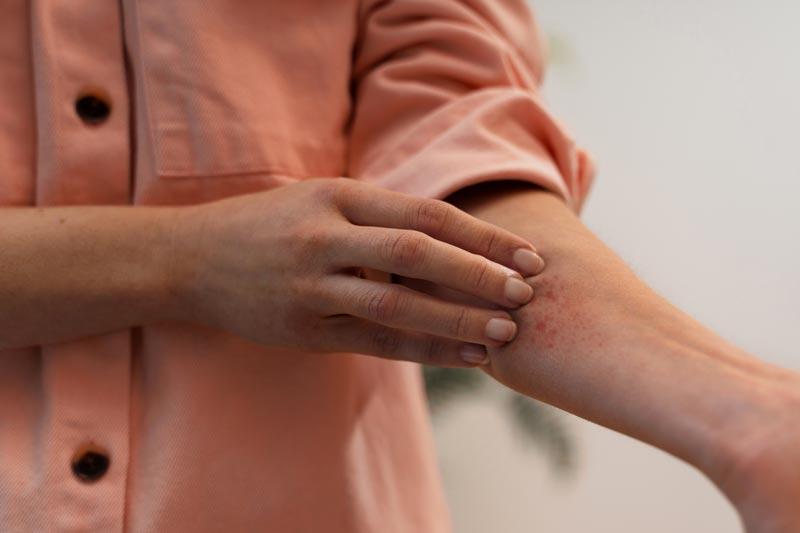
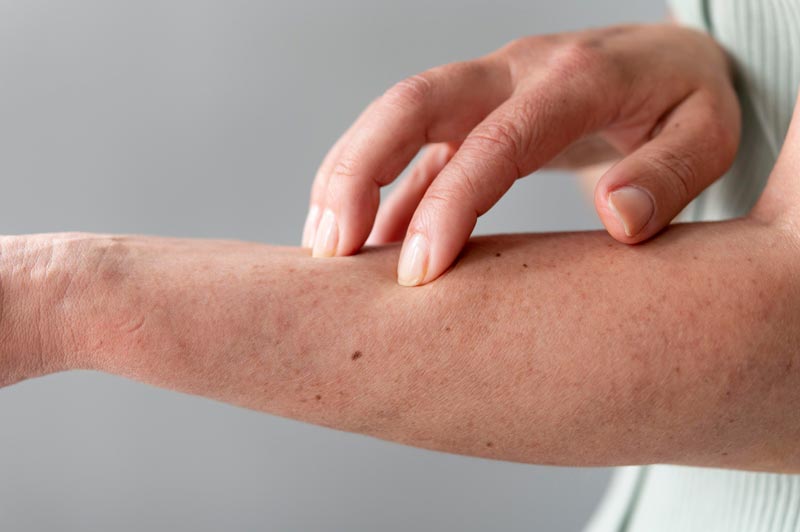
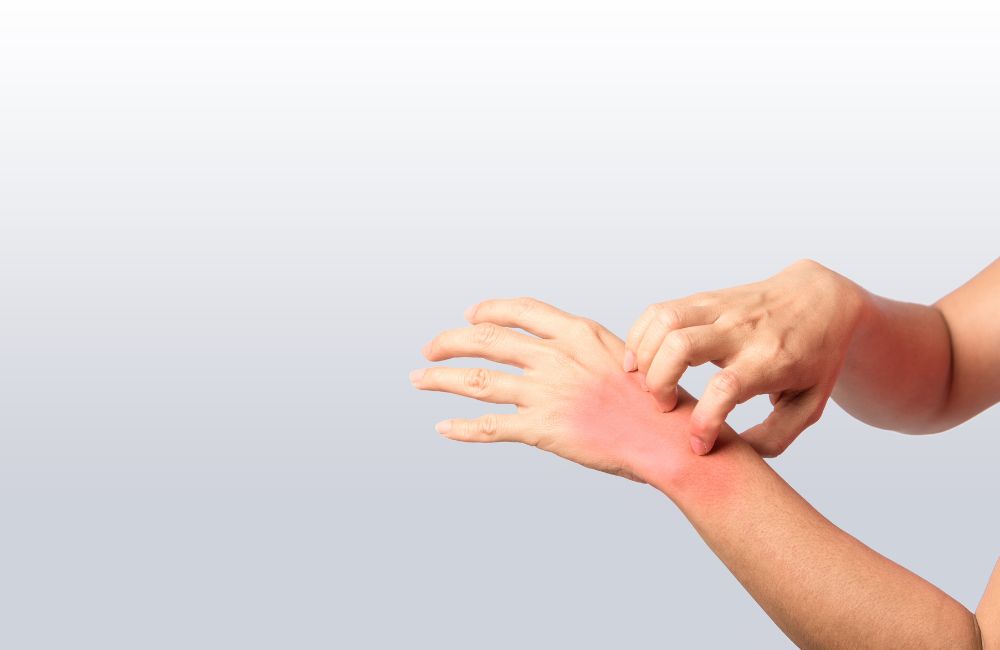
Hives are raised, itchy bumps on the skin that are often red or skin-colored. They can vary in size and may join together to form larger areas known as plaques. Hives can appear suddenly and may last from a few hours to several days.

Common Causes of Hives 

Hives can be triggered by various factors, including:

    • Allergies to foods, medications, or insect stings
    • Physical stimuli such as pressure, cold, heat, exercise, or sun exposure
    • Infections, including viral, bacterial, and fungal
    • Stress and anxiety
    • Chronic medical conditions like thyroid disease or lupus


Symptoms and Diagnosis 

Diagnosis is primarily based on physical examination and patient history. In some cases, allergy testing or blood tests may be conducted to identify underlying causes.Symptoms of hives include:

    • Raised, red or skin-colored welts
    • Itching, which can be severe
    • Swelling, especially around the eyes, lips, and throat (angioedema)

12 Natural Remedies for Hives

When experiencing hives, many people turn to natural remedies for relief. Here are 12 effective natural treatments:

1. Cold Compress

A cold compress can help reduce swelling and numb the area, providing temporary relief from itching. Cold constricts blood vessels, which can decrease the release of histamine that causes itching and swelling.

Application Method

    • Wrap ice cubes in a cloth or use a cold pack.
    • Apply to the affected area for 10-15 minutes.
    • Repeat as needed throughout the day.
    • Avoid direct contact of ice on the skin to prevent frostbite.


2. Aloe Vera

Aloe vera has anti-inflammatory and cooling properties that can soothe irritated skin and reduce redness. It is also known for its ability to promote wound healing and hydrate the skin, which can be particularly beneficial for dry or cracked areas caused by scratching.

How to Use Aloe Vera Gel

    • Extract fresh aloe vera gel from a leaf.
    • Apply directly to the affected area.
    • Let it sit for 15-20 minutes before rinsing off.
    • Repeat 2-3 times daily.
    • Ensure the gel is 100% pure to avoid additional skin irritation from additives.


3. Oatmeal Baths

Colloidal oatmeal can alleviate itching and soothe inflamed skin due to its anti-inflammatory properties. Oatmeal contains avenanthramides, a class of phenolic compounds unique to oats. These are phenolic acids conjugated with amides and have been shown to be potent antioxidants.

Preparation and Usage Tips

    • Add one cup of colloidal oatmeal to a warm bath.
    • Soak in the bath for 15-20 minutes.
    • Pat the skin dry gently.
    • Use once daily during flare-ups.
    • Ensure the water is warm, not hot, as hot water can exacerbate itching.
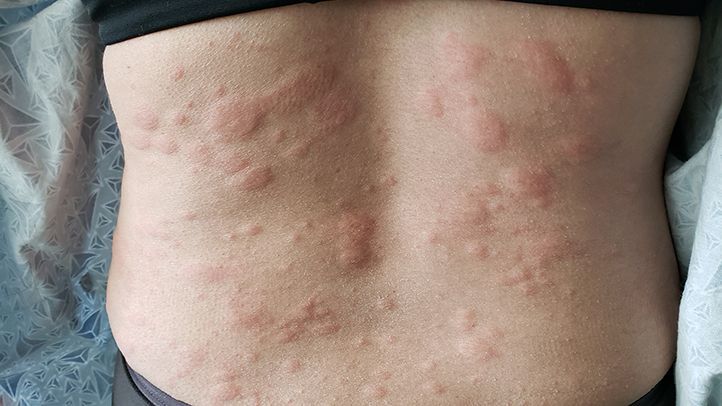
Baking Soda Paste

4. Baking Soda Paste

Baking soda can help reduce itching and inflammation associated with hives. Its alkaline nature can also help balance the skin’s pH, providing relief from irritation.

How to Make and Apply

    • Mix one part baking soda with three parts water to form a paste.
    • Apply the paste to the hives.
    • Leave on for 10-15 minutes before rinsing off.
    • Repeat 2-3 times daily.
    • Avoid using baking soda on broken skin as it can cause further irritation.

5. Apple Cider Vinegar

Apple cider vinegar can help balance the skin’s pH and act as a natural antihistamine, reducing the itching and inflammation associated with hives.

Proper Dilution and Application

    • Dilute apple cider vinegar with an equal part of water.
    • Apply to the hives using a cotton ball.
    • Let it dry naturally.
    • Use 1-2 times daily.
    • Do a patch test first to ensure there is no adverse reaction.

6. Witch Hazel

Witch hazel has astringent properties that can help reduce itching and inflammation. It is derived from the bark and leaves of the witch hazel shrub and has been used for centuries as a natural remedy for various skin conditions.

Application Techniques

    • Soak a cotton pad in witch hazel.
    • Apply to the affected area.
    • Let it dry naturally.
    • Repeat as needed throughout the day.
    • Ensure the witch hazel used is free from alcohol to avoid further drying out the skin.

7. Turmeric

Turmeric contains curcumin, which has powerful anti-inflammatory and antioxidant properties. It can help reduce inflammation and improve skin health when applied topically or consumed as part of a diet.

Ways to Incorporate Turmeric

    • Mix one teaspoon of turmeric powder with honey to form a paste.
    • Apply to the hives and leave on for 15-20 minutes.
    • Rinse off with warm water.
    • Use once daily.
    • Incorporate turmeric into your diet by adding it to meals or taking it as a supplement.

Chamomile Tea

8. Chamomile Tea

Chamomile has anti-inflammatory and calming properties that can help soothe the skin. It contains flavonoids and essential oils that provide its therapeutic effects.

How to Prepare and Apply

    • Brew a strong cup of chamomile tea.
    • Let it cool and use a clean cloth to apply the tea to the hives.
    • Alternatively, add chamomile tea bags to a warm bath.
    • Use once or twice daily.
    • Conduct a patch test to ensure no allergic reaction occurs.

9. Coconut Oil

Coconut oil can help moisturize the skin and reduce inflammation. It contains lauric acid, which has antimicrobial properties that can help prevent infection in broken skin.

Best Practices for Application

    • Apply a thin layer of virgin coconut oil to the affected area.
    • Leave it on for at least 30 minutes before rinsing off.
    • Use 2-3 times daily.
    • Choose virgin or cold-pressed coconut oil for the best results.

10. Vitamin E

Vitamin E is known for its antioxidant properties and can help repair damaged skin. It can also help reduce itching and promote skin regeneration.

How to Apply Vitamin E Oil

    • Puncture a vitamin E capsule to extract the oil.
    • Apply directly to the hives.
    • Massage gently until absorbed.
    • Use once daily.
    • Ensure the skin is clean before application to avoid trapping dirt or bacteria.

11. Green Tea

Green tea can help reduce inflammation and soothe the skin. It contains catechins, which are antioxidants that can provide relief from itching and irritation.

How to Use Green Tea for Hives

    • Brew a cup of green tea and let it cool.
    • Use a cloth to apply the tea to the hives.
    • Alternatively, drink green tea to help from within.
    • Apply externally once or twice daily.
    • Conduct a patch test to ensure no adverse reaction occurs.

12. Herbal Supplements

Herbs like nettle, basil, and peppermint have antihistamine properties that can help reduce hives. They can be taken as supplements or used in teas and topical applications.

Dosage and Safety Considerations

    • Consult with a healthcare provider before taking any herbal supplements.
    • Follow recommended dosages on the product label.
    • Ensure the supplements are from reputable sources to avoid contamination.

When to Seek Help from Urgent Care in Bridgeport, CT

While natural remedies can provide relief for mild cases of hives, there are situations where professional medical help is necessary. In some cases, visiting urgent care in Bridgeport, CT is crucial. 

Medical professionals from urgent care in Bridgeport, CT, can provide appropriate treatments such as antihistamines, corticosteroids, or epinephrine in severe allergic reactions. Recognizing the signs that indicate the need for urgent care in Bridgeport, CT, is essential for your health and well-being.


Signs That Natural Remedies Aren’t Enough

      • Persistent Hives: If hives persist for more than a few days despite treatment, it’s time to seek help from urgent care in Bridgeport, CT. Persistent hives may indicate an underlying issue that needs medical attention.


      • Condition Worsens Over Time: If the condition worsens over time instead of improving, it’s a clear sign that you need to visit urgent care in Bridgeport, CT. Worsening symptoms could indicate a severe allergic reaction or infection.


      • Home Remedies Provide Little to No Relief: When home remedies provide little to no relief, it’s important to consult with medical professionals at urgent care in Bridgeport, CT. They can offer more effective treatments and ensure your symptoms are managed properly.


      • Rapid Spread of Hives: If hives spread rapidly over a large area of your body, it indicates a more serious reaction that needs immediate medical intervention at urgent care in Bridgeport, CT.


      • High Fever: A high fever alongside hives can indicate an infection or a more serious systemic reaction. Urgent care in Bridgeport, CT can help diagnose and treat the cause of the fever and hives.


      • Persistent Vomiting or Diarrhea: If hives are accompanied by persistent vomiting or diarrhea, it can lead to dehydration and other complications. Visiting urgent care in Bridgeport, CT will ensure you receive the necessary fluids and treatment.


Severe Symptoms Requiring Medical Attention

      • Difficulty Breathing or Swallowing: Difficulty breathing or swallowing is a serious symptom that requires immediate attention from urgent care in Bridgeport, CT. This could indicate a severe allergic reaction, such as anaphylaxis, which can be life-threatening.


      • Swelling of the Lips, Tongue, or Throat: Swelling in these areas can obstruct the airway, making it difficult to breathe. If you experience this, seek help from urgent care in Bridgeport, CT immediately.


      • Dizziness or Fainting: Dizziness or fainting can be signs of a severe allergic reaction or a drop in blood pressure. These symptoms warrant a visit to urgent care in Bridgeport, CT for prompt evaluation and treatment.


      • Severe Pain or Discomfort: Severe pain or discomfort, especially if accompanied by other symptoms, should be addressed by medical professionals at urgent care in Bridgeport, CT. They can provide pain relief and treat the underlying cause of your symptoms.

How Urgent Care in Bridgeport, CT, Can Help

How Urgent Care in Bridgeport, CT, Can Help 

Urgent care centers in Bridgeport, CT, provide immediate and specialized care for hives, reducing the need for emergency room visits. This is especially important for residents of Bridgeport, CT who need quick and efficient medical attention. Urgent care facilities in Bridgeport, CT are equipped to handle allergic reactions, including severe hives, through a variety of services and treatments.

Services and Treatments Provided by Urgent Care in Bridgeport, CT

    • Prompt Medical Evaluation and Diagnosis: Urgent care professionals in Bridgeport, CT can quickly assess the severity of your hives and determine the appropriate course of action. This timely evaluation helps in preventing complications and ensuring that you receive the right treatment promptly.


    • Prescription Medications: Urgent care centers in Bridgeport, CT can prescribe antihistamines to block the effects of histamine, corticosteroids to reduce inflammation, or epinephrine for severe allergic reactions. These medications provide relief from symptoms such as itching, swelling, and discomfort.


    • Monitoring and Management of Severe Allergic Reactions: For severe cases, urgent care centers in Bridgeport, CT can monitor your condition closely and provide emergency treatments if needed. This includes administering intravenous medications and ensuring that any complications are managed immediately.


    • Follow-up Care: Urgent care centers in Bridgeport, CT offer follow-up care to monitor your progress and adjust treatments as necessary. Regular follow-ups help in tracking your recovery and making any needed changes to your treatment plan.


    • Referrals to Specialists: If your condition requires specialized care, urgent care in Bridgeport, CT can provide referrals to allergists or dermatologists for further treatment. This ensures that you have access to the best possible care for your condition.


Frequently Asked Questions

What deficiency causes hives?

A deficiency in certain vitamins and minerals, such as Vitamin D or B12, can sometimes contribute to the development of hives. However, hives are more commonly caused by allergies, infections, or other triggers.

How do you flush histamine out of your body?

To flush histamine out of your body, you can drink plenty of water, consume foods rich in Vitamin C, and take natural antihistamines like quercetin. Avoiding histamine-rich foods and allergens can also help.

What organ does hives affect?

Hives primarily affect the skin, causing raised, itchy welts. However, severe allergic reactions causing hives can also involve other organs, including the respiratory system, if there is swelling in the throat or difficulty breathing.

Does scratching release histamine?

Yes, scratching can release more histamine from mast cells in the skin, which can worsen itching and inflammation, creating a vicious cycle of itching and scratching.

Do hot showers release histamine?

Yes, hot showers can release histamine and exacerbate hives by increasing blood flow to the skin and potentially triggering histamine release from skin cells.

Get Immediate Relief — Visit DOCS Urgent Care & Primary Care – Bridgeport

If you’re dealing with persistent or severe hives, don’t wait to get the help you need. Residents of Bridgeport, CT, can rely on DOCS Urgent Care & Primary Care – Bridgeport for prompt and professional medical care. Our team is equipped to manage allergic reactions and provide effective treatments. 

Visit us today in Bridgeport, CT, and ensure your health and well-being are in expert hands.

Tips for Living with Allergic Asthma

How to Treat Sweat Rashes in Athletes: Tips from Primary Care Doctor in Bridgeport, CT

Top 10 Tips to Handle Staph Infections in Children: Advice from Urgent Care in Bridgeport, CT

How to Treat Sweat Rashes in Athletes: Tips from Primary Care Doctor in Bridgeport, CT

Sweat rashes, also known as heat rashes or prickly heat, are a common problem among athletes. These rashes occur when sweat gets trapped in the pores, causing irritation and discomfort. As an athlete, it is crucial to understand how to treat and prevent sweat rashes to maintain optimal performance and well-being. With insights from a primary care doctor in Bridgeport, CT, we will provide comprehensive tips on managing sweat rashes effectively.

Table of Contents

Table of Contents

Key Takeaways

What Causes Sweat Rashes?

Why Athletes Are Prone to Sweat Rashes

How to Identify Sweat Rashes

Immediate Steps for Treatment

Preventive Measures for Athletes

When to See a Primary Care Doctor in Bridgeport, CT

Professional Treatments and Advice

Practical Tips for Athletes

Frequently Asked Questions

Key Takeaways

  • Sweat rashes are common in athletes due to excessive sweating and friction.
  • Recognize symptoms like redness, itching, and small blisters for early treatment.
  • Immediate treatment includes cleaning the area with mild soap and using over-the-counter creams.
  • Preventive measures involve proper hygiene, wearing moisture-wicking clothing, and using talcum powder.
  • Seek medical help from a primary care doctor in Bridgeport, CT, if rashes show signs of infection like increased redness or pus.
  • Chronic rashes need professional attention from a primary care doctor in Bridgeport, CT.
  • Prescription treatments and medical procedures may be required for severe cases.
  • Lifestyle changes, including staying hydrated and maintaining a balanced diet, can help prevent sweat rashes.

What Causes Sweat Rashes?

Sweat rashes are caused by the blockage of sweat glands, leading to inflammation and irritation. The condition is characterized by red, itchy bumps or blisters on the skin’s surface. Athletes are particularly susceptible due to their high levels of physical activity, which results in excessive sweating.

Sweat rashes occur when the body’s sweat ducts become clogged, causing sweat to be trapped under the skin. This trapped sweat leads to inflammation, redness, and discomfort. Common causes of sweat rashes include:

  • High Humidity and Heat: Hot and humid conditions increase the likelihood of sweat glands becoming blocked.
  • Intense Physical Activity: Activities that cause excessive sweating, such as running or cycling, can lead to the development of sweat rashes.
  • Tight Clothing: Wearing tight or non-breathable clothing can trap sweat and block sweat ducts.
  • Poor Hygiene: Not showering immediately after exercise can leave sweat and bacteria on the skin, leading to irritation.

Why Athletes Are Prone to Sweat Rashes

Athletes engage in intense physical activity, leading to increased sweat production. The combination of tight athletic gear, friction, and prolonged moisture creates an ideal environment for sweat rashes to develop. Athletes are more susceptible to sweat rashes due to several factors:

  • Prolonged Sweating: Continuous sweating during long training sessions or competitions can increase the risk of sweat rashes.
  • Friction: Repeated movement and friction between the skin and athletic gear can cause irritation and rashes.
  • Hot and Humid Environments: Many athletes train and compete in hot and humid conditions, which are conducive to the development of sweat rashes.
  • Protective Gear: Sports that require protective gear, such as helmets or pads, can trap sweat and heat, leading to rashes.

How to Identify Sweat Rashes

Identifying sweat rashes early is crucial for effective treatment and prevention. Here’s how to recognize the common symptoms and areas affected.

Symptoms to Look For

Recognizing the symptoms of sweat rashes is the first step in effective treatment. Common symptoms include:

  • Redness and Irritation: The affected area may appear red and feel tender to the touch.
  • Itching and Discomfort: Sweat rashes often cause significant itching, which can be exacerbated by sweating.
  • Appearance of Small Blisters or Pustules: Tiny, fluid-filled blisters or pustules may form on the skin’s surface, especially in severe cases.

Common Areas Affected

Understanding the common areas affected by sweat rashes can help athletes take preventive measures. Sweat rashes typically occur in areas where sweat accumulates and friction is common. Athletes should pay close attention to these areas and take steps to keep them dry and reduce friction. These areas include:

  • Underarms: The armpits are prone to rashes due to constant movement and moisture.
  • Groin: The groin area is another hotspot for sweat rashes, particularly in male athletes.
  • Inner Thighs: Friction between the thighs during physical activity can lead to rashes.
  • Neck and Chest: These areas are often affected due to the accumulation of sweat.

Immediate Steps for Treatment

Taking immediate action can prevent sweat rashes from worsening. Here are the first aid measures and over-the-counter treatments recommended by a primary care doctor in Bridgeport, CT.

First Aid Measures

When you notice the early signs of a sweat rash, taking immediate action can prevent it from worsening. Here are some first aid measures recommended by a primary care doctor in Bridgeport, CT:

  • Cleaning the Affected Area: Gently wash the rash with mild soap and lukewarm water. Avoid scrubbing the area, as this can cause further irritation. This will help remove sweat and bacteria that can exacerbate the rash
  • Patting the Skin Dry: After washing, pat the skin dry with a clean towel. Do not rub, as this can aggravate the rash. This will ensure that no additional moisture is trapped on the skin.

Over-the-Counter Treatments

Over-the-counter treatments can provide relief from the symptoms of sweat rashes. Common options include:

  • Antifungal Powders and Creams: Products containing miconazole or clotrimazole can help reduce inflammation and prevent infection.
  • Calamine Lotion: Calamine lotion soothes itching and provides a cooling effect on the skin.
  • Hydrocortisone Cream: A mild hydrocortisone cream can reduce inflammation and relieve itching.

Home Remedies

In addition to over-the-counter treatments, several home remedies can help soothe and treat sweat rashes:

  • Cold Compress: Applying a cold compress to the affected area can help reduce inflammation and provide relief from itching.
  • Oatmeal Baths: Soaking in an oatmeal bath can soothe irritated skin and reduce itching.
  • Aloe Vera Gel: Aloe vera has anti-inflammatory properties that can help soothe and heal sweat rashes.
Preventive Measures for Athletes​

Preventive Measures for Athletes

Implementing preventive measures can help athletes avoid sweat rashes. Discover essential hygiene practices and gear recommendations to keep your skin healthy.

Proper Hygiene Practices

Maintaining good hygiene is essential for preventing sweat rashes. Here are some tips from a primary care doctor in Bridgeport, CT:

  • Showering Immediately After Workouts: Shower as soon as possible after exercise to remove sweat and bacteria from the skin.
  • Using Antibacterial Soap: Antibacterial soap can help reduce the risk of infection and keep the skin clean.
  • Thoroughly Drying Off: After showering, make sure to thoroughly dry off, especially in areas prone to sweat rashes, to prevent moisture buildup. A primary care doctor in Bridgeport, CT, emphasizes the importance of this step in preventing sweat rashes.

Choosing the Right Athletic Gear

The type of clothing you wear during physical activity can significantly impact the development of sweat rashes. Consider the following recommendations from primary care doctor in Bridgeport, CT:

  • Wearing Moisture-Wicking and Breathable Fabrics: Opt for athletic gear made from moisture-wicking materials that draw sweat away from the skin. Fabrics like polyester and nylon are excellent choices.
  • Ensuring Proper Fit: Clothing that fits well and allows for air circulation can minimize friction and reduce the risk of rashes.
  • Avoiding Tight Clothing: A primary care doctor in Bridgeport, CT, advises avoiding overly tight clothing that can trap sweat and cause irritation. Choose loose-fitting garments for better air flow and comfort.

Maintaining Dry Skin

Keeping the skin dry is essential for preventing sweat rashes. Here are some strategies recommended by a primary care doctor in Bridgeport, CT:

  • Using Talcum Powder or Cornstarch: Applying talcum powder or cornstarch to areas prone to sweating can help absorb moisture and keep the skin dry.
  • Keeping Multiple Sets of Workout Clothes: Having extra sets of workout clothes allows you to change into dry clothing after intense physical activity.
  • Air Drying After Showers: A primary care doctor in Bridgeport, CT, also suggests air drying or using a cool fan after showers to ensure your skin is thoroughly dry before putting on clothes.

Additional Preventive Tips

In addition to the above measures, consider these additional tips for preventing sweat rashes:

  • Staying Hydrated: Drinking plenty of water helps regulate body temperature and reduce excessive sweating.
  • Taking Breaks: During long training sessions or competitions, take breaks to cool down and dry off any sweat.
  • Using Antiperspirants: A primary care doctor in Bridgeport, CT, might suggest using antiperspirants on areas prone to sweating to reduce moisture buildup.

When to See a Primary Care Doctor in Bridgeport, CT

Knowing when to seek professional medical advice is crucial for effectively managing sweat rashes and preventing complications. Here are key indicators that it’s time to see a primary care doctor in Bridgeport, CT.

Signs of Infection

In some cases, sweat rashes can become infected. It is essential to recognize the signs of infection and seek medical attention from a primary care doctor in Bridgeport, CT. Symptoms of an infected rash include:

  • Increased Redness, Swelling, and Pain: If the rash becomes more red, swollen, and painful, it may indicate an infection.
  • Pus or Discharge from the Rash: The presence of pus or a foul-smelling discharge is a clear sign of infection.
  • Warmth and Tenderness: The affected area may feel warm to the touch and become increasingly tender.
  • Fever or Chills: Developing a fever or experiencing chills can indicate that the infection is spreading.
  • Spreading of the Rash: If the rash begins to spread to other areas of the body, it may be a sign of a worsening infection.
  • Crusting or Scabbing: Formation of crusts or scabs over the rash can be an indication of an infection that needs medical attention.

Chronic or Recurrent Rashes

If you experience chronic or recurrent sweat rashes, it is advisable to consult a primary care doctor in Bridgeport, CT. Persistent rashes that do not improve with self-care measures may require professional treatment.

Professional Treatments and Advice

When sweat rashes persist or become severe, professional medical treatments and advice from a primary care doctor in Bridgeport, CT, can provide effective relief and prevent complications.

Prescription Medications

Prescription medications can be more effective than over-the-counter treatments for severe or persistent rashes. For severe or persistent sweat rashes, a primary care doctor in Bridgeport, CT, may prescribe medications to provide relief. Common prescription options include:

  • Topical and Oral Antifungals: Stronger antifungal medications can be prescribed to treat infections that do not respond to over-the-counter treatments.
  • Stronger Corticosteroid Creams: A more potent corticosteroid cream may be necessary to reduce inflammation and itching.
  • Antibiotics: If a sweat rash becomes infected, a primary care doctor in Bridgeport, CT, may prescribe oral or topical antibiotics to eliminate the infection.
  • Antihistamines: To relieve severe itching and discomfort, a primary care doctor in Bridgeport, CT, might recommend antihistamines, which can help reduce allergic reactions and itching.

Medical Procedures

Medical procedures may be necessary for severe cases that do not respond to other treatments. These procedures include:

  • Draining of Severe Blisters or Cysts: If the rash has led to the formation of large blisters or cysts, a doctor may need to drain them to promote healing.
  • Phototherapy: For chronic cases, phototherapy (light therapy) can help reduce inflammation and improve symptoms.
  • Laser Therapy: In some persistent cases, a primary care doctor in Bridgeport, CT, might recommend laser therapy to reduce sweat gland activity and prevent future rashes.
  • Cryotherapy: A primary care doctor in Bridgeport, CT, may use cryotherapy, which involves freezing the affected area to reduce inflammation and alleviate symptoms.

Lifestyle and Dietary Recommendations

A primary care doctor in Bridgeport, CT, can provide lifestyle and dietary recommendations to help manage sweat rashes. Key suggestions include:

  • Staying Hydrated: Drinking plenty of water is important as it offers many benefits, from  regulating body temperature and reducing excessive sweating. Staying hydrated also supports overall health and well-being.
  • Maintain Skin Health: Consuming a balanced diet rich in vitamins and minerals supports overall skin health and can prevent rashes. Additionally, it promotes a stronger immune system, which helps the body ward off various skin conditions.
  • Wear Loose-Fitting Clothing: A primary care doctor in Bridgeport, CT, might recommend wearing loose-fitting, breathable clothing to allow air circulation and reduce sweat accumulation.
  • Exercise Regularly: Maintaining a regular exercise routine, as advised by a primary care doctor in Bridgeport, CT, can improve overall health and reduce the severity of sweat rashes by helping to regulate body temperature and sweating patterns.

Practical Tips for Athletes

Building a Sweat Rash Prevention Kit

Having a sweat rash prevention kit on hand can help athletes manage rashes quickly and effectively. Here are some essential items to include:

  • Antibacterial Soap: For thorough cleaning of the skin after workouts.
  • Moisture-Wicking Clothing: To reduce friction and keep the skin dry.
  • Talcum Powder or Cornstarch: To absorb excess moisture.
  • Over-the-Counter Treatments: Such as calamine lotion and antifungal powders. Calamine lotion which offers soothing relief and helps reduce itching.

Additional Tips for Managing Sweat Rashes

Taking these extra steps can further reduce the risk of sweat rashes and help athletes stay comfortable and focused on their performance.

  • Avoiding Hot and Humid Environments: When possible, avoid exercising in hot and humid conditions to reduce the risk of sweat rashes.
  • Using Fans or Air Conditioning: Keeping cool with fans or air conditioning can help prevent excessive sweating.
  • Applying Barrier Creams: Using barrier creams or ointments can protect the skin from irritation and reduce the risk of rashes.

Frequently Asked Questions

Is sweat rash fungal or bacterial?

Sweat rash, also known as heat rash, is primarily caused by blocked sweat ducts and not by fungal or bacterial infections. However, secondary bacterial or fungal infections can occur if the rash is not properly treated.

How long does sweat rash last?

The duration of a sweat rash can vary, but with proper treatment and care, it typically resolves within a few days to a week. If the rash persists beyond this timeframe, consult a primary care doctor in Bridgeport, CT, for further evaluation and treatment.

Which antihistamine is best for heat rash?

For heat rash, oral antihistamines like diphenhydramine (Benadryl) or loratadine (Claritin) can help reduce itching and discomfort. Consult a primary care doctor in Bridgeport, CT, to determine the best option for your specific situation.

Can you put Neosporin on a rash?

Neosporin, an antibiotic ointment, is not typically recommended for treating heat rash unless there is a secondary bacterial infection. For advice tailored to your condition, consult a primary care doctor in Bridgeport, CT.

Should I cover a rash or let it breathe?

Generally, it is best to let a rash breathe to promote healing. Covering a rash can trap moisture and worsen the condition. For personalized advice, consider consulting a primary care doctor in Bridgeport, CT.

Monitor the Infection

Schedule Your Appointment Today!

If you are experiencing persistent or severe sweat rashes, it’s essential to seek professional medical advice. The expert team at Docs Primary Care – Bridgeport is here to help residents of Bridgeport, CT, manage and prevent skin conditions like sweat rashes. Don’t let sweat rashes affect your athletic performance or quality of life—schedule an appointment at Docs Primary Care – Bridgeport today!

Tips for Living with Allergic Asthma

10 Effective Home Remedies for Bladder Infections: When to Seek Help from Urgent Care in Danbury, CT

10 Effective Home Remedies for Bladder Infections: When to Seek Help from Urgent Care in Danbury, CT

10 Effective Home Remedies for Bladder Infections: When to Seek Help from Urgent Care in Danbury, CT

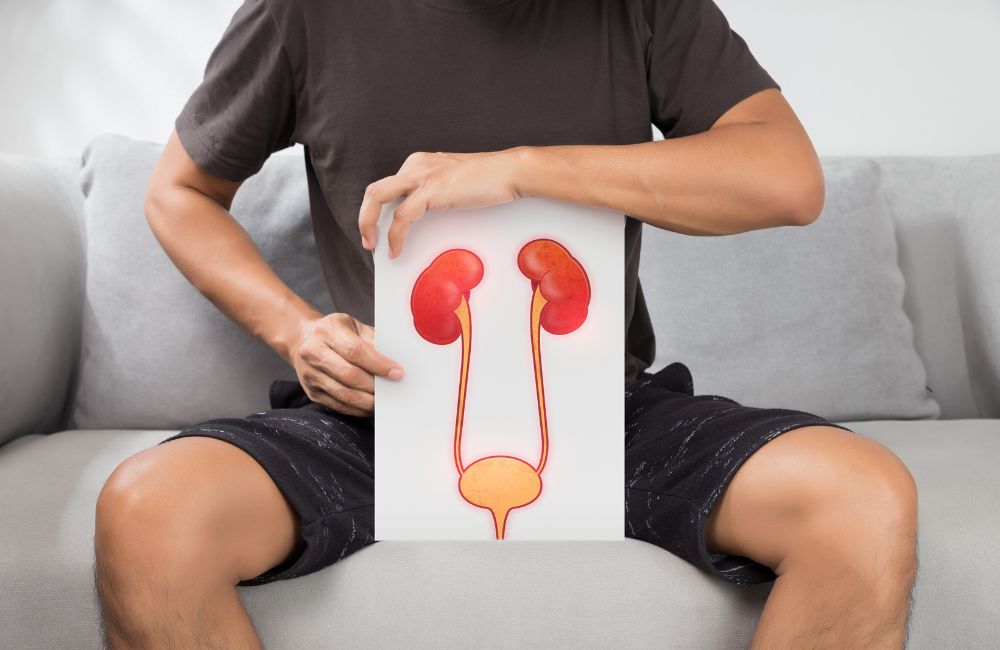
Bladder infections are a widespread health concern affecting millions of people annually. These infections occur when bacteria enter the urinary tract and multiply, leading to discomfort and pain. Promptly addressing bladder infections is crucial to avoid complications. Home remedies can be an effective first line of defense, but it’s essential to know when to seek help from urgent care in Danbury, CT.

Table of Contents

Key Takeaways

What are Bladder Infections?

What are the Benefits of Home Remedies?

Top 10 Home Remedies for Bladder Infections

When to Seek Help from Urgent Care in Danbury, CT

How to Choose the Right Urgent Care in Danbury, CT

Frequently Asked Questions

Get Prompt Relief Today: Visit DOCS Urgent Care – Danbury

Key Takeaways

  • Drink 8-10 glasses of water daily to help flush out bacteria and prevent bladder infections.
  • Unsweetened cranberry juice or supplements can help prevent bacteria from adhering to the urinary tract.
  • Consuming probiotic-rich foods like yogurt and kefir supports urinary tract health.
  • Vitamin C increases urine acidity, making it difficult for bacteria to thrive.
  • Warm compresses on the lower abdomen can alleviate pain and discomfort.
  • Herbs like Uva ursi, garlic, goldenseal, and dandelion have antimicrobial properties that help fight infections.
  • Proper wiping techniques, breathable underwear, and avoiding tight clothing reduce infection risk.
  • Visit urgent care in Danbury, CT, if you experience severe symptoms, persistent infections, or unusual signs.
What are Bladder Infections?​

What are Bladder Infections?

Bladder infections are a specific type of UTI that affects the bladder. They are primarily caused by bacteria, with Escherichia coli (E. coli) being the most common culprit. This bacterium is naturally found in the intestines but can cause infection when it enters the urinary tract.


Common Causes and Risk Factors

    • Sexual activity: Increases the risk of introducing bacteria into the urinary tract.
    • Poor hygiene: Can lead to the spread of bacteria from the anus to the urethra.
    • Certain types of birth control: Spermicides and diaphragms can increase UTI risk.
    • A suppressed immune system: Makes it harder for the body to fight off infections.


Symptoms to Watch Out For

    • A strong, persistent urge to urinate
    • A burning sensation during urination
    • Passing frequent, small amounts of urine
    • Cloudy, dark, bloody, or strong-smelling urine
    • Pelvic pain, especially in women

What are the Benefits of Home Remedies?

Home remedies offer several benefits for treating bladder infections. They are often readily available, cost-effective, and can provide relief from symptoms. For mild infections, home remedies can be a suitable option, especially when combined with good hygiene and healthy habits. However, it’s essential to monitor symptoms and seek urgent care in Danbury, CT, if the condition worsens or does not improve within a few days.


Advantages of Home Remedies

  • Accessibility: Most home remedies can be found in your kitchen or local grocery store.
  • Cost-Effective: Compared to prescription medications, home remedies are generally less expensive.
  • Natural Ingredients: Using natural substances reduces the risk of side effects associated with synthetic drugs.

Top 10 Home Remedies for Bladder Infections

Here are ten effective home remedies to help manage and relieve bladder infections naturally:


1. Drink Plenty of Water

Staying hydrated is crucial when dealing with a bladder infection. Aim to drink at least 8-10 glasses of water a day. Regular hydration helps maintain urinary tract health and prevent infections. It’s a simple yet effective way to support your body’s natural defenses against bladder infections.


Benefits of Hydration

      • Dilution of Urine: Reduces the concentration of bacteria, making it easier for the body to expel them.
      • Frequent Urination: Helps flush bacteria from the bladder and urinary tract.


2. Cranberry Juice

Cranberry juice is often recommended as a natural remedy for bladder infections. Drinking unsweetened cranberry juice or taking cranberry supplements can help reduce the risk of recurring infections. For best results, consume pure, unsweetened cranberry juice or take cranberry extract supplements regularly.


How Cranberry Juice Helps

      • Proanthocyanidins: These compounds prevent bacteria from sticking to the urinary tract walls, reducing the likelihood of infection.
      • Antioxidants: Cranberries are rich in antioxidants, which support overall urinary tract health.


3. Probiotics

Probiotics are beneficial bacteria that promote a healthy balance of microorganisms in the gut and urinary tract. Taking probiotic supplements or consuming probiotic-rich foods such as yogurt, kefir, and sauerkraut can help maintain urinary tract health and prevent infections. Including probiotics in your daily diet can support a healthy urinary tract and reduce the risk of recurrent bladder infections.


Sources of Probiotics

      • Yogurt: Contains live bacterial cultures, such as Lactobacillus, which are beneficial for urinary health.
      • Kefir: A fermented milk drink that is rich in probiotics.
      • Sauerkraut: Fermented cabbage that contains beneficial bacteria.
Urgent Care in Danbury, CT

4. Vitamin C

Taking vitamin C supplements or consuming foods high in vitamin C, such as oranges, strawberries, and bell peppers, can help combat bladder infections. Regular intake of vitamin C can enhance your body’s natural ability to fend off bladder infections and support overall health.


Benefits of Vitamin C

      • Increased Urine Acidity: Makes it harder for bacteria to survive and multiply.
      • Immune Support: Vitamin C boosts the immune system, helping the body fight off infections.


5. Warm Compress

Applying a warm compress to the lower abdomen can help alleviate discomfort and pain associated with bladder infections. The heat helps to soothe the muscles and reduce the pressure on the bladder.


How to Use a Warm Compress

      • Heating Pad: Place a heating pad on your lower abdomen for 15-20 minutes several times a day.
      • Hot Water Bottle: Fill a hot water bottle with warm water and apply it to the affected area.


6. D-Mannose Supplements

D-Mannose is a type of sugar that is available as a dietary supplement and can be effective in reducing the symptoms and frequency of bladder infections.


Benefits of D-Mannose

      • Prevents Bacterial Adhesion: D-Mannose attaches to E. coli bacteria, preventing them from sticking to the urinary tract walls.
      • Reduces Recurrence: Regular use of D-Mannose can reduce the likelihood of recurrent bladder infections.


7. Herbal Remedies

Several herbs have antimicrobial and anti-inflammatory properties that can help treat bladder infections. Uva ursi (bearberry) and garlic are two such herbs. Consult with an urgent care in Danbury, CT, before using herbal remedies to ensure they are safe and appropriate for your situation.


Herbal Remedies to Consider

      • Uva Ursi: Known for its antibacterial properties, Uva ursi contains compounds that can kill bacteria and reduce inflammation. It’s commonly used in traditional medicine to treat UTIs and bladder infections. Uva ursi can be taken as a tea, tincture, or supplement.
      • Garlic: Contains allicin, a compound with potent antibacterial effects. Garlic is a powerful natural antibiotic that can help fight infections. You can consume raw garlic, garlic supplements, or add it to your meals for its health benefits.
      • Goldenseal: This herb contains berberine, an alkaloid with strong antimicrobial properties. Goldenseal can help eliminate bacteria and support immune function. It is typically used in tincture or capsule form.
      • Dandelion: Known for its diuretic properties, dandelion helps increase urine production, which can flush out bacteria from the urinary tract. Dandelion root tea or supplements can be used to promote urinary health.
      • Corn Silk: The silky threads from corn cobs have been traditionally used to soothe and treat bladder infections. Corn silk tea acts as a diuretic and anti-inflammatory agent, helping to alleviate symptoms and flush out bacteria.
      • Parsley: Another natural diuretic, parsley can help increase urine output and reduce the risk of bladder infections. Parsley can be consumed as a tea or added to meals.
      • Marshmallow Root: This herb has soothing and anti-inflammatory properties that can help reduce irritation in the urinary tract. Marshmallow root tea or supplements can provide relief from bladder infection symptoms.
      • Horsetail: Known for its diuretic and anti-inflammatory effects, horsetail can help flush out bacteria and reduce inflammation in the urinary tract. Horsetail can be consumed as a tea or supplement.
When to Seek Help from Urgent Care in Danbury, CT​

8. Avoid Irritants

Certain foods and drinks can irritate the bladder and exacerbate symptoms. Avoiding caffeine, alcohol, spicy foods, and artificial sweeteners can help reduce irritation and promote healing. Keeping a food diary can help identify and eliminate specific triggers from your diet.


Common Irritants to Avoid

    • Caffeine: Found in coffee, tea, and some sodas, caffeine can irritate the bladder.
    • Alcohol: Can increase the acidity of urine and cause irritation.
    • Spicy Foods: Can irritate the bladder lining and worsen symptoms.
    • Artificial Sweeteners: Found in diet sodas and sugar-free products, these can also irritate the bladder.


9. Good Hygiene Practices

Maintaining good hygiene is essential in preventing and managing bladder infections. Good hygiene practices can significantly reduce the risk of bladder infections.


Hygiene Tips

    • Wipe Correctly: Always wipe from front to back to avoid spreading bacteria from the anal region to the urethra.
    • Wear Breathable Underwear: Choose cotton underwear to keep the area dry and free from bacteria. Synthetic fabrics can trap moisture, creating an environment conducive to bacterial growth.
    • Avoid Tight-Fitting Pants: Tight clothing can trap moisture and bacteria, increasing the risk of infection. Opt for loose-fitting pants and skirts.
    • Shower Daily: Regular showers help maintain overall hygiene and reduce the risk of bacterial buildup around the genital area.
    • Avoid Scented Products: Avoid using scented soaps, bubble baths, and feminine hygiene sprays around the genital area, as these can irritate the urethra and increase the risk of infection.
    • Change Sanitary Products Regularly: During menstruation, change sanitary pads and tampons frequently to prevent bacterial growth.
    • Proper Menstrual Hygiene: Use unscented, hypoallergenic menstrual products and change them regularly. Consider using menstrual cups or organic cotton products to reduce the risk of irritation.
    • Clean Your Genitals Before and After Swimming: Chlorine and other chemicals in pools can disrupt the natural balance of bacteria in the urinary tract, so it’s essential to rinse off after swimming.
    • Trim Pubic Hair: Keeping the pubic area trimmed can reduce moisture and bacteria buildup. However, avoid shaving too close to the skin, as this can cause irritation and microtears that may increase infection risk.


10. Proper Bathroom Habits

Practicing good bathroom habits can significantly reduce the risk of bladder infections.


Bathroom Habits to Adopt

    • Frequent Urination: Do not hold urine for extended periods; empty your bladder as soon as you feel the urge.
    • Complete Emptying: Ensure you completely empty your bladder each time you urinate.
    • Post-Sexual Activity: Urinate after sexual intercourse to flush out any bacteria that may have been introduced.

When to Seek Help from Urgent Care in Danbury, CT

While home remedies can be effective for mild bladder infections, it’s crucial to know when to seek professional medical help. If you experience any of the following symptoms, it’s time to visit urgent care in Danbury, CT:

  • Severe Pain or Discomfort: If the pain is not relieved by home remedies and is affecting your daily activities, it could indicate a more serious infection or complication.
  • High Fever, Chills, or Nausea: These symptoms may indicate that the infection has spread to the kidneys, requiring immediate medical attention from urgent care in Danbury, CT.
  • Blood in the Urine: This can be a sign of a severe bladder infection or another underlying condition that needs to be evaluated by a healthcare professional at urgent care in Danbury, CT.
  • Persistent Symptoms: If symptoms persist or worsen after a few days of home treatment, it’s important to get a proper diagnosis and treatment plan from urgent care in Danbury, CT.
  • Recurrent Infections: If you have frequent bladder infections that do not respond to home remedies, it might be necessary to undergo further testing and treatment at urgent care in Danbury, CT.
  • Unusual Vaginal Discharge: If you notice an unusual discharge, it could indicate a different type of infection that needs to be checked by a healthcare provider at urgent care in Danbury, CT.
  • Burning Sensation During Urination: If the burning sensation is severe or persistent, it’s a sign that the infection might be more serious and requires medical intervention from urgent care in Danbury, CT.
  • Back or Side Pain: Pain in your back or side can indicate that the infection has spread to your kidneys, necessitating prompt treatment from urgent care in Danbury, CT.
  • Confusion or Mental Changes: Especially in older adults, confusion or sudden mental changes can be a symptom of a severe infection and should be addressed by urgent care in Danbury, CT immediately.
  • Loss of Appetite or Severe Fatigue: Significant changes in appetite or extreme tiredness can be signs that the body is struggling to fight off an infection and warrants a visit to urgent care in Danbury, CT.
  • Inability to Urinate: If you find it difficult or impossible to urinate, it could indicate a blockage or severe infection that requires immediate care at urgent care in Danbury, CT.

How to Choose the Right Urgent Care in Danbury, CT

When selecting an urgent care center in Danbury, CT, consider the following factors:

  • Location and Accessibility: Choose an urgent care center in Danbury, CT, that is conveniently located and easily accessible. This ensures you can get timely medical help when needed. Proximity to your home or workplace can be crucial during an emergency.
  • Services Offered: Ensure the urgent care center in Danbury, CT, provides comprehensive services, including diagnostic testing and treatment for bladder infections. A center with a wide range of services can address multiple health concerns in one visit.
  • Reputation and Reviews: Check online reviews and ask for recommendations to find a reputable urgent care center in Danbury, CT. Positive feedback from other patients can indicate quality care and good service.
  • Insurance and Costs: Verify if the center accepts your insurance and inquire about the costs of services to avoid any unexpected expenses. Understanding the financial aspect beforehand can prevent surprise bills.
  • Availability: Choose a center with flexible hours and availability, including weekends and evenings, to accommodate your schedule. This ensures you can receive care when it’s most convenient for you.
  • Qualified Staff: Ensure the urgent care center in Danbury, CT,  has experienced and qualified medical staff. Look for centers that employ board-certified physicians and trained healthcare providers who can deliver high-quality care.
  • Facility Cleanliness and Comfort: Visit the urgent care center in Danbury, CT, to check if it is clean and well-maintained. A comfortable and hygienic environment can enhance your overall experience and reduce stress during medical visits.
What is the best pain relief for a bladder infection?

Frequently Asked Questions

Is apple cider vinegar good for urinary tract infections?

Apple cider vinegar has antibacterial properties, but there is limited scientific evidence supporting its effectiveness for treating UTIs. It’s best to consult a doctor.


What is the best pain relief for a bladder infection?

Over-the-counter pain relievers like ibuprofen or acetaminophen can help alleviate pain and discomfort caused by bladder infections. Always follow the dosage instructions.


Does baking soda help with bladder infections?

Baking soda may help neutralize the acidity of urine and provide temporary relief. However, it is not a proven treatment for bladder infections. Consult a healthcare provider for proper treatment.


Can you flush out a bladder infection without antibiotics?

Mild bladder infections can sometimes be managed with increased fluid intake, proper hygiene, and natural remedies. However, severe or persistent infections typically require antibiotics.


What is the closest thing to antibiotics over-the-counter?

There are no over-the-counter medications that are equivalent to antibiotics. For bladder infections, products like AZO can relieve symptoms but will not treat the infection. Always consult a healthcare professional for proper diagnosis and treatment.

Get Prompt Relief Today — Visit DOCS Urgent Care - Danbury​

Get Prompt Relief Today — Visit DOCS Urgent Care - Danbury

If you’re experiencing symptoms of a bladder infection or need professional medical advice, don’t wait. Visit DOCS Urgent Care – Danbury for prompt, expert care. Our dedicated team is here to help residents of Danbury, CT, with comprehensive services and personalized treatment plans. Take control of your health and get the relief you need today at DOCS Urgent Care – Danbury.


Contact us today!

Tips for Living with Allergic Asthma

12 Foods to Avoid if You Have a Bladder Infection: Recommended by Primary Care Doctors in Fairfield, CT

12 Foods to Avoid if You Have a Bladder Infection: Recommended by Primary Care Doctors in Fairfield, CT

12 Foods to Avoid if You Have a Bladder Infection: Recommended by Primary Care Doctors in Fairfield, CT

Bladder infections are a prevalent health issue affecting millions worldwide. These infections cause significant discomfort and, if untreated, can lead to more severe complications. Proper management of bladder infections is crucial, and one significant aspect of this management is diet. Certain foods can aggravate symptoms, prolong recovery, and cause further irritation. Here, we will delve into 12 foods that you should avoid if you have a bladder infection, based on recommendations from primary care doctors in Fairfield, CT.

Table of Contents

Key Takeaways
What is a Bladder Infection?
12 Foods to Avoid if You Bladder Infection
     1. Caffeine
     2. Alcohol
     3. Spicy Foods
     4. Citrus Fruits and Juices
     5. Tomatoes
     6. Artificial Sweeteners
     7. Carbonated Beverages
     8. Chocolate
     9. Processed Foods
     10. Vinegar
     11. Cranberries and Cranberry Juice
    12. Dairy Products
Tips for a Bladder-Friendly Diet
Why Consulting a Primary Care Doctor in Fairfield, CT is Important?
Frequently Asked Questions
Get Expert Care for Your Bladder Infection Today

Key Takeaways

  • Caffeine is a diuretic that increases urine production, leading to more frequent urination and additional bladder irritation. Alcohol dehydrates the body, concentrating urine and irritating the bladder lining, which can exacerbate symptoms. 
  • Spicy foods contain capsaicin, which can irritate the bladder lining and increase discomfort. Acidic foods like citrus fruits and tomatoes can exacerbate bladder irritation, leading to more pain and urgency. 
  • Artificial sweeteners like aspartame and saccharin can cause bladder spasms and irritation, worsening bladder infection symptoms. Opting for natural sweeteners such as honey or stevia can be a better choice for those with bladder issues.
  • The bubbles in carbonated beverages can aggravate the bladder lining, increasing discomfort and urgency. Sticking to non-carbonated drinks like still water or herbal teas can help alleviate symptoms.
  • Opt for mild fruits like apples and bananas, and vegetables like cucumbers and carrots, which are less likely to irritate the bladder.
  • Drinking plenty of water helps dilute urine and flush out bacteria, reducing the risk of further irritation and infection. Staying well-hydrated is a key component of managing bladder health effectively.
  • Personalized advice from a primary care doctor in Fairfield, CT, is crucial for effective management of bladder infections. A doctor can provide tailored dietary recommendations and treatment plans based on individual health needs.
  • Fresh, whole foods are less likely to contain irritants such as preservatives and additives that can exacerbate bladder irritation compared to processed options. 
primary care doctor in Fairfield, CT

What is a Bladder Infection?

A bladder infection is a type of urinary tract infection (UTI) that primarily affects the bladder. It occurs when bacteria, most commonly Escherichia coli (E. coli), enter the bladder through the urethra and begin to multiply. Approximately 80 to 90 percent of UTIs are caused by E. coli. This leads to inflammation and infection of the bladder lining.


Common Symptoms

Bladder infections can range from mild to severe, and prompt treatment by primary care doctors in Fairfield, CT, is essential to prevent complications such as kidney infections.

    • Frequent urge to urinate, even when the bladder is not full
    • Pain or burning sensation during urination
    • Cloudy or strong-smelling urine
    • Lower abdominal or pelvic pain
    • Blood in the urine

12 Foods to Avoid if You Bladder Infection

Managing your diet is crucial when dealing with a bladder infection, and primary care doctors in Fairfield, CT, recommend avoiding the following foods to help alleviate symptoms and promote healing.


1. Caffeine

Caffeine is a well-known diuretic, meaning it increases urine production. While this might seem beneficial for flushing out bacteria, it can lead to more frequent urination and additional stress on an already irritated bladder. The increased urgency and frequency can exacerbate symptoms and discomfort.


Alternatives to Caffeine

    • Herbal Teas: Chamomile and peppermint teas are soothing and caffeine-free.
    • Decaffeinated Coffee: For those who love the taste of coffee, decaffeinated options are available.
    • Infused Water: Adding slices of cucumber, lemon, or berries to water can make hydration more enjoyable without the caffeine.


2. Alcohol

Alcohol has a dehydrating effect, which can concentrate urine and irritate the bladder lining. It can also act as a diuretic, leading to more frequent trips to the bathroom and increasing bladder discomfort.


Healthier Beverage Options

    • Water: Always the best choice for hydration.
    • Herbal Teas: Non-caffeinated and soothing options.
    • Non-Alcoholic Beverages: Mocktails made with fresh fruit juices and sparkling water can be refreshing and bladder-friendly.


3. Spicy Foods

Spicy foods contain capsaicin, a compound that can irritate the bladder lining and worsen the symptoms of a bladder infection. This irritation can lead to increased pain, urgency, and frequency of urination.


Mild Seasoning Substitutes

    • Herbs: Basil, oregano, and thyme add flavor without the heat.
    • Mild Spices: Cumin and coriander can be flavorful alternatives.
    • Lemon Zest: Adds a fresh, tangy flavor without irritation.


4. Citrus Fruits and Juices

Citrus fruits like oranges, lemons, limes, and grapefruits are highly acidic. This acidity can irritate the bladder lining and exacerbate symptoms such as burning and urgency.


Non-Citrus Fruit Alternatives

    • Apples: Mild and bladder-friendly.
    • Bananas: Gentle on the digestive system and bladder.
    • Berries: Strawberries, blueberries, and raspberries are less acidic and packed with antioxidants.


5. Tomatoes

Tomatoes and tomato-based products (sauces, soups) are acidic and can irritate the bladder lining. This can increase pain and discomfort for those with bladder infections.


Other Vegetables to Enjoy

    • Carrots: Sweet and crunchy, a great raw or cooked option.
    • Cucumbers: Hydrating and gentle on the bladder.
    • Bell Peppers: Rich in vitamins and less likely to cause irritation.


6. Artificial Sweeteners

Artificial sweeteners like aspartame and saccharin can irritate the bladder and exacerbate symptoms of a bladder infection. These chemicals can cause bladder spasms and increase the urgency and frequency of urination.


Natural Sweeteners to Consider

    • Stevia: A natural, plant-based sweetener.
    • Honey: Adds a natural sweetness and has anti-inflammatory properties.
    • Maple Syrup: A natural sweetener that can be used in moderation.
Primary Care Doctors

7. Carbonated Beverages

The bubbles in carbonated beverages can irritate the bladder lining and lead to increased symptoms. Sodas and fizzy drinks often contain caffeine and artificial sweeteners, which can further aggravate bladder issues.


Better Drink Choices

    • Still Water: Hydrates without irritation.
    • Herbal Teas: Calm and soothe the bladder.
    • Natural Fruit Juices: Choose non-citrus options without added sugars.


8. Chocolate

Chocolate contains both caffeine and acidic compounds, which can irritate the bladder and worsen symptoms of a bladder infection. The combination of these irritants can increase pain and discomfort.


Healthier Dessert Options

    • Fruit Salads: Sweet and satisfying without the irritation.
    • Yogurt with Honey: A creamy and soothing option.
    • Baked Goods: Use natural sweeteners and avoid chocolate ingredients.


9. Processed Foods

Processed foods often contain preservatives, artificial flavors, and additives that can irritate the bladder and prolong recovery from a bladder infection. These chemicals can cause bladder spasms and increase inflammation.


Whole Food Alternatives

    • Fresh Fruits and Vegetables: Nutrient-rich and less likely to irritate.
    • Whole Grains: Brown rice, quinoa, and oats are excellent choices.
    • Lean Proteins: Chicken, fish, and plant-based proteins are healthier options.


10. Vinegar

Vinegar is highly acidic and can irritate the bladder lining, leading to increased discomfort during a bladder infection. Even small amounts can trigger symptoms in sensitive individuals.


Using Milder Dressings and Marinades

    • Olive Oil and Lemon Juice: A gentler option for salads.
    • Greek Yogurt-Based Dressings: Creamy and less acidic.
    • Herb-Infused Oils: Flavorful without the acidity of vinegar.


11. Cranberries and Cranberry Juice

Cranberries and cranberry juice are often recommended for bladder health due to their ability to prevent bacteria from adhering to the bladder walls. However, their acidity can irritate the bladder in some individuals, particularly those with an existing infection.


Appropriate Use for Bladder Health

    • Consult with a Primary Care Doctor in Fairfield, CT: Get personalized advice on whether cranberries are right for you.
    • Use Cranberry Supplements: These can provide the benefits without the acidity of the juice.


12. Dairy Products

For those who are lactose intolerant, dairy products can cause digestive issues such as bloating and diarrhea, which may indirectly irritate the bladder.


Lactose-Free and Plant-Based Alternatives

    • Lactose-Free Milk: Provides the benefits of milk without lactose.
    • Almond Milk: A popular plant-based alternative.
    • Soy Milk: Another nutritious and lactose-free option.

Tips for a Bladder-Friendly Diet

To manage bladder infections effectively, primary care doctors in Fairfield, CT, suggest following these dietary tips to soothe your bladder and support overall urinary health.


General Dietary Guidelines for Bladder Health

    • Eat a Balanced Diet: Focus on fresh fruits, vegetables, whole grains, and lean proteins to support overall health and reduce bladder irritation. Primary care doctors in Fairfield, CT, emphasize the importance of a nutritious diet in managing bladder infections.
    • Avoid Bladder Irritants: Stay away from foods and beverages known to irritate the bladder. Consulting a primary care doctor in Fairfield, CT, can help you identify specific irritants to avoid and provide personalized dietary advice.
    • Maintain a Healthy Weight: Being overweight can put added pressure on your bladder, increasing the risk of bladder control problems. Primary care doctors in Fairfield, CT, recommend aiming to maintain a healthy weight through a balanced diet and regular exercise to support bladder health.
    • Practice Good Bathroom Habits: Don’t delay urination when you feel the urge, and try to empty your bladder completely each time you use the restroom. Wiping from front to back can also help prevent bacteria from entering the urethra.
    • Consider Pelvic Floor Exercises: Strengthening your pelvic floor muscles through exercises like Kegels can improve bladder control and reduce the risk of urinary incontinence. Consider consulting with a primary care doctor in Fairfield, CT, or physical therapist for guidance on how to perform these exercises correctly.

Why Consulting a Primary Care Doctor in Fairfield, CT is Important?

Seeking advice from a primary care doctor in Fairfield, CT, is essential for personalized care and effective management of bladder infections.


How Primary Care Doctor in Fairfield, CT, Can Help Manage Bladder Infections

Primary care doctors in Fairfield, CT, can provide comprehensive care for bladder infections, including:

    • Medical Advice: Every individual is different, and what works for one person may not work for another. Consulting a primary care doctor in Fairfield, CT, can help you get personalized dietary and treatment recommendations tailored to your specific needs. 
    • Diagnosing the Infection: Accurate diagnosis by primary care doctors in Fairfield, CT, is crucial for effective treatment.
    • Prescribing Appropriate Medications: Antibiotics and other medications prescribed by primary care doctors in Fairfield, CT, can help clear the infection and alleviate symptoms.
    • Offering Dietary and Lifestyle Advice: Primary care doctors in Fairfield, CT, can recommend dietary changes and other lifestyle modifications to support bladder health.
    • Monitoring Treatment Progress: Primary care doctors in Fairfield, CT, will monitor your response to treatment, ensuring that the infection is clearing up effectively and that any symptoms are improving. They may recommend follow-up appointments or tests as needed.
    • Referring to Specialists: If your bladder infection is complex or recurring, primary care doctors in Fairfield, CT, can refer you to specialists such as urologists for further evaluation and management. Specialists can offer specialized treatments and interventions to address specific bladder health issues.

Frequently Asked Questions

Can your body clear a bladder infection on its own? 

While some mild bladder infections can clear up on their own, it’s important to consult a primary care doctor, especially if symptoms persist, to prevent complications. Untreated infections can lead to more serious health issues, such as kidney infections.


How does your body feel when you have a bladder infection? 

Common symptoms include a frequent urge to urinate, pain or burning during urination, cloudy or strong-smelling urine, lower abdominal pain, and sometimes blood in the urine. These symptoms can cause significant discomfort and disrupt daily activities.


How do you self-test for a bladder infection? 

Over-the-counter UTI test strips can help detect signs of infection. However, it’s best to visit a primary care doctor for an accurate diagnosis and appropriate treatment. Professional testing ensures proper identification of the infection and suitable medication.


Does lemon water cleanse the bladder? 

Lemon water can help keep you hydrated, which is beneficial for bladder health, but its acidity may irritate the bladder in some people. Consult a primary care doctor for personalized advice. They can recommend the best dietary choices for your condition.


What is the fastest way to cure a urine infection? 

The fastest way to cure a urine infection is through prescribed antibiotics from a primary care doctor. Drinking plenty of water and avoiding bladder irritants can also help alleviate symptoms. Early treatment can prevent the infection from spreading or worsening.

10 Natural Remedies for Excessive Ear Wax Buildup and Their Applications

Get Expert Care for Your Bladder Infection Today

If you’re experiencing symptoms of a bladder infection, don’t wait for it to worsen. Visit DOCS Urgent Care & Primary Care Fairfield for expert diagnosis and treatment. Our experienced team of primary care doctors in Fairfield, CT, can provide personalized care to help you recover quickly and effectively. Schedule your appointment today to ensure your bladder health is in good hands. For residents of Fairfield, CT, seeking prompt and professional medical attention is just a call away.

Contact us today!

Tips for Living with Allergic Asthma

How to Manage Hives in Children: Tips from Urgent Care in Stamford, CT

How to Manage Hives in Children: Tips from Urgent Care in Bridgeport, CT

How to Manage Hives in Children: Tips from Urgent Care in Stamford, CT

Hives, also known as urticaria, are a common condition in children characterized by red, itchy welts on the skin. A study showed that children aged 1–9 years old experience the highest disease burden among the pediatric population. While hives can be alarming for both children and parents, understanding how to manage them effectively can help alleviate discomfort and prevent future occurrences. Let’s explore the causes, symptoms, and management strategies for hives in children, with insights from urgent care in Stamford, CT.

Table of Contents

Table of Contents

Key Takeaways

What are Hives?

Common Triggers of Hives in Children

At-Home Management Tips

Dietary Considerations

Skin Care for Children with Hives

How to Manage Severe Reactions

Preventive Measures

When to Seek Urgent Care in Stamford, CT

How Urgent Care in Stamford, CT, Can Help

Frequently Asked Questions

Get Professional Help for Your Child’s Hives at DOCS Urgent Care Stamford

Key Takeaways

  • Hives are red, itchy welts caused by triggers releasing histamine into the bloodstream.
  • Major triggers include allergens (food, pollen, pets), infections, environmental factors (temperature, sunlight), and stress.
  • Seek urgent care in Stamford, CT for severe swelling, breathing difficulties, persistent hives, or signs of infection.
  • Use cool compresses, avoid scratching, and dress children in loose clothing to manage hives.
  • Over-the-counter antihistamines and hydrocortisone cream, along with natural remedies like oatmeal baths and aloe vera, can provide relief.
  • Identify and avoid allergenic foods, maintain a balanced diet, and ensure proper hydration to manage hives.
  • Use mild, fragrance-free soaps and moisturizers, and avoid harsh scrubbing to care for hives-prone skin.
  • Regular cleaning, using air purifiers, allergy-proofing the home, and regular check-ups at urgent care in Stamford, CT, help prevent hives.

What are Hives?

Hives are raised, red, itchy welts that appear on the skin as a result of the body’s reaction to certain triggers. These triggers cause the release of histamine and other chemicals into the bloodstream, leading to the characteristic rash. Hives can vary in size, from small spots to large patches, and can merge to form larger areas of affected skin. They may last for a few hours or persist for several days.

Understanding hives begins with recognizing their appearance and behavior:

  • Appearance: Hives typically appear as raised, red or flesh-colored welts. They can change shape, move around, and often have a pale center.
  • Duration: Individual hives can last from a few minutes to several hours. New hives may continue to appear as older ones fade away.
  • Distribution: Hives can appear anywhere on the body and may merge to form larger patches.

Common Triggers of Hives in Children

Understanding the common triggers of hives in children can help in their management and prevention. Here are some of the most frequent causes:

Allergens

Allergens are a major cause of hives. Common allergens include:

  • Food: Nuts, eggs, shellfish, and dairy products are common culprits.
  • Pollen: Seasonal allergies can trigger hives in sensitive children.
  • Pets: Animal dander from cats and dogs can cause allergic reactions.

Food allergies are particularly concerning:

  • Nuts: Both peanuts and tree nuts are common triggers. Even trace amounts can cause a reaction in sensitive individuals.
  • Eggs and Dairy: These are common in children’s diets and can cause reactions ranging from mild hives to severe anaphylaxis.
  • Shellfish: Though less common in children’s diets, shellfish can trigger severe allergic reactions.

Infections

Viral and bacterial infections can also lead to hives. Children with colds, flu, or other infections may develop hives as part of their body’s immune response. Common infections include:

  • Respiratory Infections: Colds, influenza, and other respiratory infections can cause hives.
  • Strep Throat: Bacterial infections like strep throat are known to trigger hives in some children.
  • Other Infections: Various other viral and bacterial infections can also lead to hives as the immune system responds.

Environmental Factors

Environmental factors such as extreme temperatures, sunlight, and insect bites can trigger hives. For instance, some children may develop hives after exposure to cold weather or direct sunlight. Key factors include:

  • Temperature Changes: Both heat and cold can trigger hives. This includes cold-induced hives from cold weather or cold water, and heat-induced hives from hot weather or exercise.
  • Sunlight: Some children may be sensitive to sunlight, leading to solar urticaria.
  • Insect Bites: Mosquitoes, bees, and other insects can cause localized hives as a reaction to their bites or stings.

Stress and Emotional Factors

Emotional stress and anxiety can also cause hives in children. The body’s response to stress can lead to the release of histamine, resulting in hives. This is known as stress-induced urticaria. Factors include:

  • Emotional Stress: School pressures, family issues, or other emotional stressors can lead to hives.
  • Physical Stress: Physical exertion and fatigue can also be triggers.

At-Home Management Tips

Managing hives at home involves a combination of immediate relief measures and preventive strategies. Here are some tips from urgent care in Stamford, CT, to help parents care for their child:

Immediate Steps to Take When Hives Appear

When hives appear, taking immediate steps can help alleviate discomfort and prevent further irritation:

  • Apply Cool Compresses: Applying cool compresses or a cool, damp cloth to the affected areas can help reduce itching and swelling. This provides immediate relief and can help prevent scratching.
  • Avoid Scratching: Encourage the child to avoid scratching the hives, as this can worsen the condition and lead to infection. Keeping nails short and wearing soft gloves at night can help.
  • Wear Loose Clothing: Dress the child in loose, breathable clothing to prevent further irritation of the skin. Tight clothing can aggravate hives and increase discomfort.

Over-the-Counter Medications

Several over-the-counter medications can help alleviate the symptoms of hives:

  • Antihistamines: Medications like diphenhydramine (Benadryl) or loratadine (Claritin) can reduce itching and swelling. Always follow the dosage instructions on the packaging or as advised by a healthcare provider from urgent care in Stamford, CT.
  • Hydrocortisone Cream: Applying hydrocortisone cream to the affected areas can provide relief from itching and inflammation. Use as directed to avoid overuse and potential side effects.

Natural Remedies

Some natural remedies may also provide relief from hives:

  • Oatmeal Baths: Adding colloidal oatmeal to a lukewarm bath can soothe the skin and reduce itching. Oatmeal has anti-inflammatory properties that can help calm irritated skin.
  • Aloe Vera: Applying aloe vera gel to the affected areas can help cool and soothe the skin. Aloe vera has natural anti-inflammatory and healing properties.

Preventing Future Outbreaks

Preventing future outbreaks of hives involves identifying and avoiding triggers. Here are some strategies:

  • Keep a Diary: Maintain a diary to track potential triggers such as foods, environmental factors, and activities that precede hives outbreaks. This can help identify patterns and specific triggers.
  • Allergy Testing: Consult with an allergist for allergy testing to identify specific allergens. Knowing the exact triggers can help in avoiding them and managing the condition better.
  • Regular Cleaning: Keep the home environment clean to reduce exposure to allergens like dust and pet dander. Regular cleaning can minimize potential triggers.

Dietary Considerations

A balanced diet supports overall health and can help the body manage allergic reactions more effectively. Consulting with a nutritionist or dietitian can provide personalized dietary recommendations for children with hives. A balanced diet ensures that the child receives all necessary nutrients without exposing them to potential allergens.

Safe Foods and Dietary Adjustments

Introducing safe foods and making dietary adjustments can help manage hives. Here are some dietary considerations for children with hives as advised by urgent care in Stamford, CT:

  • Fresh Fruits and Vegetables: Encourage the consumption of fresh fruits and vegetables that are less likely to cause allergies. Fruits like apples, pears, and berries are generally safe.
  • Hydration: Ensure the child stays well-hydrated by drinking plenty of water. Proper hydration supports overall health and can help reduce the severity of allergic reactions.
  • Balanced Diet: Maintain a balanced diet that provides essential nutrients while avoiding known allergens. Consulting with a nutritionist can provide personalized dietary recommendations.
Sports Physicals and Fitness Assessments

Skin Care for Children with Hives

Proper skin care is essential for managing hives and preventing further irritation. Here are some tips from urgent care in Stamford, CT, for gentle skincare routines:

Gentle Skincare Routines

  • Mild Soaps: Use mild, fragrance-free soaps and cleansers to avoid irritating the skin. Harsh soaps can strip the skin of its natural oils and exacerbate hives.
  • Moisturizers: Apply gentle, hypoallergenic moisturizers to keep the skin hydrated. Moisturizers help maintain the skin barrier and prevent dryness, which can worsen itching.


Recommended Products and Ingredients

  • Calamine Lotion: Calamine lotion can help soothe itchy skin and reduce discomfort. It has a cooling effect that provides immediate relief.
  • Fragrance-Free Products: Choose products labeled “fragrance-free” to minimize the risk of skin irritation. Fragrances and dyes can aggravate sensitive skin and trigger hives.


Bathing Tips and Precautions

  • Lukewarm Baths: Bathe the child in lukewarm water, as hot water can aggravate hives. Lukewarm water is soothing and helps reduce itching.
  • Avoid Harsh Scrubbing: Gently pat the skin dry with a soft towel instead of rubbing. Harsh scrubbing can irritate the skin and worsen hives.

How to Manage Severe Reactions

In some cases, hives can lead to severe allergic reactions such as anaphylaxis. Knowing how to manage these reactions is critical:

Recognize Signs of Anaphylaxis

Anaphylaxis is a severe, life-threatening allergic reaction that requires immediate medical attention. Signs include:

  • Difficulty breathing
  • Swelling of the face, lips, or throat
  • Rapid or weak pulse
  • Dizziness or fainting

Emergency Response Steps

  • Administer Epinephrine: If the child has a prescribed epinephrine auto-injector (EpiPen), administer it immediately. Epinephrine is the first-line treatment for anaphylaxis.
  • Call 911: Seek emergency medical help by calling 911 or going to the nearest urgent care in Stamford, CT. Prompt medical intervention is crucial in managing anaphylaxis.
  • Stay Calm: Keep the child calm and comfortable while waiting for medical assistance. Reassure the child and monitor their condition closely.

How Epinephrine Auto-Injectors Can Help

Epinephrine auto-injectors are a critical tool in managing severe allergic reactions. Parents should ensure that their child’s auto-injector is always accessible and that they know how to use it properly. Regularly check the expiration date and replace the auto-injector as needed. Training family members and caregivers on the use of epinephrine auto-injectors is also essential.

Preventive Measures

Preventive measures can significantly reduce the likelihood of hives outbreaks. Here are some strategies:

Tips to Minimize Exposure to Common Triggers

  • Allergen-Free Zones: Create allergen-free zones in the home, especially in the child’s bedroom. This reduces the child’s exposure to potential triggers.
  • Regular Cleaning: Clean and dust the home regularly to reduce exposure to dust mites and pet dander. Use vacuum cleaners with HEPA filters for effective cleaning.
  • Air Purifiers: Use air purifiers to remove allergens from the air. Air purifiers with HEPA filters can help reduce airborne allergens.

Strategies for Allergy-Proofing Your Home

  • Cover Mattresses and Pillows: Use allergen-proof covers on mattresses and pillows to reduce exposure to dust mites. These covers create a barrier that prevents allergens from accumulating.
  • Remove Carpets: Consider removing carpets and rugs, which can harbor allergens. Hard flooring is easier to clean and less likely to trap allergens.
  • Pet Care: Regularly bathe and groom pets to reduce dander. Keeping pets out of the child’s bedroom can also help minimize exposure.

When to Seek Urgent Care in Stamford, CT

While hives are often manageable at home, there are certain situations where urgent medical attention is necessary. Parents should seek urgent care in Stamford, CT, if their child experiences any of the following:

  • Severe Swelling: If hives are accompanied by swelling of the face, lips, or tongue, immediate medical attention from urgent care in Stamford, CT, is required. This could indicate angioedema, a more serious condition that can affect breathing.
  • Breathing Difficulties: Difficulty breathing or swallowing indicates a severe allergic reaction (anaphylaxis) and requires urgent care in Stamford, CT. Anaphylaxis can be life-threatening and needs prompt intervention.
  • Persistent Hives: If hives persist for more than a few days or recur frequently, a medical evaluation is warranted. Chronic hives can be a sign of an underlying condition that needs treatment.
  • Signs of Infection: If hives are accompanied by fever, pain, or signs of infection, such as pus or redness, seek medical advice from urgent care in Stamford, CT. This could indicate an infection that requires antibiotics.

Urgent care in Stamford, CT, provides prompt and professional medical assistance for children experiencing these severe symptoms. The healthcare providers at urgent care in Stamford, CT, are trained to handle allergic reactions and can offer immediate relief and advice.

How Urgent Care in Stamford, CT, Can Help

Urgent care in Stamford, CT, plays a crucial role in managing hives and other allergic reactions in children. The expertise and accessibility of urgent care centers provide parents with peace of mind and ensure that children receive timely and effective care. Here are some reasons why urgent care in Stamford, CT, is essential:

  • Immediate Access to Care: Urgent care centers in Stamford, CT, offer immediate access to medical care, reducing the wait time for children experiencing severe allergic reactions.
  • Experienced Healthcare Providers: The healthcare providers at urgent care in Stamford, CT, are experienced in managing pediatric allergies and can provide expert advice and treatment.
  • Comprehensive Services: Urgent care centers in Stamford, CT, offer a range of services, from allergy testing to emergency treatment, ensuring comprehensive care for children with hives.
  • Convenient Locations: With multiple locations and extended hours, urgent care in Stamford, CT, provides convenient access to medical care for busy families.

Frequently Asked Questions (FAQs)

How long do hives last on a child? 

Hives typically last from a few hours to a few days. However, some cases can persist for several weeks.

Can you go to school with hives? 

Yes, children can go to school with hives if they are not feeling unwell and the hives are not accompanied by other symptoms like fever.

Do hives spread if you scratch them? 

Scratching hives does not spread them, but it can worsen the condition and cause more irritation or infection.

Does caffeine make hives worse? 

Caffeine is not a common trigger for hives, but it can cause stress and anxiety, which may exacerbate symptoms in some individuals.

Do hives make you tired? 

Hives themselves do not cause fatigue, but the discomfort and itching can interfere with sleep, leading to tiredness.

7 Signs Your Child Might Have an Ear Infection and Need Urgent Care in Southington, CT

Get Professional Help for Your Child's Hives at DOCS Urgent Care Stamford

If your child is struggling with hives, don’t wait to seek help. Visit DOCS Urgent Care Stamford for expert medical care. Our experienced team is ready to provide immediate relief and comprehensive management strategies for your child’s condition. Located conveniently in Stamford, CT, we are your trusted partner in ensuring your child’s health and well-being. 

Contact us today to schedule a visit or walk in for prompt attention. Your child’s comfort and health are our top priorities.

Tips for Living with Allergic Asthma

Urgent Care in Danbury, CT: When Should You Get a Tetanus Shot

Prevention and Vaccination Recommendations

Urgent Care in Danbury, CT: When Should You Get a Tetanus Shot

Staying up-to-date with vaccinations is crucial for maintaining your health and well-being. Tetanus, a potentially life-threatening bacterial infection, is one vaccine-preventable disease that should never be ignored. Centers for urgent care in Danbury, CT, can provide timely and convenient access to tetanus shots, ensuring you stay protected. But how do you know when to roll up your sleeves and get vaccinated?

What is a Tetanus Shot?

The tetanus shot is a preventive vaccine against tetanus, a serious infection that affects the nervous system and can be life-threatening. This vaccine, containing the tetanus toxoid, is administered to individuals of all ages at various life stages to stimulate the immune system. If exposed, promoting the production of antibodies prepares the body to fight off the Clostridium tetani bacteria. The vaccine is usually given via a thin needle in the upper arm or thigh and can be part of a combination vaccine, including other protections.

How do Tetanus Shots Work?

Tetanus shots encourage the body’s immune system to recognize and combat the tetanus bacteria effectively. Upon receiving the vaccine, the body generates antibodies specifically tailored to identify and neutralize the Clostridium tetani bacteria, preventing them from causing illness. Including inactivated bacteria within the vaccine ensures safety, eliminating the risk of inducing the disease it aims to protect against. This method underscores the importance of vaccination in preventing tetanus, reinforcing the body’s defenses against potential infection.


Types of Tetanus Shots

When it comes to preventing tetanus, various vaccines are available, tailored to different age groups and health needs. Understanding these options is crucial, especially for those seeking care at urgent care in Danbury, CT.


DT Vaccine (Diphtheria and Tetanus)

The DT vaccine is primarily administered to babies and children under 7 years of age. This shot protects against tetanus and guards against diphtheria, another serious bacterial infection.

DTaP Vaccine (Diphtheria, Tetanus, and Pertussis)

For babies and children, the DTaP vaccine is a common choice. It offers protection against tetanus, diphtheria, and pertussis (whooping cough). This combination vaccine helps children build immunity to these diseases early on.

Td Vaccine (Tetanus and Diphtheria)

As individuals age, the Td vaccine from reliable urgent care in Danbury, CT, becomes the preferred choice. It focuses on protecting tetanus and diphtheria, which remain significant health concerns.

Tdap Vaccine (Tetanus, Diphtheria, and Pertussis)

The Tdap vaccine is recommended for older children, teenagers, and adults. Alongside safeguarding against tetanus and diphtheria, this vaccine also offers protection against pertussis, commonly known as whooping cough. This is particularly important to prevent the spread of this contagious respiratory disease.


What is Tetanus?

Tetanus, also known as lockjaw, is a severe bacterial infection that affects the nervous system and causes muscles throughout the body to tighten. Tetanus is caused by the bacterium Clostridium tetani, which is commonly found in soil, dust, and animal feces. The bacteria produce spores that can remain inactive in the environment for years until they enter the human body through wounds or cuts. Once inside, they can produce a toxin that interferes with normal muscle contractions, leading to the characteristic symptoms of tetanus.

Symptoms and Risks

Tetanus is an acute disease characterized by widespread muscle stiffness and spasms, which can lead to serious health complications if not treated promptly and effectively. Understanding the symptoms and risks of tetanus is vital for early detection and treatment.

Early Symptoms

      • Jaw cramping or lockjaw: The first sign often involves difficulty in opening the mouth due to muscle stiffness.
      • Muscle stiffness: Begins in the neck and then progresses to other parts of the body.
      • Difficulty swallowing: Caused by muscle stiffness in the neck and throat.
      • Stiffness of abdominal muscles: Can be mistaken for other gastrointestinal issues.

Advanced Symptoms

      • Severe muscle spasms: Can be triggered by minor stimuli such as a light touch or sound.
      • Painful body contractions: Last for several minutes and can affect the back, causing arching (opisthotonos).
      • Fever: Although not always present, some patients may develop a fever.
      • Elevated blood pressure and rapid heart rate: Result from the body’s response to the toxin.

Risks of Complications

      • Respiratory failure: Muscle spasms in the respiratory system can impair breathing.
      • Fractures: Severe spasms may lead to bone fractures.
      • Infection: Open wounds prone to tetanus can also become infected with other bacteria.
      • Death: If left untreated, tetanus can lead to death due to respiratory failure.
Urgent Care in Danbury, CT: When Should You Get a Tetanus Shot

Common Causes of Tetanus

Understanding the common causes and entry points for these bacteria is crucial for prevention and ensuring timely medical intervention.


  • Puncture Wounds: Such as those from nails, needles, or any sharp objects contaminated with soil or feces, are classic entry points for tetanus bacteria.
  • Cuts and Lacerations: Especially deep or dirty wounds, can provide an ideal environment for tetanus spores to thrive and produce toxins.
  • Burns and Frostbite: Damaged skin from burns or frostbite can also be susceptible to infection by tetanus bacteria.
  • Surgical Procedures: Inadequately sterilized surgical instruments can introduce tetanus spores into deep tissue.
  • Animal Bites: Wounds from animal bites may become infected with tetanus spores present in the animal’s saliva or on their teeth.
  • Injection Drug Use: Using contaminated needles can introduce tetanus spores directly into the body.

For individuals in Danbury, CT, understanding these common causes is essential. In case of exposure to such risks, seeking immediate care at urgent care in Danbury, CT, for wound assessment, cleaning, and possibly a tetanus shot, is vital for prevention. Urgent care in Danbury, CT, is well-equipped to handle such emergencies, providing timely interventions to prevent tetanus infections.


When to Get a Tetanus Shot

Tetanus shots are crucial to preventive healthcare, providing immunity against the potentially fatal tetanus infection. Knowing when to get a tetanus shot from urgent care in Danbury, CT, can significantly reduce the risk of developing tetanus.


Initial Vaccination and Childhood Schedule

    • Infancy and Childhood: The Centers for Disease Control and Prevention (CDC) recommends that children receive a series of DTaP vaccines at 2, 4, 6, and 15-18 months, with a booster at 4-6 years. This series protects against diphtheria, tetanus, and pertussis (whooping cough).
    • Catch-up Vaccinations: Catch-up vaccinations are available for children and adolescents who miss the initial series. It’s essential to consult with healthcare providers to ensure complete protection.


Adolescent and Adult Booster Shots

    • Tdap for Adolescents: Adolescents should receive a booster dose of Tdap from urgent care in Danbury, CT, ideally between 11 and 12, to extend protection into adulthood.
    • Td or Tdap for Adults: Adults should receive a Td (tetanus and diphtheria) booster every 10 years. Tdap may also be given in place of a Td booster to provide pertussis immunity, especially for adults in close contact with infants.


After Exposure or Injury

If you suffer a deep or dirty wound and your last tetanus shot was more than 5 years ago, you may need a booster dose. This is particularly important for wounds susceptible to tetanus bacteria, such as puncture wounds, burns, and severe cuts.

For immediate wound care and tetanus vaccinations, urgent care in Danbury, CT, offers accessible and prompt services. They can assess the wound, provide necessary cleaning and treatment, and administer a tetanus shot.


Special Considerations

    • During Pregnancy: Pregnant women should receive a Tdap vaccine during each pregnancy to protect the newborn from pertussis, with the added benefit of tetanus and diphtheria protection.
    • Travelers: Individuals traveling to areas where tetanus is more common should ensure their vaccination is up-to-date. Consultation with a travel health clinic or an urgent care in Danbury, CT, can guide you on necessary vaccinations.


Why Seek Urgent Care Services for Tetanus Shots?

Urgent care in Danbury, CT, plays a vital role in tetanus prevention, especially in the case of injuries that could lead to infection. Reputable facilities of urgent care in Danbury, CT, like DOCS Urgent Care – Danbury are equipped to evaluate injuries, administer tetanus shots, and offer advice on wound care and prevention strategies. They provide a convenient option for those needing immediate medical attention without the wait times associated with emergency rooms.

    • Accessibility: With extended hours and no need for appointments, urgent care in Danbury, CT, makes it easy to receive a tetanus shot soon after an injury.
    • Expertise: Medical professionals at urgent care in Danbury, CT, can assess whether a tetanus booster is necessary, offering peace of mind and expert care.
    • Preventive Care: Besides post-injury care, urgent care in Danbury, CT, also supports preventive health measures, including routine tetanus boosters and vaccinations for all ages,
8 Essential Travel Vaccinations To Get in Your Urgent Care in West Hartford, CT

Who Should Not Get a Tetanus Shot

While tetanus shots are a crucial part of preventive healthcare, it’s equally important to recognize situations where individuals should avoid receiving the tetanus vaccine. 

Individuals with Severe Allergic Reactions

Individuals who have previously experienced a severe allergic reaction to the tetanus vaccine or any of its components, known as anaphylaxis, should refrain from further vaccination. Between 1.6% and 5.1% of the United States population has experienced anaphylaxis and alternative vaccination options should be explored in consultation with a healthcare provider from urgent care in Danbury, CT.

Those with Neurological Disorders

Neurological Complications: Individuals with a history of neurological disorders that occurred following a tetanus vaccine should exercise caution or avoid additional doses. A comprehensive assessment by a healthcare provider from reputable urgent care in Danbury, CT, is essential to evaluate the connection between the vaccine and neurological issues and make informed decisions.

Precautions for Moderate to Severe Illness

Regardless of whether a fever is present, individuals battling moderate to severe illnesses may need to delay tetanus vaccination until they fully recover. Minor illnesses, such as a common cold, typically do not necessitate postponing vaccination.

How to Prevent Tetanus

Preventing tetanus is essential to protect yourself and your loved ones from this potentially life-threatening bacterial infection. Tetanus prevention primarily involves vaccination, proper wound care, and awareness of potential risks. 

Here are crucial tips on how to prevent tetanus:


Proper Wound Care

Proper wound care is essential in preventing tetanus, as the tetanus bacteria can enter the body through cuts, punctures, burns, or contaminated wounds. 

    • Cleaning and Disinfection: Begin by washing the wound gently with soap and lukewarm water. Use a clean cloth or sterile gauze to avoid introducing contaminants. Ensure that you rinse the wound thoroughly, removing any dirt or foreign particles. Use a mild, non-alcoholic, non-toxic antiseptic solution if available.
    • Control Bleeding: If the wound is bleeding, apply gentle pressure with a clean cloth or sterile bandage. Elevating the wounded area can also help reduce bleeding.
    • Cover the Wound: Cover the wound with a sterile dressing or bandage once it is clean and dry. Ensure the dressing is large enough to extend beyond the wound’s edges.
    • Change Dressings Regularly: Regularly inspect the wound and change the dressing if it becomes wet, dirty, or shows signs of infection (redness, swelling, or discharge).
    • Avoid Irritation: Refrain from using harsh chemicals, such as hydrogen peroxide or iodine, for wound cleaning, as they can damage healthy tissue.
    • Seek Medical Attention: If the wound is deep, contaminated, or caused by rusty objects, seek immediate medical attention, ideally at urgent care in Danbury, CT. A healthcare provider can assess the wound, provide proper cleaning, and administer a tetanus shot if necessary.


Tetanus Awareness

Tetanus can lurk in environments and situations where the tetanus bacteria, Clostridium tetani, thrives. Being aware of high-risk situations can help you take necessary precautions:

    • Gardening: Working in gardens and handling soil can expose you to tetanus bacteria, especially if you have cuts or wounds on your hands. Always wear gloves and clean any wounds promptly after gardening activities.
    • Animal Contact: Contact with animals, particularly through bites or scratches, can introduce tetanus bacteria into your body. Ensure that pets are properly vaccinated and take precautions when handling unfamiliar animals.
    • Outdoor Activities: Engaging in outdoor activities such as camping, hiking, or participating in sports can lead to injuries. Carry a first-aid kit, including antiseptic solutions and bandages, and be cautious in unfamiliar terrain.
    • Rusty Objects: Rusty nails or objects can harbor tetanus bacteria. Avoid contact with rusty items and ensure that your tetanus vaccinations are up-to-date.
    • Contaminated Wounds: Any wound contaminated with soil, manure, or foreign substances poses a higher risk of tetanus infection. Immediately clean and disinfect such wounds, and seek medical attention from reliable urgent care in Danbury, CT, if necessary.


Maintain Hygiene and Cleanliness

Maintaining good personal hygiene and cleanliness is an important aspect of tetanus prevention. 

    • Handwashing: Regularly wash your hands with soap and water before eating or touching your face. This reduces the risk of introducing tetanus bacteria into your body through contact with contaminated hands.
    • Clean and Cover Minor Wounds: Minor cuts and abrasions should be promptly cleaned with soap and water and covered with a clean bandage. This prevents dirt and contaminants from entering the wound.
    • Avoid Sharing Personal Items: Refrain from sharing personal items such as towels, razors, or needles, as they can potentially transmit bacteria or infections.
    • Maintain Clean Living Spaces: Ensure that your living spaces, particularly kitchens and bathrooms, are kept clean and free from sources of contamination.


Frequently Asked Questions

Are there any side effects of tetanus shots?

Tetanus shots from urgent care in Danbury, CT, are generally safe, with minimal side effects. The most common side effect is mild pain or redness at the injection site. Serious side effects are rare. Allergic reactions are possible but extremely uncommon. If you experience severe side effects, seek medical attention immediately.

Can tetanus develop even after vaccination?

While tetanus vaccinations are highly effective, there is still a small risk of infection after vaccination. However, the severity of the disease is usually reduced in vaccinated individuals. It’s crucial to stay up-to-date with booster shots every 10 years at your local urgent care in Danbury, CT, to maintain immunity and minimize the risk of tetanus.

Can tetanus be transmitted from person to person?

Tetanus is not contagious and cannot be transmitted from one person to another. It is caused by introducing tetanus bacteria into a wound from the environment, not through person-to-person contact. The bacteria typically thrive in soil and dust, and infection occurs when they enter the body through open wounds or cuts. Tetanus is a result of environmental exposure rather than human-to-human transmission.

Can tetanus affect animals?

Tetanus primarily affects humans, but it can also affect animals, with horses and livestock being more commonly affected. The tetanus bacteria can enter an animal’s body through open wounds or injuries, similar to how it affects humans. Urgent care in Danbury, CT, offers vaccination for animals. Additionally, practicing proper wound care for animals and maintaining a clean and safe environment can significantly reduce the risk of tetanus in livestock and pets.

How long does tetanus immunity last after a booster shot?

After receiving a tetanus booster shot at urgent care in Danbury, CT, immunity typically lasts for ten years. It’s important to track when you last received a tetanus shot and schedule boosters accordingly to maintain protection against the disease.

Prioritize Your Health with Tetanus Prevention

Tetanus is a preventable yet serious bacterial infection that demands our attention. By understanding the importance of tetanus vaccinations, proper wound care, and tetanus awareness, we can safeguard ourselves and our loved ones. Staying up-to-date with vaccinations and seeking urgent care in Danbury, CT, when needed is paramount. 

For Danbury, CT, residents, DOCS Urgent Care – Danbury is a reliable resource for prompt medical attention and tetanus prevention. Remember, staying protected against tetanus is not just a responsibility; it’s a commitment to your well-being. Don’t hesitate to visit DOCS Urgent Care – Danbury for expert care and vaccination services. Contact us today!

Tips for Living with Allergic Asthma

10 Effective Home Remedies for Heat Rashes: When to Seek Help from Urgent Care in Southington, CT

10 Effective Home Remedies for Heat Rashes: When to Seek Help from Urgent Care in Southington, CT

10 Effective Home Remedies for Heat Rashes: When to Seek Help from Urgent Care in Southington, CT

Heat rashes, or prickly heat or miliaria, are common skin conditions when sweat becomes trapped in the sweat ducts beneath the skin. Heat rashes are particularly prevalent in hot, humid environments and can affect people of all ages, especially those who are active or wearing tight clothing. Addressing heat rashes promptly is crucial to avoid complications such as infections. If you’re unsure where to start, we’ll explore effective home remedies for heat rashes and highlight when it is essential to seek help from urgent care in Southington, CT.

What Are Heat Rashes?

What Are Heat Rashes?

Heat rashes occur when sweat ducts become blocked and trap perspiration under the skin. This leads to inflammation and the formation of small, itchy bumps. They are most commonly found in areas where sweat tends to accumulate, such as the neck, back, chest, and skin folds. Heat rashes can range from mild to severe, depending on the extent of the blockage and the body’s reaction to it.

What Causes Heat Rashes?

Several factors can contribute to this condition, including:

    • Environmental factors: Hot and humid weather is a primary cause of heat rashes, as it increases perspiration and the likelihood of sweat ducts becoming clogged.
    • Physical activities: Intense physical activities that lead to excessive sweating can cause heat rashes. Sports, exercise, or any activity that generates a lot of heat can increase the risk.
    • Skin sensitivity: Individuals with sensitive skin are more prone to developing heat rashes. Skin conditions like eczema or having a naturally sensitive skin type can exacerbate the issue.

Types of Heat Rashes

Heat rashes can manifest in different forms, each with its unique characteristics:

    • Miliaria crystallina: This mild form of heat rash appears as tiny, clear, fluid-filled blisters that rupture easily. It is usually not itchy or painful.
    • Miliaria rubra (Prickly Heat): Characterized by red bumps and a prickly sensation, this type is more uncomfortable and common. It can cause significant itching and a burning sensation. This is the most common form of miliaria, and is common in neonates between 1 and 3 weeks of age. It can also affect up to 30% of adults in hot and humid areas.
    • Miliaria profunda: A rarer and more severe form, causing flesh-colored bumps that can lead to a lack of sweating in the affected area. This form can interfere with the body’s ability to regulate temperature and is often seen in individuals who have recurrent heat rashes.

Effective Home Remedies for Heat Rashes

Finding relief from heat rashes can be straightforward with the right home remedies. Here are ten effective methods to soothe and heal your skin.

1. Cold Compress

A cold compress can work wonders for heat rashes. The cooling effect helps to alleviate the burning and itching sensations, providing immediate relief. This method is particularly effective because it reduces the temperature of the skin, which in turn decreases the inflammation and discomfort associated with heat rashes. Here’s how to do it:

  1. Soak a clean cloth in cold water.
  2. Wring out the excess.
  3. Place it on the affected area for 10-15 minutes.
  4. Repeat several times a day.


2. Aloe Vera

Aloe vera is a powerhouse of skin benefits. Its natural properties help in soothing the skin, reducing redness, and providing a cooling effect. The gel forms a protective layer over the skin, which helps retain moisture and accelerates healing. Additionally, its antimicrobial properties help prevent any secondary infections that might arise from scratching the rash. Here’s how to do it:

  1. Cut an aloe vera leaf from the plant.
  2. Wash the aloe vera leaf thoroughly.
  3. Use a knife to carefully cut off the serrated edges of the leaf.
  4. Split the leaf lengthwise to expose the gel inside.
  5. Scoop out the fresh aloe vera gel with a spoon.
  6. Apply the extracted gel directly to the rash.
  7. Let the gel sit on the rash for 20-30 minutes.
  8. Rinse off the gel with cool water.


3. Calamine Lotion

Calamine lotion is a popular remedy for various skin irritations, including heat rashes. It has been a go-to remedy for many skin issues due to its soothing and protective properties, as advised by urgent care in Southington, CT. It contains zinc oxide and ferric oxide, which help to cool the skin and reduce itching. Applying calamine lotion not only provides immediate relief but also helps in drying out the rash, thus promoting faster healing. Here’s how to do it: 

  1. Shake the bottle well.
  2. Pour a small amount of calamine lotion onto a cotton ball.
  3. Apply a thin layer of calamine lotion to the rash using the cotton ball.
  4. Let the calamine lotion dry naturally.


4. Baking Soda Bath

A baking soda bath can help soothe the skin and reduce the symptoms of heat rashes. It is an excellent remedy for heat rashes due to its anti-inflammatory properties. When added to a bath, it helps to neutralize acids on the skin and acts as a soothing agent. This can significantly reduce itching and inflammation, providing relief from the discomfort of heat rashes. Here’s how to do it: 

  1. Fill the bathtub with lukewarm water.
  2. Add 1-2 cups of baking soda to the water.
  3. Stir the water to dissolve the baking soda.
  4. Soak in the bath for 15-20 minutes.
  5. Get out of the bath.
  6. Gently pat the skin dry with a soft towel.


5. Oatmeal Bath

Oatmeal is known for its anti-inflammatory and soothing properties, making it an excellent remedy for heat rashes. Oatmeal baths are a well-known remedy for various skin conditions due to their soothing and moisturizing effects. The fine powder of oatmeal helps to cleanse the skin gently while providing a protective barrier that locks in moisture. This can help reduce itching, redness, and irritation caused by heat rashes. Colloidal oatmeal, which is specifically processed for baths, is particularly effective. Here’s how to do it: 

  1. Measure 1-2 cups of oatmeal.
  2. Grind the oatmeal into a fine powder using a blender or food processor.
  3. Fill the bathtub with lukewarm water.
  4. Add the oatmeal powder to the bathwater.
  5. Stir the water to distribute the oatmeal.
  6. Soak in the bath for 15-20 minutes.
  7. Rinse off with cool water.


6. Coconut Oil

Coconut oil is a natural moisturizer that can help soothe and heal heat rashes. Additionally, its antibacterial properties can help prevent infections, making it a safe and effective home remedy for heat rashes. Virgin coconut oil is preferable due to its higher purity and lack of additives. It can be applied several times a day to keep the skin soft and prevent further irritation from dryness. Here’s how to do it: 

  1. Scoop out a small amount of virgin coconut oil.
  2. Apply a thin layer of the coconut oil to the affected area.
  3. Leave the coconut oil on for at least 30 minutes.
  4. Rinse with cool water if necessary.


7. Tea Tree Oil

Tea tree oil has antimicrobial properties that can help prevent infection and soothe heat rashes. When diluted and applied to heat rashes, it can help to reduce inflammation and prevent bacterial infections. This makes it a powerful remedy for treating heat rashes, especially those that are at risk of becoming infected. It’s important to always dilute tea tree oil with a carrier oil to avoid skin irritation, as it can be quite potent on its own. Here’s how to do it: 

  1. Pour a small amount of carrier oil (such as coconut oil) into a bowl.
  2. Add a few drops of tea tree oil to the carrier oil.
  3. Mix the oils thoroughly.
  4. Apply the diluted oil mixture to the rash.
  5. Leave the mixture on for 15-20 minutes.
  6. Rinse the area with water.


8. Chamomile Tea

Chamomile tea is a natural anti-inflammatory agent that can help soothe the skin and reduce the symptoms of heat rashes. Chamomile contains compounds like bisabolol and chamazulene, which have anti-inflammatory and skin-soothing properties. Using a clean cloth to apply the tea ensures hygiene and reduces the risk of infection. Here’s how to do it: 

  1. Brew a strong cup of chamomile tea.
  2. Let the tea cool completely.
  3. Soak a clean cloth in the cooled tea.
  4. Apply the soaked cloth to the rash.
  5. Leave it on for 10-15 minutes.


9. Cornstarch

Cornstarch is an excellent remedy for heat rashes as it helps to keep the skin dry. By absorbing excess moisture, it can prevent the sweat ducts from becoming blocked, thereby reducing the severity of heat rashes. It’s important to apply it in a thin layer to avoid clogging pores and causing additional irritation. Cornstarch can be particularly useful for areas of the body that are prone to sweating, such as underarms and groin. Here’s how to do it: 

  1. Bathe and dry the skin.
  2. Apply a small amount of cornstarch to the affected area.
  3. Let the cornstarch sit for 10-15 minutes.
  4. Rinse off with cool water.


10. Hydration and Cooling

Staying hydrated is crucial in managing heat rashes. Drinking plenty of water helps to regulate body temperature and reduce the risk of heat rashes, a key recommendation from urgent care in Southington, CT. Additionally, staying in cool environments and avoiding excessive heat exposure can prevent sweat ducts from becoming blocked. Here’s how to do it: 

  1. Drink plenty of water throughout the day.
  2. Avoid excessive heat exposure.
  3. Use fans or air conditioning to stay cool.
  4. Take cool showers to lower body temperature.
  5. Wear loose, breathable clothing.
When to Seek Help from Urgent Care in Southington, CT​

When to Seek Help from Urgent Care in Southington, CT

While home remedies can effectively manage most heat rashes, there are instances when professional medical help is necessary. Urgent care in Southington, CT, can provide the needed assistance.

Signs That Require Medical Attention from Urgent Care in Southington, CT

If you experience any of the following symptoms, it is crucial to seek help from urgent care in Southington, CT:

    • Severe or Persistent Rashes: If the rash does not improve after several days of home treatment, medical intervention may be needed. Visiting urgent care in Southington, CT, can help you get the necessary treatment.
    • Signs of Infection: Symptoms such as increased pain, swelling, redness, or pus indicate an infection that requires medical attention. Urgent care in Southington, CT, can provide the appropriate antibiotics or other treatments.
    • High Fever or Other Systemic Symptoms: A high fever, chills, or a general feeling of unwellness may suggest a more severe condition. It’s important to seek urgent care in Southington, CT, to rule out any serious underlying issues.
    • Spreading Rash: If the rash begins to spread to other areas of the body, it could indicate a more serious underlying condition. Prompt evaluation at urgent care in Southington, CT, is recommended.
    • Severe Itching and Discomfort: If the itching and discomfort are severe and interfere with daily activities or sleep, seeking medical attention is important. Urgent care in Southington, CT, can provide treatments to alleviate these symptoms.
How Urgent Care in Bridgeport, CT, Can Help

What to Expect at Urgent Care in Southington, CT

When you visit urgent care in Southington, CT, for heat rashes, you can expect the following:

    • Diagnostic Procedures: The healthcare provider at urgent care in Southington, CT, will examine the rash and may take a sample if an infection is suspected.
    • Treatment Options: Depending on the severity, treatment may include topical or oral medications to reduce inflammation and treat any infections.
    • Patient History: The healthcare provider at urgent care in Southington, CT, will ask about your medical history, recent activities, and any potential exposure to allergens or irritants to understand the underlying cause of the heat rash.
    • Advice on Home Care: You will receive detailed instructions from urgent care in Southington, CT, on how to care for your skin at home, including recommendations on over-the-counter treatments and lifestyle changes to prevent future occurrences.
    • Follow-up Care: In some cases, the healthcare provider at urgent care in Southington, CT, may schedule a follow-up appointment to monitor your progress and ensure that the rash is healing properly. They may also provide additional treatments if necessary.
    • Allergy Testing: If an allergic reaction is suspected as the cause of the heat rash, the healthcare provider at urgent care in Southington, CT, may recommend allergy testing to identify specific allergens and help you avoid future outbreaks.

Frequently Asked Questions

Does apple cider vinegar help sweat rash?

Yes, apple cider vinegar can help with sweat rash. Apple cider vinegar has antibacterial and anti-inflammatory properties that can soothe the skin and reduce symptoms of sweat rash. To use it, dilute apple cider vinegar with water in a 1:1 ratio and apply it to the rash with a cotton ball. Leave it on for 10-15 minutes before rinsing off with cool water. This can help balance the skin’s pH, reduce itching, and prevent infection.

How long does a sweat rash take to heal?

A sweat rash typically takes a few days to a couple of weeks to heal, depending on the severity and treatment. Mild cases of sweat rash can improve within a few days with proper care, including keeping the area cool and dry, and using home remedies such as cold compresses, aloe vera, or calamine lotion. More severe cases may take longer to heal and may require medical treatment, such as topical or oral medications prescribed by a healthcare provider.

What antibiotics treat sweat rash?

Antibiotics are generally not required for treating sweat rash unless there is a bacterial infection. If a bacterial infection is present, a healthcare provider may prescribe topical or oral antibiotics such as mupirocin, clindamycin, or oral antibiotics like cephalexin. It is essential to seek medical advice to determine if antibiotics are necessary and to receive the appropriate prescription.

How do you tell if a rash is fungal or bacterial?

To determine if a rash is fungal or bacterial, a healthcare provider will evaluate the appearance of the rash and may perform diagnostic tests. Fungal rashes typically present as red, itchy, scaly patches with a well-defined border. They are often found in warm, moist areas of the body, such as the groin, armpits, or between toes. A KOH test (potassium hydroxide preparation) may be performed to confirm a fungal infection. Bacterial rashes often appear as red, swollen areas that may be warm to the touch and can produce pus or other discharge. Bacterial infections may also cause systemic symptoms like fever. A bacterial culture or a sample of the infected area may be taken to identify the specific bacteria.

Will antihistamine help with sweat rash?

Yes, antihistamines can help relieve the itching and discomfort associated with sweat rash. Antihistamines like diphenhydramine (Benadryl) or cetirizine (Zyrtec) can reduce itching and inflammation caused by the rash. They are particularly useful if the rash is causing significant itching and affecting your comfort or sleep. 

Visit DOCS Urgent Care – Southington for Expert Heat Rash Treatment

If you or a loved one is dealing with a heat rash that isn’t improving with home remedies or is showing signs of infection, it’s time to seek professional medical help. Residents of Southington, CT, can rely on DOCS Urgent Care – Southington for prompt and effective treatment. Our experienced healthcare providers are ready to assist you with all your urgent care needs. 

Visit us at DOCS Urgent Care – Southington for expert care and get back to feeling your best. For more information or to schedule an appointment, contact us today!

Tips for Living with Allergic Asthma

How to Treat Common Household Injuries According to Urgent Care in Fairfield, CT

How to Treat Common Household Injuries According to Urgent Care in Fairfield, CT

How to Treat Common Household Injuries According to Urgent Care in Fairfield, CT

In the comfort of our homes, we often feel safe and secure. However, accidents happen, and properly treating common household injuries can significantly affect recovery outcomes. Whether it’s a minor burn from cooking or a more serious fall, urgent care in Fairfield, CT provides essential tips and treatments to ensure effective recovery.

Table of Contents

Key Takeaways
Common Household Injuries
How Can Urgent Care in Fairfield, CT, Help in Injury Treatment
Urgent Care vs. Emergency Care
Insurance and Healthcare Costs
How to Prevent Common Household Injuries
Frequently Asked Questions (FAQs)
Get Prompt Care at DOCS Urgent Care & Primary Care Fairfield!

Key Takeaways

✔ These often include cuts, burns, sprains, concussions, and choking, which can occur during everyday activities but can be effectively managed with prompt and proper care.

✔ Urgent care centers in Fairfield, CT, play a crucial role in assessing the severity of injuries, providing comprehensive treatment, coordinating care with specialists if necessary, and offering follow-up care to ensure complete recovery.

✔ Implementing safety measures, educating all household members on injury prevention, maintaining a healthy lifestyle, and regular consultations with medical professionals at urgent care centers in Fairfield, CT, are key strategies to minimize the risk of common household injuries.

Common Household Injuries​

Common Household Injuries

When managing health within the home, understanding how to treat common household injuries properly is crucial. Whether it’s a minor mishap in the kitchen or a more serious injury from a fall, knowing the right steps to take can prevent complications and promote a quicker recovery. Having access to a trusted urgent care centers in Fairfield, CT, can be a valuable asset in effectively dealing with these situations.


Cuts and Lacerations

Cuts and lacerations are among the most frequent injuries occurring in households. They can range from minor nicks to deep wounds requiring immediate medical attention.

    • Immediate Care: Clean the wound with gentle soap and water and apply pressure to stop bleeding. For minor cuts, apply an antibiotic ointment and cover with a bandage.
    • When to See a Doctor: Deep cuts that won’t stop bleeding or wounds that are jagged or have embedded debris need professional care. Medical professionals at urgent care centers in Fairfield, CT, can assess the need for stitches or tetanus shots.
    • Prevention: Keep knives and sharp tools in good condition and use them safely. Educate all household members about safe handling and storage.
    • Risk of Infection: Monitor the wound for signs of infection, including redness, swelling, warmth, and pus. Urgent care centers in Fairfield, CT, can provide advice on infection prevention and treatment.
    • Healing Process: Follow your doctor’s advice on wound care and watch for signs of healing. Avoid disturbing the wound site to prevent reopening or scarring.


Burns and Scalds

Burns caused by heat, chemicals, electricity, or sunlight require swift and appropriate action to minimize damage and accelerate healing.

    • Immediate Response: Cool the burn under running water for several minutes. Do not apply ice, as it can damage the skin further.
    • Covering the Burn: Protect the area with a sterile, non-fluffy dressing or cloth. Avoid using creams or ointments unless advised by a healthcare professional.
    • When to Seek Medical Help: For burns larger than the size of the person’s hand, on the face, hands, feet, or genitals, or if the burn is deep, seek immediate medical attention from urgent care in Fairfield, CT.
    • Chemical Burns: Remove any contaminated clothing and rinse the skin under running water if a chemical burn occurs. Contact the nearest urgent care in Fairfield, CT, for specific advice based on the chemical involved.
    • Prevention: Keep hot liquids, open flames, and chemicals out of reach of children. Use protective gear when handling hot items or chemicals.


Sprains and Strains

These injuries often result from twisting or pulling a muscle or tendon and are common in active individuals or through accidents at home.

    • R.I.C.E. Method: Rest the injured area, apply Ice within the first 48 hours, use Compression, and Elevate the limb to reduce swelling.
    • Seeking Medical Advice: If you have severe pain, an inability to move the joint, or a deformed area, it’s crucial to visit urgent care in Fairfield, CT, for a proper diagnosis and treatment plan.
    • Rehabilitation: Following your doctor’s advice for physical therapy or exercises is vital for recovery and to prevent further injury.
    • Prevention: Regular exercise to strengthen muscles and improve flexibility can prevent sprains and strains. Wear appropriate footwear and use caution when lifting heavy objects.
    • Monitoring Recovery: It’s important to gradually return to activities and not rush recovery, as this can lead to chronic problems.


Concussions and Other Head Injuries

Concussions, a type of traumatic brain injury, require immediate attention and careful monitoring.

    • Symptoms: Watch for confusion, headache, dizziness, nausea, and changes in sleep patterns. Symptoms can appear immediately or develop over several hours.
    • Immediate Action: After a head injury, monitor the person closely for 24 hours for any signs of worsening condition. Avoid medications that could thin the blood until evaluated by a healthcare professional.
    • Medical Evaluation: Even if symptoms seem mild, it’s essential to visit urgent care in Fairfield, CT, for a thorough evaluation after a head injury.
    • Rest and Recovery: Cognitive and physical rest is recommended following a concussion. Gradually return to daily activities as advised by your healthcare provider.
    • Prevention: Wear helmets during sports or biking, and make homes safer to prevent falls, especially for young children and the elderly.


Choking and Inhalation Injuries

Choking can be a life-threatening emergency, while inhalation injuries require prompt assessment and treatment.

    • Responding to Choking: Use the Heimlich maneuver on adults and appropriate modifications for children and infants. Always seek medical follow-up after a choking incident.
    • Inhalation Injuries: If a person has inhaled smoke or toxic fumes, move them to fresh air immediately and call for emergency assistance. Then, follow up at a nearby urgent care in Fairfield, CT, for further evaluation.
    • Prevention: Keep small objects out of reach of children and educate them about the dangers of putting non-food items in their mouths. Install smoke and carbon monoxide detectors in your home.
    • Symptoms of Inhalation Injury: Difficulty breathing, coughing, throat irritation, and confusion can signal serious problems requiring immediate medical attention.
    • Recovery and Monitoring: Close monitoring for respiratory problems is essential after an inhalation injury. A trusted urgent care in Fairfield, CT, can guide recovery and any necessary treatments.

How Can Urgent Care in Fairfield, CT, Help in Injury Treatment

Urgent care in Fairfield, CT, is equipped with the expertise and resources to handle a variety of common household injuries. Here’s how they can assist:

  • Immediate Evaluation and Diagnosis: With on-site medical professionals, urgent care can quickly assess the severity of your injury, providing an accurate diagnosis to determine the best course of action.
  • Professional Wound Care: For cuts and lacerations, urgent care centers offer professional cleaning, suturing, and dressing to promote proper healing and prevent infections.
  • Burn Treatment: Minor burns can be effectively treated with specialized creams and dressings, while more severe burns may require advanced care that urgent care centers are prepared to provide.
  • Sprain and Strain Management: Urgent care can provide support for sprains and strains, including bandaging, splinting, and recommending appropriate rest and physical therapy to aid recovery.
  • Pain Management: From over-the-counter recommendations to prescription pain relief, urgent care professionals can help manage pain effectively, ensuring patient comfort.
  • Follow-up Care and Referrals: Urgent care centers can schedule follow-up visits to monitor healing progress and, if necessary, refer patients to specialists for further treatment.

Urgent Care vs. Emergency Care

While urgent care is ideal for non-life-threatening injuries and illnesses, it’s important to know when to seek emergency care. Emergency rooms are better suited for severe injuries, such as deep cuts with heavy bleeding, severe burns, broken bones, and symptoms of a heart attack or stroke. Urgent care can provide quick and effective treatment for less severe injuries, saving you time and reducing the burden on emergency rooms.

Insurance and Healthcare Costs

Urgent care in Fairfield, CT, typically accepts a variety of insurance plans, making it a cost-effective option for many patients. The out-of-pocket costs at urgent care centers are generally lower than emergency room visits. By choosing urgent care for non-emergency injuries, you can receive quality care without the higher costs associated with emergency room treatment. Always check with your insurance provider to understand your coverage and any potential costs.

How to Prevent Common Household Injuries​

How to Prevent Common Household Injuries

Accidents can happen anytime, even in the safety of our homes. While urgent care in Fairfield, CT, is always ready to assist with treating injuries, prevention is the best strategy to avoid the pain and inconvenience they cause. By taking proactive measures, you can create a safer environment and reduce the risk of common household injuries. Here are some essential tips to help you prevent accidents and keep your home safe for everyone.


How to Prevent Falls

    • Keep Floors Clutter-Free: Ensure pathways are clear of toys, shoes, and other objects that can cause tripping.
    • Install Handrails and Grab Bars: In areas prone to falls, such as staircases and bathrooms, handrails and grab bars provide extra support.
    • Use Non-Slip Mats: Place non-slip mats in the bathroom and kitchen to prevent slipping on wet floors.
    • Ensure Proper Lighting: Well-lit rooms and hallways reduce the risk of tripping over unseen obstacles.


How to Prevent Cuts and Lacerations

    • Store Sharp Objects Safely: Keep knives, scissors, and other sharp tools in secure drawers or cabinets out of reach of children.
    • Use Cutting Boards: Always use a stable cutting board when chopping food to avoid slipping.
    • Dispose of Broken Glass Properly: Clean up broken glass immediately and dispose of it safely to prevent cuts.


How to Prevent Burns

    • Set Water Heater Temperature: Keep your water heater set at a safe temperature to prevent scalding.
    • Use Oven Mitts: Always use oven mitts when handling hot pots, pans, or baking trays.
    • Turn Pot Handles Inward: On the stove, turn pot handles inward to avoid accidental spills and burns.


How to Prevent Poisoning

    • Store Chemicals Safely: Keep cleaning supplies, medications, and other hazardous substances in locked cabinets away from children.
    • Label Containers: Clearly label all containers to avoid confusion and accidental ingestion.
    • Install Carbon Monoxide Detectors: Ensure your home has functioning carbon monoxide detectors to alert you of any dangerous gas leaks.


How to Prevent Electrical Injuries

    • Use Outlet Covers: Use outlet covers to prevent children from inserting objects into electrical outlets.
    • Check Cords and Appliances: Regularly inspect electrical cords and appliances for damage and replace them if necessary.
    • Avoid Overloading Outlets: Do not overload electrical outlets with too many devices to prevent overheating and potential fires.

Frequently Asked Questions (FAQs)

What should I do if I get a minor burn at home?

For minor burns, first cool the burn by running it under cool (not cold) water for about 10-15 minutes. Avoid using ice, as it can cause further damage to the skin. After cooling, cover the burn with a clean, non-stick bandage. If the burn is larger than three inches, blisters, or shows signs of infection, visit urgent care in Fairfield, CT, for further evaluation and treatment.


How can I tell if a cut needs stitches?

A cut may need stitches if it is deep, gaping, longer than half an inch, or located on a part of the body that moves frequently. Additionally, if the edges of the cut are jagged or if there is significant bleeding that doesn’t stop after applying pressure for 10 minutes, it’s best to seek medical attention at urgent care in Fairfield, CT.


What are the signs of a serious sprain or strain?

Signs of a serious sprain or strain include severe pain, swelling, bruising, inability to bear weight, or difficulty moving the affected joint or muscle. If you experience any of these symptoms, it’s important to visit urgent care in Fairfield, CT, for a proper diagnosis and treatment plan.


How can I prevent household poisoning in children?

To prevent household poisoning, store all medications, cleaning products, and chemicals in locked cabinets out of reach of children. Use child-resistant packaging and clearly label all containers. Additionally, keep the Poison Control Center phone number handy and call immediately if you suspect a child has ingested a harmful substance.


When should I choose urgent care over emergency care?

Choose urgent care for non-life-threatening injuries and illnesses that require prompt attention, such as minor cuts, burns, sprains, strains, and common illnesses like colds or flu. Emergency care is appropriate for more severe conditions, such as heavy bleeding, severe burns, broken bones, chest pain, difficulty breathing, or symptoms of a stroke. If you are unsure, it’s better to err on the side of caution and seek emergency care.

Get Prompt Care at DOCS Urgent Care & Primary Care Fairfield!​

Get Prompt Care at DOCS Urgent Care & Primary Care Fairfield!

Household injuries are an unfortunate reality, but with the right preventive measures and prompt treatment, you can ensure the safety and well-being of your family. By staying informed and prepared, you can reduce the risk of accidents and handle any injuries that do occur more effectively.


When accidents happen, trust DOCS Urgent Care & Primary Care Fairfield to provide the expert care you need. Our experienced medical professionals are dedicated to offering prompt, effective treatment for a wide range of common household injuries. Whether it’s a minor burn, cut, sprain, or any other non-life-threatening condition, we are here to help you recover quickly and safely. Visit us today for compassionate and comprehensive care.

Tips for Living with Allergic Asthma

Pneumonia in Children: Warning Signs and Care Tips by Urgent Care in Stamford, CT

Pneumonia in Children: Warning Signs and Care Tips by Urgent Care in Stamford, CT

Pneumonia in Children: Warning Signs and Care Tips by Urgent Care in Stamford, CT

Table of Contents

Key Takeaways
Introduction
What is Pneumonia in Children?
8 Care Tips for Children with Pneumonia by Urgent Care in Stamford, CT
8 Warning Signs of Pneumonia in Children
Finding a Reputable Urgent Care in Stamford, CT for Pneumonia
Prevention Strategies for Pneumonia
Frequently Asked Questions

Key Takeaways

Pneumonia in children is a serious lung infection that requires prompt recognition and treatment.

Urgent care in Stamford, CT, recommends rest, hydration, and medication adherence to help children recover from pneumonia at home.

Recognizing warning signs like persistent cough, difficulty breathing, and high fever can prompt timely medical attention to address pneumonia in children.

It’s crucial to seek urgent care in Stamford, CT, for children with severe respiratory symptoms, high fever, or worsening conditions suggestive of pneumonia or other serious illnesses.

Urgent care in Stamford, CT, emphasizes vaccination, good hygiene practices, and avoiding exposure to respiratory infections as effective strategies to prevent pneumonia and keep children healthy.

Pneumonia is a sickness that affects the lungs and can make children very sick. Parents and caregivers need to know the signs of pneumonia and how to help if a child gets it. Here, we’ll talk about the signs of pneumonia in children and some tips from urgent care in Stamford, CT, on how to take care of them.

Pneumonia is an infection that inflames the air sacs in one or both lungs, leading to cough, fever, and difficulty breathing. In children, pneumonia can range from mild to severe and may require medical intervention depending on the cause and severity.

What is Pneumonia in Children?

Pneumonia is an infection that inflames the air sacs in one or both lungs, leading to cough, fever, and difficulty breathing. In children, pneumonia can range from mild to severe and may require medical intervention depending on the cause and severity.

Causes

  • Viral Infections: Viruses are the most common cause of pneumonia in children, with respiratory syncytial virus (RSV), influenza, and adenovirus being frequent culprits.
  • Bacterial Infections: Bacterial pneumonia can also affect children, often caused by Streptococcus pneumoniae (pneumococcus), Haemophilus influenzae type b (Hib), and Mycoplasma pneumoniae.
  • Fungal Infections: Although less common, fungi such as Pneumocystis jirovecii can cause pneumonia in children, especially those with weakened immune systems.
  • Aspiration: Inhalation of foreign objects, liquids, or vomit into the lungs can lead to aspiration pneumonia, particularly in infants and toddlers.
  • Other Causes: Pneumonia can also result from exposure to irritants, such as chemicals or smoke, or underlying conditions like cystic fibrosis or immunodeficiency disorders.

Common Types of Pneumonia in Children

  • Viral Pneumonia: Often characterized by rapid onset of symptoms, viral pneumonia is commonly caused by respiratory viruses such as RSV, influenza, and adenovirus. It tends to be milder than bacterial pneumonia but can still pose serious risks, especially in young children or those with weakened immune systems.
  • Bacterial Pneumonia: Bacterial pneumonia can be caused by various bacteria, including Streptococcus pneumoniae, Haemophilus influenzae, and Mycoplasma pneumoniae. It often presents with symptoms such as high fever, rapid breathing, and chest pain. Bacterial pneumonia may require antibiotic treatment and can lead to complications if left untreated.
  • Aspiration Pneumonia: This type of pneumonia occurs when foreign substances, such as food, liquids, or vomit, are inhaled into the lungs. It is more common in children who have difficulty swallowing, such as infants, or those with neurological disorders.
  • Atypical Pneumonia: Atypical pneumonia is typically caused by bacteria such as Mycoplasma pneumoniae or Chlamydophila pneumoniae. It often presents with milder symptoms compared to typical bacterial pneumonia and may not respond to traditional antibiotics.

Risk Factors

  • Age: Children under the age of 2, especially infants, are at higher risk of developing pneumonia due to immature immune systems and smaller airways.
  • Underlying Health Conditions: Children with underlying health conditions, such as asthma, cystic fibrosis, or congenital heart disease, are more susceptible to pneumonia.
  • Weakened Immune System: Children with weakened immune systems due to conditions like cancer or immunodeficiency disorders are at increased risk of developing pneumonia, especially from opportunistic infections.
  • Exposure to Smoke or Air Pollution: Environmental factors such as exposure to cigarette smoke, indoor air pollution, or outdoor air pollution can increase the risk of respiratory infections, including pneumonia, in children.
  • Crowded Living Conditions: Children living in crowded or communal settings, such as daycare centers or homeless shelters, may have a higher risk of exposure to respiratory pathogens.

8 Care Tips for Children with Pneumonia by Urgent Care in Stamford, CT

When a child is diagnosed with pneumonia, appropriate care is essential for their recovery and well-being. At urgent care in Stamford, CT, they understand the importance of providing comprehensive support and guidance to parents and caregivers during this challenging time. 

Here are some care tips to help manage pneumonia in children:

1. Follow Medical Advice

It’s crucial to adhere to the treatment plan outlined by the healthcare provider at urgent care in Stamford, CT. This may include medications, such as antibiotics for bacterial pneumonia or antiviral drugs for viral pneumonia. Ensure that the child completes the full course of medication as prescribed.

2. Monitor Symptoms

Keep a close eye on the child’s symptoms and condition. If there are any changes or worsening of symptoms, contact urgent care in Stamford, CT, immediately for further guidance. Symptoms to watch out for include persistent fever, difficulty breathing, chest pain, and dehydration.

3. Encourage Rest and Hydration

Rest is vital for the body to heal, so ensure that the child gets plenty of restorative sleep. Additionally, urgent care in Stamford, CT, also suggests encouraging them to drink plenty of fluids to prevent dehydration. Offer water, clear broth, or electrolyte solutions frequently throughout the day.

4. Manage Fever

If the child has a fever, use over-the-counter fever reducers such as acetaminophen or ibuprofen, following the dosing recommendations provided by urgent care in Stamford, CT. Dress them lightly and keep the room temperature comfortable to help reduce fever naturally.

5. Promote Comfort

Ease the child’s discomfort by creating a comfortable environment. Use a cool-mist humidifier to moisten the air, which can help alleviate coughing and soothe irritated airways. Provide gentle chest percussion or back patting to help loosen mucus.

6. Encourage Deep Breathing Exercises

Help the child perform deep breathing exercises or use an incentive spirometer if recommended by urgent care in Stamford, CT. This can help keep the airways open and improve lung function.

7. Practice Good Hygiene

Teach the child good hygiene practices, such as covering their mouth and nose when coughing or sneezing, and washing hands frequently. This can help prevent the spread of infection to others and reduce the risk of complications.

8. Follow-Up Care

Schedule a follow-up appointment with urgent care in Stamford, CT, as recommended by the healthcare provider. Regular check-ups are essential to monitor the child’s progress and ensure that they are recovering properly.

8 Warning Signs of Pneumonia in Children

While there are plenty of ways to manage pneumonia in children, there are cases where symptoms may persist or worsen over time. Recognizing the warning signs of pneumonia in children is crucial for timely intervention and optimal treatment. Here are some warning signs to watch out for according to urgent care in Stamford, CT:

1. Persistent Cough

A cough that persists or worsens over time, especially if it’s accompanied by phlegm or mucus, can be a sign of pneumonia. Pay attention to the frequency and intensity of the cough.

2. Difficulty Breathing

Children with pneumonia may experience difficulty breathing or rapid, shallow breathing. They may also exhibit wheezing or grunting sounds while breathing. Look for signs of chest retractions, where the skin between the ribs pulls in with each breath.

3. Fever

A fever is a common symptom of pneumonia in children. Monitor the child’s temperature regularly and seek medical attention if it rises above a certain threshold, especially if it persists despite fever-reducing medication.

4. Fatigue or Irritability

Pneumonia can cause fatigue and lethargy in children, leading to decreased activity levels and increased sleepiness. On the other hand, some children may become more irritable or fussy than usual.

5. Decreased Appetite

Loss of appetite or refusal to eat can indicate illness in children, including pneumonia. Pay attention to changes in the child’s eating habits and overall intake of fluids and food.

6. Cyanosis

In severe cases of pneumonia, children may develop cyanosis, characterized by a bluish discoloration of the lips, nails, or skin. This indicates a lack of oxygen in the blood and requires immediate medical attention.

7. Chest Pain

Older children may complain of chest pain or discomfort, especially when breathing deeply or coughing. This can be due to inflammation of the lung tissue or irritation of the chest wall.

8. Lethargy or Confusion

Severe pneumonia can lead to lethargy, confusion, or altered mental status in children. They may appear unusually drowsy, unresponsive, or disoriented.

Finding a Reputable Urgent Care in Stamford, CT for Pneumonia

Finding a Reputable Urgent Care in Stamford, CT for Pneumonia​

When you or a loved one requires urgent medical attention, finding a reputable urgent care center becomes a top priority. Here’s a comprehensive guide to help you navigate through the process of finding a reputable urgent care in Stamford, CT.

Research Online

Start your search by exploring urgent care facilities in Stamford online. Websites like Yelp, Google Maps, and Healthgrades offer reviews and ratings from patients who have visited these centers. Look for facilities with consistently positive reviews and high ratings, as they often indicate quality service and patient satisfaction.

Check Accreditation and Licensing

Verify that the urgent care in Stamford, CT, you’re considering is accredited and licensed to operate in Connecticut. Accreditation from organizations like the Urgent Care Association (UCA) ensures that the facility meets high standards of care and safety. Additionally, the healthcare providers at the center should be licensed professionals with the necessary qualifications and experience.

Assess Services Offered

Consider the range of services provided by the urgent care in Stamford, CT. A reputable facility should offer various medical services, including treatment for common illnesses and injuries, diagnostic tests, vaccinations, and basic preventive care. Ensure that the center can address your specific healthcare needs effectively.

Evaluate Facility Amenities

Take into account the amenities and facilities available at the urgent care in Stamford, CT. A well-equipped facility with modern medical technology and on-site laboratory and imaging services can facilitate prompt and accurate diagnosis and treatment. Clean and comfortable waiting areas and exam rooms contribute to a positive patient experience.

Review Insurance Accepted

Check whether the urgent care in Stamford, CT, accepts your health insurance plan. Most reputable facilities work with various insurance providers to make healthcare services more accessible and affordable for patients. Confirming insurance acceptance in advance can help you avoid unexpected out-of-pocket expenses.

Consider Location and Accessibility

Choose an urgent care in Stamford, CT, that is conveniently located and easily accessible from your home, workplace, or school. Proximity to public transportation and ample parking facilities can further enhance accessibility, especially during emergencies. Opting for a centrally located facility saves time and ensures prompt medical attention when every minute counts.

Seek Recommendations

Ask friends, family members, and healthcare professionals for recommendations on reputable urgent care centers in Stamford. Personal referrals from individuals you trust can provide valuable insights into the quality of care and patient experience at different facilities.

Prevention Strategies for Pneumonia

Pneumonia, a serious respiratory infection, poses a significant health risk, particularly for vulnerable populations. However, proactive prevention strategies can help reduce the incidence and severity of pneumonia cases. 

Here are insights into the prevention strategies recommended by urgent care in Stamford, CT:

Vaccination

Vaccination is one of the most effective ways to prevent pneumonia and other respiratory infections in children. Ensure that your child receives all recommended vaccines, including those for influenza (flu), pneumococcal disease, and pertussis (whooping cough). Urgent care in Stamford, CT, offers vaccination services to help protect children against vaccine-preventable diseases.

Education and Awareness Programs

Community education and awareness initiatives empower individuals with knowledge about pneumonia prevention. Through informative seminars, workshops, and outreach events, healthcare professionals educate patients about the importance of good respiratory hygiene, smoking cessation, and maintaining a healthy lifestyle to reduce the risk of pneumonia.

Prompt Diagnosis and Treatment of Respiratory Infections

Early detection and treatment of respiratory infections are essential in preventing pneumonia complications. Urgent care in Stamford, CT, offers timely evaluation and management of respiratory symptoms, such as cough, fever, and difficulty breathing. By providing rapid diagnostic testing, including chest X-rays and laboratory analyses, these facilities ensure prompt identification of pneumonia cases.

Frequently Asked Questions

Is pneumonia contagious?

Pneumonia caused by certain infectious agents like bacteria or viruses can indeed be contagious. When a child with pneumonia coughs or sneezes, tiny droplets containing the infectious agents can be expelled into the air, potentially infecting others. Close contact with an infected person or touching surfaces contaminated with respiratory droplets can also spread the infection. 

How long does it take for a child with pneumonia to recover?

The recovery time for pneumonia in children can vary based on factors such as the severity of the illness, the child’s overall health, and how promptly treatment is initiated. In many cases, children will start to show improvement within a few days of starting treatment, with symptoms such as fever and cough gradually subsiding. 

Can my child go to school or daycare with pneumonia?

It’s best to keep a child with pneumonia at home until they are no longer contagious and their symptoms have significantly improved. Sending a child with pneumonia to school or daycare while they are still contagious not only puts other children at risk of getting sick but also prolongs the child’s own recovery. 

Can my child get pneumonia more than once?

It’s possible for children to develop pneumonia multiple times, especially if they have underlying health conditions that compromise their immune system or respiratory function. Additionally, exposure to respiratory pathogens in environments such as daycare centers, schools, or crowded living conditions can increase the risk of recurrent infections. To reduce the likelihood of recurrent pneumonia, it’s important to focus on preventive measures such as vaccination, good hygiene practices, and minimizing exposure to sick individuals.

Is a nebulizer good for pneumonia?

Using a nebulizer can be beneficial for treating pneumonia, especially in cases where the child is having difficulty breathing or is unable to take oral medications. Nebulizers deliver medication directly to the lungs in the form of a mist, which can help to open up airways, reduce inflammation, and alleviate symptoms such as coughing and shortness of breath. Common medications used in nebulizers for pneumonia treatment include bronchodilators to help widen the airways and corticosteroids to reduce inflammation.

Protect Your Child's Health – Partner with DOCS Urgent Care Stamford!​

Protect Your Child's Health – Partner with DOCS Urgent Care Stamford!

When it comes to your child’s health, vigilance is key. Stay informed about pneumonia warning signs and essential care tips with DOCS Urgent Care Stamford. Our pediatric specialists are here to provide expert guidance and support, ensuring your child receives the best possible care. From early detection to personalized treatment plans, trust our team to safeguard your child’s well-being. Contact us today to schedule an appointment and learn more about how we can help you protect your child against pneumonia.

Tips for Living with Allergic Asthma

Nosebleeds (Epistaxis): Causes, Treatment, and When to Seek Urgent Care in North Haven, CT

Nosebleeds (Epistaxis): Causes, Treatment, and When to Seek Urgent Care in North Haven, CT

Nosebleeds (Epistaxis): Causes, Treatment, and When to Seek Urgent Care in North Haven, CT

Nosebleeds, medically known as epistaxis, are a common occurrence that can happen to anyone at any age. While they are usually not a cause for alarm, severe or recurrent nosebleeds can be concerning and may require medical attention. Understanding the causes, proper treatment, and knowing when to seek urgent care in North Haven, CT, for nosebleeds is essential for maintaining your health and peace of mind.

Table of Contents

Key Takeaways
What is Epistaxis?
What Causes Nosebleeds?
Who is Prone to Nosebleeds?
Types of Nosebleeds
How to Stop a Nosebleed at Home
When Should I Seek Urgent Care in North Haven, CT?
What Are the Treatments for Epistaxis?
Frequently Asked Questions
Trust DOCS Urgent Care & Primary Care – North Haven for Nosebleed Concerns!

Key Takeaways

  • Epistaxis, or nosebleeds, is a common condition that can often be managed with simple home remedies and preventive measures.


  • Maintaining nasal moisture through humidifiers and saline nasal sprays or gels is essential for preventing nosebleeds.


  • Identifying when a nosebleed requires professional medical attention, such as frequent episodes or bleeding that doesn’t stop is crucial.


  • Certain groups, including children, older adults, and those with specific medical conditions, are more prone to experiencing nosebleeds.


  • Lifestyle adjustments, including quitting smoking and using protective gear during risky activities, can help reduce the risk of nosebleeds.


  • Proper nasal care and avoiding the overuse of nasal decongestants or irritants can prevent the onset of nosebleeds.


  • For urgent and specialized care for nosebleeds, DOCS Urgent Care & Primary Care – North Haven provides comprehensive services tailored to your needs.
What is Epistaxis?​

What is Epistaxis?

When we talk about nosebleeds, or “Epistaxis,” as doctors call it, we’re referring to bleeding from the inside of your nose. This can happen in one or both nostrils, but most of the time, only one side is affected.

Inside your nose, there’s a network of tiny blood vessels. These vessels have an important job: warm and moisten the air you breathe. However, because these vessels are right at the surface, they’re delicate. Air moving in and out of your nose can dry out and irritate these vessels. This irritation makes them easy to damage, which can lead to a nosebleed.

Although nosebleeds might seem alarming, they’re usually not a sign of anything serious. In fact, nosebleeds are common. About 60% of people will experience a nosebleed at some point. But it’s comforting to know that only about 10% of these cases are serious enough to require a doctor’s care.

What Causes Nosebleeds?

Nosebleeds, medically known as epistaxis, arise from various factors, most of which are not cause for serious concern. Understanding these causes is the first step toward effective prevention and management.


Dry Air

The leading cause of nosebleeds is exposure to dry air. This condition is prevalent in hot, low-humidity climates and during winter when indoor heating systems are used. Dry air leads to dehydration of the nasal membrane — the delicate tissue lining the inside of your nose. As the membrane dries, it becomes crusty or cracked, making it more susceptible to bleeding during rubbing, picking, or even when blowing your nose. Additionally, inserting objects into the nose or suffering injuries to the nose or face can provoke epistaxis under these dry conditions.


Infections and Allergies

Upper respiratory infections, such as colds and sinusitis, can also trigger nosebleeds, especially when accompanied by repeated sneezing, coughing, and nose blowing. Allergic reactions and nonallergic rhinitis, which inflame the nasal lining, are further common culprits.


Medications and Substances

Blood-thinning medications, including aspirin, nonsteroidal anti-inflammatory drugs (NSAIDs), and warfarin, increase the risk of bleeding by impairing the blood’s ability to clot. Recreational drugs that are inhaled through the nose, like cocaine, directly damage the nasal membranes, leading to bleeding. Moreover, chemical irritants in cleaning supplies, workplace fumes, and other strong odors can irritate the nasal lining and provoke epistaxis.


Environmental and Anatomical Factors

High altitudes contribute to nosebleeds due to the thinner, drier air lacking moisture and oxygen. A deviated septum, an abnormality in the wall that divides the nostrils, can also lead to frequent nosebleeds by disrupting normal airflow and drying out the nasal passages.


Medicinal Sprays

Frequent use of nasal sprays and medications intended to alleviate symptoms like itchiness, congestion, or runniness can dry out the nasal membranes. Antihistamines and decongestants, in particular, may lead to a higher incidence of nosebleeds.


Less Common Causes

Though rarer, other factors can lead to nosebleeds:

    • Excessive alcohol use.
    • Bleeding disorders such as hemophilia or von Willebrand disease.
    • Conditions like high blood pressure and atherosclerosis.
    • Aftereffects of facial and nasal surgery.
    • The presence of nasal tumors or polyps.
    • Conditions like immune thrombocytopenia, leukemia, hereditary hemorrhagic telangiectasia, and even pregnancy due to changes in blood volume and pressure.

Who is Prone to Nosebleeds?

Nosebleeds, or epistaxis, are common and affect people of all ages and demographics. Yet, certain individuals more frequently grapple with this inconvenient and often worrisome issue. Understanding who is at a higher risk can help manage and prevent nosebleeds more effectively.


Children

Children, particularly those between two and ten, are notably prone to nosebleeds. The combination of dry air, common colds, allergies, and the innocent yet risky behavior of inserting fingers or foreign objects into their noses sets the stage for frequent episodes. The delicate nasal passages of children are easily irritated and more susceptible to bleeding, making nosebleeds a common childhood experience.


Middle-aged and Older Adults

Adults between the ages of 45 and 80 also face a heightened risk of experiencing nosebleeds. As people age, blood may take longer to clot, and conditions such as high blood pressure and atherosclerosis (the hardening of artery walls) become more common. These factors, alongside the potential presence of bleeding disorders, significantly contribute to the increased incidence of nosebleeds in this demographic.


Pregnant Individuals

Pregnancy brings about many changes in the body, including an expansion of blood vessels. This expansion puts additional pressure on the nose’s delicate vessels, making pregnant people more susceptible to nosebleeds. The increased blood volume during pregnancy further exacerbates this vulnerability.


Individuals on Blood-Thinning Medications

People taking medications that thin the blood, such as aspirin and warfarin, are at a higher risk. These drugs reduce the blood’s ability to clot, increasing the likelihood of prolonged bleeding from even minor nasal irritations.


Those with Blood Clotting Disorders

Individuals with conditions that affect blood clotting, including hemophilia and von Willebrand disease, naturally face a greater risk of nosebleeds. The inability of the blood to clot efficiently can turn even a minor nasal injury into a significant bleeding event.

Types of Nosebleeds

Though nosebleeds are often lumped into one general category, there are actually two distinct types, each originating from different nose parts. 


Anterior Nosebleeds

Anterior nosebleeds are the most common type, accounting for most cases. These bleeds originate from the front part of the nasal septum, where a dense network of blood vessels resides. These vessels, located beneath the surface, are particularly susceptible to injury from external factors like dry air, picking, or minor trauma. Anterior nosebleeds are generally less severe and can often be managed at home with simple first-aid measures, such as pinching the nose and leaning forward. However, if an anterior nosebleed persists despite home treatment, seeking urgent care in North Haven, CT, may be necessary for professional medical assistance.


Posterior Nosebleeds

Though less common, posterior nosebleeds are typically more serious and require medical attention. These bleeds originate from arteries in the back part of the nose, making them more challenging to control. They are more likely to occur in older adults and can be caused by underlying health issues such as hypertension, atherosclerosis, or injuries that affect the back of the nose. Due to their severity and the difficulty in managing them at home, posterior nosebleeds frequently necessitate a visit to urgent care in North Haven, CT, where specialized treatments like nasal packing or cauterization can be administered by healthcare professionals.

How to Stop a Nosebleed at Home

Experiencing a nosebleed can be unsettling, but most can be managed effectively with simple first-aid measures. After the nosebleed has stopped, avoid activities that could strain or increase pressure in your nose for several days, such as bending over, lifting heavy objects, or blowing your nose. If your nosebleed doesn’t stop after these steps or if you’re experiencing frequent nosebleeds, it might be time to seek urgent care in North Haven, CT.

But before that, try the following steps to control a nosebleed from the comfort of your home, first:

  • Sit and Lean Forward: Sit upright and lean slightly forward. This posture prevents the blood from flowing down your throat, which could lead to nausea or vomiting. Avoid lying flat or putting your head between your legs, as these positions can increase blood pressure in the nasal veins.


  • Mouth Breathing: Switch to breathing through your mouth. This allows you to manage your breaths easily without disturbing the nosebleed.


  • Catch the Blood: Use a tissue or a damp washcloth to catch the blood gently. This helps keep the area clean and allows you to monitor the bleeding.


  • Apply Pressure: Pinch the soft part of your nose with your thumb and index finger, pressing it firmly against the hard, bony ridge of your nose bridge. This pressure is crucial for stopping the bleeding. Avoid squeezing the bony upper part of the nose, as this won’t effectively control the bleeding.


  • Consider Cooling: An ice pack applied to the bridge of the nose can constrict blood vessels, slowing the bleeding and providing comfort. While not essential, it’s a step some find beneficial.


  • Use a Nasal Spray Cautiously: If you have it on hand, an over-the-counter decongestant nasal spray like oxymetazoline can be used on the bleeding side before applying pressure. Remember, these sprays should not be used long-term as they can increase nosebleed risks.

When Should I Seek Urgent Care in North Haven, CT?

Deciding when to seek urgent care in North Haven, CT, for a nosebleed can sometimes be challenging, especially when unsure about the severity of the situation. However, there are specific instances where the decision should be straightforward. Understanding these scenarios can ensure you or your loved ones receive the right care at the right time.


Frequent Episodes of Epistaxis

If you or someone you care for frequently experiences nosebleeds, it’s a signal to seek the expertise at urgent care in North Haven, CT. Regular occurrences might point to an underlying condition that requires medical attention.


Symptoms of Anemia

Feelings of weakness, faintness, tiredness, coldness, shortness of breath, or observing pale skin alongside nosebleeds suggest it’s time to visit urgent care in North Haven, CT. These symptoms, in combination with epistaxis, could indicate anemia.


Unusual Bruising and Nosebleeds 

The co-occurrence of epistaxis with unusual bruising across the body is a red flag. This combination may suggest a more severe condition, such as a blood clotting disorder, leukemia, or a nasal tumor, necessitating a prompt visit to urgent care in North Haven, CT.


Post-Accident Nosebleeds

If a nosebleed follows an accident or an impact to the head, face, or nose, immediate medical evaluation at an urgent care in North Haven, CT, is critical. Such situations could involve more serious injuries that aren’t immediately apparent.


Nosebleeds Accompanied by Serious Symptoms

Blood clots, coughing or vomiting blood, difficulty breathing, or a rapid heartbeat alongside a nosebleed are significant reasons to visit urgent care in North Haven, CT. These symptoms can indicate a more urgent health issue.


New Medication-Induced Nosebleeds

Developing a nosebleed after starting a new medication should prompt a visit to urgent care in North Haven, CT. This could be an adverse reaction to the medication, requiring medical review and possibly adjusting your prescription.

What Are the Treatments for Epistaxis?​

What Are the Treatments for Epistaxis?

Epistaxis, or nosebleeds, can be startling and uncomfortable, but various effective treatments are available. The choice of treatment typically depends on the underlying cause of the nosebleed. Urgent care in North Haven, CT, offers a range of options for managing epistaxis swiftly and safely.


Nasal Packing

One common approach is nasal packing, where healthcare providers insert gauze, special nasal sponges, foam, or an inflatable latex balloon into the nostril to exert pressure on the bleeding site. This method can effectively control the bleed; the material may be left in place for 24 to 48 hours. For individuals experiencing severe or persistent nosebleeds, visiting an urgent care in North Haven, CT, can provide quick access to this treatment.


Cauterization

Cauterization involves sealing the bleeding blood vessel with a chemical substance like silver nitrate or heat energy (electrocautery). Before this treatment, a local anesthetic is sprayed into the nostril to numb the area, ensuring the process is as comfortable as possible. This method is often available at urgent care centers in North Haven, CT, where skilled providers can perform the procedure efficiently.


Medication Adjustments/New Prescriptions

To manage epistaxis, it might be recommended to adjust the dosage or stop blood-thinning medications. Additionally, if high blood pressure is a contributing factor, medications may be necessary. Urgent care in North Haven, CT, can assess your current medications and possibly prescribe alternatives like Tranexamic acid, which aids in blood clotting.


Foreign Body Removal

In cases where a foreign object lodged in the nose is causing the bleed, professional removal is required. This procedure can be performed at urgent care in North Haven, CT, where providers can safely extract the object and treat the resulting nosebleed.


Surgical Options

For more complicated cases, such as those caused by a broken nose or a deviated septum, surgical repair (septoplasty) or correction may be necessary. Also, ligation may be considered, where the bleeding vessel is tied off to stop the bleeding. While urgent care in North Haven, CT, can offer initial treatment and stabilization, they may also refer patients to specialists for these more invasive procedures.

Frequently Asked Questions

Can certain foods or drinks cause nosebleeds?

While foods and drinks typically don’t cause nosebleeds, dehydration from insufficient fluids can lead to dry nasal membranes, increasing the risk of a nosebleed. Staying hydrated is key to keeping nasal passages moist.


Is it safe to fly with a recent nosebleed?

Flying after a recent nosebleed should be approached with caution. The changes in air pressure could trigger another bleed. Consider consulting a healthcare provider from reputable urgent care in North Haven, CT, before flying if you’ve had a severe or recent nosebleed.


Can stress cause nosebleeds?

Stress doesn’t directly cause nosebleeds, but it can lead to behaviors (like nose-picking or rubbing) that do. Managing stress and avoiding these behaviors can help prevent nosebleeds.


Why do nosebleeds seem more common at night?

Nosebleeds may appear more common at night due to prolonged exposure to dry air from heating systems while sleeping. Using a humidifier in your bedroom can help reduce this risk.


Can exercise cause nosebleeds?

Intense exercise can sometimes lead to nosebleeds due to increased blood pressure, which can strain the delicate blood vessels in the nose. Staying hydrated and warming up properly before exercise can help mitigate this risk.

Trust DOCS Urgent Care & Primary Care - North Haven for Nosebleed Concerns!​

Trust DOCS Urgent Care & Primary Care - North Haven for Nosebleed Concerns!

Understanding the causes, treatments, and preventive measures for nosebleeds is crucial for effective management. While many episodes can be handled at home, knowing when to seek professional care is important. For those needing urgent care in North Haven, CT, DOCS Urgent Care & Primary Care – North Haven offers comprehensive support for epistaxis and related concerns. With a dedicated team of healthcare professionals, DOCS Urgent Care & Primary Care – North Haven ensures that you receive timely and compassionate care whenever you face the discomfort of a nosebleed.

Tips for Living with Allergic Asthma

10 Common Causes of Watery Eyes: When to See a Primary Care Doctor in Southington, CT

10 Common Causes of Watery Eyes: When to See a Primary Care Doctor in Southington, CT

10 Common Causes of Watery Eyes: When to See a Primary Care Doctor in Southington, CT

Watery eyes can significantly impact your daily life, signaling underlying health issues or environmental responses. Understanding these causes and knowing when to seek the expertise of a primary care doctor in Southington, CT, is key to finding relief and maintaining eye health.

Table of Contents

Key Takeaways
1. Foreign Object in the Eye
2. Dry Eyes
3. Pinkeye (Conjunctivitis)
4. Allergies
5. Blocked Tear Duct
6. Eyelid Problems
7. Scratch on the Eye (Corneal Abrasion)
8. Styes
9. Eyelash Problems
10. Blepharitis
How to Diagnose Watery Eyes
Home Remedies for Watery Eyes
When to Call Your Primary Care Doctor in Southington, CT
FAQs
Protect Your Eye Health: Visit Docs Primary Care – Southington

Key Takeaways

  • Foreign objects in the eye require immediate attention to prevent damage; rinsing or seeking medical aid is crucial for safety.


  • Dry eye syndrome often leads to watery eyes as a response to irritation; artificial tears and humidifiers can offer relief.


  • Conjunctivitis, or pinkeye, demands prompt treatment to prevent its spread; distinguishing between its types is essential for effective management.


  • Allergies can cause watery eyes; identifying and avoiding allergens and antihistamines can significantly reduce symptoms.


  • Blocked tear ducts and eyelid problems, including blepharitis, contribute to watery eyes and may need medical intervention for resolution.


  • Corneal abrasions and styes are painful conditions that cause watery eyes. They require proper care and sometimes medical treatment.


  • Ingrown eyelashes and other problems can irritate the eyes, necessitating gentle care or professional removal to prevent watering.


  • For comprehensive care and expert advice on managing watery eyes, Docs Primary Care – Southington offers personalized treatment plans for residents.
Foreign Object in the Eye

1. Foreign Object in the Eye

When something like dust, sand, or even an eyelash gets into your eye, it can trigger reflex tearing to wash the object out. While this natural defense mechanism can often resolve the issue, there are times when a foreign object may cause more irritation or even a scratch on the cornea. If simple blinking or rinsing with clean water doesn’t alleviate the discomfort, it’s essential to avoid rubbing your eye and immediately seek assistance from a primary care doctor in Southington, CT. Docs Primary Care – Southington is well-equipped to handle such eye emergencies gently and effectively.


2. Dry Eyes

Counterintuitively, dry eye syndrome often leads to watery eyes as the body tries to compensate for the lack of moisture with excessive tear production. This condition can be exacerbated by factors like prolonged screen use, air conditioning, and heating — all common in modern living environments, including Southington, CT. Simple measures like artificial tears and regular screen breaks can help manage mild cases. However, if symptoms persist, consulting with a primary care doctor in Southington, CT, can provide more specific treatments such as prescription eye drops or lifestyle modifications.


3. Pinkeye (Conjunctivitis)

Conjunctivitis, or pinkeye, is an inflammation of the conjunctiva, leading to redness, itchiness, and watering of the eyes. It can be caused by viral or bacterial infections, allergies, or irritant exposure. Given its contagious nature, especially in viral and bacterial forms, practicing good hygiene and seeking prompt medical advice is crucial. A reliable primary care doctor in Southington, CT, can offer effective treatments, including antibiotics for bacterial conjunctivitis and guidance on managing allergic forms.


4. Allergies

Allergic reactions are a common cause of watery eyes, especially during high pollen seasons or due to indoor allergens like dust mites and pet dander. Over-the-counter antihistamines and avoiding known allergens can mitigate symptoms for many. Yet, for persistent or severe cases, a visit to a primary care doctor in Southington, CT may be necessary for allergy testing and more targeted treatments. They can advise on long-term management strategies, including prescription medications or immunotherapy.


5. Blocked Tear Duct

A blocked tear duct prevents tears from draining normally, leading to watery, irritated eyes. This condition can affect individuals of all ages, from infants to adults. Symptoms include excessive tearing, recurrent eye infections, and blurred vision. Treatment often varies based on the cause of the blockage but may include tear duct massage, antibiotics for infection, or surgery in more severe cases. Consulting with a primary care doctor in Southington, CT, is crucial for accurate diagnosis and to discuss the best treatment options tailored to your needs.


6. Eyelid Problems

Issues with the eyelids, such as blepharitis (inflammation of the eyelid edges), can also contribute to watery eyes. These conditions can cause irritation, red eyes, and a sensation of something being in the eye. Good eyelid hygiene, including regular cleaning and warm compresses, can help manage symptoms. However, persistent problems may require medical attention. Your primary care doctor in Southington, CT, can offer guidance on proper eyelid care or prescribe medication to treat any underlying infection or inflammation.


7. Scratch on the Eye (Corneal Abrasion)

A scratch on the eye, or corneal abrasion, can occur from contact with dust, sand, or even contact lenses. Symptoms include pain, redness, sensitivity to light, and watery eyes. Minor abrasions often heal independently with proper care, such as avoiding rubbing the eye and using lubricating eye drops. Nevertheless, for larger scratches or if symptoms worsen, it’s vital to see a primary care doctor in Southington, CT, to prevent infection and ensure proper healing.


8. Styes

A stye is a painful, red bump on the edge of the eyelid caused by a bacterial infection of the eyelash follicles. While styes often resolve independently with home treatments like warm compresses, keeping the area clean, and avoiding makeup or contact lenses, severe or recurrent styes might require medical intervention. Your primary care doctor in Southington, CT, can prescribe antibiotics or perform a minor procedure to relieve the stye if necessary.


9. Eyelash Problems

Lash problems, such as ingrown lashes (trichiasis), can irritate the eye and cause watering. Gentle eyelid cleaning and using warm compresses can help alleviate minor discomfort. However, a healthcare professional may need to remove the offending eyelash or lashes for persistent issues. Regular eye exams with a primary care doctor in Southington, CT, can help detect and address these problems before they lead to more serious complications.


10. Blepharitis

Blepharitis is a chronic inflammation of the eyelids that leads to flaky skin, itching, and watery eyes. Managing blepharitis involves thorough eyelid cleaning, warm compresses, and possibly antibiotic or steroid eye drops for more severe cases. Ongoing care with a primary care doctor in Southington, CT, is essential for managing this condition effectively and avoiding long-term eye damage.

How to Diagnose Watery Eyes​

How to Diagnose Watery Eyes

Diagnosing the root cause of watery eyes is essential for determining the most effective treatment plan. This process often begins with a comprehensive evaluation by your primary care doctor in Southington, CT, including a detailed history, physical examination, and possibly specific diagnostic tests.


Detailed Medical History

A detailed medical history is the first step in diagnosing watery eyes. This involves discussing any existing health conditions, medications, allergies, and environmental exposures that could contribute to symptoms. Understanding the duration, frequency, and severity of the watery eyes and any associated symptoms (like redness, itching, or vision changes) helps narrow down the potential causes.


Physical Examination

During the physical examination, your primary care doctor in Southington, CT, may inspect the eyes, eyelids, and surrounding skin for signs of irritation, infection, or blockage. They might also evaluate the tear ducts and glands for signs of dysfunction or obstruction, which could be contributing to excessive tear production or impaired drainage.


Diagnostic Tests

Several tests can aid in diagnosing the causes of watery eyes:

    • Schirmer’s Test: Measures tear production to determine if dry eyes might be causing reflex tearing.
    • Tear Break-Up Time (TBUT): Assesses how quickly tears evaporate from the eye surface.
    • Slit Lamp Examination: Allows the doctor to examine the eyes under high magnification to identify any abnormalities or signs of infection.
    • Imaging Tests: If a tear duct blockage is suspected, imaging tests like a dacryocystogram can visualize the tear ducts to identify any obstructions.

Home Remedies for Watery Eyes

Home remedies can offer significant relief for watery eyes, especially when the condition is mild and caused by factors like allergies, minor irritations, or environmental conditions. Here are some effective strategies for managing and alleviating the symptoms of watery eyes at home.


Keep Your Eyes Clean

Regularly washing your eyes with clean, lukewarm water can help remove irritants and allergens that may cause watering. For those with eyelid inflammation or blepharitis, applying a warm, damp cloth to the eyes for a few minutes can loosen debris and soothe the eyelids.


Use a Humidifier

Dry air, particularly in winter or air-conditioned environments, can exacerbate eye dryness and subsequent watering. Using a humidifier in your home or workspace adds moisture to the air, helping to maintain eye hydration and comfort.


Apply Cold Compresses

Cold compresses can provide immediate relief for eyes irritated by allergies or fatigue by reducing inflammation and soothing the delicate skin around the eyes. A clean, damp cloth chilled in the refrigerator for a few minutes is ideal.


Avoid Allergens

Identifying and avoiding allergens is crucial for individuals whose watery eyes are triggered by allergic reactions. Keeping windows closed during high pollen seasons, using air purifiers, and avoiding exposure to pet dander and dust can significantly reduce symptoms.


Stay Hydrated

Dehydration can contribute to dry eyes, leading to increased tear production. Ensuring you drink enough water throughout the day supports overall hydration, including the hydration of your eyes.


Over-the-counter (OTC) Solutions

Antihistamine eye drops can be particularly effective for watery eyes caused by allergies. Artificial tears can also provide relief by lubricating the eyes and washing away irritants. However, it’s important to choose preservative-free options to avoid potential irritation.


Take Breaks During Screen Time

Prolonged screen exposure can strain the eyes, leading to dryness and reflex tearing. Adopt the 20-20-20 rule: every 20 minutes, look away from your screen to focus on something 20 feet away for at least 20 seconds. This practice helps to reduce eye strain and maintain moisture levels in the eyes, preventing them from becoming watery. Regular breaks and ensuring your work environment is well-lit can also mitigate the effects of screen time on your eyes.


Protect Your Eyes from the Elements

Wear sunglasses or protective eyewear outdoors to shield your eyes from wind, dust, and harmful UV rays. In windy, dusty, or sunny conditions, this can significantly reduce irritation that leads to watery eyes.

When to Call Your Primary Care Doctor in Southington, CT

Knowing when to escalate your concerns about watery eyes to a healthcare professional is crucial for preventing complications and addressing any underlying health issues. While many instances of watery eyes can be managed with home remedies, certain situations require the expertise of a primary care doctor in Southington, CT. Here’s a guide to understanding when to make that call.


Persistent Symptoms

If your watery eyes persist beyond a week despite trying home remedies, it’s time to consult a trusted primary care doctor in Southington, CT, like those from Docs Primary Care – Southington. Persistent symptoms could indicate an underlying condition that requires medical intervention, such as an infection, chronic dry eyes, or a blocked tear duct.


Accompanying Symptoms

Watery eyes accompanied by other symptoms can signal more serious issues. If you experience redness, light sensitivity, blurred vision, or pain, these could be signs of an eye infection, corneal abrasion, or other eye disorders that need prompt attention from a reputable primary care doctor in Southington, CT.


Impact on Daily Activities

When watery eyes interfere with your daily activities, such as reading, driving, or using a computer, seeking professional advice is important. Your primary care doctor in Southington, CT, can assess your symptoms and provide treatments or referrals to specialists if necessary, ensuring your quality of life isn’t compromised.


Signs of Infection

Contact your primary care doctor in Southington, CT, immediately if you notice signs of infection, including yellow or green discharge, swelling around the eyes, or fever. Eye infections can quickly worsen and may require prescription medication to resolve.


No Improvement with Allergy Medications

For individuals who suspect allergies cause watery eyes, a consultation with your primary care doctor in Southington, CT, is warranted if there’s no improvement after using over-the-counter allergy medications. They can prescribe stronger medications or recommend allergy testing to identify specific triggers.


Underlying Health Conditions

Patients with existing health conditions, such as diabetes or rheumatoid arthritis, should be cautious about watery eyes as they can indicate related complications. Regular check-ups with your primary care doctor in Southington, CT, can help manage these conditions and their ocular manifestations.

Frequently Asked Questions

Are watery eyes contagious?

Watery eyes are not inherently contagious but can be a symptom of underlying conditions, such as viral or bacterial conjunctivitis, commonly known as pink eye. These infections can easily spread from person to person through direct contact with the affected individual’s tears, eye discharge, or objects they have touched. It’s important to observe good hygiene practices to prevent the spreading of any potential infection.


How can I tell if my child’s watery eyes are due to an allergy or an infection?

Differentiating between allergies and infections in children based on symptoms can be challenging. Allergic reactions cause watery, itchy eyes in both eyes simultaneously, often accompanied by sneezing or a runny nose, indicative of an allergic response. In contrast, infections may cause watery eyes alongside symptoms like pain, redness, a gritty feeling, or discharge that can be yellow or greenish, affecting one or both eyes. Consulting a primary care doctor in Southington, CT, is crucial for an accurate diagnosis and appropriate treatment.


How often should I visit a primary care doctor for eye check-ups?

The frequency of eye check-ups with a primary care doctor should ideally align with your overall health monitoring routine, typically annually. However, if you’re experiencing specific eye problems, have a condition that affects your eye health (like diabetes), or notice any changes in your vision, it’s advisable to schedule more frequent visits. Your primary care doctor in Southington, CT, can guide you based on your health status and risk factors, identifying and managing potential eye conditions promptly.


Can diet affect eye health and contribute to watery eyes?

Diet plays a crucial role in overall eye health. A diet lacking essential vitamins and minerals, such as Vitamin A and omega-3 fatty acids, can lead to dry eyes and watery eyes as a compensatory mechanism. Incorporating a balanced diet with plenty of fruits, vegetables, and fish can support eye health and reduce symptoms.


Can wearing contact lenses cause watery eyes?

Yes, wearing contact lenses can contribute to watery eyes, especially if the lenses are not properly cleaned, are worn for extended periods, or have an underlying dry eye condition. Contacts can interfere with the natural tear film, causing the eyes to become dry and irritated, which may trigger an overproduction of tears in an attempt to lubricate the eye and alleviate discomfort. It’s important to follow proper lens hygiene and wear protocols to minimize this risk.

Protect Your Eye Health — Visit Docs Primary Care - Southington Today!​

Protect Your Eye Health — Visit Docs Primary Care - Southington Today!

Understanding the causes, symptoms, and remedies for watery eyes is essential for maintaining eye health. While home remedies can provide relief, recognizing when to seek professional help is crucial. For those in Southington, CT, experiencing persistent or severe symptoms, Docs Primary Care – Southington offers expert diagnosis and personalized treatment plans. Trust our experienced team to address your concerns and guide you toward the best solutions for your eye health, ensuring you receive the care and attention you deserve. 


Contact us today for a consultation!

Tips for Living with Allergic Asthma

Sleep Paralysis: Causes, Symptoms, Prevention According to a Primary Care Doctor in Fairfield, CT

Sleep Paralysis: Causes, Symptoms, Prevention According to a Primary Care Doctor in Fairfield, CT

Sleep Paralysis: Causes, Symptoms, Prevention According to a Primary Care Doctor in Fairfield, CT

Sleep paralysis is a phenomenon that strikes during the transition between wakefulness and sleep, leaving individuals temporarily unable to move or speak. This eerie experience often accompanies vivid hallucinations and a sense of pressure on the chest, leading to intense feelings of fear and distress. While sleep paralysis is relatively common and typically harmless, understanding its causes and symptoms, as well as when to seek a primary care doctor in Fairfield, CT, can alleviate anxiety and ensure a more restful night’s sleep.

Table of Contents

Key Takeaways

What is Sleep Paralysis?

Types of Sleep Paralysis

What Happens During Sleep Paralysis

What Causes Sleep Paralysis

Symptoms of Sleep Paralysis

When to Call a Primary Care Doctor in Fairfield, CT

Treatments for Sleep Paralysis

Frequently Asked Questions

Key Takeaways

  • Sleep paralysis is a common disorder characterized by temporary muscle immobility during the transition between wakefulness and sleep.
  • Recurrent episodes may indicate underlying sleep disorders, requiring evaluation and management by a primary care doctor in Fairfield, CT.
  • Understanding the different types of sleep paralysis, such as isolated, recurrent, hypnagogic, and hypnopompic, can aid in targeted treatment approaches.
  • Sleep paralysis often involves sensory disturbances and hallucinations, contributing to feelings of fear or panic during episodes.
  • Lifestyle modifications, stress management techniques, and seeking professional support are crucial for managing and preventing sleep paralysis.
  • Persistent symptoms, frequent episodes, or associated symptoms like difficulty breathing warrant consultation with a primary care doctor in Fairfield, CT.
  • A collaborative approach involving primary care doctors in Fairfield, CT, sleep specialists, and mental health professionals can provide comprehensive care and support for individuals experiencing sleep paralysis.

What is Sleep Paralysis?

Sleep paralysis is a transient condition characterized by the temporary inability to move or speak while transitioning between wakefulness and sleep. This phenomenon, though once shrouded in myth and superstition, is now acknowledged as a prevalent sleep disorder that transcends cultural boundaries. Studies suggest that 7.6% of the overall population encounters sleep paralysis at some stage in their lives.

Occurring predominantly among teenagers and young adults, it can strike individuals of any age, often exacerbated by stress, irregular sleep patterns, or underlying mental health issues. Despite its unsettling nature, the understanding of sleep paralysis has significantly evolved, with contemporary discourse shedding light on its physiological mechanisms.

For those experiencing frequent episodes, it is advisable to seek guidance from a primary care doctor in Fairfield, CT. A healthcare provider can offer reassurance, conduct a thorough evaluation, and provide strategies to manage symptoms effectively. 

By demystifying sleep paralysis and offering tailored interventions, healthcare professionals play a vital role in supporting individuals through this perplexing yet manageable condition.

Types of Sleep Paralysis

Sleep paralysis can manifest in various forms, each with its own unique characteristics and triggers.

Isolated Sleep Paralysis

Isolated sleep paralysis refers to sporadic episodes of sleep paralysis that occur independently of any underlying sleep disorder or medical condition. These episodes may occur infrequently and are often triggered by stress, disrupted sleep patterns, or sleep deprivation. Isolated sleep paralysis typically does not require medical intervention unless it becomes frequent or significantly impacts an individual’s quality of life.

Recurrent Sleep Paralysis

Recurrent sleep paralysis involves experiencing multiple episodes of sleep paralysis over time. Unlike isolated sleep paralysis, recurrent episodes may occur regularly and can be more distressing for individuals. Recurrent sleep paralysis may be associated with underlying sleep disorders such as narcolepsy, obstructive sleep apnea, or parasomnias. Consulting with a primary care doctor in Fairfield, CT, is recommended for proper evaluation and management of recurrent sleep paralysis, as it may indicate an underlying sleep disorder that requires treatment.

Hypnagogic Sleep Paralysis

Hypnagogic sleep paralysis occurs when sleep paralysis occurs while falling asleep, typically during the transition from wakefulness to sleep. Individuals experiencing hypnagogic sleep paralysis may have vivid hallucinations and sensory disturbances, as the brain remains partially in the dream state while the body is temporarily paralyzed. Hypnagogic sleep paralysis is more common in individuals with irregular sleep schedules, sleep deprivation, or underlying sleep disorders.

Hypnopompic Sleep Paralysis

Hypnopompic sleep paralysis occurs when sleep paralysis occurs while waking up, typically during the transition from sleep to wakefulness. Similar to hypnagogic sleep paralysis, individuals experiencing hypnopompic sleep paralysis may have vivid hallucinations and sensory disturbances. Hypnopompic sleep paralysis may be more prevalent in individuals with disrupted sleep patterns, sleep disorders, or a history of trauma or stress.

What Happens During Sleep Paralysis

Sleep paralysis can be a frightening experience, often accompanied by hallucinations or a feeling of pressure on the chest. Understanding what happens during sleep paralysis can help individuals cope with and manage this condition.

Transition Between Sleep Stages

During sleep, the body cycles through different stages, including rapid eye movement (REM) sleep and non-rapid eye movement (NREM) sleep. Each night, adults spend approximately 25% of their sleep in REM sleep, while the remaining 75 percent is spent in NREM sleep. REM sleep is associated with vivid dreams, while NREM sleep is characterized by deep restorative rest. Sleep paralysis typically occurs during the REM stage, particularly during the transition into or out of REM sleep.

Muscle Paralysis

In a normal sleep cycle, the brain sends signals to inhibit muscle movement during REM sleep, preventing individuals from acting out their dreams and potentially harming themselves. This paralysis is known as atonia. However, in sleep paralysis, this muscle paralysis persists even as the individual begins to awaken, resulting in the sensation of being unable to move.

Conscious Awareness

Despite the inability to move or speak, individuals experiencing sleep paralysis are often fully conscious and aware of their surroundings. This heightened awareness can intensify the fear or panic associated with the experience. Additionally, the inability to move may trigger vulnerability or helplessness.

Hallucinations

Sleep paralysis often involves vivid hallucinations, which can vary widely from person to person. These hallucinations may be visual, auditory, or tactile sensations. Common hallucinations include seeing shadowy figures or experiencing the feeling of being touched or held down. These hallucinations result from the brain remaining partially in the dream state while the individual is awake.

Sensory Disturbances

In addition to hallucinations, individuals may also experience sensory disturbances during sleep paralysis. These can include sensations of pressure on the chest or difficulty breathing, which may contribute to the feeling of suffocation or impending doom commonly reported by those experiencing sleep paralysis.

What Causes Sleep Paralysis

Sleep paralysis occurs when there is a disruption in the normal sleep-wake cycle, leading to a temporary inability to move or speak while falling asleep or waking up. Several factors contribute to the development of sleep paralysis, ranging from sleep disorders to lifestyle habits. If you’re experiencing frequent episodes of sleep paralysis that significantly disrupt your sleep or overall quality of life, consult a healthcare professional, such as a primary care doctor in Fairfield, CT. 

Sleep Disruption

  • REM Sleep Stage: Sleep paralysis often occurs during the rapid eye movement (REM) stage of sleep, where dreams are most vivid. During REM sleep, the body experiences muscle atonia, a natural paralysis that prevents individuals from acting out their dreams. In sleep paralysis, this paralysis persists briefly upon awakening, leading to the sensation of being unable to move.
  • Irregular Sleep Patterns: Disruptions to regular sleep patterns, such as jet lag, shift work, or inconsistent sleep schedules, can increase the likelihood of experiencing sleep paralysis. These disruptions can interfere with the natural progression of sleep stages, including REM sleep, increasing the chances of experiencing muscle atonia upon awakening.

Sleep Disorders

  • Narcolepsy: Narcolepsy is a neurological disorder characterized by excessive daytime sleepiness and disturbances in REM sleep regulation. Sleep paralysis is a common symptom of narcolepsy, occurring as individuals transition between wakefulness and REM sleep.
  • Obstructive Sleep Apnea (OSA): OSA is a sleep disorder characterized by repeated episodes of complete or partial obstruction of the upper airway during sleep, leading to interruptions in breathing. Sleep paralysis may occur in individuals with OSA due to disruptions in standard sleep architecture and oxygen deprivation during episodes of apnea.

Lifestyle and Environmental Factors

  • Stress and Anxiety: High levels of stress or anxiety can disrupt sleep patterns and increase the likelihood of experiencing sleep paralysis. Stress activates the body’s fight-or-flight response, leading to heightened arousal and difficulty transitioning between sleep stages.
  • Sleep Position: Sleeping supine positions (on the back) can increase the risk of sleep paralysis episodes. This position may exacerbate episodes by promoting relaxation of the throat muscles, leading to airway obstruction and disruptions in breathing.
  • Substance Use: Certain substances, such as alcohol, caffeine, and recreational drugs, can disrupt sleep patterns and contribute to sleep paralysis. Alcohol, for example, can suppress REM sleep, leading to fragmented sleep and an increased likelihood of experiencing muscle atonia upon awakening.
Symptoms of Sleep Paralysis​

Symptoms of Sleep Paralysis

Recognizing the symptoms of sleep paralysis is crucial for understanding this phenomenon and distinguishing it from other sleep disorders. Here are the common symptoms:

Muscle Immobility

The hallmark symptom of sleep paralysis is the inability to move voluntary muscles, often lasting for a few seconds to a few minutes.

Sensory Hallucinations

Individuals may experience vivid hallucinations involving sight, sound, touch, or even smell. These hallucinations can range from benign to frightening and may contribute to feelings of fear or dread during an episode.

Sense of Pressure or Choking

Many people report feeling a sensation of pressure on their chest or a feeling of being choked during sleep paralysis episodes. This sensation can add to the overall distress of the experience.

Difficulty Breathing

Some individuals may perceive difficulty breathing or a sensation of breathlessness during sleep paralysis episodes, further intensifying feelings of panic.

Visual Hallucinations

It’s common for individuals experiencing sleep paralysis to report seeing shadowy figures, entities, or other visual phenomena in the room with them. These hallucinations can be extremely vivid and realistic.

Fear and Anxiety

Due to the combination of muscle immobility and hallucinations, many people feel intense fear or anxiety during sleep paralysis episodes. These emotions can persist even after the episode has ended.

When to Call a Primary Care Doctor in Fairfield, CT

Knowing when to call a primary care doctor in Fairfield, CT, can make a significant difference in effectively managing sleep paralysis and ensuring overall well-being.

Frequent Sleep Paralysis Episodes

If you experience frequent episodes of sleep paralysis that disrupt your sleep and daily functioning, it’s essential to consult a primary care doctor in Fairfield, CT. Persistent occurrences may indicate underlying factors that require evaluation and management.

Associated Symptoms

Visit your primary care doctor in Fairfield, CT, if sleep paralysis is accompanied by other concerning symptoms such as hallucinations, difficulty breathing, or chest pain. These symptoms may warrant further investigation to rule out underlying medical conditions.

Interference with Daily Activities

If sleep paralysis interferes with your ability to carry out daily activities, affects your mental health, or causes significant distress or anxiety, it’s advisable to schedule an appointment with a primary care doctor in Fairfield, CT. Addressing these concerns ASAP can help prevent worsening symptoms and improve overall well-being.

Impaired Sleep Quality

Persistent sleep paralysis can lead to poor sleep quality and daytime fatigue, impacting overall health and quality of life. Consulting with a primary care doctor in Fairfield, CT, can help identify underlying causes and develop strategies to improve sleep hygiene and manage symptoms effectively.

Underlying Health Conditions

If you have underlying medical conditions such as sleep disorders, mental health disorders, or neurological conditions that may contribute to sleep paralysis, discuss your symptoms with a primary care doctor in Fairfield, CT. They can assess your overall health and provide appropriate management and referrals.

Medication Side Effects

Certain medications or substances may increase the risk of experiencing sleep paralysis or exacerbate symptoms. If you suspect that medication side effects may be contributing to your sleep disturbances, consult with your primary care doctor in Fairfield, CT, for guidance and potential adjustments to your treatment regimen.

Treatments for Sleep Paralysis

Exploring various treatments for sleep paralysis can help alleviate symptoms and improve your sleep quality and overall health.

Lifestyle Modifications

Establishing a Consistent Sleep Schedule

Maintain regular sleep patterns by going to bed and waking up simultaneously every day, including weekends. It helps regulate your body’s internal clock and reduces the occurrence of sleep paralysis episodes.

Creating a Relaxing Bedtime Routine

Incorporate relaxation techniques such as deep breathing exercises, meditation, or gentle stretching before bedtime to promote relaxation and reduce stress levels, which can contribute to sleep paralysis.

Optimizing Sleep Environment

Keep your bedroom dark, quiet, and calm to ensure a conducive sleep environment. Invest in a comfortable mattress and pillows to support healthy sleep posture, and limit exposure to electronic devices before bedtime to minimize disruptions to your sleep cycle.

Stress Management

Incorporating Stress-Relief Techniques

To alleviate anxiety and promote relaxation before bedtime, practice stress-reduction techniques such as mindfulness meditation, progressive muscle relaxation, or yoga. 

Seeking Professional Support

Consult with a therapist or counselor to address underlying stressors or anxiety disorders that may contribute to sleep paralysis. Cognitive-behavioral therapy (CBT) and other therapeutic approaches can help manage stress and improve sleep quality.

Medications

Prescription Medications

In some cases, a primary care doctor in Fairfield, CT, may prescribe medications such as antidepressants or anti-anxiety drugs to manage underlying mental health conditions contributing to sleep paralysis. These medications should be used under the guidance of a healthcare professional.

Sleep Aids

A primary care doctor in Fairfield, CT, may recommend short-term use of sleep aids to help regulate sleep patterns and reduce the occurrence of sleep paralysis. However, these medications should be used cautiously and only as directed, as they can have potential side effects and risk of dependency.

Referral to Specialists

Sleep Specialist Consultation

If sleep paralysis persists despite lifestyle modifications and medication management, your primary care doctor in Fairfield, CT, may refer you to a sleep specialist for further evaluation and treatment. Sleep specialists can conduct comprehensive sleep studies and provide specialized care tailored to your specific sleep disorder needs.

Mental Health Professional Referral

For individuals experiencing sleep paralysis related to underlying mental health conditions such as anxiety or post-traumatic stress disorder (PTSD), a referral to a mental health professional may be beneficial. Collaborating with therapists or psychiatrists can address the psychological factors contributing to sleep disturbances and promote overall well-being.

Frequently Asked Questions

Is sleep paralysis harmful?

Is sleep paralysis harmful?

Sleep paralysis is not inherently harmful. However, it often manifests underlying issues such as sleep deprivation or heightened stress levels, which can have broader impacts on health and well-being. While the experience of being temporarily immobilized can be distressing, mainly due to its association with vivid hallucinations, seeking guidance from a primary care doctor in Fairfield, CT, can provide valuable insight and support.

Can sleep paralysis cause death?

Sleep paralysis does not pose a risk of death. Although the sensation of being unable to move or breathe can be alarming, especially when accompanied by hallucinations or feelings of suffocation, these experiences are temporary and do not lead to physical harm. It’s essential for individuals experiencing sleep paralysis to understand that while unsettling, the condition itself does not pose a threat to their lives.

How common is sleep paralysis?

Sleep paralysis is relatively common, with about 8% of the general population experiencing it at some point. Despite its prevalence, the condition can vary in frequency and intensity among individuals. Seeking support from a primary care doctor in Fairfield, CT, can be instrumental in navigating the experience of sleep paralysis and implementing strategies to promote better sleep hygiene and overall well-being.

Can children experience sleep paralysis?

Children can experience sleep paralysis, although it may be less common than adults. Factors such as irregular sleep schedules or high levels of stress can increase the likelihood of sleep paralysis episodes in children. Consulting with a primary care doctor in Fairfield, CT, can provide parents and caregivers with valuable guidance on supporting their child’s sleep health and addressing any concerns related to sleep paralysis or other sleep-related issues.

Take Control of Your Sleep Health: Schedule a Consultation Today!

Sleep paralysis is a complex phenomenon that, while not harmful, can be distressing. Individuals can better manage or reduce their episodes by understanding its causes, symptoms, and prevention strategies. For those experiencing recurrent or distressing sleep paralysis episodes, consulting with a trusted primary care doctor in Fairfield, CT, is crucial. DOCS Urgent Care & Primary Care Fairfield offers comprehensive care and personalized treatment plans to help manage sleep paralysis and improve overall sleep health.

Contact us today for a consultation!

Infected Ear Piercing: Symptoms, Treatment, and When to Visit Urgent Care in Fairfield, CT

Infected Ear Piercing: Symptoms, Treatment, and When to Visit Urgent Care in Fairfield, CT

Infected Ear Piercing: Symptoms, Treatment, and When to Visit Urgent Care in Fairfield, CT

Ear piercing, a common body modification, can cause infection if not properly cared for. Understanding the symptoms of infection and knowing when to seek professional help, especially at an urgent care in Fairfield, CT, is crucial for a healthy recovery.


What are the Symptoms of Infected Ear Piercing

Recognizing the range of symptoms is essential for ensuring a swift and effective response when identifying an infected ear piercing. If these symptoms are observed, it’s necessary to seek professional medical attention, such as at urgent care in Fairfield, CT. Understanding these signs can help differentiate between a normal healing process and an infection that needs treatment.

Initial Redness and Mild Pain

In the early stages following an ear piercing, some redness and mild pain at the site of the piercing are normal. However, if these symptoms persist beyond a few days or worsen, they could indicate the onset of an infection. An increase in these symptoms, particularly if the area becomes unusually warm to the touch, suggests that the body reacts to an infection.

Increased Swelling

As an infection progresses, swelling and pain around the piercing site will likely increase. This isn’t just a slight discomfort but a more pronounced, often sharp or throbbing pain. This indicates that the body is attempting to fight off an infection, and such symptoms should not be ignored. When the swelling and pain are significant, it’s crucial to consider seeking care from an urgent care in Fairfield, CT.

Pus Discharge

One of the most definitive signs of an infected ear piercing is the presence of pus. This discharge can vary in color from clear to yellow, white, or even green, and may have a foul odor. Unlike the clear lymph fluid that may accompany a healing piercing, pus indicates infection and necessitates professional medical evaluation, potentially at urgent care in Fairfield, CT.

Fever

The development of a fever, particularly a high or persistent one, suggests that the infection may be more severe and possibly spreading. This systemic response by the body seriously indicates that the infection is not localized just to the piercing site and requires immediate attention. Fever as a symptom of an infected ear piercing underscores the urgency of seeking medical care, such as at reputable urgent care in Fairfield, CT.

Causes of Infected Ear Piercing​

Causes of Infected Ear Piercing

Understanding the causes of infected ear piercings is crucial for prevention and ensuring proper care is taken if signs of infection arise. If not addressed correctly, an infected ear piercing can lead to complications, necessitating a visit to an urgent care in Fairfield, CT. Here are the primary factors that contribute to the development of infections in ear piercings:

Improper Piercing Technique

The technique and environment in which a piercing is performed play significant roles in the risk of infection. Piercings done without sterile equipment, or in non-professional settings, significantly increase the risk of introducing bacteria to the wound. Always choose a reputable piercing studio that adheres to the highest standards of hygiene and professionalism to minimize this risk.

Poor Aftercare

After getting a piercing, following proper aftercare instructions is vital to prevent infection. This includes regular cleaning with a saline solution and avoiding touching the piercing with unwashed hands. Neglecting these steps can lead to bacteria entering the piercing site, causing an infection. It’s important to follow all aftercare instructions provided by the piercing professional. If signs of infection appear despite following these steps, consider seeking advice from an urgent care in Fairfield, CT.

Contaminated Equipment

Using non-sterile piercing equipment is a direct pathway for bacteria and other pathogens to enter the body, leading to infection. Professional piercers should always use single-use, sterile needles, and wear gloves during the procedure. If there’s any doubt about the sterility of the equipment used, it’s crucial to monitor the piercing closely for signs of infection and be ready to visit urgent care in Fairfield, CT, if symptoms develop.

Allergic Reactions

Sometimes, what appears to be an infection may be an allergic reaction to the piercing jewelry material, particularly nickel. Symptoms of an allergic reaction and infection can be similar, with redness, swelling, and discomfort common to both. If you suspect an allergic reaction, you should return to the piercer for assessment and possibly choose a different jewelry material. For persistent or unclear symptoms, getting a professional evaluation at an urgent care in Fairfield, CT, can help determine the cause and appropriate treatment.

Potential Complications of Infected Ear Piercings

Understanding the causes of infected ear piercings is crucial for prevention and ensuring proper care is taken if signs of infection arise. If not addressed correctly, an infected ear piercing can lead to complications, necessitating a visit to an urgent care in Fairfield, CT. Here are the primary factors that contribute to the development of infections in ear piercings:

Improper Piercing Technique

The technique and environment in which a piercing is performed play significant roles in the risk of infection. Piercings done without sterile equipment, or in non-professional settings, significantly increase the risk of introducing bacteria to the wound. Always choose a reputable piercing studio that adheres to the highest standards of hygiene and professionalism to minimize this risk.

Poor Aftercare

After getting a piercing, following proper aftercare instructions is vital to prevent infection. This includes regular cleaning with a saline solution and avoiding touching the piercing with unwashed hands. Neglecting these steps can lead to bacteria entering the piercing site, causing an infection. It’s important to follow all aftercare instructions provided by the piercing professional. If signs of infection appear despite following these steps, consider seeking advice from an urgent care in Fairfield, CT.

Contaminated Equipment

Using non-sterile piercing equipment is a direct pathway for bacteria and other pathogens to enter the body, leading to infection. Professional piercers should always use single-use, sterile needles, and wear gloves during the procedure. If there’s any doubt about the sterility of the equipment used, it’s crucial to monitor the piercing closely for signs of infection and be ready to visit urgent care in Fairfield, CT, if symptoms develop.

Allergic Reactions

Sometimes, what appears to be an infection may be an allergic reaction to the piercing jewelry material, particularly nickel. Symptoms of an allergic reaction and infection can be similar, with redness, swelling, and discomfort common to both. If you suspect an allergic reaction, you should return to the piercer for assessment and possibly choose a different jewelry material. For persistent or unclear symptoms, getting a professional evaluation at an urgent care in Fairfield, CT, can help determine the cause and appropriate treatment.

Potential Complications of Infected Ear Piercings

Complications arising from infected ear piercings can extend beyond mere discomfort, leading to severe health issues if not addressed promptly. Awareness of these potential complications can underscore the importance of seeking timely medical care, such as at an urgent care in Fairfield, CT, for any signs of infection:

    • Spread of Infection: Without proper treatment, an infection can spread from the piercing site to surrounding tissues, potentially leading to cellulitis or an abscess. This requires medical intervention to prevent further spread.
    • Permanent Scarring: An untreated infection can result in permanent scarring or keloids at the piercing site, which may require cosmetic or surgical treatment to correct.
    • Bloodborne Diseases: Using non-sterile equipment can introduce pathogens like hepatitis B, hepatitis C, and HIV, highlighting the importance of professional piercing practices.
    • Toxic Shock Syndrome: There have been reports of toxic shock syndrome, a rare but life-threatening condition, resulting from Staphylococcus aureus infections associated with ear piercings. This condition necessitates immediate medical attention.


When to Visit Urgent Care in Fairfield, CT, for Infected Ear Piercing

Knowing when to seek medical attention for an infected ear piercing can prevent complications and ensure a quick recovery. While minor infections can often be managed with home care, certain symptoms and situations warrant visiting reputable urgent care in Fairfield, CT, like DOCS Urgent Care & Primary Care Fairfield. Here’s what to watch for:

Severe Symptoms That Require Immediate Attention

Certain symptoms of an infected ear piercing indicate the need for professional medical evaluation and treatment:

  • Intense Pain and Swelling: If the pain becomes severe, throbbing, or unbearable and is accompanied by significant swelling, it’s crucial to seek medical care at an urgent care in Fairfield, CT.
  • High Fever: A fever above 101°F (38°C) suggests a systemic infection that requires prompt attention from healthcare professionals.
  • Red Streaks or Spreading Redness: Red streaks leading away from the piercing site or rapidly spreading redness can indicate a spreading infection or cellulitis, a condition that urgently needs medical intervention.

Unresponsive to Home Care

If symptoms of the infection, such as redness, swelling, and discharge, do not improve after 2-3 days of proper home care, including cleaning with a saline solution and avoiding touching the piercing, it’s time to visit urgent care in Fairfield, CT. Persistent symptoms suggest that the infection may not resolve without medical treatment, such as prescription antibiotics.

Signs of a Severe Infection or Complications

  • Pus Discharge: Thick, colored pus or a foul-smelling discharge is a clear sign of infection. When home remedies fail to clear the discharge, medical treatment is necessary.
  • Difficulty Breathing or Swallowing: Although rare, if the infection is near the ear and you experience difficulty breathing or swallowing, this could indicate a severe infection that requires immediate emergency care.
  • Toxic Shock Syndrome: Symptoms such as sudden high fever, vomiting, diarrhea, rash, confusion, or muscle aches after getting an ear piercing could indicate toxic shock syndrome, a life-threatening condition that requires urgent care in Fairfield, CT.

When You’re Unsure

If you’re unsure whether your ear piercing is infected or if you are at risk for complications, it’s always safer to avoid caution and visit urgent care in Fairfield, CT. Medical professionals can assess your symptoms and provide the necessary care or reassurance.

What to Expect During the Visit

What to Expect During the Visit

Visiting an urgent care in Fairfield, CT, for an infected ear piercing can be a straightforward and efficient way to receive treatment. Knowing what to expect during your visit can help alleviate anxiety and prepare you for the process. Here’s a general overview of what typically happens during a visit to an urgent care in Fairfield, CT, for an ear piercing infection:

Check-In and Preliminary Information

Upon arrival, you’ll be asked to fill out some paperwork, including your medical history and details about your symptoms and the piercing. This helps the healthcare providers understand your situation better and tailor their care to your needs.

Evaluation by a Healthcare Professional

A nurse or medical assistant may initially assess your symptoms and take vital signs. Then, a healthcare professional, such as a doctor or nurse practitioner, will examine your ear piercing. They’ll look for signs of infection, such as redness, swelling, discharge, and any other related symptoms you may be experiencing.

Diagnosis and Treatment Plan

After evaluating your piercing, the healthcare provider will discuss their findings. If an infection is confirmed, they’ll propose a treatment plan, which may include prescription antibiotics, topical treatments, or instructions for home care. They’ll also advise you on properly caring for your piercing to avoid future infections.

Follow-Up Instructions

Before you leave, you’ll receive detailed follow-up instructions. This may include how to care for your piercing at home, signs of improvement to look for, and when to come back for a follow-up visit. The provider will also tell you what symptoms should prompt an immediate return to urgent care in Fairfield, CT, or a visit to the emergency room.


How to Manage Infected Ear Piercing at Home

Managing an infected ear piercing at home involves meticulous care and attention to detail. While minor infections can often be effectively treated at home, it’s crucial to understand the steps involved. 

Here’s a guide on how to manage an infected ear piercing at home:

Maintain Strict Hygiene

Begin by ensuring impeccable hygiene. Before touching the infected piercing, thoroughly wash your hands with soap and water. Cleaning the piercing is essential, and you can achieve this by using a saline solution twice a day. To create your saline solution, dissolve a teaspoon of salt in a cup of warm water. Soak a cotton ball in the solution and gently cleanse the infected area.

Avoid Irritants

Refrain from using alcohol or hydrogen peroxide, as they can be too harsh and might hinder the healing process. Additionally, avoid applying creams, ointments, or antiseptics to the infected area unless explicitly recommended by a healthcare professional.

Don’t Remove the Jewelry

It’s essential to leave the jewelry in place, as removing it can cause the hole to close and potentially trap the infection inside. Only remove the jewelry if advised to do so by a healthcare professional.

Pain Management

If you’re experiencing significant pain, consider taking over-the-counter pain relievers such as ibuprofen or acetaminophen, following the recommended dosage.

Monitor Symptoms

Keep a vigilant eye on the infected area’s symptoms, including redness, swelling, and discharge. If these symptoms don’t improve within a few days of home care, seeking medical attention at urgent care in Fairfield, CT, is advisable.

Keep Hair Away

Prevent your hair from coming into contact with the infected area. If your hair tends to touch the piercing, consider tying it back or using a hairpin to keep it away.

Avoid Excessive Moisture

Limit exposure to swimming pools, hot tubs, or baths, as excessive moisture can impede the healing process.

How to Avoid Infected Ear Piercing

Preventing an infected ear piercing is essential for a smooth and trouble-free healing process. Proper care and precautions can go a long way in avoiding complications. Here are some key strategies to ensure your ear piercing heals beautifully:

Choose a Reputable Piercer

Selecting a reputable and experienced piercer is your first defense against infection. Look for professionals who operate in clean and sterile environments, adhere to safety standards, and have a track record of successful piercings. Ensure they use sterile, single-use needles and wear disposable gloves during the procedure.

Aftercare Practices

After getting your ear pierced, following the right aftercare practices is crucial. Here’s what you need to do:

    • Clean Daily: Clean the piercing site daily with a saline solution or a mild, fragrance-free soap and warm water. Gently remove any crusting or debris around the jewelry.
    • Hands Off: Avoid touching your piercing with dirty hands. Always wash your hands thoroughly before handling the piercing.
    • Avoid Excessive Moisture: While it’s essential to keep the area clean, avoid excessive exposure to water, such as swimming or soaking, until the piercing is fully healed.
    • Don’t Twist or Turn: Avoid unnecessary twisting or turning of the jewelry during the healing process, as this can introduce bacteria.

Jewelry Choices

Choosing the right jewelry can also minimize the risk of infection:

    • Hypoallergenic Materials: Opt for hypoallergenic materials like titanium or surgical steel for your initial jewelry, as they are less likely to cause allergic reactions.
    • Proper Fit: Ensure that the jewelry isn’t too tight or too loose, as either can lead to complications.
    • Avoid Nickel: If you have a known nickel allergy, steer clear of jewelry containing this metal.

Monitor Healing

Pay close attention to the healing process:

    • Normal vs. Infection: Learn to differentiate between normal healing signs, such as slight redness and swelling, and infection symptoms such as increased redness, severe pain, and discharge.
    • Consult a Professional: If you suspect an issue, consult your piercer or visit an urgent care in Fairfield, CT, if necessary, for a professional assessment.


FAQs

How long does it take for an infected piercing to heal?

The healing time for an infected piercing can vary. With proper care, minor infections may improve within a few days to a few weeks. However, severe infections can take longer. It is essential to monitor the symptoms and seek medical attention if they persist or worsen.

Can I re-pierce the same spot after an infection clears?

Re-piercing the same spot after an infection has cleared is generally not recommended. It’s crucial to allow the area to fully heal and consult with a professional piercer to assess if re-piercing is safe and advisable.

Are certain individuals more at risk for infected ear piercings?

Some individuals may be more prone to infected ear piercings, including those with allergies to certain metals, compromised immune systems, or a history of skin sensitivities. Additionally, improper piercing techniques or poor aftercare practices can increase the risk for anyone.

Can I go swimming with a healing piercing?

It’s best to avoid swimming in pools, hot tubs, or natural bodies of water until your piercing is fully healed, as exposure to water can introduce bacteria and delay healing.

How can I prevent keloid or hypertrophic scarring from developing after an ear piercing?

Preventing keloid or hypertrophic scarring after an ear piercing is essential, especially for those prone to such skin reactions. While considering alternatives if you’re susceptible, diligent monitoring is crucial. At the first sign of skin thickening around the piercing, promptly replace the earring with a pressure earring. This proactive approach can significantly reduce the risk of keloid development, ensuring a smoother and scar-free ear-piercing experience.

Get Timely Care and Expert Advice with DOCS Urgent Care & Primary Care Fairfield  

Infected ear piercings require timely and appropriate care to prevent complications. Recognizing the symptoms early and understanding when to seek trusted urgent care in Fairfield, CT, such as at DOCS Urgent Care & Primary Care Fairfield, are key to a swift recovery. By following proper aftercare practices and opting for professional piercing services, the risk of infection can be significantly reduced. Remember, if you’re in or around Fairfield, CT, concerned about an infection, we are here to help with expert care and advice.

For any questions or concerns about ear piercings or to schedule an appointment, feel free to contact us at DOCS Urgent Care & Primary Care Fairfield

Tips for Living with Allergic Asthma

Allergic Rhinitis (Hay Fever): Symptoms, Treatment, And When to Seek Urgent Care in West Hartford, CT

Allergic Rhinitis (Hay Fever): Symptoms, Treatment, And When to Seek Urgent Care in West Hartford, CT

Allergic Rhinitis (Hay Fever): Symptoms, Treatment, And When to Seek Urgent Care in West Hartford, CT

Navigating the challenges of Allergic Rhinitis requires a comprehensive understanding of its symptoms and treatment options and recognizing the right time to seek urgent care in West Hartford, CT. Staying informed about managing allergic rhinitis is essential for their well-being. Join us in exploring hay fever’s fundamental aspects, ensuring you have the knowledge to make informed decisions and access timely and effective healthcare.

Table of Contents

Key Takeaways
What is Allergic Rhinitis
What Causes Allergic Rhinitis
Common Symptoms of Allergic Rhinitis
When Should We Seek Urgent Care in West Hartford, CT, For Hay Fever?
Treatment Options for Allergic Rhinitis
Managing and Preventing Allergic Rhinitis
Frequently Asked Questions
Take Control of Your Allergic Rhinitis Today!


Key Takeaways

✔ Identifying and avoiding allergens is crucial in preventing hay fever symptoms.

✔ Early recognition of hay fever symptoms facilitates effective management and relief.

✔ A personalized hay fever action plan can significantly enhance daily coping strategies.

✔ Recognizing when urgent care is necessary becomes pivotal during severe hay fever episodes.

✔ Consistent adherence to prescribed treatments and lifestyle adjustments can significantly improve the quality of life for individuals grappling with hay fever.

What is Allergic Rhinitis​

What is Allergic Rhinitis

Allergic rhinitis, commonly referred to as hay fever, is a response to airborne allergens. Inhalation of these tiny particles via the nose or mouth triggers your immune system to release histamine, a natural chemical. Contrary to its name, hay fever is neither caused by hay nor does it typically result in a fever.


Hay fever’s symptoms include sneezing, a stuffy or runny nose, and irritation of the nose, throat, mouth, and eyes. It’s important to differentiate allergic rhinitis from infectious rhinitis, such as the common cold; hay fever is not infectious. Furthermore, not all forms of rhinitis are due to allergies. Nonallergic rhinitis, which leads to similar symptoms, is caused by inflammation rather than an allergic reaction to allergens or histamine release.


Allergic rhinitis impacts both developed and developing nations, affecting over 400 million individuals worldwide, with prevalence rates ranging from 10% to 30% in adults and exceeding 40% in children.

What Causes Allergic Rhinitis

Allergic rhinitis, or hay fever, develops when the immune system overreacts to airborne irritants, known as allergens. These minuscule allergens can be easily inhaled through the nose or mouth.


For most individuals, allergens pose no threat. However, the immune system perceives these allergens as hostile invaders in hay fever patients. To defend the body, it releases various natural chemicals into the bloodstream, histamine being the predominant one. Histamine leads to inflammation and itchiness in the nose, eyes, and throat mucous membranes as the body attempts to remove the allergen.


Several allergens are known to cause allergic rhinitis, including:


  • Dust Mites: Tiny organisms found in household items like carpets, drapes, bedding, and furniture.
  • Pollen: Microscopic particles from trees, grass, and weeds, which are among the most common triggers.
  • Pet Dander: Small particles of skin shed by pets.
  • Mold Spores: Tiny fungi that release spores into the air, especially in moist areas.
  • Cockroach Debris: Including saliva and waste from cockroaches.


In addition, food allergies can trigger inflammation in the nose and throat, simulating symptoms similar to those of allergic rhinitis. Given that food allergies can be severe and potentially fatal, immediate medical consultation is advised if you suspect that a specific food consistently provokes allergic symptoms.


Childhood vs. Adult-Onset Allergic Rhinitis

Environmental allergens, like childhood asthma, frequently trigger allergic rhinitis in children. Parents and caregivers must identify and manage these triggers and have a clear plan for seeking urgent care in West Hartford, CT.


For adults, the onset of allergic Rhinitis may be influenced by a broader range of factors, including stress, lifestyle changes, and exposure to various irritants. Recognizing the need for urgent care in West Hartford, CT, remains crucial, especially during severe episodes, even as adults navigate potential challenges like delayed diagnosis and coexisting health issues.

Common Symptoms of Allergic Rhinitis

Allergic rhinitis is a prevalent allergic condition affecting nasal passages. Recognizing the symptoms is crucial for effective management, and understanding when to seek urgent care in West Hartford, CT, is essential.

Here are the common symptoms of allergic rhinitis to be aware of:


Sneezing

Sneezing, a hallmark of allergic rhinitis, occurs frequently in uncontrollable bouts triggered by allergens like pollen. Its repetitive nature can disrupt daily life, underlining the need for symptom management, including seeking prompt care at an urgent care in West Hartford, CT.


Runny or Stuffy Nose

Allergic rhinitis often causes a bothersome runny or stuffy nose. Accompanied by clear nasal discharge and congestion, it impedes comfortable breathing through the nose, necessitating relief measures and, if necessary, a visit to urgent care in West Hartford, CT.


Itchy or Watery Eyes

The condition commonly afflicts the eyes, leading to itching, redness, and excessive tearing. These eye symptoms frequently coincide with nasal issues, intensifying overall discomfort and necessitating attention, including consultation with urgent care in West Hartford, CT.


Itchy Throat and Ears

Some individuals with allergic rhinitis may experience bothersome itching in the throat or ears. These sensations can be irritating and may result in coughing or frequent throat clearing, prompting them to seek relief at urgent care in West Hartford, CT.


Fatigue

Allergic rhinitis, similar to asthma, can cause fatigue. Constant nasal symptoms and potential sleep disturbances due to congestion contribute to daytime tiredness, which impacts daily functioning and potentially requires assessment at urgent care in West Hartford, CT.

When Should We Seek Urgent Care in West Hartford, CT, For Hay Fever?

Though often considered a common allergic condition, allergic rhinitis may sometimes warrant urgent medical attention. While routine management and monitoring by a healthcare provider are essential, recognizing specific symptoms can help individuals determine when to seek urgent care in West Hartford, CT.

Here are the signs and symptoms indicating the need for immediate attention at trusted urgent care in West Hartford, CT:


Severe Allergic Reaction

In escalating allergic rhinitis symptoms into a severe allergic reaction, seeking immediate attention at a trusted urgent care center in West Hartford, CT is crucial. Such reactions can be life-threatening and require prompt medical intervention.


Ineffectiveness of Antihistamines

While over-the-counter antihistamines are common for managing allergic rhinitis, it is advisable to visit an urgent care facility in West Hartford, CT, if they prove ineffective in alleviating symptoms. Medical professionals from reputable urgent care can provide alternative treatments and evaluate the situation.


Persistent Nosebleeds

While occasional nosebleeds may occur with allergic rhinitis, persistent or severe nosebleeds warrant attention at urgent care in West Hartford, CT. Such occurrences could signal underlying issues that need evaluation by healthcare experts.


Impaired Vision or Eye Pain

Allergic rhinitis can affect the eyes, and urgent care intervention is essential if symptoms progress to impaired vision, severe eye pain, or significant eye-light changes. This ensures a thorough evaluation to rule out more serious complications.


Exacerbation of Asthma Symptoms

For individuals dealing with both allergic rhinitis and asthma, worsening asthma symptoms during allergic rhinitis flare-ups require immediate attention at an urgent care in West Hartford, CT. A noticeable decline in respiratory function or increased breathing difficulties necessitates prompt medical assessment.


Persistent Fatigue and Weakness

While fatigue is common in allergic rhinitis, constant and overwhelming fatigue or weakness may indicate an underlying issue that needs urgent evaluation by medical professionals at urgent care in West Hartford, CT.


Fever and Sinus Pain

The presence of fever and severe sinus pain may suggest a secondary infection. Seeking care at urgent care in West Hartford, CT ensures timely assessment and appropriate treatment for potential complications.


Rapid Onset of Symptoms

A sudden and rapid onset of severe allergic rhinitis symptoms, even if initially mild, should not be ignored. Immediate attention at reliable urgent care in West Hartford, CT is crucial to address the potential for rapid deterioration and ensure swift medical intervention.

Treatment Options for Allergic Rhinitis

Allergic rhinitis can disrupt daily life, but it is possible with various treatment strategies. Whether you’re dealing with seasonal allergies or year-round sensitivities, understanding your options is the first step toward relief.


Antihistamines

Antihistamines play a crucial role in allergic rhinitis treatment by blocking histamine’s action, which is responsible for many allergy symptoms. These medications can alleviate sneezing, itching, and runny nose and are available as both over-the-counter and prescription options. For quick access to these medications, urgent care in West Hartford, CT, can provide immediate assistance.


Nasal Corticosteroids

Nasal corticosteroids are key for reducing inflammation within the nasal passages, effectively addressing nasal congestion, itching, and sneezing. These sprays are suitable for long-term management and are accessible over-the-counter and by prescription. In cases where symptoms flare up unexpectedly, visiting an urgent care in West Hartford, CT, can help you find the right nasal corticosteroid.


Decongestants

Decongestants offer relief by narrowing the blood vessels in nasal tissues, thereby reducing swelling and congestion. However, caution is advised with nasal sprays due to the risk of rebound congestion with prolonged use. Mast cell stabilizers and leukotriene modifiers provide additional pathways to manage allergic rhinitis, targeting the underlying causes of allergy symptoms.

For a comprehensive approach, combination medications that unite antihistamines and decongestants can tackle multiple symptoms at once. These are particularly useful for individuals seeking broad-spectrum relief.


Immunotherapy

Immunotherapy, particularly through allergy shots from reliable urgent care in West Hartford, CT, presents a strategic long-term approach to managing allergic rhinitis by methodically desensitizing the body’s immune system to particular allergens. This treatment is most effective for individuals who have clearly identified allergens that trigger their symptoms. The process involves administering gradually increasing doses of the allergen in question, over a period that typically spans several years.

This gradual increase helps the immune system become less sensitive to the allergen over time, effectively reducing the severity of allergic reactions or potentially leading to the complete cessation of symptoms. Immunotherapy can significantly improve the quality of life for allergic rhinitis sufferers by targeting the root cause of allergic reactions rather than merely treating the symptoms. It’s a tailored approach, requiring a detailed assessment by a professional allergist like those from DOCS Urgent Care – West Hartford to ensure suitability and to tailor the treatment to the specific allergens causing issues for the patient.

Managing and Preventing Allergic Rhinitis​

Managing and Preventing Allergic Rhinitis

Effectively managing and preventing allergic rhinitis involves proactive strategies to minimize symptoms and enhance overall well-being. By incorporating these practical tips into your daily life, you may reduce the impact of allergic rhinitis:


Identify and Manage Allergy Triggers

1.  Maintain a Symptom Journal: Record potential triggers such as pollen, dust, pet dander, or specific environmental factors. This information can help you better understand and manage your allergic rhinitis.

2. Stay Informed About Pollen Levels: Check daily pollen forecasts and stay indoors on high pollen days. Limiting outdoor activities during periods of poor air quality can significantly reduce exposure to allergens.

3. Invest in Allergen-Proof Measures: Use allergen-proof covers on pillows and mattresses to protect against dust mites. Regularly washing bedding in hot water can also help control allergens.


Follow Your Allergy Management Plan

Work closely with your doctor to develop a personalized allergy management plan. Follow the plan consistently and attend regular check-ups to monitor and adjust your strategies.


Maintain Medication Adherence

Adhere to your prescribed allergy medications, especially long-term control options, even when symptoms are not severe. Consistent medication use can prevent symptom escalation.


Keep Quick-Relief Medications Accessible

Always have your prescribed quick-relief medications, such as antihistamines or nasal sprays, readily available to address acute symptoms promptly.


Create an Allergy-Friendly Environment

Use dehumidifiers if necessary to reduce indoor humidity levels and prevent mold growth, a common trigger for allergic rhinitis.

    • Maintain Clean Living Spaces: Regularly clean your home to minimize dust and animal dander. Consider using air purifiers to improve indoor air quality further.
    • Promote a Smoke-Free Environment: Ensure your home and car are smoke-free zones. Smoke can exacerbate allergic rhinitis symptoms and compromise respiratory health.


Adopt Healthy Lifestyle Practices

    • Maintain a Healthy Weight: A healthy weight contributes to overall well-being and can help alleviate allergic rhinitis symptoms.
    • Engage in Regular Exercise: Regular physical activity can strengthen your immune system and respiratory health. Be mindful of outdoor conditions and warm up properly to avoid triggering symptoms.


Prioritize Immunizations

Stay updated on recommended vaccinations, including the annual flu shot, to reduce the risk of respiratory infections triggering allergic rhinitis symptoms.


Manage Stress Effectively

Learn and practice relaxation techniques such as yoga or meditation to manage stress, a potential trigger for allergic rhinitis.


Monitor Respiratory Health

Regularly monitor your respiratory health using peak flow meters. These devices can help detect early decreases in lung function before symptoms become apparent.

Tips for Preventing Serious Fevers in Seniors

Frequently Asked Questions

Is there a seasonal pattern to hay fever symptoms?

Allergic rhinitis often exhibits a seasonal pattern. The symptoms tend to worsen during specific times of the year when certain airborne allergens are prevalent. For instance, tree pollen is a common trigger in the spring, grass pollen in late spring and early summer, and weed pollen in late summer and fall. Understanding these seasonal variations can help individuals anticipate and manage their hay fever symptoms more effectively.


What is the difference between allergic rhinitis and non-allergic rhinitis?

Allergic rhinitis and non-allergic rhinitis share similar symptoms, such as nasal congestion and sneezing, but they differ in their underlying causes. An immune response to allergens like pollen, pet dander, or mold triggers allergic rhinitis. In contrast, non-allergic rhinitis is often caused by irritants such as smoke, pollution, changes in temperature, or certain medications. Distinguishing between the two is crucial for appropriate treatment and management strategies.


How does allergic rhinitis affect sleep?

Allergic rhinitis can significantly impact sleep quality. Nasal congestion, sneezing, and itching can disrupt standard sleep patterns, leading to difficulty falling asleep and frequent awakenings at night. Sleep deprivation may contribute to daytime fatigue, irritability, and decreased well-being. Addressing hay fever symptoms through appropriate treatments can help improve sleep and overall quality of life.


Are there any complications associated with using allergy medications long-term?

While allergy medications can provide effective relief, long-term use of certain medications may have potential side effects. For example, if used excessively, nasal decongestant sprays can lead to rebound congestion. It’s essential to use these medications under the guidance of a healthcare professional from urgent care in West Hartford, CT, to minimize the risk of complications and explore alternative treatments if necessary.


Is there a link between allergic rhinitis and food allergies?

Allergic rhinitis and food allergies are related because both involve an immune system response. However, they are distinct conditions with different triggers. Cross-reactivity is possible, meaning individuals with hay fever may experience oral allergy syndrome, where certain fruits or vegetables provoke mild allergic reactions due to similarities between proteins in these foods and allergens causing hay fever.

Take Control of Your Allergic Rhinitis Today!​

Take Control of Your Allergic Rhinitis Today!

Effectively navigating the complexities of allergic rhinitis requires a vigilant understanding of your specific triggers and a proactive approach to managing symptoms. By implementing the preventive strategies outlined here, you can aspire to maintain a vibrant and uninterrupted lifestyle, minimizing the impact of allergic rhinitis. 

For residents in and around West Hartford, CT, proactive care is your strongest ally in managing allergic rhinitis. When professional intervention is needed, consider contacting an esteemed urgent care provider in West Hartford, CT, such as DOCS Urgent Care. Our services are readily available to provide the support and care necessary to manage allergic rhinitis symptoms effectively.

Tips for Living with Allergic Asthma

7 Signs You Have Internal Hemorrhoids and Need Urgent Care in West Hartford, CT

7 Signs You Have Internal Hemorrhoids and Need Urgent Care in West Hartford, CT

7 Signs You Have Internal Hemorrhoids and Need Urgent Care in West Hartford, CT

Internal hemorrhoids are a prevalent yet often under-discussed medical condition. They occur when the veins inside the rectum become swollen and inflamed, often causing a range of uncomfortable symptoms. Recognizing these symptoms early and seeking prompt medical attention can significantly alleviate discomfort and prevent complications. Here, we will help you identify the signs of internal hemorrhoids and explain why visiting urgent care in West Hartford, CT, is essential for proper diagnosis and treatment.

Table of Contents

Key Takeaways
What are Internal Hemorrhoids?
7 Signs You Have Internal Hemorrhoids

1. Rectal Bleeding
2. Itching or Irritation in the Anal Area
3. Pain or Discomfort
4. A Lump Inside the Rectum
5. Feeling of Incomplete Bowel Movement
6. Mucus Discharge
7. Severe Anal Swelling

Preparation Tips for Your Appointment in Urgent Care Center in West Hartford, CT
How to Prevent Future Hemorrhoids
Frequently Asked Questions
Take Action for Hemorrhoid Relief Today!


Key Takeaways


  • Bright red blood on toilet paper or stool can indicate internal hemorrhoids; seek urgent care in West Hartford, CT, for persistent bleeding.


  • Persistent itching or irritation may result from mucus discharge; topical treatments are available at urgent care.


  • Prolapsed hemorrhoids cause pain; urgent care can provide pain relief and minimally invasive procedures.


  • Feeling a lump during bowel movements suggests internal hemorrhoids; diagnostic exams at urgent care can confirm this.


  • Swollen veins may cause a feeling of incomplete evacuation; dietary changes and treatments can help.


  • Excess mucus in stool is a common symptom; urgent care in West Hartford, CT, can offer anti-inflammatory medications and lifestyle advice.


  • Prolapsed hemorrhoids lead to severe swelling; immediate treatment at urgent care in West Hartford, CT,  is essential to avoid complications.
What are Internal Hemorrhoids?​

What are Internal Hemorrhoids?

Internal hemorrhoids are veins inside the rectum that have become swollen due to increased pressure. This pressure can result from various factors, including straining during bowel movements, chronic constipation, or sitting for extended periods. Unlike external hemorrhoids, which are visible and form under the skin around the anus, internal hemorrhoids are usually not visible and can be more challenging to detect.


Causes of Hemorrhoids

Estimates indicate that hemorrhoidal disease is the third most common gastrointestinal diagnosis for outpatient visits in the United States, accounting for approximately 4 million office and emergency department visits annually.

  • Chronic Constipation or Diarrhea: Both conditions can lead to straining during bowel movements, increasing pressure on rectal veins.
  • Straining During Bowel Movements: This is often due to constipation or hard stools.
  • Prolonged Sitting: Especially on the toilet, which increases pressure in the rectal area.
  • Pregnancy and Childbirth: The pressure from the growing fetus and the strain of childbirth can cause hemorrhoids.
  • Obesity: Excess body weight increases pressure on the pelvic veins.
  • Low-Fiber Diet: Insufficient dietary fiber can lead to hard stools and straining.


Difference Between Internal and External Hemorrhoids

Internal hemorrhoids form inside the rectum and are usually painless but can cause bleeding. They are different from external hemorrhoids, which develop under the skin around the anus and can be very painful if they become thrombosed (form a blood clot).


Why Early Detection is Crucial

Early detection of internal hemorrhoids is crucial to prevent complications such as severe pain, anemia from chronic blood loss, and potential infections. By recognizing symptoms early and seeking treatment from urgent care in West Hartford, CT, patients can avoid the progression of the condition to more severe stages that may require more intensive treatment or even surgery.

7 Signs You Have Internal Hemorrhoids

Recognizing the signs of internal hemorrhoids and seeking help from urgent care in West Hartford, CT, can significantly improve outcomes. Here are seven key signs to watch out for:

1. Rectal Bleeding

  • Description and Causes: One of the most common signs of internal hemorrhoids is bright red blood on toilet paper, in the toilet bowl, or on the surface of the stool. This bleeding occurs because the swollen veins in the rectum can rupture.
  • When to Seek Immediate Help: While rectal bleeding is often a symptom of internal hemorrhoids, it can also indicate more serious conditions such as colorectal cancer. If you notice significant or persistent bleeding, it is crucial to visit urgent care in West Hartford, CT, for a proper diagnosis and treatment plan.
  • Treatment Options: Urgent care in West Hartford, CT, provides various treatments for rectal bleeding due to internal hemorrhoids, including topical creams to reduce swelling and inflammation, and in some cases, minimally invasive procedures like rubber band ligation to treat the hemorrhoids directly.


2. Itching or Irritation in the Anal Area

  • Common Symptoms and Triggers: Persistent itching or irritation around the anus can result from mucus discharge from internal hemorrhoids or skin irritation from frequent wiping.
  • How Urgent Care Can Help: Urgent care in West Hartford, CT, offers treatments to reduce itching and irritation, including topical medications and lifestyle recommendations. Addressing these symptoms promptly can prevent further discomfort and complications.
  • Treatment Options: Doctors may recommend hydrocortisone creams to reduce inflammation and itchiness. They might also provide advice on maintaining good hygiene and avoiding irritants that could exacerbate the symptoms.

3. Pain or Discomfort

  • Types of Pain Associated with Internal Hemorrhoids: Internal hemorrhoids are typically painless unless they prolapse (protrude outside the anus) and become trapped by the anal muscles, leading to significant discomfort.
  • Pain Management Options at Urgent Care: Urgent care in West Hartford, CT, provides various pain management strategies, including medications, minimally invasive procedures, and advice on lifestyle changes to alleviate pain.
  • Treatment Options: Pain relief options include over-the-counter pain relievers, prescription medications, and procedures like sclerotherapy or infrared coagulation, which aim to shrink the hemorrhoids and reduce discomfort.

4. A Lump Inside the Rectum

  • Identifying Lumps and Bumps: Feeling a lump inside the rectum, especially during bowel movements, can indicate internal hemorrhoids. This symptom often accompanies other signs such as bleeding or itching.
  • When to Seek Help: If you feel a lump that persists or causes significant discomfort, it’s essential to visit urgent care in West Hartford, CT.
  • Diagnostic Procedures at Urgent Care: At urgent care in West Hartford, CT, doctors can perform a physical examination and recommend diagnostic tests such as a sigmoidoscopy or colonoscopy to confirm the presence of internal hemorrhoids and rule out other conditions.
  • Treatment Options: Doctors at an urgent care center in West Hartford, CT, may perform procedures like rubber band ligation or recommend sclerotherapy to treat the hemorrhoids and reduce the lump.
5. Feeling of Incomplete Bowel Movement

5. Feeling of Incomplete Bowel Movement

  • Symptoms: A common sensation with internal hemorrhoids is the feeling of incomplete evacuation after a bowel movement. This can be due to the presence of swollen veins obstructing the passage of stool.
  • When to Seek Help: Persistent feelings of incomplete bowel movements, especially when accompanied by other symptoms, should prompt a visit to urgent care in West Hartford, CT.
  • Effective Treatments Available: Treatments at urgent care in West Hartford, CT, can help relieve this sensation. Doctors may recommend dietary changes, fiber supplements, and medications to improve bowel movement regularity and reduce the feeling of incomplete evacuation.


6. Mucus Discharge

  • Understanding Mucus in Stool: Mucus discharge is another symptom of internal hemorrhoids. The swollen veins can produce excess mucus, which mixes with stool and causes discharge.
  • When to Seek Help: If mucus discharge is persistent and accompanied by other symptoms like bleeding or discomfort, it’s important to seek medical attention from urgent care in West Hartford, CT.
  • Urgent Care Interventions: Urgent care in West Hartford, CT, can provide effective treatments to manage mucus discharge. This may include medications to reduce inflammation and lifestyle recommendations to prevent further irritation.


7. Severe Anal Swelling

  • Signs of Severe Cases: Severe swelling around the anus can indicate that internal hemorrhoids have prolapsed and become trapped. Severe anal swelling and pain that do not improve with home treatment should be evaluated by a healthcare provider.
  • Importance of Immediate Medical Attention: Prolapsed hemorrhoids can lead to significant complications if not treated promptly. Urgent care in West Hartford, CT, is equipped to handle such emergencies, providing treatments to reduce swelling and pain.
  • Treatment Options: Urgent care in West Hartford, CT, can offer treatments such as manual reduction, medications to reduce inflammation, and in severe cases, surgical options like hemorrhoidectomy.

Preparation Tips for Your Appointment in Urgent Care Center in West Hartford, CT

To make the most of your visit to urgent care in West Hartford, CT, consider the following preparation tips:


  • List Your Symptoms: Write down all your symptoms and how long you’ve had them. Be specific about any changes in your bowel habits or the presence of blood.


  • Account for Over-the-Counter Treatments: Note any over-the-counter treatments you’ve tried and their effects.

  • Assess Your Diet and Lifestyle: Be prepared to discuss your diet, bowel habits, and any recent changes in your health or lifestyle. This information can help doctors at urgent care in West Hartford, CT, provide tailored advice and treatment.
How to Prevent Future Hemorrhoids​

How to Prevent Future Hemorrhoids

Preventing hemorrhoids involves maintaining healthy bowel habits and minimizing pressure on the rectal veins. Effective strategies include:


  • Avoid Prolonged Sitting: Take breaks if you sit for long periods, especially on the toilet. Prolonged sitting can increase pressure in the rectal area.


  • Have Regular Bowel Movements: Do not delay going to the bathroom when you feel the urge. Holding in stools can lead to constipation and straining.


  • Practice Proper Bathroom Hygiene: Gently clean the anal area after bowel movements to prevent irritation. Using moist wipes or a bidet can be gentler than dry toilet paper.


  • Stay Hydrated: Drink plenty of water throughout the day to help keep stools soft and reduce the need for straining during bowel movements.


  • Consume High-Fiber Diet: Fiber helps to soften stools and promote regular bowel movements. Consume a diet rich in fiber, including fruits, vegetables, whole grains, and legumes. 


  • Exercise Regularly: Physical activity helps stimulate bowel function and can prevent constipation. People who are insufficiently active have a 20% to 30% higher risk of death compared to those who are sufficiently active. Aim for at least 30 minutes of moderate exercise most days of the week.


  • Avoid Straining During Bowel Movements: Take your time on the toilet and avoid straining. If necessary, use a footstool to elevate your feet, which can help change the position of the rectum and make bowel movements easier.


  • Use Stool Softeners or Fiber Supplements: If you have difficulty getting enough fiber from your diet, consider using fiber supplements or stool softeners as recommended by your healthcare provider.


  • Maintain a Healthy Weight: Excess weight can increase pressure on the pelvic veins, so maintaining a healthy weight can help prevent hemorrhoids.


  • Avoid Heavy Lifting: When lifting heavy objects, use proper techniques to avoid straining your rectal area.

Frequently Asked Questions

Can I sit on a heating pad for hemorrhoids?

Yes, sitting on a heating pad can help relieve the pain and discomfort associated with hemorrhoids by reducing inflammation and promoting blood flow. However, use it in moderation to avoid skin burns.

Can poop get stuck on hemorrhoids?

Yes, stool can sometimes get stuck on or around hemorrhoids, especially if they are large or prolapsed. This can make cleaning difficult and may lead to further irritation.

Why do I feel like I need to poop but only a little comes out?

This sensation, known as tenesmus, can occur due to internal hemorrhoids obstructing the rectum or causing a feeling of incomplete evacuation. It may also result from other conditions like irritable bowel syndrome (IBS).

Why do I wipe and wipe and still have poop?

If you find it difficult to clean completely, it may be due to mucus discharge from internal hemorrhoids or the presence of folds in the skin that trap stool. Using moist wipes or a bidet can help ensure better hygiene.

Can I touch my hemorrhoid?

It is generally best to avoid touching hemorrhoids to prevent irritation and infection. If you need to check them, make sure your hands are clean and be gentle. Seek medical advice for persistent issues.

Take Action for Hemorrhoid Relief Today!

If you are experiencing any of the symptoms of internal hemorrhoids, don’t wait to seek help. Visit DOCS Urgent Care – West Hartford for professional and compassionate care tailored to your needs. Our experienced team is here to help residents of West Hartford, CT, find relief and get back to their daily lives. 

Schedule your appointment today and take the first step towards comfort and health. Reach out to us!

Tips for Living with Allergic Asthma

Tips for Managing Warts in Children: When to Consult a Primary Care Doctor in Fairfield, CT

Tips for Managing Warts in Children: When to Consult a Primary Care Doctor in Fairfield, CT

Tips for Managing Warts in Children: When to Consult a Primary Care Doctor in Fairfield, CT

Warts are a common skin condition among children, often causing concern for parents. In school-aged children, the prevalence of warts can be as high as 44%. These small, rough growths are caused by the human papillomavirus (HPV) and can appear anywhere on the body. While warts are generally harmless, they can be uncomfortable, unsightly, and sometimes painful, especially when located in sensitive areas. Understanding how to manage warts and knowing when to consult a primary care doctor in Fairfield, CT, is crucial for effective treatment and peace of mind.

Table of Content

Key Takeaways

What are Warts?

Home Remedies for Managing Warts

Over-the-Counter Treatments

Natural Remedies

How to Prevent the Spread of Warts

Proper Hygiene Practices

Educating Children About Prevention

When to Consult a Primary Care Doctor in Fairfield, CT

Frequently Asked Questions

Take Action for Your Child’s Health Today!

Key Takeaways

  • Warts are common in children and are caused by the human papillomavirus (HPV).


  • Types of warts in children include common warts, plantar warts, and flat warts.


  • HPV spreads easily through direct contact with warts or contaminated surfaces.


  • Risk factors for warts include weak immune systems, contact with infected surfaces, and family history.


  • Effective home remedies for warts include salicylic acid, cryotherapy kits, duct tape, apple cider vinegar, and garlic.


  • Prevent the spread of warts by maintaining proper hygiene, not sharing personal items, and educating children about prevention.


  • Consult a primary care doctor in Fairfield, CT, if warts persist, cause pain, or appear in sensitive areas.

What are Warts?

Warts are non-cancerous skin growths resulting from an infection with HPV. The virus triggers rapid growth of cells on the skin’s outer layer, forming a wart. Warts are more common in children than adults because their immune systems are still developing and they are more likely to come into contact with the virus in communal settings such as schools and playgrounds.


Common Types of Warts Found in Children


Common Warts

  • Appearance: Rough surface, grayish-yellow or brown.
  • Location: Fingers, hands, knees, elbows.
  • Characteristics: Often resemble a small cauliflower and can contain black dots, which are actually small, clotted blood vessels.


Plantar Warts


Flat Warts

  • Appearance: Smaller and smoother than other warts.
  • Location: Face, legs, back of hands.
  • Characteristics: Tend to appear in large numbers, often spreading through scratching, shaving, or other skin trauma.


Causes and Risk Factors

HPV is highly contagious and can spread through direct contact with a wart or through contact with surfaces contaminated with the virus, such as towels, floors, and personal items. Children can contract the virus by touching warts on themselves or others and then touching other parts of their body. They can also pick up the virus from communal areas like swimming pools and gymnasiums.


Risk Factors That Increase the Likelihood of Warts

  • Weak immune system: Children with weakened immune systems, either from illness or medications, are more prone to warts because their bodies are less capable of fighting off the virus.

  • Contact with infected surfaces: This can occur in places like swimming pools, locker rooms, and gymnasiums, especially when walking barefoot or touching contaminated surfaces.

  • Family history: A genetic predisposition can make some children more susceptible to warts. If parents or siblings have warts, a child may be more likely to develop them as well.


Home Remedies for Managing Warts

Home Remedies for Managing Warts

Many parents prefer to start with home remedies to manage their child’s warts before seeking medical intervention from a primary care doctor in Fairfield, CT. Fortunately, several effective over-the-counter treatments and natural remedies can help reduce and eliminate warts, making it easier to manage this common skin condition. Here are some of the most popular and accessible home remedies for managing warts in children.


Over-the-Counter Treatments


Salicylic Acid

    • Forms: Liquid, gel, patch.
    • Application: Consistent use over several weeks or months. For best results, soak the wart in warm water before applying the treatment to help soften the skin.
    • Mechanism: Gradually erodes the wart tissue.

Cryotherapy Kits

    • Function: Freeze the wart with a cold substance, such as liquid nitrogen, to destroy the tissue.
    • Use: Effective for smaller warts and those that are easily accessible. The treatment involves applying the freezing agent directly to the wart, causing it to blister and eventually fall off.


Natural Remedies


Duct Tape Method

    • Process: Cover the wart with duct tape for six days, then soak and file the wart. Repeat as necessary.
    • Mechanism: Deprives the wart of oxygen, which can help to kill the virus, and the adhesive may irritate the skin, prompting an immune response.


Apple Cider Vinegar

    • Application: Soak a cotton ball in apple cider vinegar and apply it to the wart, securing it with a bandage.
    • Mechanism: The acidic nature helps to dissolve the wart over time. Can cause some irritation and should be used with caution, especially on sensitive skin.

Garlic Application

    • Process: Crush fresh garlic and apply it to the wart, covering it with a bandage.
    • Mechanism: Garlic contains allicin, which has antiviral effects. Applying garlic to the wart can help to kill the virus and reduce the wart’s size over time.

How to Prevent the Spread of Warts

Preventing the spread of warts is crucial to avoid further discomfort and potential outbreaks. By practicing good hygiene and taking a few simple precautions, you can significantly reduce the risk of warts spreading among children and within your household. Here are some effective strategies to prevent the transmission of warts, ensuring your child stays healthy and wart-free. 


Proper Hygiene Practices

  • Hand washing: Encourage children to wash their hands regularly, especially after touching a wart. Hand washing helps to prevent the spread of the virus to other parts of the body and to other people.

  • Avoiding picking or scratching warts: Picking can spread the virus to other parts of the body or to other people. It’s important to discourage children from picking at their warts, as this can also lead to infection and scarring.

  • Keeping personal items separate: Ensure these items are not shared to prevent the spread of HPV. Children should have their own towels, socks, and shoes, especially when going to communal areas like swimming pools and gymnasiums.


Educating Children About Prevention

Teach children the importance of not touching other people’s warts and the benefits of good personal hygiene. Educating children on the causes and prevention of warts can empower them to take better care of their skin and avoid behaviors that increase their risk of contracting the virus. For more personalized advice, consult a primary care doctor in Fairfield, CT.


Tips on How to Properly Educate Kids About Prevention

  • Lead by Example: Show good hygiene practices by washing your hands regularly and avoiding touching your own face or warts. Children are more likely to follow habits they see demonstrated by their parents.

  • Create a Routine: Incorporate handwashing into daily routines, especially before meals and after playing outside. Make hand washing fun by singing a short song or using a timer. Ask your primary care doctor in Fairfield, CT, to help you develop a consistent and effective hygiene routine.

  • Provide Visual Aids: Use pictures or videos to show how warts spread and the importance of hygiene. Visual aids can help children understand the concept better.

  • Positive Reinforcement: Praise your child when they remember to wash their hands or avoid touching warts. Positive reinforcement can encourage them to continue these behaviors.

  • Educate About Personal Items: Teach children not to share personal items like towels, socks, and shoes with others. Explain that sharing these items can spread germs and warts.A primary care doctor in Fairfield, CT, can provide parents with additional tips about personal items. 

  • Discuss Safe Play: Talk to your child about playing safely in communal areas like swimming pools and gyms. Encourage them to wear flip-flops or shoes in such places to prevent contact with the virus.

  • Regular Check-Ins: Have regular conversations with your child about their hygiene practices. Check if they have any concerns or questions about warts or hygiene.

When to Consult a Primary Care Doctor in Fairfield, CT

While many warts can be managed at home, there are times when professional medical advice and treatment from a primary care doctor in Fairfield, CT, are necessary. Knowing when to consult a primary care doctor in Fairfield, CT, can ensure that your child receives the appropriate care to effectively treat and manage warts. Here are the signs and symptoms that indicate it’s time to seek medical attention from a primary care doctor in Fairfield, CT.

  • Persistent warts: Warts that do not respond to home treatment within a few months should be evaluated by a primary care doctor in Fairfield, CT. Persistent warts may indicate a more aggressive strain of HPV or a weakened immune response.

  • Painful or rapidly spreading warts: Warts that cause discomfort or multiply quickly may require medical intervention. A primary care doctor in Fairfield, CT, can provide stronger treatments to control the spread and alleviate pain.

  • Warts on sensitive areas (face, genitals): These require professional evaluation and treatment from a primary care doctor in Fairfield, CT. Warts on sensitive areas can be more challenging to treat and may require specialized care to avoid scarring and other complications.


Why Professional Diagnosis and Treatment Matters

    • Prescription treatments: A primary care doctor in Fairfield, CT, can provide stronger medications not available over the counter. Prescription treatments may include topical creams, oral medications, or injections that help to boost the immune system and fight off the virus.

    • Access to a variety of treatment options: From cryotherapy to minor surgical procedures, primary care doctors in Fairfield, CT, provide comprehensive care options. They offer a range of treatments to suit different types of warts and individual patient needs, ensuring the best possible outcomes for children.

    • Specialist referrals if needed: In some cases, a dermatologist may be needed for specialized care. If the warts are particularly stubborn or located in sensitive areas, a primary care doctor in Fairfield, CT, may refer the child to a dermatologist for more advanced treatments.

    • Expert care tailored to children: Primary care doctor in Fairfield, CT, offers specialized pediatric care, ensuring treatments are safe and appropriate for children. The clinic’s healthcare providers are experienced in managing common childhood conditions, including warts, and can provide gentle, effective care that minimizes discomfort.


Treatment Options Available at Primary Care Clinics

Cryotherapy

A common treatment where the wart is frozen off with liquid nitrogen. Cryotherapy works by causing a blister to form under the wart, which lifts the wart away from the skin. It’s quick and effective but may require multiple sessions. The treatment is usually well-tolerated by children but can cause some discomfort during and after the procedure. For professional and effective cryotherapy, consult a primary care doctor in Fairfield, CT.

Prescription Topical Treatments

Stronger than over-the-counter options, these can be more effective, especially for stubborn warts. Prescription treatments may include salicylic acid in higher concentrations, retinoid creams, or immune response modifiers like imiquimod. These treatments work by peeling away the infected skin or boosting the immune system’s response to the virus. A primary care doctor in Fairfield, CT, can provide the appropriate prescription treatment tailored to your child’s needs.

Laser Treatment

A laser is used to burn off the wart tissue. This method is precise and effective for difficult cases. Laser treatment is usually reserved for warts that do not respond to other treatments or those located in sensitive areas. The procedure involves using a focused beam of light to destroy the wart tissue, often with minimal damage to the surrounding skin. Consulting a primary care doctor in Fairfield, CT, will help determine if laser treatment is the right option for your child.

Minor Surgery for Stubborn Warts

In some cases, warts may be surgically removed under local anesthesia. Minor surgery is typically considered when other treatments have failed. The procedure involves cutting away the wart with a scalpel or using an electric needle to burn it off. While effective, surgery can cause scarring and may require a longer recovery time. For expert surgical removal of warts, visit a primary care doctor in Fairfield, CT.

How to Manage Bruises at Home

When managing bruises at home, several general home remedies can help ease discomfort and expedite the healing process. Here’s a breakdown of these effective techniques:

1. R.I.C.E (Rest, Ice, Compression, Elevation)

This technique is a well-known method for treating various injuries, including bruises. Follow these instructions to make the most of this popular R.I.C.E. approach:

  • Rest: Allow the injured area to rest and avoid putting unnecessary pressure on it. By giving it a break, you help prevent further damage and encourage healing.

  • Ice: Applying ice to the bruised area can provide significant relief by reducing swelling and alleviating pain. To do this:
    • Wrap an ice pack or a bag of frozen vegetables in a cloth or towel to prevent direct contact with your skin.
    • Apply the ice pack to the bruised area for about 15-20 minutes.
    • Repeat this process every few hours for the first 24-48 hours after the injury.

  • Compression: Using an elastic bandage, gently wrap the bruised area to provide compression. This can help reduce swelling and provide additional support during the healing process. Ensure the bandage is snug but not too tight, as overly tight compression can restrict blood flow.

  • Elevation: Elevating the bruised area above heart level when possible can aid in reducing swelling. Prop the affected limb on pillows or cushions to encourage excess fluid to drain away from the injury site.


2. Over-the-Counter Pain Relievers

Over-the-counter pain relievers like ibuprofen or acetaminophen can be beneficial for managing pain associated with bruises. However, it’s crucial to use them safely:

  • Follow the dosing instructions provided on the product label.

  • If you have any underlying medical conditions or are taking other medications, consult with a healthcare provider before using pain relievers to ensure they won’t interact negatively.


3. Topical Treatments

Several topical treatments can aid in reducing bruise discoloration and discomfort. 

Here are some notable options:

  • Arnica: Arnica gel or cream is a popular homeopathic remedy known for its potential to reduce bruise discoloration and inflammation. Apply it gently to the bruised area according to the product’s instructions.

  • Aloe Vera: Aloe vera gel can help soothe the skin and minimize discomfort caused by the bruise. Apply a thin layer of aloe vera gel to the affected area and allow it to absorb.

Frequently Asked Questions

What happens if you pull a wart off?

Pulling a wart off can cause bleeding, pain, and potentially spread the virus to other parts of your skin or to other people. It’s best to use proper treatment methods rather than attempting to pull off a wart.

Can I cut off a wart with nail clippers?

Cutting off a wart with nail clippers is not recommended as it can lead to infection, bleeding, and the spread of the virus. Always use safe and recommended treatments for wart removal.

Do I have to throw away shoes after getting a wart?

You do not have to throw away your shoes after getting a wart. However, it is important to disinfect them and avoid sharing them with others to prevent spreading the virus.

Does removing a wart leave a hole?

Removing a wart can sometimes leave a small hole or indentation in the skin, which usually heals over time. Proper treatment and care can minimize scarring and promote healing.

What is the lifespan of a wart?

The lifespan of a wart can vary. Some warts may disappear on their own within a few months, while others can persist for years if left untreated. Treatment can help speed up the process of removal.

Take Action for Your Child’s Health Today!

If your child is struggling with persistent or painful warts, don’t wait—consult the experts at Docs Primary Care – Fairfield. Our team provides effective and compassionate care tailored to your child’s needs. Schedule an appointment with Docs Primary Care – Fairfield today to ensure your child receives the best care available from a primary care doctor in Fairfield, CT.

Contact us today!

6 Common Mistakes in Hemorrhoid Treatment and How Urgent Care in North Haven, CT, Can Help

6 Common Mistakes in Hemorrhoid Treatment and How Urgent Care in North Haven, CT, Can Help

6 Common Mistakes in Hemorrhoid Treatment and How Urgent Care in North Haven, CT, Can Help

Hemorrhoids are a common yet often misunderstood medical condition, with an estimated worldwide prevalence of 4.4% in the general population. Characterized by swollen veins in the rectum and anus, hemorrhoids can cause significant discomfort and distress. Proper treatment is essential to alleviate symptoms and prevent complications. Here, we will explore six common mistakes people make in treating hemorrhoids and explain how urgent care in North Haven, CT, can help you manage this condition effectively.

Table of Content

Key Takeaways
What are Hemorrhoids?
6 Common Mistakes in Hemorrhoid Treatment
1. Ignoring Early Symptoms
2. Self-Diagnosis and Treatment
3. Overusing Over-the-Counter Medications
4. Inadequate Hygiene Practices
5. Delaying Professional Medical Help
6. Ignoring Lifestyle Changes
Frequently Asked Questions
Take Action for Hemorrhoid Relief Today!


Key Takeaways

  • Ignoring early hemorrhoid symptoms can lead to severe complications and increased discomfort.
  • Self-diagnosing hemorrhoids risks misidentifying conditions that may require different treatments.
  • Overusing over-the-counter treatments can cause additional side effects and doesn’t address the root cause.
  • Good hygiene practices, like using moist towelettes and avoiding harsh soaps, are crucial for managing hemorrhoid symptoms.
  • Delaying medical assistance can worsen hemorrhoids and lead to more invasive treatments.
  • A high-fiber diet, regular exercise, and adequate hydration are key to managing and preventing hemorrhoids.
  • Hemorrhoid symptoms often worsen at night due to decreased activity and dietary factors.
  • Urgent care in North Haven, CT, offers professional diagnosis, effective treatments, and personalized advice for hemorrhoid management.


What are Hemorrhoids?​

What are Hemorrhoids?

Hemorrhoids are swollen veins in the lowest part of your rectum and anus. Sometimes the walls of these blood vessels stretch so thin that the veins bulge and get irritated, especially when you have a bowel movement. Hemorrhoids can be either internal (inside the rectum) or external (under the skin around the anus).


Types of Hemorrhoids


1. Internal Hemorrhoids

    • Occur inside the rectum
    • Usually painless but can cause bleeding during bowel movements
    • Often go unnoticed until they bleed
    • Can prolapse or protrude outside the anal opening, causing discomfort


2. External Hemorrhoids

    • Develop under the skin around the anus
    • Can be itchy or painful and may sometimes bleed
    • Can form a hard lump when a blood clot forms (thrombosed hemorrhoid)
    • More noticeable and often cause more discomfort than internal hemorrhoids


Common Causes and Risk Factors

Hemorrhoids can develop from increased pressure in the lower rectum due to:

    • Straining during bowel movements: Often caused by constipation, which can increase the pressure on the veins in the rectum and anus.
    • Sitting for long periods on the toilet: This can cause the blood to pool in the veins in the rectum and anus, increasing pressure and leading to hemorrhoids.
    • Chronic diarrhea or constipation: Both conditions can cause straining and pressure that can lead to hemorrhoids.
    • Obesity: Excess weight, especially in the abdominal area, can increase pressure on the veins in the rectum and anus.
    • Pregnancy: The increased pressure in the abdomen from the growing uterus can cause the veins in the rectum and anus to enlarge. Estimates suggest that up to 35% of pregnant women experience hemorrhoid disease.
    • Low-fiber diet: A diet low in fiber can lead to constipation, which in turn can cause straining during bowel movements.
6 Common Mistakes in Hemorrhoid Treatment​

6 Common Mistakes in Hemorrhoid Treatment

Treating hemorrhoids can be challenging, especially when common mistakes are made. Missteps in treatment can worsen symptoms and prolong discomfort. Here are six frequent mistakes in hemorrhoid treatment and how urgent care in North Haven, CT, can help you avoid them.


1. Ignoring Early Symptoms

One of the most common mistakes people make is ignoring the early symptoms of hemorrhoids. These symptoms can include itching, discomfort, and minor bleeding during bowel movements. Ignoring these signs can lead to more severe complications.


Consequences of Ignoring Symptoms


    • Increased pain and discomfort: As hemorrhoids worsen, they can become more painful and cause significant discomfort during daily activities.
    • Significant bleeding: Hemorrhoids can cause significant bleeding, leading to anemia in severe cases.
    • Prolapse (where internal hemorrhoids extend outside the anus): Prolapsed hemorrhoids can cause significant pain and discomfort and may require surgical intervention.
    • Anemia due to chronic blood loss: Chronic bleeding from hemorrhoids can lead to anemia, causing symptoms like fatigue, weakness, and shortness of breath.


How Urgent Care in North Haven, CT Can Help

Urgent care in North Haven, CT, provides prompt medical attention. Early diagnosis and treatment can prevent the condition from worsening. They offer professional evaluations, ensuring that the symptoms are indeed due to hemorrhoids and not another condition requiring different treatment.


2. Self-Diagnosis and Treatment

Many people attempt to diagnose and treat hemorrhoids themselves. While some over-the-counter treatments can offer temporary relief, self-diagnosis often leads to ineffective or inappropriate treatment.


Risks Associated with Self-Diagnosing Hemorrhoids


    • Misidentifying the condition: Symptoms like rectal bleeding can also indicate more severe conditions like colorectal cancer. Self-diagnosis can lead to mistreatment or delayed treatment of a more serious condition.
    • Overlooking critical health issues: Without a proper diagnosis, there is a risk of overlooking these health issues. Conditions like anal fissures, fistulas, or even colorectal cancer can present with similar symptoms to hemorrhoids but require different treatments.


Common Over-the-Counter Treatments and Their Limitations


    • Temporary relief: Over-the-counter treatments, such as creams, ointments, and suppositories, can provide temporary relief but often fail to address the root cause. 
    • Symptom management: They might reduce symptoms like itching and swelling but won’t cure hemorrhoids. In some cases, prolonged use of these products can cause additional irritation or other side effects.


Benefits of Professional Diagnosis at Urgent Care Facilities 

Urgent care in North Haven, CT, offers professional medical evaluations. Healthcare providers can accurately diagnose the condition and recommend the most effective treatment. This might include prescription medications or minor surgical procedures, which are more effective than over-the-counter solutions.


3. Overusing Over-the-Counter Medications

While over-the-counter (OTC) medications can provide relief, overusing them can lead to further complications. People often rely too heavily on these products, thinking they are a cure-all.


Potential Side Effects and Issues with Overuse


    • Skin irritation: Overuse of OTC medications can cause skin irritation and thinning. Ingredients like hydrocortisone, commonly found in hemorrhoid creams, can cause skin thinning with prolonged use.
    • Side effects: For instance, prolonged use of topical steroids can lead to skin atrophy. Other side effects can include allergic reactions or contact dermatitis.


Importance of Following Medical Advice


    • Effectiveness: Following medical advice from urgent care in North Haven, CT, ensures that treatment is effective and minimizes the risk of side effects. Healthcare providers can recommend the most appropriate treatment plan based on the severity of the hemorrhoids and any underlying conditions.
    • Personalized Care: Healthcare professionals in urgent care in North Haven, CT, provide personalized care instructions tailored to each patient’s unique condition. This might include recommendations for dietary changes, specific medications, or procedures that align with the individual’s health needs and the severity of their symptoms.
    • Preventing Complications: Following medical advice from urgent care professionals in North Haven, CT, also helps in preventing complications. Proper treatment and care can prevent hemorrhoids from worsening and reduce the risk of developing more serious health issues related to improper management.


How Urgent Care Professionals in North Haven, CT, Can Recommend Appropriate Treatments

Urgent care professionals in North Haven, CT, can assess your condition and recommend appropriate treatments. This might include a combination of OTC medications, prescription treatments, and lifestyle changes to effectively manage symptoms and address the underlying causes of hemorrhoids.

When to Seek Urgent Care in Fairfield, CT​

4. Inadequate Hygiene Practices

Proper hygiene is crucial in managing hemorrhoid symptoms. However, many people make mistakes in their hygiene practices that can exacerbate the condition. Maintaining good hygiene can help reduce irritation and prevent infection. 


Good Hygiene Practices to Follow


      • Cleaning the anal area gently after bowel movements: Using harsh soaps or scrubbing too hard can cause further irritation and damage to the sensitive skin around the anus.
      • Avoiding harsh soaps or wipes that can cause further irritation: Some soaps and wipes contain alcohol, fragrances, or other harsh chemicals that can irritate the skin and worsen hemorrhoid symptoms.


Common Mistakes in Hygiene Practices


      • Using dry toilet paper: Can cause friction and irritation. Dry toilet paper can be abrasive and may not clean the area thoroughly.
      • Not cleaning the area properly: Can lead to potential infections. Fecal matter left behind can cause irritation and increase the risk of infection.


Tips from Urgent Care Experts in North Haven, CT, on Maintaining Proper Hygiene


      • Using moist towelettes or a bidet for cleaning the anal area: These options are gentler and more effective than dry toilet paper. Moist towelettes should be unscented and alcohol-free to avoid irritation.
      • Avoiding scented or alcohol-based products, which can cause irritation: Choose products that are specifically designed for sensitive skin.
      • Keeping the area dry and clean to prevent further discomfort and complications: After cleaning, gently pat the area dry with a soft towel or use a hairdryer on a cool setting.


5. Delaying Professional Medical Help

Many individuals delay seeking professional medical help from urgent care in North Haven, CT, due to embarrassment or the belief that their symptoms will resolve independently. However, this can lead to severe complications.


Reasons Why People Delay Seeking Medical Help


    • Embarrassment: Fear of invasive procedures often cause people to delay seeking medical help from urgent care experts in North Haven, CT. Hemorrhoids are a sensitive topic, and many people feel uncomfortable discussing their symptoms with a healthcare provider.
    • Underestimating symptoms: Some individuals may underestimate the severity of their symptoms. They may believe that hemorrhoids are a minor issue that will be resolved on their own.


Impact of Delayed Treatment on Hemorrhoid Conditions


    • Progression: Delayed treatment can result in the progression of hemorrhoids, leading to more severe pain, increased bleeding, and the potential for prolapse. Advanced hemorrhoids may require more invasive treatments, such as surgical removal.
    • Invasive procedures: In some cases, delayed treatment can necessitate more invasive procedures. Early intervention can often prevent the need for surgery and result in better outcomes.


How Urgent Care in North Haven, CT, Offers Accessible and Timely Medical Assistance


Urgent care centers in North Haven, CT, provide accessible and timely medical assistance. They offer a comfortable and confidential environment where patients can seek help without the stigma or fear associated with traditional medical visits. Early intervention can prevent complications and provide quicker relief.


6. Ignoring Lifestyle Changes

Lifestyle changes play a crucial role in managing and preventing hemorrhoids. Ignoring these changes can lead to recurring issues and prolonged discomfort.


Importance of Diet, Exercise, and Other Lifestyle Factors 


    • High-fiber diet: Helps ensure regular bowel movements and reduces strain during bowel movements, a primary cause of hemorrhoids. Fiber-rich foods include fruits, vegetables, whole grains, and legumes.
    • Regular exercise: Keeps the digestive system functioning well. Physical activity helps stimulate bowel movements and prevents constipation.
    • Proper hydration: Prevents constipation and reduces the risk of straining. Drinking plenty of water helps keep stools soft and easier to pass.


Common Lifestyle Mistakes That Worsen Hemorrhoid Conditions


    • Low-fiber diet: Leads to constipation and straining during bowel movements. A diet low in fiber can result in hard stools that are difficult to pass.
    • Lack of physical activity: Contributes to digestive issues. Sedentary lifestyles can slow down digestion and increase the risk of constipation.
    • Insufficient water intake: Can cause constipation and worsen hemorrhoid symptoms. Dehydration can lead to hard stools and increased straining during bowel movements.

Guidance from Urgent Care Professionals on Effective Lifestyle Changes

Urgent care professionals in North Haven, CT, can provide personalized advice on lifestyle changes. They can recommend:

 
Dietary Adjustments

Urgent care professionals in North Haven, CT, can recommend incorporating more fruits, vegetables, and whole grains into your diet. A balanced diet rich in fiber helps prevent constipation and reduces the risk of developing hemorrhoids. They can also guide you on specific foods to avoid, such as those that are highly processed or low in fiber, which can exacerbate symptoms.

 
Exercise Routines

Urgent care experts in North Haven, CT, can suggest activities to keep your digestive system functioning well. Regular physical activity, such as walking, jogging, or swimming, stimulates bowel movements and prevents constipation. They can also provide personalized exercise plans that fit your lifestyle and health conditions, ensuring you stay active and healthy.

 
Hydration Tips

Urgent care professionals in North Haven, CT, professionals offer essential tips on maintaining proper hydration. Drinking at least eight glasses of water a day keeps stools soft and prevents constipation, which is a key factor in managing hemorrhoids. They can also advise on other hydrating fluids and the importance of avoiding dehydrating beverages like caffeine and alcohol.

 
Lifestyle Modifications

Urgent care in North Haven, CT, can help you identify and modify daily habits that might contribute to hemorrhoid discomfort. This includes avoiding prolonged sitting or standing, especially on the toilet, and ensuring you take breaks to move around.

 
Stress Management

Urgent care in North Haven, CT, recognizes the impact of stress on digestive health. They can provide strategies for stress management, such as mindfulness techniques, yoga, and other relaxation exercises, to help maintain a healthy digestive system and reduce the risk of hemorrhoid flare-ups.

 
Routine Check-Ups

Regular visits to urgent care in North Haven, CT, ensure ongoing monitoring and adjustment of your lifestyle plan. Continuous professional support helps you stay on track with your health goals and promptly address any new or recurring symptoms.

Frequently Asked Questions

Is it better to stand or lay down with hemorrhoids?

Both standing and laying down can provide relief for hemorrhoid symptoms, but the choice depends on your individual comfort and the severity of your symptoms. Standing can help reduce pressure on the rectal veins, which is beneficial if you need to be active or are experiencing mild discomfort. On the other hand, laying down with your legs elevated can alleviate pain and swelling by decreasing pressure on the hemorrhoidal veins. 


Is bed rest good for hemorrhoids?

Bed rest can be beneficial for managing hemorrhoids, particularly during flare-ups when pain and swelling are pronounced. Resting helps reduce strain and pressure on the anal area, providing much-needed relief. Elevating your legs while lying down can further decrease pressure on the hemorrhoidal veins. However, it’s important not to remain in bed for too long, as prolonged inactivity can lead to constipation, which can worsen hemorrhoid symptoms. 


Why do hemorrhoids get worse at night?

Hemorrhoid symptoms often worsen at night due to a combination of factors. During the day, movement helps stimulate blood flow, whereas lying still at night can cause blood to pool in the rectal area, increasing pressure on the veins. Gravity also plays a role, as lying down may exert more pressure on the rectal veins compared to standing. Additionally, dietary choices in the evening, such as meals high in salt or low in fiber, can contribute to constipation, exacerbating hemorrhoid symptoms. 


Does putting sugar on hemorrhoids work?

Using sugar on hemorrhoids is a home remedy with anecdotal support but lacks scientific evidence. The theory is that sugar can help reduce swelling by drawing out fluid, similar to its use in treating prolapsed rectal tissues in veterinary medicine. However, this method is not widely recommended by medical professionals and should be approached with caution. 


What to do if you can’t poop because of hemorrhoids?

If hemorrhoids are making it difficult to have a bowel movement, several steps can help alleviate the issue. Increasing your fiber intake by eating more fruits, vegetables, and whole grains can soften stools and promote regularity. Staying hydrated by drinking plenty of water is also crucial. Over-the-counter stool softeners can make bowel movements easier and less painful. Taking a warm sitz bath can relieve pain and relax the anal muscles, making it easier to pass stools.

Take Action for Hemorrhoid Relief Today!

Don’t let hemorrhoid discomfort disrupt your life. At DOCS Urgent Care & Primary Care – North Haven, we offer a wide range of services to meet all your healthcare needs, including specialized treatments for conditions like hemorrhoids. Trust our team to provide the comprehensive and compassionate care you deserve. 

Don’t wait—contact DOCS Urgent Care & Primary Care – North Haven and start feeling better now!

Bruises: Causes, Treatments, and Signs You Need to Visit an Urgent Care in Stamford, CT

When to Seek Professional Help from Urgent Care in Bridgeport, CT

Bruises: Causes, Treatments, and Signs You Need to Visit an Urgent Care in Stamford, CT

Bruises, those unsightly marks that can range from a minor annoyance to a sign of something more serious, are a common occurrence for many. Whether you’re an athlete, someone prone to accidental bumps, or noticing unexplained bruising, it’s important to understand the causes, treatments, and when a visit to urgent care in Stamford, CT, might be necessary.

Table of Content

What is a Bruise (Ecchymosis)?

What Causes Bruises

How to Identify a Bruise

When to Seek Urgent Care in Stamford, CT for Bruises

How to Manage Bruises at Home

How to Prevent Bruises

FAQs

Key Takeaways

  • Bruises can often be managed at home, but knowing when to seek professional care is crucial for your well-being.
  • Urgent care centers like DOCS Urgent Care Stamford provide timely evaluation and treatment for severe or concerning bruises.
  • Severe pain, excessive swelling, or persistent bleeding are signs that necessitate urgent care attention.
  • Bruises in sensitive areas like the head or neck should always be evaluated by healthcare providers due to potential complications.
  • Maintaining a balanced diet and proper hydration may help reduce the risk of frequent bruising.
  • Reliable urgent care in Stamford, CT, offers comprehensive care for non-life-threatening injuries, including bruises.

What is a Bruise (Ecchymosis)?

A bruise, medically known as ecchymosis, is a skin discoloration caused by the rupture of small blood vessels beneath the skin’s surface. When you bump into something or sustain an injury, the impact can damage these blood vessels, causing them to leak blood. The blood pools beneath the skin, creating a bruise’s characteristic purple, blue, or blackish appearance.

Bruises are essentially the body’s way of responding to trauma or injury. They can occur anywhere on your body, including your arms, legs, face, and torso. As the body begins to heal, bruises often change color, progressing from a deep red or purple to green, yellow, and finally fading away.


Importance of Identifying a Bruise

Recognizing a bruise is vital for several reasons. First and foremost, it can help you understand what caused the injury, allowing you to take steps to prevent similar incidents in the future. Additionally, identifying a bruise can help differentiate it from other skin conditions or serious injuries requiring urgent care in Stamford, CT.

Awareness of a bruise’s presence also aids in monitoring its progression. If a bruise suddenly changes color, size, or becomes increasingly painful, it may indicate a more severe underlying issue, prompting the need for medical evaluation. Prompt recognition and understanding of a bruise empower you to take appropriate action, whether it’s self-care at home or seeking urgent care in Stamford, CT.

What Causes Bruises?

Trauma and Injuries

One of the most common causes of bruises is trauma or injury. It could be as minor as accidentally bumping your elbow against a hard surface or as significant as a car accident. When the body experiences trauma, blood vessels in the affected area can rupture, resulting in a bruise.

Bruises caused by trauma can vary in size and severity. Minor incidents might produce small, faint bruises, while more severe injuries can lead to larger, more painful bruises. In cases of severe trauma, such as a fall from a height or a car crash, it’s essential to seek immediate medical attention at reputable urgent care in Stamford, CT, like DOCS Urgent Care Stamford, to rule out any underlying fractures or internal injuries.

Medical Conditions

Certain medical conditions can make individuals more prone to bruising. Conditions that affect blood clotting or the integrity of blood vessels can increase the likelihood of developing bruises. For instance, people with hemophilia, a genetic disorder that impairs blood clotting, are more susceptible to excessive bruising, even from minor injuries. An estimated 33,000 males in the United States are living with hemophilia.

Other medical conditions that can lead to increased bruising include vitamin deficiencies (especially vitamin K), blood disorders, and certain autoimmune diseases. If you have an underlying medical condition that results in frequent or unexplained bruising, it’s crucial to consult with a healthcare provider from reputable urgent care in Stamford, CT, for a thorough evaluation and appropriate management.

Medications

Some medications, such as blood thinners (anticoagulants) or antiplatelet drugs, can interfere with the body’s ability to clot blood properly. While these medications are often prescribed to prevent serious health issues like heart attacks or strokes, they can also lead to a higher risk of bruising from minor injuries or even normal daily activities.

If you’re taking any medication affecting your blood’s ability to clot, following your healthcare provider’s instructions is essential. Additionally, inform your provider of any unusual or excessive bruising, as they can help adjust your medication or monitor your condition to minimize the risk.


Factors Predisposing to Bruising

In addition to external factors like trauma and medications, several internal factors can make some people more susceptible to bruising:

    • Age: As people age, their skin and blood vessels become more fragile, increasing the likelihood of bruising even from minor bumps or knocks.

    • Genetics: Some individuals inherit a genetic predisposition to easy bruising. If your family has a history of bruising easily, you may also be more prone to it.

    • Skin Tone: People with lighter skin tones may notice bruises more prominently due to the contrast in color.

    • Underlying Health Conditions: Chronic conditions such as liver disease or certain types of cancer can affect blood clotting and lead to frequent bruising.

    • Nutrition: A diet lacking essential nutrients like vitamin C or K can weaken blood vessels and increase the likelihood of bruising.

How to Identify a Bruise

Identifying a bruise is relatively straightforward, as they have distinctive characteristics:

  • Color: Bruises typically start as a deep red or purple color due to the accumulation of blood beneath the skin. As the bruise heals, it may change to green, yellow, or brown before fading away entirely.

  • Shape: Bruises can vary in shape and size, depending on the force of the injury. They may appear as small, round marks or cover larger areas.

  • Texture: The skin over a bruise often feels slightly raised or bumpy compared to the surrounding tissue.

  • Tenderness: Bruised areas are usually tender to the touch and may be painful, especially when pressed.


Differentiating Bruise from Other Conditions

While bruises are often recognizable, there are skin conditions and injuries that can mimic their appearance. 

Here’s how to differentiate bruises from other common issues:

  • Hematoma: A hematoma is a blood collection outside the blood vessels that can resemble a bruise. However, hematomas are typically firmer to the touch and may require drainage if they become large.

  • Petechiae: These are tiny, red, or purple skin spots resulting from small blood vessel ruptures. Petechiae are often associated with underlying medical conditions and may appear in clusters.

  • Skin Lesions: Skin conditions like purpura (small purple spots), angiomas (red or brown skin growths), or skin cancer can sometimes be mistaken for bruises. Consulting a healthcare provider is essential for an accurate diagnosis.

  • Fractures: A bone fracture can sometimes cause bleeding beneath the skin, leading to discoloration like a bruise. However, fractures are typically accompanied by severe pain and impaired mobility, distinguishing them from bruises.


Stages of Bruise Development

Understanding the stages of bruise development can help you anticipate changes and gauge the healing process:

  1. Initial Impact: The bruise may appear red or purple right after an injury. It is often accompanied by pain or tenderness at the site of impact.

  2. Subacute Stage: Over the next few days, the bruise may darken and become bluish or greenish in color as the body works to break down and reabsorb the trapped blood.

  3. Resolution: After about a week or two, the bruise will fade, turning yellow or brown. During this phase, the body continues to reabsorb the blood and repair the damaged blood vessels.

  4. Complete Healing: Eventually, the bruise will fully disappear, leaving no visible trace. The timeline for complete healing can vary from person to person and depends on the severity of the bruise.

When to Seek Urgent Care in Stamford, CT, for Bruises

While most bruises can be managed at home, certain signs and circumstances should prompt you to seek urgent care in Stamford, CT.

It’s essential to avoid home treatment in the following scenarios:

  • Severe Pain: If your bruise is causing severe pain that isn’t adequately managed by over-the-counter pain relievers, it may indicate a more significant underlying issue, such as a fracture or internal injury. Seek urgent care in Stamford, CT, promptly.

  • Excessive Swelling: Bruises can cause some localized swelling, but if the swelling worsens or spreads beyond the bruised area, it could be a sign of a more serious problem, such as infection or an allergic reaction.

  • Persistent Bleeding: If your bruise continues to bleed, or if you notice any bleeding that doesn’t stop with gentle pressure, it’s essential to seek urgent care in Stamford, CT, immediately. Uncontrolled bleeding can be dangerous and requires immediate attention.

  • Bruising on Sensitive Areas: Bruises on certain areas of the body, such as the head, neck, abdomen, or groin, should always be evaluated by a healthcare provider from reliable urgent care in Stamford, CT. These regions are more susceptible to complications, and timely assessment is crucial.

  • Impaired Function: If a bruise affects your ability to move a joint or limb, or if you experience numbness, tingling, or weakness, it may indicate an underlying issue that requires professional evaluation from a reputable urgent care in Stamford, CT.


Why Seek Urgent Care in Stamford, CT, for Bruises

Urgent care centers in Stamford, CT, are crucial in managing bruises and other non-life-threatening injuries. Here’s what you can expect when you visit urgent care in Stamford, CT, like  DOCS Urgent Care Stamford:

  • Timely Evaluation: Urgent care in Stamford, CT, promptly evaluates your condition. They are equipped to assess the severity of your injury and determine the appropriate course of action.

  • Reliable Imaging and Diagnostic Tests: Urgent care in Stamford, CT, can perform X-rays and other diagnostic tests to identify underlying fractures or injuries.

  • Various Treatment Options: Urgent care in Stamford, CT, can offer various treatment options, including wound care, pain management, and recommendations for follow-up care.

  • Expertise: Healthcare professionals from urgent care in Stamford, CT, are trained to handle various injuries and medical conditions. They can provide you with expert guidance on managing your specific situation.

How to Manage Bruises at Home

When managing bruises at home, several general home remedies can help ease discomfort and expedite the healing process. Here’s a breakdown of these effective techniques:

1. R.I.C.E (Rest, Ice, Compression, Elevation)

This technique is a well-known method for treating various injuries, including bruises. Follow these instructions to make the most of this popular R.I.C.E. approach:

  • Rest: Allow the injured area to rest and avoid putting unnecessary pressure on it. By giving it a break, you help prevent further damage and encourage healing.

  • Ice: Applying ice to the bruised area can provide significant relief by reducing swelling and alleviating pain. To do this:
    • Wrap an ice pack or a bag of frozen vegetables in a cloth or towel to prevent direct contact with your skin.
    • Apply the ice pack to the bruised area for about 15-20 minutes.
    • Repeat this process every few hours for the first 24-48 hours after the injury.

  • Compression: Using an elastic bandage, gently wrap the bruised area to provide compression. This can help reduce swelling and provide additional support during the healing process. Ensure the bandage is snug but not too tight, as overly tight compression can restrict blood flow.

  • Elevation: Elevating the bruised area above heart level when possible can aid in reducing swelling. Prop the affected limb on pillows or cushions to encourage excess fluid to drain away from the injury site.


2. Over-the-Counter Pain Relievers

Over-the-counter pain relievers like ibuprofen or acetaminophen can be beneficial for managing pain associated with bruises. However, it’s crucial to use them safely:

  • Follow the dosing instructions provided on the product label.

  • If you have any underlying medical conditions or are taking other medications, consult with a healthcare provider before using pain relievers to ensure they won’t interact negatively.


3. Topical Treatments

Several topical treatments can aid in reducing bruise discoloration and discomfort. 

Here are some notable options:

  • Arnica: Arnica gel or cream is a popular homeopathic remedy known for its potential to reduce bruise discoloration and inflammation. Apply it gently to the bruised area according to the product’s instructions.

  • Aloe Vera: Aloe vera gel can help soothe the skin and minimize discomfort caused by the bruise. Apply a thin layer of aloe vera gel to the affected area and allow it to absorb.

How to Prevent Bruises

Preventing bruises involves adopting lifestyle changes and implementing safety measures to minimize the risk of injury. 

Here are essential tips to help you avoid bruises:

Create a Safe Home Environment

To prevent falls and avoid bruises, ensure your home is safe. Install handrails in bathrooms and staircases, use adequate lighting to reduce tripping hazards, and secure loose rugs. Non-slip mats in the shower and grab bars in the bathroom add further protection. Keep floors clear of clutter to minimize tripping risks. Wear supportive, non-slip footwear indoors to maintain balance. These measures will help you reduce the chances of common accidents that lead to bruises.

Use Protective Gear

Always wear the appropriate protective gear when engaging in sports or physical activities. Helmets, knee pads, elbow pads, and safety goggles can protect against injuries. Ensure that your protective gear fits properly and is in good condition.

Ensure Home Safety

Implement safety measures within your home to reduce the risk of bumps and bruises. Secure loose rugs, use non-slip mats in the shower, and install grab bars in the bathroom to prevent slips and falls. Keep objects and clutter off the floor to minimize tripping hazards.

Incorporate Strength Training and Exercise

Regular exercise improves balance and coordination, reducing the risk of falls and injuries. Incorporate strength training into your fitness routine to build muscle and protect joints, making you less prone to injury.

Use Proper Lifting Technique

Whether lifting heavy objects or engaging in physical activities, use proper technique to avoid unnecessary strain and injury. Bend your knees when lifting heavy loads, and avoid twisting your body. Following these tips can help protect you from bruises resulting from poor form or excessive strain.

How to Prevent Bruises

Frequently Asked Questions

What kind of bruises should I worry about?

You should be concerned about bruises that appear without any known cause, especially if they are accompanied by other symptoms such as bleeding gums, frequent nosebleeds, or blood in urine or stool. Large, painful bruises, or those that do not heal within a couple of weeks, should also be evaluated by a healthcare professional. Additionally, bruising that occurs around the eyes, ears, or neck without a clear reason can be a sign of a serious medical condition and should be checked immediately.

What is the Ten-4 Bruising Rule?

The Ten-4 Bruising Rule is a guideline used to help identify potential child abuse. It states that any bruising on a child 4 years old or younger, particularly if the bruises are located on the torso, ears, or neck, should be investigated as a potential sign of abuse. Bruises in these areas are less likely to occur from normal play and accidental falls, making them a red flag for possible abuse.

What illness causes unexplained bruising?

Several illnesses can cause unexplained bruising, including blood disorders such as leukemia, thrombocytopenia, and hemophilia. Autoimmune diseases like lupus and vasculitis, as well as liver diseases like cirrhosis, can also lead to unexplained bruising. Additionally, certain medications, such as blood thinners and steroids, can increase the risk of bruising without apparent cause. If you experience unexplained bruising, it’s important to seek medical evaluation to determine the underlying cause.

Can low potassium cause bruising?

While low potassium itself is not typically a direct cause of bruising, it can be associated with conditions that might lead to increased bruising. For example, low potassium levels can occur with prolonged use of diuretics or in the presence of certain hormonal imbalances, which may affect blood clotting. However, if you notice unusual bruising, it’s essential to consult a healthcare provider to rule out other potential causes and ensure appropriate treatment.

Can children and seniors safely use over-the-counter pain relievers for bruise management?

Over-the-counter pain relievers can be used by children and seniors following age-appropriate dosing instructions. However, it’s important to consult a healthcare provider from reliable urgent care in Stamford, CT, especially for seniors taking other medications that could interact with pain relievers.

Seek Timely Professional Care for Your Bruises!

Bruises, though common, can sometimes require more attention than just a home remedy. Knowing when to seek urgent care in Stamford, CT, is vital for your well-being. If you face a bruise associated with severe pain, uncontrolled bleeding, or impaired function, don’t hesitate to visit DOCS Urgent Care Stamford. Our dedicated team of healthcare providers is equipped to evaluate and treat various non-life-threatening injuries and conditions, ensuring you receive the best urgent care in Stamford, CT, for a swift recovery. 

For any bruise-related concerns or to schedule a consultation, please don’t hesitate to contact us. Your health is our priority!

8 Home Remedies for Hemorrhoids: When to Seek Urgent Care in Fairfield, CT

8 Home Remedies for Hemorrhoids: When to Seek Urgent Care in Fairfield, CT

8 Home Remedies for Hemorrhoids: When to Seek Urgent Care in Fairfield, CT

Hemorrhoids, often referred to as piles, are swollen veins in the lower rectum and anus. They are similar to varicose veins and can develop inside the rectum (internal hemorrhoids) or under the skin around the anus (external hemorrhoids). This common condition causes discomfort, itching, pain, and bleeding during bowel movements. While many find relief through home remedies, severe cases may require medical intervention. Knowing when to seek urgent care in Fairfield, CT, can help manage symptoms effectively and prevent complications.

Table of Contents

Key Takeaways
What Are Hemorrhoids?
8 Home Remedies for Hemorrhoids
1. Warm Sitz Baths
2. Aloe Vera
3. Witch Hazel
4. Cold Compresses
5. Over-the-Counter Ointments and Creams
6. Fiber-Rich Diet
7. Hydration
8. Regular Exercise
When to Seek Urgent Care in Fairfield, CT
Preventive Measures for Hemorrhoids
Frequently Asked Questions
Seek Professional Help at DOCS Urgent Care & Primary Care Fairfield

Key Takeaways

  • Hemorrhoids are swollen veins in the lower rectum and anus, often causing discomfort, pain, and bleeding.
  • Causes of hemorrhoids include straining during bowel movements, chronic constipation, prolonged sitting, obesity, pregnancy, low-fiber diet, and heavy lifting.
  • Symptoms include Painless bleeding, itching, pain, swelling, and lumps near the anus.
  • Home remedies include Warm sitz baths, aloe vera, witch hazel, cold compresses, over-the-counter creams, fiber-rich diet, hydration, and regular exercise.
  • Seek help from urgent care in Fairfield, CT, when there’s severe pain, heavy bleeding, prolapsed hemorrhoids, signs of infection, and no improvement with home remedies.
  • Urgent care in Fairfield, CT, provides timely treatment, including prescription medications, minimally invasive procedures, and surgery if necessary.
  • Prevention methods include having a high-fiber diet, staying hydrated, regular exercise, avoiding straining, and proper toilet habits.
urgent care in Fairfield, CT

What Are Hemorrhoids?

Hemorrhoids are swollen blood vessels that form in the lower rectum and anus. The estimated global prevalence of hemorrhoids in the general population is approximately 4.4%. They can be categorized into two types:

  1. Internal Hemorrhoids: Located inside the rectum, these are usually painless but can cause bleeding during bowel movements.
  2. External Hemorrhoids: Found under the skin around the anus, these can be painful and may bleed.


Common Causes and Risk Factors

Several factors can contribute to the development of hemorrhoids, including:

  • Straining During Bowel Movements: This increases pressure on the veins in the rectum and anus.
  • Chronic Constipation or Diarrhea: Both conditions can lead to hemorrhoid formation.
  • Sitting for Long Periods: Especially on the toilet, this can cause veins to swell.
  • Obesity: Excess weight puts extra pressure on the pelvic veins.
  • Pregnancy: Increased pressure on the pelvic veins during pregnancy can lead to hemorrhoids.
  • Low-Fiber Diet: Insufficient fiber intake can cause constipation and straining.
  • Heavy Lifting: Frequent heavy lifting can increase abdominal pressure, leading to hemorrhoids.


Symptoms to Watch For

Common symptoms of hemorrhoids include:

  • Painless bleeding during bowel movements
  • Itching or irritation in the anal region
  • Pain or discomfort, especially during bowel movements
  • Swelling around the anus
  • A lump near the anus, which may be sensitive or painful

8 Home Remedies for Hemorrhoids

Many people find relief from hemorrhoid symptoms through simple home remedies. Here are eight effective remedies:


1. Warm Sitz Baths

A warm sitz bath involves sitting in a few inches of warm water several times a day, especially after bowel movements. This can help reduce inflammation, relieve pain, and improve blood flow to the affected area.

How to Prepare and Use:

    • Fill a bathtub or a special sitz bath basin with warm water.
    • Sit in the water for 15-20 minutes.
    • Repeat several times daily, especially after bowel movements.


The warm water helps relax the muscles around the anus and promotes better blood flow, which can speed up the healing process.


2. Aloe Vera

Aloe vera has anti-inflammatory properties that can help soothe and reduce the discomfort of hemorrhoids. Its healing effects are well-documented and widely used for various skin conditions.

How to Apply:

    • Use pure aloe vera gel, ensuring it does not contain added ingredients.
    • Apply a small amount to the affected area several times a day.
    • Always perform a patch test to ensure there are no allergic reactions.


The natural compounds in aloe vera help reduce inflammation and provide a cooling effect, which can alleviate itching and burning sensations.


3. Witch Hazel

Witch hazel is a natural astringent that can help reduce swelling and inflammation. It is commonly found in liquid form and can be applied directly to the hemorrhoids.

Usage Tips and Recommendations:

    • Soak a cotton ball or pad with witch hazel.
    • Gently apply it to the affected area.
    • Repeat as needed, up to three times daily.


Witch hazel’s astringent properties help shrink swollen tissues and provide relief from itching and irritation.


4. Cold Compresses

Applying cold compresses to the hemorrhoids can help reduce swelling and numb the area, providing immediate pain relief.

How to Apply Properly

    • Wrap ice in a cloth or use a cold pack.
    • Apply it to the affected area for 15-20 minutes.
    • Repeat several times a day.


The cold temperature constricts blood vessels, reducing inflammation and pain. Ensure you do not apply ice directly to the skin to avoid frostbite.


5. Over-the-Counter Ointments and Creams

Several over-the-counter products can provide relief from hemorrhoid symptoms. These include creams, ointments, and suppositories that contain ingredients like hydrocortisone or witch hazel.
Usage Instructions

    • Follow the instructions on the package.
    • Apply as directed, usually up to four times daily.
    • Avoid prolonged use of hydrocortisone creams to prevent skin thinning.


These products can reduce inflammation, relieve pain and itching, and help shrink the hemorrhoids.


6. Fiber-Rich Diet

Increasing your fiber intake can help prevent constipation and straining during bowel movements, which are common causes of hemorrhoids. A high-fiber diet can soften stools and make them easier to pass.

Foods to Include and Avoid

    • Include: Fruits, vegetables, whole grains, legumes, nuts, and seeds.
    • Avoid: Processed foods, white bread, and sugary snacks.


Fiber adds bulk to the stool, making it easier to pass and reducing the need for straining.


7. Hydration

Staying well-hydrated is crucial for maintaining digestive health and preventing constipation. Drinking plenty of water helps keep stools soft and easier to pass.

Tips for Staying Hydrated

    • Aim to drink at least eight glasses of water a day.
    • Include hydrating foods in your diet, such as fruits and vegetables.
    • Avoid excessive caffeine and alcohol, as they can dehydrate you.


Proper hydration helps maintain the body’s overall health and prevents the hard, dry stools that can lead to hemorrhoids.


8. Regular Exercise

Regular physical activity can help prevent constipation and reduce the pressure on veins, lowering the risk of developing hemorrhoids.

Recommended Exercises

    • Walking, jogging, or running
    • Swimming
    • Yoga or stretching exercises
    • Avoid heavy lifting and strenuous activities that may increase pressure on the rectal veins.


Exercise promotes healthy bowel function and reduces the likelihood of constipation, a common cause of hemorrhoids.

When to Seek Urgent Care in Fairfield, CT​

When to Seek Urgent Care in Fairfield, CT

While home remedies can be effective for many people, there are situations when it’s crucial to seek urgent care in Fairfield, CT. Here are some signs that indicate the need for professional medical help:

  • Severe Pain: If you experience intense pain that does not improve with home treatments, it’s time to seek urgent care in Fairfield, CT.
  • Heavy Bleeding: Persistent or heavy bleeding from the rectum requires immediate medical attention.
  • Prolapsed Hemorrhoids: If hemorrhoids protrude from the anus and cannot be pushed back in, urgent care in Fairfield, CT, is necessary.
  • Signs of Infection: Symptoms such as fever, chills, and pus discharge indicate a possible infection and require urgent care in Fairfield, CT.
  • No Improvement with Home Remedies: If your symptoms do not improve or worsen after a week of home treatment, consult a healthcare professional.


What to Expect During an Urgent Care Visit

When you visit urgent care in Fairfield, CT, the medical team will perform a thorough examination to assess your condition. This may include:

  • Physical Examination: The doctor will examine the affected area to determine the severity of the hemorrhoids. This may involve a visual inspection and a digital rectal exam to feel for any abnormalities. The physical examination at urgent care in Fairfield, CT, ensures a detailed assessment.
  • Medical History: You will be asked about your symptoms, dietary habits, bowel movement patterns, and any previous treatments. Your medical history is crucial for the urgent care in Fairfield, CT, team to create an effective treatment plan.
  • Symptom Review: The medical team will review your current symptoms, such as pain, bleeding, itching, and discomfort. They will also ask about the duration and frequency of these symptoms. Symptom review is a key part of the process at urgent care in Fairfield, CT.
  • Diet and Lifestyle Assessment: The doctor may inquire about your diet, fluid intake, exercise habits, and any recent changes in your lifestyle that could contribute to your condition. At urgent care in Fairfield, CT, a thorough diet and lifestyle assessment is conducted to identify contributing factors.
  • Additional Tests: In some cases, additional tests such as a colonoscopy or sigmoidoscopy may be necessary to rule out other conditions, such as colorectal cancer or inflammatory bowel disease. Urgent care in Fairfield, CT, may recommend these tests for a comprehensive diagnosis.
  • Pain and Discomfort Management: The healthcare provider will discuss your pain levels and may recommend medications or topical treatments to alleviate discomfort. Effective pain management is a priority at urgent care in Fairfield, CT.
  • Evaluation for Complications: The doctor will check for potential complications, such as thrombosed hemorrhoids (clotted blood within a hemorrhoid), infections, or significant prolapse (when the hemorrhoid protrudes outside the anus and cannot be pushed back in). Evaluation for complications is essential during your visit to urgent care in Fairfield, CT.
  • Treatment Plan: Based on the assessment, the healthcare provider at urgent care in Fairfield, CT, will develop a personalized treatment plan. This may include lifestyle recommendations, dietary changes, prescription medications, or scheduling minimally invasive procedures.
  • Follow-Up Care: The medical team will provide instructions for follow-up care and monitoring your condition. They may recommend follow-up appointments to track your progress and adjust the treatment plan as needed. Follow-up care is a crucial aspect of ongoing treatment at urgent care in Fairfield, CT.


Treatment Options

Based on the assessment, the healthcare provider at urgent care in Fairfield, CT, may recommend one or more of the following treatments:

  • Prescription Medications: Stronger ointments, creams, or suppositories may be prescribed to reduce inflammation and relieve symptoms. The team at urgent care in Fairfield, CT, can provide the necessary prescriptions tailored to your specific condition.
  • Minimally Invasive Procedures: Procedures such as rubber band ligation, sclerotherapy, or infrared coagulation may be performed to shrink the hemorrhoids. These minimally invasive treatments are available at urgent care in Fairfield, CT, to provide effective relief with minimal recovery time.
  • Surgical Options: In severe cases, surgical procedures like hemorrhoidectomy or stapled hemorrhoidopexy may be necessary to remove the hemorrhoids. For severe cases requiring surgical intervention, urgent care in Fairfield, CT, ensures you receive the best possible care and follow-up.
Preventive Measures for Hemorrhoids​

Preventive Measures for Hemorrhoids

Taking preventive measures can help reduce the risk of developing hemorrhoids and prevent recurrence. Here are some long-term strategies:

Long-term Strategies to Avoid Hemorrhoid Recurrence
  • Maintain a High-Fiber Diet: Consistently include fiber-rich foods in your diet to prevent constipation.
  • Stay Hydrated: Drink plenty of water throughout the day to keep stools soft.
  • Exercise Regularly: Engage in regular physical activity to promote healthy bowel function.
  • Avoid Straining: Do not strain during bowel movements, and use the bathroom as soon as you feel the urge.
  • Use the Toilet Properly: Avoid sitting on the toilet for prolonged periods.


Lifestyle Changes for Better Digestive Health

  • Healthy Eating Habits: Eat balanced meals, including fruits, vegetables, and whole grains.
  • Routine Bowel Habits: Establish a regular bowel routine to prevent constipation.
  • Stress Management: Practice stress-reducing techniques such as yoga, meditation, or deep breathing exercises.

  • Weight Management: Maintain a healthy weight to reduce pressure on the rectal veins.

Frequently Asked Questions

Do hemorrhoids go away? 

Yes, hemorrhoids can go away on their own, especially with lifestyle changes and home remedies. However, severe cases may require medical treatment.


Should I push my hemorrhoid back in? 

No, you should not try to push a hemorrhoid back in without medical advice. Doing so can cause further irritation and damage. Consult a healthcare professional for guidance.


Can hemorrhoids fall off naturally? 

External hemorrhoids do not fall off, but internal hemorrhoids can sometimes shrink and fall off on their own. If a hemorrhoid persists, seek medical attention.


What is a stage 4 hemorrhoid? 

Stage 4 hemorrhoids are prolapsed and cannot be pushed back in. They often require surgical intervention due to their size and severity.


What position relieves hemorrhoids?

Sitting in a warm sitz bath can help relieve hemorrhoid discomfort. Additionally, lying on your side with a pillow between your legs can reduce pressure on the affected area.

Seek Professional Help at DOCS Urgent Care & Primary Care Fairfield​

Seek Professional Help at DOCS Urgent Care & Primary Care Fairfield

If you’re experiencing persistent or severe hemorrhoid symptoms, don’t wait for relief. Visit DOCS Urgent Care & Primary Care Fairfield for expert medical evaluation and treatment. Our experienced healthcare professionals are here to provide the care you need to alleviate your discomfort and prevent complications. 


Schedule your appointment today and take the first step towards better health and comfort!


7 Factors to Consider When Choosing a Walk-In Clinic For Urgent Care in Bridgeport, CT

7 Factors to Consider When Choosing a Walk-In Clinic For Urgent Care in Bridgeport, CT

7 Factors to Consider When Choosing a Walk-In Clinic For Urgent Care in Bridgeport, CT

The quality and accessibility of care can significantly impact outcomes when addressing urgent health concerns. Walk-in clinics are a crucial healthcare resource for non-life-threatening emergencies. Selecting the right urgent care in Bridgeport, CT, ensures you receive timely, efficient, and quality care when needed. 

Table of Content

Key Takeaways

Factor 1: Location and Accessibility

Factor 2: Services Offered

Factor 3: Wait Times

Factor 4: Insurance and Payment Options

Factor 5: Staff Credentials and Clinic Accreditation

Factor 6: Patient Reviews and Clinic Reputation

Factor 7: Technology and Facilities

Frequently Asked Questions (FAQs)

Take the Next Step for Your Health with DOCS Urgent Care & Primary Care – Bridgeport

Key Takeaways

✔ Choosing an urgent care in Bridgeport, CT, that is conveniently located and easily accessible can significantly impact the timeliness and stress level of your healthcare experience.

✔ The range of services offered by an urgent care clinic determines its ability to adequately meet your immediate healthcare needs without the necessity for additional visits to other facilities.

✔ Shorter wait times at urgent care centers in Bridgeport, CT, not only enhance patient satisfaction but also ensure quicker access to necessary medical attention.

✔ Understanding the insurance and payment options of an urgent care facility can help mitigate unexpected healthcare costs and streamline the payment process.

✔ The qualifications of the healthcare staff and the accreditation of the clinic are indicative of the quality and reliability of the care provided.

✔ Patient reviews and the overall reputation of an urgent care clinic offer valuable insights into the experiences of past patients, influencing your expectations and choice.

✔ Modern medical technology and well-maintained facilities significantly contribute to the efficiency, comfort, and overall quality of care at urgent care centers in Bridgeport, CT.

Factor 1: Location and Accessibility

When an unexpected health issue arises, the last thing anyone wants is a long, stressful journey to receive care. This is why the location of an urgent care facility in Bridgeport, CT, becomes a primary consideration.

  • Immediate Vicinity: Ideally, an urgent care clinic should be within a short driving distance from home, work, or school. The closer the facility, the faster you can receive attention in emergencies.
  • Transportation Links: For those relying on public transportation, the accessibility of the clinic via bus or train routes is crucial. An urgent care in Bridgeport, CT, that is easily reachable by the city’s public transportation can be a lifeline for individuals without personal vehicles, ensuring that all community members have access to prompt medical care.
  • Parking Facilities: Adequate and convenient parking is another aspect of accessibility. Clinics with ample parking space remove the added stress of finding a spot during emergencies, facilitating smoother and quicker access to medical services.
  • Geographical Barriers: Consideration should be given to the geographical layout and natural barriers of Bridgeport, CT. Facilities that are accessible without having to navigate complex routes or congested areas can save precious time when it matters most.
  • Safety and Accessibility: The clinic’s location should also be in an area that feels safe to visit at all hours, particularly for clinics that offer extended evening or weekend hours. Well-lit surroundings and secure entry points are important for patient comfort and security.
Factor 2: Services Offered

Factor 2: Services Offered

When it comes to urgent care in Bridgeport, CT, the scope of services can significantly influence which clinic you choose. A facility that offers a comprehensive range of services ensures that patients receive appropriate care without needing to visit multiple locations or specialists for different health concerns.

  • Immediate Injury and Illness Treatment: The core of any urgent care facility’s offerings includes treatment for acute injuries and illnesses. This encompasses care for cuts, burns, sprains, infections, and flu-like symptoms. Clinics in Bridgeport, CT, equipped to handle these immediate health issues can swiftly address patient needs, reducing the need for emergency room visits.
  • Diagnostic Services: Access to onsite diagnostic tools such as X-rays, blood tests, and EKGs is crucial for accurate and timely diagnosis. An urgent care in Bridgeport, CT, that offers comprehensive diagnostic services can expedite the treatment process, providing patients with quick relief and effective care.
  • Vaccinations and Preventive Care: Offering different types of vaccinations and preventive care services is another hallmark of a well-rounded urgent care clinic. This includes flu shots, travel vaccinations, and screenings for chronic conditions, catering to the community’s broader health needs.
  • Pediatric Care: Families particularly benefit from urgent care clinics that provide pediatric services. Facilities capable of treating children’s common ailments ensure that the youngest members of the family receive prompt and specialized care in a welcoming environment.
  • Women’s and Men’s Health Services: Addressing the specific health needs of women and men, including reproductive health, screenings, and treatment for gender-specific conditions, highlights a clinic’s commitment to comprehensive care. Clinics offering these services provide a valuable resource for the community, ensuring that all members have access to the care they need.

Factor 3: Wait Times

The wait times at urgent care facilities play a significant role in the patient experience and the overall effectiveness of care provided. For residents of Bridgeport, CT, seeking urgent care services, understanding and anticipating wait times can greatly influence their choice of facility.

Wait times at urgent care centers can vary widely, influenced by several factors including the time of day, day of the week, and overall demand for services. For individuals in Bridgeport, CT, seeking urgent care, these variances highlight the need for strategic planning and the selection of clinics known for managing wait times effectively.

  • Peak Hours and Seasons: Just like other businesses, urgent care centers in Bridgeport, CT, have peak hours, typically during evenings and weekends, when wait times can be longer. Additionally, flu season and holiday periods may see an uptick in patient volume, further extending wait times.
  • First-Come, First-Served Basis: Most urgent care facilities operate on a first-come, first-served basis, which can lead to unpredictable wait times. However, some clinics have begun implementing appointment systems or online check-ins to better manage patient flow and reduce waiting periods.
  • Triage System: The severity of a patient’s condition also affects wait times. Urgent care centers use a triage system to prioritize care for those with more serious conditions, which can sometimes extend the wait for individuals with less urgent needs.
  • Facility Staffing: The staffing levels at an urgent care in Bridgeport, CT, directly impact wait times. Clinics that are well-staffed tend to process patients more efficiently, leading to shorter waits.
  • Efficiency of Care: The operational efficiency of the clinic, including the speed of diagnostic services and the availability of on-site treatments, can also influence wait times. Facilities that offer comprehensive services under one roof can often provide faster care, reducing overall wait times.

Factor 4: Insurance and Payment Options

Navigating the complexities of insurance and payment options is a critical step in accessing healthcare services, particularly when it comes to urgent care. For residents of Bridgeport, CT, understanding how urgent care facilities handle insurance and what payment options are available is essential for making informed healthcare decisions. 

Insurance plays a pivotal role in the accessibility of healthcare services, influencing where patients can receive care and how much they will have to pay out of pocket. For those seeking urgent care in Bridgeport, CT, verifying insurance acceptance before a visit can alleviate financial stress and streamline the care process.

  • Wide Range of Insurance Accepted: Top-tier urgent care facilities in Bridgeport, CT, often accept a broad spectrum of insurance plans, including major providers and local insurance products. This inclusivity ensures that a larger segment of the community has access to urgent care services without worrying about coverage limitations.
  • Verification Process: Prior to receiving services at an urgent care in Bridgeport, CT, it’s crucial for patients to verify their insurance coverage. Facilities that offer a pre-visit verification service can help patients understand their benefits, copays, and any potential out-of-pocket costs, reducing surprises when the bill arrives.
  • Understanding Your Plan: Patients should familiarize themselves with the specifics of their insurance plan, including in-network versus out-of-network benefits, copay amounts for urgent care visits, and any deductibles that must be met. This knowledge is key to anticipating costs and choosing the most cost-effective urgent care option.
  • Insurance Negotiations: Some urgent care centers in Bridgeport, CT, actively work with insurance companies to expand their network coverage, making it easier for patients to receive care without the burden of out-of-network charges. Selecting a clinic that is proactive in insurance negotiations demonstrates a commitment to patient accessibility and affordability.
  • Specialty Services Coverage: For urgent care centers that offer specialized services, it’s important to check if these services are covered under your insurance plan. Facilities that communicate transparently about the coverage of specialty services can prevent unexpected expenses and ensure patients receive the care they need.

Factor 5: Staff Credentials and Clinic Accreditation

The quality of care provided at any medical facility is significantly influenced by the credentials of its staff and the accreditation status of the clinic itself. For individuals seeking urgent care in Bridgeport, CT, these factors are pivotal in ensuring that the healthcare services they receive are not only effective but also adhere to the highest standards of medical practice.

  • Board Certification: Look for urgent care centers where physicians are board-certified in specialties relevant to urgent care, such as family medicine, emergency medicine, or pediatrics. This certification indicates that the physician has met rigorous standards and possesses the knowledge and skills necessary to provide high-quality care.
  • Nursing and Support Staff Qualifications: Beyond physicians, the qualifications of nursing and support staff are equally important. Registered nurses, nurse practitioners, and physician assistants with specialized training in urgent care settings can enhance the level of care provided, ensuring patients in Bridgeport, CT, receive comprehensive treatment.
  • Continuing Education: Healthcare is a constantly evolving field. Staff members who actively pursue continuing education and stay abreast of the latest medical advancements are better equipped to offer the most current and effective treatments to their patients.
  • Experience in Urgent Care: Experience specifically in urgent care settings is invaluable. Professionals who have dedicated a significant portion of their careers to urgent care understand the unique challenges and demands of this environment, ensuring they can provide swift and accurate diagnoses and treatment.
  • Patient Care and Communication Skills: Effective communication is a cornerstone of quality care. Staff members who excel in patient interaction and can clearly explain diagnoses, treatments, and follow-up care significantly improve the patient experience in urgent care facilities in Bridgeport, CT.

Factor 6: Patient Reviews and Clinic Reputation

Patient reviews and the overall reputation of a healthcare facility play a crucial role in shaping public perception and influencing patient choices. For those in need of urgent care in Bridgeport, CT, sifting through patient reviews and assessing the reputation of clinics can provide valuable insights into the quality of care, patient satisfaction, and operational standards. 

  • Quality of Care: Reviews often highlight the quality of care provided by the urgent care staff. Positive reviews that praise the clinic’s medical treatment, diagnostic accuracy, and follow-up care can signal a facility’s commitment to high-quality healthcare.
  • Customer Service: The way a clinic manages patient interactions, from the front desk to the examination room, is a critical aspect of the overall care experience. Reviews can shed light on the staff’s professionalism, empathy, and responsiveness, which are all important factors for patients seeking urgent care in Bridgeport, CT.
  • Wait Times: One of the common themes in urgent care reviews is the wait time before seeing a healthcare provider. Facilities with consistently short wait times are often preferred, as they demonstrate efficiency and respect for patients’ time.
  • Facility Cleanliness and Comfort: The physical condition of the clinic, including cleanliness and patient comfort, is another important factor often mentioned in reviews. A clean, well-maintained facility can enhance the patient experience and reduce stress during the visit.
  • Overall Satisfaction: Patient reviews typically culminate in an overall satisfaction rating. High satisfaction scores can indicate that the clinic meets or exceeds patient expectations in various aspects of care, making it a potentially good choice for urgent care in Bridgeport, CT.

Factor 7: Technology and Facilities

For those seeking urgent care in Bridgeport, CT, the technological advancements and the quality of facilities play a crucial role in the delivery of healthcare services. Modern technology not only enhances diagnostic accuracy and treatment effectiveness but also improves patient experience and satisfaction.

The integration of state-of-the-art medical technology is a cornerstone of high-quality urgent care in Bridgeport, CT, providing numerous benefits to both patients and healthcare providers.

  • Rapid Diagnostics: Utilization of advanced diagnostic tools like digital X-rays and on-site laboratories for immediate blood tests accelerates the diagnosis process, enabling quicker treatment decisions.
  • Electronic Health Records (EHR): EHR systems improve the efficiency and accuracy of patient care management, allowing seamless sharing of patient information among healthcare providers.
  • Telehealth Services: Incorporation of telehealth technology offers patients convenient access to care, especially for follow-up visits or consultations that do not require in-person assessments.
  • Patient Portal Access: Online patient portals enable individuals to access their health information, schedule appointments, and communicate with their healthcare providers, enhancing patient engagement and satisfaction.
  • Modern Treatment Equipment: The availability of cutting-edge treatment technologies ensures that patients receive the most current and effective treatments available for a wide range of conditions.

Frequently Asked Questions (FAQs)

Can I visit a local urgent care near me without an appointment?

Yes, one of the main advantages of urgent care facilities in Bridgeport, CT, is the ability to receive care without the need for an appointment. These centers are designed to offer prompt medical attention for non-life-threatening conditions, providing a convenient option for those who need immediate care without the wait times typically associated with scheduled appointments.

What should I bring to my urgent care visit?

When visiting an urgent care center in Bridgeport, CT, it’s important to bring a valid ID, your insurance card (if you have insurance), and a form of payment for any potential out-of-pocket costs. Additionally, bringing a list of any medications you are currently taking, including dosages, and a brief medical history can help expedite your visit and ensure comprehensive care.

How do I know if my condition requires a visit to a nearby urgent care?

Urgent care centers in Bridgeport, CT, are equipped to handle a wide range of conditions that are not life-threatening but still require prompt attention. This includes minor injuries like sprains and cuts, common illnesses like flu and sinus infections, and other health issues such as minor burns or allergic reactions. If you’re experiencing a life-threatening emergency, however, it’s crucial to visit an emergency room or call 911.

Can I get a prescription filled at an urgent care?

Yes, physicians at urgent care centers in Bridgeport, CT, can prescribe medications as necessary for treatment. While urgent care facilities typically do not have an in-house pharmacy, they can provide prescriptions that can be filled at any nearby pharmacy, allowing patients to quickly obtain the medications they need.

Is follow-up care provided after visiting an urgent care?

Follow-up care is an important part of the treatment process. While urgent care centers primarily focus on immediate, non-emergency conditions, many will offer follow-up services or coordinate with your primary care physician to ensure continuity of care. This may include scheduling follow-up appointments, providing referrals to specialists if needed, or sending a summary of your visit to your primary care doctor.

Take the Next Step for Your Health with DOCS Urgent Care & Primary Care - Bridgeport

In your search for exceptional urgent care in Bridgeport, CT, the choice is clear. DOCS Urgent Care & Primary Care – Bridgeport stands out as a premier healthcare provider, combining all the essential factors that contribute to a superior urgent care experience. 


Choose DOCS Urgent Care & Primary Care – Bridgeport for a healthcare experience that prioritizes your well-being, offering peace of mind that you are in capable and caring hands.

Contact us today!