Elevating Your Well-Being: Why North Haven, CT Residents Need a Primary Care Doctor

Elevating Your Well-Being: Why North Haven, CT Residents Need a Primary Care Doctor

Elevating Your Well-Being: Why North Haven, CT Residents Need a Primary Care Doctor

Elevating Your Well-Being: Why North Haven, CT Residents Need a Primary Care Doctor

In the complex landscape of modern healthcare, having a primary care doctor in North Haven, CT,  plays a pivotal role in safeguarding your overall well-being. A primary care doctor in North Haven, CT, is not just a medical professional but also a trusted partner in your health journey. From routine checkups to personalized guidance, a primary care doctor in North Haven, CT, can offer a comprehensive range of services that go beyond typical medical care. Let’s delve into the vital roles of a primary care doctor in North Haven, CT, the various types of doctors available, and the compelling reasons why having one is crucial for your health and peace of mind.

Tips for Living with Allergic Asthma

What Does a Primary Care Doctor Do?

primary care doctor in North Haven, CT, is the cornerstone of your healthcare, serving as the first point of contact for all your medical needs. They are usually the first lines of defense whenever you encounter health issues, from common flu to severe illnesses.

✔️Check Your Current Health

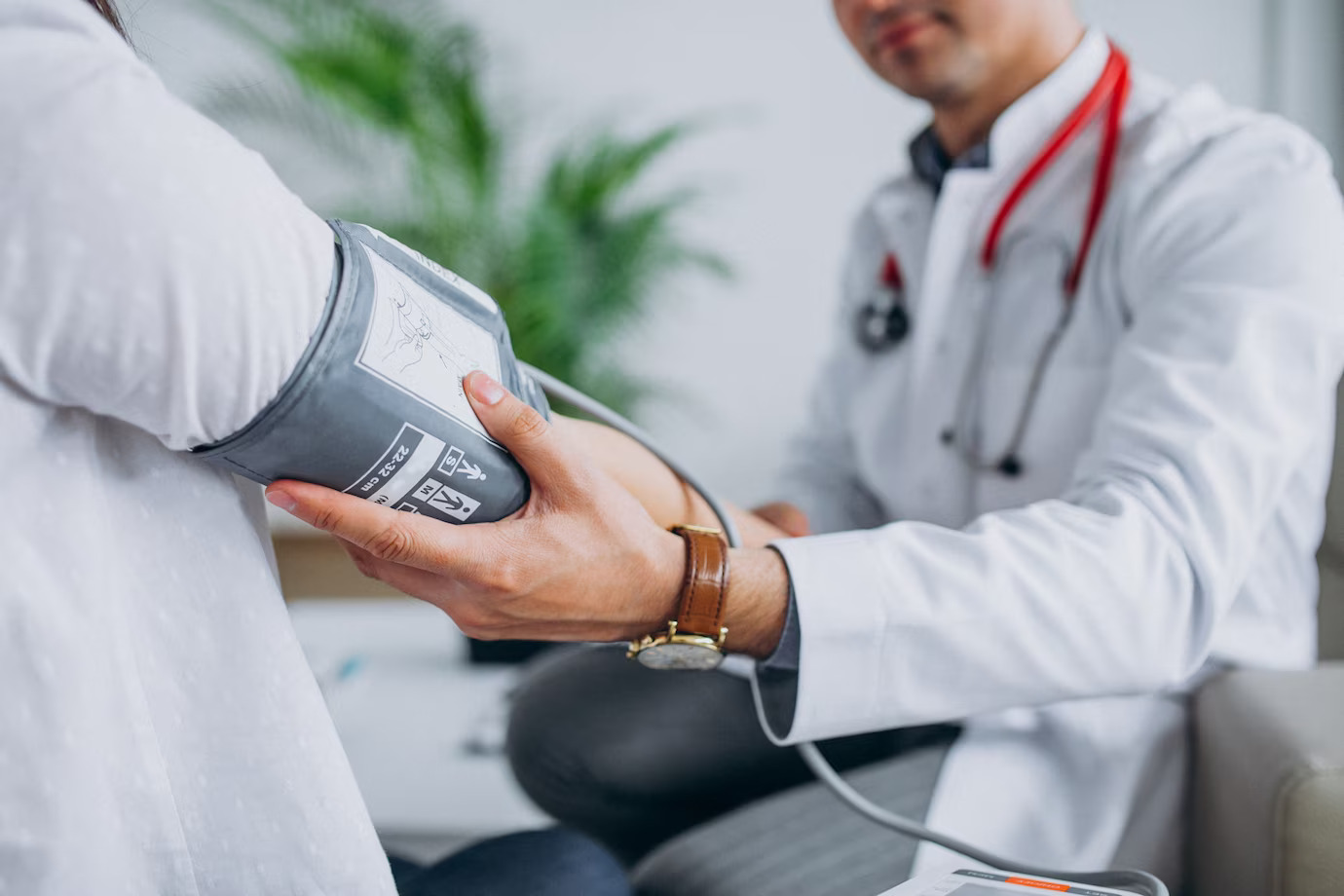
A primary care doctor in North Haven, CT, and other healthcare experts conduct routine checkups and medical appointments to comprehensively assess your current health status. During these visits, they perform thorough physical examinations, meticulously checking your vital signs, including blood pressure, heart rate, respiratory rate, and temperature. These measurements serve as essential indicators of your overall well-being, helping your primary care doctor in North Haven, CT, monitor any changes or abnormalities. 

Additionally, they may perform various health screenings, such as blood tests, cholesterol checks, and cancer screenings, to identify any underlying health issues or potential risk factors. Depending on your health needs, your primary care doctor in North Haven, CT, may order diagnostic tests, such as X-rays or MRIs, to better understand your health. These evaluations enable experts, such as your primary care doctor in North Haven, CT, to establish a baseline of your health and promptly detect any potential health concerns or emerging problems.


✔️Assess Your Medical History

A fundamental aspect of the expertise of a primary care doctor in North Haven, CT, is reviewing your medical history thoroughly. A primary care doctor in North Haven, CT, can take the time to understand your past health conditions, previous treatments, surgeries, and medications. This comprehensive knowledge is invaluable, allowing them to make informed decisions about their present and future healthcare needs. 

A primary care doctor in North Haven, CT, can tailor their approach to your unique health requirements by identifying patterns, recurring health issues, or potential interactions between medications. This patient-specific approach ensures that your healthcare is personalized, effective, and in line with your medical history and individual health journey.


✔️Explore Your Family’s Medical History

A primary care doctor in North Haven, CT, must recognize the significance of understanding your family’s medical history in assessing your health risks. By inquiring about your family’s health background, your primary care doctor in North Haven, CT, can identify potential hereditary health conditions or risk factors that may impact your well-being. This knowledge is essential for developing a more accurate and personalized care plan that addresses any genetic predispositions or familial health patterns. 

Understanding your family’s medical history empowers your primary care doctor in North Haven, CT, to focus on preventive measures and early intervention, aiming to mitigate potential risks and promote better health outcomes.


✔️Address Treatment Preferences and Daily Challenges

One of the hallmarks of experts in primary care, such as your primary care doctor in North Haven, CT, is their patient-centered approach. They actively listen to your concerns, treatment preferences, and daily challenges related to your health. This empathetic communication fosters a strong doctor-patient relationship and empowers you to be an active participant in your healthcare decisions. 

By taking the time to understand your unique perspective and goals, your primary care doctor in North Haven, CT, can work collaboratively with you to develop a personalized care plan that aligns with your values and lifestyle. This tailored approach ensures that your healthcare journey is not only effective but also practical and feasible for you.


✔️Consider Personality and Lifestyle

Your primary care doctor in North Haven, CT, and other healthcare experts recognize that your personality traits and lifestyle factors significantly impact your health. They take these aspects into account when designing your healthcare plan. They consider your habits, work environment, stress levels, social interactions, and support systems to provide you with practical and relevant healthcare advice. By considering these factors,  your primary care doctor in North Haven, CT, ensures that the care plan is medically sound and well-suited to your unique circumstances, enhancing the likelihood of successful health outcomes.


✔️Provide Preventive Care

Preventive care is at the core of the expertise of your primary care doctor in North Haven, CT. They emphasize vaccinations to protect you against preventable diseases and infections. Regular health screenings help experts, such as your primary care doctor in North Haven, CT, detect potential health issues early, allowing for timely intervention and preventive measures. In addition, a primary care doctor in North Haven, CT, can provide lifestyle counseling, promoting healthy habits, such as balanced nutrition, regular exercise, and stress management. This proactive approach to healthcare empowers you to maintain optimal health and prevent future health problems.


✔️Manage Chronic Conditions

For individuals living with chronic health conditions like diabetes, hypertension, or asthma, experts in primary care in North Haven, CT, provide ongoing management and support. They work closely with you to optimize treatment plans and monitor your condition regularly. 

This collaborative approach aims to prevent complications, enhance your quality of life, and support you in effectively managing your health condition. Professionals in primary care in North Haven, CT, serve as a reliable resource, providing continuous care and support for individuals with chronic health conditions.


✔️Referral to Specialists

Should specialized care beyond primary care in North Haven, CT, be required, doctors facilitate referrals to appropriate specialists. They collaborate with other healthcare providers to ensure seamless and comprehensive care. 

By coordinating with specialists, primary care doctors in North Haven, CT, ensure that the appropriate medical professionals adequately address all aspects of your health. This integrated approach to healthcare promotes the continuity and efficacy of your primary care in North Haven, CT.  

Types of Primary Care Doctors

Why You Should Hire a Primary Care Doctor in North Haven​

Experts in primary care in North Haven, CT, who specialize in different fields to cater to the diverse health needs of the community. These doctors are crucial in providing comprehensive healthcare services and establishing a strong foundation for individuals’ overall well-being. Depending on their specific expertise, Doctors of Primary Care in North Haven, CT, may focus on different age groups and medical conditions.

✔️Family Practitioners

Family practitioners are invaluable healthcare professionals who excel in providing comprehensive and continuous medical care for individuals of all ages. Their expertise spans the entire family spectrum, from infants to the elderly, making them the go-to choice for families seeking holistic healthcare solutions. Family practitioners offer a wide range of medical services, including preventive care, routine checkups, vaccinations, and management of chronic conditions. 


✔️Pediatricians

Pediatricians are dedicated to providing specialized care to the youngest members of our society – infants, children, and adolescents. They undergo extensive training in child development, enabling them to address the unique healthcare needs of growing individuals at various stages of their lives. Pediatricians play a vital role in ensuring early detection of health issues and providing preventive care to set the foundation for a healthy adulthood. From routine well-child visits to vaccinations and managing common childhood illnesses, pediatricians are experts in nurturing and safeguarding the health of our future generations. 


✔️Internal Medicine Doctors

Internal medicine doctors, also known as internists, specialize in adult medicine and are skilled in diagnosing and managing complex medical conditions in adult patients. They are equipped to handle a wide array of health issues and serve as providers of primary care in North Haven, CT, for adults, offering comprehensive healthcare services tailored to each individual’s unique needs. With a focus on disease prevention, early diagnosis, and disease management, internists play a crucial role in promoting and maintaining the health of adult patients. They take a holistic approach to healthcare, considering not only their patients’ physical health but also their mental and emotional well-being. 


✔️Geriatricians

Geriatricians specialize in providing specialized care for the elderly population. As individuals age, they may face various age-related health concerns and chronic conditions that require expert management. Geriatricians are well-versed in addressing these unique health challenges and promoting healthy aging. They focus on preventive care, early detection of age-related diseases, and enhancing the quality of life for their elderly patients. 


✔️Obstetricians and Gynecologists (OB/GYNs)

Obstetricians and gynecologists (OB/GYNs) specialize in women’s reproductive health and provide comprehensive care for women of all ages. Their expertise encompasses a wide range of women’s health services, including routine gynecological checkups, prenatal care during pregnancy, and support during childbirth. OB/GYNs are experts in managing various women’s health issues, such as menstrual disorders, reproductive health concerns, and menopause. They play a crucial role in promoting and maintaining the health and well-being of women throughout their different life stages.

How to Choose a Primary Care Doctor in New Haven, CT

Selecting the right primary care doctor is a crucial decision that can significantly impact your healthcare experience. Seek a doctor who embodies empathy, effective communication, and a patient-centered approach. These qualities foster a positive healthcare experience and lead to better health outcomes.

✔️Empathy and Compassion

A primary care doctor who demonstrates empathy and compassion can create a supportive and caring environment for their patients. They take the time to listen to their patients’ concerns, understand their emotions, and show genuine empathy for their health challenges. Patients feel valued and heard, which helps build trust and fosters a strong doctor-patient relationship.


✔️Effective Communication Skills

Clear and effective communication is essential in healthcare; a skilled primary care doctor excels in this area. They can explain medical information in a way that is easy for patients to understand, answer questions, and provide clear instructions about treatment plans and preventive measures. Open and honest communication ensures patients are actively involved in their healthcare decisions.


✔️Patient-Centered Approach

A patient-centered primary care doctor in North Haven, CT, places patients’ needs and preferences at the forefront of their practice. They involve patients in decision-making and work collaboratively to develop personalized care plans that align with the patient’s goals and lifestyle. This approach empowers patients to take an active role in their healthcare journey and fosters a sense of ownership over their well-being.


✔️Comprehensive Medical Knowledge

Experts in primary care in North Haven, CT, in primary care, possess a broad base of medical knowledge that allows them to diagnose and manage a wide range of health conditions. Their expertise covers preventive care, common illnesses, chronic disease management, and coordination of specialized care when needed. This comprehensive knowledge ensures patients receive thorough, well-rounded primary care in North Haven, CT.


✔️Continuity of Care

A primary care doctor in North Haven, CT, who values continuity of care ensures patients have consistent and continuous medical attention over time. They keep track of patients’ medical history, monitor changes in health conditions, and provide follow-up care to ensure ongoing health management. Continuity of care is particularly important for patients with chronic conditions who require regular monitoring and primary care in North Haven, CT.

Why You Should Hire a Primary Care Doctor in North Haven

Take Charge of Your Health and Seek a Primary Care Doctor in North Haven, CT, Today! ​

The benefits of having a primary care doctor extend beyond regular checkups. With a primary care doctor by your side, you gain a healthcare advocate who knows your medical history and health goals intimately.  

✔️Peace of Mind

Having a primary care provider in North Haven, CT, offers peace of mind, knowing that you have a healthcare professional familiar with your medical history and overall health. They are the first point of contact for any health concerns and can provide timely advice and reassurance. In times of illness or uncertainty, knowing that you have a trusted and accessible medical expert to turn to brings comfort and confidence.


✔️Disease Prevention

Preventive care is a cornerstone of primary care in North Haven, CT, focusing on keeping you healthy and reducing the risk of developing certain health conditions. Primary care doctors emphasize regular checkups, vaccinations, and health screenings to detect any early signs of potential health issues. By proactively addressing risk factors and promoting healthy lifestyle choices, they work to prevent diseases and improve your overall well-being.


✔️Access to Health Education

A primary care doctor in North Haven, CT, serves as an educator, providing valuable health information and guidance. They explain medical conditions, treatment options, and preventive measures in a way that is easy to understand. Patient education empowers you to actively manage your health, make informed decisions, and adopt healthy habits.


✔️Access to a Network of Specialists

If specialized care is needed, a primary care doctor in North Haven, CT, can coordinate referrals to a network of specialists. They have extensive knowledge of various medical specialties and can connect you with the right healthcare providers based on your specific health needs. This seamless coordination ensures you receive comprehensive and well-coordinated primary care in North Haven, CT.


✔️Continuity of Care

One of the most significant advantages of having a primary care doctor in North Haven, CT, is the assurance of continuity of care. By establishing a long-term relationship with your primary care provider, you benefit from consistent and comprehensive healthcare management. Over time, your doctor becomes familiar with your medical history, health preferences, and unique needs. This ongoing relationship allows them to monitor your health proactively and track any changes or trends that may arise. Whether you’re visiting for a routine checkup or seeking treatment for a specific concern, your primary care doctor deeply understands your health journey.

Take Charge of Your Health and Seek a Primary Care Doctor in North Haven, CT, Today!

A primary care doctor is critical to prioritizing your health and ensuring comprehensive medical care. They are more than just medical professionals; they are caring allies invested in your well-being. From checkups to guidance, having a primary care doctor is a prudent decision that can positively impact your health and quality of life. Whether you seek care for yourself or your family, a primary care doctor is essential to maintaining a healthy and fulfilling life.

If you’re looking for the finest primary care doctors, look no further than DOCS Urgent Care & Primary Care – North Haven. From preventive care to disease management, we’ve got you covered! Don’t miss the chance to experience top-notch healthcare that truly cares. Contact us at DOCS Urgent Care & Primary Care – North Haven now and embark on a journey to a healthier, happier you!

Ear Pain: Types, Causes, and When to Seek Urgent Care in Fairfield, CT

Ear Pain: Types, Causes, and When to Seek Urgent Care in Fairfield, CT

Ear Pain: Types, Causes, and When to Seek Urgent Care in Fairfield, CT

Ear Pain: Types, Causes, and When to Seek Urgent Care in Fairfield, CT

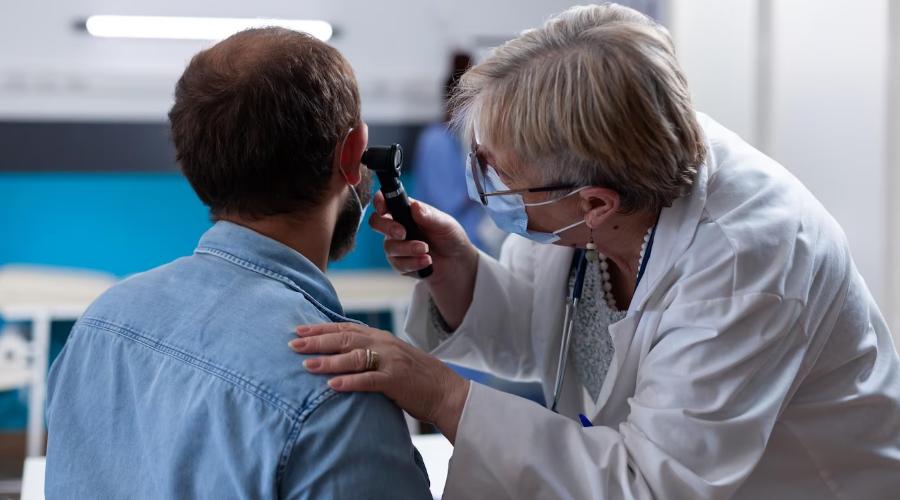
Experiencing ear pain can vary from a slight inconvenience to severe distress, impacting your daily life. It’s essential to recognize the appropriate moments to seek urgent care for ear pain in Fairfield, CT, as this decision greatly influences your overall health. In this comprehensive guide, we’ll explore the key indicators that emphasize the need for urgent care in Fairfield, CT. We’ll also discuss prevalent factors that trigger ear pain, and provide valuable guidance on the best timing and location to access urgent care services in Fairfield, CT. By familiarizing yourself with these crucial aspects, you can proactively address ear pain issues, ensuring your comfort and well-being.

Tips for Living with Allergic Asthma

What is Ear Pain?

Ear pain goes beyond being a simple annoyance; it’s your body’s method of indicating that there might be an underlying issue. This discomfort can originate from different reasons, including infections, injuries, or even a blockage caused by excessive earwax. Although certain instances of ear pain might eventually fade away, it’s crucial to distinguish between discomfort that you can manage and situations that demand immediate attention at an urgent care facility. Recognizing these distinctions ensures that you take the right steps for your well-being.

Types of Ear Pain

Earache

An earache is when your ear hurts and can feel different – sometimes a little bit uncomfortable, and other times a strong thumping feeling. It might happen because of infections, swelling inside your ear, or changes in the air pressure around you. Sometimes, it’s not too bad, like a little annoyance, but other times, it can be really strong and make you feel like you need to do something about it. Earaches can come from different reasons, like putting things in your ear that shouldn’t be there or having problems inside your ear that cause infections.    


Sharp or Shooting Pain

When you suddenly feel a sharp or shooting pain in your ear, it can be surprising and uncomfortable. This kind of pain can happen if something gets stuck in your ear, like an object, or if you have an infection in your ear, or even if you hurt the area around your ear. It’s like feeling a quick jab of pain you didn’t expect, making you stop and pay attention. It’s similar to when you get poked unexpectedly and must figure out where the feeling is coming from. Gaining insight into the sudden onset of ear pain can assist you in effectively managing and minimizing the discomfort you’re experiencing.


Dull Ache

Imagine having a constant, not-so-sharp pain in your ear – a dull ache. It feels like something’s not quite right, and the pain doesn’t go away quickly like a sharp pain. This ache could mean fluid gathering inside your ear because of an infection. Another reason could be that a part of your ear, the Eustachian tube, isn’t working properly. Unlike a sudden poke, this discomfort lingers, serving as a constant reminder that things aren’t right. It’s akin to a gentle nudge telling you that your ear requires attention to improve.   


Burning Sensation

Your ear burning might happen because of different things, such as chemicals that bother your ear, an infection, or a skin problem in your ear canal. This discomfort is more like a warm sensation, not the sharp or throbbing pain you usually feel. It’s like your ear reacts to something irritating it, and it feels warm instead of hurting.   


Throbbing Pain

A throbbing pain is like a rhythmic, pulsing hurt that comes and goes. It often happens when you have an infection that makes the middle part of your ear red and swollen – this is called otitis media. As your ear gets more swollen, the pain can feel like a steady beat you can’t ignore. It’s like your ear sends signals, like drum beats, to tell you something’s wrong.  


Referred Pain

Imagine if pain from one part of your body, like your throat, teeth, or jaw, decided to visit your ear. This is what referred pain is like – the pain borrows the ear’s address and shows up there. It’s like feeling discomfort in a place that’s not hurting. Your body is making a mix-up, and the ear gets the signal that something’s wrong even though it’s not where the pain started. This type of discomfort must be understood as a connection between different body parts.


Pain with Movement

If your ear hurts more when you move your jaw or touch your earlobe, it could mean that something is going on with the joint that lets your jaw move, or you might have an ear infection. It’s similar to your ear saying “ouch” when you do certain things. Moving your mouth or touching your ear worsens the pain, and your ear tells you to be careful.    


Radiating Pain

Radiating pain is when the discomfort starts in your ear but spreads to other places like your neck, head, or face. This kind of pain suggests there might be bigger problems, like certain types of headaches or issues with your nerves. The pain is taking a journey to other parts of your body. When pain travels like this, it’s a sign that there’s more to the problem than just your ear hurting.


Pressure or Fullness

When your ear feels full or has pressure, it could be because of problems with a tube inside your ear that helps with air pressure, or it might be due to issues with your sinuses or even changes in how high up you are. It’s like your ear says things aren’t quite balanced inside.  

Common Causes of Ear Pain

Ear pain often stems from common causes that can be easily identified. These causes include:

Infections

Infections, particularly those occurring in the middle or outer ear, are among the most frequent culprits behind ear pain. Conditions like a swimmer’s ear, triggered by trapped moisture in the ear canal, can lead to discomfort and pain. Additionally, middle ear infections resulting from bacterial or viral factors can cause sharp and intense pain. The inflammation and pressure from these infections contribute to the discomfort experienced.


Foreign Objects

Discomfort in the ear can sometimes arise due to foreign objects lodged in the ear canal. Whether a small toy is inadvertently pushed inside during playtime or debris from outdoor activities finds its way into the ear, these objects can cause significant discomfort and pain. The irritation and pressure caused by these objects can lead to aching and throbbing sensations.


Trauma

Any form of trauma or injury to the ear, such as a direct blow or impact, can result in noticeable ear pain. The delicate structures within the ear, including the eardrum, can be easily affected by trauma. Even seemingly minor accidents, like accidentally poking the ear with a sharp object, can cause discomfort and pain. The pain arises from the body’s natural response to tissue damage and inflammation.

When To Seek Urgent Care for Ear Pain

When To Seek Urgent Care for Ear Pain​

Sudden and Intense Pain

If you experience sudden and intense ear pain might catch you off guard due to its rapid onset and severity. This type of pain could indicate an issue within your ear, warranting a visit to an urgent care center in Fairfield, CT, to determine the underlying cause. The intensity of the pain could signify a serious problem that requires prompt medical attention.


❌ Drainage from the Ear

If you observe any liquid or discharge from your ear, it’s a definite indicator that you should seek assistance from an urgent care facility in Fairfield, CT. The presence of such fluid might indicate an ear infection, necessitating prompt treatment to prevent its progression or spreading.


❌ Fever

Consider it a significant alert if you are experiencing a sudden fever and ear pain. A fever indicates your body’s battle against an infection. Moreover, coupled with ear pain, it’s akin to your body signaling an issue within your ear that necessitates prompt medical attention. Remember to reach out to urgent care in Fairfield, CT, for timely assistance.


❌ Dizziness or Loss of Balance

Experiencing sensations of dizziness or struggling to maintain your equilibrium when you’re dealing with ear pain is a cause for concern. These symptoms might be linked to an underlying issue within your ear, such as a potential infection. To ensure your well-being, seeking medical attention from a doctor is crucial. Their evaluation will help determine the root cause of your discomfort and guide you towards appropriate steps for treatment if needed.

Steps to Take Before Seeking Urgent Care

Experiencing ear pain can be concerning, but before immediately heading to an urgent care facility in Fairfield, CT, consider these practical and simple steps you can try at home:

Avoid Putting Things Inside Your Ear

Putting things like cotton swabs or other stuff in your ears is not a good idea. This can actually make things worse by pushing stuff deeper inside. It’s better and safer to keep your ears free from things that don’t belong there. So, don’t stick anything in your ears. This way, you can avoid making any problems with your ears even worse. If you’re feeling uncomfortable or worried about your ears. In that case, it’s best to get help from a professional instead of trying to fix it yourself.


Keep Your Ear Dry

Water can actually worsen some ear problems. If you sense that water has entered your ear, tilt your head to allow it to drain out naturally. It’s not a good idea to use objects to dry your ear, as this can cause harm to the sensitive parts inside. Let gravity work, and avoid trying to force the water out. This gentle approach is much safer for your ear health.


Use Over-the-Counter Pain Relief

You can use pain relievers that you can buy without a prescription, like ibuprofen or acetaminophen. These can help with ear pain, but remember they only make you feel better briefly. They don’t fix the underlying cause of the pain.


Try a Warm Cloth

Applying a warm cloth to the outer part of your ear, ensuring it’s not overly hot, can provide relief. Remember to place the cloth between the source of warmth and your skin to prevent any risk of burns. This simple technique has the potential to alleviate discomfort and promote a sense of comfort.


Rest and Relax

Taking time to rest and relax is important for feeling better overall. Stress and tiredness can make pain feel worse. So, take it easy and get enough rest to help you feel more comfortable.


Monitor Your Symptoms

Keep a watchful eye on your symptoms and any changes. If the pain persists or worsens, or you notice new symptoms like fever or drainage from the ear, it’s clear that seeking professional medical care, such as urgent care in Fairfield, CT, is the next step. These observations will help medical professionals make an accurate diagnosis and provide appropriate treatment.

Preventive Measures — Taking Care of Your Ears

Taking care of your ears is important, and urgent care in Fairfield, CT, suggests being proactive about preventing ear pain. Following a few simple habits can lower the chances of feeling uncomfortable. Here are some practical steps to think about:

Maintaining Proper Ear Hygiene

Keeping your ears clean is important to stop ear problems. When washing, gently clean the outside of your ears with a soft cloth. It’s not good to put things like cotton swabs in your ear canal because it’s sensitive. Putting things inside can push wax deeper and hurt you.


Protect Your Ears in Challenging Situations

Sometimes your ears can be in tough situations, like cold wind or water. To stop problems, you can do things to protect them. If it’s cold, wear a hat or earmuffs. This stops the cold air from making your ears hurt. When you go swimming, use special earplugs. These stop water from getting in your ears and make them sick.


Practice Caution with Headphones

Many people use headphones to listen to stuff. But you have to be careful with how loud it is. If it’s too loud, it can hurt your ears. This can cause pain and problems with hearing if you do it a lot.


Regular Check-ups

Remember to schedule regular check-ups with the doctor at urgent care in Fairfield, CT. They will also examine your ears during these visits. Identifying any issues early is possible through these checks. The doctor will provide guidance on proper ear care, as it plays a crucial role in maintaining overall health.

The Role of Urgent Care in Fairfield, CT, for Ear Pain

The Role of Urgent Care in Fairfield, CT, for Ear Pain ​

When ear pain becomes a concern, urgent care centers in Fairfield, CT, are a valuable resource. These urgent care centers are a vital link between your regular doctor and the emergency room. Their purpose is to offer prompt and accessible medical assistance for situations like severe ear pain that aren’t life-threatening. Its commitment to reducing wait times while extending operating hours to cater to your needs sets urgent care apart.

✔️ Timely Attention to Non-Emergency Needs

Urgent care centers are designed to address health issues that require attention but aren’t considered emergencies. When intense ear pain strikes, and it’s not an immediate life-threatening situation, urgent care steps in to provide the care you need without the prolonged waiting times often associated with emergency rooms.


✔️ Expert Evaluation and Treatment

At an urgent care center in Fairfield, CT, like DOCS Urgent Care & Primary Care Fairfield, experienced medical professionals stand ready to evaluate and treat your ear pain. They possess the expertise to accurately diagnose the root cause of your discomfort. Urgent care centers can pinpoint the issue by assessing your symptoms and potentially conducting necessary tests, and recommending an appropriate course of action.


✔️ Personalized Care and Convenience

Urgent care centers prioritize personalized care. They understand that each patient’s situation is unique and tailor their approach accordingly. By focusing on your comfort and well-being, urgent care centers in Fairfield, CT, provide a friendly and efficient environment where you can receive treatment for your ear pain promptly and professionally.

Get Relief for Your Ear Pain Today!

In-ear pain, paying heed to your body’s signals and acknowledging worrisome symptoms is crucial. Severe pain, unusual drainage, and similar indications should not be overlooked. Swift and professional medical assistance is easily accessible through urgent care centers in Fairfield, CT, guaranteeing that your ear discomfort is promptly and efficiently managed. Prioritizing your health and taking proactive measures can significantly impact your overall well-being.

DOCS Urgent Care & Primary Care Fairfield is an excellent choice for individuals seeking reliable medical attention for ear pain. With our experienced medical staff and dedication to providing top-notch care, we can effectively address your ear-related concerns. Our commitment to patient well-being ensures your discomfort is thoroughly evaluated and treated. Take your time seeking help when dealing with ear pain; contact us today to receive the attentive care you deserve.

How to Know When Abdominal Pain Requires Urgent Care in West Hartford, CT

When to Seek Urgent Care in West Hartford, CT, for Abdominal Pain​

How to Know When Abdominal Pain Requires Urgent Care in West Hartford, CT

When to Seek Urgent Care in West Hartford, CT, for Abdominal Pain​

Abdominal pain can often leave people wondering about its seriousness. For West Hartford, CT residents, distinguishing between a mild upset stomach and a potential emergency is essential. This blog clarifies the signs and symptoms that warrant urgent care attention, helping you make informed decisions for your health when faced with abdominal discomfort.

Tips for Living with Allergic Asthma

What is Abdominal Pain?

Abdominal pain encompasses a wide spectrum of sensations, ranging from mild discomfort to intense distress. This discomfort originates from various sources, including digestion problems, infections, and underlying medical conditions. Understanding the nature of abdominal pain is essential in gauging its significance and deciding whether seeking medical attention is warranted. Here’s a breakdown of the possible sources of abdominal pain:

Digestive Issues

Abdominal pain often finds its roots in gastrointestinal issues that can trigger discomfort of varying degrees. Conditions such as indigestion, where the digestive process is disrupted, can lead to a feeling of fullness, discomfort, and sometimes pain. Acid reflux, which causes stomach acid to flow back into the esophagus, can result in a burning sensation in the chest and upper abdomen. 

Additionally, irritable bowel syndrome (IBS), a common digestive disorder, can cause abdominal pain, bloating, and changes in bowel habits, impacting daily life. Gastric disturbances, such as excessive gas or bloating, can further contribute to abdominal discomfort, causing sensations of pressure and pain in the belly.


Infections

Abdominal pain can be a result of infections within the abdominal region. Gastroenteritis, often caused by viral or bacterial infections, leads to inflammation of the stomach and intestines, causing symptoms like abdominal pain, nausea, vomiting, and diarrhea. If left untreated, urinary tract infections (UTIs) can also cause localized pain and discomfort in the lower abdomen. The inflammation caused by these infections triggers tenderness and pain as the body responds to combat the invaders.  


Organ-Specific Pain

Pain originating from specific organs can radiate to the abdominal area, causing discomfort that’s sometimes challenging to pinpoint. Gallstones, for instance, can cause intense pain in the upper right abdomen as they block the bile flow. Appendicitis, the inflammation of the appendix, leads to sharp pain in the lower right abdomen. Inflammation of the liver, often due to infections or certain medical conditions, can cause discomfort in the upper abdomen. Identifying the source of pain and its corresponding symptoms is essential for accurate diagnosis and timely treatment.


Muscle Strain

Engaging in activities that strain the abdominal muscles, such as heavy lifting, sudden movements, or overexertion, can lead to localized pain. These actions can result in muscle strain or even minor tears, causing pain usually confined to the stressed area. This type of pain can be sensitive to touch and movement, highlighting the role of muscle health in overall abdominal comfort. While muscle strain might not signify a serious underlying issue, it’s important to rest and allow the muscles to heal to prevent further discomfort.


Gynecological Factors

Women often experience abdominal pain due to gynecological factors. Menstrual cramps, common during menstruation, lead to lower abdominal pain and discomfort. Ovarian cysts, fluid-filled sacs that develop on the ovaries, can cause intermittent or persistent abdominal pain. Endometriosis, a condition where tissue similar to the lining of the uterus grows outside it, can lead to chronic pelvic pain and abdominal discomfort. Pregnancy-related changes, such as the stretching of ligaments and pressure on organs, can also result in varying degrees of abdominal pain in expectant mothers.


Medical Conditions

Several underlying medical conditions can contribute to persistent or recurrent abdominal pain. Inflammatory bowel diseases (IBD), such as Crohn’s disease and ulcerative colitis, lead to inflammation and discomfort in the digestive tract. Kidney stones, solid deposits that form in the kidneys and can move to the urinary tract, cause sharp and intense pain as they pass through the system. While Hernias, where an organ pushes through a weakened muscle or tissue, can lead to localized discomfort in the affected area. Identifying these medical conditions is crucial for managing abdominal pain effectively.


Nerve Sensitivity

Abdominal pain can also stem from nerve sensitivity in the abdominal region. Nerves can become overly sensitive, leading to pain sensations even without a specific underlying issue. Conditions like neuropathy or nerve damage can contribute to this discomfort, often described as sharp, shooting, or tingling pain. Understanding the role of nerve sensitivity can aid in distinguishing this type of pain from other sources and guiding appropriate treatment.

When to Seek Urgent Care in West Hartford, CT, for Abdominal Pain

Advantages of Urgent Care in West Hartford, CT​

Sudden Strong Pain

If an abrupt and intense pain strikes your abdomen, it’s imperative to take swift action by seeking urgent care in West Hartford, CT. This sudden and sharp discomfort could indicate a grave underlying issue that requires immediate medical evaluation. Such intense pain might be attributed to various conditions, from appendicitis to kidney stones, and seeking prompt medical attention can significantly mitigate potential complications.


Worsening Pain

Observing a gradual escalation in your abdominal pain is a signal that shouldn’t be overlooked. As the discomfort intensifies over time, it indicates that an underlying medical concern might be at play.   


Fever and Vomiting

In cases where abdominal pain coincides with fever and vomiting, it’s important to fully comprehend the significance of these additional symptoms. Such a combination could indicate an underlying infection or inflammation that demands prompt medical attention. Recognizing the potential seriousness of these signs can aid in early detection and intervention, preventing the escalation of any potential health issues. Therefore, it’s essential to pay attention to the importance of seeking medical care when these symptoms are present. Your proactive response can significantly impact your overall health and well-being.


Post-Injury Pain

Following an injury, it is essential to exercise caution when dealing with any subsequent abdominal pain. Even seemingly minor injuries can lead to internal trauma that may not be readily noticeable. Seeking prompt medical attention holds utmost importance, as it aids in identifying potential underlying issues and guarantees their effective handling. The swift intervention of medical experts can facilitate early detection and timely intervention, ultimately thwarting the emergence of complications. By adhering to these measures, you are actively placing your health and well-being at the forefront as you navigate the aftermath of an injury.


Possible UTI

Abdominal pain and urinating discomfort might indicate a urinary tract infection (UTI). UTIs can cause discomfort, pain, and an urgent need to urinate. Visiting urgent care allows healthcare providers to perform tests that diagnose UTIs accurately. Seeking urgent care for a possible UTI ensures timely treatment and relief from discomfort.


Pregnancy Pain

Abdominal pain during pregnancy should never be ignored. Changes in the body during pregnancy can lead to discomfort, but it’s essential to differentiate between normal discomfort and potentially concerning issues. Urgent care is equipped to assess pregnancy-related abdominal pain, ensuring the well-being of both the expectant mother and the baby. Seeking medical attention in such situations provides peace of mind and safeguards maternal health.


Concerns like Appendicitis or Gallbladder Issues

Certain conditions require prompt evaluation to prevent complications. Appendicitis, characterized by severe abdominal pain that often begins around the navel and shifts to the lower right abdomen, demands immediate attention. Similarly, issues with the gallbladder, such as gallstones or inflammation, can cause intense pain in the upper right abdomen. Urgent care in West Hartford, CT, has the expertise and resources to effectively diagnose and manage these concerns.

Self-Assessment

Conducting a self-assessment of abdominal pain can provide valuable insights into its severity and potential causes. This assessment helps you communicate effectively with healthcare providers, ensuring accurate diagnosis and appropriate treatment. Here’s how you can gauge the intensity of your pain:

Pain Scale

One effective way to convey the severity of your abdominal pain is by using a pain scale. This scale typically ranges from 1 to 10, with 1 representing minimal pain and 10 indicating the most excruciating pain imaginable. By assigning a number to your pain level, you provide healthcare professionals with a clear understanding of the intensity you’re experiencing. This simple tool aids in making treatment decisions and assessing the effectiveness of interventions.


Additional Symptoms

When evaluating abdominal pain, it’s important to consider any accompanying symptoms. Bloating, for instance, might suggest digestive issues or gas buildup, while changes in bowel habits could indicate underlying gastrointestinal concerns. The presence of blood in stools might point to more serious issues, such as gastrointestinal bleeding. Recognizing these patterns and details assists healthcare providers in forming a comprehensive picture of your condition, leading to more accurate diagnoses.


Medical History and Risks

Understanding the context of your abdominal pain is crucial. Reflect on your medical history, including any pre-existing conditions or past surgeries that might influence your current discomfort. Age, gender, and lifestyle choices also affect pain urgency. For instance, individuals with a history of gastrointestinal problems might be more susceptible to certain issues. Sharing this information with healthcare providers helps them tailor their approach to your care, ensuring a more effective assessment and treatment plan.


Duration and Patterns

In addition to considering pain intensity, duration and patterns provide valuable information. Is the pain constant, or does it come and go? Does it worsen after meals or during specific activities? These details offer insights into potential triggers or underlying causes of the discomfort. Documenting the frequency and timing of your pain can provide a clearer picture for healthcare professionals, aiding in their efforts to pinpoint the source of the issue.


Impact on Daily Life

Another aspect to consider is how abdominal pain impacts your daily life. Does it interfere with your ability to work, exercise, or perform routine tasks? Recognizing the limitations the pain imposes on your lifestyle helps healthcare providers understand the practical implications of your condition. This information guides them in crafting treatment recommendations that address the pain and enhance your overall quality of life.

Red Flags for Serious Conditions

DOCS Urgent Care - West Hartford, CT—Your Partner in Health

❌ Severe Pain and Stiffness

If you experience extreme pain accompanied by stiffness in the abdominal area, it’s crucial to recognize this as a potential red flag. Such a combination could indicate a critical issue that requires immediate medical evaluation. This could be due to various underlying causes, including internal bleeding, organ rupture, or a severe infection. Recognizing the severity of the pain and stiffness and seeking medical assistance promptly is essential for timely intervention.


❌ Pain Spreading

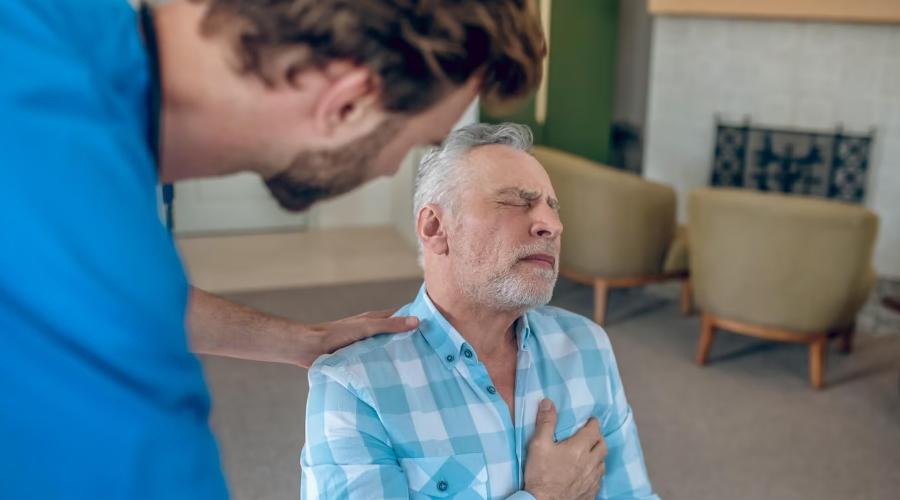
When abdominal pain begins to radiate or spread to other areas of the body, such as the chest, shoulder, or back, it’s a sign that more serious complications might be at play. This spreading pain could suggest organ involvement, nerve irritation, or heart-related concerns.   


❌ Dizziness with Pain

Experiencing dizziness or lightheadedness in conjunction with abdominal pain is a combination that should not be ignored. When these symptoms coincide, it could indicate a critical problem such as internal bleeding, severe infection, or cardiovascular issues. Dizziness might result from inadequate blood supply due to a serious underlying condition.   


❌ Post-Surgery Pain

If you’re experiencing abdominal pain following a recent surgery or medical procedure, it’s important not to dismiss it as a normal part of the recovery process. Post-surgery pain could indicate complications such as infection, internal bleeding, or issues with the healing process. Seeking medical attention in these cases is vital to identify and address any potential problems early on, preventing further complications and promoting proper healing.

Advantages of Urgent Care in West Hartford, CT

When faced with abdominal pain, seeking care promptly is crucial for your well-being. Urgent care centers in West Hartford, CT, offer several benefits that make them a practical choice for addressing your discomfort:

✔️ Prompt Attention

When it comes to addressing abdominal pain, urgent care centers recognize the urgency of your situation. Their top priority is prompt evaluation, which translates to minimal waiting times. This quick response is vital for ensuring you receive the necessary attention swiftly, allowing your abdominal pain to be addressed promptly. With professionals ready to assess your condition without delay, urgent care becomes a reliable avenue for timely relief.


✔️ Cost-Effective Option

Urgent care visits not only offer convenience but also present a cost-effective choice. Opting for urgent care over an emergency room visit can lead to substantial savings, especially for non-life-threatening concerns like abdominal pain. This financial advantage makes urgent care a practical option, offering the essential medical attention you require without burdening your finances. With quality care at a fraction of the cost, urgent care is an accessible and affordable solution.


✔️ Access to Diagnostic Tools

Urgent care facilities in West Hartford, CT, boast advanced diagnostic tools, including X-rays and laboratory tests. These resources empower healthcare professionals to pinpoint the root cause of your abdominal pain accurately. This level of precision ensures that the treatment you receive is tailored to the specific nature of your condition. By leveraging these diagnostic capabilities, urgent care centers enhance the accuracy and effectiveness of their medical interventions.


✔️ Experienced Medical Staff

Urgent care centers house a team of experienced medical professionals with expertise in evaluating and managing various medical concerns, including abdominal pain. Their seasoned knowledge lets them quickly assess your condition and recommend the most appropriate action based on your circumstances. This expertise guarantees that your abdominal pain is met with effective and informed medical decisions.


✔️ Convenient Locations

Strategically positioned across West Hartford, CT, urgent care centers offer accessibility when you require immediate medical attention for abdominal pain. You can conveniently locate an urgent care facility at home, work, or on the move. This accessibility eliminates unnecessary delays, promptly addressing your discomfort without compromising your daily commitments.


✔️ Extended Operating Hours

Unlike many primary care providers, urgent care centers extend their operating hours beyond regular office times. This inclusivity encompasses evenings and weekends, providing flexibility in seeking care for your abdominal pain. The extended availability ensures that you can attend to your health needs at a time that suits your schedule, bypassing the traditional constraints of appointment-based care.


✔️ Comprehensive Care

Urgent care centers offer a comprehensive approach that transcends mere evaluation and diagnosis. Beyond assessing your condition, they can provide treatments, prescribe medications, offer guidance for ongoing care, and even facilitate referrals to specialists if your situation necessitates. This holistic approach guarantees that your abdominal pain is accurately diagnosed and effectively managed, ensuring your well-being remains at the forefront of care.

Contact Us at DOCS Urgent Care - West Hartford, CT—Your Partner in Health

Abdominal pain acts as a strong reminder to put our well-being first. Understanding when to consider urgent care in West Hartford, CT, is key to maintaining good health. You’re taking active steps toward ensuring a healthier life by being attentive to your body’s cues, making informed decisions, and seeking timely assistance.

Your health is priceless, and DOCS Urgent Care – West Hartford — a reputable urgent care center in West Hartford — is here to be your partner on this journey. Don’t wait – prioritize your well-being today.

8 Thoughtful Ways to Approach STD Testing in Southington, CT, with Your Partner

8 Thoughtful Ways to Approach STD Testing in Southington, CT, with Your Partner

8 Thoughtful Ways to Approach STD Testing in Southington, CT, with Your Partner

8 Thoughtful Ways to Approach STD Testing in Southington, CT, with Your Partner

Open conversations about sexual health are increasingly vital, and approaching the topic of STD testing in Southington, CT with your partner is an act of care and responsibility. The prevalence of sexually transmitted diseases (STDs) underscores the significance of regular testing. This blog will guide you through eight thoughtful ways to navigate this essential discussion and testing process, ensuring both you and your partner prioritize your sexual health.

Tips for Living with Allergic Asthma

1. Laying the Foundation

Creating an Open Space

Bringing up the topic of STD testing in Southington, CT, might feel daunting, but remember, you’re in this together. Find a relaxed moment when both of you are at ease. Over dinner, during a walk, or while simply spending quality time together, create a comfortable environment for this important conversation.

Use "I" Statements: Sharing Feelings Honestly

When discussing STD testing in Southington, CT, it’s crucial to express your thoughts and feelings without making your partner feel defensive. Use “I” statements to talk about your concerns and feelings, such as “I care about our health, and I believe getting tested is a responsible step for both of us.”

Building Trust

Approaching the conversation from a standpoint of shared responsibility can help ease tensions. Remind your partner that taking care of each other’s health is a joint effort. Emphasize that getting tested is not about placing blame but rather ensuring the well-being of both of you and creating a strong foundation of trust and mutual care.

Encouraging Openness

When discussing STD testing in Southington, CT, reassure your partner that this is a judgment-free zone. Express your understanding that this is a sensitive topic and that sharing concerns is a sign of care, not criticism. By fostering an environment of openness, you’re inviting your partner to express their thoughts without fear of judgment.

Hearing Each Other Out

Remember, communication isn’t just about talking—it’s about listening too. Give your partner the space to share their thoughts, concerns, and feelings. Active listening fosters understanding and empathy, allowing both of you to engage in a constructive dialogue about STD testing in Southington, CT.

Highlight the Bigger Picture– A Shared Future

As you discuss STD testing in Southington, CT, with your partner, highlight the bigger picture: a shared future of good health and well-being. Frame the conversation as a proactive step toward ensuring many happy and healthy years together. Your commitment to each other’s health reflects the strength of your relationship.

2. Researching Testing Options

Where to Go for STD Testing in Southington, CT

When considering STD testing in Southington, CT, start by researching local facilities that offer testing services. Look for reputable clinics, private doctors, and even at-home test kits. Choosing a facility that aligns with your preferences and needs is essential for a comfortable testing experience.

Ensuring Reliability

Before finalizing your choice, ensure that the facility is accredited and has a positive reputation. Online reviews and recommendations from friends can provide insights into the quality of service. Opting for a well-reviewed facility ensures that you’re making an informed decision about your STD testing in Southington, CT.

Seeking Expert Advice

If you’re unsure about the best testing option for you and your partner, don’t hesitate to consult with healthcare professionals. They can provide guidance on the most suitable testing methods based on your individual circumstances. Their expertise will assist you in making a well-informed decision about STD testing in Southington, CT.

Finding the Right Fit

Different testing options offer varying levels of privacy and convenience. Clinics might provide face-to-face consultations, while at-home test kits offer the comfort of testing in your own space. Consider what works best for you and your partner’s preferences, schedule, and comfort level when deciding on your approach to STD testing in Southington, CT.

Planning Your Budget

While the cost shouldn’t be the sole deciding factor, it’s essential to consider the financial aspect of STD testing in Southington, CT. Compare the prices of different facilities and methods, and factor in your budget. Remember that investing in your health now can prevent potential complications and expenses in the future.

Opting for Quality Care

When researching testing options for STD testing in Southington, CT, prioritize professionalism and quality care. A facility that values your comfort, respects your privacy, and maintains high standards of hygiene is crucial for a positive testing experience. A professional environment can alleviate any anxiety or apprehension you and your partner may have.

3. Exploring Different Types of STDs

Exploring Different Types of STDs

Understanding STDs

When it comes to STD testing in Southington, CT, it’s crucial to be well-informed about the various types of sexually transmitted diseases (STDs) that might be prevalent in your area. From chlamydia to gonorrhea, herpes to HIV, each STD has its unique characteristics, transmission methods, and potential health implications.

Knowing How STDs Spread

Understanding how different STDs are transmitted is essential for making informed decisions about STD testing in Southington, CT. Some are spread through sexual contact, while others can be transmitted through blood, sharing needles, or even from mother to child during childbirth. Having this knowledge helps you and your partner take preventive measures.

Knowing the Risks of Untreated STDs

Educating ourselves about the potential health risks of untreated STDs underscores the significance of regular testing. Some STDs, if left untreated, can lead to serious health complications, including infertility, organ damage, and increased vulnerability to other infections. STD testing in Southington, CT, is a proactive step toward early detection and prompt treatment.

Promoting Mutual Education

Take this opportunity to learn about STDs together as a couple. By exploring resources, articles, and reliable websites, you can enhance your understanding of the various types of STDs. This shared knowledge not only strengthens your bond but also empowers you to make informed choices about STD testing in Southington, CT, and sexual health.

Starting Conversations About Protection

As you delve into understanding different STDs, use this knowledge to have conversations about protection. Discuss the use of condoms, dental dams, and other preventive measures that can reduce the risk of transmission. Engaging in these discussions openly will contribute to a comprehensive approach to STD testing in Southington, CT, and maintaining sexual health.

Busting Misconceptions

While discussing STD testing in Southington, CT, be aware of the stigma and misconceptions surrounding STDs. Address any myths you might come across, and encourage your partner to do the same. Challenging misinformation together fosters a healthier understanding of STDs and diminishes any unnecessary anxiety.

4. Discussing Testing Procedures

Breaking Down the Process

When you’re considering STD testing in Southington, CT, knowing what to expect during the testing process can alleviate uncertainties. Most testing facilities will provide you with a clear explanation of the steps involved. From sample collection to result interpretation, understanding the process can ease any anxiety you or your partner might have.

Addressing Common Concerns

It’s normal to have concerns or questions about the testing process for STDs in Southington, CT. Common concerns include discomfort, confidentiality, and the accuracy of results. Address these concerns openly with your partner and seek information from reputable sources. This proactive approach ensures that both of you are well-prepared for the testing experience.

Choosing the Right Test

Different STDs may require different testing methods. Some tests involve blood samples, while others require urine or swab samples. Discuss with your partner which tests you both feel comfortable with and which are relevant based on your sexual history. Tailoring the testing approach to your needs ensures a more personalized experience.

Role of Healthcare Professionals

During STD testing in Southington, CT, healthcare professionals play a vital role in guiding you through the process. They are trained to conduct tests, answer questions, and address any concerns you might have. Trust their expertise and don’t hesitate to ask any questions you might have about the testing procedures or the accuracy of the results.

Ensure Your Comfort

Confidentiality is a cornerstone of STD testing in Southington, CT. Reputable testing facilities prioritize your privacy and ensure that your personal information is kept confidential. Knowing that your information is handled with care can alleviate worries and allow you to focus on the importance of getting tested.

5. Facing the Journey Together

Deciding as a Team

Approaching STD testing in Southington, CT, is a journey best taken together. Sit down with your partner and discuss the decision to get tested as a team. By approaching this decision collaboratively, you’re reinforcing the sense of partnership and mutual care that defines your relationship.

Addressing Fears and Anxieties

Opening up about any fears or anxieties you or your partner might have about STD testing in Southington, CT, is crucial. It’s natural to feel nervous about the process or the potential results. By sharing your feelings, you create an environment of understanding and empathy, allowing both of you to navigate the journey with greater emotional support.

Embracing Solidarity

The decision to get tested together reflects the strength of your bond. This act of solidarity shows that you’re committed not only to your individual health but also to each other’s well-being. Embrace the opportunity to reinforce your emotional connection and demonstrate your dedication to a healthy, happy future together.

Dealing with the Outcome

As you and your partner embark on STD testing in Southington, CT, remember that the outcome could be either positive or negative. Prepare yourselves emotionally for any result. Positive results can be managed with proper medical guidance, while negative results offer peace of mind. Regardless of the outcome, your mutual support remains unwavering.

Celebrating Responsible Choices

Approaching STD testing in Southington, CT, together is an act of responsibility that can enhance your relationship. By taking this step, you’re demonstrating your commitment to responsible decision-making and caring for each other’s well-being. Use this experience as a foundation to build upon, fostering a relationship that’s based on trust, support, and shared values.

6. Scheduling and Appointment Setting

Scheduling and Appointment Setting

Finding the Right Time

When it comes to STD testing in Southington, CT, finding the right time for both you and your partner is key. Consider your schedules and look for a time when you can both be present without rushing or feeling stressed. Finding this window of time shows that you’re committed to prioritizing your health together.

Choosing a Comfortable Day

Select a day that’s comfortable for both of you. Avoid times when you’re busy with work or other commitments, as you’ll want to be relaxed and focused during the appointment. A comfortable day sets the tone for a positive experience during your STD testing in Southington, CT, journey.

Coordinating Calendars

Coordinating your calendars might take a bit of effort, but it’s worth it. Ensure that both you and your partner can attend the testing appointment. By making this effort, you’re showing that the commitment to your health is a shared responsibility, and you’re willing to make the necessary arrangements for it.

Considering Anonymous Testing

If privacy is a concern during your STD testing in Southington, CT, journey, consider anonymous testing options if available. Some testing facilities offer the option to get tested without revealing personal information. This added layer of privacy can provide peace of mind and encourage both you and your partner to take the test without reservations.

Making the Appointment Non-Negotiable

When scheduling the STD testing in Southington, CT, appointment, treat it as a non-negotiable commitment. Just as you would prioritize work meetings or social gatherings, prioritize your health and the health of your partner. By making the appointment a priority, you’re setting a strong precedent for responsible actions in your relationship.

7. Navigating the Experience

Attending the Appointment Together

Attending the STD testing appointment in Southington, CT, together can provide invaluable emotional support. Walking into the testing facility side by side shows your commitment to facing challenges as a team. Your presence for each other during the appointment can offer a sense of comfort that eases any nerves.

Meeting the Healthcare Professionals

As you arrive for your STD testing in Southington, CT, appointment, you’ll meet healthcare professionals who are there to guide you through the process. Approach the meeting with an open mind and a willingness to ask any questions you might have. These professionals are your partners on this journey to better sexual health.

Easing Nervousness

It’s natural to feel a bit nervous before your STD testing in Southington, CT, appointment. To ease any tension, create a comfortable environment for yourselves. Wear clothing that makes you feel at ease, and bring along a book or magazine to distract yourselves while waiting. The more relaxed you are, the smoother the experience will be.

Open Communication with Professionals

If you or your partner have any concerns or questions about the testing process, don’t hesitate to ask the healthcare professionals. They’re experienced in answering these questions and providing the necessary information. Having your concerns addressed can help both of you approach the appointment with greater confidence.

Focusing on the End Goal

As you go through the STD testing in Southington, CT, appointment, keep a positive attitude. Focus on the end goal of ensuring your sexual health and well-being. A positive mindset can alleviate stress and make the experience more manageable. Remind each other that you’re taking responsible steps for a healthier future.

8. Managing the Anticipation

Engaging in Positive Distractions

As you wait for your results from STD testing in Southington, CT, consider engaging in positive distractions. Pursue hobbies you both enjoy, catch up on movies or TV shows, or spend quality time with friends and family. Keeping busy can prevent excessive worry and help the waiting period pass more quickly.

Easing Anxiety Together

It’s normal to feel some level of anxiety during the waiting period after STD testing in Southington, CT. Lean on each other for support and understanding. Share your feelings, fears, and hopes with one another. Remember that you’re on this journey together, and your mutual support can ease the emotional burden of waiting.

Avoiding Assumptions

While waiting for your results from STD testing in Southington, CT, it’s essential to avoid making assumptions. Don’t jump to conclusions before you have the actual results in hand. Premature conclusions can lead to unnecessary stress and anxiety. Stay patient and remind each other that only the test results will provide accurate information.

Keeping Each Other in the Loop

Maintain open communication during the waiting period. If either of you is experiencing heightened anxiety or worry, talk about it openly. Sharing your emotions can provide reassurance and create an environment of support. Remember that being there for each other is an integral part of navigating the STD testing in Southington, CT, journey.

Ease into STD testing in Southington, CT, with Your Partner Today!

Ease into STD testing in Southington, CT, with Your Partner Today!​

Ready to take the proactive step towards prioritizing your sexual health? At Docs Primary Care – Southington, we’re here to support you and your partner on this journey. Our experienced healthcare professionals can guide you through the STD testing process in Southington, CT, offering a comfortable and confidential experience. Plus, with our advanced technology, we can process your results within just 20 minutes, providing you with prompt peace of mind. Your well-being matters, and we’re here to provide the expert care and support you need. Contact us today to schedule an appointment!

Kidney Infections — When to Seek Urgent Care in Bridgeport, CT

Dietary Tips for Managing Kidney Infection Symptoms: Insights from Urgent Care in North Haven, CT

Kidney Infections — When to Seek Urgent Care in Bridgeport, CT

Dietary Tips for Managing Kidney Infection Symptoms: Insights from Urgent Care in North Haven, CT

Kidney infections can be more than just discomfort; they can lead to serious complications if not treated promptly. Knowing when to seek medical attention is crucial for those in Bridgeport, CT. This blog aims to provide a comprehensive guide on recognizing kidney infection symptoms and understanding when to visit urgent care in Bridgeport, CT.

Tips for Living with Allergic Asthma

What are Kidney Infections?

Kidney infections occur when bacteria travel from the urinary tract into the kidneys, causing discomfort that can’t be ignored. These infections are distinct from urinary tract infections (UTIs) and demand quick action to prevent further issues.

Kidney infections stem from a simple truth: our urinary system isn’t immune to bacterial invasion. Bacteria that initially affect the bladder can enter the kidneys, leading to a more serious infection. This is what sets kidney infections apart from UTIs. Unlike UTIs, kidney infections delve deeper and can pose greater risks.

A kidney infection can escalate into a more severe problem if left untreated. The discomfort you feel today can quickly spiral into something more alarming. That’s why understanding the nuances of kidney infections and knowing when to seek help is crucial.

What are the Causes of Kidney Infection?

Kidney infections, also known as pyelonephritis, typically result from bacterial infections originating in the urinary tract and ascending to the kidneys. Common causes of kidney infections include:


Urinary Tract Infections (UTIs)

UTIs are the most prevalent cause of kidney infections. Bacteria, often Escherichia coli (E. coli), can enter the urinary tract through the urethra and multiply in the bladder. If not treated promptly, these bacteria can travel up the ureters to the kidneys, leading to a kidney infection.


Bladder Infections

If a bladder infection (cystitis) is not properly treated, the bacteria causing it can migrate to the kidneys and cause a more severe infection. This highlights the importance of addressing bladder infections promptly.


Anatomical Factors

Some individuals may have structural abnormalities in their urinary tract that increase the risk of kidney infections. Conditions like vesicoureteral reflux, where urine flows backward from the bladder into the ureters, can facilitate the ascent of bacteria to the kidneys.


Kidney Stones

Kidney stones can obstruct urine flow and create pockets where bacteria can thrive. This stagnant urine provides an ideal environment for bacterial growth, increasing the likelihood of infection.


Pregnancy

Pregnant individuals are more susceptible to kidney infections due to hormonal changes that can slow urine flow and promote bacterial growth. Additionally, the growing uterus can cause compression of the ureters, further hindering urine flow.


Weakened Immune System

Individuals with compromised immune systems from medical conditions such as diabetes, HIV/AIDS, or specific medications experience a diminished capacity to combat infections effectively. This weakened immune response heightens the susceptibility to kidney infections, as the body’s natural defense mechanisms are impaired, rendering it more vulnerable to such health issues.


Catheter Use

Inserting a catheter into the urinary tract can introduce bacteria into the system and provide a pathway for infection to reach the kidneys, especially if the catheter remains in place for an extended period.


Sexual Activity

Sexual activity can introduce bacteria into the urinary tract, particularly in women. The anatomical proximity of the urethra to the anus can facilitate the transfer of bacteria, increasing the risk of infection.


Weakened Bladder Function

Conditions that weaken the bladder’s ability to fully empty itself, such as neurogenic bladder dysfunction, can create an environment where bacteria can thrive and lead to infections.


Older Age

As individuals age, changes in the urinary tract and weakened immune responses can contribute to an increased susceptibility to kidney infections.

When to Consider Urgent Care for Your Kidney Infection?

Being aware of when to turn to urgent care for your kidney infection can be a crucial step in safeguarding your health, especially for residents of Bridgeport, CT. If you come across any of the following symptoms, they serve as clear indicators that seeking urgent care in Bridgeport, CT, is the appropriate course of action:


Intense Back or Side Pain

Experiencing intense and relentless discomfort in your lower back or sides is not to be taken lightly, particularly for those in Bridgeport, CT considering nearby urgent care options. This kind of pain is a forceful signal that immediate attention is necessary. Ignoring it could lead to a worsening condition and potentially severe consequences. Recognizing this pain as a red flag empowers you to take proactive measures to address the issue promptly.


High Fever

When your body’s temperature unexpectedly skyrockets and is accompanied by chills, your body delivers a clear message that an infection might be at play. This is a universal language of distress, and heeding this call becomes even more vital in areas like Bridgeport, CT, where accessible urgent care centers offer timely medical evaluation. A high fever is your body’s way of signaling that medical attention is not just advised but necessary.


Frequent Urination with Pain

Feeling the urge to urinate more often than usual, particularly if it’s accompanied by pain or discomfort, isn’t normal. Your urinary system sends distress signals, and recognizing this as an issue is paramount. Bridgeport, CT residents who experience this discomfort should consider it a significant sign that warrants the attention of urgent care professionals. Timely evaluation can prevent the situation from escalating and provide proper guidance.


Blood in Your Urine

Spotting blood in your urine indicates something is amiss. It’s not a symptom to overlook or underestimate, especially for those in Bridgeport, CT, who have access to capable urgent care centers. The presence of blood is a clear red flag that necessitates immediate medical assessment. Ignoring this sign could lead to complications that could have been prevented with timely medical intervention.

Potential Complications of Untreated Kidney Infections

Potential Complications of Untreated Kidney Infections​

Neglecting the signs of a kidney infection can set the stage for serious health complications, and this is a reality that should not be underestimated, especially when considering the urgent care options available in Bridgeport, CT. Let’s delve into the potential risks of untreated kidney infections:


Kidney Damage

One of the most significant concerns stemming from an untreated kidney infection is the potential for kidney damage. The infection can cause inflammation and compromise the functionality of your kidneys, which are vital organs responsible for filtering waste and excess fluids from your body. Over time, unchecked kidney infections can lead to lasting harm, affecting overall health.


Spreading of Infection

Allowing a kidney infection to persist without medical intervention opens the door for the infection to spread. Bacteria can travel through your bloodstream, affecting other body parts and potentially leading to more widespread infections. The concept of an isolated issue quickly turning into a systemic problem is not an exaggeration; it’s a reality that requires immediate attention.


Sepsis

One of the most dire complications that can arise from an untreated kidney infection is sepsis. Sepsis occurs when the body’s response to infection triggers an overwhelming inflammatory reaction that can lead to organ failure and, in the worst cases, death. Kidney infections are among the infections that can trigger sepsis, underlining the gravity of the situation.


Persistent Discomfort and Pain

Ignoring a kidney infection might result in ongoing discomfort and pain. What might start as manageable discomfort can quickly escalate into a persistent ache or pain, significantly impacting your quality of life. This discomfort could have been addressed earlier, potentially sparing you with unnecessary suffering.

Seeking Professional Evaluation

Some symptoms of kidney infections can indeed mimic those of other health issues like appendicitis or ovarian cysts. However, it’s essential to exercise caution and not rush to conclusions. If your symptoms persist or worsen, the best approach is to consult a medical professional for accurate diagnosis and guidance.


Similar Symptoms, Different Origins

While kidney infections have their own set of distinct symptoms, it’s worth noting that some of these symptoms, such as lower back pain and fever, can also be associated with other health conditions. For instance, appendicitis can cause pain in the lower right abdomen that might be mistaken for lower back pain. Similarly, ovarian cysts can lead to pelvic discomfort that might be confused with kidney infection-related pain.


Rely on Medical Evaluation

When symptoms overlap or seem similar to those of other conditions, it’s unwise to self-diagnose. Instead, reaching out to a medical professional is the most prudent approach. A trained healthcare provider can conduct the necessary tests, examinations, and evaluations to identify the underlying issue and recommend appropriate treatment accurately.

How to Prevent Kidney Infections

Effective prevention strategies play a crucial role in safeguarding against kidney infections. Implement the following measures to minimize the risk significantly:


Prioritize Hygiene

Elevate your defense against kidney infections by upholding impeccable hygiene practices, particularly by meticulously cleansing your genital region. This seemingly simple act acts as a potent barrier, thwarting the intrusion of harmful bacteria into your system.


Maintain Adequate Hydration

Staying adequately hydrated cannot be overstated. Proper hydration plays a pivotal role in flushing out potential infections while promoting the overall health of your urinary tract.


Adopt Safe Sex Habits

Embrace adopting safe sexual practices as a cornerstone of prevention. Engaging in proper hygiene after sexual activity, including the prompt emptying of your bladder, is a formidable defense mechanism against the retention of any lingering bacteria.


Embrace Appropriate Wiping Techniques

Elevate your awareness of proper wiping protocols after using the restroom. Wiping from front to back is a strategic move that effectively hampers the dissemination of bacteria from the anal region to the delicate urethral area.


Dress Comfortably

Your choice of clothing also contributes to your prevention arsenal. Opt for breathable fabrics and well-fitting underwear to maintain an environment discouraging bacterial growth and accumulation.


Urinate Regularly

Establish a routine of frequent urination. This practice assists in consistently clearing out potential pathogens, thus diminishing the opportunity for infection-causing bacteria to take root within your urinary system.  

What to Do Before Visiting Urgent Care in Bridgeport, CT?

Stay Hydrated

Taking care of your health by drinking enough water is really important. This helps your body fight infections better and speeds up the healing process. Drinking water is key for your urinary system to work well, contributing to overall well-being. Make this a habit to boost your body’s natural ability to prevent illnesses and improve recovery.


Get Ample Rest

Recognizing how important rest is for your body’s healing process is crucial. Giving yourself enough rest creates the best conditions for your immune system to fight infections more effectively. Ensuring you get enough good sleep is a key part of this, along with being mindful not to push yourself too hard physically. By aligning your body’s natural healing processes through proper rest, you set the stage for a quicker and stronger recovery, allowing a harmonious healing process.


Avoid Alcohol and Caffeine 

Being careful about what you drink can really help your urinary health. Alcohol and caffeine can worsen your issues with your urinary system. It’s a good idea to avoid them until you talk to a doctor who can give you advice that fits your situation. This careful step will create a better environment for your body to heal, so your recovery can happen smoothly and without any problems.

Why Choose a Reputable Urgent Care Center in Bridgeport, CT?

Why Choose a Reputable Urgent Care Center in Bridgeport, CT? ​

Choosing a reputable urgent care center for kidney infections in Bridgeport, CT, is important for several reasons. Kidney infections, known as pyelonephritis, can be serious and require prompt and proper medical attention. Here’s why you should opt for a reputable urgent care center in this situation:


✔️ Qualified Medical Professionals

Reputable urgent care centers have a team of qualified medical professionals, including doctors, nurses, and technicians, trained to diagnose and treat kidney infections effectively. These professionals have the expertise to assess the severity of your condition and recommend appropriate treatments.


✔️ Accurate Diagnosis

Kidney infections can share symptoms with other conditions, and an accurate diagnosis is crucial to provide the right treatment. Reputable urgent care centers typically have access to advanced diagnostic tools, such as laboratory tests and imaging technologies, which aid in identifying the exact cause of your symptoms.


✔️ Timely Treatment

Kidney infections can worsen rapidly if not treated promptly. Reputable urgent care centers prioritize timely care, ensuring you receive appropriate treatment as quickly as possible. This can help prevent complications and reduce the risk of the infection spreading to other areas.


✔️ Customized Treatment Plans

Due to the individualized nature of each patient’s condition, esteemed urgent care centers prioritize tailoring treatment plans according to your distinct requirements. This personalized approach could encompass strategies such as administering appropriate antibiotics, implementing pain management techniques, and incorporating other targeted interventions to comprehensively address and manage your kidney infection. This careful customization of treatment ensures that your health concern is managed optimally and in alignment with your situation.


✔️ Follow-up and Monitoring

After initial treatment, follow-up care and monitoring are essential to ensure the infection is fully treated and doesn’t recur. Reputable centers will guide how to manage your recovery and when to seek further medical attention if needed.


✔️ Preventing Complications

Kidney infections have the potential to give rise to severe complications, including conditions like sepsis or kidney damage, if not effectively managed. Recognized urgent care facilities possess a wealth of experience in averting and addressing these potential complexities. Their adeptness in preventing such complications through timely and appropriate interventions, as well as their proficiency in managing them should they arise, underscores their invaluable role in safeguarding your health.


✔️ Coordinated Care

In cases where your kidney infection demands further medical attention or necessitates referrals to specialized practitioners, distinguished urgent care centers can seamlessly facilitate your transition to more advanced levels of care. This process guarantees that your health requirements are addressed comprehensively and well-coordinated.


✔️ Patient-Centered Approach

Esteemed urgent care facilities place a high emphasis on the well-being and contentment of their patients. Their commitment extends to ensuring that you receive comprehensive information about your condition, actively participate in the decision-making regarding your healthcare, and feel at ease with the proposed treatment regimen.


✔️ Local Knowledge

An established urgent care center in Bridgeport, CT, deeply understands the local healthcare ecosystem, encompassing nearby medical facilities, specialized practitioners, and available resources. This familiarity proves invaluable when making informed referrals and providing supplementary assistance if the situation demands it. With their knowledge of the local healthcare landscape, they can effectively guide patients toward the most suitable options for their medical needs. Such centers are crucial in connecting individuals with the precise care and resources required within their specific community.

Get Expert Care for Your Kidney Infection Today!

Understanding the symptoms of kidney infections and knowing when to seek help from urgent care can greatly impact your overall health. If you’re a Bridgeport, CT resident, consider contacting Docs Primary Care – Bridgeport. Our specialized urgent care services can effectively address kidney infections and provide needed care. Remember, it’s crucial to recognize the signs; take the initiative to seek assistance promptly, prioritizing your well-being.


Take control of your health today. Contact Docs Primary Care – Bridgeport and receive the proper care for kidney infections—your well-being matters.

4 Things You Need to Know About STD Testing in Southington, CT — Plus, What’s Up with Oral Sex Safety?

4 Things You Need to Know About STD Testing in Southington, CT — Plus, What's Up with Oral Sex Safety?

4 Things You Need to Know About STD Testing in Southington, CT — Plus, What’s Up with Oral Sex Safety?

4 Things You Need to Know About STD Testing in Southington, CT — Plus, What's Up with Oral Sex Safety?

In an era where sexual health is paramount, STD awareness and testing have become crucial components of a responsible and informed lifestyle. As the discourse around sexual health evolves, concerns about STIs and their potential transmission through oral sex have taken center stage. 

We’ll delve into the landscape of comprehensive STD testing in Southington, CT, shedding light on the intersection of STIs and oral sex, the need for comprehensive testing, the role of testing centers, available testing facilities, and the importance of regular testing.

Tips for Living with Allergic Asthma

What is STI?

Sexually Transmitted Infections (STIs) are a group of infections caused by various microorganisms that can be transmitted through sexual contact. These infections pose significant health risks and can lead to serious complications if not detected and treated promptly. As part of a comprehensive approach to sexual health, STD testing in Southington, CT, and awareness are vital components, especially in a community like Southington, CT.

Common types of STIs

STIs encompass many infections caused by bacteria, viruses, and parasites. These infections can affect various body parts, including the genitals, mouth, throat, and rectum. Some of the common types of STIs include:


  • Chlamydia: Caused by the bacterium Chlamydia trachomatis, chlamydia is one of the most prevalent STIs. It can lead to genital infections in both men and women and, if left untreated, can result in pelvic inflammatory disease and fertility issues.


  • Gonorrhea: Also caused by bacteria, specifically Neisseria gonorrhoeae, gonorrhea can affect the genitals, rectum, and throat. It can cause symptoms such as painful urination and discharge and, like chlamydia, can lead to serious health complications if untreated.


  • Syphilis: This bacterial infection, caused by Treponema pallidum, progresses through several stages if not treated. It can affect various organs, including the heart, brain, and nervous system, leading to severe health problems.


  • HIV (Human Immunodeficiency Virus): HIV attacks the immune system, weakening the body’s ability to fight off infections. If left untreated, HIV can progress to AIDS (Acquired Immunodeficiency Syndrome), a condition in which the immune system is severely compromised.


  • HPV (Human Papillomavirus): HPV is a group of viruses that can cause genital warts and is strongly linked to the development of cervical cancer. It can also lead to anus, penis, vagina, and throat cancers.


  • Herpes: Herpes infections, caused by the herpes simplex virus (HSV), result in painful sores on or around the genitals, rectum, or mouth. The virus can remain dormant in the body and reactivate periodically, causing recurring outbreaks.


Modes of transmission

STIs can be transmitted through various modes of sexual contact, including vaginal, anal, and oral sex. Understanding these modes of transmission is essential for preventing the spread of infections through STD testing in Southington, CT:


  • Vaginal Sex: Many STIs can be transmitted through vaginal intercourse without protection, such as condoms. The exchange of bodily fluids during sex provides a direct route for the transmission of infections.


  • Anal Sex: Anal intercourse carries a higher risk of tearing and bleeding, creating an easier pathway for infections to enter the body. STIs such as chlamydia, gonorrhea, and HIV can be transmitted through unprotected anal sex.


  • Oral Sex: While often perceived as lower risk, oral sex can also lead to the transmission of STIs. Infections like chlamydia, gonorrhea, syphilis, and herpes can be transmitted through oral-genital contact. It’s important to note that even though the risk might be lower than other forms of sex, it is not risk-free.


  • Skin-to-Skin Contact: Some STIs, like HPV and herpes, can be transmitted through skin-to-skin contact. This means that using barriers such as condoms or dental dams may not protect against these infections completely.


In this regard, STD testing in Southington, CT, is central to promoting sexual health and preventing the spread of infections. Regular testing empowers individuals with knowledge about their STI status, enabling them to take appropriate actions to protect their health and the health of their partners.

Addressing STIs Related to Oral Sex

Common STIs Transmitted Through Oral Sex

Like many other communities, Southington, CT, faces the challenge of addressing common sexually transmitted infections that can be transmitted through oral sex. Some of the most notable STIs include:


  • Herpes: Herpes Simplex Virus (HSV) is a common STI that can be transmitted through oral sex. HSV-1 primarily causes oral herpes, while HSV-2 is often associated with genital herpes. Oral herpes can lead to cold sores or blisters around the mouth or face.


  • Gonorrhea: While gonorrhea is commonly associated with genital infections, it can infect the throat and tonsils through oral sex. Throat gonorrhea may not always exhibit noticeable symptoms, making regular STD testing in Southington, CT, crucial for early detection and treatment.


  • Syphilis: Syphilis is a bacterial infection transmitted through oral, genital, or anal sex. If untreated, syphilis can lead to severe health complications, affecting the heart, brain, and other organs.


  • HPV (Human Papillomavirus): HPV is a widespread infection that can lead to various health issues, including genital warts and certain types of cancer. Oral HPV can be transmitted through oral-genital contact, and certain strains of the virus have been linked to oral cancers.


Symptoms, Complications, and Long-Term Effects of These STIs

Understanding the symptoms, complications, and long-term effects of STIs transmitted through oral sex is vital for individuals in Southington, CT, to prioritize their sexual health. Prompt diagnosis and treatment can mitigate the potential risks associated with these infections.


STI

Symptoms

Complications and Long-Term Effects

Herpes

Painful sores, blisters, or ulcers around the mouth

Lifelong infection with the potential for recurrent outbreaks; manageable with antiviral medications

Gonorrhea

Sore throat or swollen tonsils (may not always show symptoms)

Pelvic inflammatory disease (PID) in women; epididymitis in men

Syphillis

Progresses through stages: sores, rashes, fever

If untreated: neurosyphilis, cardiovascular issues, organ damage

HPV

May not show any symptoms initially

Can lead to the development of oral cancers; regular testing can allow for early detection and medical intervention


Comprehensive STD testing in Southington, CT, is crucial in addressing STIs related to oral sex. Regular screenings can detect these infections early, enabling individuals to seek prompt medical care and prevent potential complications. By raising awareness about the risks, symptoms, and long-term effects of STIs transmitted through oral sex, the community can work together to prioritize sexual health and well-being.

Importance of Regular Testing and Routine Check-ups

Importance of Regular Testing and Routine Check-ups

Regular testing and routine check-ups are fundamental to maintaining good sexual health and preventing the spread of sexually transmitted infections (STIs). In Southington, CT, access to comprehensive STD testing in Southington, CT, serves as a vital resource for individuals to take charge of their sexual well-being. By understanding the significance of consistent testing and integrating routine check-ups into their lifestyle, residents can ensure their health and that of their sexual partners.

Frequency of Testing for Sexually Active Individuals

Regular STD testing in Southington, CT, is essential, especially for sexually active individuals, to promptly detect and address potential infections. The testing frequency can vary based on individual factors, including the number of sexual partners, the type of sexual activity, and personal risk factors. Facilities for STD testing in Southington, CT, offer various tests to accommodate different needs. Some guidelines for testing frequency include the following:


  • Annual Testing: Even for individuals with a single sexual partner, annual STD testing in Southington, CT, is recommended as a proactive measure.
  • Multiple Partners: Individuals with multiple sexual partners should consider more frequent testing, such as every three to six months.
  • New Partners: Testing is crucial before engaging in sexual activity with a new partner to ensure a clean bill of health.


Encouraging Routine Check-ups as Part of a Healthy Lifestyle

Incorporating routine STD testing in Southington, CT, into one’s health care regimen is a proactive approach to overall well-being. Residents can prioritize their sexual health by viewing regular check-ups as part of their healthy lifestyle. Just like visiting a dentist or an eye doctor, regular STD testing in Southington, CT, should become a normalized aspect of healthcare. Benefits of routine check-ups include:


  • Early Detection: Regular testing allows for the early detection of STIs, enabling prompt treatment and preventing the progression of infections.
  • Peace of Mind: Knowing one’s sexual health status provides peace of mind and reduces anxiety related to potential infections.
  • Community Health: Regular testing contributes to a healthier community by reducing the spread of infections and supporting public health efforts.


Discussing Testing with Sexual Partners

Open communication about STD testing in Southington, CT, with sexual partners is a responsible and respectful practice that fosters trust and transparency. Southington, CT, emphasizes the importance of discussing testing to create a safe environment for honest conversations. Some key points to consider:


  • Normalize the Conversation: Approach the topic of STD testing in Southington, CT, as a routine aspect of sexual health, removing any stigma or embarrassment.
  • Lead by Example: Express your commitment to sexual health by sharing your testing experiences and results.
  • Prioritize Trust: Discussing testing demonstrates a commitment to the well-being of both partners and strengthens the foundation of trust in the relationship.

Advantage of Partner Discussions

  • Mutual Understanding: Open dialogue about testing ensures that both partners have a shared understanding of each other’s sexual health status.
  • Informed Decision-Making: Knowledge of each other’s testing results allows partners to make informed decisions about protection and sexual activities.
  • Reduced Risk: Honest discussions significantly reduce the risk of unintended STI transmission.


Facilities for STD testing in Southington, CT, provide a safe and confidential space for individuals to prioritize their sexual health. By recognizing the importance of regular testing, routine check-ups, and open conversations with sexual partners, residents can contribute to a healthier community and a brighter future for all.

Preventive Measures and Safer Sex Practices

Preventive Measures and Safer Sex Practices

Promoting comprehensive sexual health education, emphasizing the proper use of barrier methods, and encouraging open communication with sexual partners are pivotal strategies in preventing transmitting sexually transmitted infections (STIs). In a town where STD testing in Southington, CT, is readily available, integrating these preventive measures into one’s sexual practices can significantly contribute to individual and community well-being.

Education on Safer Sex Practices

Education is the foundation of promoting safer sex practices and raising awareness about the importance of STD testing in Southington, CT. Providing accurate and accessible information empowers individuals to make informed decisions regarding their sexual health. Key components of effective sexual health education include:


  • Comprehensive Curriculum: Implementing a comprehensive sexual health curriculum in schools, community centers, and healthcare facilities ensures that individuals of all ages can access accurate information about STIs, testing, and preventive measures.


  • Risk Reduction Strategies: Educate individuals about risk reduction strategies, including abstinence, mutual monogamy, and regular STD testing in Southington, CT. Highlight the importance of knowing one’s partner’s sexual health status.


  • Consent and Boundaries: Incorporate discussions on consent, communication, and setting boundaries into sexual health education. These aspects play a crucial role in establishing healthy and respectful sexual relationships.


Proper Use of Barrier Methods (Condoms, Dental Dams)

Barrier methods, such as condoms and dental dams, effectively reduce the risk of STI transmission during sexual activities. Proper usage and consistent application of these methods can help individuals protect themselves and their partners. In Southington, CT, emphasizing the correct use of barrier methods can contribute to a culture of responsible sexual behavior.


Condom Usage

  • Correct Application: Educate individuals on properly using condoms, from opening the packaging to storage and disposal.
  • Consistent Usage: Emphasize the importance of using condoms consistently and correctly during every sexual encounter, including oral, vaginal, and anal sex.
  • Variety of Options: Highlight the availability of different condom types, sizes, and materials to accommodate individual preferences and needs.


Dental Dam Usage

  • Awareness and Accessibility: Raise awareness about dental dams as a barrier to oral sex and promote their accessibility in Southington, CT.
  • Proper Placement: Educate individuals on the correct placement of dental dams to provide effective protection during oral-genital contact.
  • Communication: Encourage open communication with sexual partners about using dental dams and other barrier methods to ensure mutual understanding and consent.


Promoting Open Communication with Sexual Partners

Open and honest communication is a cornerstone of healthy sexual relationships and significantly prevents STI transmission. Encouraging individuals in Southington, CT, to engage in open conversations with their sexual partners about sexual health and testing is crucial for creating a safe and supportive environment.


Key Aspects of Communication

  • Prioritize Transparency: Encourage individuals to disclose their sexual health status to their partners before engaging in sexual activities.
  • Ask Questions: Promote asking partners about their sexual health history and recent STD testing in Southington, CT,  to ensure both parties know potential risks.
  • Consent and Boundaries: Emphasize discussing boundaries, desires, and preferences with sexual partners to ensure a mutually enjoyable and safe experience.


Benefits of Open Communication

  • Trust and Respect: Open conversations foster trust and respect between partners, contributing to a healthier and more satisfying sexual relationship.
  • Reduced Stigma: Open dialogue about sexual health helps reduce the stigma surrounding STIs and encourages a supportive atmosphere.


In Southington, CT, and beyond, integrating education on safer sex practices, promoting proper barrier method usage, and encouraging open communication with sexual partners are essential steps toward preventing the transmission of STIs. By combining these preventive measures with regular STD testing in Southington, CT, individuals can take proactive control of their sexual health and contribute to a thriving, informed community.

Take Action Against STIs with STD Testing in Southington, CT

Prioritizing sexual health through comprehensive preventive measures and regular STD testing in Southington, CT, is paramount for individual well-being. We encourage you to take charge of your sexual health by considering DOCS Urgent Care – Southington for your STD testing needs. If you’re ready to take the test, schedule an STD testing appointment with us today and take control of your well-being.

Abscess: What is It and When Urgent Care in West Hartford, CT, is Necessary

Abscess: What is It and When Urgent Care in West Hartford, CT, is Necessary

Abscess: What is It and When Urgent Care in West Hartford, CT, is Necessary

Abscess: What is It and When Urgent Care in West Hartford, CT, is Necessary

Abscesses are localized collections of pus that can occur in various parts of the body. These painful and potentially serious infections require timely attention to prevent complications. Knowing when to seek urgent care in West Hartford, CT, for abscesses is crucial for prompt diagnosis and effective treatment.

Tips for Living with Allergic Asthma

What Causes an Abscess

These inflammations caused by a build-up of pus are caused by bacterial infections that trigger an immune response. The body attempts to contain the infection by forming a pocket of pus surrounded by inflamed tissue. These infections can manifest in various areas, including the skin, internal organs, and mouth. 

Abscesses can develop due to wounds, injuries, blocked glands, or underlying medical conditions that weaken the immune system.

1. Bacterial Infections

The most common cause of benign abscesses is bacterial infections. Bacteria, such as Staphylococcus aureus and Streptococcus pyogenes, are often responsible for these infections. They can enter the body through cuts, wounds, or other openings in the skin, leading to inflammation and pus formation.


2. Blockage of Glands or Follicles

In some cases, benign abscesses can arise from the blockage of sweat glands or hair follicles. This often occurs in areas prone to friction or moisture, where bacteria can thrive. When a gland or follicle becomes obstructed, bacteria can multiply, causing inflammation and the formation of an abscess.


3. Underlying Medical Conditions

Individuals with compromised immune systems are at a higher risk of developing benign abscesses. Conditions such as diabetes, HIV, or treatments that suppress the immune response can weaken the body’s ability to fight off infections. As a result, bacteria can more easily colonize and cause abscesses to form.


4. Dental Infections

In some cases, abscesses can develop in the mouth due to dental infections. Tooth decay or gum disease can create an entry point for bacteria to enter the gums or surrounding tissues, leading to a dental abscess.


5. Injuries and Trauma

Wounds or injuries that penetrate the skin can also lead to the development of abscesses. Bacteria entering the body through these openings can trigger an immune response and cause pus to accumulate in the affected area.


6. Foreign Objects

Occasionally, foreign objects, such as splinters or debris, can become lodged in the skin, causing irritation and inflammation. Bacteria can then invade the affected area, leading to abscess formation.

Symptoms of Abscesses

Here are the common symptoms of abscesses that are visible around the affected area.

1. Localized Swelling

The area surrounding the abscess often becomes swollen and tender. The skin may feel warm to the touch due to increased blood flow to the affected region as the body tries to fight off the infection.


2. Redness and Inflammation

The skin around the abscess typically appears red and inflamed. This is a natural response to bacterial infection and the accumulation of immune cells at the site.


3. Pain or Tenderness

Abscesses are usually painful or tender to touch. The pressure from the accumulated pus and surrounding tissue inflammation can cause discomfort.


3. Fever and Malaise

In some cases, especially with more extensive or severe abscesses, individuals may experience systemic symptoms like fever, chills, and a general feeling of malaise. If you notice these symptoms in combination with localized swelling and redness around the affected area, seeking urgent care in West Hartford, CT, becomes imperative for proper evaluation and management.


4. Pus Drainage

If the abscess reaches a point of maturity, it may rupture and release the pus, a thick, yellowish fluid composed of dead white blood cells, bacteria, and tissue debris. Depending on the abscess’s location, this discharge can be visible on the skin’s surface or inside the mouth. The spontaneous drainage of pus from an abscess is a concerning sign that necessitates immediate attention from urgent care specialists in West Hartford, CT, to prevent complications and promote healing.


5. Difficulty Moving or Using the Affected Area

Abscesses located near joints, muscles, or organs may hinder movement and cause functional limitations due to pain and inflammation. If you experience difficulty in moving or using the affected area, prompt evaluation at an urgent care center in West Hartford, CT, is essential to assess the extent of the abscess and develop an appropriate treatment plan to relieve discomfort and promote mobility.

What are the Diseases that Cause Abscesses?

Abscesses can be associated with various underlying medical conditions, including dental infections, skin infections, and gastrointestinal issues. Individuals with compromised immune systems, such as diabetes or HIV, are also at a higher risk of developing abscesses.

Here are the possible diseases that can cause abscesses:

1. Dental Infections

Dental abscesses occur when bacteria infect the dental pulp inside a tooth. This infection typically results from untreated dental caries or gum disease. As the bacteria multiply within the tooth, pus accumulates, causing intense pain and swelling. If left untreated, the infection can spread to the jawbone, leading to more severe complications. Prompt urgent care in West Hartford, CT, intervention is necessary to address the abscess and prevent further damage.


2. Skin Infections

These are localized infections caused by bacteria infiltrating the skin through cuts, wounds, or hair follicles. Staphylococcus aureus is a common culprit in these cases. The affected area becomes red, swollen, and tender, eventually forming a pocket of pus known as an abscess. 


3. Gastrointestinal Issues

Abscesses can develop in the gastrointestinal tract, particularly in conditions like Crohn’s disease and diverticulitis. In these conditions, chronic inflammation weakens the intestinal wall, leading to the formation of intra-abdominal abscesses. Symptoms may include abdominal pain, fever, and changes in bowel habits. 


4. Respiratory Infections

Lung abscesses are complications of severe respiratory infections, such as pneumonia. Aspiration of infected material into the lungs can lead to the formation of abscesses. Symptoms may include coughing, fever, chest pain, and difficulty breathing. Treatment at the best center for urgent care in West Hartford, CT, involves antibiotics, supportive care, and sometimes drainage of the abscess if necessary.


5. Pelvic Inflammatory Disease (PID)

PID is an infection of the female reproductive organs, commonly caused by sexually transmitted infections like chlamydia and gonorrhea. Untreated PID can lead to abscesses forming in the fallopian tubes and ovaries, causing pelvic pain and potential fertility issues. Diagnosis by trusted urgent care in West Hartford, CT, and antibiotics are crucial for treating PID and preventing abscess formation.


6. Liver and Kidney Infections

Bacterial or parasitic infections can lead to abscesses in the liver or kidneys. For example, amoebic liver abscesses are caused by the amoeba Entamoeba histolytica. Symptoms may include abdominal pain, fever, and jaundice. Treatment by urgent care in West Hartford, CT, involves antibiotics and drainage if the abscess is large.


7. Bartholin’s Gland Abscess

A Bartholin’s gland abscess occurs when the Bartholin’s gland becomes infected and blocked. It causes pain and swelling near the vaginal opening. Treatment by urgent care in West Hartford, CT, may involve draining the abscess and addressing the underlying infection.


8. Peritonsillar Abscess

A peritonsillar abscess is a complication of tonsillitis. It causes severe sore throat, difficulty swallowing, and swollen tonsils. Drainage and antibiotic therapy are usually required.


9. Diabetes and HIV

People with weakened immune systems due to diabetes or HIV are more susceptible to infections, including abscesses. Proper management of these conditions and prompt treatment of infections are essential to prevent complications.

Abscesses in Severe Cases

Abscesses in Severe Cases

In severe cases, abscesses can lead to more significant complications if left untreated. The infection can spread to nearby tissues, causing cellulitis or even leading to the formation of a pocket of pus known as empyema. In certain situations, abscesses can develop inside the body, affecting internal organs and requiring immediate medical attention.

Complications of Untreated Skin Abscesses 


1. Cellulitis

In severe cases, untreated abscesses can lead to the development of cellulitis, a potentially serious bacterial skin infection. When an abscess forms, the infection is localized to a specific area, but if left unattended, bacteria can spread to surrounding tissues and enter the bloodstream. This results in the spread of infection beyond the initial abscess site, causing redness, warmth, swelling, and pain in the affected area. 

Cellulitis can lead to systemic symptoms such as fever, chills, and malaise, indicating a more severe infection that requires urgent care in West Hartford, CT. If cellulitis is not promptly treated with antibiotics, it can progress rapidly, leading to complications like sepsis, a life-threatening condition where the infection spreads throughout the body.


2. Empyema

In some cases, the infection originating from an untreated abscess can travel to the pleural space, the thin layer of fluid-filled tissue surrounding the lungs. This condition is known as empyema, and it is characterized by the accumulation of pus in the pleural cavity. Empyema can occur through the spread of infection from nearby tissues or via the bloodstream. The presence of pus in the pleural space can compress the lungs and hinder their ability to expand during breathing, causing respiratory distress and difficulty breathing. 

Empyema is a medical emergency that requires urgent care in West Hartford, CT, pus drainage, and appropriate antibiotics administration to prevent severe respiratory complications.


3. Worsening Pain

As abscesses progress and the infection spreads, the pain associated with the affected area intensifies. The pressure from the accumulated pus can cause significant discomfort and may also lead to nerve compression, resulting in sharp, shooting, or radiating pain. The worsening pain can significantly impact a person’s quality of life and may be accompanied by systemic symptoms like fever and fatigue. 

Ignoring the escalating pain can be dangerous, as it may indicate a rapidly advancing infection or the involvement of vital structures. Seeking urgent care for severe abscesses with worsening pain is crucial to prevent further complications and promptly initiate appropriate treatment.


Complications of Untreated Liver Abscesses


1. Jaundice 

As described earlier, a severe internal abscess in the liver can disrupt liver function, accumulating bilirubin in the blood and causing jaundice, characterized by yellowing of the skin and eyes. If you experience a change of color in your skin, seek urgent care in West Hartford, CT, immediately.


2. Liver Failure

If left untreated, an abscess in the liver can progress and cause extensive damage to liver tissue. This can lead to liver failure, where the liver cannot perform its essential functions adequately. Liver failure is a life-threatening condition requiring immediate urgent care in West Hartford, CT, for actions such as abscess drainage and supportive care.


3. Septicemia

One of the cases that require urgent care in West Hartford, CT, is an untreated internal liver abscess that can lead to septicemia, also known as bloodstream infection. Bacteria from the abscess can enter the bloodstream, spreading the infection throughout the body. Septicemia can lead to severe sepsis and septic shock, which are medical emergencies with a high mortality rate.


Complications of Untreated Heart Abscesses


1. Endocarditis

If an abscess forms within the heart, it can lead to endocarditis. Endocarditis is the inflammation of the inner lining of the heart chambers and valves. The abscess can damage heart tissues and interfere with the normal functioning of the valves, potentially leading to heart failure and other cardiac complications.


2. Cardiac Tamponade

In some cases, an abscess within the heart may rupture, accumulating pus and fluid in the pericardial sac surrounding the heart. This condition is known as cardiac tamponade and can compress the heart, impairing its ability to pump blood effectively. Cardiac tamponade is a medical emergency that requires urgent care in West Hartford, CT, for the immediate drainage of the accumulated fluid.


3. Systemic Embolism

An untreated cardiac abscess can release infected material into the bloodstream, forming emboli (clots) that can travel to other parts of the body. These emboli can block blood vessels and cause organ damage in various locations, including the brain, lungs, and limbs.


Complications of Untreated Lung Abscesses


1. Lung Abscess

When an abscess forms within the lung tissue, it is called a lung abscess. This condition can cause persistent coughing, fever, chest pain, and difficulty breathing. If not treated promptly by urgent care in West Hartford, CT, the abscess can enlarge and cause further damage to lung tissue, leading to respiratory failure.


2. Pleural Effusion

A lung abscess can sometimes rupture and release infected material into the pleural cavity, resulting in a pleural effusion. This is the accumulation of fluid between the layers of the pleura (the membrane lining the lungs and chest cavity). Pleural effusion can cause breathing difficulties and require drainage to relieve pressure on the lungs.


3. Sepsis

If the lung abscess leads to a severe infection that spreads through the bloodstream, it can result in life-threatening sepsis. Sepsis can cause organ dysfunction and may lead to septic shock if not promptly treated by urgent care in West Hartford, CT, with antibiotics and supportive care.

Treatment for Abscesses

Treatment for abscesses typically involves draining the pus and controlling the infection. In simple cases, a primary care doctor may be able to drain the abscess in an outpatient setting. However, urgent care in West Hartford, CT, is necessary to facilitate proper diagnosis and treatment in more severe cases or when internal abscesses are suspected.

Home Treatment for Abscesses

If the abscesses are benign, intervention from urgent care in West Hartford, CT, may not be required. Here are ways to remedy abscesses at home:


1. Warm Compress

Applying a warm, moist compress to the affected area several times a day can help promote drainage and alleviate pain. It also helps to reduce inflammation.


2. Keep the Area Clean

Practice good hygiene and keep the abscess area clean. Gently clean the surrounding skin with mild soap and water.


3. Avoid Squeezing

Do not attempt to squeeze or pop the abscess, as this can worsen the infection and lead to further complications.


4. Pain Relief

Over-the-counter pain relievers like acetaminophen or ibuprofen can help manage pain and reduce inflammation.


5. Monitor for Worsening Symptoms

Keep a close eye on the abscess for any signs of worsening infection, such as increasing redness, swelling, or fever.


Urgent Medical Care Responses for Abscess

If the abscess is large, deep, causing severe pain, or is suspected to be internal, it’s important to seek urgent care in West Hartford, CT. Professionals can provide the following treatments:


1. Incision and Drainage

An experienced healthcare professional at a center for urgent care in West Hartford, CT, will make a small incision in the abscess to allow the pus to drain out. This helps relieve pressure and aids in the healing process.


2. Antibiotics

In some cases, doctors at centers for urgent care in West Hartford, CT, may prescribe antibiotics to help control the infection, especially if the abscess is extensive or has spread to nearby tissues.


3. Cultures and Tests

For more severe or recurrent abscesses, the healthcare provider may take a pus sample for testing to determine the specific bacteria causing the infection. This information can guide appropriate antibiotic treatment.


4. Packing the Abscess

After drainage, the healthcare provider may pack the abscess with sterile gauze to help keep it open and allow further drainage.


5. Follow-Up Care

Proper follow-up care is essential to ensure the abscess heals correctly and to monitor for any signs of recurrence or complications.

When to Seek Urgent Medical Care for Abscesses

When to Seek Urgent Medical Care for Abscesses

Urgent care is required to remedy certain medical conditions, including abscesses properly. When it comes to abscesses, seeking timely medical attention at a facility for urgent care in West Hartford, CT, is crucial to ensure effective treatment and prevent potential complications.

Here are signs that you should visit urgent care for abscesses:

1. Unhindered Enlargement Abscesses

If an abscess is rapidly growing in size, it may indicate a more aggressive infection that necessitates urgent evaluation and intervention. Delaying treatment can lead to further complications and difficulty in managing the condition.


2. Abscesses Accompanied by Fever

The presence of a fever alongside an abscess suggests a systemic infection. Urgent care in West Hartford, CT, can address the underlying cause of the fever and administer appropriate antibiotics to control the infection.


3. Abscesses Located in Face, Groin, or Rectal Area

Abscesses in sensitive areas require specialized care. Professionals at the finest center for urgent care in West Hartford, CT, are equipped to manage these challenging cases and can ensure proper drainage and wound care to promote healing.


4. Underlying Health Conditions

Individuals with compromised immune systems or chronic health conditions, such as diabetes or HIV, are at increased risk of severe infections and complications. Seeking urgent care in West Hartford, CT, is vital to prevent further deterioration and promote a faster recovery.


5. Feelings of Severe Pain

Severe pain associated with an abscess can be debilitating and may indicate an advanced infection. Urgent care in West Hartford, CT, can provide timely pain relief and initiate appropriate treatment to address the source of the pain.


6. When Home Remedies are Failing

If home treatment measures fail to improve the abscess or symptoms worsen despite self-care efforts, seeking professional medical attention at an urgent care facility is essential for proper evaluation and intervention.

Trusted Urgent Care Assistance in West Hartford, CT, is Here for You!

Understanding the nature of abscesses and recognizing the symptoms that require urgent care in West Hartford, CT, is vital for timely intervention and proper management. Seeking medical attention promptly can help prevent complications and ensure a swift recovery from these potentially troublesome infections.

We at DOCS Urgent Care – West Hartford are your trusted urgent care providers in West Hartford, CT. If you’re suffering from urgent medical emergencies, from severe cases of abscesses to worsening chronic symptoms, don’t wait another minute! Contact DOCS Urgent Care – West Hartford today for the care you deserve!

What is HPV Virus and Why You Should Get Regular STD Testing in North Haven, CT

How to Remain Calm While Waiting Your STD Testing Results — 8 Effective Tips

What is HPV Virus and Why You Should Get Regular STD Testing in North Haven, CT

How to Remain Calm While Waiting Your STD Testing Results — 8 Effective Tips

Human Papillomavirus (HPV) is one of the most common sexually transmitted infections globally, affecting millions. Despite its prevalence, many individuals may not even realize they are infected, as HPV often presents without noticeable symptoms. The lack of regular STD testing in North Haven, CT, can exacerbate the spread of the virus, leading to potential complications. Let’s delve into the complexities of HPV and discuss why getting STD testing in North Haven, CT, is essential to combat its prevalence.

Tips for Living with Allergic Asthma

What is HPV?

HPV, or Human Papillomavirus, is a viral infection transmitted through sexual contact, including genital, anal, or oral sex. It encompasses a group of more than 100 related viruses, with some strains, considered high-risk for causing various cancers, including cervical, vaginal, vulvar, anal, and throat cancer. Other strains are responsible for genital warts. One of the significant challenges in addressing HPV is that it often remains asymptomatic, leading to its unknowing spread from person to person. Regular STD testing in North Haven, CT, is vital to detect and manage the infection promptly.

The Symptoms of HPV

HPV can manifest without any visible symptoms, making it difficult for individuals to realize they are infected. In cases where symptoms do appear, they may include genital warts, which are flesh-colored growths or bumps in the genital or anal area. These warts may be flat or raised and can cause itching, discomfort, or pain. However, most individuals with HPV show no visible signs, making regular STD testing in North Haven, CT, all the more crucial.

1. Genital Warts

Genital warts are one of the visible manifestations of certain low-risk strains of HPV. These warts appear as small, flesh-colored growths or bumps in the genital or anal area. They can vary in size and shape and may occur in clusters or as single growths. Genital warts can be raised or flat and have a distinct appearance, often resembling tiny cauliflowers. While they are usually painless, they can cause itching, discomfort, and emotional distress due to their location and association with sexual activity. Genital warts are highly contagious and can spread through skin-to-skin contact during sexual activities. Although they can be treated, the virus is not curable, making prevention through safe sexual practices and vaccination essential.


2. Common Warts

Common warts are another type of wart caused by various strains of HPV. These warts typically appear on the hands, fingers, or around the nails. They are rough and firm, with a raised, grainy texture. Common warts are often flesh-colored, but they can also be darker and have black dots, which are tiny blood vessels that feed the wart. These warts can be bothersome, especially in areas prone to friction or pressure, such as the fingers or soles of the feet. While common warts are generally harmless and can go away independently, some individuals may seek STD testing in North Haven, CT, and treatment to expedite their removal and prevent them from spreading to other areas or people.


3. Plantar Warts

Plantar warts are a type of wart that develops on the soles of the feet. These warts can be painful due to the pressure applied to the foot while walking or standing. They may appear flat and flesh-colored, with a rough surface, and are often surrounded by callused skin. Plantar warts can be mistaken for corns or calluses, but they have a distinct appearance upon closer examination. These warts are more prevalent in individuals with weakened immune systems or those who walk barefoot in public places like swimming pools or locker rooms. While plantar warts can resolve independently, they may persist for an extended period, causing discomfort. Accurate STD testing in North Haven, CT for proper diagnosis and treatment may be sought to alleviate pain and promote faster resolution.


4. Flat Warts

Flat warts, also known as plane warts, are small, smooth warts that tend to appear in large numbers on the face, neck, hands, or legs. Unlike common warts, they have a flat, slightly raised surface and are often flesh-colored. Flat warts are more common in children and teenagers, and they can spread easily through shaving or scratching, making them more challenging to control. While flat warts are generally harmless, they can be a cosmetic concern for some individuals, especially when they occur in visible areas. STD testing in North Haven, CT, may be required to distinguish a common flat wart from an HPV-caused wart. Treatment options for flat warts may include topical medications or minor in-office procedures to remove warts.


5. Asymptomatic Infection

One of the most concerning aspects of HPV is asymptomatic infection. Most people infected with HPV show no visible signs or symptoms, which means they may not even be aware that they are carrying the virus. Asymptomatic individuals can unknowingly transmit the infection to their sexual partners, leading to the potential spread of HPV within the population. Regular STD testing in North Haven, CT, including HPV testing, is crucial to identify asymptomatic infections and prevent further transmission. Early detection of HPV can also help healthcare professionals implement appropriate preventive measures and closely monitor any potential complications, such as abnormal cervical changes.

The Complications of Untreated HPV

While many HPV infections resolve on their own without causing harm, certain high-risk strains can lead to severe complications if left untreated. Persistent infections with high-risk HPV strains can lead to the development of abnormal cells. Early detection through STD testing in North Haven, CT, can help prevent cancer progression by allowing for timely intervention and monitoring.

1. Cervical Cancer

Cervical cancer is one of the most serious and life-threatening complications of untreated HPV infections, particularly those caused by high-risk HPV strains. Persistent infection with these high-risk strains can lead to the gradual development of abnormal cells in the cervix. Over time, these abnormal cells may become cancerous, resulting in cervical cancer. If left untreated or undetected, cervical cancer can advance to advanced stages, spreading to nearby tissues and organs and potentially metastasizing to distant body parts. Symptoms of cervical cancer may include abnormal vaginal bleeding, pelvic pain, pain during sexual intercourse, and unexplained weight loss. Regular STD testing in North Haven, CT, is crucial in detecting and managing HPV infections, as early detection of abnormal cervical changes through Pap smears can lead to timely interventions and prevent the development of cervical cancer.


2. Recurrent Respiratory Papillomatosis (RRP)

RRP is a rare but severe complication of HPV, particularly in children. It is caused by the presence of HPV in the respiratory tract, leading to the growth of benign tumors in the airways, larynx, and vocal cords. These tumors can cause breathing difficulties, voice changes, and recurrent respiratory infections. RRP can be challenging to treat and may require surgical interventions to remove the tumors. 


3. Oral and Throat Cancers

High-risk HPV strains, particularly HPV 16, are strongly associated with oral and throat cancers. Untreated HPV infections can lead to cellular changes in the oral cavity and throat, contributing to the development of cancerous lesions. Oral and throat cancers can cause symptoms such as persistent sore throat, difficulty swallowing, hoarseness, and visible lumps in the neck. 


4. Anal Cancer

Untreated HPV infections can increase the risk of anal cancer, particularly in individuals with persistent high-risk HPV infections. Anal cancer may cause symptoms such as anal bleeding, pain or discomfort, itching, and changes in bowel habits. It can be a challenging condition to diagnose and treat, especially if detected at an advanced stage. Regular STD testing in North Haven, CT, can help identify and manage HPV infections, reducing the risk of developing anal cancer. For individuals with high-risk HPV infections or other risk factors, routine screenings and close monitoring can aid in the early detection of any abnormal changes in the anal region, facilitating timely intervention and improving health outcomes.

The Treatment Methods for HPV

The Treatment Methods for HPV

Unfortunately, there is no cure for HPV. However, treatment options are available to manage the symptoms and complications associated with the infection.

1. Genital Warts Treatment

For individuals with visible genital warts, several treatment options are available to manage the symptoms and promote resolution. These treatment methods aim to remove or destroy the warts, reducing discomfort and minimizing the risk of transmission. Common treatment approaches include topical medications containing imiquimod or podofilox, which can be applied directly to warts. Additionally, healthcare professionals may perform cryotherapy (freezing warts), electrocautery (burning warts), or surgical removal to eliminate larger or persistent warts.


2. Cervical Dysplasia Management

Cervical dysplasia refers to abnormal cells in the cervix, often detected through Pap smears, one of the methods for STD testing in North Haven, CT, for HPV. The management of cervical dysplasia aims to prevent the progression of abnormal cells to cervical cancer. Treatment options depend on the severity of the dysplasia and may include watchful waiting, repeated Pap smears for monitoring, or procedures such as a colposcopy with or without a cervical biopsy. In some cases of moderate to severe dysplasia, a loop electrosurgical excision procedure (LEEP) or a cone biopsy may be necessary to remove the abnormal cells and prevent further progression.


3. Monitoring and Surveillance

In cases with no visible symptoms or immediate complications, healthcare professionals may opt for a “watch and wait” approach. Regular monitoring and surveillance are essential for individuals with HPV, especially those with high-risk strains. Frequent Pap smears or STD testing in North Haven, CT, can help detect changes in cervical cells or identify persistent infections, allowing for early intervention if needed.


4. Pain and Symptom Management

For individuals experiencing discomfort or pain due to HPV-related conditions, pain management techniques may be employed. Over-the-counter pain relievers, such as acetaminophen or ibuprofen, can help alleviate mild to moderate pain. In cases of more severe pain, healthcare professionals may prescribe stronger pain medications for short-term use.


5. Preventive Measures

While HPV cannot be cured, preventive measures can be crucial in managing the infection and reducing its impact. The HPV vaccine is highly effective in preventing infections with certain high-risk HPV strains responsible for cervical and other cancers and low-risk strains causing genital warts. Vaccination is recommended for both males and females before becoming sexually active. Additionally, getting regular STD testing in North Haven, CT, and practicing safe sexual behaviors, such as consistent condom use and limiting the number of sexual partners, can reduce the risk of HPV transmission.

How to Fight Against HPV Prevalence

Fighting against the prevalence of HPV requires a multi-faceted approach. Promoting awareness about HPV, its transmission, and the importance of STD testing in North Haven, CT, is crucial. 

1. HPV Vaccination

One of the most effective ways to prevent HPV infections is through vaccination. The HPV vaccine is safe and highly successful in protecting against certain high-risk HPV strains responsible for cervical, vaginal, vulvar, anal, and throat cancers, as well as low-risk strains causing genital warts. Vaccination is recommended for males and females before becoming sexually active, ideally during early adolescence. The vaccine is most effective when administered before any potential exposure to the virus, making it an essential preventive measure.


2. Safe Sexual Practices

Practicing safe sexual behaviors can significantly reduce the risk of HPV transmission. Consistent and correct use of condoms during sexual activity can provide a degree of protection against HPV and other sexually transmitted infections. Reducing the number of sexual partners can also lower the risk of exposure to HPV and other STIs.


3. Regular STD Tests

Regular STD testing in North Haven, CT, including HPV testing, is crucial for sexually active individuals. Early detection of HPV infections can facilitate timely medical intervention and management, preventing the spread of the virus to sexual partners and reducing the risk of complications. Regular screenings are especially important for individuals with multiple sexual partners or those engaged in high-risk sexual behaviors.


4. Screening for Cervical Cancer

Regular cervical cancer screenings, such as Pap smears and HPV tests, are vital for detecting abnormal cervical changes caused by high-risk HPV strains. Cervical cancer screenings can help identify precancerous lesions or early-stage cancer, allowing for prompt medical intervention and better treatment outcomes.


5. HPV Awareness and Education

Promoting awareness about HPV is essential in combating its prevalence. Public health campaigns and educational programs can help dispel myths, raise awareness about HPV-related conditions, and emphasize the importance of preventive measures such as vaccination and regular STD testing in North Haven, CT. Educating individuals about the availability and benefits of the HPV vaccine can encourage higher vaccination rates and reduce HPV transmission.


6. Vaccination for High-Risk Individuals

For individuals at higher risk of HPV infection or complications, such as those with weakened immune systems or a history of abnormal cervical changes, vaccination can offer an additional layer of protection. Consultation with healthcare professionals in North Haven, CT, can help determine whether vaccination is suitable and beneficial for these individuals.


7. Encouraging Open Communication

Encouraging open and honest communication about sexual health and HPV with sexual partners is crucial. Discussing HPV and other STIs and previous vaccination status can help make informed decisions about preventive measures and healthcare choices.

Why You Should Get Tested for HPV

Why You Should Get Tested for HPV

Regular STD testing in North Haven, CT, including HPV testing, is essential for sexually active individuals in North Haven, CT. Healthcare professionals at centers of STD testing in North Haven, CT, can provide accurate diagnoses, offer appropriate counseling, and recommend the most suitable treatment or preventive measures.

1. Early Detection of Infections

HPV infections can often be asymptomatic, meaning individuals may not know they are carrying the virus. Regular STD testing in North Haven, CT, can help detect infections early, even before visible symptoms or complications arise. Early detection allows for timely medical intervention and management, reducing the risk of transmitting the virus to sexual partners and preventing potential complications.


2. Preventing Complications

Certain high-risk HPV strains can lead to severe complications, such as cervical cancer and other cancers affecting the genital and anal regions. Regular STD testing in North Haven, CT, along with appropriate follow-up and management, can help prevent these complications by identifying abnormal changes in cervical cells or detecting persistent infections in high-risk individuals.


3. Promoting Personal and Public Health

By STD testing in North Haven, CT, for HPV, individuals can take responsibility for their sexual health and well-being. Regular testing contributes to individual health and is crucial in promoting public health by reducing the spread of HPV and related conditions.


4. Guidance and Counseling

Healthcare professionals at centers of STD testing in North Haven, CT, can offer appropriate counseling and guidance regarding HPV, its transmission, prevention, and available vaccination options. They can address any concerns or misconceptions, helping individuals make informed decisions about their sexual health.


5. Tailored Preventive Measures

HPV testing results can guide the implementation of personalized preventive measures. For individuals with negative results, healthcare professionals may recommend the HPV vaccine to protect against future infections. For those with positive results on their STD testing in North Haven, CT, healthcare professionals can offer close monitoring and follow-up care to manage any potential complications effectively.


6. Peace of Mind

Regular STD testing in North Haven, CT, can provide peace of mind, knowing that one is actively taking steps to monitor their sexual health and prevent potential risks associated with HPV infections. It empowers individuals to be proactive about their well-being and take control of their sexual health.


7. Protecting Sexual Partners 

Being aware of one’s HPV status through regular STD testing in North Haven, CT, helps protect sexual partners from potential transmission. Taking responsibility for one’s sexual health can foster open and honest communication with partners, encouraging discussions about preventive measures and ensuring mutual protection.

Need Immediate Screening for Your Sexual Well-Being? Get Tested Today!

HPV is a prevalent sexually transmitted infection with potential complications if left untreated. The lack of noticeable symptoms underscores the importance of regular STD testing in North Haven, CT, to detect and manage the infection. Awareness, education, and proactive STD testing play pivotal roles in combating the prevalence of HPV and promoting overall well-being.


Grab your STD test results within 20 minutes! Contact DOCS Urgent Care & Primary Care – North Haven now for a quick and accurate STD test to check your sexual health. Let DOCS Urgent Care & Primary Care – North Haven guide you to a happier and healthier life.

How To Boost Your Immune System as Recommended by Top-Notch Primary Care Doctor in Southington, CT

How To Boost Your Immune System as Recommended by Top-Notch Primary Care Doctor in Southington, CT

How To Boost Your Immune System as Recommended by Top-Notch Primary Care Doctor in Southington, CT

How To Boost Your Immune System as Recommended by Top-Notch Primary Care Doctor in Southington, CT

Maintaining a robust immune system is more important than ever. Your immune system protects you from infections, illnesses, and diseases. As we navigate life’s challenges, a strong immune system is a key factor in maintaining overall well-being. Fortunately, the guidance of a knowledgeable primary care doctor in Southington, CT, can provide you with effective methods to enhance your immune system’s function.

Tips for Living with Allergic Asthma

Method 1: Balanced and Nutritious Diet

In immune system optimization, few factors are as influential as your diet, a reality highlighted by a primary care doctor in Southington, CT. The foods you consume are the building blocks for a well-functioning immune system, directly impacting its ability to detect and combat infections. Scientific research consistently reinforces the profound connection between a balanced, nutrient-rich diet and robust immune function.

A primary care doctor in Southington, CT, underscores that a diet rich in whole foods provides essential vitamins, minerals, and antioxidants that support immune cell development and activity. In contrast, diets high in processed sugars and unhealthy fats can lead to inflammation, compromising immune responses. Making informed dietary choices guided by a primary care doctor in Southington, CT, is a proactive step toward maintaining a resilient immune system.

Essential Nutrients for Immune Support

Collaborating with a primary care doctor in Southington, CT, unveils a spectrum of vital nutrients that play pivotal roles in immune health:


  • Vitamin C: Known for its immune-enhancing properties, vitamin C stimulates the production and function of white blood cells, the frontline defenders against infections.


  • Vitamin D: This nutrient is integral to immune cell regulation, fostering a balanced response to invading pathogens. Exposure to sunlight and dietary sources are both avenues for obtaining vitamin D.


  • Zinc: A trace mineral crucial for immune cell maturation and function, zinc contributes to antibody production and promotes immune cell activity.


  • Omega-3 Fatty Acids: Found in fatty fish, flaxseeds, and chia seeds, these healthy fats reduce inflammation and encourage optimal immune responses.


  • Antioxidants: In colorful fruits and vegetables, antioxidants neutralize harmful free radicals, safeguarding immune cells from damage.

Method 2: Regular Exercise Regimen

When it comes to bolstering your immune system, a primary care doctor in Southington, CT, underscores the undeniable link between regular exercise and optimal immune function. Engaging in physical activity is like giving your immune cells a wake-up call. It triggers a cascade of positive changes that amplify your body’s defense mechanisms, making them more effective at identifying and combating invading pathogens.

Research consistently supports the assertion of a primary care doctor in Southington, CT, that moderate and consistent exercise reduces the risk of chronic inflammation. This condition can impair immune responses. As you engage in physical activity, immune cells circulate more efficiently through your body, allowing them to rapidly detect and respond to potential threats.

Types of Exercises for Immune Enhancement

Collaborating with a primary care doctor in Southington, CT, unveils a range of exercise modalities that contribute to immune system enhancement:


  • Aerobic Exercise: Activities like brisk walking, jogging, swimming, and cycling elevate your heart rate, promoting cardiovascular health and immune function. These exercises stimulate the production of immune cells and enhance their activity.


  • Strength Training: Lifting weights or performing bodyweight exercises builds lean muscle mass, essential for immune cell maintenance and function. A primary care doctor in Southington, CT, emphasizes that well-developed muscles release anti-inflammatory molecules that support immune responses.


  • Flexibility and Mobility Work: Incorporating stretching, yoga, or Pilates enhances joint mobility, reducing the risk of injuries during exercise. These practices also promote relaxation and stress reduction, promoting a balanced immune system.

Method 3: Prioritizing Quality Sleep

In pursuing a fortified immune system, a primary care doctor in Southington, CT, highlights the indispensable role of quality sleep. Sleep is a fundamental biological process that rejuvenates and fortifies your body, and its impact on immune health cannot be overstated. During restful slumber, your immune system works, repairing damaged cells, producing immune cells, and orchestrating an intricate defense against potential threats.

The insight of a primary care doctor in Southington, CT, illuminates that sleep contributes to the production of cytokines—protein molecules that regulate immune responses. These cytokines are essential for coordinating immune cells in their battle against infections. Adequate sleep is, therefore, a cornerstone of a well-coordinated and robust immune defense.

Doctor’s Tips for Improving Sleep Quality

Guided by the expertise of a primary care doctor in Southington, CT, consider implementing these sleep-enhancing strategies:


  • Consistent Sleep Schedule: Establish a regular sleep routine by going to bed and waking up at the same times each day, even on weekends. A primary care doctor in Southington, CT, explains that this helps regulate your body’s internal clock.


  • Limit Screen Time Before Bed: The blue light emitted by screens can interfere with producing the sleep hormone melatonin. A primary care doctor in Southington, CT, suggests avoiding electronic devices at least an hour before bedtime.


  • Create a Relaxing Bedtime Ritual: Engage in calming activities before bed, such as reading, taking a warm bath, or practicing deep breathing exercises. A primary care doctor in Southington, CT, affirms that these rituals signal your body that it’s time to wind down.


  • Comfortable Bedding: Invest in a comfortable mattress and pillows that support your sleep posture. A primary care doctor in Southington, CT, advises choosing bedding that suits your preferences for firmness and materials.

Method 4: Stress Management Techniques

Navigating the realm of immune system optimization, a primary care doctor sheds light on the intricate relationship between stress and immune function. When stress becomes chronic and unmanaged, it can significantly compromise the immune system’s ability to defend against threats. The insight of a primary care doctor in Southington, CT, highlights that stress triggers a hormonal response that suppresses immune activity, making the body more vulnerable to infections and illnesses.

Moreover, chronic stress leads to inflammation, linked to various health issues, including autoimmune conditions and cardiovascular diseases. The guidance of a primary care doctor underscores that understanding and managing stress is not just a matter of emotional well-being—it’s a critical strategy for maintaining a robust immune defense.

Doctor-Recommended Stress Reduction Methods

Drawing from the wisdom of a primary care doctor in Southington, CT, consider incorporating these doctor-recommended stress reduction methods into your routine:


  • Exercise Regularly: Engaging in physical activity releases endorphins, natural mood lifters. A primary care doctor advises regular exercise as a powerful stress management tool.


  • Practice Deep Breathing: Deep breathing exercises, such as diaphragmatic breathing or the 4-7-8 technique, activate the body’s relaxation response. A primary care doctor suggests integrating these practices into your daily routine.


  • Journaling: Expressing your thoughts and emotions through journaling can help alleviate stress. A primary care doctor in Southington, CT, recommends setting aside time daily to jot down your feelings and reflections.


  • Meditation: Mindfulness meditation promotes awareness of the present moment, reducing stress and promoting emotional well-being. A primary care doctor in Southington, CT, suggests starting with short sessions and gradually extending the duration.


Method 5: Adequate Hydration

Adequate Hydration

In pursuing a fortified immune system, a primary care doctor underscores hydration’s fundamental role. Adequate hydration is essential for quenching your thirst and is a critical factor in supporting immune function. Water is the medium through which various immune components circulate, allowing them to reach their intended destinations efficiently and respond to threats effectively.

The guidance of a primary care doctor in Southington, CT, illuminates that staying well-hydrated ensures optimal functioning of immune cells, promotes lymph production, and helps flush out toxins from your body. Hydration is a foundational pillar in your immune health journey, working with other methods to create a robust defense against infections.

Hydration Strategies and Tips

Drawing from the insights of a primary care doctor in Southington, CT, consider these hydration strategies to optimize your immune support:


  • Sip Water Throughout the Day: Rather than guzzling large amounts of water at once, sip water consistently throughout the day. A primary care doctor recommends setting reminders to ensure regular hydration.


  • Incorporate Hydrating Foods: Many fruits and vegetables have high water content and contribute to your overall hydration. Watermelon, cucumber, oranges, and strawberries are excellent choices, as a primary care doctor suggested.


  • Limit Dehydrating Beverages: Minimize consuming beverages that can contribute to dehydration, such as sugary sodas and excessive caffeine. A primary care doctor advises moderating these beverages and opting for water instead.


  • Observe Urine Color: A primary care doctor in Southington, CT, suggests using urine color as a simple indicator of hydration. Light yellow or pale straw-colored urine typically indicates proper hydration.


Method 6: Immunizations and Preventive Care

Immunizations are a cornerstone of immune system health, underscored by a primary care doctor in Southington, CT. These vaccines introduce harmless fragments of pathogens to stimulate the immune system, enabling it to recognize and combat specific infections. By receiving vaccinations, you provide your immune system with a roadmap for effective defense, empowering it to mount a robust response when faced with threats.

Doctor’s Insights on Recommended Vaccines

Collaborating with a primary care doctor offers valuable insights into the recommended vaccines for optimal immune health. A primary care doctor in Southington, CT, tailors vaccination recommendations to your age, medical history, and specific risk factors. Some key vaccines that your doctor might recommend include:


  • Flu Vaccine: An annual flu shot helps protect against seasonal influenza, which can weaken the immune system and make you more susceptible to other infections.


  • Tdap Vaccine: This vaccine guards against tetanus, diphtheria, and pertussis (whooping cough), preventing potentially serious respiratory infections.


  • Pneumococcal Vaccine: This vaccine is crucial for preventing pneumococcal infections, including pneumonia and meningitis, which can pose significant threats to immune-compromised individuals.


  • HPV Vaccine: Administered to prevent human papillomavirus infection associated with various cancers.


  • COVID-19 Vaccine: The COVID-19 vaccine plays a vital role in enhancing immunity and protecting against severe illness caused by the virus.


Method 7: Herbal Supplements and Natural Remedies

Exploring the realm of herbal supplements and natural remedies, a primary care doctor offers valuable insights into their potential impact on immune health. While these remedies have gained popularity for their perceived immune-boosting properties, a primary care doctor emphasizes the importance of approaching them cautiously and informally.

A primary care doctor in Southington, CT, underscores the importance of awareness of potential risks and interactions associated with herbal supplements. While herbal remedies offer benefits, they pose risks, especially without proper guidance. Collaborating with a primary care doctor ensures you make informed decisions and consider factors such as allergies, existing medical conditions, and potential interactions with other medications.

Integrating Natural Remedies Alongside Conventional Care

Working in harmony with a primary care doctor in Southington, CT, consider integrating herbal supplements and natural remedies alongside conventional care:


  • Consultation with a Primary Care Doctor: Before incorporating herbal supplements, consult a primary care doctor to discuss your health goals and potential risks. Your doctor can provide personalized guidance based on your medical history and needs.


  • Balanced Approach: Embrace a balanced approach that combines natural remedies with evidence-based medical treatments. A primary care doctor can help you navigate the integration of natural remedies into your overall health strategy.


  • Monitoring and Adjustments: Regularly communicate with a primary care doctor in Southington, CT, to monitor your health and make any necessary adjustments to your regimen. This ensures that you achieve optimal immune support while safeguarding your well-being.


Method 8: Maintaining a Positive Social Network

Maintaining a Positive Social Network

In pursuing a resilient immune system, a primary care doctor highlights the profound influence of social connections on immunity. Scientific research consistently underscores the correlation between strong social ties and enhanced immune function. Engaging with friends, family, and a supportive community reduces stress levels, improves mental health, and, ultimately, a bolstered immune defense.

Doctor’s Advice on Fostering a Supportive Social Circle

Guided by the wisdom of a primary care doctor in Southington, CT, consider these insights for cultivating a positive and nurturing social circle:


  • Prioritize Meaningful Connections: Focus on building genuine relationships founded on trust, empathy, and mutual support, as advised by a primary care doctor.


  • Engage in Open Communication: Effective communication within your social network promotes emotional well-being and reduces stress. A primary care doctor in Southington, CT, encourages open dialogues to foster understanding and connection.


  • Leverage Technology: Virtual interactions can help you stay connected, especially when in-person gatherings are limited. A primary care doctor suggests video calls, social media, and messaging apps as tools for maintaining connections.


  • Prioritize Face-to-Face Interaction: Whenever possible, engage in in-person social activities. A primary care doctor acknowledges the unique benefits of physical presence in nurturing emotional connections.

Key Takeaways

🥦 Balanced and Nutritious Diet

Eating a well-balanced diet is foundational to immune health. Nutrient-rich foods provide essential vitamins, minerals, and antioxidants that support immune cell function and combat infections. Collaborating with a primary care doctor in Southington, CT, helps you tailor your diet to include a variety of immune-boosting foods, promoting overall vitality.


🏋️‍♀️ Regular Exercise Regimen

Regular physical activity enhances immune cell circulation, reduces inflammation, and supports overall immune function. A primary care doctor in Southington, CT, recommends a mix of aerobic, strength, and flexibility exercises to optimize immune responses. With professional guidance, you can create a personalized exercise routine that fits your needs.


😴 Prioritizing Quality Sleep

Quality sleep is essential for immune cell repair, cytokine production, and optimal immune coordination. Adequate rest, under the guidance of a primary care doctor, contributes to a well-coordinated immune defense, protecting against infections and illnesses. Creating a sleep-friendly environment and practicing relaxation techniques aids in improving sleep quality.


🧘‍♀️ Stress Management Techniques

Managing stress is pivotal for immune health. Chronic stress suppresses immune activity and increases inflammation, making the body more susceptible to infections. A primary care doctor recommends stress reduction methods like exercise, deep breathing, meditation, and maintaining a positive social network to mitigate stress’s impact and bolster immunity.


💧 Adequate Hydration

Hydration is vital for immune cell function and toxin elimination. Drinking appropriate water, guided by a primary care doctor in Southington, CT, supports immune responses and overall bodily functions. Monitoring hydration levels through urine color, body weight, and mindful awareness helps ensure you maintain optimal fluid intake.


💉 Immunizations and Preventive Care

Vaccines are crucial in training the immune system to recognize and combat specific infections. Regular check-ups and screenings, as a primary care doctor recommended in Southington, CT, enable early detection and intervention. Embracing a holistic approach that integrates immunizations and preventive care safeguards your immune health.


🌿 Herbal Supplements and Natural Remedies

While herbal supplements may offer immune-boosting benefits, it’s essential to consult a primary care doctor before incorporating them. Expert guidance helps you navigate potential risks and interactions, ensuring safe and effective use. Integrating natural remedies alongside conventional care contributes to a well-rounded approach to immune support.


👥 Maintaining a Positive Social Network

Strong social connections reduce stress, enhance mental health, and support immune function. Fostering meaningful, virtual, and in-person relationships, as a primary care doctor recommended in Southington, CT, contributes to emotional well-being and overall immune resilience. Prioritizing a positive social circle is vital to your immune health journey.

Boost Your Immune System with a Primary Care Doctor in Southington, CT

As you embark on your journey toward immune system optimization, consider contacting a primary care doctor for personalized guidance and support. We offer a wide range of primary care services, including immunizations, preventive care, and wellness support, all under the expert guidance of a primary care doctor in Southington, CT. Call DOCS Urgent Care – Southington today or visit our website to learn more about what we offer.

When Does Heartburn Require Urgent Care in Southington, CT?

When Does Heartburn Require Urgent Care in Southington, CT?

When Does Heartburn Require Urgent Care in Southington, CT?

When Does Heartburn Require Urgent Care in Southington, CT?

In today’s fast-paced world, the occasional bout of heartburn has become common for many. However, when should you be concerned about heartburn and seek urgent care in Southington, CT? We’ll delve into the specifics of heartburn, its potential complications, and the signs that warrant a visit to an urgent care facility in Southington. Discover the crucial factors that can help you determine when your heartburn concerns require prompt medical attention.

Tips for Living with Allergic Asthma

What is Heartburn? Causes, Distinctions, and Complications

Heartburn, often called acid indigestion, is a prevalent and uncomfortable condition that occurs when stomach acid backs up into the tube that carries food from the mouth to the stomach, known as the esophagus. This backflow of acid causes a burning sensation in the chest and throat, commonly accompanied by a sour or bitter taste. While occasional heartburn is normal, chronic or severe cases may necessitate urgent care in Southington, CT, for proper evaluation and management.

Here are some key causes of heartburn:

✔️ Acidic and/or spicy foods

✔️ Large meals or overeating

✔️ Lying down immediately after eating

✔️ Being overweight or obese

✔️ Pregnancy, which can increase pressure on the stomach

✔️ Smoking, which can relax the lower esophageal sphincter (LES)

✔️ Certain medications, such as aspirin or ibuprofen

✔️ Underlying medical conditions like hiatal hernia or gastroesophageal reflux disease (GERD)


Heartburn vs Other Chest-Related Issues

While heartburn can mimic other chest-related issues, it’s crucial to recognize the distinctions to determine when urgent care in Southington, CT, is necessary. Proper differentiation ensures timely intervention and prevents unnecessary anxiety.

Here’s a list of key distinctions: 

Condition

Symptoms

Triggers and Additional Notes

Heartburn

  • Burning sensation primarily in the chest
  • Regurgitation of acid or food
  • Often related to diet or digestive issues
  • Requires immediate urgent care in Southington, CT

Heart Attack

  • Intense, squeezing pain radiating to left arm, neck, jaw, or back
  • Accompanied by shortness of breath, nausea, cold sweats
  • Immediate medical attention required

Angina

  • Chest pain or discomfort due to reduced blood flow to heart muscle
  • Typically triggered by physical activity or emotional stress


Potential Complications of Untreated Heartburn

Untreated or inadequately managed heartburn can lead to more severe complications, emphasizing the importance of seeking urgent care in Southington, CT, when necessary. Addressing heartburn promptly can mitigate these risks and ensure your long-term well-being.

Here are some potential complications you might face with untreated heartburn:

  • Esophagitis: Inflammation of the esophagus lining due to prolonged exposure to stomach acid, leading to pain, difficulty swallowing, and bleeding.
  • Stricture: Narrowing of the esophagus caused by scar tissue formation, resulting in difficulty swallowing and potential food impaction.
  • Barrett’s Esophagus: Precancerous changes in the esophageal lining, increasing the risk of esophageal cancer.
  • Respiratory Issues: Aspiration of stomach contents into the lungs, triggering or exacerbating respiratory conditions like asthma or pneumonia.
  • Dental Problems: Erosion of tooth enamel due to acid exposure, leading to tooth sensitivity and decay.
  • Worsening of Underlying Conditions: Chronic heartburn can worsen conditions like asthma or GERD, impacting overall health and quality of life.


Timely intervention through urgent care in Southington, CT, can prevent these complications and provide you with the necessary guidance and treatment options to manage heartburn effectively. By addressing heartburn early on, you can avoid the potential progression to more severe health issues and enjoy a better quality of life.

Remember, your health is a priority, and understanding heartburn’s causes, distinctions, and potential complications empowers you to make informed decisions regarding when to seek urgent care in Southington, CT. By managing your heartburn, you can maintain optimal well-being and enjoy a life free from discomfort and complications.

Signs and Symptoms of Serious Heartburn: When Urgent Care in Southington, CT, is Essential

Understanding the spectrum of heartburn symptoms and recognizing the red flags that warrant urgent medical attention is crucial for your overall well-being. While occasional heartburn is often manageable with lifestyle modifications and over-the-counter remedies, certain symptoms indicate the need for prompt evaluation by healthcare professionals. This section will delve into both common heartburn symptoms and the red flags that demand urgent care in Southington, CT.

Common Symptoms of Heartburn

  • Burning Sensation: The hallmark symptom of heartburn is a burning sensation that originates behind the breastbone and may extend to the throat. This discomfort is often exacerbated after eating, lying, or bending over.
  • Regurgitation: A sour or bitter taste in the mouth, accompanied by the sensation of stomach contents flowing back into the throat.
  • Chest Discomfort: Mild to moderate pain or discomfort in the chest area, commonly mistaken for indigestion.
  • Burping or Belching: Frequent burping or belching due to the release of excess air swallowed while eating.
  • Acidic Taste: A metallic or acidic taste in the mouth, often accompanying the regurgitation of stomach acid.


Red Flags Indicating a Need for Urgent Medical Attention

Severe Pain or Discomfort: If your heartburn pain is exceptionally severe, prolonged, or unresponsive to over-the-counter remedies, it’s imperative to seek urgent care in Southington, CT. Intense pain may indicate a more serious condition that requires immediate medical evaluation and intervention.


  • Radiating Pain: Heartburn pain is typically localized to the chest area. If you experience pain radiating to the arms, neck, jaw, or back, it could indicate a heart attack. Urgent care in Southington, CT, is essential to rule out life-threatening conditions.


  • Shortness of Breath: Feeling breathless or experiencing difficulty breathing, especially when accompanied by chest discomfort, requires immediate medical attention. Urgent care professionals can assess whether the shortness of breath is related to heartburn or another underlying issue.


  • Cold Sweats: Cold sweats, often accompanied by lightheadedness or nausea, can indicate severe heartburn or a cardiac event. Urgent care in Southington, CT, can help differentiate between these possibilities and provide appropriate treatment.


  • Pain Accompanied by Dizziness or Lightheadedness: Feeling dizzy or lightheaded with heartburn-like symptoms necessitates urgent evaluation. These symptoms could indicate reduced blood flow to the heart or potential heartburn-related complications.


By recognizing these red flags and understanding when to seek urgent care in Southington, CT, you empower yourself to make informed decisions about your health. Prompt medical attention ensures that potentially serious conditions are assessed and managed appropriately, minimizing risks and providing peace of mind.

While common heartburn symptoms can often be managed through self-care strategies, it’s essential to remain vigilant for red flags that demand urgent medical attention. Severe pain, radiating discomfort, shortness of breath, cold sweats, and dizziness accompanied by heartburn-like symptoms warrant a visit to an urgent care center in Southington, CT.

Risk Factors for Severe Heartburn

Risk Factors for Severe Heartburn

As we delve deeper into heartburn concerns, we must recognize that some individuals are inherently more susceptible to experiencing severe heartburn. Understanding these risk factors and the profound impact of lifestyle choices can empower you to take proactive steps toward managing and preventing heartburn. We’ll explore the key risk factors and their correlation with heartburn severity, emphasizing the role of urgent care in Southington, CT, in navigating this landscape effectively.

Individuals at Higher Risk for Severe Heartburn


  • Obesity: Excess weight, particularly around the abdomen, increases pressure on the stomach, pushing stomach contents back into the esophagus. This heightened pressure enhances the likelihood of heartburn episodes. Urgent care centers near you in Southington, CT, offer a resourceful platform to address heartburn concerns and develop personalized strategies for weight management.


  • Pregnancy: Expectant mothers often experience heartburn due to hormonal changes that relax the lower esophageal sphincter (LES), allowing stomach acid to flow back into the esophagus. The expanding uterus can also exert pressure on the stomach. For pregnant individuals in Southington, CT, urgent care facilities provide specialized care to alleviate heartburn discomfort during this crucial period.


  • Smoking: Smoking weakens the LES and hinders the body’s ability to clear stomach acid, thus increasing the risk of heartburn. Urgent care facilities in Southington, CT, offer smoking cessation resources to individuals looking to minimize heartburn triggers and improve overall health.


  • Underlying Medical Conditions: Conditions like hiatal hernias, diabetes, and connective tissue disorders can exacerbate heartburn symptoms. Urgent care centers in Southington, CT, specialize in diagnosing and managing these conditions, working with primary care physicians and specialists to provide comprehensive care.


How Lifestyle Choices Affect Heartburn


  • Diet: The foods you consume can significantly impact the severity of heartburn. Spicy, acidic, fatty, and fried foods are notorious triggers, promoting relaxation of the LES and encouraging acid reflux. On the other hand, adopting a diet rich in whole grains, lean proteins, and fresh fruits and vegetables can mitigate heartburn. Urgent care centers in Southington, CT, equip you with dietary guidance to curate a heartburn-friendly eating plan.


  • Stress: Stress and anxiety have a profound influence on heartburn severity. Stress triggers physiological responses that can increase stomach acid production and disrupt digestive processes. Urgent care centers in Southington, CT, offer stress management techniques, including mindfulness and relaxation exercises, to mitigate stress-related heartburn episodes.


Urgent care facilities in Southington, CT, are essential partners in this journey, offering specialized care and guidance tailored to your unique needs. From addressing risk factors to developing personalized strategies for prevention and management, urgent care centers play a pivotal role in enhancing your quality of life and minimizing heartburn-related discomfort.

Urgent Care Evaluation and Treatment

Seeking urgent care in Southington, CT, for heartburn concerns offers a swift and comprehensive approach to diagnosis, treatment, and relief. Let’s delve into what you can expect during an urgent care visit, the diagnostic procedures and tests that may be performed, and the array of treatment options experienced healthcare professionals provide.

What to Expect During an Urgent Care Visit for Heartburn

Walking into an urgent care facility in Southington, CT, with heartburn concerns sets in motion a sequence of events designed to alleviate your discomfort and enhance your well-being. Upon arrival, you’ll be greeted by a friendly and skilled healthcare team specializing in managing various medical issues, including heartburn.

  • Medical Assessment: A healthcare provider will thoroughly assess your medical history, symptoms, and overall health. This assessment is crucial in determining the appropriate diagnostic procedures and treatment strategies.
  • Discussion of Symptoms: You’ll have the opportunity to discuss your heartburn symptoms in detail, including their frequency, duration, and any exacerbating factors. Open communication ensures that your concerns are fully understood and addressed.
  • Physical Examination: A comprehensive physical examination may be performed to assess your overall health and identify any potential indicators of severe heartburn or related complications.


Diagnostic Procedures and Tests

To accurately diagnose your heartburn concerns and rule out any underlying conditions, urgent care in Southington, CT, may employ various diagnostic procedures and tests:

  • Electrocardiogram (ECG): An ECG measures your heart’s electrical activity and rhythm. This test helps rule out heart-related issues that may be mimicking heartburn symptoms.
  • X-rays: X-ray imaging can reveal structural abnormalities or potential complications contributing to heartburn. While not commonly needed for heartburn, they are useful in certain situations.
  • Laboratory Tests: Blood tests can be conducted to assess your overall health and identify any markers that may indicate underlying conditions. These tests contribute to a comprehensive evaluation.


Treatment Options Provided by the Best Urgent Care Near You

Urgent care facilities in Southington, CT, offer a range of treatment options tailored to your heartburn concerns and overall health:

  • Prescription and Over-the-Counter Medications: Urgent care providers may prescribe medications to alleviate heartburn symptoms, including antacids, H2 blockers, or proton pump inhibitors. These medications help reduce stomach acid production and provide relief.
  • Lifestyle Recommendations: Healthcare professionals may offer personalized recommendations to minimize heartburn triggers. These recommendations could include dietary modifications, stress management techniques, and posture adjustments.
  • Referrals to Specialists: If your heartburn is particularly severe or indicates an underlying condition, urgent care providers may refer you to a specialist, such as a gastroenterologist. This ensures that you receive specialized care for your unique needs.


Urgent care in Southington, CT, is a reliable and efficient avenue for addressing heartburn concerns with precision and expertise. You can expect a comprehensive evaluation, thorough discussions about your symptoms, and a personalized treatment plan during your visit.

Follow-Up Care and Long-Term Management

Follow-Up Care and Long-Term Management

Your journey towards lasting heartburn relief and prevention extends beyond the initial urgent care visit. The comprehensive support of urgent care in Southington, CT, is pivotal in ongoing heartburn management.

When to Seek Further Medical Attention or Specialist Care

While urgent care in Southington, CT, is instrumental in heartburn management, certain situations warrant further medical attention or specialist care. Recognizing these circumstances empowers you to seek appropriate assistance when needed.

Here are some instances where you might need further medical attention: 


  • Persistence of Symptoms: If your heartburn symptoms persist or worsen despite following the recommended treatment plan, consulting urgent care professionals is essential.
  • Complications or Severe Episodes: If you experience severe pain, difficulty swallowing, or other concerning symptoms, seeking urgent care in Southington, CT, is vital to rule out complications.
  • Referrals to Specialists: Urgent care providers may recommend consultations with gastroenterologists or other specialists for a more in-depth evaluation and tailored management.


Long-Term Strategies for Preventing Severe Heartburn Episodes

Preventing severe heartburn episodes requires integrating sustainable, long-term strategies into your lifestyle. These strategies provide relief, minimize the need for urgent care in Southington, CT, and foster lasting well-being.

Here are some approaches to try to prevent severe heartburn episodes:


  • Continued Lifestyle Modifications: Uphold dietary changes, stress management techniques, and weight management practices to reduce heartburn triggers.
  • Medication Adherence: If prescribed medications, ensure consistent usage as directed by urgent care professionals.
  • Consultative Approach: Collaborate with healthcare providers to make informed decisions and tailor your management plan.


The best urgent care centers near you in Southington, CT, serve as your steadfast partner in pursuing enduring heartburn relief and prevention. Urgent care professionals ensure that your heartburn management remains effective and sustainable through ongoing assessment, guidance, and empowerment.

Key Takeaways

🔍 Understanding Heartburn: Delve into the causes, distinctions from other conditions, and potential complications related to heartburn. Swift attention is vital to prevent worsening symptoms. 


🚨 Serious Symptoms Demand Urgent Care: Familiarize yourself with the signs of severe heartburn, such as radiating pain, shortness of breath, and dizziness. These indicators necessitate immediate evaluation at urgent care in Southington, CT.


💪 Risk Factors Matter: Identify risk factors like obesity, pregnancy, smoking, and underlying medical conditions that can exacerbate heartburn. Addressing these factors can alleviate symptoms and prevent complications.


⚕️ Urgent Care Evaluation: Know what to expect during an urgent care visit, from thorough assessments to diagnostic tests like ECGs and X-rays. Urgent care facilities in Southington, CT, provide personalized treatments, medications, and lifestyle recommendations for effective heartburn management.


📆 Long-Term Management: Sustained heartburn relief requires ongoing efforts. Regularly monitor symptoms, employ stress reduction techniques, manage weight, and adhere to lifestyle changes to ensure lasting comfort.


Your collaboration with urgent care in Southington, CT, is a potent resource in your heartburn journey. With knowledge, timely care, and preventive measures, you can savor life without the discomfort of heartburn and its potential complications. 🏥🌟

Partner with Urgent Care in Southington, CT, for Lasting Relief from Heartburn

In this journey towards heartburn-free living, choose DOCS Medical Group, a trusted and established healthcare provider specializing in urgent care services in Southington, CT. Our team of experienced professionals is committed to providing compassionate and personalized care, ensuring that your heartburn concerns are addressed with precision and expertise. Book an appointment to learn more about our services.

8 Signs That You Need Urgent Care in Southington, CT: For Your Skin Rash

8 Signs That You Need Urgent Care in Southington, CT: For Your Skin Rash

8 Signs That You Need Urgent Care in Southington, CT: For Your Skin Rash

8 Signs That You Need Urgent Care in Southington, CT: For Your Skin Rash

When it comes to our skin, even the slightest abnormality can raise concern. Skin rashes are common, often caused by various factors such as allergies, infections, or underlying medical conditions. While many rashes can be managed at home, there are instances when seeking urgent care in Southington, CT, is not just recommended but essential. 

We’ll guide you through the signs that indicate the need for urgent care in Southington, CT, specifically focusing on skin rashes. Understanding these signs could make all the difference in ensuring your skin’s health and overall well-being.

Tips for Living with Allergic Asthma

What are Skin Rashes?

Skin rashes are a frequent occurrence that can give rise to discomfort, concern, and in some cases, serious health implications. They manifest as skin color, texture, or appearance changes, often resulting from inflammation or irritation. 

Rashes can take various forms, from red, itchy patches to blistered or scaly areas. While many rashes are mild and can be managed at home, understanding when to seek medical attention, especially urgent care in Southington, CT, is essential to ensure proper treatment and prevent potential complications.

Common Causes of Skin Rashes

A skin rash is a visible alteration in the skin’s normal condition, presenting with differences in color, texture, or both. These changes can occur for various reasons, ranging from mild irritations to underlying medical conditions. Some common causes of skin rashes include:

  • Contact Dermatitis: This type of rash occurs when the skin comes into contact with irritants such as chemicals, soaps, detergents, or certain fabrics.

  • Allergies: Allergic reactions to substances like pollen, pet dander, or certain foods can lead to skin rashes, often accompanied by itching and redness.

  • Infections: Bacterial, viral, or fungal infections can result in rashes, such as the classic redness of streptococcal infection or the itchy blisters of herpes.

  • Eczema: Also known as atopic dermatitis, eczema leads to dry, inflamed, and itchy skin that can develop into a rash.

  • Psoriasis: Characterized by thick, red, and scaly patches, psoriasis is an autoimmune condition that can cause significant discomfort.

  • Heat Rash: Common in hot and humid environments, heat rash results from blocked sweat ducts, leading to redness and small, itchy bumps.

  • Medication Reactions: Some medications can trigger rashes as a side effect, often appearing as hives or red patches.

Why Seek Urgent Care for Persistent or Severe Rashes?

While some rashes are mild and transient, others can indicate more serious underlying issues. Knowing when to seek medical attention, including urgent care in Southington, CT, is crucial for several reasons:

  • Accurate Diagnosis: Medical professionals at urgent care in Southington, CT, possess the expertise to accurately diagnose the cause of the rash. Misdiagnosing a rash can lead to ineffective treatments and prolonged discomfort.


  • Risk of Complications: If left untreated, some rashes can escalate into more severe conditions. For instance, a simple rash caused by an infection could lead to cellulitis, a painful and serious skin infection.


  • Preventing Spread: Contagious rashes, such as those caused by infections, can spread to other parts of the body or individuals. Seeking prompt medical attention can help contain the rash and prevent further transmission.


  • Personalized Treatment: Different types of rashes require different treatment approaches. Medical professionals can provide personalized treatment plans based on the specific cause and severity of the rash.


  • Relief from Discomfort: Many rashes have intense itching, pain, or discomfort. Urgent care in Southington, CT, can provide you with relief from these symptoms through appropriate medications and interventions.


  • Underlying Health Conditions: In some cases, rashes might manifest as an underlying health condition, such as autoimmune disorders or allergies. Identifying and addressing these conditions is vital for your overall health.


  • Avoiding Self-Medication: While over-the-counter creams and ointments might provide temporary relief, they may not address the root cause of the rash. Self-medication can delay proper treatment and potentially worsen the condition.


  • Timely Intervention: Certain rashes, like those that rapidly spread or cause systemic symptoms like fever, require immediate attention. Delaying treatment could lead to a more severe health crisis.
How to Care for a Staph Infection at Home Before Visiting Urgent Care in Stamford, CT

8 Signs Indicating the Need for Urgent Care

Skin rashes can vary from mild annoyances to potentially serious health concerns. While some rashes may be harmless and short-lived, others demand immediate attention, especially when they exhibit certain alarming signs. Urgent care in Southington, CT, is your ally in addressing these signs promptly and ensuring your skin’s health.

1. Intense Itching and Discomfort

Intense itching can be a crucial indicator of an underlying medical issue requiring urgent care in Southington, CT. The skin’s primary function is to act as a protective barrier against various environmental factors, and persistent itching often suggests a disruption in this balance. This discomfort might stem from various causes, such as allergies, infections, or inflammatory skin conditions.

Exploring the Significance of Severe Itching

Severe itching, or pruritus, can result from the body’s response to allergens, irritants, or infections. Itching signals that something is awry beneath the skin’s surface. It can be a manifestation of an immune reaction, a hypersensitivity response, or an inflammatory process.

Potential Causes and Complications

The underlying causes of intense itching can be diverse. Allergies to substances like plants, chemicals, or insect bites can lead to an itchy rash. Conditions like eczema, psoriasis, or even infections like scabies can also trigger severe itching. If left untreated, itching can lead to complications such as secondary infections due to excessive scratching, which breaks the skin and provides an entry point for bacteria.

2. Rapid Spread or Development

The rapid spread or sudden appearance of a rash on the skin is a matter of concern that necessitates prompt medical attention. Such developments can indicate various conditions, ranging from allergic reactions to infections.

Understanding the Worries of Rapid Spread

When a rash quickly spreads across the skin, it may suggest an aggressive immune response or the multiplication of pathogens beneath the skin’s surface. This rapid progression could signify an escalation of the underlying condition, requiring swift medical evaluation and intervention.

Alarming Scenarios of Rapid Development

The rapid development of a rash can be particularly alarming when associated with symptoms like fever, pain, or difficulty breathing. For example, sudden hives or a rapidly expanding rash following exposure to a new medication could indicate an allergic reaction that warrants immediate medical attention.

3. Pain and Tenderness

Experiencing localized pain and tenderness in Southington, CT, can serve as a crucial warning sign, suggesting the presence of an underlying medical condition that requires urgent care in Southington, CT. These sensations indicate underlying issues that might require immediate medical evaluation and treatment.

Signaling a More Serious Condition

Pain and tenderness are the body’s way of alerting you to potential problems. When these symptoms are present, they signify a more serious underlying condition that needs prompt attention. Ignoring such signals could lead to the condition’s progression, potentially resulting in more severe health complications.

Complications of Ignoring Painful Rashes

Painful rashes, if left untreated, can lead to various complications. Persistent pain and tenderness can exacerbate with time, hindering daily activities and overall well-being. Moreover, scratching or rubbing the affected area due to discomfort can break the skin, creating an entry point for bacteria. This increases the risk of secondary infections, which can further intensify the pain, potentially lead to systemic infections, and extend recovery duration.

4. Swelling and Inflammation

The swelling and inflammation around a rash hold significant importance, warranting attention from urgent care in Southington, CT. These physical responses are the body’s reactions to various underlying triggers, often indicating a need for prompt medical evaluation and intervention.

Significance of Swelling and Inflammation

Swelling and inflammation are the body’s natural responses to injury, infection, or irritation. When they occur around a rash, it suggests an active immune response. Sometimes, this could be the body’s attempt to contain an infection or control the spread of harmful agents. However, when accompanied by a rash, it could also indicate an allergic reaction, which requires immediate assessment to identify the allergen and provide appropriate treatment.

Potential Causes and Risk of Infection

Swelling and inflammation around a rash can be triggered by various factors, including infections, allergic reactions, or inflammatory skin conditions. Without timely intervention, inflammation can create an environment conducive to bacterial growth, increasing the risk of infection. Urgent care in Southington, CT, is crucial to determine the underlying cause of the swelling, initiate appropriate treatment, and prevent the condition’s progression, which could lead to more severe complications.

5. Presence of Blisters or Pus

The presence of blisters or pus in a rash is a concerning sign that demands immediate attention from urgent care in Southington, CT. These visible manifestations on the skin’s surface can indicate an underlying issue that requires prompt medical evaluation and intervention.

Urgent Attention for Blisters and Pus

Blisters and pus indicate a disruption in the skin’s protective barrier. Blisters often form due to the accumulation of fluid beneath the skin, a response to factors like infection, friction, or burns. The presence of pus suggests an active infection, with white blood cells accumulating to fight off harmful microorganisms. Both scenarios require urgent care in Southington, CT, as they signify an ongoing immune response that needs assessment and treatment to prevent complications.

Potential Infections and Implications

Blisters can arise from various causes, including bacterial, viral, or fungal infections. These infections, if left unchecked, can lead to the worsening of the condition, potential spread to other areas of the body, and an increased risk of secondary infections. Pus-filled blisters, in particular, can indicate a bacterial infection requiring antibiotics to prevent further complications. Seeking urgent care in Southington, CT, is essential to accurately diagnose the underlying cause, implement appropriate treatment, and prevent the infection from becoming more severe.

6. High Fever and Chills

High fever and chills, particularly with a rash, signal a potential systemic infection that necessitates immediate medical attention at urgent care in Southington, CT.

Connection Between Fever, Chills, and Systemic Infections

Fever and chills are the body’s responses to combat infections. When accompanied by a rash, they could indicate that the infection has spread beyond the skin’s surface, affecting the entire body. This suggests a more serious condition that requires urgent evaluation and treatment to prevent further complications.

Importance of Seeking Care for Fever Accompanying Rashes

A fever accompanying a rash could signify various underlying infections, such as bacterial, viral, or fungal. These infections can lead to severe health consequences if not promptly addressed. Seeking urgent care in Southington, CT, is crucial as medical professionals can assess the severity of the fever, evaluate the rash, and determine the appropriate course of action, which may include medications, tests, or further interventions.

7. Difficulty Breathing or Swallowing

Experiencing difficulty breathing or swallowing alongside a rash, especially around the face or throat, is a critical situation that requires immediate attention from urgent care in Southington, CT. Such symptoms can indicate a life-threatening condition requiring prompt medical evaluation and intervention.

Connection Between Rashes and Breathing/Swallowing Issues

Rashes around the face or throat can lead to breathing and swallowing difficulties due to their proximity to vital structures. Swelling, inflammation, or allergic reactions in these areas can obstruct the airway or impede the passage of food or liquids through the throat. This constriction can result in a range of respiratory and swallowing problems, putting your health and safety at risk.

Urgent Medical Attention

The presence of breathing or swallowing difficulties requires immediate medical attention. Ignoring these symptoms can lead to rapid deterioration of the airway or even anaphylactic shock in cases of severe allergic reactions. Urgent care in Southington, CT, is essential to assess the severity of the situation, provide necessary interventions, and ensure your ability to breathe and swallow safely.

8. Pre-existing Medical Conditions

Individuals with pre-existing chronic medical conditions are more vulnerable to complications arising from rashes. Urgent care in Southington, CT, is especially important for these individuals in Southington, CT, as their existing health conditions can interact with rashes, leading to exacerbated symptoms and potential complications.

Vulnerability of Chronic Conditions

Individuals with chronic conditions like diabetes, autoimmune disorders, or cardiovascular diseases may have compromised immune systems or altered inflammatory responses. When a rash develops, these conditions can interact with the rash, potentially worsening both the underlying health issue and the skin condition.

Specific Conditions and Potential Interactions

Certain chronic conditions may have specific interactions with rashes. For example, individuals with diabetes are more susceptible to skin infections, which can worsen if a rash is left untreated. Those with autoimmune disorders might experience an exacerbation of their condition if the rash triggers an immune response. Urgent care in Southington, CT, is vital in these cases to assess the impact of the rash on existing conditions, provide appropriate treatment, and prevent potential complications from arising.

Urgent Care Wart Removal: 10 Secrets You Need to Know NOW!

What to Expect at an Urgent Care Center

Medical Evaluation

When you visit urgent care in Southington, CT, for a rash, experienced medical professionals employ a systematic approach to diagnose and assess the severity of your condition.

Diagnosing and Assessing Rash Severity

Skilled healthcare providers will thoroughly examine the rash, considering factors such as its appearance, location, size, and any associated symptoms like pain, itching, or swelling. This visual assessment aids in identifying potential causes, whether it’s an allergic reaction, infection, or underlying skin condition. The extent of inflammation, presence of blisters, or signs of infection will help determine the severity of the condition and guide appropriate treatment.

Importance of Providing a Detailed Medical History

Sharing your comprehensive medical history with the urgent care in Southington, CT, is crucial. This includes information about past allergies, medical conditions, recent medications, and relevant exposures. 

Treatment Options

You can expect various treatment options tailored to your needs at urgent care in Southington, CT.

Potential Treatment Approaches

Depending on the diagnosis, treatment options may include topical solutions, prescription medications like antihistamines, corticosteroids, or antibiotics, and recommendations for home care practices such as wound care or hygiene measures. Your healthcare provider will carefully select the most appropriate treatment based on the type and severity of the rash and your medical history.

Significance of Individualized Care Plans

The urgent care in Southington, CT, will create an individualized care plan to address your condition. Each patient’s needs vary; a personalized approach ensures you receive the most effective and efficient treatment. This tailored care plan maximizes the likelihood of positive outcomes and helps manage potential complications.

Follow-up Instructions

Following your visit to urgent care in Southington, CT, adhering to prescribed treatments and follow-up instructions is crucial for your recovery.

Adhering to Prescribed Treatments

Compliance with prescribed medications, topical treatments, and recommended hygiene practices is essential for achieving desired outcomes. Neglecting treatment can lead to prolonged discomfort, worsened symptoms, or complications. Consistently following the medical team’s instructions empowers you to actively contribute to your healing process.

Role of Follow-up Appointments

Many cases require follow-up appointments to monitor your progress and make any necessary adjustments to your treatment plan. Regular check-ins enable healthcare professionals to track how well the rash responds to treatment, address any concerns, and ensure that your recovery is on track. These appointments are vital for ensuring the rash resolves as expected and preventing recurrence or other issues.

Partner with DOCS Urgent Care - Southington for Rash Relief and Recovery

Seeking prompt and appropriate care for rashes and related symptoms is crucial for maintaining your health and well-being. For exceptional urgent care in Southington, CT, we highly recommend DOCS Urgent Care – Southington. We are committed to providing top-notch care for rashes and various medical concerns. Contact us or visit their website to learn more and make an appointment. Your path to improved health starts with the right care!

What is Lyme Disease? Symptoms, Treatment, and When to Seek Urgent Care in Stamford, CT

What is Lyme Disease? Symptoms, Treatment, and When to Seek Urgent Care in Stamford, CT

Lyme disease, a prevalent tick-borne illness, casts a looming shadow over the serenity of outdoor adventures for thousands of people in the United States each year. As we embrace the beauty of nature and indulge in outdoor escapades, the risk of encountering infected ticks becomes an unwelcome reality. This infectious disease has garnered significant attention due to its potentially serious consequences. Understanding the intricacies of Lyme disease is paramount to safeguard our well-being and that of our loved ones. Let’s further explore the workings of Lyme disease, its transmission, symptoms, treatment, and the importance of urgent care in Stamford, CT, for prompt diagnosis and management.

Tips for Living with Allergic Asthma

What is Lyme Disease?

Lyme disease is an infectious disease caused by the bacterium Borrelia burgdorferi, commonly transmitted to humans through the bite of infected black-legged ticks, also known as deer ticks. The disease is most prevalent in areas with dense deer populations, making it essential for residents to be vigilant about early detection and when to seek urgent care in Stamford, CT.

How is Lyme Disease Transmitted?

The primary method of transmission of Lyme disease is through the bite of infected ticks. However, it’s important to note that not all ticks carry the bacterium responsible for Lyme disease, and not every tick bite results in an infection. Engaging in outdoor activities like hiking, gardening, or spending time in wooded or grassy areas increases the risk of exposure. It is crucial to be cautious during peak tick seasons, typically in the spring and summer.

The Mild Symptoms of Lyme Disease

Lyme disease symptoms can vary, with some individuals experiencing mild signs shortly after infection. These early symptoms often resemble flu-like symptoms.

List of Mild Lyme Disease Symptoms

✔️Fatigue

One of the hallmark symptoms of early Lyme disease is fatigue. Affected individuals may experience an overwhelming sense of tiredness or lethargy, even after getting sufficient rest. This persistent fatigue can be debilitating, affecting daily activities, work, and overall quality of life. The exact mechanism behind the fatigue is not fully understood, but it is believed to be a result of the body’s immune response to the Lyme disease bacterium. As the immune system fights the infection, it releases chemicals that can cause inflammation and contribute to feelings of fatigue. Recognizing the early onset of fatigue and its association with potential tick exposure is essential in seeking timely medical evaluation and initiating appropriate treatment at a trusted center for urgent care in Stamford, CT.

✔️Fever

Shortly after becoming infected with Lyme disease, individuals may develop a mild fever, often accompanied by chills. The fever is part of the body’s natural response to infection, as it tries to defend against the invading bacterium. The rise in body temperature indicates that the immune system is actively fighting the infection. While the fever is generally low-grade, it may cause discomfort and contribute to a sense of malaise. It is crucial to monitor body temperature and be aware of other accompanying symptoms to distinguish Lyme disease-related fever from other illnesses.

✔️Headache

Headaches are a common complaint among individuals with Lyme disease. These headaches can range from mild to moderate intensity and may persist or come and go. The exact cause of these headaches is not fully understood, but they are believed to result from the inflammatory response triggered by the presence of the Lyme disease bacterium. The inflammation can affect the nervous system and blood vessels in the head, leading to headache development. If a headache is accompanied by other symptoms, such as fever or rash, and there is a history of potential tick exposure, it is crucial to seek a center for urgent care in Stamford, CT, for further evaluation.

✔️Muscle Pains

Muscle pains or discomfort can be an early sign of Lyme disease. These muscle pains may resemble the soreness experienced during a flu-like illness. The bacterium’s presence triggers an inflammatory response, which can lead to muscle inflammation and soreness. The discomfort may be more pronounced during movement or exercise. 

✔️Nausea

This involves a sensation of queasiness or a strong urge to vomit. The exact mechanism behind dizziness and nausea in Lyme disease is not fully understood, but it is believed to be linked to the body’s inflammatory response to the bacterium. When the immune system detects the presence of the bacterium, it releases inflammatory substances that can affect the inner ear and the vestibular system, leading to dizziness. The inflammatory response can also impact the gastrointestinal system, resulting in nausea. If individuals experience persistent or severe dizziness with nausea, especially in the context of potential tick exposure, they are advised to seek urgent care in Stamford, CT.

✔️Swollen Lymph Nodes

Lyme disease can lead to the enlargement and tenderness of lymph nodes, particularly those near the affected region. Lymph nodes are small, bean-shaped structures that are vital to the body’s immune system. When the body detects an infection, the nearby lymph nodes may swell as they work to combat the invading pathogens. In the case of Lyme disease, the immune response to the presence of Borrelia burgdorferi can cause these lymph nodes to enlarge. These swollen lymph nodes indicate the immune system actively responds to the infection. 

While lymph node swelling can occur in various infections, the combination of this symptom with other characteristic signs of Lyme disease is important for proper diagnosis. If individuals notice swollen lymph nodes, especially following a tick bite or in the presence of other Lyme disease symptoms, they should seek medical attention for evaluation and appropriate care from a trusted center for urgent care in Stamford, CT.

✔️Erythema Migrans

Erythema migrans (EM) is a distinctive and characteristic rash often considered the hallmark of early Lyme disease. This rash typically appears within 3 to 30 days after a tick bite, with an average onset of 7 to 14 days. EM starts as a small red bump or spot at the site of the tick bite and gradually expands to form a circular or oval-shaped rash. The center of the rash may clear, creating a target-like appearance, with a red outer ring and a paler center. The rash is typically not painful or itchy but can grow larger over time, reaching several inches in diameter. 

Erythema migrans is essential for early diagnosis and is a definitive sign of Lyme disease. Recognizing this characteristic rash is crucial, allowing timely medical evaluation and treatment initiation. If individuals observe a rash with a bull’s-eye appearance, especially after potential tick exposure, they should seek urgent care in Stamford, CT, for proper evaluation and care.

When to Get Urgent Care in Stamford, CT ​

The Advanced Symptoms of Lyme Disease

If left untreated, Lyme disease can progress to more severe symptoms affecting the joints, nervous system, and heart. If any of these symptoms are experienced, promptly seeking urgent care in Stamford, CT, is crucial.

List of Advanced Lyme Disease Symptoms

✔️Meningismus

Meningismus is characterized by neck stiffness and discomfort when attempting to bend the neck forward. It occurs due to inflammation in the meninges, which are the protective membranes surrounding the brain and spinal cord. In the case of untreated Lyme disease, the bacterium can spread to the central nervous system and cause inflammation in the meninges. This inflammation leads to the classic symptom of meningismus. A stiff neck can be painful and limit the range of motion. 

In addition to neck stiffness, individuals with meningismus may experience headaches, sensitivity to light (photophobia), and sensitivity to loud noises (phonophobia). Meningismus is a serious sign of neurological involvement in Lyme disease and requires immediate urgent care in Stamford, CT, for proper evaluation and treatment.

✔️Facial Palsy (Bell's Palsy)

Bell’s palsy is a condition that results in sudden, temporary weakness or paralysis of the facial muscles, typically on one side of the face. It occurs when the Lyme disease bacterium affects the facial nerve (cranial nerve VII), which controls facial expressions. As the nerve becomes inflamed and swollen, it leads to drooping or weakness of one side of the face, making it difficult for individuals to smile, close their eyes, or show facial expressions. Bell’s palsy can be a distressing symptom, but the good news is that it often resolves on its own over several weeks to months. However, medical evaluation and urgent care in Stamford, CT, are essential to confirm the diagnosis and rule out other potential causes of facial paralysis.

✔️Shooting Pains

Shooting or stabbing pains, also known as neuropathic pain, can occur in various body parts in individuals with untreated Lyme disease. These pains are typically sharp, intense, and sudden, and they can be unpredictable. Neuropathic pain is thought to result from the inflammation and damage caused by the Lyme disease bacterium to peripheral nerves or the central nervous system. The pain may radiate along the course of the affected nerves, leading to discomfort in the arms, legs, or other areas. Managing shooting pains often involves addressing the underlying Lyme disease through appropriate treatment, including antibiotics and pain management strategies.

✔️Heart Palpitations

Lyme disease can affect the heart’s electrical conduction system, leading to heart rhythm disturbances. This can result in irregular heartbeats or palpitations, where individuals feel their heart pounding, fluttering, or racing. In some cases, Lyme disease can cause more severe cardiac complications, such as myocarditis (inflammation of the heart muscle) or heart block (a disruption in the electrical signals that control the heart’s pumping). Heart palpitations are a serious symptom that requires immediate medical evaluation to assess the extent of cardiac involvement and determine appropriate treatment.

✔️Inflammation of the Brain or Spinal Cord

In severe cases of Lyme disease, when left untreated, the bacterium can penetrate the central nervous system, resulting in brain inflammation (encephalitis) or the spinal cord (myelitis). This neurological complication poses a significant threat to the affected individual’s well-being. Urgent care in Stamford, CT, is essential in such circumstances. Encephalitis involves the inflammation of brain tissue, leading to a myriad of neurological symptoms. 

In the gravest cases, paralysis may occur, rendering the individual unable to move certain limbs. Myelitis, the spinal cord inflammation, can produce similar symptoms, impacting the transmission of nerve signals to and from the brain. Swift action is crucial in these cases, and seeking urgent care in Stamford, CT, or any other accessible medical facility is paramount.

✔️Radicular Pain

Radicular pain is an agonizing and distressing symptom that can manifest in some individuals with untreated Lyme disease. This pain occurs when a nerve root is irritated or compressed as it exits the spinal cord. The bacterium Borrelia burgdorferi, responsible for Lyme disease, can cause inflammation in or around nerves, leading to this debilitating pain. Radicular pain can radiate from the spine to the arms or legs, creating discomfort and hindering regular movement. When left unaddressed, this persistent pain can impede daily activities and diminish one’s quality of life. Seeking urgent care in Stamford, CT, or nearby locations is vital to receive a comprehensive evaluation from healthcare professionals.

✔️Weakness

As Lyme disease progresses and infiltrates various body systems, individuals may experience escalating weakness. The persistent infection and the body’s immune response can lead to chronic inflammation, contributing to overwhelming feelings of exhaustion. This fatigue can be debilitating, hindering individuals from performing routine tasks and impacting their ability to function effectively. In addition to fatigue, Lyme disease can directly affect muscles and nerves, leading to weakness and reduced physical strength. Urgent care in Stamford, CT, or any accessible healthcare facility is necessary to address these symptoms promptly. To initiate immediate treatment with appropriate antibiotics, healthcare professionals can conduct thorough evaluations, including Lyme disease testing. 

Treatment of Lyme Disease

The management of Lyme disease serves as a crucial pillar in preventing complications and ensuring optimal health outcomes. The collaborative efforts of medical professionals, public health initiatives, and individual vigilance play a pivotal role in combating this potentially debilitating ailment.  

List of Approaches in Treating Lyme Disease

✔️Antibiotic Therapy

Antibiotics are the primary treatment for Lyme disease. In the early stages of the infection, a short course of oral antibiotics, such as doxycycline, amoxicillin, or cefuroxime, is often prescribed. These antibiotics are effective in killing the Lyme disease bacterium (Borrelia burgdorferi) and stopping the infection from spreading. The choice of antibiotic and duration of treatment depends on factors such as the patient’s age, medical history, and the stage of the disease.

✔️Intravenous (IV) Antibiotics

In more advanced or severe cases of Lyme disease, where the infection has spread to the central nervous system or other organs, intravenous antibiotics may be necessary. IV antibiotics allow for higher concentrations of the medication to reach the affected areas and are typically administered in a hospital or clinical setting.

✔️Pain Management

For individuals experiencing pain, such as joint or muscle aches, pain management strategies may be recommended. Over-the-counter pain relievers, such as ibuprofen or acetaminophen, can help alleviate mild to moderate pain. In more severe cases, prescription pain medications may be prescribed.

✔️Supportive Care

Supportive care plays a significant role in managing Lyme disease. Rest and proper hydration are essential to aid the body’s immune response and recovery. A well-balanced diet can also support the healing process.

Are You at Risk of Lyme Disease? Seek Urgent Care Today! ​

When to Get Urgent Care in Stamford, CT

If you suspect you have been exposed to ticks and develop symptoms of Lyme disease, it is essential to seek urgent care in Stamford, CT. Early diagnosis and treatment can prevent the progression of the disease and reduce the risk of severe complications. Urgent care in Stamford, CT, offers convenient access to medical professionals who can perform tick checks, diagnose Lyme disease, and initiate appropriate treatment promptly.

Reasons to Seek Medical Attention for a Tick Bite

✔️Symptoms Consistent with Lyme Disease

If you experience symptoms consistent with Lyme disease after a tick bite, seeking urgent care in Stamford, CT, or a nearby medical facility is vital. Early symptoms of Lyme disease, such as fever, fatigue, muscle aches, headache, and the characteristic bull’s-eye rash (erythema migrans), should raise concern and prompt immediate evaluation by healthcare professionals. Centers for urgent care in Stamford, CT, are equipped to perform thorough assessments, including tick checks, and can promptly initiate diagnostic tests and treatment if necessary. Seeking urgent care in Stamford, CT, allows for timely intervention, potentially preventing the progression of the disease and reducing the risk of severe complications.

✔️Tick-Borne Disease Prevalence in the Area

If you live or have been in an area known for a high prevalence of tick-borne diseases, such as Lyme disease, and you develop a tick bite, seeking urgent care in Stamford, CT, is advisable. Awareness of the local prevalence can prompt you to be vigilant about tick bite prevention and seek prompt medical attention if you notice any concerning symptoms. 

✔️History of Previous Tick Bites

If you have a history of previous tick bites or a previous diagnosis of Lyme disease, and you encounter a new tick bite, it is essential to be proactive and seek urgent care in Stamford, CT. Individuals with a history of tick exposure may be at higher risk of repeat exposure and potential transmission of tick-borne diseases. Seeking urgent care in Stamford, CT, promptly allows healthcare professionals to consider your medical history and assess the tick bite thoroughly. 

✔️Tick-Borne Disease in Pets

If your pets have been exposed to ticks or have been diagnosed with tick-borne diseases, it should prompt you to be cautious about tick bite prevention and seek urgent care in Stamford, CT, if you experience a tick bite. Pets that spend time outdoors can bring ticks into the home, increasing the risk of exposure to their human family members. Being mindful of your pets’ health and seeking veterinary care if tick-borne diseases are suspected can help protect your well-being. Seeking urgent care in Stamford, CT, promptly if you find a tick attached to your skin ensures early detection and potential preventive treatment for tick-borne infections.

Are You at Risk of Lyme Disease? Seek Urgent Care Today!

Lyme disease is a serious health concern in Stamford, CT, and understanding its transmission, symptoms, and the importance of prompt medical attention is crucial for residents. By taking preventive measures and seeking urgent care in Stamford, CT, when necessary, individuals can protect themselves and effectively manage Lyme disease if an infection occurs. 

At DOCS Urgent Care Stamford, the trusted local urgent care in Stamford, CT, we understand the potential risks of tick-borne diseases like Lyme disease in our area. If you suspect you’ve been exposed to ticks or are experiencing any symptoms related to Lyme disease, don’t wait! Contact us at DOCS Urgent Care Stamford today for swift and expert evaluation and treatment.


Dealing with Dog Bites: When To Seek Urgent Care in Bridgeport, CT

Dealing with Dog Bites: When To Seek Urgent Care in Bridgeport, CT

Dealing with Dog Bites: When To Seek Urgent Care in Bridgeport, CT

Dealing with Dog Bites: When To Seek Urgent Care in Bridgeport, CT

Welcoming a furry friend into your life can bring immeasurable joy and companionship. However, the occasional encounter with an unfamiliar dog can lead to unexpected situations, including dog bites. While relatively uncommon, these incidents require prompt attention to ensure your health and safety. In this article, we delve into the crucial aspects of dealing with dog bites, from understanding the prevalence of such incidents to identifying the signs that necessitate immediate urgent care in Bridgeport, CT.

Tips for Living with Allergic Asthma

The Prevalence of Dog Bites

Dog bites, though not an everyday occurrence, are more common than one might think. According to the Centers for Disease Control and Prevention (CDC), an estimated 4.5 million dog bites occur in the United States each year. While many of these bites are minor and do not require medical intervention, it’s essential to recognize when a dog bite warrants more than just a simple cleaning and bandaging.

Who is at Risk of Dog Bites?

Dog bites, though not an everyday occurrence, are more common than one might think. According to the Centers for Disease Control and Prevention (CDC), an estimated 4.5 million dog bites occur in the United States each year. While many of these bites are minor and do not require medical intervention, it’s essential to recognize when a dog bite warrants more than just a simple cleaning and bandaging.

Individuals Susceptible to Dog Bites

1. Children

The innocence and curiosity of children often lead them to approach dogs with boundless enthusiasm, sometimes without fully comprehending the nuances of a dog’s behavior. Their unpredictable movements and high-pitched voices can inadvertently trigger a dog’s protective instincts or anxiety, potentially resulting in a defensive response. As children may not recognize the subtle warning signs exhibited by dogs, parents and caregivers should be vigilant in educating youngsters about appropriate ways to interact with dogs. In cases of dog bites involving children, seeking immediate urgent care in Bridgeport, CT, is paramount to ensure proper wound care and prevent potential complications.

2. Elderly Individuals

For older adults, reduced mobility and slower reactions can make it challenging to avoid sudden or aggressive behaviors from dogs. Their physical limitations may hinder their ability to quickly move away from a dog displaying signs of discomfort or aggression. In situations where an elderly individual is bitten, seeking urgent care in Bridgeport, CT, becomes crucial to assess and address the extent of the injury, as well as to prevent infections that may arise due to compromised immune systems.

3. Strangers or Unfamiliar

Dogs Approaching unfamiliar dogs without caution, especially in unfamiliar environments, can lead to misunderstandings and potentially dangerous encounters. Dogs may perceive a stranger’s actions as threatening, triggering defensive reactions. In the event of a dog bite from an unfamiliar dog, seeking prompt medical attention, such as urgent care in Bridgeport, CT, is vital to assess the risk of infections and receive necessary treatments.

4. Dog Owners

Even experienced dog owners can find themselves at risk of bites, particularly if their pets react unexpectedly or encounter unfamiliar situations. Dogs may exhibit unpredictable behaviors when exposed to new environments, people, or animals, potentially resulting in defensive reactions. Urgent care in Bridgeport, CT, serves as a critical resource for dog owners, ensuring that any bites are promptly evaluated and treated to prevent infections or complications.

5. Individuals with Certain Occupations

Professions involving frequent contact with dogs, such as mail carriers or animal control officers, may encounter stressed, fearful, or protective dogs due to their unique responsibilities. These individuals often interact with a wide range of dogs, each with distinct personalities and behaviors. Seeking urgent care in Bridgeport, CT, after a dog bite is essential for timely wound care and proper assessment to mitigate potential risks associated with infections or allergic reactions.

Can You Get Rabies from Dog Bites?

Rabies is a concerning issue when it comes to dog bites, albeit relatively rare in domesticated dogs in the United States. However, it’s crucial to exercise caution and seek medical attention if an unfamiliar dog bites you, as rabies can be fatal if left untreated.

Signs that a Dog is Infected With Rabies

1. Unprovoked Aggression

Rabies is a viral disease that affects the central nervous system, including the brain, of mammals, including dogs. One of the hallmark signs of rabies in dogs is the onset of unprovoked aggression. A dog infected with rabies may undergo a drastic behavior change, transitioning from its usual temperament to suddenly displaying aggressive tendencies. This can manifest as growling, barking, lunging, or attacking without apparent reason. The virus directly affects the dog’s brain, leading to altered responses to its environment and interactions. This uncharacteristic aggression indicates that the dog may be infected with rabies. 

2. Erratic Movements

Rabies attacks the nervous system, causing a range of neurological symptoms that are distinctive and easily recognizable. Infected dogs may exhibit muscle tremors, twitching, and even seizures. These erratic movements stem from the virus’s impact on the dog’s brain and spinal cord, disrupting muscle activity’s normal control and coordination. As the disease progresses, the dog’s motor functions become increasingly impaired, leading to uncoordinated movements and muscle spasms. 

3. Excessive Drooling and Foaming

Rabies affects a dog’s behavior and motor functions and interferes with its ability to swallow and control saliva production. Infected dogs may experience difficulty in swallowing due to paralysis of the throat muscles, leading to excessive drooling and foaming around the mouth. This symptom is often one of dogs’ most visible and alarming indicators of rabies infection.

Symptoms of Rabies in Humans

Questions Regarding Your Medications

1. Flu-Like Symptoms

During the initial stages of rabies infection, individuals may encounter symptoms that closely resemble those of a common viral illness. These flu-like manifestations encompass fever, headache, fatigue, and an overall sense of malaise. Unfortunately, the similarity to other illnesses can hinder early diagnosis, potentially delaying critical medical intervention. This underscores the importance of seeking urgent care in Bridgeport, CT, if you suspect exposure to rabies, especially following a dog bite or animal encounter.

2. Pain and Itching at Bite Site

As the rabies virus navigates the nervous system, individuals might encounter discomfort at the site of the animal bite or scratch. This discomfort can manifest as pain, itching, or a burning sensation, serving as an early indication of rabies infection. Acknowledging this localized discomfort and promptly seeking medical evaluation at a center for urgent care in Bridgeport, CT, is vital for a timely diagnosis and appropriate treatment.

3. Neurological Symptoms

Rabies exerts its most profound impact on the central nervous system, which can give rise to a diverse range of neurological symptoms. Individuals may experience heightened anxiety, confusion, hallucinations, agitation, and even delirium. These symptoms can lead to erratic behavior and emotional fluctuations, emphasizing the need for swift medical attention. Centers for urgent care in Bridgeport, CT, possess the expertise to assess and manage these neurological changes associated with rabies infection.

4. Hydrophobia

A hallmark symptom of rabies is hydrophobia, an irrational and intense fear of water. This aversion can result in difficulty swallowing and muscle spasms when attempting to drink, often accompanied by panic reactions in the presence of water. Recognizing hydrophobia as a potential indicator of rabies is crucial, as it prompts individuals to promptly seek urgent care in Bridgeport, CT, and specialized medical evaluation.

5. Paralysis and Coma

The progressive nature of rabies leads to paralysis, which initiates from the bite site and gradually engulfs the entire body. Paralysis can compromise breathing, result in muscle weakness, and eventually culminate in a coma. The disease becomes exceedingly challenging to treat at this advanced stage, underscoring the urgency of seeking immediate medical attention at urgent care in Bridgeport, CT. Acting swiftly upon the appearance of these symptoms is essential to potentially mitigating the fatal consequences of rabies infection.

Prevention Method for Rabies

1. Vaccinate Dogs

One of the most effective methods of preventing rabies is through the vaccination of dogs. Regular and timely vaccination not only safeguards the health of our canine companions but also helps create a barrier against the transmission of rabies to humans. Responsible pet ownership involves ensuring that your dog receives its recommended rabies vaccinations, contributing to your pet’s overall well-being and the community.

2. Rabies Vaccination for Humans

Human rabies vaccinations are a crucial preventive measure, particularly for individuals who work closely with animals or are at higher risk of exposure. Health professionals from the best center for urgent care in Bridgeport, CT, and those in occupations involving regular contact with animals, such as veterinary staff and animal control officers, should consider vaccinating against rabies. This precautionary step acts as an additional layer of protection and reduces the potential risk of infection in case of accidental exposure.

3. Contact Local Pound Upon Detecting Infected Dogs

Prompt reporting of detected infected dogs or those displaying abnormal behavior to local animal control or pounds is a pivotal preventive measure. By alerting authorities about potentially rabid animals, you contribute to public safety and facilitate the proper handling of these situations. This proactive approach ensures that appropriate measures can be taken to prevent the potential spread of rabies to other animals and humans within the community.

Other Diseases and Infections Transmitted by Dog Bites

In addition to rabies, dog bites can transmit other infectious diseases and bacterial infections. These infections, if not properly treated, can cause complications and prolonged healing times.

1. Capnocytophaga Infection

Capnocytophaga is a type of bacteria commonly found in the mouths of dogs and cats. When transmitted through a bite, it can lead to Capnocytophaga infection in humans. Symptoms may include fever, chills, swollen lymph nodes, and skin lesions. While rare, severe cases can result in sepsis or meningitis, highlighting the importance of seeking prompt urgent care in Bridgeport, CT, for dog bites.

2. Pasteurella Infection

Pasteurella bacteria reside in the mouths of many pets, including dogs. A Pasteurella infection can cause localized redness, swelling, and pain at the bite site. The infection can spread in some cases, leading to more severe symptoms like fever, joint pain, and difficulty moving the affected limb. This infection is particularly concerning for individuals with weakened immune systems, and they must seek urgent care in Bridgeport, CT, immediately upon the first signs of the disease.

3. Staphylococcus Infection

Staphylococcus bacteria can also be introduced through dog bites, causing skin infections like cellulitis or abscesses. These infections can result in redness, warmth, swelling, and pus formation at the affected area. While most staph infections are treatable with antibiotics, some strains may be resistant, underscoring the importance of seeking urgent care in Bridgeport, CT.

4. Tetanus

While tetanus is not exclusive to dog bites, any puncture wound, including those from dog bites, can introduce the tetanus bacteria. Tetanus, also known as “lockjaw,” can lead to muscle stiffness, spasms, and difficulty swallowing. It is a serious condition that requires immediate medical attention and vaccination to prevent complications.

5. Methicillin-Resistant Staphylococcus Aureus (MRSA)

MRSA is a type of staph bacteria that is resistant to many antibiotics. It can cause skin infections, abscesses, and even more severe complications like pneumonia. While less common, MRSA can potentially be transmitted through dog bites, highlighting the importance of proper wound care and seeking prompt urgent care in Bridgeport, CT.

How to Prevent Dog Bites

How to Prevent Dog Bites

Prevention is always the best approach. Educating yourself and your family members about dog behavior and how to approach unfamiliar dogs safely can significantly reduce the risk of bites. 

1. Avoid Disturbing Dogs

Never disturb a dog that is eating, sleeping, or caring for puppies. Dogs protect their resources, and unexpected disruptions may lead to defensive behaviors.

2. Approach Dogs Slowly and Calmly

If you encounter an unfamiliar dog and the owner permits interaction, approach slowly and calmly. Allow the dog to approach you first, and extend your hand for them to sniff before attempting to pet them.

3. No Sudden Movements

Sudden movements or loud noises can startle a dog and trigger a defensive reaction. Move slowly and speak in a calm, gentle tone when interacting with dogs.

4. Respect Personal Space

Give dogs their personal space and avoid hugging, kissing, or placing your face near their head. Some dogs may interpret these actions as threats.

5. Proper Supervision

Always supervise interactions between children and dogs. Teach kids to avoid pulling ears, tails, or fur, and discourage rough play.

6. Avoid Unfamiliar Dogs

If you’re unsure about a dog’s behavior or demeanor, avoiding approaching or interacting with them is best.

7. Training and Socialization

Properly trained and well-socialized dogs are less likely to exhibit aggressive behavior. If you own a dog, invest in training and socialization from a young age.

8. Responsible Pet Ownership

If you own a dog, ensure they are properly trained, vaccinated, and receive regular veterinary care. Spaying or neutering your pet can also reduce aggressive tendencies.

When to Visit Urgent Care From Dog Bites

While minor dog bites can often be treated at home with proper cleaning and wound care, certain situations warrant immediate medical attention. In these cases, visiting an urgent care center in Bridgeport, CT, can ensure that you receive the appropriate medical treatment to prevent complications and a swift recovery.

1. Deep or Puncture Wounds

Dog bites that result in deep puncture wounds or torn skin can lead to serious complications if not properly treated. Seeking urgent care in Bridgeport, CT, is essential as these wounds may require stitches or other medical intervention to promote proper healing and prevent the risk of infection.

2. Bleeding That Doesn't Stop

If you experience persistent bleeding from a dog bite wound despite applying pressure, it’s crucial to visit urgent care in Bridgeport, CT, for immediate attention. Medical professionals can effectively control the bleeding and prevent excessive blood loss, ensuring your safety and well-being.

3. Visible Signs of Infection

Signs of infection around the dog bite area, such as redness, swelling, warmth, and increasing pain, should not be ignored. Seeking prompt care at urgent care in Bridgeport, CT, allows medical experts to provide antibiotics and proper wound care to prevent the infection from spreading.

4. Excessive Pain

Severe or escalating pain at the dog bite site can indicate underlying issues such as nerve or blood vessel damage. Urgent care in Bridgeport, CT, can evaluate the extent of the pain and assess potential damage to ensure your recovery and alleviate discomfort.

5. Signs of Rabies Exposure

Suspecting rabies exposure requires immediate medical attention. If the dog’s vaccination status is uncertain, or if the dog shows signs of rabies, visiting urgent care in Bridgeport, CT, is crucial for prompt evaluation and potential treatment to prevent the spread of the virus.

6. Difficulty Moving or Using the Affected Area

Dog bites that lead to difficulty in moving or using the affected area should be assessed by medical professionals at urgent care in Bridgeport, CT. This evaluation promptly addresses any potential damage to muscles, tendons, or bones.

7. Fever or Flu-Like Symptoms

The development of a fever, chills, or flu-like symptoms following a dog bite may signal infection or complications. Urgent care in Bridgeport, CT, can diagnose and provide appropriate treatment to manage your symptoms and prevent further health issues.

8. Existing Medical Conditions

Individuals with underlying health conditions, such as diabetes or compromised immune systems, should prioritize seeking urgent care in Bridgeport, CT, for dog bites. Expert medical attention can prevent potential complications and ensure a safe recovery.

9. Bite on the Face or Hand

Dog bites on sensitive areas like the face or hand require specialized care to minimize cosmetic and functional damage. Visiting urgent care in Bridgeport, CT, allows for proper assessment and treatment to ensure the best possible outcome.

10. Uncertain Tetanus Vaccination Status

If your tetanus vaccination is not up to date and you experience a dog bite, seeking urgent care in Bridgeport, CT, is crucial. Medical professionals can administer a tetanus shot to prevent tetanus infection and ensure your health and well-being.

Don't Wait After an Animal Bite: Seek Urgent Care in Bridgeport, CT!

While dog bites are not an everyday occurrence, knowing how to respond and when to seek urgent care is essential for your well-being. By understanding the prevalence of dog bites, recognizing who is at risk, being aware of potential diseases, practicing prevention, and knowing when to seek medical attention, you can confidently navigate these situations and ensure your health remains a top priority.

Are you in need of prompt, professional, and compassionate medical care in Bridgeport, CT? Look no further than DOCS Urgent Care & Primary Care – Bridgeport, your trusted partner in urgent care. At DOCS Urgent Care & Primary Care – Bridgeport, your health and well-being are our top priorities. Our state-of-the-art facility is equipped to handle various medical needs, from minor injuries to illness.

Experience the DOCS Urgent Care & Primary Care – Bridgeport difference for yourself – visit our Bridgeport, CT, facility and let us take care of you and your loved ones.

Top 10 Qualities Your Primary Care Doctor in Danbury, CT, Should Have for Caring for Elderly Patients

5 Types of Vaccinations Seniors Need

Top 10 Qualities Your Primary Care Doctor in Danbury, CT, Should Have for Caring for Elderly Patients

5 Types of Vaccinations Seniors Need

In the heart of Danbury, CT, lies a growing community of seniors whose healthcare needs require special attention and care. Finding the right primary care doctor in Danbury, CT, for elderly patients is crucial to ensuring their well-being and quality of life. These physicians should possess unique qualities that cater to the unique medical and emotional needs of older adults. In this comprehensive guide, we will delve into the top ten qualities your primary care doctor in Danbury, CT, should possess to provide exceptional care for elderly patients.

Tips for Living with Allergic Asthma

1. Empathy and Compassion

When seeking a primary care doctor in Danbury, CT, to cater to the unique needs of elderly patients, one quality that stands out is empathy combined with genuine compassion. 

Listening with Heartfelt Attention

Choosing a primary care doctor in Danbury, CT, who possesses true empathy, means choosing someone who listens attentively. This doctor understands that every concern matters to the patient, no matter how small. They’ll lean in, nod, and respond with thoughtful insights, making you feel truly heard.

Compassion in Every Diagnosis

An empathetic primary care doctor in Danbury, CT, goes beyond clinical facts and figures. They understand that each patient has unique stories, fears, and hopes. When explaining a diagnosis or treatment plan, they’ll use language that’s easy to understand, ensuring you’re informed without feeling overwhelmed.

Personal Connection

The relationship between a doctor and a patient should extend beyond medical advice. A compassionate primary care doctor in Danbury, CT, takes a genuine interest in your life. They’ll remember your family, ask about your hobbies, and create a space where you’re not just another case but a person they care about.

Empathy at Life's Crossroads

End-of-life discussions can be challenging for anyone. A skilled primary care doctor in Danbury, CT, approaches these conversations gracefully and empathetically. They consider your values and preferences, guiding you through decisions while respecting your emotions. It’s an approach that ensures your dignity and autonomy remain intact.

2. Knowledge of Geriatric Medicine

When it comes to choosing a primary care doctor in Danbury, CTl for elderly patients, having a solid foundation in geriatric medicine is a must. 

Understanding the Aging Body

A knowledgeable primary care doctor in Danbury, CT, understands the intricacies of the aging process. They recognize that aging affects the body’s physiology, metabolism, and susceptibility to certain health conditions. With this insight, they can tailor their approach to match your specific needs.

Addressing Age-Related Conditions

Elderly patients often deal with a range of age-related conditions, from arthritis to dementia. A skilled primary care doctor in Danbury, CT, possesses in-depth knowledge about these conditions. They can accurately diagnose and develop treatment plans that consider your age, medical history, and overall well-being.

Medication Management Expertise

The interaction between medications becomes more complex as we age. A proficient primary care doctor in Danbury, CT, is well-versed in geriatric pharmacology. They’ll review your medications, looking out for potential interactions, side effects, and dosing adjustments to ensure your safety and well-being.

Personalized Preventive Care

Preventive care takes a front seat in geriatric medicine. A dedicated primary care doctor in Danbury, CT, will ensure you’re up to date with vaccinations, screenings, and health assessments tailored to your age and risk factors. This proactive approach can catch issues early, promoting better health outcomes.

3. Patience and Active Listening

When it comes to caring for elderly patients, a primary care doctor in Danbury, CT, who excels in patience and active listening can make all the difference. Here’s why these qualities matter:

Power of Patient Listening

Imagine sitting down with a primary care doctor in Danbury, CT, who truly listens. They give you the time you need to express your concerns, even if it takes a bit longer. This active listening allows them to pick up on subtleties and details that might otherwise be missed, leading to a more accurate diagnosis.

Unraveling Complex Concerns

Aging often comes with a combination of physical and cognitive changes that can affect communication. A patient and attentive primary care doctor in Danbury, CT, takes the time to untangle complex concerns. They ask questions, seek clarification, and ensure they fully understand what you’re experiencing.

Tailored Treatment Plans

Active listening goes hand in hand with creating treatment plans that fit your unique situation. A compassionate primary care doctor in Danbury, CT, will take into account your health goals, preferences, and limitations. This tailored approach ensures that the care you receive is not only effective but also aligned with your needs.

Emotional Support Through Communication

Sometimes, discussing health issues can be emotional. A patient-centered primary care doctor in Danbury, CT, recognizes this and offers emotional support through their attentive presence. They validate your feelings, answer your questions, and ensure you’re comfortable with the decisions being made.

Comprehensive Assessment and Preventive Care

4. Comprehensive Assessment and Preventive Care

For elderly patients, a primary care doctor in Danbury, CT, who excels in comprehensive assessment and preventive care can significantly impact overall well-being. 

Holistic Health Evaluations

When you visit a dedicated primary care doctor in Danbury, CT, you can expect a thorough health evaluation. This assessment goes beyond surface-level symptoms and dives into your medical history, lifestyle, and any potential risk factors. The aim is to understand your health from all angles, ensuring nothing is overlooked.

Identifying Red Flags Early

Preventive care is like an early warning system for your health. A proactive primary care doctor in Danbury, CT, will recommend regular screenings and tests to catch potential issues before they escalate. From blood pressure checks to cancer screenings, these measures contribute to early detection and better outcomes.

Tailored Prevention Plans

Your health needs are unique, which is why a personalized approach is essential. An experienced primary care doctor in Danbury, CT, crafts prevention plans that align with your health profile. Whether it’s managing chronic conditions or adopting healthier habits, their recommendations are designed to support your longevity.

Empowering Patient Participation

Preventive care isn’t a one-sided effort. A collaborative primary care doctor in Danbury, CT, empowers you to actively participate in your health journey. They provide information about various preventive measures and work with you to make choices that suit your preferences and goals.

5. Collaboration and Coordination

When it comes to the elderly, a primary care doctor in Danbury, CT, who excels in collaboration and coordination can provide holistic care that addresses every aspect of well-being. 

Teamwork for Comprehensive Care

A standout primary care doctor in Danbury, CT, knows that elderly patients often have diverse healthcare needs. They actively collaborate with specialists, therapists, and other healthcare professionals to ensure your care is well-rounded. This teamwork approach addresses not just immediate concerns, but also underlying issues.

Coordinating Care Efforts

The health journey can sometimes feel like a puzzle with many pieces. A skilled primary care doctor in Danbury, CT, takes on the role of a coordinator, ensuring that all aspects of your care align seamlessly. They communicate with specialists, track test results, and make sure everyone is on the same page.

Engaging Caregivers in the Process

Caregivers play a vital role in the well-being of elderly patients. An effective primary care doctor in Danbury, CT, recognizes this and involves caregivers in the care plan. They provide guidance, answer questions, and offer support to ensure that caregivers are equipped to provide the best possible care.

Empowering You with Information

Navigating multiple healthcare professionals can be overwhelming. A dedicated primary care doctor in Danbury, CT, acts as your advocate, explaining each step of the process and ensuring you understand the role of every team member. This empowerment allows you to make informed decisions about your health.

6. Flexibility and Adaptability

In the realm of elderly care, a primary care doctor in Danbury, CT, who excels in flexibility and adaptability is prepared to navigate the ever-changing landscape of health. Here’s why these qualities matter:

Adjusting to Evolving Health Needs

A standout primary care doctor in Danbury, CT, understands that health conditions can be dynamic, especially for the elderly. They’re quick to adapt as your needs evolve, ensuring that your care plan remains relevant and effective. This flexibility prevents you from feeling stuck in a rigid routine.

Personalized Approach to Treatment

Your health journey is unique, and so should your care plan. A flexible primary care doctor in Danbury, CT, tailors treatments based on your individual circumstances. They consider your preferences, lifestyle, and any changes that arise, ensuring that you receive care that’s designed just for you.

Responding to Unforeseen Challenges

Life has a way of throwing curveballs, even when it comes to health. A skilled primary care doctor in Danbury, CT, is prepared to face unexpected challenges head-on. Whether it’s a sudden complication or a change in medication, they approach these situations with adaptability and a solution-oriented mindset.

Keeping Up with Medical Advances

The field of medicine is constantly evolving, and your care should reflect the latest advancements. An adaptable primary care doctor in Danbury, CT, keeps themselves updated with the latest research and technologies. This commitment to staying informed ensures that you receive the best possible care.

Clear Communication

7. Clear Communication

When it comes to elderly care, a primary care doctor in Danbury, CT, who excels in clear communication can foster a relationship built on trust and understanding. 

Simplifying Medical Jargon

Medical terminology can sometimes sound like a foreign language. A skilled primary care doctor in Danbury, CT, breaks down complex terms into simple explanations. They ensure that you understand your diagnosis, treatment options, and the reasoning behind their recommendations.

Empowering Informed Decisions

Your health is in your hands, and an informed choice is a powerful one. An effective primary care doctor in Danbury, CT, provides you with all the information you need to make decisions about your care. They lay out the pros and cons, answer your questions, and respect your choices.

Building a Two-Way Dialogue

Communication is a two-way street, and a responsive primary care doctor in Danbury, CT, encourages open dialogue. They ask for your input, listen to your concerns, and collaborate with you to create a care plan that aligns with your goals. This partnership approach fosters a sense of ownership over your health.

Enhancing Patient Understanding

Clear communication goes beyond just sharing information—it’s about ensuring you understand it. A dedicated primary care doctor in Danbury, CT, checks in to make sure you’re following along. They use visuals, analogies, and real-life examples to make sure you’re fully informed.

8. Cultural Sensitivity

A primary care doctor in Danbury, CT, who excels in cultural sensitivity ensures that care is respectful and inclusive. 

Respecting Diverse Backgrounds

Elderly patients come from various cultural backgrounds. A culturally sensitive primary care doctor in Danbury, CT, respects your beliefs, traditions, and values, ensuring that your care is aligned with your identity.

Addressing Language Barriers

Language should never be a barrier to quality care. A skilled primary care doctor in Danbury, CT, ensures that information is communicated effectively, whether through interpreters, translated materials, or other means.

Customizing Care Approaches

Cultural sensitivity means recognizing that one size doesn’t fit all. An attentive primary care doctor in Danbury, CT, customizes their approach to align with your cultural preferences, making you feel comfortable and understood.

Fostering Trust through Respect

Cultural sensitivity is a demonstration of respect. A dedicated primary care doctor in Danbury, CT, fosters a trusting relationship by valuing your cultural identity and incorporating it into your care journey.

9. Continuity of Care

A primary care doctor in Danbury, CT, who excels in continuity of care provides ongoing support for your health journey. Here’s why this quality is crucial:

Building Trustful Relationships

Continuity of care means having a consistent healthcare partner who knows your history and understands your needs. A dependable primary care doctor in Danbury, CT, builds trust over time, enhancing the quality of care you receive.

Holistic Health Monitoring

With continuity of care, your primary care doctor in Danbury, CT, becomes familiar with your health patterns. They can identify subtle changes and address potential concerns early, promoting better health outcomes.

Personalized Care Evolution

As you age, your health needs may change. A primary care doctor in Danbury, CT, who’s invested in continuity of care adapts your care plan to align with your evolving needs, ensuring that you receive care that’s always tailored.

Peace of Mind for You and Your Loved Ones

Knowing that you have a consistent healthcare partner brings peace of mind. A primary care doctor in Danbury, CT, who values continuity of care ensures that you and your loved ones feel confident in your health journey.

Nurturing a Supportive Environment

10. Nurturing a Supportive Environment

A primary care doctor in Danbury, CT, who maintains a positive attitude can create a nurturing and encouraging healthcare environment. 

Fostering Hope and Resilience

A positive primary care doctor in Danbury, CT, uplifts your spirits, offering hope and optimism even in challenging times. Their attitude can positively influence your outlook and resilience in managing health concerns.

Promoting Openness and Honesty

A welcoming atmosphere encourages open communication. A primary care doctor in Danbury, CT, with a positive attitude fosters honesty, making you feel comfortable sharing your health experiences, concerns, and goals.

Enhancing Patient-Doctor Relationships

Positivity is contagious. A primary care doctor in Danbury, CT, who maintains a positive demeanor strengthens the patient-doctor relationship, creating a partnership based on trust, support, and mutual respect.

Cultivating a Supportive Network

A positive primary care doctor in Danbury, CT, extends their attitude to the entire healthcare team. They cultivate a supportive network of professionals who collaborate to provide you with the best possible care.

Exploring the Significance of Beyond-Medical Proficiencies in Elderly Care

In the pursuit of excellent elderly care under the guidance of a primary care doctor in Danbury, CT, it becomes evident that more than just medical expertise comes into play. This journey is reliant on a set of qualities that serve as the foundation for a nurturing healthcare experience. Ranging from empathy and specialized knowledge in geriatric medicine to patient-oriented communication and effective collaboration, these attributes establish the basis for a strong patient-doctor relationship.

Values like cultural sensitivity, consistent care, and a positive outlook further enhance this partnership, ensuring that the unique needs of each individual are not only acknowledged but also treated with respect. As we grow older, our health-related concerns can shift, yet a healthcare provider equipped with these attributes can provide unwavering assistance, adaptable care, and a truly dedicated approach to overall well-being.


The process of selecting the right primary care doctor in Danbury, CT, transcends mere medical decision-making; it’s an investment in a journey characterized by compassion, comprehensiveness, and enduring support for one’s health.

Experience Compassionate Elderly Care with a Trusted Primary Care Doctor in Danbury, CT!

If you’re seeking a primary care doctor in Danbury, CT, who embodies the qualities essential for exceptional elderly care, look no further than DOCS Urgent Care – Danbury. Our dedicated team is committed to providing not just medical expertise, but also empathy, personalized attention, and clear communication. With a focus on geriatric medicine, we understand the unique needs of our elderly patients, offering comprehensive assessments, preventive care, and a supportive network of healthcare professionals.

Contact us today to schedule an appointment!

7 Ways You Can Dismantle Shame and Stigma Around STDs Through STD Testing in Danbury, CT

7 Ways You Can Dismantle Shame and Stigma Around STDs Through STD Testing in Danbury, CT

7 Ways You Can Dismantle Shame and Stigma Around STDs Through STD Testing in Danbury, CT

7 Ways You Can Dismantle Shame and Stigma Around STDs Through STD Testing in Danbury, CT

In a world where conversations about sexual health still carry a heavy burden of shame and stigma, it’s crucial to address these barriers head-on. The stigma surrounding sexually transmitted diseases (STDs) often prevents individuals from seeking the necessary testing and care. But in the vibrant city of Danbury, CT, a powerful movement is underway that aims to dismantle shame and stigma around STDs through accessible and confidential STD testing in Danbury, CT. This article delves into seven effective ways through which you can contribute to this movement, promoting a healthier, more open dialogue about sexual health.

Tips for Living with Allergic Asthma

Understanding Shame and Stigma Around STDs

Shame and stigma surrounding STDs can cast a long shadow, affecting individuals, relationships, and communities. The fear of judgment, misconceptions, and negative stereotypes contribute to these feelings. However, knowledge is a powerful weapon against stigma. Understanding that STDs are common infections that can happen to anyone, regardless of their background or lifestyle, is key to breaking down these barriers. By educating ourselves and others, we can begin to shift the narrative and cultivate empathy and understanding.

1. Embrace the Power of Education

In the journey to break down shame and stigma surrounding STDs, knowledge is our greatest ally. Educating ourselves and our community about sexual health lays the foundation for informed decisions and compassionate conversations. 

Busting Myths and Misconceptions

Diving into the world of STDs with accurate information helps us challenge common myths and misconceptions. Understanding how these infections spread, their symptoms, and the available treatment options dispels fear and misinformation. By arming ourselves with facts, we can engage in more meaningful conversations about STD testing in Danbury, CT, and contribute to a more accepting society.

Promoting Comprehensive Sexual Education

Comprehensive sexual education is the cornerstone of creating a generation that values and prioritizes sexual health. By advocating for comprehensive sex education in schools and communities, we equip young individuals with the knowledge they need to make informed choices. Addressing topics such as safe sex practices, consent, and the importance of regular STD testing in Danbury, CT, empowers young adults to take charge of their well-being.

Talk Openly with Youth and Peers

Breaking the cycle of shame starts with open dialogue. Engaging in candid conversations about sexual health with friends, family, and even youth helps normalize the topic. Sharing personal experiences, asking questions, and providing accurate information creates a culture where everyone feels comfortable discussing STD testing in Danbury, CT. Remember, these conversations don’t have to be clinical – they can be empathetic, light-hearted, and judgment-free.

Supporting Inclusive Language and Representation

Language shapes our perceptions and attitudes. By using inclusive and respectful language when discussing sexual health, we pave the way for a more accepting society. This extends to the portrayal of sexual health in the media, where accurate representation helps break down stereotypes and stigmas. Embracing diverse perspectives fosters an environment where everyone feels encouraged to seek STD testing in Danbury, CT, without fear of judgment.

Attending Workshops and Webinars

Local workshops and webinars provide opportunities to engage in discussions about sexual health. These events often feature experts who can answer questions, provide valuable insights, and address concerns related to STD testing in Danbury, CT. Attending these events not only broadens our understanding but also connects us with a community of individuals who are also committed to destigmatizing sexual health.

Why Informed Decisions Matter

When individuals are armed with knowledge about the importance of regular STD testing in Danbury, CT, they are more likely to make informed decisions. Understanding the potential risks and consequences of not getting tested motivates individuals to take charge of their health. Education empowers us to prioritize our well-being and advocate for a society where judgment and shame have no place.

2. Spark Conversations for Support

Creating safe spaces for open dialogue is a powerful tool for dismantling shame and stigma around STDs. Engaging in honest and empathetic conversations helps individuals feel supported, validated, and less isolated. 

Fostering Judgment-Free Zones

Imagine a world where individuals can freely share their concerns about STD testing in Danbury, CT, without the fear of judgment. By actively creating non-judgmental spaces, whether in-person or online, we show that we’re here to listen, understand, and provide support. Remember, a simple “I’m here for you” can make a world of difference to someone who might be struggling with stigma.

Sharing Personal Stories

Personal stories have the power to break down walls. If you’ve gone through the process of STD testing in Danbury, CT, or have supported someone who has, sharing your experience can be incredibly impactful. When others hear relatable stories, they realize they’re not alone in their journey. Your story can inspire them to seek testing and support, contributing to a stigma-free environment.

Normalizing Discussions Through Media

Media plays a significant role in shaping societal perceptions. By weaving conversations about sexual health and STD testing in Danbury, CT, into everyday media – whether through movies, TV shows, podcasts, or social media – we normalize these topics. When discussions about sexual health become part of our cultural landscape, individuals are more likely to view testing as a responsible and regular part of healthcare.

Lending an Empathetic Ear

Sometimes, all someone needs is a listening ear. Be the person who’s willing to listen without judgment when others want to talk about their experiences, concerns, or questions related to STD testing in Danbury, CT. Your willingness to understand and empathize can make a significant impact on their journey to overcoming stigma and seeking testing and care.

How Empathy Ripples

Empathy is contagious. When you approach conversations about sexual health with empathy and compassion, you create a ripple effect. Your approach influences how others engage in these conversations, fostering a community that values support over shame. By sparking conversations that are grounded in empathy, you contribute to an environment where everyone feels empowered to prioritize their sexual health.

Break Down Barriers with Accessible Testing

3. Break Down Barriers with Accessible Testing

One of the most effective ways to combat shame and stigma surrounding STDs is by ensuring that STD testing in Danbury, CT, is easily accessible to everyone. By removing physical and emotional barriers, we create an environment where seeking testing is a natural and responsible choice. 

Locating Nearby Testing Centers

Knowing where to find accessible testing centers is the first step towards breaking down barriers. Danbury, CT, offers a range of options for individuals seeking STD testing in Danbury, CT. Research local clinics, healthcare providers, and specialized testing centers that offer a variety of testing services. By being aware of these resources, you can guide yourself or others to convenient locations for testing.

Promoting Confidentiality and Privacy

Confidentiality is paramount when it comes to sexual health testing. By emphasizing the privacy aspect of STD testing in Danbury, CT, you help individuals feel more comfortable and secure about seeking testing. Highlight that these centers prioritize confidentiality, ensuring that personal information remains protected. When individuals know their privacy is respected, they’re more likely to take the step towards getting tested.

Offering Home Testing Options

In today’s digital age, convenience is key. Home testing kits for STD testing in Danbury, CT, have gained popularity for their simplicity and ease. Exploring reputable online platforms that offer reliable home testing kits can provide individuals with a discreet option. However, it’s essential to choose trustworthy sources to ensure accurate results and proper guidance based on the test outcomes.

Breaking Down Financial Barriers

Financial concerns can often deter individuals from seeking testing. Fortunately, many testing centers in Danbury, CT, offer affordable or even free testing options. Sharing information about these cost-effective resources helps individuals understand that their financial situation should not be a hindrance to prioritizing their sexual health. Everyone deserves access to accurate information and testing, regardless of their financial status.

Collaborating with Local Healthcare Providers

Healthcare providers play a crucial role in promoting accessible testing. Building partnerships with local doctors and clinics can enhance the availability of STD testing in Danbury, CT. Encourage healthcare providers to offer testing services, provide information to patients, and create a supportive environment that encourages regular testing. When testing becomes a normalized part of healthcare, stigma loses its grip.

Empowerment Through Accessibility

Making STD testing in Danbury, CT, accessible isn’t just about physical locations – it’s about empowering individuals to take control of their health. By sharing information, advocating for affordable options, and promoting convenient testing methods, you contribute to a shift in mindset. Accessible testing empowers individuals to prioritize their well-being, fostering a community that values responsible sexual health decisions.

4. Support Non-Judgmental Healthcare for All

Building a culture of non-judgmental healthcare is a pivotal step in dismantling the shame and stigma surrounding STDs. When healthcare providers offer understanding, empathy, and accurate information, individuals are more likely to seek STD testing in Danbury, CT, without hesitation. 

Choosing Supportive Healthcare Providers

When seeking healthcare services related to sexual health, it’s important to find providers who prioritize a non-judgmental approach. Research local doctors, clinics, and organizations that have a reputation for offering a safe space to discuss topics such as STD testing in Danbury, CT. Opt for professionals who create an atmosphere of trust, making it easier for individuals to openly share their concerns.

Fostering Open Communication

Effective communication between healthcare providers and patients is a cornerstone of non-judgmental care. Encourage open and honest conversations about sexual health by asking questions and seeking information about STD testing in Danbury, CT. When patients feel heard and understood, they are more likely to feel comfortable discussing their concerns, ultimately leading to better outcomes and a destigmatized healthcare experience.

Promoting Regular Check-Ups

Routine healthcare check-ups should include discussions about sexual health. Encourage individuals to include questions about STD testing in Danbury, CT, during their appointments. Highlight that regular testing is a responsible and essential aspect of maintaining overall health. When healthcare providers actively initiate these conversations, it reinforces the message that sexual health is an integral part of well-rounded care.

Embracing a Patient-Centered Approach

Non-judgmental healthcare revolves around a patient-centered approach. Encourage healthcare providers to tailor their discussions about STD testing in Danbury, CT, to individual needs and concerns. Recognize that every patient’s journey is unique and that the role of the provider is to support, educate, and empower, rather than to pass judgment.

5. Embrace Technology for Private Testing

In an era where technology plays a central role in our lives, leveraging it for private STD testing in Danbury, CT, offers a convenient and discreet solution. Online platforms have emerged as an innovative way to prioritize sexual health while maintaining privacy. Here’s how you can navigate this option:

Exploring Online Testing Platforms

Online testing platforms have revolutionized the way individuals approach STD testing in Danbury, CT. Research reputable online services that offer a range of testing options. These platforms typically provide discreet home testing kits, making the process more accessible and convenient. Ensure that you choose a trusted source to ensure accurate results and reliable guidance based on your test outcomes.

Convenience Factor

The allure of online testing lies in its convenience. Individuals can order testing kits from the comfort of their homes and follow simple instructions to collect samples. This approach eliminates the need for in-person visits and long waiting times, making it easier for individuals to prioritize their sexual health. Convenience often translates to higher testing rates and reduced stigma.



Maintaining Absolute Privacy

Privacy is a crucial consideration when it comes to sexual health testing. Online platforms prioritize confidentiality by delivering results securely and discreetly. This discretion reassures individuals that their personal information remains private, contributing to a more comfortable testing experience. By emphasizing the importance of privacy, online testing becomes an attractive option for those seeking STD testing in Danbury, CT.

Overcoming Stigma Through Anonymity

The anonymity offered by online testing platforms is a significant advantage. Individuals who fear judgment or stigma associated with STD testing in Danbury, CT, may find solace in the privacy these platforms provide. The ability to undergo testing without the need to interact with healthcare professionals face-to-face can empower individuals to take charge of their sexual health without the weight of shame.

Ensuring Reliability and Accuracy

While online testing offers convenience, reliability and accuracy are paramount. Choose testing platforms that are accredited and have a track record of providing trustworthy results. Look for user reviews and endorsements from medical professionals to ensure that the platform you choose can deliver the accurate information needed to make informed decisions about STD testing in Danbury, CT.

Complementing Traditional Testing Options

Online testing is not a replacement for traditional testing but rather a complement. It offers an alternative solution that suits the preferences of different individuals. By showcasing online testing as a viable option, we acknowledge that there isn’t a one-size-fits-all approach to STD testing in Danbury, CT. Instead, there are multiple avenues for individuals to prioritize their sexual health.

Cultivate Supportive Community Initiatives

6. Cultivate Supportive Community Initiatives

In the journey to dismantle shame and stigma around STDs, community support plays a crucial role. Engaging in local initiatives that promote open conversations and provide a network of understanding can make a significant impact. Here’s how you can contribute to these supportive efforts:

Connecting with Local Organizations

Danbury, CT boasts a vibrant community that’s committed to destigmatizing sexual health and encouraging STD testing in Danbury, CT. Research local organizations and groups that focus on sexual health education and awareness. By connecting with these initiatives, you tap into a network of individuals who share the goal of creating a more inclusive and informed society.

Participating in Awareness Campaigns

Awareness campaigns are a powerful tool in shifting societal perceptions. Get involved in local campaigns that advocate for open discussions about sexual health and the importance of STD testing in Danbury, CT. Whether it’s attending events, sharing information on social media, or participating in awareness walks, your active engagement contributes to a culture that prioritizes informed choices.

Supporting Safe Spaces

Safe spaces provide individuals with environments where they can freely express their concerns and questions about STD testing in Danbury, CT. Advocate for these spaces by attending support groups, community meetings, and forums that encourage open dialogue. Your presence not only offers support but also contributes to normalizing discussions about sexual health.

Sharing Resources

A supportive community is built on shared knowledge. By sharing reliable resources related to sexual health and STD testing in Danbury, CT, you equip others with accurate information. Whether it’s distributing pamphlets, recommending informative websites, or suggesting local testing centers, your efforts contribute to a well-informed community.

Organizing Conversations

Be a catalyst for change by initiating conversations about sexual health in your community. Host informal gatherings, discussion panels, or book clubs centered around topics like safe practices and the importance of STD testing in Danbury, CT. These conversations create a platform for sharing experiences, asking questions, and fostering empathy.

7. Collaborate for a Healthier Future

Collaboration is a powerful force in dismantling shame and stigma around STDs. By uniting efforts and resources, we can create a healthier and more accepting society. Here’s how you can be part of this collaborative movement:

Engaging Educational Institutions

Educational institutions are influential platforms for shaping societal attitudes. Collaborate with schools, colleges, and universities to incorporate comprehensive sexual education that emphasizes the importance of STD testing in Danbury, CT. By equipping students with accurate information, we pave the way for a generation that values sexual health and fights against stigma.

Amplifying Voices Through Media

Media is a megaphone that can amplify messages of change. Partner with local media outlets to promote discussions about sexual health, encourage STD testing in Danbury, CT, and showcase stories of individuals who have overcome stigma. By utilizing the reach of media, we spread awareness, inspire empathy, and create a more inclusive dialogue.

Involving Local Businesses

Businesses are integral parts of the community fabric. Partner with local establishments to raise awareness about sexual health and the significance of STD testing in Danbury, CT. Engage in collaborative initiatives such as distributing informational materials, hosting workshops, or organizing fundraising events that support accessible testing options.

Utilizing Social Media Advocacy

Social media is a powerful tool for spreading messages of change. Collaborate with influencers, advocates, and individuals passionate about sexual health to launch social media campaigns that normalize discussions about STD testing in Danbury, CT. Harness the reach of these platforms to create a ripple effect of awareness and understanding.

Supporting Policy Changes

Collaboration with policymakers can drive systemic change. Advocate for policies prioritizing comprehensive sexual education, accessible testing options, and non-judgmental healthcare practices. By working together with lawmakers, you contribute to a legal framework that supports a stigma-free environment for individuals seeking STD testing in Danbury, CT.

Dismantle Shame and Stigma Around STDs by STD Testing in Danbury, CT, today!

Ready to take charge of your sexual health and break down stigma? Look no further than DOCS Urgent Care – Danbury. Our welcoming and non-judgmental environment is here to support you every step of the way. With our STD testing services in Danbury, CT, you can expect accurate results processed within just 20 minutes. Don’t let shame hold you back — prioritize your well-being today and join us in creating a more open and informed community. Contact us today to schedule an appointment!

9 Signs to Head to Urgent Care in Southington, CT, for Your Skin Problems

9 Signs to Head to Urgent Care in Southington, CT, for Your Skin Problems

9 Signs to Head to Urgent Care in Southington, CT, for Your Skin Problems

9 Signs to Head to Urgent Care in Southington, CT, for Your Skin Problems

The canvas of one’s skin serves as an intricate masterpiece and a safeguard against the outer world. Yet, there are times when this masterpiece encounters turmoil, demanding immediate attention. This is where urgent care in Southington, CT, comes into play. This article delves into nine evident indicators that signal the necessity of seeking urgent care for various skin problems.

Tips for Living with Allergic Asthma

Understanding Urgent Care for Skin Problems

In situations involving skin problems, the element of time becomes critical. Unlike regular dermatology appointments, urgent care assumes the role of the first responder for skin-related emergencies. In Southington, CT, the centers specializing in urgent care are well-equipped to manage a diverse range of skin issues promptly, ensuring prompt care during crucial moments.

Sign 1: Severe Allergic Reactions

Hives

Hives aren’t just itchy nuisances; they can be a red flag for a severe allergic reaction. If you notice sudden and widespread raised, red welts on your skin, urgent care in Southington, CT, should be your next stop. These hives can be triggered by food, medications, insect stings, or even stress.

Swelling – More Than Skin Deep

Swelling isn’t always a harmless reaction. When it’s accompanied by difficulty breathing, it’s time to seek urgent care in Southington, CT. Swelling in the face, lips, tongue, or throat can indicate a serious allergic reaction known as anaphylaxis. This condition demands immediate medical attention to prevent a life-threatening situation.

Respiratory Distress

Your skin isn’t the only thing affected by severe allergies. Respiratory symptoms like wheezing, shortness of breath, and a persistent cough can occur during an allergic reaction. If you experience these symptoms alongside skin issues, urgent care in Southington, CT, is the place to go for comprehensive evaluation and treatment.

Identifying Triggers

Identifying the allergen responsible for your reaction is crucial in preventing future incidents. Urgent care in Southington, CT, can help pinpoint the trigger through allergy testing. This valuable insight allows you to take informed steps to avoid allergens and manage potential future reactions.

Fast Relief and Professional Care

When severe allergic reactions strike, don’t hesitate to seek help from urgent care in Southington, CT. They have the expertise and resources to provide fast relief through medications like antihistamines and epinephrine injections if necessary. Prompt treatment not only alleviates your discomfort but also prevents the situation from worsening.

Ongoing Management

After receiving urgent care for your severe allergic reaction, it’s essential to follow up with a healthcare provider for further guidance. They can help you develop an action plan to manage your allergies, including identifying triggers, carrying medications, and knowing when to seek help.

Sign 2: Severe Rashes and Blisters

Severe Rashes

Not all rashes are created equal. When a rash goes beyond the typical redness and irritation, it’s time to consider urgent care in Southington, CT. Rashes that are intensely itchy, painful, or accompanied by fever could be signaling a more serious underlying issue.

Painful Rash

If you experience a painful rash that resembles a band or strip of blisters, it might be shingles. This viral infection demands prompt attention. Urgent care in Southington, CT, can provide accurate diagnosis and initiate antiviral treatment to alleviate symptoms and prevent complications.

Poison Ivy Predicament

A brush with poison ivy can lead to a maddeningly itchy rash with fluid-filled blisters. If you find yourself entangled with this plant, urgent care in Southington, CT, can offer the relief you need. Their expertise can help soothe the itch and prevent secondary infections from scratching.

Impetigo Intrusion

Impetigo, characterized by red sores that quickly rupture and form honey-colored crusts, requires swift intervention. Urgent care in Southington, CT, can diagnose and treat impetigo promptly, preventing its spread to others and promoting faster healing.

When Self-Care Falls Short

While mild rashes might respond to over-the-counter remedies, severe rashes and blisters often require more than DIY solutions. Urgent care in Southington, CT, offers expert assessment and treatment options that cater specifically to your skin’s needs.

Avoiding Complications

Leaving severe rashes untreated can lead to complications such as infection, scarring, or worsening symptoms. Seeking urgent care in Southington, CT, ensures that your skin receives the attention it deserves before things take a turn for the worse.

Relief and Recovery

Urgent care in Southington, CT, is equipped with the tools and knowledge to provide relief for severe rashes and blisters. Whether it’s prescribing topical treatments, recommending soothing measures, or suggesting lifestyle adjustments, their guidance can make a difference.

Future Prevention

Beyond immediate care, urgent care in Southington, CT, can offer insights into preventing future episodes of severe rashes. Learning about potential triggers, practicing good hygiene, and understanding proper skin care can empower you to better protect your skin.

Deep Cuts or Lacerations

Sign 3: Deep Cuts or Lacerations

Deeper Cuts Demand More

While minor cuts can be treated with simple first aid, deep cuts and lacerations require a higher level of care. Urgent care in Southington, CT, is equipped to provide the necessary interventions, ensuring proper wound closure and preventing potential complications.

Infection Risk

Deep cuts expose the inner layers of your skin, making you more susceptible to infection. Urgent care in Southington, CT, can thoroughly clean and sterilize the wound, reducing the risk of infection and ensuring a cleaner healing process.

Avoiding Scarring

Deep cuts that aren’t properly treated can result in unsightly scars. Urgent care in Southington, CT, offers skilled suturing, ensuring that your wound heals with minimal scarring and maximum comfort.

Tetanus Protection

Deep cuts often require a tetanus shot if it’s been more than five years since your last booster. Urgent care in Southington, CT, not only attends to the immediate wound but can also ensure you’re up-to-date on tetanus vaccinations for your overall well-being.

Faster Healing

Urgent care in Southington, CT, goes beyond just treating the immediate wound. They can provide advice on wound care, dressing changes, and lifestyle adjustments that support faster and healthier healing.

Identifying Complications

Some wounds might seem superficial but could have deeper underlying damage. Urgent care in Southington, CT, possesses the expertise to identify potential complications early, preventing future issues from arising.

Sign 4: Suspected Skin Infections

Recognizing Infections

Skin infections come with distinctive signs. If you notice redness, swelling, warmth, pain, or pus-filled lesions, urgent care in Southington, CT, should be on your radar. Timely intervention can prevent the infection from spreading and causing more discomfort.

Cellulitis Concerns

Cellulitis is a bacterial skin infection that requires prompt attention. If you experience an area of skin that’s red, swollen, and tender, accompanied by fever or chills, urgent care in Southington, CT, is equipped to diagnose and treat this condition effectively.

Battling Abscesses

Abscesses are painful pockets of pus that require proper drainage and treatment. Urgent care in Southington, CT, can provide the necessary incision and drainage to relieve your pain and promote faster healing.

Fungal Woes

Fungal infections like athlete’s foot and ringworm can be persistent. If you’re grappling with itchy, red, and scaly skin, seeking urgent care in Southington, CT, can help you receive accurate diagnosis and treatment to combat these fungal adversaries.

Preventing Complications

Skin infections, if left untreated, can lead to serious complications such as the spread of infection to deeper layers of skin or even to the bloodstream. Seeking urgent care in Southington, CT, promptly can prevent these potential complications and ensure a smoother recovery.

Tailored Treatment

Urgent care in Southington, CT, offers more than just a one-size-fits-all approach. They can provide you with antibiotics, antifungal medications, or other treatments tailored to the specific type of infection you’re dealing with.

Knowledge Is Key

Urgent care in Southington, CT, believes in empowering patients with information. They can educate you about how to prevent future skin infections through proper hygiene, avoiding shared personal items, and maintaining healthy skin habits.

Sudden and Severe Acne Outbreaks

Sign 5: Sudden and Severe Acne Outbreaks

Sudden and Severe Acne Breakout

Acne outbreaks can make a surprise appearance, impacting not just your skin but also your confidence. Urgent care in Southington, CT, can offer you a lifeline during these sudden flare-ups.

More Than Skin Deep

Severe acne can have an emotional toll, affecting your self-esteem and overall well-being. Urgent care in Southington, CT, understands the mental and emotional impact of acne and aims to provide holistic care that addresses both physical and psychological aspects.

Swift Relief

Urgent care in Southington, CT, offers immediate relief for severe acne. Their skincare experts can provide you with tailored treatment options, offering solutions that calm the inflammation, reduce pain, and promote faster healing.

Long-Term Management

Severe acne outbreaks aren’t just about quick fixes – they require a comprehensive approach. Urgent care in Southington, CT, can guide you towards long-term management strategies, helping you understand triggers, make lifestyle adjustments, and create a routine for ongoing skin health.

Professional Guidance

Urgent care in Southington, CT, isn’t just about providing medical treatment; it’s also about offering guidance. Their experts can recommend skincare products, suggest dietary modifications, and address any concerns you might have about your skin’s health.

Preventing Scarring

One of the primary concerns with severe acne is the potential for scarring. Urgent care in Southington, CT, can provide strategies to prevent scarring and minimize its appearance, ensuring your skin remains smooth and healthy.

Comprehensive Care

Urgent care in Southington, CT, recognizes that everyone’s skin is unique. Their approach is tailored to your specific skin type and concerns, ensuring that the treatment you receive is personalized and effective.Severe acne is more than just a superficial issue. Urgent care in Southington, CT, takes a comprehensive approach to address not just the visible symptoms but also the underlying causes, helping you achieve lasting results.

Sign 6: Painful Insect Bites and Stings

Painful Bites and Stings

Not all insect bites and stings are mere itches. If you experience severe pain, swelling, redness, or an allergic reaction after being bitten or stung, it’s time to consider urgent care in Southington, CT. For some individuals, insect bites can trigger allergic reactions beyond the normal discomfort. Urgent care in Southington, CT, can provide prompt attention to help manage the allergic response, preventing complications and ensuring your well-being.

Addressing the Risk

Scratching insect bites and stings can break the skin, leading to infections. Urgent care in Southington, CT, offers specialized care to clean and treat these wounds, minimizing the risk of infection and promoting faster healing.

Wasp and Bee Stings: Managing Pain

Stings from wasps and bees can cause intense pain and localized swelling. Urgent care in Southington, CT, can provide pain relief and suggest measures to reduce swelling and discomfort, helping you recover more comfortably.

Tackling Ticks: Preventing Diseases

Tick bites can lead to the transmission of diseases like Lyme disease. Urgent care in Southington, CT, not only removes ticks properly but can also offer guidance on monitoring for any signs of illness that might arise.

Avoiding Anaphylaxis

In some cases, insect bites can lead to anaphylaxis – a severe allergic reaction that requires immediate medical attention. Urgent care in Southington, CT, is equipped to respond promptly to such emergencies, providing life-saving care when needed. Children’s reactions to insect bites can be different from adults’. Urgent care in Southington, CT, can offer tailored advice on managing bites in children, ensuring their comfort and safety.

Sign 7: Burns and Sunburns

Degrees of Burn

Burns come in different degrees, each requiring a distinct approach. Urgent care in Southington, CT, can evaluate the burn’s depth and extent to determine the best course of action for treatment. Sunburns aren’t just uncomfortable; they can increase your risk of skin cancer. Urgent care in Southington, CT, can offer relief from sunburn pain and provide guidance on preventing future sun damage.

First Aid

For minor burns, immediate first aid can make a difference. Urgent care in Southington, CT, can guide you on how to treat and manage minor burns at home to promote healing. Deeper burns, such as second-degree burns that blister and cause intense pain, demand professional care. Urgent care in Southington, CT, can provide proper wound care, pain relief, and prevent infection for optimal healing.

Chemical Burns

Chemical burns from household products or industrial chemicals require specialized care. Urgent care in Southington, CT, has the expertise to manage chemical burns, neutralize the effects, and provide the appropriate treatment.

Preventing Scarring

Urgent care in Southington, CT, understands the importance of minimizing scars from burns. They can recommend treatments and wound care techniques that promote faster healing and reduce the visibility of scars.

Recognizing Infection

Burns can make your skin more vulnerable to infections. Urgent care in Southington, CT, can help you recognize the signs of infection and provide prompt treatment to prevent complications. Moreover, beyond immediate care, urgent care in Southington, CT, emphasizes the significance of sun safety. They can educate you about proper sun protection, clothing choices, and sunscreen use to safeguard your skin from future burns.

Skin Lesions or Moles Displaying Alarming Changes

Sign 8: Skin Lesions or Moles Displaying Alarming Changes

Paying Attention to Changes

Your skin can be a reliable indicator of your health. Urgent care in Southington, CT, encourages you to pay attention to any changes in moles, freckles, or skin lesions, as they might be trying to tell you something important.

When to Be Cautious

Changes in moles that are asymmetrical, have irregular borders, varied colors, or have grown in size can be alarming. Urgent care in Southington, CT, suggests seeking professional evaluation to rule out potential skin cancer.

Eczema and Psoriasis

Skin conditions like eczema and psoriasis can also exhibit changing patterns. Urgent care in Southington, CT, can accurately diagnose these conditions and provide appropriate treatment to manage their symptoms effectively.

Timely Action Matters

When it comes to changing moles or skin lesions, time is of the essence. Urgent care in Southington, CT, can provide prompt evaluation, offering peace of mind or initiating further steps if needed.

Skin Cancer Awareness

Urgent care in Southington, CT, is an advocate for skin health awareness. They can educate you about the different types of skin cancer, risk factors, and steps you can take to protect your skin. If a mole or lesion raises concerns, urgent care in Southington, CT, can perform a biopsy to obtain a definitive diagnosis. This ensures that you receive accurate information and can make informed decisions about your health.

Navigating Emotions

Dealing with changing moles or skin lesions can be emotionally challenging. Urgent care in Southington, CT, not only provides medical care but also offers support and empathy during the process.

Sign 9: Skin Irritation from New Products

Recognizing Irritation

That new skincare or makeup product you were excited about might not always agree with your skin. If you experience redness, itching, burning, or swelling after using a new product, consider seeking urgent care in Southington, CT.

Addressing the Issue

When your skin rebels against a new product, swift action is key. Urgent care in Southington, CT, can provide solutions to alleviate the irritation and prevent it from worsening.

Skin Sensitivity

Some individuals have naturally sensitive skin that’s prone to reactions. Urgent care in Southington, CT, understands this and can guide you on choosing products that are less likely to trigger irritation.

Post-Treatment Reactions

Skin treatments like peels or laser therapies can also cause temporary irritation. Urgent care in Southington, CT, can provide aftercare advice to help you manage any post-treatment reactions effectively.

Preventive Measures

Urgent care in Southington, CT, suggests conducting patch tests before using new products on your face or body. This simple step can help you avoid potential skin irritation and save you from unnecessary discomfort. Apart from products, lifestyle factors like stress and diet can contribute to skin irritation. Urgent care in Southington, CT, can offer guidance on managing these factors to support healthier skin. If your skin irritation escalates into an itchy or painful rash, urgent care can provide treatments to reduce inflammation, promote healing, and get your skin back to its comfortable state.

Visit Top Urgent Care in Southington, CT, Today for Your Skin Problems!

If you’ve encountered any of these skin issues and need expert care, don’t hesitate to reach out to Docs Primary Care – Southington. Our experienced team understands the challenges these skin problems can bring, and we’re here to provide you with personalized solutions. Whether you’re dealing with severe allergic reactions, troublesome rashes, painful burns, or any other skin concern, our urgent care services are tailored to address your specific needs. Contact us today to schedule an appointment!

7 Ways a Reliable Primary Care Doctor in Southington, CT, Approaches Preventive Care

7 Ways a Reliable Primary Care Doctor in Southington, CT, Approaches Preventive Care

7 Ways a Reliable Primary Care Doctor in Southington, CT, Approaches Preventive Care

7 Ways a Reliable Primary Care Doctor in Southington, CT, Approaches Preventive Care

Maintaining good health is a top priority in today’s fast-paced world. A reliable primary care doctor in Southington, CT, can play a crucial role in achieving and sustaining optimal health through preventive care measures. Preventive care not only helps in detecting potential health issues early but also empowers individuals to take charge of their well-being. Let’s delve into the seven impactful approaches that a primary care doctor in Southington, CT, employs to ensure comprehensive preventive care for their patients.

Tips for Living with Allergic Asthma

Why Preventive Care Matters

Preventive care serves as the cornerstone of maintaining optimal health and well-being. Rather than waiting for health issues to arise, a reliable primary care doctor in Southington, CT, focuses on proactive measures that can prevent potential problems from taking root. By addressing health risks early and guiding individuals toward healthier lifestyles, preventive care not only enhances the quality of life but also saves on healthcare costs in the long run. 

1. Building a Trusting Bond for Your Wellness Journey

When it comes to staying healthy, having a reliable primary care doctor in Southington, CT, can be your guiding light. It all starts with forging a strong and trusting relationship that forms the bedrock of your wellness journey. 

Becoming Your Health Ally

Your primary care doctor in Southington, CT, isn’t just a medical professional; they’re your ally in your pursuit of well-being. They take the time to get to know you, your medical history, and your unique health concerns. This personalized approach helps them tailor their care to your individual needs, ensuring you’re receiving the attention you deserve.

Open Conversations and Active Listening

When you step into their office, your primary care doctor is all ears – quite literally! They encourage open conversations where you can freely share your health questions, concerns, and even your doubts. Through active listening, they ensure they grasp every aspect of your health story, enabling them to provide advice that resonates with your life.

Your Partner in Decision-Making

Healthcare decisions should be a collaborative effort, and your primary care doctor in Southington, CT, is your partner in this process. They discuss treatment options, preventive measures, and lifestyle changes with you. Your input is valued, and together, you create a roadmap that aligns with your goals and comfort level.

Tracking Progress Together

A trustworthy primary care doctor doesn’t just see you as a patient; they see you as a person on a journey. Regular check-ins help them monitor your progress, celebrate your victories, and address any challenges you might face. This ongoing relationship is a testament to their commitment to your long-term health.

Empowering Through Education

Beyond diagnosing and treating, your primary care doctor is an educator. They explain complex medical terms in plain language, ensuring you understand your health conditions and treatment options. This empowers you to make informed choices about your health and be an active participant in your wellness journey.

Your First Line of Defense

From sudden ailments to chronic conditions, your primary care doctor in Southington, CT, is your first line of defense. They provide timely interventions, preventive measures, and necessary referrals to specialists when needed. Knowing you have a trusted healthcare professional by your side can provide peace of mind and confidence in your health management.

2. Early Detection Through Comprehensive Health Screenings

Imagine having the power to spot potential health issues before they become major concerns. Your primary care doctor in Southington, CT, offers this superpower through comprehensive health screenings. 

Blood Pressure Checks

Your primary care doctor in Southington, CT, is like a health detective, always on the lookout for clues. Regular blood pressure checks are one of their key tools. High blood pressure often shows no symptoms, but your doctor’s trained eye catches any upward trends, helping you take action to prevent heart problems and other health issues down the line.

Unveiling Cholesterol Levels

Cholesterol isn’t just a buzzword; it’s a vital aspect of your heart health. Your primary care doctor in Southington, CT, checks your cholesterol levels to assess your risk of heart disease. They break down the numbers, helping you understand how your diet and lifestyle impact your heart health, and guiding you towards better choices.

Nipping Diabetes in the Bud

Diabetes doesn’t have to be a surprise guest in your life. Your primary care doctor runs diabetes screenings to detect early signs of the condition. By catching it early, they can help you manage your blood sugar levels and make necessary lifestyle changes to prevent complications.

Spotting Cancer

Cancer might seem like a formidable foe, but early detection can make a world of difference. Your primary care doctor is your ally in this battle, offering screenings for various types of cancer, including breast, cervical, and colorectal cancer. These screenings increase your chances of successful treatment by catching cancer in its initial stages.

Tailoring Screenings to You

Just as one size doesn’t fit all in fashion, the same holds true for health screenings. Your primary care doctor in Southington, CT, personalizes screenings based on your risk factors, age, and medical history. This targeted approach ensures you receive the screenings that matter most for your individual health profile.

Why Early Detection Matters

Early detection isn’t just about catching problems; it’s about preventing them from gaining ground. Your primary care doctor’s proactive approach means potential health issues are spotted before they escalate, giving you the upper hand in maintaining your well-being.

Fast and Reliable STD Testing in North Haven, CT—Contact Us Now!

3. Immunization and Vaccination

Picture your immune system as a fortress, and immunizations are the protective walls that keep harmful invaders at bay. Your primary care doctor in Southington, CT, is your architect, ensuring your fortress is fortified through immunization and vaccination. 

Vaccines As Your Personal Armor

Just as knights wore armor to shield themselves, vaccines act as your personal armor against diseases. Your primary care doctor equips you with a range of vaccines tailored to your age, health status, and risks. These vaccines prepare your immune system to recognize and combat specific diseases, providing you with a strong defense.

Childhood Vaccines As Foundation of Health

Childhood is the foundation of a healthy life, and vaccines play a key role in building that foundation. Your primary care doctor in Southington, CT, administers essential vaccines during childhood, safeguarding against diseases like measles, mumps, rubella, and more. These early protections lay the groundwork for a healthy adulthood.

Adulthood Vaccines As Lifelong Defense

Your primary care doctor in Southington, CT, doesn’t stop being your health guardian once you’re an adult. They continue to offer vaccines that shield you from preventable diseases, such as influenza, pneumonia, and shingles. These vaccines are like booster shots for your immune system, ensuring its readiness throughout your life.

Science of Herd Immunity

Vaccines aren’t just about individual protection; they contribute to a concept called herd immunity. By getting vaccinated, you’re not only shielding yourself but also contributing to the health of your community. This collective immunity prevents the spread of diseases, particularly among those who cannot receive vaccines themselves.

Regular Check-ins

Your primary care doctor keeps track of your vaccine records, ensuring you receive timely updates and booster shots as needed. This proactive approach guarantees that your immune defenses remain strong, helping you stay resilient against diseases.

4. Lifestyle Counseling and Behavior Changes

Imagine having a health coach who understands your life, habits, and goals. That’s precisely what your primary care doctor in Southington, CT, embodies when it comes to lifestyle counseling and behavior changes.

Becoming Your Lifestyle Cheerleader

Your primary care doctor in Southington, CT, isn’t just about prescriptions; they’re your biggest cheerleader for healthier habits. They understand that small changes can lead to significant improvements in your health. From diet adjustments to exercise routines, they provide guidance that’s realistic and tailored to your daily life.

Crafting Personalized Wellness Plans

Generic advice doesn’t cut it when it comes to health. Your primary care doctor in Southington, CT, crafts personalized wellness plans that take into account your preferences, challenges, and goals. This customized approach ensures that your journey towards well-being is enjoyable and sustainable.

Empowering Your Food Choices

Food isn’t just fuel; it’s medicine for your body. Your primary care doctor guides you in making informed food choices that support your health goals. They provide tips on balanced nutrition, portion control, and mindful eating – all designed to fuel your body for optimal performance.

Exercise Tailored to You

Exercise isn’t a one-size-fits-all concept, and your primary care doctor knows that. They help you find an exercise routine that matches your fitness level, preferences, and lifestyle. Whether it’s brisk walks, yoga, or weightlifting, they guide you in incorporating physical activity that you enjoy.

Stress Management

Stress is a part of life, but managing it is key to your well-being. Your primary care doctor offers stress management strategies that suit your personality and needs. From mindfulness techniques to relaxation exercises, they equip you with an emotional toolkit to navigate life’s challenges.

Tracking Progress

Your journey towards healthier habits isn’t a solitary one – your primary care doctor in Southington, CT, is by your side every step of the way. They celebrate your victories, whether it’s losing a few pounds, reaching a fitness milestone, or making better dietary choices. This encouragement fuels your motivation to keep going.

Health Risk Assessment and Personalized Planning

5. Health Risk Assessment and Personalized Planning

Ever wished you had a crystal ball to foresee potential health risks? Your primary care doctor in Southington, CT, doesn’t have a crystal ball, but they do have something even better: health risk assessment and personalized planning. 

Your Health Crystal Ball

Your primary care doctor is like a health detective, analyzing various factors that could impact your well-being. Through health risk assessments, they evaluate your medical history, genetics, lifestyle, and environmental factors. This comprehensive understanding enables them to identify potential health risks before they become major concerns.

Creating Your Health Blueprint

Once your primary care doctor in Southington, CT, uncovers potential risks, they create a personalized health blueprint just for you. This blueprint outlines preventive measures, lifestyle adjustments, and necessary screenings to mitigate those risks. Think of it as your guide to navigating the twists and turns of your health journey.

Adjustments Along the Way

Health is dynamic, and your primary care doctor understands that. Your health blueprint isn’t set in stone; it’s a flexible plan that evolves with your changing circumstances. Regular check-ins allow your doctor to monitor your progress, make necessary adjustments, and ensure your plan remains aligned with your health goals.

Targeting Genetic Vulnerabilities

Your genes play a role in your health, but they don’t dictate your destiny. Your primary care doctor uses genetic information to assess your susceptibility to certain conditions. Armed with this knowledge, they tailor your health plan to proactively address potential genetic vulnerabilities and reduce associated risks.

Lifestyle Changes: One Step at a Time

Embracing healthier habits can be overwhelming, but your primary care doctor breaks it down into manageable steps. They provide guidance on gradual lifestyle changes that align with your goals and preferences. By taking one step at a time, you build a foundation for lasting well-being.

6. Collaborative Chronic Disease Management and Monitoring

Living with a chronic condition can feel like navigating uncharted waters. Thankfully, your primary care doctor in Southington, CT, isn’t just a captain of your health ship; they’re also your navigator, ensuring you have a clear route to managing your condition. 

Team Effort for Holistic Health

Managing chronic conditions requires a team effort, and your primary care doctor is the captain of this team. They work closely with specialists, nurses, and other healthcare professionals to provide you with comprehensive care. This collaborative approach ensures that every aspect of your health is addressed, leading to holistic well-being.

Medication Management

Navigating a sea of medications can be overwhelming, but your primary care doctor is your trusted guide. They help you understand your medications, their purposes, and potential side effects. If adjustments are needed, they work with you to find the right medication regimen that suits your needs and lifestyle.

Coordinating Specialist Care

Your primary care doctor is the hub that connects all the spokes of your healthcare wheel. They coordinate with specialists, ensuring seamless communication and integrated care. This collaborative approach eliminates gaps in your treatment and ensures that all aspects of your health are considered.

7. Nurturing Mental Health and Emotional Well-being

When it comes to health, it’s not just your body that matters; your mind plays a vital role too. Your primary care doctor in Southington, CT, recognizes this connection and takes a holistic approach to your well-being by nurturing your mental health and emotional well-being. 

Recognizing the Mind-Body Connection

Your primary care doctor knows that mental health and physical health are intertwined. They acknowledge that stress, anxiety, and other emotional factors can impact your overall well-being. By recognizing this mind-body connection, they ensure that you receive care that addresses every aspect of your health.

Screening for Mental Health

Just as they screen for physical health concerns, your primary care doctor screens for mental health issues. They use evidence-based assessments to gauge your emotional well-being and identify any potential challenges. This proactive approach ensures that mental health concerns are addressed early, promoting a healthier mind.

Providing a Safe Space to Talk

Your primary care doctor creates a safe and non-judgmental space where you can openly discuss your mental health. Whether you’re experiencing stress, depression, or simply feeling overwhelmed, they’re there to listen and offer support. This open dialogue is a cornerstone of your emotional well-being.

Guiding Towards Resources

Navigating the world of mental health resources can be daunting, but your primary care doctor serves as your guide. They provide information about therapy, counseling, support groups, and other resources that can help you manage your emotional well-being. This guidance ensures you have the tools to seek the support you need.

Fostering a Balanced Lifestyle

A healthy mind thrives in a balanced environment, and your primary care doctor knows this. They offer guidance on lifestyle factors that promote emotional well-being, such as regular exercise, adequate sleep, and nurturing social connections. These elements contribute to a foundation of mental health resilience.

Fostering a Balanced Lifestyle

Key Takeaways

1.Build a Strong Patient-Doctor Bond

✔️ Establish trust and open communication.

✔️ Receive personalized care plans and education.

2. Embrace Comprehensive Health Screenings

✔️ Identify potential health issues early.

✔️Stay proactive in preventing chronic diseases.

3. Safeguard Your Health with Immunization

✔️ Defend against diseases through vaccinations.

✔️Customize vaccine plans for all life stages.

4. Cultivate Healthy Habits through Counseling

✔️ Get personalized guidance for diet and exercise.

✔️Gradually adopt sustainable lifestyle changes.

5. Understand and Address Health Risks

✔️ Evaluate genetic, lifestyle, and environmental risks.

✔️Create individualized health plans for prevention.

6. Collaborate for Effective Chronic Disease Care

✔️ Partner with specialists for holistic management.

✔️Regularly monitor symptoms and progress.

7. Prioritize Mental Health and Emotional Well-being

✔️ Recognize the mind-body connection.

✔️Find support through counseling and resources.

8. Unlock a Healthier Future with Primary Care

✔️ Schedule appointments at Docs Primary Care – Southington, for comprehensive wellness guidance.

Elevate Your Health Journey with a Trusted Primary Care Doctor in Southington, CT!

Ready to experience proactive and personalized preventive care that’s tailored to your unique needs? Look no further than Docs Primary Care – Southington! Our dedicated team of healthcare professionals is here to guide you on a journey toward optimal well-being. From building strong doctor-patient relationships to offering comprehensive health screenings, immunizations, lifestyle guidance, and more, we’re committed to being your partner in health. Contact us today to schedule an appointment!

A Comprehensive Guide to Prenatal Care and Pregnancy Issues at the Best Urgent Care in Bridgeport, CT

A Comprehensive Guide to Prenatal Care and Pregnancy Issues at the Best Urgent Care in Bridgeport, CT

A Comprehensive Guide to Prenatal Care and Pregnancy Issues at the Best Urgent Care in Bridgeport, CT

A Comprehensive Guide to Prenatal Care and Pregnancy Issues at the Best Urgent Care in Bridgeport, CT

As an expectant mother, your health and well-being are paramount, and prenatal care is crucial in ensuring a smooth pregnancy journey. Fortunately, in Bridgeport, CT, you can access various healthcare options, including urgent care facilities specializing in prenatal care and pregnancy issues. Let’s explore the significance of prenatal care, common pregnancy issues, and the services offered by urgent care centers in Bridgeport, CT.

Tips for Living with Allergic Asthma

Why Should You Do Regular Check-ups During Pregnancy

Regular prenatal check-ups are vital for the well-being of the expectant mother and the developing baby. These scheduled visits to healthcare professionals near you are crucial in monitoring the pregnancy’s progress, detecting potential complications, and providing guidance to ensure a healthy pregnancy. Here are some key reasons why regular check-ups are essential:


  • Monitoring Fetal Development: During prenatal visits, healthcare providers use various techniques, such as ultrasound scans and Doppler monitoring, to track the baby’s growth and development. This helps identify any developmental abnormalities or potential health issues early on.
  • Managing Pregnancy-related Symptoms: Pregnancy comes with various physical and emotional changes. Regular check-ups allow healthcare professionals to address common pregnancy symptoms like morning sickness, fatigue, and mood swings, providing relief and support to expectant mothers.
  • Identifying and Managing Complications: Prenatal care helps detect and address complications that may arise during pregnancy, such as gestational diabetes, preeclampsia, and preterm labor. Timely intervention can significantly improve outcomes for both the mother and the baby.
  • Nutrition and Lifestyle Guidance: Healthcare providers offer advice on maintaining a healthy diet, appropriate weight gain, and safe exercises during pregnancy, ensuring the best possible health for both mother and child.
  • Emotional Support: Pregnancy can be an emotional rollercoaster for many women. Regular prenatal visits allow one to discuss fears, anxieties, and concerns with healthcare professionals, who can offer emotional support and guidance.

Urgent care centers in Bridgeport, CT, are crucial in offering timely and efficient prenatal care. They understand the significance of regular check-ups and ensure that expectant mothers receive the necessary attention and support promptly, reducing the risk of potential complications and promoting a healthy pregnancy. 

These urgent care centers in Bridgeport, CT, are conveniently located and have flexible hours to accommodate the unique needs of pregnant women, making it easier for them to prioritize their health and well-being throughout the pregnancy journey.

Common Pregnancy Issues and Complications

Pregnancy is a time of immense joy and anticipation, but it can also be fraught with unexpected health issues and complications that require prompt attention and specialized care. From gestational diabetes to preeclampsia, preterm labor, miscarriages, and ectopic pregnancies, expectant mothers in Bridgeport, CT, may encounter many common pregnancy issues that demand immediate medical intervention.


During this delicate period, timely and expert healthcare becomes paramount. Fortunately, there is a robust network of urgent care centers in Bridgeport, CT, that cater specifically to the needs of pregnant women.

1. Gestational Diabetes

Gestational diabetes is a pregnancy-related condition that affects the body’s ability to produce and use insulin effectively, resulting in high blood sugar levels. It typically develops during the second or third trimester of pregnancy and affects about 2-10% of pregnant women in the United States. Urgent care centers in Bridgeport, CT, play a crucial role in identifying and managing gestational diabetes, ensuring the well-being of both the mother and the baby.

Symptoms and Risk Factors

Gestational diabetes often does not cause noticeable symptoms. However, some women may experience increased thirst, frequent urination, fatigue, and blurred vision. Certain risk factors increase the likelihood of developing gestational diabetes, such as being overweight, having a family history of diabetes, or having previously given birth to a large baby.

Diagnosis and Management

As part of routine prenatal care, pregnant women in Bridgeport, CT, undergo a glucose screening test between 24-28 weeks of gestation. A follow-up glucose tolerance test is performed to confirm the diagnosis if the initial test indicates elevated blood sugar levels. Urgent care centers in Bridgeport, CT, provide timely interventions and management strategies, including dietary modifications, physical activity recommendations, and monitoring blood sugar levels regularly.

Urgent Care in Gestational Diabetes

Early detection and proper management of gestational diabetes are essential to prevent complications for both the mother and the baby. Urgent care centers in Bridgeport, CT, offer timely medical attention and personalized care to pregnant women diagnosed with gestational diabetes. With specialized obstetricians and gynecologists, these centers can closely monitor blood sugar levels, provide ongoing support, and intervene promptly if any complications arise.

2. Preterm Labor

Preterm labor refers to the onset of labor before the 37th week of pregnancy, putting the baby at risk of various health complications. Urgent care centers in Bridgeport, CT, play a vital role in detecting the warning signs of preterm labor and providing timely interventions to prolong the pregnancy and improve outcomes for the baby.

Warning Signs of Preterm Labor

Pregnant women need to be aware of the warning signs of preterm labor, which may include regular or frequent contractions, lower back pain, abdominal cramping, increased vaginal discharge, or a feeling of pressure in the pelvis. If any of these signs are experienced, immediate medical attention is necessary.

Urgent Care in Preterm Labor

Urgent care centers in Bridgeport, CT, are equipped to handle pregnancy-related emergencies, including preterm labor. Expectant mothers experiencing preterm labor symptoms can seek urgent care, where skilled healthcare providers will assess the situation, monitor the baby’s well-being, and implement appropriate interventions to delay labor or provide necessary medical treatments.

Urgent care centers in Bridgeport, CT, work collaboratively with regular prenatal care providers to ensure continuity of care for pregnant women at risk of preterm labor. They communicate and share important medical information, ensuring the patient receives the most appropriate and coordinated care possible.

3. High Blood Pressure (Preeclampsia)

Preeclampsia is a serious pregnancy complication characterized by high blood pressure and damage to organs such as the liver and kidneys. It typically occurs after the 20th week of pregnancy and can be life-threatening for both the mother and the baby. Centers for urgent care in Bridgeport, CT,  play a vital role in identifying preeclampsia early on and providing urgent medical attention to prevent further complications.

Risk Factors and Symptoms

Preeclampsia can develop in pregnant women who previously had normal blood pressure. However, certain risk factors, such as a history of preeclampsia, obesity, diabetes, or carrying multiple babies, increase the likelihood of its occurrence. Symptoms may include severe headaches, vision changes, abdominal pain, and swelling of the face and hands.

Urgent Care Interventions

Pregnant women experiencing symptoms of preeclampsia should seek immediate medical attention at an urgent care center in Bridgeport, CT. Urgent care providers will conduct thorough evaluations, including blood pressure monitoring, urine tests, and assessment of organ function. Urgent care facilities in Bridgeport, CT, are equipped to stabilize the patient and provide necessary treatment while coordinating further care with specialized medical facilities if required.

Monitoring and Follow-up Care

Following an episode of preeclampsia, ongoing monitoring, and follow-up care are crucial to ensure the condition is appropriately managed. Urgent care centers in Bridgeport, CT, work closely with obstetricians and gynecologists to provide continuous care and support to pregnant women affected by preeclampsia, helping to minimize the risk of complications for both the mother and the baby.

4. Miscarriage

Miscarriage

Miscarriage, the loss of a pregnancy before the 20th week, is an emotionally devastating experience that affects many expectant parents. In Bridgeport, CT, urgent care centers are crucial in providing immediate medical attention and compassionate support during this difficult time.

The Emotional Toll of Miscarriage

Miscarriage can be an overwhelming and deeply emotional experience for women and their partners. The pregnancy loss can trigger grief, sadness, guilt, and anger. It is essential for those who have experienced a miscarriage to allow themselves time to grieve and seek support from loved ones.

Urgent Care Support for Physical and Emotional Needs

When a woman experiences symptoms of a miscarriage, such as vaginal bleeding or abdominal pain, seeking urgent care in Bridgeport, CT, is vital. Urgent care centers are equipped to address the immediate physical needs of the patient, conducting necessary evaluations and providing appropriate medical care.

Additionally, these urgent care centers in Bridgeport, CT, offer essential emotional support to individuals and couples coping with a miscarriage. Healthcare providers at the centers are trained to provide empathy, compassion, and understanding during this difficult time, helping patients navigate their grief and emotions.

Referrals and Follow-up Care

After immediate medical attention, urgent care centers in Bridgeport, CT, may refer patients for additional support services, such as counseling or support groups, to aid in healing. Follow-up care and monitoring may also be arranged to ensure the patient’s physical recovery and address any lingering medical concerns.

💡 IMPORTANT 💡


If you are experiencing a miscarriage, it is essential to seek medical attention promptly. The appropriate choice between urgent care and the emergency room depends on the severity of your symptoms and the available medical facilities in your area.


Consulting Your Healthcare Provider

Before deciding between urgent care and the emergency room, it’s essential to contact your healthcare provider or the healthcare facility where you have been receiving prenatal care. They can offer guidance based on your specific situation and provide you with the most appropriate course of action.


Emergency Room (ER)

If you are experiencing severe symptoms such as heavy bleeding, intense pain, dizziness, or signs of infection, it is best to go directly to the emergency room. The emergency room is equipped to handle critical medical situations and can provide immediate care for life-threatening conditions.


Urgent Care

If your symptoms are mild to moderate, and you are not experiencing any life-threatening complications, you may consider going to an urgent care clinic in Bridgeport, CT. Your local urgent care centers can provide medical attention for non-life-threatening conditions and may be a more cost-effective and time-efficient option than the emergency room.

In any case, if you are unsure or have any doubts about the severity of your symptoms, it is better to err on the side of caution and go to the emergency room. Prompt medical attention is crucial to ensure your safety and well-being during a miscarriage or any other medical emergency.

Services Offered by Urgent Care Centers in Bridgeport, CT, for Prenatal Care

Expectant mothers in Bridgeport, CT, are fortunate to have access to a network of urgent care centers dedicated to providing comprehensive prenatal care. These urgent care centers offer a range of services, including routine pregnancy check-ups and specialized management of pregnancy-related symptoms, ensuring the health and well-being of both mother and baby throughout the pregnancy journey.

1. Routine Pregnancy Check-ups

Routine pregnancy check-ups are a cornerstone of prenatal care, and urgent care centers in Bridgeport, CT, play a crucial role in providing expectant mothers with comprehensive monitoring and care throughout their pregnancies. These check-ups are essential for tracking the progress of the pregnancy, detecting any potential issues early on, and ensuring the health and well-being of both the mother and the baby.


Monitoring Fetal Development

Urgent care centers use advanced technology, such as ultrasound scans, to monitor the growth and development of the baby. These scans provide valuable insights into the baby’s health and allow healthcare providers to identify potential abnormalities or concerns early in the pregnancy.


Assessing Maternal Health

Routine check-ups also assess the mother’s health, including monitoring blood pressure, weight gain, and overall well-being. Urgent care providers in Bridgeport, CT, work collaboratively with obstetricians and gynecologists to ensure that any signs of potential complications, such as preeclampsia or gestational diabetes, are detected and managed promptly.


Nutritional Guidance and Lifestyle Recommendations

During routine prenatal check-ups, expectant mothers receive personalized guidance on maintaining a healthy pregnancy diet and lifestyle. Urgent care providers in Bridgeport, CT, educate patients about the importance of proper nutrition and safe exercise during pregnancy, promoting the best possible outcomes for both mother and baby.

2. Managing Pregnancy-related Symptoms

Pregnancy is a unique journey for each woman, and it often comes with various physical and emotional symptoms. Urgent care centers in Bridgeport, CT, are equipped to address and manage pregnancy-related symptoms, offering much-needed relief and support to expectant mothers.


Nausea and Vomiting (Morning Sickness)

Morning sickness is a common pregnancy symptom that can cause discomfort and dehydration. Urgent care providers can recommend safe and effective treatments, including dietary modifications and hydration strategies, to alleviate symptoms and ensure the mother’s well-being.


Fatigue and Sleep Disturbances

The hormonal changes during pregnancy can lead to fatigue and sleep disturbances. Urgent care centers in Bridgeport, CT, provide advice on sleep hygiene and relaxation techniques to help pregnant women get adequate rest and manage fatigue.


Back Pain and Muscular Discomfort

As the baby grows, the mother’s body undergoes physical changes that can lead to back pain and muscular discomfort. Urgent care providers offer guidance on safe exercises and stretch to alleviate discomfort and improve overall well-being.


Emotional Support and Mental Health

Pregnancy can be an emotionally challenging time for many women. Urgent care centers in Bridgeport, CT, recognize the importance of mental health and provide emotional support and resources to help expectant mothers cope with anxiety, stress, and other emotional challenges.


Skin Changes and Other Pregnancy-related Symptoms

Pregnancy can lead to various skin changes, such as stretch marks or pigmentation. Urgent care centers offer skin care advice and can address any concerns related to skin changes during pregnancy.

3. Diagnostic Tests and Imaging

Ensuring accurate assessment and care are crucial components of prenatal care, providing valuable insights into the health of the pregnancy and enabling prompt interventions when necessary.


Ultrasound Scans

Ultrasound scans are a fundamental component of prenatal care, providing real-time images of the developing baby in the womb. In Bridgeport, CT, urgent care centers utilize state-of-the-art ultrasound technology to monitor fetal growth and development, identify potential abnormalities, and determine the baby’s position and well-being. These scans offer invaluable insights into the health of the pregnancy, allowing healthcare providers to make informed decisions regarding the best course of care for both the mother and the baby.


Blood Tests

Blood tests are essential for assessing the overall health of expectant mothers and monitoring specific aspects of pregnancy. Urgent care centers in Bridgeport, CT, routinely conduct blood tests to check for anemia, blood type, and Rh factor, immunity to certain infections, and screening for gestational diabetes and other potential health issues. These tests provide crucial information that guides the development of personalized care plans, ensuring that health concerns are addressed promptly.


Genetic Testing

Genetic testing is vital in evaluating the risk of certain genetic disorders or chromosomal abnormalities in the developing baby. Urgent care centers in Bridgeport, CT, offer genetic counseling and testing services to expectant parents, giving them the information they need to make informed decisions about their pregnancy. Early detection of genetic conditions allows for appropriate medical management and supportive care, promoting the best possible outcomes for the baby.

Choosing the Right Urgent Care Provider in Bridgeport, CT

Ensure a Healthy Pregnancy Journey with DOCS MEDICAL GROUP — Your Trusted Urgent Care in Bridgeport, CT

The comprehensive prenatal care provided by urgent care centers in Bridgeport, CT, plays a pivotal role in ensuring the well-being of expectant mothers and their babies throughout the pregnancy. DOCS Medical Group is a premier choice for expectant mothers seeking exceptional prenatal care in Bridgeport, CT. Book your prenatal care appointment at DOCS Medical Group now and receive exceptional care from our team of experts.

Bad Bug Bites: When to Seek Urgent Care in Bridgeport, CT

Bad Bug Bites: When to Seek Urgent Care in Bridgeport, CT

Bad Bug Bites: When to Seek Urgent Care in Bridgeport, CT

Bad Bug Bites: When to Seek Urgent Care in Bridgeport, CT

Insects, though often tiny, can cause significant discomfort and health issues when they bite. Bridgeport, CT, an area rich in natural landscapes, is not exempt from encounters with pesky bugs. Understanding the severity of bug bites and when to seek medical attention at an urgent care facility in Bridgeport, CT, can ensure prompt treatment and prevent complications. This informative guide will delve into the common bug bites, how to identify the signs that necessitate urgent care, and what actions you can take to protect yourself and your loved ones.

Tips for Living with Allergic Asthma

Common Bug Bites

Mosquito Bites

Mosquitoes thrive during warm months and transmit serious diseases like the West Nile virus and Eastern Equine Encephalitis. Recognizing the difference between a typical mosquito bite and a severe reaction is crucial, as it can help determine if immediate urgent care is necessary. Protecting yourself from mosquito bites with repellents and avoiding peak mosquito activity times can reduce the risk of potential health complications.

Tick Bites

Ticks are infamous for transmitting Lyme disease, a potentially debilitating illness. Being vigilant about checking for ticks after outdoor activities and promptly removing them can help prevent infection. If you suspect a tick bite or develop symptoms like fever or rash, seeking medical attention is vital for early diagnosis and proper treatment.

Spider Bites

Although most spider bites are harmless and cause minor irritation, some species can deliver venomous bites. Identifying the type of spider and seeking immediate medical attention for venomous bites is crucial for appropriate treatment and preventing complications.

Bee and Wasp Stings

Bee and wasp stings can cause localized pain, swelling, and redness. However, some individuals may experience severe allergic reactions that require urgent care intervention. Understanding the signs of anaphylaxis, such as difficulty breathing or swelling of the face, is essential in deciding whether to seek emergency medical help.

Fire Ant Bites

Fire ant bites can be painful and leave itchy welts on the skin. Fire ant stings can trigger severe allergic reactions in some individuals, especially those with allergies. If you experience symptoms like difficulty breathing or swelling after a fire ant bite, seeking urgent care promptly can prevent the situation from worsening.

Understanding the Severity of Bug Bites

Not all bug bites are created equal. Understanding the severity of a bug bite is crucial in deciding whether to seek immediate urgent care in Bridgeport, CT, or manage it at home. Let’s explore the different levels of bug bite reactions:

Mild Reactions

Mild bug bite reactions are characterized by localized redness, itchiness, and slight swelling around the bite site. These symptoms can often be managed at home with self-care measures. Applying a cold compress, using over-the-counter antihistamine creams, and avoiding scratching the bite area alleviate discomfort and promote healing.

Moderate Reactions

Moderate bug bite reactions present with increased swelling, redness spreading beyond the immediate bite area, and the formation of blisters. While still not considered severe, these symptoms indicate a need for caution. Monitoring the bite for any changes and paying attention to the progression of symptoms is essential. If the condition worsens or shows signs of infection, seeking medical attention at an urgent care facility in Bridgeport, CT, may be advisable.

Severe Reactions

Severe bug bite reactions, such as anaphylaxis, demand immediate urgent care in Bridgeport, CT. Anaphylaxis is a life-threatening allergic response that can rapidly escalate. Symptoms may include difficulty breathing, swelling of the face or throat, dizziness, and a sudden drop in blood pressure. If any of these symptoms are observed after a bug bite, seeking urgent medical attention is critical for timely treatment and potentially lifesaving interventions.  

When to Seek Urgent Care for Bug Bites?

Immediate Urgent Care Situations

Hives

Allergic reactions to bug bites can manifest as raised, itchy welts on the skin, often resembling red bumps or patches. If you notice hives developing around the bite site or spreading to other areas of your body, it may indicate an allergy requiring urgent care in Bridgeport, CT. Seeking prompt medical attention can help prevent the allergic reaction from worsening and potentially leading to anaphylaxis.

Anaphylaxis Symptoms

Anaphylaxis is a severe and potentially life-threatening allergic reaction that can occur after a bug bite. It is a medical emergency if you or someone else experiences symptoms of anaphylaxis, such as difficulty breathing, swelling of the face, throat, or tongue, or a feeling of tightness in the chest. Without hesitation, call 911 immediately to request emergency medical assistance. Anaphylaxis requires prompt treatment, and seeking urgent care in Bridgeport, CT, can be critical in saving a life.

Severe Swelling and Pain

While some swelling and discomfort are normal after a bug bite, if you notice that the swelling and pain are becoming increasingly severe and spreading rapidly beyond the bite area, it may indicate a serious problem. Such symptoms could suggest an allergic reaction or an infection that requires urgent medical attention. Don’t delay seeking urgent care in Bridgeport, CT, as healthcare professionals can promptly assess the situation, provide appropriate treatment, and alleviate your discomfort while preventing potential complications.

When to Monitor and Consider Urgent Care

Delayed Onset of Symptoms

After a bug bite, allergic reactions can sometimes have a delayed onset, and symptoms may not appear immediately. You must seek medical attention promptly if you notice symptoms like hives, difficulty breathing, or any other unusual reactions developing hours or even days after the bite. These delayed symptoms could indicate an allergic response that demands urgent care in Bridgeport, CT, to prevent the situation from escalating.

Pre-existing Medical Conditions

Individuals with pre-existing health conditions, such as asthma, allergies, or compromised immune systems, are more susceptible to severe bug bite reactions. Even seemingly mild bug bites can trigger serious complications in these cases. If you have a pre-existing medical condition, it’s crucial to be vigilant about bug bites and consider urgent care in Bridgeport, CT, for any signs of adverse reactions. Seeking medical evaluation can help manage the bug bite effectively and reduce the risk of complications.

First Aid and Home Remedies for Bad Bug Bites

First Aid and Home Remedies for Bad Bug Bites

While seeking urgent care for severe reactions is essential, mild and moderate bug bite reactions can often be managed at home. Here are some first aid and home remedies to alleviate discomfort:

Cleaning and Disinfecting the Bite Area

Cleaning the bug bite site is essential to prevent infection and promote healing. Gently wash the affected area with mild soap and water, thoroughly cleaning it. Avoid scratching the bite, as it can introduce bacteria and lead to further irritation and potential infection. Maintaining proper hygiene and cleanliness can reduce the risk of complications and speed up the recovery process.

Pain and Itch Relief Techniques

To alleviate pain and itching after a bug bite, apply a cold compress or an ice pack wrapped in a cloth to the affected area. The cold temperature can help reduce swelling and provide relief from discomfort. Over-the-counter antihistamines and topical hydrocortisone creams also relieve itching and inflammation. Following these medications’ recommended dosage and instructions is crucial for safe and effective relief.

Over-the-counter Medications

Non-prescription pain relievers, such as acetaminophen or ibuprofen, can manage pain and reduce inflammation caused by bug bites. These medications can help ease discomfort and improve overall comfort during the healing process. However, following healthcare professionals’ recommended dosage and guidelines or the medication’s packaging is essential.

Natural Remedies and Precautions

Some natural remedies can provide relief for bug bites. Aloe vera gel has soothing properties that calm irritated skin, while a paste made from baking soda can help reduce itching and inflammation. Additionally, placing chilled chamomile tea bags on the affected area can provide a cooling effect and help alleviate discomfort. However, individuals should be cautious with natural remedies, as some may be allergic to certain substances. Performing a patch test before using any natural remedy can help identify potential allergic reactions.

Preventing Bug Bites and Reducing Risks

The best way to deal with bug bites is to prevent them altogether. Employ the following strategies to reduce your risk of getting bitten:

Protective Clothing and Repellents

When spending time outdoors in Bridgeport, CT, protect yourself from bug bites by wearing long-sleeved shirts, long pants, and closed-toe shoes. This clothing can act as a physical barrier, reducing the exposure of your skin to insects. Additionally, apply EPA-registered insect repellents to exposed skin and clothing as directed. These repellents can effectively ward off mosquitoes, ticks, and insects, minimizing the risk of bug bites during outdoor activities.

Yard and Home Maintenance

Maintaining your yard and home environment can significantly reduce the presence of bugs that bite. Keep your yard well-maintained and regularly remove any standing water, as it can serve as a breeding ground for mosquitoes. Additionally, repair screens on windows and doors to prevent insects from entering your home. Creating a bug-free environment around your property can minimize the chances of encountering biting insects.

Avoiding Peak Mosquito and Tick Activity

Mosquitoes and ticks are most active during dawn and dusk, making these times particularly risky for bug bites. Limit outdoor activities during these peak periods or take extra precautions if possible. If you must be outdoors during these times, wearing protective clothing and applying insect repellents can be especially beneficial in reducing bug bite risks.

Bee and Wasp Nest Management

If you discover a bee or wasp nest on your property, handling it with caution is essential. Avoid disturbing the nest and seek professional pest control services to remove it safely. Attempting to remove bee or wasp nests without the necessary expertise can lead to stings and potentially severe allergic reactions. Professional pest control ensures these nests are safely and effectively removed, minimizing the risk of bee and wasp stings.

Seeking Urgent Care Services in Bridgeport, CT

Knowing where to find facilities for urgent care in Bridgeport, CT, can be invaluable during a bug bite emergency. Keep the following information in mind:

Finding Nearby Urgent Care Centers

To ensure you can quickly access urgent care when needed, research and bookmark nearby urgent care centers in Bridgeport, CT. Make a note of their addresses, contact numbers, and operating hours. This readily available information can be invaluable in a bug bite emergency or any other urgent medical situation.

Contact Information for Emergency Services

In critical situations, immediate access to emergency services can be lifesaving. Save important contact numbers, such as 911, on your phone, and ensure everyone in your household knows how to call for emergency assistance. Time is of the essence during medical emergencies, and having the right contact information can expedite the arrival of medical professionals to provide timely care.

Insurance Coverage and Medical Costs

Before seeking urgent care services in Bridgeport, CT, familiarize yourself with your insurance coverage for such visits. Understand your copayment, deductible, and any specific urgent care requirements outlined in your policy. Knowing your insurance coverage can help you make informed decisions about seeking medical attention and avoid unexpected financial burdens.

Treating Bug Bites at Urgent Care Facilities

In severe cases or when home remedies are ineffective, seeking medical attention at an urgent care facility in Bridgeport, CT, is vital. Here’s what you can expect during your visit:

Typical Procedures for Bug Bite Assessment

When you visit an urgent care center in Bridgeport, CT, for a bug bite, healthcare professionals will perform a thorough assessment. They will carefully examine the bite area, inquire about your medical history, and assess your symptoms. Understanding your medical history helps healthcare providers identify pre-existing conditions that may impact your bug bite reaction. By conducting a comprehensive assessment, they can determine the appropriate course of action for your specific bug bite situation.

Topical Treatments and Medications

Urgent care providers may recommend or prescribe topical treatments to manage pain, itching, and inflammation caused by the bug bite. These topical treatments can include stronger creams or ointments for more effective relief. In some cases, oral medications, such as antihistamines or pain relievers, may also be prescribed to alleviate discomfort and improve your comfort during healing. Following the healthcare provider’s recommendations for topical treatments and medications is essential for optimal bug bite management.

Injections for Severe Allergic Reactions

Urgent care healthcare professionals may administer epinephrine in cases of severe allergic reactions, such as anaphylaxis. Epinephrine is a lifesaving medication that counteracts the life-threatening symptoms of anaphylaxis, including difficulty breathing and swelling of the face, throat, or tongue. Administering epinephrine promptly can stabilize your condition and prevent the allergic reaction from escalating. Urgent care providers are trained to handle such emergencies and can provide immediate care to effectively address severe bug bite reactions.

Aftercare and Follow-up Recommendations

Aftercare and Follow-up Recommendations

After receiving treatment at an urgent care facility, it’s crucial to follow these aftercare tips:

Monitoring Your Recovery at Home

After receiving treatment at an urgent care facility in Bridgeport, CT, monitoring your bug bite recovery closely is essential. Pay attention to any changes in your symptoms, such as increasing redness, swelling, or persistent pain. If you experience new or concerning symptoms, don’t hesitate to report them to your primary care physician or, if necessary, return to urgent care for further evaluation. Being vigilant about your recovery can help identify potential complications and ensure timely intervention.

Follow-up Visits

Schedule a follow-up appointment with your primary care physician to assess your bug bite healing progress. Your primary care physician can examine the bite site, ensure proper wound healing, and address any lingering issues you may have. This follow-up visit is essential for continued monitoring of your condition and can provide valuable insights into your overall health and well-being following the bug bite incident.

When to Seek Emergency Care After Urgent Care Treatment

In rare instances, urgent care treatment may not fully resolve severe allergic reactions, especially those requiring immediate medical attention. If you experience a relapse of symptoms or encounter new and concerning signs, such as difficulty breathing, chest pain, or swelling in the face or throat, seek emergency medical attention immediately. These symptoms could indicate a life-threatening anaphylactic reaction that demands immediate intervention.

Frequently Asked Questions

What can I put on my body to prevent bed bug bites?

  • Use bed bug repellents: Apply EPA-approved insect repellents containing DEET, picaridin, or IR3535 to exposed skin areas before sleeping.


  • Wear appropriate clothing: Wear long-sleeved shirts, long pants, and socks to minimize exposed skin areas.


  • Use bed bug-proof mattress and pillow encasements: These encasements create a barrier between you and any bed bugs that may be present in your mattress or pillows.


  • Keep your sleeping area clean: Regularly clean your bedding, curtains, and carpets to reduce the chances of bed bug infestation.

How long do bug bites last?

The duration of bug bites can vary depending on the type of bug, individual reactions, and how well they are treated. Generally, most bug bites, including bed bug bites, tend to last a few days to a few weeks. However, some people may experience lingering effects or allergic reactions that can extend the healing time. If you have concerns about the duration or severity of bug bites, it’s best to consult a healthcare professional.

What helps with bug bites?

To alleviate the discomfort and itching caused by bug bites, you can try the following remedies:


  • Clean the area: Wash the affected area with soap and water to reduce the risk of infection.


  • Apply a cold compress: Place a cold, damp cloth or an ice pack on the bite to reduce swelling and soothe the itchiness.


  • Over-the-counter creams or ointments: Products containing hydrocortisone, calamine lotion, or antihistamines can help reduce itching and inflammation.


  • Oral antihistamines: Taking oral antihistamines can relieve itching and discomfort.


  • Avoid scratching: Scratching bug bites can worsen the irritation and increase the risk of infection. Try to resist the urge to scratch the affected area.


  • Natural remedies: Some people find relief using natural remedies like aloe vera gel, tea tree oil, or baking soda paste on the bite.


  • If bug bites persist or become increasingly painful, swollen, or infected, seek medical advice from a healthcare professional.


Protect Your Health—Seek Urgent Care for Bug Bites Today!

Recognize severe bug bite reactions and promptly access medical assistance to ensure prompt treatment and minimize their impact on your life. Keep emergency contact information handy and stay informed about local bug bite risks. With this knowledge, confidently enjoy the beauty of Bridgeport, CT, while safeguarding your health from pesky insects. Remember, your health and well-being are our priority.

Contact Docs Primary Care – Bridgeport today for expert guidance and personalized care. Stay safe and informed.

Treating Sprains and Strains in Bridgeport, CT: Primary Care Doctor or Urgent Care—Which is Right for You?

Treating Sprains and Strains in Bridgeport, CT: Primary Care Doctor or Urgent Care—Which is Right for You?

Treating Sprains and Strains in Bridgeport, CT: Primary Care Doctor or Urgent Care—Which is Right for You?

Treating Sprains and Strains in Bridgeport, CT: Primary Care Doctor or Urgent Care—Which is Right for You?

When it comes to injuries like sprains and strains, prompt and appropriate medical attention is crucial. But faced with the choice between visiting a primary care doctor in Bridgeport, CT, or heading to an urgent care center, patients often find themselves in a dilemma. In this comprehensive guide, we will explore the benefits and considerations of each option, helping you make an informed decision about your healthcare.

Tips for Living with Allergic Asthma

What are the Causes of Sprains and Strains?

Sprains and strains are common injuries that can affect anyone, regardless of age or physical activity level. Understanding the causes behind these injuries is crucial in preventing and effectively treating them. 

✔️ Sports Injuries: Participating in sports that involve sudden movements, jumping, or changing directions can put significant stress on ligaments, muscles, and tendons, making athletes more susceptible to sprains and strains.

✔️ Accidents: Trips, slips, falls, and other types of accidents can cause sudden twists or impacts on joints and muscles, resulting in sprains and strains.

✔️ Overexertion: Pushing your body beyond its limits, either through intense physical activity or repetitive motions, can strain muscles and ligaments, leading to injuries.

✔️ Poor Conditioning: Inadequate warm-up exercises or insufficient physical conditioning can weaken the supporting structures of joints and muscles, making them more prone to sprains and strains.

✔️ Fatigue: Performing physical tasks when the body is tired can compromise its ability to maintain proper form and balance, making it more susceptible to sprains and strains.

✔️ Aging: Our muscles and ligaments may lose elasticity and strength as we age, making them more vulnerable to injuries.

✔️ Weak Muscles and Ligaments: Poor muscle strength and lax ligaments can provide less support to the joints, increasing the likelihood of sprains and strains.

✔️ Pre-existing Conditions: Conditions like arthritis or hypermobility can weaken joints and ligaments, making them more susceptible to injury.

✔️ Inadequate Rest and Recovery: Insufficient time for rest and recovery after physical activity can prevent the body from healing properly and increase the risk of overuse injuries like strains.

✔️ Environmental Factors: Slippery surfaces, uneven terrain, or unsuitable footwear can contribute to accidents that lead to sprains and strains.

✔️ Sudden Impact: Direct impacts or collisions during sports or accidents can cause severe sprains and strains.

✔️ Improper Lifting Techniques: Lifting heavy objects with improper form can strain the muscles and ligaments of the back, leading to sprains.

✔️ Repetitive Motions: Performing the same movements repeatedly, especially without adequate breaks, can lead to overuse injuries and strains.

✔️ Playing on Hard Surfaces: Engaging in activities like running or jumping on hard surfaces can increase the impact on joints and the risk of injury.

✔️ Obesity: Excess body weight can strain joints and muscles, increasing the likelihood of sprains and strains.

✔️ Lack of Flexibility: Insufficient flexibility can limit the body’s range of motion and make it more prone to injury during physical activities.

Benefits of Visiting a Primary Care Doctor

Continuity of Care

When you consult a primary care doctor in Bridgeport, CT, for your sprains and strains, you open the door to a valuable patient-doctor relationship. With access to your complete medical history, your primary care doctor in Bridgeport, CT, can make well-informed decisions tailored to your unique needs. This continuity of care fosters a deeper understanding of your health, leading to more effective management and personalized rehabilitation strategies for your injuries.

Regular Checkups and Preventive Care

Primary care doctors prioritize preventive care, making regular checkups essential for maintaining optimal musculoskeletal health. During these routine visits, your primary care doctor will proactively identify potential risk factors for sprains and strains. By providing personalized advice on injury prevention and musculoskeletal wellness, they empower you to take proactive measures to minimize the risk of future injuries and promote overall well-being.

The Significance of Urgent Care Centers for Sprains and Strains

Advantages of Immediate Access to Medical Care

Urgent care centers in Bridgeport, CT, offer prompt medical attention without needing appointments, making them a convenient option for individuals with busy schedules or minor injuries requiring timely care. Whether you’ve experienced a sprain or strain during a weekend activity or after work hours, urgent care centers are ready to provide immediate relief and stabilization.

Appropriate Cases for Urgent Care Treatment

For minor to moderate sprains and strains, urgent care centers are well-equipped to handle the situation effectively. Their ability to offer on-the-spot treatment can be especially beneficial in alleviating pain and discomfort, allowing you to start the healing process promptly. If you’re dealing with a non-life-threatening injury and need immediate medical care, visiting an urgent care center is a prudent choice.

Accessibility and Availability

Accessibility and Availability

Primary Care Doctor Appointment Challenges

Booking appointments with a primary care doctor in Bridgeport, CT, may pose challenges, particularly when urgent medical attention is required. However, as mentioned earlier, it’s essential to prioritize establishing a patient-doctor relationship with a primary care physician to mitigate this issue. By scheduling regular checkups and preventive care visits, you can ensure that you have an established point of contact for future medical needs, including sprains and strains.

Urgent Care Center Operating Hours and Wait Times

Urgent care centers in Bridgeport, CT, offer extended operating hours, often including evenings and weekends, to accommodate patients with acute injuries like sprains and strains. This extended availability allows for more immediate access to medical care without needing appointments. Additionally, urgent care centers typically have shorter wait times compared to traditional primary care clinics, enabling you to receive timely treatment and pain relief for your injuries.

Emergencies: When to Go to the ER Instead

While both primary and urgent care settings can handle many sprains and strains, it’s vital to recognize the signs of severe injuries requiring immediate attention. If you experience intense pain, significant swelling, or loss of function, it’s best to seek emergency care at a hospital’s emergency room. In cases of fractures or extensive tissue damage, a hospital ER can provide the specialized care and resources necessary for critical situations.

Quality of Care and Expertise

Primary Care Doctor's Experience and Specialization

A primary care doctor in Bridgeport, CT, possesses a wealth of medical knowledge and is well-equipped to handle various non-emergency medical issues, including sprains and strains. Some primary care doctors may even have specialized expertise in sports medicine or orthopedics, which can be particularly advantageous when seeking treatment for musculoskeletal injuries. Their comprehensive understanding of your overall health and medical history allows them to provide personalized care and make informed decisions about the most appropriate treatment options for your sprains and strains.

Urgent Care Providers' Qualifications and Skills

Urgent care centers in Bridgeport, CT, employ qualified healthcare professionals proficient in promptly assessing and treating sprains and strains. These providers are trained to deliver immediate pain relief and stabilization for acute injuries. However, it is crucial to research and inquire about the qualifications and experience of the healthcare providers at the specific urgent care center you choose. Ensuring they have the necessary expertise and skills can give you peace of mind when seeking urgent treatment for your sprains and strains.

Facilities and Equipment

Primary Care Clinics' Resources for Treatment

While primary care clinics may not have the same extensive resources as urgent care centers, they can still provide essential initial evaluation and treatment for sprains and strains. Primary care doctors have the expertise to assess the injury’s severity and recommend appropriate measures for pain management and initial stabilization. Additionally, if the injury requires specialized care beyond the clinic’s capabilities, primary care doctors can facilitate referrals to orthopedic specialists or sports medicine practitioners to ensure you receive the best possible care.

Urgent Care Centers' Capabilities and Limitations

Urgent care centers in Bridgeport, CT, are well-equipped with X-ray machines and other diagnostic tools, enabling them to quickly and accurately assess the extent of sprains and strains. This capability allows for immediate decision-making regarding the most suitable treatment approach.

Despite their convenience, urgent care centers may lack the continuity of care that primary care doctors can provide. When it comes to managing long-term recovery and rehabilitation, a primary care doctor’s comprehensive approach and knowledge of your medical history become invaluable. Additionally, urgent care centers may focus primarily on immediate treatment, potentially overlooking underlying factors that could affect your healing process. As such, it’s crucial to consider the overall care you need and whether urgent care alone is sufficient for your specific injury.

Technological Advancements Impacting Treatment Options

Both primary care and urgent care facilities in Bridgeport, CT, leverage technological advancements to enhance the diagnosis and treatment of sprains and strains. Advanced imaging techniques, such as MRI or ultrasound, can provide more detailed insights into the extent of the injury, aiding in accurate treatment planning. Moreover, technological innovations in rehabilitation and physical therapy can offer personalized and targeted approaches to accelerate the recovery process. Keeping up with these technological developments allows both primary care doctors and urgent care providers to optimize their treatment options and deliver the best possible care for patients with sprains and strains.

Treatment Approaches

Primary Care Doctor's Management Strategies

When it comes to treating sprains and strains, primary care doctors prioritize conservative management strategies that avoid invasive interventions. They often recommend rest, physical therapy, and anti-inflammatory medications to promote natural healing and reduce the risk of complications. Primary care doctors aim to provide effective treatment by emphasizing non-invasive approaches while minimizing potential side effects.

Urgent Care Center's Immediate Relief Methods

Urgent care centers in Bridgeport, CT, are equipped to provide immediate pain relief for patients with sprains and strains through medication administration. Additionally, they utilize braces or splints to stabilize the injury, preventing further damage and promoting a more comfortable recovery. By addressing acute symptoms promptly, urgent care centers play a crucial role in alleviating pain and discomfort, enabling patients to begin their healing journey with confidence.

Collaborative Care Between Primary Care and Urgent Care Facilities

In certain situations, primary care doctors and urgent care centers collaborate to ensure seamless and comprehensive care for individuals dealing with sprains and strains. This collaboration involves sharing essential patient information, treatment plans, and follow-up care to maintain continuity and enhance patient outcomes. By working together, primary care doctors and urgent care providers can optimize treatment strategies and facilitate a smooth transition from acute care to long-term management, ensuring the best possible recovery for patients.

Considering Special Circumstances

Treating Sprains and Strains in Bridgeport, CT: Primary Care Doctor or Urgent Care—Which is Right for You?

Pediatric Sprains and Strains

When it comes to pediatric sprains and strains, young patients require specialized care tailored to their unique needs and developmental stage. Primary care doctors with experience in pediatric medicine possess the expertise to diagnose and treat these injuries with utmost sensitivity and age-appropriate approaches. Their knowledge in handling growth-related concerns and understanding children’s musculoskeletal development ensures that pediatric patients receive the best care and support throughout their healing journey.

Senior Patients

For senior patients dealing with sprains and strains, a primary care doctor’s approach must account for their age-related health considerations. With potential factors such as osteoporosis or arthritis, the treatment plan may require a more cautious and individualized approach. Primary care doctors well-versed in geriatric medicine can provide comprehensive care, considering the patient’s overall health and mobility, to facilitate an effective and safe recovery process.

Athletes and Active Individuals

Athletes and active individuals place significant demands on their bodies, making sprains and strains a common occurrence. In these cases, primary care doctors with experience in sports medicine can offer specialized care and tailored treatment plans. Understanding the importance of a speedy recovery for athletes, these healthcare providers can create rehabilitation strategies that focus on restoring optimal function and facilitating a safe return to sports and physical activities.

Insurance Coverage and Financial Considerations

Costs Between Primary Care and Urgent Care

Understanding the cost differences is crucial when deciding between a primary care doctor and an urgent care center for sprains and strains. While insurance plans generally cover primary care visits, urgent care centers may have varying fees and copays depending on the services provided. Patients should consider their individual financial situation and insurance coverage to make an informed choice that aligns with their budget and healthcare needs.

Insurance Policies and Copays

Being knowledgeable about insurance coverage and copays is essential in making the most cost-effective choice between primary care and urgent care. Patients should review their insurance policies to determine the level of coverage for visits to primary care doctors and urgent care centers. Additionally, being aware of any potential copays can help patients plan and budget for medical expenses associated with their sprains and strains treatment.

Long-Term Cost Implications of Initial Treatment Choices

Patients should consider the potential long-term cost implications of their initial treatment choices for sprains and strains. Opting for primary care may lead to more conservative and preventive measures, potentially reducing the need for costly interventions in the future. On the other hand, urgent care centers can provide immediate relief but may not address underlying issues, potentially leading to recurrent injuries and increased healthcare costs over time. Patients can make well-informed decisions prioritizing their short-term comfort and long-term health goals by carefully weighing the immediate and long-term financial impacts.

Making an Informed Decision

Individual Healthcare Needs and Preferences

When deciding between a primary care doctor and urgent care for sprains and strains, it’s essential to analyze individual healthcare needs and preferences. Consider factors such as existing medical conditions, past experiences with healthcare providers, and personal comfort levels with different treatment settings. Understanding these individual aspects can help patients choose that best suits their unique health requirements and aligns with their values.

Guidance from Primary Care Doctors on the Matter

Patients in Bridgeport, CT, are encouraged to seek guidance from their primary care doctors when considering treatment options for sprains and strains. Primary care doctors comprehensively understand their patient’s medical history, making them well-positioned to provide personalized recommendations. These healthcare professionals can assess the injury’s severity, consider any pre-existing conditions, and offer insights into which setting—primary care or urgent care—would be most appropriate for the specific case.

Urgency and Severity of the Injury

The urgency and severity of the sprain or strain are crucial factors to evaluate when determining the appropriate level of care. Urgent care centers can provide immediate attention and pain relief in cases of acute and severe injuries. Primary care doctors can offer a comprehensive assessment and create a long-term treatment plan for less urgent or moderate injuries. Understanding the urgency and severity of the injury ensures that patients receive timely and appropriate care, maximizing the chances of a successful recovery.

Long-Term Health and Preventive Care

When deciding between primary care and urgent care for sprains and strains, it’s essential to consider the broader impact on long-term health and preventive care. Primary care doctors emphasize preventive measures, providing education on injury prevention and lifestyle adjustments to reduce the risk of future injuries. By prioritizing primary care, patients can benefit from ongoing support for their overall health and well-being, ensuring a proactive approach to musculoskeletal health beyond the immediate treatment of sprains and strains.

Frequently Asked Questions About Sprains and Strains

How Can I Prevent Sprains and Strains?

1. How Can I Prevent Sprains and Strains?

To prevent sprains and strains, engaging in regular exercise and maintaining good physical conditioning is essential. Warm-up before physical activities, use proper techniques during sports or exercise and wear appropriate footwear for added support. Avoid overexertion, and take breaks when needed to prevent fatigue-related injuries. Additionally, incorporating strength and flexibility exercises into your routine can help improve joint stability and reduce the risk of sprains and strains.

2. Does Medical Cannabis Help Soothe Sprains and Strains?

While medical cannabis may have analgesic and anti-inflammatory properties, its effectiveness in soothing sprains and strains is still being studied. Some individuals find relief from cannabis-based products like topical creams or ointments, which may help alleviate pain and inflammation. However, it’s crucial to consult with a healthcare professional before using medical cannabis for any injury or medical condition to ensure it is safe and appropriate for your case.

Key Takeaways

Comparison

Primary Care Doctor

Urgent Care Center

Benefits

✔️Comprehensive medical history and continuity of care. 

✔️Regular checkups and preventive care. 

✔️Insurance coverage and cost advantages.

✔️Immediate access to medical care. 

✔️Appropriate for minor to moderate sprains and strains.

Drawbacks

Appointment challenges for urgent matters. 

May not provide immediate care for acute injuries. 

Limited operating hours compared to urgent care centers.

Lack of continuity of care. 

Focus on immediate treatment may not address long-term management.

Potential for longer wait times during peak hours.

Accessibility and Availability

Scheduling appointments may be challenging. 

✔️Emphasizes establishing a patient-doctor relationship.

✔️Extended operating hours, including evenings and weekends. ✔️Shorter wait times compared to primary care clinics. 

✔️Suitable for urgent medical needs without appointments.

Quality of Care and Expertise

✔️ Broad medical knowledge and handling of non-emergency medical issues. 

✔️ May have specialization in fields like sports medicine.

✔️Qualified healthcare professionals with expertise in assessing and treating acute injuries

Facilities and Equipment

May not have extensive resources but can provide initial evaluation and treatment. 

✔️Can facilitate referrals to specialists if needed.

✔️Equipped with X-ray machines and diagnostic tools for quick assessment. 

✔️Immediate pain relief and stabilization measures are available.

Treatment Approaches

✔️Emphasizes conservative management with rest, physical therapy, and medication.

✔️ Immediate pain relief through medication and stabilization using braces or splints.

Considering Special Circumstances

✔️Tailored care for pediatric patients, seniors, and athletes.

✔️Suitable for a wide range of injuries but may have limitations for long-term management.

Insurance Coverage and Financial Considerations

✔️Covered by insurance plans, potentially reducing out-of-pocket costs. 

✔️Focus on conservative treatment may lead to long-term cost savings.

Varies by center, potential fees, and copays to consider.

Choose Quality Care with Our Primary Care Doctors in Bridgeport, CT

The decision to seek treatment for sprains and strains involves carefully evaluating multiple factors. Each option, whether from a primary care doctor in Bridgeport, CT, or an urgent care center, has its advantages and considerations, making the right choice dependent on individual circumstances. By understanding the benefits and limitations of each setting, patients can make informed decisions that prioritize their health and well-being.

If you’re experiencing sprains or strains, don’t hesitate to take the first step toward recovery. Contact Docs Primary Care – Bridgeport today to schedule an appointment or visit our primary care center for immediate care. Your health and well-being are our top priority.