Managing Ear Pain: When to Visit Urgent Care in Fairfield, CT?

Managing Ear Pain: When to Visit Urgent Care in Fairfield, CT?

Managing Ear Pain: When to Visit Urgent Care in Fairfield, CT?

Managing Ear Pain: When to Visit Urgent Care in Fairfield, CT?

Living with ear pain can be an uncomfortable and distressing experience, affecting our daily activities and overall well-being. Understanding the causes of ear pain and knowing when to seek medical attention is crucial for timely and effective management. Urgent care centers in Fairfield, CT, are vital in providing accessible and quality healthcare services for individuals experiencing ear pain.

Tips for Living with Allergic Asthma

What is Ear Pain?

Ear pain can be a distressing and uncomfortable experience that significantly impacts our daily lives. Identifying the underlying causes of ear pain is crucial in determining the most appropriate action for effective management. For individuals experiencing ear pain, seeking medical attention promptly from a trusted urgent care center in Fairfield, CT, is essential.

Causes of Ear Pain

Let’s delve deeper into the various causes of ear pain and how an urgent care center in Fairfield, CT, can offer timely and specialized care.

1. Ear Infections

Ear infections, such as otitis media and external (swimmer’s ear), are among the most prevalent causes of ear pain. Otitis media occurs when the middle ear becomes infected, often due to bacteria or viruses. In contrast, otitis externa affects the outer ear canal, usually from water exposure or excessive moisture. If left untreated, both types of ear infections can lead to significant discomfort, inflammation, and even temporary hearing loss.

2. Sinus Infections

The close proximity between the sinuses and the Eustachian tubes connecting the middle ear to the back of the throat makes the ears susceptible to sinus infections. When sinusitis occurs, the inflammation can extend to the Eustachian tubes, causing pressure imbalances and ear pain.

3. Foreign Objects in the Ear

Ear pain may result from a foreign object lodged in the ear canal. Children are especially prone to this issue due to their curious nature and tendency to explore with small objects. Urgent care centers in Fairfield, CT, have the expertise and tools to safely and efficiently remove foreign objects from the ear, relieving pain and preventing complications.

4. Earwax Buildup

Earwax, or cerumen, is a natural substance that helps protect the ear canal. However, excessive earwax buildup can lead to discomfort, hearing problems, and even earaches. The wax can sometimes become impacted, causing a blockage and necessitating professional assistance for safe and effective removal.

5. Eustachian Tube Dysfunction

The Eustachian tubes play a crucial role in equalizing air pressure between the middle ear and the back of the throat. Dysfunction in these tubes can lead to imbalances in ear pressure, resulting in ear pain or fullness. Urgent care centers in Fairfield, CT, can assess and treat Eustachian tube dysfunction, providing relief and preventing further complications.

Understanding the causes of ear pain is vital in determining the most appropriate course of treatment. If you or a loved one experiences persistent or severe ear pain, seeking prompt medical attention at an urgent care center in Fairfield, CT, can ensure timely diagnosis and effective management, promoting a speedy recovery and restoring comfort.

Identifying Common Symptoms of Ear Pain

Recognizing the symptoms associated with ear pain is crucial for determining the severity of the condition and deciding when urgent care in Fairfield, CT, is necessary. Paying attention to these signs can aid in early diagnosis and prompt intervention, leading to better outcomes and relief from discomfort.

1. Sharp or Dull Pain

One of the most prominent symptoms of ear pain is a sensation of sharp or dull pain within the ear. The intensity of the pain can vary from mild discomfort to severe throbbing. Individuals experiencing ear pain may describe it as aching, stabbing, or pressure-like. If you or a loved one experiences persistent or severe ear pain, seeking prompt medical attention at an urgent care center in Fairfield, CT, is essential to identify the underlying cause and initiate appropriate treatment.

2. Earache Accompanied by Fever

When ear pain is accompanied by a fever, it may indicate the presence of an infection, such as otitis media or otitis externa. The combination of ear pain and fever requires urgent medical attention, as infections can spread and cause complications if left untreated. Urgent care centers in Fairfield, CT, are equipped to diagnose and treat ear infections promptly, providing relief from pain and addressing the infection to prevent further health issues.

3. Hearing Loss or Muffled Hearing

Ear pain can sometimes lead to hearing problems, including hearing loss or muffled hearing. The inflammation and fluid buildup associated with ear infections or Eustachian tube dysfunction can interfere with sound transmission, affecting the ability to hear clearly. Addressing these symptoms promptly at an urgent care center in Fairfield, CT, can help preserve hearing and prevent potential long-term complications.

4. Discharge or Bleeding from the Ear

The presence of discharge or bleeding from the ear is a concerning symptom that necessitates immediate medical attention. Discharge, often accompanied by a foul odor, may indicate an ear infection or a perforated eardrum. Similarly, bleeding from the ear could be a sign of injury or infection. Urgent care centers in Fairfield, CT, have the expertise to assess such symptoms and provide appropriate treatment, ensuring the best possible outcomes.

How Urgent Care Centers Help in Diagnosing and Treating Ear Pain in Fairfield, CT

Causes of Infected Ear Piercing​

Urgent care centers in Fairfield, CT, are critical in providing timely and comprehensive care for individuals experiencing ear pain. These healthcare facilities are well-equipped with state-of-the-art medical technology and staffed with experienced medical professionals adept at diagnosing and treating various ear conditions. Understanding the role of urgent care centers in managing ear pain can help individuals make informed decisions about seeking medical attention when needed.

1. Prompt Evaluation and Diagnosis

When individuals visit an urgent care center in Fairfield, CT, with complaints of ear pain, the first step is a thorough evaluation. Experienced healthcare providers, including doctors and physicians, carefully assess the patient’s medical history, symptoms, and potential contributing factors. They may inquire about recent illnesses, recent swimming activities, or foreign objects in the ear to determine the possible cause of the ear pain.

2. Specialized Equipment and Diagnostic Tools

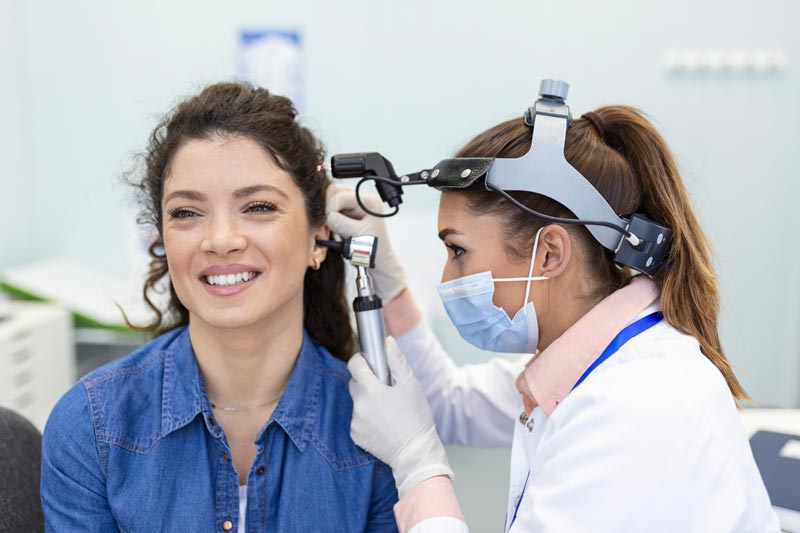
Urgent care centers in Fairfield, CT, are equipped with specialized medical equipment to aid in the accurate diagnosis of ear conditions. Instruments such as otoscopes allow medical professionals to examine the ear canal and eardrum for signs of infection, inflammation, or injury. This thorough examination helps identify conditions like otitis media, otitis externa, or foreign objects lodged in the ear.

3. Treatment for Ear Infections

Ear infections, particularly otitis media and otitis externa, require prompt and appropriate treatment to alleviate pain and prevent complications. Urgent care centers in Fairfield, CT, can access various treatment options, including antibiotics for bacterial infections and antifungal medications for fungal infections. Prescribing the right medication and providing instructions for proper administration is essential in managing ear infections effectively.

4. Earwax Removal

For individuals with ear pain caused by earwax buildup, urgent care centers in Fairfield, CT, offer safe and professional earwax removal procedures. Medical professionals use appropriate techniques, such as ear irrigation, to gently dislodge and remove excess earwax, relieving discomfort and restoring hearing.

5. Referrals to Ear, Nose, and Throat (ENT) Specialists

In cases where the ear pain is related to complex or chronic conditions, urgent care centers in Fairfield, CT, may refer patients to ENT specialists for further evaluation and specialized care. ENT specialists have advanced training and expertise in diagnosing and treating a wide range of ear-related issues, ensuring comprehensive management of ear pain.

6. Follow-Up Care and Advice

Urgent care centers provide patients with comprehensive care, including follow-up instructions and advice on self-care techniques to manage ear pain effectively at home. Patients receive guidance on using medications, ear drops, and other remedies to support their recovery.

What to Expect During an Urgent Care Visit in Fairfield, CT

What to Expect During an Urgent Care Visit in Fairfield, CT

Visiting an urgent care center in Fairfield, CT, for ear pain ensures prompt evaluation and appropriate management. Understanding what to expect during an urgent care visit can help patients feel more comfortable and confident in seeking medical attention for their ear-related concerns.

Check-in and Registration Process

Upon arrival at the urgent care center in Fairfield, CT, patients are welcomed by a friendly and efficient staff. The check-in and registration process is designed to streamline the patient’s experience, reducing wait times and collecting all necessary information accurately. Patients may be asked to provide identification, insurance details, and relevant medical history.

Evaluation and Assessment of Ear Pain

Once the registration is complete, patients will be taken to an examination room, where a healthcare provider will conduct a comprehensive evaluation and assessment of their ear pain. The provider will inquire about the nature and duration of the pain, any accompanying symptoms, and any recent activities or incidents that may be related to ear discomfort.

Diagnostic Procedures and Tests

Urgent care centers in Fairfield, CT, are equipped with state-of-the-art diagnostic tools and instruments to aid in the accurate diagnosis of ear conditions. Medical professionals may use an otoscope, a handheld device with a light and magnifying lens to visualize the ear canal and eardrum. This allows them to identify signs of infection, inflammation, or earwax buildup.

In some cases, additional tests may be conducted to rule out certain conditions or gather more information. These may include tympanometry, a test that measures the middle ear’s response to changes in pressure, or a hearing test to assess any hearing loss or impairment.

Treatment Options and Pain Management

Based on the evaluation and diagnosis, the urgent care provider will discuss the available treatment options and pain management strategies for ear pain.

1. Antibiotics for Bacterial Infections

The healthcare provider may prescribe antibiotics if the ear pain is caused by a bacterial infection, such as otitis media or an ear canal infection. These medications are effective in fighting bacterial infections and alleviating the associated symptoms. It is crucial to take the full course of antibiotics as the provider prescribes to ensure complete recovery and prevent the development of antibiotic-resistant bacteria.

2. Ear Irrigation for Earwax Removal

The provider may perform ear irrigation for individuals with ear pain resulting from excessive earwax buildup. This procedure involves using a gentle stream of water to flush out the earwax, effectively clearing the ear canal and relieving discomfort. Ear irrigation is a safe and effective method by trained medical professionals.

The urgent care center in Fairfield, CT, will explain the treatment plan in detail, including any necessary follow-up care or medication instructions. Patients are encouraged to ask questions and seek clarification to ensure they understand their condition and treatment thoroughly.

Choosing the Right Urgent Care Center in Fairfield, CT

When experiencing ear pain or any urgent medical need, finding the right urgent care center in Fairfield, CT, is crucial for receiving timely and quality healthcare services. With several options available, selecting the best center requires careful consideration of various factors. This comprehensive guide will walk you through essential factors to consider when choosing an urgent care center in Fairfield, CT, ensuring that you make an informed decision for your health and well-being.

Researching the Available Options

  • Location and Accessibility: Start by researching the urgent care centers in Fairfield, CT, and their proximity to your location. Opt for a center that is conveniently accessible, especially during emergencies or situations requiring immediate medical attention. Consider whether the center is easily reachable by public transportation or has ample parking facilities.

  • Reputation and Experience: Look for urgent care centers with a solid reputation for providing exceptional healthcare services. Research the experience and qualifications of the medical staff, including doctors, physicians, nurses, and support staff. Consider the center’s years of operation and its community service track record.

  • Range of Services: Check the services offered by each urgent care center in Fairfield, CT. Besides addressing ear pain, ensure that the center provides comprehensive urgent care services, including treatment for common illnesses, minor injuries, vaccinations, and diagnostic tests. A well-rounded center can be beneficial for addressing various medical needs in one location.

Checking for Credentials and Reviews

  • Board Certification and Licensing: Verify that the medical professionals at the urgent care center in Fairfield, CT, are board-certified and licensed. Board certification indicates that the physicians have met rigorous standards and have undergone specialized training in their respective fields. Licensed practitioners ensure that you receive care from qualified professionals.


  • Patient Reviews and Testimonials: Reading patient reviews and testimonials can offer valuable insights into the experiences of others who have visited the urgent care center. Look for centers with positive feedback regarding their quality of care, professionalism, and patient satisfaction. However, remember that individual experiences may vary, and a few negative reviews should not necessarily deter you from considering a center with an overall positive reputation.


  • Online Ratings and Recommendations: Utilize online platforms and websites that provide ratings and recommendations for urgent care centers in Fairfield, CT. Websites like Google Reviews and Yelp can offer an overview of patients’ experiences and help you gauge the level of care each center provides.

Considering the Center's Hours of Operation

  • Weekend and Holiday Hours: Check the urgent care center’s operating hours, particularly during weekends and holidays. Opt for a center that offers extended hours or remains open during holidays, ensuring access to medical care whenever urgent needs arise.


  • Wait Times: Inquire about the center’s average wait times for walk-in patients. Prompt medical attention is essential during urgent situations, so choosing a center with shorter wait times can be beneficial, especially when experiencing ear pain or other time-sensitive medical issues.


  • Appointment Options: Some urgent care centers in Fairfield, CT, offer online booking to streamline the process and reduce waiting times. Consider centers that allow you to schedule appointments in advance, which can be helpful if you anticipate needing medical attention.

Insurance and Payment Options

  • Accepted Insurance Providers: Check whether the urgent care center in Fairfield, CT, accepts your health insurance plan. Choosing an in-network center with your insurance provider can significantly reduce out-of-pocket expenses.


  • Affordable Self-Pay Options: If you do not have health insurance or if the urgent care center is out-of-network, inquire about their self-pay options and pricing. Transparent pricing and affordable self-pay rates can make healthcare more accessible and manageable for individuals without insurance coverage.


  • Payment Methods: Ensure that the urgent care center in Fairfield, CT, accepts various payment methods, including credit cards, debit cards, and cash. Having multiple payment options available can make the billing process more convenient.

Turn to DOCS Urgent Care & Primary Care for Timely Ear Pain Management

Turn to DOCS Urgent Care & Primary Care for Timely Ear Pain Management

When it comes to urgent medical needs like ear pain, choosing the right urgent care center in Fairfield, CT, is essential for receiving prompt and quality healthcare services. DOCS Urgent Care & Primary Care Fairfield is an excellent option for addressing urgent medical needs, including ear pain. Call us today or visit our website so we can walk you through our primary care services.

6 Reasons Why Long-Term Couples Need STD Testing in Bridgeport, CT

6 Reasons Why Long-Term Couples Need STD Testing in Bridgeport, CT

6 Reasons Why Long-Term Couples Need STD Testing in Bridgeport, CT

6 Reasons Why Long-Term Couples Need STD Testing in Bridgeport, CT

Open communication, trust, and shared responsibility are key when maintaining a strong and healthy long-term relationship. One often overlooked aspect of relationship health is STD testing. In Bridgeport, CT, as in any other community, regular STD testing plays a vital role in safeguarding both partners’ well-being and fostering a sense of trust and intimacy. This extensive guide outlines six reasons why STD testing is crucial for long-term couples in Bridgeport, CT.

Tips for Living with Allergic Asthma

What are STDs?

Sexually Transmitted Diseases (STDs) are infections that spread through sexual contact, encompassing a wide range of diseases caused by bacteria, viruses, or parasites. Contrary to common belief, STDs can affect anyone, regardless of age, gender, or relationship status. Some of the most common types of STDs include:

Chlamydia

Chlamydia is a common bacterial infection that often exhibits no symptoms, making it challenging to detect without testing. However, if left untreated, it can lead to severe complications, especially in women, such as pelvic inflammatory disease (PID), which can cause fertility issues and chronic pelvic pain.


Gonorrhea

Like chlamydia, gonorrhea is another bacterial infection that may not show symptoms initially. However, if not promptly treated, it can cause severe health issues, including infertility in both men and women and an increased risk of contracting HIV.


Human Papillomavirus (HPV)

HPV is a viral infection known for causing genital warts. In addition to warts, certain strains of HPV can lead to various types of cancer, such as cervical cancer, vulvar cancer, and anal cancer. Regular screenings and vaccination can help prevent HPV-related complications.


Herpes

Caused by the herpes simplex virus (HSV), herpes can result in painful sores around the genital or mouth area. The virus can lie dormant for periods and reactivate, leading to recurrent outbreaks. While there is no cure for herpes, antiviral medications can help manage symptoms and reduce the frequency of outbreaks.


Syphilis

Syphilis is a bacterial infection that progresses through stages if left untreated. In the early stages, it may cause painless sores (chancres), but if not treated, it can lead to serious complications, affecting the heart, brain, and other organs in the later stages.


Human Immunodeficiency Virus (HIV)

HIV is a viral infection that attacks the immune system, weakening the body’s ability to fight infections and diseases. If HIV is not properly managed with antiretroviral therapy, it can progress to Acquired Immunodeficiency Syndrome (AIDS), leaving the individual susceptible to life-threatening infections and cancers.

6 Reasons Why Long-Term Couples Need STD Testing

Establish Trust and Comfort

Building trust is a crucial foundation when discussing STD testing within a relationship. Both partners must feel comfortable and secure during the conversation to ensure open and honest communication. This involves creating a safe and non-judgmental environment where they can express their concerns and fears without fear of reprisal. Utilizing open body language, maintaining eye contact, and selecting a private and relaxed setting can foster trust and intimacy, enabling the couple to engage in a meaningful and constructive dialogue.


Emphasize Mutual Well-being

When discussing STD testing in Bridgeport, CT, it is vital to frame the conversation around the mutual well-being of both individuals in the relationship. Emphasizing that STD testing is not a reflection of doubt in fidelity but rather a responsible and caring action to protect each other’s health can help alleviate potential insecurities and anxieties. By approaching testing as a shared responsibility and an act of love and concern, both partners can feel supported and understood, fostering a more solid commitment to each other’s health and happiness.


Enhancing Emotional Intimacy

Going through STD testing together can lead to heightened emotional intimacy between partners. Supporting each other during testing fosters a profound emotional closeness and reassurance. As they navigate this sensitive matter together, couples strengthen their emotional bond and feel more connected, knowing they can rely on each other for understanding and support.


Reducing Anxiety

Uncertainty about sexual health can lead to unnecessary anxiety and stress within a relationship. By proactively undergoing STD testing in Bridgeport, CT, couples can alleviate these concerns and fears. Knowing their sexual health status provides reassurance and peace of mind, allowing them to focus on the positive aspects of their relationship and deepening their sense of security and contentment.


Preventing Serious Health Complications

Undiagnosed and untreated STDs can lead to severe health complications. Regular STD testing in Bridgeport, CT, can catch infections early, enabling timely treatment and reducing the likelihood of long-term health issues.


Raising Awareness of Asymptomatic Infections

Many STDs can remain asymptomatic for extended periods, allowing them to spread unknowingly. Through regular STD testing in Bridgeport, CT, couples can promptly identify and address these asymptomatic infections, preventing unintentional transmission and protecting their health as well as the health of others.  

How Often Should You Get Tested?

Why is DOCS Medical Group the Best Choice for STD Testing?​

The frequency of STD testing depends on individual risk factors and sexual activity. Here are some general guidelines on how often to have STD testing:

New Sexual Partners 

Whenever you start a new sexual relationship, it’s essential to get tested for STDs before engaging in sexual activity. This helps protect you and your new partner from the risk of transmission.


Multiple Sexual Partners

If you have multiple sexual partners, consider getting tested more frequently, at least every three to six months. This proactive approach helps identify infections early, reducing the chances of spreading STDs.


High-Risk Behaviors

Engaging in high-risk behaviors, such as unprotected sex, sharing needles, or having sex with someone who engages in high-risk behaviors, increases the likelihood of contracting an STD. More frequent testing, such as every three months, may be necessary in such cases.

Symptomatic Individuals

If you or your partner experience symptoms of an STD, such as unusual discharge, sores, or burning during urination, seek STD testing as soon as possible. STD testing should occur regardless of your testing history.


Preconception and Pregnancy

STD testing is crucial for individuals planning to conceive or during pregnancy. Testing helps identify and treat infections that could impact fertility or harm the developing baby.


Regular Testing as Part of Routine Healthcare

Regular STD testing as part of routine healthcare is essential for sexually active individuals. By incorporating STD testing into your regular health check-ups, you can proactively monitor your sexual health and detect any potential infections early on. Making STD testing a routine practice demonstrates a commitment to safeguarding your well-being and that of your sexual partners. It also helps foster responsible sexual behavior and promotes a culture of prevention within your relationship.

Where to Find Access to STD Testing in Bridgeport, CT

Public Health Clinics

Health clinics located in various cities and towns are crucial resources that provide free or low-cost STD testing services to the community. These clinics are typically run by local health departments, ensuring patient privacy and confidentiality are maintained during testing. The services include testing for sexually transmitted infections (STIs) and counseling to promote safe sexual practices and awareness.


Private Healthcare Providers

Your primary care doctor or gynecologist is a reliable option for STD testing due to their in-depth knowledge of your medical history and personalized approach to healthcare. These healthcare providers can offer tailored testing solutions based on individual risk factors and guide prevention and treatment options. They create a supportive and comfortable environment for patients to discuss their sexual health concerns.


Planned Parenthood Centers

Renowned for their comprehensive sexual health services, Planned Parenthood centers are excellent choices for STD testing. They offer a wide range of reproductive healthcare options, including STD testing, at affordable rates. Patients can trust that their information will be kept confidential and they will receive expert care from dedicated healthcare professionals.


Community Health Centers

Specifically designed to cater to underserved communities, community health centers provide accessible healthcare, including STD testing. These centers adjust their fees based on patients’ income levels, making it easier for everyone to access essential medical services. STD testing and counseling services are integral to their commitment to promoting overall community well-being.


College/University Health Centers

For students, utilizing their college or university’s health center is a convenient and reliable option for STD testing. These centers are well-equipped to address the specific healthcare needs of the student population, offering a range of sexual health services and education. The staff at these centers are experienced in handling sensitive issues with discretion and understanding.


Pharmacies and Drug Stores

Many pharmacies and drug stores now offer over-the-counter STD testing kits, providing a discreet and convenient option for individuals to test for STIs in the privacy of their homes. These test kits are designed for self-administration, and the samples are sent to a lab for analysis. This method especially benefits those who prefer anonymity or have busy schedules.


Online Testing Services

Embracing the need for discretion and convenience, numerous online platforms now provide discreet STD testing options. Users can order test kits online, collect samples at home, and receive their results electronically. Online testing services have made STD testing more accessible to individuals who may not have easy access to physical clinics or prefer a more private testing experience.


Sexual Health Clinics

Specific to certain cities, sexual health clinics are dedicated to offering comprehensive STD testing, counseling, and treatment services. These clinics are staffed with professionals who specialize in sexual health, ensuring that patients receive specialized care and support. They play a crucial role in diagnosing and treating STIs and promoting sexual health within the community.


Specialized STD Testing Centers

In larger urban areas, specialized STD testing centers cater exclusively to individuals seeking testing for sexually transmitted infections. These centers boast expertise in STI diagnosis and testing, ensuring accurate and efficient results. They also offer counseling and treatment options to support patients throughout testing.


Local Health Fairs and Outreach Events

Health fairs and community outreach events often include free STD testing as part of their healthcare services. These events aim to raise awareness about sexual health and promote accessibility to testing. They are excellent opportunities for individuals to get tested without financial burden and learn about the importance of regular STD screenings.


Anonymous Testing Services

Certain clinics and organizations prioritize anonymity in STD testing, allowing individuals to get tested without disclosing personal information. This approach encourages more people to seek testing and treatment, especially those who may be hesitant due to privacy concerns. Anonymous testing services are crucial in reducing the stigma around STIs and promoting open conversations about sexual health.


DOCS Medical Group

DOCS Medical Group is a trusted medical practice in Bridgeport, CT, offering comprehensive healthcare services, including confidential and reliable STD testing for couples. With their professional and caring approach, you can address your sexual health needs with confidence.

Why is DOCS Medical Group the Best Choice for STD Testing?

Prioritize Your Health: Schedule STD Testing with Docs Medical Group Today!​

✔️ Expertise and Professionalism

DOCS Medical Group takes pride in its team of experienced healthcare professionals specializing in sexual health and STD testing in Bridgeport, CT. The staff remains up-to-date with the latest medical advancements, providing patients with accurate and reliable testing services. Whether it’s routine testing or diagnosing complex cases, their expertise ensures that individuals receive the highest level of care and guidance throughout the testing process. Patients can trust the professionals at DOCS Medical Group to handle their sexual health with utmost professionalism and precision.


✔️ Comprehensive Testing Options

DOCS Medical Group understands that each patient’s sexual health needs are unique. To cater to individual requirements, they offer a wide range of comprehensive testing options for sexually transmitted infections (STIs). From standard tests for common infections to more specialized screenings for less common ones, their diverse testing menu ensures that patients receive the most appropriate and targeted testing based on their specific circumstances.


✔️ Confidentiality Assured for Your Peace of Mind

At DOCS Medical Group, patients’ privacy is paramount. Confidentiality is a fundamental aspect of their STD testing services. From the moment patients walk into the facility to receive their test results, their personal information is handled with the utmost care and discretion. Patients can be assured that their identity and test results will remain confidential throughout the testing process.


✔️ Conveniently Located for Easy Access

DOCS Medical Group’s facility in Bridgeport, CT, is strategically located to provide easy access to quality STD testing services for residents. Recognizing that convenience is essential when seeking healthcare, they strive to offer timely and accessible care to the community. The central location ensures that patients can receive the testing they need without the burden of long travel.


✔️ Timely Results for Prompt Action

DOCS Medical Group understands that waiting for test results can be a source of anxiety. They recognize the importance of delivering timely results; patients can receive their STD test results in just 20 minutes. They aim to provide patients with quick, accurate results, efficient laboratory facilities, and streamlined processes.

In the event of a positive result, timely reporting enables patients to take prompt actions, such as seeking treatment or informing partners. This rapid turnaround time allows patients to make informed decisions about their sexual health without unnecessary delays, promoting a proactive and responsible approach to managing their well-being.


✔️ Supportive and Non-Judgmental Approach

DOCS Medical Group acknowledges that discussing sexual health can be sensitive and vulnerable. The team is dedicated to creating a supportive and non-judgmental environment during testing. They prioritize patients’ comfort and emotional well-being, ensuring they feel safe and respected throughout their visit.


✔️ Guidance and Counseling for Informed Decision-Making

If test results indicate the presence of an infection, the team at DOCS Medical Group provides patients with the necessary guidance and counseling. They believe in empowering patients with knowledge about their condition and available treatment options. Healthcare professionals take the time to explain diagnoses and help patients make informed decisions about their health.


✔️ Preventive Education for Your Well-being

DOCS Medical Group believes in the power of education to promote preventive healthcare. Along with providing testing services, they offer valuable information on preventive measures, safe sexual practices, and overall sexual health. Their goal is to empower patients to take charge of their sexual health and reduce the risk of infections.

Prioritize Your Health: Schedule STD Testing with Docs Medical Group Today!

Regular STD testing in Bridgeport, CT, is important for maintaining healthy, lasting relationships. By getting past any awkwardness, talking openly, and caring about each other’s health, couples can make their relationship stronger and better. Regular STD testing is a smart move to keep a happy and responsible relationship, making sure both people stay well over the years.

For complete and private STD testing in Bridgeport, CT, you can rely on Docs Medical Group. Our team is here to help, providing reliable test results within 20 minutes. Contact us today for an appointment and secure your sexual health.

When to Visit Urgent Care in Southington, CT, for a Sore Throat: Recognizing the Signs

Do Not Give Your Child Two or More Pain Medicines Simultaneously

When to Visit Urgent Care in Southington, CT, for a Sore Throat: Recognizing the Signs

Do Not Give Your Child Two or More Pain Medicines Simultaneously

Are you experiencing a persistent, uncomfortable sore throat? Knowing when to seek medical attention is crucial to ensure timely diagnosis and treatment. Southington, CT, offers excellent healthcare options, including urgent care in Southington, CT, that can promptly address your concerns.

It’s important to recognize the signs of a sore throat requiring a visit to urgent care in Southington, CT. Understanding the differences between viral, bacterial, and allergic sore throats and recognizing red flags will empower you to make informed decisions about your health.

Tips for Living with Allergic Asthma

What are Sore Throats?

A sore throat, also known as pharyngitis, refers to the painful, scratchy, or irritated feeling in the throat, typically caused by inflammation of the pharynx (the part of the throat behind the mouth and nasal cavity). Sore throats can have various underlying causes, and understanding them is crucial in determining the appropriate course of action for treatment.

Causes of Sore Throats

Understanding the diverse causes of sore throats, ranging from viral and bacterial infections to allergic reactions, is essential in determining appropriate treatment and seeking timely medical attention at urgent care in Southington, CT, when necessary.


  • Viral Infections: The most common cause of sore throats is viral infections, such as the common cold or influenza (flu). These infections are highly contagious and are typically accompanied by other symptoms like coughing, sneezing, runny nose, and mild fever.


  • Bacterial Infections: Sore throats caused by bacteria are less common but can be more severe. Streptococcus bacteria, which cause strep throat, are a common bacterial culprit. Red, swollen tonsils, white patches in the throat, and enlarged lymph nodes in the neck may characterize bacterial sore throats.


  • Allergic Reactions: Some individuals may experience sore throats due to allergies, particularly environmental factors like pollen, dust, pet dander, or mold. Other allergy symptoms like sneezing, watery eyes, and nasal congestion often accompany allergic sore throats.


  • Environmental Irritants: Exposure to environmental irritants such as cigarette smoke, pollution, or dry air can lead to sore throats in sensitive individuals.

Viral vs. Bacterial vs. Allergic Sore Throats: What’s the Difference?

Distinguishing between the different types of sore throats is crucial, as it influences the appropriate treatment approach at urgent care in Southington, CT. Here’s how you can differentiate between viral, bacterial, and allergic sore throats:

Viral Sore Throats Bacterial Sore Throats (Strep Throat) Allergic Sore Throats
SYMPTOMS ✔️ Typically mild to moderate soreness, accompanied by cold-like symptoms such as cough, sneezing, and nasal congestion. ✔️ Intense sore throat, difficulty swallowing, swollen tonsils with white or yellow patches, fever, and tender lymph nodes in the neck. ✔️ Sore throat triggered by exposure to allergens, often accompanied by sneezing, watery eyes, and nasal congestion.
DURATION ✔️ Usually lasts a few days to a week. ✔️ May persist for more than a week without treatment. ✔️ Symptoms may persist as long as the allergen exposure continues.
TREATMENT ✔️ Rest, hydration, over-the-counter pain relievers, and symptom relief remedies are typically sufficient. Antibiotics are not effective against viral infections. ✔️ Prompt medical attention is necessary for a proper diagnosis. If diagnosed with strep throat, antibiotics are prescribed to prevent potential complications and to reduce the contagious period. ✔️ Identifying and avoiding allergens, using antihistamines, nasal decongestants, or corticosteroid sprays can provide relief.

Common Symptoms Accompanying Sore Throats

Sore throats rarely occur in isolation and are often accompanied by additional symptoms, which can provide further insight when you visit local urgent care in Southington, CT. In addition to the characteristic pain and discomfort in the throat, common symptoms accompanying sore throats include:

  • Coughing: A persistent dry or productive cough can indicate a viral infection or an environmental irritant.


  • Fever: Elevated body temperature may suggest a more severe infection, such as strep throat or the flu.


  • Nasal Congestion: Blocked or stuffy nasal passages are common with viral infections and allergies.


  • Headache: Headaches can be present with both viral and bacterial infections as the body responds to the illness.


Fatigue: Feeling tired or exhausted can signify the body fighting off an infection.

Self-Care Options for Mild Sore Throats

When facing a mild sore throat, various home remedies can relieve and aid healing before seeking medical attention at an urgent care center in Southington, CT. These self-care options are often effective for managing discomfort and supporting the body’s natural defenses against infections.

1. Gargling with Warm Saltwater and Its Benefits

Gargling with warm salt water is a time-honored and effective remedy for soothing sore throats. The saline solution helps reduce inflammation, ease irritation, and alleviate discomfort. By mixing half a teaspoon of salt in a cup of warm water, you can create a simple yet potent gargling solution. The gentle gargling helps cleanse the throat, dislodge mucus, and promote healing.

2. Drinking Fluids and Staying Hydrated

Staying hydrated is essential for overall health and crucial in managing sore throats. Drinking fluids, such as water, herbal teas, and warm soups, helps keep the throat moist and soothes irritation. Additionally, adequate hydration supports the body’s immune system in fighting off infections and aids in a quicker recovery.

3. Resting and Its Impact on Recovery

Rest is a fundamental aspect of self-care when dealing with a sore throat. Adequate rest allows the body to focus its energy on healing and combating the underlying cause of the sore throat. Avoiding strain and overexertion gives your body time to recuperate, expediting the healing process and preventing further complications.

4. Recognizing When Home Remedies Are Not Sufficient

While home remedies are often effective for mild sore throats, it’s vital to recognize when the symptoms persist or worsen despite trying self-care measures. Severe sore throat pain, difficulty swallowing, high fever, or other concerning symptoms may indicate a more serious underlying condition that requires professional evaluation at an urgent care center in Southington, CT.

When to Seek Urgent Care in Southington, CT, for a Sore Throat

When to Visit Urgent Care in Southington, CT, for a Sore Throat: Recognizing the Signs

Urgent care centers in Southington, CT, are vital in providing accessible and efficient medical care for a wide range of non-life-threatening conditions, including sore throats. Equipped with experienced healthcare professionals and advanced diagnostic tools, urgent care centers in Southington, CT, offer timely evaluations and appropriate treatment options for individuals experiencing sore throat symptoms. 

While not intended for life-threatening emergencies, urgent care in Southington, CT, serves as an essential bridge between primary care providers and hospital emergency departments, ensuring patients receive prompt and competent care.

Identifying Serious Signs of Sore Throat

A sore throat can sometimes be a minor inconvenience. Still, certain signs indicate that it may be more serious and require prompt medical attention at an urgent care center in Southington, CT. Here is a list of red flags and signs that your sore throat may be worsening or indicating an underlying health issue:

  • Severe and Persistent Pain: If your sore throat is causing intense pain that makes it difficult to eat, drink, or speak, it could be a sign of a more severe infection or inflammation that requires urgent care evaluation.


  • Prolonged Duration: If your sore throat persists for more than a week or shows no improvement with home remedies, it may indicate a bacterial infection, such as strep throat, which requires medical attention and antibiotics.


  • Difficulty Swallowing: Difficulty swallowing, known as dysphagia, can be a red flag indicating inflammation or obstruction in the throat. Seek immediate medical attention to prevent complications.


  • Swollen Lymph Nodes: Palpable and tender lymph nodes in the neck may suggest an ongoing infection that requires medical evaluation at nearby urgent care in Southington, CT, to determine the cause and appropriate treatment.


  • High Fever: A sore throat and a high fever (over 101°F or 38.3°C) can indicate a more severe bacterial infection, which may necessitate urgent medical care.


  • Rash: A rash on the skin, especially with a sore throat, could indicate an infectious disease requiring immediate attention.


  • Difficulty Breathing: If you experience difficulty breathing, shortness of breath, and a sore throat, it could indicate a potentially serious respiratory infection that needs urgent care evaluation.


  • Dehydration: Severe sore throats can make swallowing painful, leading to reduced fluid intake and potential dehydration. Seek urgent care in Southington, CT, if you cannot drink enough fluids.


  • Voice Changes: A persistent, hoarse, muffled voice lasting more than a few days may indicate inflammation or injury to the vocal cords and warrant medical assessment.


  • Recurring Sore Throats: Frequent or recurrent sore throats may indicate an underlying health issue, such as tonsillitis or chronic sinusitis, which requires medical evaluation.


  • Ear Pain: Pain in the ears, along with a sore throat, may indicate an ear infection or an issue related to the eustachian tubes, necessitating medical attention.


  • Fatigue and Weakness: Feeling unusually tired and weak with a sore throat could indicate that your body is fighting off an infection, requiring a medical evaluation to identify the underlying cause.


If you experience any of these red flags or have concerns about your sore throat symptoms, don’t hesitate to visit an urgent care center in Southington, CT. The experienced healthcare providers at urgent care centers are equipped to conduct thorough examinations, perform diagnostic tests, and provide timely treatment for sore throats and related symptoms.

Importance of Seeking Prompt Medical Attention

Promptly seeking medical attention at urgent care in Southington, CT, for a sore throat is essential for several reasons:

  • Accurate Diagnosis: Healthcare professionals at urgent care centers can conduct thorough examinations and diagnostic tests to identify the cause of your sore throat accurately.


  • Timely Treatment: Early detection allows for the timely implementation of appropriate treatment options, which can expedite recovery and prevent complications.


  • Containment of Infections: Certain sore throats, particularly bacterial infections like strep throat, are highly contagious. Seeking prompt medical attention helps contain the spread of infections to others.


  • Patient Comfort: Urgent care centers prioritize patient comfort and provide immediate relief through pain management and supportive care.


Individuals experiencing sore throat symptoms should promptly visit an urgent care center in Southington, CT, to avoid potential complications and ensure the best possible outcome. 

The dedicated healthcare professionals at these facilities are committed to providing compassionate care, accurate diagnoses, and timely treatment options to help you recover and resume your normal daily activities as soon as possible.

What to Expect at Southington, CT Urgent Care Centers

What to Expect at Southington, CT Urgent Care Centers

Urgent care centers in Southington, CT, are dedicated medical facilities that provide convenient and accessible healthcare services for non-life-threatening medical conditions. These centers are staffed with experienced healthcare professionals, including board-certified physicians, physician assistants, and nurse practitioners. 

Equipped with advanced medical equipment and diagnostic capabilities, urgent care centers offer comprehensive evaluations, efficient treatments, and a wide range of services, making them a valuable resource for the local community.

Services Offered for Sore Throat Evaluation and Treatment

Centers for urgent care in Southington, CT, are well-equipped to address sore throat concerns promptly and effectively. Patients experiencing sore throat symptoms can expect the following services:

  • Thorough Medical Evaluation: Skilled healthcare providers conduct comprehensive examinations to assess the severity and cause of the sore throat. They will inquire about symptoms, medical history, and potential exposures to help arrive at an accurate diagnosis.


  • Rapid Strep Testing: Many urgent care centers offer rapid strep testing for cases suspected of strep throat, providing quick results to expedite treatment decisions.


  • Diagnostic Imaging: If necessary, the urgent care in Southington, CT,  may conduct on-site diagnostic imaging, such as X-rays, to rule out other potential causes of throat discomfort.


  • Antibiotics and Prescriptions: For bacterial sore throats, urgent care physicians can prescribe appropriate antibiotics to treat the infection effectively.


  • Pain Management: Urgent care providers offer pain relief options to alleviate sore throat discomfort, making patients feel more comfortable during their recovery.

Communicating with the Healthcare Provider Effectively

Effective communication with your healthcare provider is essential during your visit to urgent care in Southington, CT. Be prepared to:

  • Describe Your Symptoms: Clearly and accurately describe your sore throat symptoms, including the intensity of the pain, how long you’ve had the symptoms and any associated discomfort.


  • Share Relevant Medical History: Inform your healthcare provider of any relevant medical history, previous treatments, allergies, or chronic conditions that may impact your sore throat evaluation or treatment.


  • Ask Questions: Don’t hesitate to ask questions or seek clarification about your condition, the diagnostic tests, or potential treatment options. Understanding your care plan can empower you to make informed decisions about your health.

The Examination Process for a Sore Throat

When you visit an urgent care center in Southington, CT, for a sore throat, the healthcare provider will begin the examination process to assess your condition thoroughly. They will start by discussing your symptoms, medical history, and any recent exposures relevant to your sore throat. The provider will then proceed with a physical examination, which typically involves:

  • Inspecting the Throat: The healthcare provider will use a medical instrument, such as a tongue depressor and flashlight, to examine the back of your throat, tonsils, and uvula for signs of inflammation, redness, white patches, or other abnormalities.


  • Checking for Swollen Lymph Nodes: The provider may gently feel your neck to assess for tender or enlarged lymph nodes, which can indicate an ongoing infection.

Diagnostic Tests and Their Significance

In some cases, additional diagnostic tests may be necessary to confirm the cause of your sore throat or rule out other potential conditions. Common diagnostic tests offered at urgent care centers in Southington, CT, for sore throats include:

  • Rapid Strep Test: A rapid strep test is a simple and quick test to determine if your sore throat is caused by Streptococcus bacteria (strep throat). The test provides results within minutes, allowing the healthcare provider to promptly decide on appropriate treatment options if the test is positive.


  • Throat Culture: In cases where the rapid strep test is negative, but strep throat is still suspected, a throat culture may be taken. This involves swabbing the back of the throat to obtain a sample for further analysis. Throat cultures may take a couple of days to produce results.

Understanding the Potential Treatment Options

Based on the examination and diagnostic test results, the healthcare provider will discuss the potential treatment options for your sore throat. The treatment plan will depend on the cause of your sore throat, and it may include:

  • Antibiotics: If your sore throat is caused by a bacterial infection, such as strep throat, the healthcare provider may prescribe antibiotics to clear the infection and prevent complications.


  • Pain Relief: For relief from sore throat pain, the provider may recommend over-the-counter pain relievers or prescribe stronger medications if needed.


  • Self-Care Instructions: You will receive instructions on self-care measures, including rest, staying hydrated, and using remedies such as warm saltwater gargles to aid in your recovery.


  • Follow-Up Recommendations: The provider may advise you when to follow up with the urgent care center or your primary care physician to ensure your sore throat improves as expected.

Waiting Times and Appointment Options

One of the advantages of visiting an urgent care center in Southington, CT, is the reduced waiting times compared to hospital emergency rooms. While wait times can vary based on patient volume and the urgency of cases, most urgent care centers strive to offer efficient and timely care. Additionally, some urgent care facilities offer online check-ins or appointment options, allowing patients to reserve a spot or check wait times in advance to minimize the time spent in the waiting area.

Insurance and Payment Considerations

Southington, CT, urgent care centers typically accept most major insurance plans. Patients are encouraged to check with the urgent care facility regarding their insurance coverage before visiting. Many urgent care centers offer transparent and affordable self-pay options for those without insurance to ensure accessible healthcare services for all community members.

Choose Docs Primary Care - Southington for Expert Sore Throat Treatment Near You!

Choose Docs Primary Care - Southington for Expert Sore Throat Treatment Near You!

Visiting an urgent care center in Southington, CT, for a sore throat can be a timely and efficient solution to address your health concerns. By visiting Docs Primary Care – Southington, a reputable urgent care facility in the area, you can receive comprehensive evaluations, necessary diagnostic tests, and personalized treatment options. Call or visit our website to learn more about our services.

7 Must-Have Items for Your Visit at Urgent Care in Fairfield, CT — Don’t Forget #5!

7 Must-Have Items for Your Visit at Urgent Care in Fairfield, CT — Don’t Forget #5!

7 Must-Have Items for Your Visit at Urgent Care in Fairfield, CT — Don’t Forget #5!

7 Must-Have Items for Your Visit at Urgent Care in Fairfield, CT — Don’t Forget #5!

When unexpected health issues arise, timely and efficient medical care becomes paramount. In such moments, urgent care in Fairfield, CT, offers a reassuring haven, providing top-notch healthcare for non-life-threatening conditions without the long waits typically associated with emergency rooms. As a resident or visitor in Fairfield, CT, knowing what to expect and having the right items on hand for your visit to urgent care can make a significant difference in the quality of care you receive. This article will guide you through the seven must-have items to bring to your urgent care visit in Fairfield, CT.

Tips for Living with Allergic Asthma

1. Personal Identification and Health Card

Smooth Check-in

When you step into the top urgent care in Fairfield, CT, the first thing you’ll encounter is the check-in process. Making this experience as smooth as possible starts with having your personal identification readily available. Remember to bring your driver’s license, ID card, or any other form of identification that proves who you are. This simple step will save you time and help the urgent care staff quickly access your records.

Unexpected Medical Issues

Alongside your personal identification, your health insurance card is equally crucial. Having valid health insurance coverage is a significant relief, especially when unexpected medical issues arise. Ensure you carry your insurance card with you and provide the necessary details during check-in. The top urgent care in Fairfield, CT, accepts most major insurance plans, making it convenient and affordable for patients with varying coverage options.

Digital Insurance Cards

Gone are the days of carrying around physical insurance cards. Many top urgent care centers in Fairfield, CT, now accept digital insurance cards. Save a digital copy of your health insurance card on your smartphone or keep a screenshot handy for quick reference during check-in. Not only does this save time, but it also reduces the risk of losing your physical card. While your digital card serves as an efficient option, it’s always a good idea to have a backup. Take a clear photo of both sides of your health insurance card and store it securely on your device. This way, you’ll have easy access to your insurance details even if you encounter technical difficulties or misplaced your physical card.

Providing Accurate Information on Insurance

Providing accurate health insurance information is essential to ensure a stress-free visit to the top urgent care in Fairfield, CT. Double-check your insurance details and update any changes to your coverage. Accurate information allows the medical staff to bill your insurance correctly and helps you avoid potential billing issues later on.

2. Current Medication List and Medical History

Clear Understanding of Your Current Health

When visiting the top urgent care in Fairfield, CT, it’s essential to come prepared with a current medication list. Jot down all the medications you’re currently taking, including prescription drugs, over-the-counter medications, and any supplements or vitamins. Providing this comprehensive list to the medical staff ensures they have a clear understanding of your current health status and can tailor their treatment accordingly. On the other hand, your medical history is like a roadmap of your health journey, and sharing it with the top urgent care in Fairfield, CT, can significantly impact your care. Chronic conditions, past surgeries, allergies, and previous treatments are all crucial pieces of information that help the medical professionals provide you with the best possible care.

Preventing Drug Interactions

Bringing an up-to-date medication list allows the top urgent care in Fairfield, CT, to safeguard you from potential drug interactions. Some medications may not be compatible with others, leading to adverse effects or reduced effectiveness. By sharing your medication list, you enable the medical team to make informed decisions and avoid harmful drug interactions.

Personalized Care

Your medical history serves as a foundation for personalized care at the top urgent care in Fairfield, CT. Understanding your health journey allows healthcare providers to take into account any preexisting conditions or past treatments that might influence your current symptoms. This personalized approach ensures you receive targeted and effective care that meets your unique needs.

3. Contact Information of Primary Care Physician

Support from Primary Care Doctor

The top urgent care in Fairfield, CT, values collaboration with your primary care physician. By sharing your primary care physician’s contact information, you enable both medical teams to work together, providing you with comprehensive and informed care. This collaboration ensures that any treatments or recommendations from urgent care align with your existing healthcare plan.

Coordinating Care After Your Urgent Care Visit

Your primary care physician is your advocate for long-term health, and communication between both healthcare providers is vital for follow-up support. After your visit to the top urgent care in Fairfield, CT, your primary care physician may need to follow up on your condition, treatment, or any prescriptions given. Providing their contact information allows the medical teams to communicate efficiently and ensures you receive continuous care beyond your urgent care visit.

Keeping Your Primary Care Physician Informed

Keeping your primary care physician informed about your urgent care visit is essential for maintaining continuity of care. Your primary care physician has a comprehensive understanding of your medical history, which enables them to monitor any changes in your health and provide appropriate guidance. The top urgent care in Fairfield, CT, acknowledges the significance of this collaboration, ensuring you receive well-rounded and personalized care.

Involving Your Primary Care Physician in Your Care

Involving your primary care physician in your urgent care visit decision-making process allows you to make informed choices about your healthcare. Your primary care physician knows your health history and can offer valuable insights into whether urgent care is the right choice for your specific medical needs. Together with the top urgent care in Fairfield, CT, you can work as a team to ensure your well-being is prioritized at every step of the way.

4. List of Allergies and Reactions

Creating a Comprehensive List of Allergies

When visiting the top urgent care in Fairfield, CT, it’s crucial to bring a comprehensive list of your allergies and any past reactions you’ve experienced. Allergies can trigger various medical responses, and providing this information to the medical staff ensures they can deliver safe and appropriate treatment.

Identifying Allergens

A detailed list of your allergies helps the top urgent care in Fairfield, CT, identify potential allergens that may pose risks during your visit. Whether it’s a food allergy, medication sensitivity, or environmental trigger, this information is vital for medical professionals to deliver targeted care without exposing you to allergens.

Tailoring Treatments to Your Allergy Profile

The medical staff at the top urgent care in Fairfield, CT, utilizes your allergy profile to tailor treatments to your specific needs. For instance, if you have a known allergy to a particular medication, they will avoid prescribing it and opt for a suitable alternative. This personalized approach ensures you receive the most effective and safe care during your visit.

Preventing Adverse Reactions

Being open and honest about your allergies is essential to prevent adverse reactions. Even if you believe an allergy is mild or insignificant, sharing this information with the top urgent care in Fairfield, CT, allows the medical team to take appropriate precautions. It’s always better to err on the side of caution when it comes to your health.

Ensuring Safe Medications

When prescribed medications during your visit to the top urgent care in Fairfield, CT, the medical staff takes extra care to ensure they are safe for you. By disclosing your allergies, you enable them to cross-check medications for potential allergens, reducing the risk of any adverse reactions. Your safety is their priority, and this information plays a significant role in delivering quality healthcare.

5. Emergency Contacts

Emergency Contacts

Prioritizing Support

When you visit the top urgent care in Fairfield, CT, it’s essential to have a list of emergency contacts on hand. Emergencies can happen unexpectedly, and having a support system ready to assist you during your visit can provide comfort and peace of mind.

Who to Include

Your list of emergency contacts should include trustworthy individuals who can be reached in case of need. Family members, close friends, or neighbors who live nearby are ideal choices. Ensure that the top urgent care in Fairfield, CT, has their contact information readily available. Each person on your emergency contact list plays a specific role during your visit to the top urgent care in Fairfield, CT. They may accompany you to the facility, provide additional information about your health history, or make important decisions on your behalf if you are unable to do so.

Keeping Them Informed

Communicating with your emergency contacts about your visit to the top urgent care in Fairfield, CT, is crucial. Let them know the reason for your visit, the expected duration of your stay, and any updates you receive from the medical staff. This transparency ensures that they are informed and prepared to offer support if necessary.

Support During Your Visit

Having someone by your side during your visit to the top urgent care in Fairfield, CT, can make a significant difference. They can provide emotional support, keep you company during wait times, and help you remember important information discussed by the medical staff.

Knowing You're Not Alone

Having a reliable list of emergency contacts provides you with peace of mind during your visit to the top urgent care in Fairfield, CT. Knowing that you have a support system ready to assist you in case of need allows you to focus on your health and well-being during your time at the facility.

6. Payment Method

Seamless Transactions

One of the most crucial items to bring when visiting the top urgent care in Fairfield, CT, is your preferred payment method. While your health is the top priority, handling payment seamlessly ensures a stress-free and efficient experience during your visit.

Familiarizing Yourself with Payment Options

Before your visit, familiarize yourself with the payment options accepted at the top urgent care in Fairfield, CT. Most centers accept various forms of payment, including cash, credit cards, and debit cards. Some may also offer online payment options or work with a range of insurance plans.

Knowing Your Benefits

If you plan to use health insurance to cover your visit to the top urgent care in Fairfield, CT, it’s essential to understand your benefits. Verify with your insurance provider to determine what is covered, potential copay amounts, and any out-of-pocket expenses you may incur.

Being Prepared for Payment

Some insurance plans require copayments for urgent care visits. Before your appointment at the top urgent care in Fairfield, CT, check your insurance policy to find out your copay requirements. Bringing the necessary amount will streamline the check-in process and ensure you receive prompt care.

Understanding Costs

The top urgent care in Fairfield, CT, values transparency when it comes to medical costs. If you have any concerns or questions about the fees, don’t hesitate to ask the staff before your visit. Knowing the expected costs upfront helps you plan and budget for your urgent care visit.

Keeping Track of Expenses

Requesting a detailed receipt for your visit at the top urgent care in Fairfield, CT, is essential for tracking medical expenses. Keep these records for your records and potential insurance reimbursements. Well-organized documentation contributes to a smoother claims process with your insurance provider.

Focusing on Care

Handling payment matters promptly allows you to prioritize your health during your visit to the top urgent care in Fairfield, CT. By coming prepared with your payment method and understanding your insurance coverage, you can focus on getting the necessary medical attention without unnecessary stress about financial matters.

7. Face Mask and Sanitizer

Face Mask and Sanitizer

Adhering to Regulations

To comply with local and state regulations, face masks might be required at the top urgent care in Fairfield, CT. By wearing a mask, you contribute to the well-being of the community and demonstrate respect for the health and safety of others.

Wearing Your Face Mask Correctly

It’s essential to wear your face mask properly to maximize its effectiveness. Cover your nose and mouth fully, ensuring no gaps between your face and the mask. By following these guidelines, you can reduce the risk of potential exposure to germs.

Hand Hygiene

Hand sanitizer is a valuable companion during your visit to the top urgent care in Fairfield, CT. When soap and water are not readily available, hand sanitizer provides a convenient and effective method to keep your hands clean and free from germs.

Germ Control

Using both a face mask and hand sanitizer provides a powerful combination for germ control. The top urgent care in Fairfield, CT, places a strong emphasis on these preventive measures to safeguard the health of both patients and staff.

Encouraging Responsible Behavior

By wearing a face mask and using hand sanitizer during your visit to the top urgent care in Fairfield, CT, you set an example for others. Responsible behavior not only protects you but also helps create a safer environment for everyone.

Safety in Numbers

As part of the top urgent care in Fairfield, CT’s commitment to public health, your cooperation with wearing a face mask and using hand sanitizer is deeply appreciated. Your responsible actions help create a safer and healthier environment for everyone, fostering a united effort towards a better and brighter future.

Lorem ipsum dolor sit amet, consectetur adipiscing elit. Ut elit tellus, luctus nec ullamcorper mattis, pulvinar dapibus leo.

Essentials Checklist

Personal Identification

Bring your driver’s license, passport, or any valid ID as proof of identity during check-in.

Insurance Card

Don’t forget to provide your insurance card to determine coverage and process insurance claims.

List of Allergies and Reactions

Keep a comprehensive list of allergies and past reactions to ensure safe and targeted medical care.

Contact Information of Primary Care Physician

Provide your primary care physician’s contact information for seamless coordination of care.

Emergency Contacts

List trustworthy individuals who can offer support and make important decisions during your visit.

Face Mask and Hand Sanitizer

Wear a face mask to protect yourself and others, and bring hand sanitizer for effective hand hygiene.

Payment Method

Ensure you have a preferred payment method, whether cash, credit card, or insurance, to handle expenses.

Conclusion

A visit to the top urgent care in Fairfield, CT, can be a seamless and stress-free experience when you come prepared with these must-have items. Starting with your personal identification and insurance card, you ensure a smooth check-in process, allowing the medical staff to focus on delivering the care you need. Bringing along a list of allergies and reactions empowers the team to provide tailored treatments while prioritizing your safety. Coordinating with your primary care physician by sharing their contact information fosters continuity of care and ensures comprehensive support beyond your urgent care visit. Equally important are your emergency contacts, who provide comfort and assistance during unexpected situations. Don’t forget to wear a face mask and bring hand sanitizer for added safety and protection against infectious diseases.

Visit the Top Urgent Care in Fairfield, CT, for Seamless and Compassionate Care!

Experience the exceptional care and convenience of Docs Primary Care – Fairfield! Our dedicated team is committed to providing you with top-notch medical attention, prioritizing your well-being and comfort throughout your visit. From efficient check-ins to personalized treatments, we ensure a smooth and stress-free experience. Remember to bring your personal identification and insurance card for a seamless check-in process. Our experienced medical professionals will be ready to address your concerns and provide expert care based on your allergies and medical history. Visit us today for a consultation!

STD Testing in Bridgeport, CT: Exploring the Link Between Substance Abuse and Sexually Transmitted Diseases

STD Testing in Bridgeport, CT: Exploring the Link Between Substance Abuse and Sexually Transmitted Diseases

STD Testing in Bridgeport, CT: Exploring the Link Between Substance Abuse and Sexually Transmitted Diseases

STD Testing in Bridgeport, CT: Exploring the Link Between Substance Abuse and Sexually Transmitted Diseases

With rising Sexually Tramitted Disease (STD) rates and concerning patterns of substance abuse, Bridgeport, CT, faces a pressing public health challenge. It’s important to the critical link between STDs and substance abuse, shedding light on the significance of STD testing in Bridgeport, CT. By exploring the intersection of these issues, we aim to foster a healthier and more informed community that takes proactive steps toward prevention and treatment.

Tips for Living with Allergic Asthma

A Look Into Substance Abuse and STDs

Substance abuse is the chronic and excessive use of psychoactive substances that alter the user’s mood, behavior, or cognitive functions. It encompasses many substances, including alcohol, illicit drugs, prescription medications, and inhalants. Substance abuse can lead to severe physical, psychological, and social consequences for individuals and those around them.

1. Alcohol Abuse

Alcohol is one of the most commonly abused substances worldwide, and Bridgeport, CT, is no exception to this trend. Excessive alcohol consumption can impair judgment, coordination, and decision-making, making individuals more prone to risky sexual behaviors. 

The disinhibiting effects of alcohol can contribute to unprotected sex and multiple sexual partners, elevating the risk of contracting and spreading STDs. As alcohol is widely available and socially accepted, it remains a significant contributor to substance abuse-related issues, increasing the need for STD testing in Bridgeport, CT.

2. Opioid Abuse

Opioid abuse, including prescription painkillers and illicit drugs like heroin, has reached epidemic proportions in many parts of the United States, including Bridgeport, CT. These substances can induce feelings of euphoria, relaxation, and pain relief, but they also carry the potential for harmful consequences. 

Individuals under the influence of opioids may be more likely to engage in unsafe sexual activities, contributing to the spread of STDs within the community. The opioid crisis has profoundly impacted public health, affecting individuals from all walks of life and posing challenges for STD testing in Bridgeport, CT, and prevention efforts.

3. Stimulant Abuse

Stimulant drugs, such as cocaine and methamphetamine, stimulate the central nervous system. These drugs can elevate energy levels, increase confidence, and decrease inhibitions. However, they also contribute to risky sexual behaviors, including engaging in unprotected sex and participating in promiscuous activities. 

The combination of stimulant use and impulsive behavior can increase vulnerability to STDs. Like other forms of substance abuse, stimulant abuse can strain the healthcare system, particularly STD testing in Bridgeport, CT, and treatment services.

Commonly Abused Substances in Bridgeport, CT

Bridgeport, CT, faces unique substance abuse challenges, with certain substances being more prevalent in the area. Understanding the local patterns of substance abuse is crucial for developing effective strategies to address the associated health risks, including the spread of STDs and doing STD testing in Bridgeport, CT.

1. Heroin

Like many other cities in the United States, Bridgeport has witnessed an alarming increase in heroin abuse. Heroin, a highly addictive opioid drug derived from morphine, has a powerful impact on the brain’s reward system, leading individuals to seek repeated use. 

The opioid epidemic has devastated individuals and communities, leading to increased rates of substance abuse and risky sexual behaviors, ultimately impacting the prevalence of STDs. Combating the heroin epidemic requires a comprehensive approach that includes not only STD testing in Bridgeport, CT but also addiction treatment and harm reduction programs.

2. Prescription Medications

Prescription drug abuse, particularly opioid painkillers, and benzodiazepines, remains a concern in Bridgeport. These medications, when misused, can impair judgment and contribute to risky sexual activities. Alternatively, patients can seek medical cannabis through a dispensary nearest to them to get proper consultation on how to best consume prescribed medications.

Opioid painkillers, in particular, have a high potential for abuse and addiction, leading some individuals to resort to illicit drug use when prescriptions are no longer available. Addressing the misuse of prescription medications and STD testing in Bridgeport, CT, are vital for reducing the prevalence of substance abuse-related issues and STD transmission.

3. Alcohol

Alcohol abuse remains a pervasive problem in the city, affecting people of all ages and backgrounds. The social acceptability of alcohol often masks the severity of its consequences, including its role in facilitating risky sexual behaviors. 

Excessive alcohol consumption can lower inhibitions, leading to a higher likelihood of engaging in unprotected sex and increasing the risk of contracting STDs. Efforts to combat alcohol abuse and its associated risks should be integrated into broader substance abuse and STD prevention strategies like STD testing in Bridgeport, CT.

Prevalence of STDs in the Area

Like many urban centers, Bridgeport, CT, grapples with the prevalence of sexually transmitted diseases (STDs). The city’s diverse population and various socioeconomic factors contribute to the spread of these infections. Understanding the common STDs in the area is crucial for developing targeted prevention and intervention strategies like STD testing in Bridgeport, CT.

1. Chlamydia

Chlamydia is the most frequently reported STD in Bridgeport. This bacterial infection affects both men and women and is known to be asymptomatic in many cases. As a result, individuals may be unaware of their infection and unknowingly transmit the disease to others. If left untreated, chlamydia can lead to serious health complications, including pelvic inflammatory disease (PID), which can cause fertility issues in women.

2. Gonorrhea

Gonorrhea, another bacterial infection, is also prevalent in Bridgeport. It can affect various body parts, including the genitals, rectum, and throat. Like chlamydia, gonorrhea can be asymptomatic, making early detection and testing crucial for effective treatment. Left untreated, gonorrhea can lead to complications such as PID, infertility, and an increased risk of HIV transmission.

3. Syphilis

While syphilis was once on the decline, it has resurfaced as a public health concern for STD testing in Bridgeport, CT. This bacterial infection progresses in stages, and its symptoms may mimic those of other illnesses, leading to potential misdiagnoses. If untreated, syphilis can cause severe health issues, including neurological and cardiovascular complications.

4. Human Immunodeficiency Virus (HIV)

HIV, the virus responsible for acquired immunodeficiency syndrome (AIDS), is also a significant concern in Bridgeport. HIV weakens the immune system, making individuals more susceptible to infections and diseases. Engaging in risky sexual behaviors, especially among those who abuse substances, increases the likelihood of HIV transmission. Early detection through STD testing in Bridgeport, CT, and treatment of HIV is crucial for managing the infection and preventing its progression to AIDS.

Correlation between Substance Abuse and Risky Sexual Behaviors

Correlation between Substance Abuse and Risky Sexual Behaviors

The correlation between substance abuse and risky sexual behaviors is complex and multi-faceted, with far-reaching implications for public health, particularly in Bridgeport, CT. Understanding this connection is vital in developing effective strategies for addressing substance abuse and the prevalence of sexually transmitted diseases (STDs) in the community.

1. Impaired Judgment and Decision-Making

Substance abuse, including alcohol, opioids, and stimulants, can impair judgment and cognitive functions. When under the influence of these substances, individuals may be more likely to engage in impulsive behaviors, including risky sexual activities. The impaired decision-making capacity can lead to unprotected sex, having multiple sexual partners, or engaging in sexual encounters with individuals at high risk for STDs. Consequently, the risk of contracting and transmitting STDs increases significantly, requiring regular STD testing in Bridgeport, CT.

In Bridgeport, where alcohol abuse and opioid addiction are prevalent issues, understanding the link between substance abuse and risky sexual behaviors is critical in crafting targeted prevention and intervention programs. By promoting awareness of the impact of substance use on sexual health and encouraging responsible decision-making, public health officials can work towards reducing the transmission of STDs through STD testing in Bridgeport, CT.

2. Reduced Inhibitions

One of the common effects of substance abuse is reduced inhibitions, which can lead to engaging in behaviors that individuals would otherwise avoid when sober. In the context of sexual activity, this can include having unprotected sex, not using barrier methods like condoms, and engaging in sexual encounters with multiple partners. Combining substance-induced euphoria and diminished inhibitions can create a perfect storm for risky sexual behaviors, increasing the likelihood of contracting and spreading STDs.

Bridgeport’s diverse population and high rates of substance abuse create a unique challenge in addressing risky sexual behaviors. To combat this issue, community-specific educational programs can emphasize the importance of responsible decision-making and the role of STD testing in Bridgeport, CT, in preventing the spread of infections.

3. Intertwined Social Networks

Substance abuse and high-risk sexual behaviors often occur within overlapping social networks. Individuals who engage in substance abuse may share these substances with others, leading to a higher likelihood of engaging in sexual activities with partners who also engage in risky behaviors. This interconnectedness within social circles can facilitate the rapid spread of STDs within these communities.

To address this challenge in Bridgeport, CT, community-based interventions should target specific at-risk populations, promoting safe sexual practices, substance abuse prevention, and STD testing in Bridgeport, CT. By fostering a sense of community responsibility and promoting open dialogues about sexual health and substance abuse, we can create a supportive environment for healthy decision-making.

4. Shared Risk Factors

Substance abuse and risky sexual behaviors share common risk factors, such as poverty, homelessness, and mental health issues. These factors can increase an individual’s vulnerability and may limit their access to healthcare, including STD testing and treatment services. As a result, affected individuals may delay seeking STD testing in Bridgeport, CT, leading to untreated infections and further spread of STDs.

Addressing the shared risk factors of substance abuse and STDs is crucial for promoting overall well-being in Bridgeport. By improving access to STD testing in Bridgeport, CT, and providing targeted support services, including substance abuse treatment and counseling, the community can better address the complex and interrelated challenges of STDs and substance abuse.

5. Needle Sharing and Intravenous Drug Use

For individuals who abuse substances intravenously, such as heroin, needle-sharing is a common practice that significantly increases the risk of blood-borne infections, including HIV and hepatitis C. Needle-sharing practices can facilitate the rapid spread of infections within the substance-abusing community, further contributing to the prevalence of STDs.

Harm reduction strategies are essential to combat the transmission of blood-borne infections through needle-sharing. Implementing syringe exchange programs and increasing access to sterile needles can help minimize the risk of infection transmission. Additionally, offering comprehensive healthcare services, including STD testing in Bridgeport, CT, to individuals using intravenous drugs can lead to early detection and timely treatment of STDs.

Availability of STD Testing Facilities in the Area

Access to reliable and confidential STD testing in Bridgeport, CT, is critical to promoting sexual health and preventing the spread of sexually transmitted infections (STIs) within the community. Fortunately, Bridgeport offers a range of facilities and resources where individuals can seek testing, counseling, and treatment services.

1. Public Health Departments

The Bridgeport Department of Health is pivotal in providing essential STD testing in Bridgeport, CT, and treatment services to the community. The department operates various clinics and outreach programs that offer free or low-cost testing for common STIs such as chlamydia, gonorrhea, and syphilis. Public health departments are particularly crucial in reaching vulnerable populations who may face barriers to accessing healthcare, including those without health insurance or experiencing homelessness.

2. Community Health Centers

Community health centers like the Southwest Community Health Center and Optimus Health Care are invaluable resources for accessible healthcare services, including STD testing in Bridgeport, CT. These centers provide comprehensive care to individuals of all ages and backgrounds, regardless of their ability to pay. They offer confidential and non-judgmental STD testing, treatment, counseling, and education to help individuals make informed decisions about their sexual health.

3. Private Healthcare Providers

Numerous private clinics and healthcare facilities offer STD testing in Bridgeport, CT, and treatment services. These private providers often offer a broader array of testing options, including comprehensive STD panels that cover various infections. Additionally, private healthcare providers may offer more personalized care and shorter waiting times for individuals seeking testing and treatment.

4. Planned Parenthood

The Planned Parenthood health center in Bridgeport is a well-known and trusted resource for sexual health services, including STD testing in Bridgeport, CT. The center provides confidential and non-discriminatory care to individuals of all ages and backgrounds. They offer comprehensive sexual health education, counseling, and resources to empower individuals to take charge of their sexual health.

5. Colleges and Universities

Colleges and universities in Bridgeport often offer on-campus health centers that provide students access to confidential counseling services and STD testing in Bridgeport, CT. These resources are particularly important for young adults exploring their sexual health and relationships.

Types of STD Tests Offered and Their Accuracy

In Bridgeport, CT, various STD tests are available, each designed to detect specific infections accurately. The accuracy of these tests depends on various factors, including the type of test, the timing of the test about potential exposure, and the individual’s risk factors.

1. Nucleic Acid Amplification Tests (NAATs)

NAATs are highly sensitive and specific tests that detect bacterial infections like chlamydia and gonorrhea. These tests can be performed on urine samples, vaginal or urethral swabs. NAATs have a high accuracy rate and can detect infections even in their early stages, making them a valuable tool for early diagnosis and treatment.

2. Rapid Diagnostic Tests

Rapid diagnostic tests, also known as point-of-care tests, detect certain STDs, such as HIV and syphilis. These tests provide quick results, often within minutes, enabling healthcare providers to offer immediate counseling and appropriate care. While rapid tests offer convenience and speed, confirmatory testing is typically recommended for positive rapid test results to ensure accuracy.

3. Enzyme Immunoassays (EIAs)

EIAs commonly detect viral infections like HIV and hepatitis B and C. These tests detect antibodies produced by the body in response to the infection. While EIAs are generally accurate, false positives and negatives can occur, necessitating further testing to confirm results.

4. Serologic Tests

Serologic tests detect antibodies the body produces in response to certain infections, such as syphilis. These tests help diagnose past or present infections. However, they may not indicate the stage of infection, requiring additional tests and clinical evaluation.

5. Human Papillomavirus (HPV) Testing

HPV testing is used to detect high-risk strains of the virus that can lead to cervical cancer and other HPV-related cancers. HPV testing is often performed along with Pap smears as part of cervical cancer screening. Early detection of HPV can lead to timely intervention and reduce the risk of cancer development.

STD Treatment Options and Resources

STD Treatment Options and Resources

Bridgeport, CT, offers a range of treatment options and resources for individuals diagnosed with STDs. Effective treatment is essential for managing infections, preventing complications, and reducing the transmission of STDs within the community.

1. Antibiotics for Bacterial Infections

Bacterial STDs, such as chlamydia, gonorrhea, and syphilis, can often be treated effectively with antibiotics. Early diagnosis and prompt treatment are crucial in preventing the progression of these infections and minimizing their impact on an individual’s health.

2. Antiviral Medications for Viral Infections

Viral STDs, such as HIV and herpes, require antiviral medications to manage symptoms and reduce viral replication. While there is no cure for some viral infections, such as HIV, antiviral therapy can help individuals lead healthier lives and reduce the risk of transmission to others.

3. Partner Notification Services

Healthcare providers and public health departments offer partner notification services to inform sexual partners of an individual diagnosed with an STD. This helps ensure that partners receive testing and treatment, preventing further transmission of the infection.

4. Support Services and Counseling

Receiving an STD diagnosis can be emotionally challenging for individuals. Many clinics and organizations in Bridgeport offer counseling and support services to help individuals cope with the emotional impact of their diagnosis and make informed decisions about their health and relationships.

5. Prevention Resources

In addition to treatment, Bridgeport offers various prevention resources, such as educational materials, safe sex supplies (e.g., condoms), and vaccination programs for infections like human papillomavirus (HPV) and hepatitis B. Prevention is a critical component of managing STDs and reducing their prevalence in the community.

Secure Your Sexual Wellness in Bridgeport, CT, at STD Testing at DOCS Urgent Care

By examining the correlation between substance abuse and risky sexual behaviors, Bridgeport can take significant steps toward building a healthier, more informed community. One highly recommended facility for STD testing in Bridgeport, CT, is DOCS Urgent Care & Primary Care – Bridgeport. We’re a reputable healthcare provider that offers reliable, confidential, and non-judgmental STD testing services. Visit our clinic to get STD testing results in 20 minutes or less.

Can My Gynecologist Also Serve as My Primary Care Doctor? Exploring Your Healthcare Options in Southington, CT

Essential Questions to Ask Your Primary Care Doctor in Fairfield, CT

Can My Gynecologist Also Serve as My Primary Care Doctor? Exploring Your Healthcare Options in Southington, CT

Essential Questions to Ask Your Primary Care Doctor in Fairfield, CT

Finding a  primary care doctor in Southington, CT, is crucial for maintaining overall health and well-being. These healthcare professionals are pivotal in managing preventive care and chronic conditions and providing essential medical services. However, a rising trend has emerged where some patients consider using their gynecologist as their primary care provider. 

You may wonder, “Can my gynecologist fulfill the role of a primary care doctor in Southington, CT?” Let’s explore the benefits, drawbacks, and potential considerations to decide whether it’s the best thing to do.

Tips for Living with Allergic Asthma

What’s Covered in Primary Care?

Primary care refers to the essential healthcare services that serve as the initial point of contact between patients and the healthcare system. A  primary care doctor in Southington, CT, is central to providing comprehensive and continuous care to individuals of all ages, genders, and backgrounds. They serve as the primary point of contact for patients seeking medical advice, preventive care, and management of chronic conditions.

Primary care services encompass a wide range of healthcare needs, including routine medical check-ups, vaccinations, screenings, and the management of common health conditions. A primary care doctor in Southington, CT, is equipped to address various health concerns, ranging from minor illnesses to more complex medical issues.

Various Types of Primary Care Providers and Their Roles in Southington, CT

Southington, CT, offers a diverse selection of primary care providers, each specializing in different areas of healthcare. Patients have the option to choose from the following types of primary care doctors:

1. Family Medicine Doctors

Family medicine doctors are trained to care for patients of all ages, from infants to seniors. They offer comprehensive medical services and focus on building long-term relationships with their patients and their families. A family medicine doctor in Southington, CT, can address a wide range of healthcare needs for patients of all ages, making them a popular choice for families seeking convenience and continuity of care.

2. Internal Medicine Doctors

Internal medicine doctors, also known as internists, specialize in the care of adults. They are highly trained to manage complex medical conditions and coordinate care for patients with multiple health issues. An internal medicine doctor in Southington, CT, is skilled in diagnosing and treating various medical conditions, making them an excellent choice for adults seeking specialized care.

3. Pediatricians

Pediatricians are dedicated to the health and well-being of children from infancy to adolescence. They are well-versed in child development, growth milestones, and childhood illnesses. A pediatrician in Southington, CT, provides essential medical care for children, focusing on preventive care, vaccinations, and early detection of developmental concerns.

4. Nurse Practitioners and Physician Assistants

In addition to medical doctors, Southington, CT, has nurse practitioners (NPs) and physician assistants (PAs) who provide primary care services. These advanced practice providers work closely with physicians to offer various medical services, including conducting physical exams, diagnosing illnesses, and prescribing medications. They are crucial in expanding access to primary care, particularly in underserved areas.

Benefits of Having a Primary Care Doctor in Southington, CT

Having a primary care doctor in Southington, CT offers numerous benefits for patients and the healthcare system as a whole:

1. Comprehensive and Coordinated Care

A  primary care doctor in Southington, CT, is the central coordinator of a patient’s healthcare needs. They have a comprehensive view of the patient’s medical history, which allows them to provide personalized care and create tailored treatment plans.

2. Preventive Care and Early Detection

A  primary care doctor in Southington, CT, emphasizes preventive care, including routine health check-ups and screenings. Detecting potential health issues early on can initiate timely interventions and prevent more serious health problems from developing.

3. Long-Term Doctor-Patient Relationship

Building a long-term relationship with a  primary care doctor in Southington, CT, fosters trust and understanding between the provider and the patient. This familiarity allows the doctor to better understand the patient’s health concerns, lifestyle, and preferences, leading to more effective patient-centered care.

4. Continuity of Care

A  primary care doctor in Southington, CT, offers continuity of care, meaning they follow up with patients after initial visits and provide ongoing management of chronic conditions. This continuity ensures patients receive consistent, uninterrupted care, promoting better health outcomes.

5. Referrals to Specialists

If a patient requires specialized care, a  primary care doctor in Southington, CT, can refer them to the appropriate specialists within Southington, CT’s healthcare network. This seamless coordination ensures that patients receive the best care from a team of experts.

6. Cost-Effective Healthcare

A primary care doctor in Southington, CT, can help reduce healthcare costs in the long run by focusing on preventive care and early intervention. Preventing or managing health problems early can minimize the need for expensive and intensive medical treatments.

What is the Role of a Gynecologist?

Gynecologists are medical doctors who specialize in women’s reproductive health and wellness. Their expertise covers various conditions and concerns specific to the female reproductive system. In Southington, CT, gynecologists undergo extensive training and education to provide specialized care to women of all ages, from adolescence to menopause.

One of the primary roles of a gynecologist is to conduct routine gynecological exams, also known as pelvic exams, to monitor and assess the health of a woman’s reproductive organs, including the uterus, ovaries, fallopian tubes, and cervix. These exams are vital in detecting abnormalities such as cysts, fibroids, or early signs of gynecological cancers.

In addition to routine exams, gynecologists offer various reproductive health services, including family planning, contraception options, and fertility evaluations. They are crucial in guiding women through various stages of their reproductive journey, providing counseling and support in family planning decisions and fertility treatments.

Gynecological Services in Southington, CT

In Southington, CT, gynecological services are vital in providing specialized care for women’s reproductive health and well-being. Here are some of them:

1. Family Planning and Contraception

Gynecologists in Southington, CT, are experts in family planning, offering counseling on various birth control options, such as oral contraceptives, intrauterine devices (IUDs), contraceptive implants, and barrier methods. They help women choose the most suitable contraceptive method based on their health needs, lifestyle, and reproductive goals.

2. Pregnancy-Related Care and Services

Gynecologists provide comprehensive care throughout a woman’s pregnancy journey. They offer prenatal care, monitor the health and development of the fetus, and address any potential pregnancy complications. Gynecologists also assist in childbirth and provide postnatal care to ensure the mother’s and baby’s well-being.

3. Gynecological Conditions and Treatments

Gynecologists diagnose and treat a wide range of gynecological conditions, including menstrual disorders, polycystic ovary syndrome (PCOS), endometriosis, pelvic inflammatory disease (PID), and urinary tract infections (UTIs). They develop personalized treatment plans to address these conditions and improve women’s health and quality of life.

4. Menopause Management

Gynecologists offer guidance and support to women experiencing menopause, a natural transition in a woman’s life when menstruation ceases. They address the physical and emotional changes accompanying menopause, provide hormone replacement therapy if necessary, and manage menopause-related symptoms.

5. Screening and Prevention

Gynecologists conduct regular screenings, such as Pap smears and HPV tests, to detect early signs of cervical cancer and other gynecological disorders. They also provide vaccinations, such as the HPV vaccine, to protect against certain infections and diseases.

Can a Gynecologist Handle Primary Care Responsibilities Effectively in Southington, CT?

Can a Gynecologist Handle Primary Care Responsibilities Effectively in Southington, CT?

While gynecologists are highly skilled in providing specialized care for women’s reproductive health, it remains debatable whether they can effectively handle primary care responsibilities. While they are knowledgeable in managing gynecological conditions and performing routine gynecological exams, primary care involves a broader scope of services, including managing general health conditions and preventive care for patients of all genders and ages.

Patients considering a gynecologist as their primary care doctor in Southington, CT, should carefully evaluate their health needs, the range of services required, and the benefits of continuity of care. In some cases, a collaborative care model, where a gynecologist and a  primary care doctor in Southington, CT, work together, may be an effective solution to ensure comprehensive and well-rounded healthcare.

Why Some Patients Prefer Gynecologists as Their Primary Care Providers

Several factors contribute to the preference of some patients to choose a gynecologist as their  primary care doctor in Southington, CT:

1. Specialized Expertise

Gynecologists possess specialized training in women’s health, which can be particularly appealing to female patients seeking a healthcare provider with in-depth knowledge of their unique physiological and reproductive needs.

2. Comprehensive Women's Health Services

Gynecologists offer services catering to women’s health, including family planning, reproductive health screenings, and pregnancy-related care. Patients appreciate the convenience of having all these services available under one healthcare provider.

3. Long-Term Doctor-Patient Relationships

Women often develop strong, trusting relationships with their gynecologists, especially through various life stages such as pregnancy, childbirth, and menopause. This familiarity fosters open communication, allowing for a more holistic understanding of the patient’s health and well-being.

4. Comfort and Confidentiality

Given their specialized training, some female patients may feel more comfortable discussing intimate or sensitive health issues with a gynecologist. Gynecologists are also bound by the same strict patient confidentiality standards as primary care doctors in Southington, CT, ensuring a safe and confidential environment for patients to share their concerns.

5. Convenient Care for Women's Health Needs

For women seeking primarily reproductive health services, a gynecologist as a  primary care doctor in Southington, CT, can be a convenient option. These providers can address common gynecological concerns while offering routine check-ups and screenings.

Potential Benefits and Drawbacks of Relying on a Gynecologist for Primary Care

While utilizing a gynecologist as a  primary care doctor in Southington, CT offers several advantages, it is essential to consider potential benefits and drawbacks:

Benefits

  • Specialized Women’s Health Expertise: Gynecologists can offer focused care for gynecological conditions and family planning, ensuring patients receive specialized attention.
  • Enhanced Understanding of Women’s Health: Female patients may feel more understood and supported by a provider who comprehensively understands women’s health concerns.
  • Streamlined Reproductive and Primary Care: Having a single provider for both gynecological and primary care needs can enhance coordination and continuity of care.

Drawbacks

  • Limited Scope of Care: Gynecologists may have limited experience managing non-gynecological conditions or providing primary care services to male patients, potentially leading to suboptimal care for certain health issues.
  • Missed Opportunities for Preventive Care: Patients relying solely on a gynecologist may miss out on routine screenings or preventive care measures that a  primary care doctor in Southington, CT, would typically provide.
  • Challenges in Handling Complex Conditions: Some medical conditions require comprehensive knowledge and experience beyond gynecology, which may necessitate referrals to other specialists.

Overlapping Services: Gynecology and Primary Care in Southington, CT

Overlapping Services: Gynecology and Primary Care in Southington, CT

In Southington, CT, healthcare offers a unique convergence of services as gynecology and primary care intersect, providing patients with a comprehensive approach to their well-being. This overlapping of services between gynecologists and a  primary care doctor in Southington, CT, offers a range of benefits but also raises important considerations for patients seeking optimal and personalized healthcare solutions.

Common Services that Both Gynecologists and Primary Care Doctors Provide

In Southington, CT, gynecologists and primary care doctors offer overlapping services that address various aspects of a patient’s health. These shared services ensure comprehensive and holistic care, encompassing gynecological and general health needs. Some of the common services provided by both types of healthcare providers include:

  • Routine Health Check-ups: Both gynecologists and primary care doctors conduct routine health check-ups to monitor a patient’s overall well-being, assess vital signs, and detect early signs of potential health issues.


  • Screening Services: Gynecologists and primary care doctors offer screenings and tests to identify health conditions early on. Examples include blood pressure monitoring, cholesterol screening, and cancer screenings, such as mammograms and Pap smears.


  • Vaccinations and Immunizations: Both healthcare providers administer vaccinations and immunizations to protect against various diseases and infections, ensuring patients remain up-to-date on essential preventive measures.


  • Health Counseling: Gynecologists and primary care doctors provide health counseling and education to empower patients to make informed lifestyle choices and manage chronic conditions effectively.


  • Family Planning and Contraception: While gynecologists are known for providing family planning services, primary care doctors are also well-versed in contraceptives, offering patients a comprehensive range of choices.


  • Management of Common Health Conditions: Both healthcare providers can manage common health conditions like urinary tract infections (UTIs), upper respiratory infections, and minor injuries.

Advantages of Having a Single Provider for Overlapping Services

Having a single primary care doctor in Southington, CT, who can offer both general primary care and gynecological services presents several advantages for patients:


  • Seamless Coordination: Combining gynecological and primary care services under one provider streamlines communication and medical records, ensuring seamless care coordination.


  • Comprehensive Understanding: A single provider gains a more comprehensive understanding of a patient’s medical history, lifestyle, and specific healthcare needs, leading to more personalized and effective care.


  • Continuity of Care: A single primary care doctor in Southington, CT, can provide continuous care across different aspects of a patient’s health, fostering a long-term doctor-patient relationship that enhances trust and communication.


  • Time and Cost-Efficient: By consolidating services with one provider, patients can save time and money on medical visits, as they can address multiple health concerns during a single appointment.

Situations Where Separate Providers May Be More Appropriate

While the convenience of having a single provider for overlapping services is appealing, certain situations may warrant the use of separate providers for gynecological and primary care needs:


  • Complex Medical Conditions: Patients with complex medical conditions may require specialized care from providers with expertise beyond gynecology or primary care. In such cases, referrals to specialists may be necessary for optimal management.


  • Personal Preference: Some patients may feel more comfortable discussing intimate gynecological concerns with a dedicated gynecologist while preferring a separate primary care doctor in Southington, CT, for general health matters.


  • Access to Specialized Care: In cases where a patient requires highly specialized gynecological care beyond routine services, seeking the expertise of a specialized gynecologist may be more appropriate.


  • Limited Availability: In certain geographic areas or healthcare systems, the availability of healthcare providers may influence the decision to have a separate gynecologist and primary care doctor in Southington, CT.

Key Takeaways

💡 Primary care is an essential aspect of maintaining overall health. It encompasses a wide range of healthcare services, including routine check-ups, preventive screenings, vaccinations, and effective management of chronic conditions. By prioritizing primary care, patients in Southington, CT, can foster a proactive approach to their well-being and prevent potential health complications.

💡 Gynecologists specialize in women’s reproductive health, offering a comprehensive array of services tailored to meet the unique needs of women at different life stages. From family planning and contraception options to pregnancy care and gynecological treatments, gynecologists in Southington, CT, play a vital role in women’s health management and empowerment.

💡 Some patients choose a gynecologist as their primary care doctor in Southington, CT, due to their specialized expertise and comprehensive women’s health services. Having a dedicated healthcare provider who understands the intricacies of women’s health concerns fosters a sense of comfort and trust for female patients seeking holistic care.

💡 While gynecologists can effectively handle overlapping primary care services, it is essential for patients to consider individual healthcare needs and potential drawbacks. While gynecologists excel in women’s health, some medical conditions may require expertise beyond their specialization. Evaluating the scope of care needed is crucial to ensure optimal health outcomes.

💡 The convergence of gynecological and primary care services offers a unique opportunity for seamless coordination and comprehensive care for women’s health in Southington, CT. By combining services, patients can benefit from streamlined healthcare management, continuity of care, and a more comprehensive understanding of their medical history, fostering long-term doctor-patient relationships.

Embrace Comprehensive Healthcare with Trusted Primary Care Doctor Near Me

The convergence of gynecological and primary care services in Southington, CT, presents patients with a valuable opportunity to receive well-rounded and comprehensive healthcare. With a team of skilled and compassionate healthcare professionals, Docs Primary Care – Southington ensures continuity of care, seamless coordination, and personalized attention to meet diverse healthcare needs. Contact us today to schedule your comprehensive healthcare consultation and take charge of your well-being.

Safe Pleasure: Understanding STI Risks with Sex Toys and the Importance of STD Testing in Southington, CT

Safe Pleasure: Understanding STI Risks with Sex Toys and the Importance of STD Testing in Southington, CT

Safe Pleasure: Understanding STI Risks with Sex Toys and the Importance of STD Testing in Southington, CT

Safe Pleasure: Understanding STI Risks with Sex Toys and the Importance of STD Testing in Southington, CT

In a society where sexual wellness and expression are increasingly embraced, sex toys have gained popularity as tools for pleasure and intimacy. However, it’s essential to understand that along with the enjoyment they bring, there may also be potential risks, including the transmission of sexually transmitted infections (STIs). It’s important to understand the connection between the use of sex toys and STI risks and, most importantly, how regular STD testing in Southington, CT, can play a pivotal role in promoting sexual health.

How Sex Toys Can Be a Potential Vector for STI Transmission

Sexual intimacy and exploration are integral to human relationships, and sex toys have become increasingly popular tools to enhance pleasure and connection. These devices, designed to stimulate erogenous zones and facilitate sexual exploration, have evolved to cater to diverse preferences and lifestyles. 

While sex toys offer many benefits, it’s essential to acknowledge that they can also pose potential risks, especially concerning the transmission of STIs. This section will explore how sex toys can be a vector for STI transmission and discuss why STD testing in Southington, CT, is important.

1. The Intimacy of Sex Toys

Sex toys are often used near the body’s most intimate areas and frequently come into contact with bodily fluids. This intimate connection presents a unique challenge in preventing STI transmission. Unlike other forms of sexual activity, where bodily fluids are typically exchanged directly between partners, sex toys can retain these fluids, creating an environment conducive to bacterial and viral survival. STD testing in Southington, CT, is important as a preventative measure.

2. The Impact of Porous Materials

One of the primary factors contributing to the potential for STI transmission through sex toys is the materials from which they are made, requiring regular STD testing in Southington, CT. Many sex toys use porous materials like rubber, jelly, or PVC. These porous surfaces can absorb bodily fluids, harboring bacteria and viruses even after washing with soap and water.

To minimize the risk of STI transmission, it is crucial to select sex toys made from non-porous materials, such as medical-grade silicone or glass. These non-porous materials are more resistant to bacterial retention and easier to clean thoroughly, reducing the likelihood of STI transmission between users.

3. The Dangers of Shared Use

Shared use of sex toys without proper cleaning or barriers can significantly increase the risk of STI transmission. When sex toys are used by multiple partners without adequate disinfection or STD testing in Southington, CT,  they can be a conduit for pathogens between individuals. This risk is particularly heightened in situations where one or more partners have an existing STI, as the infection can be easily transmitted through the shared use of sex toys.

It is essential for sexually active individuals, especially those with multiple partners, to take precautionary measures to prevent STI transmission. Using condoms or other barriers with sex toys can provide additional protection and reduce the risk of STI transmission between partners.

4. The Importance of Proper Cleaning and Maintenance

One of the most effective ways to mitigate the risk of STI transmission through sex toys is through proper cleaning and maintenance. After each use, sex toys should be cleaned thoroughly using warm water, mild soap, or a specialized sex toy cleaner. Paying attention to any crevices, textured areas, or removable parts that may trap bodily fluids and bacteria is vital. Cleaning should be followed by complete drying and storage in a clean, dry, and cool place.

Avoid using harsh chemicals or alcohol-based cleaning agents on sex toys, as these can damage the toy’s surface and cause irritation to sensitive body areas. Instead, opt for cleaning products specifically designed for sex toys, which are formulated to be safe and effective. It’s also best to do regular STD testing in Southington, CT, to avoid risks.

5. The Risk of Microscopic Tears

Certain sex toys, particularly those made from less flexible materials, can cause microscopic tears or abrasions in the genital or anal tissues during use. These tiny openings provide an entry point for bacteria and viruses, increasing the risk of STI transmission. To reduce this risk, individuals should opt for softer and more flexible sex toys that minimize the potential for tissue damage.

In addition, using a water-based lubricant can also help reduce friction and minimize the risk of abrasions during sex toy use. It is essential to choose a lubricant that is compatible with the material of the sex toy to avoid damage. On top of that, STD testing in Southington, CT, is also essential for you and your partner.

STIs That May Be Transmitted Through Sex Toy Use

STD testing in Southington, CT, is a priority for individuals and communities alike, and understanding the specific STIs that may be transmitted through sex toy use is crucial for promoting safe and responsible sexual practices. While many STIs can be transmitted through sexual contact, certain ones present higher risks in the context of sex toy use. Here are some specific STIs to be aware of:

1. Human Papillomavirus (HPV)

Human Papillomavirus, commonly known as HPV, is among the most prevalent STIs globally. It is highly contagious and can be transmitted through skin-to-skin contact during sexual activity. While HPV is often associated with genital warts, many viruses are asymptomatic and may go unnoticed. Sex toy use can contribute to HPV transmission if the toys come into contact with infected skin and mucous membranes, especially in the genital and anal areas. Get STD testing in Southington, CT, if you experience symptoms.

2. Herpes Simplex Virus (HSV)

The Herpes Simplex Virus (HSV) is responsible for oral herpes (HSV-1) and genital herpes (HSV-2). It can be transmitted through direct contact with infected skin or mucous membranes. Although HSV is most commonly transmitted through intimate contact, sex toys can act as a medium for viral transmission, particularly when shared between partners without adequate cleaning or protection. Oral sex toys, such as oral vibrators or tongue simulators, can pose specific risks for transmitting HSV-1.

3. Chlamydia

Chlamydia is a bacterial infection that can affect the genital and rectal areas. It is easily transmitted through unprotected sexual contact, including using contaminated sex toys. If a person has chlamydia in their genital or anal area, sharing sex toys without proper cleaning can spread the infection to their partner(s). Go through STD testing in Southington, CT, as soon as possible if you have symptoms.

4. Gonorrhea

Gonorrhea is another bacterial infection affecting the genital, rectal, and throat areas. It can be transmitted through sexual contact with an infected person. Using shared sex toys without proper cleaning and protection can facilitate gonorrhea transmission, particularly if the toys come into contact with the infected bodily fluids of an individual carrying the bacteria.

5. Trichomoniasis

Trichomoniasis is caused by a protozoan parasite called Trichomonas vaginalis. It primarily affects the genital area and can lead to discomfort and inflammation. Trichomoniasis is transmitted through sexual contact with an infected partner, including using contaminated sex toys.

6. Human Immunodeficiency Virus (HIV)

While Human Immunodeficiency Virus (HIV) is primarily transmitted through the exchange of certain bodily fluids, such as blood, semen, vaginal fluids, and breast milk, the sharing of sex toys without cleaning or using barriers can potentially facilitate HIV transmission if the toy comes into contact with infected fluids.

7. Syphilis

Syphilis is a bacterial infection that can cause serious health complications if left untreated. It typically presents in stages and can affect various parts of the body. Syphilis can be transmitted through sexual contact, and sex toy use can contribute to the spread of the infection, particularly if there are open sores or lesions on the skin or mucous membranes.

Individuals need to be aware of the risks associated with sex toy use and the potential transmission of these specific STIs. Regular STD testing in Southington, CT, can be critical in detecting and addressing these infections early on. By being proactive and seeking regular testing, individuals can protect their health and that of their partners, fostering a community that prioritizes sexual wellness and safety.

Transmission Risks Associated With Different Sex Toy Types

Transmission Risks Associated With Different Sex Toy Types

Sex toys are diverse in design and function, catering to various preferences and desires. While they can add excitement and pleasure to intimate experiences, it is crucial to recognize that different sex toy types carry varying risks concerning STI transmission. Understanding these risks can empower individuals to make informed choices when selecting and using sex toys, ensuring a safe and enjoyable sexual experience.

Here are some common sex toy types and their associated transmission risks:

1. Vibrators and Dildos

Vibrators and dildos are among the most popular sex toys designed for internal and external stimulation. These toys often have smooth surfaces that are relatively easier to clean. However, the risk of STI transmission still exists, especially when they are shared between partners without adequate cleaning or protection.

Sexually active individuals are encouraged to prioritize their sexual health through regular STD testing in Southington, CT. Local health clinics and centers offer discreet and confidential STD testing services, providing peace of mind and timely medical attention if necessary.

2. Anal Toys

Anal toys like butt plugs and anal beads are specifically designed for anal stimulation. Due to the nature of the anal region, there is a higher risk of tissue damage during anal play, leading to an increased risk of STI transmission if the toys are shared between partners without proper cleaning.

Incorporating regular STD testing in Southington, CT, into one’s sexual health routine allows for proactive detection of STIs and timely medical care. This ensures the overall well-being of individuals and their partners.

3. Oral Sex Toys

Sex toys designed for oral stimulation, such as oral vibrators or tongue simulators, carry specific risks for transmitting oral STIs like herpes (HSV-1). When used for oral play, these toys can directly contact mucous membranes, potentially facilitating viral transmission.

By being proactive and seeking regular STD testing in Southington, CT, individuals take charge of their sexual health and well-being. Local health clinics and centers offer comprehensive STD testing services, enabling individuals to prioritize sexual wellness and safety.

4. Insertable Toys

Some sex toys are designed for vaginal or anal insertion and may have intricate textures or ridges. While these features enhance pleasure, they can also create challenges in terms of thorough cleaning. If improperly cleaned, these insertable toys can retain bacteria or viruses, increasing the risk of STI transmission.

To mitigate STI transmission risks, sexually active individuals are encouraged to use condoms or barriers during shared sex toy play. Additionally, regular STD testing in Southington, CT, provides individuals with peace of mind and timely medical attention if STIs are detected.

5. BDSM Toys

BDSM toys like paddles, whips, and restraints are used in power exchange dynamics and sensation play. Due to the potential for breaking the skin or causing abrasions, these toys can facilitate STI transmission if shared without proper cleaning and care.

Tips for Living with Allergic Asthma

Incorporating regular STD testing in Southington, CT, into one’s sexual health routine fosters a community that prioritizes sexual wellness and safety. In Southington, CT, individuals can access discreet and confidential STD testing services through local health clinics and centers.

Safer Sex Toy Practices

Sex toys can enhance intimacy and pleasure, but it’s crucial to prioritize safety to prevent transmitting sexually transmitted infections (STIs). By adopting safer sex toy practices, individuals can minimize the risk of infection and enjoy their sexual experiences with confidence.

How To Reduce STI Risks When Using Sex Toys

Here are some valuable tips to reduce STI risks when using sex toys:


  • Cleaning and Disinfection: Clean sex toys thoroughly before and after each use with warm water and mild soap. Alternatively, use a specialized sex toy cleaner to eliminate bacteria and viruses. Proper cleaning is essential, especially if the toy is shared between partners.


  • Material Matters: Opt for sex toys made from non-porous materials, such as medical-grade silicone or glass. These materials are less likely to retain bacteria and are easier to clean, reducing the risk of STI transmission.


  • Personal Use vs. Shared Use: Whenever possible, refrain from sharing sex toys with multiple partners. If sharing is inevitable, use condoms or barriers and clean the toy between users to minimize the risk of cross-contamination.


  • Proper Lubrication: Adequate lubrication is essential during sex toy use to prevent tissue damage and abrasions. Use a water-based lubricant compatible with the toy’s material to reduce friction and minimize the risk of STI transmission through damaged tissues.


  • Regular Check-ups: Be proactive about sexual health by seeking regular STD testing in Southington, CT. Regular testing provides early detection and timely treatment if an STI is present, promoting overall sexual well-being.

Importance of Communication and Consent When Using Sex Toys With Partners

Communication and consent are the cornerstones of healthy and fulfilling sexual experiences, especially when incorporating sex toys into intimate moments. Openly discussing desires, boundaries, and STI status with partners fosters a safe and respectful environment. Here’s why communication and consent are essential when using sex toys with partners:


  • Establishing Boundaries: Discuss individual comfort levels and boundaries regarding sex toy use. Be open to understanding each other’s preferences and limits to ensure a positive and consensual experience.

 

  • Sharing STI Status: It is essential to have open conversations about STD testing in Southington, CT, and results with partners. Prioritize honesty and transparency, as this information can influence safer sex practices and trust in the relationship.


  • Respect for Choices: Respect your partner’s decisions regarding sex toy use. If a partner is uncomfortable or unwilling to try a particular toy, honor their choice and explore alternative ways to enhance intimacy together.


  • Verbal and Non-Verbal Communication: During sex toy play, communicate verbally and non-verbally to ensure both partners are comfortable and enjoying the experience. Pay attention to cues and be responsive to each other’s needs.


  • Consent is Ongoing: Consent is an ongoing process and can be withdrawn anytime. Respect your partner’s boundaries and be receptive to their cues, ensuring a positive and mutually satisfying experience.

Why Regular STD Testing in Southington, CT, Matters

Why Regular STD Testing in Southington, CT, Matters

Here are some compelling reasons why regular STD testing in Southington, CT, is crucial for promoting sexual health:


  • Early Detection: Regular STD testing in Southington, CT, allows for the early detection of infections, even if they are asymptomatic. Identifying STIs early facilitates timely treatment and reduces the risk of complications and further transmission.


 

  • Peace of Mind: Knowing one’s STI status can provide peace of mind and alleviate anxieties related to sexual health. A negative test result can affirm that an individual is free from infection, while a positive result enables timely treatment and appropriate measures to protect partners.


  • Protecting Partners: Regular STD testing in Southington, CT, demonstrates responsibility and care for sexual partners. By knowing and openly discussing one’s STI status, individuals can take informed precautions to protect their partners’ health.


  • Reducing Transmission: STIs can be transmitted even without noticeable symptoms. Regular testing can help identify infections early on, reducing the risk of transmission to others during sexual activity.


  • Supporting Safer Sex Practices: Regular STD testing in Southington, CT, reinforces the importance of safer sex practices, including condom use and proper cleaning of sex toys. This commitment to sexual health creates a safer and more respectful environment.


  • Preventing Complications: Untreated STIs can lead to serious health complications, such as pelvic inflammatory disease, infertility, and certain cancers. Regular testing and prompt treatment help prevent these potential consequences.

Prioritize Sexual Well-being and Choose Regular STD Testing in Southington, CT

Exploring the connection between sex toys and STIs, understanding specific STI risks, and adopting =STD testing in Southington, CT, are essential to promoting sexual health and overall well-being.  As a reputable healthcare provider, DOCS Urgent Care – Southington offers comprehensive testing options, ensuring individuals can get their results in 20 minutes or less. Contact us today to schedule an appointment.

Navigating the Shift from Pediatric to Adult Primary Care Doctor in Southington, CT

Navigating the Shift from Pediatric to Adult Primary Care Doctor in Southington, CT

Navigating the Shift from Pediatric to Adult Primary Care Doctor in Southington, CT

Navigating the Shift from Pediatric to Adult Primary Care Doctor in Southington, CT

As young adults approach adulthood, a crucial aspect of their healthcare journey involves transitioning from pediatric to adult primary care. Establishing a long-term relationship with a primary care doctor in Southington, CT, is paramount in maintaining overall health and wellness.

If you’re in this stage, it’s necessary to explore the significance of primary care, the challenges of transitioning to adult care, and how to find the right primary care doctor in Southington, CT, to ensure a seamless and successful shift.

Difference Between Pediatric and Adult Primary Care Services

Pediatric and adult primary care services in Southington, CT, cater to distinct age groups with unique healthcare needs and considerations.

1. Age-Focused Care

Pediatric primary care focuses on the healthcare needs of children from infancy to adolescence, including growth monitoring, vaccinations, and developmental assessments. On the other hand, adult primary care concentrates on managing health concerns specific to adults, such as chronic diseases, preventive screenings (e.g., cancer screenings, cholesterol checks), and lifestyle counseling.

2. Family-Centered vs. Individual-Focused Care

Pediatric primary care often involves family-centered care, where the doctor engages with parents or guardians to address children’s health concerns. In contrast, adult primary care focuses on individual patients, emphasizing their autonomy and responsibility in managing their health.

3. Transition of Responsibility

As young adults transition from pediatric to adult primary care, they become responsible for managing their health decisions and medical history. Adult primary care doctors in Southington, CT, empower young adults to take charge of their healthcare journey while providing guidance and support.

Preparing for the Transition

Stepping into adulthood marks a significant milestone in a person’s life, and with it comes the crucial shift from seeing a pediatrician to an adult primary care doctor in Southington, CT.

The Role of Parents or Guardians in Supporting the Transition Process

As young adults prepare to transition from pediatric to adult primary care in Southington, CT, the involvement and support of parents or guardians can significantly impact the success of this journey. Parents have been crucial in making healthcare decisions for their children, but during this transition, their role evolves from being decision-makers to becoming advocates and facilitators.

1. Facilitating Open Communication

Parents or guardians can encourage open and honest communication between their young adult and their primary care doctor in Southington, CT. Parents can empower their children to express any concerns or questions about the transition by fostering a trusting and supportive environment.

2. Empowering Decision-Making

While parents have played a significant role in making healthcare decisions for their children, they can now empower their young adults to make their own choices. Encouraging autonomy in healthcare decisions helps young adults take charge of their health journey and build confidence in their ability to manage their well-being.

3. Providing Education and Resources

Parents can educate their young adults about the importance and the services provided by a primary care doctor in Southington, CT. They can share resources on healthcare topics, preventive measures, and self-care practices to promote a proactive approach to health.

Empowering Young Adults to Take Charge of Their Healthcare Decisions

Transitioning to adult primary care requires young adults to embrace greater responsibility for their health. Empowering them during this process sets the stage for a successful and independent healthcare journey.

1. Educating about Medical History

Young adults should know their medical history, including past illnesses, allergies, and immunizations. Understanding their medical background empowers them to provide accurate information to their primary care doctor, ensuring personalized and effective care.

2. Encouraging Active Communication

Young adults are encouraged to actively communicate with their primary care doctor in Southington, CT. They should openly discuss their health concerns, lifestyle choices, and any questions they may have during appointments. Effective communication fosters a strong doctor-patient relationship and comprehensively addresses their health needs.

3. Setting Health Goals

Empowering young adults to set health goals is essential for their well-being. Whether maintaining a healthy weight, improving fitness levels, or managing a chronic condition, setting realistic and achievable health goals encourages positive lifestyle changes.

Ensuring a Smooth Transfer of Medical Records and Information

A seamless transfer of medical records and information from pediatric to adult primary care is critical for continuity of care and comprehensive healthcare management.

1. Collaborating with Pediatric Providers

Parents and young adults can work with their pediatric providers to ensure a smooth transition. This includes requesting a copy of their medical records and any relevant health information to be shared with the primary care doctor in Southington, CT.

2. Updating Personal Information

Young adults should ensure their primary care doctor has updated contact information, emergency contacts, and insurance details. Having accurate information readily available streamlines communication and reduces potential disruptions in care.

3. Maintaining Health Records

Young adults should keep records of medical visits, test results, and prescribed medications. This proactive approach enables the best primary care doctors in Southington, CT, to track their health progress and easily share relevant information during appointments.

Challenges of Transitioning to Adult Primary Care in Southington, CT

Challenges of Transitioning to Adult Primary Care in Southington, CT​

Transitioning from pediatric to adult primary care can present several challenges for young adults as they navigate this important phase of their healthcare journey. These challenges include:


  • Emotional Adjustment: The shift from a pediatrician to an adult primary care doctor can be emotionally challenging for young adults. They may feel a mix of emotions, including excitement about entering adulthood, nostalgia, and sadness about leaving behind their trusted pediatrician.


  • Establishing a New Doctor-Patient Relationship: Building a new relationship with an adult primary care doctor in Southington, CT, can be daunting. Young adults may have concerns about finding a doctor who understands their medical history and unique health needs.


  • Fear of the Unknown: The unknown nature of adult primary care can trigger fear and anxiety in young adults. They may worry about the type of care they will receive, the complexity of the healthcare system, and how to navigate medical appointments effectively.


  • Responsibility for Healthcare Decisions: Transitioning to adult primary care comes with greater responsibility for healthcare decisions. Young adults may feel overwhelmed by the need to make their own health choices and may seek guidance on managing their health effectively.


  • Handling Sensitive Health Issues: As young adults transition to adult primary care, they may need to address sensitive health issues previously discussed with their pediatrician. These matters can include mental health concerns, sexual health, substance use, or chronic conditions that require ongoing management.


  • Maintaining Continuity of Care: Ensuring a smooth transfer of medical records and information from pediatric to adult primary care is essential for maintaining continuity of care. Young adults may face challenges in organizing and transferring their medical history accurately.


  • Access to Healthcare Services: Depending on their insurance coverage and the availability of a primary care doctor in Southington, CT, young adults may encounter challenges in accessing the healthcare services they need.


  • Building Trust with a New Doctor: Developing trust with a new adult primary care doctor is crucial for effective healthcare management. Young adults need time to feel comfortable sharing personal health information and concerns.


  • Embracing Autonomy: Embracing autonomy in healthcare decisions can empower and challenge young adults. They may need support in making informed choices and taking ownership of their health.


  • Understanding Adult Preventive Care: Young adults may be unfamiliar with the preventive care measures required during adulthood, such as cancer screenings, vaccinations, and lifestyle counseling.

Finding the Right Adult Primary Care Doctor in Southington, CT

The first step in finding the right adult primary care doctor in Southington, CT, is conducting thorough research to identify available healthcare providers. This can be achieved through various channels, such as online searches, referrals from friends or family, and recommendations from other healthcare professionals.

Online platforms, local directories, and medical websites can provide valuable insights into a good primary care doctor in Southington, CT. Reading patient reviews and testimonials can offer a glimpse into the experiences of others, aiding in the selection process.

Factors to Consider When Selecting a New Primary Care Doctor

1. Location and Accessibility of the Medical Facility

The proximity of the medical facility to one’s home or workplace plays a crucial role in ensuring convenient and timely access to healthcare services. When choosing a primary care doctor in Southington, CT, it is essential to consider the location and accessibility, as this can impact the willingness to seek medical attention when needed.

2. Doctor's Expertise and Experience in Adult Primary Care

The expertise and experience of the primary care doctor in Southington, CT, are vital factors that influence the quality of healthcare provided. Patients should consider the doctor’s credentials, certifications, and training in adult primary care. Assessing their experience in managing common adult health issues and chronic conditions can instill confidence in their ability to address various medical concerns effectively.

3. Compatibility with Personal Health Needs and Preferences

Each individual’s healthcare needs are unique, and it is crucial to find a primary care doctor in Southington, CT, who aligns with these specific requirements. Communication style, cultural sensitivity, and the doctor’s approach to healthcare can significantly impact the doctor-patient relationship. Patients should consider their health preferences and values when choosing a primary care doctor who can provide personalized care tailored to their needs.

Tips for Living with Allergic Asthma

Importance of Meeting the Doctor Before Making a Final Decision

While research and recommendations are valuable, meeting the primary care doctor in Southington, CT, is essential before making a final decision. Scheduling an initial appointment allows patients to directly engage with the doctor, discuss their health concerns, and assess the doctor’s communication style and bedside manner.

During this meeting, patients can gauge how comfortable they feel with the primary care doctor, as trust and open communication are integral to a successful doctor-patient relationship. Patients should discuss their medical history, health goals, and existing health conditions to determine if the doctor’s approach aligns with their needs.

The First Appointment with an Adult Primary Care Doctor in Southington, CT

The first appointment with an adult primary care doctor in Southington, CT, is a significant step towards taking charge of one’s health and well-being as a young adult. This initial visit is essential to establish a strong doctor-patient relationship and set the foundation for ongoing healthcare management.

What to Expect During the First Visit

During the first appointment, patients can expect a comprehensive and informative session to understand their unique health needs and discuss medical history, lifestyle choices, and existing health concerns. Here is a breakdown of what to expect during the first visit:


  • Review of Medical History: The primary care doctor in Southington, CT, will review the patient’s medical history, including past illnesses, surgeries, allergies, and immunizations. Patients are encouraged to provide accurate and detailed information to ensure that the doctor understands their health background.


  • Vital Signs Assessment: During the first appointment, the doctor will likely conduct a thorough assessment of the patient’s vital signs, such as height, weight, blood pressure, and heart rate. These measurements provide important baseline data for the doctor to monitor the patient’s health over time.


  • Lifestyle and Health Habits Discussion: Patients can expect to discuss their lifestyle habits, including diet, exercise routines, sleep patterns, and any tobacco or alcohol use. This information helps the primary care doctor in Southington, CT, identify potential risk factors and provide guidance on adopting healthier practices.


  • Family History Evaluation: The doctor may inquire about the patient’s medical history, as certain conditions and diseases may have a hereditary component. Understanding family medical history helps the doctor assess potential health risks and recommend appropriate preventive measures.


  • Review of Current Medications: Patients should bring a list of all current medications, including prescription drugs, over-the-counter medications, and supplements. The doctor will review these medications to ensure their compatibility and safety.


  • Discussion of Any Existing Health Concerns: The first appointment is an opportunity for patients to discuss any existing health concerns, such as symptoms they’ve been experiencing or changes in their health. Open communication with the primary care doctor in Southington, CT, is essential for accurate diagnosis and effective management.


  • Screening and Preventive Care Recommendations: The doctor may recommend various screenings and preventive care measures based on the patient’s medical history and risk factors. These may include blood tests, vaccinations, cancer screenings, and other health assessments to detect potential issues early and promote overall well-being.


  • Establishing Health Goals: Health goals are essential to the first appointment. Patients are encouraged to discuss their aspirations for their health and well-being, such as weight management, improving fitness levels, or managing chronic conditions effectively. Establishing specific and achievable health goals empowers patients to actively participate in their healthcare journey.


  • Discussion of Follow-Up Plans: Towards the end of the appointment, the primary care doctor in Southington, CT, will discuss any necessary follow-up appointments, screenings, or tests. This ensures that patients have a clear plan for ongoing healthcare management.

Services Offered by Adult Primary Care Doctors in Southington, CT

Services Offered by Adult Primary Care Doctors in Southington, CT

Adult primary care doctors in Southington, CT, play a crucial role in promoting and maintaining their patients’ overall health and well-being. They offer various medical services, including preventive care, health screenings, acute illness, and chronic disease management. Some of the common medical services provided by adult primary care doctors include:


  • Preventive Care: Primary care doctors focus on preventive measures to keep their patients healthy. They offer vaccinations and flu shots and advise maintaining a healthy lifestyle, including proper nutrition and regular exercise.


  • Routine Check-ups: Regular check-ups are essential to monitor a patient’s health and detect potential issues early. During these visits, the primary care doctor in Southington, CT, assesses vital signs, reviews medical history, and addresses any health concerns the patient may have.


  • Health Screenings: Primary care doctors conduct various health screenings to identify and manage health risks. These screenings may include blood pressure checks, cholesterol levels, blood glucose tests, cancer screenings, and bone density tests.


  • Chronic Disease Management: For patients with chronic conditions such as diabetes, hypertension, asthma, or heart disease, primary care doctors provide ongoing care and monitoring. They work with patients to develop personalized treatment plans and ensure the condition is well-managed to prevent complications.


  • Acute Illness Management: When patients experience acute illnesses or minor injuries, primary care doctors offer prompt evaluation and treatment. They diagnose and manage conditions like respiratory infections, urinary tract infections, and minor sprains, providing appropriate medications and advice for recovery.


  • Mental Health Support: Primary care doctors in Southington, CT, address mental health concerns such as anxiety, depression, and stress. They provide counseling, offer treatment options, and may refer patients to mental health specialists.


  • Women’s Health Services: Adult primary care doctors offer a range of women’s health services, including gynecological examinations, family planning, and guidance on reproductive health.


  • Men’s Health Services: For male patients, primary care doctors address specific men’s health issues, such as prostate health, erectile dysfunction, and fertility concerns.

Choose DOCS Urgent Care - Southington for Top-notch Pediatric and Adult Primary Care Services

Finding the right primary care doctor in Southington, CT, is crucial for young adults transitioning from pediatric to adult healthcare. One reputable option for primary care services is DOCS Urgent Care – Southington. With our experienced team, we offer a wide range of primary care services. Call us today to schedule an appointment and experience the difference a dedicated primary care doctor can make in your life.

The Importance of a Primary Care Doctor in Bridgeport, CT, in Treating Sports Injuries

6 Ways Your Local Urgent Care in West Hartford, CT, Can Help With Sports Injuries

The Importance of a Primary Care Doctor in Bridgeport, CT, in Treating Sports Injuries

6 Ways Your Local Urgent Care in West Hartford, CT, Can Help With Sports Injuries

When it comes to maintaining an active lifestyle, Bridgeport, CT, is a city that embraces sports and athleticism. From local sports teams to recreational activities, residents of Bridgeport take great pride in their physical fitness. However, increased physical activity also raises the risk of sports injuries. 

This is where the importance of a primary care doctor in Bridgeport, CT, becomes evident. These healthcare professionals are crucial in treating sports injuries, ensuring early intervention, and providing comprehensive care tailored to individual needs.

Early Intervention in Sports Injuries

In sports, injuries are not uncommon, and they can vary in severity from mild to severe. Early intervention is key to successful recovery, and a primary care doctor in Bridgeport, CT, recognizes this importance. They understand that timely treatment can make a significant difference in an athlete’s recovery process and prevent potential complications that could hinder their performance in the long term.

When an athlete seeks the help of a primary care doctor in Bridgeport, CT, immediately after an injury occurs, the doctor can quickly assess the injury’s extent and develop an appropriate treatment plan. In some cases, rest, ice, compression, and elevation (RICE) may be sufficient to manage minor injuries. 

However, early intervention might involve advanced diagnostic tests, referral to specialists, or surgical intervention for more serious injuries. By addressing sports injuries promptly, a primary care doctor in Bridgeport, CT, aims to minimize downtime and help athletes get back to their sport as quickly and safely as possible.

Comprehensive Evaluation and Diagnosis by Primary Care Doctors in Bridgeport, CT

One of the key strengths of a primary care doctor in Bridgeport, CT, is their ability to perform thorough evaluations and accurate diagnoses. When an athlete presents with a sports injury, primary care doctors take the time to understand the individual’s medical history, training routines, and sports activities. This comprehensive approach allows them to gain valuable insights into the injury’s cause and tailor the treatment plan accordingly.

During the evaluation process, a primary care doctor in Bridgeport, CT, utilizes their musculoskeletal and sports medicine expertise to conduct a physical examination. They carefully assess the injured area, looking for signs of inflammation, instability, or other indicators of injury. In some cases, they may also order imaging tests, such as X-rays or MRI scans, to get a more detailed view of the injury.

With a precise diagnosis, a primary care doctor in Bridgeport, CT, can outline an effective treatment strategy. This may include a combination of rest, physical therapy, medication, and other interventions to facilitate the healing process. Additionally, they emphasize the importance of patient education, explaining the nature of the injury, the expected recovery timeline, and steps to prevent future injuries.

Common Sports Injuries in Bridgeport, CT

In Bridgeport, CT, where sports culture thrives, a wide range of sports injuries is encountered due to the city’s active and athletic community. These injuries can occur in amateur and professional athletes, and their severity varies depending on the sport, individual conditioning, and other factors. 

Understanding the common sports injuries prevalent in the area is essential for a primary care doctor in Bridgeport, CT, to provide their patients the most effective treatment and care.

1. Sprains and Strains

When athletes experience sprains or strains, a  primary care doctor in Bridgeport, CT, is crucial in providing immediate care and ensuring proper healing. They assess the extent of the injury through physical examinations and may order imaging tests like X-rays to rule out fractures. 

Treatment for sprains and strains typically involves rest, ice, compression, elevation (RICE), and anti-inflammatory medications to reduce pain and swelling. A primary care doctor in Bridgeport, CT, works closely with athletes to develop personalized rehabilitation plans, incorporating physical therapy exercises to restore strength and flexibility.

2. Fractures

A primary care doctor in Bridgeport, CT, is well-equipped to diagnose and initiate treatment for fractures in Bridgeport, CT’s active sports community. They conduct physical examinations and order X-rays or other imaging studies to determine the extent of the fracture. 

Depending on the severity of the fracture, treatment may involve immobilization with casts or braces, pain management, and referral to orthopedic specialists for potential surgical intervention. Primary care doctors closely monitor the healing process and coordinate with specialists to ensure comprehensive care and rehabilitation.

3. Concussions

In cases of concussions, early intervention is crucial to prevent long-term complications. A primary care doctor in Bridgeport, CT, is skilled in recognizing the signs and symptoms of concussions and conducting neurological evaluations. 

They work closely with athletes, coaches, and families to implement appropriate rest and recovery protocols. Sometimes, temporary withdrawal from sports activities may be necessary to allow the brain to heal fully. Throughout recovery, primary care doctors closely monitor the athlete’s progress, ensuring a safe return to sports once medical guidelines clear.

4. Knee Injuries

This is common among athletes engaged in sports that involve repetitive movements, pivoting, and jumping. A primary care doctor in Bridgeport, CT, evaluates knee injuries using physical examinations and may order MRI scans to assess ligament and meniscus damage. 

Treatment for knee injuries often includes a combination of rest, physical therapy, and anti-inflammatory medications. In more severe cases, primary care doctors refer athletes to orthopedic specialists for further evaluation and potential surgical interventions.

5. Shoulder Injuries

Athletes participating in sports like baseball, volleyball, and swimming are prone to shoulder injuries due to repetitive overhead movements. A primary care doctor in Bridgeport, CT, assesses these injuries through physical examinations and may use imaging studies like X-rays or MRI scans to confirm diagnoses. 

Treatment may involve rest, physical therapy, and anti-inflammatory medications to relieve pain and improve shoulder function. Primary care doctors also collaborate with physical therapists to design rehabilitation programs that help athletes regain strength and mobility.

6. Ankle Injuries

Ankle sprains and fractures are prevalent in sports that require running, jumping, and sudden changes in direction. A primary care doctor in Bridgeport, CT, diagnoses these injuries through physical examinations and may order X-rays to rule out fractures. 

Treatment for ankle injuries typically involves RICE therapy, bracing or casting for fractures and physical therapy to aid in healing and prevent future injuries.

Benefits of Seeking Treatment from a Local Primary Care Doctor in Bridgeport, CT

Benefits of Seeking Treatment from a Local Primary Care Doctor in Bridgeport, CT

One of the significant advantages of seeking treatment from a primary care doctor in Bridgeport, CT, for sports injuries is the establishment of continuity of care and the development of a strong patient-doctor relationship.

1. Continuity of Care and Patient-Doctor Relationship

For athletes with recurring injuries or those participating in long-term sports commitments, continuity of care becomes especially valuable. A primary care doctor in Bridgeport, CT, can monitor their progress, track improvements or setbacks, and adjust treatment plans accordingly.

  • Long-Term Care Partnership: A Primary care doctor in Bridgeport, CT, offers a long-term care partnership to athletes and sports enthusiasts. By establishing a lasting patient-doctor relationship, these healthcare professionals gain a deep understanding of their patient’s health history, previous injuries, and individual health goals.

  • Personalized Approach: The continuity of care allows a primary care doctor in Bridgeport, CT,  to personalize treatment plans based on each athlete’s unique needs and preferences. This tailored approach ensures that the treatment aligns with the athlete’s lifestyle and facilitates a quicker recovery.

  • Preventive Care: With a comprehensive understanding of their patient’s health, a primary care doctor in Bridgeport, CT, can focus on preventive care. They proactively identify potential risk factors and guide an injury prevention strategy.

2. Accessible and Convenient Care for Athletes and Sports Enthusiasts

Primary care doctors in Bridgeport, CT, are accessible and offer convenient care for athletes and sports enthusiasts. Being situated within the community, primary care clinics provide easy access to healthcare services, ensuring prompt attention to sports injuries when they occur. 

Whether it’s a sprained ankle after a weekend basketball game or a minor muscle strain during a marathon training session, athletes can quickly seek medical attention from their trusted primary care doctors. 

  • Same-Day Appointments: A primary care doctor in Bridgeport, CT, prioritizes athletes’ urgent needs by offering same-day appointments. This accessibility ensures that athletes can promptly seek medical attention after an injury, reducing the risk of complications and promoting faster recovery.

  • Extended Clinic Hours: Recognizing the demanding schedules of athletes and sports enthusiasts, many primary care clinics extend their hours to accommodate evening and weekend appointments. This flexible scheduling allows athletes to fit medical care into their training and competition schedules without disruptions.

  • Immediate Care for Acute Injuries: For acute sports injuries that require immediate attention, primary care doctors can provide on-the-spot evaluations, initial treatment, and referrals to specialists if necessary. Their ability to offer immediate care contributes to better outcomes for athletes.

3. Comprehensive Treatment Plans Tailored to Individual Needs

Each athlete’s body is unique, and sports injuries can vary significantly in severity and presentation. Primary care doctors in Bridgeport, CT, are skilled in providing personalized and comprehensive treatment plans tailored to individual needs. 

Furthermore, primary care doctors educate athletes about injury prevention strategies, training techniques, and proper nutrition to enhance their overall athletic performance and reduce the risk of future injuries.

  • Thorough Assessment: A primary care doctor in Bridgeport, CT, conducts in-depth evaluations of sports injuries, considering the athlete’s medical history, physical condition, and the specific demands of their sport. This comprehensive assessment ensures an accurate diagnosis and appropriate treatment plan.

  • Multimodal Treatments: Recognizing that sports injuries can be multifaceted, primary care doctors design treatment plans that integrate multiple modalities. These may include physical therapy, medications, bracing or casting, and lifestyle modifications.

  • Holistic Approach: Primary care doctors take a holistic approach to sports injury treatment, addressing not only the physical aspects but also the psychological and emotional well-being of the athlete. This approach fosters a sense of overall health and wellness.

  • Injury Prevention Strategies: As part of the treatment plan, a primary care doctor in Bridgeport, CT, educates athletes about injury prevention strategies. They provide guidance on proper warm-up routines, conditioning exercises, and techniques to minimize the risk of future injuries.
Specialized Services Offered by Primary Care Doctors in Sports Injury Treatment
Tips for Living with Allergic Asthma

Specialized Services Offered by Primary Care Doctors in Sports Injury Treatment

A primary care doctor in Bridgeport, CT,  plays a pivotal role in sports injury treatment, offering specialized services beyond traditional medical care. By collaborating with sports medicine specialists, utilizing advanced diagnostic tools, and emphasizing preventive care, these healthcare professionals provide athletes with comprehensive and personalized treatment plans.

1. Coordination with Sports Medicine Specialists and Physical Therapists

Primary care doctors in Bridgeport, CT, play a pivotal role as the central point of care for athletes with sports injuries. Recognizing the complexity of some injuries, these healthcare professionals collaborate closely with sports medicine specialists and physical therapists to provide athletes with comprehensive care and rehabilitation. 

  • Referrals to Sports Medicine Specialists: In cases where sports injuries demand specialized attention, primary care doctors facilitate timely referrals to sports medicine specialists. These specialists possess in-depth knowledge of sports-related injuries and offer targeted treatments that complement the primary care doctor’s approach.

  • Comprehensive Care Team: Primary care doctors work with sports medicine specialists and physical therapists to create a comprehensive care team focused on the athlete’s recovery and well-being. This multidisciplinary approach ensures that all aspects of the injury and rehabilitation process are addressed, from the initial diagnosis to the final stages of recovery.

  • Ongoing Communication: Primary care doctors maintain ongoing communication with sports medicine specialists and physical therapists to ensure continuity of care. This exchange of information ensures that all members of the care team are well-informed about the athlete’s progress and can adjust treatment plans as needed.

2. Utilization of Advanced Diagnostic Tools and Technologies

To deliver accurate diagnoses and effective treatment plans, primary care doctors in Bridgeport, CT, leverage advanced diagnostic tools and technologies. These cutting-edge resources aid in identifying the extent of sports injuries and guide appropriate interventions for a successful recovery.

  • Imaging Technologies: Primary care doctors may use various imaging technologies such as X-rays, ultrasounds, and MRI scans to visualize internal structures and identify injuries like fractures, ligament tears, and muscle strains. These non-invasive diagnostic tools provide valuable insights into the nature of the injury, ensuring precision in treatment.

  • Biomechanical Analysis: Some primary care doctors may utilize biomechanical analysis tools to assess an athlete’s movement patterns and identify faulty mechanics contributing to their injury. This approach allows for targeted interventions to correct movement imbalances and reduce the risk of future injuries.

  • Rehabilitation Technologies: Advanced rehabilitation technologies, such as electrical muscle stimulation and ultrasound therapy, may be employed by primary care doctors to accelerate the healing process and aid in pain management during recovery.

3. Emphasis on Preventive Care and Injury Risk Reduction Strategies

Primary care doctors in Bridgeport, CT, are strong advocates for preventive care and injury risk reduction strategies, recognizing that avoiding injuries is as essential as treating them. They work closely with athletes to implement proactive measures that minimize the risk of sports-related injuries.

  • Pre-Participation Evaluations: Primary care doctors conduct thorough pre-participation evaluations for athletes, assessing their medical history, physical fitness, and injury risk factors. This proactive screening allows them to identify potential issues that may predispose athletes to injuries and tailor recommendations for safe sports participation.

  • Customized Training Programs: To reduce the risk of overuse injuries, primary care doctors collaborate with athletes and coaches to design customized training programs. These programs take into account an athlete’s individual needs and goals while ensuring a balanced and progressive training regimen.

  • Education on Injury Prevention: Primary care doctors educate athletes about injury prevention techniques, including proper warm-up and cool-down routines, stretching exercises, and strength training. They also provide guidance on appropriate footwear and equipment to optimize safety during sports activities.

Experience Specialized Sports Injury Treatment with DOCS Medical Group in Bridgeport, CT

Athletes, and sports enthusiasts benefit greatly from the specialized services offered by a primary care doctor in Bridgeport, CT, in sports injury treatment. For athletes seeking exceptional primary care services in Bridgeport, CT, DOCS Medical Group stands as a reputable and reliable choice. Our patient-centered approach ensures that athletes receive the best possible care tailored to their unique needs. Make the wise choice for your sports injury treatment — contact us today to learn more.

Key Takeaways

Key Takeaways​

✅ Early Intervention in Sports Injuries

Seeking prompt medical attention after a sports injury is crucial. Primary care doctors in Bridgeport, CT, stress the importance of early intervention to ensure faster recovery and prevent long-term complications.


✅ Comprehensive Evaluation and Diagnosis by Primary Care Doctors in Bridgeport, CT

With specialized training in sports medicine, primary care doctors provide thorough evaluations and accurate diagnoses for sports injuries. Their comprehensive approach results in personalized treatment plans tailored to each athlete’s unique needs.


✅ Common Sports Injuries in Bridgeport, CT

Bridgeport’s active sports community encounters various common injuries, including sprains, strains, fractures, concussions, knee injuries, shoulder injuries, and ankle injuries. Primary care doctors are equipped to effectively treat these injuries.


✅ Benefits of Seeking Treatment from a Primary Care Doctor in Bridgeport, CT

Athletes and sports enthusiasts benefit from the continuity of care and personalized approach offered by primary care doctors. Accessible and convenient care ensures prompt attention to injuries and better overall health outcomes.


✅ Specialized Services Offered by Primary Care Doctors in Sports Injury Treatment

Primary care doctors collaborate with sports medicine specialists and physical therapists to provide comprehensive care for athletes. They use advanced diagnostic tools and technologies for accurate diagnoses and focus on preventive care to reduce injury risks and enhance athletic performance.

8 Essential Blood Tests You Can Do at Your Local Urgent Care Center in Bridgeport, CT

8 Essential Blood Tests You Can Do at Your Local Urgent Care Center in Bridgeport, CT

8 Essential Blood Tests You Can Do at Your Local Urgent Care Center in Bridgeport, CT

8 Essential Blood Tests You Can Do at Your Local Urgent Care Center in Bridgeport, CT

Maintaining good health is paramount; one of the most effective ways to achieve this is through regular blood tests. These tests provide invaluable insights into our overall well-being, helping identify potential health issues early on and enabling us to take proactive measures like going to urgent care in Bridgeport, CT. 

Urgent care centers in Bridgeport, CT, are increasingly emphasizing the significance of these essential blood tests to ensure the well-being of their patients. See these different types of blood tests, their relevance, and how they contribute to maintaining optimal health.

1. Complete Blood Count (CBC)

The Complete Blood Count (CBC) is a standard blood test that provides critical information about the various components present in your blood. It is a routine analysis often requested by healthcare providers for urgent care in Bridgeport, CT, to gain insights into your overall health and detect potential medical issues. 

The CBC measures the number of red blood cells, white blood cells, and platelets in your blood and assesses the levels of hemoglobin and hematocrit. Each component is crucial to your body’s functioning and well-being to see if you need urgent care in Bridgeport, CT. 

What are the Components of CBC and Their Significance

  • Red Blood Cells (RBCs): Red blood cells carry oxygen from the lungs to various tissues and organs throughout the body. The CBC measures the number of RBCs per microliter of blood. Abnormalities in RBC levels may indicate anemia or other underlying health conditions.


  • White Blood Cells (WBCs): White blood cells are a key part of the immune system, defending the body against infections and foreign invaders. The CBC determines the total WBC count, helping healthcare providers identify potential infections or inflammatory responses.


  • Hemoglobin (Hb or Hgb): Hemoglobin is a protein found in red blood cells that binds to oxygen and carries it to tissues and organs. It is crucial for maintaining oxygen levels in the body. CBC assesses hemoglobin levels, aiding in diagnosing anemia or other blood disorders.


  • Hematocrit (HCT): Hematocrit measures the proportion of red blood cells in the total blood volume. It provides valuable information about the blood’s viscosity and the presence of any blood-related disorders.


  • Platelets: Platelets are essential for blood clotting, preventing excessive bleeding when an injury occurs. CBC evaluates platelet counts, helping to diagnose conditions like thrombocytopenia or thrombocytosis.

Common Conditions Detected through CBC Results

The CBC is a versatile test that can reveal several health conditions, enabling timely intervention and treatment for urgent care in Bridgeport, CT. Some of the common conditions detected through CBC results include:

  • Anemia: Low hemoglobin levels and RBC counts may indicate different types of anemia, such as iron deficiency anemia or vitamin B12 deficiency anemia.

  • Infections: Elevated WBC counts might suggest an ongoing infection or inflammation in the body.


  • Blood Disorders: Abnormalities in RBC, WBC, and platelet counts may point to various blood-related disorders, such as leukemia or thrombocytopenia.

  • Dehydration: Changes in hematocrit levels may indicate dehydration or bodily imbalances.

  • Bone Marrow Issues: CBC results may reveal problems with the bone marrow’s ability to produce blood cells effectively.
Lipid Profile

2. Lipid Profile

The Lipid Profile test is a comprehensive blood test designed for urgent care in Bridgeport, CT, to assess the levels of different lipids or fats in your blood. This test provides vital information about cholesterol levels, including high-density lipoprotein (HDL), low-density lipoprotein (LDL), and total cholesterol. 

Additionally, it measures triglycerides, another type of lipid-associated with heart health. The Lipid Profile test is an essential tool healthcare providers use to evaluate the risk of heart disease and other cardiovascular conditions for urgent care in Bridgeport, CT.

Understanding Cholesterol Levels (HDL, LDL, Total Cholesterol)

  • High-Density Lipoprotein (HDL) Cholesterol: HDL cholesterol is often called “good cholesterol” because it plays a protective role in cardiovascular health. HDL carries cholesterol away from the arteries and back to the liver, where it is processed and eliminated from the body. Higher levels of HDL are associated with a reduced risk of heart disease.

  • Low-Density Lipoprotein (LDL) Cholesterol: LDL cholesterol is commonly known as “bad cholesterol” because excessive levels can lead to plaque buildup in the arteries, narrowing them and increasing the risk of heart disease. Lowering LDL cholesterol levels is crucial for maintaining heart health.

  • Total Cholesterol: Total cholesterol is the blood’s sum of HDL, LDL, and other lipid components. It provides an overall view of an individual’s cholesterol levels; optimal total cholesterol levels are vital for heart health.

Connection Between Lipid Levels and Heart Health

The Lipid Profile test is a powerful predictor of heart health for urgent care in Bridgeport, CT. Elevated LDL cholesterol and triglyceride levels and low HDL cholesterol levels significantly increase the risk of atherosclerosis, heart attacks, and strokes. Atherosclerosis occurs when cholesterol and other substances form plaques within the arteries, restricting blood flow and potentially leading to cardiovascular events.

Monitoring lipid levels through the Lipid Profile test allows healthcare providers at urgent care facilities in Bridgeport, CT, to accurately assess an individual’s heart disease risk. Early identification of abnormal lipid levels empowers patients to take proactive measures to prevent or manage heart-related conditions.

3. Blood Glucose Test

Monitoring blood glucose levels is paramount for maintaining overall health and preventing serious medical complications. Blood glucose, also known as blood sugar, refers to the amount of glucose in the bloodstream. 

Glucose is the primary energy source for the body’s cells, and proper regulation is essential for various bodily functions. Regular blood glucose testing is especially crucial for individuals at risk of or living with diabetes, as it helps to identify fluctuations in blood sugar levels and supports effective disease management through urgent care in Bridgeport, CT.

Different Types of Blood Glucose Tests

  • Fasting Blood Glucose Test: The fasting blood glucose test is typically performed after an overnight fast and provides a baseline reading of the individual’s blood sugar levels in a fasting state. This test is often used to diagnose diabetes and assess overall glycemic control.

  • Postprandial Blood Glucose Test: The postprandial blood glucose test measures blood sugar levels approximately two hours after a meal. It helps assess how the body responds to food and provides insights into post-meal glucose management.

  • Hemoglobin A1c (HbA1c) Test: The HbA1c test offers a long-term view of blood glucose control by measuring the average blood sugar levels over the past two to three months. It is a valuable tool for monitoring diabetes and evaluating the effectiveness of treatment plans.

Link Between Blood Glucose and Diabetes

The link between blood glucose and diabetes is closely intertwined in urgent care in Bridgeport, CT. Diabetes is a chronic condition characterized by high blood glucose levels resulting from the body’s inability to produce enough insulin (Type 1 diabetes) or effectively utilize insulin (Type 2 diabetes). Insulin is a hormone produced by the pancreas that regulates blood glucose levels by facilitating the entry of glucose into cells for energy.

In individuals with diabetes, the inability to control blood glucose can lead to hyperglycemia (high blood sugar) and a range of health issues that need urgent care in Bridgeport, CT. Chronic hyperglycemia can damage blood vessels, nerves, and organs, increasing the risk of cardiovascular disease, kidney problems, nerve damage, and vision impairment.

Liver Function Tests (LFTs)

4. Liver Function Tests (LFTs)

Liver Function Tests (LFTs) are a group of blood tests designed to assess the health and functionality of the liver for urgent care in Bridgeport, CT. The liver is a vital organ responsible for numerous essential functions, including metabolizing nutrients, detoxifying harmful substances, and producing bile necessary for digestion. 

LFTs play a crucial role in detecting liver diseases and monitoring liver health. Healthcare providers at urgent care in Bridgeport, CT, frequently recommend LFTs for routine check-ups and to evaluate liver function in patients with symptoms of liver disorders.

Key Markers in LFTs (AST, ALT, ALP, Bilirubin, etc.)

  • Aspartate Aminotransferase (AST): AST is an enzyme found in liver cells and other organs. Elevated AST levels may indicate liver damage or injury.

  • Alanine Aminotransferase (ALT): ALT is another enzyme primarily present in liver cells. An increase in ALT levels often points to liver inflammation or damage.

  • Alkaline Phosphatase (ALP): ALP is an enzyme found in the liver and bones. Elevated ALP levels can indicate liver or bone-related issues.

  • Bilirubin: Bilirubin is a waste product produced when the liver breaks down old red blood cells. Abnormal bilirubin levels may suggest liver dysfunction or blockage of the bile ducts.


  • Albumin: Albumin is a protein produced by the liver. Lower albumin levels may be an indication of liver damage or disease.

  • Total Protein: Total protein levels assess the overall protein content in the blood, which includes albumin and globulin. Abnormal levels can indicate liver or kidney issues.

Conditions That Affect Liver Function

Liver function can be affected by various factors and medical conditions that need urgent care in Bridgeport, CT:

  • Viral Hepatitis (Hepatitis A, B, C, etc.): Infections caused by different hepatitis viruses can lead to inflammation and damage to the liver.

  • Non-Alcoholic Fatty Liver Disease (NAFLD): Accumulation of fat in the liver, often associated with obesity and metabolic disorders.


  • Alcoholic Liver Disease: Excessive alcohol consumption can lead to liver damage, ranging from fatty liver to alcoholic hepatitis and cirrhosis.

  • Cirrhosis: Chronic liver damage characterized by the replacement of healthy liver tissue with scar tissue.

  • Liver Cancer: The development of cancerous tumors in the liver, either primary or metastatic.

  • Medications and Toxins: Certain medications, drugs, and environmental toxins can harm the liver and disrupt its function.
Tips for Living with Allergic Asthma

5. Kidney Function Tests

Kidney Function Tests are crucial for assessing the health and performance of the kidneys, which play a vital role in filtering waste products and excess fluids from the bloodstream. These tests help identify early signs of kidney dysfunction and aid in diagnosing kidney-related conditions for urgent care in Bridgeport, CT. 

At urgent care in Bridgeport, CT, healthcare providers often recommend kidney function tests as part of routine health check-ups, especially for individuals with risk factors for kidney disease.

Markers Used in Kidney Function Assessment (Creatinine, BUN, eGFR)

  • Creatinine: Creatinine is a waste product produced by muscle metabolism. Elevated creatinine levels can indicate impaired kidney function.

  • Blood Urea Nitrogen (BUN): BUN measures the amount of urea nitrogen in the blood, which is a waste product formed when the body breaks down proteins. Abnormal BUN levels may suggest kidney dysfunction.

  • Estimated Glomerular Filtration Rate (eGFR): eGFR is a calculation that estimates the kidney’s filtering capacity based on creatinine levels and other factors. It helps classify kidney function into different stages of chronic kidney disease.

Common Kidney-Related Disorders

Kidney function tests are instrumental in detecting and diagnosing various kidney-related disorders, which are helpful in urgent care in Bridgeport, CT:

  • Chronic Kidney Disease (CKD): A progressive condition characterized by the gradual loss of kidney function over time.

  • Kidney Stones: Hard mineral and salt deposits that form in the kidneys and may obstruct the urinary tract.

  • Urinary Tract Infections (UTIs): Infections in the bladder or kidneys that can affect kidney function if left untreated.

  • Glomerulonephritis: Inflammation of the kidney’s filtering units (glomeruli), which can lead to kidney damage.

  • Polycystic Kidney Disease (PKD): A genetic disorder causing fluid-filled cysts to form in the kidneys, impairing kidney function.
C-Reactive Protein (CRP) Test

6. C-Reactive Protein (CRP) Test

C-Reactive Protein (CRP) is a protein produced by the liver in response to inflammation in the body. Inflammation is a natural immune response that occurs when the body encounters injury, infection, or tissue damage, which may require urgent care in Bridgeport, CT. 

However, chronic inflammation can be harmful and is associated with various health conditions, including cardiovascular diseases, autoimmune disorders, and certain cancers. The CRP test measures the level of CRP in the blood and serves as a valuable marker to gauge the presence and intensity of inflammation in the body.

Link Between CRP Levels and Cardiovascular Health

CRP levels are closely linked to cardiovascular health for urgent care in Bridgeport, CT. Elevated CRP levels indicate a higher risk of developing heart diseases, such as atherosclerosis, heart attacks, and strokes. Chronic inflammation can damage blood vessels, leading to the accumulation of plaque and narrowing of arteries. 

The CRP test serves as an important predictor of cardiovascular risk, enabling healthcare providers at urgent care in Bridgeport, CT, to identify individuals who may benefit from targeted preventive measures to safeguard heart health.

CRP as an Indicator of Other Health Conditions

In addition to its connection with cardiovascular health, CRP levels are associated with various other health conditions that need urgent care in Bridgeport, CT:

  • Infections: CRP levels rise in response to infections, providing insight into the presence of bacterial or viral infections.

  • Autoimmune Diseases: Conditions like rheumatoid arthritis and lupus trigger chronic inflammation, leading to elevated CRP levels.

  • Inflammatory Bowel Disease (IBD): CRP is often used to monitor disease activity in individuals with Crohn’s disease and ulcerative colitis.

  • Cancer: Some cancers, particularly those with an inflammatory component, can lead to increased CRP levels.

7. Hemoglobin A1c (HbA1c) Test

The Hemoglobin A1c (HbA1c) test is a vital tool in diabetes management and urgent care in Bridgeport, CT. Hemoglobin is a protein in red blood cells that binds to glucose. HbA1c reflects the average blood glucose levels over the past two to three months, offering a long-term view of how well an individual’s diabetes is controlled. This test is invaluable in guiding treatment decisions and lifestyle modifications for people with diabetes, ensuring better health outcomes.

How HbA1c Reflects Long-Term Blood Glucose Control

As glucose circulates in the bloodstream, it binds to hemoglobin. The higher the blood glucose levels, the more glucose binds to hemoglobin, leading to elevated HbA1c levels. By measuring HbA1c, healthcare providers for urgent care in Bridgeport, CT, can assess the effectiveness of diabetes management over an extended period, irrespective of daily fluctuations in blood glucose.

The target HbA1c levels for diabetics depend on various factors, including age, overall health, and diabetes type. Generally, lower HbA1c levels (typically below 7%) are recommended for most adults with diabetes, as they indicate better blood glucose control and reduced risk of complications.

Strategies for Better Blood Glucose Management

Urgent care in Bridgeport, CT, plays a pivotal role in helping diabetics achieve better blood glucose management through various strategies:

  • Medication Adherence: Taking diabetes medications as prescribed and following insulin therapy regimens as directed.

  • Balanced Diet: Adopting a balanced diet with controlled carbohydrate intake helps manage blood glucose levels.

  • Regular Monitoring: Regularly testing blood glucose levels and recording the results to identify trends and patterns.

  • Physical Activity: Incorporating regular exercise into daily routines improves blood glucose control and overall well-being.

  • Individualized Care Plans: Urgent care centers in Bridgeport, CT, offer personalized care plans based on individual needs, diabetes type, and health goals.
Iron Studies

8. Iron Studies

Iron is an essential mineral that plays a crucial role in various bodily functions. One of its primary functions is to form hemoglobin, the protein in red blood cells responsible for transporting oxygen from the lungs to tissues throughout the body. 

Additionally, iron is involved in the production of myoglobin, a protein that stores oxygen in muscles, and it is a key component of various enzymes that support metabolic processes. For urgent care in Bridgeport, CT, adequate iron levels are essential for maintaining energy levels, cognitive function, and overall well-being.

Key Markers in Iron Studies (Serum Iron, Ferritin, Transferrin)

  • Serum Iron: Serum iron measures the amount of iron present in the blood. It provides insights into the availability of iron for essential functions in the body.

  • Ferritin: Ferritin is a protein that stores iron in the body. Measuring ferritin levels helps assess the body’s iron stores. Low ferritin levels may indicate iron deficiency.

  • Transferrin: Transferrin is a protein that binds to iron and transports it in the blood. The level of transferrin is related to the body’s iron-binding capacity.

Iron Deficiency Anemia and Its Symptoms

Iron deficiency anemia is a condition that occurs when there is insufficient iron to produce enough hemoglobin for red blood cells. This leads to decreased oxygen-carrying capacity in the blood, resulting in various symptoms that need urgent care in Bridgeport, CT:

  • Fatigue and Weakness: Reduced oxygen delivery to tissues can cause fatigue and weakness.

  • Pale Skin: Anemia can lead to paleness of the skin and mucous membranes.

  • Shortness of Breath: Insufficient oxygen supply may cause breathlessness, especially during physical activity.

  • Headaches and Dizziness: Inadequate oxygen to the brain can result in headaches and dizziness.

  • Cold Hands and Feet: Poor circulation due to anemia can cause extremities to feel cold.

Choose DOCS Urgent Care & Primary Care - Bridgeport for Comprehensive Blood Tests

Understanding and monitoring essential blood tests is crucial for maintaining optimal health and preventing potential medical complications. At DOCS Urgent Care & Primary Care – Bridgeport, we recognize the importance of these blood tests in providing comprehensive healthcare to our community. Our compassionate healthcare professionals are equipped with state-of-the-art facilities to perform these essential tests accurately and efficiently. Contact us today for your blood tests!

Can Urgent Care Clinics in Southington, CT, Treat Cold Sores? A Comprehensive Guide

Can Urgent Care Clinics in Southington, CT, Treat Cold Sores? A Comprehensive Guide

Cold sores caused by the herpes simplex virus type 1 (HSV-1) can be uncomfortable and embarrassing, but their impact can be minimized with the right treatment and management. Let’s explore the essential information you need about cold sores and how urgent care in Southington, CT, can play a crucial role in their treatment.

What are Cold Sores?

Cold sores, also known as fever blisters or oral herpes, are small, painful, fluid-filled blisters that typically appear on or around the lips, mouth, or nose. They are caused by the herpes simplex virus type 1 (HSV-1), a highly contagious virus that spreads through direct contact with an infected individual. 

Once the virus enters the body, it remains dormant in nerve cells and can reactivate periodically, leading to cold sore outbreaks. While cold sores are generally not considered a serious medical condition, they can be uncomfortable, unsightly, and emotionally distressing for those affected.

Causes and Triggers of Cold Sores

The primary cause of cold sores is the herpes simplex virus type 1 (HSV-1), which is usually transmitted through oral-to-oral contact. This can happen through kissing, sharing utensils, or coming into contact with the saliva of an infected individual. Additionally, HSV-1 can spread to other parts of the body, such as the eyes or genitals, through touch. Cold sore outbreaks are often triggered by certain factors that prompt the reactivation of the dormant virus. Common triggers include:


  • Stress: Emotional or physical stress weakens the immune system, making it more susceptible to viral reactivation.


  • Sun Exposure: Prolonged exposure to ultraviolet (UV) rays from the sun can trigger cold sore outbreaks in some individuals.


  • Fatigue: Lack of adequate rest and fatigue can increase the likelihood of a cold sore recurrence.


  • Fever or Illness: A fever or being unwell can weaken the body’s defenses, leading to viral reactivation.


  • Hormonal Changes: Fluctuations in hormones, such as those during menstruation, can contribute to cold sore outbreaks in some people.

Symptoms and Stages of Cold Sores

Cold sore outbreaks typically progress through several stages, each with specific symptoms. Visit your trusted urgent care in Southington, CT, when you see any of the signs below:


  • Tingling and Itching: Before the appearance of blisters, individuals may experience tingling, itching, or burning sensations around the lips or mouth. This is known as the prodromal stage.


  • Blisters: Small, fluid-filled blisters emerge in clusters on or around the lips, mouth, or nose. These blisters are painful and may rupture, causing the release of infectious fluid.


  • Ulceration: After the blisters rupture, shallow open sores or ulcers develop. These sores are highly contagious.


  • Crusting: The open sores begin to dry out and form a crust or scab, which protects the underlying skin as it heals.


  • Healing: Over time, the crust falls off, and new skin forms, leading to the healing of the cold sore. The cold sore cycle usually lasts 7 to 10 days, but the healing process may take slightly longer.

Can Urgent Care Treat Cold Sores?

Urgent care centers in Southington, CT, are vital in providing accessible and efficient healthcare services for a wide range of non-life-threatening medical conditions, including cold sores. These centers are equipped with state-of-the-art facilities and staffed by qualified medical professionals, making them well-prepared to handle various urgent medical needs.

Advantages of Going to an Urgent Care Center

When it comes to addressing medical needs, urgent care in Southington, CT, has emerged as a convenient and efficient solution for non-life-threatening conditions. Here are some advantages of going to urgent care in Southington, CT: 


  • Walk-in Appointments: One of the key advantages of urgent care in Southington, CT, is that they offer walk-in appointments, allowing patients to receive medical attention promptly without needing an appointment. This flexibility is especially valuable for individuals experiencing sudden cold sore outbreaks and seeking immediate relief.


  • On-Site Diagnostic Services: Many urgent care centers in Southington, CT, have on-site diagnostic services, such as laboratory testing and imaging, which can aid in accurately diagnosing cold sores and ruling out other potential conditions with similar symptoms.


  • Treatment for Cold Sores: An urgent care in Southington, CT, provides comprehensive treatment, ranging from over-the-counter to prescription antiviral medications. The medical professionals at these facilities can assess the outbreak’s severity and tailor the treatment plan to suit the individual’s specific needs.


  • Emergency Preparedness: While urgent care in Southington, CT,  handles non-life-threatening medical issues, they are well-prepared to respond to urgent situations should complications arise during cold sore treatment. They can quickly coordinate with nearby hospitals or emergency rooms for further management if necessary.

Seeking Prompt Medical Attention for Cold Sores

Prompt medical attention for cold sores is essential for several reasons. First and foremost, early intervention can help alleviate the discomfort and pain associated with cold sores. The sooner treatment is initiated, the faster the healing process can begin, allowing individuals to return to their daily activities without unnecessary interruption.


Additionally, seeking medical attention promptly can help prevent the spread of the virus to other areas of the body or individuals. Cold sores are highly contagious, especially during the blister and ulceration stages. Urgent care centers in Southington, CT, educate patients on preventing transmission, such as practicing good hand hygiene and avoiding close contact with others during an outbreak.


For individuals with a history of severe or frequent cold sore outbreaks, prompt medical attention can lead to proactive management strategies that may reduce the frequency and intensity of future flare-ups. By working closely with medical professionals at urgent care in Southington, CT, patients can develop personalized care plans to address their specific needs and triggers.

Qualified Medical Professionals at Southington Urgent Care

Urgent care centers in Southington, CT, employ qualified and experienced medical professionals trained to handle various medical conditions, including cold sores. These professionals may include:


  • Urgent Care Physicians: Board-certified physicians with expertise in urgent care medicine can diagnose and treat cold sores and provide necessary prescriptions for antiviral medications or other treatments.


  • Nurse Practitioners and Physician Assistants: Skilled nurse practitioners and physician assistants may also be part of the urgent care team, assisting with patient assessments, treatment plans, and patient education.


  • Nursing Staff: Trained nursing staff is critical in patient care, administering treatments, providing wound care, and offering guidance on at-home care for cold sores.


  • Support Staff: The overall functioning of urgent care in Southington, CT, relies on dedicated support staff, including administrative personnel, who ensure that patients receive seamless and efficient care.

Diagnosis of Cold Sores at Urgent Care in Southington, CT

Regarding Your Diagnosis

Urgent care in Southington, CT, is crucial in diagnosing and treating various medical conditions, including cold sores caused by the herpes simplex virus type 1 (HSV-1). Through a combination of physical examination, medical history assessment, and, if necessary, diagnostic tests, these urgent care centers in Southington, CT, ensure prompt and accurate diagnosis, enabling timely and effective management of cold sores for patients in the local community.

Physical Examination and Medical History

When patients visit urgent care in Southington, CT, seeking diagnosis and treatment for cold sores, the medical professionals initiate the evaluation process with a comprehensive physical examination and a detailed medical history. During the physical examination, the healthcare provider will closely inspect the affected area, typically the lips, mouth, or nose, to identify the characteristic symptoms of cold sores.

The examination involves observing the appearance of the lesions, including their size, shape, and stage of development. The urgent care in Southington, CT, may also inquire about the symptoms experienced by the patient, such as tingling, itching, pain, or burning sensations that often precede the emergence of cold sores. Additionally, they will assess the patient’s overall health, past medical history, and any relevant information about previous cold sore outbreaks.

Diagnostic Tests and Procedures

In most cases, cold sores can be diagnosed based on the characteristic appearance and symptoms observed during the physical examination. However, in certain situations where the diagnosis is uncertain or when there is a need to rule out other conditions, urgent care centers in Southington, CT, may employ diagnostic tests and procedures to confirm the presence of the herpes simplex virus type 1 (HSV-1).


  • Viral Culture: A sample is taken from the fluid-filled blisters or ulcers to perform a viral culture. The sample is sent to a laboratory, where it is tested to determine the presence of HSV-1. This test can provide a definitive diagnosis of cold sores.


  • Polymerase Chain Reaction (PCR) Test: PCR is a highly sensitive molecular test that can detect the genetic material of the HSV-1 virus in the collected sample. This test is particularly useful when rapid and accurate confirmation of the diagnosis is necessary.


  • Blood Tests: In some cases, the urgent care in Southington, CT, may conduct blood tests to detect antibodies specific to the herpes simplex virus. These antibodies indicate whether the patient has been exposed to the virus.

Differentiating Cold Sores from Other Oral Lesions

Correctly differentiating cold sores from other oral lesions is crucial for appropriate treatment. While cold sores are caused by HSV-1 and appear as fluid-filled blisters, other conditions, such as canker sores (aphthous ulcers), may present similar symptoms. Canker sores are not caused by a virus but rather by various factors like stress, certain foods, or trauma to the mouth.


Urgent care centers in Southington, CT, have experienced medical professionals who accurately distinguish between cold and canker sores based on their appearance, location, and clinical history. Proper differentiation is essential because the treatment approaches for these two oral lesions differ significantly.

Treatment Options for Cold Sores at Urgent Care in Southington, CT

A comprehensive range of remedies and medications is available, from over-the-counter solutions to prescription antiviral treatments. These healthcare facilities offer these treatments to effectively manage cold sore outbreaks and relieve patients in the local community.

1. Over-the-Counter Medications

Urgent care centers in Southington, CT, offer a variety of over-the-counter medications that can relieve cold sore symptoms. These medications typically include topical creams or gels containing ingredients like docosanol or benzocaine. 

These creams numbed the affected area, reducing pain and discomfort associated with cold sores. Additionally, some over-the-counter products contain antiviral agents that may help shorten the duration of the outbreak when applied at the first sign of symptoms.

2. Prescription Antiviral Medications

The urgent care in Southington, CT, may prescribe antiviral medications for more severe or recurrent cold sore outbreaks. These medications, such as acyclovir, valacyclovir, or famciclovir, work by inhibiting the replication of the herpes simplex virus, reducing the severity and duration of the outbreak. 

The medical professionals at urgent care centers in Southington, CT, carefully assess each patient’s specific condition and medical history to determine the most appropriate antiviral medication and dosage. Early initiation of antiviral treatment is crucial to achieve the best results, so urgent care centers offer convenient access to these prescription medications.

3. Topical Creams and Ointments

In addition to over-the-counter medications, urgent care centers may provide prescription-strength topical creams and ointments containing corticosteroids. These topical medications help reduce inflammation and itching associated with cold sores, promoting faster healing and alleviating discomfort. Corticosteroids are often combined with antiviral medications to comprehensively manage cold sore outbreaks.

4. Home Remedies and Self-Care Tips

Urgent care centers in Southington, CT, may also offer guidance on home remedies and self-care tips for managing cold sores. Simple measures, such as applying a cold compress to the affected area, keeping the cold sore clean and dry, and avoiding triggers like exposure to sunlight or spicy foods, can help ease symptoms and prevent further irritation. However, consulting with a healthcare professional before attempting home remedies is essential to ensure their safety and effectiveness.

5. Potential Side Effects of Medications

As with any medical treatment, medications used to treat cold sores may have potential side effects. Over-the-counter topical creams or ointments may cause mild skin irritation in some individuals, which usually resolves independently. 

Prescription antiviral medications may lead to side effects such as headache, nausea, and dizziness, though these side effects are typically temporary and well-tolerated. Urgent care centers in Southington, CT, prioritize patient safety and carefully review any potential side effects before prescribing medications, ensuring that patients are well-informed and can make educated decisions about their treatment plan.

Tips for Living with Allergic Asthma

Managing Cold Sore Outbreaks at Urgent Care in Southington, CT

Managing Cold Sore Outbreaks at Urgent Care in Southington, CT

Various effective strategies, lifestyle changes, and practical tips can help individuals minimize the frequency and severity of cold sore outbreaks, providing relief and improved quality of life.

Lifestyle Changes to Reduce Outbreak Frequency

Urgent care centers in Southington, CT, emphasize the importance of lifestyle changes to minimize the frequency of cold sore outbreaks. Simple adjustments to daily habits can make a significant difference in preventing recurrent outbreaks. Some lifestyle changes include:


  • Getting Adequate Rest: Prioritizing sufficient sleep is crucial for maintaining a strong immune system, which helps the body fight off viral infections like cold sores.


  • Managing Stress: Stress is a common trigger for cold sore outbreaks. Stress-reduction techniques, such as meditation, yoga, or deep breathing exercises, can help manage stress levels and reduce the likelihood of flare-ups.


  • Protecting Lips from Sun Exposure: Prolonged exposure to sunlight can trigger cold sore outbreaks in some individuals. Using lip balms with SPF protection or wearing a wide-brimmed hat outdoors can help prevent this trigger.


Dietary Considerations for Cold Sore Prevention

Healthcare professionals at urgent care facilities in Southington, CT, may recommend dietary considerations to support cold sore prevention and management. Certain foods can promote or suppress the herpes simplex virus, making dietary choices essential in reducing the frequency and severity of cold sores. Recommendations may include:


  • Lysine-Rich Foods: Lysine is an amino acid that can inhibit the replication of the herpes simplex virus. Foods high in lysine, such as yogurt, fish, and legumes, may be beneficial in preventing outbreaks.


  • Avoiding Arginine-Rich Foods: Arginine is an amino acid that can promote virus replication. Foods high in arginine, such as nuts, chocolate, and grains, may be best consumed in moderation to minimize cold sore triggers.

Stress Management Techniques

Stress management is a critical aspect of cold sore management, and urgent care centers in Southington, CT, may provide patients with various stress-reduction techniques to incorporate into their daily routines. These techniques can include:


  • Regular Exercise: Engaging in physical activity releases endorphins, which help reduce stress and improve overall mood.


  • Relaxation Techniques: Practicing relaxation techniques, such as progressive muscle relaxation or guided imagery, can help alleviate stress and tension.


  • Engaging in Hobbies: Pursuing enjoyable activities can be a healthy distraction from stressors and promote emotional well-being.

Practicing Proper Hygiene

Proper hygiene is essential in managing cold sore outbreaks and preventing the spread of the virus. Urgent care centers in Southington, CT, may educate patients on hygienic practices to minimize cold sore transmission, which include:


  • Avoiding Touching Cold Sores: Touching cold sores can exacerbate the condition and increase the risk of spreading the virus to other areas of the body or individuals.


  • Regular Handwashing: Frequent handwashing is crucial in preventing the transmission of the virus from the hands to other parts of the body or others.


  • Using Disposable Items: During an outbreak, individuals should use disposable items, such as tissues, to avoid sharing personal items that may be contaminated with the virus.

Take Control of Cold Sore Outbreaks with DOCS Urgent Care - Southington, CT

Managing cold sore outbreaks is crucial for individuals seeking relief from the discomfort and embarrassment caused by these viral lesions. Seeking prompt medical attention from urgent care centers in Southington, CT, such as DOCS Urgent Care – Southington can offer expert guidance and treatment options to alleviate symptoms and promote faster healing. Take the first step towards a healthier and more comfortable life by visiting DOCS Urgent Care – Southington today. Your well-being is our priority, and we are here to support you every step of the way.

Quick Care for UTIs: 12 Must-Knows About Treatment with an Urgent Care Doctor in Fairfield, CT

Quick Care for UTIs: 12 Must-Knows About Treatment with an Urgent Care Doctor in Fairfield, CT

Quick Care for UTIs: 12 Must-Knows About Treatment with an Urgent Care Doctor in Fairfield, CT

Quick Care for UTIs: 12 Must-Knows About Treatment with an Urgent Care Doctor in Fairfield, CT

When it comes to urinary tract infections (UTIs), quick care and treatment are of paramount importance. UTIs are common infections that affect millions of people each year, causing discomfort and potentially leading to complications if left untreated. Finding the right urgent care doctor in Fairfield, CT, for UTI is crucial.

If you suspect you have UTI, it’s best to explore the benefits of seeking treatment from an urgent care doctor in Fairfield, CT, and learn essential information about UTIs, their symptoms, and the role of urgent care in managing these infections effectively.

What are UTIs?

A urinary tract infection (UTI) is an infection that affects any part of the urinary system, including the bladder, kidneys, ureters, and urethra. Most UTIs are caused by bacteria, primarily Escherichia coli (E. coli), which normally reside in the digestive tract. When these bacteria enter the urinary system through the urethra, they can multiply and lead to infection.

UTIs can be classified based on their location within the urinary system. Cystitis refers to bladder infections, while pyelonephritis indicates kidney infections. Infections in the urethra are called urethritis; infections in the ureters are known as ureteritis.

Common Symptoms of UTIs

UTIs can manifest with a variety of symptoms, and the severity can vary depending on the location and extent of the infection. Visit an urgent care doctor in Fairfield, CT, if you see some of the most common symptoms of UTIs below:


  • Frequent and Urgent Urination: A strong and sudden urge to urinate, even if there is little urine in the bladder.
  • Pain or Burning Sensation: Discomfort or burning sensation during urination may indicate inflammation in the urinary tract.
  • Cloudy or Bloody Urine: Urine may appear cloudy, dark, or contain traces of blood due to the presence of bacteria or inflammation.
  • Pelvic or Lower Abdominal Pain: Pain or pressure in the pelvic region or lower abdomen is common with UTIs.
  • Foul-Smelling Urine: A strong and unpleasant odor in the urine can be a sign of infection.
  • Fever and Chills: In more severe cases, UTIs can lead to fever and chills, indicating a potential kidney infection.

Risk Factors and Vulnerable Populations

Several factors can increase the risk of developing UTIs, making some individuals more susceptible than others. Heed the advice of an urgent care doctor in Fairfield, CT, if you have these risk factors:


  • Gender: Women have a higher risk of UTIs due to their shorter urethra, which allows bacteria to reach the bladder more easily.


  • Sexual Activity: Sexual intercourse can introduce bacteria into the urinary tract, increasing the risk of infection.


  • Menopause: The decrease in estrogen levels during menopause can lead to changes in the urinary tract, making it more vulnerable to infections.


  • Urinary Tract Abnormalities: Structural abnormalities or blockages in the urinary tract can hinder the normal flow of urine, increasing the risk of infection.


  • Catheter Use: Individuals with urinary catheters are at higher risk of developing UTIs due to the direct access of bacteria into the bladder.


  • Diabetes: Poorly controlled diabetes can weaken the immune system and increase the risk of infections, including UTIs.


Suppressed Immune System: Conditions or medications that weaken the immune system, such as HIV/AIDS or certain immunosuppressive drugs, can make individuals more susceptible to UTIs.

Complications That May Arise if Left Untreated

UTIs, if left untreated by an urgent care doctor in Fairfield, CT, can lead to various complications, some of which can be severe and require urgent medical attention. Complications may include:


  • Kidney Infection (Pyelonephritis): If the infection spreads to the kidneys, it can cause a potentially serious condition known as pyelonephritis. Symptoms may include high fever, severe back pain, and nausea.


  • Sepsis: In rare cases, UTIs can lead to sepsis, a life-threatening condition where the body’s response to infection triggers a severe inflammatory response.


  • Recurrent UTIs: Untreated UTIs may increase the likelihood of recurrent infections, leading to chronic discomfort and potential kidney damage.


  • Pregnancy Complications: Pregnant women with UTIs have an increased risk of preterm labor and low birth weight babies.


  • Stricture Formation: Repeated UTIs can cause scarring in the urethra or other parts of the urinary system, leading to the development of medical strictures that can obstruct urine flow.


  • Abscess Formation: In some cases, UTIs can lead to the formation of abscesses, which are collections of pus that may require drainage.


Understanding UTIs, their causes, symptoms, risk factors, and potential complications is essential in recognizing the importance of prompt and effective treatment. If you experience symptoms of a UTI, seeking the expertise of an urgent care doctor in Fairfield, CT, can lead to timely diagnosis and appropriate management. Prompt treatment not only alleviates discomfort but also reduces the risk of complications and ensures a smoother recovery.

Advantages of Choosing an Urgent Care Center for UTI Treatment

Urgent care centers are medical facilities that bridge the gap between primary care and emergency rooms. They are designed to provide immediate medical attention for non-life-threatening conditions, including UTIs. Urgent care centers are staffed with qualified healthcare professionals, including an experienced urgent care doctor in Fairfield, CT, who can diagnose and treat a wide range of medical issues promptly.


Here are more advantages of choosing an urgent care center for UTI treatment: 


  • Timely Care: UTIs can be painful and distressing, and delaying treatment can lead to complications. Urgent care centers offer prompt attention, allowing patients to see an urgent care doctor in Fairfield, CT, without the wait time associated with scheduling an appointment with a primary care physician.


  • Extended Hours: Urgent care centers often operate beyond regular office hours, including evenings and weekends. This extended availability ensures that patients can receive treatment with an urgent care doctor in Fairfield, CT, without having to wait until their primary care provider’s office reopens.


  • Fast Diagnosis: With on-site diagnostic capabilities, such as urine analysis and testing, urgent care doctors can quickly diagnose UTIs and initiate appropriate treatment plans.


  • Expertise in UTI Treatment: An urgent care doctor in Fairfield, CT, is experienced in diagnosing and treating UTIs. They are familiar with the latest treatment guidelines and can provide tailored care based on individual needs.


  • Cost-Effectiveness: Compared to emergency room visits, urgent care centers offer more cost-effective solutions for non-life-threatening conditions like UTIs. They can help patients avoid unnecessary expenses while still receiving quality medical care.


  • Comprehensive Care: In addition to UTI treatment, urgent care centers can address other related concerns, such as managing UTI symptoms, providing pain relief, and offering preventive advice to reduce the risk of future infections.

Factors to Consider When Selecting a Suitable Clinic

Factors to Consider When Selecting a Suitable Clinic​

When faced with a urinary tract infection (UTI), finding the right urgent care clinic in Fairfield, CT, is crucial for receiving timely and effective treatment. Several key factors should be considered when selecting a suitable clinic and an urgent care doctor in Fairfield, CT:

1. Location and Accessibility

The first factor to consider is the location and accessibility of the urgent care clinic. UTIs can cause discomfort and urgency, making it essential to find a clinic that is conveniently located and easily accessible. Choosing a clinic close to your home or workplace can significantly reduce travel time and ensure prompt medical attention.

Residents of Fairfield, CT, should look for an urgent care center with multiple locations throughout the city, ensuring that patients have convenient access to an urgent care doctor, regardless of their location within the community.

2. Availability of UTI-Specific Treatments

Not all urgent care clinics may offer specialized UTI-specific treatments. It is essential to inquire about the services the clinic provides and whether they have the necessary equipment and medications to diagnose and treat UTIs. They must also have an experienced urgent care doctor in Fairfield, CT, on board.

A reputable urgent care center in Fairfield, CT, should be well-equipped to perform diagnostic tests, such as urine analysis, to confirm the presence of a UTI. Additionally, they should have a range of antibiotics and other medications commonly used for UTI treatment.

3. Reputation and Patient Reviews

Checking the reputation and patient reviews of an urgent care clinic can provide valuable insights into the quality of care they offer. Look for online reviews and testimonials from previous patients to gauge their overall satisfaction with the clinic’s services.

A highly regarded urgent care doctor in Fairfield, CT, and positive patient experiences are indicators of a well-managed clinic with a focus on patient-centered care. If possible, seek recommendations from friends, family, or healthcare providers to identify clinics with a track record of providing excellent care for UTIs.

4. Insurance Acceptance and Pricing

Before visiting an urgent care clinic, it is essential to confirm whether they accept your health insurance. In-network providers often have lower out-of-pocket costs for patients, making it more cost-effective to seek treatment from a clinic that accepts your insurance plan.

In addition to insurance acceptance, inquire about the clinic’s pricing structure for self-pay patients. Transparent and competitive pricing practices are signs of a reputable clinic that prioritizes fair and accessible healthcare.

UTI Treatment at an Urgent Care Center

UTI treatment at an urgent care center in Fairfield, CT, involves immediate pain relief, management of symptoms, and the administration of appropriate antibiotics to combat the infection. The urgent care doctor in Fairfield, CT,  will also provide lifestyle recommendations to help prevent future UTIs and promote overall urinary health.

1. Immediate Pain Relief and Symptom Management

When seeking treatment for a urinary tract infection (UTI) at an urgent care center, the goal of the urgent care doctor in Fairfield, CT, is to provide immediate pain relief and manage the uncomfortable symptoms associated with UTIs. Patients may experience burning sensations during urination, pelvic pain, and frequent urges to urinate, all of which can significantly impact daily life.

The urgent care doctor will recommend pain relief measures such as over-the-counter pain medications to alleviate discomfort. Additionally, they may suggest using a heating pad to soothe pelvic pain and applying warm compresses to ease the discomfort.

2. Antibiotics and Other Medications for UTI Treatment

UTIs are primarily treated with antibiotics to eliminate bacterial infection. The urgent care doctor in Fairfield, CT, will conduct a thorough evaluation, which may include a urine test, to confirm the diagnosis before prescribing the appropriate antibiotics.

It is essential to complete the full course of antibiotics as the urgent care doctor prescribes, even if symptoms start to improve. Failure to finish the antibiotics can lead to incomplete eradication of the bacteria, potentially causing a recurrence of the UTI.

In some cases, the urgent care doctor may also prescribe medications to address specific symptoms, such as urinary analgesics to relieve pain or antispasmodics to reduce bladder spasms.

3. Lifestyle and Self-Care Recommendations for UTI Prevention

Preventing future UTIs is a crucial aspect of UTI treatment at an urgent care center. The urgent care doctor in Fairfield, CT, will provide patients with lifestyle and self-care recommendations to minimize the risk of recurrent infections. These may include:


  • Hydration: Drinking plenty of water helps flush out bacteria from the urinary tract, reducing the risk of infection.


  • Proper Hygiene: Maintaining good hygiene practices, such as wiping from front to back after using the restroom, helps prevent the spread of bacteria to the urethra.


  • Urinating After Sexual Intercourse: Emptying the bladder after sexual activity can help flush out any bacteria that may have entered the urinary tract.


  • Avoiding Irritants: Certain substances, such as perfumes, douches, and certain hygiene products, can irritate the urinary tract and increase the risk of infection. The urgent care doctor may advise against using these products.

4. Discussion About Potential Drug Interactions and Side Effects

During UTI treatment at an urgent care center, the healthcare provider will discuss potential drug interactions and side effects associated with prescribed medications. It is essential for patients to be aware of any possible adverse reactions and to inform the urgent care doctor of any existing medical conditions or medications they are taking.


Open communication with the urgent care doctor in Fairfield, CT, is crucial to ensure safe and effective treatment. Patients should not hesitate to ask questions about their medications or express any concerns they may have regarding the treatment plan.

Post-UTI Treatment Care and Follow-Up

Post-UTI Treatment Care and Follow-Up​

After receiving UTI treatment from an urgent care doctor in Fairfield, CT, proper post-treatment care and follow-up are crucial for a full recovery and to prevent complications or recurrent infections. The following aspects should be considered during the post-UTI period:

1. Proper Antibiotic Adherence and Completion

One of the essential steps in post-UTI care is to adhere to the prescribed antibiotic regimen diligently. Patients must take the medication as directed by the urgent care doctor, even if they start feeling better. Prematurely stopping antibiotics can lead to the survival of bacteria, which may trigger a recurrence of the infection.

Completing the full course of antibiotics ensures that all bacteria causing the UTI are eradicated, reducing the likelihood of antibiotic-resistant strains developing. If patients experience any adverse effects or concerns about the medication, they should promptly consult their urgent care doctor in Fairfield, CT.

2. Managing Lingering Symptoms after Treatment

Although most UTIs resolve with proper treatment, some patients may experience lingering symptoms even after completing their prescribed antibiotics. It is essential to monitor any persistent discomfort or unusual symptoms and report them to the urgent care doctor in Fairfield, CT.

The healthcare provider may conduct further evaluations or tests to ensure that the infection has completely cleared. In some cases, the presence of lingering symptoms may indicate complications or an unresolved infection that requires additional treatment.

3. When to Seek Further Medical Attention

While most UTIs respond well to treatment, some cases may be more severe or complicated. Patients should be aware of warning signs that warrant seeking further medical attention from their urgent care doctor in Fairfield, CT. These signs may include:


  • Persisting or worsening symptoms after completing the antibiotic course.
  • Development of new or unusual symptoms unrelated to the initial UTI.
  • Presence of blood in the urine.
  • Severe back pain or flank pain.
  • High fever and chills.
  • Promptly seeking medical attention when experiencing any of these symptoms can help prevent potential complications and ensure timely management.

4. Importance of Follow-Up Appointments

Following UTI treatment, the urgent care doctor in Fairfield, CT, may recommend a follow-up appointment to assess the patient’s progress and ensure that the infection has completely resolved. During this appointment, the healthcare provider may conduct additional tests, such as urine analysis, to confirm that there are no residual signs of infection.


The follow-up visit also allows the urgent care doctor in Fairfield, CT, to address any remaining concerns or questions the patient may have. It provides an opportunity to discuss preventive measures to reduce the risk of future UTIs and promote optimal urinary health.

Tips for Living with Allergic Asthma

Key Takeaways

💡 UTIs (Urinary Tract Infections) are bacterial infections affecting the urinary system, leading to discomfort and urinary symptoms.

💡 Opt for the best urgent care centers 🏥 near you for quick and efficient UTI treatment, thanks to accessible locations and experienced healthcare professionals.

💡 Consider location, treatment options, reputation, insurance acceptance, and pricing when choosing a suitable clinic. DOCS Urgent Care & Primary Care Fairfield is conveniently located in Fairfield, CT, making it easily accessible for residents and visitors in the area. The clinic’s strategic location can be a significant advantage, especially during emergencies or when seeking routine medical services.

💡 UTI treatment at urgent care centers includes immediate symptom relief, antibiotics, and lifestyle recommendations for prevention.

💡 After UTI treatment, follow proper antibiotic adherence, manage lingering symptoms, seek further medical attention if necessary, and attend follow-up appointments 📆 for ongoing care and support.

Optimize Your UTI Treatment with DOCS Urgent Care & Primary Care Fairfield

Proper post-UTI treatment care and follow-up are essential components of a successful recovery from a urinary tract infection. For residents of Fairfield, CT, seeking exceptional urgent care doctor in Fairfield, CT, DOCS Urgent Care & Primary Care Fairfield is the go-to healthcare provider. We offer prompt and expert treatment for UTIs and a wide range of medical conditions. Call us today and receive the prompt, reliable, and top-notch care you deserve.

Debunking 5 Shocking STD Testing Myths in Danbury, CT: Expert Insights Unveiled!

Proactive Disease Prevention

Debunking 5 Shocking STD Testing Myths in Danbury, CT: Expert Insights Unveiled!

Proactive Disease Prevention

When it comes to our health, staying informed and aware is of utmost importance. One crucial aspect that often carries a stigma and misinformation is STD testing. In the vibrant city of Danbury, CT, where health and well-being are paramount, it’s essential to debunk myths surrounding STD testing and empower individuals to make informed decisions about their sexual health. Read on as we delve into five expert insights and shed light on seven shocking myths surrounding STD testing in Danbury, CT.

Myth #1: You Don't Need STD Testing If You Have No Symptoms

When it comes to sexually transmitted infections, appearances can be deceiving. Many STDs often remain silent, showing no visible symptoms at all, while they continue to wreak havoc on one’s health. Regular STD testing in Danbury, CT, is essential, even if you feel perfectly fine and show no signs of infection. Undetected STDs can lead to severe health complications over time, and unknowingly transmitting the infection to others can perpetuate the spread of STDs within the community.

Why Asymptomatic Individuals Need Testing

Medical experts universally emphasize the significance of testing, especially for individuals who show no symptoms. Asymptomatic carriers can unknowingly spread infections to their partners, leading to a chain transmission reaction. Some STDs, like chlamydia and gonorrhea, can eventually manifest symptoms but often lead to long-term complications if left untreated. Regular STD testing in Danbury, CT, is the only way to ensure early detection and prompt treatment, reducing the risk of severe health consequences and the spread of infections in the community.

Why People Refuse Getting Tested

One of the main reasons people avoid getting tested is the fear of judgment or stigma associated with STDs. However, seeking STD testing in Danbury, CT, is a responsible and proactive step toward maintaining good sexual health. It does not reflect on one’s character or behavior. Medical professionals and testing centers in Danbury prioritize confidentiality and offer non-judgmental environments to encourage everyone to take charge of their sexual well-being.

What Can We Do?

Empowering the Community Through Education

Education plays a pivotal role in dispelling myths and promoting regular STD testing in Danbury, CT. Community outreach programs, workshops, and educational campaigns can help raise awareness about the silent nature of STDs and the importance of routine testing. By providing accurate information, we can empower individuals in Danbury, CT, to make informed decisions about their sexual health and reduce the prevalence of STDs within the community.

Partner Communication and Mutual Testing

Open and honest communication with sexual partners is vital to maintaining sexual health. Encouraging mutual testing for STDs can foster a sense of responsibility and trust within relationships. Couples who undergo STD testing together can better understand their sexual health status and work together to prevent the spread of infections. In Danbury, CT, healthcare professionals promote partner testing as a proactive approach to sexual health and building stronger, more informed relationships.

Regular Testing as a Preventive Measure

In conclusion, regular STD testing in Danbury, CT, is not only for those who suspect an infection but for everyone who is sexually active. It is a preventive measure that helps protect your health, the health of your partners, and the well-being of the entire community. By seeking confidential and non-judgmental testing services, individuals can take control of their sexual health, break the chain of transmission, and work towards building a healthier and more aware community in Danbury, CT. Remember, knowledge is power, and proactive testing is the key to a safer and more responsible approach to sexual health.

The Importance of STD Testing for Travelers
Tips for Living with Allergic Asthma

Myth #2: Home Testing Kits Are as Accurate as Clinic Testing

In today’s fast-paced world, convenience is often a top priority for individuals seeking medical solutions, including STD testing in Danbury, CT. While home testing kits may seem appealing due to their ease of use and privacy, it’s essential to recognize the differences in accuracy compared to clinic-based testing. While home testing kits can provide preliminary results, they are not as reliable as professional clinic testing. Trained healthcare professionals in Danbury, CT, use specialized equipment and follow strict protocols to ensure accurate and trustworthy results, allowing for prompt medical intervention when necessary.

The Risk of False Negatives and Positives — Expert Insights

When it comes to home testing kits, there is an inherent risk of both false negatives and false positives. False negatives can occur if the test fails to detect an infection that is present, leading to a false sense of security. On the other hand, false positives can cause unnecessary stress and anxiety, with individuals mistakenly believing they have an STD when they do not. To avoid these risks and ensure accurate results, opting for clinic-based STD testing in Danbury, CT, is crucial. Clinic tests undergo rigorous quality control measures and are performed by skilled professionals, significantly reducing the chances of misleading results.

Why Professional Guidance and Counseling are Important

Obtaining an accurate STD test result is not the end of the journey; it marks the beginning of responsible decision-making and necessary medical care, if required. When choosing clinic-based STD testing in Danbury, CT, individuals have the advantage of professional guidance and counseling. Trained healthcare providers can explain the test results, offer advice on preventive measures, and provide referrals for further medical treatment or support if needed. This holistic approach to sexual health ensures that individuals receive comprehensive care beyond the test result, promoting overall well-being.

Clinic Testing is Confidential

Privacy is of utmost importance when it comes to STD testing in Danbury, CT. Clinic-based testing centers adhere to strict privacy regulations, ensuring that personal information and test results remain confidential. This commitment to privacy fosters a safe and secure environment for individuals seeking testing, encouraging open communication with healthcare professionals. While home testing kits claim to provide privacy, clinic-based testing ensures that individuals can discuss their concerns, receive tailored advice, and maintain confidentiality throughout the entire process.

Clinic Testing is Cost-Effective

While home testing kits may appear to be budget-friendly at first, the long-term cost-effectiveness of clinic-based testing cannot be ignored. Home testing kits often require separate purchases for each STD, whereas clinic-based testing can include comprehensive panels that screen for multiple infections in one visit. Additionally, home tests might not be covered by insurance, making them a potentially costly option. In contrast, STD testing in Danbury, CT, through professional clinics may be covered by insurance plans or offered at reduced fees, making it a financially viable choice for comprehensive and accurate testing.

Clinic Testing Ensures Proper Follow-Up Care and Treatment

Receiving accurate test results is the first step in taking control of your sexual health. However, proper follow-up care and treatment are equally vital aspects of managing STDs. Clinic-based STD testing in Danbury, CT, ensures a seamless process for referral to specialized medical care if an infection is detected. Healthcare professionals can provide personalized treatment plans and offer guidance on managing and preventing the spread of the infection. This comprehensive approach to testing and treatment contributes to a healthier community by effectively curbing the transmission of STDs.

Clinic Testing Promotes Community Health

Ultimately, the accuracy of STD testing in Danbury, CT, plays a significant role in maintaining community health. Reliance on clinic-based testing contributes to more precise data on the prevalence of STDs within the area, enabling public health officials to implement targeted prevention and intervention strategies. By choosing clinic-based testing, individuals actively participate in creating a safer and healthier environment for themselves and their community, working towards reducing the impact of STDs on society.

Myth #3: STDs Can Only Be Contracted Through Sexual Intercourse

Non-Sexual Modes of STD Transmission

While sexual intercourse is a common mode of STD transmission, it is not the only way these infections can spread. In Danbury, CT, experts have identified other modes of transmission for certain STDs. For instance, infections like herpes and human papillomavirus (HPV) can be transmitted through skin-to-skin contact, including kissing or touching an infected area. Additionally, sharing personal items such as razors or towels can potentially transmit infections like pubic lice or scabies. Understanding these alternative modes of transmission is crucial to taking appropriate precautions and seeking timely STD testing in Danbury, CT, for early detection.

Existence of Mother to Child STD Transmission

An often overlooked aspect of non-sexual STD transmission is from mother to child during childbirth. STDs such as HIV and syphilis can be transmitted from an infected mother to her baby during pregnancy, labor, or breastfeeding. The consequences of vertical transmission can be severe, leading to health complications for the baby. In Danbury, CT, healthcare providers prioritize prenatal care and encourage expectant mothers to undergo STD testing to identify and manage infections early, reducing the risk of vertical transmission.

STDs in Adolescents

Adolescents may not always engage in sexual intercourse, but they can still be at risk of contracting STDs through non-sexual means. Adolescents may experiment with risky behaviors, such as sharing needles for drug use, which can lead to infections like HIV or hepatitis. Educating young individuals in Danbury, CT, about the various modes of STD transmission is vital to promote responsible decision-making and encourage STD testing, regardless of sexual activity.

Why Education and Awareness are Important Among Youth

Dispelling the myth that STDs are solely transmitted through sexual intercourse requires comprehensive education and awareness campaigns. In Danbury, CT, community health initiatives play a crucial role in informing residents about all modes of transmission. School-based programs, public service announcements, and community workshops can help raise awareness about the non-sexual routes of STD transmission, emphasizing the importance of STD testing in Danbury, CT, and preventive measures to safeguard one’s sexual health.

Using Protection Beyond Condoms

While condoms are an effective barrier against many STDs transmitted through sexual intercourse, they do not provide full protection against all infections. Condoms may not cover all potentially infected areas, such as the scrotum or vulva, leaving individuals vulnerable to skin-to-skin transmission of infections like herpes. Recognizing these limitations underscores the importance of regular STD testing in Danbury, CT, for both sexually active individuals and those who engage in non-sexual activities with potential transmission risks.

Seeking Comprehensive STD Testing in Danbury, CT

To protect one’s sexual health, it is essential to adopt a holistic approach to STD testing in Danbury, CT. Healthcare professionals recommend comprehensive testing that includes screening for a wide range of STDs, regardless of the mode of transmission. This comprehensive approach helps identify infections at an early stage, allowing for timely medical intervention and preventive measures. By addressing all possible routes of transmission, individuals can make informed decisions and actively contribute to reducing the prevalence of STDs in the community.

Embracing a Healthier, Informed Community

In conclusion, debunking the myth that STDs can only be contracted through sexual intercourse requires a collective effort. By educating ourselves and others about the various modes of STD transmission, we can build a healthier and more informed community in Danbury, CT. Seeking comprehensive STD testing, regardless of sexual activity, is a responsible step towards safeguarding one’s sexual health and promoting a safer environment for all. Remember, knowledge is the key to breaking the chain of transmission and fostering a community that prioritizes sexual well-being.

Cultural Sensitivity and Stigma Around STD Testing

Myth #4: STD Testing Is a Lengthy and Uncomfortable Process

Development of Swift and Streamlined Advancements

Gone are the days of lengthy and uncomfortable STD testing procedures. Thanks to advancements in medical technology, STD testing in Danbury, CT, is now more efficient and comfortable than ever before. Modern testing methods, such as nucleic acid amplification tests (NAATs) and rapid tests, offer faster results, reducing the waiting time and anxiety associated with traditional testing. These innovative techniques have revolutionized the process, making STD testing in Danbury, CT, a quick and straightforward experience.

STD Testing in Danbury, CT, is Confidential

For some, the fear of judgment and embarrassment can be a significant deterrent to seeking STD testing. However, confidential STD testing in Danbury, CT, addresses these concerns head-on. Testing centers in Danbury prioritize discretion and anonymity, ensuring that your personal information and test results remain private. Healthcare professionals create a welcoming environment where individuals can discuss their concerns openly, without fear of judgment. This confidential approach encourages more people to take charge of their sexual health and undergo regular STD testing in Danbury, CT.

Trained Healthcare Providers for STD Testing

Undergoing STD testing in Danbury, CT, can be a nerve-wracking experience for some individuals. However, the emphasis on patient-centered care in modern healthcare settings has changed the narrative. Healthcare providers in Danbury, CT, are trained to be empathetic and compassionate, ensuring that patients feel at ease during the testing process. Whether it’s explaining the testing procedure, answering questions, or offering emotional support, the focus on patient comfort is an integral part of STD testing in Danbury, CT.

Multiple Testing Options

In Danbury, CT, individuals have the freedom to choose from a range of STD testing options that cater to their specific needs. Different tests are available based on risk factors, exposure, and the type of STDs being screened. Some clinics offer comprehensive panels that cover multiple infections in a single visit, while others allow individuals to select specific tests. This flexibility ensures that everyone can access the testing they require, making STD testing in Danbury, CT, a personalized and hassle-free process.

Accessibility and Affordability

Recognizing the importance of making STD testing accessible to all, healthcare providers in Danbury, CT, work to reduce barriers to testing. Some clinics offer low-cost or free testing options, ensuring that financial constraints do not prevent individuals from seeking testing. Additionally, STD testing in Danbury, CT, is available at various locations throughout the city, making it easier for residents to find a testing center that suits their schedule and proximity.

Timely Results

Waiting for test results can be an anxious time for anyone. However, with the advancement in testing technology, STD test results are now available much more quickly. In Danbury, CT, many clinics offer rapid testing options that provide results within minutes or a few hours, allowing individuals to receive timely information about their sexual health. This swift turnaround time ensures that those who may require treatment can access it promptly, reducing potential complications and the spread of infections.

Debunking Fear

Educating the community about the realities of modern STD testing in Danbury, CT, is essential in debunking the fear and misconceptions surrounding the process. Public health campaigns, educational materials, and testimonials from individuals who have undergone testing can play a significant role in spreading awareness. By highlighting the efficiency, comfort, and confidentiality of STD testing in Danbury, CT, we can empower more individuals to prioritize their sexual health and take the proactive step of regular testing.

Myth #5: Getting Tested Once Is Enough

Why Routine Testing is Important

While getting tested for STDs in Danbury, CT, once may provide a snapshot of your sexual health at that particular moment, it’s crucial to understand that the risk of exposure doesn’t end there. STDs can be contracted at any time, especially for sexually active individuals. Experts recommend routine STD testing in Danbury, CT, as a preventive approach to safeguarding your sexual health. Regular testing allows for early detection of infections, enabling prompt medical intervention and reducing the risk of complications or unknowingly spreading infections to others.

Why Testing Frequency Matters

Life circumstances can change, affecting your risk factors for contracting STDs. Whether it’s entering a new relationship, having multiple partners, or engaging in high-risk sexual behaviors, your exposure to STDs may fluctuate over time. By adhering to a regular testing schedule, you can stay proactive and stay informed about your sexual health status. Healthcare professionals in Danbury, CT, recommend annual testing for sexually active individuals, but some individuals may benefit from more frequent testing based on their unique risk factors.

Why Prompt Detection and Treatment are Necessary

The earlier an STD is detected, the better the chances of successful treatment and minimizing potential complications. Some STDs, if left untreated, can lead to serious health issues, including infertility, pelvic inflammatory disease (PID), and an increased risk of HIV transmission. Regular STD testing in Danbury, CT, ensures that infections are caught early, allowing you to seek timely medical attention and prevent long-term health consequences.

STD Testing Protects Sexual Partners

Getting tested regularly is not just about your own health but also about protecting your sexual partners. When you and your partners prioritize routine STD testing in Danbury, CT, it creates a shared responsibility for sexual health. Open communication and mutual testing promote trust and transparency in relationships. By taking proactive steps together, you can ensure a safer and healthier sexual experience for both you and your partners.

Why Spreading STD Testing Awareness is Important

Spreading awareness about the importance of routine STD testing in Danbury, CT, is vital in debunking the myth of getting tested once is enough. Educational campaigns and community outreach play a crucial role in informing residents about the benefits of regular testing. When everyone in Danbury, CT, understands the significance of routine testing, it fosters a culture of sexual responsibility and promotes a healthier community.

Making Testing Accessible

To encourage routine testing, it is essential to break down any barriers that may hinder individuals from seeking regular STD testing in Danbury, CT. Community health initiatives in Danbury work to make testing accessible and affordable. Offering low-cost or free testing options and ensuring testing centers are conveniently located can help remove financial and logistical obstacles, making it easier for everyone to prioritize their sexual health.

The Benefits of Early STD Testing

Take Control: Get Regular STD Testing in Danbury, CT!

Don’t leave your sexual health to chance– take control of your well-being today! At DOCS Urgent Care – Danbury, we understand the importance of routine STD testing in safeguarding your health and the health of your community. Our state-of-the-art facility offers comprehensive STD testing in Danbury, CT, with rapid results available in just 20 minutes. Our team of compassionate healthcare professionals is committed to providing discreet and non-judgmental care, ensuring you feel comfortable throughout the testing process. Visit us today for a consultation!

Understanding Benign Hemorrhoids and When to Seek Urgent Care in North Haven, CT

Understanding Benign Hemorrhoids and When to Seek Urgent Care in North Haven, CT

Understanding Benign Hemorrhoids and When to Seek Urgent Care in North Haven, CT

Understanding Benign Hemorrhoids and When to Seek Urgent Care in North Haven, CT

Hemorrhoids, a common and often benign condition, affect millions worldwide. While they can be a source of discomfort and annoyance, they are generally not life-threatening. However, it’s crucial to understand what hemorrhoids are, their causes, symptoms, and potential dangers to ensure timely and appropriate medical attention when needed. In this article, we will explore the basics of hemorrhoids and the role of local urgent care in North Haven, CT, in managing severe cases.

Tips for Living with Allergic Asthma

What Are Hemorrhoids

Hemorrhoids are swollen and inflamed veins in the rectum and anus. These vascular structures help with stool control but can become irritated and swollen when subjected to increased pressure. There are two types of hemorrhoids: internal and external.

The Two Types of Hemorrhoids

1. Internal Hemorrhoids

Internal hemorrhoids are located inside the rectum and are not visible outside. These types of hemorrhoids are generally painless and may not cause noticeable symptoms. These are usually benign and can be treated with having to visit local urgent care in North Haven, CT.

2. External Hemorrhoids

As the name suggests, external hemorrhoids are located around the anus and visible from the outside. External hemorrhoids can be easily irritated by friction or contact with clothing, leading to further discomfort. Thrombosed external hemorrhoids occur when blood clots form within the swollen veins, causing severe pain and tenderness.
While internal hemorrhoids may go unnoticed in some cases, external hemorrhoids are usually more symptomatic. They may require immediate urgent care in North Haven, CT if they become thrombosed or cause severe pain and discomfort. Centers for quality urgent care in North Haven, CT, can offer relief and appropriate treatment options to address hemorrhoid-related concerns and improve the patient’s well-being.

The Causes of Hemorrhoids

Several factors can contribute to the development of hemorrhoids, mostly involving pressure. Many actions and conditions put pressure on the rectal area, leading to the formation of hemorrhoids.

List of Hemorrhoid Causes

1. Straining During Bowel Movements

Straining during bowel movements is a common cause of hemorrhoids and often occurs due to constipation, a condition where stools become hard and difficult to pass. When individuals strain to expel stool, excessive pressure is exerted on the rectal veins, leading to swelling and inflammation. Hemorrhoids can be internal, developing inside the rectum, or external, forming around the anus. 

The discomfort and pain associated with hemorrhoids can be distressing, and if left untreated, they can worsen over time.

2. Chronic Constipation

Chronic constipation is a common gastrointestinal issue and a significant contributor to the development of hemorrhoids. The condition can be uncomfortable and painful, affecting an individual’s daily activities and overall well-being. Local urgent care in North Haven, CT, can offer prompt evaluation and treatment for chronic constipation and associated hemorrhoids. Medical professionals can assess the underlying causes of constipation, recommend dietary changes, and prescribe medications or stool softeners to improve bowel movements and reduce the risk of hemorrhoids.

3. Prolonged Sitting or Standing

Certain jobs and activities that involve prolonged sitting or standing can increase the risk of developing hemorrhoids. Individuals with desk jobs, for example, may spend long hours sitting, which can put pressure on the rectal veins and hinder blood flow in the area. On the other hand, professions that require prolonged standing, such as retail workers, may also experience added pressure on the rectal area. This sustained pressure can contribute to the enlargement of the veins and lead to the development of hemorrhoids.

Urgent care in North Haven, CT, can provide advice on ergonomics and postural adjustments to reduce pressure on the rectal area during work or daily activities. Additionally, medical professionals at centers for quality urgent care in North Haven, CT, can suggest simple exercises or stretches to improve blood circulation and relieve discomfort associated with hemorrhoids.

4. Obesity

Obesity is a significant risk factor for various health conditions, including hemorrhoids. Being overweight or obese can lead to increased pressure on the abdomen and rectal area, which can strain the rectal veins and cause them to become swollen and inflamed. Individuals with obesity are more likely to experience hemorrhoids and may find their condition worsens with weight gain.

Trusted urgent care in North Haven, CT, can offer support for individuals struggling with obesity-related health issues, including hemorrhoids. Medical professionals can guide on weight management strategies, lifestyle modifications, and dietary changes to alleviate the pressure on the rectal area and improve overall health. Managing obesity can help reduce the risk of hemorrhoids and promote better well-being.

5. Pregnancy

Pregnant women are more vulnerable to developing hemorrhoids due to the increased pressure on the rectal veins caused by the growing uterus. As the baby grows, it exerts pressure on the pelvic area, including the rectum, leading to the enlargement of the veins and the formation of hemorrhoids. Additionally, hormonal changes during pregnancy can contribute to the relaxation of blood vessels, making them more prone to swelling.

Pregnant women experiencing discomfort or pain from hemorrhoids should seek timely medical attention at an urgent care center in North Haven, CT. Urgent care medical professionals can guide managing hemorrhoids during pregnancy and suggest safe treatment options to alleviate symptoms and improve overall well-being.

6. Straining During Childbirth

The process of giving birth can exert significant strain on the rectal area, potentially leading to the development of hemorrhoids. During childbirth, women may experience intense pressure while pushing, especially if there are complications during delivery. This pressure can cause the rectal veins to become swollen and inflamed, resulting in hemorrhoids.

New mothers experiencing discomfort or pain after childbirth due to hemorrhoids can benefit from visiting an urgent care center in North Haven, CT. Medical professionals at urgent care centers can offer postpartum care and relieve hemorrhoid-related symptoms to ensure a smooth recovery.

7. Diarrhea

Frequent episodes of diarrhea can irritate and inflame the rectal veins, increasing the risk of hemorrhoid development. Diarrhea can result from various factors, such as infections, dietary issues, or underlying medical conditions. Regardless of the cause, recurrent diarrhea can exacerbate existing hemorrhoids or lead to new ones.

Local urgent care in North Haven, CT, can provide prompt evaluation and treatment for diarrhea-related complications, including hemorrhoids. Medical professionals at the best center for quality urgent care in North Haven, CT, can address the underlying cause of diarrhea and recommend appropriate management strategies to prevent further discomfort and promote rectal health.

8. Heavy Lifting

Engaging in heavy lifting activities can strain the rectal muscles and contribute to the development of hemorrhoids. The increased pressure placed on the rectal veins during heavy lifting can cause them to swell and become painful. Individuals who regularly lift heavy objects at work or during physical activities should be cautious to avoid undue strain on the rectal area.

If hemorrhoids develop due to heavy lifting, seeking urgent care in North Haven, CT, is essential for early evaluation and treatment. Medical professionals at urgent care centers can advise on proper lifting techniques and suggest measures to relieve hemorrhoid-related discomfort.

The Hallmark Symptoms of Hemorrhoids

The Hallmark Symptoms of Hemorrhoids​

While hemorrhoids are usually harmless, they can significantly affect a person’s quality of life through pain and discomfort. Understanding the symptoms and characteristics of hemorrhoids can expedite its treatment and help patients know when to seek local urgent care in North Haven, CT.

List of Hemorrhoids Symptoms

In addition to the previously noted indications, here are further hemorrhoid symptoms.

1. Leakage of Stool

Hemorrhoids can disrupt the normal closure of the anal sphincter, leading to the unintended leakage of stool or mucus. This symptom can be distressing and may cause embarrassment or hygiene issues for affected individuals. Seeking quality urgent care in North Haven, CT, is crucial to address this concern promptly and prevent further complications.

2. A Sensation of Incomplete Bowel Movement

Individuals with hemorrhoids may experience a constant sensation of needing to have a bowel movement, even after emptying their bowels. This sensation can be frustrating and interfere with daily activities. Seeking evaluation and management at a center for quality urgent care in North Haven, CT, can help identify the underlying cause of the incomplete bowel movement sensation and provide effective treatment to address this discomfort.

3. Prolapse

Severe cases of internal hemorrhoids may lead to prolapsed hemorrhoids, where the swollen veins protrude through the anus. This condition can cause significant discomfort and may require manual repositioning of the prolapsed veins. Seeking local urgent care in North Haven, CT, can help patients and care providers assess the severity of the prolapse, provide relief measures, and recommend appropriate treatments to manage prolapsed hemorrhoids effectively.

4. Hygiene Complications

Hemorrhoids can make maintaining proper hygiene in the anal area challenging, leading to potential secondary infections or skin irritation. It is essential to seek timely evaluation and treatment at a center for trusted urgent care in North Haven, CT, to address hygiene concerns and prevent complications. Urgent care providers can guide on proper hygiene practices and recommend measures to maintain optimal anal hygiene, promoting healing and preventing infections.

The Dangers of Untreated Hemorrhoids

Most cases of hemorrhoids can be managed with self-care measures and over-the-counter treatments. However, leaving them untreated can lead to complications. Therefore, addressing symptoms promptly and seeking urgent care in North Haven, CT, is essential.

List of Hemorrhoid Complications

1. Thrombosed Hemorrhoid

Untreated external hemorrhoids can become more than just discomfort; they can lead to a painful and serious condition known as thrombosed hemorrhoids. Thrombosis occurs when a blood clot forms within the swollen hemorrhoidal tissue, causing the hemorrhoid to become extremely painful, swollen, and tender. The affected area may take on a bluish or purplish color due to the trapped blood clot. Thrombosed hemorrhoids can severely impact a person’s daily life, making sitting, walking, or engaging in normal activities difficult.

Prompt evaluation and treatment can help alleviate the pain and prevent potential complications associated with thrombosed hemorrhoids.

2. Prolapsed Hemorrhoids

When left untreated, internal hemorrhoids may progressively prolapse or protrude through the anus. Prolapsed hemorrhoids cause increased discomfort, pain, and a feeling of fullness or pressure in the rectal area. In severe cases, the prolapsed hemorrhoid may remain outside the anus, making it difficult for the affected person to reposition it manually. This condition can lead to bleeding, irritation, and difficulty with bowel movements.

3. Anemia

Chronic bleeding from untreated hemorrhoids can result in anemia, a condition characterized by a deficiency of red blood cells. Anemia can cause weakness, fatigue, and paleness, significantly affecting an individual’s energy levels and overall well-being. Timely management of the underlying cause, such as treating hemorrhoids to stop bleeding, is necessary to address anemia effectively.

4. Infection

Neglecting proper hygiene practices related to untreated hemorrhoids can lead to skin irritation, itching, and discomfort in the anal area. The continuous scratching or rubbing of the affected area can damage the skin’s protective barrier, increasing the risk of infection. Infected hemorrhoids can cause additional pain, swelling, and discharge, further complicating the condition.

5. Strangulated Hemorrhoids

In some cases, untreated prolapsed hemorrhoids can become trapped outside the anus, leading to strangulated hemorrhoids. This condition is severe and requires immediate medical attention.

6. Anal Fissures

Chronic constipation and straining during bowel movements, common factors associated with untreated hemorrhoids, can lead to the development of anal fissures. These are small tears in the lining of the anal canal, which can be painful and may cause bleeding. Urgent care centers can identify and manage anal fissures, relieving pain and promoting healing.

7. Recurrent Symptoms

Without proper management and treatment, hemorrhoids can recur and cause recurrent symptoms such as pain, bleeding, and discomfort. If left untreated, hemorrhoids can significantly impact an individual’s quality of life, leading to chronic discomfort, pain, and limitations in daily activities.

When to Visit Urgent Care

When to Visit Urgent Care

While mild hemorrhoids can often be managed at home with lifestyle changes and over-the-counter treatments, there are instances when urgent care in North Haven, CT is necessary. Urgent care providers are well-equipped to address hemorrhoid-related concerns and provide timely relief.

When to Seek Immediate Medical Attention

1. Severe Pain

If you are experiencing severe and persistent pain in the rectal area, especially if it is accompanied by swelling, tenderness, or the presence of a lump, it is essential to seek immediate medical attention at an urgent care center. Severe pain may indicate thrombosed hemorrhoids or other complications that require prompt evaluation and treatment.

2. Excessive Bleeding

If you notice a significant amount of bright red blood in the stool, on toilet paper, or in the toilet bowl, it could be a sign of severe bleeding from hemorrhoids. Excessive bleeding warrants urgent care in North Haven, CT, to determine the cause and manage the bleeding effectively.

3. Prolapsed Hemorrhoids

If internal hemorrhoids prolapse or protrude through the anus and cannot be manually repositioned, immediate medical attention is necessary. Prolapsed hemorrhoids can cause considerable discomfort and may lead to strangulation if left untreated.

4. Sudden Changes in Bowel Habits

If you experience sudden changes in bowel habits, such as a sudden inability to pass stool or the feeling of incomplete bowel movements, it may indicate a more severe issue related to hemorrhoids or other gastrointestinal conditions. Seeking urgent care in North Haven, CT, can help identify the underlying cause and provide appropriate management.

5. Signs of Infection

If you notice signs of infection around the anal area, such as increased redness, warmth, swelling, pus, or worsening pain, it is crucial to seek immediate medical attention. Infections related to untreated hemorrhoids can lead to serious complications and require prompt evaluation and treatment.

6. Persistent Symptoms

If your hemorrhoid symptoms persist despite home remedies or over-the-counter treatments, it is advisable to visit urgent care in North Haven, CT, for a thorough evaluation. Persistent symptoms may indicate more severe hemorrhoid occurrences or other underlying conditions that need professional attention.

7. Pregnancy

Pregnant women experiencing hemorrhoid symptoms should consider seeking urgent care in North Haven, CT, as hormonal changes and increased pressure on the rectal veins during pregnancy can exacerbate hemorrhoids.

Are You in Severe Pain? Contact the Best Urgent Care in North Haven, CT, Today

Are You in Severe Pain? Contact the Best Urgent Care in North Haven, CT, Today

Understanding the basics of hemorrhoids, their causes, symptoms, and potential complications is essential for early recognition and proper management. If you experience severe pain, bleeding, or changes in bowel habits, don’t hesitate to call DOCS Urgent Care & Primary Care – North Haven immediately for the best care you deserve.

We at DOCS Urgent Care & Primary Care – North Haven are dedicated to becoming your best healthcare provider in North Haven, CT. If you need medical attention and urgent care in North Haven, CT, contact DOCS Urgent Care & Primary Care – North Haven and experience the advantages of working with doctors who care!

Safeguarding Health in Stamford, CT: Shedding Light on Herpes Infection Awareness

Safeguarding Health in Stamford, CT: Shedding Light on Herpes Infection Awareness

Safeguarding Health in Stamford, CT: Shedding Light on Herpes Infection Awareness

Safeguarding Health in Stamford, CT: Shedding Light on Herpes Infection Awareness

Sexually transmitted diseases (STDs) continue to be a significant public health concern, and among them, herpes stands out as one of the most common infections. In Stamford, CT, as in many other places, herpes affects many individuals. Understanding herpes, its modes of transmission, and the need for timely STD testing in Stamford, CT, is crucial to prevent its spread and ensure proper management.

What is Herpes?

Herpes is a common viral infection caused by the herpes simplex virus (HSV). It is categorized as a sexually transmitted disease due to its primary mode of transmission through intimate contact, particularly during sexual activities. Once contracted, the herpes virus remains in the body for life, residing in nerve cells and periodically reactivating, leading to recurrent outbreaks. The initial infection is often the most severe, with symptoms such as painful sores, blisters, and flu-like symptoms. As the body’s immune system becomes exposed to the virus, subsequent outbreaks may be less severe or even asymptomatic. Due to its ability to be transmitted through asymptomatic shedding, regular STD testing in Stamford, CT, is essential to identify and manage herpes infections effectively.

The Two Herpes Virus

1. Herpes Simplex Virus Type 1 (HSV-1)

HSV-1 is one of the two types of herpes viruses and is primarily responsible for causing oral herpes infections. This virus strain commonly leads to cold sores or fever blisters around the mouth and lips. HSV-1 is highly contagious and can be transmitted through direct contact with an infected individual’s cold sores or saliva. It is essential to avoid sharing items like utensils, lip balms, or towels with someone experiencing an active outbreak to prevent transmission. While HSV-1 is typically associated with oral herpes, it can also cause genital herpes through oral-genital contact during sexual activities. It is important to note that the lines between oral and genital herpes can blur, as both types of herpes viruses can infect either region.

2. Herpes Simplex Virus Type 2 (HSV-2)

HSV-2 is the other type of herpes virus and is primarily associated with genital herpes. This strain of the virus causes painful sores and blisters in the genital and anal areas. Unlike HSV-1, HSV-2 is predominantly transmitted through sexual contact, including vaginal, anal, and oral sex. Individuals need to use barrier methods such as condoms or dental dams during sexual activities to reduce the risk of transmission. It is essential to be aware of both types of herpes viruses and their potential modes of transmission to take necessary precautions and seek timely STD testing in Stamford, CT, for accurate diagnosis and appropriate management.

Tips for Living with Allergic Asthma

The Symptoms of Herpes

1. Painful Sores and Blisters

One of the hallmark symptoms of herpes is the development of painful sores and blisters in the genital or oral area. These sores can cause considerable discomfort and tenderness, impacting everyday activities such as walking, sitting, or eating. Herpes sores often appear as small, red bumps that quickly progress into fluid-filled blisters. These blisters may emerge individually or in clusters. They eventually break open as they progress, releasing the fluid and forming open sores. The open sores can ooze and be vulnerable to secondary infections. Over time, a crust may form over the sores, and healing begins. It is essential to note that the healing process can take around 2 to 3 weeks. However, while the sores may heal, the herpes virus remains dormant within the body and may reactivate to cause future outbreaks. STD testing in Stamford, CT, can confirm the presence of the herpes virus and help healthcare providers devise appropriate management strategies to alleviate symptoms and reduce the frequency of outbreaks.

2. Itching and Tingling Sensation

Before the appearance of visible sores, many individuals with herpes experience prodromal symptoms, which are early warning signs of an impending outbreak. The most common prodromal symptoms include itching, tingling, or burning sensations in the affected area. These sensations can be quite uncomfortable and serve as indicators for individuals to take necessary precautions and seek appropriate medical care. The tingling or itching may begin a few hours to a few days before the sores become visible. STD testing in Stamford, CT, can be instrumental in identifying the herpes virus during asymptomatic viral shedding, which can occur even without visible symptoms.

3. Flu-Like Symptoms

During the primary outbreak or subsequent outbreaks, some individuals with herpes may experience flu-like symptoms. These symptoms can resemble the flu and may include fever, headache, muscle aches, and swollen lymph nodes in the groin or neck. The body’s immune system responds to the herpes virus, leading to these generalized symptoms. While not everyone with herpes experiences flu-like symptoms, they can be more prominent during the initial outbreak when the body’s immune response is heightened. STD testing in Stamford, CT, can help healthcare providers accurately diagnose herpes, enabling them to provide appropriate guidance and support to individuals experiencing such symptoms.

4. Painful Urination

In cases of genital herpes, the presence of sores near the urethra can lead to painful urination, a condition known as dysuria. The irritation and inflammation caused by the sores can make passing urine uncomfortable and cause a burning sensation. This discomfort can be distressing and lead to hesitation in using the restroom, further exacerbating the issue. STD testing in Stamford, CT, is essential for identifying genital herpes and determining appropriate treatment options to manage painful symptoms and prevent complications.

5. Fatigue and Malaise

Herpes outbreaks can trigger a temporary weakening of the body’s immune system, leading to feelings of fatigue and malaise. The body’s efforts to combat the virus can leave individuals feeling weak and tired during an outbreak. This fatigue can impact daily activities and overall well-being, adding to the challenges of managing the condition. STD testing in Stamford, CT, can provide valuable information about the presence of the herpes virus, allowing healthcare providers to offer supportive care and advice to help individuals cope with fatigue and malaise during outbreaks.

How Herpes is Contracted

Discussing Safe Sex Practices

1. Sexual Contact

Herpes is a highly contagious sexually transmitted infection (STI) that is primarily transmitted through sexual contact with an infected individual. During an active outbreak, the virus can be present in the genital or anal area, and engaging in vaginal, anal, or oral sex with an infected partner can lead to transmission. The virus can enter the body through small breaks in the skin or mucous membranes, allowing it to infect the new host. To prevent the spread of herpes through sexual contact, sexually active individuals need to practice safe sex by using condoms and dental dams, especially if either partner has a history of herpes or other STIs. Regular STD testing in Stamford, CT, for both partners, can also help identify infections and prevent further transmission.

2. Skin-to-Skin Contact

Another common way herpes is spread is through direct skin-to-skin contact with an infected area during an active outbreak. Herpes lesions, often painful sores or blisters, contain the virus and are highly infectious. Touching, kissing, or any other form of direct contact with these sores can lead to transmission. Individuals with active outbreaks must avoid close contact with others until the sores have completely healed. If someone suspects they have come into contact with an infected person’s sores, they should seek STD testing in Stamford, CT, to check for the presence of the virus and take appropriate precautions to prevent transmission.

3. Asymptomatic Shedding

Herpes can be particularly tricky to manage because the virus can also be transmitted even with no visible symptoms. This is known as asymptomatic shedding, where the virus becomes active and is shed from the infected area without causing noticeable sores or symptoms. During these periods, an infected individual can unknowingly transmit the virus to sexual partners. STD testing in Stamford, CT, is crucial in detecting herpes even when no visible symptoms exist. If someone tests positive for herpes, they can take necessary measures to reduce the risk of transmission, such as antiviral medications or adopting safer sexual practices.

4. Mother-to-Child Transmission

Pregnant women with genital herpes must be cautious, as the virus can be transmitted to their babies during childbirth. This is known as perinatal transmission and can lead to severe health complications in newborns, including neonatal herpes, which can be life-threatening. However, with proper medical management and precautions, the risk of transmission can be significantly reduced. Pregnant women with a history of herpes should inform their healthcare providers, who can monitor the situation closely and take appropriate measures, such as STD testing in Stamford, CT, antiviral medications or cesarean delivery, to reduce the risk of transmission to the baby.

5. Sharing Personal Items

Although less common, herpes can also be spread by sharing personal items, such as razors, towels, or eating utensils, with an infected individual. The virus can survive outside the body for a short time, and sharing contaminated items can lead to transmission. To prevent this mode of transmission, individuals should avoid sharing personal items with others, especially if they suspect they may have herpes or any other contagious infection. Additionally, practicing good personal hygiene, such as regularly washing and disinfecting personal items, can reduce the transmission risk.

Herpes Prevention Methods

1. Safe Sex Practices

Practicing safe sex is one of the most effective ways to prevent the transmission of herpes and other sexually transmitted infections (STIs). Consistently and correctly using condoms and dental dams during sexual activity can provide a barrier that reduces the risk of herpes transmission. However, it is essential to note that condoms may not cover all potentially infected areas, such as the scrotum or buttocks, so it is crucial to be aware of any active outbreaks or symptoms and avoid sexual contact during these times.

2. Know Your Partner's STI Status

Open communication about sexual health is vital in preventing the spread of herpes. Before engaging in sexual activity with a new partner, discussing STI testing and knowing each other’s status can help make informed decisions about sexual practices. If a partner has a history of herpes or other STIs, taking extra precautions, such as using condoms and getting STD testing in Stamford, CT, regularly can help reduce the risk of transmission.

3. Limit Sexual Partners

Reducing the number of sexual partners can lower the risk of exposure to herpes and other STIs. Having multiple sexual partners increases the likelihood of coming into contact with someone who may be infected. Choosing to be in a mutually monogamous relationship with a partner who has taken STD testing in Stamford, CT, can further minimize the risk of transmission.

4. Avoid Sexual Activity During Outbreaks

If an individual has a history of herpes or suspects they may have been exposed to the virus, it is crucial to avoid sexual activity during active outbreaks. Herpes is most contagious when sores or blisters are present, and sexual contact during this time significantly increases the risk of transmission. Waiting until the sores have fully healed can help prevent the spreading of the virus to a partner.

5. Regular STD Testing

Regular STD testing in Stamford, CT, is essential, especially for individuals who are sexually active or have multiple partners. STD testing in Stamford, CT, can help detect infections, including herpes, even without symptoms. Early detection allows for timely treatment and appropriate management to reduce the risk of transmission to sexual partners. For individuals with herpes, regular testing and monitoring can help manage the condition effectively and prevent future outbreaks.

Treatment Methods for Herpes

1. Antiviral Medications

Antiviral medications have proven to be highly effective in managing herpes infections. Drugs like acyclovir, valacyclovir, and famciclovir work by targeting the herpes virus and inhibiting its ability to replicate. By doing so, these medications help to alleviate the symptoms of herpes outbreaks, reduce their severity, and shorten their duration. Additionally, antiviral drugs can also play a crucial role in reducing the risk of transmitting the virus to sexual partners through a process known as viral shedding suppression. Depending on the individual’s condition and the location of the infection, these medications may be prescribed as oral tablets, topical creams, or intravenous formulations.

2. Pain Relief

Dealing with the discomfort and pain associated with herpes outbreaks can be challenging. Over-the-counter pain relievers like acetaminophen or ibuprofen can offer relief by reducing inflammation and alleviating pain. These medications can help individuals manage the symptoms of herpes outbreaks, such as soreness, itching, and discomfort. While pain relievers can provide temporary relief, consulting with a healthcare professional is crucial to ensure proper usage and avoid any potential interactions with other medications.

3. Topical Treatments

For herpes outbreaks that affect the skin and mucous membranes, topical treatments can provide additional relief and promote healing. Numbing agents and soothing ingredients like aloe vera are commonly found in topical creams and ointments designed to reduce pain and irritation caused by the sores. Applying these treatments to the affected area can help soothe discomfort and support healing.

4. Lifestyle and Self-Care Measures

Adopting a healthy lifestyle and practicing self-care can significantly contribute to managing herpes outbreaks. Identifying and avoiding triggers that may induce outbreaks, such as stress, excessive sunlight, or certain foods, can help minimize the frequency and severity of episodes. Maintaining good hygiene is essential to prevent secondary infections and support healing of herpes sores. Keeping the affected area clean and dry can help reduce discomfort and promote faster healing. Furthermore, a balanced diet, regular exercise, and sufficient rest are essential to maintaining overall well-being and supporting the immune system’s ability to combat herpes infections.

5. Counseling and Support

Receiving a herpes diagnosis can be emotionally challenging, and it is not uncommon for individuals to experience feelings of stigma, fear, or anxiety related to their condition. In such cases, seeking counseling or participating in support groups can be immensely beneficial. Counseling can provide a safe space for individuals to express their concerns, fears, and emotions about herpes. It can also offer guidance on coping with the infection’s psychological impact and address issues related to disclosure and communication with sexual partners.

Testing Methods for Herpes

Testing Methods for Herpes​

1. Blood Tests

Blood tests, also known as serologic tests, are methods for STD testing in Stamford, CT, used to detect the presence of herpes antibodies in the blood. When a person is infected with the herpes virus, their immune system produces specific antibodies to fight the infection. These antibodies can be detected through a blood sample. These methods for STD testing in Stamford, CT, are particularly useful in identifying past herpes infections or detecting the virus in individuals who may not have visible symptoms (asymptomatic shedding). It is important to note that these methods for STD testing in Stamford, CT, may not be able to differentiate between genital herpes and oral herpes, as they detect the presence of antibodies for both types of herpes virus (HSV-1 and HSV-2).

2. Swab Tests

This method of STD testing in Stamford, CT, involves collecting samples from the sores or blisters in the genital or oral area. A healthcare provider uses a cotton swab to gently collect fluid or tissue from the affected area, which is then sent to a laboratory for analysis. This method for STD testing in Stamford, CT, is typically performed during active outbreaks when the virus is replicating. This method allows for a more accurate diagnosis of the herpes infection. It can differentiate between genital herpes (usually caused by HSV-2) and oral herpes (usually caused by HSV-1).

Follow Up After the Telemedicine Appointment - DOCS Urgent Care

Take the First Step to Quick and Accurate Sexual Health Testing Today!

Herpes is a prevalent STD that can significantly impact an individual’s physical and emotional well-being. Understanding the infection, its transmission, and the importance of STD testing in Stamford, CT, is vital to promote early detection, prompt treatment, and preventive measures.

If you need quick STD testing in Stamford, CT, contact DOCS Urgent Care Stamford. We are the leading provider of primary care, and our specialists can provide you with your deserved accurate STD testing in Stamford, CT. Schedule an appointment for STD testing in Stamford, CT, with us today and grab your results within 20 minutes!

Understanding Urinary Tract Infection and When to Seek Urgent Care in Stamford, CT

Understanding Urinary Tract Infection and When to Seek Urgent Care in Stamford, CT

Understanding Urinary Tract Infection and When to Seek Urgent Care in Stamford, CT

Understanding Urinary Tract Infection and When to Seek Urgent Care in Stamford, CT

Urinary Tract Infection (UTI) is a common and prevalent medical condition affecting millions worldwide each year. It occurs when bacteria enter the urinary system and cause infection in various parts of the urinary tract. While UTIs are more commonly seen in women, they can affect anyone at any age. Understanding the symptoms of UTI and recognizing when to seek urgent care in Stamford, CT, is vital to ensure prompt diagnosis and appropriate treatment.

Tips for Living with Allergic Asthma

Understanding Urinary Tract Infection

Urinary Tract Infection refers to an infection in any part of the urinary system, which includes the kidneys, ureters, bladder, and urethra. Most UTIs occur in the lower urinary tract, involving the bladder and urethra. The condition is typically caused by bacteria, such as Escherichia coli (E. coli), which commonly reside in the digestive system. When these bacteria enter the urinary tract through the urethra, they can multiply and lead to infection.

The Mild Symptoms of Urinary Tract Infection

Mild UTI symptoms can vary from person to person, but they usually include complications regarding urination. Some individuals may experience pelvic discomfort or pressure. While these symptoms can be bothersome, they are usually not accompanied by anything serious. Mild UTI symptoms can often be managed at home with self-care measures.

List of Mild UTI Symptoms

1. Frequent Urination

One of the key indicators of a mild UTI is an increased frequency of urination. Individuals may need to visit the restroom more often than usual, and the urge to urinate can persist throughout the day and night. Despite these frequent bathroom trips, individuals may not experience complete relief after emptying their bladders. This symptom is often accompanied by a sense of urgency, making it challenging to delay or ignore the need to urinate. If you notice these signs of frequent urination and other UTI symptoms, seeking timely evaluation and care from a center for urgent care in Stamford, CT, can help prevent the infection from worsening.

2. Burning Sensation

The presence of bacteria and inflammation in the urinary tract can lead to a burning or stinging sensation during urination. This discomfort is commonly felt in the urethra, the tube responsible for transporting urine from the bladder to the outside of the body. The burning sensation can vary in intensity, and it may persist even after completing urination. If you experience this uncomfortable symptom, it is essential to address it promptly by visiting a center for urgent care in Stamford, CT.

3. Cloudy or Strong-Smelling Urine

When dealing with a mild UTI, changes in the appearance and odor of urine are frequently observed. Urine may appear cloudy or hazy due to bacteria, white blood cells, and other inflammatory substances. Additionally, the urine might emit a stronger-than-usual odor, which can be unpleasant and distinct from a person’s regular urine smell. These changes in urine characteristics indicate an infection in the urinary tract.

4. Mild Pelvic Discomfort

Some individuals with mild UTIs may experience mild pelvic discomfort or pressure. This sensation is typically felt in the lower abdomen or pelvic region and may be described as a dull ache or heaviness. Although this discomfort may not be severe, it can still interfere with daily activities and cause pain. Recognizing this symptom as a potential sign of a UTI and seeking medical attention at a trusted urgent care facility in Stamford, CT, is crucial to prevent the infection from progressing to a more severe stage.

5. Low-Grade Fever

In certain cases, a mild UTI may lead to a slight increase in body temperature, resulting in a low-grade fever. While this fever is typically mild, it can still indicate the presence of an infection in the body. If you experience a low-grade fever along with other UTI symptoms, such as frequent urination and a burning sensation during urination, it is advisable to seek urgent care in Stamford, CT. A prompt medical evaluation can help determine the underlying cause of the fever and ensure appropriate treatment to address the UTI effectively.

The Severe Symptoms of Urinary Tract Infection

In some cases, UTI symptoms can become severe and require urgent medical attention. Severe symptoms of a UTI may include intense and persistent pain and other symptoms. Additionally, some individuals may notice disorders in their urine, which could indicate potential kidney involvement. When these severe symptoms arise, seeking quality urgent care in Stamford, CT, is crucial to prevent the infection from spreading and causing further complications.

List of Severe UTI Symptoms

1. Intense and Persistent Pain

When a UTI becomes severe, it can lead to intense and persistent pain in various body areas. The lower abdomen, back, and sides are commonly affected. This pain can be described as sharp, stabbing, or throbbing and may significantly impact an individual’s daily activities and quality of life. Unlike mild UTI pain that may subside with over-the-counter pain relievers, the pain associated with a severe UTI may persist and become increasingly severe. It is crucial to seek trusted urgent care in Stamford, CT, when experiencing intense and persistent pain, as healthcare professionals can promptly assess the severity of the infection, identify the affected areas, and provide appropriate pain management strategies.

2. High Fever

A high fever is a concerning sign of a severe UTI, indicating that the infection has progressed and may affect the kidneys or other parts of the urinary system. A fever above 101 degrees Fahrenheit (38.3 degrees Celsius) is a response to the body’s immune system attempting to combat the infection. However, a high fever can lead to dehydration and other complications if left untreated. Seeking quality urgent care in Stamford, CT, allows healthcare providers to evaluate the individual’s condition thoroughly, conduct necessary tests, and administer appropriate treatments, such as antibiotics, to address the infection and reduce the fever.

3. Chills and Shivering

Individuals with severe UTIs may experience chills and shivering along with a high fever. These are signs of the body’s natural response to infection as it attempts to raise body temperature to fight off the invading bacteria. While shivering can be an uncomfortable experience, it indicates that the body’s immune system is actively responding to the infection.

4. Nausea and Vomiting

Severe UTIs can cause nausea and vomiting, which can lead to dehydration and weakness. Persistent nausea and vomiting can also interfere with proper fluid intake and nutrition, further impacting the individual’s overall health. Seeking local urgent care in Stamford, CT, allows healthcare providers to evaluate the extent of the infection and provide necessary treatments, including intravenous fluids and anti-nausea medications, to manage these symptoms effectively and prevent dehydration.

5. Blood in Urine

Hematuria, the presence of blood in the urine, is a concerning symptom that suggests potential kidney involvement or a more complicated UTI. The urine may appear pink, red, or cola-colored, indicating the presence of blood. Hematuria is a significant red flag that requires immediate medical attention. Centers for urgent care in Stamford, CT, can perform diagnostic tests, such as urinalysis and imaging studies, to assess the cause of blood in the urine and determine the most appropriate treatment plan.

6. Confusion or Mental Changes

In severe cases, a UTI may lead to confusion or mental changes, particularly in older adults. This symptom is known as delirium and requires immediate medical attention as it could indicate the infection’s spread to the bloodstream or other body parts. At urgent care in Stamford, CT, healthcare professionals can promptly assess mental status changes and provide appropriate medical interventions to stabilize the individual’s condition and prevent further complications.

7. Pus-Like Discharge

In severe UTIs, the presence of bacteria and pus in the urinary tract can result in an offensive odor or pus-like appearance in the urine. The urine may appear cloudy, thick, or discolored, indicating a significant infection. This foul-smelling or pus-like discharge is a concerning symptom that necessitates urgent medical attention at an urgent care center in Stamford, CT. Healthcare professionals can perform diagnostic tests, such as urinalysis, to identify the specific bacteria causing the infection and recommend appropriate antibiotic therapy. Early intervention is crucial to prevent the infection from spreading.

8. Rapid Heart Rate and Breathing

In severe UTI cases, the body’s response to the infection can lead to an increased heart rate and rapid breathing. These physiological changes are signs of systemic involvement, indicating that the infection may affect other body parts beyond the urinary tract. An increased heart rate and rapid breathing can be particularly concerning, as they indicate a more severe infection that requires immediate medical attention. Seeking trusted urgent care in Stamford, CT, allows healthcare providers to assess vital signs and promptly intervene with appropriate treatments, such as antibiotics and supportive care, to stabilize the individual’s condition.

The Complications of Untreated Urinary Tract Infection

The Complications of Untreated Urinary Tract Infection

Ignoring UTI symptoms or failing to seek timely treatment can lead to more serious complications. If a UTI is left untreated, the bacteria can travel up to the kidneys, resulting in pyelonephritis. Pyelonephritis is a severe kidney infection that can cause permanent kidney damage and potentially lead to life-threatening conditions if not treated promptly. It is vital to address UTIs early to prevent the infection from spreading to other parts of the urinary system.

List of UTI Complications

1. Kidney Infection (Pyelonephritis)

When a UTI is not promptly treated, the infection-causing bacteria can ascend from the lower urinary tract to the kidneys, resulting in pyelonephritis. Pyelonephritis is a severe kidney infection that can cause debilitating symptoms. Patients may experience a high fever and chills, indicating a systemic response to the infection. Flank pain, felt on the sides of the back, can be intense and persistent, making daily activities challenging. Nausea and vomiting may also be present, contributing to discomfort and weakness. If left untreated, pyelonephritis can lead to permanent kidney damage, increasing the risk of recurrent infections. In severe cases, the infection may spread to the bloodstream, causing life-threatening sepsis.

Seeking quality urgent care in Stamford, CT, is crucial for timely diagnosis and treatment of pyelonephritis. Healthcare professionals at centers for urgent care in Stamford, CT, are well-equipped to conduct a physical examination, order urine tests, and use imaging techniques to assess the severity of kidney involvement. Treatment often involves intravenous antibiotics and supportive care to manage symptoms and prevent the spread of infection. Early intervention at a local urgent care in Stamford, CT, can prevent further complications and improve the chances of a full recovery.

2. Sepsis

Sepsis is a potentially life-threatening condition when the body’s response to infection becomes uncontrolled, leading to widespread inflammation. Untreated UTIs, especially those that progress to kidney infections like pyelonephritis, can increase the risk of sepsis. In sepsis, the body’s immune response becomes dysregulated, damaging organs and tissues. Sepsis can lead to organ failure and even death if not treated urgently. Urgent care providers act swiftly in cases of suspected sepsis to stabilize the patient’s condition. They closely monitor vital signs, perform blood tests to identify signs of infection and inflammation, and provide intravenous fluids and antibiotics. Early identification and treatment of sepsis at an urgent care facility can significantly improve the chances of survival and recovery.

3. Chronic Kidney Disease (CKD)

Repeated or untreated kidney infections can cause progressive damage to the kidneys over time, leading to CKD. In this serious condition, the kidneys gradually lose their ability to filter waste and excess fluids from the blood. If not managed properly, CKD can progress to end-stage renal disease, which may require dialysis or kidney transplantation. While trusted urgent care in Stamford, CT, may not manage advanced stages of CKD, they play a crucial role in preventing further kidney damage. When individuals present with UTI symptoms, local urgent care in Stamford, CT, can diagnose and treat the infection promptly, reducing the risk of recurrent kidney infections and preserving kidney function.

4. Urosepsis

Urosepsis is a severe and life-threatening form of sepsis caused by a UTI that spreads to the bloodstream. It requires immediate medical attention and aggressive treatment. Urgent care centers are well-equipped to promptly identify the signs of urosepsis and initiate appropriate treatment. Healthcare professionals closely monitor the patient’s vital signs, including heart rate, respiratory rate, and blood pressure, to identify any signs of sepsis. Intravenous antibiotics and fluids are administered to combat the infection and stabilize the patient’s condition. Early intervention at a center for urgent care in Stamford, CT, is crucial to improve outcomes and reduce the risk of severe complications associated with urosepsis.

The Treatments

When seeking trusted urgent care in Stamford, CT, for a UTI, healthcare providers will perform a thorough evaluation, including a physical examination and possibly a urine sample analysis. Based on the findings, appropriate treatment will be recommended. UTIs are typically treated with medication and other methods.

UTI Treatment Methods

1. Antibiotics

The primary treatment for UTIs involves a course of antibiotics. The choice of antibiotics depends on factors such as the patient’s medical history, the severity of the infection, and the type of bacteria causing the UTI. Commonly prescribed antibiotics for UTIs include trimethoprim/sulfamethoxazole, ciprofloxacin, norfloxacin, or nitrofurantoin. Patients need to take the full course of antibiotics as prescribed, even if symptoms improve, to ensure complete eradication of the infection and prevent the development of antibiotic-resistant bacteria.

2. Pain Relief

Alongside antibiotics, healthcare providers may recommend over-the-counter pain relievers, such as ibuprofen or acetaminophen, to alleviate discomfort caused by symptoms like pain, fever, and inflammation.

3. Increased Fluid Intake

Healthcare providers often advise patients to increase their fluid intake, mainly water, to help flush out the bacteria from the urinary tract. Proper hydration not only aids in eliminating the infection but also provides relief from symptoms like burning during urination.

4. Urinary Alkalinizers

In some cases, healthcare providers may recommend urinary alkalinizers to help reduce the acidity of the urine. This can be beneficial in minimizing discomfort and pain during urination.

5. Follow-Up Care

After initiating treatment, healthcare providers may request a follow-up visit to monitor the patient’s progress and ensure the infection responds to the prescribed antibiotics. In some instances, a urine culture may be performed to confirm the eradication of the bacteria.

6. Preventive Measures

In addition to treating the current UTI, healthcare providers may guide on preventive measures to reduce the risk of future UTIs. This may include maintaining good hygiene practices, urinating after sexual intercourse, and staying well-hydrated.

When to Seek Urgent Care in Stamford, CT

When to Seek Urgent Care in Stamford, CT

While mild UTI symptoms can be managed at home with self-care measures, certain signs should prompt individuals to seek quality urgent care in Stamford, CT. If severe symptoms, such as high fever, intense pain, or blood in the urine, are present, immediate medical attention is essential. Additionally, individuals with underlying health conditions, such as diabetes or kidney problems, should not delay seeking urgent care in Stamford, CT, if they suspect a UTI.

1. Severe Symptoms

If an individual experiences severe symptoms of a UTI, such as a high fever (above 101 degrees Fahrenheit or 38.3 degrees Celsius), intense and persistent pain in the lower abdomen, back, or sides, or the presence of blood in the urine (hematuria), they should seek urgent care in Stamford, CT, without delay. These symptoms may indicate a more complicated UTI or potential kidney involvement that requires immediate evaluation and treatment.

2. Chills and Shivering

Chills and shivering, especially with a high fever, can be signs of a severe infection, possibly progressing to sepsis. Seeking urgent care promptly can help prevent further complications associated with severe infections.

3. Underlying Health Conditions

Individuals with underlying health conditions, such as diabetes, kidney problems, or compromised immune systems, should not delay seeking urgent care in Stamford, CT, if they suspect a UTI. UTIs can have more severe consequences for those with pre-existing health issues, and prompt treatment is essential to prevent complications.

4. Recurrent UTIs

If an individual has a history of recurrent UTIs or experiences frequent UTIs, they should consider seeking urgent care in Stamford, CT, when symptoms arise. Recurrent UTIs may require tailored treatment plans to prevent further complications and reduce the risk of future infections.

5. Pregnancy

Pregnant individuals experiencing UTI symptoms should seek immediate medical attention at an urgent care center. UTIs during pregnancy can increase the risk of complications, such as kidney infections, which may pose risks to both the mother and the baby.

6. Symptoms Not Improving

If self-care measures are not providing relief or if UTI symptoms worsen despite home remedies, seeking urgent care in Stamford, CT, is advised. Prompt medical evaluation can ensure proper diagnosis and appropriate management.

7. Elderly Individuals

Older adults may present with atypical UTI symptoms, such as confusion or altered mental status, rather than typical symptoms, like burning during urination. If an elderly individual shows signs of a UTI, urgent care evaluation is crucial to prevent further complications.

Need Urgent Care in Stamford, CT, for UTI or Other Severe Conditions? Don’t Wait Another Minute!

Urine Tests

Urinary Tract Infections are uncomfortable and potentially serious if left untreated. Understanding the symptoms of a UTI and recognizing when to seek urgent care in Stamford, CT, is crucial for prompt diagnosis and appropriate treatment. If you or a loved one experiences severe UTI symptoms or suspects a worsening condition, immediately seek timely intervention at DOCS Urgent Care Stamford.

DOCS Urgent Care Stamford is the leading urgent care center in Stamford, CT. Our team of specialists is dedicated to giving you the best care possible. Contact us at DOCS Urgent Care Stamford today to schedule a consultation.

Identifying Mental Health Concerns in Children: The Crucial Role of Primary Care Specialists in Stamford, CT

Identifying Mental Health Concerns in Children: The Crucial Role of Primary Care Specialists in Stamford, CT,

Identifying Mental Health Concerns in Children: The Crucial Role of Primary Care Specialists in Stamford, CT

Identifying Mental Health Concerns in Children: The Crucial Role of Primary Care Specialists in Stamford, CT,

Mental health is an essential aspect of a child’s overall well-being, influencing their emotional, social, and academic development. As parents or caregivers, you must be vigilant and recognize potential signs that your child may be experiencing mental health challenges. Fortunately, local primary care in Stamford, CT, can play a significant role in identifying these concerns early on and providing the necessary support and intervention. Let’s explore common signs indicating your child needs mental health intervention and how trusted primary care in Stamford, CT, can help address these issues.

Here are signs that your child may need quality primary care in Stamford, CT, for mental health:

Tips for Living with Allergic Asthma

1. Social Isolation

If your child begins to withdraw from friends, family, and social activities they once enjoyed, it could be a sign of emotional distress. An aversion to social interactions and isolating behavior may indicate underlying mental health concerns.

Common Causes of Social Isolation

1. Anxiety Disorders

Children with anxiety disorders often experience intense fear or worry, especially in social situations. Simple activities like attending social gatherings or interacting with peers can trigger overwhelming discomfort, leading them to avoid such situations altogether. This avoidance is known as social anxiety and can hinder their ability to form and maintain relationships with peers and family. Local primary care in Stamford, CT, plays a crucial role in identifying anxiety disorders in children through thorough assessments and discussions with parents.

Early diagnosis allows for timely intervention, which may involve counseling, cognitive-behavioral therapy (CBT), or, in some cases, medication. By providing support and guidance, local primary care in Stamford, CT, can help children manage their anxiety, build coping mechanisms, and gradually participate in social interactions with increased confidence.

2. Bullying or Peer Conflict

Negative experiences with peers, such as bullying or conflicts, can profoundly impact a child’s emotional well-being. Children who experience bullying may withdraw from social interactions as a way to protect themselves from further emotional harm. In such cases, trusted primary care in Stamford, CT, can provide a safe space for children to share their experiences and emotions. By recognizing the signs of bullying or peer conflict, primary care doctors can collaborate with school officials, parents, and mental health professionals to address the issue appropriately. Supporting children who have experienced peer-related challenges can help them rebuild their confidence and trust in social interactions.

3. Autism Spectrum Disorder (ASD)

Children with ASD often struggle with social communication and interaction. The challenges in understanding social cues and forming meaningful relationships can lead to social isolation. Local primary care in Stamford, CT, is essential in identifying early signs of ASD through developmental screenings and observations during check-ups. Early diagnosis allows for early intervention and access to appropriate resources, therapies, and support. By working closely with parents and autism specialists, primary care doctors can help children with ASD develop essential social skills, enhance communication abilities, and build meaningful connections with others.

4. Social Phobia

Social phobia, or social anxiety disorder, is a mental health condition that causes individuals to experience an intense fear of being judged, embarrassed, or humiliated in social situations. In children, this fear can be particularly distressing and may lead to avoidance of social interactions altogether. Children with social phobia may be anxious about speaking in front of others, participating in group activities, or engaging in social events. They may fear being negatively evaluated by their peers, teachers, or other authority figures. As a result, they may choose to isolate themselves to avoid the discomfort and anxiety that social situations trigger.

5. Learning Disabilities

Children with learning disabilities may face significant challenges in academic settings, leading to feelings of frustration, helplessness, or embarrassment. As a result, they may feel overwhelmed or anxious in social situations, fearing potential difficulties or negative judgments from others. Learning disabilities can affect a child’s ability to process information, comprehend instructions, or express themselves effectively, making social interactions more daunting. Children may worry about not understanding social cues or being able to keep up with conversations, leading them to withdraw and isolate themselves from social gatherings or activities. Primary care specialists in Stamford, CT, can recognize the potential link between learning disabilities and social isolation.

2. Mood Instabilities

Children experiencing frequent and noticeable mood swings, from extreme happiness to deep sadness or irritability, may struggle with emotional instability requiring attention.

Recognizing Hallmarks of Mood Instabilities

1. Frequent Mood Swings

Children experiencing frequent mood swings may display rapid and dramatic shifts in emotions, going from extreme happiness to deep sadness or irritability in a short period. These fluctuations can be puzzling for the child and their caregivers, as the intensity of emotions may seem disproportionate to the situation. The child may experience moments of euphoria followed by periods of intense sadness or anger, making it challenging to maintain emotional stability. Frequent mood swings can impact the child’s daily functioning, affecting their relationships with peers, family members, and academic performance.

Experts in quality primary care in Stamford, CT, play a crucial role in recognizing and addressing these mood fluctuations during routine check-ups. By actively listening to the child and conducting thorough assessments, primary care specialists can identify potential mood instabilities and determine if further evaluation or support from mental health professionals is necessary.

2. Overreacting to Triggers

Children with mood instabilities may overreact to seemingly minor events or triggers, responding with intense emotional reactions that appear disproportionate to the situation. For example, a small disagreement with a friend or a minor setback in school may trigger an outburst of anger or sadness. Overreacting to triggers can lead to difficulties in managing social interactions, as peers may find it challenging to understand and respond to such intense emotional responses.

Primary care in Stamford, CT, can play a significant role in helping children and their families understand and cope with these reactions. Through open communication and appropriate referrals, local primary care in Stamford, CT, can guide families to mental health resources that can offer tailored interventions to help the child develop healthy emotional regulation strategies.

3. Difficulty Regulating Emotions

Children experiencing mood instabilities may struggle to regulate their emotions effectively. They may find it challenging to calm down after experiencing heightened emotional states, which can lead to prolonged periods of distress. For instance, a child may have difficulty returning to a calm state after feeling intensely anxious or upset. This difficulty in emotional regulation can significantly impact the child’s well-being and functioning, affecting their performance in school and relationships with others. Primary care in Stamford, CT, can provide support by offering coping strategies and resources to help the child and their family navigate these challenges.

3. Depression

What to Expect When Visiting an Urgent Care (for Parents)​

Persistent feelings of worthlessness, hopelessness, or prolonged sadness that interfere with daily life may be indicators of depression or other emotional challenges.

Hallmarks of Depression

1. Feelings of Worthlessness

Children experiencing depression may struggle with feelings of worthlessness or a persistent belief that they are not good enough. They may harbor a sense of inadequacy in various aspects of their lives, leading to a negative self-image and low self-esteem.

2. Hopelessness

A hallmark of depression is a pervasive sense of hopelessness about the future. Children may lose their sense of optimism and feel as though their circumstances will never improve, leading to a general lack of motivation and interest in activities they once enjoyed.

3. Prolonged Sadness

Depressed children may experience prolonged periods of sadness that persist for weeks or months. They may have difficulty finding joy or enthusiasm in things that used to bring them happiness.

4. Loss of Interest

A significant symptom of depression is a loss of interest in activities and hobbies that were once pleasurable. Children may withdraw from social interactions and prefer to spend time alone.

5. Fatigue and Low Energy

Depression affects not only the mind but also the body, and children grappling with this mental health condition often experience chronic fatigue and persistently low energy levels. Engaging in daily activities may become a herculean task as they struggle to find the strength to carry out even simple tasks. Alongside physical fatigue, mental lethargy also sets in, making it challenging for them to concentrate, retain focus, or make decisions. Such chronic exhaustion can lead to a decline in academic performance and participation in extracurricular activities, affecting various aspects of a child’s life. To address these symptoms effectively, parents and caregivers should consider seeking assistance from their child’s Doctor of Primary Care who plays a crucial role in identifying and managing mental health concerns in children.

6. Changes in Appetite or Weight

Depression’s impact on a child’s appetite can be profound, resulting in significant changes in eating habits. Some children may find comfort in food and resort to overeating, leading to noticeable weight gain. On the other hand, others may lose interest in eating altogether, resulting in a decrease in appetite and significant weight loss. These fluctuations in eating patterns and body weight can be distressing for both the child and their family. Identifying and addressing these issues at an early stage is essential to prevent potential health complications and ensure the child receives appropriate support.

7. Sleep Disturbances

Sleep disturbances often accompany depression in children, adding to the complexity of the condition. Some children may struggle with falling asleep or staying asleep, experiencing insomnia that leaves them feeling restless and fatigued during the day. Conversely, others may find solace in sleep, seeking refuge from emotional pain by sleeping excessively. Such disruptions in sleep patterns can further exacerbate feelings of exhaustion and lethargy, creating a cycle that perpetuates the negative effects of depression. Recognizing and addressing sleep disturbances is crucial to improving a child’s overall well-being and recovery from depression. Primary care providers can play a key role in assessing sleep patterns, identifying any underlying issues, and implementing strategies to improve sleep quality, thereby supporting the child’s mental health journey. Additionally, they can collaborate with mental health specialists to develop a comprehensive treatment plan tailored to the child’s unique needs.

4. Self-Harm

Any signs of self-harming behaviors, such as cutting or burning, should be taken seriously and immediately addressed by seeking professional mental health intervention.

Signs of Self-Harm in Children

1. Unexplained Cuts or Bruises

Children who engage in self-harm may exhibit unexplained cuts, bruises, or wounds on their bodies. These injuries are typically found in discrete areas, such as the upper arms, thighs, or abdomen, where they can be easily concealed by clothing. The child may attempt to keep these self-inflicted injuries hidden from others to avoid questions, suspicion, or potential intervention. It is crucial for parents, teachers, and caregivers to be vigilant for any signs of unexplained injuries and to approach the child with empathy and understanding to initiate conversations about their emotional well-being.

2. Frequent Use of Long Sleeves or Covering Up

To conceal evidence of self-harm, children may consistently wear long-sleeved clothing, even in warm weather. They may also resort to covering up other body parts, such as their legs or wrists, to prevent others from noticing the self-inflicted wounds or scars. This behavior may be a coping mechanism to maintain a sense of control over their emotions and to avoid judgment or unwanted attention from peers and authority figures.

3. Collecting Sharp Objects

Children at risk of self-harm may have a hidden collection of sharp objects in their personal belongings, such as knives, razor blades, or broken glass. The presence of these items indicates a potential desire to use them for self-infliction or harm during moments of emotional distress. Such behavior should be taken seriously, and immediate steps should be taken to ensure the safety of the child. Removing access to these objects and seeking professional help is vital to addressing the underlying emotional issues that lead to self-harm.

4. Self-Hatred

Children struggling with self-harm often experience persistent feelings of worthlessness and engage in negative self-talk. They may express feelings of self-hate, believing they are not good enough or deserving of care and support. These negative thought patterns can contribute to their emotional distress and may perpetuate the cycle of self-harm as a way to cope with their overwhelming emotions. Parents and experts in quality primary care in Stamford, CT, need to be supportive and affirming, helping the child develop a positive self-image and encouraging them to seek professional help to address their emotional struggles.

5. Secretive Behavior

Children who self-harm may adopt secretive behavior to hide their actions from family and friends. They may avoid discussing their emotional struggles and may be reluctant to seek help or share their feelings with others. This secrecy can be a barrier to getting the support they need to cope with their emotions effectively.

How Primary Care Doctors Can Help

How Primary Care Doctors Can Help

Providers of primary care in Stamford, CT, are at the frontline of healthcare for children, making them crucial in identifying and addressing potential mental health concerns. Here’s how they can help:

1. Screening and Assessment

Experts in primary care in Stamford, CT, are well-trained in recognizing early signs of mental health issues in children. They observe a child’s behavior, emotional responses, and developmental milestones during routine check-ups. Additionally, they use standardized screening tools and questionnaires to gather comprehensive information about a child’s mental well-being. By conducting these assessments, primary care in Stamford, CT, can identify potential concerns and intervene early, helping prevent more significant mental health challenges.

2. Provision of Support and Counseling

As the first point of contact for children and families, experts in primary care in Stamford, CT, offer essential support and counseling for mental health issues. They can create a compassionate and non-judgmental space for children to express their feelings and concerns. Through active listening and empathy, they can provide guidance and coping strategies to help children navigate emotional challenges. Additionally, they offer valuable advice to parents on fostering a supportive environment at home to promote their child’s mental well-being.

3. Referral to Specialists

In cases where a child’s mental health concerns require specialized expertise, doctors of primary care in Stamford, CT, can refer them to mental health specialists, such as child psychologists or child psychiatrists. These specialists have advanced training in diagnosing and treating various mental health conditions in children. By making timely referrals, experts in primary care in Stamford, CT, ensure that children receive the appropriate care and interventions tailored to their specific needs.

4. Coordinated Care

Collaboration between primary care doctors and mental health professionals is crucial for comprehensive care. Experts in primary care in Stamford, CT, work closely with specialists to develop a coordinated treatment plan that addresses all aspects of a child’s mental well-being. They share relevant information and treatment progress, ensuring that interventions align seamlessly for the best possible outcomes.

5. Continuous Monitoring

Recognizing that mental health is an ongoing journey, providers of primary care in Stamford, CT, continually monitor a child’s progress and response to treatment. They conduct follow-up visits to assess the effectiveness of interventions and make any necessary adjustments. By maintaining ongoing communication and monitoring, primary care in Stamford, CT, can support children and their families throughout their mental health journey, promoting long-term well-being.

In Need of Dedicated Primary Care Doctors in Stamford, CT? Look No Further!

In Need of Dedicated Primary Care Doctors in Stamford, CT? Look No Further!

Recognizing the signs that your child may need mental health intervention is essential for promoting their emotional well-being. Primary care doctors in Stamford, CT, play a critical role in early identification and support for children facing mental health challenges.

If you notice any of the signs mentioned, don’t hesitate to seek guidance from the best experts in primary care in Stamford, CT, at DOCS Urgent Care Stamford. The expert medical team at DOCS Urgent Care Stamford is your most trusted partner in primary care in Stamford, CT. We dedicate ourselves to providing the highest quality of care that you deserve. Schedule a consultation with us today!

Why You Should Get Tested for Hepatitis B Regularly in Stamford, CT

The Role of Urgent Care Centers in Fairfield, CT

Why You Should Get Tested for Hepatitis B Regularly in Stamford, CT

The Role of Urgent Care Centers in Fairfield, CT

Sexually transmitted diseases (STDs) are a serious public health concern, and among them, Hepatitis B stands out as a notorious liver-breaking infection. In Stamford, CT, as well as in many other places, Hepatitis B affects a substantial number of individuals. Understanding the basics of Hepatitis B, including its modes of transmission, symptoms, and potential complications, is crucial to raising awareness and taking preventive measures. Moreover, early detection through STD testing in Stamford, CT, plays a vital role in controlling the spread of Hepatitis B and ensuring proper infection management.

Tips for Living with Allergic Asthma

The Overview of Hepatitis B

Hepatitis B is a serious viral infection that poses a significant health concern in Stamford, CT, and worldwide. The disease specifically targets the liver, leading to inflammation and potential damage to this vital organ. The Hepatitis B virus (HBV) is responsible for causing the infection, and it can be found in the blood and various bodily fluids of infected individuals. Due to its ability to survive outside the body for extended periods, Hepatitis B is highly contagious. Transmission can occur through unprotected sexual contact, sharing contaminated needles, or from an infected mother to her child during childbirth. As Hepatitis B can be asymptomatic or cause mild symptoms in some individuals, it is crucial to undergo accurate STD testing in Stamford, CT, to identify infections early and ensure prompt medical care.

Early diagnosis through accurate STD testing in Stamford, CT, can lead to better infection management, reducing the risk of complications and preventing further transmission to others. Raising awareness about Hepatitis B and the importance of accurate STD testing in Stamford, CT, is vital in controlling its spread and protecting public health.

The Types of Hepatitis

Hepatitis B is different from other forms of viral hepatitis, such as Hepatitis A, Hepatitis C, and Hepatitis D.


Hepatitis A 

Hepatitis B

Hepatitis C

Hepatitis D

Virus

HAV

HBV

HCV

HDV

Transmission

Contaminated food or water

Infected blood, semen, or other bodily fluids

Infected Blood

Requires the presence of Hepatitis B

Contagiousness

Moderate

Highly Contagious

Moderate

Requires the presence of Hepatitis B

Chronic Infection

Rare

Common

Common

Common (Requires the presence of Hepatitis B)

Long-Term Complications

Usually None

Cirrhosis, liver cancer

Cirrhosis, liver cancer

Can exacerbate the conditions of Hepatitis B

Vaccination Available

Yes

Yes

No

Yes (Usually part of Hepatitis B)

Hepatitis A, Hepatitis B, Hepatitis C, and Hepatitis D are all types of viral infections that target the liver, but they have distinct characteristics and modes of transmission.

Hepatitis A is typically transmitted through contaminated food or water and is mostly acute, with symptoms resolving within weeks. Hepatitis B spreads through exposure to infected bodily fluids and can lead to chronic infections, causing severe liver complications over time. Hepatitis C is primarily transmitted through direct contact with infected blood, often among drug users sharing needles, and can also lead to chronic infection and liver damage. Hepatitis D can only occur in individuals already infected with Hepatitis B and requires the presence of Hepatitis B to cause an infection, making it a complicating factor for Hepatitis B infections.

Vaccination is available for Hepatitis A and Hepatitis B, while prevention for Hepatitis D involves avoiding Hepatitis B infection. Understanding the differences between these hepatitis types is crucial for prevention, early diagnosis, and appropriate management.

Transmission Methods of Hepatitis B

Why You Should Get Tested for Hepatitis B Regularly in Stamford, CT

Hepatitis B can be transmitted through various routes, most commonly through unprotected sexual contact with an infected person. It can also be spread through contamination.

List of Hepatitis B Transmission Methods

1. Unprotected Sexual Contact

Hepatitis B is a highly infectious viral infection that can be easily transmitted through unprotected sexual activities with an infected person. The virus can be present in various bodily fluids, including semen, vaginal fluids, and blood, which means that sexual intercourse, oral sex, and anal sex can all serve as potential transmission routes. Individuals who engage in sexual activities without using barrier methods, such as condoms, with a partner whose Hepatitis B status is unknown or positive are at a heightened risk of acquiring the virus. In addition, those with multiple sexual partners or individuals who engage in high-risk sexual behaviors have an increased likelihood of exposure to Hepatitis B. Therefore, sexually active individuals need to undergo regular STD testing in Stamford, CT, including Hepatitis B testing, to identify infections early and prevent further spread of the virus.

2. Sharing of Needles or Syringes

Intravenous drug users who share needles or syringes are at a significantly higher risk of contracting Hepatitis B. The virus can survive in infected blood and remain viable on contaminated surfaces, including needles, for extended periods. When drug users share needles, the virus can be easily transmitted from an infected person to others, putting them at risk of acquiring Hepatitis B. This transmission mode is particularly concerning in settings where access to clean needles and proper hygiene practices are lacking. Accurate STD testing in Stamford, CT, is vital in reaching out to high-risk populations, including intravenous drug users, to offer testing, counseling, and appropriate medical care to those diagnosed with Hepatitis B.

3. From Mother to Child

Pregnant women with Hepatitis B can transmit the virus to their babies during childbirth. This mode of transmission is known as perinatal or vertical transmission. Without appropriate medical management and preventive measures, the risk of a newborn developing chronic Hepatitis B is high. However, the risk of transmission can be significantly reduced by administering Hepatitis B vaccinations to newborns of infected mothers within 12 hours of birth.

Additionally, providing antiviral medications to pregnant women with high viral loads during the third trimester can reduce the risk of mother-to-child transmission. Accurate STD testing in Stamford, CT, during prenatal care allows healthcare providers in Stamford, CT, to identify pregnant women with Hepatitis B and implement preventive measures to protect the health of both mother and child.

4. Contact with Infected Blood

This transmission mode can occur during medical procedures involving contaminated equipment, accidental needlesticks, or sharing personal items like razors or toothbrushes with an infected person. Healthcare workers who handle blood or body fluids without proper protective measures are at risk of accidental exposure to Hepatitis B.

Similarly, individuals who share personal items with an infected person may unknowingly come into contact with infected blood and become at risk of acquiring the virus. Implementing standard precautions and safety measures in healthcare settings is critical to preventing occupational exposures to Hepatitis B. Regular STD testing for Hepatitis B can help identify infections in individuals unaware of their status and allow for appropriate medical follow-up and preventive measures.

5. Body Piercing and Tattooing

While tattoos and body piercings have become popular forms of self-expression, improper infection control practices during these procedures can lead to the transmission of Hepatitis B. If the equipment used for tattooing or body piercing is contaminated with infected blood, there is a risk of transmitting the virus to the person receiving the tattoo or piercing. Infection control measures, such as using single-use disposable needles and ensuring proper sterilization of reusable equipment, are essential to prevent the spread of Hepatitis B in tattoo and piercing studios. Regular STD testing in Stamford, CT, including Hepatitis B testing, is crucial for individuals working in these establishments to ensure they are aware of their infection status and can take appropriate measures to protect their health and the health of their clients.

6. Healthcare Settings

While healthcare settings are designed to provide medical care, they can also be environments where Hepatitis B transmission may occur if proper infection control measures are not followed. Healthcare workers who come into contact with blood or body fluids without using appropriate protective equipment, such as gloves or masks, are at risk of occupational exposure to Hepatitis B. This risk is particularly concerning during invasive medical procedures, surgeries, or emergencies where the potential for exposure to infected blood is higher. Strict adherence to standard precautions, which include using personal protective equipment and safely disposing of contaminated materials, is essential to prevent occupational exposures to Hepatitis B in healthcare settings. Regular STD testing in Stamford, CT, for healthcare workers, can identify infections early and enable prompt medical management to minimize the risk of transmission to patients and other healthcare workers.

7. Occupational Exposure

Occupations that involve contact with human blood or body fluids, such as first responders, laboratory workers, and law enforcement personnel, may be at an increased risk of Hepatitis B transmission if appropriate safety precautions are not followed. First responders who provide emergency medical care, laboratory workers who handle blood samples, and law enforcement personnel who may encounter situations involving bodily fluids should receive proper training on infection control measures and the use of personal protective equipment. Employers should prioritize the safety and well-being of their employees by implementing workplace safety protocols and providing access to regular STD testing in Stamford, CT, including Hepatitis B testing, for those at risk of occupational exposure. By taking proactive measures, employers can protect the health of their workforce and prevent potential outbreaks of Hepatitis B in occupational settings.

Symptoms of Hepatitis B

Proactive Steps to Deal with the Risks

In some cases, Hepatitis B may cause no noticeable symptoms, leading to asymptomatic infection. Symptoms usually appear within one to six months after exposure to the virus.

List of Hepatitis Symptoms

1. Fatigue

Fatigue is a common symptom experienced by individuals with Hepatitis B. It is characterized by overwhelming tiredness and a lack of energy, which can persist for weeks or even months. The fatigue associated with Hepatitis B can be debilitating, affecting the individual’s ability to perform daily tasks and their overall quality of life. The exact cause of fatigue in Hepatitis B is not fully understood, but it is believed to be linked to the body’s immune response to the virus and the liver’s impaired ability to function properly. Managing fatigue in Hepatitis B may involve rest, staying hydrated, and adopting a healthy lifestyle to support the body’s healing process.

2. Loss of Appetite

Another significant symptom of Hepatitis B is a loss of appetite. Infected individuals may experience a reduced desire to eat, leading to decreased food intake and subsequent weight loss. The loss of appetite can be attributed to inflammation and damage to the liver, which affects its role in digesting and processing nutrients from food. As a result, individuals with Hepatitis B may struggle to maintain a balanced diet and become malnourished over time. Addressing the loss of appetite often involves working with healthcare professionals to develop a dietary plan that ensures adequate nutrition and supports the liver’s healing and recovery.

3. Nausea and Vomiting

Hepatitis B can cause nausea and vomiting, which can be distressing for those affected. Nausea is an uneasy feeling in the stomach that may or may not be followed by vomiting. These symptoms can be triggered by the virus’s impact on the liver and gastrointestinal system. Prolonged vomiting can lead to dehydration, requiring medical attention and the need to replenish lost fluids. Managing nausea and vomiting may involve medications to alleviate the symptoms and avoiding triggers such as certain foods or smells that exacerbate the discomfort.

4. Abdominal Pain

Abdominal pain or discomfort is a common complaint among individuals with Hepatitis B. The liver is located in the upper right quadrant of the abdomen, and inflammation or injury to the liver can cause pain in that area. The pain can range from mild to severe and may be accompanied by a feeling of fullness or bloating. In some cases, the pain may radiate to the back or shoulder. Managing abdominal pain in Hepatitis B often involves pain relief medications under the guidance of a healthcare professional and addressing the underlying cause of the pain.

5. Dark Urine

Hepatitis B can affect the color of urine, leading to dark-colored urine. This change in urine color is known as “tea-colored” urine and is caused by an accumulation of bilirubin in the bloodstream. Bilirubin is a yellow pigment normally processed by the liver and excreted in the urine. In Hepatitis B, impaired liver function leads to an accumulation of bilirubin, giving the urine its dark hue. Dark urine can be a concerning symptom and should prompt individuals to seek medical attention for further evaluation and precise STD testing in Stamford, CT.

6. Jaundice

Jaundice is a distinctive symptom of Hepatitis B and is characterized by the yellowing of the skin and eyes. It occurs when the liver cannot process bilirubin effectively, leading to its buildup in the bloodstream. The excess bilirubin then accumulates in the skin and the whites of the eyes, giving them a yellowish appearance. Jaundice is a significant indicator of liver dysfunction and is usually more noticeable in natural light. It is crucial for individuals experiencing jaundice to undergo precise STD testing in Stamford, CT, and seek medical evaluation promptly, as severe jaundice can have serious health implications.

7. Flu-Like Symptoms

During the acute phase of Hepatitis B infection, individuals may experience flu-like symptoms. These symptoms include fever, headache, muscle and joint pain, and malaise. While these symptoms may initially be attributed to the common flu or viral infection, they can indicate a more serious underlying condition such as Hepatitis B. Recognizing the association between flu-like symptoms and Hepatitis B can prompt individuals to seek STD testing in Stamford, CT, to receive a proper diagnosis and initiate appropriate treatment.

The Importance of STD Testing for Hepatitis B

Since Hepatitis B can be asymptomatic or cause mild symptoms in some individuals, many infected individuals may be unaware of their status. Early STD testing for Hepatitis B is crucial to identify infections, facilitate appropriate medical care, and prevent further transmission to sexual partners or others.

Why Hepatitis Testing is Necessary

1. Early detection of Hepatitis B

STD testing in Stamford, CT, is crucial in identifying Hepatitis B infections early, even in asymptomatic individuals. Detecting the virus at an early stage allows for timely medical intervention and monitoring to prevent complications and transmission to others.

2. Facilitating appropriate medical care

STD testing in Stamford, CT, enables healthcare providers to diagnose Hepatitis B accurately. With a confirmed diagnosis, they can provide appropriate medical care tailored to the individual’s needs, ensuring proper management and monitoring of the infection.

3. Preventing further transmission to sexual partners or others

Identifying individuals with Hepatitis B through STD testing in Stamford, CT, allows for informed counseling on safer sex practices and other preventive measures. This helps reduce the risk of transmission to sexual partners or other close contacts.

4. Monitoring liver function and administering antiviral medications

STD testing in Stamford, CT, for Hepatitis B includes monitoring liver function to assess the virus’s impact on the liver. If necessary, antiviral medications can be prescribed to slow down the virus’s replication and reduce liver damage.

5. Identifying cases of chronic Hepatitis B

Some individuals may have chronic Hepatitis B without experiencing noticeable symptoms. STD testing in Stamford, CT, helps identify such cases, enabling ongoing monitoring and appropriate management to prevent complications.

6. Preventing complications and long-term liver damage

Early detection through STD testing in Stamford, CT, allows healthcare providers to intervene promptly and prevent long-term liver damage and complications associated with chronic Hepatitis B.

7. Contributing to community well-being

STD testing in Stamford, CT, for Hepatitis B is a public health measure that helps control the spread of the infection within the community. By identifying and treating infected individuals, STD testing in Stamford, CT, contributes to the community’s overall well-being by reducing the virus’s prevalence.

Get Fast and Accurate STD Testing in Stamford, CT, Today!

professional physicians in Fairfield

Hepatitis B is a serious and potentially life-threatening STD that requires attention and proactive measures to prevent its spread and manage the infection effectively. Getting tested for Hepatitis B through fast and accurate STD testing in Stamford, CT, is a responsible step in safeguarding one’s health and the health of others.

If you need fast STD testing in Stamford, CT, for Hepatitis B or other sexually transmitted infections, contact us at DOCS Urgent Care Stamford. We are the finest healthcare partners dedicated to bringing you the care you deserve. Schedule an appointment with DOCS Urgent Care Stamford today and get your STD test results within 20 minutes!

Chronic Disease? Here’s How Your Local Primary Care Doctor in Bridgeport, CT, Can Support You

Chronic Disease? Here’s How Your Local Primary Care Doctor in Bridgeport, CT, Can Support You

Chronic Disease? Here’s How Your Local Primary Care Doctor in Bridgeport, CT, Can Support You

Chronic Disease? Here’s How Your Local Primary Care Doctor in Bridgeport, CT, Can Support You

Living with chronic diseases can be challenging, affecting millions across the United States and Bridgeport, CT. However, with the right support and care, patients can effectively manage their conditions and improve their quality of life. One crucial element in managing chronic diseases is having a dedicated, experienced primary care doctor in Bridgeport, CT.

How Can a Primary Care Doctor Help with Chronic Disease Management?

A primary care doctor in Bridgeport, CT, is critical in managing chronic diseases by providing comprehensive, patient-centered care. They are at the forefront of early detection, diagnosis, and ongoing management of chronic conditions. Let’s delve into the various aspects of their role in chronic disease management:

1. Early Detection and Diagnosis

  • Health Screenings: Regular health screenings are essential to a primary care doctor’s role in detecting chronic diseases early. Screenings may include blood pressure checks, blood glucose tests, cholesterol levels, and other relevant tests based on the patient’s risk factors.
  • Identifying Symptoms: Early symptoms of chronic diseases can often be subtle or mistaken for other ailments. Primary care doctors are skilled at recognizing these early warning signs and conducting further investigations to arrive at an accurate diagnosis.
  • Timely Referrals: When necessary, a primary care doctor in Bridgeport, CT, promptly refers patients to specialists for further evaluation and treatment. Early detection allows for timely interventions, leading to better health outcomes.

2. Developing Personalized Treatment Plans


  • Holistic Assessment: A primary care doctor in Bridgeport, CT, takes a comprehensive approach when developing treatment plans for patients with chronic diseases. To create personalized care strategies, they consider the patient’s medical history, current health status, lifestyle, and personal preferences.


  • Goal Setting: Setting realistic and achievable health goals is a collaborative process between the primary care doctor and the patient. These goals may involve managing symptoms, improving physical activity, achieving weight loss, or optimizing blood sugar and blood pressure levels.


  • Treatment Options: A primary care doctor in Bridgeport, CT, presents patients with various treatment options, explaining the potential benefits and risks. Together, they decide on the best course of action that aligns with the patient’s values and health objectives.


  • Patient-Centric Care: Chronic disease management plans are designed with the patient’s well-being at the center. The primary care doctor ensures that the treatment plan considers the patient’s lifestyle, preferences, and limitations to promote adherence and success.

3. Medication Management and Monitoring

  • Prescription and Dosage: A local primary care doctor in Bridgeport, CT, prescribes medications to manage chronic diseases effectively. They carefully select appropriate medications based on the patient’s condition, medical history, and potential interactions with other drugs.


  • Monitoring Medication Response: Monitoring the patient’s medication response is crucial in chronic disease management. The primary care doctor tracks the patient’s progress and adjusts medication dosages or prescriptions as needed to achieve optimal outcomes.


  • Addressing Side Effects: Some medications used in chronic disease management may have side effects. The primary care doctor helps patients understand and manage these side effects, ensuring they continue receiving the necessary treatment without compromising their well-being.


  • Preventing Polypharmacy: Polypharmacy, or taking multiple medications, can concern patients with chronic diseases. The primary care doctor in Bridgeport, CT, takes measures to avoid unnecessary medications and streamline treatment plans to reduce the risk of adverse effects.

4. Lifestyle Modifications and Patient Education

  • Promoting Healthy Habits: Lifestyle modifications are integral to managing chronic diseases. Primary care doctors educate patients about the importance of healthy habits, such as regular exercise, a balanced diet, stress management, and smoking cessation.


  • Behavior Change Strategies: Recognizing that behavior change can be challenging, primary care doctors provide patients with practical strategies and support to make sustainable lifestyle changes. This may include setting achievable milestones and celebrating progress.


  • Nutritional Guidance: Proper nutrition is vital in managing chronic diseases like diabetes, hypertension, and heart disease. Primary care doctors work with registered dietitians to offer tailored dietary recommendations that meet the patient’s nutritional needs.


  • Patient Education: Educating patients about their chronic conditions and self-management is a key responsibility of a primary care doctor in Bridgeport, CT. They provide clear and accessible information to help patients understand their conditions, treatment plans, and the importance of adherence.

5. Regular Health Screenings and Check-ups

  • Preventive Care: Primary care doctors prioritize preventive care as a fundamental component of chronic disease management. They encourage patients to attend regular health screenings and check-ups to monitor their condition and identify changes early.


  • Health Monitoring: Patients with chronic diseases require ongoing monitoring to assess their response to treatment and identify potential complications. A primary care doctor in Bridgeport, CT, tracks relevant health markers and adjusts management plans based on these findings.


  • Comprehensive Evaluations: During regular check-ups, primary care doctors conduct thorough evaluations to assess the patient’s health and well-being. They use this information to make informed decisions about managing chronic diseases.


  • Continuity of Care: Regular health screenings and check-ups contribute to the continuity of care. The primary care doctor in Bridgeport, CT, ensures that the patient’s treatment plan remains up-to-date and relevant, making any necessary adjustments to optimize outcomes.

Establishing an Effective Patient-Physician Relationship

Establishing an Effective Patient-Physician Relationship

A strong patient-physician relationship is the cornerstone of effective healthcare, especially chronic disease management. For primary care doctors in Bridgeport, CT, fostering open communication, trust, and collaboration with their patients is vital to successful chronic disease management. Let’s explore the key elements that contribute to an effective patient-physician relationship:

1. Communication and Trust

  • Active Listening: A primary care doctor in Bridgeport, CT, listens to their patient’s concerns, symptoms, and experiences. They create a supportive environment where patients feel heard and valued, allowing for a more comprehensive understanding of their health issues.


  • Empathy and Compassion: Demonstrating empathy and compassion is essential for building patient trust. Primary care doctors show genuine care and understanding for their patients’ challenges, fostering a sense of comfort and safety during interactions.


  • Culturally Competent Care: Bridgeport, CT, is a diverse community with individuals from various cultural backgrounds. A primary care doctor’s ability to provide culturally competent care, respecting patients’ beliefs and values, fosters trust and improves communication.


Transparent Communication: A primary care doctor in Bridgeport, CT, communicates clearly and transparently with their patients, explaining medical concepts in understandable terms. This open dialogue allows patients to actively

2. Setting Realistic Health Goals

  • Collaborative Goal Setting: Primary care doctors work with patients to set realistic and achievable health goals. In chronic disease management, these goals include improving blood pressure levels, blood sugar control, or achieving weight loss.


  • Understanding Patient Priorities: Each patient has unique preferences and priorities regarding their health. The primary care doctor in Bridgeport, CT, takes the time to understand these individual factors and incorporates them into the goal-setting process.


  • Breaking Goals into Milestones: Chronic disease management often involves long-term objectives. To maintain motivation and track progress, primary care doctors break larger goals into smaller milestones, making it easier for patients to achieve and celebrate success.


  • Regular Goal Evaluation: A primary care doctor in Bridgeport, CT, regularly evaluates patients’ progress toward their health goals. They use these evaluations to adjust treatment plans and provide encouragement to patients.

3. Openly Discussing Concerns and Questions

  • Non-Judgmental Environment: A primary care doctor ensures patients feel comfortable discussing their concerns and asking questions without fear of judgment. Creating a non-judgmental environment fosters honest and open communication.


  • Providing Patient Education: An expert primary care doctor in Bridgeport, CT, offers patients the necessary information to understand their chronic condition, treatment options, and self-management strategies. Patients are encouraged to ask questions and seek clarifications to make informed decisions.


  • Addressing Emotional and Psychological Aspects: Living with a chronic disease can be emotionally challenging. Primary care doctors recognize the psychological impact of chronic conditions and provide emotional support, connecting patients with appropriate resources if needed.


  • Shared Decision-Making: Involving patients in their healthcare decisions is a hallmark of an effective patient-physician relationship. Primary care doctors present treatment options, explain potential benefits and risks, and collaborate with patients to make informed decisions.

4. Adherence to Treatment Plans and Medication Regimens

  • Patient-Centric Treatment Plans: A trusted primary care doctor in Bridgeport, CT, designs treatment plans that align with the patient’s lifestyle, preferences, and abilities. Patients are more likely to adhere to the prescribed regimen considering these factors.


  • Clear Instructions: To facilitate adherence, primary care doctors provide clear and concise instructions regarding medications, dosages, and lifestyle modifications. Patients receive written instructions and have opportunities to ask questions.


  • Addressing Barriers to Adherence: Patients may encounter barriers to treatment adherence, such as financial constraints or difficulty managing medications. A primary care doctor in Bridgeport, CT, collaborates with patients to address these obstacles and find solutions.


  • Ongoing Support: Chronic disease management is an ongoing process that requires continuous support from the primary care doctor. They regularly follow up with patients to monitor progress, assess adherence, and provide encouragement and reinforcement.

Collaborative Care Approach for Chronic Diseases

Chronic diseases often require comprehensive and coordinated care to ensure optimal patient outcomes. A primary care doctor in Bridgeport, CT, plays a central role in implementing a collaborative care approach, which involves coordinating with specialists, integrating allied healthcare professionals, and engaging family members in managing chronic diseases. Let’s explore each aspect in detail:

1. Coordinating with Specialists

  • Referral and Communication: As the primary care doctor in Bridgeport, CT, oversees the patient’s overall health, they may refer patients to specialists for specialized evaluation and treatment of specific chronic conditions. This may include endocrinologists for diabetes management, cardiologists for heart disease, or rheumatologists for arthritis. The primary care doctor communicates the patient’s medical history, test results, and treatment plans with the specialist to ensure continuity of care.


  • Collaboration in Treatment Planning: The collaborative care approach involves engaging in a two-way communication process with specialists. A primary care doctor in Bridgeport, CT, actively collaborates with specialists to develop a cohesive treatment plan that addresses all aspects of the patient’s health. This collaboration may include adjusting medications, coordinating diagnostic tests, and monitoring treatment responses.


  • Shared Decision-Making: Collaborating with specialists allows the primary care doctor to present patients with various treatment options, considering the expertise and insights of the specialist. Shared decision-making empowers patients to make informed choices about their healthcare and actively participate in their treatment journey.


  • Regular Follow-up: After the specialist’s evaluation and treatment, the primary care doctor in Bridgeport, CT, follows up with the patient to evaluate treatment effectiveness, address any concerns, and adjust the overall care plan as needed.

2. Integrating Allied Healthcare Professionals

Registered Dietitians
  • Nutritional Assessment: Registered dietitians play a crucial role in chronic disease management, especially for conditions like diabetes, hypertension, and obesity. They conduct comprehensive nutritional assessments to understand the patient’s dietary habits, preferences, and health goals.


  • Personalized Meal Plans: Dietitians create personalized meal plans based on the nutritional assessment that aligns with the patient’s chronic condition management needs. These plans focus on optimizing nutrient intake while considering dietary restrictions or food allergies.


  • Monitoring Progress: The primary care doctor in Bridgeport, CT, collaborates with the dietitian to monitor the patient’s progress in adhering to the meal plan and achieving their dietary goals. Regular follow-ups with the dietitian help track changes in the patient’s nutritional status and adjust the plan as necessary.
Physical Therapists
  • Exercise Prescription: Physical therapists work with primary care doctors to design exercise programs tailored to the patient’s physical abilities, limitations, and chronic condition. These programs aim to improve mobility, strength, and flexibility, essential in managing certain chronic diseases like arthritis.


  • Pain Management: Physical therapists help manage chronic pain associated with osteoarthritis or fibromyalgia. They employ techniques such as manual therapy, therapeutic exercises, and modalities like heat or cold therapy to alleviate pain.


  • Functional Improvement: Through rehabilitative exercises, physical therapists assist patients in regaining or enhancing their functional abilities. This improvement contributes to better management of chronic diseases and enhances overall quality of life.
Mental Health Counselors
  • Addressing Psychological Aspects: Chronic diseases can have significant psychological impacts on patients, leading to stress, anxiety, or depression. Mental health counselors work with primary care doctors to address these emotional aspects and provide appropriate interventions.


  • Behavioral Modification: Mental health counselors collaborate with primary care doctors to help patients adopt positive behavioral changes. They assist in developing coping strategies, stress management techniques, and relaxation exercises.


  • Medication Adherence: Mental health counselors support patients with chronic diseases who may struggle with medication adherence due to mental health challenges. By addressing mental health concerns, medication adherence can improve.

3. Engaging Family Members in Chronic Disease Management

  • Education and Support: Primary care doctors involve family members in managing chronic diseases by educating them about the condition, treatment plans, and self-management strategies. Informed family members can offer valuable support to the patient.


  • Lifestyle Modifications: Family involvement can significantly impact lifestyle changes necessary for managing chronic diseases. When family members adopt healthy behaviors, such as a balanced diet or regular exercise, it can positively influence the patient’s health choices.


  • Medication Reminders: Family members can play a role in helping patients adhere to their medication regimens by offering reminders and encouragement. This support is especially beneficial for patients with difficulty managing their medications independently.


  • Emotional Support: Chronic diseases can be emotionally challenging for patients and their families. Engaging family members in the care process provides emotional support to the patient, enhancing their coping mechanisms and overall well-being.

Overcoming Challenges in Chronic Disease Management

Overcoming Challenges in Chronic Disease Management

Managing chronic diseases can be complex and multifaceted, often requiring a collaborative effort between patients, healthcare providers, and the community. A primary care doctor in Bridgeport, CT, plays a crucial role in overcoming various challenges that patients with chronic conditions may encounter.

Health disparities and socioeconomic factors are addressed by identifying vulnerable populations, providing culturally competent care, and connecting patients with community resources. 

Managing comorbidities involves comprehensive assessments, collaborative care, medication review, and lifestyle modifications. Dealing with medication side effects entails patient education, close monitoring, communication with specialists, and shared decision-making.

Empowering patients through education, resources, and emotional support helps them navigate the challenges of chronic disease management more effectively. Establishing a strong partnership with a primary care doctor is crucial for achieving better health outcomes in Bridgeport, CT.

Partner with Our Primary Care Doctors in Bridgeport, CT, for Effective Chronic Disease Management

Managing chronic diseases effectively relies on a collaborative and patient-centered approach, with primary care doctors in Bridgeport, CT playing a pivotal role. Patients can trust our primary care doctor at DOCS Urgent Care & Primary Care – Bridgeport to deliver top-notch care and support in managing chronic conditions. Schedule an appointment today and experience personalized care and support for your chronic disease management journey.

Tips for Living with Allergic Asthma

Key Takeaways

🌟 How Can a Primary Care Doctor Help with Chronic Disease Management

✔️ Primary care doctors are vital in early detection, diagnosis, and personalized treatment planning for chronic diseases.

✔️ They manage medications, monitor patients’ progress, and provide patient education to empower individuals in their self-care journey.

✔️ With a focus on open communication and trust, primary care doctors establish effective patient-physician relationships to promote better health outcomes.

💡 Establishing an Effective Patient-Physician Relationship

✔️ Building trust and open communication between patients and primary care doctors is crucial for successful chronic disease management.

✔️ Setting realistic health goals collaboratively empowers patients to actively participate in their healthcare decisions.

✔️ Encouraging patients to openly discuss concerns and questions fosters better understanding and adherence to treatment plans.

🤝 Collaborative Care Approach for Chronic Diseases

✔️ Primary care doctors coordinate with specialists, integrating the expertise of allied healthcare professionals like dietitians, physical therapists, and mental health counselors.

✔️ Engaging family members in chronic disease management provides crucial support and enhances overall patient well-being.

🔧 Overcoming Challenges in Chronic Disease Management

✔️ Addressing health disparities and socioeconomic factors helps ensure equitable access to healthcare services.

✔️ Managing comorbidities involves comprehensive assessments, collaborative care, and lifestyle modifications.

✔️ Dealing with medication side effects requires patient education, close monitoring, and shared decision-making.

✔️ Primary care doctors provide emotional support to patients coping with the psychological aspects of chronic diseases.

Five Vital Roles of Primary Care Physicians in Chronic Disease Management, Danbury, CT

Steps to Take When Visiting an Urgent Care for Your Baby's Rash

Five Vital Roles of Primary Care Physicians in Chronic Disease Management, Danbury, CT

Steps to Take When Visiting an Urgent Care for Your Baby's Rash

Chronic diseases are a prevalent health challenge affecting millions worldwide, and Danbury, CT, is no exception. Conditions such as diabetes, hypertension, asthma, and heart disease require continuous management and care. In the battle against chronic diseases, the role of Primary Care Physicians (PCPs) becomes paramount. These dedicated healthcare professionals serve as the first line of defense, offering comprehensive care, monitoring, pain management, handling complications, making treatment adjustments, and guiding behavioral changes. Let’s delve into the indispensable contributions of Primary Care Physicians in Danbury, CT, in managing chronic diseases and improving the health and well-being of patients.

Tips for Living with Allergic Asthma

1. Monitoring

Primary Care Physicians in Danbury, CT, play a central role in monitoring patients with chronic diseases. Regular check-ups and follow-ups allow PCPs to assess the condition’s progression, monitor vital health indicators, and identify emerging health issues. Through diligent monitoring, they can detect changes in a patient’s health status, take proactive measures to prevent complications and ensure early intervention when necessary.

Why Chronic Patient Monitoring Is Important

1. Early Detection of Health Changes

Regular patient monitoring allows Primary Care Physicians in Danbury, CT, to observe and analyze trends in vital health indicators over time. By tracking factors such as blood pressure, blood glucose levels, cholesterol levels, and weight, PCPs can identify potential health issues before they manifest as noticeable symptoms. This early detection is invaluable, as it enables timely intervention and appropriate management, preventing the progression of mild conditions into severe complications or chronic diseases.

2. Preventive Care

When it comes to preventive medicine and primary care in Danbury, CT, patient monitoring plays a pivotal role. During routine check-ups, Primary Care Physicians assess patients’ overall health and screen for risk factors associated with various diseases. By identifying risk factors early, such as obesity, high cholesterol, or a family history of diabetes, Primary Care Physicians in Danbury, CT, can initiate preventive measures and provide counseling on lifestyle changes. Patients are encouraged to adopt healthier behaviors, such as maintaining a balanced diet, exercising regularly, quitting smoking, and managing stress effectively. Such proactive approaches can significantly reduce the risk of developing chronic diseases, promoting overall well-being and preventing future health issues.

3. Evaluation of Treatment Efficacy

For patients with chronic diseases, ongoing monitoring is vital to evaluate the effectiveness of the prescribed treatment plan. Primary Care Physicians in Danbury, CT, closely monitor the patient’s response to medications, lifestyle modifications, and other interventions. If a treatment does not yield the desired results or has adverse effects, PCPs can promptly make necessary adjustments. For example, in managing diabetes, regular monitoring of blood glucose levels allows PCPs to fine-tune insulin dosages or recommend alternative therapies to achieve optimal blood sugar control and prevent complications.

4. Building Doctor-Patient Relationships

Primary Care Physicians in Danbury, CT, play a unique role as the main point of contact for patients’ healthcare needs. Consistent patient monitoring fosters strong doctor-patient relationships built on trust and open communication. Patients feel more comfortable sharing their health concerns, lifestyle habits, and personal challenges with PCPs they have grown familiar with over time. This trust and rapport enable PCPs to offer more personalized care tailored to the individual’s health goals and preferences. Patients are more likely to adhere to treatment plans and actively participate in their healthcare decisions, leading to better outcomes and increased patient satisfaction.

5. Continuity of Care

In primary care in Danbury, CT, patient monitoring is essential for maintaining long-term health and preventing disease relapse. Through scheduled follow-up appointments, Primary Care Physicians in Danbury, CT, can assess the patient’s progress and overall health status. They address any concerns or changes in symptoms, provide ongoing guidance on disease management, and encourage adherence to prescribed therapies. This continuity of care ensures that patients receive continuous support, education, and interventions necessary to sustain positive health outcomes and prevent relapses of chronic conditions.

6. Early Intervention in Emergencies

In critical situations, patient monitoring can be life-saving. Regular monitoring allows Primary Care Physicians in Danbury, CT, to recognize warning signs early and intervene promptly for patients with severe chronic diseases or those at high risk of complications. By closely monitoring patients with conditions like heart failure, chronic obstructive pulmonary disease (COPD), or diabetes, PCPs can identify signs of deterioration and initiate appropriate emergency measures. Timely intervention in such cases can prevent medical emergencies, hospitalizations, and potentially life-threatening situations.

2. Pain Management

Pain Management

Chronic diseases often bring about persistent pain that can significantly impact a patient’s daily life. Primary Care Physicians in Danbury, CT, are well-versed in providing comprehensive pain management solutions tailored to each patient’s unique needs. With their expertise in pharmacological and non-pharmacological interventions, PCPs strive to alleviate discomfort, enhance patient comfort, and improve overall quality of life.

The Role of Physicians in Pain Management

1. Accurate Pain Assessment

Accurate pain assessment is the cornerstone of effective pain management provided by Primary Care Physicians in Danbury, CT. When patients with chronic diseases experience pain, PCPs employ various tools and techniques to assess its intensity, location, and impact on the individual’s daily life. Through attentive listening and thoughtful questioning, PCPs gain insights into the nature of the pain and its underlying causes. They may use pain scales or visual analog scales to quantify the pain level, allowing for objectively measuring the patient’s discomfort. This comprehensive assessment enables PCPs to develop a holistic understanding of the patient’s pain experience, facilitating the creation of a targeted and personalized pain management plan.

2. Tailored Pain Management Approaches

Experts in primary care in Danbury, CT, recognize that every patient’s pain experience is unique, necessitating tailored pain management approaches. Taking into account individual factors such as the patient’s medical history, age, lifestyle, and preferences, PCPs design customized treatment plans. These may include a combination of pharmacological and non-pharmacological interventions. Pain medications may be necessary for some patients to alleviate their symptoms, while others may benefit more from physical therapies, acupuncture, or relaxation techniques. The goal is to address each patient’s specific needs and enhance their comfort and overall quality of life.

3. Non-Pharmacological Interventions

PCPs understand the importance of integrating non-pharmacological interventions into pain management plans. Alongside medications, non-pharmacological treatments are vital in enhancing patients’ pain relief and empowering them to participate in their care actively. These interventions can include physical therapy, which helps strengthen muscles and improve mobility, thereby reducing pain. Occupational therapy may focus on teaching patients how to perform daily tasks with minimal discomfort. Cognitive-behavioral therapy (CBT) helps patients develop coping strategies and manage pain-related stress and emotions. Furthermore, relaxation techniques and acupuncture can promote relaxation and alleviate pain through alternative therapeutic methods.

4. Education and Empowerment

Education and empowerment are key components of a successful pain management approach. Primary Care Physicians in Danbury, CT, take the time to educate patients about their chronic conditions and the importance of adhering to their pain management plan. Patients gain a better understanding of their treatment options, potential side effects, and self-care strategies through detailed explanations. Educated patients are more likely to participate in their pain management journey actively, making informed decisions that lead to improved treatment outcomes and a greater sense of control over their health.

5. Addressing Psychological Aspects

Chronic pain can profoundly impact a patient’s psychological well-being, leading to depression, anxiety, and stress. Primary Care Physicians in Danbury, CT, recognize the significance of addressing these psychological aspects in pain management. They provide appropriate support and guidance to patients, helping them cope with the emotional challenges of living with chronic pain. In cases where psychological support beyond the scope of primary care in Danbury, CT, is necessary, PCPs may refer patients to mental health professionals for specialized counseling and intervention. By addressing psychological aspects, PCPs contribute to a more holistic approach to pain management, promoting better mental and emotional well-being alongside physical comfort.

3. Managing Disease Complications

Chronic diseases can lead to various complications affecting different organ systems. Primary Care Physicians in Danbury, CT, are trained to recognize and manage these complexities effectively. Whether it’s addressing cardiovascular issues in diabetes patients or handling respiratory problems in those with chronic lung diseases, PCPs play a vital role in minimizing the impact of complications on the patient’s health.

How Doctors Manage Complications

1. Addressing Cardiovascular Issues

For patients with chronic diseases like diabetes, hypertension, or obesity, cardiovascular complications are a significant concern. Primary Care Physicians in Danbury, CT, closely monitor the patient’s blood pressure, cholesterol levels, and blood glucose to identify potential cardiovascular risks. They may prescribe medications to manage hypertension and cholesterol levels and provide lifestyle recommendations to reduce the risk of heart disease. Regular follow-up appointments allow PCPs to assess the effectiveness of interventions and make necessary adjustments to optimize cardiovascular health.

2. Glucose Management for Diabetes

In diabetes management, PCPs focus on achieving optimal blood glucose control. They work with patients to develop personalized diabetes management plans, including medication management, insulin therapy, dietary changes, and exercise recommendations. PCPs educate patients about blood glucose monitoring and self-care, empowering them to manage their condition effectively and reduce the risk of diabetes-related complications such as neuropathy and retinopathy.

3. Cholesterol Management

Primary Care Physicians in Danbury, CT, routinely screen patients for cholesterol levels and assess their risks. Depending on the patient’s lipid profile, PCPs may prescribe cholesterol-lowering medications and recommend lifestyle modifications, such as adopting a heart-healthy diet and engaging in regular physical activity. Monitoring cholesterol levels over time helps PCPs gauge the effectiveness of the treatment plan and make necessary adjustments to achieve target levels.

4. Individual Symptom Management

Complications of chronic diseases can manifest in various ways, leading to a range of symptoms. Primary Care Physicians in Danbury, CT, address these symptoms individually. For instance, patients with chronic lung diseases may experience shortness of breath or chronic cough. PCPs may prescribe bronchodilators or inhalers to improve respiratory function and quality of life. Similarly, patients with chronic pain may benefit from a personalized pain management plan that includes medications, physical therapy, and other non-pharmacological interventions.

5. Test Result Interpretations and Actions

PCPs are pivotal in interpreting test results and taking appropriate actions based on the findings. They analyze laboratory tests, imaging results, and other diagnostic reports to track the progression of the chronic disease and identify any emerging complications. Promptly addressing abnormal test results allows PCPs to initiate timely interventions, preventing potential complications and optimizing the patient’s overall health.

4. Making Treatment Adjustments

Making Treatment Adjustments

Effective management of chronic diseases often involves ongoing treatment and periodic adjustments to the treatment plan. Primary Care Physicians in Danbury, CT, are skilled in making these necessary changes based on the patient’s response to therapy and evolving health needs. Their expertise ensures that the treatment remains effective and tailored to each patient’s condition, fostering better health outcomes.

When Treatment Adjustments Are Necessary

1. Suboptimal Symptom Control

When a patient’s chronic disease symptoms are not adequately controlled despite following the current treatment plan, Primary Care Physicians in Danbury, CT, recognize the need for treatment adjustments. It may indicate that the current medications or therapies are not effectively managing the condition. PCPs reassess the patient’s health status, consider potential contributing factors, and modify the treatment plan. This may involve changing medication dosages, adding new medications, or exploring alternative treatment options to achieve better symptom control and improve the patient’s overall well-being.

2. Changes in Disease Progression

Chronic diseases can progress over time, leading to patient health status shifts. As the disease evolves, Primary Care Physicians must adapt the treatment plan to address the patient’s changing needs. For example, in diabetes management, disease progression may result in decreased insulin production or increased insulin resistance. PCPs may need to adjust insulin regimens or incorporate new medications to maintain optimal blood sugar control and prevent complications.

3. Adverse Effects or Intolerance to Medications

Some patients may experience adverse effects or intolerance to specific medications used to manage their chronic conditions. These side effects can impact the patient’s quality of life and adherence to the treatment plan. PCPs carefully assess the patient’s response to medications, listen to their concerns, and collaborate to find alternative solutions. Adjustments may involve switching to different medications, altering dosages, or exploring non-pharmacological approaches to minimize side effects while still effectively managing the disease.

4. Co-Existing Health Conditions

Patients with chronic diseases often have other co-existing health conditions that may impact their treatment plan. Primary Care Physicians in Danbury, CT, must consider these additional health factors when making treatment adjustments to ensure comprehensive and safe management. For example, a patient with diabetes and hypertension may require medications that address both conditions without exacerbating any existing health issues.

5. Response to Medical Tests

Regular monitoring through medical tests and screenings provides valuable insights into a patient’s disease management. Changes in test results may prompt PCPs to adjust medications or treatment approaches to better address the patient’s health needs. For instance, alterations in blood glucose or cholesterol levels may necessitate treatment modifications to maintain optimal control.

6. Patient Preferences and Goals

Patient-centered care involves considering the individual’s preferences and goals for their health. When making treatment adjustments, Primary Care Physicians in Danbury, CT, actively involve the patient in decision-making. They consider the patient’s desires and health objectives to ensure that the treatment plan aligns with their unique needs and fosters a sense of ownership and empowerment in managing their chronic condition.

5. Lifestyle Guidance

Behavioral and lifestyle modifications are crucial in managing chronic diseases. Primary Care Physicians in Danbury, CT, not only focus on medical treatments but also guide patients in adopting healthier behaviors. By guiding behavioral changes, PCPs empower patients to take control of their health and improve long-term outcomes.

Medically Encouraged Lifestyle Habits

1. Healthy Eating Habits

PCPs advise patients to follow a balanced and nutritious diet tailored to their conditions. This may include increasing the consumption of fruits, vegetables, whole grains, and lean proteins while limiting processed foods, sugary beverages, and high-sodium foods. For patients with conditions like diabetes, hypertension, or high cholesterol, dietary adjustments play a crucial role in improving health outcomes.

2. Regular Physical Activity

Engaging in regular physical activity is beneficial for overall health and chronic disease management. PCPs encourage patients to incorporate exercise into their daily routine, considering their fitness level and health status. Whether it’s walking, cycling, swimming, or other forms of exercise, staying active helps control weight, improves cardiovascular health, and enhances overall well-being.

3. Stress Management

Chronic stress can exacerbate certain chronic diseases and impact overall health negatively. PCPs recommend stress-reduction techniques such as mindfulness meditation, yoga, deep breathing exercises, or engaging in hobbies to manage stress effectively. Lowering stress levels can improve disease management and quality of life.

4. Adequate Sleep

Getting sufficient and restful sleep is essential for health and disease management. PCPs stress the importance of establishing a consistent sleep schedule and creating a relaxing bedtime routine. Proper sleep supports the body’s healing and repair processes and contributes to better mental and physical health.

5. Smoking Cessation

For patients who smoke, PCPs strongly encourage quitting as smoking is a significant risk factor for various chronic diseases, including heart disease, lung disease, and certain cancers. PCPs provide resources and support to help patients quit smoking and improve their long-term health prospects.

6. Alcohol Moderation

For patients who consume alcohol, PCPs recommend moderation and responsible drinking. Excessive alcohol intake can worsen chronic conditions, such as liver disease or hypertension. PCPs discuss safe drinking guidelines and encourage patients to make informed choices about their alcohol consumption.

7. Medication Adherence

Lifestyle changes often complement medical treatments. PCPs emphasize the importance of adhering to prescribed medications and treatment plans. Consistent medication adherence improves disease control and reduces the risk of complications associated with chronic conditions.

Find Your Trusted Primary Care Doctor in Danbury, CT, Today

Pediatric Services Offered in Urgent Care in North Haven, CT​

In the face of chronic diseases, Primary Care Physicians in Danbury, CT, play an irreplaceable role in providing holistic care to patients. Their expertise in monitoring, pain management, handling complications, making treatment adjustments, and guiding behavioral changes fosters a patient-centered approach to healthcare.

If you’re looking for a trusted primary care physician in Danbury, CT, who can walk you through chronic disease management, look no further than DOCS Urgent Care – Danbury. We at DOCS Urgent Care – Danbury dedicate ourselves to providing the best primary care in Danbury, CT. Contact us today and start your journey to wellness!