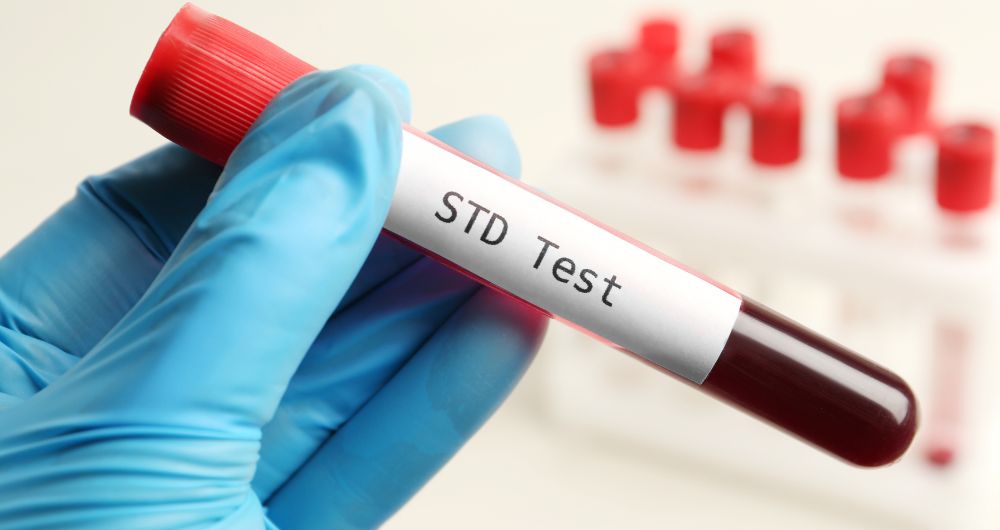
5 Frequently Asked Questions About STD Testing

5 Frequently Asked Questions About STD Testing

5 Frequently Asked Questions About STD Testing

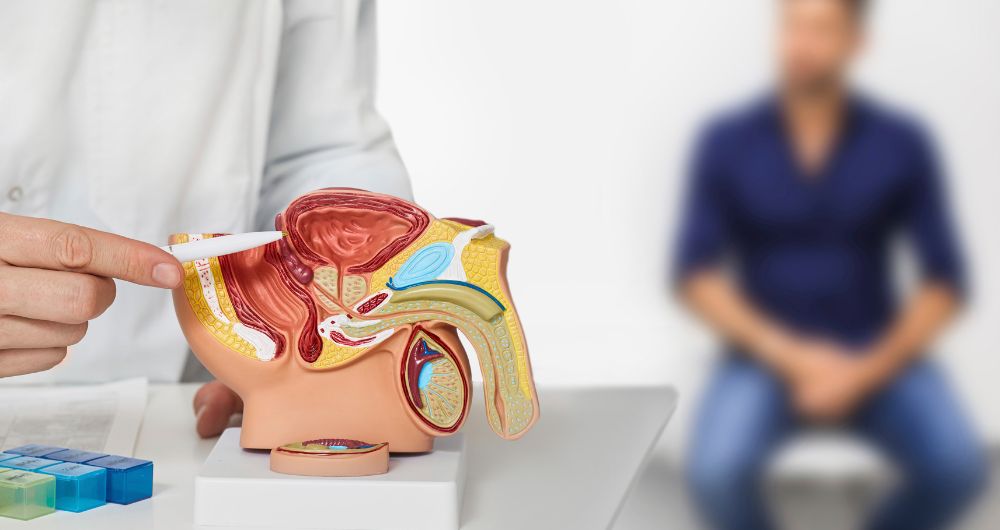
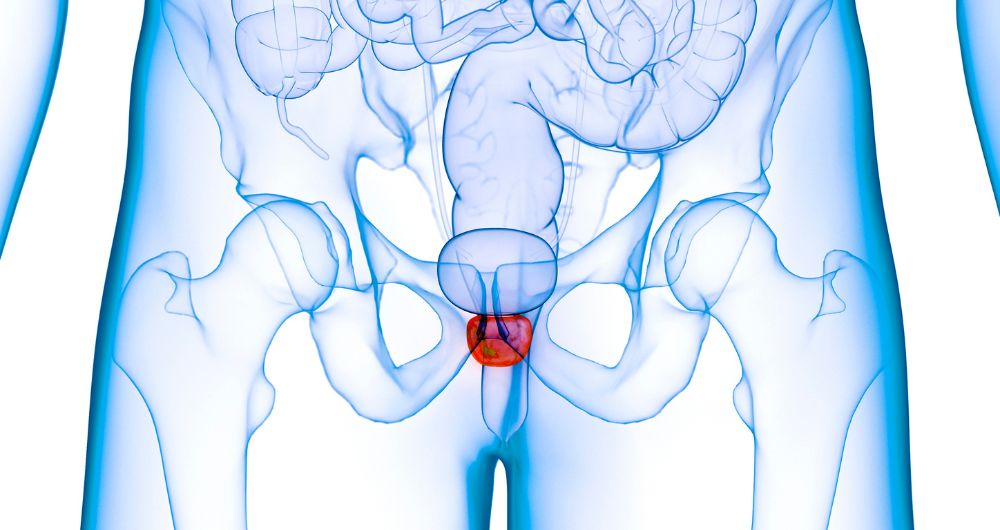
Sexual health is a critical aspect of overall well-being, and knowledge plays a pivotal role in maintaining it. In Bridgeport, CT, trusted clinics provide comprehensive STD testing services, offering individuals the means to take charge of their sexual health. To empower you with the information you need, we’ve compiled a list of frequently asked questions about STD testing. Whether you’re considering testing, have concerns about specific STDs, or want to understand the testing process better, this blog will give you insights into this crucial aspect of sexual well-being.   

1. Do I Need to Ask My Doctor for an STD Test?

No, you don’t always need to ask your doctor specifically for an STD test. While discussing sexual health with your healthcare provider is an excellent practice, many clinics, including DOCS Urgent Care & Primary Care – Bridgeport, offer confidential STD testing. You can request STD testing in Bridgeport, CT, directly at these clinics without needing a referral from your doctor. It’s a proactive step in taking charge of your sexual health, especially if you’ve had unprotected sex or are experiencing symptoms. 

While you don’t need to specifically ask your doctor for STD testing in Bridgeport, CT, visiting your healthcare partner can still be beneficial for the following reasons:


✔️ Comprehensive Sexual Health Guidance

While you can directly request STD testing in Bridgeport, CT, at clinics like DOCS Urgent Care & Primary Care – Bridgeport, your doctor can provide comprehensive sexual health guidance. They can discuss your sexual history, assess your risk factors, and recommend appropriate testing based on your unique situation. This personalized approach ensures you receive the most relevant and necessary tests.


✔️ Vaccination Recommendations

In addition to STD testing in Bridgeport, CT, your doctor can discuss vaccination options. For example, they can recommend vaccines like the HPV vaccine or the hepatitis B vaccine, which can protect you from certain STIs. Your doctor can also ensure you are up to date on your vaccinations.


✔️ Contraception and Safe Sex Counseling

Your healthcare provider can assist with contraception methods and safe sex practices. They can help you choose a birth control method that aligns with your lifestyle and preferences. Additionally, they can discuss the importance of consistent and correct condom use to reduce the risk of STIs.

Understand Refill Limits

2. How Will I Know What STD Tests I Need?

STD testing in Bridgeport, CT, includes screenings for chlamydia, gonorrhea, syphilis, HIV, herpes, and hepatitis. Professionals from clinics such as DOCS Urgent Care & Primary Care – Bridgeport in Bridgeport, CT, can help you decide which tests are appropriate based on your circumstances.

Determining which method of STD testing you need depends on various factors. Here are some of them:


✔️ Sexual History 

When seeking STD testing in Bridgeport, CT, your sexual history is pivotal in determining which tests are necessary. Your healthcare provider will inquire about the number of sexual partners you’ve had, the types of sexual activities you engage in (vaginal, anal, or oral sex), and whether you’ve had recent sexual encounters with individuals who have tested positive for an STD. This information allows your healthcare provider to assess your risk factors accurately. It’s essential to provide honest and detailed answers to ensure that the recommended tests align with your circumstances. Understanding your sexual history helps tailor the testing process to your needs and potential exposure risks.


✔️ Symptoms (If Any) 

Experiencing symptoms that could indicate an STD, such as unusual genital discharge, genital sores, pain during sexual intercourse, or a burning sensation during urination, should prompt immediate discussion with your healthcare provider. Sharing this critical information about your symptoms is crucial when undergoing STD testing in Bridgeport, CT. Symptoms provide valuable clues that can guide the selection of appropriate tests. Your healthcare provider will consider your reported symptoms during the assessment to ensure that the right tests are conducted, allowing for accurate diagnosis and effective treatment, if necessary.


✔️ Risk Factors 

Identifying and discussing your specific risk factors is vital when contemplating STD testing in Bridgeport, CT. Engaging in unprotected sexual intercourse, having multiple sexual partners, or participating in sexual activities with intravenous drug users can elevate your risk of contracting certain STDs. Your healthcare provider will inquire about these risk factors and their duration. Being candid about any potential exposures ensures a comprehensive assessment of your situation. 


✔️ Healthcare Provider’s Recommendations 

When it comes to STD testing in Bridgeport, CT, the guidance of your healthcare provider is invaluable. They possess extensive experience and expertise in STD testing and can offer expert recommendations tailored to your situation. Your healthcare provider will consider your sexual history, reported symptoms, and risk factors to determine the most appropriate tests. Be receptive to their guidance and recommendations, as they are designed to provide you with the most accurate and relevant information about your sexual health. Following their advice ensures your STD test is comprehensive and aligned with your needs and circumstances. 

What Can I Expect On the Day of the STD Test?

3. What Can I Expect On the Day of the STD Test?

On the day of your STD test, you can expect a straightforward and discrete process. The procedures for STD testing are relatively quick and virtually painless. Rest assured that your privacy and confidentiality will be respected throughout the process. Once your samples are collected, they will be sent to a laboratory for analysis, and you’ll receive your results within a few days.

Here are the procedures you can expect during your STD testing in Bridgeport, CT:


✔️ Urine Sample Collection

When you undergo STD testing in Bridgeport, CT, you may be asked to provide a urine sample, especially if tests for infections like chlamydia and gonorrhea are part of the assessment. This process is designed to be straightforward and non-invasive, prioritizing your comfort and privacy. You’ll be guided to a private area with dedicated facilities for sample collection. Here, you will be provided with a clean and sterile container for your urine sample. It’s crucial to follow the instructions provided by our healthcare professionals meticulously to ensure the accuracy of the sample. This process respects your confidentiality while allowing for precise testing for common sexually transmitted infections.


✔️ Blood Sample Collection

In some instances, STD testing may necessitate a blood sample. This is a quick and relatively painless procedure that plays a vital role in diagnosing certain infections. A trained phlebotomist or healthcare professional will cleanse the area, usually on your arm, with an antiseptic to maintain sterility. They will then gently insert a thin needle into a vein to draw a small amount of blood. It’s important to note that most individuals experience minimal discomfort during this process, typically taking just a few minutes. Your blood sample will be securely labeled and sent to a certified laboratory for precise analysis. 


✔️ Swab Tests

Swab tests are a valuable component of STD testing in Bridgeport, CT, especially when specific infections like herpes or syphilis are under consideration. Swabbing involves the collection of samples from precise areas, such as the genital, anal, or oral regions, where symptoms or concerns may be present. Our healthcare professionals are well-versed in performing swab tests with precision and care, prioritizing your comfort and well-being. These swab tests are conducted with minimal discomfort, and the collected samples are crucial for accurate diagnosis. 


✔️ Physical Examination 

In cases where visible symptoms or concerns are present, a physical examination may be included as part of your STD testing in Bridgeport, CT. This examination involves visually inspecting the genital, anal, or oral areas, depending on your reported symptoms. It is conducted with sensitivity and respect for your privacy, ensuring a comfortable and dignified experience. During the examination, your healthcare provider will carefully assess any visible lesions, sores, or rashes, evaluate lymph nodes, and discuss any discharge or concerns you may have reported. 

What Should I Do If My Results Prove Positive?

4. What Should I Do If My Results Prove Positive?

Receiving positive results for an STD can be emotionally challenging, but it’s essential to remember that many STDs are treatable, and early detection is key. If your results are positive, your healthcare provider will discuss treatment options.

Here are some reminders to keep in mind if your results prove positive:


✔️ Stay Calm

Receiving positive results for an STD can be an emotionally charged experience. Feelings of anxiety, fear, and uncertainty may surface. However, it’s essential to recognize that many STDs are treatable, and early detection plays a pivotal role in effective management. Staying calm is paramount for making well-informed decisions about your health. Panicking can hinder your ability to navigate the next steps wisely. Remember that you are not alone in this journey; healthcare providers specializing in STD testing in Bridgeport, CT, can guide and support you.


✔️ Seek Treatment

Promptly seeking treatment upon receiving positive STD results is of utmost importance. The severity of STDs can vary, but many are amenable to treatment through medications prescribed by a healthcare provider. Treatment serves several critical purposes, including curing the infection, alleviating symptoms, and preventing complications. By initiating treatment as soon as possible, you take significant strides toward restoring your health and minimizing the impact of the infection.


✔️ Follow Medical Advice

Your healthcare provider will create a tailored treatment plan based on your diagnosis. Following their guidance meticulously is essential for a successful recovery. This entails taking prescribed medications exactly as directed, completing the full course of treatment, and attending any follow-up appointments as recommended. Adhering to your treatment plan is a proactive measure to ensure the infection is effectively managed and any potential complications are mitigated.


✔️ Inform Partners

Responsibility and transparency are key when dealing with a positive STD diagnosis. If you’ve had recent sexual partners or partners before your diagnosis, it’s imperative to inform them about your positive STD result. Encourage them to undergo STD testing in Bridgeport, CT, as well to ascertain their status and prevent further transmission. Open and honest communication in this regard is ethical and a responsible step in safeguarding the sexual health of both you and your partners.


✔️ Practice Safe Sex

After successful treatment and recovery, it’s essential to prioritize protection during sexual activity. Consistently using barrier methods like condoms can significantly reduce the risk of transmitting or contracting STDs. Safe sex practices are crucial for protecting yourself and your partners from future infections. Regular STD testing in Bridgeport, CT, is also recommended to detect infections early and maintain your sexual health.


✔️ Get Re-Tested

Depending on the specific STD you’ve been diagnosed with, your healthcare provider may recommend getting STD tested a second time as part of your comprehensive care plan. This step is essential to ensure the infection has been successfully treated and cleared from your system. The timing and frequency of re-testing may vary based on the type of STD and the treatment provided. Completing these follow-up tests is responsible for confirming your health status and providing peace of mind. It also ensures that any potential remnants of the infection are identified and addressed promptly, contributing to your overall well-being.


✔️ Learn More About Your Condition

A positive STD diagnosis presents an opportunity to expand your knowledge about sexually transmitted infections. Educating yourself about STDs, including their modes of transmission, common symptoms, and prevention methods, empowers you to make informed decisions about your sexual health. Knowledge is a powerful tool for safeguarding yourself and your partners from future infections. Resources, both online and through healthcare providers, can offer valuable insights and guidance in understanding your condition and preventing its recurrence.


✔️ Seek Emotional Support

Coping with a positive diagnosis after getting STD tested can be emotionally challenging. Feelings of anxiety, stigma, or isolation may arise. It’s essential to recognize that you are not alone in this journey. Don’t hesitate to seek emotional support from trusted friends, understanding family members, or a counselor who specializes in sexual health. Many organizations and support groups also offer resources and a community for individuals living with STDs. These networks can provide a safe space for sharing experiences, finding encouragement, and accessing valuable guidance on managing the emotional aspects of a positive diagnosis. 

Do I Need STD Testing Even Though I'm Not Sexually Active?

5. Do I Need STD Testing Even Though I'm Not Sexually Active?

Even if you’re not sexually active, STD testing in Bridgeport, CT, can still be relevant. Some STDs can have a long incubation period, meaning you may have been exposed to an infection in the past. An STD test can provide peace of mind and ensure that potential infections are detected and treated promptly.

Aside from being sexually active, STDs can be contracted from the following sources:

✔️ Needle Sharing

Sharing needles or syringes with an infected person, even for non-sexual reasons like drug use or medical procedures, is a high-risk behavior for transmitting bloodborne infections. Diseases like HIV and hepatitis B and C can be spread through contaminated needles or syringes. This mode of transmission is of particular concern in the context of intravenous drug use, where individuals may share injection equipment. It underscores the critical importance of harm reduction programs, needle exchange services, and STD testing in Bridgeport, CT, to reduce the risk of such infections. 


✔️ Close Personal Contact

Some STDs, such as herpes and syphilis, can be transmitted through close personal contact, extending beyond sexual activity. Close personal contact includes kissing, skin-to-skin contact, and even sharing items like eating utensils or towels. These infections can be passed between family members, friends, or individuals living close quarters. It’s essential to be aware of the transmission routes of specific STDs to take appropriate precautions. While the risk of transmission through casual contact is generally low, practicing good hygiene, avoiding contact with active sores or lesions, and taking regular STD testing in Bridgeport, CT, can further reduce this risk.


✔️ Mother-to-Child Transmission

Certain STDs can be transmitted from a pregnant individual to their infant during childbirth. This non-sexual mode of transmission underscores the importance of regular STD testing during pregnancy. Detecting and managing infections during pregnancy is crucial to protect the health of both the mother and the baby. Healthcare providers can guide on preventing mother-to-child transmission, including appropriate treatment options and delivery planning.


✔️ Blood Transfusions

While rare in regions with stringent blood screening protocols, there have been historical instances where STDs like HIV were transmitted through blood transfusions. Advances in blood screening techniques and rigorous safety measures have significantly reduced this risk. Blood banks and healthcare facilities follow strict protocols to ensure that donated blood is safe for transfusion. It’s important to have confidence in the safety of blood transfusions in regions with established healthcare systems.


✔️ Tattoo and Piercing Procedures

Inadequate sterilization of equipment or improper hygiene practices during tattooing or piercing procedures can potentially lead to the transmission of infections, including hepatitis B and C. Individuals seeking tattoos or piercings should choose reputable, licensed establishments that follow strict hygiene and sterilization procedures. 


✔️ Sharing Personal Items

Sharing personal items like razors, towels, or clothing with an infected individual can occasionally transmit certain STDs, particularly if there is direct contact with bodily fluids or open sores. While the risk of transmission through shared personal items is generally low, it’s advisable to exercise caution. Avoid sharing items that may come into contact with broken skin or mucous membranes. Maintaining good personal hygiene practices, including using your grooming items, can further reduce this risk.

Prioritize Sexual Health With Privacy—Seek Fast and Accurate STD Testing in Bridgeport, CT

Prioritize Sexual Health With Privacy—Seek Fast and Accurate STD Testing in Bridgeport, CT

STD testing in Bridgeport, CT, is vital to maintaining your sexual health. Don’t hesitate to seek testing services, whether you have specific concerns or simply want to stay informed about your health. Remember that taking control of your sexual health is a proactive step towards a healthier future.

Experience rapid and confidential STD testing like never before at DOCS Urgent Care & Primary Care – Bridgeport! Our state-of-the-art facility offers results in just 20 minutes, providing peace of mind and quick access to critical health information. Your privacy and well-being are our top priorities, and our expert team is committed to delivering safe and discreet services. 

Contact us now to prioritize your sexual health and get the fast, reliable results you deserve. 

 

Tips for Living with Allergic Asthma

7 Signs of Staph Infection and When to Seek Urgent Care in Bridgeport, CT

7 Signs of Staph Infection and When to Seek Urgent Care in Bridgeport, CT

7 Signs of Staph Infection and When to Seek Urgent Care in Bridgeport, CT

Staph infections, caused by Staphylococcus bacteria, can quickly turn from mild to severe if not promptly treated. Understanding the key symptoms that require urgent care in Bridgeport, CT, is vital for the well-being of its residents. This guide highlights seven critical signs indicating that a visit to an urgent care in Bridgeport, CT, is necessary.


Table of Contents

What is a Staph Infection?

7 Warning Signs of Staph Infections

First Aid Measures: How to Prevent Staph Infections

How is Staph Infection Diagnosed at Your Local Urgent Care in Bridgeport, CT

Frequently Asked Questions


Key Takeaways

  • Identifying symptoms like redness, swelling, pain, fever, and pus early can lead to quicker treatment and better outcomes.
  • Don’t hesitate to visit trusted urgent care in Bridgeport, CT, for a thorough evaluation and appropriate treatment of staph infections.
  • Regular handwashing, proper wound care, and avoiding the sharing of personal items reduce the risk of developing staph infections.
  • Follow up with an urgent care provider in Bridgeport, CT, maintain good hygiene, and boost your immune system to prevent recurrence.
  • Understanding staph infection’s causes, risk factors, and potential complications is essential for effective management and prevention.
What is a Staph Infection?

What is a Staph Infection?

A staph infection is caused by the bacteria known as Staphylococcus, commonly known as staph. When these bacteria enter the body, they can cause an infection. While many staph infections remain localized at the site of entry, they have the potential to spread deeper, causing more severe problems such as bloodstream infections, pneumonia, or bone infections.

In 2017, the United States recorded over 119,000 cases of bloodstream staph infections, with nearly 20,000 fatalities, highlighting the severe impact and lethal potential of these bacteria. The opioid crisis further complicates this public health challenge, as nearly one in ten serious staph infections in 2016 involved individuals who inject drugs, including opioids.

Staph infections can range from simple skin infections to more severe conditions affecting the lungs, heart, blood, or bones. Some strains of these bacteria, such as Methicillin-resistant Staphylococcus aureus (MRSA), are resistant to standard antibiotics, making them more challenging to treat. Understanding the signs of a staph infection and when to seek urgent care in Bridgeport, CT, is crucial in managing the risks associated with this bacteria effectively.


How Do Staph Infections Develop

Understanding how staph infections progress is crucial to effectively preventing, managing, and seeking timely urgent care in Bridgeport, CT. This proactive approach can significantly reduce the risk of complications and facilitate a quicker recovery.

    • Entry Point: Staph typically enters the body through skin breaks such as cuts, abrasions, or surgical incisions. It can also infiltrate through hair follicles, especially when they are inflamed or damaged by shaving or friction. Medical devices like catheters or surgical implants provide another route for these bacteria to access deeper tissues or the bloodstream. Additionally, compromised skin integrity from conditions like eczema or psoriasis creates openings for staph, while contact with contaminated surfaces can lead to infection. 
    • Development of Infection: Once inside, staph can quickly multiply, leading to localized skin infections or more systemic severe issues. It can cause direct infection when they enter through a cut, wound, or other skin openings. Once the bacteria breach the skin’s barrier, they colonize the area, often forming pus-filled abscesses or boils. These localized infections can become painful and swollen as the body’s immune system responds to fight off the invaders.
    • Body’s Immune Response
      The body’s immune system reacts to staph infections by sending white blood cells to the infected area. These cells work to engulf and destroy the bacteria. In the process, inflammation occurs, a typical immune response that can cause redness, warmth, swelling, and pain. However, when the immune response is excessive or improperly managed, it can destroy nearby healthy tissues, resulting in symptoms like abscesses or ulcers.


Symptoms of Staph Infection on the Skin

If you notice any of these symptoms, it is important to seek medical attention to prevent the spread of the infection and to start appropriate treatment. For immediate care, consider visiting a nearby urgent care in Bridgeport, CT.

    • Boils: One of the most common symptoms of a skin staph infection is the presence of pus or other drainage, which might be white or yellow in color. They can further develop into boils, which are red, swollen, and painful lumps that may develop a pus-filled top. They are often painful and occur in hair follicles or oil glands.
    • Impetigo: This highly contagious skin infection is common in children and appears as red sores on the face, especially around a child’s nose and mouth. The sores burst and develop honey-colored crusts.
    • Cellulitis: This infection affects the deeper layers of the skin, presenting as red, swollen, and tender skin that may expand rapidly. Fever can accompany this infection.


Spread and Complications from Delayed Treatment

When staph infections are not treated promptly, the bacteria can spread rapidly, leading to severe and potentially life-threatening complications.

    • Abscess Formation: Without adequate treatment, infections can lead to the formation of abscesses at the original site and in internal organs. These abscesses can require surgical intervention to drain and manage.
    • Sepsis: Perhaps the most severe consequence of an untreated staph infection is sepsis, a life-threatening response to infection that can lead to tissue damage, organ failure, and death.
    • Infective Endocarditis: Staph bacteria spreading to the heart can cause infective endocarditis, an infection of the heart valves that disrupts their function and can lead to severe cardiac complications.
    • Osteomyelitis: The spread of infection to bones results in osteomyelitis, a painful bone infection that can cause chronic pain and bone destruction and often requires long-term antibiotic treatment.
    • Toxic Shock Syndrome: Certain strains of staph can produce toxins that lead to toxic shock syndrome, a rapid-onset illness characterized by high fever, rash, low blood pressure, and, in severe cases, multi-organ failure.
    • Septicemia (Blood Poisoning): The infection spreads into the bloodstream, leading to body-wide inflammation, affecting multiple organ systems.


Risk Factors for Staph Infections

Staph infections can affect anyone but are more likely under certain conditions that increase exposure or susceptibility to Staphylococcus bacteria. Awareness of these risk factors is crucial for prevention, especially when immediate care options, like urgent care in Bridgeport, CT, are needed. Here are the key risk factors:

    • Close Contact Sports: Engaging in sports that involve physical contact can lead to skin injuries, such as cuts and abrasions. These injuries compromise the skin’s integrity, making it easier for bacteria to enter and start an infection. Athletes should use protective gear, ensure wounds are cleaned and covered immediately, and maintain strict hygiene practices both during and after sports activities to minimize the risk.
    • Existing Skin Conditions: Conditions like eczema or psoriasis damage the skin’s protective barrier. This disruption increases infection vulnerability as the natural barrier against bacteria is weakened. Always follow treatment plans prescribed by your urgent care provider in Bridgeport, CT providers, use moisturizers to maintain skin integrity, and avoid irritants that can exacerbate their conditions.
    • Weakened Immune Systems: An immune system compromised by diseases (like HIV or diabetes) or suppressed by medications (such as chemotherapy or steroids) is less effective at fighting off infections, including those caused by staph bacteria. Patients should engage in immune-boosting activities, such as eating a balanced diet, getting adequate sleep, and managing stress.
    • Use of Invasive Devices: Invasive devices like catheters, breathing tubes, and surgical interventions create direct pathways for staph bacteria to enter the body. The risk increases if these instruments or their environments are not adequately sterilized, potentially leading to significant internal infections. Healthcare providers must adhere to strict sterilization protocols and regularly inspect and replace invasive devices to prevent infections. Patients should also be educated on how to care for their invasive devices at home.
    • Poor Hygiene: Infrequent hand washing and inadequate personal hygiene can increase the likelihood of staph bacteria transferring from surfaces or other individuals to oneself, leading to infection. Regular handwashing with soap and water is crucial, especially before eating and after using the restroom. Personal items like towels and razors should not be shared, and communal areas should be cleaned and disinfected regularly.


    • Direct and Indirect Contact with Infected Individuals: Staph infections can be transmitted through direct physical contact with an infected person, such as touching the skin of someone with an open sore, as well as through indirect contact with contaminated objects like towels, gym equipment, or door handles. Additionally, wearing protective barriers like gloves when caring for someone with a staph infection and ensuring regular cleaning and disinfection of shared spaces and equipment can significantly reduce direct and indirect transmission risk.

7 Warning Signs of Staph Infections

Early medical intervention ensures a comprehensive assessment and immediate start of appropriate treatment, including antibiotics, drainage of abscesses, or other necessary medical procedures. Acting promptly helps alleviate symptoms more quickly and significantly reduces the risk of the infection worsening or spreading to other parts of the body. This proactive approach can prevent potentially severe complications such as sepsis, which can be life-threatening if left untreated.

Here are seven warning signs of staph infection that may warrant immediate urgent care in Bridgeport, CT.


Sign 1: Red, Swollen Skin


What it looks like

The skin appears noticeably redder and may feel swollen compared to surrounding areas. This typically occurs around a wound, cut, or other skin break but can appear anywhere on the body.


Why it’s a concern

Redness and swelling are signs of inflammation, often indicating that an infection is present and possibly worsening. These symptoms suggest that the body is attempting to fight off invading bacteria.


Recommended action

Apply cold compresses to the affected area to reduce swelling and redness. Keep the area clean and monitor closely for any signs of worsening, which would necessitate medical attention.


Sign 2: Painful Area of Skin


What it feels like

The skin may be sensitive to touch, and pain may range from mild to severe. The area might throb or ache even without contact.


Why it’s a concern

Pain indicates that the infection affects deeper layers of skin or that a significant inflammatory response is underway.


Recommended action

Use over-the-counter pain relievers like ibuprofen or acetaminophen to manage pain. Rest the affected area and avoid any activities that might exacerbate the pain. If pain persists or worsens, seek medical evaluation from your urgent care in Bridgeport, CT.


Sign 3: Pus or Abscess Formation


What it looks like 

You may notice pus or fluid accumulation under the skin, forming an abscess. It’s often swollen and warm, presenting a visible bump or lump.


Why it’s a concern

An abscess signifies a localized collection of pus caused by an infection. It requires medical intervention to drain and treat properly, reducing the risk of further infection spread.


Recommended action

Maintain hygiene around the affected area. Do not attempt to drain the abscess at home, as this can lead to further infection. Cover with a clean, dry bandage and consult an urgent care provider in Bridgeport, CT for proper drainage and treatment.


Sign 4: Fever


What it feels like

A fever generally starts at 100.4°F (38°C) or higher, potentially accompanied by chills or sweating.


Why it’s a concern

Fever can indicate that the infection has triggered a systemic response from the immune system and may be spreading beyond the initial site.


Recommended action

Stay hydrated and rest. Monitor your temperature and use over-the-counter fever reducers as needed. If the fever persists or is accompanied by other severe symptoms, it is important to seek medical advice from your urgent care provider in Bridgeport, CT.


Sign 5: Skin Warmth


What it feels like

The infected area feels warmer than the surrounding skin, noticeable to the touch.


Why it’s a concern

Increased warmth is another sign of inflammation and active infection, suggesting that the immune system reacts to the bacterial presence.


Recommended action

Monitor the area for changes in size, color, or pain. Keep the area clean and avoid applying direct heat, which can worsen inflammation. If warmth increases or spreads, consult an urgent care provider in Bridgeport, CT.


Sign 6: Skin Ulcers or Sores


What it looks like

Persistent sores or ulcers on the skin that do not heal or worsen over time, possibly oozing pus or fluid.


Why it’s a concern

Non-healing sores can allow bacteria to enter the bloodstream or spread to other body parts.


Recommended action

Clean the area gently with saline water and apply an appropriate non-prescription wound care ointment. Cover the ulcer with a sterile bandage to protect it from further infection. If sores do not improve or worsen, help from your urgent care provider in Bridgeport, CT, is needed.


Sign 7: Feeling Unwell or Fatigued


What it feels like

General body malaise, lack of energy, or excessive tiredness, often out of proportion to usual activities.


Why it’s a concern

Fatigue and malaise can be subtle signs that the body is fighting an infection, possibly indicating a more severe condition.


Recommended action

Ensure adequate rest and nutrition to support immune function. Stay hydrated and consider taking multivitamins to boost overall health. If fatigue is accompanied by other infection symptoms, it may be time to seek medical care to evaluate the underlying cause.

First Aid Measures: How to Prevent Staph Infections

First Aid Measures: How to Prevent Staph Infections

Implementing effective first aid measures is crucial in preventing staph infections, especially in urgent care in Bridgeport, CT, where exposure to bacteria can be frequent.


Frequent Handwashing

Staphylococcus bacteria, which cause staph infections, can be present on the skin or in the nose of even healthy individuals without causing disease. Regular handwashing helps remove these bacteria from the hands, preventing the transmission to wounds or other entry points on oneself or others.


Keeping Wounds Clean and Covered

Clean any cuts or abrasions thoroughly with an antiseptic. Then, protect them with clean, dry bandages until healed. This prevents bacteria from entering wounds and causing infections.


Avoid Sharing Personal Items

Do not share towels, razors, or other personal items that come into contact with skin. This reduces the risk of transmitting bacteria that may cause infections.


Awareness and Hygiene

Stay informed about the ways infections can spread. Maintain good hygiene practices to safeguard against infection.

How is Staph Infection Diagnosed and Treated at Your Local Urgent Care in Bridgeport, CT

Understanding the process of diagnosing and treating staph infections at your local urgent care center in Bridgeport, CT, is crucial for effective care.


Diagnosis

To accurately diagnose a staph infection, your urgent care provider in Bridgeport, CT, will:

    • Conduct a Physical Examination: Your provider will inspect any skin sores, areas of redness, and other symptoms to assess the extent of the infection.
    • Collect Samples for Testing: Diagnostic testing typically involves taking samples of blood, urine, skin, or nasal secretions. These samples are analyzed for signs of staph bacteria, helping to confirm the presence and type of infection.
    • Recommend Additional Testing: Based on the initial findings, your urgent care provider in Bridgeport, CT, may order further tests, such as an echocardiogram, to check if the infection has spread to the heart or other organs, depending on your symptoms and the results of the physical examination.


Treatments

Effective treatment for a staph infection may include:

    • Antibiotics: After identifying the specific strain of staph bacteria, your healthcare provider from your local urgent care center in Bridgeport, CT, will prescribe the most effective antibiotic. Common choices include cefazolin, nafcillin, oxacillin, vancomycin, daptomycin, and linezolid. For severe infections, especially those caused by antibiotic-resistant strains like MRSA, vancomycin, or similar antibiotics may be administered intravenously.
    • Wound Drainage: For skin infections, draining the wound may be necessary. This procedure involves making an incision in the infected area to allow fluids to escape, followed by thorough cleaning to prevent further infection.
    • Device Removal: Infections involving medical devices—such as catheters, pacemakers, or prosthetic joints—often require the removal of the device. 


Take Control of Your Health Today! Get Staph Infection Treatment at the Top Urgent Care in Bridgeport, CT

Recognizing the signs of a staph infection and understanding when to seek help at urgent care in Bridgeport, CT, are crucial steps in handling this common yet potentially serious condition. Timely medical intervention ensures the best outcomes and prevents further health complications.

Don’t let staph infections impact your life or health. Act quickly to receive immediate evaluation and treatment at DOCS Urgent Care & Primary Care – Bridgeport. Our skilled medical team is prepared to offer fast relief and tailored care for your infection concerns. Don’t delay — prioritize your health and visit us today!

Tips for Living with Allergic Asthma

5 Tips for Managing Fever at Home and When to Visit Urgent Care in Southington, CT

5 Tips for Managing Fever at Home and When to Visit Urgent Care in Southington, CT

5 Tips for Managing Fever at Home and When to Visit Urgent Care in Southington, CT

Knowing whether to treat it at home or seek help can be daunting when a fever strikes. Here, we will simplify fever management and explain when to utilize urgent care in Southington, CT. Recognizing the balance between home treatment and professional help ensures safety and efficacy in fever management.

What is a Fever?

A fever is a temporary increase in body temperature, often due to an illness. It’s a natural defensive mechanism that activates the body’s immune response. A normal body temperature is about 98.6°F (37°C), and anything above 100.4°F (38°C) is considered a fever. This increase in body temperature helps to create an unfavorable environment for infectious agents like bacteria and viruses while also boosting the effectiveness of immune cells.

If you suspect you or a family member has a fever that might require more immediate attention, consider visiting a nearby urgent care in Southington, CT, for timely evaluation and care.

Causes of Fever

Fever can stem from numerous health conditions, each with unique implications. Here are some common reasons people develop a fever, according to urgent care in Southington, CT.

  • Bacterial Infections: These can cause fevers as the body tries to fight off bacteria. Examples include strep throat or bacterial pneumonia.
  • Viral Infections: Common viruses like influenza or COVID-19 often lead to fevers, which help the body’s immune response by making it less hospitable for the viruses.
  • Gastrointestinal (GI) Infections: Infections in the digestive tract, such as those caused by norovirus or bacteria like salmonella, frequently result in fever.
  • Urinary Tract Infections (UTIs): These infections, typically caused by bacteria entering the urinary tract, can trigger fevers as part of the body’s defense mechanism.
  • Skin Infections: Infections like cellulitis, caused by bacteria entering through a break in the skin, often lead to fever as the body attempts to fight the infection.
  • Reaction to Certain Medications: Some drugs, particularly antibiotics or drugs used to treat high blood pressure, can induce fever as a side effect.
  • Vaccinations: Immunizations can sometimes cause a low-grade fever as the body builds immunity to the disease being vaccinated against.
  • Autoimmune Disorders: Conditions where the body’s immune system attacks its cells, such as lupus or rheumatoid arthritis, can lead to fevers.
  • Cancer: Some cancers can cause persistent fevers, significantly if they affect the immune system or produce inflammation.


Common Symptoms of Fever

Fever is a common indicator of infection, serving as an important signal from the immune system that something might be wrong. According to medical specialists at a trusted local urgent care in Southington, CT, symptoms can vary slightly between adults and children, and understanding these differences is key to proper management.


Fever in Adults

Fever in Children

Temperature

Above 98.6°F (37°C)

Often above 100.4°F (38°C)

Behavioral Changes

Less pronounced

Marked changes like fussiness or excessive sleepiness

Physical Symptoms

Muscle aches, dehydration

Poor eating; possible dehydration

Pain

Headache, general discomfort

May show discomfort through crying or irritability

Risk Level

Rarely leads to serious conditions

Higher risk of severe complications, especially in neonates

Diagnostic Approach

Typically symptom-driven

Requires extensive testing and careful monitoring, particularly for infants under 3 months

For infants, particularly those under 3 months old, managing fever is critical due to their higher susceptibility to serious bacterial infections (SBIs). Research indicates that SBIs occur in 8% to 12.5% of febrile infants, with rates climbing to 20% in neonates (≤28 days old). Infants in this age group cannot be effectively assessed through physical examination alone, necessitating in-hospital observation and a range of tests, including urinalysis, blood counts, and cultures. Such comprehensive evaluation is crucial, even in the presence of symptoms typical of viral infections.

5 Tips for Managing Fever at Home

Managing fever effectively at home can help alleviate discomfort and prevent complications, especially while monitoring the condition before deciding whether a visit to urgent care in Southington, CT, is necessary. Here are five practical tips for managing fever in adults, children, and infants:

1. Rest

When you have a fever, it is crucial to put aside your daily tasks and focus on rest. If you’re able to sleep, take advantage of this and rest. If sleep eludes you, consider relaxing with a good book or listening to a podcast or audiobook to help pass the time quietly.

  • Adults: Ensure ample rest as it helps the body fight off infection. Keep the room comfortably cool to manage body temperature.
  • Children: Ensure they rest, but keep them comfortable with light clothing and a cool room. A comforting presence can also help ease their discomfort.
  • Infants: Maintain a soothing environment, with minimal handling to let them rest. Use lightweight clothing and monitor for signs of overheating or chills.


2. Monitor the Fever

Use a digital thermometer for the most accurate results. Depending on the patient’s age and preference, oral, rectal, ear, or forehead thermometers are recommended.

  • Adults: Keep a log of your temperature readings and symptoms. If fever persists for over three days or exceeds 103°F (39.4°C), seek medical advice.
  • Children: Regularly check their temperature using a reliable thermometer. Seek medical attention if the fever is 104°F (40°C) or higher or persists for more than three days.
  • Infants: Use a rectal thermometer for the most accurate results in infants. Contact a healthcare provider immediately if an infant has a fever of 100.4°F (38°C) or higher, especially if they are less than 3 months old.


3. Hydration and Nutrition

Dehydration can occur quickly with a fever. Drinking fluids like water, electrolyte solutions, or broth can help reduce fever. Avoid caffeine and alcohol, as they can lead to dehydration.

  • Adults: Ensure ample rest as it helps the body fight off infection. Keep the room comfortably cool to manage body temperature.
  • Children: Ensure they rest, but keep them comfortable with light clothing and a cool room. A comforting presence can also help ease their discomfort.
  • Infants: Maintain a soothing environment, with minimal handling to let them rest. Use lightweight clothing and monitor for signs of overheating or chills.


4. Medication Guidelines

Acetaminophen or ibuprofen are effective for reducing fever. Adults should not exceed 3,000 mg of acetaminophen per day. Children’s dosages should follow the guidelines based on weight and age, which can be found on the packaging or consulted with a pharmacist.

  • Adults: Use medications such as acetaminophen or ibuprofen, following dosage guidelines or a doctor’s advice to reduce fever and alleviate pain.
  • Children: Acetaminophen or ibuprofen can be used for children, but the correct dose based on the child’s weight and age is essential. Never give aspirin to children.
  • Infants: Consult a healthcare provider before administering any fever-reducing medication to infants, particularly those under 3 months.


5. Use Cooling Measures Sensibly

Light clothing and lightweight bedding can help regulate body temperature. Keeping the room temperature cool, around 70°F (21°C), can also offer comfort.

  • Adults: Cool, damp washcloths applied to the forehead, neck, and wrists can help reduce fever. Avoid cold baths or showers, which can cause shivering and raise body temperature.
  • Children: Dress in light clothing and use a light blanket if necessary. A lukewarm bath might help lower body temperature if the child is uncomfortable.
  • Infants: Avoid aggressive cooling methods like cold baths. Instead, dress the infant in lightweight clothing and keep the sleeping area cool.

What to Do If Fever Worsens

Despite best efforts to manage a fever at home, it’s crucial to know when to escalate care and seek urgent care in Southington, CT.

    • Monitoring Warning Signs: Be vigilant about symptoms that indicate severe infections, such as persistent high fever, difficulty breathing, severe headache, or rash.
    • Seeking Immediate Medical Advice: If symptoms significantly worsen or do not improve with home remedies within the expected timeframe, seek medical advice. Many urgent care centers in Southington, CT, offer telehealth services to assess whether an in-person visit is necessary.
    • Preparation for Urgent Care Visit: Prepare a list of all symptoms, their onset, any treatments attempted, and relevant medical history. Bring identification, insurance information, and recent health records to facilitate a swift and effective visit at a nearby urgent care center in Southington, CT.

When to Seek Urgent Care in Southington, CT

Recognizing whether the fever can be managed at home or requires professional medical attention, such as a visit to urgent care in Southington, CT, often depends on the fever’s cause, duration, and associated symptoms. For example, a fever that persists for several days or is accompanied by severe symptoms like rash, difficulty breathing, or confusion should prompt a visit to urgent care.

Immediate urgent care in Southington, CT, is required if you have:


1. High Fever

  • Adults: A temperature that exceeds 103°F (39.4°C) indicates a high fever that can be dangerous and warrants prompt medical evaluation.
  • Infants and Young Children: In infants under age 2, seek urgent care if the fever reaches 100.4°F (38°C) rectally, especially if it lasts more than 24 hours.


2. Long Fever

  • Adults: If the fever persists for over three days, it may indicate a more serious infection or underlying condition requiring medical attention.
  • Children: Persistent fever in children, especially when accompanied by listlessness or irritability, also necessitates professional evaluation.


3. Accompanying Symptoms

  • Rash: This can signify several serious conditions, such as meningitis or an allergic reaction.
  • Severe Headache: A headache that is unusually severe and occurs with a fever could indicate meningitis, encephalitis, or another serious infection.
  • Stiff Neck: This symptom, particularly when associated with a fever, is a classic sign of meningitis and requires immediate medical intervention.
  • Shortness of Breath: Difficulty breathing or wheezing with fever suggests respiratory infections like pneumonia or, potentially, COVID-19.
  • Severe Pain: Any severe pain, mainly if localized (like in the abdomen, ear, or chest), can indicate complications such as appendicitis, otitis media, or pleurisy.
Nausea and Vomiting

Benefits of Visiting Urgent Care in Southington, CT

Visiting an urgent care center in Southington, CT, offers several advantages when dealing with conditions like fever:


1. Timely Medical Attention

Urgent care centers specialize in treating conditions that require immediate care but are not severe enough for the emergency room. For example, urgent care can provide quick assessment and treatment if you have a persistent fever that doesn’t respond to home remedies.


2. Extended Hours

Most urgent care centers have extended hours, including evenings and weekends, providing access when most regular clinics are closed. If you develop a fever late in the day, you can visit urgent care in Southington, CT, after standard office hours.


3. Shorter Wait Times

The wait times at urgent care centers are typically much shorter than those at emergency rooms. Instead of waiting several hours in an emergency room, you might be seen at urgent care within minutes or under an hour.


4. Cost-Effectiveness

Treatment at urgent care centers is generally less expensive than at emergency rooms. For a fever evaluation, including consultation and basic tests, urgent care might charge significantly less than an ER would.

5. Diagnostic Services

Urgent care centers are equipped to perform a range of diagnostic tests quickly. If the cause of your fever is unclear, urgent care can perform blood tests or X-rays during your visit, speeding up diagnosis and treatment.


Preventative Measures and Overall Health

Taking proactive steps to maintain overall health can significantly reduce the likelihood of developing a fever and other illnesses. If you have concerns about fever or other symptoms, consider visiting an urgent care in Southington, CT for professional advice and treatment.

Here are some essential preventative measures you should consider:

  • Balanced Nutrition: Eat a diet rich in fruits, vegetables, lean proteins, and whole grains to provide essential nutrients that support immune function.
  • Regular Exercise: Engage in moderate physical activity on most days of the week to enhance your immune system.
  • Adequate Sleep: Ensure 7-9 hours daily to help the immune system function optimally.
  • Stress Management: Reduce stress through mindfulness practices, meditation, or hobbies, as chronic stress can weaken the immune system.
  • Regular Vaccinations and Yearly Flu Shots: Stay current with recommended vaccinations and get annual flu shots to protect against common viruses and infections.
  • Hand Hygiene: Wash your hands regularly with soap and water, especially before eating, after using the restroom, and when returning home. According to the Centers for Disease Control and Prevention (CDC), this is one of the most effective ways to prevent the spread of infectious diseases, including viruses and bacteria that cause fevers and other symptoms of illness.
  • Share Knowledge: Educate family and friends on the signs of fever, how to measure temperature accurately, and when to seek medical attention.
  • Utilize Local and Online Resources: Encourage using resources such as local health workshops, which often provide training on first aid and fever management.
  • Stress Management: Chronic stress can suppress the immune system, making you more susceptible to infections. These relaxation techniques can help maintain a robust immune response by reducing stress.
Seizures

Frequently Asked Questions

1. How do you get rid of a fever fast?

You can take over-the-counter medications such as ibuprofen or acetaminophen according to the package directions to quickly reduce fever. Additionally, stay hydrated, rest, and use cool compresses. Dress lightly and keep your room cool to help lower your body temperature. Consider seeking medical advice if your fever does not respond to these measures.

2. Why do I have a fever but feel fine otherwise?

It’s possible to have a fever without noticeable symptoms of an illness, which could be due to a mild infection your body is fighting off without significant other symptoms. However, serious conditions like urinary tract infections or hidden infections can also cause fever without other apparent symptoms. Monitoring your fever and consulting a healthcare provider if it persists is advisable.

3. How long should a fever last?

The duration of a fever can vary depending on its cause. Most fevers associated with viral infections resolve within 2-3 days. Fevers due to bacterial infections may last longer and require antibiotics. If a fever lasts more than three days in adults or 24 hours in children under age 2, or if it is unusually high, seek medical attention.

4. What causes a fever at night?

Fevers often spike in the late afternoon and evening due to the body’s natural circadian rhythm and the release of pyrogens (fever-producing substances), which can peak during this time. Additionally, dehydration tends to be more pronounced towards the end of the day if you haven’t consumed enough fluids, which can exacerbate a fever.

5. What should I bring when visiting urgent care in Southington, CT, for a fever?

Include current medications, medical history, information about the fever’s pattern, and other symptoms. Also, have your ID and insurance information ready. You can also check if the urgent care center in Southington, CT, has teleservices like DOCSnow.


Visit DOCS Urgent Care - Southington for Immediate Fever Care!

Understanding how to manage a fever and when to seek urgent care in Southington, CT, is essential for effective treatment. Always trust your instincts and consult a healthcare professional if unsure about the best action.

If you’re showing signs of a severe fever, don’t wait to get professional medical help. At DOCS Urgent Care – Southington, our seasoned medical team is prepared to offer empathetic, swift, and thorough care. We recognize the discomfort and urgency associated with fever symptoms and are ready to provide quick diagnoses and effective treatments.

Visit us today!

Tips for Living with Allergic Asthma

9 Signs of Diabetes in Children: Insights from Primary Care Doctor in Bridgeport, CT

9 Signs of Diabetes in Children: Insights from Primary Care Doctor in Bridgeport, CT

9 Signs of Diabetes in Children: Insights from Primary Care Doctor in Bridgeport, CT

Diabetes is a health issue impacting a growing number of children and teenagers, making it essential for parents to recognize its signs early. The National Diabetes Statistics Report reveals approximately 210,000 children under 20 in the U.S. have been diagnosed with diabetes, predominantly type 1, in 2020.

 Early intervention by a primary care doctor in Bridgeport, CT, can mitigate the higher risk of these health challenges.

What is Diabetes?

Diabetes is a chronic condition that affects how the body processes food into energy, often leading to elevated blood sugar levels. Glucose, derived from food, is the body’s primary energy source. Insulin, a hormone produced by the pancreas, facilitates the entry of glucose into cells for energy utilization.

Excess glucose remains in your bloodstream when your body either doesn’t make enough insulin or can’t effectively use it. Prolonged high blood sugar levels can result in serious health complications, including heart disease, vision problems, and kidney disease.

Conducting regular check-ups with your primary care doctor in Bridgeport, CT, is a must. They can guide lifestyle changes, medication management, and preventive measures to help you maintain your health and well-being.

Types of Diabetes in Children​

Types of Diabetes in Children

There are three main types of diabetes: type 1, type 2, and gestational diabetes. Type 1 diabetes is caused by an autoimmune response that impairs insulin production, while type 2 diabetes occurs when the body struggles to use insulin properly, leading to abnormal blood sugar levels. 

Diabetes is a prevalent health issue affecting individuals of all ages, including children and adolescents. A primary care doctor in Bridgeport, CT, must comprehend the impact of diabetes on youth and develop tailored interventions that promote their long-term health and well-being.

1. Type 1 Diabetes

Type 1 diabetes, commonly referred to as juvenile diabetes, is an autoimmune disorder where the immune system erroneously targets and destroys insulin-producing beta cells in the pancreas. This leads to a crucial deficiency of insulin, a hormone vital for controlling blood glucose levels. It is the most common type of diabetes among children and young people, making up 5-10% of all diabetes cases. 

According to the Centers for Disease Control and Prevention (CDC), 38.4 million people have diabetes (11.6% of the US population). Critical characteristics of Type 1 diabetes include a dependence on insulin therapy, increased risks of severe hypoglycemia and diabetic ketoacidosis (DKA), a genetic predisposition, and a strong association with specific autoantibodies.

2. Type 2 Diabetes

Type 2 diabetes, once known as adult-onset diabetes, is characterized by insulin resistance and elevated blood sugar levels. This metabolic disorder occurs when the body’s cells become less responsive to insulin. Increasingly prevalent among younger populations, Type 2 diabetes is closely linked to rising obesity rates and inactive lifestyles. 

If you’re concerned about Type 2 diabetes for yourself or your child, consulting a primary care doctor in Bridgeport, CT, is advisable. They can guide prevention strategies, lifestyle modifications, and appropriate management options tailored to your needs and circumstances.

IN COMPARISON. Type 1 vs Type 2 Diabetes

Diabetes can have profound long-term effects on children, impacting various aspects of their health. Complications may manifest as heart disease, kidney problems, nerve issues, eye and foot problems, skin, mouth, bone, joint, and hearing issues. It’s vital to effectively manage diabetes and detect it early to mitigate these risks and enhance the quality of life for affected children. Regular monitoring and treatment adjustments, overseen by a trusted primary care doctor in Bridgeport, CT, are essential for optimal care.


Aspect

Type 1 Diabetes

Type 2 Diabetes

Onset

Typically sudden

Gradual

Age of Onset

Usually in children and teenagers

More common in older children and teenagers

Causes

An autoimmune reaction where the body attacks insulin-producing cells in the pancreas

Often associated with obesity, genetic factors, and insulin resistance

Body Type

Often thin or average weight before diagnosis

Often overweight or obese

Insulin Dependence

Immediate insulin dependence

It may be managed with diet, exercise, and medication initially; insulin might be required later.

9 Signs of Diabetes in Children​

9 Signs of Diabetes in Children

Diabetes in children can manifest in various ways. Recognizing the signs and symptoms early is essential to ensure proper diagnosis and management with a primary care doctor in Bridgeport, CT.

Here are the nine signs parents and caregivers should be aware of:

1. Increased Urination and Thirst

One of the earliest and most noticeable signs of diabetes in children is an unusual increase in both thirst and the frequency of urination. This occurs as the body attempts to eliminate excess glucose through the urine, pulling fluids from tissues and causing dehydration. As a result, the child may feel an intense and persistent thirst, leading them to drink more fluids than usual. Subsequently, this increases the need to urinate more frequently, often noticeable when it disrupts their routine, such as needing to go to the bathroom throughout the night.

If you observe these symptoms persistently in your child, it’s advisable to discuss them with your primary care doctor in Bridgeport, CT. The doctor can conduct or recommend appropriate tests to diagnose the underlying cause, such as diabetes.

2. Extreme Hunger and Weight Loss

Despite consuming more food, children with diabetes may continue to feel hungry. This relentless hunger occurs because the body’s cells aren’t receiving the glucose they need for energy, due to insufficient insulin. The child’s body then signals for more food as it tries to obtain the energy it lacks.

Similarly, unexpected Weight loss, especially in a child who is eating well or even eating more than usual, can be a sign of diabetes. This weight loss happens because, without enough insulin, the body cannot use glucose for energy and begins to break down fat and muscle instead.

3. Fatigue

Excessive tiredness and weakness in children that aren’t relieved by rest can indicate diabetes. When the body’s cells don’t receive enough glucose, they lack the energy to function optimally. This results in a persistent feeling of fatigue, which can affect the child’s daily activities and school performance. If your child is consistently fatigued and displays other signs of diabetes, a consultation with your primary care doctor in Bridgeport, CT, can help determine the cause.

4. Irritability and Mood Changes

Children with diabetes may exhibit unusual irritability and mood swings. These changes can stem from glucose fluctuations in the bloodstream, affecting overall mental state and emotional regulation. Parents might notice their child becoming unusually moody or temperamental. Regular monitoring and discussions with a primary care doctor in Bridgeport, CT, can help manage these symptoms if they are related to diabetes.

5. Fruity Breath

A sweet or fruity odor on a child’s breath is a distinctive sign of diabetes, especially Type 1. This odor is due to the presence of ketones, which are produced when the body begins to burn fat for energy because it cannot properly use glucose. This condition, known as ketoacidosis, is serious and requires immediate medical attention. If you detect a fruity scent in your child’s breath, seek advice from your primary care doctor in Bridgeport, CT, promptly.

6. Vision Changes

Blurry vision in children can be a symptom of diabetes. High blood sugar levels can cause the body to pull fluid from tissues, including the lenses of the eyes, affecting the ability to focus clearly. These vision changes can fluctuate with varying blood sugar levels. If your child complains of difficulties in seeing clearly, it’s essential to schedule an appointment with your primary care doctor in Bridgeport, CT, who can determine if diabetes is a factor.

7. Yeast Infections

Girls with diabetes may be more prone to yeast infections. High levels of glucose in the blood and urine create an environment conducive to the growth of yeast. Frequent infections can indicate diabetes, especially if other symptoms are also present. If your daughter is suffering from recurrent infections, discuss this with your primary care doctor in Bridgeport, CT, as it could be indicative of diabetes.

8. Slow-Healing Sores

If cuts, scrapes, or bruises on a child heal unusually slowly, it could be a sign of diabetes. Elevated blood sugar levels can impair blood flow and cause nerve damage, slowing the body’s natural healing processes. If you notice that your child’s sores or cuts are not healing as quickly as expected, it is advisable to consult with your primary care doctor in Bridgeport, CT. This could be a sign of diabetes and may require further tests.

9. Darkened Skin Areas

In some cases, particularly in children at risk for Type 2 diabetes, dark, velvety patches may appear in the folds of the skin, such as around the neck or armpits. This condition, known as acanthosis nigricans, is linked to insulin resistance, which is a hallmark of Type 2 diabetes. Observing any combination of these symptoms in a child should prompt a consultation with a healthcare provider for further evaluation and possible diagnostic testing. Recognizing these signs early can help manage the condition effectively and prevent complications.

How to Educate Your Child About Managing Diabetes​

How to Educate Your Child About Managing Diabetes

Educating your child about diabetes management is crucial for their overall health. Consulting with a primary care doctor in Bridgeport, CT, can provide valuable guidance and support tailored to your child’s needs.

Learn About the Diabetes Care Plan

Parents should learn as much as possible about diabetes and their child’s care plan, including how to check their blood sugar levels, administer insulin, and follow the meal plan. The more you know, the better equipped you will be to help your child manage their diabetes. Your primary care doctor in Bridgeport, CT, can provide valuable information and resources to support your child’s diabetes management journey.

Create a Healthy Meal Plan

A healthy meal plan is essential for managing diabetes. Parents should work with their child’s healthcare provider, including their primary care doctor in Bridgeport, CT, to create a meal plan that fits their child’s needs and preferences. Their healthcare team recommends that your child eat healthy foods, including fruits, vegetables, whole grains, lean proteins, and healthy fats.

Encourage Regular Exercise

Regular exercise is essential for managing diabetes. Parents should encourage their children to participate in physical activities they enjoy, such as swimming, biking, or playing sports. Exercise helps lower blood sugar levels and keeps kids fit. Your primary care doctor in Bridgeport, CT, can offer guidance on safe and appropriate exercise routines for your child with diabetes.

Check Blood Sugar Levels

Parents should teach their children to regularly check their blood sugar levels using a glucose meter or continuous glucose monitor (CGM). This will help you and your child keep track of their blood sugar levels and adjust their care plan as needed. Your primary care doctor in Bridgeport, CT, can provide instructions on monitoring blood sugar levels effectively and interpreting the results.

Learn Insulin Administration

Parents should learn how to administer insulin and adjust the dosage if their child requires insulin therapy. Your child’s healthcare provider, including your primary care doctor in Bridgeport, CT, will teach you how to do this safely and effectively.

FAQs

How are school and extracurricular activities managed for children with diabetes?

Managing diabetes in school and during extracurricular activities requires careful planning. Parents should work with the school’s health services and ensure all personnel are informed about the child’s condition. A care plan developed in collaboration with the primary care doctor in Bridgeport, CT, should be shared with school staff, outlining how to handle blood sugar testing, meals, and any potential emergencies.

What annual health checks are important for children with diabetes?

Children with diabetes need regular health checks to monitor their condition and prevent complications. These checks often include blood sugar level reviews, A1C tests, cholesterol tests, kidney function tests, and eye exams. The primary care doctor in Bridgeport, CT, will schedule these appointments and may refer the child to specialists if necessary, ensuring all aspects of the child’s health are monitored.

What support services are available for families of children with diabetes?

Families of children with diabetes can access various support services, including diabetes education programs, support groups, and counseling services. Additionally, a primary care doctor in Bridgeport, CT, often collaborates with pediatric endocrinologists and diabetes educators to provide comprehensive care and support for children with diabetes and their families.

What should families do if their child experiences a diabetic emergency?

In a diabetic emergency, such as hypoglycemia (low blood sugar) or diabetic ketoacidosis (high blood sugar), immediate action is required. Families should follow the emergency plan provided by their primary care doctor in Bridgeport, CT, which typically includes administering emergency treatments like glucose gels or injections and seeking medical help promptly.

How does puberty affect diabetes management in children?

Puberty can significantly impact diabetes management due to hormonal changes that affect blood sugar levels. It’s important to work closely with your primary care doctor in Bridgeport, CT, during this time. They will help adjust insulin dosage and dietary recommendations to cope with the changes and maintain reasonable diabetes control.

Consult the Best Primary Care Doctor in Bridgeport, CT, Today!

Educating your child on managing their diabetes effectively is essential for improving their long-term health and quality of life. For parents looking for the best primary care doctor in Bridgeport, CT, visit DOCS Primary Care – Bridgeport today. With us, your kids will be cared for by professionally trained healthcare providers and board-certified physicians at all locations. Schedule your appointment today

Tips for Living with Allergic Asthma

How to Manage Stress and Prevent Migraines: Expert Tips by Urgent Care in Danbury, CT

How to Manage Stress and Prevent Migraines: Expert Tips by Urgent Care in Danbury, CT

Table of Contents

  • Key Takeaways
  • Introduction
  • Understanding Stress and Migraines
  • 5 Expert Tips for Managing Stress
  • Find the Best Urgent Care in Danbury, CT 
  • Frequently Asked Questions

Key Takeaways

Recognizing the connection between stress and migraines is crucial for effective management and prevention.

Prioritizing regular physical activity and exercise is essential for reducing stress levels and promoting overall well-being.

Consider factors such as location, hours of operation, services offered, and quality of care when selecting an urgent care in Danbury, CT.

Stress is a common problem that can really mess with our health. For people who get migraines, stress can make them worse. If you want to combat stress that causes migraines, here are some simple tips from urgent care in Danbury, CT. From easy relaxation tricks to small lifestyle changes, these tips can make a big difference in feeling better and having fewer migraines.

5 Tips for Managing Fever at Home and When to Visit Urgent Care in Southington, CT

Understanding Stress and Migraines

Stress is a well-known trigger for migraines, a debilitating type of headache that affects millions worldwide. Let’s explore the relationship between stress and migraines, including how stress can initiate or exacerbate migraine episodes.


Stress: Types, Causes, and Effects

Stress is a complex phenomenon that manifests in various forms, each with its own set of causes and effects. Understanding the different types of stress, what causes them, and their impacts on our lives is crucial for effective stress management.


Types of Stress

    • Acute Stress: This type of stress is short-term and often caused by specific events or situations, such as public speaking or a tight deadline at work. While it can be intense, acute stress typically resolves once the triggering event passes.


    • Chronic Stress: Chronic stress is long-term and persists over an extended period, sometimes for months or even years. It can result from ongoing issues like financial problems, relationship conflicts, or work-related stress. Chronic stress can have significant health consequences if left unmanaged.


    • Episodic Acute Stress: Some individuals experience acute stress on a frequent basis, leading to a pattern of episodic acute stress. This type of stress often occurs in people who are prone to worry or have demanding lifestyles, such as perfectionists or workaholics.


    • Traumatic Stress: Traumatic stress arises from exposure to traumatic events, such as natural disasters, accidents, or violence. It can have profound and lasting effects on mental and physical health, leading to conditions like post-traumatic stress disorder (PTSD).


Causes of Stress

    • Work-related Stress: Job pressure, excessive workload, conflicts with colleagues or supervisors, and job insecurity are common sources of stress in the workplace.


    • Financial Stress: Concerns about money, debt, unemployment, or unexpected expenses can cause significant stress and anxiety.


    • Relationship Stress: Difficulties in relationships, whether with a partner, family member, or friend, can lead to emotional strain and stress.


    • Health-related Stress: Dealing with illness, injury, chronic pain, or the health problems of loved ones can be highly stressful.


    • Life Transitions: Major life changes such as moving, divorce, bereavement, or becoming a parent can trigger stress as individuals navigate new circumstances and challenges.


Effects of Stress

    • Physical Effects: Stress can manifest physically through symptoms such as headaches, muscle tension, fatigue, digestive issues, and weakened immune function. Prolonged exposure to stress hormones like cortisol can increase the risk of various health problems, including cardiovascular disease, obesity, and diabetes.


    • Emotional Effects: Stress can have a profound impact on emotional well-being, contributing to feelings of anxiety, depression, irritability, mood swings, and low self-esteem.


    • Cognitive Effects: Chronic stress can impair cognitive function, leading to difficulties with concentration, memory, decision-making, and problem-solving.


Migraines: Symptoms, Triggers, and Prevalence ​

Migraines: Symptoms, Triggers, and Prevalence

Migraines are debilitating headaches characterized by intense, throbbing pain lasting hours to days. Understanding the symptoms, triggers, and prevalence of migraines is essential for effectively managing this condition.

Symptoms of Migraines

    • Headache: The hallmark symptom of a migraine is a severe, pulsating headache that typically affects one side of the head. However, some individuals may experience pain on both sides.
    • Sensory Disturbances: Migraines often involve sensory disturbances known as aura, which can include visual changes like flashing lights or blind spots, tingling or numbness in the face or extremities, and difficulty speaking.
    • Nausea and Vomiting: Many people with migraines experience nausea, vomiting, or sensitivity to light, sound, or smells during an attack.
    • Other Symptoms: Migraines may also accompany fatigue, dizziness, neck stiffness, and difficulty concentrating.


Triggers of Migraines

    • Stress: Stress is a common trigger for migraines, with many individuals reporting that their headaches worsen during periods of heightened stress.
    • Hormonal Changes: Fluctuations in estrogen levels, such as those occurring during menstruation, pregnancy, or menopause, can trigger migraines in some individuals.
    • Dietary Factors: Certain foods and drinks may trigger migraines in susceptible individuals, including alcohol, caffeine, chocolate, aged cheeses, processed meats, and artificial sweeteners.
    • Environmental Factors: Bright lights, loud noises, strong smells, and changes in weather or barometric pressure can trigger migraines in some people.
    • Sleep Disturbances: Irregular sleep patterns, insufficient sleep, or changes in sleep routine can trigger migraines or exacerbate existing headaches.
    • Physical Factors: Excessive physical exertion, poor posture, or muscle tension in the neck and shoulders can contribute to migraine onset or severity.


Prevalence of Migraines

    • Migraines are a common neurological disorder, affecting approximately 1 in 7 people globally.
    • They are more prevalent in women than men, with hormonal fluctuations playing a significant role in triggering migraines in many female sufferers.
    • Migraines can occur at any age but often begin during adolescence or early adulthood.
    • The frequency and severity of migraines can vary widely among individuals, with some experiencing occasional mild attacks and others enduring frequent, debilitating headaches that significantly impact daily life.

How Stress Exacerbates Migraine Attacks

Stress is a well-known trigger for migraine attacks, and understanding how stress exacerbates these headaches is crucial for effective management. Several mechanisms contribute to the effects of stress on migraine attacks:


Physiological Response

When we experience stress, our bodies undergo physiological changes designed to help us cope with the perceived threat or challenge. The “fight or flight” response is activated, releasing stress hormones such as cortisol and adrenaline. These hormones can affect blood vessel function and neurotransmitter levels in the brain, potentially triggering or exacerbating migraine attacks.


Increased Muscle Tension

Stress often leads to muscle tension and tightness, particularly in the neck, shoulders, and jaw. This muscle tension can contribute to tension-type headaches, which may coexist with or trigger migraines in susceptible individuals. Additionally, muscle tension can exacerbate existing migraine symptoms, leading to increased pain and discomfort.


Disruption of Neurotransmitter Balance

Stress can disrupt the delicate balance of neurotransmitters in the brain, including serotonin, dopamine, and norepinephrine. Serotonin, in particular, plays a key role in regulating mood, pain perception, and the sleep-wake cycle—all relevant to migraine pathophysiology. 


Sleep Disturbances

Chronic stress can interfere with sleep quality and duration, leading to sleep disturbances such as insomnia or fragmented sleep. Poor sleep is a known trigger for migraines and can increase the frequency and severity of headache attacks. Additionally, disrupted sleep can exacerbate other migraine symptoms such as fatigue, irritability, and difficulty concentrating.


Psychological Distress

The emotional toll of stress, including feelings of anxiety, frustration, and helplessness, can exacerbate migraine symptoms and reduce coping abilities. Stressful life events or ongoing stressors may lead to psychological distress, which can in turn increase susceptibility to migraines. 

5 Expert Tips for Managing Stress

Whether it’s due to work, relationships, or other life challenges, learning how to effectively manage stress is essential for maintaining our well-being. Here are expert tips and strategies from urgent care in Danbury, CT, that can help you navigate through stressful situations with resilience and ease:


1. Practice Mindfulness and Relaxation Techniques

Practicing mindfulness and relaxation techniques can be incredibly effective in reducing stress levels and promoting overall well-being. Here’s a breakdown of each technique and its benefits from urgent care in Danbury, CT:


Deep Breathing Exercises

Deep breathing involves taking slow, deep breaths, focusing on filling the lungs completely, and then exhaling slowly. This technique activates the body’s relaxation response, reducing heart rate and blood pressure, and promoting a sense of calm. Deep breathing can be done anywhere and anytime, making it a convenient tool for managing stress in various situations, including visits to urgent care in Danbury, CT.


Meditation and Mindfulness Practices

Meditation involves focusing the mind on a particular object, thought, or activity to achieve a state of mental clarity and emotional stability. Regular meditation and mindfulness practice can help reduce stress, anxiety, and depression, improve concentration and attention, and cultivate a greater sense of overall well-being. These techniques are endorsed by urgent care in Danbury, CT, as effective methods for stress management.


Progressive Muscle Relaxation

Progressive muscle relaxation involves tensing and then relaxing different muscle groups in the body, systematically moving from one group to another. This technique helps release physical tension and promote relaxation throughout the body. Implementing this technique, recommended by urgent care in Danbury, CT, into your daily routine can effectively alleviate stress and promote overall well-being.


2. Maintain Healthy Lifestyle Habits

Maintaining healthy lifestyle habits is essential for managing stress and promoting overall well-being, especially for patients seeking guidance from urgent care in Danbury, CT. Here’s why focusing on regular exercise, a balanced diet, and adequate hydration is crucial:


Regular Exercise and Physical Activity

Engaging in regular exercise and physical activity is one of the most effective ways to reduce stress and improve mood according to urgent care in Danbury, CT. Exercise releases endorphins, chemicals in the brain that act as natural painkillers and mood elevators, helping to reduce feelings of anxiety and depression. 


Balanced Diet and Adequate Hydration

Eating a balanced diet rich in fruits, vegetables, whole grains, lean proteins, and healthy fats is also often suggested by urgent care in Danbury, CT, to provide essential nutrients that will support your overall health and well-being. A well-balanced diet can help stabilize blood sugar levels, which can affect mood and energy levels throughout the day. 


3. Ensure Sufficient Sleep and Practice Good Sleep Hygiene

Urgent care in Danbury, CT, suggests that you should have sufficient sleep and practice good sleep hygiene to maintain your overall health and manage stress effectively. Sleep is essential for overall health and well-being, and it plays a vital role in cognitive function, emotional regulation, and physical recovery. Adequate sleep is linked to improved concentration, memory retention, and problem-solving skills, making coping with stress and daily challenges easier.

On the other hand, lack of sleep or poor sleep quality can lead to irritability, mood swings, difficulty concentrating, and impaired decision-making, all of which can exacerbate feelings of stress and anxiety. Urgent care in Danbury, CT, recommends that patients try to go to bed and wake up at the same time every day, even on weekends, to regulate their bodies’ internal clocks. Establishing a calming pre-sleep routine can also signal your body that it’s time to wind down. Activities like reading, taking a warm bath, or practicing relaxation techniques can promote relaxation and prepare you for sleep.


4. Use Stress Management Strategies

Utilizing effective stress management strategies is essential for maintaining mental and emotional well-being. Here are some valuable techniques for managing stress from urgent care in Danbury, CT:


Time Management and Prioritization

      • Effective time management involves organizing and prioritizing tasks to maximize productivity and reduce feelings of overwhelm.
      • Create a to-do list or schedule outlining your daily tasks and responsibilities.
      • Prioritize tasks based on urgency and importance, focusing on completing high-priority items first.
      • Break large tasks into smaller, more manageable steps to avoid feeling overwhelmed.
      • Use time-blocking techniques to allocate specific time slots for different activities, ensuring that you have dedicated time for work, relaxation, and self-care.


Setting Boundaries and Learning to Say No

      • Setting boundaries involves establishing clear limits on your time, energy, and resources to protect your well-being.
      • Learn to recognize your limits and communicate them assertively to others.
      • Practice saying no to requests or commitments that exceed your capacity or compromise your priorities.
      • Be firm but respectful in asserting your boundaries, and don’t feel guilty for prioritizing your needs and well-being.
      • Remember that setting boundaries is not selfish; it’s essential to self-care and maintaining healthy relationships.


5. Seek Social Support and Professional Help When Needed

Don’t hesitate to reach out to friends, family members, or trusted colleagues for emotional support during times of stress. Talking to someone you trust about your feelings can provide validation, perspective, and encouragement. Also, consider seeking urgent care in Danbury, CT, therapist, counselor, or mental health professional if stress becomes overwhelming or persistent. Therapy can provide valuable tools and techniques for managing stress and a safe space to explore underlying issues and develop coping strategies. 

Finding the Best Urgent Care in Danbury, CT ​

Finding the Best Urgent Care in Danbury, CT

When it comes to finding the best urgent care in Danbury, CT, several factors must be considered to ensure you receive prompt, high-quality medical attention when you need it most.

Location and Accessibility

Start by considering the location of the urgent care in Danbury, CT. Look for a clinic that is conveniently located near your home, workplace, or frequently visited areas.


Hours of Operation

Urgent care in Danbury, CT, typically offers extended hours and weekend availability to accommodate patients who need care outside of regular business hours.


Services Offered

Evaluate the range of services provided by each urgent care in Danbury, CT. Ideally, you want a clinic that offers comprehensive medical care for a wide range of non-life-threatening conditions.


Quality of Care

Research the reputation and credentials of the healthcare providers working at the urgent care in Danbury, CT. Look for board-certified physicians, nurse practitioners, and other qualified staff members with experience in urgent care medicine.


Convenience and Amenities

Consider additional amenities and conveniences offered by the urgent care in Danbury, CT, such as online appointment scheduling, short wait times, and electronic prescription services.


Insurance and Payment Options

Check whether the urgent care in Danbury, CT, accepts your health insurance plan and verify coverage for urgent care services.

How can I tell if I'm experiencing everyday stress or something more serious?

Frequently Asked Questions

How can I tell if I’m experiencing everyday stress or something more serious?

Normal stress involves temporary tension or worry in response to specific challenges, while persistent symptoms may indicate chronic stress or an anxiety disorder. Seek support if symptoms interfere with daily life.


How does stress affect children and adolescents?

Stress can impact children and adolescents’ physical health, emotional well-being, and academic performance. Symptoms may include irritability, sleep disturbances, and physical complaints. Supportive environments and healthy coping mechanisms are crucial for navigating stress.


How does stress affect my digestive system?

Stress can disrupt digestive function, leading to symptoms like stomachaches, appetite changes, and exacerbation of digestive disorders. Practicing stress management techniques can help alleviate these symptoms and promote gastrointestinal health.


Do migraines make you cry?

Migraines can evoke strong emotional responses due to intense pain and disruption to daily life, which may include crying. Managing migraines involves addressing physical symptoms and emotional well-being through lifestyle changes and seeking appropriate support.


Partner with DOCS Urgent Care - Danbury to Manage Stress and Prevent Migraines!

Are migraines disrupting your life? Don’t let stress hold you back any longer. At DOCS Urgent Care – Danbury, we understand migraines’ impact on your daily routine. Our team of experts is dedicated to helping you manage stress effectively to prevent migraines and regain control of your life. Take the first step towards a brighter, pain-free future by contacting us today to schedule an appointment!


Tips for Living with Allergic Asthma

Respiratory Syncytial Virus (RSV): Symptoms, Causes, and When To Seek Urgent Care in Danbury, CT

Respiratory Syncytial Virus (RSV): Symptoms, Causes, and When To Seek Urgent Care in Danbury, CT

Respiratory Syncytial Virus (RSV): Symptoms, Causes, and When To Seek Urgent Care in Danbury, CT

As the seasons change, respiratory infections become a common concern. One such virus that parents, caregivers, and healthcare professionals monitor is Respiratory Syncytial Virus (RSV). RSV is a leading cause of respiratory illness in infants and young children, often leading to severe complications if left untreated. Understanding its symptoms, causes, and when to seek urgent care in Danbury, CT, is crucial for prompt intervention and management.

What is RSV?

RSV, or Respiratory Syncytial Virus, is a pervasive virus capable of causing respiratory infections in individuals of all ages, from infants to the elderly. Although it typically presents as a mild, cold-like illness that resolves within one to two weeks, RSV can develop into more severe symptoms and complications. This is particularly true for specific groups at higher risk, such as children under the age of 5, adults over 65, and those with compromised immune systems.

RSV is most commonly seen in children, and the statistics highlight its prevalence: each year in the United States, RSV accounts for approximately 2.1 million outpatient visits among children younger than five years old. This high incidence rate underscores the importance of awareness and vigilance among parents and caregivers, especially during the peak RSV seasons in the colder months.

In Danbury, CT, as in other communities, understanding and recognizing the early signs of RSV can lead to prompt and effective treatment, helping to avoid the escalation of symptoms and prevent severe outcomes. Facilities for urgent care in Danbury, such as DOCS Urgent Care – Danbury, are crucial in providing necessary care during these critical times.

What Are the Symptoms of RSV?

RSV affects individuals differently, ranging from mild to severe symptoms. The signs typically manifest about four to six days after exposure to the virus.

Mild Symptoms in Adults and Older Children

In adults and older children, RSV symptoms are often similar to common cold symptoms. 


These symptoms are usually mild and can include:

    • Congested or Runny Nose: A buildup of mucus in the nasal passages.
    • Dry Cough: An irritating cough that does not produce phlegm.
    • Low-grade Fever: A slight increase in body temperature, typically not exceeding 100.4°F.
    • Sore Throat: Pain or irritation in the throat, often worsened by swallowing.
    • Sneezing: Frequent sneezing helps to clear the nasal passages.
    • Headache: Pain or pressure in the head, which can vary in intensity.


Most individuals with these symptoms recover independently within one to two weeks. However, it’s important to monitor the symptoms, and if they do not improve or worsen, visiting an urgent care in Danbury, CT, can help manage them effectively.


Severe Symptoms

In severe cases, RSV can progress beyond the upper respiratory tract and affect the lower part, leading to more serious conditions such as pneumonia or bronchiolitis. This involves inflammation of the small airway passages entering the lungs. 

Symptoms of severe RSV include:

    • Fever: Higher than a low-grade fever, often accompanied by chills.
    • Severe Cough: A more intense cough that may produce phlegm.
    • Wheezing: A high-pitched noise heard most clearly when exhaling.
    • Rapid or Difficulty Breathing: Breathing may become fast and laborious; individuals may prefer sitting up rather than lying down to ease breathing.
    • Bluish Skin Color: A noticeable bluish tint to the skin, indicating a lack of oxygen (cyanosis).

If any severe symptoms are observed, seeking immediate medical attention is crucial. Centers for urgent care in Danbury, CT, are equipped to assess and treat severe RSV symptoms efficiently.

Symptoms in Infants

Infants, especially those under two years old, are often the most severely affected by RSV. 

Symptoms in infants can be particularly distressing and include:

  • Short, Shallow, and Rapid Breathing: Watching for fast respiratory rates is crucial.
  • Struggling to Breathe: You might notice the chest muscles and skin pulling inward with each breath, indicating respiratory distress.
  • Cough: Persistent coughing which may or may not produce mucus.
  • Poor Feeding: Infants may show less interest in feeding or have difficulty feeding due to respiratory distress.
  • Unusual Tiredness (Lethargy): More sleepy or less active than usual.
  • Irritability: Increased fussiness or difficulty comforting the infant.

RSV in infants can be particularly serious, and signs of distress should prompt a visit to an urgent care in Danbury, CT. Facilities for urgent care in Danbury, CT, like DOCS Urgent Care – Danbury can provide immediate support for infants showing severe symptoms, ensuring they receive the care they need without delay.

What Causes RSV?

RSV is a respiratory syncytial virus, a specific pathogen that infects the respiratory tract. Unlike bacterial infections, which can be treated with antibiotics, RSV is a viral infection and thus requires different management strategies. The virus specifically targets the lungs and breathing passages, but its effects can range from mild to severe.


How is RSV spread?

RSV is known for its high contagion and spreads primarily through close contact with infected individuals or contaminated surfaces.

Direct Contact Transmission

The virus is often spread through direct contact with the saliva, mucus, or snot of someone who is infected. This can occur when an infected person coughs or sneezes, releasing droplets that carry the virus into the air or onto the person they are interacting with.

Indirect Contact Transmission

RSV can also live on hard surfaces like doorknobs, tables, and toys for several hours. The virus can be transferred to the hands if these contaminated objects are touched. Without proper hand hygiene, touching the face, especially the eyes, nose, or mouth, can allow the virus to enter the body and start an infection.

How contagious is RSV?

RSV is highly contagious and can easily spread among groups. Individuals are most contagious during the three to eight days they are symptomatic, although the virus can start spreading just before the symptoms appear. Due to its high transmissibility, RSV can cause outbreaks, especially in settings like schools, daycare centers, and nursing homes.

Complications of RSV

RSV can lead to several serious complications, especially in vulnerable groups such as infants, the elderly, and immunocompromised individuals. Recognizing these complications is crucial for timely medical intervention.

Hospitalization

Severe RSV infections may necessitate hospitalization to manage acute respiratory issues and dehydration. Medical teams, including those at urgent care in Danbury, CT, provide support with intravenous (IV) fluids and respiratory therapies.

Pneumonia and Bronchiolitis

RSV is the predominant cause of pneumonia and bronchiolitis in infants. The virus infects the lower respiratory tract, causing significant inflammation. Such conditions are medical emergencies and require immediate care, which can be provided at urgent care in Danbury, CT.

Middle Ear Infection

Middle ear infection or otitis media is a common complication in babies and young children with RSV. This occurs when the virus causes fluid to build up behind the eardrum. Symptoms like ear pain and fever often lead families to seek care at urgent care in Danbury, CT.

Repeated Infections

RSV can recur, sometimes within the same season, posing a continuous risk, particularly to older adults and those with existing heart or lung diseases. These recurrent infections can often be managed at urgent care in Danbury, CT.

How Is RSV Diagnosed?

Diagnosing RSV involves a combination of clinical evaluation and diagnostic tests to confirm the presence of the virus and assess any complications. This is especially critical for high-risk populations and when symptoms do not resolve independently.

Medical History and Symptom Review

The diagnostic process begins with the healthcare provider discussing the patient’s medical history and current symptoms. This initial conversation is crucial for understanding the onset and progression of symptoms, which can provide early indications of RSV. Urgent care centers in Danbury, CT, are equipped to conduct these thorough evaluations promptly.

Physical Examination

Following the initial discussion, a physical exam is conducted. This typically includes using a stethoscope to listen for abnormal lung sounds and checking the blood oxygen level with a pulse oximeter. These assessments help to determine the severity of the respiratory involvement and guide further testing and treatment strategies at urgent care in Danbury, CT.

Diagnostic Testing

A swab test of the mucus from the nose or throat is performed to confirm an RSV infection. This quick and effective test allows for a swift diagnosis, which is crucial for initiating appropriate management. Urgent care in Danbury, CT, often utilizes rapid RSV tests to provide timely patient results.

Additional Tests

Further diagnostic tests may be required in cases where complications such as pneumonia are suspected. A chest X-ray, for instance, can be performed to look for signs of pneumonia or other lung complications. This step is crucial for comprehensive care, particularly in severe cases, and is readily available at urgent care centers in Danbury, CT.

Treatment Options for RSV

RSV has no specific antiviral treatment available. The management of RSV primarily focuses on alleviating symptoms and supporting the body as it fights off the virus. Here’s how RSV is typically treated, both at home and in more severe cases that may require hospitalization.

Managing Mild Symptoms at Home

For most individuals, especially adults, and older children, RSV treatment involves measures similar to those used for a common cold:

Over-the-Counter Medications

Over-the-counter medications such as acetaminophen or ibuprofen can reduce fever and alleviate pain. However, it’s essential to consult a healthcare provider before administering these medications, particularly children.

Humidity and Hydration

A cool-mist humidifier can help ease breathing by adding moisture to the air. This is especially beneficial in helping alleviate coughing and congestion symptoms. Moreover, staying well-hydrated is crucial. Drinking plenty of fluids helps prevent dehydration and assists in maintaining mucosal health, which can aid in the natural clearance of the virus.

Nasal Saline and Suctioning

Nasal congestion can be particularly troublesome for infants. Nasal saline sprays followed by suctioning can help relieve these symptoms. These tools are gentle yet effective and crucial for maintaining clear airways in young children.

Treatment for Severe RSV

In cases where RSV symptoms are severe, such as in very young infants, the elderly, or those with weakened immune systems, more intensive treatments may be necessary. In some instances, patients may need care at a hospital, which can also be facilitated initially through urgent care in Danbury, CT:

Oxygen aTherapy

Depending on the severity of the respiratory distress, urgent care in Danbury, CT, may administer oxygen via masks, nasal prongs, or even a ventilator.

Intravenous Fluids

Urgent care in Danbury, CT, may recommend IV fluids to ensure proper hydration and maintain electrolyte balance, significantly if oral intake is reduced or the patient shows signs of dehydration.

Airway Management

In a hospital setting, medical staff may need to periodically clear the patient’s airways of excess mucus to maintain clear airways and facilitate better breathing.

How to Stay Consistent with Preventative Care Recommendations ​

How to Choose the Right Urgent Care in Danbury, CT

When facing respiratory issues like RSV, selecting the appropriate urgent care facility can significantly improve the quality of care you or your loved one receives. Here are practical tips for choosing the right urgent care in Danbury, CT, to ensure effective and timely treatment.

1. Check for Respiratory Expertise

Not all urgent care centers have the specialized resources to manage respiratory infections effectively. When choosing urgent care in Danbury, CT, inquire if healthcare providers have experienced treating respiratory conditions like RSV. This expertise ensures they can adequately assess and treat the virus, especially in severe cases.

2. Consider Accessibility and Location

Choose an urgent care center in Danbury, CT, that is conveniently located and easily accessible, like DOCS Urgent Care – Danbury. This is particularly important if symptoms worsen and quick access to medical care is necessary. Proximity can reduce travel time and stress, especially when dealing with symptoms like breathing difficulties.

3. Evaluate the Availability of Necessary Equipment

Before deciding on urgent care in Danbury, CT, verify that they have the necessary equipment to treat RSV symptoms effectively. This includes oxygen, ventilators for severe cases, and facilities for administering IV fluids. Centers for urgent care in Danbury, CT, that are well-equipped with advanced medical tools can provide better supportive care for RSV.

4. Check Operating Hours

RSV symptoms can escalate quickly and may require immediate attention. Opt for an urgent care in Danbury, CT, with extended operating hours. Facilities that offer late hours, weekend availability, and walk-in options provide flexibility and ensure you can receive care when most needed.

5. Read Patient Reviews and Feedback

Patient experiences can provide insights into the quality of care at an urgent care center. Review feedback about the urgent care facilities in Danbury, CT, focusing on the staff’s responsiveness, treatment effectiveness, and overall patient satisfaction, especially in handling cases similar to RSV.

6. Insurance and Payment Options

Finally, check whether the urgent care in Danbury, CT, accepts your insurance plan or offers reasonable rates for out-of-pocket payments. Understanding the cost implications beforehand can help avoid unexpected expenses and ensure you are financially prepared for the visit.

By following these tips, you can choose the right urgent care in Danbury, CT, that meets your

How to Prevent RSV

While completely preventing RSV may not always be possible, you can take several effective measures to reduce the risk of infection for you and your family.

Wash Your Hands

Always wash your hands thoroughly with soap and water after using the bathroom, eating or preparing food, and touching commonly shared objects. This reduces the likelihood of transferring the virus to your nose or mouth.

Limit Exposure to Germs

Since infants and young children have developing immune systems, they are particularly vulnerable to RSV. To protect them:

    • Avoid large crowds and minimize their exposure during peak respiratory virus seasons.
    • Keep infants away from playdates or other gatherings where there are sick children.
    • Practice social distancing measures when outbreaks of RSV are known to be occurring in your community.

Clean Commonly Touched Surfaces

Regularly disinfect surfaces frequently touched, such as toys, tables, and doorknobs. This helps to eliminate any viruses that may be present and prevent them from spreading to others in your household.

Vaccination

RSV Vaccine for Adults

The CDC advises that adults aged 60 and older consider getting vaccinated against RSV with a single dose of the RSV vaccine. The decision to vaccinate should involve a conversation with a healthcare provider, who will consider the individual’s health status and any risk factors that might increase the severity of an RSV infection.

Protection for Infants

There are two options for protecting infants against RSV:


      • Maternal Vaccine: Pregnant individuals can receive an RSV vaccine between weeks 32 and 36 of pregnancy. This is especially recommended from September through January in most parts of the United States, aligning with the peak RSV season. However, the timing may vary in locations like Hawaii, Alaska, and Florida due to different RSV seasonality.
      • Preventive Antibodies: An alternative to the maternal vaccine is giving preventive antibodies directly to the baby. This is typically administered as a single dose and is sufficient to protect most infants under 6 months old against RSV.
10 Common Culprits of Wheezing: Insights from a Primary Care Doctor in Fairfield, CT

FAQs

Can adults get RSV more than once?

Yes, adults can get RSV multiple times throughout their lives. While the initial infection typically provides some immunity, it is not lifelong. Subsequent infections are usually less severe and often resemble common cold symptoms.

How long is someone with RSV contagious?

Individuals with RSV are typically contagious for 3 to 8 days. However, those with weakened immune systems, infants, and some adults can continue to spread the virus for up to 4 weeks, even after symptoms have subsided.

Are there long-term effects of RSV?

For most people, RSV leaves no long-term effects and they recover fully. However, in severe cases, especially among the elderly or individuals with chronic heart or lung diseases, RSV can lead to persistent respiratory problems and may exacerbate underlying conditions.

Can RSV be treated with antibiotics?

No, RSV is a virus, and antibiotics, which are used to treat bacterial infections, are not effective against it. Treatment typically focuses on relieving symptoms and supporting the respiratory system while the body fights off the virus.

Is it safe to visit someone with RSV?

It is advisable to avoid visiting someone with RSV, especially if you are within a high-risk group or if the infected individual is an infant or has a weakened immune system. RSV is highly contagious, and maintaining a safe distance and practicing good hygiene are key to preventing the spread of the virus. If a visit is necessary, wearing a mask and washing hands frequently can help reduce the risk of transmission.

Breathe Easy: Contact DOCS Urgent Care - Danbury Today!

Understanding RSV symptoms, prevention methods, and available treatments is crucial for safeguarding your health and your loved ones. If you suspect an RSV infection or need expert advice, consider visiting DOCS Urgent Care – Danbury. Our experienced healthcare professionals are here to provide compassionate care and guidance tailored to your needs. Contact us today for a consultation and take proactive steps towards better respiratory health.

Tips for Living with Allergic Asthma

Prostatitis: Causes and Treatment Explained by a Primary Care Doctor in Southington, CT

Prostatitis: Causes and Treatment Explained by a Primary Care Doctor in Southington, CT

Prostatitis: Causes and Treatment Explained by a Primary Care Doctor in Southington, CT

Table of Contents

  • Key Takeaways
  • Introduction
  • 5 Common Causes of Prostatitis
  • Treatment Options for Prostatitis
  • Finding the Right Primary Care Doctor in Southington, CT, for Prostatitis
  • Frequently Asked Questions

Key Takeaways

Prostatitis is a condition characterized by inflammation of the prostate gland, often causing pelvic pain, urinary symptoms, and discomfort during urination or ejaculation.

Various factors, including bacterial infections and lifestyle habits, contribute to the development of prostatitis.

Treatment for prostatitis involves a multifaceted approach including antibiotics for bacterial infections, anti-inflammatory medications, lifestyle modifications, and consultation with a primary care doctor in Southington, CT, to address symptoms effectively.

When seeking a primary care doctor in Southington, CT, for prostatitis management, consider factors such as credentials, specialized experience, communication style, and patient-centered care to ensure optimal treatment and support.

Prostatitis is a condition that affects the prostate gland, causing inflammation and discomfort. It can manifest in various forms and can be caused by various factors. To shed light on this often misunderstood condition, here are insights into the causes of prostatitis from a primary care doctor in Southington, CT:

5 Common Causes of Prostatitis

5 Common Causes of Prostatitis

Understanding these causes is crucial for effective management and treatment. Consulting with a primary care doctor in Southington, CT, is advisable for more detailed information and personalized care.

1. Bacterial Infections

Bacterial infection is one of the primary causes of prostatitis, as emphasized by primary care doctors in Southington, CT. Bacteria can infiltrate the prostate gland via various routes, including urinary tract infections or sexually transmitted infections. When bacteria proliferate within the prostate, inflammation occurs, giving rise to the characteristic symptoms of prostatitis.


The symptoms can vary in severity and may include:

Pain or Discomfort

Individuals with bacterial prostatitis often experience pain or discomfort in the pelvic area, lower abdomen, or lower back. This pain may be dull, aching, or sharp and may worsen during bowel movements or urination.


Urinary Symptoms

Urinary symptoms are common in bacterial prostatitis and may include:


      • Frequent Urination
      • Urgency to Urinate
      • Difficulty Starting Urination
      • Weak Urine Stream
      • Pain or Burning Sensation During Urination
      • Incomplete Emptying of the Bladder


Sexual Dysfunction

Bacterial prostatitis can also affect sexual function, leading to symptoms such as:


      • Erectile Dysfunction
      • Painful Ejaculation
      • Decreased Libido


FluLike symptoms

In some cases, bacterial prostatitis may cause systemic symptoms similar to those of the flu, including:


      • Fever
      • Chills
      • Fatigue
      • Muscle aches


Blood in Semen or Urine

Hematospermia (blood in semen) or hematuria (blood in urine) may occur in bacterial prostatitis, although it’s less common than other symptoms.

Painful or Swollen Prostate Gland

During a digital rectal examination (DRE), a healthcare provider may detect prostate gland tenderness, swelling, or enlargement.


2. NonBacterial Prostatitis

Surprisingly, not all cases of prostatitis are caused by bacterial infections. Non-bacterial prostatitis, also known as chronic pelvic pain syndrome, is more common than its bacterial counterpart. The exact cause of nonbacterial prostatitis is not fully understood, but it may involve factors such as inflammation, nerve damage, or muscle dysfunction in the pelvic region. Consulting a primary care doctor in Southington, CT, can shed light on personalized approaches to managing this condition.


Here are the common symptoms associated with prostatitis, including non-bacterial prostatitis:


    • Pain in the Perineal Area: This is discomfort or pain felt in the area between the scrotum and the anus. It can range from mild to severe and may be persistent or intermittent.


    • Pain When Ejaculating: Individuals with prostatitis may experience pain or discomfort during ejaculation, known as dysorgasmia.


    • Painful Urination (Dysuria): This refers to discomfort or a burning sensation during urination. It can be a symptom of various urinary tract conditions, including prostatitis.


    • Urinary Tract Infections (UTIs): Prostatitis, particularly bacterial prostatitis, can increase the risk of urinary tract infections. Symptoms of UTIs may include frequent urination, urgency, and discomfort or pain during urination.


    • Blood in Urine or Semen: In some cases of prostatitis, individuals may notice small amounts of blood in their urine (hematuria) or semen (hematospermia).


    • Frequent Urination: A frequent need to urinate, including waking up multiple times at night to urinate (nocturia), is a common symptom of prostatitis.


    • Split Urine Stream: Prostatitis can cause changes in urinary function, including a split or irregular urine stream.


    • Weak Urine Flow: Individuals with prostatitis may experience a weaker urine flow than usual, which can be attributed to inflammation or obstruction in the urinary tract.


    • Erectile Dysfunction: Difficulty achieving or maintaining an erection (erectile dysfunction) can be associated with prostatitis, particularly chronic forms of the condition.


    • Lower Back Pain: Pain or discomfort in the lower back is another symptom that may accompany prostatitis, especially if the inflammation extends to surrounding areas.


3. Psychological Stress

Stress has been linked to prostatitis pain. Psychological stress can trigger or exacerbate inflammation in the body, including the prostate gland. Chronic stress may weaken the immune system and exacerbate pelvic muscle tension, leading to prostatitis symptoms. Seeking guidance from a trusted primary care doctor in Southington, CT is crucial for effectively managing stress-related health concerns like prostatitis.


Combating psychological stress with the help of primary care doctors in Southington, CT, is crucial for overall well-being, including managing conditions like prostatitis. Here are five relaxation techniques that can help individuals cope with stress:


Deep Breathing Exercises

Deep breathing techniques can help activate the body’s relaxation response, reducing stress and promoting a sense of calm. One effective method is diaphragmatic breathing, where you focus on breathing deeply into your abdomen rather than shallowly into your chest. 


Progressive Muscle Relaxation (PMR)

PMR is a technique that involves systematically tensing and relaxing different muscle groups in the body to release tension and promote relaxation. 


Guided Imagery

Guided imagery involves visualizing calming and peaceful scenes or experiences to evoke a sense of relaxation and well-being. 


Yoga and Stretching

Yoga combines physical postures, breathing techniques, and mindfulness to promote relaxation and reduce stress. Practicing yoga regularly can help release tension from the body and calm the mind. Similarly, gentle stretching exercises can help alleviate muscle tension and promote relaxation. Consider incorporating yoga or stretching into your daily routine to help combat psychological stress and promote overall well-being.


4. Lifestyle Factors

According to primary care doctors in Southington, CT, certain lifestyle factors can increase the risk of developing prostatitis or exacerbate existing symptoms. These include prolonged sitting, sedentary behavior, excessive alcohol consumption, and inadequate fluid intake. Poor lifestyle habits can compromise urinary function and contribute to pelvic congestion, predisposing individuals to prostatitis.


5. Dietary Habits

Dietary habits can also play a significant role in managing prostatitis symptoms. Certain foods and beverages may aggravate inflammation or irritate the prostate gland, leading to increased discomfort or exacerbation of symptoms. 


Here are some dietary habits that individuals with prostatitis may want to avoid or limit:

Spicy Foods

Spicy foods, such as chili peppers, hot sauces, and spicy curries, can irritate the bladder and exacerbate urinary symptoms in individuals with prostatitis.


Acidic Foods

Acidic foods and beverages, including citrus fruits, tomatoes, and acidic juices like orange juice, may irritate the urinary tract and worsen symptoms of prostatitis.


Caffeine

Caffeine found in coffee, tea, energy drinks, and some sodas can act as a diuretic, increasing urinary frequency and urgency, which may aggravate symptoms of prostatitis.


Carbonated Beverages

Carbonated beverages, such as sodas and sparkling water, can irritate the bladder and exacerbate urinary symptoms in some individuals with prostatitis.


Artificial Sweeteners

Some artificial sweeteners, such as aspartame and saccharin, have been associated with bladder irritation and increased urinary frequency in some individuals. Avoiding or limiting foods and beverages containing these sweeteners may help manage symptoms.


Highly Processed Foods

Highly processed foods, including fast food, packaged snacks, and sugary treats, may contribute to inflammation in the body and worsen symptoms of prostatitis. Opting for whole, unprocessed foods can help reduce inflammation and support overall health.


Fatty and Fried Foods

High-fat and fried foods, such as fried meats, fast food, and processed snacks, may contribute to inflammation in the body. Choosing lean proteins, healthy fats, and cooking methods like baking, grilling, or steaming can benefit individuals with prostatitis.


Dairy Products

Some individuals with prostatitis may find that dairy products, particularly those high in fat, exacerbate their symptoms. Experimenting with dairy alternatives or choosing low-fat dairy options may help alleviate discomfort.

Treatment Options for Prostatitis

Treatment Options for Prostatitis

Effective treatment for prostatitis requires a comprehensive approach tailored to each individual’s needs. To provide valuable insights into managing this condition, we consulted a primary care doctor in Southington, CT, who shares expert advice on prostatitis treatment options.

Antibiotics

Antibiotics are the cornerstone of treatment for bacterial prostatitis. The prescribed antibiotic will depend on the type of bacteria causing the infection and its sensitivity to different antibiotics. It’s crucial to complete the full course of antibiotics as your healthcare provider prescribes to ensure the infection is fully eradicated.


Anti-inflammatory Medications

In cases of non-bacterial prostatitis or chronic pelvic pain syndrome (CPPS), anti-inflammatory medications may be prescribed to help reduce inflammation and alleviate symptoms. Nonsteroidal anti-inflammatory drugs (NSAIDs) or other pain relievers may be recommended to manage pelvic pain and discomfort.


Alpha-Blockers

Alpha-blockers are medications that help relax the prostate and bladder neck muscles, improve urinary flow, and reduce urinary symptoms such as urgency and frequency. These medications may be prescribed for individuals with prostatitis-related urinary symptoms.


Physical Therapy

Pelvic floor physical therapy can benefit individuals with prostatitis, particularly those with pelvic pain or muscle tension. Physical therapists specialized in pelvic floor rehabilitation can teach techniques to relax and strengthen the pelvic floor muscles, reducing pain and improving urinary function.


Lifestyle Modifications

Making lifestyle changes can help manage prostatitis symptoms and improve overall health. This may include:


    • Avoiding or limiting alcohol, caffeine, and spicy foods, which can irritate the bladder and exacerbate symptoms.
    • Practicing relaxation techniques, such as deep breathing, meditation, or yoga, reduces stress and promotes relaxation.
    • Maintaining good hydration by drinking plenty of water throughout the day.
    • Avoiding prolonged sitting or activities that put pressure on the pelvic area.
    • Engaging in regular physical activity to promote circulation and reduce muscle tension.


Psychological Support

Dealing with chronic pain and discomfort associated with prostatitis can take a toll on mental health. Seeking support from a mental health professional, such as a therapist or counselor, can help individuals cope with stress, anxiety, or depression related to their condition.


Follow-Up Care

Regular follow-up appointments with your healthcare provider are essential to monitor your progress and adjust treatment as needed. It’s important to communicate any changes in symptoms or concerns to ensure you receive appropriate care.


Finding the Right Primary Care Doctor in Southington, CT, for Prostatitis

Selecting the most suitable primary care doctor in Southington, CT, is a critical step in effectively managing prostatitis. Prostatitis, a condition characterized by inflammation of the prostate gland, requires comprehensive care and expertise. Here’s how you can find the right primary care doctor in Southington, CT, who can address your prostatitis needs with proficiency and compassion.


Seek Recommendations from Trusted Sources

Begin your search for a primary care doctor in Southington, CT, by seeking recommendations from trusted sources such as friends, family members, or colleagues. Their firsthand experiences can provide valuable insights into potential healthcare providers’ quality of care and professionalism.


Verify Credentials and Qualifications

Ensure that the primary care doctor in Southington, CT, you consider is board-certified and holds the necessary qualifications and credentials to diagnose and treat prostatitis effectively. Look for evidence of specialized training or experience in urological conditions to ensure expertise in managing prostatitis.


Conduct Comprehensive Online Research

Utilize online resources to conduct thorough research on primary care doctors in Southington, CT. Explore official websites, review platforms, and healthcare directories to gather information about their background, areas of expertise, patient reviews, and testimonials.

 

Prioritize Specialized Experience

Look for a primary care doctor in Southington, CT, who has experience diagnosing and treating prostatitis or other urological conditions. Specialized experience can contribute to accurate diagnoses, tailored treatment plans, and better outcomes for prostatitis patients.


Evaluate Communication Style and Patient-Centered Care

Choose a primary care doctor in Southington, CT, who demonstrates excellent communication skills, actively listens to your concerns, and involves you in the decision-making process regarding your healthcare. Prioritize providers who prioritize patient-centered care and treat you with empathy, respect, and dignity.


Consider Accessibility and Convenience

Take into account the location and accessibility of the primary care doctor in Southington, CT. Opt for a healthcare provider whose office is conveniently located and offers accessible appointment times to accommodate your schedule.


Assess Office Environment and Atmosphere

Pay attention to the atmosphere and office of the primary care doctor in Southington, CT. A welcoming, clean, and organized office environment can contribute to a positive healthcare experience and foster a sense of comfort and trust.


Verify Insurance Coverage and Accepted Plans

Confirm whether the primary care doctor in Southington, CT, accepts your health insurance plan and is in-network with your insurer. Understanding insurance coverage in advance can help you avoid unexpected out-of-pocket expenses and ensure affordable access to care.


Ensure Availability for Appointments and Urgent Concerns

Choose a primary care doctor in Southington, CT, who offers accessible appointment times and timely access to care for both routine visits and urgent concerns related to prostatitis or other health issues.


Emphasize Holistic Care and Continuity

Prioritize primary care doctors in Southington, CT, who take a holistic approach to healthcare, addressing the physical aspects of prostatitis and the psychological, emotional, and social factors that may impact your well-being. Establishing a long-term relationship with a trusted primary care doctor in Southington, CT, can ensure continuity of care and ongoing support for managing prostatitis effectively.

Emphasize Holistic Care and Continuity

Frequently Asked Questions

How is prostatitis diagnosed?

Prostatitis is diagnosed based on a combination of symptoms, medical history, physical examination, and diagnostic tests such as urine analysis and the prostate-specific antigen (PSA) test. Further diagnostics may include prostate massage and culture, along with imaging studies.


Is prostatitis contagious?

Prostatitis itself is not contagious, but if it is caused by a bacterial infection, it may be transmitted through sexual contact or exposure to infected bodily fluids.


When should I see a doctor if I suspect I have prostatitis?

It’s important to see a doctor if you experience symptoms suggestive of prostatitis, such as pelvic pain, urinary symptoms, or discomfort during urination or ejaculation. Early diagnosis and treatment can help prevent complications and improve outcomes.


How long does prostatitis typically persist?

Acute prostatitis usually develops rapidly, while chronic prostatitis persists for three months or longer. Chronic nonbacterial prostatitis refers to ongoing prostate irritation not attributed to bacterial infection.


Can excessive ejaculation trigger prostatitis?

Extensive cohort studies indicate that frequent ejaculation is linked to a heightened risk of prostatitis, particularly among younger males. Furthermore, substantial evidence from sports medicine research suggests that vigorous muscular contractions can result in localized elevation of free radicals and lactic acid production.

Find Relief from Prostatitis Today!

Struggling with prostatitis and seeking answers? Look no further than Docs Primary Care – Southington, where our experienced primary care doctors are here to help. From diagnosis to personalized treatment plans, we’re dedicated to providing comprehensive care to help you find relief and regain your quality of life. Don’t let prostatitis hold you back any longer – schedule an appointment with Docs Primary Care – Southington today and take the first step towards wellness.


Tips for Living with Allergic Asthma

How to Keep Insects Away and Prevent Bites — Essential Tips from Urgent Care in Southington, CT

How to Keep Insects Away and Prevent Bites — Essential Tips from Urgent Care in Southington, CT

How to Keep Insects Away and Prevent Bites — Essential Tips from Urgent Care in Southington, CT

Dealing with insect bites can disrupt your daily activities, especially if you enjoy spending time outdoors. If left untreated, these bites can lead to itching, swelling, and even more serious health complications. Knowing how to prevent and manage them effectively is crucial, ensuring that your outdoor pursuits remain enjoyable and worry-free.

Here are essential tips from the best medical professionals at your local urgent care in Southington, CT.

Table of Contents

  • Common Insect Bites and Health Complications
  • Types of Allergic Reactions to Insect Bites
  • Who is at Risk?
  • How to Avoid Insect Bites and Keep Bugs At Bay
  • First Aid for Insect Bites
  • Home Remedies for Insect Bites
  • When to Visit Urgent Care in Southington, CT
  • 5 Insect Bite Myths vs. Facts

Key Takeaways

  • Mosquitoes, fleas, bedbugs, spiders, ticks, ants, and bees can cause health complications if not addressed immediately at urgent care in Southington, CT.
  • Insect bites can trigger allergic reactions.
  • Children, the elderly, and allergic individuals are prone to insect bites.
  • Insect bites can be avoided by wearing protective gear, applying insect repellants, or using screen doors.
  • Insects are not as active during daylight as during dusk or dawn.
  • Immediately treat insect bites by applying first aid or using home remedies.
  • Visit an urgent care facility if symptoms persist.
Common Insect Bites and Health Complications

Common Insect Bites and Health Complications

While bee stings can occasionally be fatal, they are just one of the many common insect bites that can cause discomfort and health issues. Mosquitoes, fleas, bedbugs, spiders, and ants also deliver painful bites or stings. Each insect species has its distinct bite characteristics and potential health risks. Below, we provide descriptions of various insect bites that might prompt a visit to urgent care in Southington, CT.


Mosquito Bites

Mosquitoes thrive in areas near humans, forests, marshes, or tall grasses with water. Their bites typically result in raised, itchy, pink skin bumps. Although most mosquito bites are harmless, they can trigger severe allergic reactions that require urgent care in Southington, CT. Moreover, mosquito bites can transmit several diseases, including:

    • West Nile Virus: Mosquitoes can transmit the West Nile virus, leading to flu-like symptoms, fever, headache, body aches, and, in severe cases, neurological complications.
    • Dengue Fever: In regions where dengue fever is prevalent, mosquito bites can transmit the virus, resulting in symptoms ranging from mild fever and body aches to severe dengue hemorrhagic fever or dengue shock syndrome.
    • Malaria: In endemic areas, certain mosquitoes can transmit the Plasmodium parasite, causing symptoms like fever, chills, and flu-like illness. Severe cases can lead to organ failure and death if left unattended at the nearest urgent care in Southington, CT.


Flea Bites

Fleas are commonly found in yards, wildlife, or shaded and humid areas where they complete their life cycle. Their bites can cause itchy welts on the ankles and legs, leading to persistent itching and discomfort. Additionally, flea bites can transmit diseases such as:

    • Murine Typhus: Fleas can carry the bacteria responsible for murine typhus, which causes symptoms such as fever, headache, body aches, and rash. Without prompt treatment, murine typhus can lead to severe complications requiring urgent care in Southington, CT.
    • Bartonellosis (Cat Scratch Fever): Fleas can transmit Bartonella henselae bacteria from infected cats to humans, leading to symptoms such as fever, swollen lymph nodes, and fatigue. In severe cases, cat scratch fever may require medical attention at urgent care in Southington, CT.


Bedbugs Bites

Bedbugs typically reside around beds but can also infest furniture, fabrics, and other areas. A bedbug bite leaves a small, red, and itchy mark. Sometimes, bedbug bites can cause life-threatening allergic reactions and require an immediate visit to the nearest urgent care in Southington, CT.

Bedbug infestations have been linked to:

    • Anemia: Severe bedbug infestations can lead to significant blood loss over time, potentially resulting in anemia. Symptoms of anemia include fatigue, weakness, and pale skin. If left untreated, anemia may require medical intervention at urgent care in Southington, CT.
    • Secondary Infections: Scratching bedbugs or flea bites can break the skin, increasing the risk of bacterial infections such as cellulitis or impetigo. Persistent scratching can also lead to skin irritation and dermatitis.


Spider Bites

Spiders exist in almost all terrestrial regions except extreme climates. A spider bite can cause minor irritation or severe symptoms requiring urgent care. Common symptoms include redness, swelling, and pain at the bite site. Certain spider species like black widows or brown recluses can pose life-threatening risks to humans if not brought to an urgent care in Southington, CT.

    • Black Widow Spider Bites: Bites from black widow spiders can cause severe muscle cramps, abdominal pain, sweating, and, in rare cases, respiratory failure. Urgent care in Southington, CT is necessary if bitten by a black widow spider.
    • Brown Recluse Spider Bites: Bites from brown recluse spiders can lead to tissue necrosis (death of skin and underlying tissues) at the bite site, potentially causing deep ulcers and scarring.


Tick Bites

Ticks inhabit grassy, bushy, or wooded areas and can latch onto domesticated animals and humans. Tick bites often leave distinctive rash patterns resembling bull’s-eyes. Certain ticks can transmit serious diseases like: 

    • Lyme Disease: Certain ticks can transmit the bacterium Borrelia burgdorferi, causing Lyme disease with symptoms including a characteristic bull’s-eye rash, fatigue, fever, and joint pain. Without prompt treatment, Lyme disease can lead to severe complications affecting the joints, heart, and nervous system.
    • Rocky Mountain Spotted Fever: Another tick-borne illness causing fever, headache, rash, and potentially life-threatening complications like organ failure.
    • Tick Paralysis: Certain tick species can produce toxins, causing tick paralysis, which is characterized by progressive muscle weakness and paralysis. Prompt tick removal in the urgent care in Southington, CT, usually results in rapid recovery.


Ant Bites or Stings

Ants live in underground anthills or inside trees but can also infiltrate homes or buildings. Ant bites typically leave small, red, raised marks on the skin. Fire ants, in particular, can deliver painful stings that result in a burning sensation followed by the development of a small, red bump or welt.

    • Allergic Reactions: Some individuals may experience severe allergic reactions to ant venom, resulting in symptoms such as difficulty breathing, swelling of the face or throat, and dizziness. These reactions require immediate medical attention at the nearest urgent care in Southington, CT.
    • Secondary Infections: Scratching ant bites or stings can break the skin, increasing the risk of secondary bacterial infections. It is important to keep the affected area clean and seek medical care if signs of infection, such as redness, swelling, or pus, develop.


Bee Stings

Bees can be found in almost any terrestrial habitat where there are flowers to pollinate. When bees sting, they inject venom into the skin, resulting in a distinctive red skin bump with white around it. Bee stings can cause immediate pain and swelling, usually subsiding within a few hours.

Bee stings can also trigger:

    • Allergic Reactions: Individuals with bee sting allergies can experience severe allergic reactions known as anaphylaxis, which can include difficulty breathing, swelling of the face and throat, rapid heartbeat, and loss of consciousness. Anaphylaxis requires immediate medical attention at an urgent care in Southington, CT, and can be fatal if untreated.
Types of Allergic Reactions to Insect Bites

Types of Allergic Reactions to Insect Bites

Insect bites can trigger various allergic reactions sending you to an urgent care in Southington, CT. Each reaction varies depending on an individual’s immune response to the insect’s venom or saliva. Here are the common reactions from insect bites:

 

Localized Reactions

    • Mild: Redness, swelling, and itching confined to the bite site.
    • Large: Pronounced swelling, redness, and discomfort extending beyond the bite site.


Systemic Reactions

    • Mild: Systemic symptoms like hives (urticaria), generalized itching, or mild swelling in distant body parts.
    • Severe (Anaphylaxis): Potentially life-threatening allergic reaction requiring urgent care in Southington, CT with symptoms including difficulty breathing, swelling of the face, lips, tongue, or throat, rapid heartbeat, dizziness, or fainting. If you are experiencing these symptoms, immediately head to the nearest urgent care in Southington, Ct.


Delayed Hypersensitivity Reaction

In some cases, especially with mosquito bites, a delayed hypersensitivity reaction can occur hours or days after the initial bite, presenting as a persistent, itchy rash (contact dermatitis) at the bite site.

Who is at Risk?

Certain populations, such as children, the elderly, and individuals with allergies or sensitivities to insect venom may be at higher risk of complications from insect bites. They can be sent to urgent care in Southington, CT.



  • Children: Ensure children wear protective clothing and use child-safe insect repellents. Supervise outdoor activities to minimize exposure to biting insects.
  • Elderly Individuals: Due to age-related changes in skin and immune function, elderly individuals may experience more severe reactions to insect bites. Take extra precautions to prevent bites and promptly address any symptoms.
  • Allergic Individuals: Individuals with known allergies to insect venom should carry an epinephrine auto-injector (e.g., EpiPen) and seek immediate medical attention if stung.

How to Avoid Insect Bites and Keep Bugs At Bay

  • Use Screened Enclosures: During peak mosquito activity times outdoors, consider using screened enclosures such as screened-in porches or tents with mesh netting.
  • Wear Protective Clothing: Dress appropriately when venturing into areas where insects are prevalent, such as wooded trails, grassy fields, or marshy terrain.
  • Apply Insect Repellents: Apply EPA-approved insect repellents containing N, N-diethyl-meta-toluamide (DEET), picaridin, or lemon eucalyptus oil to exposed skin and clothing.
  • Modify the Environment: Reduce mosquito breeding grounds by eliminating standing water around your home and keeping outdoor areas well-maintained.
  • Avoid Peak Activity Times: Plan outdoor activities when mosquitoes and other biting insects are less active, such as avoiding dawn and dusk.
First Aid for Insect Bites

First Aid for Insect Bites

At least 90 to 100 people in the United States die due to allergic reactions from insect bites. In the event of getting bit by an insect, applying first aid can help alleviate symptoms and avoid complications before going to an urgent care in Southington, CT for treatment. 

Here are some steps you can take:


  • Clean the Area: Wash the bite site with soap and water to remove dirt or bacteria. This will help ensure that the wound heals properly and that you avoid further complications.


  • Avoid Scratching: Do not scratch the affected area to avoid infection. Scratching can lead to the opening of the skin, which may allow bacteria to enter and cause an infection.


  • Apply Cold Compress: Place a cold compress or ice pack wrapped in a cloth on the bite to reduce swelling and relieve itching. This will help reduce any swelling that may have occurred, while also providing relief from any itching you may be experiencing.


  • Use Over-the-counter Remedies: Topical antihistamines, hydrocortisone creams, or calamine lotion can help reduce the symptoms by reducing inflammation and irritation while soothing the skin.


  • Monitor for Signs of Infection: Watch for signs of infection such as increasing pain, redness, or pus at the bite site. If these symptoms develop, immediately seek urgent care by visiting clinics like the DOCS Urgent Care – Southington.
Home Remedies for Insect Bites

Home Remedies for Insect Bites

Before paying a visit to your urgent care in Southington, CT, consider some easy home remedies for minor insect bites using items commonly found in your kitchen or medicine cabinet:

Baking Soda Paste

Baking soda is known for its soothing properties and can help alleviate itching and irritation caused by insect bites. Mix a small amount of baking soda with water to create a paste, then apply it directly to the affected area. Leave the paste on briefly before rinsing it with lukewarm water. Repeat as needed for relief.


Oatmeal Bath

Oatmeal is a natural anti-inflammatory agent that can help reduce itching and soothe irritated skin. Add colloidal oatmeal (finely ground oatmeal) to a warm bath and soak for 15-20 minutes. Alternatively, create a paste by mixing oatmeal with water and apply it directly to the affected area for localized relief.


Aloe Vera Gel

Aloe vera is well-known for its soothing and healing properties, making it an excellent remedy for insect bites. Apply pure aloe vera gel to the affected area to reduce inflammation and promote skin healing. Keep the gel refrigerated for an extra cooling effect.


Tea Tree Oil

Tea tree oil has natural anti-inflammatory and antimicrobial properties, effectively treating insect bites. Dilute tea tree oil with a carrier oil such as coconut or olive oil, then apply it to the bite using a cotton swab. Be sure to perform a patch test first, as some individuals may be sensitive to tea tree oil.


Calamine Lotion

Calamine lotion contains zinc and iron, which help soothe itching and dry out insect bites. Apply a thin layer of calamine lotion to the affected area and allow it to dry completely. Reapply as needed for ongoing relief.


Apple Cider Vinegar

Apple cider vinegar has natural antiseptic properties that can help relieve itching and prevent infection from insect bites. Dilute apple cider vinegar with water and apply it to the bite using a cotton ball or soft cloth. Allow it to air dry before rinsing it off with lukewarm water.


When to Visit Urgent Care in Southington, CT

When to Visit Urgent Care in Southington, CT

Understanding when to seek urgent care for insect bites is essential for your health and well-being. Insect bites can range from minor irritations to serious reactions requiring urgent care in Southington, CT. Here are critical indicators to consider:

Severe Allergic Reactions: If you experience symptoms such as difficulty breathing, swelling of the face or throat, dizziness, or a rapid heartbeat after an insect bite, seek urgent care immediately. These could be signs of a severe allergic reaction (anaphylaxis), which requires you to visit the nearest urgent care in Southington, CT.


Significant Swelling or Redness: While mild swelling and redness are common after insect bites, unusually large or expanding areas of swelling, redness, or warmth around the bite may indicate an infection or a more serious allergic reaction.


Persistent Pain or Itching: If you are experiencing persistent and intense pain, itching, or burning sensations at the bite site that does not respond to over-the-counter treatments, it may be necessary to visit urgent care in Southington, CT for further evaluation and management.


Development of Systemic Symptoms: Symptoms such as fever, chills, nausea, vomiting, or headache following an insect bite can be concerning and may indicate a systemic reaction or infection that requires medical attention.


Presence of Ticks: In areas where ticks are prevalent, a bite from a tick should be evaluated promptly. If you cannot remove a tick altogether or suspect the tick may have been attached for an extended period, evaluation at an urgent care in Southington, CT is recommended to assess for potential Lyme disease or other tick-borne illnesses.


Worsening Condition: Trust your instincts. If the condition of the insect bite seems to be worsening despite home care efforts, or if you have concerns about the bite, seeking urgent care can provide peace of mind and appropriate medical assessment.

5 Insect Bite Myths vs. Facts

5 Insect Bite Myths vs. Facts

Myth #1: You can’t get bitten by mosquitoes during the day.

While mosquitoes are most active during dawn and dusk, certain species, such as the Aedes mosquito, are known to bite during the day, especially in shaded or humid areas. It’s crucial to use insect repellent and protective clothing throughout the day to minimize the risk of mosquito bites.


Myth #2: Bee stings are always fatal.

While bee stings can be painful and may trigger severe allergic reactions in some individuals, they are rarely fatal. Most people experience localized swelling, redness, and discomfort after a bee sting, which can be treated with first aid measures and over-the-counter medications. However, if stung, individuals with bee sting allergies should seek urgent care in Southington, CT.


Myth #3: Spiders bite humans intentionally.

Contrary to popular belief, spiders do not typically bite humans unless they feel threatened or cornered. Spider bites are often defensive and occur when a spider is inadvertently disturbed or provoked.


Myth #4: You can suffocate ticks by covering them with petroleum jelly or nail polish.

Covering a tick with petroleum jelly or nail polish may cause it to release its hold and detach from the skin, but it does not suffocate the tick. Instead, it may increase the risk of the tick regurgitating its stomach contents into the wound, potentially increasing the risk of infection or disease transmission. The safest way to remove a tick is using fine-tipped tweezers to grasp it firmly and pull it straight out without twisting.


Myth #5: Natural insect repellents are always safer than chemical-based repellents.

While natural insect repellents derived from plant-based oils may offer some degree of protection against insects, they are not always as effective or long-lasting as chemical-based repellents containing DEET, picaridin, or oil of lemon eucalyptus. Some natural repellents may also cause skin irritation or allergic reactions in sensitive individuals. It’s essential to weigh the benefits and risks of each repellent and choose one that provides adequate protection for your needs.

Don’t Ignore Insect Bites! Visit DOCS Urgent Care - Southington!

Don’t let bites ruin your day—take action now and visit us at DOCS Urgent Care – Southington. Your well-being is our priority. Schedule your visit or walk-in today at your nearest urgent care in Southington, CT!

Tips for Living with Allergic Asthma

Act Fast for Relief! 9 Reasons to Visit Urgent Care in Bridgeport, CT for Ear Pain

Infected Ear Piercing: Symptoms, Treatment, and When to Visit Urgent Care in Fairfield, CT

Act Fast for Relief! 9 Reasons to Visit Urgent Care in Bridgeport, CT for Ear Pain

Table of Contents

  • What is Ear Pain?
  • Common Causes of Ear Pain
  • What to Avoid When Suffering from Ear Pain
  • 9 Reasons to Visit Urgent Care for Ear Pain
  • When to Seek Urgent Care in Bridgeport, CT
  • 7 Ways to Maintain Your Ear Health
  • How to Find the Right Clinic for Urgent Care in Bridgeport, CT

Key Takeaways

  • Ear pain is caused by several factors, including ear infections, swimmer’s ear, earwax buildup, stuck objects, barotrauma, TMJ dysfunction, dental issues, and sinuses.
  • Severe ear pain, earache with fever or drainage, facial drooping, or recurring ear problems require immediate urgent care in Bridgeport, CT.
  • Visiting an urgent care provider is essential to maintain a healthy set of ears.


What is Ear Pain?

Ear pain can range from a mild annoyance to a debilitating ache, affecting our ability to concentrate, sleep, and go about daily activities. Understanding the causes of ear pain and knowing when to seek medical attention are critical steps toward finding relief and preventing potential complications. Here’s why visiting trusted urgent care in Bridgeport, CT, is essential for timely diagnosis and effective treatment for ear pain.

What is Ear Pain?

Also known as otalgia, earache or ear pain is a prevalent symptom that can arise from several structures within the ear. These structures may include the outer ear, middle ear, and inner ear. The pain can manifest in various ways, such as a sharp or dull ache, a sensation of fullness or pressure, or even sharp stabbing pain. Understanding the underlying causes of ear pain is vital for providing proper diagnosis and treatment when seeking urgent care in Bridgeport, CT.

7 Common Causes of Ear Pain

1. Ear Infections

It is one of the common causes of ear pain, which affects different parts of the ear and can be caused by various factors, including bacteria, fungi, or viruses.

There are three types of ear infections:

Otitis externa (outer ear infection)

Otitis externa, commonly known as an outer ear infection or swimmer’s ear, is an inflammation or infection of the outer ear canal. It typically occurs when water remains trapped in the ear canal, creating a moist environment ideal for bacterial or fungal growth.

Otitis media (middle ear infection)

Otitis media is a typical middle ear infection that primarily affects 5 out of 6 children by age 3. This infection often develops when the Eustachian tube, which connects the middle ear to the back of the throat, becomes blocked or swollen, accumulating fluid and causing subsequent bacterial or viral infections. Although it is common among children, it still affects adults.

Labyrinthitis (inner ear infection)

Labyrinthitis is an inflammation or infection of the labyrinth, the intricate structure within the inner ear responsible for balance and hearing. It is typically caused by a viral infection, such as the flu or herpes simplex virus, although bacterial infections and autoimmune disorders can also contribute to its development. Labyrinthitis can result in severe vertigo, dizziness, nausea, vomiting, hearing loss, and ear ringing (tinnitus).

*A comparative overview 

INFECTION TYPE

OTITIS EXTERNA 

OTITIS MEDIA

LABYRINTHITIS

Location of Infection

Outer ear canal

Middle ear behind the eardrum

The inner ear, specifically the labyrinth

Common Causes

Excessive moisture (e.g., swimming) Trauma from ear cleaning or scratching

Bacterial or viral infection, often secondary to respiratory infections

Viral infection (e.g., flu, herpes), bacterial infection, autoimmune disorders

Symptoms

Severe ear pain, itching, discharge, redness, and swelling, decreased hearing

Ear pain, fever, fluid drainage from the ear, hearing loss, feeling of fullness in the ear

Severe vertigo, dizziness, nausea, vomiting, hearing loss, ringing in the ears (tinnitus)

Treatment

Antibiotic or antifungal ear drops, pain management, keeping the ear dry

Antibiotics (if bacterial), pain relievers, decongestants, possibly ear tube insertion

Antiviral or antibiotic medications, vestibular rehabilitation therapy, medications to reduce vertigo and nausea

Complications

Spread of infection to surrounding tissues, chronic infection, hearing loss if left untreated

Ruptured eardrum, chronic middle ear infections, hearing loss, speech and language delays in children

Permanent hearing loss, balance problems, chronic vertigo

When to Seek Urgent Care in Bridgeport, CT

Severe ear pain, high fever, worsening symptoms, compromised hearing, diabetes or immunocompromised

Persistent or severe ear pain, fever over 101°F, fluid drainage from the ear, sudden hearing loss

Severe dizziness or vertigo, hearing loss, persistent nausea and vomiting


2. Earwax Buildup

Earwax (cerumen) accumulation in the ear canal can lead to ear pain and discomfort. Loss of hearing, tinnitus, itchiness, and ear infections are the common results of an earwax buildup, which can be safely extracted at a nearby urgent care in Bridgeport, CT. 


3. Foreign Object Stuck in Ear

When foreign objects, like cotton swabs, are inserted into the ear canal, they can inadvertently push wax deeper or cause injury, resulting in pain and discomfort. Symptoms may include a sensation of something stuck in the ear, along with earache, irritation, and hearing loss. If you suspect a foreign object in your ear, seek urgent care in Bridgeport, CT, promptly for assessment and safe removal to prevent further complications.


4. Barotrauma

Barotrauma occurs when the pressure inside the ear differs from the pressure outside, causing a strain on the ear drum and other ear structures. This condition is often accompanied by pain, pressure, dizziness, ear ringing, blocked ears, and sometimes temporary hearing loss. It’s essential to be aware of this condition and take necessary precautions, like regularly visiting urgent care in Bridgeport, CT.


5. TMJ Dysfunction

Temporomandibular joint (TMJ) dysfunction is a medical condition that affects the jaw joint, which connects the jawbone to the skull. This joint is responsible for various jaw movements such as chewing, talking, and yawning. When this joint is not functioning correctly, it can cause pain and discomfort to the ears, manifesting as earache. 


6. Dental Issues

Dental problems, such as tooth decay, gum disease, or toothache, can cause ear pain. However, its symptoms can often mimic an earache, causing confusion and making it difficult to identify the root cause of the discomfort. Immediately consult a professional from urgent care in Bridgeport, CT, to accurately diagnose and address any underlying dental or ear-related issues.


7. Sinus Infection

Sinusitis, commonly referred to as a sinus infection, is a medical condition characterized by the inflammation of the sinus cavities, which are hollow spaces within the bones of the face surrounding the nose. When these sinuses become inflamed, they can produce excess mucus, leading to pressure buildup in the sinus cavities. This pressure can often manifest as pain or discomfort in the face, particularly around the eyes, forehead, and cheeks. However, many people may not realize sinusitis can also affect ear health.

What to Expect at Urgent Care in Southington, CT

How to Reduce Ear Pain

Home Remedies

  • Cold Compress: Soak a clean washcloth in cold water, wring it out, and apply it to the affected ear for 15-20 minutes. Repeat this process every few hours as needed. The coolness constricts blood vessels, reducing inflammation and potentially numbing the area for some pain relief.


  • Use Over-the-counter (OTC) Pain Relievers: Take pain relievers to help manage ear pain and swelling. If you’re unsure which medication to take, consult a pharmacist or healthcare provider from trusted urgent care in Bridgeport, CT, for guidance. 


  • Sitting Upright: Fluid buildup in the middle ear can cause earache. Propping yourself up helps drain the fluid.


  • Chewing Gum: Chewing gum helps equalize pressure and reduce any pressure-related discomfort in the ear. Ensure that the gum is sugar-free.


  • Wear Shower Caps: Shower caps prevent liquid from getting into your ear. A moist ear canal is a breeding ground for bacteria, causing ear infections and ear pain.


Medical Treatment


  • Prescribed Oral Antibiotics: While Amoxicillin is often the go-to oral antibiotic for ear infections, certain bacteria strains may develop resistance to it. In such cases, seeking medical assistance from nearby clinics like DOCS Urgent Care & Primary Care in Bridgeport, CT, is crucial for obtaining an alternative antibiotic prescription tailored to combat the infection effectively.


  • Ear Drops: Ear drops vary depending on the infection. A physician or medical specialist at nearby urgent care in Bridgeport, CT, may prescribe ear drops for bacterial or anti-fungal infections. Make sure to consult with a professional to get better treatment.


  • Wax-Softening Eardrops: If wax buildup is causing your ear pain, a professional may prescribe wax-softening eardrops that can cause the wax to fall off.
9 Reasons to Visit Urgent Care for Ear Pain

9 Reasons to Visit Urgent Care for Ear Pain

1. Convenient Access to Immediate Care

Trusted facilities and clinics like DOCS Urgent Care & Primary Care in Bridgeport, CT, offer convenient access to immediate medical care without needing appointments, especially during evenings, weekends, or when primary care providers are unavailable. Seeking prompt medical attention for acute earache is crucial for timely diagnosis and treatment.


2. Specialized Ear Care Expertise

Urgent care in Bridgeport, CT has specialized training and experience in diagnosing and treating various ear-related conditions. They can perform comprehensive evaluations, including physical examinations, otoscopic evaluations, and possibly imaging studies, to identify the underlying cause of earache.


3. Comprehensive Evaluation and Treatment

Urgent clinics in Bridgeport, CT, offer comprehensive evaluations for earaches, including visual examinations with otoscopes, hearing tests, and treatment options such as pain medication, antibiotics (if necessary), and earwax removal techniques. Patients can receive personalized treatment plans tailored to their needs when visiting their urgent care.


4. Prompt Referral to Specialists

In cases requiring further evaluation or management by specialists, urgent care in Bridgeport, CT, can promptly refer patients to otolaryngologists (ear, nose, and throat specialists) or audiologists for specialized care. Timely referral ensures continuity of care and optimal outcomes for patients with complex or chronic ear conditions.


5. Helps Minimize Disruption to Daily Activities

Seeking medical assistance at an urgent care in Bridgeport, CT minimizes disruptions to daily activities, as appointments are typically shorter, and waiting times are often shorter than in emergency departments. Timely treatment for ear pain alleviates discomfort and prevents complications that could interfere with work, school, or other responsibilities.


6. Rapid Relief with Pain Management Options

Clinics like the DOCS Urgent Care & Primary Care – Bridgeport, CT, offer rapid pain relief options, such as analgesics or numbing ear drops, to alleviate discomfort associated with earache. Prompt pain management improves quality of life and facilitates faster recovery from ear-related conditions.


7. Timely Management of Complications

Urgent care in Bridgeport, CT, is trained to recognize and manage complications arising from ear pain, such as abscesses, severe infections, or hearing loss. Prompt evaluation and treatment minimize the risk of further escalation and ensure optimal patient outcomes.


8. Access to On-Site Diagnostic Testing

Many urgent care clinics have on-site diagnostic testing capabilities, such as rapid strep tests or tympanometry, to aid in the timely diagnosis and management of ear pain. On-site testing expedites the evaluation process and guides treatment decisions for ear-related conditions.


9. Peace of Mind and Reassurance

Seeking care at urgent care clinics for ear pain provides peace of mind and reassurance from experienced healthcare professionals. Urgent care in Bridgeport, CT, offers support, answers questions, and provides personalized guidance to alleviate anxiety and uncertainty associated with ear-related symptoms.

When to Seek Urgent Care in Bridgeport, CT

When to Seek Urgent Care in Bridgeport, CT

When experiencing ear pain, it is crucial to know when is the right time to visit a trusted urgent care clinic in Bridgeport, CT. Consider the following circumstances:

Persistent or Severe Ear Pain

If you have been suffering from persistent or severe ear pain that is not getting better with over-the-counter pain relievers, it could be due to various reasons mentioned above. Have yourself checked out to prevent further complications. Depending on the diagnosis, medical specialists at a trusted urgent care in Bridgeport, CT can recommend the right antibiotics, ear drops, or other medications.


Ear Pain Accompanied by Fever, Drainage from the Ear, or Hearing Loss

If you are experiencing ear pain, you must be aware of any additional symptoms that may indicate an underlying condition. For instance, if you have a fever, drainage from the ear, hearing loss, or pain, this could be a sign of an infection or injury. In such cases, it is essential to consult a medical professional by visiting an urgent care center in Bridgeport, CT, to receive appropriate treatment and prevent further complications.


Facial Drooping

Bell’s palsy is a condition that affects the facial muscles, causing them to weaken or droop. Aside from drooling, dry eyes, headache, loss of taste, and difficulty speaking, eating, or drinking, one of the symptoms associated with this condition is ear pain. The pain or ringing in your ears can result from inflammation in the facial nerves that control the muscles around the ear.


If you experience ear pain and other symptoms of Bell’s palsy, you should seek medical attention immediately. Early diagnosis and treatment can help improve your chances of a full recovery. An urgent care in Bridgeport, CT can help determine if it is something worse than ear pain.


Recurrent Ear Infections or Chronic Ear Problems

If you or someone you know is experiencing recurrent ear infections or chronic ear problems, seeking prompt evaluation and treatment is crucial. These issues can be caused by various factors, including allergies, sinus infections, and swimmer’s ear. Symptoms may include pain, discharge, hearing loss, or fever. Without proper treatment, these conditions can lead to more severe complications, such as hearing loss or even meningitis. Therefore, it is crucial to consult with an urgent care in Bridgeport, CT, as soon as possible to address the underlying cause of the ear problems and prevent further complications.

7 Ways to Maintain Ear Health

7 Ways to Maintain Ear Health

Caring for our ears is essential to ensure overall well-being and quality of life. To keep your ears healthy and prevent common ear-related problems, here are seven practical tips from DOCS Urgent Care & Primary Care – Bridgeport, CT, that you can follow:

1. Practice Good Ear Hygiene

Avoid inserting objects like cotton swabs or other items into your ear canal. These can push earwax deeper into the ear, leading to impaction or injury to the delicate ear canal skin. Instead, gently clean the outer ear with a soft cloth, leaving the ear canal’s self-cleaning mechanism intact.


2. Protect Your Ears from Loud Noise

Exposure to loud noises, such as music concerts, power tools, or heavy machinery, can damage the delicate structures of the inner ear, leading to hearing loss or tinnitus (ringing in the ears). Wear earplugs or earmuffs in noisy environments and limit the duration of exposure to loud sounds.


3. Avoid Prolonged Water Exposure

Excessive exposure to water, such as during swimming or bathing, can increase the risk of developing a swimmer’s ear (otitis externa), an outer ear canal infection. After swimming or showering, gently dry your ears with a towel and tilt your head to allow any trapped water to drain out. Use shower caps as well to avoid letting water into your ear canal.


4. Manage Allergies and Sinus Problems

Allergies and sinus infections can cause congestion and inflammation of the Eustachian tube, which connects the middle ear to the back of the throat. This can lead to ear pressure, pain, and fluid accumulation in the middle ear. Manage allergies and sinus issues with proper medication and treatment, or regularly visit your local urgent care in Bridgeport, CT to assess your allergies and sinuses.


5. Quit Smoking

Smoking tobacco can impair blood flow to the inner ear, leading to hearing loss and increased susceptibility to ear infections. If you smoke, quitting smoking can improve your overall health and reduce the risk of ear-related problems.


6. Stay Hydrated

Adequate hydration is essential for maintaining proper fluid balance in the body, including the inner ear. Drink plenty of water throughout the day to keep your body hydrated and promote optimal ear health.


7. Follow a Balanced Diet

A balanced diet rich in vitamins and minerals, such as vitamins C, E, zinc, and omega-3 fatty acids, can support overall health and reduce the risk of ear infections and hearing loss. Include a variety of fruits, vegetables, lean proteins, and whole grains in your diet to ensure you’re getting essential nutrients for your health.

Take Charge of Your Ear Health Today! Visit the Best Urgent Care in Bridgeport, CT

Don’t let earaches disrupt your life or compromise your health. Act fast and receive immediate evaluation and treatment by visiting DOCS Urgent Care & Primary Care – Bridgeport. Our experienced medical team is ready to provide prompt relief and personalized care for all your ear-related concerns. Don’t wait — prioritize your well-being and schedule your visit now!

Tips for Living with Allergic Asthma

Home Remedies for Heartburn Quick Relief — Urgent Care in North Haven, CT

Home Remedies for Heartburn Quick Relief — Urgent Care in North Haven, CT

Home Remedies for Heartburn Quick Relief — Urgent Care in North Haven, CT

Table of Contents

  • Key Takeaways
  • Introduction
    • Home Remedies for Heartburn Relief
    • Symptoms of Heartburn
    • Causes of Heartburn
    • When to Seek Urgent Care for Heartburn
    • Urgent Care Services for Heartburn in North Haven, CT
  • Frequently Asked Questions

Key Takeaways

Home remedies for heartburn offer simple and effective ways to alleviate discomfort from the comfort of your home. 

Recognizing heartburn symptoms is the first step toward effectively managing this common condition.

Understanding the various factors that can trigger heartburn is crucial for preventing episodes and maintaining digestive health.

✔ Urgent care in North Haven, CT, provides accessible and efficient care for individuals experiencing heartburn symptoms.

Heartburn Relief Home Remedies from Urgent Care in North Haven, CT ​

Looking for effective relief from heartburn without needing to visit a doctor? Urgent Care in North Haven, CT, recommends several home remedies to help alleviate symptoms and provide comfort. These remedies are easily accessible and can be incorporated into your daily routine to manage heartburn effectively. Here’s a list of simple and effective home remedies that you can do for rapid relief from heartburn:

Heartburn Relief Home Remedies from Urgent Care in North Haven, CT

Several home remedies can provide comfort and alleviate symptoms for individuals seeking relief from heartburn. Here are some of the most effective ways:

Baking Soda (Sodium Bicarbonate)

Urgent care in North Haven, CT, often suggests using baking soda or sodium bicarbonate, as a remedy. It is a readily available household ingredient known for its ability to neutralize stomach acid. The alkaline properties of baking soda help to counteract the acidity in the stomach, providing relief from discomfort. However, it’s important not to overuse baking soda as it contains high levels of sodium, which can adversely affect blood pressure and overall health if consumed in excess.


Ginger Tea

Another remedy recommended by urgent care in North Haven, CT, is ginger tea. Ginger has been used for centuries as a natural remedy for various digestive issues, including heartburn. Its anti-inflammatory properties can help soothe the digestive tract and reduce irritation caused by acid reflux. Ginger tea is effective and gentle on the stomach, making it a popular choice for those seeking natural remedies.


Aloe Vera Juice

Aloe vera juice is often suggested by urgent care in North Haven, CT, as a good remedy for heartburn. It can provide relief and promote overall gastrointestinal wellness. However, it’s essential to choose pure aloe vera juice without added sugars or preservatives for the best results.


Slippery Elm

Another recommendation from urgent care in North Haven, CT, is slippery elm. It is a traditional herbal remedy known for its mucilage content, which coats and soothes the mucous membranes of the digestive tract, relieving irritation caused by acid reflux.


Marshmallow Root

Marshmallow root is also suggested by urgent care in North Haven, CT, as another herbal remedy for heartburn. Whether consumed as a tea or taken in supplement form, marshmallow root can relieve heartburn discomfort and promote overall digestive health.


Chewing Gum

Urgent care in North Haven, CT, also often recommends chewing gum as a simple yet effective remedy for heartburn. Chewing gum stimulates saliva production, neutralizes stomach acid, and increases swallowing to reduce reflux.


Licorice

Licorice, specifically deglycyrrhizinated licorice (DGL), is another remedy suggested by urgent care in North Haven, CT. It helps to protect the lining of the stomach and esophagus from acid damage by promoting mucus production and enhancing mucosal integrity.


Elevating the Head

Lastly, urgent care in North Haven, CT, advises elevating the head while sleeping as a remedy for heartburn. It can prevent acid reflux and reduce symptoms, especially at night. Using a wedge pillow or raising the head of your bed with bed risers can help maintain this elevated position throughout the night.

Symptoms of Heartburn

When it comes to identifying heartburn, recognizing the signs is key to help you reach out to an urgent care in North Haven, CT. Here are the common symptoms that can help you pinpoint this uncomfortable sensation:

Burning Sensation

The hallmark symptom of heartburn is a burning sensation in the chest that typically begins behind the breastbone and may move upward toward the neck and throat. This burning feeling, often described as a fiery or warm sensation, is caused by stomach acid refluxing into the esophagus.


Acidic Taste in the Mouth

Individuals experiencing heartburn may notice a sour or acidic taste in their mouth, often accompanied by regurgitation of stomach acid or partially digested food. This unpleasant taste is due to the backflow of gastric contents into the esophagus and sometimes into the mouth.


Difficulty Swallowing (Dysphagia)

In some cases, heartburn can lead to difficulty swallowing or a sensation of food getting stuck in the throat (dysphagia). This symptom may occur when the esophagus becomes inflamed or narrowed due to chronic acid reflux, making it challenging for food to pass through easily.


Regurgitation

Regurgitation is the involuntary flow of stomach contents, including acid and undigested food, back into the esophagus or mouth. Individuals experiencing heartburn may regurgitate a sour-tasting fluid or feel liquid returning to the throat, especially after meals or when lying down.


Chronic Cough

Persistent coughing, particularly at night or after meals, can be a symptom of heartburn. The reflux of stomach acid into the esophagus can irritate the throat and airways, leading to a chronic cough that is often mistaken for respiratory issues such as asthma or bronchitis.


Hoarseness or Sore Throat

Chronic exposure to stomach acid can irritate the delicate tissues of the throat, leading to hoarseness, a raspy voice, or a sore throat. These symptoms may persist despite treatment for respiratory conditions, indicating underlying acid reflux.


Excessive Salivation (Water Brash)

Some individuals with heartburn may experience excessive salivation, also known as water brash, due to the body’s attempt to neutralize and wash away the acid refluxing into the esophagus. This can lead to a sudden increase in saliva production and a frequent need to swallow.


Worsening Symptoms when Lying Down or Bending Over

Heartburn symptoms often worsen when lying down, bending over, or engaging in activities that increase intra-abdominal pressure, such as lifting heavy objects or straining. This is because such positions can promote the reflux of stomach contents into the esophagus due to gravitational effects.

Causes of Heartburn ​

Causes of Heartburn

Understanding the root causes of heartburn is crucial for effective management. Here are various factors that can trigger this digestive discomfort:

Gastroesophageal Reflux Disease (GERD)

GERD is a chronic condition characterized by the frequent reflux of stomach acid into the esophagus. The lower esophageal sphincter (LES), a muscular ring acting as a valve between the esophagus and the stomach, may weaken or relax abnormally, allowing stomach acid to flow back into the esophagus, leading to heartburn.


Hiatal Hernia

A hiatal hernia occurs when a portion of the stomach protrudes through the diaphragm into the chest cavity. This stomach displacement can disrupt the function of the lower esophageal sphincter (LES), increasing the risk of acid reflux and heartburn.


Certain Foods and Beverages

Consumption of certain foods and beverages can trigger or exacerbate heartburn symptoms in susceptible individuals. These include spicy or fatty foods, citrus fruits and juices, tomatoes and tomato-based products, chocolate, caffeine, alcohol, and carbonated beverages.


Large or Heavy Meals

Overeating or consuming large, heavy meals can pressure the stomach and LES, increasing the likelihood of acid reflux and heartburn. Eating too quickly or lying down immediately after eating can further exacerbate symptoms.


Obesity or Excess Weight

Excess body weight, particularly around the abdomen, can increase abdominal pressure and stress the LES. This can lead to a higher incidence of acid reflux and heartburn among individuals who are overweight or obese.


Smoking

Smoking cigarettes or using other tobacco products can weaken the LES and impair esophageal function, making individuals more susceptible to heartburn and GERD. Smoking also stimulates the production of stomach acid, further contributing to acid reflux symptoms.


Pregnancy

Pregnancy can increase intra-abdominal pressure and hormonal changes, both of which can contribute to the development or worsening of heartburn symptoms. Heartburn is a common complaint during pregnancy, particularly in the later stages, due to the growing uterus pressing on the stomach and exacerbating acid reflux.


Certain Medications

Some medications can relax the LES or irritate the esophagus, leading to heartburn as a side effect. These medications include nonsteroidal anti-inflammatory drugs (NSAIDs) such as aspirin and ibuprofen, certain antibiotics, calcium channel blockers, bisphosphonates, and sedatives.

When to Seek Urgent Care in North Haven, CT, for Heartburn​

When to Seek Urgent Care in North Haven, CT, for Heartburn

While heartburn is often a common and manageable condition, there are instances when it may indicate a more serious underlying issue or require urgent medical attention. Here are situations in which seeking urgent care for heartburn is advisable:

Intense Burning Sensation in the Chest

Severe heartburn often manifests as an intense burning sensation in the chest, commonly called acid indigestion. This sensation typically occurs behind the breastbone (sternum) and lasts several minutes to hours. The discomfort may worsen after eating or lying down and can be debilitating, affecting one’s daily activities and overall well-being. Seek urgent care in North Haven, CT, if you experience an intense burning sensation in your chest, especially if it persists despite over-the-counter treatments or lifestyle changes.


Pain or Discomfort That May Radiate to the Neck, Throat, or Jaw

In cases of severe heartburn, the pain or discomfort may extend beyond the chest area and radiate to the neck, throat, or jaw. This radiation of pain can mimic symptoms of a heart attack, causing significant concern for individuals experiencing it. It’s crucial to distinguish between heartburn and cardiac-related chest pain to ensure appropriate medical attention at urgent care in North Haven, CT.


Excessive Saliva Production

Excessive saliva production, also known as water brash, is a common symptom of severe heartburn. It is the body’s natural response to protect the esophagus from the corrosive effects of stomach acid. If you experience excessive saliva production, immediately go to urgent care in North Haven, CT. The increased saliva production may result in frequent spitting or swallowing, adding to the discomfort experienced during heartburn episodes.


Lump in the Throat

Some individuals with severe heartburn may experience a sensation of a lump or something stuck in their throat, known as the Globus sensation. This feeling can be distressing and may persist even when there’s no actual obstruction. It can exacerbate anxiety and worsen the overall discomfort associated with heartburn.


Heartburn Accompanied by Dizziness

Severe heartburn accompanied by dizziness can be concerning, as it may indicate complications such as dehydration or electrolyte imbalance. Dizziness can also result from severe pain and discomfort, leading to lightheadedness and impaired balance. Individuals experiencing heartburn-related dizziness should seek prompt urgent care in North Haven, CT, to identify the underlying cause and receive appropriate treatment.


Vomiting Blood or Black, Tarry Stools

Vomiting blood (hematemesis) or passing black, tarry stools (melena) are serious symptoms that require immediate medical attention. These symptoms suggest internal bleeding, which can occur due to severe erosive damage to the esophagus or stomach lining caused by chronic and untreated heartburn. Prompt urgent care in North Haven, CT, is essential to prevent further complications and restore health.


Unexplained Weight Loss or Poor Appetite

Severe heartburn, particularly when accompanied by other concerning symptoms such as difficulty swallowing or vomiting, can lead to unexplained weight loss or poor appetite. The discomfort associated with heartburn may make eating difficult or unappealing, leading to inadequate nutrient intake and unintentional weight loss over time. Identifying and addressing the underlying cause of severe heartburn is crucial to improving appetite and restoring healthy eating habits.

Urgent Care Services for Heartburn in North Haven, CT​

Urgent Care Services for Heartburn in North Haven, CT

When heartburn strikes and relief is needed fast, urgent care in North Haven, CT, is here to help. Here are accessible and efficient care options available for managing heartburn discomfort:

Evaluation and Diagnosis

Urgent care in North Haven, CT, offers comprehensive evaluation and diagnosis of heartburn symptoms. Experienced healthcare providers can assess your medical history, perform a physical examination, and order appropriate tests, such as esophageal pH monitoring or upper endoscopy, to determine the underlying cause of your heartburn and rule out more serious conditions.


Treatment and Management

Urgent care in North Haven, CT, can offer immediate treatment and management options for heartburn symptoms to provide relief and prevent complications. Depending on the severity and underlying cause of your heartburn, treatment may include prescribing medications such as antacids, proton pump inhibitors (PPIs), or H2-receptor antagonists to reduce stomach acid production and alleviate symptoms.


Medication Refills

If you are experiencing recurrent heartburn and need a refill of your prescription medications, urgent care in North Haven, CT, can provide this service. Healthcare providers can review your medical history, assess your current symptoms, and refill your prescriptions as needed to ensure continuity of care.


Lifestyle Counseling

Urgent care in North Haven, CT, can offer personalized lifestyle counseling and recommendations to help you manage and prevent heartburn symptoms. This may include dietary modifications, weight management strategies, stress reduction techniques, and tips for improving sleep hygiene to minimize reflux episodes and promote overall digestive health.


Referrals to Specialists

In cases where further evaluation or specialized care is necessary, urgent care in North Haven, CT, can facilitate referrals to gastroenterologists or other specialists. Referrals may be indicated for individuals with complex or refractory heartburn symptoms, underlying gastrointestinal conditions, or risk factors for complications such as Barrett’s esophagus or esophageal cancer.

Frequently Asked Questions

How long does heartburn last?

Heartburn duration varies among individuals and depends on factors such as the underlying cause, severity of symptoms, and effectiveness of treatment. Mild cases of heartburn may last for a few minutes to a couple of hours, while more severe episodes can persist for several hours or even days. Chronic heartburn, associated with conditions like gastroesophageal reflux disease (GERD), may occur frequently and last for extended periods without proper management.


Does drinking cold water help acid reflux?

While cold water may provide temporary relief from heartburn symptoms for some individuals by soothing the esophagus and temporarily reducing inflammation, it is not a proven treatment for acid reflux. Drinking excessive amounts of cold water can potentially worsen acid reflux by diluting stomach acid, which may lead to delayed digestion and increased acid production. 


Does burping help heartburn?

Burping, or belching, is the body’s natural way of expelling excess gas from the stomach, which can sometimes provide temporary relief from bloating or discomfort associated with heartburn. However, burping itself does not directly address the underlying cause of heartburn, which is often related to the reflux of stomach acid into the esophagus. 


What causes heartburn everyday?

Commonly, heartburn everyday is typically attributed to acid reflux, a condition where stomach acid flows back into the esophagus. This reflux can occur due to various factors, including overeating, consuming spicy or fatty foods, smoking, excessive alcohol intake, or the use of certain medications.


Is milk good for heartburn?

While some people may find temporary relief from heartburn symptoms after drinking milk, it is not considered a recommended or effective treatment for acid reflux. While milk may initially coat the lining of the esophagus and provide soothing relief, it can ultimately stimulate acid production in the stomach, leading to worsened symptoms in the long term. Additionally, milk is high in fat, which can delay stomach emptying and exacerbate heartburn symptoms. 

Relieve your heartburn with DOCS Urgent Care & Primary Care - North Haven

While there are home remedies you can try for quick relief from heartburn, seeking urgent care in North Haven, CT, is crucial if you experience severe symptoms. Experience fast relief for your heartburn with the trusted care of DOCS Urgent Care & Primary Care – North Haven. Our experienced healthcare providers are here to help alleviate your symptoms and get you back to feeling your best. Don’t let heartburn hold you back – visit us today for compassionate and effective treatment!

Tips for Living with Allergic Asthma

What Preventative Care Services Does a Primary Care Doctor in Southington, CT Offer?

What Preventative Care Services Does a Primary Care Doctor in Southington, CT Offer?

Table of Contents

  • Key Takeaways
  • Introduction
    • 7 Preventative Care Services Offered By Trusted Primary Care Doctors in Southington, CT
    • How to Prepare for Preventative Care Appointments with Your Primary Care Doctor 
    • What Should I Expect During a Preventative Care Appointment 
    • How to Stay Consistent with Preventative Care Recommendations 
    • How to Boost Holistic Health: A Preventive Care Checklist 
    • Benefits of Regular Preventative Care Visits 
  • Frequently Asked Questions

Key Takeaways

You can access comprehensive preventive care services from primary care doctors in Southington, CT, including screenings, vaccinations, and health education, to safeguard your well-being.

Before your appointment, review your medical history, jot down concerns, and gather relevant documents for a productive discussion with your primary care doctor.

During preventative care appointments anticipate a thorough health assessment, vital signs measurement, lifestyle discussions, screenings, immunizations, physical examination, and personalized health goals.

 Stay consistent in your preventative care appointments for better results.

Regular visits enable early detection of health issues, continuity of care, cost savings, and overall improvement in quality of life.

How to Choose the Right Urgent Care in West Hartford, CT​

primary care doctor in Southington, CT, offers comprehensive preventative care services to maintain optimal health and prevent illnesses. These services are designed to identify potential health risks early on and provide timely interventions to keep you healthy. 


Here’s a breakdown of the preventative care services typically offered:

7 Preventative Care Services Offered By Trusted Primary Care Doctors in Southington, CT

1. Allergy Testing & Treatment

Primary care doctors often handle the initial assessment and treatment for allergies. They conduct skin prick tests or blood tests to identify allergies, provide basic treatment options such as antihistamines, or refer patients to allergists for further evaluation and management. They can also create a personalized treatment plan to manage your allergies effectively, including medication or allergy shots.


What are allergy shots?

Allergy shots, also known as immunotherapy, are administered over intervals of three to five years, with a personalized approach for each individual. These injections aim to reduce and eventually entirely prevent allergy attacks. As treatment progresses, the dosage of each injection is gradually decreased. Immunotherapy effectively trains the immune system to respond better to allergens that cause symptoms.

2. Flu Shots

Annual flu shots are essential for preventing a highly contagious respiratory illness. Your primary care doctor in Southington, CT can administer flu vaccines to help protect you and your loved ones from the flu virus each year.


How does the flu vaccine work?

The flu vaccine introduces a weakened form of the virus, prompting your body to create antibodies that fight the flu. These antibodies protect you from getting sick if exposed to the flu virus later on. 

3. STD Testing

Your primary care doctor in Southington, CT offers confidential STD testing to screen for sexually transmitted infections such as chlamydia, gonorrhea, and HIV. Early detection and treatment are crucial for preventing the spread of STDs and protecting your reproductive health.


How does STD Testing work?

STD testing is a quick process where primary care doctors in Southington, CT assess your symptoms, sexual history, and potential exposure to STDs. They may collect samples like urine or swabs for testing in the office or lab. Testing methods vary depending on the STD suspected.

4. Tick & Lyme Testing

Living in areas where Lyme disease is prevalent, means regular screening for tick bites and testing for Lyme disease is vital. Your primary care doctor in Southington, CT can assess your risk of exposure to ticks and perform tests to diagnose Lyme disease if necessary.


How will you know if you need Tick & Lyme Testing?

If you’ve noticed a tick bite or a circular rash recently, you may have Lyme disease. Look for symptoms such as fever/chills, headaches, fatigue, muscle aches, nausea, and a rash (often observed at the tick bite site).

5. Vaccinations

In addition to flu shots, primary care doctors in Southington, CT, provide a range of vaccinations to protect against other preventable diseases, such as measles, mumps, rubella, tetanus, and pertussis. Vaccinations are a cornerstone of preventative care for both children and adults.


How does vaccination work?

Vaccinations work by introducing weakened or killed germs from common diseases into the body, prompting the immune system to produce antibodies. These antibodies destroy the vaccine germs and provide immunity without causing illness.

6. Chronic Disease Management [Asthma, Hypertension, COPD]

For individuals with chronic conditions such as asthma, hypertension (high blood pressure), or COPD (chronic obstructive pulmonary disease), your primary care doctor in Southington, CT offers ongoing monitoring, treatment adjustments, and lifestyle recommendations to help manage these conditions effectively and prevent complications.

7. X-Rays

Your primary care doctor in Southington, CT can order X-rays to diagnose and monitor various health conditions, such as fractures, pneumonia, or other internal abnormalities. X-rays are crucial in detecting issues early and guiding appropriate treatment plans.

How to Prepare for Preventative Care Appointments with Your Primary Care Doctor

Preparing for preventative care appointments with your primary care doctor in Southington, CT is essential in taking charge of your health and well-being. These appointments serve as proactive measures to identify potential health risks early and address any concerns you may have. 


Here are some steps you can take to prepare effectively for your preventative care appointment:

Review your medical history

Take some time to review your medical history before your appointment. Note down any significant past illnesses, surgeries, or ongoing medical conditions. This information helps your primary care doctor in Southington, CT understand your overall health and can guide discussions about potential risk factors or preventive measures.

Write down your concerns

It’s helpful to jot down any symptoms you’ve been experiencing or health concerns you’d like to address during your appointment. Whether it’s a persistent cough, changes in energy levels, or questions about diet and exercise, having these notes ready ensures you don’t forget anything important during your visit.

Bring relevant documents

If you’ve had recent medical tests, procedures, or vaccinations, bring any relevant documents or records to your appointment. This includes test results, imaging reports, or vaccination records. 

Update personal information

Take a moment to ensure your primary care doctor has your most up-to-date personal information on file. This includes your current contact details, insurance information, and emergency contacts. 

Follow fasting instructions

If your appointment involves fasting blood work, follow any fasting instructions your doctor provides. This typically involves refraining from eating or drinking anything except water for a specified period before your appointment. 

What Should I Expect During a Preventative Care Appointment ​

What Should I Expect During a Preventative Care Appointment

During a preventative care appointment, your primary care doctor in Southington, CT, will focus on maintaining your overall health and preventing potential health issues. 


Here’s what you can typically anticipate during such an appointment:

Assessing Health

Your primary care doctor in Southington, CT, will begin by reviewing your medical history, including any existing medical conditions, medications you’re currently taking, and any past surgeries or procedures. This will help them gain insight into your health background and tailor their approach to your needs.


Discussing Lifestyle Factors

Your primary care doctor in Southington, CT, will likely discuss lifestyle factors that can impact your health, such as diet, exercise habits, alcohol and tobacco use, and stress management techniques. They may offer guidance on making healthy lifestyle choices and provide resources to support your efforts.


Conducting Screenings and Immunizations

Depending on your age, sex, and medical history, your doctor may recommend various screenings for conditions such as cancer, diabetes, high cholesterol, and osteoporosis. Your primary care doctor in Southington, CT will review your immunization status and recommend any necessary vaccinations to help prevent infectious diseases.


Performing Physical Examination

A physical examination is typically part of a preventative care appointment. Your doctor will conduct a thorough examination, which may include listening to your heart and lungs, examining your abdomen, checking your skin for abnormalities, and assessing the health of your joints.


Providing Health Counseling

In addition to screenings and examinations, your doctor may provide health counseling on nutrition, exercise, stress management, and preventive measures for specific health conditions. Your primary care doctor in Southington, CT will work with you to establish health goals and develop a plan for preventive care, including recommendations for follow-up appointments or screenings as needed.


Making Referrals

If your primary care doctor in Southington, CT identifies any concerns during the appointment, they may refer you to specialists for further evaluation or treatment. 

How to Stay Consistent with Preventative Care Recommendations ​

How to Stay Consistent with Preventative Care Recommendations

Staying consistent with preventative care recommendations is essential for maintaining your health and well-being over the long term. Here are some tips to help you stay on track:

Schedule Regular Checkups

Make it a habit to schedule regular preventative care appointments with your primary care doctor in Southington, CT. Whether it’s an annual physical exam, dental checkup, or vision screening, having these appointments on your calendar helps ensure you don’t overlook them.

You can also use calendar alerts, smartphone apps, or other reminder tools to notify you when your next preventative care appointment is due and avoid scheduling conflicts.


Keep Track of Recommendations

Maintain a personal health record to track the preventative care recommendations provided by your primary care doctor in Southington, CT. This could include vaccinations, screening tests, and health goals discussed during appointments. Having this information readily available can help you stay organized and informed.


Communicate with Your Healthcare Provider

Establish open communication with your healthcare provider and don’t hesitate to ask questions or seek clarification about preventative care recommendations. If you have concerns or barriers preventing you from following recommendations, discuss them with your primary care doctor in Southington, CT to find solutions together.


Stay Proactive

Address potential health concerns early on. Don’t wait until symptoms arise before seeking medical attention. Regular preventative care can help detect and address health issues in their early stages when they are more manageable.


Celebrate Your Progress

Acknowledge and celebrate your efforts to follow preventative care recommendations. Whether you complete a series of vaccinations, achieve health goals, or maintain regular check-ups, recognizing your progress can reinforce positive behaviors and motivate you to continue prioritizing your health.

How to Boost Holistic Health: A Preventive Care Checklist

Maintaining good health goes beyond just treating illness; it involves preventive measures to achieve holistic well-being. 

Here’s a preventive care checklist with four essential tips to help you boost your holistic health:

Prioritize Nutrition

Eating a balanced diet rich in fruits, vegetables, whole grains, lean proteins, and healthy fats is crucial for overall health. Aim to include a variety of nutrients in your meals to nourish your body and provide essential vitamins and minerals. Limit your intake of processed foods, sugary snacks, and unhealthy fats, and stay hydrated by drinking plenty of water throughout the day.


Stay Active

Regular physical activity is essential for maintaining a healthy weight, improving cardiovascular health, boosting mood, and reducing the risk of chronic diseases. Incorporate exercise into your daily routine by walking, jogging, swimming, yoga, or cycling. Aim for at least 30 minutes of moderate-intensity exercise most days of the week.


Prioritize Mental Health

Taking care of your mental well-being is as important as your physical health. To manage stress and promote relaxation, practice stress-reduction techniques such as deep breathing, meditation, mindfulness, or journaling. Make time for activities that bring you joy and fulfillment, and seek support from friends, family, or a mental health professional if needed.


Get Plenty of Sleep

Quality sleep is vital for overall health and well-being. Aim for 7-9 hours of uninterrupted sleep each night to allow your body and mind to rest and rejuvenate. Establish a relaxing bedtime routine, avoid caffeine and electronic devices before bed, and create a comfortable sleep environment conducive to restful sleep.

Insufficient sleep can be linked to various chronic health problems, including heart disease, kidney disease, high blood pressure, and other adverse consequences.


Benefits of Regular Preventative Care Visits

Regular preventative care visits offer numerous benefits for your overall health and well-being. Here are some key advantages:

Early Detection of Health Issues

Preventative care visits often involve screenings and examinations to detect health problems in their early stages. By identifying issues such as high blood pressure, high cholesterol, or certain cancers early on, you have a better chance of successful treatment and improved outcomes.


Prevention of Serious Illnesses

Many preventative care measures, such as vaccinations and screenings for diabetes and cancer, effectively prevent serious illnesses. Vaccinations can protect you from infectious diseases, while screenings can detect conditions before they progress to more advanced stages.


Manage Chronic Conditions

For individuals with chronic health conditions like diabetes, hypertension, or asthma, regular preventative care visits are crucial for managing these conditions effectively. Monitoring and adjusting medications, discussing lifestyle modifications, and addressing complications early can help prevent complications and improve quality of life.


Promote Healthy Lifestyle 

Preventative care visits provide opportunities for healthcare providers to offer guidance and support for adopting healthy lifestyle habits. Whether it’s advice on nutrition, exercise, stress management, or smoking cessation, these visits can empower you to make positive changes that promote overall health and well-being.


Cost Savings

Preventative care visits can ultimately lead to cost savings by preventing the need for more expensive treatments or hospitalizations down the line. By addressing health issues early, you can potentially avoid the need for costly medical interventions or emergency care.


Peace of Mind

Knowing that you’re proactively taking steps to safeguard your health through regular preventative care visits can provide peace of mind. It can reduce anxiety about potential health concerns and empower you to take control of your health and well-being.

Frequently Asked Questions

What is the difference between preventive and preventative?

Preventive and preventative are synonymous adjectives describing actions or measures to stop something undesirable. They are commonly employed in various contexts, particularly in healthcare, to emphasize the importance of proactive measures in avoiding potential harm or adverse outcomes. 


What is a preventive action plan?

A preventive action plan outlines specific strategies and measures to identify, mitigate, or eliminate potential risks, hazards, or problems before they escalate or cause harm. It involves systematic planning, implementation, and monitoring of proactive steps to prevent incidents, accidents, or negative outcomes. 


What distinguishes preventive medicine from corrective medicine?

Preventive medicine differs from corrective medicine in its approach to health. While corrective medicine primarily focuses on treating existing health conditions and addressing symptoms after they arise, preventive medicine emphasizes proactive measures to prevent health problems from occurring in the first place. It aims to identify and modify risk factors, promote healthy behaviors, and implement interventions to reduce the likelihood of disease or injury.


What distinguishes healthcare from prevention?

Healthcare encompasses many services promoting, maintaining, or restoring health. Prevention, on the other hand, specifically focuses on measures to avoid or reduce the risk of health problems before they occur. While healthcare addresses preventive and corrective health aspects, prevention specifically targets risk reduction and health promotion.


Why is prevention better than cure?

Prevention is often considered better than cure because it’s generally more effective, cost-efficient, and sustainable in the long term. By identifying and addressing risk factors early, preventive measures can help individuals avoid or delay the onset of health problems, resulting in better health outcomes and quality of life. 

Take Control of Your Health Today!

Are you ready to prioritize your well-being and invest in preventative care? Schedule an appointment with Docs Primary Care in Southington, CT, and embark on a journey toward better health. Our dedicated team is committed to providing personalized, proactive healthcare tailored to your needs. Don’t wait until health issues arise – take charge of your health today and experience the benefits of preventative care. Contact us now!

Tips for Living with Allergic Asthma

How to Choose the Right Urgent Care in Danbury, CT

How to Choose the Right Urgent Care in Danbury, CT

How to Choose the Right Urgent Care in Danbury, CT

Selecting the appropriate urgent care facility is crucial for receiving timely and quality medical attention. With numerous options available, it’s essential to navigate the choices effectively to ensure you receive the care you need when needed. 

Here are some valuable insights and considerations to help you choose the right urgent care in Danbury, CT, tailored to your specific needs and preferences:

How to Select the Right Urgent Care in Danbury, CT

Earwax, or cerumen, is a natural substance our ears produce to protect, lubricate, and keep them clean. However, there are times when its production goes into overdrive, leading to an uncomfortable and sometimes painful condition known as earwax impaction. Understanding the causes behind this buildup is crucial, especially if you’re in Stamford, CT, as it can guide you on when to seek the expertise of a primary care doctor in Stamford, CT.

Research Available Urgent Care Facilities

Begin by compiling a list of urgent care centers in Danbury, CT. You can do this through an online search, healthcare provider directories, or by asking for recommendations from friends, family, or your primary care physician.

Check for Proximity to Your Location

Consider the distance between each urgent care in Danbury, CT, and your home or workplace. Opting for a conveniently located facility can save you time and hassle, especially if you require urgent medical attention.

Verify Operating Hours to Ensure They Align with Your Needs

Urgent care in Danbury, CT, typically offers extended hours beyond traditional medical clinics. However, it’s essential to confirm that the facility’s operating hours align with your schedule and potential times when you might need their services, such as evenings, weekends, or holidays.

Look for Reviews and Ratings From Previous Patients

Search for online reviews and ratings from previous patients to gauge the quality of care provided by each urgent care in Danbury, CT. Pay attention to comments regarding wait times, staff friendliness, cleanliness, and overall patient satisfaction.

Confirm Accepted Insurance Plans

Ensure that the urgent care in Danbury, CT, accepts your health insurance plan to avoid unexpected out-of-pocket expenses. Most urgent care in Danbury, CT, provides information about accepted insurance plans on their website or by contacting their administrative office directly.

Assess the Range of Services Offered

Evaluate the range of services offered by each urgent care facility. While most urgent care in Danbury, CT, can address common medical concerns such as minor injuries, illnesses, and diagnostic tests, some may also provide additional services like X-rays, laboratory testing, vaccinations, and occupational health services.

Consider the Qualifications and Experience of the Medical Staff

Look into the qualifications and experience of the medical professionals working at each urgent care in Danbury, CT. Ideally, the center should have board-certified physicians, nurse practitioners, physician assistants, and support staff trained to handle various urgent medical needs.

Evaluate the Cleanliness and Overall Appearance of the Facility

Assess the facilities and amenities available at each urgent care in Danbury, CT. A clean and well-equipped facility with modern medical equipment can provide a more comfortable and efficient healthcare experience.

What Are the Benefits of Choosing the Right Urgent Care?​

What Are the Benefits of Choosing the Right Urgent Care?

There are numerous advantages to selecting urgent care and choosing the right one offers several more benefits that can positively impact your healthcare experience:

Here are several benefits to consider when selecting the right urgent care facility in Danbury, CT.

Accessibility

Urgent care in Danbury, CT,  offers extended hours, including evenings and weekends, making them convenient for individuals with busy schedules or those requiring immediate medical attention outside of regular office hours.

Timely Access to Care

By selecting a well-equipped and efficiently managed urgent care in Danbury, CT, you can receive prompt medical attention for non-life-threatening illnesses and injuries without the long wait times often associated with emergency rooms.

Cost-Effectiveness

Urgent care visits are generally more affordable than emergency room visits for non-emergency medical issues. Choosing the right urgent care that accepts your insurance plan in Danbury, CT, can help minimize out-of-pocket expenses.

Expertise and Specialized Care

Many urgent care centers in Danbury, CT, are staffed by experienced healthcare professionals, including physicians, nurse practitioners, and physician assistants, who can provide various medical services. Some facilities may offer specialized care for sports injuries, minor fractures, or flu symptoms.

Diagnostic Services On-Site

The right urgent care in Danbury, CT, may offer on-site diagnostic services such as X-rays, laboratory testing, and rapid diagnostic tests. These enable healthcare providers to assess your condition quickly and formulate an appropriate treatment plan, leading to faster recovery.

Continuity of Care

Choosing an urgent care in Danbury, CT, that integrates with your primary care provider or offers follow-up care can ensure continuity of care. This collaboration allows for seamless communication between healthcare professionals, leading to better-coordinated treatment and management of your health.

Peace of Mind

Knowing that you have access to reliable urgent care in Danbury, CT, in your community can provide peace of mind, especially in emergencies or when unexpected medical issues arise. Having a trusted healthcare provider nearby can alleviate anxiety and ensure that you receive timely and appropriate care when you need it most.

Common Conditions Treated at Urgent Care in Southington, CT ​

Common Conditions Treated in Urgent Care

Urgent care centers are well-suited to treat minor injuries such as cuts, scrapes, bruises, and minor burns. They can provide wound care, stitches, and splinting for minor fractures or sprains.

Minor Injuries

Urgent care centers are well-suited to treat minor injuries such as cuts, scrapes, bruises, and minor burns. They can provide wound care, stitches, and splinting for minor fractures or sprains.

Respiratory Infections

Conditions like the common cold, flu, sinus infections, bronchitis, and mild cases of pneumonia are frequently treated in urgent care settings. Providers can assess symptoms, prescribe medications, and offer supportive care to manage respiratory illnesses.

Allergies and Asthma

Urgent care in Danbury, CT, can relieve allergy symptoms such as seasonal allergies, allergic reactions, and asthma exacerbations. They may offer allergy testing, breathing treatments, and prescriptions for allergy medications or inhalers.

Gastrointestinal Issues

Patients experiencing symptoms like nausea, vomiting, diarrhea, abdominal pain, or mild dehydration can seek evaluation and treatment at urgent care in Danbury, CT. Providers can assess the underlying cause and offer appropriate interventions, such as rehydration therapy or medication.

Skin Conditions

Urgent care facilities frequently treat various skin conditions, including rashes, insect bites, poison ivy/oak exposure, minor infections, and allergic reactions. Providers can offer diagnosis, treatment, and recommendations for managing skin issues.

Urinary Tract Infections (UTIs)

Urgent care in Danbury, CT, can diagnose and treat uncomplicated urinary tract infections by conducting urine tests and prescribing appropriate antibiotics. Prompt treatment of UTIs can help alleviate symptoms and prevent complications.

Ear and Eye Infections

Patients experiencing earaches, ear infections, pink eye (conjunctivitis), or other minor eye irritations can receive evaluation and treatment at urgent care in Danbury, CT. Providers may prescribe antibiotics or recommend supportive care to manage symptoms.

Sprains and Strains

Urgent care facilities are equipped to diagnose and treat minor musculoskeletal injuries such as sprains, strains, and minor fractures. Providers can conduct physical examinations, order imaging studies if necessary, and provide appropriate treatment and follow-up care.

Minor Infections

In addition to skin infections, urgent care in Danbury, CT, can address minor infections affecting the throat (pharyngitis), sinuses (sinusitis), and ears (otitis media). Providers can prescribe antibiotics or other medications to manage bacterial infections.

Fevers and Flu-Like Symptoms

Patients experiencing fevers, flu-like symptoms, body aches, and fatigue can seek evaluation and treatment at urgent care in Danbury, CT. Providers can assess symptoms, perform diagnostic tests, and recommend appropriate treatment to alleviate discomfort.

What to Expect When Visiting Urgent Care

When you visit an urgent care in Danbury, CT, it’s important to know what to expect to make your experience as smooth and efficient as possible. Here’s what you can typically expect when visiting urgent care:

Check-In Process

Upon arrival, you’ll need to check in at the front desk. You may be asked to provide personal information, insurance details, and the reason for your visit. Some urgent care in Danbury, CT, offer online check-in options to reduce wait times.

Triage Assessment

After checking in, you’ll be up for a triage assessment, the initial evaluation process conducted by healthcare professionals upon a patient’s arrival at an urgent care facility. This critical step helps determine the urgency of the patient’s condition and prioritizes their treatment accordingly. 

Diagnostic Testing

The healthcare provider may order diagnostic tests such as X-rays, blood tests, or urine tests to aid in diagnosis. Many urgent care centers have on-site laboratories and imaging facilities for convenient access to diagnostic services.

Personalized Treatment Plan

Based on the evaluation and diagnostic findings, the healthcare provider will formulate a treatment plan tailored to your needs. This may include prescribing medications, providing wound care or splinting treatments, or recommending follow-up care.

Patient Education

Patient education is a vital aspect of healthcare. Healthcare providers devote time to comprehensively explaining the patient’s diagnosis, available treatment options, and essential instructions for home care. This involves a detailed discussion tailored to the individual’s condition, ensuring they fully understand their medical situation and the steps required for recovery.

Prescriptions

If medications are prescribed, the healthcare provider will provide instructions on taking them, potential side effects to watch for, and any other relevant information. Additionally, some urgent care centers offer the convenience of an on-site pharmacy, where you can conveniently fill your prescription immediately after your visit, ensuring prompt access to the medications you need for your treatment plan. 

Follow-Up Care

Depending on your condition, the healthcare provider may recommend follow-up care with your primary care physician or a specialist. They will provide instructions on when and how to follow up and may facilitate communication with other healthcare providers.

Payment and Discharge

Before leaving the urgent care center, you must settle any payments for services rendered. If you have insurance, the staff will assist you in processing your claim. Once payment is arranged, you’ll be discharged with any necessary paperwork, prescriptions, or referrals.

6 Ways Urgent Care in West Hartford, CT, Can Help With Sports Injuries​

What to Do After Your Visit to Urgent Care

After you visit urgent care, several important steps must be taken to ensure your continued well-being and recovery. Here’s a checklist of things you should consider:

Follow the Doctor's Instructions

Adhere to any instructions given to you by the healthcare provider at urgent care. This may include taking prescribed medications, following specific dietary guidelines, or attending follow-up appointments.

Fill Prescriptions

If the doctor prescribes medication, make sure to fill the prescription promptly. Take the medication as directed, and if you have any questions or concerns, don’t hesitate to contact the healthcare provider.

Rest and Recovery

Depending on the nature of your illness or injury, your healthcare provider may recommend rest or limited activity. Follow these recommendations to promote healing and prevent further complications.  Drinking plenty of fluids and maintaining a healthy diet is essential to support your body’s recovery process. Additionally, avoid alcohol and caffeine if they may interfere with your medication or exacerbate your condition.

Monitor Symptoms

Keep an eye on your symptoms and note any changes or worsening conditions. Contact your healthcare provider immediately if you experience new or severe symptoms or seek further medical attention.

Attend Follow-Up Appointments

If your healthcare provider schedules any follow-up appointments, attend them as scheduled. These appointments are important for monitoring your progress and adjusting your treatment plan.

Restock Supplies

If you used any supplies (such as bandages, ointments, or medical devices) during your visit to urgent care, make sure to restock them as needed.

Review Insurance Coverage

If you have health insurance, review your policy to understand coverage for urgent care visits and any associated costs. This will help you avoid surprises when it comes to billing.

Frequently Asked Questions

What is the difference between urgent and emergency care?

Urgent care is for non-life-threatening medical conditions requiring prompt attention but not severe enough to warrant a visit to the emergency room. Examples include minor injuries, fevers, infections, and minor illnesses. Emergency care, on the other hand, is for life-threatening or severe medical conditions that require immediate medical attention, such as chest pain, difficulty breathing, severe injuries, and symptoms of stroke or heart attack.

What does emergent mean in medical terms?

In medical terms, “emergent” refers to a situation or condition that requires immediate attention or action due to its severity or potential to worsen rapidly. Emergent conditions are often life-threatening or require urgent medical intervention to prevent serious complications or harm to the patient.

How many urgent care facilities are in the US?

As of February 2024, there are over 10,000 urgent care centers across the United States, and the number is continually growing. These facilities provide accessible and convenient healthcare services for various non-life-threatening medical conditions.

What is an example of urgency?

An example of urgency in a medical context is a sudden onset of severe abdominal pain, which may indicate appendicitis or another serious condition requiring prompt evaluation and treatment. Urgency can also refer to symptoms such as chest discomfort, difficulty breathing, severe allergic reactions, or high fever, necessitating timely medical attention to prevent complications.

Does urgent mean very important?

While “urgent” often implies importance, especially in medical care, it does not necessarily equate to “very important.” Urgent care typically addresses medical issues that require timely attention to prevent worsening of symptoms or complications, but they may not always be life-threatening or critical. Some urgent care needs may be more pressing than others but may not reach the level of emergency.

Find Prompt Relief at the Right Urgent Care Center

Discover the convenience of prompt relief for your non-life-threatening medical needs at DOCS Urgent Care – Danbury. Our dedicated team of experienced healthcare professionals is committed to providing high-quality care in a timely manner. Whether you’re dealing with a minor injury or common illness or needing diagnostic services, we’re here to help. Contact us now!

Tips for Living with Allergic Asthma

Ear Wax Removal: Reasons, Risks, and When to See a Primary Care Doctor in Stamford, CT

Ear Wax Removal: Reasons, Risks, and When to See a Primary Care Doctor in Stamford, CT

Ear Wax Removal: Reasons, Risks, and When to See a Primary Care Doctor in Stamford, CT

Earwax, while a natural protectant for our ears, can sometimes become a nuisance. Whether it’s causing discomfort, affecting hearing, or leading to infections, understanding earwax and its removal is essential. If you’re in Stamford, CT, and facing issues related to earwax, it’s crucial to consult a primary care doctor.

Table of Contents

  • Key Takeaways
  • Causes of Ear Wax Buildup
  • Risks Associated with Ear Wax Removal
  • Frequently Asked Questions (FAQs)

Key Takeaways

✔ Causes of Ear Wax Buildup: Earwax buildup can result from various factors, including genetics, use of ear devices, age-related changes, and environmental factors. Overproduction of earwax or external interventions can often lead to impaction, causing discomfort.

✔ Risks Associated with Ear Wax Removal: Improper earwax removal techniques can introduce a range of complications, from infections and perforated eardrums to impacted earwax and hearing loss. It’s essential to approach earwax removal with caution and awareness.

✔ When to See a Primary Care Doctor in Stamford, CT: Recognizing symptoms like persistent pain, hearing loss, discharge, or dizziness is crucial. If you experience ear-related issues or complications from earwax buildup, consulting a primary care doctor in Stamford, CT, is the best course of action.

Causes of Ear Wax Buildup

Earwax, or cerumen, is a natural substance our ears produce to protect, lubricate, and keep them clean. However, there are times when its production goes into overdrive, leading to an uncomfortable and sometimes painful condition known as earwax impaction. Understanding the causes behind this buildup is crucial, especially if you’re in Stamford, CT, as it can guide you on when to seek the expertise of a primary care doctor in Stamford, CT.

Natural Overproduction

Just as some people naturally produce more sweat or sebum than others, the same goes for earwax. This overproduction can be due to genetics or other underlying health conditions. While the ear typically has a mechanism to push out excess wax, this mechanism might not be as effective in cases of overproduction, leading to buildup.

Use of Cotton Swabs and Other Objects

One of the most common reasons for earwax buildup is the use of cotton swabs. While many believe they’re cleaning their ears, they often push the wax further into the ear canal. Over time, this can lead to a significant blockage. Other objects, such as hairpins or matchsticks, used in an attempt to clean the ears, can have the same effect. If you’re habitually using such objects and face frequent blockages, it might be time to consult a primary care doctor in Stamford, CT.

Earplugs and Hearing Aids

Regular use of earplugs or hearing aids can prevent earwax from naturally exiting the ear canal. Over time, this can lead to accumulation and eventual impaction. It’s essential for individuals who use these devices regularly to get their ears checked periodically by a primary care doctor in Stamford, CT, to prevent any complications.

Age-Related Changes

As we age, the consistency of our earwax can change, often becoming harder and drier. This change in consistency can make it more challenging for the ear to naturally push out the wax, leading to buildup. The elderly, especially those in care homes or with limited access to regular health check-ups, can be more susceptible. Regular ear check-ups with a primary care doctor in Stamford, CT, can help in early detection and management.

Narrow or Hairy Ear Canals

Some people naturally have narrower ear canals or more hair in the ear canal. Both these factors can trap earwax, preventing it from exiting naturally. In such cases, regular cleaning by a professional at reputable centers like DOCS Urgent Care Stamford might be necessary to prevent buildup.

Skin Conditions

Certain skin conditions, such as eczema or dermatitis, can affect the ear canal’s skin lining. This can lead to increased earwax production or prevent the natural migration of earwax out of the ear. If you suffer from a skin condition and notice an increase in earwax production, it’s essential to discuss this with your primary care doctor in Stamford, CT.

Frequent Use of Earphones

In today’s digital age, many of us are plugged into our devices for hours. Regular and prolonged use of earphones can push earwax back into the ear, similar to the effect of cotton swabs. It’s advisable to clean earphones regularly and ensure they fit well to minimize this risk.

Environmental Factors

Working in dusty or dirty environments can lead to debris entering the ear. This can mix with the earwax, making removing it harder and more challenging. Those working in such environments should consider wearing protective ear coverings and having regular ear check-ups.

Previous Ear Surgeries or Trauma

Any trauma or surgery to the ear can change the ear canal’s shape or cause scar tissue, both of which can trap earwax. Individuals with a history of ear surgeries or trauma should be vigilant about ear hygiene and regular check-ups. If you have this concern, you can get checked regularly at a trusted center like DOCS Urgent Care Stamford for preventive measures.

Medications and Health Conditions

Certain medications can influence the consistency and production of earwax. Additionally, some health conditions, such as autoimmune diseases, can affect earwax production. If you notice a change in your earwax after starting a new medication or due to a health condition, it’s crucial to bring this to the attention of your primary care doctor in Stamford, CT.

Risks Associated with Ear Wax Removal

Earwax removal might seem like a straightforward procedure, but it’s not without its risks. While earwax, or cerumen, is a natural substance that our bodies produce to protect our ears, its buildup can sometimes lead to discomfort or hearing issues. Many people inadvertently introduce a host of potential complications in their attempts to clear this buildup. If you’re considering earwax removal, especially in Stamford, CT, it’s essential to be aware of these risks and understand when to consult a primary care doctor in Stamford, CT.

Ear Infections

One of the most common risks of improper earwax removal is ear infections. Inserting objects into the ear can introduce bacteria, leading to infections. The ear is a delicate environment, and disrupting its natural balance can pave the way for bacterial growth. If you experience symptoms like pain, discharge, or a foul smell from your ear after attempting to clean it, it’s crucial to see a primary care doctor in Stamford, CT, immediately.

Perforated Eardrum

The eardrum is a thin membrane separating the outer and middle ear. Sharp objects or cotton swabs with too much force can puncture this membrane, leading to a perforated eardrum. This condition can cause pain, hearing loss, and even discharge. It’s a serious complication that requires immediate attention from a primary care doctor in Stamford, CT.

Impacted Earwax

Ironically, one of the risks of removing earwax is pushing it further into the ear canal. This can lead to impacted earwax, where the wax becomes hard and lodged in the ear, causing blockage. Symptoms can include pain, tinnitus, dizziness, and hearing loss. If you suspect you have impacted earwax, it’s best to consult a primary care doctor in Stamford, CT, for professional removal.

Tinnitus Exacerbation

Tinnitus, or ringing in the ears, can be exacerbated by improper earwax removal. Those with tinnitus should be especially cautious, Whether due to the introduction of foreign objects or the impact of earwax against the eardrum. If you have tinnitus and are considering earwax removal, it’s advisable to consult a primary care doctor in Stamford, CT, to discuss the safest options.

Ear Canal Trauma

The skin inside the ear canal is delicate and can easily be scratched or injured. Using objects to clean the ear can lead to cuts or abrasions, which can become infected if not treated promptly. If you experience pain or discomfort after attempting to clean your ears, seeking medical attention is essential.

When to See a Primary Care Doctor in Stamford, CT ​

When to See a Primary Care Doctor in Stamford, CT

Earwax, a natural and beneficial substance, can sometimes lead to medical complications. Going to professional care centers like DOCS Urgent Care Stamford is the first thing to do. Recognizing the signs and symptoms warrants a visit to a primary care doctor in Stamford, CT, which is crucial for maintaining optimal ear health and preventing further complications.

Persistent Symptoms Despite Home Treatments

While numerous over-the-counter solutions and home remedies for earwax removal might not always be effective. If you’ve tried these methods and still experience symptoms like pain, hearing loss, or tinnitus, it’s a clear sign that you need to consult a primary care doctor in Stamford, CT. Persistent symptoms can indicate a deeper issue that requires professional attention.

History of Ear Problems or Surgeries

Individuals with a history of ear problems, surgeries, or trauma should be especially cautious about earwax buildup. Past surgeries or injuries can alter the ear’s anatomy, making it more susceptible to complications from earwax impaction. If you fall into this category, regular check-ups with a primary care doctor in Stamford, CT, are advisable, even if you don’t currently experience symptoms.

Severe Pain or Sudden Hearing Loss

While mild discomfort or a slight reduction in hearing can sometimes be attributed to earwax buildup, severe pain or sudden hearing loss is a cause for concern. These symptoms can indicate a more serious underlying issue, such as an infection, perforated eardrum, or even a foreign object lodged in the ear. In such cases, it’s imperative to seek the expertise of a primary care doctor in Stamford, CT, immediately.

Discharge or Bleeding from the Ear

Any form of discharge, especially if it’s foul-smelling or bleeding from the ear, clearly indicates something is amiss. It could be a sign of an infection, injury, or other complications. This is not something to be taken lightly, and a visit to a primary care doctor in Stamford, CT, should be scheduled without delay.

Presence of Foreign Objects in the Ear

Children, in particular, are known for inserting small objects into their ears out of curiosity. However, adults can also end up with foreign objects in their ears, especially if they use items to clean their ears or have experienced trauma. If you suspect a foreign object in your or someone else’s ear, it’s essential to consult a primary care doctor in Stamford, CT. Attempting to remove it alone can push it deeper and lead to further complications.

Symptoms of Infection

Signs like swelling, redness, warmth around the ear, or even fever can indicate an ear infection. Ear infections can be painful and, if left untreated, can lead to more severe complications. If you or someone you know displays these symptoms, it’s crucial to seek medical attention from a primary care doctor in Stamford, CT.

Chronic Tinnitus

While occasional ringing in the ears can be due to temporary factors like exposure to loud noises, chronic tinnitus can indicate an underlying issue. If you experience persistent ringing, buzzing, or other noises in your ears, it’s advisable to consult a primary care doctor in Stamford, CT, to determine the cause and get appropriate treatment.

Dizziness or Vertigo

Dizziness or a spinning sensation, especially if accompanied by hearing issues, can be related to the inner ear. Conditions like Meniere’s disease, benign paroxysmal positional vertigo (BPPV), or even ear infections can lead to these symptoms. If you experience such symptoms, getting a thorough evaluation from a primary care doctor in Stamford, CT, is essential.

Regular Users of Earplugs or Hearing Aids

If you regularly use earplugs, hearing aids, or even earphones, you’re at a higher risk of earwax buildup. These devices can prevent the natural migration of earwax out of the ear canal. Regular check-ups can help in early detection and prevention of potential complications.

Concerns About Ear Hygiene

If you’re unsure about the best practices for ear hygiene or have concerns about your ear health, it’s always a good idea to consult a professional. A primary care doctor in Stamford, CT, can provide guidance on safe ear-cleaning practices, recommend appropriate products, and address any other ear-related concerns.

Prioritize Your Ear Health Today With a Reputable Urgent Care Center ​

Frequently Asked Questions (FAQs)

How often should I get my ears professionally cleaned?

The need for professional ear cleaning varies from person to person. The ear naturally cleans itself for most individuals, and professional cleaning isn’t regularly required. However, if you’re prone to excessive earwax or use hearing aids or earplugs frequently, you might need more frequent check-ups. It’s best to consult a primary care doctor in Stamford, CT, for personalized advice.

Are over-the-counter earwax removal kits safe to use?

Over-the-counter earwax removal kits can be safe when used as directed. However, they might not be suitable for everyone, especially those with a history of ear problems or surgeries. It’s essential to follow the instructions carefully and avoid overusing these kits. It’s always best to consult a primary care doctor in Stamford, CT if in doubt.

Can diet influence earwax production?

Diet can play a role in many bodily functions, including earwax production. Some studies suggest that a deficiency in certain nutrients, like omega-3 fatty acids, can affect earwax consistency and production. However, more research is needed in this area. If you notice significant changes in your earwax, it’s a good idea to discuss it with a primary care doctor in Stamford, CT.

Is it safe to use ear candles for earwax removal?

Ear candling is a controversial method that many health professionals do not recommend. The process involves placing a hollow candle in the ear and lighting the other end, supposedly creating a vacuum that draws out earwax. However, no scientific evidence supports its efficacy, and it can lead to burns, ear canal obstructions, and even perforated eardrums. It’s best to consult a primary care doctor in Stamford, CT, before trying unconventional earwax removal methods.

Why do my ears produce more wax when I'm sick?

During illnesses, especially those involving the upper respiratory tract, the body might produce more mucus and secretions, including earwax. This increased production can be a natural defense mechanism to trap and prevent bacteria or viruses from entering deeper into the ear. If you notice excessive earwax during or after an illness causing discomfort, you should see a primary care doctor in Stamford, CT.

Can allergies lead to increased earwax production?

Yes, allergies can lead to increased earwax production. Allergic reactions can cause inflammation in various body parts, including the ear canal. This inflammation can stimulate the glands to produce more earwax. If you have allergies and are concerned about earwax buildup, it’s beneficial to discuss this with a primary care doctor in Stamford, CT.

Prioritize Your Ear Health Today With a Reputable Urgent Care Center

When it comes to your ear health, don’t take chances. DOCS Urgent Care Stamford stands out as an excellent choice for ear care. With a team of dedicated professionals, state-of-the-art facilities, and a patient-centric approach, they ensure your ear health is in the best hands.

Schedule an appointment today and embark on your journey to optimal ear health with our dedicated specialists. Your ears deserve the best – let’s make it happen!

Tips for Living with Allergic Asthma

Should You Go to Urgent Care in Bridgeport, CT, for Anxiety?

Should You Go to Urgent Care in Bridgeport, CT, for Anxiety?

Should You Go to Urgent Care in Bridgeport, CT, for Anxiety?

Anxiety is a common mental health condition that affects millions of people worldwide. It can manifest in various forms, from generalized anxiety disorder to panic attacks and social anxiety. Understanding anxiety and knowing when to seek urgent care in Bridgeport, CT, is crucial to deal with this issue in the best way possible. 

Table of Contents

  • Key Takeaways
  • What is Anxiety?
  • Pros of Going to Urgent Care for Anxiety in Bridgeport, CT
  • What Do to After Going to Urgent Care for Anxiety
  • Frequently Asked Questions (FAQs)


Key Takeaways

Anxiety is a natural emotion, but it can escalate into a debilitating disorder when chronic or overwhelming.

Urgent Care in Bridgeport, CT, offers immediate accessibility, shorter wait times, and comprehensive medical attention for acute anxiety episodes.

While urgent care centers in Bridgeport, CT, provide immediate relief, long-term well-being hinges on proactive measures, understanding triggers, and continuous learning. 

What is Anxiety?

At its core, anxiety is a natural and often healthy emotion. It’s the body’s response to potential threats, allowing individuals to react appropriately to situations. This “fight or flight” response can be beneficial in many scenarios, such as when one needs to respond quickly to a danger. However, when anxiety becomes chronic, disproportionate, or overwhelming, it transitions from being a helpful response to a debilitating disorder.

Spectrum of Anxiety Disorders

Anxiety isn’t a one-size-fits-all emotion. It manifests in various forms, each with its unique symptoms and triggers:


  • Generalized Anxiety Disorder (GAD): Individuals with GAD experience excessive and persistent worry about everyday situations. This constant state of heightened anxiety can interfere with daily activities and often coexists with physical symptoms like fatigue or restlessness.


  • Panic Disorder: This involves recurrent, unexpected panic attacks. These episodes are intense periods of fear that peak within minutes, accompanied by physical symptoms like heart palpitations or shortness of breath.


  • Social Anxiety Disorder: More than just shyness, this disorder involves a profound fear of social or performance situations. People with social anxiety fear being judged or embarrassed in front of others.


  • Specific Phobias: These are intense fears about specific objects or situations, such as spiders, heights, or flying. The fear is often so intense that individuals go out of their way to avoid the feared object or situation.


  • Obsessive-Compulsive Disorder (OCD): Characterized by repetitive behaviors or thoughts, individuals with OCD might repeatedly check if the door is locked or obsessively clean their surroundings.


  • Post-Traumatic Stress Disorder (PTSD): Triggered by witnessing or experiencing a traumatic event, PTSD can lead to flashbacks, nightmares, and severe anxiety.

Causes and Triggers of Anxiety

While the exact cause of anxiety disorders remains elusive, a combination of factors contributes to their development:


  • Genetic Predisposition: Just as one might inherit their parent’s eye color or height, there’s evidence to suggest that anxiety disorders can run in families.


  • Brain Chemistry: Neurotransmitters, the chemical messengers in the brain, play a role in mood and emotions. Imbalances in these chemicals can contribute to anxiety disorders.


  • Life Experiences: Traumatic events, such as physical or emotional abuse, can be potent triggers for anxiety disorders. Even everyday stressors, like work pressures or family issues, can exacerbate anxiety.


  • Personality Types: Individuals with certain personalities might be more prone to developing anxiety disorders.

Pros of Going to Urgent Care for Anxiety in Bridgeport, CT

The rise of anxiety-related issues has become more prevalent. With this surge, the importance of accessible healthcare services, like urgent care in Bridgeport, CT, cannot be overstated. Understanding the benefits of seeking urgent care can be a game-changer for those grappling with anxiety.

Immediate Accessibility and Convenience

  • No Appointments Necessary: One of the standout features of urgent care centers in Bridgeport, CT, like Docs Primary Care – Bridgeport, is the ability to walk in without a prior appointment. This immediate access can be a lifeline for someone experiencing an unexpected surge in anxiety or a panic attack.


  • Extended Hours: Unlike traditional clinics operating within the standard 9-to-5 window, many urgent care facilities offer extended hours, ensuring that help is available outside typical business hours.


  • Strategic Locations: Urgent care centers are often strategically located in easily accessible areas of Bridgeport, CT. Their presence in multiple neighborhoods ensures that residents don’t have to travel far during anxiety emergencies.

Shorter Wait Times

Emergency rooms, while essential for life-threatening situations, often come with prolonged wait times. Every minute can feel like an eternity for someone in the throes of a severe anxiety episode. Urgent care facilities in Bridgeport, CT, bridge this gap by offering medical attention with significantly reduced wait times. This efficiency ensures that patients receive timely care, rapidly alleviating their distress.

Cost-Effective Care

While the cost of healthcare can be a concern for many, urgent care in Bridgeport, CT, often presents a more affordable alternative to emergency room visits. Without compromising the quality of care, these centers provide services at a fraction of the cost, making them a viable option for those without insurance or those with high deductible plans.

Comprehensive Medical Attention

  • Qualified Professionals: Urgent care centers in Bridgeport, CT, are staffed with qualified medical professionals adept at handling a wide range of health issues, including anxiety. Their expertise ensures that patients receive appropriate care tailored to their specific needs.


  • Diagnostic Services: Beyond consultation, many urgent care facilities have diagnostic tools. Whether it’s a blood test to rule out any underlying medical conditions that might exacerbate anxiety or an EKG to check heart rhythms during a panic attack, these centers offer comprehensive care.


  • Medication and Referrals: If necessary, medical professionals at urgent care in Bridgeport, CT, can prescribe short-term medication to alleviate acute anxiety symptoms. Additionally, they can provide referrals to therapists or psychiatrists for long-term care.

Holistic Approach to Care

While the primary goal is to address the immediate anxiety symptoms, many urgent care centers adopt a holistic approach. They recognize that anxiety can be a multifaceted issue, influenced by various factors, including physical health, lifestyle, and external stressors. By addressing these underlying causes, urgent care in Bridgeport, CT, ensures that patients receive symptomatic relief and guidance on managing and potentially reducing future anxiety episodes.

Confidentiality and Comfort

Patient privacy is paramount. Trusted urgent care centers in Bridgeport, CT, like Docs Primary Care – Bridgeport, adhere to strict confidentiality protocols, ensuring patients’ medical information and visits remain private. Additionally, the environment in these centers is designed to be calming and comfortable, providing a safe space for individuals grappling with anxiety.

Community Integration and Awareness

Reputable urgent care centers in Bridgeport, CT, like Docs Primary Care – Bridgeport, are deeply integrated into the community. They often engage in awareness campaigns, educating residents about mental health issues, including anxiety. This community-centric approach destigmatizes mental health concerns and ensures that residents are well-informed about the available resources.

urgent care centers in Bridgeport, CT

What Do to After Going to Urgent Care for Anxiety

While seeking immediate assistance during intense episodes is paramount, understanding the subsequent steps after visiting urgent care centers in Bridgeport, CT, is equally vital.

Follow the Doctor's Recommendations

Upon your visit to one of the urgent care centers in Bridgeport, CT, the attending physician would have provided specific recommendations tailored to your situation.


  • Medication: If you’ve been prescribed medication, adhering to the instructions is essential. Understand the dosage, be aware of potential side effects, and take it as advised. Medications can be a lifeline for many, helping to stabilize mood and alleviate severe symptoms. However, always consult your doctor before making any changes to your regimen.


  • Therapy: Some individuals benefit immensely from therapy. If the urgent care center recommended this, it’s worth exploring. Therapy offers a safe space to unpack your feelings, understand the root causes of your anxiety, and develop coping mechanisms. Over time, it can provide clarity and tools to manage anxiety more effectively.

Build and Rely on a Support System

Human beings are inherently social creatures. During challenging times, leaning on a robust support system can make a difference.


  • Open Conversations: Share your experience visiting the urgent care center with trusted friends or family. Their understanding and empathy can be comforting. Moreover, being open about your struggles can also help dispel any misconceptions they might have about anxiety.


  • Support Groups: While it’s essential to have personal connections, sometimes speaking to individuals who’ve had similar experiences can be therapeutic. Support groups, whether in-person in Bridgeport, CT, or online, offer a platform to share, learn, and heal.

Cultivate Personal Coping Strategies

Over time, you’ll discover that certain activities or practices help alleviate your anxiety. Embrace these and incorporate them into your daily routine.


  • Mindfulness Practices: Techniques like deep breathing, meditation, and grounding exercises can be invaluable. They help anchor you to the present moment, diverting your mind from spiraling thoughts.


  • Physical Activity: The mind-body connection is profound. Engaging in regular physical activity, be it yoga, jogging, or even dancing, releases endorphins—natural mood lifters. Over time, this can help regulate anxiety levels.

Recognize and Navigate Triggers

Understanding what exacerbates your anxiety is half the battle. Once you’re aware, you can avoid these triggers or develop coping strategies.


  • Dietary Choices: Surprisingly, what we consume can impact our mental well-being. Excessive caffeine or sugar might amplify anxiety for some. Paying attention to your diet and making necessary adjustments can be beneficial.


  • Information Overload: Being constantly bombarded with news, especially if it’s negative, can be overwhelming. It’s okay to take a step back, limit your exposure, and prioritize your mental health.

Prepare for Potential Future Episodes

While we all hope not to experience severe anxiety again, being prepared can offer peace of mind.


  • Emergency Contacts: Always have a list handy. This should include close family or friends, your therapist, and urgent care centers in Bridgeport, CT.


  • Safe Spaces: Identify calm, comforting places you can retreat to if you feel overwhelmed. This could be a quiet room in your home, a serene spot in a park, or even a cherished friend’s house.

Explore Long-Term Treatment Options

While urgent care centers in Bridgeport, CT, offer immediate relief, long-term solutions are crucial for sustained well-being.


  • Consistent Therapy: Regular sessions with a therapist can provide deeper insights into your anxiety, helping address underlying issues and equipping you with coping tools.


  • Medication: For some, long-term medication might be the answer. This should always be under the guidance of a psychiatrist or primary care physician.


  • Alternative Therapies: Don’t hesitate to explore alternative therapies. Acupuncture, massage therapy, or even herbal remedies have proven beneficial for some individuals.

Stay Informed

  • Research: Dive into books, articles, or even workshops about anxiety. This not only broadens your understanding but also helps in destigmatizing the condition.


  • Stay Updated: Medical advice evolves. Ensure you’re up-to-date with the latest guidelines, especially from trusted sources or urgent care centers in Bridgeport, CT.
How does urgent care in Bridgeport, CT, differ from an emergency room for anxiety treatment? ​

Frequently Asked Questions (FAQs)

How does urgent care in Bridgeport, CT, differ from an emergency room for anxiety treatment?

Urgent care centers, including those in Bridgeport, CT, are designed for non-life-threatening medical issues that require immediate attention. They offer shorter wait times and are generally more cost-effective than emergency rooms. On the other hand, emergency rooms are equipped for more severe medical emergencies and can handle complex cases. Urgent care can often provide immediate care for anxiety, unless it’s a severe crisis.

Can I get a referral to a specialist from urgent care in Bridgeport, CT?

Yes, if the medical professionals at the urgent care center deem it necessary after assessing your symptoms, they can provide referrals to specialists. This might include therapists, psychiatrists, or other mental health professionals. Following up with these specialists for comprehensive care is always a good idea. They can offer more in-depth evaluations and long-term treatment plans.

Are there any side effects to the medications prescribed at urgent care for anxiety?

Like all medications, those prescribed for anxiety can have potential side effects. Common side effects might include drowsiness, dizziness, weight changes, or gastrointestinal issues. It’s crucial to discuss any concerns with the prescribing medical professional at the urgent care center. Always ensure you understand the dosage, potential interactions with other medications, and any side effects to watch for.

How often should I visit urgent care in Bridgeport, CT, for anxiety?

Urgent care centers in Bridgeport, CT, are designed for sporadic, immediate needs. If you find yourself frequently experiencing severe anxiety symptoms, it might indicate a need for regular therapy or treatment. While urgent care can relieve acute episodes, it’s advisable to consult with a primary care physician or mental health specialist for long-term management. They can guide you on a comprehensive treatment plan tailored to your needs.

Can lifestyle changes help in managing anxiety?

Absolutely. Lifestyle changes can play a significant role in managing and reducing anxiety symptoms. Regular exercise, a balanced diet, adequate sleep, and stress-reducing techniques like meditation can all contribute to better mental well-being. While these changes can be beneficial, they should complement, not replace, professional medical advice and treatment.

What should I bring when visiting urgent care in Bridgeport, CT, for anxiety?

When visiting an urgent care center in Bridgeport, CT, for anxiety, it’s helpful to bring any current medications or a list of them, your medical history, and details of any previous mental health treatments or diagnoses. This information allows the medical professionals to understand your situation better and provide appropriate care. Additionally, having your identification and insurance details on hand can streamline the administrative process.

Can children and adolescents experience anxiety and be treated at urgent care in Bridgeport, CT?

Yes, children and adolescents can and do experience anxiety. Many anxiety disorders have their onset during childhood or adolescence. Symptoms might manifest differently in younger individuals, often as irritability, mood swings, or changes in school performance. If a child or adolescent shows signs of acute anxiety or has an anxiety episode, they can be treated at urgent care in Bridgeport, CT. However, it’s advisable to consult a pediatrician or child psychologist for ongoing care.

How can I differentiate between normal stress and an anxiety disorder?

While both stress and anxiety can produce similar symptoms, stress is typically a response to an external trigger, such as an upcoming deadline or a disagreement with a loved one. It tends to be temporary and subsides once the trigger is resolved. On the other hand, an anxiety disorder persists even in the absence of external triggers. It can interfere with daily activities, often without a clear cause.

Are there natural remedies or techniques I can try for anxiety before seeking medical intervention at urgent care in Bridgeport, CT?

Yes, several natural remedies and techniques can help manage mild anxiety symptoms. Deep breathing exercises, meditation, progressive muscle relaxation, and grounding techniques can reduce anxiety. Additionally, herbal remedies like chamomile tea or valerian root might offer relief for some individuals. However, it’s essential to consult with a healthcare professional before trying any new remedy or if symptoms persist or worsen.

Your Health Matters – Choose Docs Primary Care - Bridgeport!

Docs Primary Care – Bridgeport offers immediate, compassionate, and expert care tailored to your needs. With a team of dedicated professionals and a patient-centric approach, we ensure you receive the best care possible. Don’t let anxiety dictate your life. Take the first step towards better mental health by choosing Docs Primary Care – Bridgeport today!

Tips for Living with Allergic Asthma

Stigma and Misconceptions about STD Testing in Southington, CT

How to Choose the Right Urgent Care in Danbury, CT

Stigma and Misconceptions about STD Testing in Southington, CT

In Southington, Connecticut, as in many parts of the world, stigma and misconceptions surrounding STD testing remain significant barriers to public health. Despite the vital importance of STD testing, individuals often shy away from it due to fear, shame, and a lack of accurate information. This blog aims to shed light on these issues, providing a comprehensive guide to STD testing in Southington, CT, while addressing common stigmas and myths. We’ll also list common STDs and discuss when and why individuals should get tested.

Stigmas Surrounding STD Testing

The stigma surrounding STD testing is a significant barrier to promoting responsible sexual health practices. These misconceptions and judgments can deter individuals from seeking the care they need, ultimately compromising their well-being and contributing to the spread of sexually transmitted infections. Here, we delve into the stigmas associated with STD testing in Southington, CT, aiming to debunk them and encourage open conversations about sexual health.


Shame and Embarrassment

One of the most pervasive stigmas associated with STD testing is shame and embarrassment. Many people associate getting tested with promiscuity or irresponsible sexual behavior, which can lead to guilt and humiliation. This STI stigma often discourages individuals from taking a responsible approach to their sexual health.

Belief That Only Promiscuous People Get STDs

A common misconception is that only promiscuous individuals are at risk of contracting STDs. This notion fosters a judgmental attitude, assuming that individuals who get tested must have engaged in risky sexual behavior. This stereotype not only perpetuates STI stigma but also undermines the fact that anyone, regardless of their sexual history, can contract an STD.

Fear of Judgment

Fear of judgment from healthcare providers, friends, or family members can be a significant deterrent to seeking STD testing in Southington, CT. Many worry that disclosing their need for testing will lead to negative judgments or breaches of confidentiality. This fear is often unjustified, as strict codes of conduct bind healthcare professionals to maintain patient confidentiality.

Perceived Loss of Privacy

Some individuals associate STD testing with a loss of privacy. They fear their personal information will be exposed, leading to public shame or embarrassment. This misconception can lead people to avoid testing, even when it is crucial for their health.

Stereotypes Surrounding STDs

The stereotypes surrounding STDs can also contribute to stigmatization. STDs are often depicted negatively, with terms like “dirty” or “unclean” associated with those with them. Such stereotypes can lead to self-stigmatization and isolation.

Link to Morality

Some individuals erroneously link STDs to moral judgments. They may believe contracting an STD is a sign of moral failing or a punishment for certain behaviors. This perception can lead to feelings of guilt and unwarranted shame.

Assumption of Irresponsibility

Another harmful STD stigma is the assumption that individuals contracting STDs are inherently irresponsible. This judgment fails to consider the complexities of human relationships, including factors like miscommunication, condom failure, or unknowingly engaging with a partner who carries an infection.

Stigmatization of Specific STDs

Certain STDs, such as herpes, are subject to more stigma than others. Misinformation and stereotypes about these infections can make individuals who have them feel isolated and judged.

Fear of Relationship Consequences

Some people avoid STD testing out of concern that a positive result may damage their current or future relationships. They worry that disclosing their STD status could lead to rejection or judgment from partners.

Delayed Testing Due to STD Stigma

Ultimately, the stigmas surrounding STD testing often result in delayed testing or avoidance altogether. This can lead to undiagnosed and untreated infections, which pose risks to individuals and public health.

Misconceptions About STD Testing​

Misconceptions About STD Testing

Misconceptions about STD testing can be detrimental to public health, leading to delayed or avoided testing and spreading sexually transmitted infections. It’s essential to debunk these STI myths to encourage responsible sexual health practices and reduce the stigma associated with STD testing in Southington, CT. Here, we explore common misconceptions and provide accurate information to address them.

STD Testing Is Painful and Uncomfortable

The misconception that STD testing is painful and uncomfortable is one of the most prevalent barriers to seeking testing. Most STD tests are relatively quick, minimally invasive, and involve little to no discomfort. For example, a common STD test, like a urine or blood test, is typically painless and straightforward.

STDs Can Be Easily Identified Without Testing

Relying on symptoms alone to identify STDs is a dangerous misconception. Many sexually transmitted infections can be asymptomatic or have symptoms that mimic other common illnesses. This means that someone can have an STD without realizing it. The only way to confirm an infection is through proper testing.

Only Sexually Active Individuals Need Testing

Another misconception is that only sexually active individuals need STD testing in Southington, CT. While the risk of exposure is higher for sexually active people, it’s essential to understand that past sexual encounters can also pose risks. Some STDs have a long incubation period, so even if you’re not currently sexually active, you may still need testing if you’ve had sexual contact in the past.

Testing Is Embarrassing to Discuss with Your Partner

Open communication about sexual health is essential in any relationship. Discussing STD testing with your partner should not be embarrassing but a responsible and caring step. It’s an opportunity to ensure both partners are informed and taking the necessary precautions for their health.

STD Testing Is Only for Women

STD testing is not gender-specific. Both men and women should undergo regular STD testing in Southington, CT, as many STDs can affect individuals of any gender. The tests required may vary based on individual risk factors and sexual activity.

STD Testing Is Only Necessary for Young People

STDs can affect people of all ages. The notion that testing is only necessary for young individuals is a misconception. The risk of contracting an STD exists at any age, and regular testing remains crucial for everyone, regardless of age.

You Can’t Get the Same STD Twice

While some STDs can lead to immunity after recovery, others can be contracted multiple times. For instance, herpes can recur even after the initial infection. Therefore, it’s essential to continue practicing safe sex and getting tested as needed, regardless of past infections.

STD Testing Is Not Confidential

Confidentiality is a top priority in STD testing. Healthcare providers are bound by laws and regulations that protect patient privacy. Your personal information and test results are confidential and not disclosed without your consent.

You Can’t Get an STD from Oral or Anal Sex

STDs can be transmitted through various sexual activities, including oral and anal sex. Contrary to the misconception that only vaginal intercourse can lead to infection, these activities can pose risks if one partner is infected.

STDs Are Not Serious

Some STDs can lead to severe health complications if left untreated. For example, untreated chlamydia or gonorrhea can result in pelvic inflammatory disease (PID), leading to infertility. HIV, if left untreated, can progress to AIDS, a condition that weakens the immune system and can be fatal.

How to Overcome STD Stigma and Misconceptions

In sexual health, overcoming STI stigma and misconceptions is essential to promote responsible behaviors and ensure access to essential healthcare services. Let’s dive into some practical steps and strategies to break down these barriers without using complex language or metaphors.

Promote Open Conversations

Encourage open conversations about sexual health among friends, family, and partners. Create safe spaces where individuals can discuss their concerns, questions, and experiences without fear of judgment. Simple, honest dialogue can go a long way in dispelling STI myths and reducing stigma.

Raise Public Awareness

Public awareness campaigns play a vital role in challenging stereotypes and stigmas. These campaigns can use straightforward language and relatable scenarios to educate the public about the importance of STD testing and dispel misconceptions.

Educate Through Schools

Comprehensive sex education programs in schools provide students with accurate information about sexual health, including STDs and testing. Age-appropriate, fact-based sex education can empower young people with the knowledge to make informed decisions.

Offer Anonymous Testing Options

Anonymous testing services can help individuals overcome the fear and stigma associated with STD testing. By ensuring privacy and confidentiality, these services reduce the risk of judgment from others.

Online Resources

Provide accessible online resources with clear and concise information about STDs and testing. These resources can include frequently asked questions, educational videos, and local testing center information.

Community Workshops

Host community workshops or information sessions where individuals can learn about STDs, testing options, and the importance of early detection. These sessions should use plain language and practical examples to reach a broader audience.

Non-Judgmental Healthcare Providers

Healthcare professionals should prioritize non-judgmental care. Their language and demeanor should reflect a commitment to providing judgment-free testing and treatment services.

Encourage Regular Testing

Emphasize the importance of regular STD testing as a routine part of sexual health maintenance. Encourage individuals to view testing as a responsible and proactive measure, like regular check-ups or dental visits.

Normalize Testing

Normalize the idea of STD testing as a common and responsible practice. Discussing it openly and without judgment can reduce the fear and shame of getting tested.

Support Local Initiatives

Support local organizations and initiatives in your community that focus on STD prevention and awareness. These grassroots efforts can have a significant impact on reducing stigma and increasing testing rates.

Factors to Consider When Choosing an STD Testing Facility in Southington, CT​

Understanding Different Types of STDs

In the realm of sexual health, knowledge is power. Understanding the different types of sexually transmitted infections (STIs) is crucial not only for individuals seeking STD testing but also for promoting overall sexual well-being. Here, we provide an in-depth exploration of some prevalent STIs, shedding light on their transmission methods, symptoms, and potential complications.

Chlamydia

  • Transmission: Chlamydia is primarily transmitted through sexual contact, whether vaginal, anal, or oral.
  • Symptoms: A significant concern with chlamydia is its propensity to remain asymptomatic, especially in its early stages. This means that individuals can carry and spread the infection without knowing it. When symptoms do occur, they may include pain or discomfort during urination, abnormal genital discharge, and lower abdominal pain.
  • Potential Complications: Left untreated, chlamydia can lead to various complications, such as pelvic inflammatory disease (PID) in women, resulting in infertility or ectopic pregnancies. In men, untreated chlamydia can cause epididymitis, leading to potential fertility issues.

Gonorrhea

  • Transmission: Gonorrhea is another STI primarily transmitted through sexual contact, including vaginal, anal, and oral sex.
  • Symptoms: Symptoms of gonorrhea can vary but often include painful urination, abnormal discharge from the genital area, and, in some cases, abdominal or pelvic pain. Similar to chlamydia, gonorrhea can also be asymptomatic.
  • Increasing Antibiotic Resistance: A growing concern in recent years is the increasing antibiotic resistance of gonorrhea. This makes early detection and treatment even more critical as treatment options become more limited.

Syphilis

  • Transmission: Syphilis is a bacterial infection that spreads primarily through sexual contact, including vaginal, anal, and oral sex.
  • Symptoms: Syphilis progresses through distinct stages, each with its own symptoms. In the primary stage, an individual may develop a painless sore or ulcer at the site of infection. Symptoms may include skin rashes, mucous membrane lesions, and fever in the secondary stage. If left untreated, syphilis can progress to the tertiary stage, affecting multiple organs, including the heart and brain.
  • Can Be Life-Threatening if Untreated: Syphilis can be life-threatening if not treated in its early stages. It is crucial to seek medical attention promptly if you suspect syphilis or have engaged in sexual activity with someone diagnosed with it.

HIV/AIDS

  • Transmission: HIV (Human Immunodeficiency Virus) is primarily transmitted through sexual contact, exposure to infected blood, and vertical transmission from mother to child during childbirth or breastfeeding.
  • Symptoms: The early stages of HIV infection can be characterized by flu-like symptoms, such as fever, fatigue, and swollen lymph nodes. However, many people with HIV may not experience symptoms for years. As the virus progresses, it weakens the immune system, making the individual susceptible to various infections and diseases.
  • Can Lead to a Compromised Immune System: Without proper medical care and treatment, HIV can progress to AIDS (Acquired Immunodeficiency Syndrome), severely compromising the immune system. Individuals with AIDS are at greater risk of developing opportunistic infections and certain cancers.

Herpes (HSV)

  • Transmission: Herpes, caused by the Herpes Simplex Virus (HSV), is primarily transmitted through direct skin-to-skin contact, especially during sexual activity. HSV-1 (commonly associated with oral herpes or cold sores) and HSV-2 (typically associated with genital herpes) can infect the genital and oral areas.
  • Symptoms: Herpes infections are characterized by recurrent outbreaks of painful sores or lesions in the affected area. Various factors, including stress, illness, or sun exposure, can trigger these outbreaks. While there is no cure for herpes, antiviral medications can help manage and reduce the frequency of outbreaks.

What are the Dangers of Ignoring Nausea?

Ignoring nausea can have serious consequences, posing risks to both your short-term well-being and long-term health. Here’s how neglecting nausea could impact you, highlighting the importance of seeking prompt medical attention at urgent care in West Hartford, CT:

Malnutrition

Prolonged nausea may deter you from eating and drinking, risking malnutrition and nutrient deficiencies. Ignoring nutritional needs can weaken your immune system and impair overall health, thus requiring a visit to urgent care in West Hartford, CT, for intervention.


Worsening Underlying Condition

Nausea can be a symptom of various underlying medical conditions. Ignoring persistent nausea may allow these conditions to worsen over time, leading to more severe symptoms and complications.


Electrolyte Imbalances

Vomiting associated with nausea can disrupt the body’s electrolyte balance, which is crucial for proper nerve and muscle function. If left untreated, electrolyte imbalances can result in weakness, fatigue, and cardiac abnormalities. Treatment at urgent care in West Hartford, CT, will be necessary to improve this condition.


Persistent Discomfort

Ignoring nausea means enduring ongoing discomfort and distress, which can affect one’s quality of life and overall well-being. Addressing the root cause of nausea at urgent care in West Hartford, CT, can provide relief and improve one’s comfort.


Delayed Diagnosis of Serious Illness

Nausea can be a symptom of serious medical conditions such as appendicitis, pancreatitis, or gastrointestinal disorders. Ignoring persistent nausea may delay diagnosis and treatment, allowing these conditions to progress and potentially worsen. Serious illnesses will be difficult to treat at urgent care in West Hartford, CT, so it’s best to prevent this from happening. 


Reduced Quality of Life

Chronic nausea can significantly impact one’s quality of life, interfering with daily activities, work, and social engagements. Prompt treatment at urgent care in West Hartford, CT, can help one regain control over one’s daily life and activities.

Take Control of Your Sexual Health with DOCS Medical Group Today!​

Factors to Consider When Choosing an STD Testing Facility in Southington, CT

Choosing an STD testing facility in Southington, CT, is an important decision that can impact your health and peace of mind. To make an informed choice, consider the following factors:

Confidentiality and Privacy

Ensure that the facility prioritizes confidentiality. Your personal information and test results should be kept secure and not disclosed without your consent.

Testing Services Offered

Check if the facility offers a comprehensive range of STD tests. They should provide testing for common STDs like chlamydia, gonorrhea, syphilis, HIV, and herpes.

Testing Methods

Inquire about the testing methods used. Modern facilities typically use nucleic acid amplification tests (NAATs) for high accuracy. Confirm that the facility employs reliable testing techniques.

Turnaround Time for Results

Inquire about the anticipated time it takes to receive your test results. Swift results can offer reassurance, and establishments like DOCS Medical Group can provide rapid testing options for specific infections, delivering your STD test results within 20 minutes.

Accessibility and Location

Choose a facility that is conveniently located and accessible to you. Proximity to your home or workplace can make scheduling and attending appointments easier.

Appointment Scheduling

Check if the facility offers online appointment scheduling or walk-in options. Flexible scheduling can accommodate your availability and reduce wait times.

Cost and Payment Options

Understand the cost of testing and inquire about any available payment options, including insurance coverage, sliding scale fees, or assistance programs. Ensure that there are no hidden fees.

Testing Frequency

Consider your need for regular testing. If you are in a high-risk category or frequently change sexual partners, you may require more frequent testing. Choose a facility that can accommodate your testing schedule.

Staff Qualifications

Ensure the facility employs trained and certified healthcare professionals who can administer tests, interpret results, and provide counseling if necessary.

Take Control of Your Sexual Health with DOCS Medical Group Today!

Overcoming the stigma and misconceptions surrounding STD testing is an ongoing challenge. This guide has addressed these issues and provided crucial facts about STD testing. We aim to empower individuals to prioritize their sexual health, seek regular testing, and engage in open conversations about STDs. By dispelling STI myths and reducing stigma, we can work towards a healthier, more informed community in Southington, CT. We recommend DOCS Medical Group, a trusted healthcare provider in Southington, CT, known for quick and confidential STD testing. Take control of your sexual health today—schedule your STD test with us today for a safer, more informed future.

Tips for Living with Allergic Asthma

Understanding Nausea: Urgent Care Solutions in West Hartford, CT

Understanding Nausea: Urgent Care Solutions in West Hartford, CT

Understanding Nausea: Urgent Care Solutions in West Hartford, CT

Table of Contents

Key Takeaways

Introduction

8 Signs You Need Urgent Care in West Hartford, CT, for Nausea

10 Common Causes of Nausea

Home Remedies for Nausea Relief

Options for Severe Nausea in Urgent Care in West Hartford, CT 

What are the Dangers of Ignoring Nausea?

Frequently Asked Questions


Key Takeaways


If you experience persistent vomiting, severe abdominal pain, signs of dehydration, or other concerning symptoms alongside nausea, it’s important to visit urgent care in West Hartford, CT, for timely medical assessment and intervention.


There are various common causes of nausea and recognizing these causes can empower individuals to take proactive steps to address their symptoms.


While medical intervention may sometimes be necessary, several home remedies can relieve nausea. 


Ignoring nausea can have serious implications for your health, including dehydration, malnutrition, and worsening of underlying conditions. 

Nausea is a common sensation of discomfort in the stomach often accompanied by an urge to vomit. While it can be caused by various factors such as motion sickness, indigestion, or viral infections, persistent or severe nausea may indicate a more serious underlying medical condition. Here are some indicators signaling you may require urgent care in West Hartford, CT, for your nausea: 

8 Signs You Need Urgent Care in West Hartford, CT, for Nausea ​

8 Signs You Need Urgent Care in West Hartford, CT, for Nausea

Experiencing nausea can be uncomfortable, but certain signs indicate a need for urgent medical attention. Here are some red flags that suggest you should seek urgent care in West Hartford, CT, for nausea:

1. Persistent Vomiting for Hours

Prolonged vomiting can lead to dehydration and electrolyte imbalances, which can pose serious health risks if left untreated. Urgent care in West Hartford, CT, can provide intravenous fluids and medications to alleviate symptoms and prevent complications.


2. Inability to Keep Fluids Down

Difficulty keeping fluids down can quickly escalate dehydration, especially if accompanied by other symptoms like diarrhea. Urgent care in West Hartford, CT, can administer fluids intravenously to restore hydration levels more effectively than oral rehydration solutions.


3. Severe Abdominal Pain

Severe abdominal pain alongside nausea may indicate a medical emergency such as appendicitis, pancreatitis, or intestinal obstruction. Prompt evaluation in urgent care in West Hartford, CT, is crucial to determine the underlying cause and initiate appropriate treatment.


4. Dry Mouth

Dry mouth is a common sign of dehydration, which can occur rapidly, particularly in persistent vomiting or diarrhea. Urgent care in West Hartford, CT, can provide intravenous fluids to rehydrate the body and restore electrolyte balance.


5. Fever and Chills

Nausea accompanied by fever and chills may signal a systemic infection or inflammatory condition that requires medical attention. Urgent care in West Hartford, CT, can assess the severity of the illness and provide appropriate treatment to alleviate symptoms and prevent complications.


6. Chest Pain

Nausea coupled with chest pain may be indicative of cardiac issues such as a heart attack or angina. Urgent care in West Hartford, CT, can perform diagnostic tests such as electrocardiograms and cardiac enzyme assays to assess cardiac function and determine the appropriate course of treatment.


7. Nausea After Head Injury

Nausea following a head injury may indicate a concussion or intracranial bleeding, both of which require immediate medical evaluation. Urgent care in West Hartford, CT, can conduct neurological assessments and imaging studies to rule out serious complications.


8. Nausea After Ingesting Toxins

 Ingesting toxins or poisonous substances can lead to nausea, vomiting, and other adverse body effects. Urgent care in West Hartford, CT, can provide supportive care, administer antidotes if available, and monitor for any complications from toxin exposure.

10 Common Causes of Nausea

Experiencing nausea can be discomforting and disruptive, often signaling underlying health issues. Here are ten common causes of nausea:

1. Motion Sickness

This type of nausea occurs when there is a disconnect between what your eyes perceive and what your inner ear senses regarding motion. Traveling by car, boat, or plane can trigger motion sickness, leading to dizziness, sweating, and vomiting.


2. Food Poisoning

Consuming food or beverages contaminated with bacteria, viruses, parasites, or toxins can result in food poisoning. Symptoms typically include nausea, vomiting, stomach cramps, and diarrhea. It’s crucial to stay hydrated and seek medical attention if symptoms persist or worsen.


3. Viral Infections

Viral infections affecting the gastrointestinal tract, such as norovirus or rotavirus, can lead to nausea and vomiting. These infections are highly contagious and commonly spread through close contact with infected individuals or contaminated surfaces.


4. Pregnancy

Nausea and vomiting, often referred to as morning sickness, are common symptoms experienced by many pregnant women, particularly during the first trimester. While the exact cause is not fully understood, hormonal changes, increased sensitivity to certain smells, and changes in gastric motility are believed to contribute to this condition.


5. Overeating

Eating large or heavy meals can overwhelm the stomach’s capacity to digest food efficiently, leading to discomfort, bloating, and nausea. This is especially common during festive occasions or when indulging in rich, fatty foods.


6. Medications

Certain medications, including antibiotics, chemotherapy drugs, and opioids, can irritate the stomach lining or disrupt normal digestive processes, resulting in nausea as a side effect. It’s essential to discuss any concerns about medication side effects with your healthcare provider.


7. Migraines

Migraine headaches are often accompanied by nausea, vomiting, and sensitivity to light and sound. The exact mechanisms underlying migraine-related nausea are not fully understood but may involve changes in brain chemistry and activation of the autonomic nervous system.


8. Anxiety or Stress

Psychological stressors can trigger nausea as part of the body’s natural response to perceived threats. The release of stress hormones like cortisol and adrenaline can affect gastrointestinal function, leading to nausea, stomach cramps, and diarrhea.


9. Gastritis

Gastritis refers to inflammation of the stomach lining, which can be caused by excessive alcohol consumption, prolonged use of nonsteroidal anti-inflammatory drugs (NSAIDs), or infection with Helicobacter pylori bacteria. Symptoms may include nausea, abdominal pain, bloating, and loss of appetite.


10 Gastrointestinal Disorders

Chronic conditions like gastroesophageal reflux disease (GERD), irritable bowel syndrome (IBS), and gastroparesis can cause persistent nausea and digestive problems. These disorders often require long-term management and lifestyle modifications to alleviate symptoms and improve quality of life.


Options for Severe Nausea in Urgent Care in West Hartford, CT

In urgent care settings, a multidisciplinary approach is often employed to address severe nausea comprehensively. Here are some range of treatment options that urgent care in West Hartford, CT, may offer:

IV Fluids and Medications

Severe nausea can cause dehydration due to fluid loss from vomiting or diarrhea. Urgent care in West Hartford, CT, can administer intravenous (IV) fluids to rehydrate the body and rapidly restore electrolyte balance. 


Antiemetic Injections

Antiemetic medications are specifically designed to combat nausea and vomiting. In urgent care settings, healthcare providers may administer antiemetic injections to provide fast-acting relief from severe nausea. These injections block neurotransmitters in the brain that trigger nausea and vomiting, helping to calm the stomach and alleviate discomfort.


Endoscopic Procedures

Urgent care in West Hartford, CT, can perform or refer for endoscopic procedures for nausea linked to gastrointestinal issues. These procedures are crucial for diagnosing and potentially treating the cause of nausea.


Specialized Infusion Therapies

In cases where nausea does not respond to conventional treatments, urgent care in West Hartford, CT, may consider specialized infusion therapies. These therapies, possibly involving corticosteroids or chemotherapy agents, are conducted under specialist supervision, such as oncologists or palliative care experts.

Home Remedies for Nausea Relief ​

Home Remedies for Nausea Relief

When nausea strikes, finding relief can be a top priority. While medical intervention may sometimes be necessary, you can try several home remedies to alleviate symptoms and promote comfort. Here are some effective home remedies for nausea relief:

Soak a Fresh Ginger Slice in Hot Water

Many people use ginger to ease sickness. Studies have demonstrated that ginger is useful in reducing chemotherapy and pregnancy-related nausea and vomiting symptoms. Steeping fresh ginger slices in hot water to make ginger tea can help soothe an upset stomach and alleviate nausea. 


Drink Lemon Water

The acidity of lemon water can stimulate the production of digestive juices and enzymes, which may help alleviate nausea and promote healthy digestion. Sipping on warm lemon water throughout the day can not only hydrate the body but also provide relief from nausea. Additionally, the refreshing scent of lemon can help mask unpleasant odors that may exacerbate nausea.


Inhale Peppermint Oil

Peppermint oil contains menthol, a natural compound known for its cooling and soothing effects. Inhaling the aroma of peppermint oil or diluting it in water to make peppermint tea can help relax the digestive tract muscles, easing nausea and promoting digestion. Peppermint tea is especially beneficial for nausea caused by motion sickness or indigestion.


Apply Cold Compress

The cold temperature can help constrict blood vessels and block pain signals, temporarily relieving nausea and discomfort. Wrap a cold compress in a towel or cloth to prevent direct contact with the skin and apply it to the affected area for 10 to 15 minutes as needed.


Only Drink Clear Beverages

Sip on clear fluids like water, herbal tea, or electrolyte drinks throughout the day to replenish fluids lost due to vomiting or sweating. Avoid caffeinated or sugary beverages, as they can exacerbate dehydration and worsen nausea. Drinking fluids slowly and in small amounts can help prevent further irritation of the stomach and reduce feelings of nausea.

What are the Dangers of Ignoring Nausea? ​

What are the Dangers of Ignoring Nausea?

Ignoring nausea can have serious consequences, posing risks to both your short-term well-being and long-term health. Here’s how neglecting nausea could impact you, highlighting the importance of seeking prompt medical attention at urgent care in West Hartford, CT:

Malnutrition

Prolonged nausea may deter you from eating and drinking, risking malnutrition and nutrient deficiencies. Ignoring nutritional needs can weaken your immune system and impair overall health, thus requiring a visit to urgent care in West Hartford, CT, for intervention.


Worsening Underlying Condition

Nausea can be a symptom of various underlying medical conditions. Ignoring persistent nausea may allow these conditions to worsen over time, leading to more severe symptoms and complications.


Electrolyte Imbalances

Vomiting associated with nausea can disrupt the body’s electrolyte balance, which is crucial for proper nerve and muscle function. If left untreated, electrolyte imbalances can result in weakness, fatigue, and cardiac abnormalities. Treatment at urgent care in West Hartford, CT, will be necessary to improve this condition.


Persistent Discomfort

Ignoring nausea means enduring ongoing discomfort and distress, which can affect one’s quality of life and overall well-being. Addressing the root cause of nausea at urgent care in West Hartford, CT, can provide relief and improve one’s comfort.


Delayed Diagnosis of Serious Illness

Nausea can be a symptom of serious medical conditions such as appendicitis, pancreatitis, or gastrointestinal disorders. Ignoring persistent nausea may delay diagnosis and treatment, allowing these conditions to progress and potentially worsen. Serious illnesses will be difficult to treat at urgent care in West Hartford, CT, so it’s best to prevent this from happening. 


Reduced Quality of Life

Chronic nausea can significantly impact one’s quality of life, interfering with daily activities, work, and social engagements. Prompt treatment at urgent care in West Hartford, CT, can help one regain control over one’s daily life and activities.

How long is too long for nausea?

Frequently Asked Questions

How long is too long for nausea?

Nausea lasting more than 24-48 hours without relief may indicate an underlying medical issue requiring attention. Persistent nausea could be caused by various factors such as infections, gastrointestinal disorders, medication side effects, or pregnancy complications. 


Why am I feeling nauseous for weeks?

Feeling nauseous for an extended period can be distressing and may be attributed to chronic conditions such as gastroesophageal reflux disease (GERD), gastritis, migraines, or underlying gastrointestinal disorders. Stress, anxiety, dietary factors, and medication side effects can also contribute to prolonged nausea. 


Why won’t my nausea go away?

Nausea that persists despite home remedies and lifestyle modifications may indicate an underlying medical issue that requires further investigation. Causes of unresolved nausea may include infections, gastrointestinal disorders, medication side effects, or psychological factors.


Why am I nauseous but not vomiting?

Nausea without vomiting can be caused by various factors such as motion sickness, anxiety, stress, dietary indiscretions, or hormonal changes. Certain medical conditions like gastritis, acid reflux, or migraine headaches can also trigger nausea without vomiting.


During pregnancy, what week does nausea get bad?

Nausea during pregnancy typically peaks during the first trimester, typically around weeks 6 to 12, although it can vary from person to person. This phenomenon, commonly known as morning sickness, is often attributed to hormonal changes and usually subsides by the second trimester for most women. However, some individuals may experience persistent nausea throughout pregnancy. 

Relieve Nausea with Confidence at Docs Urgent Care - West Hartford!

If you experience symptoms of nausea, it’s best to reach out to professionals for the best care. Find relief from nausea with ease at Docs Urgent Care – West Hartford, CT. Our experienced medical professionals are here to provide you with prompt and effective care, ensuring your comfort and well-being.  Don’t wait any longer – step into our clinic and let us help you feel better, starting now!

Tips for Living with Allergic Asthma

Seeking Annual Checkups? How to Choose the Right Primary Care Doctor in Fairfield, CT

Seeking Annual Checkups? How to Choose the Right Primary Care Doctor in Fairfield, CT

Seeking Annual Checkups? How to Choose the Right Primary Care Doctor in Fairfield, CT

Table of Contents

Key Takeaways

Introduction

6 Factors to Consider When Choosing a Primary Care Physician in Fairfield, CT

Why Annual Checkups Matter

Components of an Annual Physical Exam

Recommended Annual Checkups for Different Age Groups

How to Prepare for Your Annual Checkup

Frequently Asked Questions


Key Takeaways


Consider location, specialties, credentials, patient reviews, communication style, and insurance acceptance to find the right primary care doctor in Fairfield, CT.


Annual checkups maintain optimal health, prevent diseases, and detect potential health issues early for timely intervention and improved well-being.


Annual checkups with a primary care doctor in Fairfield, CT, include vital signs assessment, screenings, immunizations, and discussions about lifestyle habits and medical history.


Different age groups have specific health considerations and recommended screenings to ensure comprehensive preventive care and effectively address age-related health concerns.


✔ Bring a list of questions and concerns to maximize the effectiveness of your appointment and ensure personalized care.

Annual checkups are crucial in preventive care, catching potential issues early, and establishing a trusted relationship with your healthcare provider. However, with numerous options available, selecting the ideal primary care physician can be overwhelming. Here are six ways you can do to help you select the right primary care doctor in Fairfield, CT, for your annual checkup.

6 Factors to Consider When Choosing a Primary Care Doctor in Fairfield, CT ​

6 Factors to Consider When Choosing a Primary Care Doctor in Fairfield, CT

1. Physician’s Qualifications and Experience

When evaluating a physician’s qualifications, verifying that they have completed medical school from a reputable institution and are licensed to practice medicine in Fairfield, CT is essential.

Consider whether the physician has specific expertise or experience relevant to your health needs. For example, if you have diabetes or heart disease, you may prefer a primary care doctor in Fairfield, CT  with expertise in managing these conditions.


2. Accessibility and Location of the Practice

Accessibility encompasses factors such as office hours, appointment availability, and how easy it is to reach the practice by phone or online.

Evaluate the location of the practice in relation to your home or workplace. For instance, if you live in Connecticut, attending appointments and accessing care when needed is more convenient if you choose a primary care doctor in Fairfield, CT,


3. Insurance Coverage and Network Participation

Before scheduling an appointment with a primary care doctor in Fairfield, CT, verify that they are in-network with your health insurance plan. In-network providers typically negotiate rates with your insurance company, lowering out-of-pocket costs.


4. Patient Reviews and Recommendations

Online reviews can provide insights into patients’ experiences with a particular physician. Pay attention to positive and negative reviews, looking for recurring themes or patterns in patient feedback.

Personal recommendations from friends, family, or trusted healthcare professionals can also be valuable sources of information when selecting a primary care doctor in Fairfield, CT.


5. Communication Style and Bedside Manner

Effective communication is essential for building a strong doctor-patient relationship. Assess whether the physician listens attentively to your concerns, answers your questions thoroughly, and explains medical concepts clearly and understandably.

Building a trusting and comfortable relationship with your primary care doctor in Fairfield, CT is crucial for effective healthcare delivery.


6. Preventive Care Philosophy and Approach

Assess the physician’s approach to preventive care and wellness promotion. A proactive and preventive-focused approach can help you maintain optimal health and prevent the onset of chronic diseases.

Look for a primary care doctor in Fairfield, CT who emphasizes the importance of preventive measures, encourages healthy lifestyle behaviors, and works collaboratively with you to develop personalized preventive care plans.


Why Annual Checkups Matter

Annual checkups with your primary care doctor in Fairfield, CT are essential for overall health and well-being. Here are several reasons why annual checkups matter:


Preventive Care

Annual checkups allow your doctor to monitor your health status, identify potential risk factors, and detect early signs of illness or disease. Through preventive screenings, vaccinations, and health assessments, your primary care doctor in Fairfield, CT can help you take proactive measures to prevent or manage health conditions before they become more serious.


Early Detection of Health Issues

Annual checkups enable your primary care doctor in Fairfield, CT to conduct thorough physical examinations and diagnostic tests to detect health issues early on. 


Management of Chronic Conditions

For individuals with chronic health conditions such as diabetes, hypertension, or asthma, annual checkups are crucial for ongoing management and monitoring of their condition. 

Health Promotion and Education

Annual checkups offer personalized guidance on nutrition, exercise, stress management, sleep hygiene, and other lifestyle factors crucial for overall well-being.


Medication Management

Annual checkups enable review and adjustment of medication regimens, ensuring optimal treatment and minimizing potential drug interactions or side effects.


Monitoring Health Trends

Annual checkups allow tracking of health trends over time, facilitating early intervention and assessing the effectiveness of preventive measures or treatment.

What You Get From Annual Checkups ​

What You Get From Annual Checkups

An annual checkup, also known as a routine checkup or preventive visit, typically includes various components to assess your overall health status, identify potential health concerns, and provide preventive care. 


While the specific components may vary depending on factors such as age, gender, medical history, and individual health needs, a comprehensive annual checkup often includes the following components:

Medical History Review

During this step, your primary care doctor in Fairfield, CT will ask you questions about your medical history. This includes any past illnesses, surgeries, hospitalizations, chronic conditions, and any significant medical events in your family history. 

They may also inquire about your lifestyle habits such as smoking, alcohol consumption, and exercise routine. This information helps your primary care doctor in Fairfield, CT, understand your overall health status and identify any potential risk factors or areas of concern.

It’s crucial to be open and transparent with your primary care doctor in Fairfield, CT. Your doctor or other healthcare professionals can fulfill roles similar to those of a teacher, a supporter, and an advocate, all wrapped into one. 


Vital Signs Assessment

Your vital signs, including blood pressure, heart rate, respiratory rate, and temperature, are measured to assess your body’s basic functions. Blood pressure measurement helps to evaluate your cardiovascular health, heart rate reflects your heart function, respiratory rate indicates your lung health, and temperature can indicate infection or inflammation. 


Physical Examination

A thorough physical examination of various body systems is conducted, including:


    • Inspection: Visual examination of the body for abnormalities, skin changes, or signs of injury.


    • Palpation: Feeling for abnormalities or tenderness in specific areas, such as the abdomen, lymph nodes, and joints.


    • Percussion: Tapping on body surfaces to assess underlying structures or organs, such as the lungs or abdomen.


    • Auscultation: Listening to sounds produced by the body, such as heart sounds, lung sounds, and bowel sounds, using a stethoscope.


Screening Tests and Assessments

Depending on your age, gender, and risk factors, your primary care doctor in Fairfield, CT may recommend various screening tests or assessments to detect early signs of health conditions or assess your overall health status. Common screening tests may include:


    • Blood tests: Assessing cholesterol levels, blood sugar levels, kidney function, liver function, and other metabolic markers.


    • Urinalysis: Examination of urine to detect abnormalities, such as signs of infection or kidney disease.


    • Body mass index (BMI) calculation: Assessing weight status and risk for obesity-related health conditions.


    • Vision and hearing screenings: Evaluating visual acuity, hearing ability, and eye health.


    • Cancer screenings: Such as mammograms for breast cancer, Pap smears for cervical cancer, and colonoscopies for colorectal cancer.


Immunizations and Vaccinations

Your primary care doctor in Fairfield, CT will review your immunization history to ensure you are up-to-date on recommended vaccines. Based on factors such as age, medical history, and current immunization guidelines, they may recommend additional vaccinations to protect against specific diseases or update any vaccinations that are due for renewal.


Health Promotion and Counseling

Health promotion and counseling involve discussions about lifestyle factors impacting your health. This may include advice on nutrition, exercise, weight management, stress management, smoking cessation, and alcohol moderation.


Review of Medications and Refills

Your primary care doctor in Fairfield, CT will review your current medications, including prescription, over-the-counter, and supplements. This ensures medication safety, identifies potential drug interactions or side effects, and addresses any medication-related concerns. Your primary care doctor in Fairfield, CT may also refill prescriptions as needed.

Annual Checkups Recommended for Different Age Groups ​

Annual Checkups Recommended for Different Age Groups

Annual checkups and preventive care guidelines vary depending on age groups, as different age groups have unique health needs and risk factors. Here’s an overview of recommended checkups and preventive care for different age groups:

Infants and Children (Birth to 12 Years):

    • Newborn screenings: Shortly after birth, newborns undergo screenings for congenital heart defects, hearing loss, and metabolic disorders.


    • Well-child visits: Regular pediatric checkups, starting in infancy and continuing annually, monitor growth, development, vaccinations, and address parental concerns.


    • Vaccinations: Children receive scheduled vaccinations to protect against infectious diseases as per recommended immunization schedules.


    • Developmental screenings: Pediatricians assess developmental milestones, behavior, and social-emotional well-being during routine visits to detect any potential developmental delays or concerns.


Early Adolescents and Young Adults (Ages 18 to 22 Years):

    • Annual physical exams: During annual physical exams for adolescents and young adults, primary care providers typically conduct tests and screenings. This can include height and weight measurements, blood pressure checks, vision and hearing tests, immunization reviews, STI screening, and more.


    • Vaccinations: Adolescents may need catch-up vaccinations for missed childhood vaccinations, including HPV and meningococcal.


    • Mental health screenings: Screening for mental health issues and substance use is vital during adolescence and young adulthood to promptly address any concerns.


Adults (Mid 20’s  to 64 Years):

    • Annual physical exams: During annual physical exams, adults undergo tests for vital signs, blood pressure, cholesterol, blood sugar, and cancer screenings, along with vision, hearing, and mental health assessments.


    • Health screenings: Tests like blood pressure, cholesterol, diabetes, and cancer screenings (e.g., mammograms, Pap smears, and colonoscopies) may be recommended based on individual risk factors and age.


    • Immunizations: Adults should stay current on recommended vaccinations, including the flu vaccine, Tdap/Td booster, pneumococcal vaccine, and others, depending on health status and risk factors.


Older Adults (Ages 65 and Older):

    • Annual wellness visits: During annual wellness visits for aged 65 and older, primary care providers conduct tests for vital signs, blood pressure, cholesterol, blood sugar, cancer screenings, and assessments for cognitive function and mental health.


    • Health screenings: Older adults may need additional screenings like osteoporosis, vision, and hearing tests, as well as cognitive screenings.


    • Fall risk assessment: Assessments evaluate fall risk and provide preventive interventions to decrease the chances of falls and injuries.


    • Medication review: Regular reviews prevent adverse drug interactions, monitor for side effects, and ensure proper medication management.
What Are the Benefits of Choosing the Right Urgent Care?​

How to Prepare for Your Annual Checkup

Preparing for your annual checkup can help ensure a productive and comprehensive visit with your primary care doctor in Fairfield, CT. Here are some steps you can take to prepare:

Compile Your Medical History

Gather information about your medical history, including any chronic conditions, surgeries, hospitalizations, allergies, and family medical history. Write down a list of current medications, including dosages, and any over-the-counter supplements you take regularly.


Note Any Symptoms or Concerns

List any symptoms or health concerns you’ve been experiencing, even if they seem minor. This will help ensure you address all your health needs during your visit.


Bring Relevant Documents

Bring your health insurance card, photo ID, and any relevant medical documents or test results from other healthcare providers. This may include recent lab results, imaging reports, or notes from specialists.


Prepare Questions

During the visit, write down any questions or topics you want to discuss with your primary care doctor in Fairfield, CT. This could include questions about specific symptoms, preventive screenings, lifestyle changes, or treatment options.


Prepare for Lifestyle Discussions

Prepare for lifestyle discussions by reflecting on your diet, exercise routine, sleep patterns, stress management techniques, and substance use habits. Consider any changes you’d like to make to improve your health. Additionally, be open to discussing your mental health and emotional well-being with your primary care doctor in Fairfield, CT, mentioning any symptoms of anxiety, depression, or other concerns you may have. 


Know Your Insurance Coverage

Familiarize yourself with your health insurance coverage, including any copayments, deductibles, or service limitations. This will help you understand your financial responsibility for the visit and any additional tests or treatments that may be recommended.

Which type of doctor is most suitable for an annual checkup?

Frequently Asked Questions

Which type of doctor is most suitable for an annual checkup?

For an annual checkup, visiting a primary care physician is generally recommended. This can include family medicine doctors, internal medicine doctors, or general practitioners. 

These healthcare providers are trained to assess overall health, conduct preventive screenings, and manage various health concerns. Choosing the right type of primary care doctor in Fairfield, CT depends on individual health needs, preferences, and any specific medical conditions or age-related considerations.


How do primary groups influence health and disease?

Primary groups, such as family and close friends, are critical in shaping health and disease outcomes. These groups provide a sense of belonging and emotional support, which are fundamental for mental health and can positively influence physical health. Moreover, primary groups’ emotional and practical support during illness can significantly affect recovery rates and disease management. The stress-reducing effect of being part of a close-knit group also plays a vital role, as stress is a known risk factor for many diseases. 


What are the benefits of having a primary care doctor in Fairfield, CT for long-term health management?

Having a primary care doctor in Fairfield, CT facilitates continuity of care, personalized treatment plans, early detection of health issues, coordination with specialists, and comprehensive health management tailored to individual needs, promoting overall well-being and reducing healthcare costs in the long run.


What is the difference between a GP and a family doctor?

A general practitioner (GP) and a family doctor provide primary healthcare services, but the two have some differences. While a GP typically treats patients of all ages and may offer a wide range of medical services, a family doctor specializes in providing comprehensive care to individuals and families of all ages, from infants to seniors. 


How much does an annual checkup typically cost in the United States?

The cost of an annual checkup in the United States can vary depending on factors such as location, healthcare provider, and the specific services included. However, a basic checkup without additional tests or screenings can range from $100 to $300. 

Make Your Health a Priority With Docs Primary Care - Fairfield

Schedule your annual checkup today and experience compassionate care from our friendly primary care physicians. During your visit, we’ll address any health concerns, track changes, and comprehensively assess your overall well-being.  Don’t wait—take the first step towards better health with Docs Primary Care – Fairfield. Schedule your checkup now!

Tips for Living with Allergic Asthma

Abdominal Pain in Men and Seeking Urgent Care in Fairfield, CT

Abdominal Pain in Men and Seeking Urgent Care in Fairfield, CT

Abdominal Pain in Men and Seeking Urgent Care in Fairfield, CT

Table of Contents

Key Takeaways

Introduction

6 Signs You Need Urgent Care in Fairfield, CT, for Lower Abdominal Pain

12 Common Causes of Lower Abdominal Pain in Men

Natural Ways to Ease Lower Abdominal Pain in Men

Complications of Ignoring Lower Abdominal Pain

Frequently Asked Questions


Key Takeaways


If you experience any signs of lower abdominal pain, promptly seek urgent care in Fairfield, CT


Understanding common causes of lower abdominal pain in men can help you identify potential reasons for your discomfort.


Incorporating some natural remedies into your routine can relieve lower abdominal pain. However, if symptoms persist or worsen, seeking medical advice from urgent care in Fairfield, CT, is essential.


Ignoring lower abdominal pain can lead to severe complications and impact your overall health. 

Recognizing abdominal pain in men is crucial for identifying potential underlying conditions that may require urgent medical attention. Knowing when to seek urgent care in Fairfield, CT, can make a significant difference in managing and treating abdominal pain effectively.

Here are some indicators to look out for:

6 Signs You Need Urgent Care in Fairfield, CT, for Lower Abdominal Pain ​

6 Signs You Need Urgent Care in Fairfield, CT, for Lower Abdominal Pain

Lower abdominal pain can be a symptom of various health issues, some of which require immediate medical attention. Recognizing when this pain necessitates a visit to an urgent care facility is crucial for timely diagnosis and treatment. Here are six signs that indicate the need for urgent care in Fairfield, CT, for lower abdominal pain:

1. Severe and Sudden Lower Abdominal Pain

If you suddenly experience intense lower abdominal pain that seems to come out of nowhere, it could signal a medical emergency. This type of pain may be sharp, stabbing, or cramping and could indicate conditions such as appendicitis, kidney stones, or testicular torsion. Seeking urgent care in Fairfield, CT, is essential to determine the cause and receive prompt treatment.


2. Nausea and Vomiting

The combination of nausea, vomiting, and lower abdominal pain can indicate a range of conditions, including gastroenteritis, urinary tract infections, or appendicitis. Urgent care in Fairfield, CT, can provide diagnostic testing and supportive care to alleviate symptoms and prevent complications.


3. Diarrhea or Bloody Stools 

Lower abdominal pain with diarrhea or bloody stools indicates gastrointestinal issues, such as inflammatory bowel disease, infectious colitis, or gastrointestinal bleeding. These symptoms can lead to dehydration and electrolyte imbalances, requiring urgent medical attention to prevent complications.


4. Pain or Difficulty Urinating

Pain or difficulty urinating along with lower abdominal pain may signal a urinary tract infection, kidney stones, or prostate problems. These conditions can worsen if left untreated, leading to complications such as kidney damage or urinary tract obstruction. Urgent Care in Fairfield, CT, can perform diagnostic tests and prescribe appropriate medications to alleviate your symptoms.


5. Swelling or Tenderness in the Lower Abdomen

Swelling or tenderness in the lower abdomen could indicate hernias, ovarian cysts, or abdominal wall infections. Urgent care in Fairfield, CT, can evaluate your symptoms and recommend appropriate treatment options based on your diagnosis.


6. Dizziness or Fainting

If you experience additional symptoms such as dizziness, lightheadedness, or fainting along with lower abdominal pain, it could indicate a more serious underlying condition such as internal bleeding or sepsis. 

12 Common Causes of Lower Abdominal Pain in Men ​

12 Common Causes of Lower Abdominal Pain in Men

Lower abdominal pain in men can arise from various underlying conditions, ranging from benign to potentially life-threatening. Below are 12 prevalent reasons men may experience discomfort in the lower abdominal region.

1. Prostatitis

Prostatitis, or inflammation of the prostate gland, can lead to lower abdominal pain in men. This condition may cause discomfort in the lower abdomen and upper thighs. Urgent care in Fairfield, CT, is necessary to determine the cause of prostatitis and initiate appropriate treatment, which may include antibiotics and pain management.


2. Urinary tract infection (UTI)

UTIs can cause lower abdominal pain in men, especially if the infection spreads to the bladder or kidneys. Symptoms may include pain or burning during urination, frequent urination, and lower abdominal discomfort. Treatment typically involves antibiotics prescribed by an urgent care in Fairfield, CT, after diagnosis through urine testing.


3. Testicular Torsion (Twisted Testicle)

Testicular torsion occurs when the spermatic cord twists, cutting off blood flow to the testicle. This condition is a medical emergency and requires urgent care in Fairfield, CT, to prevent testicular damage. Symptoms include sudden and severe lower abdominal pain, swelling of the scrotum, and nausea. Surgery is often necessary to correct testicular torsion.


4. Constipation

Constipation, characterized by infrequent bowel movements and difficulty passing stool, can cause lower abdominal pain in men. Dietary changes, increased water intake, and over-the-counter laxatives may help alleviate symptoms. However, persistent or severe constipation should be evaluated by an urgent care in Fairfield, CT, to rule out underlying conditions.


5. Kidney Infection

A kidney infection known as pyelonephritis can cause severe lower abdominal pain, particularly around the flanks, and may radiate to the back and umbilical area. Urgent care in Fairfield, CT, with antibiotics, is necessary to prevent complications such as kidney damage. Diagnosis is typically made through urine analysis and imaging studies.


6. Muscle Strain

Muscle strain, often resulting from overexertion or sudden movements, can cause localized lower abdominal pain in men. This discomfort may worsen with movement and typically resolves with rest and conservative measures. Treatment in urgent care in Fairfield, CT, may include applying ice packs to the affected area, taking over-the-counter pain relievers, and gently stretching the muscles. 


7. Diverticulitis

Diverticulitis occurs when small pouches in the colon become inflamed or infected. Symptoms may include severe lower abdominal pain, fever, nausea, and changes in bowel habits. Treatment urgent care in Fairfield, CT, typically involves antibiotics, dietary modifications, and, in severe cases, hospitalization for intravenous antibiotics and bowel rest.


8. Irritable Bowel Syndrome (IBS)

IBS is a chronic digestive disorder characterized by abdominal pain, bloating, and changes in bowel habits. While the exact cause of IBS is unknown, symptoms can be managed through dietary changes, stress reduction techniques, and medication prescribed by the urgent care in Fairfield, CT.


9.  Appendicitis

Appendicitis is inflammation of the appendix and commonly presents with lower abdominal pain that starts around the belly button and migrates to the right lower abdomen. This condition can quickly escalate to a medical emergency requiring surgical removal of the appendix to prevent rupture and infection. Symptoms may also include nausea, vomiting, fever, and loss of appetite. Immediate medical attention at an urgent care in Fairfield, C, is necessary for diagnosis and treatment.


10. Inguinal Hernia

An inguinal hernia occurs when tissue, such as a portion of the intestine, protrudes through a weak spot in the abdominal wall in the groin area. This can lead to lower abdominal discomfort, especially during activities like lifting or straining. Treatment typically involves surgical repair to prevent complications such as bowel obstruction or strangulation. 


11. Stomach Ulcers

Stomach ulcers, also known as peptic ulcers, are sores that develop on the stomach lining or the small intestine’s upper part. These ulcers can cause burning or gnawing pain in the lower abdomen, especially between meals or at night. Urgent care in Fairfield, CT, may include medications to reduce stomach acid production and promote healing, as well as lifestyle modifications such as avoiding NSAIDs and alcohol. If left untreated, stomach ulcers can lead to complications such as bleeding or perforation.


12. Indigestion

Indigestion, or dyspepsia, can cause discomfort in the lower abdomen, often accompanied by symptoms such as bloating, belching, and nausea. This condition may be triggered by overeating, eating spicy or fatty foods, or consuming alcohol or caffeine. Lifestyle modifications such as eating smaller meals and avoiding trigger foods can help manage symptoms. 


Natural Ways to Ease Lower Abdominal Pain in Men

These natural methods aim to relieve discomfort without relying on invasive treatments, allowing individuals to manage their symptoms effectively and promote overall well-being. Still, professional intervention at an urgent care in Fairfield, CT, is crucial to maximize these methods.

Apply Heat to the Lower Abdomen

Applying heat to the lower abdomen, such as a warm towel or heating pad, can help relax muscles and alleviate tension. This reduces discomfort associated with conditions like muscle strain or menstrual cramps.


Stay Hydrated

Drinking adequate water is crucial for maintaining hydration and promoting overall digestive health. Staying hydrated can help prevent constipation, which can contribute to lower abdominal discomfort. Aim to drink at least eight glasses of water daily and adjust based on activity level and climate.


Practice Relaxation Techniques

Stress and tension can exacerbate lower abdominal pain. Relaxation techniques such as deep breathing, meditation, or yoga can help reduce stress and promote relaxation, which eases discomfort associated with irritable bowel syndrome (IBS) or tension-related pain.


Eat a Fiber-Rich Diet

Consuming a diet high in fiber can help regulate bowel movements and prevent constipation, which can cause lower abdominal pain. Fiber-rich foods such as fruits, vegetables, whole grains, and legumes can promote digestive health and alleviate discomfort.


Use Antacids for Indigestion

If you experience indigestion or heartburn causing lower abdominal discomfort, over-the-counter antacids can help neutralize stomach acid and alleviate symptoms. Antacids are available in various forms, including tablets, liquids, and chewable tablets, and can provide quick relief for mild indigestion.


Take Probiotics for Gut Health

Probiotics are beneficial bacteria that promote digestive health and may help alleviate symptoms of conditions like IBS or gastrointestinal infections. To support gut health and reduce lower abdominal pain, consider taking a daily probiotic supplement or consuming probiotic-rich foods such as yogurt, kefir, or fermented vegetables.

If abdominal pain persists or worsens, seeking evaluation and guidance from urgent care in Fairfield, CT, ensures proper diagnosis and personalized treatment.

Complications of Ignoring Lower Abdominal Pain in Men ​

Complications of Ignoring Lower Abdominal Pain in Men

Ignoring lower abdominal pain in men can lead to serious health complications if left untreated. Understanding the potential risks and knowing when to seek medical attention at an urgent care facility in Fairfield, CT is important.

Progression of Underlying Conditions

Ignoring lower abdominal pain in men can lead to the progression of underlying conditions, such as prostatitis or appendicitis, which may require urgent care in Fairfield, CT. Without timely intervention, these conditions can worsen and result in severe complications.


Increased Risk of Serious Infections

Neglecting lower abdominal pain may increase the risk of serious infections, such as urinary tract infections or kidney infections, necessitating immediate attention from an urgent care facility in Fairfield, CT. Untreated infections can spread and cause systemic complications.


Potential for Organ Damage

Failure to address lower abdominal pain promptly can result in potential organ damage, particularly in cases of conditions like kidney stones or diverticulitis. Seeking urgent care in Fairfield, CT, can help prevent irreversible harm to vital organs.


Development of Chronic Pain

Chronic pain may develop if lower abdominal pain is ignored, leading to a persistent and debilitating condition that requires ongoing management. Without timely intervention and proper treatment at urgent care in Fairfield, CT, individuals may find themselves dealing with prolonged suffering and the need for ongoing pain management strategies.


Higher Likelihood of Surgical Intervention

Ignoring lower abdominal pain may increase the likelihood of requiring surgical intervention, especially if the underlying condition progresses to a critical stage. Seeking urgent care in Fairfield, CT, can help identify conditions early and potentially avoid surgery.


Possible Life-Threatening Emergencies

Ignoring lower abdominal pain may result in life-threatening emergencies, such as a ruptured appendix or sepsis. Prompt evaluation and treatment at an urgent care in Fairfield, CT, can help prevent potentially fatal complications and save lives.

How do I know if my stomach pain is gas?

Frequently Asked Questions

Can sperm cause abdominal pain?

While sperm itself typically does not cause abdominal pain, certain conditions related to reproductive organs or urinary tract infections may lead to discomfort in the lower abdomen after ejaculation. If you experience persistent or severe abdominal pain after ejaculation, it’s advisable to seek medical evaluation to determine the underlying cause.


How do I know if my stomach pain is gas?

Gas-related stomach pain often presents as bloating, cramping, or sharp, stabbing sensations in the abdomen. This discomfort may worsen after eating or when lying down and can be accompanied by belching or flatulence. Keeping a food diary to identify trigger foods and practicing relaxation techniques may help alleviate gas-related stomach pain.


What is the difference between stomach pain and abdominal pain?

Stomach pain specifically refers to discomfort originating from the stomach, while abdominal pain encompasses discomfort originating from any area of the abdomen, including the stomach, intestines, liver, or kidneys. Stomach pain may feel like burning or gnawing sensations, while abdominal pain can vary in intensity, location, and quality depending on the underlying cause.


What stomach pain should you not ignore?

Certain types of stomach pain should prompt immediate medical attention, including severe or sudden abdominal pain, especially if accompanied by fever, vomiting, or difficulty breathing. Additionally, abdominal pain that persists or worsens over time or is associated with symptoms such as bloody stools, difficulty swallowing, or chest pain, should not be ignored and requires prompt evaluation by a healthcare professional.


Is abdominal pain normal for men?

While occasional abdominal discomfort is common and often benign, persistent or severe abdominal pain in men should not be considered normal and may indicate an underlying medical issue. Various conditions, including gastrointestinal disorders, urinary tract infections, and reproductive organ problems, can cause abdominal pain in men. 

Find Relief for Lower Abdominal Pain at DOCS Urgent Care & Primary Care Fairfield

Experience relief from lower abdominal pain at DOCS Urgent Care & Primary Care Fairfield. Our experienced medical team is dedicated to providing prompt and compassionate care to address your discomfort. Whether you’re experiencing mild discomfort or severe pain, we offer comprehensive evaluations and personalized treatment plans to help you feel better quickly. Don’t let abdominal pain disrupt your daily life – visit DOCS Urgent Care & Primary Care Fairfield today to find the relief you need!

Tips for Living with Allergic Asthma

Recognizing Bites and Rash Symptoms: When to Seek Urgent Care in Stamford, CT

Recognizing Bites and Rash Symptoms: When to Seek Urgent Care in Stamford, CT

Recognizing Bites and Rash Symptoms: When to Seek Urgent Care in Stamford, CT

Navigating the symptoms of bites and rashes can be daunting and understanding when to seek urgent care in Stamford, CT, is crucial for prompt medical intervention. By understanding the nuances of these symptoms, individuals can confidently navigate their healthcare journey and seek the necessary assistance.

Here, are ten prevalent symptoms to watch for, empowering you to take proactive steps in:

10 Common Bites and Rash Symptoms

It’s important to know about common skin problems like bites and rashes that might require a visit to urgent care in Stamford, CT. Sometimes, these issues can get bad enough to need quick medical attention. Here are common bites and rash symptoms to look out for:

1. Mosquito Bites

Mosquito bites typically present as itchy, raised bumps on the skin, often accompanied by redness and mild swelling. The itching sensation is caused by the body’s reaction to mosquito saliva injected into the skin during feeding.

2. Tick Bites

Tick bites can vary depending on the tick species and whether it carries any pathogens. Common symptoms include redness, irritation, and sometimes the development of a bullseye rash, particularly indicative of Lyme disease. 

3. Spider Bites

Depending on the type of spider, spider bite symptoms can range from mild irritation to severe reactions. Common signs include swelling, redness, pain, and sometimes the presence of fang marks. Severe reactions may include muscle pain, nausea, and difficulty breathing, requiring immediate medical attention.

4. Bee Stings

Bee stings typically result in immediate pain, swelling, and redness at the site of the sting. Some individuals may experience allergic reactions, such as hives, swelling of the face or throat, difficulty breathing, or even anaphylaxis. Prompt treatment, including epinephrine for severe reactions, is essential.

5. Ant Bites

Ant bites often present as red, itchy bumps on the skin, which may develop into painful pustules or blisters, particularly if scratched. Some ant species, such as fire ants, can cause severe allergic reactions in sensitive individuals, leading to symptoms like swelling, hives, and difficulty breathing.

6. Flea Bites

Flea bites are characterized by small, red, itchy bumps, typically clustered in groups or lines on the skin. They are commonly found on the legs and feet, as fleas tend to target areas of the body with less hair. Scratching flea bites can lead to secondary infections, so avoiding excessive scratching is important.

7. Bed Bug Bites

Bed bug bites often result in red, itchy welts on exposed areas of the skin, such as the face, neck, arms, and hands. Depending on the bed bug’s feeding behavior, these bites may appear in a linear pattern or grouped together. While bed bugs are not known to transmit diseases, their bites can cause significant discomfort and itching.

8. Poison Ivy, Oak, or Sumac Rash

Contact with poison ivy, poison oak, or poison sumac plants can lead to a red, itchy, blistering rash, usually appearing in streaks or patches on the skin. This rash is caused by exposure to urushiol oil in these plants, and symptoms may worsen over time if not treated promptly.

9. Allergic Reactions

Allergic reactions to insect bites, certain foods, medications, or environmental allergens can manifest as swelling, hives, itching, redness, and difficulty breathing. In severe cases, anaphylaxis can occur, leading to a sudden drop in blood pressure, loss of consciousness, and respiratory distress, requiring immediate medical intervention.

10. Skin Infections

Bacterial or fungal infections of the skin can cause symptoms such as redness, warmth, swelling, pain, and sometimes pus or drainage. Common types of skin infections include cellulitis, impetigo, and fungal infections like ringworm. 

How Do Bites and Rash Symptoms Differ?

Bites and rash symptoms can differ in several key ways:

Types of Home-Based Methods for STD Testing in Stamford, CT, for Herpes

Cause

Bites are typically caused by insect or animal bites, whereas rashes can result from various factors including allergic reactions, infections, or exposure to irritants like poison ivy.

Appearance

Bites often appear as raised bumps or welts on the skin, sometimes with a central puncture mark in the case of insect bites. Rashes, however, can manifest as redness, inflammation, blisters, or a patchy, scaly texture depending on the underlying cause.

Itching

Bites tend to be accompanied by itching, which is often localized to the site of the bite. Rashes may also itch, but the intensity and distribution of itching can vary depending on the cause and severity of the rash.

Distribution

Bites may occur where exposure to insects or animals is more likely, such as exposed skin or outdoor environments. Rashes can occur anywhere on the body and may be localized or widespread depending on the cause.

Timing and Progression

Bites often occur after direct contact with insects or animals and may be immediately noticeable. Rashes can develop over time as a reaction to an allergen or irritant or as a secondary symptom of an underlying condition such as an infection.

7 Common Causes of Skin Bites and Rashes​

7 Common Causes of Skin Bites and Rashes

Skin bites and rashes can result from various factors, from insect bites to allergic reactions and underlying medical conditions. Understanding the common causes of these skin manifestations is essential for effective management and timely treatment. 

1. Contact Dermatitis

Contact dermatitis occurs when the skin comes into contact with irritants or allergens, leading to inflammation and a localized rash. Common irritants include soaps, detergents, cleaning products, and chemicals, while allergens may include plants like poison ivy, poison oak, or poison sumac. Symptoms typically include redness, itching, and sometimes blistering or oozing of the affected area.

2. Infections

Various infections, including bacterial, viral, and fungal, can cause skin rashes. Bacterial infections like impetigo or cellulitis can lead to red, swollen, and sometimes painful lesions on the skin.

3. Autoimmune Disorders

Autoimmune diseases like lupus, dermatomyositis, or psoriasis can affect the skin, leading to chronic inflammatory reactions and rashes. In these conditions, the body’s immune system mistakenly attacks healthy tissues, resulting in symptoms such as redness, scaling, and sometimes skin ulceration.

4. Heat Rash

Heat rash, or prickly heat, occurs when sweat ducts become blocked, trapping sweat beneath the skin’s surface. This can lead to the formation of small, red bumps on the skin, often accompanied by itching or discomfort. Heat rash is common in hot and humid environments or individuals who sweat excessively.

5. Eczema (Atopic Dermatitis)

Identifying and avoiding triggers that may induce herpes outbreaks is a key part of managing the condition. Common triggers can include stress, certain foods (such as nuts and chocolate for some individuals), excessive sun exposure, and illness. By recognizing your triggers and taking steps to minimize their impact, you can reduce the frequency and severity of outbreaks. Additionally, managing stress through relaxation techniques or counseling can be especially helpful in preventing flare-ups.

6. Drug Reactions

Some medications can cause adverse reactions in the form of skin rashes or hives, known as drug eruptions or drug-induced skin reactions. These reactions can vary widely in severity, ranging from mild itching and redness to more serious conditions like Stevens-Johnson syndrome or toxic epidermal necrolysis, which can be life-threatening. 

7. Stress or Anxiety

Stress or anxiety can sometimes manifest as skin reactions, such as hives, rashes, or exacerbation of existing skin conditions like eczema or psoriasis. The exact mechanisms underlying stress-induced skin reactions are not fully understood but may involve the release of stress hormones like cortisol, which can affect the immune system and skin barrier function.

When to Seek Urgent Care in Stamford, CT, for Bites and Rash Symptoms

Knowing when to seek urgent care in Stamford, CT, for bites and rash symptoms is crucial for the timely treatment and management of potentially serious conditions. Here are some scenarios when urgent care in Stamford, CT, may be necessary:

Severe Allergic Reactions

If you experience symptoms of anaphylaxis after a bite or exposure to an allergen, such as difficulty breathing, facial or throat swelling, rapid heartbeat, or dizziness, seek immediate medical attention. 

Large or Spreading Rashes

If you develop a rash that covers a large area of your body, is spreading rapidly, or is accompanied by symptoms like fever, severe pain, or blistering, it’s important to seek urgent care in Stamford, CT. 

Signs of Infection

Watch for signs of infection around the bite or rash area, such as increasing redness, warmth, swelling, pain, pus, or drainage. These could indicate a bacterial infection requiring antibiotics or other medical interventions at an urgent care in Stamford, CT.

Difficulty Functioning

If your symptoms are severe enough to interfere with your ability to perform daily activities or if you experience significant pain, discomfort, or distress, it’s a sign to seek urgent care in Stamford, CT. Healthcare providers can assess your condition and provide appropriate treatment to alleviate your symptoms and promote healing.


Concern for Tick-Borne Illnesses

If you’ve been bitten by a tick and are concerned about the risk of tick-borne illnesses like Lyme disease or Rocky Mountain spotted fever, it’s important to seek urgent care in Stamford, CT, especially if you develop symptoms such as fever, headache, fatigue, joint pain, or a spreading rash.

Children and Vulnerable Individuals

Children, elderly individuals, and those with compromised immune systems may be more susceptible to complications from bites and rashes. If you’re caring for a vulnerable individual who develops concerning symptoms, seek urgent care in Stamford, CT, promptly to ensure they receive appropriate care.

What Does Urgent Care in Stamford, CT, Do for Skin Issues?​

What Does Urgent Care in Stamford, CT, Do for Skin Issues?

An urgent care center in Stamford, CT, typically assesses and treats skin bites and rashes based on the severity of the condition. Here’s what they might do:

Assessment

The urgent care in Stamford, CT, will examine the affected area to determine the cause and severity of the skin bite or rash. They may ask about symptoms, recent exposures, and medical history.

Diagnosis

Based on the assessment, the urgent care in Stamford, CT, may diagnose the condition, ranging from insect bites to allergic reactions or skin infections.

Treatment

Treatment options may vary depending on the diagnosis and severity of the symptoms. Common treatments for skin bites and rashes may include:

  • Prescription medications such as antihistamines, corticosteroids, or antibiotics, depending on the underlying cause.
  • Topical treatments such as corticosteroid creams or ointments reduce inflammation and itching.
  • Cool compresses or soothing lotions to alleviate discomfort and promote healing.
  • Education on proper wound care and hygiene practices to prevent infection and further irritation.
  • Referral to a specialist if the condition requires further evaluation or management.

Follow-up

The urgent care in Stamford, CT, may recommend follow-up care to monitor the condition’s progress and ensure effective treatment. They may also provide instructions on when to seek additional medical attention if symptoms persist or worsen.

Home Remedies for Treating Skin Bites and Rashes

Home remedies can often provide relief for mild cases of skin bites and rashes. Here are some effective home treatments you can try:

Cold Compress

The urgent care in Stamford, CT, might advise you to apply a cold compress to the affected area to reduce swelling and itching. Wrap the ice pack in a cloth to prevent direct contact with the skin and apply it for 10-15 minutes.

Oatmeal Bath

The urgent care in Stamford, CT, might recommend an oatmeal bath for soothing relief. Taking a bath with colloidal or adding oatmeal to lukewarm bathwater can soothe itching and irritation caused by bites and rashes. Oatmeal has anti-inflammatory properties that can help calm inflamed skin and relieve discomfort.


Baking Soda Paste

Another remedy suggested by urgent care in Stamford, CT, is creating a paste with baking soda and water. This paste can be applied directly to the affected area to relieve itching and irritation. Leave the paste for 10-15 minutes before rinsing it with lukewarm water.

Aloe Vera Gel

Applying aloe vera gel directly from the plant or a store-bought source is a common recommendation from urgent care in Stamford, CT. Aloe vera gel is known for its soothing and healing properties for skin injuries, making it effective for treating skin irritations, including bites and rashes. Apply pure aloe vera gel directly to the affected area and allow it to dry. Repeat several times a day as needed.

Calamine Lotion

Calamine lotion contains ingredients like zinc oxide and ferric oxide, which have anti-itch and anti-inflammatory properties. Apply calamine lotion to the affected area to help relieve itching and dry out oozing or weeping rashes.

Tea Tree Oil

Tea tree oil has antimicrobial and anti-inflammatory properties, making it beneficial for treating skin infections and reducing inflammation. Dilute tea tree oil with a carrier oil like coconut oil and apply it to the affected area to help alleviate itching and promote healing.

Witch Hazel

Another suggestion from urgent care in Stamford, CT, is to apply witch hazel compresses to the affected area. Witch hazel has astringent properties that can reduce inflammation and itching.

Honey

Medical specialists at urgent care centers in Stamford, CT, might advise applying honey to the affected area for its therapeutic antibacterial and anti-inflammatory properties, making it effective for treating minor skin irritations. Apply a thin layer of honey to the affected area and cover it with a bandage. Leave it on overnight or overnight before rinsing it off with lukewarm water.

Over-the-Counter Antihistamines

If itching is severe, taking an over-the-counter antihistamine like diphenhydramine (Benadryl) or cetirizine (Zyrtec) can help reduce itching and inflammation associated with bites and rashes. Follow the dosage instructions on the packaging and consult a healthcare professional if you have any concerns.

While these home remedies can relieve mild cases, if you experience severe symptoms or your condition worsens, seek urgent care in Stamford, CT, for prompt medical attention and appropriate treatment.


Frequently Asked Questions

What does a meningitis rash look like?

A meningitis rash typically appears as small, red, or purple spots on the skin that don’t fade when pressed. It may resemble tiny pinpricks or bruises and is often associated with other symptoms such as fever, headache, and stiff neck.

How do you know if your body is fighting an infection?

Signs that your body is fighting an infection include fever, chills, fatigue, muscle aches, swollen lymph nodes, and increased white blood cell count. These symptoms indicate that your immune system is responding to an invading pathogen.

What does blood poisoning look like on the skin?

Blood poisoning, or sepsis, can cause the skin to appear mottled, discolored, or purplish. Other signs may include fever, rapid heartbeat, rapid breathing, confusion, and low blood pressure. Prompt medical attention is crucial for treating sepsis.

What causes a rash that looks like bites?

A rash that resembles bites can be caused by various factors, including allergic reactions to plants, insect bites or stings, contact dermatitis from certain fabrics or chemicals, or infections like scabies or folliculitis. Additionally, certain skin conditions such as hives or eczema can present with rash-like symptoms. 

Can a rash go away on its own?

Sometimes, a rash may resolve independently without medical intervention, especially if it is mild and caused by temporary factors such as contact with irritants or allergens. However, if the rash persists, worsens, or is accompanied by other concerning symptoms such as fever or difficulty breathing, it’s important to seek medical attention.

Get Prompt Treatment for Your Skin Bites and Rashes Today!

Whether you’re dealing with skin bites, rashes, or any other health concern, DOCS Urgent Care Stamford is here to provide immediate care when needed. No appointments are necessary. At DOCS Urgent Care Stamford, we understand the stress that comes with skin bites and rashes, so we prioritize low wait times and accept most major health insurance plans.

Get relief for your skin bites and rashes now! Visit our urgent care clinic today!

Tips for Living with Allergic Asthma

Top 10 Reasons to Seek an Urgent Care in North Haven, CT

Top 10 Reasons to Seek an Urgent Care in North Haven, CT

Top 10 Reasons to Seek an Urgent Care in North Haven, CT

When faced with non-life-threatening medical issues, seeking immediate attention is crucial to ensure prompt treatment and relief. Urgent care in North Haven, CT, provides accessible and efficient healthcare solutions for various conditions. Here are the top ten reasons you should consider visiting an urgent care facility in North Haven.

Table of Contents

What is an Urgent Care Center?

Top 10 Reasons to Seek Urgent Care in North Haven, CT

  1. Cold & Flu
  2. Sprains, Strains & Fractures
  3. Sore Throat
  4. Urinary Tract Infection (UTI)
  5. Lab Tests & Diagnostic Testing (including X-Rays)
  6. Allergy
  7. Gastrointestinal Upset
  8.  Ear Infection
  9. Cuts, Scrapes & Burns
  10. Skin Irritations

How to Choose the Right Urgent Care in North Haven, CT

FAQs

Key Takeaways

  • Urgent care in North Haven, CT, offers swift relief for cold and flu symptoms.
  • Prompt treatment for sprains, strains, and fractures is available at urgent care facilities.
  • Quick diagnosis and antibiotic prescriptions for sore throats are provided by urgent care.
  • Essential UTI diagnosis and treatment services are offered at North Haven’s urgent care centers.
  • Access to efficient lab tests and diagnostic imaging at local urgent care facilities.
  • Immediate relief and allergy testing are available at urgent care in North Haven, CT.
  • Urgent care swiftly addresses gastrointestinal upset with diagnostic tests and interventions.
  • Swift assessment and treatment for ear infections are provided by urgent care.
  • Urgent care ensures proper wound care and pain management for cuts, scrapes, and burns.
  • Comprehensive treatments for skin irritations are available at urgent care in North Haven, CT.
Cold & Flu

1. Cold & Flu

The common cold and influenza (flu) are respiratory illnesses that affect millions of Americans yearly, with the Centers for Disease Control and Prevention (CDC) estimating that the flu alone results in 9.3 million – 41 million illnesses annually in the United States

While both are caused by different viruses, they share similar symptoms, such as coughing, sneezing, fever, and sore throat, making them difficult to distinguish without medical testing. The impact of cold and flu extends beyond discomfort, contributing to significant morbidity and even mortality, particularly for vulnerable populations such as the elderly and those with compromised immune systems. The flu, in particular, poses serious health risks, leading to complications like pneumonia and exacerbating chronic conditions.

Symptoms

  • Coughing
  • Sneezing
  • Fever
  • Sore throat
  • Nasal congestion
  • Body aches
  • Fatigue


Why Seek Urgent Care for Cold & Flu

Urgent care in North Haven, CT, offers prompt relief and management strategies for cold and flu symptoms. These centers provide timely diagnosis through rapid flu tests and other diagnostic tools, enabling swift initiation of appropriate treatments such as antiviral medications. 

Early intervention with antiviral medications can reduce the duration and severity of the flu, particularly when administered within the first 48 hours of symptom onset. Additionally, urgent care facilities offer preventive measures like flu vaccinations, helping to protect individuals and communities from outbreaks and minimizing the spread of these illnesses.


2. Sprains, Strains & Fractures

Sprains, strains, and fractures are prevalent injuries that disrupt daily life by affecting the body’s musculoskeletal system. These injuries can range from minor ligament stretches to complete bone breaks, each requiring urgent care in North Haven, CT, to ensure proper healing. 

Without prompt treatment, individuals may face prolonged discomfort and impaired mobility, significantly affecting their ability to perform daily tasks or engage in physical activities. The impact of these injuries on people’s lives can be substantial, leading to time off work or school, lengthy recovery periods, and sometimes long-term health issues if not properly treated. 

Symptoms:

  • Pain
  • Swelling
  • Bruising
  • Difficulty moving or bearing weight on the affected area


How Urgent Care Assists in Sprains, Strains & Fractures Treatment

Urgent care in North Haven, CT, offers timely medical services, including on-site X-rays and diagnostic tests, ensuring quick and accurate diagnosis. With prompt diagnosis, patients can receive appropriate treatment strategies, such as immobilization, splinting, or casting, to facilitate proper healing. Additionally, urgent care centers may refer orthopedic specialists for further evaluation or follow-up care, ensuring comprehensive management of these injuries.


Sore Throat

3. Sore Throat

Sore throats are a common ailment affecting millions of Americans annually, with estimates suggesting that about 10% of people visit doctors for a sore throat annually. The condition can result from various causes, including viral infections like the common cold or flu, bacterial infections such as streptococcus (strep throat), allergies, dry air, and pollution. 

The pain from a sore throat can range from mild to severe and is often the first sign of an underlying illness. Viral infections are the most common cause, but when a sore throat is due to a bacterial infection like strep throat, prompt antibiotic treatment is required to prevent complications such as rheumatic fever or kidney inflammation. 

Symptoms

  • Throat pain or discomfort
  • Difficulty swallowing
  • Swollen glands
  • Hoarseness
  • Fever (in some cases)


Why Seek Urgent Care for Sore Throat

Urgent care in North Haven, CT, is pivotal in diagnosing and treating sore throats. The healthcare providers at these facilities can quickly distinguish between viral and bacterial sore throats through rapid tests and examinations. For bacterial infections, urgent care in North Haven, CT, can prescribe antibiotics to eliminate the infection and prevent complications. Additionally, they can offer guidance on over-the-counter remedies and home care techniques to alleviate symptoms of viral sore throats, ensuring patients recover comfortably and efficiently. 


4. Urinary Tract Infection (UTI)

Urinary Tract Infections (UTIs) occur when bacteria infiltrate the urinary tract, causing infection in the bladder, urethra, or kidneys. 

Symptoms

  • Persistent urge to urinate
  • Burning sensation during urination
  • Cloudy urine
  • Pelvic pain


Causes and Risk Factors

UTIs typically stem from the transfer of bacteria from the bowel to the urinary tract. Women are at a higher risk due to anatomical factors, such as the shorter distance between the anus and urethra, facilitating bacterial entry. Other risk factors include sexual activity, certain birth control methods, and menopause.


Why Seek Urgent Care for UTI

Urgent care in North Haven, CT, offers essential UTI diagnosis and management resources. These facilities conduct rapid and accurate diagnostic tests, including urinalysis and culture, to confirm the presence of a UTI and identify the specific bacteria causing the infection. Based on the test results, urgent care providers can promptly prescribe appropriate antibiotics to treat the UTI, alleviate symptoms, and prevent the disease from spreading or worsening.

Lab Tests & Diagnostic Testing (including X-Rays)

5. Lab Tests & Diagnostic Testing (including X-Rays)

Lab tests and diagnostic testing, including X-rays, are pivotal in modern healthcare, as crucial tools for diagnosing and monitoring various medical conditions. These tests provide valuable insights that guide healthcare professionals in making informed decisions regarding treatment plans and interventions.


Why Undergo Lab Tests & Diagnostic Testing

  • Confirming a diagnosis
  • Monitoring disease progression
  • Screening for health issues
  • Managing chronic conditions


Locals can access reliable urgent care in North Haven, CT, that offers a wide range of lab tests and diagnostic imaging services. These facilities, known for their efficiency and accuracy, utilize state-of-the-art equipment to deliver results quickly. The availability of on-site X-rays and labs at reliable urgent care in North Haven, CT, like DOCS Urgent Care & Primary Care – North Haven ensures that patients receive comprehensive care under one roof. 


6. Allergy

Over 50 million Americans are affected by allergies annually, triggered by common causes such as pollen, dust mites, pet dander, food, insect stings, and medications. 

Symptoms

  • Nasal congestion
  • Itchy eyes
  • Skin rashes
  • Breathing difficulties
  • Anaphylaxis


The diversity of allergy triggers and their broad spectrum of symptoms highlight the complexity of managing allergic reactions and the necessity for precisely identifying allergens.


Why Seek Urgent Care for Allergies

Centers for urgent care in North Haven, CT, like DOCS Urgent Care & Primary Care – North Haven, are essential in offering immediate relief to those suffering from allergic reactions. Not only do these facilities treat the acute symptoms of allergies, such as sneezing, itchy or watery eyes, and skin rashes, but they also provide allergy testing. This testing is crucial for determining the specific allergens responsible for an individual’s reactions, enabling tailored management strategies to help avoid triggers and mitigate future allergic responses.


7. Gastrointestinal Upset

This condition can arise from various causes, including food intolerances, infections, gastrointestinal disorders like irritable bowel syndrome (IBS), or even stress. The disruptive nature of gastrointestinal upset can significantly impact daily life, affecting an individual’s ability to perform tasks and causing discomfort.

Symptoms

  • Abdominal pain
  • Bloating
  • Diarrhea
  • Nausea
  • Vomiting

Why Seek Urgent Care for Gastrointestinal Upset

Urgent care providers are equipped to assess symptoms, perform necessary diagnostic tests, and offer appropriate interventions such as medications to alleviate discomfort, intravenous fluids to prevent dehydration, or referrals for further evaluation by specialists if needed.

Ear Infection

8. Ear Infection

Ear infections are a common ailment, especially among children, characterized by inflammation or infection of the middle ear. They often develop due to viral or bacterial infections, which may follow a cold or respiratory infection.

Symptoms

  • Ear pain
  • Pressure or fullness in the ear
  • Hearing loss
  • Ear drainage
  • Fever
  • Irritability (especially in children)


Why Seek Urgent Care for Ear Infection

Urgent care in North Haven, CT, can assess symptoms, perform a thorough ear examination, and utilize otoscopes to visualize the ear canal and eardrum. Depending on the severity of the infection, treatment may include prescription ear drops or oral antibiotics to clear the infection and relieve discomfort. 


9. Cuts, Scrapes & Burns

Cuts, scrapes, and burns are common injuries during daily activities like cooking, playing sports, or doing household chores. These injuries lead to breaks in the skin or damage to underlying tissues, causing pain, swelling, and potential infection. While minor cuts and scrapes can often be managed at home with proper cleaning and bandaging, more severe wounds, such as deep cuts or burns, may require medical attention to prevent complications like infection or scarring. Burns, in particular, can range in severity from mild first-degree burns to severe third-degree burns, necessitating specialized medical care.

Symptoms

  • Pain
  • Swelling
  • Redness
  • Heat around the wound
  • Blistering (in the case of burns)


Why Seek Urgent Care for Cuts, Scrapes & Burns

Prompt medical attention for cuts, scrapes, and burns is essential to ensure proper wound care and prevent complications. Urgent care in North Haven, CT, like DOCS Urgent Care & Primary Care – North Haven, offers immediate assessment and treatment for these injuries. Healthcare providers can clean the wound thoroughly to prevent infection, apply appropriate dressings or sutures for proper healing, and provide pain management options to alleviate discomfort.

Additionally, urgent care centers in North Haven, CT, are equipped to assess burns and determine their severity. They can provide tailored treatment, including topical ointments, administer pain medication, or refer patients to specialized burn centers for further care. 

10. Skin Irritations

Skin irritations encompass a broad spectrum of conditions affecting the skin, from minor rashes to more severe dermatological issues. These irritations can arise from various factors, including allergic reactions, contact with irritants, infections, or underlying skin conditions like eczema or psoriasis.

Symptoms

  • Itching
  • Redness
  • Inflammation
  • Pain or discomfort
  • Presence of bumps, blisters, or lesions


Why Seek Urgent Care for Skin Irritations

Urgent care in North Haven, CT, provides comprehensive treatments for skin irritations to alleviate symptoms and promote healing. These facilities offer various interventions, including:

  • Topical creams or ointments to soothe itching and inflammation
  • Antihistamines to alleviate allergic reactions
  • Antibiotics for bacterial infections
  • Corticosteroid injections for severe inflammation
  • Wound care for cuts or scrapes

Lorem ipsum dolor sit amet, consectetur adipiscing elit. Ut elit tellus, luctus nec ullamcorper mattis, pulvinar dapibus leo.

FAQs

When should I choose urgent care over the ER?

Choose urgent care in North Haven, CT, for non-life-threatening conditions that require immediate attention, saving the ER for serious, life-threatening issues.

Can I get prescriptions from an urgent care center?

Yes, urgent care in North Haven, CT, can prescribe medications for various conditions, providing a one-stop solution for your healthcare needs.

Do I need an appointment for urgent care in North Haven, CT?

No appointment is necessary. Urgent care in North Haven, CT, typically operates on a walk-in basis, offering convenient access to healthcare services.

How long is the typical wait time at urgent care in North Haven?

Wait times can vary, but urgent care centers in North Haven, CT, are generally much quicker than emergency rooms. Most patients are seen within minutes to an hour of arrival, depending on the severity of the cases ahead of them.

What should I bring with me to an urgent care visit?

When visiting an urgent care in North Haven, CT, bring your ID, insurance information, and any relevant medical records or medications you’re taking. This will help expedite your visit and ensure you receive the most accurate care.

Experience Exceptional Care at DOCS Urgent Care & Primary Care – North Haven Today!

When faced with non-life-threatening medical concerns, seeking care at an urgent care facility in North Haven, CT, is a wise choice. With prompt attention, comprehensive services, and convenient hours, facilities like DOCS Urgent Care & Primary Care – North Haven ensure that residents receive the quality healthcare they deserve. Trust in our experienced staff and modern facilities to provide efficient and effective treatment. Contact us and make us your first choice for reliable and accessible healthcare.