7 Reasons Why You Need X-rays at an Urgent Care in North Haven, CT

7 Reasons Why You Need X-rays at an Urgent Care in North Haven, CT

When you face a medical emergency, seeking immediate care is essential. Urgent care in North Haven, CT, especially facilities, offers prompt medical attention, including vital services like X-rays. But what scenarios require getting an X-ray?

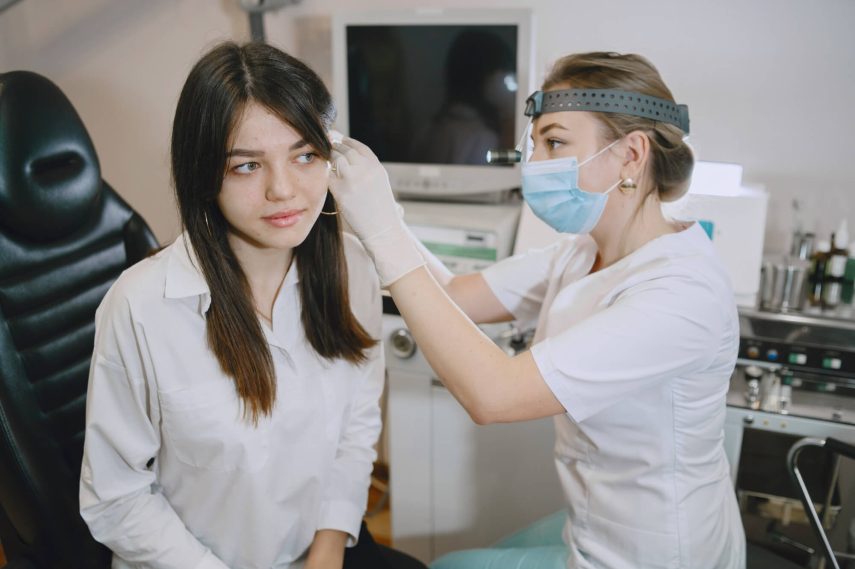
medical-exam.jpg

Table of Contents

  • Introduction
  • Key Takeaways
  • Reason 1: Bone Fractures
  • Reason 2: Joint Dislocations
  • Reason 3: Severe Sprains
  • Reason 4: Chest Pain and Respiratory Issues
  • Reason 5: Abdominal Pain
  • Reason 6: Foreign Object Detection
  • Reason 7: Dental Emergencies
  • Frequently Asked Questions (FAQs)
  •  

Key Takeaways

✔ Reason 1: Bone Fractures: Urgent care in North Haven, CT, efficiently diagnoses and treats various types of bone fractures, ensuring proper healing and recovery.

✔ Reason 2: Joint Dislocations: Expertly managed at urgent care in North Haven, CT, joint dislocations are promptly realigned and treated to minimize pain and complications.

✔ Reason 3: Severe Sprains: Severe sprains are accurately diagnosed and treated at urgent care in North Haven, CT, distinguishing them from fractures for effective recovery.

✔ Reason 4: Chest Pain and Respiratory Issues: Urgent care in North Haven, CT, provides critical initial assessment and management for chest pain and respiratory issues, ensuring timely intervention.

✔ Reason 5: Abdominal Pain: Abdominal pain, a symptom with various potential causes, is effectively evaluated and managed at urgent care in North Haven, CT.

✔ Reason 6: Foreign Object Detection: Urgent care in North Haven, CT, is equipped to promptly detect and safely remove foreign objects, preventing further health risks.

✔ Reason 7: Dental Emergencies: For immediate relief and management of dental emergencies, urgent care in North Haven, CT, offers essential care and guidance.

Reason 1: Bone Fractures

Bone fractures are one of the most common injuries that lead patients to seek medical attention at an urgent care in North Haven, CT. Understanding the types of fractures, their symptoms, diagnosis, treatment options, and the importance of prompt care is crucial.

Screenshot_109

Types of Fractures Commonly Treated at Urgent Care

  • Simple Fractures: Also known as closed fractures, these involve a break in the bone that does not penetrate the skin. Urgent care in North Haven, CT, is equipped to diagnose and initiate treatment for these common injuries, ensuring that the bone is properly set for healing.
  • Compound Fractures: More severe than simple fractures, compound fractures involve a broken bone that protrudes through the skin. These require immediate medical attention at an urgent care in North Haven, CT, to prevent infection and further damage.
  • Hairline Fractures: Small cracks in the bone, often hard to detect. Patients visiting urgent care in North Haven, CT, benefit from precise X-ray technology that can identify these minor fractures, which might be overlooked in less equipped settings.
  • Comminuted Fractures: This type involves the bone shattering into several pieces. At an urgent care in North Haven, CT, medical professionals can assess the severity of the fracture and provide referrals for specialized treatment if necessary.
  • Stress Fractures: Common among athletes, stress fractures result from repetitive force, often due to overuse. Urgent care in North Haven, CT, provides timely diagnosis, crucial in preventing further injury and ensuring proper rest and recovery.

Diagnostic Process for Bone Fractures

  • Initial Assessment: On arrival at the urgent care in North Haven, CT, patients receive a prompt initial assessment. This includes a physical examination and a review of symptoms and medical history to gauge the likelihood of a fracture.
  • X-Ray Imaging: The most definitive tool for diagnosing fractures is an X-ray. Urgent care facilities in North Haven, CT, like DOCS Urgent Care & Primary Care – North Haven, are equipped with advanced X-ray technology to provide clear, detailed images of the suspected fracture.
  • Discussion of Findings: After interpreting the X-rays, healthcare professionals at the urgent care center in North Haven, CT, discussed the findings with the patient. This conversation includes an explanation of the type of fracture, its severity, and the implications for treatment and recovery.
  • Referral for Specialist Care: In cases where the fracture requires more specialized treatment, the urgent care in North Haven, CT, will refer patients to orthopedic specialists. This step ensures that patients receive comprehensive care tailored to their specific injury.
  • Interpreting X-Ray Results: Trained radiologists or physicians at the urgent care in North Haven, CT, interpret the X-ray images. They look for any breaks, cracks, or abnormalities in the bone structure.

Reason 2: Joint Dislocations

Joint dislocations are painful and potentially serious injuries that require immediate medical attention. In North Haven, CT, urgent care facilities are a critical resource for patients experiencing this type of injury.

Joint Dislocations and Their Severity

  • Definition of a Dislocation: A joint dislocation occurs when the bones of a joint are forced out of their natural position. It’s a condition that often demands swift medical attention, readily available at urgent care in North Haven, CT.
  • Symptoms to Look For: Patients with a dislocation typically experience intense pain, swelling, and visible deformity of the joint. Prompt diagnosis and treatment at an urgent care in North Haven, CT, are crucial for effective recovery.
  • Common Sites for Dislocations: The most frequently dislocated joints are the shoulders, fingers, and hips. At urgent care in North Haven, CT, medical professionals are experienced in handling these common dislocations, providing expert care and advice.
  • Causes of Dislocations: Dislocations are commonly caused by falls, sports injuries, or accidents. The staff at urgent care in North Haven, CT, are well-versed in treating these injuries and understanding the various mechanisms that lead to dislocations.
  • Risks of Untreated Dislocations: If not properly treated, a dislocation can lead to complications like nerve or blood vessel damage. Urgent care in North Haven, CT, plays a pivotal role in preventing such complications by providing immediate care.

Reason 3: Severe Sprains

Severe sprains are common injuries that can range from mildly inconvenient to significantly debilitating, depending on their severity. In North Haven, CT, urgent care facilities like DOCS Urgent Care & Primary Care – North Haven, play a vital role in diagnosing, treating, and managing these injuries.

Distinguishing Between Sprains and Fractures

  • Understanding Sprains: A sprain is an injury to the ligaments, the bands of tissue that connect bones at a joint. At an urgent care in North Haven, CT, medical professionals can assess the extent of the injury and provide the appropriate treatment.
  • Sprains vs. Fractures: It can be challenging to distinguish a severe sprain from a fracture without medical evaluation. An urgent care in North Haven, CT, can utilize X-ray imaging to make an accurate diagnosis.
  • Severity of Sprains: Sprains are categorized into three grades, with Grade 3 being the most severe. Urgent care in North Haven, CT, is equipped to handle all grades of sprains, offering both diagnostic and treatment services.
  • Symptoms of a Severe Sprain: These include intense pain, swelling, bruising, and a possible inability to move the joint. When experiencing these symptoms, visiting an urgent care in North Haven, CT, is advisable for a prompt evaluation.
  • Importance of Accurate Diagnosis: Properly diagnosing the injury as a sprain or a fracture is crucial for effective treatment. Urgent care in North Haven, CT, ensures that patients receive the correct treatment plan for their specific injury.

Reason 4: Chest Pain and Respiratory Issues

Chest pain and respiratory issues are among the most serious symptoms that can prompt a visit to urgent care. In North Haven, CT, urgent care facilities are equipped to handle these potentially life-threatening situations, offering prompt and effective care.

  • Variety of Causes: Chest pain can be caused by a range of conditions, from heart-related issues to respiratory problems. Recognizing the severity of these symptoms is crucial, and urgent care in North Haven, CT, is prepared to assess and address various causes.
  • Symptoms to Be Aware Of: Shortness of breath, persistent coughing, chest tightness, and pain are alarming symptoms that warrant a visit to urgent care in North Haven, CT. Timely assessment of these symptoms is crucial for early intervention.
  • Heart-Related Conditions: Chest pain is often associated with heart conditions, such as angina or heart attacks. The medical professionals at urgent care in North Haven, CT, are trained to identify these conditions and provide or facilitate the necessary care.
  • Respiratory Conditions: Conditions like pneumonia, bronchitis, and asthma can also manifest with chest pain and respiratory issues. Urgent care in North Haven, CT, has the resources to diagnose and treat these respiratory ailments.
  • Importance of Early Detection: Early detection of the underlying cause of chest pain or respiratory issues can be life-saving. Urgent care in North Haven, CT, plays a vital role in this early detection and intervention process.

Tips for Living with Allergic Asthma

Reason 5: Abdominal Pain

Abdominal pain is a common complaint among patients and can be indicative of a wide range of medical conditions, some of which require immediate attention. Urgent care in North Haven, CT, plays a pivotal role in diagnosing and managing abdominal pain, ensuring patients receive the necessary care without delay.

Abdominal Pain and Its Causes

  • Diverse Causes: Abdominal pain can stem from various causes, ranging from digestive issues to more serious conditions like appendicitis or gallstones. Urgent care in North Haven, CT, is equipped to evaluate and identify the root cause of the discomfort.
  • Symptoms and Severity: The nature of the pain – whether it’s sharp, dull, cramping, or constant – can provide clues about its cause. Professionals at urgent care in North Haven, CT, are adept at assessing these symptoms to determine the severity and necessary course of action.
  • Common Conditions Diagnosed: Conditions like gastritis, urinary tract infections, and kidney stones are frequently diagnosed at urgent care in North Haven, CT. These facilities provide a crucial first line of defense in identifying and treating such ailments.
  • Role of Diagnostic Imaging: X-rays and ultrasound are valuable tools in diagnosing certain types of abdominal pain. Urgent care in North Haven, CT, often utilizes these imaging techniques to get a clearer picture of the underlying issue.
  • Red Flags for Immediate Care: Symptoms like severe abdominal pain, accompanied by fever, vomiting, or blood in the stool, require immediate medical attention, readily available at urgent care in North Haven, CT.

Reason 6: Foreign Object Detection

Foreign object detection is a crucial medical service provided by urgent care facilities, particularly in scenarios where swift action is necessary. In North Haven, CT, urgent care centers are equipped to handle such emergencies efficiently and effectively.

Why Detecting Foreign Objects Matters

  • Common Scenarios: Foreign objects can enter the body through various means, such as swallowing, accidents, or injuries. Urgent care in North Haven, CT, is frequently faced with these cases and is prepared to respond promptly.
  • Risks Associated with Foreign Objects: If not addressed timely, foreign objects can cause significant health risks, including infections, internal damage, and blockages. This underscores the importance of urgent care in North Haven, CT, in providing immediate care.
  • Symptoms Requiring Attention: Symptoms like choking, pain, bleeding, or discomfort suggest the presence of a foreign object and are a call to visit urgent care in North Haven, CT, for an assessment.
  • Diagnostic Tools Used: Urgent care in North Haven, CT, utilizes various diagnostic tools such as X-rays and endoscopy to detect the presence and location of foreign objects within the body.
  • Efficiency in Emergency Situations: The ability to quickly and accurately diagnose and address foreign object cases is a testament to the efficiency and preparedness of urgent care facilities in North Haven, CT.

Reason 7: Dental Emergencies

Dental emergencies can be both painful and alarming, often requiring immediate attention. In such situations, urgent care facilities like DOCS Urgent Care & Primary Care – North Haven are equipped to provide prompt and effective treatment.

Elements of Dental Emergencies

  • Types of Dental Emergencies: Common dental emergencies include toothaches, broken or chipped teeth, abscesses, and lost fillings or crowns. These cases often lead individuals to seek fast relief at urgent care in North Haven, CT.
  • Signs and Symptoms Requiring Immediate Attention: Severe pain, swelling, bleeding, and infection are clear indicators that urgent care in North Haven, CT, should be sought. Timely treatment can prevent further complications and alleviate discomfort.
  • Risk Factors and Prevention: Understanding the causes and risk factors of dental emergencies can aid in prevention. However, when preventive measures fail, urgent care in North Haven, CT, provides necessary interventions.
  • X-Rays in Diagnosis: To accurately diagnose the extent of a dental emergency, urgent care in North Haven, CT, often utilizes X-ray technology. This tool is crucial in planning the appropriate treatment.
  • Immediate Pain Management: One of the primary services offered by urgent care in North Haven, CT, is the management of acute pain, a common symptom in dental emergencies.

Frequently Asked Questions

Frequently Asked Questions

Is urgent care in North Haven, CT, suitable for treating chronic medical conditions?

While urgent care in North Haven, CT, is primarily designed for acute illnesses and injuries, they can provide interim care for chronic conditions when you’re unable to see your primary care provider. However, ongoing management of chronic conditions should be done in consultation with a primary care physician.

What are the typical wait times at urgent care in North Haven, CT?

The wait times at urgent care in North Haven, CT, can vary based on the time of day and the number of patients. Generally, urgent care centers are known for having shorter wait times compared to emergency rooms. Many urgent care facilities also offer online check-in or appointment scheduling to minimize waiting.

How do urgent care centers in North Haven, CT, handle prescription medications?

Urgent care centers in North Haven, CT, can prescribe medications as needed for the treatment of acute illnesses and injuries. They can also provide prescriptions for a limited supply of medication for chronic conditions until you can visit your regular doctor.

Are telehealth services available through urgent care in North Haven, CT?

Many urgent care centers in North Haven, CT, now offer telehealth services, allowing patients to consult with healthcare professionals remotely for certain conditions. This service is particularly useful for initial consultations and follow-up appointments.

What kind of follow-up care can I expect after visiting urgent care in North Haven, CT?

After you visit urgent care in North Haven, CT, the healthcare professionals will provide you with a treatment plan and instructions for follow-up care. This may include a follow-up visit to urgent care, a referral to a specialist, or instructions to see your primary care physician.

Choose the Right Partner for Optimal Health

Whether you’re dealing with an unexpected injury or a sudden illness or need routine medical services, DOCS Urgent Care & Primary Care – North Haven is equipped to meet your needs. The facility’s team of experienced medical professionals is dedicated to ensuring you receive the best possible care. Visit us today and experience healthcare that’s as compassionate as it is competent!

What to Expect During a Professional Earwax Removal With a Primary Care Doctor in Fairfield, CT

Swimmer's Ear: Symptoms, Causes, and When to Consult Your Primary Care Doctor in Southington, CT

What to Expect During a Professional Earwax Removal With a Primary Care Doctor in Fairfield, CT

Ear health is an essential yet often neglected aspect of overall wellness. In particular, managing earwax buildup is a common concern that requires professional attention. By choosing a qualified primary care doctor in Fairfield, CT, you can ensure that your ear health is managed safely and effectively.

Swimmer's Ear: Symptoms, Causes, and When to Consult Your Primary Care Doctor in Southington, CT

Table of Contents

  • Introduction
  • Key Takeaways
  • Identifying the Need for Professional Earwax Removal
  • Choosing a Primary Care Doctor for Earwax Removal
  • Location and Accessibility of the Doctor’s Office
  • What’s the Earwax Removal Procedure Like?
  • Aftercare and Prevention
  • Frequently Asked Questions (FAQs)
  •  

Key Takeaways

✔ Recognizing symptoms like hearing loss or discomfort helps determine when professional earwax removal is necessary.

✔ Evaluating factors such as experience, patient reviews, and ear health specialization when selecting a primary care doctor for earwax removal.

✔ Choosing a primary care doctor whose office is conveniently located and accessible, with consideration for office hours and facility amenities.

✔ The procedure is generally quick and painless, involving methods like manual removal, irrigation, or micro suction, depending on the situation.

✔ Follow the aftercare instructions provided by your doctor and adopt preventive measures to maintain healthy ears post-procedure.

Identify the Need for Professional Earwax Removal

Recognizing when it’s time to seek the expertise of a primary care doctor in Fairfield, CT, for earwax removal is crucial for maintaining good ear health.

Screenshot_114

Symptoms of Earwax Buildup


  • Decreased Hearing: Partial hearing loss can be a telltale sign of earwax buildup. If you notice a gradual reduction in your hearing ability, it’s time to consult a primary care doctor in Fairfield, CT.
  • Ear Discomfort: Feelings of fullness, discomfort, or pressure in the ear are common symptoms that warrant a visit to a primary care doctor in Fairfield, CT.
  • Tinnitus: Ringing or buzzing in the ear, known as tinnitus, can sometimes be attributed to excess earwax.
  • Dizziness: A less-known symptom of earwax buildup is dizziness. If you experience unexplained dizziness, consider seeing a primary care doctor in Fairfield, CT, from reputable clinics like DOCS Urgent Care & Primary Care Fairfield.
  • Coughing: Surprisingly, a persistent cough can sometimes be triggered by earwax pressing against the ear’s nerve endings.

Normal vs. Excessive Earwax

  • Normal Earwax Characteristics: Understand what normal earwax looks like. According to experts, it’s typically light yellow to dark brown and soft.
  • Changes in Color or Texture: The color and texture of earwax can be insightful indicators of ear health. Normal earwax typically ranges from light yellow to orange, signaling a healthy ear. At the same time, darker shades like brown or black may simply indicate aging earwax but could require attention if accompanied by symptoms like pain or hearing loss.
  • Frequency of Earwax Impaction: Occasional earwax buildup is normal, but frequent impactions suggest a need for professional care.
  • Self-Cleaning vs. Need for Intervention: The ear generally self-cleans, but in some cases, earwax can accumulate and harden, requiring removal by a primary care doctor in Fairfield, CT.
  • Use of Hearing Aids or Earplugs: Regular users of hearing aids or earplugs are more prone to earwax buildup and should regularly consult with a primary care doctor in Fairfield, CT.

Risks of Ignoring Excessive Earwax

  • Potential for Infection: Ignoring earwax buildup can create an environment conducive to bacterial and fungal growth, leading to outer ear infections (otitis externa) or more severe middle ear infections (otitis media). These infections can cause symptoms like pain, discharge, and further hearing impairment.
  • Hearing Loss Risks: Prolonged neglect of earwax buildup can obstruct the ear canal, leading to conductive hearing loss, where sound waves are prevented from reaching the inner ear effectively. In severe cases, the pressure exerted by the buildup can damage the ear drum or ossicles, potentially leading to permanent hearing loss.
  • Impact on Quality of Life: Excessive earwax can significantly impact your quality of life. It can cause discomfort, persistent earache, and a sensation of fullness in the ear, affecting your ability to concentrate, sleep, and participate in social activities. It may also lead to communication difficulties, further contributing to feelings of isolation or frustration.
  • Ear Canal Damage: Self-removal attempts, such as using cotton swabs, hairpins, or other objects, can push the wax deeper into the ear canal, leading to impaction. These methods can also scratch the delicate skin of the ear canal, making it susceptible to infections or, worse, perforate the eardrum.
  • Aggravation of Underlying Conditions: For individuals with certain ear conditions, neglecting earwax removal can exacerbate their issues, underlining the importance of seeing a primary care doctor in Fairfield, CT.

How to Find the Best Primary Care Doctor for Earwax Removal

Selecting the right primary care doctor in Fairfield, CT, for earwax removal is a decision that can significantly impact the quality of your ear health care.

1. Research

  • Online Reviews and Ratings: Start by checking online reviews and ratings to gauge the reputation of various primary care doctors in Fairfield, CT.
  • Referrals and Recommendations: Ask family, friends, or your current healthcare provider for referrals to a trusted primary care doctor in Fairfield, CT, like DOCS Urgent Care & Primary Care Fairfield.
  • Professional Credentials: Verify the credentials and medical qualifications of potential doctors to ensure they’re well-equipped to handle ear health issues.
  • Specialization in Ear Health: Look for primary care doctors in Fairfield, CT, who have a focus or additional training in ear health and earwax removal.
  • Insurance and Affordability: Ensure the doctor you choose is within your insurance network to make the process affordable.


2. Evaluate the Doctor’s Experience and Expertise

● Years of Practice: A primary care doctor in Fairfield, CT, with several years of experience, is likely to have dealt with a variety of ear health issues.

● Specific Experience in Earwax Removal: Some doctors may have more specific experience with earwax removal procedures.

● Patient Testimonials: Look for testimonials or case studies that specifically mention earwax removal.

● Continuous Education: Choose a primary care doctor in Fairfield, CT, who stays updated with the latest medical advancements in ear health.

● Success Rates: Inquire or research about the success rates of the procedures carried out by the doctor.

3. Learn About the Doctor’s Approach to Patient Care

  • Patient-Doctor Communication: A good primary care doctor in Fairfield, CT, like those from DOCS Urgent Care & Primary Care Fairfield, should be approachable and communicative, making patients feel comfortable and heard.
  • Customized Care Plans: Look for doctors who provide personalized care plans based on individual patient needs.
  • Follow-Up Care: A responsible primary care doctor in Fairfield, CT, should offer follow-up appointments to ensure the effectiveness of the treatment.
  • Emergency Availability: The ability of the doctor to respond to emergencies or urgent queries is essential.
  • Patient Education Focus: A doctor who takes time to educate patients about ear health and prevention of issues is preferable.

4. Consider the Location and Accessibility of the Primary Care Doctor’s Office

● Ease of Access: The location of the primary care doctor in Fairfield, CT, should be easily accessible to you.

● Office Hours: Consider the working hours of the doctor’s office and ensure they align with your schedule.

● Availability of Parking and Public Transport: Check for convenient parking options or accessibility via public transport.

● Modern Facilities: The clinic or hospital should be equipped with modern facilities and technologies for ear health treatments.

● Disability Access: Ensure the facility is accessible for individuals with disabilities.

Tips for Living with Allergic Asthma

How Earwax Is Professionally Extracted | Beauty Explorers | Insider Beauty

How Earwax Is Professionally Extracted | Beauty Explorers | Insider Beauty

Understanding the earwax removal process is essential for anyone planning to visit a primary care doctor in Fairfield, CT. This detailed guide will walk you through each stage of the procedure, ensuring you know what to expect and how to prepare.

Initial Consultation and Examination

  • Medical History Review: Your primary care doctor in Fairfield, CT, will start by reviewing your medical and ear health history to identify any potential risks or underlying conditions.
  • Ear Examination: Using specialized tools, the doctor will examine your ears to assess the extent of earwax buildup and any related issues.
  • Discussion of Symptoms: Be prepared to discuss any symptoms you’ve been experiencing, as this will help the doctor in Fairfield, CT, understand your situation better.
  • Method Selection: Based on the examination, your primary care doctor in Fairfield, CT, will determine the most appropriate method for earwax removal.
  • Procedure Explanation: The doctor will explain the chosen method, what it involves, and what you can expect during the process.

Preparing for the Procedure

  • Instructions on Ear Drops: You may be advised to use medicated ear drops before the procedure to soften the wax, as directed by your primary care doctor in Fairfield, CT.
  • Avoiding Certain Medications: Inform your doctor about any medications you’re taking, as some may need to be paused before the procedure.
  • Fasting or Dietary Restrictions: Usually, there are no fasting or dietary restrictions, but it’s best to confirm with your primary care doctor in Fairfield, CT.
  • What to Wear: Wear comfortable clothing and possibly avoid accessories or hairstyles that may hinder access to your ears.

  • Arranging Transportation: If you’re concerned about discomfort or dizziness post-procedure, consider arranging transportation home from your primary care doctor in Fairfield, CT.

Earwax Removal Process

  • Manual Removal: For less severe cases, the doctor might use tiny instruments to remove the earwax gently.
  • Irrigation or Ear Syringing: A common method where a controlled stream of warm water is used to loosen and flush out the wax.
  • Microsuction: Your primary care doctor in Fairfield, CT, may use a microscope and a small suction device to remove the earwax carefully.
  • Safety Measures: Throughout the procedure, the doctor will take all necessary safety measures to ensure a pain-free and safe experience.
  • Monitoring and Adjusting: The doctor will continuously monitor the process and adjust techniques as needed for effective removal

Aftercare and Prevention

Proper aftercare following an earwax removal procedure is essential for healing and preventing future buildups. This comprehensive section will guide you through essential aftercare steps and preventive measures as advised by a primary care doctor in Fairfield, CT.

Immediate Aftercare Post-Procedure

  • Rest and Recovery: After visiting your primary care doctor in Fairfield, CT, for earwax removal, it’s important to rest and allow your ear to recover.
  • Monitoring for Symptoms: Watch for any unusual symptoms like persistent pain or hearing loss, and report them to your doctor.
  • Avoiding Water Exposure: Keep your ear dry for a few days post-procedure to prevent infection.
  • Managing Discomfort: If you experience discomfort or mild pain, follow the pain management advice given by your primary care doctor in Fairfield, CT.
  • Ear Protection: Protect your ear from dust and other particles that could irritate it while healing.

Long-Term Ear Health Maintenance

  • Regular Cleaning: Establish a routine for safely cleaning your ears as advised by your primary care doctor in Fairfield, CT.
  • Avoiding Cotton Swabs: Refrain from using cotton swabs or inserting objects into the ear, which can push wax deeper.
  • Diet and Hydration: Maintain a healthy diet and stay hydrated, as it can impact your health.
  • Using Ear Drops Appropriately: If recommended by your primary care doctor in Fairfield, CT, use ear drops to soften the wax.
  • Regular Check-Ups: Schedule regular check-ups with your primary care doctor in Fairfield, CT, to monitor your ear healt

Preventive Measures Against Earwax Buildup

  • Proper Ear Cleaning Techniques: Learn and practice proper ear cleaning techniques as advised by your primary care doctor in Fairfield, CT.
  • Awareness of Earwax Properties: Understand your ear’s natural wax production to manage it better.
  • Avoiding Over-Cleaning: Over-cleaning can irritate the ear canal, leading to more wax production; follow the guidance of your primary care doctor in Fairfield, CT.
  • Use of Protective Gear: Use protective ear gear in dusty or dirty environments to prevent debris accumulation.

  • Regular Hygiene Practices: Incorporate ear hygiene into your regular health care routine.

Benefits of Professional Earwax Removal

Professional earwax removal by a primary care doctor in Fairfield, CT, ensures comprehensive cleaning of the ear canal, far surpassing what can be achieved at home. This method significantly reduces the risk of complications, such as infections or perforated eardrums, which can occur when untrained individuals attempt to clean their ears.

Accurate Assessment of Ear Health

A primary care doctor in Fairfield, CT, can provide a precise assessment of your ear health during the earwax removal process. This includes identifying any abnormalities or issues within the ear canal or eardrum that might not be apparent to the untrained eye. This thorough examination ensures that any underlying conditions are identified and addressed promptly.

Personalized Care and Treatment

Each earwax removal session is personalized, taking into account the patient’s specific ear anatomy, the consistency and amount of earwax, and any sensitivities or allergies. This bespoke approach by a primary care doctor in Fairfield, CT, ensures that the treatment is as comfortable and effective as possible, leading to better outcomes.

Preventative Health Advice

Post-removal, patients receive valuable advice on maintaining ear health and preventing future wax buildup. This might include recommendations on proper ear cleaning techniques, lifestyle adjustments, and when to schedule follow-up appointments. This preventative guidance from a primary care doctor in Fairfield, CT is crucial in minimizing future ear health issues.

Frequently Asked Questions

1. What is the best way to clean my ears at home without causing damage?

To clean your ears safely at home, it’s advised to wipe the outer ear with a clean cloth and avoid inserting anything into the ear canal. Over-the-counter ear drops can be used if recommended by your primary care doctor in Fairfield, CT. However, it’s important to avoid aggressive cleaning methods that can harm your ear.


2.How often should I get my ears checked by a primary care doctor in Fairfield, CT?

The frequency of ear check-ups can vary based on individual needs. People with recurrent earwax issues or those using hearing aids might need more frequent check-ups. It’s advisable to consult with your primary care doctor in Fairfield, CT, to determine a schedule that suits your specific circumstances.


3.Can children undergo professional earwax removal?

Yes, children can undergo professional earwax removal if needed. The procedure needs to be conducted by a skilled primary care doctor in Fairfield, CT, who has experience in treating pediatric patients. Parents should be vigilant about their child’s ear health and seek professional advice if they suspect earwax buildup.


4. Are there any lifestyle changes I can make to reduce earwax buildup?

Certain lifestyle changes can help reduce earwax buildup. This includes minimizing the use of earbuds or headphones, keeping the ears dry and clean, and avoiding smoking, as it can exacerbate earwax production. Your primary care doctor in Fairfield, CT, can provide more personalized lifestyle recommendations based on your health and habits.


5.What should I do if I experience ear pain after earwax removal?

If you experience ear pain after an earwax removal procedure, it’s important to contact your primary care doctor in Fairfield, CT. While some mild discomfort is normal, persistent or severe pain might indicate an infection or other complication that requires medical attention.


5.Can earwax buildup affect my balance or cause dizziness?

Yes, excessive earwax buildup can sometimes impact your balance and cause dizziness, as the ear plays a crucial role in your body’s balance system. If you experience such symptoms, it’s advisable to consult your primary care doctor in Fairfield, CT, for an assessment and appropriate treatment.


6.Is ear candling an effective and safe method for earwax removal?

Ear candling is not recommended for earwax removal due to safety concerns and lack of efficacy. They can cause injuries, such as burns and ear canal obstructions. For safe and effective earwax removal, it is best to seek the assistance of a qualified primary care doctor in Fairfield, CT.


6.How can I differentiate normal earwax from a buildup that requires medical attention?

Understanding the difference between normal earwax and problematic buildup is crucial for ear health. Normal earwax typically doesn’t cause symptoms and exits the ear naturally. However, if you experience symptoms like hearing loss, ear discomfort, tinnitus, or a feeling of fullness in the ear, it could indicate a buildup that requires assessment and possible removal by a primary care doctor in Fairfield, CT.


Your Journey to Clearer Hearing Begins at DOCS Urgent Care & Primary Care Fairfield

Whether you’re experiencing symptoms of earwax buildup or seeking regular ear health check-ups, DOCS Urgent Care & Primary Care Fairfield offers a comprehensive range of services to meet your needs. Our state-of-the-art facilities and patient-centered approach ensure that your ear’s health is in capable hands. Contact us today to learn more.

Dehydration: Symptoms, Causes, and When to Seek Urgent Care in Danbury, CT

Dehydration: Symptoms, Causes, and When to Seek Urgent Care in Danbury, CT

Symptoms of Dehydration in Adults

Table of Contents

  • Key Takeaways
  • Symptoms of Dehydration
  • Causes of Dehydration
  • Complications of Dehydration
  • Treatments for Dehydration
  • When to Seek Urgent Care
  • What to Expect at Urgent Care?
  • How to Prevent Dehydration?
  • Frequently Asked Questions
  • Conclusion

Key Takeaways

✔️ Recognizing the symptoms of dehydration early can prevent serious health complications.
✔️ Various factors can cause dehydration, including inadequate water intake, excessive sweating, and certain illnesses.
✔️ In severe cases of dehydration, seeking urgent care is crucial. DOCS Urgent Care – Danbury is a reliable option.
✔️ Having a primary care doctor in Southington, CT, can also provide preventative measures against dehydration.

Symptoms of Dehydration

Dehydration can manifest through various symptoms, ranging from mild to severe. Recognizing these symptoms early can prevent the situation from escalating, which might necessitate a visit to a reputable urgent care in Danbury, CT.

Common Symptoms

  • Dry Mouth and Throat: A dry mouth and throat are often the first signs of dehydration. These symptoms occur as the body conserves moisture due to insufficient fluid intake.
  • Fatigue: Dehydration can lead to tiredness and a lack of energy. The body requires adequate hydration to function optimally, and when deprived of fluids, it starts to slow down.
  • Headache: Dehydration headaches can occur when the body loses water and essential electrolytes like sodium and potassium.
  • Dizziness: Dehydration affects blood flow and can lead to feelings of light-headedness or dizziness.

 Severe Symptoms

When dehydration escalates, it can lead to more severe symptoms, prompting a visit to seasoned urgent care in Danbury, CT.

  • Rapid Heartbeat and Breathing: As dehydration worsens, the heart and lungs must work harder to maintain bodily functions, leading to rapid heartbeat and breathing.
  • Sunken Eyes: Sunken eyes are a glaring symptom of severe dehydration, indicating a significant loss of bodily fluids.
  • Dry Skin: The skin loses its elasticity and appears dry when the body is severely dehydrated.
  • Confusion and Irritability: Severe dehydration can affect cognitive functions, leading to confusion and irritability.

Early identification of dehydration symptoms and prompt action like increasing fluid intake can often resolve the issue. However, if symptoms worsen or persist, it’s crucial to seek medical attention from reliable urgent care in Danbury, CT. A medical professional can provide the necessary treatment, which may include rehydration solutions and guidance on how to prevent future occurrences of dehydration.

Causes of Dehydration

Dehydration occurs when the body loses more fluids than it takes in. Understanding the various causes of dehydration can help individuals take preventative measures or seek timely medical intervention from a reputable urgent care in Danbury, CT, when needed. Here are some common and less common causes of dehydration:

Inadequate Water Intake

  • Neglecting to Drink Water: Sometimes, busy schedules or lack of access to clean drinking water can lead to inadequate water intake, causing dehydration.
  • High Temperatures: Hot weather increases sweating, increasing the amount of water the body needs to stay hydrated.

Excessive Fluid Loss

  • Sweating: Excessive sweating due to hot weather or vigorous exercise can lead to a significant loss of body fluids, resulting in dehydration.
  • Urination: Certain conditions like diabetes or medications like diuretics can cause frequent urination, leading to a loss of more fluid than usual.

Illnesses

  • Fever: A higher body temperature can cause the body to lose more fluids.
  • Vomiting and Diarrhea: Illnesses that cause vomiting or diarrhea can lead to a significant loss of fluids and electrolytes.

Medications and Alcohol

  • Diuretic Medications: Medications that increase urination can lead to fluid loss.
  • Alcohol: Alcohol is a diuretic and can lead to increased urination and sweating, both of which contribute to dehydration.

Other Causes

  • Burns or Skin Infections: Certain conditions that affect the skin can also cause the body to lose more fluids.
  • Menstruation: Some women may experience dehydration symptoms during their menstrual cycle.

Dehydration can happen to anyone, but some individuals may be at higher risk, including young children, elderly individuals, and people with chronic illnesses. If someone is experiencing severe or prolonged symptoms of dehydration, they should seek medical attention from reliable urgent care in Danbury, CT. At a trusted urgent care in Danbury, CT, like DOCS Urgent Care – Danbury, medical professionals can provide rehydration solutions and offer guidance on managing and preventing dehydration.

Complications of Dehydration

Dehydration, if left untreated, can lead to serious health complications. It is crucial to recognize the symptoms of dehydration early and seek medical assistance if necessary to prevent these complications. Here’s a detailed look into some of the potential complications arising from dehydration:

Minor Complications

  • Fatigue: Dehydration can cause significant fatigue, making it difficult to go through daily activities with normal energy levels.
  • Headaches: Lack of adequate fluids can trigger headaches or even migraines in some individuals.
  • Constipation: The colon absorbs water from food waste, and when the body is low on water, it can lead to constipation.


Moderate Complications

  • Urinary and Kidney Problems: Dehydration can lead to urinary tract infections, kidney stones, and even kidney failure in severe cases.
  • Cognitive Impairment: Dehydration can impair attention and long-term and short-term memory and affect other cognitive functions.


Severe Complications

  • Heat Injury: If you’re dehydrated in hot weather or during exercise, you could experience heat injury, ranging from mild heat cramps to heat exhaustion or potentially life-threatening heatstroke.
  • Hypovolemic Shock: This is a severe form of shock where your heart can’t get enough blood to your body due to severe fluid or blood loss.
  • Seizures: Electrolytes such as potassium and sodium help carry electrical signals from cell to cell. When you’re dehydrated, the balance of these electrolytes can be disturbed, leading to seizures.
  • Low Blood Volume Shock: Dehydration can lead to a severe drop in blood pressure and a reduction in the amount of oxygen reaching your tissues, which can be life-threatening.

Early intervention can help prevent these complications. If someone is showing symptoms of severe dehydration, it’s vital to seek medical assistance at a reputable urgent care facility in Danbury, CT.

Treatments for Dehydration

Dehydration occurs when the body loses more water than it’s taking in. The treatment for dehydration is aimed at replenishing the body’s fluid and electrolyte balance and addressing the underlying causes of fluid loss. Here’s an in-depth look into the various treatments for combating dehydration, especially in a reputable urgent care facility in Danbury, CT, like DOCS Urgent Care – Danbury.


Oral Rehydration

For mild-to-moderate dehydration, oral rehydration is usually the most effective treatment. This involves drinking water alongside oral rehydration solutions (ORS). These solutions contain the right balance of salts and sugars to help replenish both water and electrolytes lost from the body.

  • Water: Increasing water intake is the primary step in treating dehydration.
  • Oral Rehydration Solutions (ORS): Over-the-counter ORS are available to help replenish lost electrolytes.


Intravenous (IV) Fluids

In cases of severe dehydration, intravenous (IV) fluid treatment at reliable urgent care in Danbury, CT, is often necessary. IV rehydration bypasses the digestive system, allowing for faster replenishment of fluids and electrolytes.

  • Electrolyte Solutions: IV fluids contain a balanced mixture of essential electrolytes like sodium, potassium, and chloride.
  • Glucose Solutions: Sometimes, glucose is added to IV solutions to provide energy and aid in the absorption of electrolytes.


Medication

If dehydration is due to an underlying medical condition, medications might be prescribed to treat the root cause.

  • Anti-emetics: To control vomiting, which can cause or worsen dehydration.
  • Anti-diarrheal Medications: To manage diarrhea, another potential cause of dehydration.


Nutritional Guidance

Proper nutrition plays a crucial role in preventing and treating dehydration. A balanced diet with adequate fluids, fruits, and vegetables can help maintain hydration.

  • Dietary Recommendations: Including hydrating foods like watermelon, cucumbers, and oranges in your diet.
  • Fluid Intake Guidance: Recommendations on the amount and type of fluids to consume to prevent dehydration recurrence.

Lifestyle Modifications

Lifestyle changes might be advised to prevent future episodes of dehydration, especially in individuals prone to the condition.

  • Regular Fluid Intake: Setting reminders to drink water throughout the day can be helpful.
  • Avoiding Diuretics: Reducing the intake of diuretic substances like caffeine and alcohol can increase fluid loss.
When to Seek Urgent Care for Dehydration​

When to Seek Urgent Care for Dehydration

Dehydration can range from a mild condition to a severe health threat that necessitates immediate medical attention. Knowing when to seek urgent care can be a lifesaver. Below are scenarios and indications on when to seek urgent care for dehydration.


  • Persistent Symptoms: If symptoms such as dry mouth, fatigue, headaches, or dizziness persist despite self-rehydration attempts, it’s a signal to seek professional medical help.
  • Severe Symptoms: Experiencing severe symptoms of dehydration like rapid heartbeat, sunken eyes, dry skin, confusion, or irritability necessitates a visit to a trusted urgent care in Danbury, CT.
  • Recurring Dehydration: If dehydration recurs frequently or for no apparent reason, it could indicate an underlying medical condition that requires professional evaluation and treatment.
  • Associated Illnesses: Illnesses causing vomiting or diarrhea, which lead to dehydration, may need medical intervention to treat the root cause.
  • Heat Exposure: If someone has been exposed to high temperatures and is showing signs of heat exhaustion or heat stroke alongside dehydration, urgent medical care is necessary.
  • Physical Trauma: In cases where physical trauma has occurred alongside dehydration symptoms, a trip to a reliable urgent care center in Danbury, CT, is advisable.

What to Expect at Urgent Care?

Seeking medical attention at a reputable urgent care in Danbury, CT, for dehydration, especially when symptoms are severe or persistent, is a prudent step. Here’s what you can generally expect when you visit an urgent care facility for dehydration:

Assessment and Diagnosis

Upon your arrival at a trusted urgent care facility in Danbury, CT, the medical staff will begin with an assessment. This typically includes a review of your symptoms, medical history, and any medications you may be taking. They may also conduct a physical examination to check for signs of dehydration, such as dry mouth, skin elasticity, and heart rate. In some cases, blood tests or urine tests might be conducted to assess the level of dehydration and check for any electrolyte imbalances.

Rehydration Treatment

Based on the severity of dehydration, the healthcare providers will initiate rehydration treatment. This could be oral rehydration solutions for mild to moderate dehydration or intravenous (IV) fluids for severe dehydration. The goal is to replenish the body with fluids and electrolytes that have been lost.

Monitoring

After the initial rehydration treatment, the medical staff will monitor your condition to ensure that your body is responding well to the treatment. They may check your heart rate, blood pressure, and other vital signs to ensure they return to normal levels.

Preventative Guidance

The healthcare providers at the reliable urgent care in Danbury, CT, will also offer guidance on preventing dehydration in the future. This may include recommendations on fluid intake, dietary adjustments, and lifestyle changes that can help maintain proper hydration. They may also provide information on recognizing the early signs of dehydration so that you can take action before the condition worsens.

Discharge or Further Care

Once you are rehydrated and stable, you will be discharged with a summary of the care provided and instructions for follow-up if needed. However, if the underlying cause of dehydration is associated with a more serious medical condition, you may be referred to a specialist or, in extreme cases, be transferred to a hospital for further evaluation and treatment.

How to Prevent Dehydration?

Preventing dehydration is crucial for maintaining overall health and wellness. Here are some effective strategies to ensure you stay adequately hydrated:

Regular Fluid Intake

  • Consistent Hydration: Make it a habit to drink water throughout the day, not just when you feel thirsty. Setting reminders or carrying a water bottle can encourage regular fluid intake.

  • Hydrating Foods: Incorporate foods with high water content into your diet, such as watermelon, cucumbers, and berries, which can contribute to your daily water intake.

Adequate Preparation

  • Pre-hydration: Before engaging in activities that cause sweating such as exercise or spending time outdoors in hot weather, drink plenty of water to pre-hydrate.

  • Accessible Water Sources: Ensure you have access to clean drinking water during the day, especially when on the go or traveling.

Monitoring Fluid Loss

  • Be Mindful of Medications: Some medications can cause increased urination or sweating, leading to fluid loss. If you are on such medications, consult with healthcare professionals on how to counteract the diuretic effects.

  • Awareness of Environmental Factors: In hotter climates or during summer, you may need to increase your fluid intake to compensate for increased sweating.

Education

  • Learn the Signs: Educate yourself on the early signs of dehydration, such as dry mouth, fatigue, and dark urine so that you can take action promptly.

  • Healthcare Guidance: Seek advice from healthcare providers on personalized hydration strategies, especially if you have medical conditions or are on medications that may affect hydration levels.

Fact 3: Non-Sexual Transmission

When it comes to STD testing, it’s essential to broaden our understanding of transmission routes beyond just sexual intercourse. STDs can spread through various modes of non-sexual transmission, presenting risks that might not be immediately obvious. Recognizing these modes of transmission is vital for comprehensive sexual health awareness. Let’s delve into this topic further by exploring the following subpoints:

Tips for Living with Allergic Asthma
Non-Sexual Transmission

Frequently Asked Questions

1. What are the early signs of dehydration?

Early signs of dehydration include dry mouth, fatigue, thirst, decreased urine output, dry skin, and headache. It’s crucial to recognize these symptoms early and increase fluid intake or seek medical assistance if they persist or worsen.

2. Can dehydration be treated at home?

Mild dehydration can often be treated at home by increasing water intake and consuming oral rehydration solutions. However, if symptoms persist or escalate, it’s advisable to seek medical attention at a trusted urgent care in Danbury, CT.

3. How is severe dehydration treated?

Severe dehydration typically requires medical attention. Treatment may include intravenous (IV) fluid administration to replenish lost fluids and electrolytes quickly. This treatment is usually provided at healthcare facilities or reputable urgent care centers.

4. What can cause dehydration besides lack of water intake?

Dehydration can also be caused by excessive sweating, diuretic medications, alcohol consumption, illnesses causing vomiting or diarrhea, and conditions like diabetes, which increase urination. It’s a multi-faceted issue with various contributing factors.

5. How can I prevent dehydration during extreme physical activity?

To prevent dehydration during extreme physical activity, pre-hydrate by drinking plenty of fluids before starting, take regular water breaks during the activity and rehydrate afterward. Also, wear appropriate clothing to manage sweating, and listen to your body’s signals for rest and hydration.

Take Charge of Your Health: Act Promptly Against Dehydration

Dehydration is a common but potentially serious condition. Recognizing the signs early, maintaining regular fluid intake, and knowing when to seek professional care is crucial for effective management and treatment. If you suspect you’re severely dehydrated, don’t hesitate to visit DOCS Urgent Care – Danbury. With seasoned healthcare professionals, We provide timely and effective care to combat dehydration and educate you on maintaining proper hydration to promote overall well-being.

8 Must-Know Facts About Sexually Transmitted Diseases Before Your STD Testing

8 Must-Know Facts About Sexually Transmitted Diseases Before Your STD Testing

8-Must-Know

Discover lesser-known facts about STDs before testing. From asymptomatic infections to fertility concerns, empower your sexual health journey.

Sexually Transmitted Diseases (STDs) significantly impact public health, with millions of cases reported annually. While many know the common aspects of STDs, several lesser-known facts deserve attention before undergoing STD testing. Uncover lesser-known facts about STDs that go beyond common knowledge, offering insights that can shape your approach to sexual health testing. For those seeking STD testing in Danbury, CT, consider reliable clinics nearby, such as DOCS Urgent Care – Danbury, which offers private and caring services to empower your sexual health decisions.

Fact 1: Asymptomatic Infections

When it comes to STD testing, assuming that symptoms are the only indicator of infection is a common misconception. Many STDs can quietly thrive within the body without causing any noticeable symptoms — a phenomenon known as asymptomatic infections. This fact highlights the importance of comprehensive STD testing, regardless of whether you’re experiencing symptoms or not. Let’s delve deeper into this crucial aspect by exploring the following subpoints:

Silent Carriers and Unseen Transmission

Asymptomatic carriers unknowingly become agents of transmission. For instance, a person with an asymptomatic chlamydia infection might unknowingly pass it on to their partner during sexual activity. This silent transmission contributes to the rapid spread of STDs within communities. Regular STD testing becomes a pivotal tool in breaking this chain of transmission. By getting tested regularly, you not only safeguard your own health but also contribute to preventing the accidental spread of infections.

Hidden Peril of "Feeling Fine"

The absence of symptoms can be deceiving. Just because you feel perfectly fine doesn’t necessarily mean you’re STD-free. Take the case of HPV (Human Papillomavirus). Many individuals infected with HPV don’t experience symptoms, yet they can still transmit the virus. Without proactive STD testing, these infections might go unnoticed until they manifest as more severe health issues. Regular testing is a proactive measure to detect infections early, enabling timely treatment and preventing potential complications.

Protecting Your Partners and Yourself

Undergoing regular STD testing not only protects you but also your sexual partners. Asymptomatic infection can take root within you for an extended period before showing any signs. During this time, you might unknowingly transmit the infection to others. By prioritizing regular STD testing, you take a responsible approach to sexual health, ensuring that you and your partners know your status. This transparency fosters a safer and more informed sexual environment. Empower your sexual health journey with discreet STD testing in Danbury, CT. Trusted clinics nearby, such as DOCS Urgent Care – Danbury, provide compassionate services for your well-being.

Fact 2: Incubation Periods

When it comes to STD testing, timing is everything. The concept of incubation periods plays a crucial role in determining the accuracy of your test results. The incubation period refers to the time between exposure to an STD and the onset of symptoms or the point at which the infection can be reliably detected through testing. Understanding the nuances of incubation periods is essential for making informed decisions about when to undergo STD testing. Let’s delve into this topic further by exploring the following subpoints:

Understanding Incubation Periods

Incubation periods vary significantly among different STDs. Some infections, like chlamydia, may show symptoms or be detectable quickly, while others, such as HIV, can have longer incubation periods. It’s crucial to know the incubation period specific to the STD you’re concerned about. This knowledge helps you time your STD testing accurately, increasing the likelihood of obtaining reliable results.

False Negatives

Testing too early during the incubation period can lead to false negative results indicating no infection when an infection exists. This is particularly common with STDs like HIV. For instance, if you were recently exposed to HIV and get tested too soon, the test might not detect the virus even if you’re infected. Understanding the incubation period helps you avoid premature testing and the potential anxiety that could result from a false negative result.

Right Time for Accurate Testing

To maximize the accuracy of your STD testing, it’s essential to time it correctly. Waiting until the incubation period has passed increases the likelihood of detecting an infection if it exists. For instance, if you suspect you’ve been exposed to an STD with a known incubation period of two weeks, it’s wise to wait until those two weeks have elapsed before getting tested. Consulting a healthcare professional can guide you when to get tested based on the specific STD you’re concerned about.

Factors Affecting Incubation Periods

It’s important to note that various factors can influence incubation periods. These factors include your individual immune response, the type of STD, and the quantity of infectious agents transmitted. Additionally, some individuals might experience longer or shorter incubation periods due to biological variations. Recognizing these variables underscores the importance of consulting a healthcare professional who can provide personalized advice based on your circumstances.

Fact 3: Non-Sexual Transmission

When it comes to STD testing, it’s essential to broaden our understanding of transmission routes beyond just sexual intercourse. STDs can spread through various modes of non-sexual transmission, presenting risks that might not be immediately obvious. Recognizing these modes of transmission is vital for comprehensive sexual health awareness. Let’s delve into this topic further by exploring the following subpoints:

Tips for Living with Allergic Asthma

Sharing Needles

For individuals who use intravenous drugs, sharing needles poses a significant risk of transmitting STDs such as HIV and hepatitis C. The exchange of blood and bodily fluids through shared needles can lead to the direct transfer of infections. Engaging in STD testing is crucial for this population to identify existing infections and take preventative measures that can halt the spread of infections through needle sharing. Learn intriguing facts about STDs that extend beyond the usual information, equipping you with a well-rounded understanding of sexual health and testing.

Vertical Transmission

Pregnant individuals can transmit certain STDs to their unborn babies during childbirth. This mode of transmission, known as vertical transmission, can result in severe health consequences for the infant. Syphilis and HIV are examples of infections that can be transmitted from mother to child. Seeking early and regular STD testing during pregnancy is essential for identifying infections and implementing appropriate interventions to safeguard both the mother’s and the child’s health. Explore a comprehensive array of lesser-known STD facts, enriching your knowledge and guiding you toward responsible STD testing decisions.

Unintentional Exposure

While less common, it’s possible to contract some STDs by sharing personal items. Items like razors, toothbrushes, and towels can potentially carry infections such as herpes. These infections are primarily transmitted through contact with infected bodily fluids or skin. By being cautious about sharing personal items and prioritizing regular STD testing, you reduce the risk of unintentional exposure to infections through everyday items. Gain valuable and helpful information on STDs that will guide you in making proactive decisions about testing and overall sexual health.

Healthcare Workers at Risk

Healthcare workers, particularly those who come into contact with blood or bodily fluids, are at risk of occupational exposure to STDs. Needlestick injuries, for example, can lead to transmission if proper precautions aren’t taken. Healthcare facilities have protocols in place to minimize these risks, but regular STD testing forms an integral part of healthcare workers’ safety measures. Timely testing ensures prompt identification and appropriate management of any potential infections. Delve into a compilation of informative STD facts, providing a deeper understanding of these infections and the significance of STD testing.

Potential Transmission Routes

In some cases, non-sexual partners of individuals with STDs can be at risk of transmission. This can occur through close personal contact, sharing of items, or even through contact with infected surfaces. By recognizing these potential transmission routes, individuals with STDs can take proactive steps to minimize the risk of infecting their non-sexual partners. Regular STD testing can provide valuable information for making informed decisions about sexual and non-sexual interactions. Seeking confidential STD testing in Danbury, CT? Consider compassionate clinics like DOCS Urgent Care – Danbury, prioritizing your health and privacy.

Fact 4: Oral and Anal STDs

When discussing STD testing, it’s important to shed light on often overlooked areas of potential infection: the mouth and anus. While genital infections tend to take center stage, oral and anal STDs are more prevalent than commonly believed. Understanding the risks associated with these infections is crucial for maintaining comprehensive sexual health. Let’s dive deeper into this topic by exploring the following subpoints:

Beyond Genital Infections

While genital infections receive significant attention, oral and anal infections are more common than many realize. Engaging in oral sex can lead to infections such as oral herpes and syphilis, while anal intercourse can result in infections like chlamydia, gonorrhea, and HPV. Recognizing these risks underscores the importance of seeking specialized testing that covers all potential exposure areas.

Stigma Surrounding Oral and Anal STDs

The stigma associated with STDs can be particularly potent when it comes to oral and anal infections. Individuals might feel ashamed or embarrassed to discuss these areas of potential infection. This stigma can deter individuals from seeking STD testing specific to oral and anal regions. It’s essential to remember that seeking testing is a responsible step towards safeguarding your sexual health, regardless of the type of infection or its location.

Hidden Dangers of Asymptomatic Infections

As with genital infections, oral and anal STDs can also be asymptomatic. This means that infections can thrive without showing any noticeable symptoms. For instance, someone with an asymptomatic oral infection could unknowingly transmit the infection through oral sex. The absence of symptoms doesn’t guarantee the absence of infection. Regular STD testing, including oral and anal infections, is vital for detecting and addressing these hidden dangers.

Empowering Conversations About Sexual Health

Open conversations about sexual health are essential for breaking down stigmas and promoting well-being. Discussing oral and anal STDs should be a part of these conversations. By addressing the risks associated with these types of infections and the importance of regular STD testing, we empower ourselves and our partners to make informed decisions about our sexual health. Encouraging open dialogue helps create a more informed and responsible sexual environment.

Fact 5: STDs and Fertility

When considering STD testing, it’s important to recognize the potential impact of sexually transmitted diseases (STDs) on fertility. While the immediate health risks of STDs are well-known, their long-term consequences on reproductive health are often overlooked. Understanding how certain STDs affect fertility is crucial for making informed decisions about your sexual health. Let’s explore this topic in depth by examining the following subpoints:

Silent Threat to Reproductive Health

Some STDs, if left untreated, can quietly undermine your fertility. For instance, untreated chlamydia and gonorrhea can lead to pelvic inflammatory disease (PID) in females. PID can cause scarring and damage to the reproductive organs, increasing the risk of infertility. Regular STD testing is not only about your current health but also about safeguarding your future reproductive capabilities. Discover various captivating and interesting facts about STDs that offer fresh insights into the importance of comprehensive testing and informed decision-making.

Males and Fertility: Not Immune to Impact

It’s important to recognize that STDs can also impact male fertility. Infections such as chlamydia and gonorrhea can lead to epididymitis inflammation of the epididymis—a tube that stores and carries sperm. This inflammation can result in complications that affect sperm quality and movement. Seeking prompt STD testing and treatment is essential for preserving male fertility and increasing the chances of healthy conception.

Timely Intervention for Future Planning

One of the most compelling reasons to prioritize STD testing is the ability to intervene before irreversible damage occurs. Detecting and treating STDs early can prevent complications that jeopardize your future family planning. Regular STD testing offers the advantage of catching infections in their initial stages, reducing the likelihood of long-term negative effects on fertility.

Fact 6: Antibiotic Resistance and STDs

When considering STD testing, it’s crucial to be aware of the rising concern of antibiotic resistance within sexually transmitted diseases (STDs). Antibiotic resistance occurs when bacteria that cause infections evolve and become resistant to the antibiotics used to treat them. Understanding how antibiotic resistance can impact STDs is vital for making informed decisions about your sexual health.

STDs and Antibiotic Resistance

Overuse and misuse of antibiotics have led to the development of antibiotic-resistant strains of STDs, such as gonorrhea. This means the usual antibiotics prescribed to treat these infections might no longer be effective. The emergence of antibiotic-resistant STDs underscores the importance of accurate and tailored STD testing, which can identify the specific strain of infection and guide appropriate treatment decisions.

Implications of Limited Treatment Options

Antibiotic-resistant STDs can pose significant challenges for both treatment and prevention. With fewer effective treatment options available, managing and containing the spread of these infections becomes more complicated. This reality highlights the role of STD testing as a critical tool for identifying infections accurately and ensuring that the most appropriate treatment plan is administered. Uncover interesting facts about STDs, giving you a holistic understanding that underscores the significance of regular STD testing. Empower yourself with helpful information on STDs that spans from their lesser-known aspects to vital insights on the significance of STD testing.

Personalized STD Testing for Tailored Treatment

One-size-fits-all approaches to STD testing may not suffice in the face of antibiotic resistance. Different strains of infections may require distinct treatment approaches. Personalized STD testing can identify the specific strain of infection and its susceptibility to various antibiotics. Armed with this information, healthcare professionals can prescribe treatments that are more likely to be effective, optimizing the chances of successful infection management. Discover supportive STD testing in Danbury, CT, at DOCS Urgent Care – Danbury and make informed choices for your sexual health in a caring environment.

Fact 7: Privacy and Stigma in STD Testing

When considering STD testing, it’s essential to address the delicate balance between privacy concerns and the stigma surrounding sexually transmitted diseases (STDs). The fear of judgment and disclosure often deters individuals from seeking testing, but it’s crucial to understand that privacy-focused options are available. Recognizing the importance of discretion in STD testing is essential for promoting overall sexual health. Let’s delve deeper into this topic by exploring the following subpoints:

Breaking Down Stigma Through Confidential STD Testing

The stigma associated with STDs can lead to shame and isolation, deterring individuals from seeking the necessary testing and treatment. Confidential STD testing services aim to break down this barrier by providing a safe and judgment-free environment. These services prioritize your privacy, allowing you to undergo testing discreetly without revealing personal information unnecessarily. By choosing confidential STD testing, you take control of your sexual health journey and diminish the impact of stigma.

Discretion and Personal Information Protection

Confidential STD testing goes beyond just medical confidentiality — it extends to protecting your personal information. Reputable testing centers ensure that your test results and other sensitive information remain secure and are only shared with authorized individuals. This level of discretion reassures you that your privacy is respected, allowing you to focus solely on your sexual health and well-being. Access reliable and accurate STD information from asymptomatic infections to fertility considerations, enabling you to make empowered choices about your sexual health.

Tailored Counseling and Support

Opting for confidential STD testing doesn’t mean you have to navigate the journey alone. Reputable testing centers often provide tailored counseling and support services that address both the medical and emotional aspects of STD testing. These services are designed to guide you through the testing process, explain your results, and offer guidance for the next steps. Accessing this comprehensive support enhances your overall testing experience and ensures you’re well-informed at every stage.

Fact 8: Psychological and Emotional Impact of STD Testing

Beyond the physical realm, the psychological and emotional dimensions of STD testing merit careful consideration. Receiving an STD diagnosis can evoke a range of emotions, from fear and shame to confusion and anxiety. Understanding and addressing these emotional aspects is essential for approaching STD testing with resilience and empowerment. Let’s explore this topic further by delving into the following subpoints:

Emotional Roller Coaster of Diagnosis

An STD diagnosis can trigger a whirlwind of emotions. Fear, shame, guilt, and anger are common reactions that individuals may experience. These emotions are valid and should not be dismissed. Acknowledging the emotional impact of STD testing is the first step towards managing these feelings and seeking appropriate support. Remember that you are not alone; many resources are available to help you navigate this challenging terrain.

Role of Support Systems

During the process of STD testing and diagnosis, the presence of a strong support system is invaluable. Friends, family, partners, and healthcare professionals can provide the understanding and empathy needed to cope with the emotional aftermath. Seeking out individuals who can offer non-judgmental support creates a network of care that aids in alleviating feelings of isolation and anxiety. Obtain trustworthy and up-to-date STD information, equipping you with the knowledge necessary to navigate STD testing and make informed decisions.

Counseling and Mental Health Resources

Incorporating mental health resources into your STD testing journey is essential. Professional counseling, therapy, or support groups can provide a safe space to process emotions and navigate the challenges of an STD diagnosis. These resources offer coping strategies, guidance, and a platform to share experiences, fostering a sense of empowerment and resilience. Navigate your sexual health journey confidently with discreet STD testing in Danbury, CT. DOCS Urgent Care – Danbury offers trusted and empathetic services.

Empower Your Sexual Health by Getting Tested Now!

Ready to prioritize your sexual health? At DOCS Urgent Care – Danbury, we understand the importance of comprehensive STD testing. Our caring and professional team is here to provide confidential and personalized testing options that cater to your needs. Whether you’re concerned about potential exposure, incubation periods, or the emotional aspects of testing, we’re here to support you every step of the way with STD test results within 20 minutes. Don’t let stigma or uncertainty hold you back—take control of your sexual health journey today. Contact us today to schedule your appointment!

Swimmer’s Ear: Symptoms, Causes, and When to Consult Your Primary Care Doctor in Southington, CT

Swimmer's Ear: Symptoms, Causes, and When to Consult Your Primary Care Doctor in Southington, CT

Swimmer’s Ear: Symptoms, Causes, and When to Consult Your Primary Care Doctor in Southington, CT

Swimmer's Ear: Symptoms, Causes, and When to Consult Your Primary Care Doctor in Southington, CT

Understand Swimmer’s Ear, its symptoms, causes, and the importance of consulting a primary care doctor in Southington, CT, for prompt and effective treatment.

The joy of swimming comes naturally to us. However, this pleasant activity can sometimes lead to an uncomfortable condition known as Swimmer’s Ear. Understanding its symptoms, causes, and when to consult your primary care doctor in Southington, CT, is vital to ensure a swift recovery and return to your favorite water activities.

What is Swimmer's Ear?

Swimmer’s Ear, medically termed Otitis Externa, is an infection of the outer ear canal, which is the tube running from your eardrum to the outside of your ear. This condition is commonly caused by water remaining in the ear after swimming, creating a moist habitat for bacteria to grow. It’s a problem many are familiar with, especially those who frequent water bodies. The symptoms usually start with mild irritation, itching, and a feeling of fullness in the ear, which can escalate to more severe symptoms such as pain, redness, swelling, and discharge if left untreated.

It’s crucial to address the symptoms of Swimmer’s Ear early to prevent it from worsening. A consultation with a reputable primary care doctor in Southington, CT, can provide an accurate diagnosis and a tailored treatment plan to alleviate discomfort and tackle the infection effectively, ensuring that your love for water activities remains undeterred.

Symptoms of Swimmer's Ear

Swimmer’s Ear, or Otitis Externa, often begins with a mere itch, but if left unnoticed or untreated, it can escalate into a more severe condition with potentially serious symptoms. Understanding the signs of Swimmer’s Ear is the initial step towards seeking appropriate medical help. If you are a frequent swimmer or engage in activities that expose your ears to water or moisture, identifying these symptoms can prompt you to visit a reputable primary care doctor in Southington, CT, ensuring a timely diagnosis and treatment.


Initial Symptoms

  • Itching: This is often the first sign of Swimmer’s Ear. The itchiness occurs within the ear canal, causing mild discomfort.
  • Mild Redness: The irritation can lead to redness in the outer ear.
  • Feeling of Fullness: Individuals may experience a sense of fullness or blockage in the ear due to inflammation or swelling.
  • Clear, Odorless Drainage: A slight discharge might be noticeable, which is usually clear and odorless.   

These initial symptoms might be overlooked or mistaken for minor irritation. However, consulting with a trusted primary care doctor in Southington, CT, at this stage can help diagnose and treat the condition before it worsens.

Progressive Symptoms

Without proper treatment, the infection can progress, and the symptoms can become more severe, such as:

  • Increased Pain and Discomfort: Pain may intensify, and the ear might become tender to touch.
  • More Pronounced Redness and Swelling: The redness and swelling extend to the surrounding areas, potentially causing a noticeable puffiness around the ear.
  • Muffled Hearing: Due to the swelling and fluid discharge, individuals might experience temporary hearing loss or a muffled hearing sensation.
  • Pus Discharge: A more pronounced discharge, which may turn to pus, can signify a progressing infection.

Advanced Symptoms

In neglected or severe cases, the infection can spread to other parts of the ear and surrounding tissues, leading to:

  • Severe Pain Extending to Face or Neck: The pain might radiate beyond the ear to nearby regions.
  • Complete Blockage of Ear Canal: The swelling can block the ear canal, further affecting hearing.
  • Fever: A fever may develop as the body tries to fight off the infection.
  • Swollen Lymph Nodes: The lymph nodes in the neck might become swollen and tender to touch.
ear

Causes and Risk Factors

Understanding the various causes and risk factors of Swimmer’s Ear can help in preventing the infection or seeking timely treatment from a reputable primary care provider in Southington, CT, like  Docs Primary Care – Southington.

Tips for Living with Allergic Asthma

Primary Causes

  • Water Retention: The primary cause of Swimmer’s Ear is water remaining in the ear canal after swimming or bathing, which creates a moist environment favorable for bacterial growth.
  • Bacterial Infection: The most common culprits are Pseudomonas aeruginosa and Staphylococcus aureus, which thrive in a moist environment.
  • Fungal Infection: In some cases, fungi might cause Swimmer’s Ear, especially in persistent or recurrent cases.

Chemical Irritants

  • Chemicals found in certain products can irritate the skin in the ear canal and lead to Swimmer’s Ear. These include:

    • Hair Dyes and Sprays: Chemicals in hair products can trickle into the ear, irritating.
    • Swimming Pool Chemicals: Chlorine and other pool chemicals can irritate the ear canal.
    • Earwax Removal Products: Some products aimed at removing earwax can irritate the ear canal.

Physical Irritants

  • Physical irritation from objects or actions can also contribute to the development of Swimmer’s Ear:

    • Ear Cleaning: Aggressive cleaning of the ear canal with cotton swabs, paper clips, or any other objects can cause scratches or irritations.
    • Earplugs and Hearing Aids: Sometimes, earplugs or hearing aids can irritate the ear canal.

Environmental Factors

  • Humid and Hot Climates: These conditions can promote the growth of bacteria and fungi.
  • Excessive Sweat: Sweat can cause moisture to accumulate in the ear canal, promoting microbial growth.

Pre-Existing Skin Conditions

Individuals with skin conditions like eczema, psoriasis, or seborrheic dermatitis are more prone to developing Swimmer’s Ear, as their skin might already be irritated or broken, allowing for easy entry of microbes.

Aloe Vera has natural anti-inflammatory and soothing properties. Applying a small amount of aloe vera gel around the opening of the ear canal can help reduce irritation and soothe the skin.

Prevention Strategies

Preventing Swimmer’s Ear requires a blend of lifestyle adjustments and awareness, particularly if you are an avid swimmer or live in humid climates like Southington, CT. A trusted primary care doctor in Southington, CT, can provide personalized strategies to help avoid the discomfort and potential complications associated with Swimmer’s Ear.

Keep Ears Dry

  • Dry Ears Thoroughly: After swimming or showering, ensure you dry your ears gently but thoroughly. Use a towel to dry the outer ear, tilting your head to each side to help water escape from the ear canal.
  • Use a Hair Dryer: A hair dryer on the lowest heat and speed setting held at arm’s length can also help dry any lingering moisture

Protective Gear

  • Earplugs: Custom-fitted earplugs can keep water out of your ears while swimming or bathing.
  • Swimming Caps: Wearing a swimming cap that covers your ears can also provide protection.

Avoid Irritants

  • Avoid Over-Cleaning: Over-cleaning the ear canal can strip away protective earwax and irritate the skin. Your primary care doctor in Southington, CT, can guide safe ear hygiene practices.
  • Caution with Hair Products: Be cautious when using hairspray or dye, and use cotton balls to block your ears if necessary.

Routine Ear Checks

  • Having routine ear checks with a reputable primary care doctor in Southington, CT, can help monitor the health of your ear canal and address any concerns before they escalate.

Swimming in Clean Water

  • Avoid Polluted Water: Avoid swimming in water with high bacterial counts or in places known for water pollution.
  • Check Pool Chlorine Levels: Ensure the pools you swim in have adequate chlorine levels to kill bacteria.

Addressing Skin Conditions

  • If you have skin conditions like eczema or psoriasis that affect the ear canal, managing these conditions under the guidance of a reliable primary care doctor in Southington, CT, can prevent the onset of Swimmer’s Ear.

When to Consult Your Primary Care Doctor in Southington, CT

Swimmer’s Ear, though often mild at the outset, can escalate into a severe infection if neglected. Knowing when to consult a reputable primary care doctor from a reliable clinic like  Docs Primary Care – Southington is paramount in receiving timely and effective treatment.

What to Expect During a Visit to a Trusted Urgent Care Center

Seeking medical attention at an urgent care center in Southington, CT, especially for unsettling symptoms like nausea, can be a new experience for many. However, knowing what to expect can alleviate apprehensions and ensure you are well-prepared for your visit. Here’s a step-by-step walkthrough of what typically occurs during a visit to an urgent care center in Southington:

Early Signs and Symptoms

Once you start experiencing the early signs of Swimmer’s Ear, such as itching, mild pain, or a feeling of fullness in the ear, it’s prudent to schedule an appointment with a trusted primary care doctor in Southington, CT. Early intervention can significantly reduce the chances of the infection progressing to a more severe stage.

Persistent or Worsening Symptoms

If the initial symptoms persist or worsen over time, it is a clear indication that you need to consult with a healthcare professional. Increased pain, discharge, redness, swelling, or temporary hearing loss are signs that the infection may advance.

Over-the-Counter Treatment Failure

Sometimes, individuals might attempt to treat the initial symptoms with over-the-counter ear drops. If there’s no improvement or the condition worsens after using such treatments, it’s time to consult a reliable primary care doctor in Southington, CT.

Pre-existing Conditions

Individuals with pre-existing skin conditions like eczema, psoriasis, or those with a history of recurrent ear infections should consult their primary care doctor at the onset of symptoms. Their existing conditions might complicate Swimmer’s Ear, necessitating professional medical intervention.

Hearing Impairment

Experiencing muffled hearing or a significant reduction in hearing capability is a serious symptom. It’s crucial to seek medical attention from a seasoned primary care doctor in Southington, CT, to prevent potential long-term hearing issues.

Fever or Swollen Lymph Nodes

Fever or swollen lymph nodes are signs of a more serious infection spreading beyond the ear. Immediate medical attention is necessary in such cases.

Seeking Professional Advice for Prevention

If you are prone to Swimmer’s Ear or engage in activities that expose you to the risk factors, consulting with a primary care doctor in Southington, CT, for personalized preventive advice is prudent. They can provide tailored strategies to help prevent Swimmer’s Ear based on your circumstances and medical history.

Treatment Options

Addressing Swimmer’s Ear (Otitis Externa) effectively requires a tailored treatment plan that not only alleviates the symptoms but also tackles the underlying infection. Your trusted primary care doctor in Southington, CT, is equipped to provide a comprehensive treatment strategy based on the severity and the causative agent of the infection.

Medical Treatments

Prescription Ear Drops

  • Antibiotic ear drops are often prescribed to combat bacterial infections.
  • Antifungal ear drops for fungal infections.
  • Steroid ear drops to reduce inflammation.


Your seasoned primary care doctor in Southington, CT, will determine the type of ear drops based on the nature of the infection.

Oral Antibiotics

  • In severe cases or if the infection has spread beyond the ear, oral antibiotics may be prescribed.

Pain Relievers

  • Over-the-counter pain relievers like ibuprofen or acetaminophen can be used to alleviate pain.

Professional Ear Cleaning

Professional ear cleaning by a reputable primary care doctor in Southington, CT, can help remove any discharge or debris and promote healing. This procedure is delicate and should only be performed by a medical professional to avoid further irritation or injury.

Minor Surgical Intervention

In extreme cases, a minor surgical procedure to drain the ear may be necessary. This procedure would be performed by a specialist, often on the referral of your primary care doctor in Southington, CT.

Home Remedies

In mild cases of Swimmer’s Ear, home remedies provide some relief. However, it’s crucial to remember that while these remedies may alleviate symptoms, they do not address the underlying infection. It’s always advisable to consult with a primary care doctor for a proper diagnosis and treatment plan. Here are some home remedies you might find beneficial:

Warm Compresses

Applying warm compresses to the affected ear can help alleviate pain by promoting blood flow to the area, which may help speed up the healing process. Ensure the compress is warm, not hot, to avoid burns.

White Vinegar and Rubbing Alcohol Solution

A homemade ear drop solution made of equal parts white vinegar and rubbing alcohol can be effective in preventing bacterial growth and keeping the ear dry. The acidity of vinegar helps to restore the ear’s natural environment, making it less hospitable for bacteria, while rubbing alcohol helps to dry out the ear canal.

Hydrogen Peroxide

A few drops of hydrogen peroxide can help clean the ear and combat bacterial growth. However, this should be done cautiously, as hydrogen peroxide can irritate sensitive skin.

Olive Oil

Warm olive oil drops can help to soothe irritation in the ear canal. Ensure the oil is warm, not hot, and only use a clean dropper to administer the drops.

Garlic Oil

Garlic has natural antimicrobial properties. Garlic oil drops can help reduce bacterial growth and alleviate discomfort.

Aloe Vera Gel

Aloe Vera has natural anti-inflammatory and soothing properties. Applying a small amount of aloe vera gel around the opening of the ear canal can help reduce irritation and soothe the skin.

These remedies can offer relief in mild cases or serve as supplementary measures alongside medical treatment. For persistent or worsening symptoms, it’s crucial to seek professional medical care to prevent further complications.

Frequently Asked Questions

1. Can Swimmer’s Ear cause complications if left untreated?

Yes, if left untreated, Swimmer’s Ear can lead to chronic Otitis Externa, deep tissue infections, bone and cartilage damage, or even more serious systemic infections. It’s essential to consult a primary care doctor at the onset of symptoms to receive appropriate treatment and prevent potential complications.

2. Are there any specific age groups more susceptible to Swimmer's Ear?

Swimmer’s Ear can affect individuals of all ages, but it’s commonly seen in children and teenagers, who tend to spend more time in water activities. However, adults and the elderly can also develop the condition, especially if they have pre-existing skin conditions or impaired immune systems.

3. Is Swimmer's Ear contagious?

Swimmer’s Ear is not typically contagious as it is often caused by bacteria or fungi in the environment or the ear canal. However, suppose the infection is caused by certain types of bacteria or fungi that are contagious. In that case, it may be spread through contact with contaminated water or personal items.

4. Can I swim if I have Swimmer’s Ear?

It’s advisable to avoid swimming until the infection clears up to prevent aggravating the condition. Immersing in water can introduce more bacteria into the already infected ear canal. Your primary care doctor can provide a more accurate timeline for when it’s safe to resume swimming based on your specific condition.

5. Can I prevent Swimmer’s Ear even if I swim frequently?

Yes, preventive measures like wearing swim ear plugs, drying your ears thoroughly after swimming, and avoiding inserting anything into your ear canal can significantly reduce your risk of developing Swimmer’s Ear. Regular check-ups with your primary care doctor can help maintain good ear health.

6. Can allergies contribute to Swimmer's Ear?

Allergies can cause skin irritation and itching, which might lead to a Swimmer’s Ear if one scratches or irritates the skin in the ear canal. Additionally, some allergic reactions can cause the ear canal to swell or become blocked, creating a conducive environment for bacterial or fungal growth, leading to Swimmer’s Ear.

Take the Leap Towards Optimal Ear Health Today!

Swimmer’s Ear, though common, requires prompt attention and appropriate care to prevent complications. Knowledge about its symptoms, causes, and treatment options is essential. For personalized advice and effective treatment, consider visiting Docs Primary Care – Southington, a trusted health clinic in Southington, CT, where seasoned primary care doctors are available to assist you in maintaining optimal ear health and enjoying your water adventures with peace of mind.

Nausea: Causes, Treatments, and When to Seek Urgent Care in Southington, CT

Nausea: Causes, Treatments, and When to Seek Urgent Care in Southington, CT

Nausea: Causes, Treatments, and When to Seek Urgent Care in Southington, CT

Nausea: Causes, Treatments, and When to Seek Urgent Care in Southington, CT

Explore the causes and treatments of nausea and learn when to seek urgent care in Southington, CT, to ensure timely relief and proper medical attention.

Feeling queasy is something we all experience now and then. Whether it’s a short-term sensation or a recurring issue, understanding the causes, treatment options, and when to seek urgent care in Southington, CT, can equip you to manage this common ailment better

What is Nausea?

Nausea is a non-specific symptom, meaning it has many possible causes. It’s often described as a feeling of discomfort or unease in the stomach that may be accompanied by an urge to vomit, although vomiting does not always occur. This sensation can be temporary, often resolving on its own, or it might be a precursor or symptom of other underlying conditions. Nausea can manifest in a wave-like feeling in the abdomen, a queasy stomach, or a general sense of unwellness. The intensity and duration of nausea can vary significantly from person to person and from one instance to another.

The mechanism of nausea is complex and involves various body parts, including the brain, digestive system, and sensory organs. It’s a way for your body to signal that something is amiss. This might be due to a benign reason, such as overeating or motion sickness, or more serious causes, such as gastrointestinal infections, pregnancy, migraines, or reactions to medications or chemotherapy. Understanding the potential causes of nausea, its accompanying symptoms, and how it interacts with other bodily systems is the first step toward effectively addressing and treating this common yet often vexing symptom.

What Causes Nausea?

Nausea is a multifaceted symptom with a myriad of potential triggers. Its causes range from benign and fleeting to serious and chronic. Understanding these causes is pivotal, especially when the symptoms persist, warranting a visit to a trusted urgent care in Southington, CT. Here are some common and not-so-common culprits behind nausea:

Gastrointestinal Disorders

One of the most common sources of nausea arises from issues within the gastrointestinal tract. Conditions such as gastroenteritis, gastritis, and GERD (Gastroesophageal Reflux Disease) often have nausea as a prevailing symptom. These conditions may cause inflammation or irritation in the stomach lining, leading to a nauseous feeling.

Pregnancy

Nausea is a hallmark early pregnancy symptom, often called morning sickness. However, it can occur at any time of the day. Hormonal changes, particularly the surge in human chorionic gonadotropin (hCG) and estrogen, are believed to play a significant role in pregnancy-induced nausea.

Migraines and Headaches

Severe headaches or migraines can trigger nausea or vomiting. The exact connection is still not entirely understood, but it’s believed that the brain regions that are activated during migraine attacks also have the potential to induce nausea.

Medication Side Effects

Many medications list nausea as a potential side effect. Chemotherapy drugs, certain antibiotics, and opioid pain relievers are notable examples. If medication-induced nausea is severe or persistent, it might require a consultation with a healthcare provider or a visit to a reputable urgent care in Southington, CT.

Food Poisoning

Consumption of contaminated food or water can lead to food poisoning, with nausea being one of the primary symptoms, often followed by vomiting and diarrhea.

Motion Sickness

Motion sickness is a common cause of nausea triggered by repeated motion, such as waves while on a boat or movement in a car or airplane. The conflicting signals sent to the brain from the eyes and the inner ear can result in nausea.

Psychological Factors

Emotional stress or anxiety can also induce nausea in some individuals. This is due to the strong connection between the brain and the gut, often called the gut-brain axis.

Other Causes

Other causes of nausea include overeating, alcohol consumption, gallbladder disease, and certain smells or odors. Some infections outside of the gastrointestinal tract can also trigger nausea, as can other serious medical conditions like heart attack.

In many cases, nausea is fleeting and resolves on its own. However, when it’s persistent, severe, or accompanied by other concerning symptoms, it may necessitate a visit to reliable urgent care in Southington, CT, for a proper diagnosis and treatment.

Tips for Living with Allergic Asthma

Treatment Options for Nausea

Nausea, a symptom rather than a disease, often requires identifying and treating its underlying cause. While transient nausea may not warrant a medical visit, persistent or severe cases, particularly when accompanied by other concerning symptoms, should be evaluated by healthcare professionals. A reliable urgent care in Southington, CT, can provide prompt attention and treatment. Below are some treatment options available for managing nausea:

Home Remedies

  • Ginger: Renowned for its anti-nausea properties, ginger can be consumed as tea, in capsule form, or as candied ginger. It’s a popular remedy for pregnancy-induced nausea and chemotherapy-related nausea.
  • Peppermint: Peppermint tea or peppermint oil capsules have been traditionally used to soothe an upset stomach and alleviate nausea.
  • BRAT Diet: The BRAT (Bananas, Rice, Applesauce, Toast) diet is gentle on the stomach and can help manage mild nausea, especially after a gastrointestinal upset.

Over-the-counter (OTC) Medications

  • Antihistamines: Some antihistamines like Dramamine or Benadryl, primarily used for treating allergies, can help alleviate nausea, particularly motion sickness.
  • Bismuth Subsalicylate: Known as Pepto-Bismol, this OTC medication can provide relief from indigestion, nausea, and diarrhea.

Prescription Medications

  • Promethazine: This prescription antihistamine is often used to manage nausea and vomiting and may be recommended by a healthcare provider.
  • Ondansetron: A commonly prescribed medication for severe nausea, particularly in cases induced by chemotherapy or surgery.

Alternative Treatments

  • Acupuncture and Acupressure: These traditional Chinese medicine techniques have shown promise in alleviating nausea, especially chemotherapy-related nausea and surgery-induced nausea.
  • Herbal Supplements: Certain herbs like chamomile, lemon balm, and fennel may help soothe the stomach and alleviate nausea, though it’s advisable to consult a healthcare provider before using any herbal supplement, especially if pregnant or on other medications.

Lifestyle Modifications

Making certain lifestyle modifications can significantly impact the frequency and severity of nausea. These include:

  • Dietary Changes: Eating smaller, more frequent meals and avoiding foods that trigger nausea.
  • Stress Management: Practices like yoga, meditation, and deep breathing can help manage stress, which, in turn, may alleviate nausea.
  • Avoiding Triggers: Identifying and avoiding nausea triggers, such as certain smells, foods, or motion, can be beneficial.

When to Seek Urgent Care

Nausea is a common symptom most people experience occasionally. While it usually goes away on its own, there can be times when it requires medical attention to prevent further issues or address a serious underlying condition. Knowing when to seek urgent care for nausea, especially at a reputable urgent care center in Southington, CT, can be crucial for receiving timely help and effective treatment.

Persistent or Severe Nausea

If nausea persists for more than a few days or is severe, it’s a good idea to seek medical care. Persistent nausea could be a sign of a more serious underlying condition that requires medical attention.

Accompanying Serious Symptoms

Nausea accompanied by other serious symptoms warrants a visit to reliable urgent care in Southington, CT. These symptoms may include:

  • Severe Headache or Stiff Neck: These could be signs of meningitis or other serious conditions.
  • Chest Pain or Shortness of Breath: These could indicate a heart-related issue.
  • High Fever: This could signify an infection that needs medical treatment.
  • Blurred Vision or Confusion: These could be signs of a neurological issue.
  • Severe Vomiting: This can lead to dehydration and requires medical attention.
  • Blood in Vomit: This is a serious symptom that requires immediate medical care.

Dehydration

Nausea that leads to vomiting can cause dehydration, a serious condition. Signs of dehydration include dry mouth, dark urine, dizziness, and fatigue. If you suspect you’re dehydrated due to persistent nausea and vomiting, it’s crucial to seek medical care.

Suspected Poisoning

If nausea occurs after ingesting a potentially harmful substance, seeking immediate medical attention is imperative.

Known Underlying Conditions

Individuals with known underlying conditions that can cause nausea, such as gastrointestinal disorders, heart conditions, or pregnancy, should seek medical care if nausea is persistent or severe.

Lack of Improvement with Home Remedies

If home remedies or over-the-counter medications do not alleviate nausea, or if it worsens, it’s advisable to seek medical care.

Urgent Care for Nausea

Why Visit an Urgent Care for Nausea

While primary care physicians are a great resource, sometimes immediate care is necessary, especially during after-hours or weekends. This is where the benefits of visiting a trusted urgent care in Southington, CT, come into play. Urgent care centers bridge the gap between primary care offices and emergency rooms, providing accessible, timely, and cost-effective care. Here are several compelling reasons why visiting an urgent care for nausea is a wise choice:

Timely Access to Care

One of the primary advantages of urgent care centers is their extended hours of operation. Unlike traditional doctor’s offices that operate during regular business hours, many urgent care centers are open during evenings and weekends. This flexibility ensures that you can receive medical attention for persistent or severe nausea when you need it.

Lower Cost

Visiting an emergency room for nausea can result in a hefty medical bill. On the other hand, urgent care centers offer a more affordable solution without compromising the quality of care. The co-pay at an urgent care in Southington, CT, is often significantly less than that of an emergency room visit, making it a cost-effective choice for non-life-threatening conditions like nausea.

Shorter Wait Times

Emergency rooms prioritize patients based on the severity of their conditions, which can lead to long wait times for individuals with less severe symptoms like nausea. Conversely, urgent care centers usually have shorter wait times, allowing you to receive medical attention more quickly.

Comprehensive Care

Reputable urgent care centers are equipped to provide comprehensive care. They can perform diagnostic tests, such as blood tests and imaging studies, to help identify the cause of nausea. Moreover, the medical professionals at reliable urgent care in Southington, CT, are well-versed in managing many conditions, ensuring you receive thorough and effective care.

Continuity of Care

Many urgent care centers have relationships with local primary care physicians and specialists. If your nausea requires further evaluation or specialized care, reputable urgent care in Southington, CT, can provide referrals and communicate with other healthcare providers to ensure continuity of care.

Patient-Centric Approach

Urgent care centers often pride themselves on providing patient-centric care. They aim to not only treat the symptoms at hand but also educate patients on managing their conditions and preventing recurrence.

Convenient Locations

For residents in Southington, CT, having a reputable urgent care facility nearby is a boon. It means less travel time and more convenience, especially when dealing with distressing symptoms like nausea.

Peace of Mind

Lastly, accessing trusted urgent care in Southington, CT, provides peace of mind. Knowing that professional medical care is readily available can alleviate the stress associated with persistent or severe nausea.

What to Expect During a Visit to a Trusted Urgent Care Center

Seeking medical attention at an urgent care center in Southington, CT, especially for unsettling symptoms like nausea, can be a new experience for many. However, knowing what to expect can alleviate apprehensions and ensure you are well-prepared for your visit. Here’s a step-by-step walkthrough of what typically occurs during a visit to an urgent care center in Southington:

Check-In and Wait Time

Upon arrival, you’ll be required to fill out some paperwork, providing your personal information, medical history, and current symptoms. It’s advisable to have your identification and insurance information handy. The wait time at urgent care centers is shorter compared to emergency rooms, so you’ll likely be seen by a healthcare provider quickly.

Examination

Once called in, a healthcare provider will review your paperwork and discuss your symptoms in more detail. They’ll ask about the onset, duration, and accompanying symptoms you may be experiencing alongside nausea. A physical examination will follow to check vital signs and other relevant physical parameters.

Diagnostic Testing

If necessary, the healthcare provider may order diagnostic tests to identify the cause of your nausea. Common tests include blood tests, urine tests, or imaging studies like X-rays or ultrasound. These tests can provide crucial information regarding your condition.

Treatment

Based on the findings from the examination and any diagnostic tests, the healthcare provider will suggest a treatment plan. This could include prescription medications, over-the-counter recommendations, or home remedies. They also provide advice on dietary changes or other lifestyle modifications to help manage your nausea.

Referrals

If your condition requires further evaluation or specialized care, the urgent care center can provide referrals to specialists or direct you to other healthcare facilities. They may also coordinate with your primary care physician to ensure continuity of care.

Discharge and Follow-Up

Before discharge, you’ll receive instructions on managing your symptoms, when and how to take any prescribed medications and signs that warrant further medical attention. You may also be given a follow-up appointment to assess your progress or referred to your primary care physician for ongoing management.

Payment

Before leaving, you’ll settle any payments or co-pays. The cost of visiting an urgent care center is generally lower compared to an emergency room visit, making it a more affordable option for non-emergency care.

A visit to a trusted urgent care center in Southington, CT, is designed to be a convenient and efficient way to receive medical care for non-life-threatening conditions like nausea. With knowledgeable healthcare professionals and well-equipped facilities, urgent care centers like DOCS Urgent Care – Southington provide a reliable healthcare solution for individuals seeking prompt medical attention.

Frequently Asked Questions

1. Are there any specific diets recommended for managing nausea?

  • While there isn’t a one-size-fits-all diet for managing nausea, adhering to bland diets like the BRAT diet (Bananas, Rice, Applesauce, Toast) during nausea can be helpful. Additionally, identifying and avoiding food triggers can be beneficial.

2. Can chronic stress lead to persistent nausea?

  • Yes, chronic stress can trigger gastrointestinal issues, including persistent nausea. Managing stress through relaxation techniques like meditation, yoga, and deep breathing can potentially alleviate nausea symptoms.

3. How does pregnancy-induced nausea differ from other types of nausea?

  • Pregnancy-induced nausea, often called morning sickness, is typically caused by hormonal changes during pregnancy. Unlike other types of nausea, it’s usually temporary and subsides as the pregnancy progresses.

4. What role does hydration play in managing nausea?

  • Staying hydrated is crucial, especially if nausea leads to vomiting. Dehydration can worsen nausea, so drinking clear or ice-cold drinks and oral rehydration solutions can be beneficial in managing symptoms.

5. Is it common to experience nausea after surgery?

  • Yes, post-operative nausea is common and can be caused by anesthesia, the type of surgery, or post-surgical medications. Discussing anti-nausea strategies with your healthcare provider before surgery can help manage post-operative nausea.
free life

Take Action Towards a Nausea-Free Life Today!

Understanding the intricacies of nausea, its causes, and treatment options is crucial for effective management. Whether opting for home remedies or seeking professional care at a trusted urgent care in Southington, CT, timely intervention can significantly improve one’s comfort and quality of life. With reputable healthcare facilities like DOCS Urgent Care – Southington, residents have reliable resources at their disposal for addressing nausea and other health concerns promptly and efficiently

Switching to a Primary Care Doctor: At What Age Do You Stop Going to a Pediatrician?

Switching to a Primary Care Doctor: At What Age Do You Stop Going to a Pediatrician?

When should my child switch from a pediatrician? Explore the transition to a family primary care doctor in Fairfield, CT, for your child’s healthcare journey.

It’s a common question among parents: “At what age do you stop going to a pediatrician?” Transitioning from a pediatrician to a family doctor is an important step in your child’s healthcare journey. Let’s explore the factors to consider when deciding when to switch from a pediatrician to a family primary care doctor in Fairfield, CT. If you’re a parent curious about this transition, you’re not alone. 

What is a Pediatrician?

A pediatrician is a specialized medical doctor who cares for infants, children, and adolescents. Their expertise lies in diagnosing, treating, and managing pediatric health issues, from routine check-ups to complex medical conditions. Pediatricians are committed to ensuring the health and well-being of young patients as they grow and develop.

Here are some additional aspects that define what a pediatrician does:

✔️Childhood Development

A pediatric primary care doctor in Fairfield, CT, plays a vital role in monitoring and nurturing the development of children. These dedicated healthcare professionals are experts in observing and assessing various facets of childhood development, including motor skills, language acquisition, and social interactions. They understand that each child is unique and progresses at their own pace. A pediatric primary care doctor in Fairfield, CT, ensures children meet their developmental milestones through regular check-ups and assessments. They provide guidance and interventions if delays or concerns arise, ensuring children have the best possible foundation for their future growth and learning.

✔️Immunizations

Immunizations are a cornerstone of preventive healthcare for children, and a pediatric primary care doctor in Fairfield, CT, plays a crucial role in administering and coordinating vaccinations. These healthcare professionals are well-versed in the recommended immunization schedules, ensuring that children receive the appropriate vaccines at the right times. By adhering to these schedules, a pediatric primary care doctor in Fairfield, CT, contributes to the health of individual young patients and the broader community’s immunity against preventable diseases. Their commitment to vaccination safeguards children and helps prevent outbreaks of vaccine-preventable illnesses.

✔️Child’s Health

Beyond their roles as healthcare providers, pediatric primary care doctors in Fairfield, CT, often advocate for children’s health and well-being. They may actively participate in public health initiatives, school health programs, and policy advocacy to improve child health outcomes. These dedicated professionals recognize that children’s health and welfare extend beyond their clinics’ walls. They work tirelessly to ensure that children have access to the resources and support they need to thrive, advocating for policies and practices that prioritize the next generation’s well-being.

✔️Child Behavioral Therapies

Addressing children’s behavioral and emotional well-being is a multifaceted task, and pediatric primary care doctors in Fairfield, CT, are well-prepared to navigate this important aspect of pediatric care. They understand that behavioral challenges and mental health concerns can impact a child’s health and development. These compassionate healthcare providers may offer guidance, support, and referrals to child behavioral therapists and specialists when needed. By holistically addressing behavioral and emotional issues, a pediatric primary care doctor in Fairfield, CT, helps ensure that children have the best possible foundation for a healthy and fulfilling life.

✔️Childhood Nutrition

A pediatric primary care doctor in Fairfield, CT, places a high priority on childhood nutrition. They understand that early nutrition is crucial to a child’s growth and development. This dedicated healthcare provider educates parents and caregivers on the significance of a balanced diet, emphasizing the importance of varied foods to meet growing needs. They offer personalized nutrition plans for children with specific dietary requirements and monitor growth during well-child visits. By empowering families with knowledge and guidance on healthy eating habits, the pediatric primary care doctor in Fairfield, CT, aims to ensure children start life with proper nutrition, fostering a lifetime of well-being.

Tips for Living with Allergic Asthma

At What Age to Switch from Pediatrician to Family Doctor?

A typical age range for switching from a pediatrician to a family doctor is around 18 to 21 years old. This transition usually aligns with young adulthood and the desire for more comprehensive healthcare that includes adults. However, it’s essential to note that the specific age may vary based on individual circumstances, the patient’s comfort level, and the availability of a preferred family doctor. Some individuals may choose to switch a bit earlier or later, but this age range serves as a general guideline for when many make the transition. 

What is the Urgent Care Flu Test Process Like?
primary care

Factors to Consider When Choosing the Right Primary Care Provider

Selecting the ideal primary care provider for your child’s healthcare is a significant decision that hinges on several crucial factors. Each factor to consider plays a pivotal role in determining the best fit for your child’s ongoing medical care. By taking the time to weigh these considerations, you can make an informed and confident decision that ensures your child receives the quality healthcare they need and deserve.

Here are important considerations to help you decide between a family doctor and a pediatrician for your child’s healthcare:

✔️Age of the Child

When deciding between a family doctor and a pediatric primary care doctor in Fairfield, CT, your child’s age is a significant factor. Pediatricians specialize in caring for children from birth through adolescence. Their training focuses on childhood development, immunizations, and common pediatric illnesses. A pediatrician’s expertise in these areas can be particularly advantageous if you have an infant, toddler, or school-aged child. Their deep understanding of the unique healthcare needs of children ensures that your child receives specialized care tailored to their age and developmental stage. Pediatricians are skilled at addressing issues specific to children, making them a trusted choice for parents seeking comprehensive and age-appropriate healthcare for their youngsters.

✔️Special Healthcare Needs

Another crucial consideration is your child’s specific healthcare needs. If your child has a chronic medical condition or requires specialized care, consulting a pediatric primary care doctor in Fairfield, CT, with expertise in that area may be essential. Pediatricians often collaborate with pediatric specialists to provide comprehensive care for complex conditions. Their familiarity with pediatric subspecialties ensures that your child receives well-coordinated and specialized care when needed. Whether your child requires management for asthma, diabetes, or any other pediatric-specific condition, a pediatrician in Fairfield, CT, can offer tailored and knowledgeable support.

✔️Location and Availability

Practical factors, such as the location and availability of healthcare providers in Fairfield, CT, play a significant role in your decision-making process. Consider the proximity of pediatricians and family doctors to your residence. Ensuring that your chosen primary care doctor in Fairfield, CT, is conveniently located can save time and effort, especially during urgent healthcare situations. Additionally, evaluate the office hours and appointment availability of both pediatricians and family doctors. The accessibility of healthcare providers aligning with your family’s schedule can contribute to a seamless and stress-free healthcare experience for your child.

✔️Insurance Coverage

Understanding your health insurance coverage is paramount when deciding between a pediatrician and a family primary care doctor in Fairfield, CT. Verify whether your health insurance plan includes both pediatricians and family doctors as in-network providers. Knowing your insurance options can help you make a cost-effective choice for your child’s healthcare. It ensures that you can access the care your child needs without encountering unexpected financial burdens. By selecting a primary care doctor in Fairfield, CT, who participates in your insurance network, you can optimize your child’s healthcare experience while managing healthcare costs effectively.

✔️Continuity of Care

For young adults with chronic medical conditions that originated in childhood, ensuring a seamless transition of care is crucial. In such cases, it’s essential to engage in discussions with both the pediatrician and the family doctor. This collaborative approach helps guarantee that the young adult’s healthcare needs are well understood and that there is a clear plan for ongoing management. Transitioning care for chronic conditions requires careful coordination between healthcare providers to ensure that the young adult continues to receive the necessary treatments, medications, and support.

✔️Preferences

Personal preferences and the desire to have a single family doctor who can care for the entire family can significantly influence the decision to switch. Some families prefer the convenience of having a family doctor who can provide care to children, adolescents, adults, and even seniors. This choice fosters a sense of familiarity and trust within the family, as everyone receives care from the same healthcare provider. It simplifies scheduling and appointments, making healthcare management more streamlined and efficient.

familiar doctor

How to Switch from Pediatrician to Family Doctor?

Transitioning from a pediatrician to a family doctor is a significant step in a young adult’s healthcare journey. It involves thoughtful planning and communication to ensure a smooth and seamless switch.

Here’s a guide for parents and young adults on how to navigate this transition effectively:

✔️Open Dialogue

Initiating an open and honest conversation with your pediatrician is crucial in transitioning to a new primary care doctor in Fairfield, CT. Sharing your decision to move from pediatric to adult care allows your pediatrician to understand your reasons for the change. This dialogue can provide guidance and insights into finding an appropriate family doctor who aligns with your evolving healthcare needs. Your pediatrician’s experience and knowledge of healthcare networks can be particularly valuable in this phase of your healthcare journey.

✔️Recommendations

Seeking recommendations from your trusted pediatrician is a valuable resource when searching for a new primary care doctor. Pediatricians typically have extensive networks and professional relationships with other healthcare providers, including family doctors. Their insights can help you identify reputable family physicians in Fairfield, CT, specializing in comprehensive adult healthcare. Pediatricians often have a deep understanding of the qualities and qualifications that make a primary care doctor in Fairfield, CT, well-suited to manage the healthcare needs of young adults.

✔️Research

Begin your research by exploring family doctors in your local area. Consider practical factors such as the doctor’s office location, hours of operation, and patient reviews. Online directories and healthcare provider websites provide a wealth of information to aid your search. By investing time in research, you can identify a family doctor whose practice aligns with your lifestyle and preferences, ensuring convenient access to healthcare services.

✔️Check Insurance

Ensuring the family doctor you are considering accepts your health insurance plan is vital in the transition process. Contact your health insurance provider or access their website to verify the network participation of your prospective primary care doctor in Fairfield, CT. This confirmation guarantees that your healthcare expenses will fall within the coverage of your insurance plan, helping you manage your healthcare costs effectively while receiving the necessary medical care.

✔️Schedule a Meet-and-Greet

Once you’ve identified a potential family doctor, take the initiative to schedule a meet-and-greet appointment or consultation. This initial visit serves as an opportunity to establish a connection with the new healthcare provider. You can openly discuss your healthcare needs, preferences, and questions or concerns during this consultation. It’s a chance to assess whether you feel comfortable with the doctor’s approach to care and the atmosphere of their practice. This firsthand interaction ensures you’ve chosen a primary care doctor in Fairfield, CT, who aligns with your health and well-being goals.

✔️Transfer Your Medical Records

When transitioning from your pediatrician to a new primary care doctor in Fairfield, CT, ensuring the seamless transfer of your medical records is crucial. By informing your pediatrician about your chosen family doctor and requesting the transfer of your medical history, treatments, vaccinations, and existing conditions, you provide your new healthcare provider with a comprehensive understanding of your health journey. This process involves obtaining your consent, securely copying and transmitting records, and adhering to privacy standards.

Can a Family Doctor Also Treat Children?

Absolutely! Family doctors from trusted clinics such as Docs Primary Care – Fairfield are trained to provide care to patients of all ages, including children. They are equipped to handle many pediatric health concerns, from routine check-ups to managing common childhood illnesses. Choosing a family doctor allows for continuity of care as your child transitions into adulthood.

Here are some key points to consider regarding your new family primary care doctor in Fairfield, CT:

Health Education During Physicals

✔️All-Ages Care

Your primary care doctor in Fairfield, CT, offers comprehensive care across all age groups. This means that as a parent, you can continue to entrust your child’s healthcare to the same trusted healthcare provider throughout their developmental years. This continuity of care allows for a deep understanding of your child’s medical history and unique healthcare needs. From infancy to adolescence and beyond, your primary care doctor in Fairfield, CT, is there to provide consistent, patient-centered care.

✔️Management of Common Illnesses

Your primary care doctor in Fairfield, CT, is well-equipped to diagnose and treat many common childhood illnesses. Whether it’s a routine check-up, a case of the flu, an ear infection, or a minor injury, your primary care doctor in Fairfield, CT, can address these healthcare needs effectively. They are also skilled in providing referrals to pediatric specialists if more specialized care is required for complex conditions, ensuring that your child receives the most appropriate and timely treatment.

✔️Holistic Approach

When it comes to your child’s well-being, a holistic approach to healthcare is invaluable. Your primary care doctor in Fairfield, CT, understands that a child’s health extends beyond just physical well-being. They consider the emotional and social aspects of your child’s life, considering their developmental stage, social interactions, and emotional health. This holistic approach is particularly advantageous as it aligns with the unique needs of children as they navigate the various stages of growth and development.

✔️Convenient for Families

Having a primary care doctor in Fairfield, CT, who can care for every family member is highly convenient. It simplifies scheduling appointments and managing healthcare for your entire family. You can often coordinate appointments for multiple family members on the same day, reducing the need for multiple trips to different healthcare providers. This convenience makes it easier for families to prioritize their health and well-being.

✔️Connection to a Network of Specialists

While your primary care doctor in Fairfield, CT, is skilled in providing comprehensive care, they also have access to a network of specialists when more specialized care is necessary. This ensures your child can receive timely referrals to pediatric specialists if needed. Your primary care doctor in Fairfield, CT, acts as a central point of contact, coordinating your child’s healthcare and ensuring that they receive the best possible care, whether it’s from a generalist or a specialist.

Start a Health Journey With the Right Primary Care Doctor in Fairfield, CT!

The decision to switch from a pediatrician to a family doctor in Fairfield, CT, depends on various factors, including your child’s age, healthcare needs, and personal preferences. It’s important to have open communication with your current healthcare provider and the new family doctor to ensure a seamless transition of care as your child grows and their healthcare needs evolve. If you’re a parent navigating this transition, you take an essential step in your child’s healthcare journey.

Discover exceptional healthcare at Docs Primary Care – Fairfield! Our dedicated team is committed to providing a trusted primary care doctor who will be with you every step of your health journey. From preventive care to managing illnesses, we offer comprehensive healthcare services. Contact us now and experience the difference in healthcare that genuinely cares about you!

Water Warts: Symptoms, Causes, Treatment, and STD Testing in Bridgeport, CT

Water Warts: Symptoms, Causes, Treatment, and STD Testing in Bridgeport, CT

Explore the symptoms, causes, treatment, and importance of STD testing in Bridgeport, CT, for Water Warts—a rising concern in the city’s sexual health landscape.

Bridgeport, Connecticut, a city known for its rich history and vibrant culture, is not immune to the prevalence of sexually transmitted diseases (STDs). In recent years, cases of various STDs have increased, making it crucial for residents to prioritize their sexual health. One STD that has caught the attention of healthcare professionals in Bridgeport, CT, is Water Warts. In this article, we’ll delve into the symptoms, causes, treatment options, and the importance of STD testing in Bridgeport, CT, for Water Warts.

What is Water Warts

Water Warts, medically known as Molluscum Contagiosum, is a viral skin infection that primarily affects the skin and mucous membranes. It is caused by the molluscum contagiosum virus (MCV), a pox virus that spreads easily through contact. While Water Warts are generally not considered a serious health threat, their physical appearance and potential for transmission make them a concern.

Who is at Risk of Water Warts?

Tips for Living with Allergic Asthma
side-view-couple-talking-doctor

By identifying individuals more susceptible to contracting this viral skin infection, healthcare professionals and the general public can take proactive steps to prevent its spread and address potential outbreaks effectively.

Here are the risk factors for Water Warts:

1.Sexually Active Individuals

Sexually active individuals, particularly those with unprotected intercourse, face an elevated risk of contracting Water Warts. The virus responsible for Water Warts, Molluscum Contagiosum, is highly contagious and can be easily transmitted. To mitigate this risk, sexually active individuals are strongly encouraged to prioritize regular STD testing in Bridgeport, CT. Testing clinics across Bridgeport offer confidential services that empower individuals to take control of their sexual health and detect infections like Water Warts early.

2. Young Adults and Teenagers

The dynamic social lives of young adults and teenagers in Bridgeport often involve exploring romantic relationships and engaging in sexual activities. Unfortunately, their lack of awareness about safe sexual practices and limited understanding of the importance of regular STD testing in Bridgeport, CT, can leave them vulnerable to Water Warts and other sexually transmitted infections. Comprehensive sex education programs highlighting the significance of protected intercourse and regular STD testing in Bridgeport, CT, are essential in equipping young individuals with the knowledge they need to make informed decisions about their sexual health.

3. Close Contacts of Infected Individuals

The ease of transmission of Water Warts through direct contact means that close contacts of infected individuals, whether through intimate or non-intimate interactions, may unknowingly contract the virus. Additionally, individuals who suspect they may have been exposed to the virus should consider seeking STD testing in Bridgeport, CT, to ensure early detection and appropriate management.

4. People in Crowded Environments

Frequenting crowded environments like gyms, locker rooms, or communal swimming areas can increase the risk of Water Warts due to the potential for heightened skin-to-skin contact and sharing of contaminated surfaces. Bridgeport residents who engage in activities within these environments should be mindful of proper hygiene practices, including showering before and after using communal facilities. Alongside these precautions, regular STD testing in Bridgeport, CT, can provide individuals with peace of mind by ensuring prompt identification and treatment of infections like Water Warts.

5. Sex Workers

Individuals engaged in sex work, whether as a profession or occasionally, may be at an elevated risk of contracting Water Warts due to their increased exposure to various sexual partners. Inconsistent condom use further heightens the risk. Recognizing the unique challenges faced by sex workers, healthcare systems should provide accessible and nonjudgmental STD testing in Bridgeport, CT.

How Do You Get Water Warts?

1.Personal Hygiene Missteps

Personal hygiene practices, such as inadequate hand washing or failing to clean shared items, can contribute to the spread of Water Warts. Bridgeport residents are encouraged to maintain good hygiene habits, especially after engaging in activities involving close contact or sharing items.

2. Direct Skin-to-Skin Contact

The most prevalent cause of Water Warts is direct skin-to-skin contact with an infected person. This includes intimate contact during sexual activity and non-intimate interactions, such as hugging or shaking hands. Understanding that simple physical contact can lead to transmission underscores the importance of STD testing in Bridgeport, CT, practicing good hygiene, and being cautious when interacting with others, especially in settings where close contact is common.

3. Sexual Contact

Engaging in sexual activity, particularly without using barrier methods like condoms, significantly increases the risk of Water Warts transmission. The virus can easily be passed between sexual partners through genital, anal, or oral contact. Recognizing the role of sexual activity in spreading Water Warts emphasizes the need for safe sex practices and regular STD testing in Bridgeport, CT.

4. Child-to-Child Transmission

In children, Water Warts can be transmitted through close contact during playtime or other activities. Understanding that children are susceptible to the infection and can easily transmit it to one another highlights the importance of teaching children proper hygiene practices and monitoring for any signs of infection.

water wart

Symptoms of Water Warts

Understanding the symptoms of Water Warts (Molluscum Contagiosum) is paramount for early detection, prompt treatment, and preventing the spread of the infection. Recognizing the signs of Water Warts allows individuals to take timely action to manage their health, seek appropriate medical care, and protect their sexual partners.

Here are the symptoms of Water Warts:

1. Small Bumps on the Skin

Water Warts, scientifically known as Molluscum Contagiosum, manifest as tiny, raised bumps on the skin. These bumps, although varying in size, typically exhibit a small and round appearance. This distinct characteristic can be pivotal in distinguishing Water Warts from other skin conditions, facilitating appropriate treatment and management. When individuals identify such bumps on their skin, seeking immediate medical attention and considering STD testing in Bridgeport, CT, is crucial.

2. Flesh-Colored or Pinkish Appearance

A flesh-colored or pinkish hue often characterizes the appearance of Water Warts. This unique visual feature is a significant indicator, prompting individuals to heed and consult healthcare professionals. Acknowledging the potential connection between these bumps and sexually transmitted infections, such as Water Warts, can instigate individuals to prioritize their sexual health by taking STD testing in Bridgeport, CT.

3. Dimple in the Center

A distinctive hallmark of Water Warts is the presence of a central dimple or indentation in each bump. This identifiable trait aids in recognizing the potential presence of Water Warts on the skin. The dimple acts as a visual cue, prompting individuals to seek medical evaluation and consider the necessity of STD testing in Bridgeport, CT. Utilizing STD testing in Bridgeport, CT, as a proactive tool can lead to accurate diagnosis, enabling healthcare professionals to recommend suitable treatment options and ensure optimal outcomes.

4. Clusters or Individual Bumps

Water Warts can manifest as individual bumps or cluster together in specific areas of the body. The occurrence of multiple bumps in proximity or across various body parts can strongly indicate the presence of Water Warts. Recognizing the significance of these clusters prompts individuals, especially sexually active partners, to prioritize their sexual health.

5. Itchiness or Discomfort

Although Water Warts are typically painless, some individuals may experience mild itching or discomfort around the affected area. Sensations of itchiness or discomfort are important cues, signaling the need for medical attention. Addressing these symptoms promptly through consultation with a healthcare provider and considering STD testing in Bridgeport, CT, can facilitate appropriate treatment.

6. Spread to Genital or Surrounding Areas

Water Warts have the potential to appear on various body parts, including the genital area, inner thighs, abdomen, and buttocks. Noting the presence of bumps in these sensitive regions underscores the importance of careful observation and the consideration of STD testing in Bridgeport, CT. How to Treat Water Warts In many cases, Water Warts may resolve independently without treatment, usually within six to 12 months. However, many individuals seek treatment to expedite the healing process due to the potential for transmission and discomfort. Treatment options include:

1. Topical Creams

Topical creams are a common and accessible option for treating Water Warts (Molluscum Contagiosum). These creams typically contain ingredients such as salicylic acid or imiquimod, which have been shown to expedite the healing process and reduce the appearance of the characteristic bumps. Salicylic acid works by gradually exfoliating the top layers of the skin, helping to remove the infected tissue. On the other hand, Imiquimod stimulates the body’s immune response, aiding in the elimination of the virus. Over-the-counter versions of these creams are available, making them convenient for individuals seeking self-care solutions.

2. Cryotherapy

Cryotherapy involves the application of liquid nitrogen to freeze and destroy the Water Warts. The freezing process causes the bumps to blister and eventually fall off as the body’s immune system clears away the affected tissue. Cryotherapy is a popular in-office treatment option and is administered by healthcare professionals. This method is especially effective for treating individual or small clusters of bumps. While cryotherapy can be efficient, it may require multiple sessions for complete clearance.

3. Curettage

Curettage involves physically removing Water Warts using a small, spoon-shaped instrument called a curette. A healthcare provider typically performs this procedure, and is particularly effective for larger or more persistent bumps. After numbing the area with a local anesthetic, the provider gently removes the bumps and any surrounding affected tissue. While curettage is a straightforward and quick procedure, it may result in minor scarring. After a confirmed Water Warts diagnosis through STD testing in Bridgeport, CT, healthcare providers may recommend this option for cases where the bumps are causing discomfort or affecting the patient’s quality of life.

4. Laser Therapy

Laser therapy is a precise and targeted method for treating Water Warts. A healthcare provider uses a focused laser beam to destroy the bumps during this procedure. Laser therapy is particularly suitable for cases where Water Warts are resistant to other treatment methods or when they are located in sensitive or hard-to-reach areas. The advantage of laser therapy lies in its ability to target the affected tissue without damaging the surrounding skin. While laser therapy offers effective results, it may require multiple sessions for complete clearance.

5. Prescription Medications

A healthcare provider may prescribe antiviral medications in severe cases of Water Warts or for individuals with weakened immune systems. These medications, such as cidofovir or imiquimod, work to suppress the virus and support the body’s immune response in eliminating the infection. Antiviral medications may be particularly beneficial for individuals with compromised immune systems who may have difficulty clearing the infection on their own.

Tested for STDs

Why You Should Get Tested for STDs

When it comes to your sexual health, being proactive is key. If you suspect you may have contracted an STD, like Water Warts, it’s crucial to consider getting tested at reliable clinics like DOCS Urgent Care & Primary Care – Bridgeport.

1. Early Detection and Treatment

One of the primary motivations for undergoing STD testing in Bridgeport, CT, especially for infections like Water Warts, is its opportunity for early detection and timely treatment. Many sexually transmitted infections, including Water Warts, can be deceptive as they may show no symptoms or only mild ones initially. Without proper testing, individuals can remain unaware of their infection, allowing it to progress silently and potentially cause severe complications. Early detection through STD testing at facilities like DOCS Urgent Care & Primary Care – Bridgeport enables healthcare professionals to initiate appropriate treatment promptly. This reduces the severity of symptoms and prevents the infection from spreading to others.

2. Prevention of Transmission

STD testing in Bridgeport, CT, plays a pivotal role in preventing the transmission of infections to sexual partners. Even though water warts might be relatively benign, they can still be easily transmitted through sexual contact and skin-to-skin interactions. By identifying and treating infections through regular STD testing, individuals can take proactive steps to minimize the risk of passing on the infection to their partners. This responsible and considerate approach protects one’s health and contributes to the overall reduction of infections within the community. It’s a vital part of sexual health responsibility.

3. Education and Awareness

Engaging in regular STD testing in Bridgeport, CT, fosters a culture of sexual health education and awareness. It encourages individuals to stay informed about the risks associated with various infections, including Water Warts. It underscores the importance of safe sexual practices. By openly discussing the need for and benefits of STD testing, individuals can dispel myths and misconceptions surrounding these infections. This, in turn, contributes to a more knowledgeable and responsible community that understands the importance of testing, prevention, and destigmatization.

4. Empowerment and Control

STD testing in Bridgeport, CT, empowers individuals to take control of their sexual health. By actively seeking testing, individuals are proactively managing their well-being and taking steps to prevent potential health issues. This sense of empowerment can lead to better overall health outcomes as it encourages individuals to stay informed, make informed decisions, and seek timely medical care when needed. Additionally, when one person takes the initiative to get tested, it often sets a positive example for others, creating a ripple effect that fosters a culture of sexual health responsibility and empowerment throughout the community. Ultimately, STD testing is about individual health and creating a healthier and more responsible society.

Non-Sexual Transmission

Take Charge of Your Sexual Health with STD Testing: Get Your Results Within 20 Minutes!

Water Warts may not be a life-threatening condition, but it can still have a significant impact on your physical and emotional well-being. Understanding the symptoms, causes, and available treatment options is crucial for making informed decisions about your sexual health. Remember, prioritizing regular STD testing in Bridgeport, CT, is a responsible step toward maintaining a healthy and fulfilling life.

Ensure your sexual health is in good hands. At DOCS Urgent Care & Primary Care – Bridgeport, we’re dedicated to your well-being, providing swift and discreet STD testing with results available in just 20 minutes. Reach out to us today!

When to Visit Urgent Care in North Haven, CT, for a Cough

When to Visit Urgent Care in North Haven, CT, for a Cough

Coughing is a common reflex that our bodies use to clear the airways of irritants and mucus. In most cases, it’s a natural and harmless occurrence, often associated with colds or respiratory infections. However, there are times when a cough can signal a more serious underlying condition. Knowing when to visit urgent care in North Haven, CT, such as DOCS Urgent Care & Primary Care – North Haven, for a persistent or concerning cough is essential for your health.

Let’s discuss the various causes of coughing, both benign and potentially malignant, and when seeking professional care is the right course of action.

Why Do We Cough?

Coughing is a fundamental protective mechanism employed by our bodies to maintain the integrity of the respiratory system. It is a vital defense against foreign particles, irritants, and excess mucus that might otherwise obstruct the airways. By forcefully expelling these potential threats, the body ensures that the respiratory passages remain clear and unobstructed, safeguarding healthy lung function. This reflexive action underscores the body’s remarkable ability to maintain its well-being and the significance of coughing as a natural defense mechanism.

The Benign Causes of Coughing

Tips for Living with Allergic Asthma

Coughing is a widespread symptom and can occur for various reasons, both benign and serious. It is often a natural and protective response to clear irritants or mucus from the airways. Understanding the benign causes of coughing can help individuals differentiate between minor issues and more concerning conditions. Let’s explore some common triggers of benign coughing.

1. Respiratory Infections

One of the most prevalent benign causes of coughing is respiratory infections. Viral infections like the common cold or influenza often lead to irritation and inflammation of the upper respiratory tract. This can result in a persistent cough as the body attempts to clear excess mucus and eliminate the invading virus.

Coughing associated with respiratory infections is typically temporary and should improve as the infection subsides. Many individuals may not need to visit a center for urgent care in North Haven, CT, as rest, hydration, and over-the-counter remedies often suffice.

2. Allergies

Allergic reactions to environmental factors such as pollen, dust mites, pet dander, or mold spores can trigger coughing. When individuals with allergies are exposed to allergens, their immune systems respond by releasing histamines, which can irritate the airways and prompt coughing.

Allergic coughing is often seasonal, depending on the specific allergen and when it is prevalent. Over-the-counter or prescription antihistamines and allergen avoidance strategies can help manage allergic coughing, and in many cases, visiting a center for urgent care in North Haven, CT, may not be necessary.

3. Postnasal Drip

Postnasal drip occurs when excess mucus from the nasal passages and sinuses drains down the back of the throat. This can lead to a persistent cough as the body attempts to clear the excess mucus.

Colds, allergies, sinus infections, or weather changes can trigger postnasal drip. It is often associated with a sensation of a “tickle” or irritation in the throat. Typically, self-care measures can address this issue, and there may be no need to visit a center for urgent care in North Haven, CT.

4. Gastroesophageal Reflux Disease (GERD)

GERD is a condition where stomach acid flows back into the esophagus, causing irritation and discomfort. In some cases, stomach acid can reach the throat and trigger coughing.

Coughing related to GERD is often worse at night or after meals. Lifestyle modifications, dietary changes, and medications prescribed by a healthcare provider can help manage GERD-related coughing. In many instances, individuals can manage this at home, and visiting a center for urgent care in North Haven, CT, may not be required.

5. Environmental Irritants

Exposure to environmental irritants such as smoke, pollution, or strong odors can lead to coughing. These irritants can irritate the airways, prompting the body to expel them through coughing.

Avoiding or minimizing exposure to such irritants, especially in enclosed or poorly ventilated spaces, can help reduce coughing episodes. This preventive measure often eliminates the need to visit a center for urgent care in North Haven, CT.

How Do You Get Water Warts?

1. Personal Hygiene Missteps

Personal hygiene practices, such as inadequate hand washing or failing to clean shared items, can contribute to the spread of Water Warts. Bridgeport residents are encouraged to maintain good hygiene habits, especially after engaging in activities involving close contact or sharing items. 

2. Direct Skin-to-Skin Contact

The most prevalent cause of Water Warts is direct skin-to-skin contact with an infected person. This includes intimate contact during sexual activity and non-intimate interactions, such as hugging or shaking hands. Understanding that simple physical contact can lead to transmission underscores the importance of STD testing in Bridgeport, CT, practicing good hygiene, and being cautious when interacting with others, especially in settings where close contact is common.

3. Sexual Contact

Engaging in sexual activity, particularly without using barrier methods like condoms, significantly increases the risk of Water Warts transmission. The virus can easily be passed between sexual partners through genital, anal, or oral contact. Recognizing the role of sexual activity in spreading Water Warts emphasizes the need for safe sex practices and regular STD testing in Bridgeport, CT.

4. Child-to-Child Transmission

In children, Water Warts can be transmitted through close contact during playtime or other activities. Understanding that children are susceptible to the infection and can easily transmit it to one another highlights the importance of teaching children proper hygiene practices and monitoring for any signs of infection.

5. Sharing Personal Items

Sharing personal items such as towels, razors, clothing, or even gym equipment can facilitate the transmission of Water Warts. The virus can survive on surfaces, making it crucial to avoid sharing items that may come into contact with infected skin. Educating individuals about the risks of sharing personal items and promoting proper hygiene practices can help prevent the accidental spread of the infection.

6. Medications

Certain medications, such as angiotensin-converting enzyme (ACE) inhibitors used to manage high blood pressure, can cause a persistent dry cough as a side effect. If you suspect your medication is causing your cough, discussing this with your healthcare provider to explore alternative treatment options is essential. Sometimes, adjusting medications can resolve the issue, and a visit to a center for urgent care in North Haven, CT, may not be necessary.

The Malignant Causes of Coughing

Coughing is a common bodily response designed to protect our respiratory system, but it’s essential to understand that persistent or severe coughing can sometimes indicate more serious and potentially malignant underlying conditions. 

While many causes of coughing are typically benign and self-limiting, the following malignant causes require urgent attention, emphasizing the importance of prompt urgent care in North Haven, CT:

1. Chronic Obstructive Pulmonary Disease (COPD)

Chronic Obstructive Pulmonary Disease (COPD) is a group of chronic lung diseases, including chronic bronchitis and emphysema, that progressively obstruct airflow and compromise lung function. Individuals with COPD often experience persistent coughing as a result of chronic inflammation and damage to their airways.

COPD-related coughing can significantly impact one’s quality of life and should prompt a visit to urgent care in North Haven, CT. Timely evaluation by healthcare professionals is essential to initiate appropriate treatment and symptom management.

2. Asthma

Asthma is a chronic respiratory condition characterized by airway inflammation, constriction, and increased mucus production. It can lead to recurrent coughing, wheezing, chest tightness, and shortness of breath.

While asthma can often be managed with medications, individuals should seek urgent care if they experience an acute exacerbation of symptoms, as prompt intervention can prevent severe complications.

3. Lung Infections

Serious lung infections, such as pneumonia or tuberculosis, can cause persistent coughing along with other concerning symptoms. Pneumonia, an infection of the lung tissue, often presents with coughing, high fever, and chest pain. Tuberculosis, a bacterial infection, can lead to chronic coughing, night sweats, and weight loss.

Lung infections can be life-threatening and should not be taken lightly. If you suspect a lung infection or are experiencing severe coughing and other concerning symptoms, immediate evaluation at urgent care in North Haven, CT, is imperative.

4. Lung Cancer

While less common than other causes, lung cancer can present with persistent coughing, particularly in individuals with a history of smoking or other risk factors. Coughing may be accompanied by symptoms such as unexplained weight loss, chest pain, or coughing up blood.

Lung cancer is a serious condition; early detection is crucial for improved outcomes. If you are at risk or have concerning symptoms, do not delay in seeking prompt urgent care in North Haven, CT, from clinics such as DOCS Urgent Care & Primary Care – North Haven to undergo necessary evaluations and screenings.

Who is at Most Risk of Complications

Certain individuals are at a higher risk of experiencing complications from a persistent cough, particularly if a malignant condition causes it. This includes:


1. Smokers or Former Smokers

Smoking is a significant risk factor for various respiratory conditions, including chronic obstructive pulmonary disease (COPD), lung cancer, and chronic bronchitis. Persistent coughing in individuals who smoke or have a smoking history should not be underestimated, as it can be an early sign of a serious lung ailment.

Smokers or former smokers should be particularly vigilant about any changes in their cough patterns and should consider seeking prompt medical evaluation, including urgent care in North Haven, CT, to rule out underlying malignancies or respiratory diseases.

2. Individuals with a History of Lung Disease

Those with a history of lung diseases such as asthma, COPD, or interstitial lung disease are at an increased risk of experiencing complications from a persistent cough. These pre-existing lung conditions can make the respiratory system more vulnerable to infections, exacerbations, or additional complications.

If you have a known history of lung disease and experience a persistent cough that differs from your usual symptoms, it is essential to consult with healthcare professionals at urgent care in North Haven, CT, to assess the cause and determine an appropriate treatment plan.

3. Those with a Weakened Immune System

Individuals with compromised immune systems, such as those undergoing chemotherapy, organ transplant recipients, or individuals with certain autoimmune disorders, are more susceptible to infections and their associated complications.

A persistent cough in individuals with weakened immune systems should be taken seriously, as it can indicate a more severe or opportunistic infection. Seeking prompt medical attention through urgent care in North Haven, CT, is essential to address the underlying cause and prevent further complications.

4. Older Adults with Reduced Lung Function

Aging brings changes in lung function, including reduced elasticity and decreased respiratory muscle strength. These age-related changes can make older adults more vulnerable to respiratory infections and complications from a persistent cough.

Older adults who experience a prolonged or severe cough should consider timely evaluation through urgent care in North Haven, CT. Early intervention can help prevent complications and ensure appropriate management.

Home Remedies for Coughing

Coughing can be discomforting and disruptive, whether caused by a common cold, allergies, or other benign factors. Fortunately, there are several home remedies available to help alleviate symptoms. However, it’s essential to be aware that while these remedies can relieve benign coughing causes, they may not be sufficient for more serious underlying conditions. Considering prompt urgent care in North Haven, CT, is crucial in such cases. 

Let’s explore some home remedies that can ease coughing discomfort:

1. Hydration

Staying well-hydrated is one of the most fundamental yet effective ways to manage coughing, especially when it’s associated with respiratory infections or postnasal drip. Proper hydration helps keep mucus thin and more manageable, making it easier for your body to clear it from your airways.

Drinking plenty of water, herbal teas, or clear broths is encouraged. Warm liquids, such as hot water with honey and lemon, can also help soothe a sore throat and ease coughing discomfort. While hydration is essential for managing benign coughs, if your cough persists or worsens despite adequate hydration, it’s advisable to consider prompt urgent care in North Haven, CT, to rule out more serious causes.

2. Humidifiers

Using a humidifier in your living space can add moisture to the air, particularly in dry indoor environments or during the winter months. This added humidity can help reduce throat irritation and ease coughing.

Humidifiers are particularly beneficial for individuals experiencing nighttime coughing, as the increased moisture in the air can improve sleep quality. However, if your cough persists despite the use of a humidifier or worsens over time, it’s essential to consult with healthcare professionals at urgent care in North Haven, CT, to investigate potential underlying causes.

3. Honey

Honey has been used for generations as a natural remedy for soothing sore throats and coughs. It possesses anti-inflammatory and antimicrobial properties that can help alleviate discomfort. While honey is generally safe for adults and children over one year old, it should not be given to infants under one year due to the risk of botulism.

To use honey as a cough remedy, mix it with warm water or herbal tea. Honey not only soothes the throat but also helps reduce the frequency of coughing. However, if your cough persists for an extended period or is accompanied by concerning symptoms such as coughing pink mucus, it’s wise to seek prompt urgent care in North Haven, CT, to rule out more serious causes.

4. Over-The-Counter (OTC) Medications

Over-the-counter cough syrups or lozenges can provide temporary relief from coughing by suppressing the urge to cough. These medications often contain active ingredients like dextromethorphan or guaifenesin, which can help ease coughing discomfort.

While OTC cough remedies can be beneficial for managing benign coughs, it’s essential to exercise caution when using them, especially if you have underlying medical conditions or are taking other medications. Additionally, if your cough persists, worsens, or is associated with concerning symptoms such as coughing pink mucus, prompt urgent care in North Haven, CT, is advisable to evaluate the underlying cause and receive appropriate treatment.

5. Steam Inhalation

Inhaling steam from a bowl of hot water can help moisten and soothe irritated airways, providing temporary relief from coughing. This method is particularly useful for individuals with dry or itchy coughs.

To perform steam inhalation, boil water and pour it into a bowl. Carefully position your face over the bowl, covering your head and the bowl with a towel to trap the steam. Breathe in the steam for about 10-15 minutes. Be cautious not to get too close to the hot water to avoid burns.

When to Visit Urgent Care for Coughing

When to Visit Urgent Care in North Haven, CT

While many coughs are benign and resolve on their own, there are situations where seeking urgent care in North Haven, CT, is advisable:

1. High Fever

If your cough is accompanied by a high fever (typically defined as a temperature of 100.4°F or higher), it may indicate a more severe infection that requires medical attention. A high fever can indicate conditions like pneumonia or influenza, which may necessitate treatment with antibiotics or antiviral medications. Urgent care in North Haven, CT, can provide timely evaluation and treatment to manage the underlying infection.

2. Shortness of Breath

Difficulty breathing, especially when at rest or during minimal exertion, is a concerning symptom that warrants prompt evaluation. Shortness of breath can indicate a serious respiratory condition, including asthma exacerbations, chronic obstructive pulmonary disease (COPD), or heart-related issues.

Clinics for urgent care in North Haven, CT, are equipped to assess your respiratory function and provide immediate interventions, including oxygen therapy or bronchodilator medications, if necessary.

3. Coughing Up Blood

Coughing up blood, even in small amounts, should never be ignored and requires immediate medical assessment. Hemoptysis, the medical term for coughing up blood, can indicate various underlying conditions, including infections, lung cancer, or pulmonary embolism.

Urgent care in North Haven, CT, can conduct the necessary diagnostic tests, such as chest X-rays or computed tomography (CT) scans, to identify the source of the bleeding and initiate appropriate treatment promptly.

4. Persistent Cough

If you’re coughing for a week or more, especially if it’s getting worse or accompanied by other concerning symptoms, it’s time to seek professional care. Coughing for a week can be a sign of underlying respiratory conditions, including chronic bronchitis, asthma, or even lung cancer.

Healthcare providers at urgent care facilities in North Haven, CT, can perform a thorough evaluation, including chest examinations and lung function tests, to determine the cause of the persistent cough and develop a treatment plan.

5. Coughing With Risk Factors

Individuals with specific risk factors should consult a healthcare provider promptly for evaluation. These risk factors include a history of smoking, pre-existing lung disease (such as COPD or asthma), or a previous cancer diagnosis.

Seek Urgent Care in North Haven, CT, for Coughing and Other Concerns

While many coughs are harmless and can be managed with home remedies, it’s essential to recognize when a cough may indicate a more serious underlying condition. Seeking urgent care in North Haven, CT, is crucial when a cough is persistent, severe, or associated with concerning symptoms.  If you’re grappling with a persistent cough, high fever, shortness of breath, coughing up blood, or other concerning symptoms, our dedicated team of healthcare experts is here for you. 

Visit DOCS Urgent Care & Primary Care – North Haven Urgent Care today for swift assessment, accurate diagnosis, and the right treatment.

Vaccines for Adults: When to Consult Your Primary Care Doctor in Fairfield, CT?

Vaccines for Adults: When to Consult Your Primary Care Doctor in Fairfield, CT?

Vaccines for Adults: When to Consult Your Primary Care Doctor in Fairfield, CT?

Vaccines for Adults: When to Consult Your Primary Care Doctor in Fairfield, CT?

Vaccinations are often associated with children, but they are equally crucial for adults to maintain a healthy life. The right vaccinations can significantly reduce the risk of certain diseases. A primary care doctor is pivotal in guiding adults on their vaccination journey. This article suggests when and why you should consult your primary care doctor in Fairfield, CT, concerning adult vaccinations.

Table of Contents

  • What are Vaccines, and How Do They Work?
  • Common Vaccines for Adults
  • When to Consult Your Primary Care Doctor
  • Special Considerations for Vaccines
  • Debunking Myths About Adult Vaccines
  • How to Overcome Vaccine Hesitancy
  • Frequently Asked Questions
  • Conclusion


Key Takeaways

Tips for Living with Allergic Asthma

✔️ Regular consultation with a primary care doctor in Fairfield, CT is crucial for staying updated on vaccinations.

✔️ Primary care doctors provide personalized vaccine recommendations based on your health status and risk factors.

✔️Overcoming vaccine hesitancy through education and discussions with your primary care doctor can significantly improve public health.

What are Vaccines, and How Do They Work?

Vaccines are biological preparations that provide active acquired immunity to particular infectious diseases. They contain agents that resemble the disease-causing microorganisms and are often made from weakened or killed forms of the microbe, its toxins, or one of its surface proteins. When introduced into the body, vaccines stimulate the immune system to recognize and fight off the pathogens they mimic.

A critical part of understanding vaccines is knowing how they interact with the immune system. When you get vaccinated, your immune system responds by producing antibodies, just as it would if it were exposed to the disease. It also produces memory cells that will recognize and activate the immune system to fight off the infection if exposed to the disease in the future.

Your primary care doctor in Fairfield, CT, can explain how each vaccine works and why it’s essential based on your health conditions and lifestyle. 

Common Vaccines for Adults

Vaccinations are a vital part of preventive healthcare, not just for children but also for adults. They help to protect individuals from a variety of diseases that can be serious or even deadly. Even if you were vaccinated as a child, the protection from some vaccines can wear off over time. Also, your lifestyle, job, travel, or health conditions may create new vaccination needs. A consultation with a primary care doctor from a reliable clinic in Fairfield, CT, like Docs Primary Care – Fairfield, can provide personalized advice on which vaccines are necessary for you as an adult. Below, we delve into some common vaccines recommended for adults, underlining the importance of each.


Influenza Vaccine

The influenza or flu vaccine is recommended for all adults annually. The flu can lead to serious complications like pneumonia, especially in older adults or individuals with certain health conditions. Your primary care doctor in Fairfield, CT, can provide the annual flu vaccine, usually available in the fall before the flu season starts.

Tetanus, Diphtheria, and Pertussis (Tdap) Vaccine

Adults are advised to get a Tdap vaccine if they did not receive it as an adolescent to protect against pertussis (whooping cough). Then, a Td (tetanus, diphtheria) booster shot every ten years after that. These diseases can have severe complications, and keeping up-to-date with vaccinations can significantly reduce the risk.

Shingles Vaccine

Shingles is a painful rash that usually develops on one side of the body, often the face or torso. The shingles vaccine is recommended for adults 50 years and older. Even individuals who have had shingles or received a previous shingles vaccine should receive the recommended dose of the newer shingles vaccine. 

Pneumococcal Vaccine

Pneumococcal disease can cause severe infections in the lungs (pneumonia), bloodstream (bacteremia), and lining of the brain and spinal cord (meningitis). Two pneumococcal vaccines are recommended for adults 65 years and older. Your primary care doctor in Fairfield, CT, can guide the pneumococcal vaccine based on age, health status, and other risk factors. 

Hepatitis A and B Vaccines

Hepatitis A and B are liver diseases caused by the hepatitis A and B viruses. Vaccination is the best way to prevent these infections. Adults who are at risk for either hepatitis virus or want protection from them can get vaccinated. It’s advisable to discuss with your primary care doctor in Fairfield, CT, whether these vaccines are suitable for you.

HPV Vaccine

The Human Papillomavirus (HPV) vaccine can prevent cancers caused by HPV infection. While it’s typically given to preteens, vaccination can benefit adults up to age 26. Some adults between the ages of 27 and 45 may decide to get the HPV vaccine after speaking with their healthcare providers.

Other Vaccines

There may be other vaccines recommended for you based on your health conditions, travel plans, or occupation. Your primary care doctor in Fairfield, CT, is a valuable resource for understanding the necessary vaccines and when to get them.

When to Consult Your Primary Care Doctor

Regular consultations with your primary care doctor are a crucial part of managing your health. They provide an opportunity to discuss various health concerns, including your vaccination status. Vaccinations are not just a one-time event but an ongoing process that requires periodic consultations to ensure you are protected against various diseases. Here are several situations when you should consult your primary care doctor regarding vaccinations:

At Regular Check-ups

Regular check-ups are an opportunity to discuss your health status, including vaccinations, with your primary care doctor. These visits can help ensure you are up-to-date with the recommended vaccines for your age and health conditions. Your doctor can review your medical history, evaluate your current health status, and recommend any necessary vaccinations. They can also provide reminders for future vaccinations, ensuring you stay on schedule.

When Traveling Abroad

Traveling abroad can expose you to diseases uncommon in your home country. It’s crucial to consult with your primary care doctor before your trip to ensure you have all the vaccinations to protect you during your travels. Your doctor can provide personalized advice based on your destination, the duration of your stay, and your overall health status. They can also advise on any additional precautions to stay healthy while traveling.

During Flu Season

Flu season typically peaks between December and February, but it can last as late as May. It’s advisable to consult with your primary care doctor each year before flu season begins to get vaccinated against the flu. The flu vaccine can help protect you and those around you from the flu, reducing the risk of flu-related complications.

If You’re at High Risk for Certain Diseases

Certain health conditions, lifestyle factors, or occupational exposures can increase your risk for specific diseases. If you are at high risk, it’s crucial to consult with your primary care doctor to ensure you have the necessary vaccinations to protect yourself. Your doctor can provide personalized recommendations based on your risk factors and health status.

When Experiencing Health Changes

Health conditions can change over time, and new health issues can arise. It’s essential to consult with your primary care doctor whenever you experience significant health changes to review your vaccination status and receive any necessary updates. Your doctor can provide valuable insights and recommendations to ensure you are adequately protected against preventable diseases.

When in Doubt

If you are unsure about your vaccination status or have any concerns about vaccinations, it’s always a good idea to consult with your primary care doctor. They can provide accurate information, address your concerns, and guide you on the right path to protect your health through vaccinations.

Special Considerations for Vaccines

The approach to vaccination can vary significantly among different groups of individuals. Special considerations must be made based on age, health status, and other factors. Here, we delve into some special considerations that need attention regarding vaccinations.

Vaccines During Pregnancy

Pregnancy is when certain vaccines are highly recommended to protect the mother and the baby. Vaccines like the flu shot and the Tdap (tetanus, diphtheria, and pertussis) vaccine are usually recommended during pregnancy. They help protect the mother from infections and ensure some immunity is passed to the baby before birth. It’s essential to consult with healthcare providers to understand which vaccines are safe and beneficial during pregnancy.

Vaccines for Older Adults

As individuals age, the immune system’s efficiency can decline, making older adults more susceptible to certain diseases. Vaccines such as the shingles vaccine, pneumococcal vaccine, and the high-dose flu vaccine are often recommended for older adults to provide better protection against these diseases. Tailored vaccination schedules for older adults can help prevent serious health complications and maintain a higher quality of life.

Vaccines for Individuals with Chronic Health Conditions

Individuals with chronic health conditions like heart disease, lung disease, or diabetes may have a higher risk of complications from certain diseases. Vaccinations can provide an extra layer of protection to help prevent additional health problems. Individuals with chronic conditions must consult with healthcare providers to determine the most beneficial vaccination schedule for their circumstances.

Allergy Considerations

Some individuals may have allergies to certain vaccine components. It’s important to discuss any known allergies with healthcare providers before receiving vaccines. They can guide which vaccines are safe and may recommend alternative vaccines or other preventive measures if necessary.

Lifestyle and Occupation

Your lifestyle and occupation can also impact the vaccines you need. For instance, if your job exposes you to certain infectious diseases or if you travel frequently, additional vaccines may be necessary. Discussing your lifestyle and work environment with your primary care doctor can help you tailor a vaccination plan that suits your situation.

Choosing the right vaccine is a collaborative effort between you and your healthcare provider. Through open communication and a trust-based relationship with your primary care doctor, you can navigate the vaccination process with confidence, ensuring you’re well-protected against preventable diseases.

Debunking Myths About Adult Vaccines

Myth 1: Vaccines are for Children Only

Many people associate vaccinations with the early years of childhood, believing that once they reach adulthood, the need for vaccines diminishes. However, vaccines are equally important for adults. Some vaccines require booster shots in adulthood to maintain immunity, and other vaccines are specifically recommended for adults, like the shingles or pneumonia vaccines. Your primary care doctor can provide personalized advice on the vaccines necessary for your age and health status.

Myth 2: Healthy Adults Don’t Need Vaccines

The misconception that only those with weakened immune systems or chronic health conditions need vaccines is far from the truth. Vaccines protect against contagious diseases that anyone, regardless of their health status, can contract. Also, healthy individuals can spread diseases to others who are more vulnerable. By getting vaccinated, you are protecting not only yourself but your community as well.

Myth 3: Vaccines Have Severe Side Effects

While vaccines, like any medical treatment, can cause side effects, they are usually mild and temporary. Common side effects include soreness at the injection site or low-grade fever. Severe side effects are rare. The benefits of preventing serious diseases far outweigh the minor discomfort of vaccination.

Myth 4: You Can Get the Disease from the Vaccine

Vaccines are designed to provide immunity without causing the disease. Some vaccines contain live, but weakened versions of the virus, which cannot cause the disease in healthy individuals. Others contain inactivated viruses or bacteria that are completely dead, so they cannot cause the disease.

Myth 5: Natural Infection is Better than Vaccination

Some people believe that getting a disease naturally provides better immunity than vaccination. While it’s true that natural infection can lead to immunity, the risks associated with natural infection far outweigh the benefits. Diseases can cause severe complications and even death, whereas vaccines can provide immunity without causing the disease.

Myth 6: Vaccines Can Overwhelm the Immune System

The immune system is capable of handling thousands of antigens daily. Vaccines only contain a tiny fraction of the antigens that individuals encounter every day. Vaccinations are a controlled, less risky way to expose the immune system to diseases to build immunity.

While vaccines are crucial for maintaining public health, these myths can create unnecessary fears and discourage adults from getting vaccinated. It’s essential to debunk these myths and provide clear, factual information to help individuals make informed decisions about their health. Here, we aim to address some common myths surrounding adult vaccines, with the guidance of a knowledgeable primary care doctor.

How to Overcome Vaccine Hesitancy

How to Overcome Vaccine Hesitancy

Vaccine hesitancy is a complex issue that often stems from misinformation, fears, or previous negative experiences. Overcoming it is crucial to improving public health and controlling the spread of preventable diseases. Here are steps individuals and communities can take to overcome vaccine hesitancy, with the support of a trusted primary care doctor in Fairfield, CT.

Seek Accurate Information

Misinformation can significantly contribute to vaccine hesitancy. It’s essential to seek accurate, evidence-based information from reputable sources. Your primary care doctor in Fairfield, CT, is a reliable source of vaccine information. They can provide facts, answer questions, and address your vaccine concerns.

Engage in Open Conversations

Having open and honest conversations about vaccines can lead to better understanding and less hesitancy. Discuss your concerns or questions with a reputable primary care doctor in Fairfield, CT, who can provide clarity and accurate information. Being able to express concerns and receive respectful, well-informed responses can significantly help overcome hesitancy.

Understand the Benefits of Vaccination

Understanding the benefits of vaccination for individuals and the community can also help overcome hesitancy. Vaccines not only protect you from certain diseases but also contribute to herd immunity, which helps protect the broader community, especially those who cannot be vaccinated.

Respect Individual Concerns

Every person’s concerns are unique, and it’s important to address vaccine hesitancy individually. Listening to and respecting individual concerns, providing tailored information, and offering supportive environments for discussing vaccines are crucial steps in overcoming hesitancy.

Share Positive Vaccination Experiences

Sharing positive vaccination experiences, personally or through community members, can help alleviate fears. Personal testimonials about the benefits of vaccination, especially from trusted community members or healthcare providers, can have a positive impact on those who are hesitant.

Frequently Asked Questions

1. Why is it important to consult a primary care doctor regarding vaccinations?

Consulting with a primary care doctor ensures you receive personalized vaccine recommendations based on your health status, age, and lifestyle. They provide accurate information, address your concerns, and help manage your vaccination schedule to protect against various preventable diseases, promoting your overall health and well-being.

2. Are vaccines safe for adults?

Yes, vaccines undergo rigorous testing and monitoring for safety and effectiveness before being approved for public use. Any side effects are typically mild and temporary, while the benefits of preventing serious or life-threatening diseases significantly outweigh the risks.

3. Can I get vaccinated if I have a chronic health condition?

Yes, individuals with chronic health conditions are often at higher risk for severe complications from certain diseases, making vaccinations even more crucial. Your primary care doctor can provide personalized recommendations on which vaccines are safe and beneficial for you based on your specific health condition.

4. Do I need to get vaccinated if I was vaccinated as a child?

Yes, some vaccines require booster shots in adulthood to maintain immunity. Additionally, new vaccines may have been developed since your childhood, and certain vaccines are specifically recommended for adults. A consultation with your primary care doctor will help determine the necessary vaccines for you.

5. How can I keep track of my vaccination history?

Maintaining a vaccination record and having regular check-ups with your primary care doctor will help keep track of your vaccination history. Your doctor can provide reminders for upcoming vaccines, ensuring you stay updated on your vaccinations and are well-protected against preventable diseases.

Take Charge of Your Health: Consult with a Trusted Primary Care Doctor Today

Navigating adult vaccinations might seem daunting but with the guidance of a trusted primary care doctor from Docs Primary Care – Fairfield, it becomes a manageable and empowering task. Ensuring you’re up-to-date with your vaccinations is a crucial step towards safeguarding your health and the community. 


Take action now to safeguard your health and contribute to a healthier community. Call Docs Primary Care – Fairfield today to schedule your vaccination appointment. With their guidance and your proactive engagement, you can make a difference in our collective well-being

Prostatitis: Symptoms and When to Seek Urgent Care in Bridgeport, CT

Prostatitis: Symptoms and When to Seek Urgent Care in Bridgeport, CT

Prostatitis is a prevalent urological condition that many men face. Early detection and treatment in Bridgeport, CT, are crucial for managing symptoms and preventing complications. This post delves into understanding Prostatitis, its symptoms, and when to seek trusted urgent care in Bridgeport, CT.

Table of Contents

  • What is Prostatitis
  • Symptoms of Prostatitis
  • How to Diagnose Prostatitis?
  • Treatment
  • When to Seek Urgent Care in Bridgeport, CT, for Prostatitis
  • How to Prevent Prostatitis
  • Frequently Asked Questions
  • Conclusion

Key Takeaways

Tips for Living with Allergic Asthma

✔️ Recognize the common and less common symptoms of Prostatitis.

✔️ Understand when to seek reliable urgent care in Bridgeport, CT, for Prostatitis symptoms.

✔️ Familiarize yourself with the diagnostic measures and treatment avenues available in Bridgeport, CT.

✔️ Navigate the healthcare landscape in Bridgeport, CT effectively for prompt and appropriate care.

What is Prostatitis?

Prostatitis refers to a group of disorders that manifest due to inflammation or infection in the prostate gland—a crucial entity in the male reproductive system situated below the bladder surrounding the urethra. The prostate’s primary function involves the production of seminal fluid, providing nutrition and transportation for sperm. When this gland faces inflammation or infection, it sets off many symptoms that significantly hamper an individual’s quality of life. While prostatitis primarily targets men under the age of 50, it doesn’t spare older men.

Types of Prostatitis

Delving into the specifics, prostatitis is categorized into four distinct types, each with its unique characteristics and causative factors.

Acute Bacterial Prostatitis

This variant stems from a bacterial infection and can emerge suddenly. Though it’s the least common among the types, its symptoms are notably severe. Individuals grappling with acute bacterial prostatitis often require urgent care, with antibiotics being the frontline treatment to thwart the infection from advancing or triggering further complications.

Chronic Bacterial Prostatitis

Much like its acute counterpart, chronic bacterial prostatitis is birthed from a bacterial infection; however, its onset is gradual with less severe symptoms. Treating this form can be a tough nut to crack, often necessitating a prolonged course of antibiotics.

Chronic Pelvic Pain Syndrome (CPPS)

Standing as the most common type of prostatitis, the roots of chronic pelvic pain syndrome are not well-charted. It’s not tethered to any bacterial infection, and the symptoms can oscillate in intensity, making random appearances over time.

Asymptomatic Inflammatory Prostatitis

This type slides under the radar without triggering any noticeable symptoms and is often unveiled during examinations for other medical conditions. Despite its stealthy nature, it can incite inflammation and is occasionally linked with fertility issues.

Skin Prick Tests

Skin prick tests, or puncture or scratch tests, are commonly used to identify allergens that trigger immediate allergic reactions. During this test:

  1. A tiny amount of allergen extract is applied to your skin, usually on your forearm or back.
  2. The skin is then pricked or scratched with a small needle to allow the allergen to enter the top layer of the skin.
  3. If you are allergic to a particular allergen, you will develop a small raised bump (wheal) and redness (flare) at the test site within 15-20 minutes.


Skin prick tests are typically painless and provide rapid results. They are often used to diagnose allergens like pollen, pet dander, dust mites, and certain foods.


Blood Tests (IgE Tests)

Blood tests, specifically those that measure immunoglobulin E (IgE) antibodies, can also diagnose allergies. These tests include:

  1. Radioallergosorbent Test (RAST): This older method measures IgE antibodies specific to particular allergens. It is less commonly used today.
  2. Specific IgE Blood Test (ImmunoCAP): This more modern and accurate blood test measures IgE antibodies against specific allergens. It provides a numerical value indicating the level of sensitivity to each allergen tested.


Blood tests are especially useful when skin prick tests cannot be performed due to factors like severe skin conditions or medication use. They are also valuable in identifying allergens associated with food allergies.

What is COVID-19? ​

What is COVID-19?

COVID-19, short for Coronavirus Disease 2019, is a highly contagious respiratory illness caused by the SARS-CoV-2 virus. Since its emergence, COVID-19 has had profound global implications, transforming the way we live, work, and interact with one another. To effectively navigate this pandemic, it’s crucial to understand the basics of COVID-19, its symptoms, and its impact on public health.

Understanding the SARS-CoV-2 Virus

At the heart of the COVID-19 pandemic is the SARS-CoV-2 virus. This novel coronavirus was first identified in Wuhan, China, in late 2019 before rapidly spreading to different parts of the world. SARS-CoV-2 belongs to a family of viruses known as coronaviruses, which can infect animals and humans. The virus’s genetic makeup allows it to bind to human cells, facilitating infection and causing various symptoms.

Common Symptoms of COVID-19

COVID-19 manifests in various ways; its symptoms can vary from mild to severe. Recognizing these common symptoms is essential for early detection and appropriate management. Some of the most prevalent symptoms of COVID-19 include:

Fever

Fever is one of the hallmark symptoms of COVID-19. It is often one of the first signs of infection and can vary in intensity.

Cough

A persistent cough, often dry and irritating, is a common symptom. It may worsen over time and can lead to throat discomfort.

Shortness of Breath

Shortness of breath or difficulty in breathing is a more severe symptom that may require immediate medical attention. It is especially concerning if it accompanies other symptoms.

Fatigue

COVID-19 can cause profound fatigue, leaving individuals feeling extremely tired and weak.

Headache

Many COVID-19 patients report experiencing headaches, which can range from mild to severe.

Loss of Taste and Smell

An intriguing and distinctive symptom of COVID-19 is the loss of taste and smell, medically known as anosmia and ageusia, respectively.

Muscle and Body Aches

Muscular discomfort and body aches are symptoms that can mimic the feeling of having the flu.

Sore Throat

A sore throat is another common symptom ranging from mild irritation to severe discomfort.

Gastrointestinal Symptoms

In some cases, COVID-19 can lead to gastrointestinal symptoms such as diarrhea, nausea, and vomiting.

How Healthcare Professionals Diagnose COVID-19

COVID-19 testing is the primary means of confirming whether an individual is infected with the SARS-CoV-2 virus, which causes COVID-19. Two main types of tests are used for COVID-19 diagnosis:

Polymerase Chain Reaction (PCR) Tests

PCR tests are the gold standard for COVID-19 diagnosis. They detect the virus’s genetic material in a patient’s respiratory sample, such as a nasal swab or throat swab. PCR tests are highly accurate and the most reliable confirmation of an active COVID-19 infection.

The testing process involves extracting and amplifying viral RNA (genetic material) from the sample to determine the presence of the virus. Results from PCR tests typically take a few hours to a few days to be processed by a laboratory.

Rapid Antigen Tests

Rapid antigen tests are a quicker but slightly less sensitive diagnostic tool for COVID-19. These tests detect specific viral proteins, known as antigens, in respiratory samples. They can provide results within as little as 15-30 minutes, making them useful for rapid screening in certain settings.

While rapid antigen tests are valuable for identifying individuals with high viral loads who are likely to be contagious, they may yield false-negative results, especially in individuals with lower viral loads or during the early stages of infection.

Overlapping Symptoms: Allergies and COVID-19

Both allergies and COVID-19 can present with overlapping symptoms, leading to confusion. These shared symptoms include:

  • Runny or Stuffy Nose
  • Sneezing
  • Coughing
  • Fatigue
  • Headache

Why Recognizing Overlapping Symptoms Matters

According to DOCS Urgent Care – Danbury—a reliable urgent care provider in Danbury, CT—Identifying these shared symptoms is crucial because mistaking allergies for COVID-19 or vice versa can have significant consequences. Misdiagnosis can lead to unnecessary anxiety, isolation, and healthcare costs.

Key Differences of Allergies vs. COVID-19

Respiratory Symptoms Allergies COVID-19
Nasal Congestion, Sneezing Nasal congestion and sneezing are common symptoms of allergies. Shortness of breath and chest pain are common respiratory symptoms of COVID-19.
Fever and Body Aches Allergies are rarely associated with fever and body aches. COVID-19 often presents with high fever and body aches.
Loss of Taste and Smell Allergies usually do not affect the sense of taste and smell. COVID-19 frequently leads to loss of taste and smell, known as anosmia and ageusia.
Gastrointestinal Symptoms Gastrointestinal symptoms are uncommon in allergies. COVID-19 can include gastrointestinal symptoms like diarrhea and nausea, especially in mild cases.

Why Should You Consult a Primary Care Doctor?

Dangers of Self-Diagnosis

Self-diagnosis, especially when symptoms overlap, can be risky. Relying solely on internet research or hearsay can lead to incorrect conclusions and anxiety.

Expertise

Your primary care doctor in Danbury, CT, is your trusted partner in maintaining good health. They possess the expertise to differentiate between allergies and COVID-19, ensuring you receive the appropriate care and guidance.

When You Should Reach Out to Your Primary Care Doctor?

Knowing when to contact your primary care doctor is crucial for maintaining your health and well-being. Here are the key situations in which you should contact your primary care doctor:

Unusual or Persistent Symptoms

If you experience unusual or persistent symptoms, don’t hesitate to contact your primary care doctor in Danbury, CT. Whether it’s recurring headaches, unexplained fatigue, or any other ongoing health concern, your primary care doctor can help identify the underlying cause and recommend appropriate treatment or further evaluation.

Suspected Allergies

If you suspect you have allergies, especially if you’re unsure about the triggers or severity of your symptoms, it’s advisable to consult your primary care doctor in Danbury, CT. They can guide you through allergy testing and recommend effective management strategies to alleviate your symptoms.

COVID-19 Concerns

During the ongoing COVID-19 pandemic, any symptoms that may indicate the virus should prompt you to contact your primary care doctor in Danbury, CT. This includes symptoms such as fever, cough, shortness of breath, loss of taste or smell, and body aches. Your primary care doctor can guide testing, isolation, and monitoring of your condition.

Routine Check-ups and Preventive Care

Regular check-ups are essential for preventive healthcare. Even if you feel well, scheduling routine appointments with your primary care doctor is important. They can perform screenings, assess your overall health, and identify potential health risks early, allowing timely intervention.

Medication Management

If you are taking prescription medications for chronic conditions, staying in touch with your primary care doctor is crucial. They can monitor the effectiveness of your medications, adjust dosages as needed, and address any concerns or side effects.

Vaccination Guidance

Your primary care doctor plays a central role in guiding vaccinations. Whether staying up-to-date on routine vaccinations or discussing the COVID-19 vaccine, your primary care doctor can provide essential information and recommendations to protect your health and your community.

Mental Health Support

Mental health is an integral part of your overall well-being. If you’re experiencing emotional or psychological challenges, your primary care doctor can offer initial support, refer you to mental health specialists if necessary, and help manage any medications related to mental health conditions.

Chronic Disease Management

For individuals with chronic health conditions such as diabetes, hypertension, or asthma, regular communication with your primary care doctor is vital. They can assist in managing your condition, adjusting treatment plans, and ensuring your health remains stable.

Prevention Strategies

Prevention Strategies

Allergy Prevention Strategies

Allergy prevention strategies are essential to managing and minimizing the impact of allergies on your health and well-being. Your primary care doctor can provide valuable guidance in this regard. To prevent allergies, consider the following:

Allergen Avoidance: Identify your specific allergens through allergy testing conducted by your primary care doctor. Once identified, take steps to minimize exposure. For example, if you’re allergic to pollen, stay indoors on high pollen days, keep windows closed, and use air purifiers with HEPA filters.

  1. Clean Living Spaces: Maintain a clean and allergen-free environment in your home. Regularly vacuum carpets, clean bedding, and use allergen-proof covers on pillows and mattresses. Your primary care doctor can recommend effective cleaning practices tailored to your allergies.
  2. Reduce Pet Allergens: If you’re allergic to pet dander, consider measures like bathing and grooming your pets regularly. Create pet-free zones in your home, particularly in your bedroom.
  3. Pollution Control: Be mindful of outdoor air quality, especially on high-pollution days. Consider wearing masks designed to filter out allergens outdoors during high pollen seasons.
  4. Consult Your Primary Care Doctor: Consult your primary care doctor to develop a personalized allergy prevention plan. They can recommend allergy-specific strategies and, if necessary, prescribe medications or immunotherapy for long-term allergy management.

COVID-19 Prevention Strategies

Preventing the spread of COVID-19 remains a global priority, and your primary care doctor is your trusted source of information and guidance. COVID-19 prevention strategies include:
  1. Vaccination: Stay informed about COVID-19 vaccination availability and eligibility. Consult your primary care doctor to discuss vaccination options and any concerns you may have. They can provide information on vaccine safety and effectiveness.
  2. Mask-Wearing: Follow local guidelines and recommendations on mask-wearing. Your primary care doctor can advise you on the proper use of masks, including mask types and when and where to wear them.
  3. Hand Hygiene: Maintain effective hand hygiene by washing your hands frequently with soap and water for at least 20 seconds. Use hand sanitizers with at least 60% alcohol when soap and water are unavailable. Your primary care doctor can emphasize the importance of hand hygiene in preventing infection.
  4. Physical Distancing: Practice physical distancing by keeping a safe distance from individuals outside your household. Your primary care doctor can guide safe interactions and social distancing measures.
  5. Stay Informed: Stay updated on the latest COVID-19 developments and guidelines issued by reputable health organizations. Your primary care doctor can help you navigate the evolving information and provide accurate, science-based advice on COVID-19 prevention.

Frequently Asked Questions

1. Can COVID-19 cause allergic reactions?

COVID-19 is primarily a respiratory illness, but in some cases, it can lead to skin rashes and other dermatological symptoms that might be mistaken for allergies. However, these reactions are not typical allergy responses.

2. Are there any long-term effects of COVID-19 on allergies?

Some individuals who have had COVID-19 report experiencing new or worsened allergic symptoms after recovery. Research on the long-term effects of COVID-19 on allergies is ongoing.

3. Can wearing a mask help reduce allergy symptoms?

Wearing a mask can reduce exposure to allergens like pollen and dust, potentially alleviating allergy symptoms for some individuals. However, masks are not a substitute for proper allergy management.

4. Are there any dietary precautions for individuals with allergies during the COVID-19 pandemic?

While there are no specific dietary precautions for allergies during the pandemic, maintaining a healthy diet and staying well-nourished is important for overall immune system function, which can help manage allergies and potentially reduce COVID-19 risk.

5. Is there a link between COVID-19 and new-onset allergies in adults?

Some reports suggest that a few adults have experienced new-onset allergies following a COVID-19 infection. However, more research is needed to understand this potential connection fully. If you experience new allergies or allergy-like symptoms after COVID-19, it’s essential to consult with a healthcare professional.

Secure Your Health Today!

Having a trusted healthcare partner is crucial in these challenging times of allergies and ongoing COVID-19 concerns. Your Danbury, CT, primary care doctor is your cornerstone for guidance and support. Understanding the differences between allergies and COVID-19 and seeking professional advice when symptoms overlap is empowering. We recommend DOCS Urgent Care – Danbury, a renowned healthcare facility with reliable primary care doctors in Danbury, CT, dedicated to exceptional care, including allergy management and addressing COVID-19 concerns. 


Schedule an appointment with DOCS Urgent Care – Danbury for a healthier tomorrow—Contact us today!

Allergies vs. COVID-19: How Your Primary Care Doctor in Danbury, CT Can Help You Tell the Difference

Allergies vs. COVID-19: How Your Primary Care Doctor in Danbury, CT Can Help You Tell the Difference

Allergies vs. COVID-19: How Your Primary Care Doctor in Danbury, CT Can Help You Tell the Difference

Allergies vs. COVID-19: How Your Primary Care Doctor in Danbury, CT Can Help You Tell the Difference

The world has seen unprecedented challenges recently, with the COVID-19 pandemic reshaping how we approach our health. However, as we navigate these uncertain waters, we must not overlook other health concerns like allergies. Seasonal allergies, such as hay fever, often share symptoms with COVID-19, leading to confusion and anxiety among many individuals. 

In this comprehensive guide, we will explore the differences between allergies and COVID-19 and how your trusted primary care doctor in Danbury, CT, can play a pivotal role in helping you distinguish between the two.

Table of Contents

  • Key Takeaways
  • What Are Allergies?
  • What is COVID-19?
  • Overlapping Symptoms: Allergies and COVID-19
  • Key Differences of Allergies vs. COVID-19
  • Why Should You Consult a Primary Care Doctor?
  • When You Should Reach Out to Your Primary Care Doctor?
  • Prevention Strategies
  • Frequently Asked Questions
  • Conclusion

Key Takeaways

Tips for Living with Allergic Asthma

✔ Allergies trigger immune responses to typically harmless substances, causing various symptoms.

✔ Allergy symptoms include sneezing, coughing, fatigue, and skin reactions.

✔ COVID-19 is a contagious respiratory illness caused by the SARS-CoV-2 virus.

✔ COVID-19 symptoms encompass fever, cough, shortness of breath, and loss of taste and smell.

✔ Both allergies and COVID-19 share symptoms like runny noses and headaches.

✔ Consult your primary care doctor for accurate diagnosis and guidance.

✔ Prevent allergies with allergen avoidance and clean living spaces.

✔ Prevent COVID-19 through vaccination, mask-wearing, hand hygiene, and distancing.

✔ Seek vaccination advice from your primary care doctor.

✔ Stay informed about COVID-19 through reliable sources and guidance from your primary care doctor.

What Are Allergies?

Allergies are a common and often misunderstood immune system response to substances that are typically harmless but are erroneously perceived as threats by the body. These substances, known as allergens, can encompass various triggers, from environmental elements like pollen and dust to specific foods and certain medications. When the immune system encounters an allergen, it mounts a defense against it, resulting in symptoms ranging from mild to severe.

How Allergies Affect Your Body

The allergic response begins when the immune system encounters an allergen, which it mistakenly identifies as harmful. The immune system releases chemicals like histamines to protect the body from what it perceives as a threat. Histamines trigger various physiological changes that lead to the hallmark symptoms of allergies.

Common Symptoms of Allergies

Allergic reactions can manifest in diverse ways, and the severity of symptoms can vary from person to person. Some of the most prevalent symptoms of allergies include:

Runny or Stuffy Nose

Allergies frequently lead to nasal congestion and runny or stuffy nose. This can make breathing difficult and cause discomfort.

Sneezing

Frequent bouts of sneezing are a common allergic response, particularly when the allergen is inhaled.

Coughing

Allergic coughs are often dry and persistent, irritating the throat and airways.

Fatigue

Allergic reactions can drain your energy, leaving you exhausted and less alert.

Headache

Headaches are a frequent symptom of allergies, often attributed to sinus congestion and pressure.

Skin Reactions

Allergies can lead to skin issues, such as hives (itchy, raised welts) or eczema (red, itchy skin rashes).

Types of Allergies

Allergies come in various forms, with the most common being:

Seasonal Allergies

Seasonal allergies, also known as hay fever or allergic rhinitis, are triggered by environmental allergens like pollen from trees, grasses, and weeds. They tend to be most active during specific times of the year.

Year-round Allergies

Year-round allergies, as the name suggests, persist throughout the year and are usually triggered by indoor allergens such as dust mites, pet dander, mold spores, and cockroach droppings.

Food Allergies

Food allergies occur when the immune system reacts to specific proteins in foods, leading to symptoms ranging from mild itching to life-threatening anaphylaxis. Common food allergens include nuts, shellfish, eggs, and dairy products.

Drug Allergies

Some individuals may be allergic to certain medications, resulting in adverse reactions such as skin rashes, hives, or respiratory distress.

How Allergies Are Diagnosed

Allergy testing is crucial in identifying the specific allergens responsible for your symptoms. There are two primary methods for allergy testing:

Skin Prick Tests

Skin prick tests, or puncture or scratch tests, are commonly used to identify allergens that trigger immediate allergic reactions. During this test:

  1. A tiny amount of allergen extract is applied to your skin, usually on your forearm or back.
  2. The skin is then pricked or scratched with a small needle to allow the allergen to enter the top layer of the skin.
  3. If you are allergic to a particular allergen, you will develop a small raised bump (wheal) and redness (flare) at the test site within 15-20 minutes.


Skin prick tests are typically painless and provide rapid results. They are often used to diagnose allergens like pollen, pet dander, dust mites, and certain foods.


Blood Tests (IgE Tests)

Blood tests, specifically those that measure immunoglobulin E (IgE) antibodies, can also diagnose allergies. These tests include:

  1. Radioallergosorbent Test (RAST): This older method measures IgE antibodies specific to particular allergens. It is less commonly used today.
  2. Specific IgE Blood Test (ImmunoCAP): This more modern and accurate blood test measures IgE antibodies against specific allergens. It provides a numerical value indicating the level of sensitivity to each allergen tested.


Blood tests are especially useful when skin prick tests cannot be performed due to factors like severe skin conditions or medication use. They are also valuable in identifying allergens associated with food allergies.

What is COVID-19? ​

What is COVID-19?

COVID-19, short for Coronavirus Disease 2019, is a highly contagious respiratory illness caused by the SARS-CoV-2 virus. Since its emergence, COVID-19 has had profound global implications, transforming the way we live, work, and interact with one another. To effectively navigate this pandemic, it’s crucial to understand the basics of COVID-19, its symptoms, and its impact on public health.

Understanding the SARS-CoV-2 Virus

At the heart of the COVID-19 pandemic is the SARS-CoV-2 virus. This novel coronavirus was first identified in Wuhan, China, in late 2019 before rapidly spreading to different parts of the world. SARS-CoV-2 belongs to a family of viruses known as coronaviruses, which can infect animals and humans. The virus’s genetic makeup allows it to bind to human cells, facilitating infection and causing various symptoms.

Common Symptoms of COVID-19

COVID-19 manifests in various ways; its symptoms can vary from mild to severe. Recognizing these common symptoms is essential for early detection and appropriate management. Some of the most prevalent symptoms of COVID-19 include:

Fever

Fever is one of the hallmark symptoms of COVID-19. It is often one of the first signs of infection and can vary in intensity.

Cough

A persistent cough, often dry and irritating, is a common symptom. It may worsen over time and can lead to throat discomfort.

Shortness of Breath

Shortness of breath or difficulty in breathing is a more severe symptom that may require immediate medical attention. It is especially concerning if it accompanies other symptoms.

Fatigue

COVID-19 can cause profound fatigue, leaving individuals feeling extremely tired and weak.

Headache

Many COVID-19 patients report experiencing headaches, which can range from mild to severe.

Loss of Taste and Smell

An intriguing and distinctive symptom of COVID-19 is the loss of taste and smell, medically known as anosmia and ageusia, respectively.

Muscle and Body Aches

Muscular discomfort and body aches are symptoms that can mimic the feeling of having the flu.

Sore Throat

A sore throat is another common symptom ranging from mild irritation to severe discomfort.

Gastrointestinal Symptoms

In some cases, COVID-19 can lead to gastrointestinal symptoms such as diarrhea, nausea, and vomiting.

How Healthcare Professionals Diagnose COVID-19

COVID-19 testing is the primary means of confirming whether an individual is infected with the SARS-CoV-2 virus, which causes COVID-19. Two main types of tests are used for COVID-19 diagnosis:

Polymerase Chain Reaction (PCR) Tests

PCR tests are the gold standard for COVID-19 diagnosis. They detect the virus’s genetic material in a patient’s respiratory sample, such as a nasal swab or throat swab. PCR tests are highly accurate and the most reliable confirmation of an active COVID-19 infection.

The testing process involves extracting and amplifying viral RNA (genetic material) from the sample to determine the presence of the virus. Results from PCR tests typically take a few hours to a few days to be processed by a laboratory.

Rapid Antigen Tests

Rapid antigen tests are a quicker but slightly less sensitive diagnostic tool for COVID-19. These tests detect specific viral proteins, known as antigens, in respiratory samples. They can provide results within as little as 15-30 minutes, making them useful for rapid screening in certain settings.

While rapid antigen tests are valuable for identifying individuals with high viral loads who are likely to be contagious, they may yield false-negative results, especially in individuals with lower viral loads or during the early stages of infection.

Overlapping Symptoms: Allergies and COVID-19

Both allergies and COVID-19 can present with overlapping symptoms, leading to confusion. These shared symptoms include:

  • Runny or Stuffy Nose
  • Sneezing
  • Coughing
  • Fatigue
  • Headache

Why Recognizing Overlapping Symptoms Matters

According to DOCS Urgent Care – Danbury—a reliable urgent care provider in Danbury, CT—Identifying these shared symptoms is crucial because mistaking allergies for COVID-19 or vice versa can have significant consequences. Misdiagnosis can lead to unnecessary anxiety, isolation, and healthcare costs.

Key Differences of Allergies vs. COVID-19

Respiratory Symptoms Allergies COVID-19
Nasal Congestion, Sneezing Nasal congestion and sneezing are common symptoms of allergies. Shortness of breath and chest pain are common respiratory symptoms of COVID-19.
Fever and Body Aches Allergies are rarely associated with fever and body aches. COVID-19 often presents with high fever and body aches.
Loss of Taste and Smell Allergies usually do not affect the sense of taste and smell. COVID-19 frequently leads to loss of taste and smell, known as anosmia and ageusia.
Gastrointestinal Symptoms Gastrointestinal symptoms are uncommon in allergies. COVID-19 can include gastrointestinal symptoms like diarrhea and nausea, especially in mild cases.

Why Should You Consult a Primary Care Doctor?

Dangers of Self-Diagnosis

Self-diagnosis, especially when symptoms overlap, can be risky. Relying solely on internet research or hearsay can lead to incorrect conclusions and anxiety.

Expertise

Your primary care doctor in Danbury, CT, is your trusted partner in maintaining good health. They possess the expertise to differentiate between allergies and COVID-19, ensuring you receive the appropriate care and guidance.

When You Should Reach Out to Your Primary Care Doctor?

Knowing when to contact your primary care doctor is crucial for maintaining your health and well-being. Here are the key situations in which you should contact your primary care doctor:

Unusual or Persistent Symptoms

If you experience unusual or persistent symptoms, don’t hesitate to contact your primary care doctor in Danbury, CT. Whether it’s recurring headaches, unexplained fatigue, or any other ongoing health concern, your primary care doctor can help identify the underlying cause and recommend appropriate treatment or further evaluation.

Suspected Allergies

If you suspect you have allergies, especially if you’re unsure about the triggers or severity of your symptoms, it’s advisable to consult your primary care doctor in Danbury, CT. They can guide you through allergy testing and recommend effective management strategies to alleviate your symptoms.

COVID-19 Concerns

During the ongoing COVID-19 pandemic, any symptoms that may indicate the virus should prompt you to contact your primary care doctor in Danbury, CT. This includes symptoms such as fever, cough, shortness of breath, loss of taste or smell, and body aches. Your primary care doctor can guide testing, isolation, and monitoring of your condition.

Routine Check-ups and Preventive Care

Regular check-ups are essential for preventive healthcare. Even if you feel well, scheduling routine appointments with your primary care doctor is important. They can perform screenings, assess your overall health, and identify potential health risks early, allowing timely intervention.

Medication Management

If you are taking prescription medications for chronic conditions, staying in touch with your primary care doctor is crucial. They can monitor the effectiveness of your medications, adjust dosages as needed, and address any concerns or side effects.

Vaccination Guidance

Your primary care doctor plays a central role in guiding vaccinations. Whether staying up-to-date on routine vaccinations or discussing the COVID-19 vaccine, your primary care doctor can provide essential information and recommendations to protect your health and your community.

Mental Health Support

Mental health is an integral part of your overall well-being. If you’re experiencing emotional or psychological challenges, your primary care doctor can offer initial support, refer you to mental health specialists if necessary, and help manage any medications related to mental health conditions.

Chronic Disease Management

For individuals with chronic health conditions such as diabetes, hypertension, or asthma, regular communication with your primary care doctor is vital. They can assist in managing your condition, adjusting treatment plans, and ensuring your health remains stable.

Prevention Strategies

Prevention Strategies

Allergy Prevention Strategies

Allergy prevention strategies are essential to managing and minimizing the impact of allergies on your health and well-being. Your primary care doctor can provide valuable guidance in this regard. To prevent allergies, consider the following:

Allergen Avoidance: Identify your specific allergens through allergy testing conducted by your primary care doctor. Once identified, take steps to minimize exposure. For example, if you’re allergic to pollen, stay indoors on high pollen days, keep windows closed, and use air purifiers with HEPA filters.

  1. Clean Living Spaces: Maintain a clean and allergen-free environment in your home. Regularly vacuum carpets, clean bedding, and use allergen-proof covers on pillows and mattresses. Your primary care doctor can recommend effective cleaning practices tailored to your allergies.
  2. Reduce Pet Allergens: If you’re allergic to pet dander, consider measures like bathing and grooming your pets regularly. Create pet-free zones in your home, particularly in your bedroom.
  3. Pollution Control: Be mindful of outdoor air quality, especially on high-pollution days. Consider wearing masks designed to filter out allergens outdoors during high pollen seasons.
  4. Consult Your Primary Care Doctor: Consult your primary care doctor to develop a personalized allergy prevention plan. They can recommend allergy-specific strategies and, if necessary, prescribe medications or immunotherapy for long-term allergy management.

COVID-19 Prevention Strategies

Preventing the spread of COVID-19 remains a global priority, and your primary care doctor is your trusted source of information and guidance. COVID-19 prevention strategies include:
  1. Vaccination: Stay informed about COVID-19 vaccination availability and eligibility. Consult your primary care doctor to discuss vaccination options and any concerns you may have. They can provide information on vaccine safety and effectiveness.
  2. Mask-Wearing: Follow local guidelines and recommendations on mask-wearing. Your primary care doctor can advise you on the proper use of masks, including mask types and when and where to wear them.
  3. Hand Hygiene: Maintain effective hand hygiene by washing your hands frequently with soap and water for at least 20 seconds. Use hand sanitizers with at least 60% alcohol when soap and water are unavailable. Your primary care doctor can emphasize the importance of hand hygiene in preventing infection.
  4. Physical Distancing: Practice physical distancing by keeping a safe distance from individuals outside your household. Your primary care doctor can guide safe interactions and social distancing measures.
  5. Stay Informed: Stay updated on the latest COVID-19 developments and guidelines issued by reputable health organizations. Your primary care doctor can help you navigate the evolving information and provide accurate, science-based advice on COVID-19 prevention.

Frequently Asked Questions

1. Can COVID-19 cause allergic reactions?

COVID-19 is primarily a respiratory illness, but in some cases, it can lead to skin rashes and other dermatological symptoms that might be mistaken for allergies. However, these reactions are not typical allergy responses.

2. Are there any long-term effects of COVID-19 on allergies?

Some individuals who have had COVID-19 report experiencing new or worsened allergic symptoms after recovery. Research on the long-term effects of COVID-19 on allergies is ongoing.

3. Can wearing a mask help reduce allergy symptoms?

Wearing a mask can reduce exposure to allergens like pollen and dust, potentially alleviating allergy symptoms for some individuals. However, masks are not a substitute for proper allergy management.

4. Are there any dietary precautions for individuals with allergies during the COVID-19 pandemic?

While there are no specific dietary precautions for allergies during the pandemic, maintaining a healthy diet and staying well-nourished is important for overall immune system function, which can help manage allergies and potentially reduce COVID-19 risk.

5. Is there a link between COVID-19 and new-onset allergies in adults?

Some reports suggest that a few adults have experienced new-onset allergies following a COVID-19 infection. However, more research is needed to understand this potential connection fully. If you experience new allergies or allergy-like symptoms after COVID-19, it’s essential to consult with a healthcare professional.

Secure Your Health Today!

Having a trusted healthcare partner is crucial in these challenging times of allergies and ongoing COVID-19 concerns. Your Danbury, CT, primary care doctor is your cornerstone for guidance and support. Understanding the differences between allergies and COVID-19 and seeking professional advice when symptoms overlap is empowering. We recommend DOCS Urgent Care – Danbury, a renowned healthcare facility with reliable primary care doctors in Danbury, CT, dedicated to exceptional care, including allergy management and addressing COVID-19 concerns. 


Schedule an appointment with DOCS Urgent Care – Danbury for a healthier tomorrow—Contact us today!

Should Children With Developmental Needs Consult with a Primary Care Doctor in Fairfield, CT?

Should Children With Developmental Needs Consult with a Primary Care Doctor in Fairfield, CT?

Should Children With Developmental Needs Consult with a Primary Care Doctor in Fairfield, CT?

Should Children With Developmental Needs Consult with a Primary Care Doctor in Fairfield, CT?

Navigating the healthcare system for a child with developmental needs can be a complex and emotional journey. One of the most crucial decisions you’ll make is whether or not to have a primary care doctor in Fairfield, CT, for your child. Let’s go through some comprehensive insights into this important topic.

Table of Contents

  • Key Takeaways
  • Why is Having a Doctor for Special Needs Important?
  • 5 Qualities of a Doctor for Special Needs
  • How to Find the Right Doctor
  • Frequently Asked Questions

Key Takeaways

Tips for Living with Allergic Asthma

✔️ Having a primary care doctor in Fairfield, CT, can benefit your child’s long-term health.

✔️ Look for specific qualities in a doctor, such as experience and empathy.

✔️ Early diagnosis and intervention are crucial.

✔️ There are resources available to help you find the right doctor.

Why is Having a Doctor for Special Needs Important?

When it comes to healthcare, every child deserves the best. However, for children with developmental needs, the importance of having a dedicated primary care doctor cannot be overstated. This is not just a matter of convenience but a crucial aspect of their overall well-being and development.

Having a primary care doctor for your child with special needs is not an option but a necessity. This healthcare professional serves as the first point of contact for any health-related concerns you may have about your child. They are trained to guide you through the often complex healthcare system, ensuring that your child receives the care they need when they need it.

Benefits of Having a Primary Care Doctor

Continuity of Care

One of the most significant advantages of having a primary care doctor is their continuity of care. Unlike visiting different specialists for different issues, a primary care doctor will comprehensively understand your child’s medical history. This is particularly important for children with developmental needs, as their conditions often require ongoing treatment and monitoring.

Early Diagnosis and Intervention

Another crucial benefit of having a primary care doctor is the possibility of early diagnosis and intervention. Children with developmental needs often require specialized care, and the sooner they receive it, the better their quality of life. A primary care doctor can quickly identify troubling symptoms and refer you to specialists for further evaluation and treatment.

Comprehensive Care

A skilled primary care doctor in Fairfield, CT, from clinics such as Docs Primary Care – Fairfield, can offer various services, from preventive care to treatment for acute illnesses. This is particularly beneficial for children with special needs, who often require various medical services. Having a single point of contact who can coordinate all these services can be a huge relief for parents.

Streamlined Communication

Having a primary care doctor in Fairfield, CT, also means having a single point of contact for all your child’s healthcare needs. This can streamline communication and ensure everyone involved in your child’s care is on the same page. This is particularly important for children with developmental needs, as their care often involves multiple healthcare providers.

Emotional and Psychological Benefits

Lastly, having a primary care doctor in Fairfield, CT, can offer emotional and psychological benefits for both the child and the parents. Knowing that there is a healthcare provider who understands your child’s unique needs and is committed to their well-being can provide a significant sense of relief and security.

5 Qualities of a Doctor for Special Needs

Choosing the right healthcare provider for a child with special needs is a monumental decision that can significantly impact their overall well-being and quality of life. While experience and qualifications are essential, there are other equally important qualities to consider when selecting a primary care doctor. Here are five qualities that can make a difference in your child’s healthcare journey.

1. A Doctor Who Sees Past a Disability

When it comes to healthcare for children with special needs, the importance of finding a primary care doctor who sees past the disability cannot be overstated. This quality is a desirable trait and a fundamental requirement for holistic care. Here’s why this quality is so crucial and what it means for your child’s overall well-being.

Importance of Holistic Care

Beyond the Diagnosis

A diagnosis can often overshadow other aspects of a child’s life, reducing them to symptoms or challenges. However, a child is much more than their diagnosis or disability. It’s essential to find a primary care doctor who understands this and looks at the child, considering their emotional, psychological, and social needs alongside their medical requirements.

Family-Centered Care

Holistic care often involves a family-centered approach. A primary care doctor in Fairfield, CT, who adopts this approach will consider the family’s needs and preferences when developing a treatment plan, recognizing that the family is an integral part of the child’s care team.

Long-Term Benefits

Holistic care can have long-term benefits, affecting the child’s immediate health and future well-being. A primary care doctor who provides holistic care will consider how today’s treatment decisions will impact the child’s long-term health and quality of life.

Individualized Treatment Plans

Tailoring to Unique Needs

Every child is unique, and their healthcare should reflect that. A primary care doctor who sees past the disability will be more likely to develop individualized treatment plans considering the child’s unique needs, strengths, and challenges.

Involvement in Decision-Making

An individualized treatment plan often involves the child (when appropriate) and the family in decision-making. A primary care doctor in Fairfield, CT, who values individualized care will actively seek your input and make you a part of the treatment team.

Monitoring and Adjustments

An individualized treatment plan is not a one-time event but an ongoing process. A primary care doctor committed to personalized care will regularly monitor the child’s progress and make necessary adjustments to the treatment plan, ensuring it remains aligned with the child’s evolving needs.

Impact on Mental Health

Building Self-Esteem and Confidence

Being seen and treated as an individual rather than a diagnosis can significantly impact a child’s mental health. A primary care doctor in Fairfield, CT, who adopts this approach can help build the child’s self-esteem and confidence, empowering them to take an active role in their healthcare.

Emotional Resilience

Children with special needs often face numerous challenges that can be emotionally draining. A primary care doctor in Fairfield, CT, who provides holistic, individualized care can help build emotional resilience, equipping the child to better cope with challenges.

Good Bedside Manners

2. Good Bedside Manners

Bedside manner refers to the way a healthcare provider interacts with patients, including their ability to communicate effectively, show empathy, and build trust. This quality is not just a ‘nice-to-have’ but an essential trait that can significantly impact the healthcare experience for both the child and the family. Here’s why good bedside manners are so crucial and what they mean when choosing a primary care doctor.

Building Trust Through Compassion

The Foundation of a Good Doctor-Patient Relationship

Trust is the cornerstone of any successful doctor-patient relationship. A compassionate and understanding primary care doctor in Fairfield, CT, from reputable clinics such as Docs Primary Care – Fairfield can quickly build this trust, making medical visits less stressful for the child and the parents. When a child feels comfortable with their healthcare provider, they are more likely to cooperate during examinations and treatments, leading to more effective care.

The Role of Empathy

Empathy goes beyond mere sympathy; it involves understanding the child’s feelings and concerns. A primary care doctor in Fairfield, CT, who shows genuine empathy can better assess the child’s emotional and psychological state, often as important as their physical condition.

Long-Term Benefits of Trust

Building trust is not just beneficial for individual visits but has long-term advantages. A trusting relationship with a primary care doctor in Fairfield, CT, can lead to better adherence to treatment plans and a more proactive approach to healthcare, ultimately improving the child’s overall well-being.

Effective Communication

Breaking Down Medical Jargon

Medical terms can often be complex and confusing. Good bedside manners include the ability to explain these terms in a way that’s easy to understand. With effective communication skills, a primary care doctor in Fairfield, CT, ensures you are well informed about your child’s condition, treatment options, and potential side effects or complications.

Active Listening Skills

Effective communication is not just about speaking but also listening. A primary care doctor in Fairfield, CT, should actively listen to your concerns and questions, providing clear and concise answers. This two-way communication is essential for making informed decisions about your child’s healthcare.

The Importance of Non-Verbal Communication

Non-verbal cues like eye contact, facial expressions, and body language are crucial in effective communication. A primary care doctor in Fairfield, CT, attentive to these non-verbal cues, can better gauge the child’s comfort level and adjust their approach accordingly.

The Interplay Between Compassion and Communication

A Synergistic Relationship

Good bedside manners are a combination of both compassion and effective communication. These qualities often work synergistically, enhancing the overall healthcare experience. A compassionate yet communicative primary care doctor in Fairfield, CT, can provide high-quality medical care and create a comfortable and reassuring environment for the child and family.

Involving the Family in the Care Process

With good bedside manners, a primary care doctor in Fairfield, CT, will often involve the family in the care process, recognizing their role as essential partners in the child’s healthcare. This inclusive approach can lead to more effective and personalized care.

3. A Readily Accessible Doctor

Accessibility Matters

Accessibility is a crucial factor in healthcare. Your primary care doctor in Fairfield, CT, should be easily accessible in terms of location and availability. This is particularly important for children with special needs who may require frequent medical visits.

Emergency Availability

It’s comforting to know that your primary care doctor in Fairfield, CT, is readily available in emergencies. Whether it’s through an after-hours hotline or a partnership with a local hospital, emergency availability can be a lifesaver.

4. An Open-Minded Provider

The Value of Flexibility

Children with special needs often require unconventional treatment approaches. An open-minded primary care doctor in Fairfield, CT, will be willing to explore alternative treatments and therapies, always with the child’s best interests in mind.

Collaborative Care

An open-minded provider is also more likely to adopt a collaborative approach, working with other healthcare professionals like therapists and specialists to provide comprehensive care for your child.

5. Doctor Who Always Shares Your Joy

Celebrating Milestones

Every milestone is a big deal for children with special needs and their families, no matter how small. A primary care doctor in Fairfield, CT, who shares in these celebrations can provide immense emotional support and encouragement.

Positive Reinforcement

Positive reinforcement from a healthcare provider can go a long way in motivating a child to adhere to treatment plans and therapies. A primary care doctor in Fairfield, CT, who recognizes and celebrates your child’s achievements can be a valuable asset in your child’s healthcare journey.

How to Find the Right Doctor for Your Special Needs Child

Finding the right primary care doctor in Fairfield, CT, especially for a child with special needs, can be daunting. However, it’s crucial to ensure your child receives the best possible healthcare. Here are some strategies and resources to help you find the right primary care doctor in Fairfield, CT.

Ask for Recommendations

Leverage Your Social Network

One of the most reliable ways to find a good primary care doctor in Fairfield, CT, is to ask for recommendations from people you trust. This could be friends, family, or even colleagues who have had a good experience with a healthcare provider.

Consult Online Communities

Various online forums and communities allow people to share their experiences with healthcare providers. These platforms can be a valuable resource when looking for a primary care doctor in Fairfield, CT. Remember to take online recommendations with a grain of salt, as experiences can be subjective.

Reach Out to Specialists

If your child is already seeing a specialist, they could recommend a primary care doctor in Fairfield, CT, who has experience dealing with special needs or specific medical conditions.

Check Reviews and Ratings

Online Review Platforms

Several websites and platforms offer reviews and ratings for medical professionals. These reviews can give you an idea of the doctor’s reputation and what you can expect regarding service, bedside manners, and expertise.

Medical Boards and Associations

You can also check the websites of medical boards and associations for any complaints or actions taken against a primary care doctor in Fairfield, CT. This can provide valuable insights into their professional conduct.

Hospital Affiliations

Doctors often have affiliations with hospitals. Checking the reputation of these hospitals can give you an additional layer of information about the primary care doctor in Fairfield, CT, you’re considering.

Consult Multiple Doctors


Don’t hesitate to consult multiple doctors before making your decision. A second or even third opinion can provide different perspectives and may help you feel more confident in choosing a primary care doctor in Fairfield, CT.

Trial Appointments

Some doctors offer trial appointments or initial consultations at a reduced fee. This can be an excellent opportunity to gauge your comfort level with a primary care doctor in Fairfield, CT, without committing to a long-term relationship.

Frequently Asked Questions

Frequently Asked Questions

How do I know if a doctor is the right fit for my child?

The right fit often comes down to professional qualifications and personal comfort. You should consider the doctor’s experience and credentials and how they interact with your child and you. A trial appointment can be an excellent gauge of whether a primary care doctor in Fairfield, CT, is the right fit.

What should I do if I'm not satisfied with my current doctor?

If you’re unsatisfied with your current primary care doctor in Fairfield, CT, you must address your concerns directly with the doctor first. If the issues are not resolved, don’t hesitate to seek a second opinion or switch to another healthcare provider. Your child’s well-being is too important to settle for a doctor who doesn’t meet your standards.

How often should my child see a doctor?

The frequency of visits to a primary care doctor in Fairfield, CT, can vary depending on your child’s specific needs and the doctor’s recommendations. However, regular check-ups are generally advised for monitoring developmental milestones, vaccinations, and any other health concerns that may arise.

What should I bring to my child's first appointment?

For the first appointment with a new primary care doctor in Fairfield, CT, it’s advisable to bring any medical records you have, including vaccination history, any medications your child is currently taking, and any previous diagnoses or treatments. This information will help the doctor comprehensively view your child’s health history.

Can a doctor provide emergency care?

While a primary care doctor in Fairfield, CT, is not a substitute for emergency medical care, they can often handle minor emergencies and acute illnesses. They can also provide referrals to emergency rooms or specialists when needed. It’s essential to know the scope of services your primary care doctor offers and whether they provide after-hours care or have affiliations with local hospitals for emergencies.

Take the Next Step in Your Child's Healthcare Journey with a Primary Care Doctor in Fairfield, CT

Choosing the right healthcare provider for your child is crucial, especially if they have special needs. At Docs Primary Care – Fairfield, we understand your unique challenges and are committed to providing compassionate, comprehensive care tailored to your child’s needs.

Don’t leave your child’s healthcare to chance. Trust the experts at Docs Primary Care – Fairfield to provide the quality care your family deserves. 

Schedule your appointment today!

Why Children Need to Visit Urgent Care in Fairfield, CT, for These 4 Blood Tests

Why Children Need to Visit Urgent Care in Fairfield, CT, for These 4 Blood Tests

Why Children Need to Visit Urgent Care in Fairfield, CT, for These 4 Blood Tests

Why Children Need to Visit Urgent Care in Fairfield, CT, for These 4 Blood Tests

The health of your child is a top priority, and sometimes, routine check-ups aren’t enough. Reputable urgent care centers in Fairfield, CT, offer specialized blood tests that can provide a comprehensive overview of your child’s health. These tests are crucial for early detection and management of various health conditions.

Table of Contents

  • Key Takeaways
  • Blood Sugar Tests
  • Blood Tests for Allergies
  • Metabolic Panel
  • Hemoglobin Test
  • Frequently Asked Questions

Key Takeaways

Tips for Living with Allergic Asthma

✔️ Specialized blood tests are crucial for early diagnosis and effective treatment of various conditions in children.

✔️ Urgent care in Fairfield, CT, offers quick, reliable, and comprehensive blood tests, making it a convenient healthcare solution for busy families.

✔️ Different blood tests provide valuable insights into your child’s health, guiding healthcare providers in treatment planning.

✔️ Urgent care in Fairfield, CT, often provides a more budget-friendly option for specialized tests and treatments.

1. Blood Sugar Tests

Blood sugar tests are a critical component of pediatric healthcare, often serving as the first defense in diagnosing and managing conditions like diabetes and hypoglycemia. While many might associate these tests primarily with adults, the reality is that they are equally crucial for children. Let’s highlight the importance of blood sugar tests for children and why urgent care in Fairfield, CT, is an excellent option for such diagnostic procedures.


Children’s guide to blood tests

Why Blood Sugar Tests are Important for Children

Blood sugar tests are not just a routine medical procedure but a vital diagnostic tool, especially for children. These tests serve multiple purposes:

Early Diagnosis

Children are not exempt from conditions like diabetes or hypoglycemia. An early diagnosis, facilitated by a simple blood sugar test, can make a world of difference in managing and treating these conditions. Urgent care in Fairfield, CT, offers the advantage of quick and accurate testing, making it easier for parents to take immediate action if needed.

Ongoing Monitoring

Regular testing becomes part of their ongoing healthcare regimen for children already diagnosed with conditions affecting blood sugar levels. Monitoring is crucial for adjusting treatments and medications, and urgent care in Fairfield, CT, provides a convenient solution for this regular monitoring.

Risk Assessment

Even if your child is not showing symptoms of diabetes or hypoglycemia, understanding their blood sugar levels can be a preventive measure. It helps you and your healthcare provider identify potential risks and take proactive steps to mitigate them. Again, the efficiency of urgent care in Fairfield, CT, comes into play here, offering quick tests with minimal hassle.

Understanding Normal Blood Sugar Levels in Children

What to Expect During the Test at Urgent Care in Fairfield, CT

When your child’s blood sugar is tested at an urgent care center in Fairfield, CT, the process is usually straightforward and quick, designed to be as stress-free as possible for both the child and the parent.

The Procedure

A healthcare provider will clean a small area, usually a fingertip, and use a lancet to draw a small blood sample. The sample is then placed on a test strip, which is read by a glucose meter.

Time Efficiency

One of the significant advantages of opting for urgent care in Fairfield, CT, for blood sugar testing is the speed of the service. Results are typically available within minutes, allowing for immediate interpretation and consultation.

After the Test

Once the test is complete, you can consult with healthcare providers at urgent care in Fairfield, CT, about the results. They can offer insights into the results and whether further steps, such as additional tests or consultations with specialists, are necessary.

Understanding Normal Blood Sugar Levels in Children

Knowing what constitutes a ‘normal’ blood sugar level for children is essential for interpreting the test results. Here’s a quick reference:


These ranges serve as a general guideline, but individual health conditions, dietary habits, and other factors can influence blood sugar levels. Therefore, consulting with healthcare providers, ideally at an urgent care center in Fairfield, CT, is crucial for a comprehensive understanding of your child’s specific situation.

Symptoms That May Necessitate a Blood Sugar Test

While routine blood sugar tests are beneficial, certain symptoms may necessitate immediate testing:

  • Excessive thirst
  • Frequent urination
  • Extreme hunger
  • Unexplained weight loss or gain
  • Fatigue
  • Blurred vision
  • Slow-healing sores or frequent infections


If your child exhibits any of these symptoms, it’s advisable to seek medical attention promptly. Urgent care in Fairfield, CT, is well-equipped to handle such diagnostic tests, often with shorter wait times than traditional healthcare settings.

2. Blood Tests for Allergies

Allergies can be a significant concern for parents, especially when they manifest in children. While many people are familiar with skin tests for allergies, blood tests offer another, often more comprehensive, avenue for diagnosis. These tests are crucial for children with severe allergies or other conditions that make skin testing less viable. Let’s delve into the importance of blood tests for allergies and how urgent care in Fairfield, CT, can be an invaluable resource for quick and accurate testing.

Why Blood Tests for Allergies are Crucial

Identifying Life-Threatening Allergens

Allergies can range from mild inconveniences to severe, life-threatening conditions like anaphylaxis. Blood tests can accurately identify the specific allergens that trigger these severe reactions. Knowing what to avoid can be a lifesaver, and urgent care in Fairfield, CT, offers the advantage of quick and precise testing.

Comprehensive Allergen Profiling

Blood tests can measure the level of specific IgE antibodies produced in response to various allergens. This comprehensive profiling can be particularly useful for children with multiple allergies, providing a complete picture that can guide healthcare providers in formulating an effective treatment plan.

Safety and Convenience

Blood tests for allergies are less invasive than skin tests and carry no risk of triggering an allergic reaction. This makes them safer for children with severe allergies or other medical conditions. Urgent care in Fairfield, CT, provides a convenient setting for these tests, often with faster and more accurate results compared to traditional healthcare facilities.

The Science Behind Blood Tests for Allergies

Blood tests for allergies measure the level of specific IgE antibodies. The immune system produces these antibodies in response to allergens. These antibodies indicate a sensitivity to a particular substance, helping healthcare providers identify which allergens need to be avoided.

There are different types of blood tests for allergies, each with its advantages and limitations. The most commonly used tests include:

  • RAST (Radioallergosorbent Test): One of the older forms of blood tests, less commonly used today but still effective.
  • ImmunoCAP: This test is currently one of the most reliable and is often the go-to choice at urgent care in Fairfield, CT.
  • ELISA (Enzyme-Linked Immunosorbent Assay): Used for various types of allergy testing, including food allergies.

When to Consider Blood Tests for Allergies

If your child is exhibiting symptoms of an allergy, such as sneezing, itching, or more severe symptoms like difficulty breathing, a blood test can be an essential diagnostic tool. Here are some scenarios where a blood test may be more appropriate:

  • Severe Allergic Reactions: A blood test provides a safer diagnostic option if your child has had a history of severe allergic reactions.
  • Skin Conditions: Conditions like eczema or psoriasis can make skin tests unreliable. In such cases, a blood test performed at urgent care in Fairfield, CT, can provide more accurate results.
  • Multiple Allergies: If you suspect that your child is allergic to multiple substances, a blood test can provide a comprehensive allergen profile.

Benefits of Choosing Urgent Care in Fairfield for Allergy Testing

Quick Turnaround

One of the significant advantages of urgent care in Fairfield, CT, is the speed of service. While the blood test may require some time for analysis, the overall process is usually faster than in traditional healthcare settings.

Cost-Effectiveness

Allergy tests can be expensive, but reputable urgent care centers in Fairfield, CT, such as Docs Primary Care – Fairfield, often offer a more cost-effective solution without compromising on the quality of care.

Expert Consultation

Once the test results are back, you’ll have the opportunity to consult with healthcare providers. They can interpret the results, discuss potential treatment options, and even refer you to an allergist for further evaluation if necessary.

3. Metabolic Panel

A metabolic panel is an essential diagnostic tool that offers a comprehensive overview of a child’s overall health. It provides valuable insights into various bodily functions, including the liver and kidneys. Let’s explore the significance of a metabolic panel for children and how urgent care in Fairfield, CT, can be a convenient and reliable option for this crucial test.

Why a Metabolic Panel is Important for Children

Comprehensive Health Snapshot

A metabolic panel is like a health report card for your child. It provides a snapshot of various metabolic functions, helping healthcare providers assess the overall state of your child’s health. This is particularly useful for detecting potential issues requiring further investigation or immediate intervention.

Monitoring Kidney and Liver Function

The kidneys and liver are vital organs that play a significant role in metabolism, detoxification, and overall health. A metabolic panel can indicate how well these organs function, which is crucial for children at risk of kidney or liver conditions.

Guiding Treatment Plans,

The results of a metabolic panel can guide healthcare providers in formulating an effective treatment plan for various conditions. Whether it’s adjusting medication dosages or recommending dietary changes, the insights gained from this test are invaluable.

What to Expect: Preparing for the Test

A metabolic panel typically requires a fasting period of at least 8 hours before the test. This ensures that the results are as accurate as possible. To get the most reliable results, it’s essential to follow all preparatory instructions provided by healthcare providers at urgent care in Fairfield, CT.

Components of a Basic Metabolic Panel

Understanding the components of a metabolic panel can help you better interpret the results and understand their implications for your child’s health.


Test Component

  Normal Range

           Function/Importance


Glucose

  70-100 mg/dL

           Indicates blood sugar levels


Calcium

8.5-10.2 mg/dL

           Vital for bone health and nerve function


Sodium

135-145 mEq/L

           Regulates water balance and blood pressure


Potassium

3.5-5.0 mEq/L

           Essential for muscle and nerve function


Chloride

96-106 mEq/L

           Helps regulate acid-base balance


CO2

23-29 mEq/L

           Measures kidney and lung function


BUN

7-20 mg/dL

           Indicates kidney function


Creatinine

0.8-1.2 mg/dL 

           Another indicator of kidney function


Note: The above table serves as a general guideline. Individual health conditions, age, and other factors can influence these ranges. 

4. Hemoglobin Test

Hemoglobin tests are essential to pediatric healthcare, providing valuable insights into a child’s overall well-being. These tests are particularly crucial for diagnosing conditions like anemia and other blood disorders that can significantly impact a child’s health. Let’s delve into the importance of hemoglobin tests, what they entail, and how they can guide healthcare providers in formulating effective treatment plans.

Why Hemoglobin Tests are Important

Early Diagnosis of Anemia

Anemia is a prevalent condition that can significantly impact your child’s health. It is characterized by insufficient healthy red blood cells to carry adequate oxygen to the body’s tissues. An early diagnosis is crucial for effective management and treatment. Hemoglobin tests at urgent care in Fairfield, CT, offer a quick and reliable way to diagnose this condition, making a significant difference in how it’s managed.

Monitoring Overall Blood Health

Hemoglobin tests are not solely for diagnosing anemia. They serve as a vital tool for assessing the overall health of your child’s blood. At urgent care in Fairfield, CT, these tests can quickly identify abnormal hemoglobin levels, which could indicate other underlying conditions such as hemolytic anemia, sickle cell anemia, or thalassemia.

Guiding Treatment Plans

The results from a hemoglobin test can be instrumental in guiding healthcare providers in formulating an effective treatment plan for your child. Whether it’s recommending dietary changes rich in iron and vitamin B12 for anemia or initiating more advanced treatments for other blood disorders, urgent care in Fairfield, CT, provides the necessary diagnostic tools to serve as a foundation for these crucial healthcare decisions.

Normal Hemoglobin Levels in Children

Hemoglobin levels serve as a crucial indicator of overall blood health. They can vary based on several factors such as age, sex, and general health. Understanding these levels is essential for diagnosing and managing conditions like anemia and other blood disorders. Below is a table that provides general guidelines for what constitutes normal hemoglobin levels across different age groups.

Table: Normal Hemoglobin Levels by Age Group

Age Group

Normal Hemoglobin Range (g/dL)

Notes

Infants (6 months to 1 year)

9.5 to 14

Levels can be influenced by diet and nutrition

Children (1 to 6 years)

9.5 to 14

Monitor for symptoms of anemia

Children (6 to 18 years)

10 to 15.5

Levels may vary during puberty

Frequently Asked Questions

What is the purpose of a blood test?

A blood test at urgent care in Fairfield, CT, is a diagnostic tool for assessing various health aspects. These tests are commonly used to diagnose conditions like anemia, infections, and other blood disorders, providing quick and accurate results.

How should I prepare my child for a blood test?

Preparation for a blood test can vary depending on the specific test being performed. For some tests, such as a metabolic panel, fasting for at least 8 hours may be required. Always consult healthcare providers at urgent care in Fairfield, CT, for specific instructions on preparing your child.

Are blood tests painful?

The pain experienced during a blood test at urgent care in Fairfield, CT, is generally minimal and brief. A healthcare provider typically draws a small blood sample, usually from a vein in the arm, ensuring the procedure is as comfortable as possible.

How long does it take to get the results?

The time it takes to receive blood test results can vary, but urgent care in Fairfield, CT, often provides quicker turnaround times. Some tests may be available within a few hours, while others might take a day or two. Your healthcare provider at urgent care will inform you about when you can expect the results.

What should I do if the test results are abnormal?

Abnormal test results don’t necessarily indicate a serious health issue; they often signal the need for further investigation. If you receive abnormal results, it’s crucial to consult with healthcare providers at urgent care in Fairfield, CT, to understand what these results mean and whether additional tests or treatments are necessary.

Take Control of Your Family's Health Today at Urgent Care in Fairfield, CT

When it comes to your family’s health, you want fast, reliable, and compassionate care. At Docs Primary Care – Fairfield, we’re committed to providing top-notch medical services you can count on. From routine check-ups to urgent medical needs, our dedicated healthcare professionals are here to offer you the quality care you deserve.

Why Choose Docs Primary Care – Fairfield?

  • Quick and Convenient Service
  • Comprehensive Range of Tests and Treatments
  • Expert Medical Consultation
  • State-of-the-art diagnostic Tools
  • Extended Hours for Your Convenience

Don’t wait for minor health issues to become major problems. Take action today and ensure your family’s well-being with our trusted medical services.

Call us now to schedule an appointment or walk-in for immediate care!

5 Common Blood Tests Elderly People Need to Get from Urgent Care in Southington, CT

5 Common Blood Tests Elderly People Need to Get from Urgent Care in Southington, CT

5 Common Blood Tests Elderly People Need to Get from Urgent Care in Southington, CT

5 Common Blood Tests Elderly People Need to Get from Urgent Care in Southington, CT

As we age, our bodies undergo various changes that may require closer medical attention. One of the most effective ways to keep track of your health is through regular blood tests. For the elderly, especially those residing in Southington, CT, these tests are not just routine; they are crucial. Let’s delve into the five common blood tests that elderly people need from urgent care in Southington, CT.

Table of Contents

  • Key Takeaways
  • Blood Tests Related to Thyroid Function
  • Tests Related to Vitamin B12
  • Ferritin
  • Prothrombin Time
  • Brain Natriuretic Peptide
  • Frequently Asked Questions

Key Takeaways

Tips for Living with Allergic Asthma

✔️ Thyroid function tests are essential for diagnosing thyroid disorders.

✔️ Vitamin B12 tests can reveal deficiencies that lead to neurological issues.

✔️ Ferritin tests are crucial for understanding iron levels in the body.

✔️ Prothrombin Time is vital for assessing blood clotting capabilities.

✔️ Brain Natriuretic Peptide helps in diagnosing heart failure.

1. Blood Tests Related to Thyroid Function

Thyroid function tests are not just routine procedures; they are a necessity, especially for the elderly population. These tests are essential for diagnosing various thyroid disorders, which are increasingly common among older adults. The thyroid gland is pivotal in regulating metabolism, energy, and mood. Any imbalance in its function can lead to various health issues ranging from fatigue and weight gain to severe conditions like hyperthyroidism or hypothyroidism.

Getting these tests done at a center for urgent care in Southington, CT, can be convenient and efficient. Unlike other medical tests that might require you to book an appointment days or weeks in advance, urgent care in Southington, CT, offers the advantage of minimal wait times. This is particularly beneficial for elderly patients who may experience sudden symptoms and need immediate testing.

Thyroid Function Tests (TFTs) explained | COMPLETE GUIDE in 4 minutes!

Thyroid Stimulating Hormone (TSH) Levels Chart

Test   

Normal Range

High Range

Low Range

Importance

TSH

0.4-4.0 mIU/L

>4.0 mIU/L

<0.4 mIU/L

TSH levels are crucial for assessing the overall function of your thyroid gland. A high TSH level could indicate an underactive thyroid, while a low level might mean an overactive thyroid.

T3

100-200 ng/dL

>200 ng/dL

<100 ng/dL

T3 is essential for understanding how well your body is converting the inactive form of thyroid hormone into its active form.

T4

5.0-12.0 ug/dL

>12.0 ug/dL

<5.0 ug/dL

T4 levels can provide insights into the amount of thyroid hormone available in your body, which is crucial for maintaining metabolic rate, heart function, and more.

Urgent care in Southington, CT, is significant in healthcare, especially for time-sensitive thyroid function tests. The facilities are well-equipped to provide quick and accurate results, crucial for timely diagnosis and treatment. Moreover, the healthcare providers at urgent care in Southington, CT, are trained to offer immediate care, ensuring that any imbalance in your thyroid hormones is addressed promptly.

What to Expect During Your Visit to Urgent Care in Southington, CT

When you visit urgent care in Southington, CT, for a thyroid function test, you can generally expect the following steps:

  • Consultation: A healthcare provider will discuss your symptoms and medical history.
  • Blood Draw: A small blood sample will be taken for testing.
  • Analysis: The sample will be analyzed to measure TSH, T3, and T4 levels.
  • Results: You will receive your results, often within a few hours.
  • Treatment Plan: Based on the results, a treatment plan will be formulated, including medication, lifestyle changes, or further tests.

Why Choose Urgent Care in Southington, CT, for Thyroid Tests?

Choosing urgent care in Southington, CT, for your thyroid tests offers several advantages:

  • Speed: Urgent care facilities are designed for quick service.
  • Convenience: No need for a prior appointment.
  • Comprehensive Care: Everything is available under one roof,, from testing to treatment.
  • Cost-Effective: Often less expensive than emergency room visits for non-life-threatening conditions.

2. Tests Related to Vitamin B12

Vitamin B12 is unique among vitamins because it contains a metal ion, cobalt, which gives this vitamin its alternative name, cobalamin. This essential nutrient plays a vital role in many bodily functions. It’s crucial for maintaining healthy nerve cells, aiding in the production of DNA and RNA, working with other B vitamins to form red blood cells, aiding in iron, and improving mood regulation. Despite its importance, Vitamin B12 deficiency is one of the most common nutritional deficiencies, particularly among the elderly population. The deficiency can lead to various health issues, including fatigue, weakness, constipation, loss of appetite, weight loss, bad memory, or numbness and tingling in the hands and feet. In severe cases, it can even lead to anemia and neurological issues.

Table: Vitamin B12 Levels and What They Mean

Status

B12 Level (pg/mL)

Interpretation

Deficient

<200

Indicates a severe lack of Vitamin B12, which can lead to anemia and neurological issues.

Borderline

200-350

Suggests that you are in the low-normal range. Supplementation and dietary changes may be advised.

Normal

>350

Indicates sufficient levels of Vitamin B12. Regular monitoring is still advised for high-risk groups.

Consequences of Vitamin B12 Deficiency

The symptoms of Vitamin B12 deficiency can be subtle yet impactful. They can range from simple fatigue and unexplained tiredness to more severe symptoms like anemia, which can manifest as paleness, shortness of breath, and general weakness. Neurological symptoms can also occur, including numbness and tingling in the hands and feet, difficulty walking, mood changes, and cognitive disturbances like memory loss and disorientation. In extreme cases, the deficiency can lead to severe neurological issues, including depression, dementia, and even irreversible neurological damage.

Who is at Risk?

Certain populations are more at risk for Vitamin B12 deficiency, including:

  • Elderly People: As you age, your body’s ability to absorb Vitamin B12 can diminish. Therefore, people over 50 are advised to take a B12 supplement.
  • Vegetarians and Vegans: Vitamin B12 is mainly found in animal products. Those who avoid these foods need to get their B12 through supplements or fortified foods.
  • People with Certain Medical Conditions: Conditions like pernicious anemia, celiac disease, atrophic gastritis, and Crohn’s disease can affect B12 absorption. Also, some medications like proton pump inhibitors and antacids can reduce B12 absorption.

Diagnosis and Treatment

The diagnosis of a Vitamin B12 deficiency is usually confirmed through a blood test from a center for urgent care in Southington, CT, that measures the levels of the vitamin in your blood. Additional tests may be performed to determine the cause of the deficiency, including a complete blood count (CBC) to check for anemia and other tests for underlying conditions.

Treatment for Vitamin B12 deficiency typically involves supplementation, either through high-dose Vitamin B12 tablets or injections. The treatment’s duration and method depend on the severity of the deficiency and the underlying cause. For less severe cases, oral supplementation is often sufficient. However, injections may be required for more severe deficiencies or those who have trouble absorbing the vitamin.

Importance of Regular Monitoring

Even if your Vitamin B12 levels are within the normal range, regular monitoring is crucial, especially for those in high-risk groups. This is because the symptoms of a deficiency can be subtle and easily mistaken for other conditions or even normal aging. Regular testing allows for early intervention, which is key to preventing the long-term consequences of a Vitamin B12 deficiency.

3. Ferritin Test

Ferritin is a protein found inside cells that stores iron, releasing it when your body needs it. Ferritin is high in skeletal muscles, liver, spleen, and bone marrow. Only a small amount of ferritin is found in the blood, which is incredibly telling. It serves as an excellent marker for the total amount of iron stored in the body. A ferritin test is, therefore, not just another blood test but a crucial one that can reveal a lot about your overall health. Understanding your ferritin levels is particularly important for residents of Southington, CT, and urgent care in Southington, CT, can provide quick and accurate ferritin testing.

Science Behind Ferritin

Ferritin is unique because it is a buffer against iron deficiency and overload. It’s like a “savings account” of iron that the body can use when dietary intake is insufficient or when there’s a higher demand for iron, such as during periods of rapid growth or pregnancy. Ferritin levels can give healthcare providers valuable insights into a patient’s iron status and overall health.

What Low Ferritin Levels Indicate

Low ferritin levels indicate an iron deficiency, which can lead to iron deficiency anemia. This condition can cause various symptoms, including fatigue, weakness, dizziness, and shortness of breath. Iron deficiency anemia is not something to be taken lightly. It can lead to severe complications if left untreated, including heart problems. If you’re experiencing symptoms of anemia, it’s crucial to get your ferritin levels checked at an urgent care in Southington, CT.

What High Ferritin Levels Mean

On the flip side, high levels of ferritin can indicate that your body is storing too much iron. Elevated ferritin levels might indicate an underlying condition like liver disease, rheumatoid arthritis, or even certain types of cancer. High ferritin levels can also occur in certain types of anemia, chronic infection, liver disease, or during periods of extreme stress. If you have elevated ferritin levels, further investigation is needed to determine the cause, and urgent care in Southington, CT, can be a convenient location for additional tests and consultations.

Who Should Get Tested?

Ferritin tests at a center for urgent care in Southington, CT, are not just for those who suspect they have an iron-related issue. The test is often recommended for people who have symptoms of anemia or symptoms of an iron overload condition known as hemochromatosis. It’s also commonly ordered for people who have undergone procedures like frequent blood transfusions, which can affect iron levels.

  • Pregnant Women: Iron requirements increase during pregnancy, making it crucial for expecting mothers to monitor their ferritin levels.
  • Athletes: Athletes, especially endurance athletes, are at risk of iron depletion. Low ferritin levels can significantly impact performance.
  • Elderly: Older adults are at risk for both iron deficiency and iron overload, making regular ferritin testing important.

The Importance of Accurate Diagnosis

A ferritin test is usually part of a broader medical evaluation to understand an individual’s general health. It’s often accompanied by other tests measuring different iron storage and transport aspects. These can include serum iron tests and total iron-binding capacity (TIBC) tests. The results of these tests, along with ferritin, give a more complete picture of a person’s iron status. Accurate diagnosis is crucial for effective treatment,  which is why it’s beneficial to have these tests done at a reliable urgent care center in Southington, CT.

4. Prothrombin Time Test

Prothrombin time (PT) test is a blood test that measures the time it takes for your blood to clot. This test is crucial for various reasons, especially for the elderly population. As we age, the risk of developing blood clotting disorders increases, making the PT test an essential part of routine healthcare. FUnderstanding the significance of prothrombin time is vital, and urgent care in Southington, CT, can provide this crucial test with quick and accurate results.

The Science Behind Prothrombin Time

Prothrombin is a protein produced by the liver that plays a critical role in the clotting process. When you get a cut or injury, your body needs to form a clot to stop the bleeding. Prothrombin is converted into another protein called thrombin, which is a key player in clot formation. The PT test measures how long it takes for a clot to form, indicating how well the coagulation pathway is functioning.

Why Prothrombin Time is Crucial for the Elderly

The elderly are at a higher risk for bleeding and clotting disorders. Conditions like atrial fibrillation, which is more common in older adults, can lead to the formation of harmful blood clots. On the flip side, medications like anticoagulants, commonly prescribed to prevent these clots, can cause excessive bleeding. Monitoring prothrombin time is, therefore, doubly important for older adults, especially those on medications that affect blood clotting. Urgent care in Southington, CT, is an excellent resource for getting this test done.

What Abnormal Prothrombin Time Indicates

An abnormal PT result can indicate several conditions or issues:

  • Prolonged PT: A longer-than-normal PT can suggest a bleeding disorder, liver disease, or a deficiency in clotting factors. It can also indicate that anticoagulant medication is too strong.
  • Shortened PT: A shorter-than-normal PT can indicate a higher risk for clotting disorders. This could lead to conditions like deep vein thrombosis or pulmonary embolism.

Factors Affecting Prothrombin Time

Several factors can affect PT results, making it crucial to interpret them in the context of the individual’s overall health and medication regimen. These factors include:

  • Medications: Anticoagulants like warfarin are designed to prolong PT, reducing the risk of harmful clot formation. However, too much medication can lead to bleeding risks.
  • Liver Health: The liver produces clotting factors, including prothrombin. Liver disease can, therefore, significantly affect PT.
  • Vitamin K Levels: This vitamin is essential for producing clotting factors. A deficiency can prolong PT.
  • Other Health Conditions: Conditions like anemia, high red blood cell count, and even chronic kidney disease can affect PT.

5. Brain Natriuretic Peptide

Brain Natriuretic Peptide, commonly known as BNP, is a hormone secreted by your heart and blood vessels. This hormone is released in response to changes in blood pressure and volume. BNP testing is an essential diagnostic tool, especially for older people, as it helps detect heart failure and other cardiovascular conditions early. Understanding the significance of BNP is crucial for residents of Southington, CT, and urgent care in Southington, CT, can provide this vital test with quick and accurate results.

The Science Behind BNP

The Science Behind BNP

BNP is produced mainly in the heart’s ventricles. However, it can also be produced in smaller amounts by other tissues. The hormone plays a role in a variety of physiological processes, including natriuresis (the excretion of sodium in the urine), diuresis (increased production of urine), and vasodilation (widening of blood vessels). When the heart is under stress, it releases more BNP due to conditions like heart failure. Elevated levels of BNP in the blood are, therefore, a red flag for potential heart issues.

Why BNP Testing is Crucial for the Elderly?

As people age, the risk of developing cardiovascular diseases, including heart failure, increases significantly. Early detection is key to managing these conditions effectively and improving outcomes. BNP testing is particularly useful for the elderly because it can help differentiate heart failure from other conditions with similar symptoms, such as lung diseases. Urgent care in Southington, CT, offers BNP testing, making it easier for older adults to get the necessary diagnostic care.

What High BNP Levels Indicate

Higher levels of BNP are generally indicative of heart failure. However, elevated BNP levels can also be due to other factors, including:

  • Kidney Diseases: Impaired kidney function can lead to elevated BNP levels.
  • Pulmonary Hypertension: High blood pressure in the arteries to your lungs can also cause elevated BNP levels.
  • Coronary Artery Disease: This condition can stress the heart, increasing BNP levels.

Factors Affecting BNP Levels

BNP levels can be influenced by various factors, including:


  • Age: BNP levels naturally increase with age, making test results more complex to interpret in older adults.
  • Body Mass Index (BMI): Higher BMI can be associated with lower BNP levels, potentially leading to underdiagnosis of heart failure in obese individuals.
  • Medications: Certain medications, including some used to treat hypertension and heart failure, can affect BNP levels.

Frequently Asked Questions

How often should these tests be done?

It’s best to consult with healthcare providers at urgent care in Southington, CT, for personalized advice. The frequency of these tests can vary depending on your age, medical history, and specific health conditions. Regular monitoring may be advised for those with chronic conditions or those taking certain medications.

Where can I get these tests done?

You can get these tests done at facilities for urgent care in Southington, CT such as DOCS Urgent Care – Southington. These facilities offer a wide range of diagnostic tests and can provide quick results, making it convenient for you to manage your health effectively.

What should I do if my test results are abnormal?

If your test results come back abnormal, it’s crucial to consult healthcare providers for a comprehensive evaluation and treatment plan. Urgent care in Southington, CT, can provide initial guidance and may refer you to specialists for further investigation and treatment. It’s important to act promptly to address any underlying conditions and manage your health effectively.

Are these tests covered by insurance?

Coverage for these tests can vary depending on your insurance plan. You should check with your insurance provider and the urgent care in Southington, CT, where you plan to get the tests done. Most urgent care facilities, including DOCS Urgent Care – Southington, work with various insurance providers to offer you the most cost-effective healthcare solutions.

How long does it take to get the results?

The time it takes to receive your test results can vary depending on the specific test and the urgent care in Southington, CT, where you get tested. However, trusted urgent care facilities like DOCS Urgent Care – Southington aim to provide quick and accurate results, often within the same day or the next business day, allowing you to take timely action for your health.

Take Control of Your Health at the Best Urgent Care in Southington, CT

When it comes to your health, timely diagnosis and treatment can make all the difference. That’s why DOCS Urgent Care – Southington is committed to providing quick, reliable, and affordable healthcare services. As a leading urgent care in Southington, CT, we are equipped with state-of-the-art medical technology and staffed by experienced healthcare providers dedicated to your well-being.

Don’t wait for a health scare to take action. Make DOCS Urgent Care – Southington your go-to destination for all your healthcare needs. 

Visit us today and experience the best urgent care in Southington, CT!

6 Reasons Your Primary Care Doctor in Fairfield, CT, Might Recommend Injections for Joint Pain Relief

6 Reasons Your Primary Care Doctor in Fairfield, CT, Might Recommend Injections for Joint Pain Relief

6 Reasons Your Primary Care Doctor in Fairfield, CT, Might Recommend Injections for Joint Pain Relief

6 Reasons Your Primary Care Doctor in Fairfield, CT, Might Recommend Injections for Joint Pain Relief

Joint pain, especially in the knees, is a prevalent issue that numerous individuals encounter, especially as they grow older. The pain can range from mild discomfort to debilitating pain that hinders daily activities. For those in Fairfield, CT, seeking relief, a primary care doctor might recommend injections as a treatment option. But why are injections recommended, and how do they work?

Table of Contents

  • Key Takeaways
  • 1. Immediate and Targeted Pain Relief
  • 2. Reduced Need for Oral Pain Medications
  • 3. Prolonged Effects of Joint Injections
  • 4. Minimal Side Effects of Joint Injections
  • 5. Potential for Improved Joint Function
  • 6. Cost-Effectiveness in the Long Run
  • Frequently Asked Questions (FAQs)

Key Takeaways

Tips for Living with Allergic Asthma

✔ Immediate and Targeted Pain Relief: Joint injections offer direct relief by targeting the specific area of pain, ensuring rapid and effective alleviation of discomfort.

✔ Reduced Need for Oral Pain Medications: With the potent relief provided by joint injections, patients often find a decreased reliance on oral painkillers, promoting better overall health.

✔ Prolonged Effects of Joint Injections: Unlike many temporary relief solutions, joint injections can provide pain relief that lasts for weeks or even months, making it a preferred choice for sustained comfort.

✔ Minimal Side Effects of Joint Injections: Joint injections, when administered correctly, come with a significantly lower risk of side effects compared to other treatments, ensuring a safer pain management solution.

✔ Potential for Improved Joint Function: Beyond pain relief, joint injections can enhance mobility and overall joint function, allowing patients to return to their regular activities and enjoy a better quality of life.

✔ Cost-Effectiveness in the Long Run: While joint injections have an upfront cost, their long-lasting effects and reduced need for other treatments make them a cost-effective solution in the broader scope of pain management.

1. Immediate and Targeted Pain Relief

Joint pain can strike without warning. The pain can be intense and unrelenting, whether it’s a result of a sudden injury, an exacerbation of an existing condition, or the onset of a new ailment. This pain can severely limit mobility and quality of life, from simple tasks like walking or climbing stairs to more complex activities like exercising or playing sports. For residents of Fairfield, CT, seeking immediate and targeted relief, injections recommended by a primary care doctor in Fairfield, CT, can be a game-changer. 

 Here’s why immediate relief from a primary care doctor in Fairfield, CT, is crucial:

  • Daily Activities: Joint pain can hinder simple daily activities like walking, bending, or standing. Immediate relief ensures one can continue their daily routine with minimal disruption.
  • Mental Well-being: Chronic pain can lead to feelings of frustration, depression, and anxiety. Providing immediate relief can significantly improve one’s mental and emotional well-being.
  • Prevention of Further Damage: Ignoring acute joint pain can lead to more severe complications in the future. Immediate relief can prevent further damage and complications. Work with trusted centers like DOCS Urgent Care & Primary Care Fairfield to ensure you prevent any severe consequences to your joints.

Types of Injections for Immediate Relief

There are several types of injections that a primary care doctor in Fairfield, CT, might recommend, each with its unique benefits:

  • Corticosteroid Injections: With a primary care doctor in Fairfield, CT, these are the most common type of injections for joint pain. They contain a powerful anti-inflammatory medication that can provide relief within hours of the injection.
  • Hyaluronic Acid Injections: These injections supplement the joint’s natural hyaluronic acid, acting as a lubricant and shock absorber. They can provide immediate relief by reducing friction in the joint.
  • Platelet-rich Plasma (PRP) Injections: This is a newer form of treatment where a patient’s blood is processed to concentrate the platelets, which are then injected into the affected joint. PRP injections can promote healing and provide immediate relief.

2. Reduced Need for Oral Pain Medications

Oral medications have long been the go-to solution for many. However, with advancements in medical science and a deeper understanding of pain mechanisms, there’s a growing shift towards alternative treatments. For residents of Fairfield, CT, one alternative that a primary care doctor in Fairfield, CT, might recommend is injections for joint pain relief. This method offers immediate relief and significantly reduces the need for oral pain medications. 

Downside of Oral Pain Medications

While oral pain medications, such as NSAIDs (Non-Steroidal Anti-Inflammatory Drugs) and opioids, have been effective in managing pain, they come with their set of challenges:

  • Systemic Effects: Unlike targeted treatments like injections, oral medications affect the entire body. This systemic approach can lead to unwanted side effects in organs unrelated to the pain source.
  • Potential for Addiction: Opioids, in particular, have a high potential for addiction. The opioid crisis in the U.S. is a testament to the dangers of over-reliance on such medications.
  • Gastrointestinal Issues: NSAIDs can cause stomach ulcers, bleeding, and other gastrointestinal problems when taken for extended periods.
  • Drug Interactions: Oral pain medications can interact with other drugs, leading to potential health risks.
Reduced Need for Oral Pain Medications

How Injections Reduce the Need for Oral Medications

When a primary care doctor in Fairfield, CT, recommends injections for joint pain relief, it’s often intending to reduce or eliminate the need for oral medications. Here’s how injections achieve this:

  • Targeted Treatment: Injections deliver medication directly to the pain source, ensuring maximum effectiveness with minimal dosage. This precision reduces the need for systemic medications.
  • Long-lasting Relief: As mentioned earlier, the effects of injections can last for weeks or even months. This prolonged relief means patients can often reduce or stop oral medications.
  • Fewer Side Effects: Since injections are localized, they generally have fewer side effects compared to oral medications, making them a safer option for many.

3. Prolonged Effects of Joint Injections

The quest for long-lasting pain relief has been a primary concern for many individuals suffering from joint pain. Traditional methods, while effective, often provide temporary relief, necessitating frequent treatments or medication intakes. However, injections for joint pain relief, as recommended by many a primary care doctor in Fairfield, CT, have been a beacon of hope for many due to their prolonged effects. 

Science Behind the Longevity

To understand why injections from a primary care doctor in Fairfield, CT, offer prolonged relief, it’s essential to grasp the science behind them:

  • Localized Treatment: Unlike oral medications that disperse throughout the body, injections deliver treatment directly to the affected joint. This direct approach ensures that the entire dosage acts on the target area, providing more effective and lasting relief. You can find urgent care centers near you like DOCS Urgent Care & Primary Care Fairfield, to recieve localized treatment.
  • Potent Medications: The medications used in injections, especially corticosteroids, are potent anti-inflammatory agents. Their concentrated effect in the joint space can offer relief for weeks or even months.
  • Natural Supplements: Injections like hyaluronic acid mimic substances naturally found in the body. These injections can provide long-lasting relief by supplementing the body’s natural components.

Comparing Duration of Relief

When a primary care doctor in Fairfield, CT, recommends injections, patients often inquire about their duration of effectiveness. Here’s a comparison:

  • Oral Medications: Typically provide relief for a few hours to a day, requiring frequent doses.
  • Topical Treatments: While they act on the target area, their effects can be short-lived, often lasting just a few hours.
  • Joint Injections: Depending on the type and severity of the condition, injections can provide relief lasting from several weeks to several months.

4. Minimal Side Effects of Joint Injections

The efficacy of a procedure is often weighed against its potential side effects. For individuals grappling with joint pain, the quest for relief can sometimes lead to treatments that, while effective, come with a host of unwanted side effects. However, when a primary care doctor in Fairfield, CT, recommends injections for joint pain relief, one of the standout benefits is their minimal side effects.

Why the Side Effects are Minimal

Several factors contribute to the minimal side effects of joint injections:

  • Advanced Medical Techniques: Modern injection techniques, combined with state-of-the-art equipment, ensure precise medication delivery, reducing the risk of complications.
  • Expertise of the Primary Care Doctor: A skilled primary care doctor in Fairfield, CT, will have extensive experience in administering joint injections, ensuring the procedure is carried out safely.
  • Quality of Medications: High-quality medications used in injections are designed to provide relief with minimal side effects.

Precautions to Further Minimize Side Effects

While the side effects are minimal, patients can take certain precautions to reduce their risk further:


  • Follow Post-Procedure Guidelines: Adhering to any post-procedure guidelines provided by the primary care doctor in Fairfield, CT, can prevent complications.
  • Report Any Unusual Symptoms: If you experience any symptoms not typical of the procedure, you must report them to your doctor immediately.
  • Regular Check-ups: Regular check-ups with your primary care doctor in Fairfield, CT, can ensure that any potential side effects are caught and addressed early.

5. Potential for Improved Joint Function

Joint pain is not just about discomfort or the physical sensation of pain. It’s also about the limitations it imposes on mobility and overall joint function. For many individuals, the inability to move freely or engage in activities they love can be even more debilitating than the pain itself. Fortunately, when a primary care doctor in Fairfield, CT, recommends injections for joint pain relief, there’s not only the promise of pain alleviation but also the potential for significantly improved joint function

Anatomy of Joint Function

To appreciate the potential improvements in joint function post-injection, one must first understand the basics of joint anatomy and function:

  • Cartilage: This is a cushioning tissue that covers the ends of bones in a joint. Healthy cartilage ensures smooth movement.
  • Synovial Fluid: This lubricating fluid reduces friction in the joint, facilitating smooth motion.
  • Ligaments and Tendons: These structures provide stability and facilitate movement.

How Injections Enhance Joint Function

When a primary care doctor in Fairfield, CT, administers joint injections, the primary goal is pain relief. However, the secondary and equally vital outcome is improved joint function. Here’s how:

  • Reduced Inflammation: Injections, especially those containing corticosteroids, significantly reduce inflammation, a primary cause of joint pain and dysfunction. You can get treatments at reputable centers like DOCS Urgent Care & Primary Care Fairfield for proper monitoring to maximize relief. 
  • Lubrication: Injections like hyaluronic acid act as lubricants, reducing friction and enhancing the joint’s smooth movement.
  • Healing: Some injections, like PRP, promote the body’s natural healing processes, potentially leading to long-term improvements in joint function.

6. Cost-Effectiveness in the Long Run

The cost of treatment is a significant concern for many patients. While the immediate out-of-pocket expenses are often the primary focus, it’s essential to consider the long-term cost implications of any medical intervention. When a primary care doctor in Fairfield, CT, recommends injections for joint pain relief, one might wonder about the cost. However, when viewed from a long-term perspective, these injections can be highly cost-effective. 

Immediate Costs of Joint Injections

Before exploring the long-term cost-effectiveness, it’s essential to understand the immediate costs:

  • Procedure Costs: This includes the cost of the injection itself, the medication used, and any associated fees.
  • Doctor’s Fees: The fees charged by the primary care doctor in Fairfield, CT, for consultation and administration of the injection.
  • Follow-up Costs: This might include subsequent visits, monitoring, or any additional treatments recommended post-injection.

Hidden Costs of Alternative Treatments

When evaluating the cost-effectiveness of joint injections, it’s crucial to consider the costs associated with alternative treatments:

  • Oral Medications: While individual pills might seem inexpensive, the cumulative cost over months or years can be substantial.
  • Physical Therapy: Regular sessions, especially if extended over a long period, can add up.
  • Surgery: In severe cases, joint replacement or other surgical interventions might be recommended, which come with high costs and potential complications.
  • Lost Wages: Chronic joint pain can lead to missed workdays, impacting one’s earnings.
Frequently Asked Questions (FAQs)

Frequently Asked Questions (FAQs)

How often can I get joint injections?

The frequency of joint injections largely depends on the type of injection and the individual’s specific condition. Typically, corticosteroid injections are limited to three or four times yearly to prevent potential side effects. Hyaluronic acid injections might be administered in a series over several weeks. Always consult your primary care doctor in Fairfield, CT, for personalized recommendations.

Are there any activities I should avoid post-injection?

After receiving a joint injection, avoiding strenuous activities for a few days is generally advised to allow the medication to settle and prevent potential irritation. High-impact exercises, heavy lifting, or prolonged standing might be discouraged initially. However, gentle movements and stretches can be beneficial. Your primary care doctor in Fairfield, CT, will provide specific guidelines based on your situation.

Can joint injections be combined with other treatments?

Yes, joint injections can often be combined with other treatments for a comprehensive approach to pain management. Physical therapy, in particular, complements the effects of injections, helping strengthen muscles and improve joint function. Additionally, lifestyle modifications, like weight management and a balanced diet, can enhance the benefits. Discuss any potential combinations with your primary care doctor in Fairfield, CT.

Is there a recovery period after the injection?

There’s typically no extended recovery period after a joint injection. Most patients can resume their daily activities shortly after the procedure. However, some might experience temporary soreness or swelling at the injection site, which usually subsides within a day or two. It’s always best to follow any post-procedure guidelines provided by your primary care doctor in Fairfield, CT.

How do I know if joint injections are right for me?

Determining the suitability of joint injections involves thoroughly evaluating your joint pain’s cause, severity, and duration. Factors like overall health, age, and any underlying conditions also play a role. A detailed consultation and assessment with a primary care doctor in Fairfield, CT, will help determine if joint injections are an appropriate treatment option for you.

What are the potential risks associated with joint injections?

While joint injections are generally safe, as with any medical procedure, there are potential risks. Some individuals might experience allergic reactions to the medication used. There’s also a minimal risk of infection at the injection site. Rarely, the injected medication might spread to nearby tissues. It’s essential to discuss any concerns with your primary care doctor in Fairfield, CT, to understand these risks fully.

Do joint injections provide a permanent solution to joint pain?

Joint injections offer significant relief but are not typically a permanent solution. The duration of relief varies based on the type of injection and individual factors. Some patients experience relief for several weeks, while others benefit for months. For long-term pain management, your primary care doctor in Fairfield, CT, might recommend a combination of treatments, including injections, physical therapy, and lifestyle changes.

Can I drive myself home after receiving a joint injection?

Most patients can drive themselves home after receiving a joint injection. However, if the injection is administered in a joint crucial for driving, like the knee or wrist, it might be advisable to arrange for transportation. It’s always best to check with your primary care doctor in Fairfield, CT, beforehand and make necessary arrangements to ensure safety.

Discover Lasting Relief at DOCS Urgent Care & Primary Care Fairfield!

At DOCS Urgent Care & Primary Care Fairfield, our team of dedicated professionals, led by experienced primary care doctors in Fairfield, CT, is committed to providing you with the best care tailored to your unique needs. Your path to lasting relief begins with us. Schedule your appointment today!

Lacerations: Diagnosis and Treatment at Urgent Care North Haven, CT

Lacerations: Diagnosis and Treatment at Urgent Care North Haven, CT

Lacerations: Diagnosis and Treatment at Urgent Care North Haven, CT

When it comes to medical emergencies, lacerations are among the most common reasons people seek urgent care in North Haven, CT. Whether it’s a minor cut or a deep gash, understanding the basics of lacerations can help you make informed decisions about your health.

Table of Contents

  • Key Takeaways
  • What is a Laceration?
  • Symptoms of Lacerations
  • Diagnosis of Lacerations at Urgent Care North Haven, CT
  • Treatment Options Available for Lacerations
  • Aftercare and Recovery for Lacerations
  • Frequently Asked Questions (FAQs)

Key Takeaways

Tips for Living with Allergic Asthma
Lacerations: Diagnosis and Treatment at Urgent Care North Haven, CT

✔ What is a Laceration?: A laceration is a wound resulting from the skin torn or cut.

✔ Symptoms of Lacerations: Lacerations manifest through visible signs like open skin and bleeding and sensations like pain or numbness.

✔ Diagnosis of Lacerations at Urgent Care North Haven, CT: A comprehensive assessment, including physical examination and sometimes advanced diagnostic tools, is used to determine the severity and type of laceration.

✔ Treatment Options Available for Lacerations: Treatment can range from cleaning and disinfection to closure methods like stitches, staples, or adhesive strips.

✔ Aftercare and Recovery for Lacerations: Proper wound maintenance, monitoring for infections, and following specific activity restrictions are crucial for optimal healing.

What is a Laceration?

A laceration, in its simplest definition, is a wound that occurs when the skin, and sometimes the tissues beneath the skin, are torn or cut. However, it’s essential to explore the topic in more depth to truly understand the nature and implications of lacerations, especially when seeking urgent care in North Haven, CT.

Types of Lacerations

Lacerations can be categorized based on their appearance, cause, and depth. Here are some common types. Trusted urgent care centers like DOCS Urgent Care & Primary Care – North Haven can help you determine the type of laceration you have:

  • Linear Lacerations: These are straightforward cuts, usually caused by sharp objects like knives or glass. They have clean, straight edges.
  • Stellate Lacerations: These have a star-like appearance, often resulting from blunt force trauma, like a punch or being hit by an object.
  • Split Lacerations: Occur when two skin surfaces are pressed against a bone and then subjected to a force, such as a finger caught in a door.
  • Degloving Lacerations: A severe type where the skin is torn away from the underlying tissues, often seen in industrial accidents.

Depth and Severity

The depth of a laceration is a crucial factor when determining the need for professional medical attention, such as at an urgent care in North Haven, CT.

  • Superficial Lacerations: Affect only the epidermis. They might not bleed much but can be painful.
  • Partial-Thickness Lacerations: Penetrate the epidermis and dermis but don’t reach the underlying fascia.
  • Full-Thickness Lacerations: Go through the epidermis, dermis, and the underlying fascia. They might expose deeper structures like muscles, tendons, or bones.

Symptoms of Lacerations

Lacerations, while common, can manifest a range of symptoms based on their severity, location, and the nature of the injury. Recognizing these symptoms is crucial, as it can guide individuals on when to seek urgent care in North Haven, CT. Here’s a comprehensive look at the signs and symptoms associated with lacerations:

Visible Signs

The most immediate and apparent symptoms of a laceration include:

  • Open Skin: A clear break in the skin’s surface, ranging from a tiny slit to a gaping wound.
  • Bleeding: Almost all lacerations bleed, but the amount can vary. Deep or large lacerations tend to bleed more profusely.
  • Bruising: Surrounding the laceration, especially if caused by blunt trauma.
Symptoms of Lacerations

Sensations

Apart from visible signs, lacerations can also induce certain feelings:

  • Pain: Almost all lacerations cause some degree of pain. The intensity often correlates with the wound’s depth.
  • Numbness: In cases where the laceration affects a nerve, numbness or tingling might be felt around the wound or even in areas further from the injury site.
  • Throbbing: Especially in inflamed or infected lacerations.

Complications Indicating Urgency

Certain symptoms indicate complications or severe injuries that necessitate a visit to urgent care in North Haven, CT:

  • Foreign Objects: Debris, glass, or any foreign material in the wound.
  • Gaping Wounds: If the edges of the laceration are far apart and cannot come together naturally.
  • Exposed Structures: If underlying tissues, muscles, tendons, or bones are visible.
  • Signs of Infection: Increased redness, warmth, pus discharge, foul odor, or if the pain worsens.

General Concerns

Even if a laceration seems minor, certain general concerns should prompt individuals to consider seeking urgent care in North Haven, CT:

  • Location of the Laceration: Wounds on the face, joints, or hands might need special attention due to aesthetic or functional concerns.
  • Tetanus Concerns: If the wound was caused by a rusty or dirty object and the individual hasn’t had a tetanus shot in the last five years.
  • Uncertainty: If one is unsure about the depth or severity of the wound, it’s always safer to get it checked.

Diagnosis of Lacerations at Urgent Care North Haven, CT

Lacerations, while often straightforward in appearance, can sometimes be complex, especially when underlying structures are involved. When residents of North Haven face such injuries, the urgent care in North Haven, CT, provides a comprehensive diagnostic approach to ensure optimal care and recovery. Here’s a detailed look into how lacerations are diagnosed at reputable urgent care centers like DOCS Urgent Care & Primary Care – North Haven.

Initial Assessment

Upon arriving at an urgent care in North Haven, CT, the first step is a thorough assessment:

  • Patient History: Understanding how the injury occurred can provide insights into potential complications. For instance, a laceration from a rusty nail might raise tetanus concerns.
  • Visual Examination: A simple look can often determine the type and severity of the laceration.

Physical Examination

A hands-on approach helps in gauging the depth and nature of the wound:

  • Palpation: Gently pressing around the wound can reveal hidden depths or pockets, especially in puncture-type lacerations.
  • Range of Motion: Patients might be asked to move the affected area for lacerations near joints to ensure no tendons or ligaments are damaged.
  • Sensory and Motor Tests: Especially important for lacerations on the hands or feet to ensure no nerve damage has occurred.

Advanced Diagnostic Tools

While many lacerations can be assessed visually, some cases might require advanced diagnostic tools, especially at a well-equipped urgent care in North Haven, CT:

  • X-rays: If there’s a suspicion of foreign objects in the wound or if the laceration resulted from a significant force, like a car accident, X-rays can be invaluable for visualizing foreign objects.
  • Ultrasound: In some cases, especially with deep puncture wounds, an ultrasound might visualize deeper structures and ensure no hidden damage.

Tetanus Status Evaluation

Tetanus is a concern with certain types of wounds:

  • Review of Immunization Records: The medical staff will inquire about your last tetanus shot. If it’s been over five years since the last shot and the wound is at risk, a booster might be administered.

Treatment Options Available for Lacerations

Lacerations, depending on their nature and severity, require different treatment modalities. At urgent care in North Haven, CT, patients are offered a range of treatments tailored to their specific needs. Here’s an in-depth look at the various treatment options available:

Cleaning and Disinfection

The first and foremost step in treating any laceration at an urgent care center in North Haven, CT, is ensuring it’s clean:

  • Saline Solution: The wound is gently cleaned with a saline solution to remove any debris or contaminants.
  • Antiseptic Application: An antiseptic is applied to minimize the risk of infection. This step is crucial, especially for wounds contaminated or caused by dirty objects.

Closure Methods

The method chosen to close a laceration depends on its depth, location, and the patient’s overall health. At urgent care in North Haven, CT, the following methods are employed:

  • Stitches (Sutures): This is the most common method for deep lacerations. Stitches help bring the wound’s edges together, promoting faster and neater healing.
  • Staples: Often used for lacerations on the scalp or extremities. They’re quick to apply and might be preferred in certain scenarios.
  • Adhesive Strips: Suitable for minor lacerations. They’re non-invasive and can be applied quickly.
  • Skin Glue (Dermabond): This medical-grade adhesive can be used for superficial lacerations, providing a quick and painless closure method.

Pain Management

Pain is a common accompaniment with lacerations. At urgent care in North Haven, CT, patient comfort is a priority:

  • Topical Anesthetics: Applied directly to the wound to numb the area, especially before closure.
  • Local Anesthetics: Injections that numb a specific area, ensuring pain-free treatment.
  • Over-the-counter Pain Relievers: Such as ibuprofen or acetaminophen, might be recommended for pain management post-treatment.

Antibiotics

To prevent or treat infections, antibiotics might be prescribed:

  • Topical Antibiotics: Ointments or creams applied directly to the wound.
  • Oral Antibiotics: Pills or capsules taken by mouth, especially if there’s a higher risk of infection or if signs of an infection are already present.

Tetanus Prophylaxis

Given the risk of tetanus with certain wounds:

  • Tetanus Vaccine: If the patient’s vaccination isn’t up-to-date, a booster shot might be administered at the urgent care in North Haven, CT.

Follow-up and Monitoring

Ensuring the best healing outcomes involves more than just immediate treatment:

  • Regular Dressing Changes: The medical professionals at urgent care in North Haven, CT, will guide how often to change the wound dressing and how to do it correctly.
  • Wound Inspection: To monitor for signs of infections or complications.
  • Suture or Staple Removal: If stitches or staples were used, a follow-up appointment would be scheduled for their removal.

Patient Education

Before leaving the urgent care in North Haven, CT, patients are educated on:

  • Home Care Instructions: How to care for the wound, signs of infections to watch out for, and when to seek further medical attention.
  • Activity Restrictions: Depending on the laceration’s location and severity, certain activities might be restricted to prevent strain on the wound.
Aftercare and Recovery for Lacerations

Aftercare and Recovery for Lacerations

Once a laceration has been treated, the journey towards complete healing begins. Proper aftercare is paramount to ensure optimal recovery, minimize the risk of complications, and reduce the appearance of scars. At urgent care in North Haven, CT, patients receive comprehensive guidance on aftercare and recovery. Here’s a detailed look at the steps and considerations involved:

Wound Cleaning and Maintenance

Keeping the wound clean is the first step in ensuring a smooth recovery:

  • Gentle Cleaning: The wound should be cleaned gently once or twice a day using a saline solution or mild soap and water.
  • Avoiding Submersion: Until the wound is fully healed, avoid submerging it in water, such as in baths or swimming pools. Quick showers are preferable.

Dressing Changes

The professionals at urgent care in North Haven, CT, emphasize the importance of proper wound dressing:

  • Regular Changes: Dressings should be changed daily or whenever wet or dirty.
  • Sterile Technique: Always use clean hands or gloves and sterile dressings to prevent introducing bacteria to the wound.

Monitoring for Infections

Infections can complicate the healing process:

  • Signs to Watch For: Increased redness, warmth, swelling, pus discharge, or if the pain intensifies.
  • Seeking Medical Attention: If signs of infection are observed, it’s crucial to revisit urgent care in North Haven, CT, for a thorough assessment.

Pain Management

Managing pain is essential for comfort and to facilitate daily activities:

  • Over-the-counter Medications: Non-prescription pain relievers can be used as directed.
  • Avoiding Aspirin: This medicine can increase the risk of bleeding. Seek advice at reliable urgent care centers like DOCS Urgent Care & Primary Care – North Haven to ensure you get the right medicine.

Scar Prevention and Management

While some scarring might be inevitable, certain measures can minimize their appearance:

  • Moisturizing: Keeping the wound moisturized can prevent excessive scar tissue formation.
  • Sun Protection: Protecting the healing wound from direct sunlight can prevent the darkening of the scar.
  • Silicone Gel Sheets: Available at urgent care in North Haven, CT, these can be used to reduce scar thickness and discoloration once the wound is healed.

Activity Restrictions

To prevent strain on the healing wound:

  • Limiting Physical Activity: Certain activities might need to be restricted depending on the wound’s location.
  • Avoiding Stretching the Area: To prevent the wound from reopening or widening.

Follow-up Visits

Regular check-ins at urgent care in North Haven, CT, are recommended:

  • Monitoring Healing: To ensure the wound is healing as expected.
  • Addressing Concerns: Any questions or concerns about the recovery process can be addressed during these visits.

Frequently Asked Questions (FAQs)

How often should I change the dressing on my laceration?

Changing the dressing daily or whenever it becomes wet or dirty is generally recommended. Keeping the wound clean and dry is essential for preventing infections. If there’s significant drainage or if the wound is in a location prone to getting dirty, more frequent changes might be necessary. Always use sterile dressings and clean hands or gloves during changes.

Can I exercise or engage in physical activities with a laceration?

It depends on the location and severity of the laceration. If the wound is in an area that might be strained by physical activity, it’s best to avoid such activities until healing progresses. Engaging in strenuous activities can risk reopening the wound or causing more significant scarring. Always consult with a professional at urgent care in North Haven, CT, before resuming intense physical activities.

What should I do if the edges of my laceration start to separate?

If the edges of the laceration begin to separate, it’s essential to seek medical attention promptly. This could be a sign that the wound is not healing correctly or that there’s increased tension. Avoid putting any strain on the area and revisit urgent care in North Haven, CT, for a thorough assessment and guidance.

Is it normal for a healing laceration to itch?

Yes, itching can be a normal part of the healing process. As the skin repairs itself, you might experience mild to moderate itching. However, excessive itching, especially if accompanied by other signs of infection like redness or swelling, should be a cause for concern. If you’re unsure, it’s always best to consult with a professional at urgent care in North Haven, CT.

How can I minimize the appearance of scars after my laceration heals?

There are several methods to minimize scarring. Keeping the wound moisturized and protected from direct sunlight can help. Once the wound is fully healed, silicone gel sheets or scar-reducing creams, available at urgent care in North Haven, CT, can be beneficial. Additionally, gentle massage around the scar can improve its appearance over time.

When is it safe to get the laceration wet, like in a shower or bath?

While keeping the laceration dry in the initial days following treatment is essential, you can usually start getting it wet briefly in a shower after 48 hours. However, submerging the wound in baths, swimming pools, or other bodies of water should be avoided until the wound is fully healed. If unsure, consult with the professionals at urgent care in North Haven, CT, for specific guidance.

Your Ear Health Deserves the Best Care With Reputable Professionals!

When it comes to lacerations or any other medical concerns, timely and expert care is paramount. At DOCS Urgent Care & Primary Care – North Haven, we prioritize your well-being, offering top-notch medical services tailored to your needs. Our team of dedicated professionals is equipped with the knowledge and tools to ensure you receive the best care possible. Connect with us to learn more!

Why Look for Best Urgent Care in Fairfield, CT, for your Employment Screening

Why Look for Best Urgent Care in Fairfield, CT, for your Employment Screening

Why Look for Best Urgent Care in Fairfield, CT, for your Employment Screening

Why Look for Best Urgent Care in Fairfield, CT, for your Employment Screening

Employment screening is crucial for businesses to ensure they’re hiring the right candidates. One of the essential components of this process is health checks. In recent years, urgent care centers in Fairfield, CT, have become popular for these screenings. But why is this the case? Let’s delve into the reasons.

Table of Contents

  • Key Takeaways
  • Why Is There a Need for Employment Screening?
  • Benefits of Using Urgent Care for Employment Screening
  • Process of Employment Screening at Urgent Care Centers
  • Frequently Asked Questions (FAQs)

Key Takeaways

Tips for Living with Allergic Asthma

✔ Employment screening is vital to identify qualified candidates, ensure workplace safety, and comply with legal regulations. It helps employers make informed hiring decisions and build a healthier, more productive workforce.

✔ Urgent care centers in Fairfield, CT, offer timely, cost-effective, and comprehensive employment screening services. They provide flexibility, convenience, and consistent evaluations, benefiting both employers and candidates in the hiring process.

✔ The employment screening process at urgent care centers involves scheduling appointments, medical evaluations, timely result reporting, and transparent communication with employers. This streamlined process ensures efficiency, confidentiality, and compliance with industry regulations.

Why Is There a Need for Employment Screening?

As companies strive for excellence, the health and capabilities of their workforce play a pivotal role in achieving their goals. This has led to a surge in the importance of employment screening, especially in health assessments. The process has become more streamlined and efficient with the rise of facilities like urgent care in Fairfield, CT.

What is Employment Screening?

Employment screening through urgent care in Fairfield, CT, is a comprehensive process that encompasses various checks to ensure the suitability of a potential hire. These checks can range from background verifications to health assessments. The primary objectives are:

  • Ensuring Workplace Safety: A healthy employee is less likely to be involved in workplace accidents or spread contagious diseases.
  • Compliance with Legal Requirements: Many industries have mandatory health checks to ensure the safety of both employees and customers.
  • Boosting Productivity: Healthy employees tend to be more productive and take fewer sick days.

Health Aspect of Employment Screening

While background checks and qualification verifications are standard, health screenings in urgent care in Fairfield, CT, have gained significant importance in recent years. Here’s why:

  • Early Detection of Health Issues: Regular health checks can identify potential health problems before they become severe. This not only ensures the employee’s well-being but also reduces potential future medical costs for the employer.
  • Mental Health Considerations: With the increasing understanding of mental health’s importance, screenings can also identify potential mental health issues, ensuring employees get the support they need.
  • Specialized Job Requirements: Some jobs may have specific health requirements. For instance, a commercial pilot might need excellent vision and no underlying health conditions that could impair their ability to fly.
Benefits of Using Urgent Care for Employment Screening

Benefits of Using Urgent Care for Employment Screening

Employment screening is a crucial step in the hiring process for any organization, ensuring that prospective employees are qualified for their roles and medically fit to perform their duties safely and efficiently. In urgent care in Fairfield, CT, the choice of where to conduct employment screening can significantly impact the efficiency and effectiveness of this process. One of the increasingly popular options is utilizing urgent care centers for employment screening. 

Timeliness and Efficiency

One of the primary advantages of using urgent care for employment screening is its timeliness and efficiency. Reliable urgent care centers, like DOCS Urgent Care & Primary Care Fairfield, are designed to provide prompt medical services without needing prior appointments. In contrast to traditional healthcare providers, which often have long wait times for appointments, urgent care centers in Fairfield, CT, are equipped to handle immediate assessments.

When time is of the essence in the hiring process, urgent care centers can conduct evaluations and provide results swiftly. This expedites the hiring process and allows organizations to onboard new employees faster, minimizing downtime and ensuring a smooth transition into the workforce.

Comprehensive Medical Services

Urgent care centers in Fairfield, CT, are well-equipped to provide a wide range of medical services, making them an excellent choice for employment screening. These centers typically have on-site diagnostic equipment and can perform various medical tests, including physical examinations, blood tests, and drug screenings.

By choosing urgent care for employment screening, employers can ensure that candidates undergo comprehensive evaluations tailored to the job’s specific requirements. This level of detail is essential for positions that demand physical fitness and good health, such as jobs in healthcare, construction, or emergency services.

Cost-Effectiveness

Another significant benefit of using urgent care for employment screening is cost-effectiveness. Traditional healthcare providers may charge higher fees for routine medical examinations, which can financially burden employers and employees.

Urgent care centers in Fairfield, CT, often offer transparent pricing and competitive rates for employment screening services. Additionally, these centers may accept a range of insurance plans, reducing the out-of-pocket expenses for candidates. This cost-effectiveness can lead to significant savings for organizations conducting multiple screenings, especially when hiring for multiple positions.

Flexibility in Scheduling

Flexibility in scheduling is essential for accommodating the needs of both employers and candidates during the employment screening process. Urgent care centers in Fairfield, CT, recognize the importance of flexibility and often provide options for appointments outside regular business hours.

This flexibility ensures that candidates can undergo screenings without disrupting their work commitments. Employers can also schedule screenings to align with their hiring timelines, making the process more convenient for all parties involved.

Multiple Locations

In Fairfield, CT, urgent care centers are conveniently located throughout the region, offering multiple options for employers and candidates. Having several locations allows organizations to choose the most convenient center for their needs, whether it’s proximity to the workplace or accessibility via public transportation.

For employers with multiple offices or branches, the availability of numerous urgent care centers ensures that all candidates have equal access to the screening process, promoting fairness and consistency in the hiring process.

Streamlined Communication

Effective communication is a key component of the employment screening process. Urgent care centers in Fairfield, CT, often have streamlined communication channels, making it easier for employers to receive prompt updates on the status of the screenings.

This communication includes promptly delivering test results and medical assessments, allowing employers to make informed decisions about candidates quickly. Such efficient communication is invaluable in expediting the hiring process and ensuring that the best candidates are selected promptly.

Reduced Administrative Burden

Employment screening often involves considerable administrative work, from scheduling appointments to managing paperwork and records. Urgent care centers can help alleviate this administrative burden by offering online appointment scheduling and electronic record-keeping systems.

Employers can save time and resources by relying on the streamlined processes of urgent care centers, allowing HR personnel to focus on other critical aspects of the hiring process.

Employee Satisfaction

Considering the convenience and efficiency of urgent care centers, candidates undergoing employment screening will likely have a positive experience. This positive experience contributes to overall employee satisfaction from the beginning of their journey with the organization.

Employees who feel valued and supported during the hiring process are more likely to be engaged and committed to their roles, ultimately benefiting the organization in the long run.

Process of Employment Screening at Urgent Care Centers

When it comes to employment screening, the process can often be complex and time-consuming. However, urgent care centers in Fairfield, CT, like DOCS Urgent Care & Primary Care Fairfield, have streamlined this process, making it more efficient and accessible for employers and candidates.

Scheduling the Appointment

The first step in the employment screening process at an urgent care center is scheduling the appointment. Fairfield, CT, boasts a variety of urgent care centers, making it convenient for employers to choose a location that suits their needs. Many urgent care centers offer online appointment scheduling, simplifying the process for employers and candidates. This online system allows individuals to select an appointment slot that aligns with their availability.

Arrival and Check-In

Upon arriving at the chosen urgent care center in Fairfield, CT, candidates will go through a check-in process similar to what they would experience at a traditional medical facility. The front desk staff will greet them, collect necessary identification and insurance information, and verify the appointment details. This step ensures that the candidate’s information is accurate and up-to-date.

Medical Evaluation

The core of the employment screening process takes place during the medical evaluation. At urgent care centers, this step is conducted by qualified healthcare professionals, including physicians, nurse practitioners, or medical technicians. These professionals follow standardized procedures to assess the candidate’s overall health and suitability for the job.

The medical evaluation may include:

  • Physical Examination: A thorough physical examination is often part of the screening process. This examination assesses the candidate’s general health, including vital signs, mobility, and visible health concerns.
  • Laboratory Tests: Urgent care centers can perform various laboratory tests, such as blood work and urinalysis. These tests can help identify underlying medical conditions or drug use.
  • Drug Testing: Many employers require candidates to undergo drug testing as part of the employment screening process. Urgent care centers in Fairfield, CT, can efficiently collect samples and conduct these tests.
  • Specialized Screenings: Additional specialized screenings may be performed depending on the specific job requirements. For instance, jobs in the healthcare sector necessitate immunization records and specific health certifications.

The thoroughness of the medical evaluation ensures that employers receive a comprehensive assessment of the candidate’s health, reducing the risk of hiring individuals who may not be fit for their intended roles.

Results and Reporting

After the medical evaluation, the urgent care center’s staff processes the candidate’s results. The results include findings from the physical examination, laboratory tests, and drug screenings, if applicable. Reputable urgent care centers like DOCS Urgent Care & Primary Care Fairfield prioritize prompt reporting to facilitate a smooth hiring process.

Employers typically receive a detailed report summarizing the candidate’s medical evaluation. This report is essential for making informed hiring decisions based on the candidate’s fitness for the role. It also ensures that the screening process adheres to industry regulations and standards.

Communication with Employers

Effective communication between the urgent care center and employers is critical to the employment screening process. Fairfield, CT, urgent care centers understand the importance of keeping employers informed about the status of their candidates’ screenings.

This communication includes:

  • Timely Delivery of Results: Employers can expect to receive the candidate’s screening results promptly. Urgent care centers aim to minimize delays in reporting, allowing employers to make swift hiring decisions.
  • Clarification and Consultation: If there are any questions or concerns regarding the candidate’s evaluation, employers can consult with the healthcare professionals at the urgent care center for clarification and additional information.
  • Secure Data Transmission: Urgent care centers prioritize the security and confidentiality of candidate information. Employers can trust that their candidate’s data is transmitted securely and complies with privacy regulations.

Follow-Up Actions

Depending on the employment screening results, follow-up actions may be required. Urgent care centers can assist in facilitating these actions, whether it involves additional medical evaluations, clarification of medical conditions, or providing recommendations for accommodations.

Frequently Asked Questions (FAQs)

Frequently Asked Questions (FAQs)

How long does it take to get the employment screening results at an urgent care center in Fairfield, CT?

Athlete’s foot has distinct symptoms like itching, burning, and peeling skin, especially between the toes. However, other conditions like eczema or psoriasis can have similar symptoms. It’s essential to note the specific areas affected and any potential exposure to fungi. If in doubt, a visit to an urgent care in Bridgeport, CT, can provide a definitive diagnosis.

What types of laboratory tests are typically included in an employment screening at an urgent care center?

Employment screenings at urgent care centers in Fairfield, CT, may include various laboratory tests, such as blood work, urinalysis, and, when required by employers, drug screenings. Blood work can assess general health indicators like cholesterol, glucose levels, and liver function. Urinalysis can detect kidney or urinary tract issues. Drug screenings can identify the presence of controlled substances. The tests may vary based on the employer’s requirements and the candidate’s job role.

Do urgent care centers in Fairfield, CT, offer specialized screenings for certain industries or job roles?

Yes, many urgent care centers in Fairfield, CT, offer specialized screenings tailored to specific industries or job roles. For instance,  positions might require immunization records and health certifications, while jobs in safety-sensitive fields might necessitate more extensive drug testing and physical examinations. Urgent care centers are equipped to accommodate these specialized screening needs and ensure that candidates meet the unique requirements of their intended roles.

How can employers ensure the confidentiality of candidate information during the employment screening process at an urgent care center?

Confidentiality is a top priority at urgent care centers in Fairfield, CT. Employers can safeguard candidate information by choosing a reputable and accredited urgent care center with a strong track record of data security. These centers adhere to strict privacy regulations, ensuring that candidate data is kept confidential and secure. Additionally, employers can communicate directly with the urgent care center staff to discuss any specific privacy concerns or requirements, further enhancing the protection of candidate information.

Are urgent care centers in Fairfield, CT, equipped to handle a high volume of employment screenings for large organizations?

Yes, many urgent care centers in Fairfield, CT, have the capacity and infrastructure to handle a high volume of employment screenings for large organizations. They understand the importance of accommodating the screening needs of businesses of all sizes. These centers often have efficient appointment scheduling systems and dedicated staff to ensure that multiple candidates can be evaluated promptly. Employers with a significant number of screenings should coordinate with the chosen urgent care center in advance to ensure a smooth and efficient process.

Choose DOCS Urgent Care & Primary Care Fairfield for Seamless Employment Screenings

For those seeking the highest standard of urgent care in Fairfield, CT, we recommend DOCS Urgent Care & Primary Care Fairfield. With a reputation for excellence, state-of-the-art facilities, and a dedicated team of healthcare professionals, we are your trusted partner in ensuring a smooth and thorough employment screening process. Contact us today to learn more!

Common Causes of Pink Eye (Conjunctivitis) and When to Seek Primary Care Doctor Bridgeport, CT, for Treatment

Common Causes of Pink Eye (Conjunctivitis) and When to Seek Primary Care Doctor Bridgeport, CT, for Treatment

Common Causes of Pink Eye (Conjunctivitis) and When to Seek Primary Care Doctor Bridgeport, CT, for Treatment

Common Causes of Pink Eye (Conjunctivitis) and When to Seek Primary Care Doctor Bridgeport, CT, for Treatment

Pink eye, medically known as conjunctivitis, is a common eye condition that many people experience at least once in their lifetime. Understanding its causes and recognizing when to seek treatment from a primary care doctor in Bridgeport, CT, is crucial for effective management and recovery. If you think you’re suffering from pink eye, we’ll delve into its common causes and guide you on when to consult a primary care doctor in Bridgeport, CT.

Table of Contents

  • Key Takeaways
  • Common Causes of Pink Eye
    • 1. Viral Conjunctivitis
    • 2. Bacterial Conjunctivitis
    • 3. Allergic Conjunctivitis
    • 4. Chemical Conjunctivitis
  • Frequently Asked Questions (FAQs)

Key Takeaways

Tips for Living with Allergic Asthma

Viral Conjunctivitis: This is a highly contagious form of pink eye caused by viruses, often accompanied by cold or flu symptoms.

Bacterial Conjunctivitis: Resulting from bacterial infections, this type produces a thick, yellowish discharge and can be treated with antibiotics.

✔ Allergic Conjunctivitis: Triggered by allergens like pollen or pet dander, this form causes itching and redness but isn’t contagious.

Chemical Conjunctivitis: Direct exposure to irritants or chemicals leads to this form, requiring immediate rinsing and medical attention.

✔ When to Seek Primary Care Doctor Bridgeport, CT, for Treatment: If you experience persistent or severe symptoms of pink eye, it’s crucial to consult a primary care doctor in Bridgeport, CT, for accurate diagnosis and treatment.

Common Causes of Pink Eye

Conjunctivitis, commonly known as pink eye, is an inflammation of the conjunctiva, the transparent membrane that lines the eyelid and covers the white part of the eyeball. When the small blood vessels in the conjunctiva become inflamed, they’re more visible, giving the eye a pink or reddish appearance. The causes of pink eye are varied, and understanding them can help in seeking timely treatment from a primary care doctor in Bridgeport, CT.

1. Viral Conjunctivitis

Viral conjunctivitis, often called “pink eye,” is a common eye condition caused by a viral infection. It’s characterized by the inflammation of the conjunctiva, the transparent membrane that lines the eyelid and covers the white part of the eyeball. This inflammation gives the eye its distinctive pink or reddish appearance. Understanding the nuances of viral conjunctivitis is crucial, especially when seeking treatment from a primary care doctor in Bridgeport, CT.

Cause of Viral Conjunctivitis

Adenoviruses, a group of viruses responsible for various diseases, including respiratory infections and the common cold, primarily cause viral conjunctivitis. However, other viruses, such as the herpes simplex virus, varicella-zoster virus, and picornavirus, can also lead to this condition. The contagious nature of these viruses means that viral conjunctivitis can spread rapidly, especially in close-knit environments like schools, offices, and homes.

Symptoms to Watch Out For

The onset of viral conjunctivitis is usually marked by:

  • A sudden feeling of discomfort or grittiness in one or both eyes
  • Redness in the eyes
  • Watery discharge
  • Itchiness and a burning sensation
  • Sensitivity to light (photophobia)
  • Swollen eyelids


In some cases, individuals might also experience flu-like symptoms such as a runny nose or sore throat. If you notice these symptoms, it’s essential to consult a primary care doctor in Bridgeport, CT, promptly.

How It Spreads

Viral conjunctivitis is highly contagious. It can spread through:

  • Direct contact with an infected person’s tears or eye discharge
  • Touching surfaces contaminated with the virus and then touching the eyes
  • Using shared items like towels, makeup, or eyeglasses

Given its contagious nature, practicing good hygiene is crucial to prevent its spread. If you suspect you have viral conjunctivitis, you should see a primary care doctor in Bridgeport, CT, to confirm the diagnosis and get guidance on managing the condition.

Treatment and Management

While there’s no specific antiviral medication for most cases of viral conjunctivitis, the condition usually resolves within one to two weeks. However, reputable centers like DOCS Urgent Care & Primary Care – Bridgeport can recommend measures to alleviate symptoms and prevent the spread of the infection. Some recommended treatments and precautions include:

  • Using artificial tears or lubricating eye drops to relieve dryness and discomfort
  • Applying a cold compress to the eyes to reduce swelling and irritation
  • Avoiding touching or rubbing the eyes
  • Washing hands frequently with soap and water
  • Using a separate towel and washcloth
  • Avoiding the use of contact lenses until the infection clears
  • Staying away from work or school to prevent spreading the infection

In cases where the herpes simplex virus causes conjunctivitis, antiviral medications might be prescribed. Regular follow-ups with a primary care doctor in Bridgeport, CT, are essential to monitor and resolve the condition as expected.

2. Bacterial Conjunctivitis

Bacterial conjunctivitis, distinct from its viral counterpart, is an eye infection caused by bacteria. This type of pink eye can be painful and, if left untreated, may lead to serious complications. Recognizing the symptoms and understanding the treatment options is crucial, especially when considering the expertise of a primary care doctor in Bridgeport, CT.

Cause of Bacterial Conjunctivitis

Bacterial conjunctivitis is caused by various bacteria, with the most common culprits being Staphylococcus aureus, Streptococcus pneumoniae, and Haemophilus influenzae. These bacteria can be part of the natural flora of the human body, residing harmlessly on the skin or nose. However, when they come into contact with the eye, they can cause an infection.

Symptoms to Be Aware Of

The symptoms of bacterial conjunctivitis can be quite pronounced, making it relatively easy to identify. They include:

  • A thick, sticky discharge from the eyes, which can be yellow or greenish-yellow
  • Redness and swelling of the eyes
  • A gritty or burning sensation
  • Eyelids that stick together, especially upon waking
  • Sensitivity to light

If you or someone you know exhibits these symptoms, it’s essential to consult a primary care doctor in Bridgeport, CT, for an accurate diagnosis and appropriate treatment.

How It Spreads

Bacterial conjunctivitis is contagious and can spread through various means:

  • Direct contact with an infected person’s eye discharge
  • Touching contaminated surfaces or objects and then touching the eyes
  • Sharing personal items like towels, makeup, or contact lens equipment

Given its contagious nature, taking precautions to prevent its spread is vital. If diagnosed with bacterial conjunctivitis, it’s advisable to follow the guidance of a primary care doctor in Bridgeport, CT, to manage the condition and prevent infecting others.

Treatment and Management

Unlike viral conjunctivitis, bacterial conjunctivitis can be treated with antibiotics. Trusted centers like DOCS Urgent Care & Primary Care – Bridgeport, will typically prescribe antibiotic eye drops or ointments. Some general guidelines for treatment include:

  • Following the prescribed dosage and duration of the antibiotic treatment
  • Avoiding the use of contact lenses until the infection has completely cleared
  • Washing hands frequently and avoiding touching the eyes
  • Using a clean towel and changing pillowcases daily

It’s crucial to note that even if symptoms improve within a few days, the entire course of antibiotics should be completed to ensure the bacteria are entirely eradicated. Regular follow-ups with a primary care doctor in Bridgeport, CT, are essential to ensure the infection is cleared up and address potential complications.

3. Allergic Conjunctivitis

Allergic conjunctivitis is an eye inflammation caused by an allergic reaction to substances like pollen, dust, or animal dander. Unlike bacterial or viral conjunctivitis, this type is not contagious but can be incredibly uncomfortable and disruptive to daily life. Recognizing its triggers, understanding its symptoms, and knowing when to consult a primary care doctor in Bridgeport, CT, can make a significant difference in managing this condition.

Cause of Allergic Conjunctivitis

Allergic conjunctivitis occurs when the eyes come into contact with allergens, triggering an allergic reaction. The body releases histamines in response to these allergens, leading to the symptoms of allergic conjunctivitis.

Common allergens Include:

  • Pollen from trees, grasses, and weeds
  • Dust mites
  • Mold spores
  • Animal dander from pets
  • Certain medications or eye drops

For those predisposed to allergies, understanding and avoiding specific triggers can be a crucial step in managing allergic conjunctivitis. If you’re unsure about what might be causing your symptoms, a primary care doctor in Bridgeport, CT, can provide allergy testing to identify specific allergens.

Symptoms to Be Aware Of

The symptoms of allergic conjunctivitis can be quite distressing, including:

  • Red or pink eyes
  • Intense itching and burning sensation
  • Watery eye discharge
  • Puffy eyelids
  • Sensitivity to light

These symptoms can be seasonal, flaring up at particular times of the year, or perennial, occurring year-round. Recognizing these symptoms and their patterns can be instrumental in seeking timely advice and treatment from a primary care doctor in Bridgeport, CT.

Treatment and Management

The primary goal in treating allergic conjunctivitis is to avoid or limit exposure to the allergens causing the symptoms. However, when exposure is unavoidable, several treatments can help manage the symptoms:

  • Antihistamine Eye Drops: These can help counteract the effects of histamine released during an allergic reaction. They can provide rapid relief from itching and redness.
  • Nonsteroidal Anti-Inflammatory Eye Drops: These can be prescribed to reduce swelling, redness, and itching.
  • Steroid Eye Drops: In severe cases, a primary care doctor in Bridgeport, CT, might prescribe these to manage symptoms. However, they’re typically used for a short duration due to potential side effects.
  • Oral Antihistamines: These can help manage symptoms but might cause drowsiness.
  • Decongestant Eye Drops: These can reduce redness by narrowing the blood vessels in the eyes. However, they don’t address the root cause of the allergic reaction and should be used with caution.

Regular check-ups with a primary care doctor in Bridgeport, CT, are essential to monitor the condition and adjust treatments as necessary.

Chemical Conjunctivitis

4. Chemical Conjunctivitis

Chemical conjunctivitis is a type of eye irritation caused by exposure to chemicals or irritants. Unlike bacterial, viral, or allergic conjunctivitis, this form is not due to an infection or allergic reaction but rather a direct chemical insult to the eye. Whether it’s an accidental splash of a cleaning agent or prolonged exposure to environmental pollutants, understanding chemical conjunctivitis and knowing when to seek the expertise of a primary care doctor in Bridgeport, CT, is essential for optimal eye health.

Cause of Chemical Conjunctivitis

Chemical conjunctivitis arises when harmful chemicals come into contact with the eye’s surface. This can lead to an immediate inflammatory response as the eye tries to combat the irritant.

  • Accidental splashes from household cleaning products like bleach or ammonia
  • Industrial chemicals, especially in workplaces without proper safety measures
  • Prolonged exposure to smoke or fumes
  • Swimming in inadequately chlorinated pools
  • Some preservatives in eye drops or contact lens solutions

Recognizing potential hazards in everyday environments and taking preventive measures can significantly reduce the risk of developing chemical conjunctivitis. However, if an exposure occurs, it’s crucial to consult a primary care doctor in Bridgeport, CT, for appropriate care.

Symptoms to Be Aware Of

The symptoms of chemical conjunctivitis can vary based on the type and concentration of the chemical involved. Common symptoms include:

Immediate burning or stinging sensation

  • Redness and swelling of the eyes
  • Blurred vision or temporary vision loss
  • Watery or mucous discharge
  • Sensitivity to light

If you or someone you know experiences these symptoms following chemical exposure, it’s imperative to seek medical attention and consult a primary care doctor in Bridgeport, CT.

Immediate First Aid

In the event of chemical exposure to the eyes, immediate action can make a significant difference in the outcome. Here’s what you should do:

  • Rinse the Eye: Flush the affected eye immediately with cool, clean water for at least 15 minutes. Use a gentle stream of water and keep the eyelids open to ensure thorough rinsing.
  • Avoid Rubbing: Rubbing can exacerbate the injury. Instead, blink frequently to help with the flushing process.
  • Seek Medical Attention: After rinsing, it’s essential to see a primary care doctor in Bridgeport, CT, or visit an emergency room. They can assess the extent of the injury and recommend further treatment.

Treatment and Management

The treatment for chemical conjunctivitis primarily focuses on alleviating symptoms and promoting healing. Depending on the severity of the exposure, experienced centers like DOCS Urgent Care & Primary Care – Bridgeport might recommend:

  • More Extensive Eye Irrigation: To ensure all chemical residues are removed.
  • Anti-Inflammatory Eye Drops: To reduce swelling and inflammation.
  • Pain Relievers: To manage pain or discomfort.
  • Antibiotic Eye Drops: In cases where there’s a risk of secondary bacterial infection.
  • Regular follow-ups with a primary care doctor in Bridgeport, CT, are crucial to monitor the healing process and address potential complications.

Frequently Asked Questions (FAQs)

How long does it take for chemical conjunctivitis to heal?

The healing time for chemical conjunctivitis varies based on the severity of the exposure and the type of chemical involved. Generally, mild cases can resolve within 24 to 48 hours with proper care. However, more severe exposures might take a week or longer to heal. Regular follow-ups with a primary care doctor in Bridgeport, CT, can help monitor the healing process.

Can over-the-counter eye drops help with chemical conjunctivitis?

While over-the-counter eye drops can temporarily relieve symptoms like dryness or irritation, they may not address the underlying cause of chemical conjunctivitis. It’s essential to consult a primary care doctor in Bridgeport, CT, before using any medication to ensure it’s appropriate for the condition. Some over-the-counter drops might also contain preservatives that could further irritate the eyes.

Are there any home remedies for chemical conjunctivitis?

While immediate rinsing with clean water is the primary home remedy, avoiding using substances or homemade solutions on the eyes is crucial without medical advice. Some home remedies might exacerbate the condition or introduce new irritants. Always prioritize professional medical guidance from a primary care doctor in Bridgeport, CT, over unverified home treatments.

Is it safe to wear contact lenses after having chemical conjunctivitis?

It’s advisable to avoid wearing contact lenses until the eyes have fully healed from chemical conjunctivitis. Contacts might trap residues or irritants against the eye, prolonging healing. Once the condition has resolved, thoroughly clean the lenses, or consider using a fresh pair. A primary care doctor in Bridgeport, CT, can guide you on when it’s safe to resume wearing contacts.

How can I protect my eyes from chemical exposures in the future?

Prevention is the best approach to avoid chemical conjunctivitis. Always wear safety goggles when handling chemicals or working in environments with potential irritants. Ensure proper ventilation when using volatile substances and always follow safety guidelines on product labels. Regular eye check-ups with a primary care doctor in Bridgeport, CT, can also provide personalized preventive measures.

What should I do if my child gets a chemical substance in their eyes?

Immediate action is crucial if a child gets a chemical substance in their eyes. Start by rinsing the child’s eyes with cool, clean water for at least 15 minutes, ensuring the eyelids are open and the water covers the entire eye surface. Avoid using any other substances or solutions for rinsing. After thorough rinsing, seek emergency medical attention or consult a primary care doctor in Bridgeport, CT, to assess the extent of the exposure and recommend further treatment.

Eyes on the Prize – Your Vision Deserves the Best!

If you or a loved one is experiencing symptoms of conjunctivitis or any other eye-related concerns, DOCS Urgent Care & Primary Care – Bridgeport is here for you. Our dedicated professionals are equipped with the knowledge and tools to provide top-notch care tailored to your needs. Don’t wait; prioritize your eye health, and let us be your trusted partner. Contact us today!

How to Tell if You Have Athlete’s Foot and When to Visit Urgent Care in Bridgeport, CT

How to Tell if You Have Athlete's Foot and When to Visit Urgent Care in Bridgeport, CT

How to Tell if You Have Athlete’s Foot and When to Visit Urgent Care in Bridgeport, CT

How to Tell if You Have Athlete's Foot and When to Visit Urgent Care in Bridgeport, CT

Athlete’s foot, medically known as tinea pedis, is a common fungal infection that affects the skin on the feet. It can cause a range of symptoms, from itching and burning to peeling and blisters. Understanding the signs and symptoms can help you determine if you have this condition and when you might need to seek urgent care in Bridgeport, CT.

Table of Contents

  • Key Takeaways
  • What is Athlete’s Foot?
  • Symptoms of Athlete’s Foot
  • Risk Factors of Athlete’s Foot
  • When to Visit Urgent Care in Bridgeport, CT, for Athlete’s Foot
  • Frequently Asked Questions (FAQs)


Key Takeaways

Tips for Living with Allergic Asthma

✔Athlete’s foot is a contagious fungal infection primarily affecting the skin on the feet, often contracted from damp communal areas or through direct contact with an infected person.

✔ Common symptoms include itching, burning, redness, and peeling skin, especially between the toes, which can escalate to blisters or open sores if left untreated at an urgent care in Bridgeport, CT.

✔ Factors such as frequenting damp public places, poor foot hygiene, and certain health conditions can increase susceptibility to the infection, making preventive measures crucial for those at higher risk.

✔ Seek professional care at an urgent care in Bridgeport, CT, if symptoms persist beyond two weeks, become severe, or if other health conditions complicate the infection, as timely intervention can prevent further complications.

What is Athlete's Foot?

Athlete’s foot, known medically as tinea pedis, is more than an inconvenience for those suffering from it. This fungal infection, which primarily affects the feet, has been a cause of discomfort for countless individuals. But what exactly is athlete’s foot, and why should Bridgeport, CT residents be informed about it? Let’s explore this condition in detail.

Origins and Causes

Athlete’s foot is caused by a group of fungi called dermatophytes. These fungi thrive in warm, moist environments, making the spaces between our toes an ideal breeding ground. The name “athlete’s foot” might suggest that only athletes can get this infection, but that’s far from the truth. The condition got its name due to the fungus being frequently present in areas frequented by athletes, such as locker rooms and swimming pools. However, anyone can contract it, particularly if they walk barefoot in public places or share shoes and socks with an infected person.

How It Spreads

The contagious nature of athlete’s foot cannot be stressed enough. The fungi responsible for this condition can easily spread from one person to another through direct contact. Moreover, if an infected person walks on a surface, the fungi can linger there, waiting for the next unsuspecting victim. This is why wearing protective footwear in public showers, locker rooms, and pools is crucial, especially in communal spaces in Bridgeport, CT. If you suspect you have athlete’s foot and have been to a public place, it might be wise to seek urgent care in Bridgeport, CT, to prevent further spread.

Symptoms of Athlete's Foot

Athlete’s foot, while common, presents a range of symptoms that can vary in intensity and appearance. Recognizing these symptoms is the first step toward effective treatment and management. Understanding these signs is crucial for residents of Bridgeport, CT, especially when determining the right time to seek urgent care in Bridgeport, CT.

Initial Signs and Discomfort

For many, athlete’s foot begins with a slight itch, especially between the toes. This itching can be mild at first but tends to intensify, especially after removing shoes and socks. The discomfort can escalate to a burning or stinging sensation, making even the simple act of walking a challenge.

Visible Changes to the Skin

As the infection progresses, several visible changes can occur. Get checked at a reputable urgent care center in Bridgeport, CT, like DOCS Urgent Care & Primary Care – Bridgeport, when these signs occur:

  • Redness: The affected areas can become noticeably red, especially between the toes. This redness is a clear sign of inflammation and irritation caused by the fungal infection.
  • Scaling and Peeling: One of the hallmark symptoms of an athlete’s foot is the peeling and scaling of the skin. The skin may begin to flake off, leaving raw areas exposed. This scaling can extend to the soles and sides of the feet.
  • Blisters: For some, blisters form on the affected areas. These can be filled with fluid and can be quite painful. If these blisters rupture, they can leave the skin vulnerable to secondary bacterial infections.
  • Dryness: The skin can become excessively dry, especially on the soles. This dryness can lead to cracking, which can be painful and serve as an entry point for other infections.

Advanced Symptoms and Complications

If athlete’s foot is left untreated at an urgent care in Bridgeport, CT, the symptoms can evolve into more severe complications:

  • Chronic Infection: The fungal infection can become chronic, leading to persistent symptoms that come and go over time. This can be particularly distressing and affect an individual’s quality of life.
  • Spread to Other Areas: The fungi responsible for the athlete’s foot can spread to other body parts. It’s not uncommon for individuals with athlete’s foot to develop fungal infections in their toenails or even jock itch.
  • Secondary Bacterial Infections: Open sores, blisters, and cracks in the skin can become infected with bacteria. This can lead to swelling, pus, and even fever. If you notice any of these signs, immediately seeking urgent care in Bridgeport, CT, is crucial.

Factors Influencing Symptoms

Several factors can influence the intensity and type of symptoms:

  • Immune Response: Individuals with a robust immune response might experience milder symptoms, while those with compromised immunity might have more severe manifestations.
  • Environment: The fungi thrive in warm, moist environments. Individuals who frequently have wet feet or wear tight, non-breathable shoes might experience more intense symptoms.
  • Previous Infections: Those who have had athlete’s foot in the past might recognize the symptoms earlier and seek treatment, potentially reducing the severity of the infection.

Risk Factors of Athlete's Foot

Athlete’s foot, while a common ailment, doesn’t affect everyone equally. Certain behaviors and conditions can increase an individual’s susceptibility to this fungal infection. Understanding these risk factors is essential for the residents of Bridgeport, CT, not just for prevention. It’s also to determine when it might be necessary to visit trusted urgent care centers in Bridgeport, CT, like DOCS Urgent Care & Primary Care – Bridgeport, to get checked.

Environmental Exposures

  • Public Places: Visiting public places like gyms, swimming pools, and locker rooms can increase the risk of contracting athlete’s foot. These warm, damp environments are ideal breeding grounds for the fungi responsible for the infection.
  • Shared Surfaces: Walking barefoot on surfaces an infected person has walked on can lead to transmission. This includes communal showers, saunas, and even hotel room floors.
  • Shared Items: Using shared items like towels, shoes, or socks can also be a risk factor. The fungi can easily transfer to the next user if an infected person has used these items.

Personal Habits

  • Foot Hygiene: Not drying the feet thoroughly after washing, especially between the toes, can create a conducive environment for the fungi to thrive.
  • Footwear Choices: Wearing tight, non-breathable shoes can trap moisture, creating a perfect environment for fungal growth. Similarly, wearing damp socks or shoes can increase the risk.
  • Repeated Exposure: Individuals who have had athlete’s foot in the past are at a higher risk of contracting it again.

Health and Physiological Factors

  • Weakened Immune System: Individuals with compromised immune systems, whether due to conditions like HIV/AIDS or medications like corticosteroids, are at a higher risk.
  • Skin Conditions: Having chronic skin conditions like eczema can increase susceptibility.
  • Circulatory Issues: Conditions that affect blood circulation to the feet, such as diabetes, can increase the risk. Poor circulation can affect the skin’s health and its ability to resist infections.
  • Age: While athlete’s foot can affect individuals of all ages, older adults are generally more susceptible due to a combination of factors, including reduced immune function and skin elasticity.

Geographical and Seasonal Factors

  • Climate: Living in a warm, humid climate can increase the risk of athlete’s foot. The fungi thrive in such conditions.
  • Seasonal Variations: In places with distinct seasonal changes, like Bridgeport, CT, the risk might be higher during the warmer, more humid months.

Societal and Community Factors

  • Living Conditions: Living in crowded conditions, where the infection can spread easily among family members or roommates, can be a risk factor.
  • Community Outbreaks: Sometimes, outbreaks can occur in communities, especially in places like dormitories, military barracks, or even certain neighborhoods in Bridgeport, CT. During such times, it’s crucial to be extra vigilant and consider seeking advice from an urgent care in Bridgeport, CT, if symptoms appear.

When to Visit Urgent Care in Bridgeport, CT, for Athlete's Foot

Athlete’s foot, while often considered a minor ailment, can sometimes escalate into a more severe condition requiring professional medical attention. For residents of Bridgeport, CT, recognizing when to make that crucial decision to visit expert urgent care centers in Bridgeport, CT, like DOCS Urgent Care & Primary Care – Bridgeport, can make all the difference in ensuring a swift and effective recovery.

Persistent Symptoms

One of the primary reasons to consider seeking medical attention at an urgent care in Bridgeport, CT, is the persistence of symptoms. If you’ve been applying over-the-counter antifungal creams or trying home remedies for over two weeks and see no improvement, it’s a clear sign that you need professional intervention. The fungi causing the infection might be resistant to common treatments, or an underlying condition could exacerbate the symptoms.

Severe Symptoms

While itching and mild redness are common symptoms of athlete’s foot, there are more severe manifestations that warrant a visit to an urgent care in Bridgeport, CT:

  • Intense Itching and Burning: If the itching becomes unbearable, causing sleep disturbances or affecting daily activities, it’s time to seek medical help.
  • Blisters and Open Sores: Blisters can be painful and, if they break, can expose the skin to secondary bacterial infections. Open sores can also become gateways for other infections.
  • Swelling and Inflammation: If the affected area becomes swollen, warm to the touch, or emits an unusual odor, it could be a sign of a secondary bacterial infection.

Complications Due to Other Health Conditions

Certain health conditions can complicate athlete’s foot:

  • Diabetes: Diabetics need to be particularly vigilant. A minor fungal infection can escalate into severe complications due to poor circulation and reduced immune response. Any sign of athlete’s foot in a diabetic individual should be addressed at an urgent care in Bridgeport, CT, immediately.
  • Immune System Disorders: Individuals with compromised immune systems, whether due to conditions like HIV/AIDS or medications, are at a higher risk of severe fungal infections.
  • Peripheral Artery Disease: This condition reduces blood flow to the extremities, like the feet, making it harder for the body to fight off infections.

Recurring Infections

If you’ve had an athlete’s foot in the past and it keeps coming back, seeking professional advice is essential. Recurring infections can indicate an underlying issue or a particularly resilient strain of fungi. An urgent care in Bridgeport, CT, can provide a comprehensive examination, recommend tests, and prescribe stronger antifungal medications.

When Over-the-Counter Treatments Fail

Sometimes, over-the-counter treatments might not be potent enough to combat the infection. If you’ve tried multiple treatments with no success, it’s time to consider stronger prescription medications available at reliable facilities like DOCS Urgent Care & Primary Care – Bridgeport.

For Peace of Mind

Lastly, sometimes it’s just about peace of mind. If you’re unsure whether you have an athlete’s foot or another skin condition or are worried about the symptoms you’re experiencing, it’s always a good idea to consult a professional. An urgent care in Bridgeport, CT, can provide a definitive diagnosis and guide you on the best action.

Frequently Asked Questions (FAQs)

Frequently Asked Questions (FAQs)

How can I differentiate between athlete's foot and other foot conditions?

Athlete’s foot has distinct symptoms like itching, burning, and peeling skin, especially between the toes. However, other conditions like eczema or psoriasis can have similar symptoms. It’s essential to note the specific areas affected and any potential exposure to fungi. If in doubt, a visit to an urgent care in Bridgeport, CT, can provide a definitive diagnosis.

Can children get athlete's foot?

Yes, certain diets can help alleviate abdominal pain, depending on the underlying cause. For instance, a low-FODMAP diet can benefit those with IBS, while a gluten-free diet is essential for individuals with celiac disease. It’s crucial to consult with a primary care doctor in Bridgeport, CT, or a nutritionist to tailor a diet specific to your needs and condition.

How often should women undergo pelvic exams?

Yes, children can contract athlete’s foot, although it’s more common in adults. Kids who use communal showers, like in schools or public pools, are at risk. Parents must teach their children about foot hygiene and regularly check their feet for signs of infection. Consider consulting a pediatrician or an urgent care in Bridgeport, CT if symptoms appear.

Is it safe to treat athlete's foot during pregnancy?

While athlete’s foot itself isn’t harmful to a pregnancy, some medications might be. Pregnant women need to consult a healthcare professional before starting any treatment. Many over-the-counter antifungal creams are safe, but it’s always best to get a recommendation from a doctor or an urgent care in Bridgeport, CT.

How long should I wait before seeking professional help for athlete's foot?

If you’ve been using over-the-counter treatments consistently for two weeks with no improvement, it’s time to seek professional advice. Additionally, if the symptoms worsen suddenly or if you develop other complications, don’t delay. An urgent care in Bridgeport, CT, can guide the next steps and prescribe stronger treatments if necessary.

Can I prevent athlete's foot from returning after treatment?

Yes, by practicing good foot hygiene, you can reduce the risk of recurrence. This includes thoroughly drying your feet after washing, wearing breathable shoes, and avoiding walking barefoot in communal areas. Regularly changing socks and using antifungal powders can also help. If you’re prone to repeated infections, consider discussing preventive strategies with a professional at an urgent care in Bridgeport, CT.

Are there any home remedies that can help with athlete's foot?

Yes, some home remedies can provide relief from athlete’s foot symptoms. Soaking the feet in water and apple cider vinegar or using tea tree oil can help combat the fungi. However, while these remedies can alleviate symptoms, they might not cure the infection entirely. For persistent or severe cases, it’s best to consult an urgent care in Bridgeport, CT, for appropriate treatment.

Can athlete's foot spread to other parts of my body?

Absolutely, the fungi responsible for athlete’s foot can spread to other areas, especially if you touch the infected foot and then touch another body part. Common areas include the hands, underarms, and groin (leading to jock itch). Practicing good hygiene, avoiding scratching the infected area, and washing hands frequently is essential. If you notice the infection spreading, consider seeking advice from an urgent care in Bridgeport, CT

How can I differentiate between athlete's foot and similar-looking skin conditions?

While athlete’s foot presents with itching, redness, and peeling, other conditions like contact dermatitis or dyshidrotic eczema can have overlapping symptoms. Observing the specific areas affected, the pattern of symptoms, and potential exposure to fungi can provide clues. However, it’s best to consult a professional at an urgent care in Bridgeport, CT for an accurate diagnosis.

Step Forward to Foot Freedom with DOCS!

If you’re battling the relentless itch of athlete’s foot or are concerned about any foot-related symptoms, don’t let it hold you back any longer. Your path to relief is just a step away. At DOCS Urgent Care & Primary Care – Bridgeport, our dedicated professionals are ready to assist, providing top-notch care tailored to your needs. Contact us today!