
6 Effective Ways to Boost Your Immunity

best urgent care in Branford, CT

6 Effective Ways to Boost Your Immunity

best urgent care in Branford, CT

Your immune system is your body’s natural protective system against infection and diseases. It combats many things that can harm your health, from common conditions like colds and flu to more serious ailments like HIV and cancer. The parts of the immune system are white blood cells, antibodies, and bone marrow, to name a few. All of these work together to ensure nothing can harm your health.

While the medical industry promotes vaccines to help the body build immunity against specific types of diseases, there are some natural ways you can do to enhance your immunity. In this article, the best urgent care in Branford, CT, will share the six most effective ways you can do to boost your body’s immunity.

Eat Well - urgent care provider in Branford, CT

1. Eat Well

If you want your body to function correctly, you must feed it with healthy food. Doing so will give your body the necessary nutrients to support optimal immune function. Your diet should consist of fruits, vegetables, lean protein, and other healthy food choices that contain the vitamins and minerals your body needs.

However, remember that too many dosages of some vitamins and minerals can be harmful. Additionally, a healthy diet also means you should be eating in variety, so don’t restrict yourself to a particular diet plan and get creative. Be sure to consult with an urgent care provider in Branford, CT, to learn more about how you can optimize your diet to match your body’s needs.

2. Stay Physically Active

Many healthcare providers stress the importance of staying physically active, and they do that for quite a lot of reasons. A healthy lifestyle can help a person maintain an ideal healthy weight and keep them from the illnesses and diseases that come from excess weight. Exercise can cause the release of chemicals like dopamine and endorphins, which can provide valuable mental benefits.

An active lifestyle combined with a proper diet is a great combination that can offer long-term health benefits. Additionally, moderate-intensity exercises are guaranteed to increase immune cell circulation within your body. This can help your body better prepare itself for infections by detecting them earlier.

healthcare - Docs Urgent Care

3. Maintain Proper Weight

Excess weight can drastically affect the way your body and immune system function. Obesity is directly linked to impaired immune functions, and it can also lower the effectiveness of vaccines to counter various diseases such as influenza and different forms of viral hepatitis. The term obesity is defined as having a body mass index (BMI) of over 30. So if you’re an adult with a BMI of 30 or higher, urgent care in Branford, CT, advises you to maintain a healthy weight through proper diet and exercise.

Get Enough Sleep- Branford healthcare providers

4. Get Enough Sleep

Getting enough sleep is crucial for maintaining good health. However, many U.S. citizens are having trouble getting more hours of sleep. One out of three people can’t get enough sleep. Without enough sleep, your body will not only have difficulty repairing itself, but it can also damage your immune system. Sleep loss can negatively affect your immune system, and it can lead to the development of many disorders.

5. Quit Smoking

Cigarettes contain various carcinogens that are highly detrimental to a person’s health. One of which is nicotine, which can not only increase blood pressure and increase a person’s risk of lung cancer but can also impair your body from effectively killing pathogens entering your system. Cigarette smoking also directly correlates with the development of many autoimmune diseases, such as rheumatoid arthritis and multiple sclerosis, to name a few.

If you’re a cigarette smoker who wants to quit, there are urgent cares in Branford, CT, that offer tobacco interventions.

Quit Drinking - Branford urgent cares

6. Quit Drinking

Aside from smoking, drinking can also damage a person’s immune system. Excessive alcohol consumption can weaken your immune system, which may eventually lead to the development of liver diseases such as fatty liver, alcoholic hepatitis, and alcoholic cirrhosis.

The Bottomline

Improving your immune system is a guaranteed way to keep your body healthy. The above methods are some of the most effective ways to boost your immunity. Doing them might be difficult for some, but they’re convenient and cost-effective ways to keep your body healthy. If you want to know more about how you can boost your immune system, talk to one of the experts at Docs Urgent Care – Branford. They can help you address any health problems inhibiting your immune systems, including lack of sleep, smoking, or excessive drinking.

Monkeypox Outbreak: What You Need to Know

Monkeypox Outbreak DOCS Medical Group

Monkeypox Outbreak: What You Need to Know

A new outbreak is on the rise, and it isn’t something to take lightly. The World Health Organization (WHO) recently declared monkeypox a public health emergency of international concern, meaning there are risks of developing worldwide transmission patterns. With the COVID-19 pandemic still looming, it’s essential to be aware of the symptoms of monkeypox and how to prevent its spread.

What is Monkeypox?

Monkeypox is a rare but somewhat more dangerous cousin of smallpox. The virus was initially identified in monkeys and only affected this species. However, the recent change in how monkeypox is passed from one person to another has led scientists and doctors worldwide to worry about what this will do for human health.

Monkeypox Timeline

According to WHO, the first human case of monkeypox was identified in 1970. It had a relatively rare infection rate for decades until 2003, when 47 people across America were diagnosed with it related to their pet prairie dogs they came into contact with at home or work.

In 2005, a study conducted in the Republic of Congo revealed six cases of monkeypox in humans with an uninterrupted chain linking them all together.

The 2017 outbreak of Monkeypox in Nigeria has captured the attention and concern of many people. The males involved were found to have not come into close contact with any wild primates at all. However, some symptoms involved lesions, prompting researchers to wonder if they might have caught their illness from various human activities. Following this, researchers published a 2019 paper discussing possible modes for the virus’s human transmission.

However, these findings are still yet to be proven as they lack evidence to support their claim. In other words, these activities may be one of the ways it can spread and not the leading cause of the disease.

Fast forward to today, the virus has spread like wildlife, with more than 30,000 cases recorded across 89 countries as of this writing — including the United States.

Monkeypox Transmission DOCS Medical Group

Monkeypox Transmission

According to the Centers for Disease Control and Prevention (CDC), monkeypox is a rare but severe infection that can be transmitted through close person-to-person contact with lesions, body fluids, and respiratory droplets. The virus also spreads when objects like clothing or bedding become infected by an individual who has been directly exposed to the item’s surface bacteria before they become sick themselves. This process of “contamination” often occurs during everyday activities such as work, where hands come into contact with various surfaces while handling metal tools near animal cages at zoos.

Additionally, monkeypox is not as quickly transmitted through casual contact compared to coronavirus. You can only catch it if you have prolonged physical proximity, like cuddling or talking closely with somebody infected. The risk of contracting the disease is also high since the virus tends to stay on surfaces with more opportunities for others to come into direct contact.

    • Direct contact with the infected person
    • Exposure to surfaces, objects, and personal belongings of the infected person
    • Prolonged exposure to the patient’s respiratory secretions
    • Scratch or bites from infected animals
    • Eating the meat of infected animals
    • Pregnant women to their fetus through the placenta

The incubation period for monkeypox is typically between 3 to 17 days, with symptoms lasting up to 4 weeks. If you have symptoms that last longer than four weeks, it’s best to contact your primary care doctor or make an appointment at one of Fairfield, CT’s most trusted urgent care clinics. The severity of the disease can range from mild to severe, depending on the patient’s current health and route of exposure.

Signs and Symptoms of Monkeypox - urgent care fairfield ct

What Are the Signs and Symptoms of Monkeypox?

    • Rashes or blisters (on the face, around/inside the mouth, and all over the body)
    • Flu
    • Fever
    • Sores
    • Scabs
    • Fatigue
    • Lesions
    • Body pain
    • Swollen lymph nodes

How Can I Protect Myself Against Monkeypox?

Unfortunately, there is currently no vaccine to protect against monkeypox as of this writing. However, since monkeypox and smallpox are similar in their genetic makeup, CDC suggests the smallpox vaccine may offer some protection against the virus. This means that the antiviral drugs developed to protect against smallpox may be used as a preventative or treatment for monkeypox.

The agency also advises people to avoid contact with infected animals and close contact with people infected with the virus. It’s also essential to practice good hygiene, such as washing your hands often with soap and water for at least 20 seconds, as well as disinfecting surfaces that may have been exposed to the virus.

If you think you’ve come into contact with monkeypox or are experiencing symptoms, it’s essential to seek medical attention immediately. At DOCS Urgent Care & Primary Care Fairfield, our board-certified urgent care providers can evaluate and assess if you’re at risk for the virus. We also offer on-site x-rays, lab testing, and prescribing medication to help ease your symptoms. Plus, we accept most major insurance plans. Contact us today or visit us online to check in for your next urgent care visit.

10 Common Conditions That Urgent Care in Fairfield, CT Can Treat

10 Common Conditions That Urgent Care in Fairfield, CT Can Treat

If you’ve meant to slice a carrot but sliced your finger instead, is it a good idea to go to the ER or urgent care for stitches? Your cost-efficient and immediate choice might be going to an urgent care in Fairfield, CT. After all, these establishments treat minor injuries like lacerations or medical conditions much more affordable than going to the ER. Aside from that, urgent care clinics often have a shorter wait time and faster treatment.

What is Urgent Care, and When Should You Use It?

Should the cut on your knees or pain in your chest send you to the ER or an urgent care clinic? It’s challenging to decide in the heat of the moment. That’s why we’re making it easier for you by creating this clear-cut description of where’s the best place to go for the care you require. Chronic or life-threatening emergencies like myocardial infarction or throbbing head injury require a visit to the ER. Meanwhile, illnesses or injuries that don’t appear to be life-threatening but can’t be left till the next day for treatment must be treated at an urgent care clinic. Urgent care clinics offer easy access to top-quality healthcare for the times when your primary care physician isn’t available. They also have the expertise, equipment, and facilities to provide personalized attention to ensure that patients with urgent health needs receive the best care 24/7.

1. Wounds or Lacerations

If you’ve cut your hand while chopping off veggies at home, bashed your thumb with a hammer, or dropped a heavy item on your toes, go to your urgent care clinic for immediate treatment. These medical providers are more than qualified to treat most skin wounds and lacerations. They can stitch your cut skin together, take an X-ray to see if you have broken bones, or evaluate any scrapes or sores on your body. Aside from that, these providers may also give you a tetanus shot or prescribe antibiotics to prevent infection in your wounds.

2. Vaginitis

Many women can experience vaginal itching and sometimes discharge. And when these happen, no woman wants to wait excruciating hours for an appointment to see a gynecologist. Instead, you can get immediate treatment for the debilitating condition at an urgent care clinic. Urgent care providers can diagnose the cause of the itching or discharge and recommend the best treatment approach, whether through an OTC cream or prescription medication.

3. Coughing or Bronchitis

Coughing can be a symptom of multiple medical conditions, such as bronchitis or pneumonia. Urgent care staff from an urgent care clinic can diagnose and treat coughing no matter how severe or old the patient is. Meanwhile, you can receive immediate care for your worsening coughing at an urgent care clinic if you have chronic bronchitis. But other symptoms like severe worsening of an asthma attack or general difficulty in breathing require immediate intervention, and you should always consider it a medical emergency.

4. Sprains, Strains, or Broken Bones

Parents with rambunctious kids at home, those who like to do construction at home, or weekend warriors must know the location of the nearest urgent care clinic. After all, it’s an excellent place to have minor injuries checked and treated. The medical practitioners can take your X-ray to see if you have broken bones, put a cast on the affected area, or refer you to the ER for more extensive fractures that may need surgical intervention.

5. Nausea or Diarrhea

If you’ve developed nausea or diarrhea and can’t schedule a same-day appointment with your primary care provider, the clinicians at an urgent care clinic can treat you. For more sensitive or vulnerable patients like infants or older individuals, diagnosing the cause of diarrhea ASAP is crucial to avoid succumbing to life-threatening dehydration. So you can see why going to an urgent care clinic if your primary doctor isn’t available is an excellent alternative. Aside from that, the medical practitioners can also help you determine the cause of your nausea and suggest the best treatment. 

After visiting an urgent care center, parents must take their kids to a follow-up appointment with their pediatricians.

6. Allergies

Individuals with severe allergic reactions must always go directly to the ER for immediate medical treatment. However, urgent care staff may offer treatment for other allergic reactions that alleviate symptoms’ severity. For example, you can receive primary care at an urgent care clinic if you’re experiencing allergic reactions with hives, itching, or rashes.

Signs and Symptoms of Monkeypox - urgent care fairfield ct

7. Insect Bites or Rashes

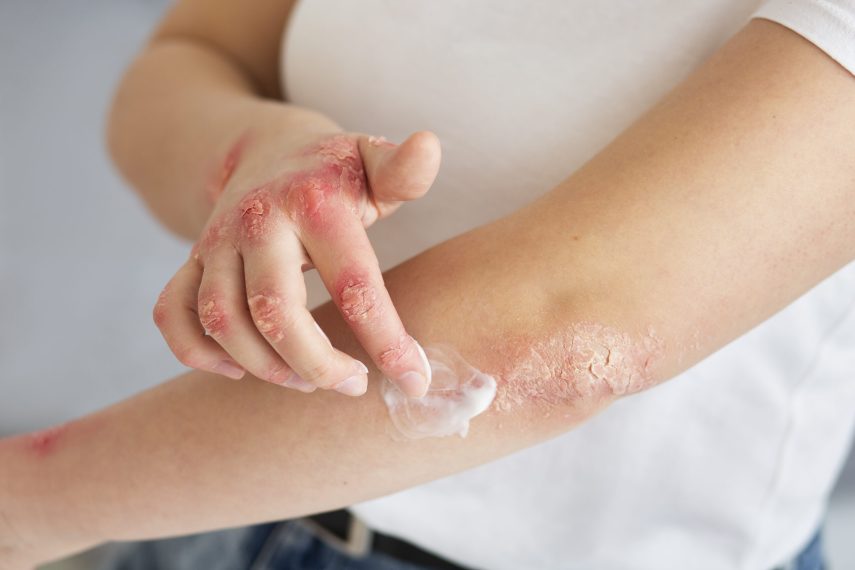
Urgent care clinics can provide immediate care for rashes, bumps, or reddening on the skin. They can determine the cause behind these. For instance, they can see if your painful or itchy welts come from an insect bite or if contact with poison ivy is responsible for your flaming rashes. Either way, an urgent care specialist can recommend the best treatment once they’ve diagnosed the issue. And these range from OTC skin creams to prescription drugs. Moreover, these professionals may also refer you to a dermatologist if necessary for a more in-depth evaluation.

8. Common Cold, Flu, or Sinus Infection

Flu-like symptoms can mean many things, making it challenging to determine what you’re currently experiencing. But instead of self-diagnosing yourself for a cold, sinus infection, or flu, head to urgent care. Urgent care staff can determine the cause behind your symptoms and suggest the best treatment, whether rest or prescription medication. Many individuals pick urgent care to diagnose their flu, pneumonia, sinusitis, or seasonal allergies.

9. Bladder Infection or UTI

Painful urination can be debilitating to both men and women, and it may feel like an emergency when urinary frequency and pressure lead to severe discomfort. But instead of waiting long hours at the ER to address these symptoms, you can receive immediate treatment at an urgent care clinic. These providers can take a urine sample and have it tested on the spot to see if you have a common infection that’s treatable with antibiotics.

10. Work-Related Injury

A few urgent care clinics offer more services, especially those providers with emergency room experience. If you’ve attained a non-life-threatening work-related injury, you can get treatment at an urgent care clinic. Aside from the regular strains, sprains, broken bone, cuts or lacerations, and burns, emergency medical providers can also help patients with uncommon work-related injuries like:

    • Pulled muscles
    • Overexertion
    • RSIs (repetitive strain injuries)
    • Trauma

Conclusion

Receiving immediate health care services in Fairfield, CT, should be accessible for all those with an illness or injury, no matter what kind of urgent care service you need. DOCS Fairfield Urgent Care gives everyone quick and efficient local urgent care. No matter what medical services you require — we are here to provide them!

How to Avoid Dehydration this Summer

How to Avoid Dehydration this Summer

Summer is a time for days out in the sun, grilling barbecue, and relaxing by the pool. However, it is important to remember how to stay safe outside in the heat. Spending time in the sun runs the risk of becoming dehydrated, which can lead to further health issues.

According to the CDC (Center for Disease Control), dehydration is a condition that can cause unclear thinking, result in mood change, cause your body to overheat, constipation, and kidney stones. Some early signs of dehydration include dry mouth, lethargy, and dizziness. Dehydration is more common than you may think, especially in the summer. Follow some of these tips to avoid the risk of dehydration and heatstroke.  

1. Drink Water:

The number one way to prevent dehydration is simply to drink water. It is important to drink fluids especially if you are exercising or in a hot climate since your body can lose fluids from sweat. Drink plenty of water as directed by your doctor.

2. Don’t Wait:

Remember to stay hydrated throughout the day. Do not just drink water or other fluids when you feel thirsty. According to the American College of Sports Medicine, active people should drink at least 16-20 fluid ounces 1 to 2 hours before an outdoor activity. Then, you should drink an additional 16-20 ounces every 10 to 15 minutes you are outside. Fun tip: carry around a fun, reusable water bottle so you can continually hydrate!

3. Eat Foods With High Amounts of Water:

Try to consume fruits and vegetables that contain a high volume of water. As a bonus, fruits and vegetables are often very healthy and part of a balanced diet! There are plenty of delicious seasonal fruits and vegetables you can try during the summer like watermelon and zucchini.  

4. Avoid or Limit Certain Types of Drinks:

Some drinks to avoid or limit include coffee, teas, and soft drinks (which contain caffeine). You should also try to limit or avoid alcoholic beverages which can also contribute to dehydration. Fun tip: add fresh lemons, limes, or cucumbers to brighten up your normal pitcher of water.

Treating Dehydration

Treating dehydration involves drinking fluids such as water, sports drinks (which can help replace electrolytes), clear broths, or ice pops. In serious cases, a patient may require intravenous fluids, which then necessitates the intervention of a healthcare professional. If you get a fever or chills, you can apply a cold compress to your face or take an ice bath. If your temperature does not improve and/or it reaches above 103 degrees fahrenheit, seek medical help.

DOT Physicals: Everything You Need to Know

truck driver dot physical

DOT Physicals: Everything You Need to Know

truck driver dot physical

If you are a professional truck or bus driver, and your employer requires that you have a Department of Transportation (DOT) physical, you may be left wondering: What is the DOT Physical? 

The DOT physical exam is a necessary test for any individual hoping to get behind the wheel of a commercial motor vehicle (CMV). This examination makes sure that all commercial drivers are up to par in their daily health examinations and are at peak performance. It ensures that you or other CMV drivers are physically able to handle the long hours and stress of operating a commercial vehicle.

Continue reading our guide on DOT Physicals to understand if you require one and what happens during an exam.

 What Does this Exam Consist of? 

A DOT Physical evaluates a driver’s vision, blood pressure, and a complete review of their medical history. This can help ensure that a driver does not have certain health conditions and can safely operate a commercial vehicle. Here are the different parts of a DOT Physical Exam. 

A Vision Test

During a DOT Physical, your doctor will test you for at least 20/40 vision for both eyes. If you wear prescription glasses, please be sure to bring them along. You will also be tested to distinguish various colors with and without your prescribed lenses.

A Hearing Test

Another portion of the test includes a hearing test. With or without hearing aids, a driver must be able to hear a forced whisper” from less than five feet away.

Urinalysis

You will be asked to take a urinalysis test. This test will help determine if you might have a medical condition or any irregularities that require immediate attention.

Blood Pressure/ Pulse Rate

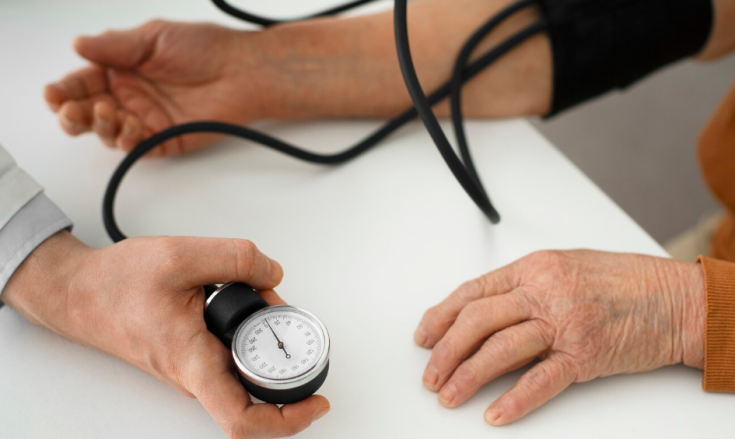
You will also have a blood pressure and pulse test taken. This will help check for any abnormalities and make sure that you are healthy enough to sit for long periods of time.

Physical Examination

There will also be a physical exam that occurs during your DOT Exam. You will be tested for:

  • General appearance (weight, tremors, drug/alcohol problems)
  • Mouth & Throat (breathing and swallowing)
  • Lungs & Chest (breathing)
  • Abdomen & Organs (unusual masses, hernias, weakness)
  • Vascular System (weak pulse, blood flow, varicose veins)
  • Limbs (Loss or damage, weakness)
  • Skeletal (limitation, tenderness)
  • Neurological (balance, reflexes, speech)

You may also require or ask about any needed vaccinations at your exam. These can include:

  • Hepatitis A (Hep A)
  • Hepatitis B (Hep B)
  • Polio/ Tetanus/ Typhoid
  • Influenza (Flu)

The passing of a DOT physical gives drivers the certification to be behind the wheel of their commercial vehicle and this certification lasts between 3 months to 2 years dependent upon the health of the driver along with the possibility of not passing DOT Physical as a result of health conditions holding back the drivers from being at peak performance.

What Do I Need For My DOT Examination

When attending your DOT physical be prepared to supply any documents listing medication which have been administered by doctors in the past month. If in the scenario of a medical disability please supply a medical release form to illustrate doctors approval to work with this condition.

Where Can I Receive A DOT Physical Exam

At DOCS Urgent Care serving Connecticut, we have 15 urgent care locations where you can receive a DOT Physical for only $75. Call your nearest location to set up an appointment. We also accept walk-ins.

Don’t let this small check up hold you back, DOCS Urgent Care is here to make sure you are on the road performing at peak performance.

Benefits of Having a Primary Care Provider

primary-care-provider-and-patient

Benefits of Having a Primary Care Provider

primary-care-provider-and-patient

DOCS Urgent Care, we offer more than just urgent care services. We also offer services for all of your primary care needs. Often, the importance of a primary care provider is overlooked. Having a dedicated physician for you or your family helps to establish a relationship with a doctor who understands your medical history as well as any ongoing chronic conditions.

At DOCS Urgent Care, we have dedicated, compassionate primary care physicians at our 15 different locations throughout Connecticut. Here are our top 10 benefits of having regular, annual visits to your primary care provider.

Holistic Health Care
The idea that a balance of body, mind, spirit, and emotions are prerequisite to a healthy life is the philosophy behind holistic health care. This balance will help in preventing unforeseen health issues. 

With the help of a dedicated primary care physician, you’ll be able to receive an assessment on your diet, sleep habits, and sources of stress. A given ailment may be manageable by changing these types of habits and other factors of your lifestyle.

Better Management of Chronic Disease

Those with chronic disease or injury such as diabetes, heart/lung disease and arthritis are particularly in need of a regular check-ups. A primary care provider will monitor these types of issues and recommend the best course of action so that you can stay on top of your health.

Friendly and Knowledgeable Staff

Visiting a new doctor for the first time can be intimidating and awkward, especially if it’s for more personal health issues. Regular visits to your primary care provider will evoke a sense of comfort and familiarity with your doctor. Once you’re familiar with your local office and doctor, you will likely feel less hesitant to make appointments.

Lower Overall Health Costs

Expensive hospital visits can drive up healthcare costs. When applicable, a visit to your primary care physician can cost a fraction of the price for a hospital visit. Having a readily available PCP, means that patients are less likely to seek specialized help or an unnecessary hospital visit. 

Remember: A primary care physician or an urgent care is not a replacement for a hospital. You should only visit your PCP for non-threatening issues. 

Catch Health Issues Early

Regular visits to your primary care provider ensure that your doctor is up-to-date with your overall health. The more familiar a doctor is with your overall health, the more likely they are to identify potential health issues before they occur. When they suspect an issue, they can order tests to catch them early on, leaving you with the upper hand.

Referrals to Other Medical Specialties

A primary care provider can’t treat more serious health issues that require surgery or a specialist. However, they can act as a guide to other medical professionals to ensure that you get the best treatment possible. You won’t have to spend hours online searching for a professional that is covered by your health insurance and is close by. Your primary care provider can do all of that for you.

Decrease in Hospital and ER Visits

Trips to the ER can be stressful and unpleasant. Luckily, not all health issues require a trip to the ER, and may be treated by your local primary care physician. If your ailment is not immediately life threatening, visit your primary care provider to get a professional opinion, and to assess whether or not a trip to the ER is necessary.

Better Patient-Provider Communication

The familiarity you will experience with your primary care provider will make for a better patient-provider communication experience. You won’t feel as awkward as you may when meeting with a new doctor, which allows you to be more upfront about what’s going on with your health.

Access to Allergy, Sleep, and other Services in Office

Common issues such as allergies, lack of/excess sleep and common cold symptoms can be treated right from your primary care provider’s office. There’s no need to search in your local pharmacy for something that may or may not work for you when you can simply get a prescription from a professional. 

Having Numerous Locations Available 

At DOCS Urgent Care, we have 15 locations throughout Connecticut. While you may primarily visit one location, you have the ability to access any of our locations. This can provide you with convenient medical care when you require it.

 Finding The Right Primary Care Provider 

DOCS Urgent Care has the required training and expertise to provide you or your family with primary care services. We strive to form a physician-patient relationship to help offer you continuity of care. To learn more about our services or to schedule an appointment with one of our physicians, contact us today

Prevention and Treatment of Sunburns

sunburn-prevention

Prevention and Treatment of Sunburns

Tips on Preventing Sunburn This Spring

Summer time means beach trips, BBQs, and outdoor fun. Unfortunately with these activities bring the danger of sun damage to your skin. Being exposed to too much sunlight can lead to sunburn, premature wrinkles, or even skin cancer. Knowing the most effective ways to protect your skin is vital when preventing sun damage of any kind. Learn how to protect your skin from the harsh sun rays and still have fun!

Clothing

Your clothes are one of the most effective ways to fight against sun damage. When it comes to skin protection, we recommend clothes with fabrics such as polyester, nylon, or acrylic. These fabrics have the ability to protect your skin from UV rays. Wearing thicker clothes creates a barrier against the sun; however, be cautious of overheating. If a heat stroke does occur, an urgent care facility can provide immediate care.

Sunscreen

Sunscreen is another effective way to protect your skin. The Centers for Disease Control and Prevention recommend using sunscreen with an SPF of 15 or higher. It is best to always wear sunscreen, even when it is cloudy outside; did you know that 80% sunrays can still pass through the clouds?

Applying Sunscreen

When applying sunscreen, it is best to apply in a thick and even layer for the most effective protection. Sunscreen should be applied 20 minutes before you are exposed to the sun and every 2 hours after that. If you’re planning on going to the beach or pool, then you should invest in waterproof sunscreen for ensured protection.

According to The Skin Cancer Foundation, 80% of skin cancer occurs on the hands, neck, and head. These are areas that are usually forgotten about. It is important to remember that every area of your body needs to be protected, even your lips, nose, and ears.

Treating Sunburn

In the unfortunate event that you do have sunburn, here’s what you need to do:

Let Your Blisters Heal

Don’t pop your blisters. If your skin is blistering that means that you’re experiencing a second-degree sunburn. These blisters are formed to protect your skin from infection and to help with the healing process.

Take a Cool Shower/Bath

Having cool baths or showers regularly can help ease the pain caused by your sunburn. When drying off, it’s best to do so by gently patting your skin. For extra relief, leave some water on your skin before applying a moisturizer to help with the dryness.

Moisturize

Moisturizers that include soy or aloe vera have soothing properties and can be bought without the need of a prescription.

Cover the Burns

Wearing longer sleeves or hats with tightly woven fabric will protect your sunburned skin from further damage.

Hydrate

Sunburns actually grab at your body’s fluid, bringing it to the skin’s surface. Drinking extra water can help prevent dehydration when you have a sunburn.

Recognizing Bronchitis and Pneumonia

Girl with pneumonia

Recognizing Bronchitis and Pneumonia

Girl with pneumonia

Bronchitis and pneumonia are viruses that typically happen during these cold, winter months. You want to make sure you spot the symptoms right away in order to prevent a more serious illness. There is no harm in seeing the doctor if any slight symptoms occur, even if you are not sure. Bronchitis and pneumonia have similar symptoms that people often confuse. You’ll want to know how to tell the difference between the two in order to know how to prevent getting sick, and how to treat your illness right away.

Different Types of Pneumonia

Pneumonia is an inflammation of the lungs that is most often caused by infection with bacteria, viruses, or other organisms. It is easier for people recovering from the flu to get pneumonia because their immune system is weak and vulnerable for bacteria to grow in their lungs. There are many different types of pneumonia that you should be familiar with as you are trying to prevent getting sick this winter:

Bacterial Pneumonia:

This type of pneumonia is caused by bacteria, usually caused when the body is weak in some way by illness, poor nutrition, old age, or decreased immunity. This happens when the bacteria are able to fight its way into the lungs. The most common type of bacterial pneumonia is Strep, short for Streptococcus. Bacterial pneumonia can affect people of any age, but you are at greater risk if you have a weakened immune system, over-consume alcohol, smoke cigarettes, have just had surgery, or have a disease/infection.

Viral Pneumonia:

This type is typically caused by viruses like the flu, and is the most common, and least harmful type of pneumonia. If you have viral pneumonia, you are more likely to catch bacterial pneumonia. Viral pneumonia is more likely to occur in young children over adults because adults have a stronger immune system.

Mycoplasma Pneumonia:

This type can be milder than other types. Another name for it is walking pneumonia. You could have walking pneumonia and not even know it. It is most common in children. It can be a mixture of both viral and bacterial forms.

Other Pneumonias:

There are other, less common types of pneumonia that may be caused by other infections and fungi. People who develop other types also have a weakened immune system.

Different Types of Bronchitis

Bronchitis is an inflammation of the main air passages to the lungs. People who have bronchitis often cough up mucus. It is important to know the difference between the types of bronchitis to figure out just how serious it is. There are two main types of bronchitis:

Acute Bronchitis:

This type is often caused by the same viruses that cause colds, usually starting as a sore throat, runny nose, or sinus infection, then spreads to your airways. Acute bronchitis can also be called a chest cold. It may often come after a common cold, or other viral infections in the upper respiratory tract. Most symptoms last for up to 2 weeks.

Chronic Bronchitis:

This type is a long-term inflammation of the bronchi. It is common among smokers. People with chronic bronchitis tend to get lung infections more easily. This bronchitis often happens with other lung diseases.

Other Types of Bronchitis:

Although there are several different types of bronchitis, the most common are acute and chronic.

Symptoms of Pneumonia

The symptoms of pneumonia may include:

*Fever

*Chest pain

*Sweating

*Chills

*Coughing (that will produce mucus)

*Shortness of breath

*Weakness and extreme tiredness

Symptoms of Bronchitis

The symptoms of bronchitis may include:

*Coughing (that will produce mucus)

*Chills

*Sore throat

*Fatigue

*Shortness of breath or wheezing

*Slight fever and chills

*Chest congestion and/or pain

Prevention

To prevent pneumonia and bronchitis, follow these tips:

*Avoid cigarette smoke

*Get vaccinated

*Wash your hands

*Wear a surgical mask if needed

*Stay away from people who have any illness or infections

Treatment for Pneumonia

Treatment depends on the type of pneumonia you have.

*Pneumonia can be treated at home, but if you have a more serious case, then hospitalization might be necessary.

*Antibiotics are used for bacterial pneumonia, and can speed recovery for other types in some cases as well.

*There is no good treatment for viral pneumonia; it usually gets better on its own.

*Doctors will tell you to eat well, increase fluid intake, get some rest, get oxygen therapy if needed, take pain medication if prescribed by doctor, fever control, and maybe cough-relief medication.

Treatment for Bronchitis

Symptoms should go away within a couple of weeks; however, it may take longer for some people. There are a number of treatments once you get bronchitis.

*Antibiotics usually aren’t helpful when treating bronchitis. Antibiotics are only needed to treat whooping cough or pneumonia

*Doctors will typically prescribe medications called bronchodilators if you are wheezing.

*Decongestants may help relieve symptoms of bronchitis.

*Your doctor will tell you to drink more fluids to help thin mucus in the lungs, rest, and soothe your airways by increasing humidity in the air with a humidifier.

Visit Bethel Beyond Urgent Care

Although bronchitis and pneumonia both cause similar symptoms, they are significantly different. Only a healthcare professional can determine which treatment is right for you. If you have any questions about our services, please contact us at 203-617-0319, and if you find yourself with an urgent health issue, please visit us at our Bethel location! We are open 7 days a week. No appointment needed, just walk right in!

Cervical Cancer – Why Screening is Important

Woman talking to her doctor

Recognizing Bronchitis and Pneumonia

Woman talking to her doctor

Many people welcome the new year with new health goals. It is an ideal time to reflect and examine your own health. Taking this into consideration, January is the perfect month to host cervical cancer awareness. Each year, about 13,000 women are diagnosed with cervical cancer. Despite these statistics, cervical cancer is undoubtedly preventable with the right vaccination and proper screening. In this post, we are going to define cervical cancer, and show you the ways you can not only treat this disease, but avoid it as well.

What is Cervical Cancer?

When the cells within your body begin growing at an uncontrollable rate, they become cancerous. These cells can expand to other parts of your body. Cervical cancer begins at the lower part of the uterus, which is called the cervix. The cervix joins the birth canal with the female body. The cervix consists of two different types of cells, glandular cells, and squamous cells.

These two types of cervix cells meet in an area of the body known as the transformation area. This area is where the cancerous cells begin to develop. Normal cervix cells do not just promptly become cancerous. They begin showing pre-cancerous changes, which can potentially turn into full-fledged cancerous cells. However, in most cases they do not turn cancerous at all. Pre-cancerous changes in cells have the tendency to fade away on their own. In certain cases, however, these changes will become cancerous as rapidly as within a year.

What Causes Cervical Cancer?

Human Papillomavirus (HPV) is found in 99 percent of cervical cancer cases, making it the leading cause of the disease. While there are 100 different types of HPV viruses, most of them are low risk, making them very unlikely to become cancerous. According to research , by age 50, at least 80 percent of women in the United States had some type of HPV infection.

Most HPV viruses will heal on their own in a very short period of time independent of any medical treatment. While a great number of HPVs are low risk, there are a few HPVs, such as HPV-16 and HPV-18, which lead to normal cells developing abnormal changes. These abnormal changes in cells may overtime lead to cervical cancer.

What Are the Symptoms?

  • >   Abnormal bleeding, including bleeding after intercourse or after menopause.
  • >   Bleeding in between periods.
  • >   Longer or heavier menstrual periods than usual.
  • >   Abnormally frequent urination.
  • >   Pelvic pain during urination.
  • >   Pelvic pain during intercourse.

Screening of Pre-Cancerous Cells

Screening is the most effective way to determine if there are any existing pre-cancerous cells in the cervix. Routine health checkups will often screen for the presence of these cells. In order to determine if there are any abnormal cells, medical personnel will administer two different tests.

An HPV test is used to detect any HPV infections, abnormal cervix cells being a part of it. The pap test collects and checks cell samples of the inner and outer areas of your cervix to determine if there are any that are potentially cancerous. If you believe you have any of the listed symptoms, we encourage speaking with a medical specialist.

Ways to Limit Risk

  • >   Use condoms
  • >   Don’t smoke
  • >   Limit sexual activity
  • >   HPV vaccines
  • >   Wash hands

Treatment

Cervical cancer treatment is tailored to the stage of the disease. Treatment options are referred to patients based on the appropriate needs of each individual. Surgical procedures are used in early stages. Radiation procedures along with chemo are used for further stages. Full blown chemo therapy is used at the most advanced and severe stages of the disease.

Before you decide on any treatment options, it is best to have a full understanding of the procedure, as well as discussing it with family and friends.

The First Visit

First Urgent Care Visit – What to Know

At an Urgent Care facility, fully trained healthcare professionals provide health care for urgent health issues that require care within 24 hours. For those who have never been to an Urgent Care before, we have put together this helpful guide.

What to Bring Before your Visit

Health Insurance Information

Patients who do have health insurance should bring their health insurance card and identification, such as a passport, or a drivers license. If your insurance is accepted and your health insurance provider is notified of your visit, there can be a copay fee. Different forms of payment that you can also bring along with you are credit cards, debit cards, and cash.

Important Patient Forms

When visiting an Urgent Care facility, you need to fill out the required paperwork that is provided to you at the office. You can also download this paperwork and fill it out prior to arriving at the care center.

These forms include the patient intake form, which collects your contact information and health history, as well as a minor consent form if the treatment is for an individual under 18.

Urgent Care or Emergency Room?

Severity of Health Issue

It’s important to understand that when you go to an Urgent Care, it must be a non life-threatening illness or injury, such as: infections, vomiting, simple fractures or sprains, minor burns, fever, etc. For this kind of treatment, an Urgent Care will be the most efficient and cost effective option.

Difference in Wait Time

At Urgent Care, there are health physicians that will be able to work with you in a timely pace compared to an emergency room. Most of the time, the wait at an Urgent Care facility is much shorter.

At an emergency room, the costs can costs hundreds of dollars, but at an Urgent Care, there is an affordable fee with high quality care. If you can’t get to the emergency room, or don’t want to wait in a long line, most Urgent Care clinics offer extended hours, and are open seven days a week.

Follow Up Visits

Urgent Care is meant for initial treatment, but for long term care, your Urgent Care health provider will refer you to your primary physician for follow-up visits.

Following your visit at Urgent Care, it is important to notify your primary health physician of the treatment received upon your visit.

Prescription Medications

Your Urgent Care physician can prescribe you any needed medication during your visit, which you can acquire at a local pharmacy. However, for long term prescriptions, your primary care physician is the proper source for refills.

The Costs of Urgent Care vs. the Emergency Room

The Costs of Urgent Care vs. the Emergency Room

If you have a life-threatening injury, then a trip to the hospital’s emergency room will be your best bet. However, you will run into problems like big bills, long wait times, and insurance not being accepted. This is where Urgent Care might be a more optimal choice.

Urgent Care facilities are more affordable and have primary health care providers at more flexible hours than a hospital might offer. Urgent Care providers will take most patients in without an appointment and often if the patient doesn’t have insurance. Most Urgent Care providers take patients at a first come first serve basis, not by the severity of the case. (Emergency Rooms vs. Urgent Care Centers)

Why Choose Urgent Care?

Urgent Care is the best choice around for treating non-lethal injuries. We offer primary care options, and we are much cheaper compared to a hospital. Also, we accept all forms of insurance. 

Medical Bill Debt

One reason so many Americans are in debt is that they go to hospitals for care when an Urgent Care facility would’ve treated them just as well and for a much lower cost. Most people think the hospital is the only place you should go for emergencies which is not the case.

Downside of Using Urgent Care

One drawback of Urgent Care is that a life-threatening injury might not be treated as well as a hospital would treat it because of minimal access to sophisticated equipment and professionals on staff at the time. You might want to choose an urgent care facility if your illness is not life threatening such as:

  • Fever without rash
  • Ear pain
  • Painful urination
  • Persistant diarrhea
  • Sore throat
  • Vomiting
  • Minor Trauma
  • Flu symptoms

If none of these symptoms apply to you then a hospital might be a better choice.

More Advantages

Another great advantage of Urgent Care facilities over hospitals is that there are more of them which means they are more convenient in the case of an emergency. Going to a hospital might not guarantee you the immediate care a hospital should give. Of course, if you have serious injuries that require a more invasive procedure, the hospital is always a better choice. Many insurance providers offer lower copays for Urgent Care patients as well.

Tips to Help Pay off Bills

If you do need to visit a hospital but don’t know how you’re going to pay the bills, here are some tips on the best ways to do that:

  • Ask for Itemized accounting: Mistakes happen in hospitals from time to time so it’s important to make sure you are not being charged for a procedure that was never done or for medications that were not given.
  • Talk to the billing department: Often times there are different costs for different procedures. You should see if the billing department is overcharging you for a procedure that another hospital might be charging less for.
  • Ask for a payment plan: Most hospitals will allow you to break up your hospital bill into smaller payments monthly so you’re not paying a lump sum.
  • Crowdfunding: Many people ask for other people to help pay their bills on websites such as Giveforward.com, Fundly.com, and Youcaring.com that are specifically meant for medical debt.

Deciding What’s Right for You

Knowing when to choose a hospital over Urgent Care can be a big decision when you don’t have a lot of time to decide. You should know the following guidelines for when an emergency happens, such as:

  • When to go to the ER
  • When to call 911
  • When to choose Urgent Care
  • Be prepared

Please talk to your healthcare provider and/or your doctor in order to find which option is right for you based on your current situation.

Choosing Urgent Care

If you have a medical issue that you would like addressed at a reasonable rate, choose Urgent Care. Our doctors will take care of you, and you can rest assured your bills will not pile up. Stop on by to get treated. 

Natural Solutions for Seasonal Allergies

Natural Solutions for Seasonal Allergies

As spring begins, unfortunately so does allergy season. Testing for what kind of allergies you have and seeking treatment is your best option to manage your allergies all together.

For people with mild allergies these remedies can give you some quick relief. Here are a few tips on how to suppress seasonal allergy symptoms.

Stay Hydrated

Seasonal allergies put a strain on your body’s ability to stay hydrated. If you keep up with the proper amount of water every day, then your body can react better to your allergens and fight them off. By staying hydrated, you’re essentially thinning out the mucus in your nasal passages and helping with sinus drainage. If you cut down on other fluids such as juice, soda, and coffee it will be very beneficial to your health.

Get Steamy

Allergies can make it difficult to breathe from all the congestion you’re experiencing. Inhaling steam is a simple trick to help you breathe easier. Taking a hot shower or holding your head over a warm bowl of water will definitely give you some fast relief. Showers also offer an added benefit for springtime allergy sufferers. A quick rinse after spending time outdoors can help remove allergens from your skin and hair.

Probiotics

Probiotics or “good bacteria” can help relieve your allergies by breaking down food for digestion. The purpose of taking a probiotic is to to help you contain a healthy gut. When our bodies take in this healthy bacterium, we’re able to develop a healthy immune system which is vital to the prevention and treatment of allergies.

Add More Fiber to Your Diet

Fiber has many health benefits because it works as an all-natural detox. It helps eliminate toxins from your body. Fiber can help food passing regularly through the digestive system. Also, increasing your daily intake of grains and vegetables improves detoxification and helps to prevent chronic disease later on in life.

Exercise Daily

Allergies often bring out congestion and sinus pressure. When you exercise, you’re naturally smoothing your body by helping to open the blood vessels in your nose and easing your congestion. Honestly, sweating is one of the best ways to exert toxins. Exercise will also help improve sleep quality, stamina, and mood—even when all that sniffling and sneezing has you drained.

Honey

Believe it or not eating honey produced in your local area can help relieve allergies. Taking a tablespoon of local, raw honey every day will help your body build a tolerance to the local pollen that is attacking your sinuses. The main reason honey is so powerful in fighting allergies is because it contains bee pollen, which is known to fight off infections, allergies and boost your immune system.

Get Allergy Tested Today

It’s important to know the safest way to fight your allergies is to get properly tested and figure out a treatment plan that works best for you. DOCS allergy test can provide a service to help you with your allergies such as allergy shots (immunotherapy). This is an effective treatment for a broad range of allergens. Call us today to schedule your appointment. In the meantime, use these quick tricks to give you some relief!

Fractures, Sprains and Strains: What Do I Have?

man grasping foot in hunched position at a running track

Fractures, Sprains and Strains: What Do I Have?

man grasping foot in hunched position at a running track

All types of injuries are painful, but the more serious your injury is the more extensive your treatment will be. It all depends on what’s happened inside your body. Have you torn a ligament? Have you fractured your ankle? The signs might not be as obvious as you may have thought. Depending on the severity of your injury, you might want to pay a visit to the Fairfield Urgent Care center to be checked out.

Defining the main differences between fractures, sprains, and strains isn’t an easy task. We’ll guide you through what each type of injury is, the symptoms pertaining to each and what treatment you should seek.

What Causes Breaks, Sprains & Strains?

Every now and then our bodies work overtime. We put pressure on ourselves in ways that we shouldn’t which can cause the occasional strain or sprain or the unfortunate fracture. Here are some common reasons for injuries:

  • Motor vehicle accidents
  • Tripping or falling
  • Exercising (running or jogging)
  • Overexerting your body

The most obvious kind of broken bone or fracture is when a bone is protruding from the skin, which is called an open fracture or compound fracture. During your injury if you happen to hear a pop or grinding sound, this is also an indication.

This is not an easy injury to diagnosis just from looking at it. The best way to know if you have fractured a joint is to receive a proper x-ray.

Signs of a Fracture:

  • You may hear or feel a pop, snap or grinding noise during the injury
  • Swelling, bruising, tenderness of the area
  • Pain when pressure is applied. Either by walking, touching, or pressing
  • Deformity: A joint facing the wrong way

What Happens During a Sprain?

A sprain is basically the stretching and tearing of a ligament- bands of tissue that hold your ankle together. Most of us will confuse a sprain with a break because the pain level is comparable. More often than not, a sprain will occur in the ankle.

Symptoms of a Sprain:

  • Pain, Swelling, Bruising,
  • A possible “pop” during the injury
  • Limited range of motion

What Happens During a Strain?

A strain is an injury that occurs in a muscle or tendon (fibrous cords of tissues that connect bone and muscle). Strains come in three grades depending on the damage that has happened. A Grade 1 strain is the stretching of a few muscle fibers, Grade 2 is when more muscle fibers have been damaged or torn and Grade 3 is when the muscle completely ruptures.

Symptoms of a Strain:

  • Pain, swelling, muscle spasm
  • Limited mobility and flexibility in the injured area
  • Limited ability in moving the joint’s full range of motion

How Do I Tell A Sprain from a Strain?

If you experience a sprain or a strain, you will have pain and swelling. Both of these injuries will happen because your body is under physical stress. During this time, muscles and joints are performing movements they normally wouldn’t be.

The big difference between the two is that a sprain will have bruising while a strain will bring on muscle spasms. Both types of injury will also affect your mobility.

Treatment for Sprained or Strained Joints

If it turns out that you have a sprain or a strain, there’s a simple method you can followed called the RICE method, which can also be followed for any type of injury.

Start out by resting. Instead of putting weight (on an ankle) or the affected area, try not to move too much. Next, put some ice on the area to help with any swelling. Do this in 15 minute intervals and at least 3-4 times per day. You will also want to have compression on the area. The best way to do that is to wrap the affected area, but not too tightly. You don’t want to restrict any blood flow from the area causing further damage. Your last step is to elevate. If you raise the injured area above your heart, you can increase blood flow and minimize swelling.

Treatment for a Broken Joint

If you are concerned that you have broken or fractured a bone, you will have to meet with your doctor for an examination. The most common way to determine a fracture is by having an x-ray. This will show if your bone is still intact or if it is actually broken. Your doctor will also be able to tell what kind of fracture you have and how to prepare you for the next steps.

On average, a fracture will need several weeks to several months to heal. In order to properly heal, you must follow your doctor’s advice and keep pressure off of the affected joint. If you have a fractured ankle or leg, you will most likely need physical therapy to follow the removal of a cast.

Need To Be Seen Immediately?

If you are experiencing any of the symptoms for fractures, sprains or strains, you should seek medical attention immediately. Here at DOCS Urgent Care (located in many towns including Fairfield, Bethel, and Norwalk) our walk-in clinic experts can help you with our x-ray imaging services. It’s best advised that you don’t leave any injury untreated. Seek help today to prevent further damage from occurring. Come in for a no-wait consultation or call us beforehand to schedule an appointment: 203-617-0319

Lyme Disease vs. “Mono”

zoomed up photo of tick on green leaf

Lyme Disease vs Mono

zoomed up photo of tick on green leaf

At one of our many locations (DOCS Urgent Care center in Fairfield, CT), we get a lot of questions about Lyme disease. We hope to resolve your concerns so that you can feel confident in treating whatever condition you have.

Many of you know the defeating side effects of contracting Lyme disease or mononucleosis (“mono”). Lyme disease is bacterial and spread through the bacteria, Borrelia burgdorferi, which is carried by ticks. Since Lyme is most common from April to September, it’s beneficial for you to inform yourself on the subject. Mono is viral and spread through direct contact with saliva. These two can often be diagnosed interchangeably by a doctor because of the difficulty differentiating them.

The Diagnosis

Mononucleosis:

  • Extreme fatigue
  • Fever
  • Sore throat
  • Head and body aches
  • Swollen lymph nodes in the neck and armpits
  • Swollen liver or spleen or both
  • Rash


Lyme:

Early symptoms of Lyme disease are exactly the same as mono. If untreated, symptoms may include:

  • Arthritis with severe joint pain and swelling, particularly the knees and other large joints.
  • Facial palsy (loss of muscle tone or droop on one or both sides of the face)
  • Heart palpitations or an irregular heart beat
  • Problems with short-term memory

Since the initial symptoms may present themselves anywhere from 3 to 30 days post tick bite, the diagnosis may often come back as mononucleosis when it is actually lyme, and vice versa. Misdiagnosing lyme or failure to treat lyme early, can result is debilitating and lasting effects on your body.

Lyme Disease

Lyme disease is often known as the bacterial disease that never truly leaves the human body and can present itself at the most inconvenient times. This is because ticks are so frequently found on our bodies and the odds that one actually carries the lyme disease bacteria is slim. Once infected, it could potentially take months or years to actually show any symptoms, and even after treatment, symptoms may linger.

How to Prevent Lyme:

      • Avoid Wooded Areas and High Grass
      • Walk in the Center of Trails
      • Wear long sleeves and pants when working with brush, wooded areas, tall grass and similar areas
      • Use repellents that contain 20-30% DEET
      • Use products that contain 0.5% permethrin on clothing
      • Examine clothes, backpacks and pets after coming back from any outdoor activities

Mononucleosis

The symptoms of mono and lyme disease may be very nearly identical, but the duration of mononucleosis isn’t usually as drastic. Most cases last 2 to 4 weeks with the occasional infection that incurs symptoms for months. Mononucleosis is caused by the Epstein-Barr Virus (EBV), and approximately 25% of all people infected with EBV will contract mononucleosis. Lyme disease is often misdiagnosed by a false positive EBV test which is why the two are extremely difficult to differentiate.

How to Prevent Mono

      • Avoid sharing drinks, straws, food, food utensils, inhalers, and cigarettes.
      • Avoid close contact with people who are sick.
      • Keeping your body healthy is very important; Healthy bodies are more likely to fight illness.
      • Exercising and maintaining a healthy diet are all parts of keeping your body healthy, and can be the determining factor if you contract mono or not.

Get Tested at DOCS Urgent Care

Here at DOCS Urgent Care, we offer 24/7 care for our walk in patients. If you have even the slightest suspicion that you may have Lyme disease or mono, visit our Urgent Care Center in Fairfield, or one of our many locations closest to you. It’s better to catch Lyme or mono early on, rather than suffer from long term symptoms in the ongoing years. Here is a link for more information on our Lyme disease services.

Fevers & Children

teddybear holding thermometer and tissues

A Parent’s Guide to Fevers and Children

teddybear holding thermometer and tissues

We’ve all experienced a fever at some point in our lives; they make us feel groggy and uncomfortable. But do you know how to handle a fever with your child? Are you a new parent that has no idea how a fever can affect your baby? These are questions you should be asking yourself to take the necessary steps in ensuring your child gets the proper care they need. Many of us at DOCS Urgent Care located in Fairfield, and various other locations in Connecticut, have been there too. With all that said, let’s start with the basics.

Fevers 101

People get fevers when their body temperature rises above what it should be (around 98.6 degrees Fahrenheit). The reasoning behind this is usually because the body recognizes a potential virus so it wants to create an unfavorable environment to kill off that bacteria. It’s your body’s way of fighting infection.

Some of the symptoms include, but are not limited to:

  • Forehead is warm to the touch
  • Shivers
  • Cold sweats
  • Lack of appetite

When Is a Fever a Sign of Something Serious?

If you notice that your child may have a fever, it would be a good idea for you to act. Some of the symptoms for children normally include fussiness, high temperature, sore throat, coughing, vomiting, etc.

Here are some of the more severe signs you should look for:

  • Your child under 3 months old has a rectal temperature over 100.4 degrees Fahrenheit
  • Your child under 2 years old has a fever that lasts over 24 hours
  • Your child doesn’t seem like him/herself
  • Seizures occur
  • Severe vomiting and diarrhea occur

If you notice any of these severe symptoms, call a doctor immediately. If left untreated, these symptoms could get worse and/or they could result in more medical problems down the road. Here is an article to read if you are wondering if your child is too sick for school.

How Can I Help?

Most fevers are easy to treat and won’t require any care from a doctor, unless your child is extremely uncomfortable. There are several ways that you can help treat a simple fever:

  • Medicine (ibuprofen or acetaminophen) if the child is over a certain age
  • Dress your child in lightweight clothing
  • Provide plenty of water to avoid dehydration
  • Sleep, sleep, SLEEP

Unfortunately, some children may experience more intense fevers than normal. If this is the case with your child, call your doctor. They will be able to provide the right information and treatment based on your child’s symptoms.

How Can I Prevent Fevers in The Future?

Since fevers occur because of bacteria and viruses, the most effective thing to do would be to look at personal and household hygiene. Simple things such as washing your hands after going to the bathroom and cleaning the counter before and after cooking a meal can go a long way in preventing illness in your family.

Here are more tips on how to prevent fevers:

  • Maintain a healthy and balanced diet
  • Get the proper amount of sleep (around 8 hours)
  • Cover your mouth when coughing and sneezing
  • Fully clean your house at least once a week
  • Make sure your child has had their flu vaccination

No one wants their child to end up in the emergency room because of a fever. Make sure you know and understand the symptoms of a severe fever and seek medical attention ASAP! The last thing we, Fairfield DOCS Urgent Care, want is for you to have to make a visit in the middle of the night to treat the flu.

How to Cure & Prevent Dry Skin

How to Cure & Prevent Dry Skin

The winter weather does more than making you wear an absurd amount of layers or letting your kids stay home from school occasionally. The combination of the cold weather and the dry environment do not make hands happy. And as you turn the temperature up indoors your skin starts to dry up weather you know it or not.

Keeping your skin in good condition is important as dry skin can flake and crack causing your skin to bleed. Here are several tips from DOCS Urgent Care of Fairfield, Norwalk, & Bridgeport on how to counteract the cold weather and keep your skin in top condition!

Use moisturizing lotions properly

Contrary to common belief, moisturizing lotions don’t actually make your hands moist. The lotion just provides a protective barrier to seal the moisture on your skin. So applying lotion to dry hands that are covered in dead dried up skin cells won’t do much good.

Instead, use lotion right after taking a shower or washing your hands well in warm water, your hands will be in the best condition to be protected. Feel free to apply lotion after washing dishes, it works miracles!

Wearing the right clothing

Hands and faces tend to be the most exposed body parts outdoors during winter but they have the least amount of skin covering those areas. That’s why it’s common for hands and faces to dry up so quickly during the winter.

Wearing the right gloves can be the best way to avoid skin cracking and flaking. Besides who would want to freeze their fingers off? Make sure to wear dry cloth including your gloves. The chafing from wet socks, gloves or jacket could cause irritation which leads to dried up skin, cracking or even eczema over time.

Ski & snowboard gear are a great choice as they keep you very warm and are water proof/resistant. If you can’t afford to get those, making your coats or leather gloves water proof  is the way to go.

Just as a general back to school health tip make sure to dress your child/children appropriately. Such a simple precautionary step can make a big difference and prevent irritated rashes and children.

Invest in a humidifier

As we mentioned before, the winter weather naturally causes the air to dry up quickly and does not give your skin a way to naturally moisten. That process only speeds up when we keep our homes warm throughout the season.

Humidifiers get more moisture in the air which our skin so desperately needs. Make it a habit to use a humidifier as often as possible. It’s pointless to only use it once in a while when your hands dry up, as dead skin cells will only get in the way of the parts that needs to be cared for.

Having a few small humidifiers throughout your house will keep the amount of moisture in the air consistent. Humidifiers are all around great and are good for your health. They help fight against the cold and the flu keeping a good environment for your house.

Drink water

It seems like this tip always ends up in any type of health article regardless what the issue is. Skin is no different, you need a way for your body to hydrate your skin from the inside out. If you don’t have enough water to sweat, your body will overheat at a rampant rate and you not be able to sweat.

Avoid face masks & facial cleaners

As tempting as it is to pull out those face masks during a cold winter day being indoors all day, it will cause more harm than help for your skin.

All the moisture’s and oils on your face protect the moisture on your face and keep it in place. And as you may have guessed using a face mask will rid your face of the essential oils keeping you from having a dry face.

Reject saunas

So you just finished shoveling or just came back from a freezing commute and the first thing you want to do is jump into a super hot bath or a sauna. As heartbreaking this may be, it is probably the worst thing you could do to your skin.

Your skin will already be dried up at that point and a hot bath or sauna will only further damage your dried skin, drying up the moisture in it even further. Opt for a warm bath which will do good for your skin and moisten it. On the other hand if a sauna is your only option, make sure to spend time in a room with a humidifier.

Choosing the right moisturizer

When looking for a lotion or moisturizer opt for an oil based product as it is more effective than a water based product. Oil based products hold the moisture in the skin better compared to water based lotions. Water based lotions may even dry your hands further overtime as it will only cover dry hands and not retain the moisture well.

If all fails seek a walk in office

Setting up habits and environments to keep your hands moist is important. There will be times where you may not be able to practice these habits because of work and as a result always end up with dry hands.

Leaving dry skin as it is can be dangerous because certain skin diseases can become permanent like eczema and cutaneous candidiasis if not treated immediately. The best option would be to seek an available physician as soon as you can.

Calling us at DOCS Urgent Care and asking a trained professional is sometimes the best course of action. There will be many suggestions we will be able to make so moistening your skin will be simple and become routine. Knowing all of these signs to these symptoms are a good way to steer clear from serious disease.

Stomach Bug vs Food Poisoning

Stomach Bug vs. Food Poisoning

We all know the horror of food poisoning: what looks like a delicious meal ends up sending you straight to bed for a day. Just the same, shaking the wrong hand can knock you down for a week with a “stomach bug”. But what’s the difference between the two? The answer seems pretty obvious, given their names… but when you’re bedridden and fighting waves of nausea, it can be hard to tell what your body is fighting.

What is a “Stomach Bug”?

“Stomach bug” is actually a nonspecific term we use to refer to any sort of condition involving vomiting or nausea. In reality, the “stomach bug” we’re dealing with is a common infection called Gastroenteritis. Gastroenteritis involves the inflammation and irritation of the stomach and intestines, which causes its tell-tale symptoms.

Symptoms of Gastroenteritis include:

  • Diarrhea
  • Vomiting or Nausea
  • Stomach Pains
  • Cramps
  • Fever
  • Headache

When suffering from a Stomach Bug, it’s common to find yourself dehydrated. As you can guess, this is due to the amount of purging your body is doing to fight the virus. If you experience symptoms of dehydration such as dry mouth, extreme thirst, lightheadedness, or dry skin, we advise you call a doctor or visit DOCS Urgent Care of Fairfield, Norwalk, or Bridgeport  for immediate attention.

What causes Gastroenteritis?

Gastroenteritis can be caused by:

Contact with someone suffering from Gastroenteritis

Consumption of contaminated food or water

Unwashed hands after using the bathroom, or changing a diaper

There are three viruses known to cause Gastroenteritis, known as adenovirus, rotavirus, and norovirus. Rotavirus is known as the most common cause of Gastroenteritis in children. Infants can be vaccinated to prevent this particular strain.

How is Gastroenteritis treated?

Unfortunately, a viral strain of Gastroenteritis cannot be treated with common antibiotics. In the case of a viral infection, the sickness will typically pass within 10 days without medication. To help your body fight the virus:

Drink lots of fluids. The biggests danger of Gastroenteritis is dehydration. While vomiting and suffering from diarrhea, your body is disposing of fluids more frequently than it can take them in. The most important thing you can do to prevent dehydration is–as the name implies–hydrate. Drinking water is good but, however, will not supply your body the electrolytes it needs. To best hydrate, it is best to drink 

electrolyte solutions (oral rehydration solutions). These can be purchased at your local pharmacy. Pedialyte, Gatorade, or other common sports drinks are cost-effective alternatives.

Avoid acidic drinks and milk. Milk is known to exacerbate stomach problems, and acidic drinks such as orange juice or coffee can cause stomach aches.

Don’t drink too fast. Every hear of the saying “too much of a good thing”? When suffering from Gastroenteritis, drinking too much water can actually induce vomiting, as the body may reject too much liquid at a given time. For children, we recommend a teaspoon of your chosen beverage every 4 to 5 minutes. Or, advise them to take small sips over time.

Introduce food slowly. Once you are able to keep down liquid, you are able to introduce small portions of bland food. Bananas, bread, rice, applesauce, and toast are good options for beginning the introduction to food again. And, once you can keep those foods down, you are able to slowly introduce meats and cooked vegetables–but be sure to keep portions of these small, until you’re certain they will not cause problems

Avoid fatty foods. Foods with too much fat, acid, spice, or fried foods are known to exacerbate symptoms.

Avoid over-the-counter medications. Time is the best medicine. When you or your child are sick, your best bet is to avoid medications. OTC medications, despite what you may believe, are not effective in treating Gastroenteritis and may worsen symptoms. It may be hard or uncomfortable to purge your body during the course of the illness, but it is your body’s way of rejecting the virus, and medication will only impede that process.

Medication has one exception: to combat fever. If your temperature is rising, acetaminophen or ibuprofen are good for bringing it back down. Other than that, avoid medication.

If you suffer from an autoimmune disease and contract Gastroenteritis, or experience any of the following symptoms, please seek immediate medical help:

  • Sunken eyes
  • Lightheadedness
  • Extreme thirst or dry mouth
  • Lack of normal skin elasticity
  • Fewer tears
  • Infrequent or less urination

How do I prevent Gastroenteritis?

Gastroenteritis is preventable in infants and children through two early Rotavirus vaccinations. In adults, it’s best to mind our habits to avoid getting ill:

Frequently wash your hands, especially after using the restroom and before handling food. If you are unable to access soap and water, hand sanitizer is a great substitution.

Don’t share utensils, plates, or towels. This one is sort of a no-brainer: if someone in your household is suffering from Gastroenteritis, avoid sharing common items with them. If necessary, wash and disinfect them before usage.

Don’t eat raw or undercooked food. Washing fruit and vegetables thoroughly also plays a part in preventing Gastroenteritis.

When traveling, avoid unbottled water. This includes tap water and ice cubes.

What is Food Poisoning?

While the symptoms may seem identical to Gastroenteritis, the condition itself is different. Food Poisoning is a food-borne disease caused by the ingestion of food containing a toxin, chemical, or infectious agent.

Symptoms of Food Poisoning include:

  • Abdominal cramps
  • Vomiting
  • Diarrhea
  • Weakness
  • Loss of appetite
  • Headaches
  • Mild fever

Like Gastroenteritis, sufferers of this disease are prone to dehydration. If you experience symptoms of dehydration such as dry mouth, extreme thirst, lightheadedness, or dry skin, we advise you call a doctor or visit DOCS Urgent Care for immediate attention.

What causes Food Poisoning?

Unlike Gastroenteritis, Food Poisoning is restricted to the ingestion of contagens. However, it can be caused by a wider range of sources. Bacteria, viruses, and parasites are all known to cause Food Poisoning.

  • Ingestion of poorly cooked or stored fish (Scombroid or Ciguatera)
  • Poorly cooked or raw rice (Bacillus cereus)
  • Meat stored in an environment that is too warm (Clostridium perfringens)
  • Handling of food without washing hands (Shigella)
  • Poorly cooked chicken or eggs (Salmonella)
  • Contaminated saltwater shellfish (Vibrio parahaemolyticus)
  • Contact during travel (E.coli)
  • Contaminated drinking water (Vibrio cholerae)
  • Or any number of parasites (Giardiasis, Amoebiasis, Trichinosis, etc.)


Food Poisoning can occur due to the presence of Bacteria, a Parasite, Viruses, Protozoans, or Prions. You are least likely to contract Protozoans or Prions, but they are contagens to be aware of.

How is Food Poisoning treated?

Food Poisoning can usually be treated at home. Most cases will resolve themselves within 24 hours. Much of the treatment for Food Poisoning is the same as Gastroenteritis. The crucial difference, however, comes from when you’re best advised to visit your nearest DOCS Urgent Care or the ER.

If you suffer from an autoimmune disease and contract Food Poisoning, please seek immediate medical attention. Food poisoning can be considered life threatening and requires immediate treatment when:

  • Blood in stool or urine
  • Fever higher than 101.5°F
  • Diarrhea that lasts longer than 72 hours
  • Severe dehydration (dry mouth, passing little urine, etc.)
  • Difficulty speaking or seeing
  • Repeated vomiting preventing replacement of fluids


How do I prevent Food Poisoning?

The simplest answer is to be mindful of what you eat, and how you prepare your food.

Wash your hands often. Wash hands before cooking or cleaning, and always after handling raw meat.

Clean dishes and utensils frequently, especially if they have had contact with raw meat, poultry, fish, or eggs.

Use a thermometer when cooking. It’s good to be mindful of the temperature you are cooking meat at, to avoid under-cooking. If you are using frozen foods, be sure to cook them for the full recommended time on the package.

Beef requires at least 160°F (71°C).

Poultry requires at least 165°F (73.8°C).

Fish requires at least 145°F (62.7°C).

Refrigerate perishable foods within 2 hours. Keep your fridge set to around 40°F (4.4°C), and your freezer at or below 0°F (-18°C).

Drink treated or chlorinated water. Do not drink water from streams or wells that are untreated.

Do not use foods that are: outdated, have a broken seal, unusual odor, or “bad” taste.

So what’s the difference?

The difference between the two is simple: time. Similar to a cold and flu, the major determining factor in what you’ve contracted lays in how long you have it. Typically, Food Poisoning will resolve itself within the span of 24 hours. Conversely, a “stomach bug” will span about 3 to 5 days.

In short, you’d be taking more time off of work from a stomach bug than food poisoning.

Test Yourself: The Importance of Lab Testing

Test Yourself: The Importance of Lab Testing

Medical laboratory testing plays a crucial role in the early detection, diagnosis and treatment of disease in patients. If a patient routinely submits to lab testing, this may allow doctors to respond swiftly with preventative treatment, which could save the patient time, money, and possibly sickness in the future. In other words, lab testing is one of the first lines of defense to protect a patient’s general well-being.

An estimated 60 to 70 percent of all decisions regarding a patient’s diagnosis, treatment, hospital admission and discharge are based on laboratory results, and so much of a patient’s experience in the health care industry depends on these tests. In this article, laboratory testing procedure will be made clear to you, so that you may understand one of the most important parts of the health care industry, and why it is important to participate regularly in lab testing.

Lab Technicians

Medical Laboratory scientists, also known as clinical laboratory scientists or medical technologists, perform most laboratory tests. These medical professionals analyze test results such as blood and urine tests, and relay them to physicians. They conduct chemical, biological, hematological, immunologic, microscopic and bacteriological tests which require keen analytical and independent judgement.

The ASCLS, or the American Society for Clinical Laboratory Science, connects these scientists so that they may be regularly updated on new testing procedures, and techniques. They often hold free seminars and informational discussions regarding new developments in their field, some are even open to public participation. It is crucial to the integrity of the Lab Testing Industry, for these medical professionals to be regularly updated and supported by one another. 

Everyday Functions of a Lab Technician

Medical Laboratory Scientists perform a variety of duties which ensure accurate, timely results which are then relayed to your personal physician or doctor for interpretation. These duties include:

  • Make microscopic examination and analysis of blood, body fluids, tissues and cells
  • Identify fluids for chemical analytes, such as glucose and cholesterol
  • Cross match blood for blood transfusions
  • Monitor patient outcomes (how patients respond to treatment)
  • Perform cell counts looking for abnormal cells to aid in the diagnosis of diseases such as cancer and anemia
  • Utilize high-precision laboratory equipment such as microscopes and cell counters
  • Write standardized operating procedure, and establish quality assurance programs to monitor and ensure the accuracy of test results

The Life Cycle of a Lab Test

No matter which doctor you see, or which lab is utilized in the testing procedures, the same standardized system is used to test and provide results to the patient and the doctor:

  1. Patient goes to the doctor
  2.  Doctor orders the lab test
  3. Specimen is taken from the patient
  4. Specimen is transferred to a nearby clinical laboratory
  5. Tests analyze specimen and produce results
  6. Clinical lab provides results to doctor
  7. Doctor interprets results
  8. Doctor informs patient of results and implications
  9. Diagnosis and treatment decisions are made by doctor and patient

Types of Lab Testing

Although there are countless kinds of lab tests, such as DNA testing, breast cancer screens, pregnancy testing, drug screens, lab cultures, blood tests and so on, there are only 4 legitimate reasons to order a laboratory test:

  • Diagnosis (to rule in or rule out a diagnosis)
  • Monitoring (the efficacy of a drug or treatment)
  • Screening (to discover active substances/variables)
  • Research (to understand the pathophysiology of a particular disease)

In Conclusion

Lab Testing is the premier tool in a doctors toolkit to identifying, preventing and treating sickness and disease. That is why it is important to you, the patient, to understand what it is, who is performing it and why you should want it performed.

The laboratory testing procedure is a massive part of the healthcare industry, yet, because much of it is unseen, and highly complex, it draws little attention from the mainstream. The truth is, our doctors and physicians couldn’t function without these labs up and running. Every single day, doctors and patients deal with these results, and so laboratories across the nation are working constantly to research, monitor, diagnose and screen patients, keeping us healthy and informed. We offer laboratory testing in Bethel and New Milford office. Contact us today to learn more about our diagnostic testing. 
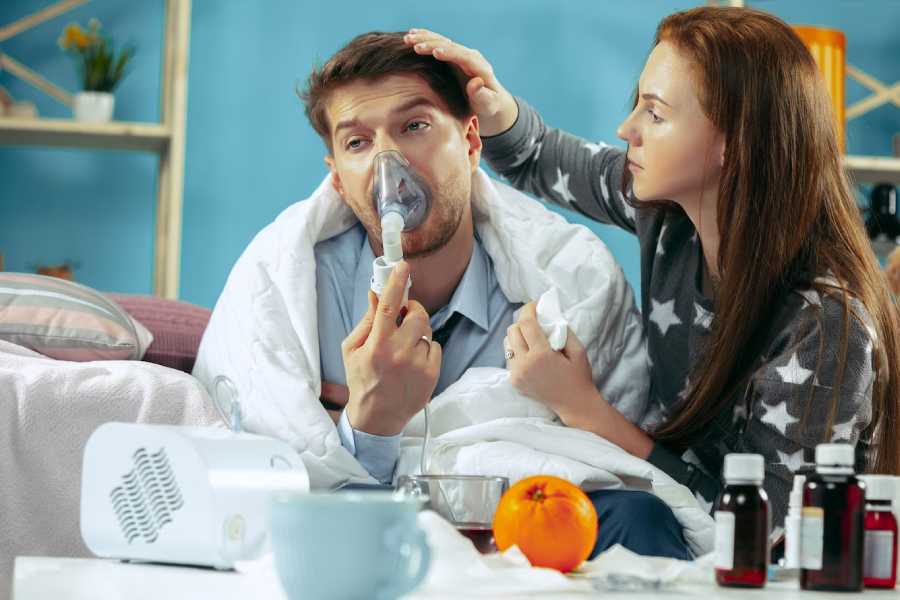
How Having a Flu Shot Can Keep You Healthy this Flu Season

How Having a Flu Shot Can Keep You Healthy this Flu Season

Although it may sometimes go mistaken as a cold, the flu is a virus that, if left untreated, can result in fatality, especially among the elderly population. According to the Center for Disease Control (CDC) In the last few years, an estimated 12,000 – 52,000 people have died due to flu-related complications. 

The flu season, which normally lasts from October through May shouldn’t be thought of as dangerous to the elderly alone. Children and those with compromised immune systems are also extremely susceptible to the flu. That being said, with flu season still underway, it is recommended that you or your loved ones be vaccinated to fight against the flu. When you do so, you’re not only doing it for yourself, but in doing so you protect those you come in contact with as well.

Symptoms of the Flu

Let’s face it, no one likes being sick.  DOCS Urgent Care of Fairfield, Norwalk, & Bridgeport offer an everyday walk-in clinic, any number of patients are seen during flu season displaying the severest of symptoms commonly associated with the flu including:

  • fever
  • cough
  • sore throat
  • chills
  • tiredness
  • aches and pains
  • congestion
  • vomiting
  • diarrhea

When many come in sick and are diagnosed with the flu in our office, they tell us that they thought they would be able to stave off the illness. Had they taken a flu shot, they might have been able to, but they didn’t. Once diagnosed, even the healthiest of patients with the most resilient immune systems will spend two weeks sick in bed.

Who Can Have a Flu Shot?

Taking the time to come to your nearest DOCS Urgent Care at the beginning of the flu season to get the flu vaccine. The flu shot can be administered to virtually anyone, including kids as young as six months. Getting a flu shot doesn’t generally hurt nor does it cause any reaction and again, it goes a long way in not only protecting yourself, but in protecting others as well.

The Effectiveness of the Flu Vaccine

When one gets a flu shot, they shouldn’t expect 100% protection. Because of the many different strains of the virus that exist each year, the vaccine that is developed annually only prevents against the most dominate strain that the CDC expects to be the most prevalent. That being said, the effectiveness of the flu vaccine is placed at 50 to 60% each year as opposed to a full 100%.

Where Can I Get the Flu Shot?

While most county public health departments in every city will offer the flu shot in a clinic during flu season, these facilities are limited on staff, yet are responsible for providing government-sponsored healthcare to community residents that show up in masses. The demands placed on county health departments can cause them to operate slowly.

That being said, your best option for getting a flu shot is to visit a walk-in clinic where its staff can administer your dose of the flu vaccine and quickly send you on your way without a long wait. With flu season still in progress, if you’re looking to get a flu shot and don’t know where to turn, visit us at DOCS Urgent Care where you can receive one without even having an appointment. 

Is Your Child Too Sick for School?

Is Your Child Too Sick for School? 

Picture this: last night your child was running a slight fever. You took her temperature and it read 101.4 degrees. She went to bed early and woke up the next day feeling much better. She scarfed down her eggs, got on her school clothes and even chased the dog around the backyard. You took her temperature again it read 98.3 degrees. You’re a bit worried.

Many parents get flustered and impulsive sending their child into a DOCS urgent care facility when it turns out they only have a mild cold and can be treated with a good rest.

Should you keep her home from school just in case, or send her on her way?
Sometimes, making this decision is a no-brainer. The severity of her symptoms speak for themselves. Other times, you have to make a judgement call. Here is a list designed to help you make that decision, when the time comes.


Fever

Good To Go:

If your child is over 4 months old, has a temperature of 100.4, is receptive to drinking fluids and doesn’t appear to be acting distressed, you may be good to go.

Too Sick:

If your baby is 4 months old or younger, and shows even the slightest indication of fever (anything above 98.6 degrees), it is a good idea to bring them to the doctor. A child with a fever is not only considered contagious, but also will not be able to focus or participate in any kind of class or activity. Keep your child home until he or she has been fever-free for 24 hours.

Lastly, it is crucial to keep a first aid kit on you at all times. Travel companion kits usually contain this, and there are a large variety of commercially available first aid travel kits which are designed to be kept discretely in your vehicle, or in your carry-on luggage.


Vomiting

Good to go:

If your child has only heaved once in 24 hours, he or she is probably good to go. It’s likely that she’s choked on something or had a bad reaction to something she ate. It’s not very likely that she has an infection, nor is she dehydrated. Kids will sometimes vomit if mucus left over from a cold has drained into their stomach and this is making them sick. 

Too Sick:

If your child has vomited two or more times in 24 hours, she’s benched. Watch for signs of dehydration as well: She’s peeing less than usual and her urine is dark yellow; she doesn’t produce tears when she cries; or there are no bubbles between her lips and her gums.

To ward off dehydration, offer small amounts of fluid frequently, increasing the amount as tolerated. One more thing: Don’t automatically send your child back once the vomiting stops. If she’s not markedly better after a few days, call the doctor.

Diarrhea

Good to Go:

Your child’s stools are only slightly loose and she’s acting normally. Some kids develop “toddler’s diarrhea,” triggered by a juice OD; as long as the poop isn’t excessive, the child has the all-clear.

Too Sick:

Kids who have the runs more than three times a day and/or have poop so watery it leaks out of the diaper need to stay put. They likely have an infection that can spread. If you see blood or mucus in the stool, call the doctor; she may want to do a culture. As with vomiting, watch for signs of dehydration and follow the same prevention advice. 

Sore Throat

Good to Go:

A sore throat accompanied by a runny nose is often just due to simple irritation from the draining mucus; send him off as long as he’s fever-free.

Too Sick:

If the achy throat is accompanied by swollen glands, a fever, headache or stomach ache, bring him to the doctor for a strep test, especially if he’s 3 or older (the bacterial infection is unusual in younger kids). Children with strep should be on antibiotics for at least a full day before mixing in with the class.

Stomach Ache

Good to Go:

If this is your child’s only symptom and she’s active, send her off. It could signal constipation or even a case of nerves (in which case, a hug will go far).

Too Sick:

Any stomach ache associated with vomiting, diarrhea, fever or no interest in play warrants a trip to the M.D. Sharp stomach pain and a rigid belly can be signs of severe constipation, appendicitis, or a bowel obstruction.


Colds

Good to Go:

If your child is fever-free and isn’t hacking up a storm, he’s a go. After all, if children with snotty noses were excluded, schools would be empty!

Too Sick:

Junior is staying home if he has a persistent, phlegmy cough and seems cranky or lethargic. He’s also couch-bound if his cold symptoms are accompanied by a fever or wheezing.


What Should I Do If I Can’t Tell?

It’s always nerve racking deciding whether to keep your child at home or not. If you ever forget how to determine if your child should stay home or not, calling us at DOCS Urgent Care in Fairfield, Norwalk, or Bridgeport and asking a trained professional is sometimes the best course of action.

The scariest times are when you find out your child was actually too ill and the school tells them to go home. It means you have to get out of work early to bring them home. This tends to put a lot of stress on parents and the child and is why you should be aware and informed when you think they may be sick.

Knowing all of these signs to these symptoms are a good way to steer clear from serious illnesses. If they’ve had symptoms for over 24 hours or severe occurrences, more than we mentioned earlier, you should send your child to a DOCS Urgent Care in Fairfield to get them diagnosed quickly.